Inflation this past month was largely in line with the Bank of Canada’s targeted range, with food inflation at 2.8% in February, mainly driven by increases in meat and produce prices. With a weaker Canadian dollar and ongoing tensions and tariffs with key trading partners, food prices remain under pressure, according to Loblaw’s latest March Food Inflation report.
“Food inflation remains steady but under pressure. Inflation this past month was largely in line with the Bank of Canada’s targeted range, with food inflation at 2.8% in February, mainly driven by increases in meat and produce prices. With a weaker Canadian dollar and ongoing tensions and tariffs with key trading partners, food prices remain under pressure,” said the report.
“There has been significant discussion about the impact of counter-tariffs imposed by the Canadian government on a range of U.S. goods in grocery stores – a 25% increase on products including orange juice, rice, produce and personal care items. While implemented in early March, food prices have been relatively unimpacted so far, as retailers continue to sell through products on shelf and in inventory. Some produce prices are beginning to see increases, with meat expected to follow shortly after. Pantry staples – pasta, condiments, etc. – will flow through later. Retailers continue to work with vendors to minimize the impacts for customers, including searching for alternatives to U.S. products.
“There are lesser-known impacts to the trade war with U.S. that will impact food prices here in Canada. For example, the U.S. tariffs on Canadian-produced steel, aluminum and corrugate, are expected to increase costs throughout food supply chains. In 2018 there were similar tariffs on Canadian aluminum. Packaging in North America functions along the same lines as the automotive industry – with materials crossing the border multiple times throughout its processing. Both steel and aluminum cans (impacting canned goods, pop and beer) as well as other packaging materials may see increases, putting upward pressure on the final cost of goods.”
Higher commodity prices are the new norm, according to the Loblaw report. It said retail prices for coffee are starting to increase, as supply remains weak due to extreme weather in growing regions. This is expected to continue throughout the first half of the year. Cocoa prices have stabilized in recent weeks albeit at extremely high levels following global supply struggles. As we head into the Easter season, customers should expect higher than usual chocolate prices. Sugar is down 12% since the last quarter, with increased supply of sugarcane outpacing current demand, explained the report.

In a LinkedIn post, Per Bank CEO and President of Loblaw Companies Limited, said the tariff situation is evolving fast, “and we’re doing our best to keep pace.”
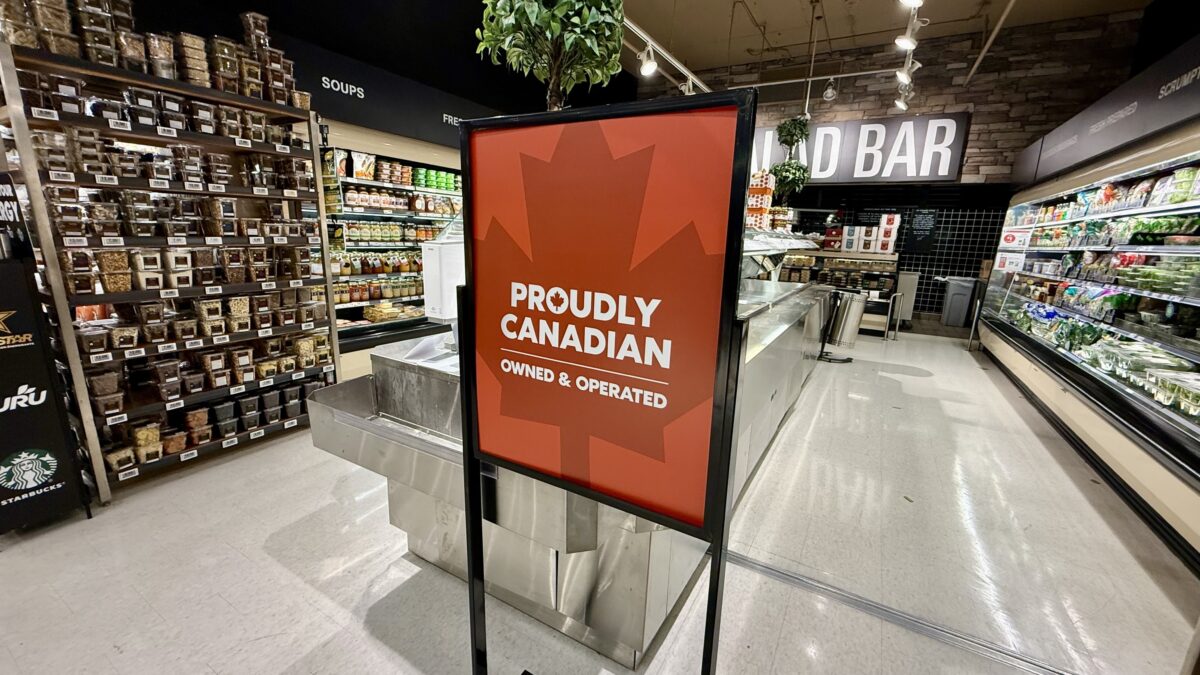
“There are a number of things we’ve done to help Canadians navigate tariffs. We’ve added maple symbol on products that are prepared in Canada, and we’ve put T symbols on specific products sourced directly from the U.S. that are affected by tariffs. We’re putting as much information as we can into the hands of our customers,” said Bank
“You’ll only see the T symbol on a few dozen items at the moment… things like lemons, special varieties of oranges and a few condiments. But over the next 6 weeks, we expect that number to jump significantly, to a few thousand.
“If and when this happens, know that the price increase on our shelves will match the tariff impact, penny for penny. We will not benefit from tariffs. We’ll also continue to work with suppliers to find alternative countries to source from where at all possible. We know every little bit helps.
“It’s also worth noting that we’ve seen a surge in interest among customers looking to support Canadian products, which is increasing overall demand. We expect this support and pride to keep growing significantly in the coming weeks.
“Things have not been easy for Canadians in recent months. That’s why our efforts are designed to provide customers with transparency, so they can make informed choices and look for cheaper alternatives that meet their needs. Given how fast things are evolving, we’re bound to make a mistake here and there. If this happens, we will fix the problem as quickly as possible. If you see an issue, please point it out for us.
“Given all of this uncertainty, we’ll do our best to keep you informed.”