

Weihong (Ruby) Liu, the billionaire real estate investor and owner of Central Walk, is poised to become one of the most influential figures in Canadian retail with her bold plan to launch a new department store chain—potentially the first time in modern retail history that a single entrepreneur has launched such a concept at scale, from the ground up.
As the Hudson’s Bay Company (HBC) exits the traditional department store market, Liu has stepped in with offers to acquire leases at up to 28 locations across Ontario, Alberta, and British Columbia.
Among them are three properties she already owns—Woodgrove Centre in Nanaimo, Mayfair Shopping Centre in Victoria, and Tsawwassen Mills, where she placed a $6 million bid for the leases.
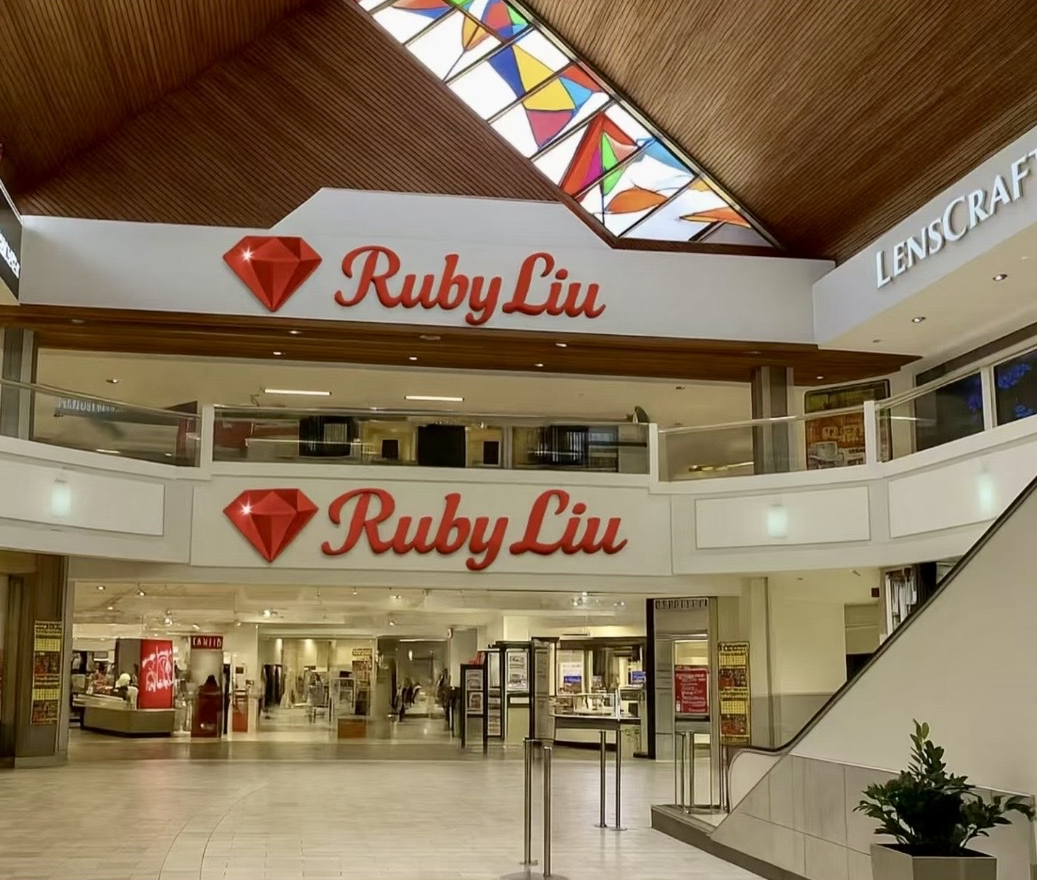
The new concept will bear her own name: Ruby Liu. “This is not about saving an old brand,” Liu told Retail Insider in a recent interview in Mandarin. “It’s about creating something completely new—something exciting, inclusive, and alive.”
Redefining the Department Store
Retail strategist Carl Boutet, who has closely followed Liu’s movements and visited cutting-edge malls in Asia that have inspired her, says Liu’s concept represents a seismic shift in how we think about department stores.
“We need to reset our minds on what the term ‘department store’ even means,” said Boutet in an interview. “It’s no longer about a sea of product. It’s about a sea of experiences, with retail as part of a broader, curated lifestyle offering.”
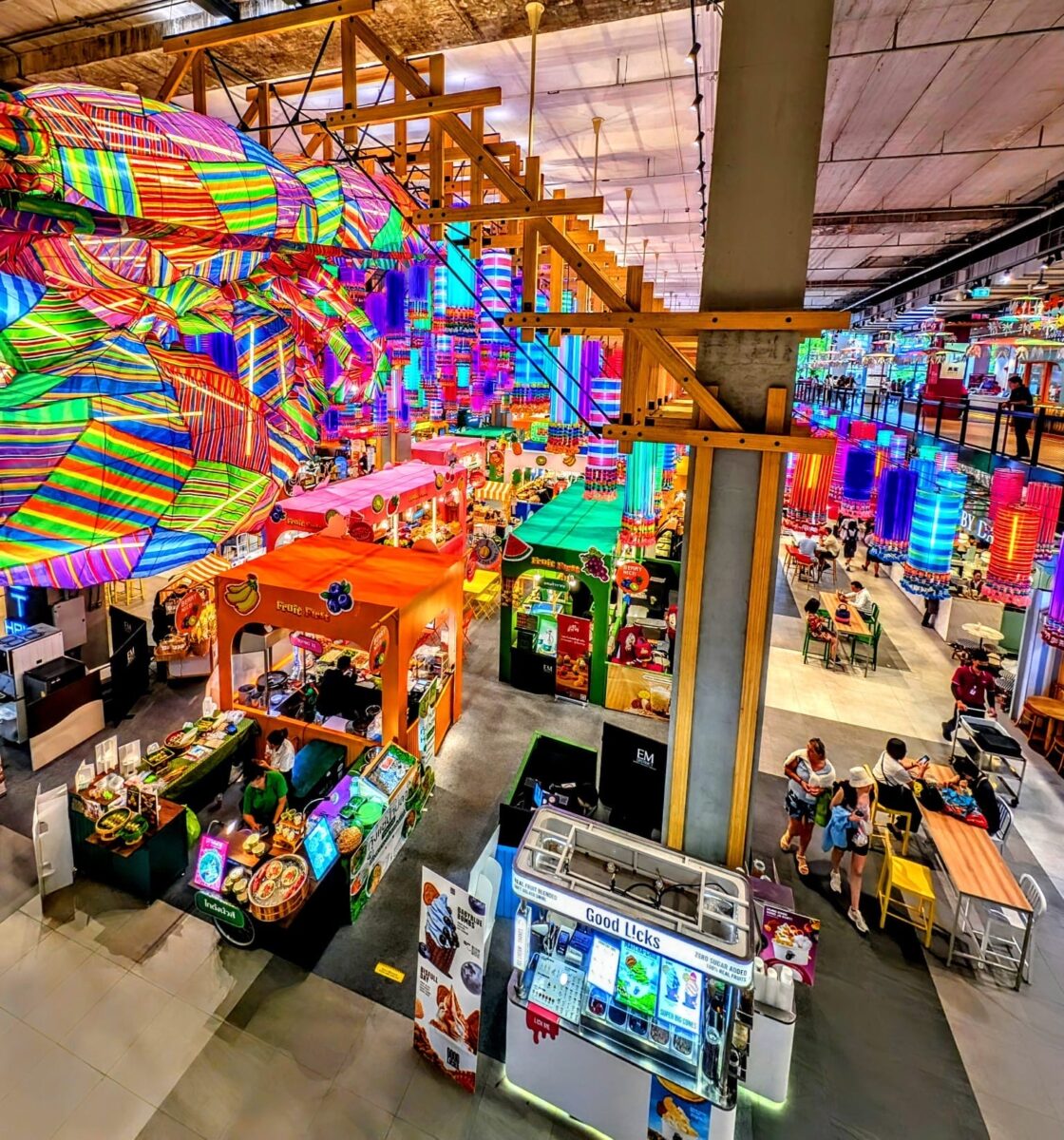
Boutet says Liu’s stores will offer much more than merchandise. “Think children’s play zones, Asian supermarkets, buzzing food courts, live performances, pet grooming, jewellery repair—you name it. She’s curating energy, not just selling stuff.”
From HBC’s Collapse, a New Vision Emerges
Hudson’s Bay filed for creditor protection in March 2025, setting off a race among landlords, investors, and competitors to scoop up valuable real estate. While Canadian Tire Corporation purchased the HBC brand and IP for $30 million, Liu quietly pursued the physical leases, focusing on malls she believed had untapped potential.
In May, Liu submitted a formal bid for 28 leases, including her three Central Walk properties. She committed $6 million on her owned properties and made a further $9.4 million in deposits for the others.
Court approval is expected on June 23, at which point Liu will take possession of the three HBC-owned stores at her malls. Renovations are set to cost around $30 million for Mayfair and Woodgrove alone, with her broader renovation budget still evolving as negotiations continue.
Fast Track to Opening
Liu’s team is working toward opening the first Ruby Liu stores by early November, a remarkably tight timeline. Boutet believes this “minimum viable product” strategy will allow Liu to test concepts and build excitement before fully rolling out her flagship experiences.
“She’s likely treating this as an A-B store strategy,” said Boutet. “The ‘A’ locations—like the ones in Central Walk malls—will be heavily invested in and fully built out over time. The ‘B’ stores may open faster with lighter touch renovations, allowing the brand to quickly gain visibility and attract shoppers.”
Inspiration from Asia’s Most Dynamic Malls
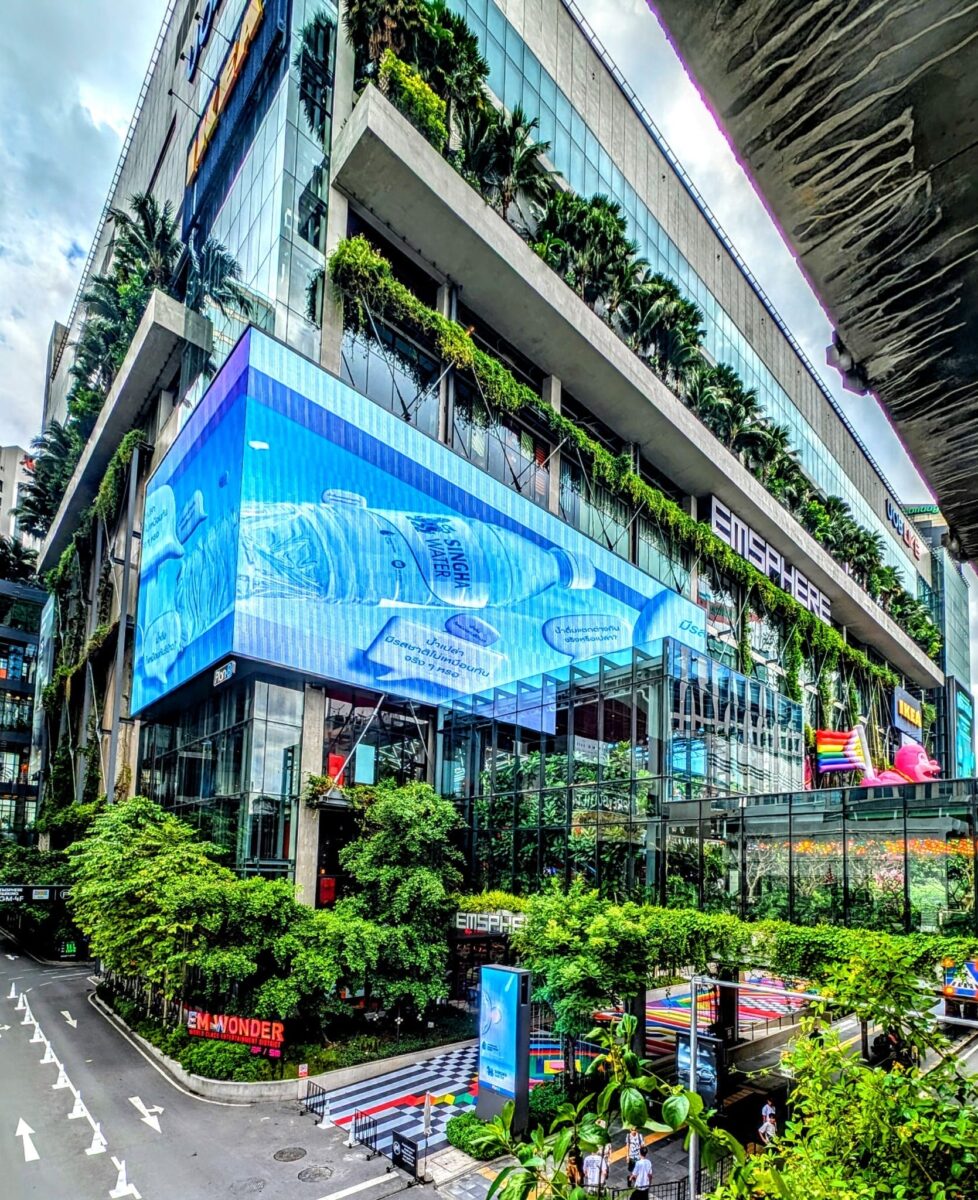
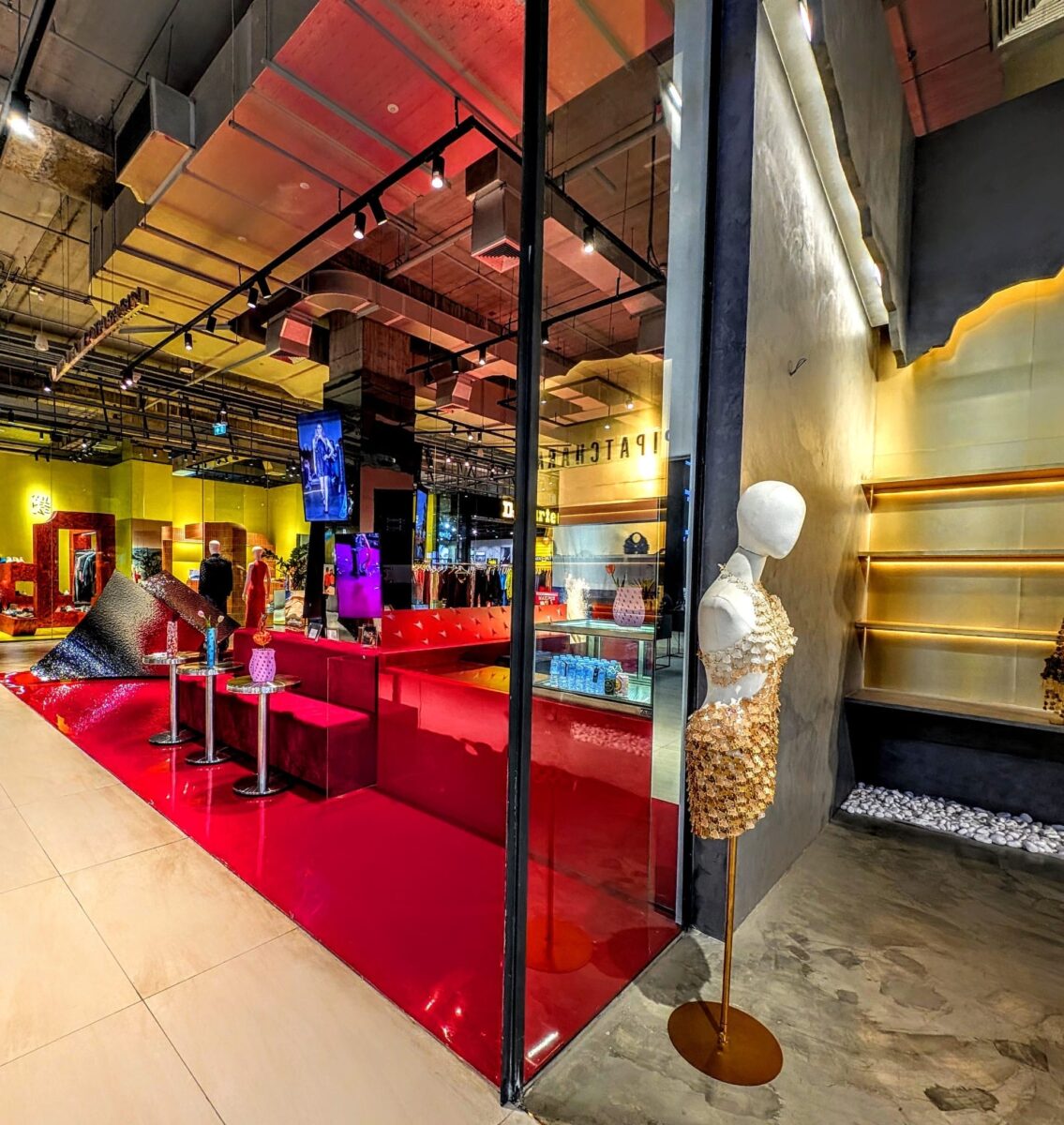
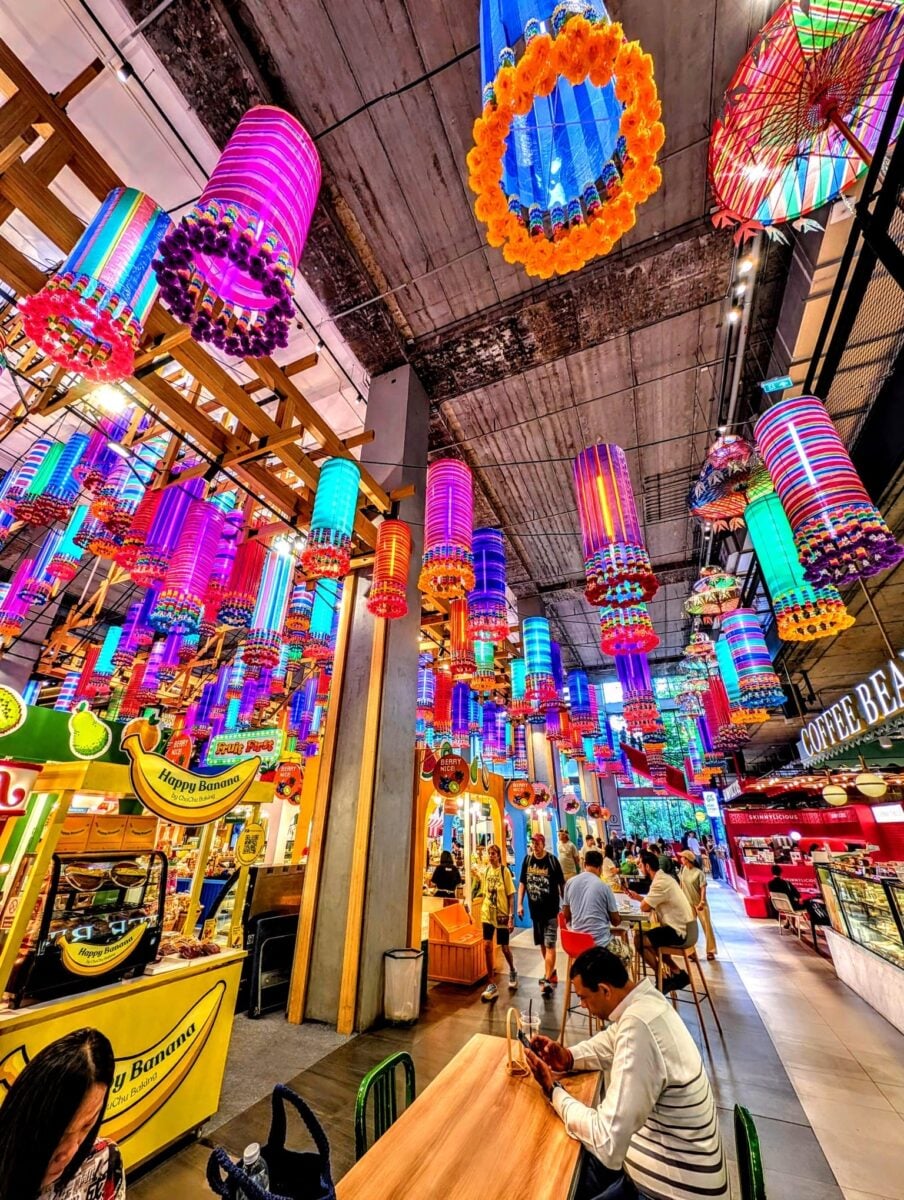
While Liu hasn’t revealed every detail of her plan, much of it appears to draw from Asian retail environments, especially high-concept malls in Bangkok, Seoul, and Shenzhen that integrate food, fashion, entertainment, and digital experiences under one roof.

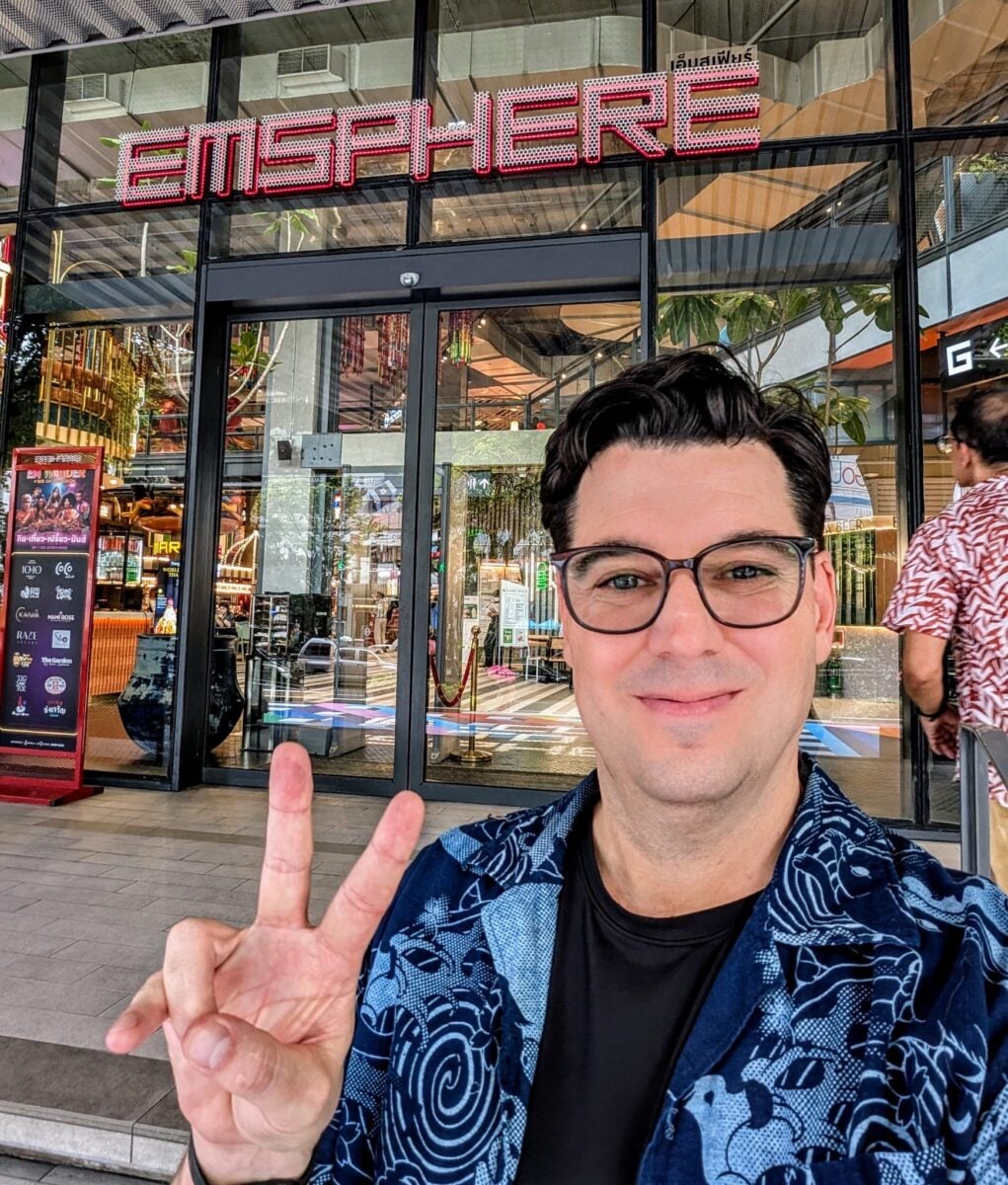
Boutet, who recently visited one such mall—Bangkok’s Emsphere—at the request of Liu’s team, said it offered insight into her vision.
“Emsphere has everything: immersive food courts, limited-edition collectibles, automotive showrooms, pop-up art, and even a 6,000-seat concert venue,” said Boutet. “It’s like a retail theme park, and it feels like every floor has a new surprise.”
While the Ruby Liu stores in Canada will be smaller—typically 150,000 square feet—the emphasis on energy, variety, and community engagement is central to her strategy.
Meeting Shoppers Where They Are
Liu has been clear that her stores will be experiential and multicultural. “Hudson’s Bay failed because it didn’t value young people,” she recently told Retail Insider. “It didn’t create spaces for them to gather, and it didn’t invest in the future.”
To counter that, Liu plans to incorporate features like live stages, dynamic food halls, kids’ play areas, and possibly even VR gaming or drone retail zones.
“She’s not building retail boxes. She’s building destinations,” said Boutet. “There’s an entrepreneurial flair to this that you don’t usually see from someone stepping into a retail role for the first time.”
Landlords: A Mixed Reception
Despite the scale and vision of Liu’s plans, some landlords remain skeptical. Court documents show that several mall owners submitted letters to Hudson’s Bay expressing concern about her bids. Liu herself has said that in at least one meeting, a landlord gave her only five minutes before walking out.
“She’s unconventional,” Boutet said. “She’s not using the traditional playbook. She’s using Gmail accounts for hiring, she’s moving fast, and she’s operating with instinct and agility. That scares some people.”
However, landlords with harder-to-fill locations—or those looking to revitalize tired properties—are showing more enthusiasm.
“Some understand the vision and want to ride the wave,” said Boutet. “Others are more conservative. But the ones who say yes early will benefit most.”
More Than Just a Storefront
The Ruby Liu model is about building community as much as commerce. Liu has promised to prioritize former Hudson’s Bay employees for hiring and to include HBC suppliers where possible.
“She’s trying to preserve part of Canada’s retail heritage, but in her own way,” said Boutet. “She’s not bringing back The Bay. She’s creating something new.”
While some features—like play zones—may not be profit centres themselves, Boutet argues that they drive the kind of foot traffic that fuels overall sales.
“Retail isn’t just transactional anymore,” he said. “The most successful malls and stores in Asia operate like cultural centres. Ruby’s tapping into that.”
The Branding Challenge
The name “Ruby Liu” for a department store has raised eyebrows, but Boutet says it may be one of Liu’s smartest moves.
“Branding it with her own name conveys personality and ownership,” he said. Consumers connect with people more than corporations.”
Still, he believes the visual identity will need refinement. “The font, the logo, the brand story—it’s all 1.0 right now,” he added. “There’s room to polish. But the bones are there.”
Liu’s direct engagement with customers—including handing out money at events and meeting shoppers in line—has helped humanize the brand even before stores open.
A National Experiment in Real Time
The success of the Ruby Liu department store chain will depend not just on Liu’s vision, but on collaboration. That includes leasing partners, municipalities, suppliers, and brand operators willing to take a chance.
“Everybody has to take a risk,” said Boutet. “This isn’t a sure thing. But it’s bold. It’s imaginative. And frankly, it’s exciting.”
At a time when many are lamenting the decline of traditional retail, Liu’s plans offer a radical counterpoint—a vision built not on nostalgia, but on reinvention.
“She didn’t have to do this,” Boutet said. “She could have stuck with her three malls and gone golfing at her course. But she sees something here. She believes in it. And she’s putting real money on the table.”
Betting on Ruby
With court approval expected within days and plans already in motion for store launches this fall, the Ruby Liu department store experiment is no longer hypothetical—it’s happening.
If successful, it could mark a turning point in how Canadians shop, socialize, and experience retail. If it fails, it will still be remembered as one of the boldest gambits in Canadian retail history.
“She’s swinging for the fences,” said Boutet. “And win or lose, we need people like her in this industry.”









I think Ruby Liu is deserving for The Bay acquisition.