Luxury brands may be misreading their most important customers, according to a new research report by Toronto-based consultancy Faculty of Change. The report, titled “The Secret Language of Wealth Your Company Isn’t Speaking,” dives into the shifting mindset of high-net-worth individuals and uncovers a surprising insight: luxury retail is increasingly failing to deliver the one thing its customers value most—status.
“Everything is about status,” said Jared Gordon, Managing Partner at Faculty of Change. “People don’t talk about it openly, but that’s ultimately what drives behaviour, especially among affluent consumers.”
[Article Continued Below]
The Interview Series video podcasts by Retail Insider Canada are available through our Retail Insider YouTube Channel where you can subscribe and be notified when new video episodes are available. If you prefer to listen to the audio version, it is available below:
[Article Continues]
High Net Worth Consumers: Understood in Theory, Misunderstood in Practice
According to Gordon, many luxury brands fall into a trap of believing that their name alone confers status. However, his firm’s research shows that only a small number of brands—typically the top-tier luxury houses—actually succeed in elevating customer perception through their experiences.

“There’s a very short list of companies where an interaction or purchase truly adds to someone’s sense of status,” said Gordon. “Being invited to an exclusive event by Saint Laurent, Louis Vuitton, or similar names—that adds status. But for 99% of brands, they’re not there.”
For many, the association with a brand may actually subtract from their status if the experience or public perception fails to meet expectations. “Most consumers are not gaining anything from carrying a branded bag down the street if that brand doesn’t represent something aspirational,” he said. “In some cases, it can actually diminish status.”
When Luxury Hurts: The Experience Gap
Gordon pointed to a widespread issue in high-end retail: customer experience often undermines the prestige brands claim to offer. Despite commanding high price points and positioning themselves as elite, many luxury retailers fall short in basic customer service and inclusivity.
“Sometimes you walk into a luxury store and you’re treated poorly,” Gordon said. “Even among high-spending customers, it’s not uncommon to feel like you’re being evaluated or dismissed. That undermines the sense of belonging or recognition that status is built on.”
Lineups outside of some luxury brand stores also impact brand perception among some of the truly wealthy.
The disconnect, according to Gordon, points to a misunderstanding of what modern affluence looks like. While exclusivity remains important, the method of delivering it must evolve.
“If someone is turned away at the door or made to feel unwelcome, you’ve lost them,” he said. “That’s not luxury—that’s alienation.”
Health as the New Status Symbol
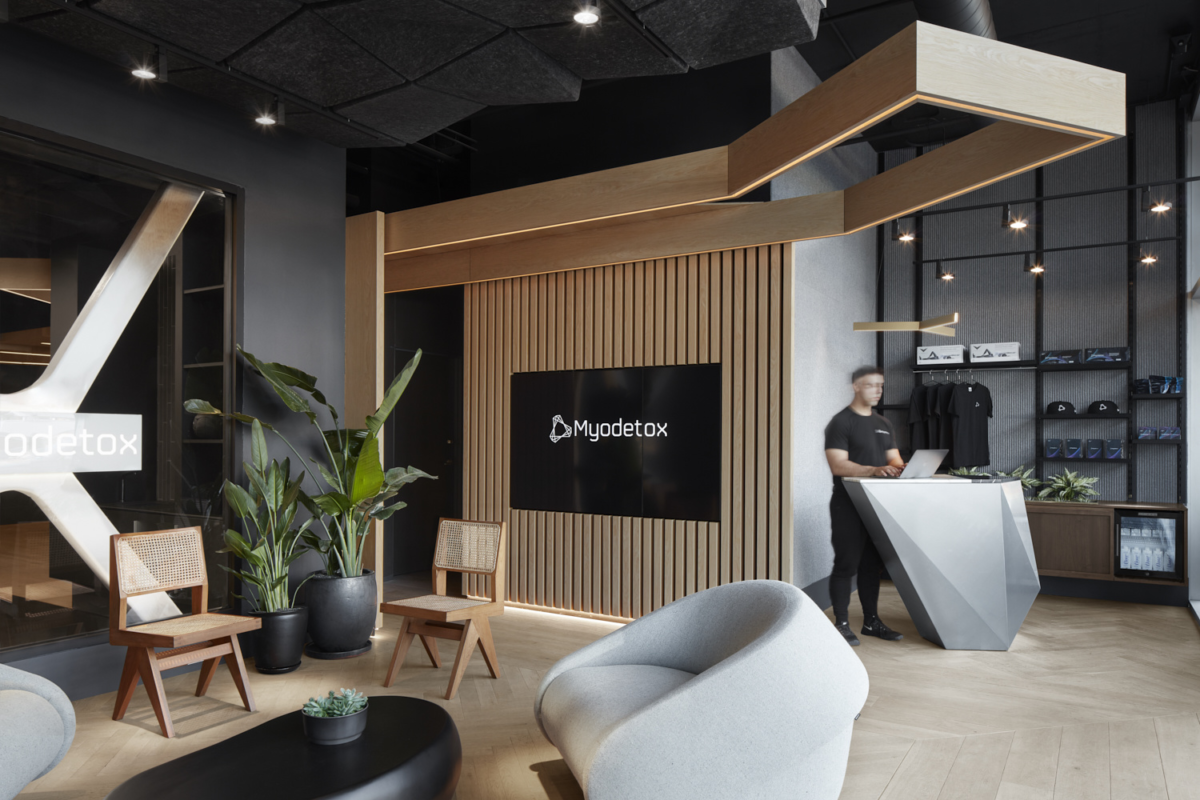
Perhaps the most striking revelation in Faculty of Change’s report is that traditional status symbols—like logos and price tags—are being overtaken by something else entirely: health.
“There’s a fundamental shift happening,” said Gordon. “Among the affluent, health has become the ultimate status symbol.”
He explained that health is no longer just about well-being—it’s about signalling. Among affluent consumers, being visibly healthy is an outward marker of discipline, intelligence, and control—traits that are admired and aspired to in high-net-worth social circles.
“The assumption is that if you have enough resources, you can cure any disease,” said Gordon. “So if someone is visibly sick, or has a body type that doesn’t align with these ideals, it’s perceived—often unfairly—as a failure of will or means.”
He also pointed to the rise of wellness-focused brands like Nutbar, whose colourful smoothies and wellness drinks have become instantly recognizable—and not by accident.
“Colour is a big part of it,” Gordon explained. “Brightly coloured drinks like Haley Bieber’s pink $30 smoothie aren’t just nutritious—they photograph well. They’re immediately identifiable in a social feed and signal something about the buyer: I care about my health, I’m on trend, I have access.”
The combination of visibility, aspirational lifestyle, and perceived discipline makes health-related purchases powerful status indicators in a way that a traditional logo may no longer be.
“If that same smoothie was brown, it wouldn’t have the same impact,” Gordon noted. “It’s all about what signals we send and how they’re received.”
Mid-Tier Retail’s Identity Crisis
While luxury brands face a disconnect in how they deliver status, mid-market retailers struggle with something even more fundamental: how to avoid diminishing it altogether.
According to Gordon, retailers that fall into the “affordable but unfashionable” category are often perceived as eroding status. “For many consumers, shopping at a mid-tier store feels like a compromise,” he said. “It might be a good product, but if the brand perception is off, people will avoid being associated with it.”
He cited Reitmans as an example of a brand with solid offerings but a weak status signal. “The experience of shopping there doesn’t elevate the consumer,” said Gordon. “So the key question becomes: how do you protect the customer’s sense of self-worth when they shop with you?”
Not all value retailers struggle with this issue, however. Some, like No Frills, have found a way to flip the script.
“Shopping at No Frills is now seen as high-status in some circles,” Gordon explained. “It communicates intelligence, thriftiness, and ethical consumption. Meanwhile, shopping at Loblaws—owned by the same parent company—has become associated with laziness or a lack of social consciousness.”
The Danger of Status Dissonance
A key challenge for brands is navigating what Gordon calls “status dissonance”—when the consumer’s internal sense of self is at odds with how the brand makes them feel.
“If someone shops at your store and walks out feeling diminished, you’ve created dissonance,” he said. “And once that happens, they’re less likely to return.”
Gordon emphasized that brands don’t need to position themselves as ultra-luxury to succeed. Rather, the goal should be to ensure that customers never feel worse about themselves after interacting with the brand.
“It’s not about becoming Louis Vuitton,” he said. “It’s about ensuring you’re not subtracting from your customer’s identity. Ideally, you’re enhancing it.”
Why Status Still Matters in 2025
With much of the consumer conversation shifting toward value, purpose, and authenticity, some may believe that status is becoming less relevant. Gordon disagrees.
“If anything, status is more important than ever—it’s just being expressed in new ways,” he said. “Consumers still crave recognition, aspiration, and belonging. The difference is, they’re no longer looking for it solely in logos or price tags.”
Instead, high-net-worth individuals are seeking products and experiences that reflect their values, their intelligence, and their personal brand.
“Today, status comes from appearing smart, healthy, and intentional,” said Gordon. “If your brand doesn’t support that narrative, you’ll fall off the radar.”
Why This Matters: The Top 10% Drive the Market
The implications of Faculty of Change’s findings extend far beyond brand strategy—they speak to the economic engine of retail itself.
“The top 10% of households drive over 50% of consumer spending,” Gordon said. “If you’re not speaking their language, you’re missing your most valuable customers.”
For luxury and aspirational brands, this means reconsidering everything from store experience to marketing tone. For mid-tier retailers, it means investing in positioning, not just price.
“Status is not optional,” said Gordon. “It’s the foundation of consumer psychology—whether we admit it or not.”