

Club Monaco has quietly vacated the storefront where it all began. After operating for roughly 40 years, the brand has closed its first-ever store at 403 Queen Street West in Toronto, ending a long-running presence on one of Canada’s most culturally significant retail corridors. The closure removes a physical marker of the moment when Canadian fashion proved it could be global in ambition while remaining grounded in local identity.
The Queen West location opened in 1985 and quickly became synonymous with a new way of dressing and shopping. At the time, Queen Street West was still known as a cradle of counterculture, shaped by punk music, independent art, and experimental retail. Into that environment stepped a concept that blended classic styling with wit, restraint, and a sense of lifestyle merchandising that was largely unprecedented in Canada.
The closing of this store comes amid a prolonged contraction of Club Monaco’s brick-and-mortar footprint in both Canada and the United States. Yet the significance of this address is distinct. This was not simply another store in a portfolio, it was the birthplace of the brand itself.
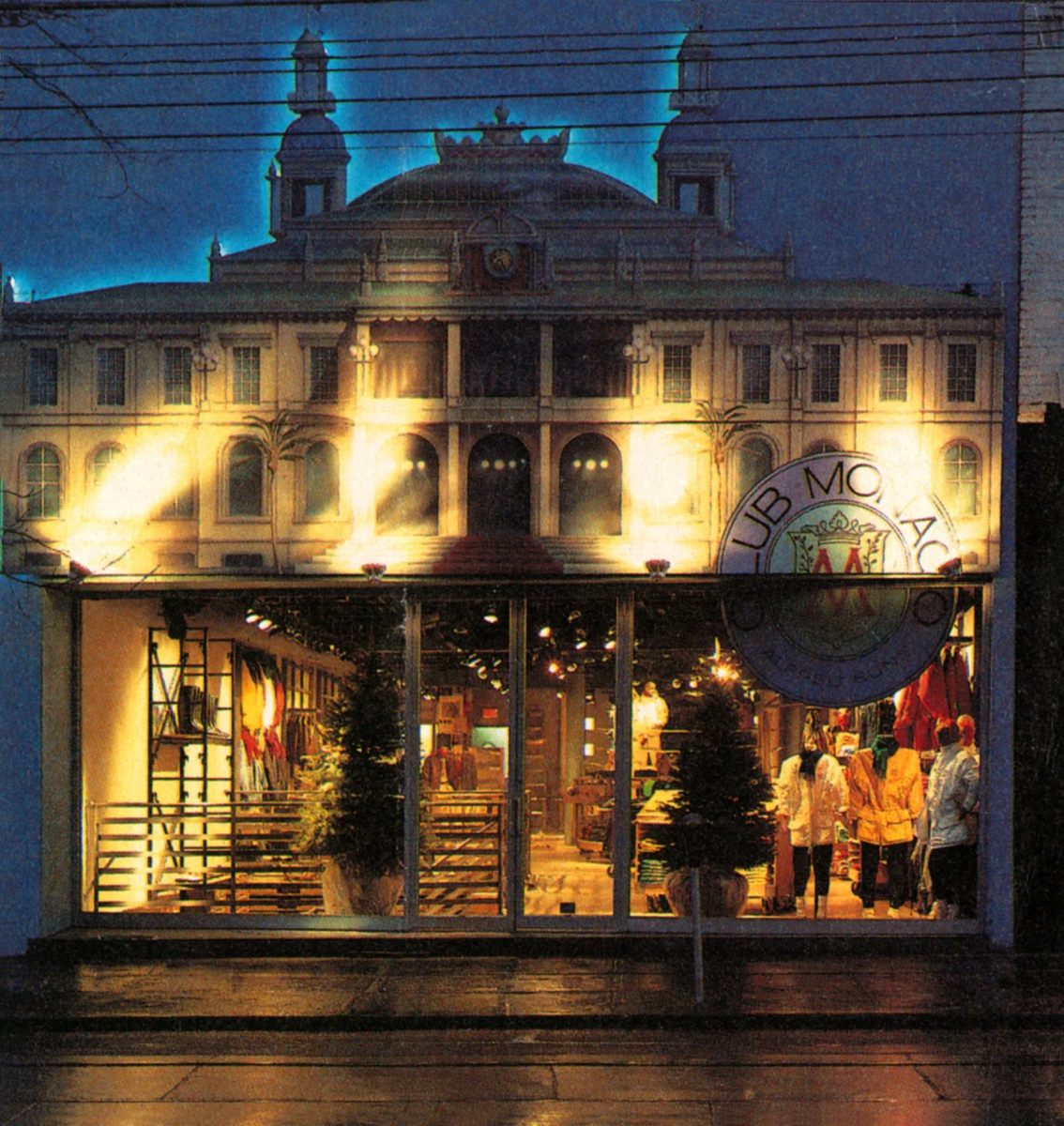
A Store Born in 1985 That Helped Redefine Canadian Retail
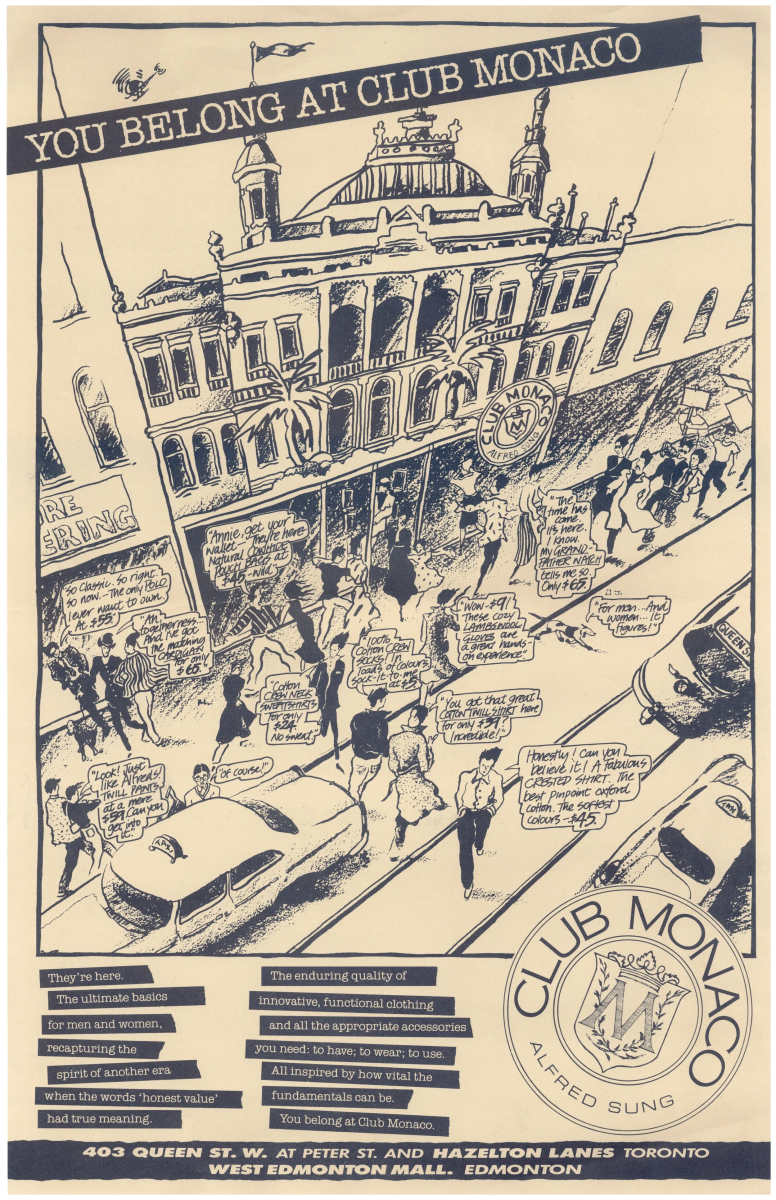
Club Monaco was founded by designer Alfred Sung alongside business partners Saul and Joe Mimran, with the Queen Street West store serving as the public debut of what was then described as “Great New Ideas by Alfred Sung.” According to historical material published on Sung’s official website, the opening took place on September 3, 1985, during a blisteringly hot Toronto summer day.
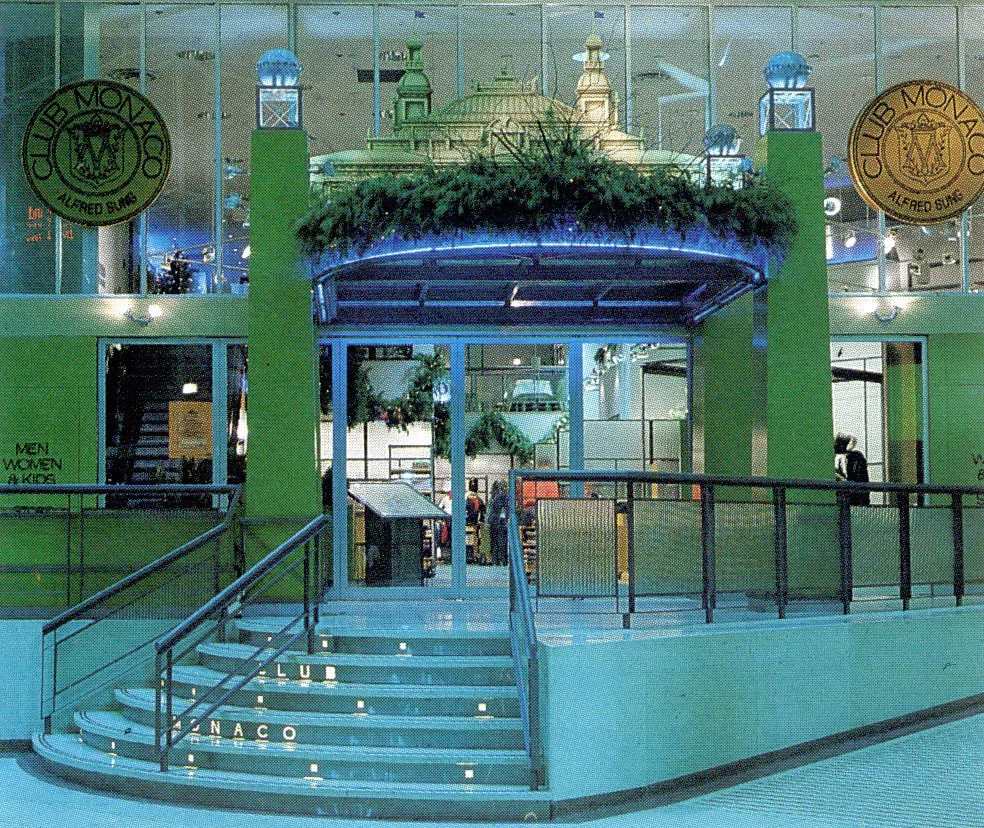
In a theatrical pre-opening gesture, the building was wrapped in canvas designed to resemble a brown paper parcel tied with string, as though shipped directly from the principality of Monaco. When unveiled, the facade revealed a painted mural inspired by the famed Monte Carlo casino, an ornate architectural reference that contrasted sharply with the stripped-down interiors inside.
The Queen Street store was one of three that launched the brand that year, alongside locations at Hazelton Lanes in Toronto and West Edmonton Mall in Alberta. However, it was the Queen West location that captured the imagination of a younger, style-conscious audience and helped cement Club Monaco as a destination rather than simply a clothing store.
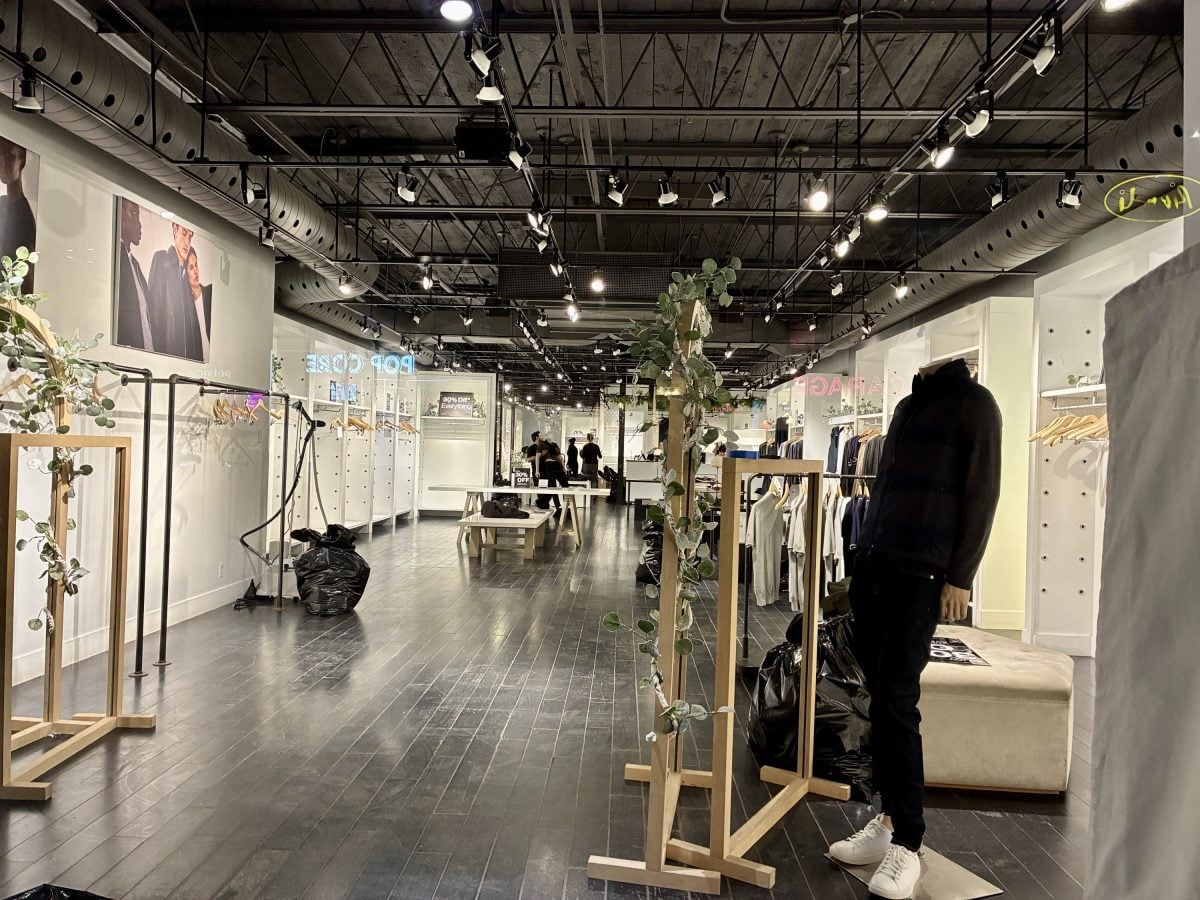
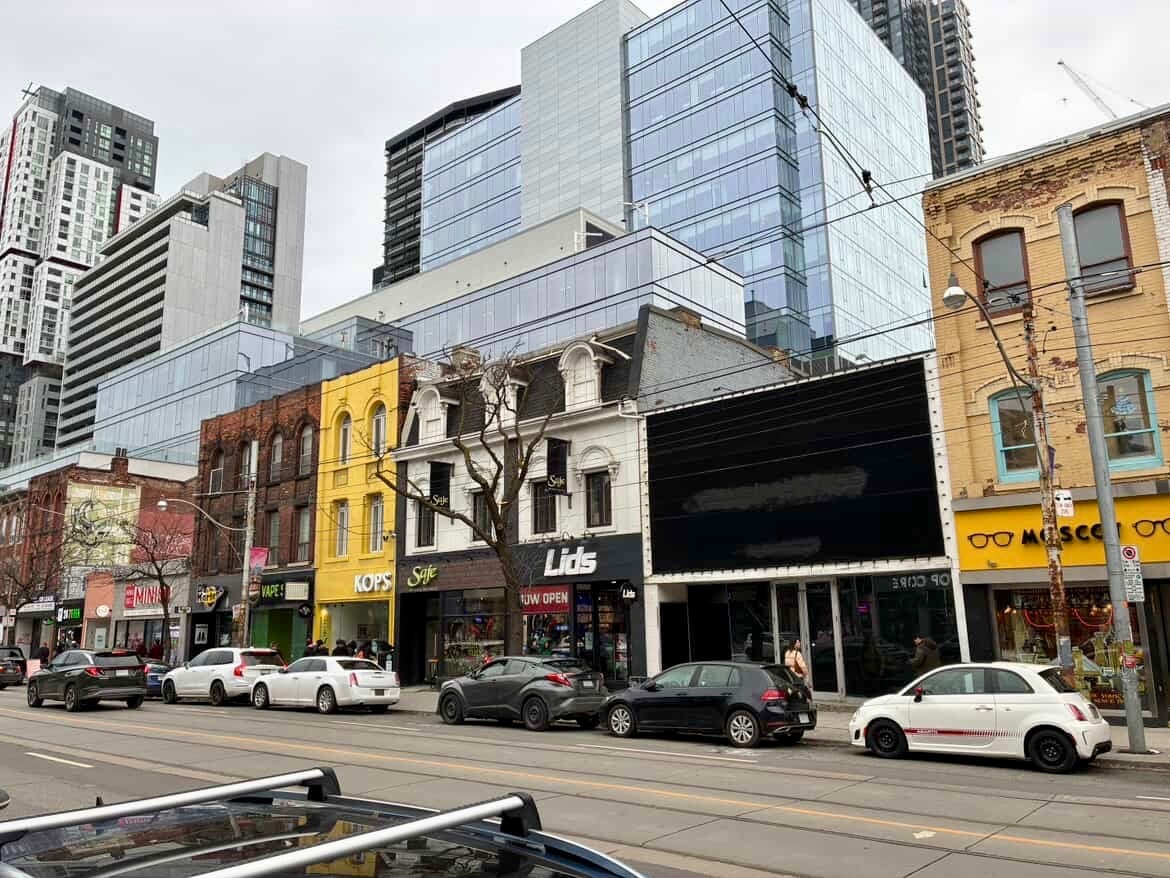
Design, Wit, and the Rise of Lifestyle Retail
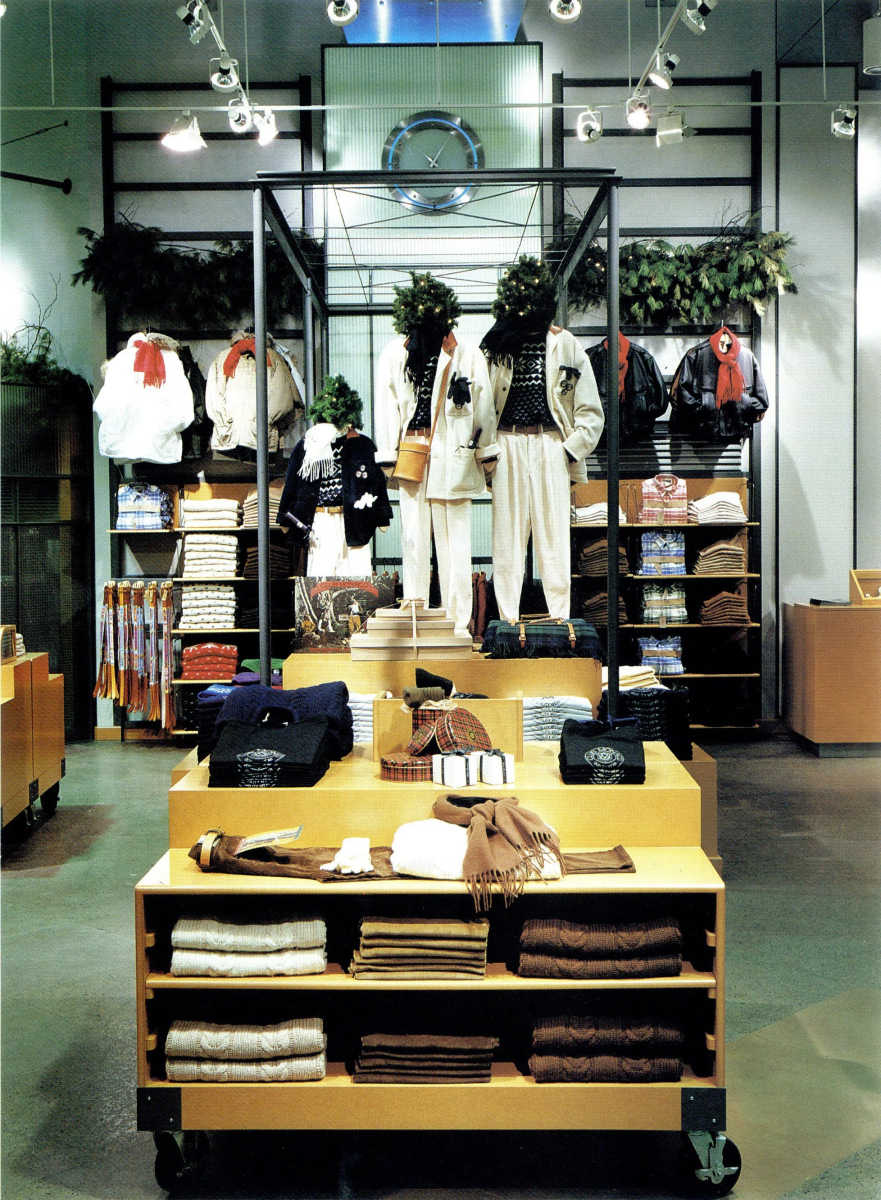
The interior of the original Queen Street store was designed by George Yabu and Glen Pushelberg, long before their firm became internationally renowned. The approach was intentionally restrained. Fixtures were constructed from bare MDF wood, left unfinished so that wood looked like wood, rather than being disguised or ornamented.
At the centre of the store sat a boxing ring used as a mannequin display, an element of visual wit that became emblematic of Club Monaco’s ability to blend seriousness with playfulness. Visual merchandising was overseen by Christine Ralphs, while the broader creative and communications effort included publicist Helen Duma and advertising director Alan Gee.
The concept challenged prevailing retail norms. Men and women shopped together in a single environment, something that department stores had largely resisted at the time. The brand was originally pitched to Eaton’s as a boutique-within-a-store concept, but the idea was passed over. The Mimrans proceeded independently, confident that Canadian consumers were ready for a more integrated and lifestyle-oriented approach to fashion.
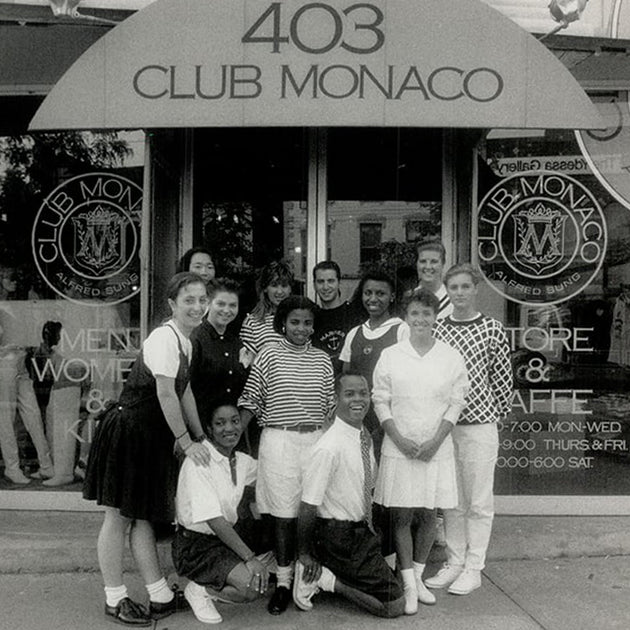
A Product Assortment That Defined an Era
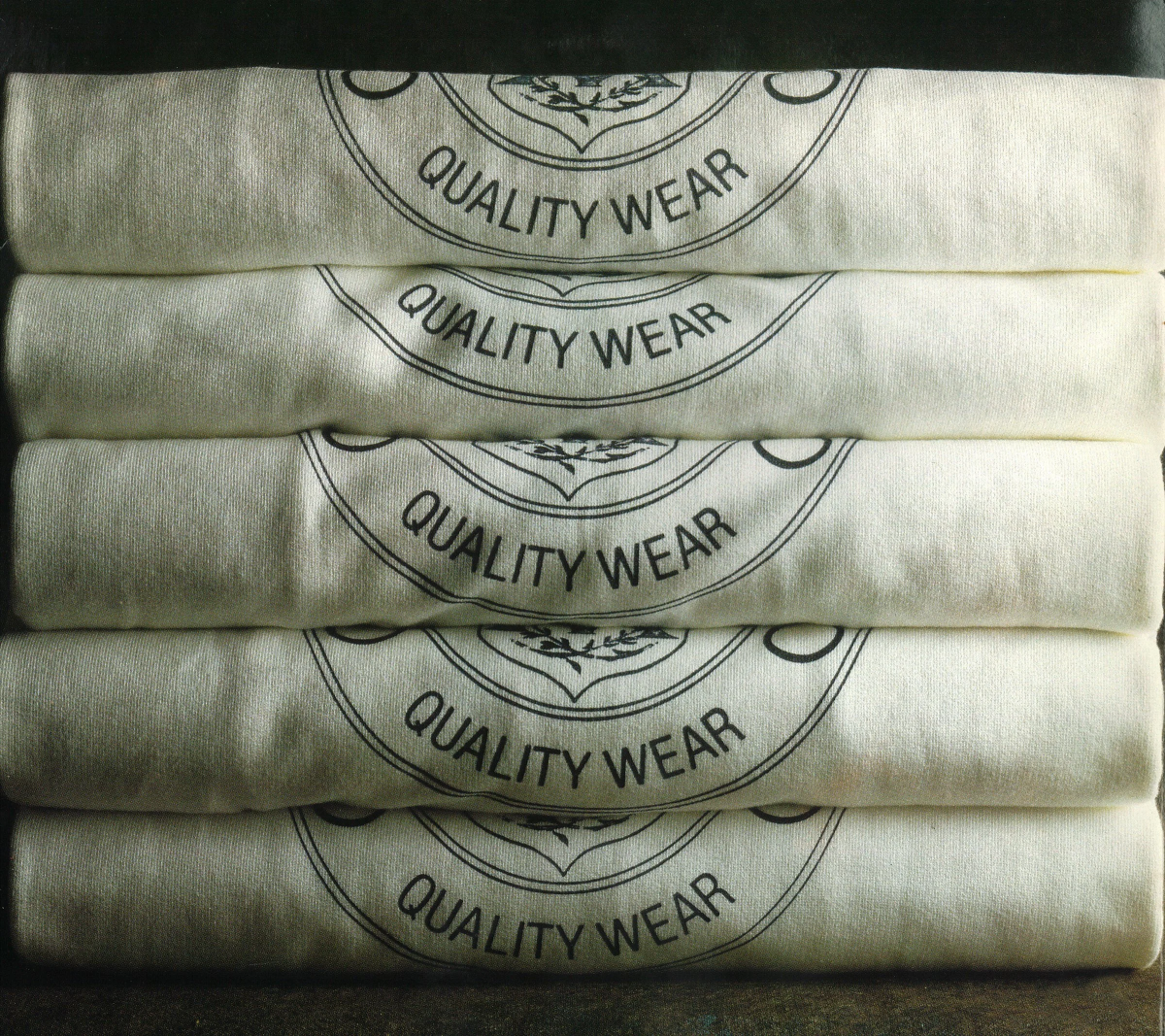
The opening Fall 1985 collection set the tone for what would become Club Monaco’s signature aesthetic. Key pieces included a grey Melton car coat, lambswool sweaters offered in a dozen colours, pleated trousers, and pinpoint Oxford shirts embroidered with the Club Monaco logo. Accessories were part of the narrative as well, from leather knapsacks to pencil cases filled with natural pencils.
Sweatshirts emerged as bestsellers, particularly logo-branded styles that became staples of late-1980s Canadian wardrobes. Utility pants, British Isles-inspired knitwear, and striped cotton T-shirts with a French dressing sensibility rounded out an assortment that drew inspiration from Paris, London, and Milan without feeling costume-like or inaccessible.
Alfred Sung himself described the brand as a reflection of his own approach to dressing. He emphasized simplicity, comfort, and confidence, favouring classic garments that were well made rather than trend-driven. That philosophy resonated deeply with a generation of young Canadians seeking practical elegance rather than overt fashion statements.
Rapid Expansion and a National Footprint
Following its launch, Club Monaco expanded at a rapid pace, opening stores at an average rate of one per month during its first four years. Each storefront featured a variation of the sandcastle casino facade, though none were identical. Locations were tailored to their neighbourhoods, allowing the brand to feel embedded in local culture while maintaining a cohesive identity.
Some stores leaned heavily into place-based design. A Beach neighbourhood location in Toronto adopted a Cape Cod feel, complete with a lifeguard station display and a trompe l’oeil cabana beachscape. Later, a large-format Eaton Centre location spanned roughly 6,900 square feet and included both a restaurant and a flower shop, underscoring Club Monaco’s ambition to sell a full lifestyle rather than apparel alone.
Crucially, the brand was sold exclusively through its own company-owned or franchised stores. This decision differentiated Club Monaco from other designer labels that relied on department store distribution and helped reinforce its status as a destination brand.
Ownership Changes and the Shift Away From Queen West
In 1987, the Monaco Group made a strategic decision to separate the ALFRED SUNG brand from Club Monaco, allowing each to grow independently. Joe Mimran focused his efforts on Club Monaco, while Saul Mimran and Alfred Sung concentrated on the designer label under the newly formed Mimran Group Inc.
The most consequential ownership change arrived in 1999, when Club Monaco was sold to Polo Ralph Lauren in a highly publicized acquisition. Under Ralph Lauren’s stewardship, the brand expanded significantly across North America, occupying premium malls and high-profile street-front locations for more than two decades.
That era effectively ended in May 2021, when Ralph Lauren Corporation sold Club Monaco to Los Angeles-based private equity firm Regent LP. The sale occurred against the backdrop of a retail sector still grappling with pandemic disruptions and rapidly shifting consumer behaviour.
A Pattern of Store Closures in Canada
The closure of the Queen Street West store follows a series of high-profile exits across Canada. In 2021, Club Monaco shuttered its long-standing flagship at 157 Bloor Street West in Toronto’s Yorkville district, a location it had occupied for approximately 25 years. That closure marked the brand’s retreat from one of Canada’s most prestigious luxury retail corridors.
Additional Canadian closures followed. The Robson Street location in Vancouver, which had operated as a two-storey flagship for roughly two decades, closed in 2024. More recently, the brand exited CF Toronto Eaton Centre in June 2025, Halifax Shopping Centre in mid-January 2025, and a men’s store at Yorkdale Shopping Centre in the fall of 2025. CF Fairview Mall in Toronto has also lost its Club Monaco location in recent years.
The Closure of a Cultural Landmark
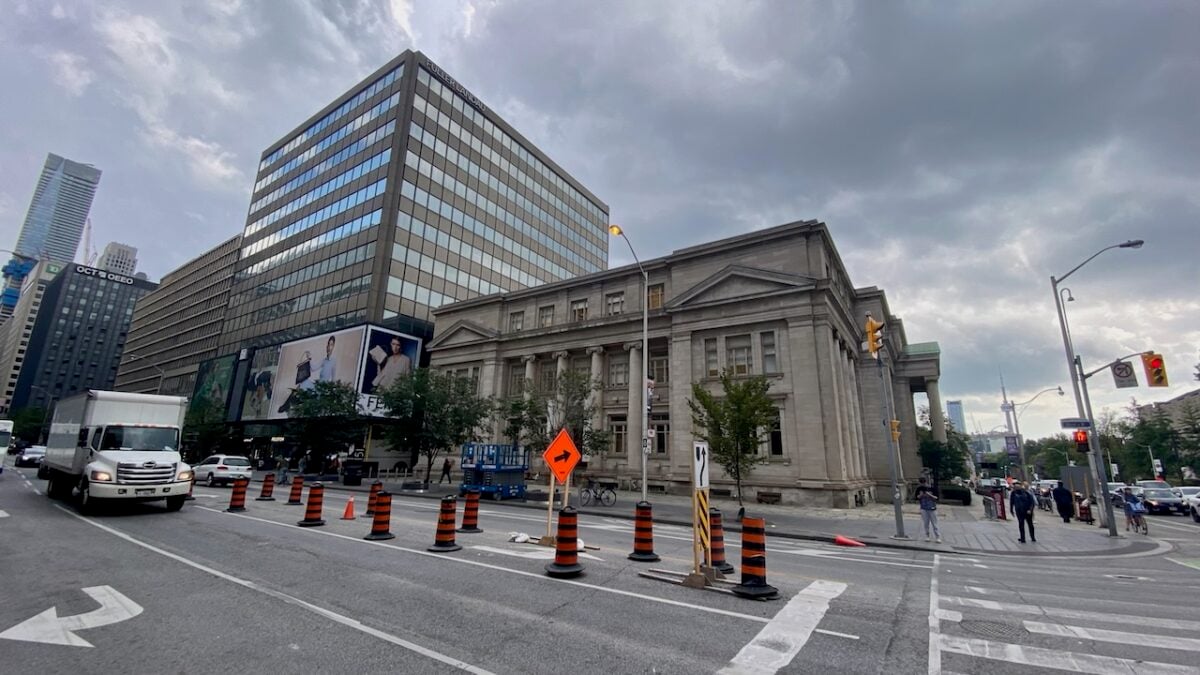
What distinguishes the Queen Street West closure from others is its symbolic weight. This store was the genesis of a brand that helped place Canadian fashion on the international map. The building itself told that story. For decades, the ornate mural above the glass facade referenced the architecture of Monte Carlo’s grand casino, a visual cue that linked European elegance with Toronto street culture.
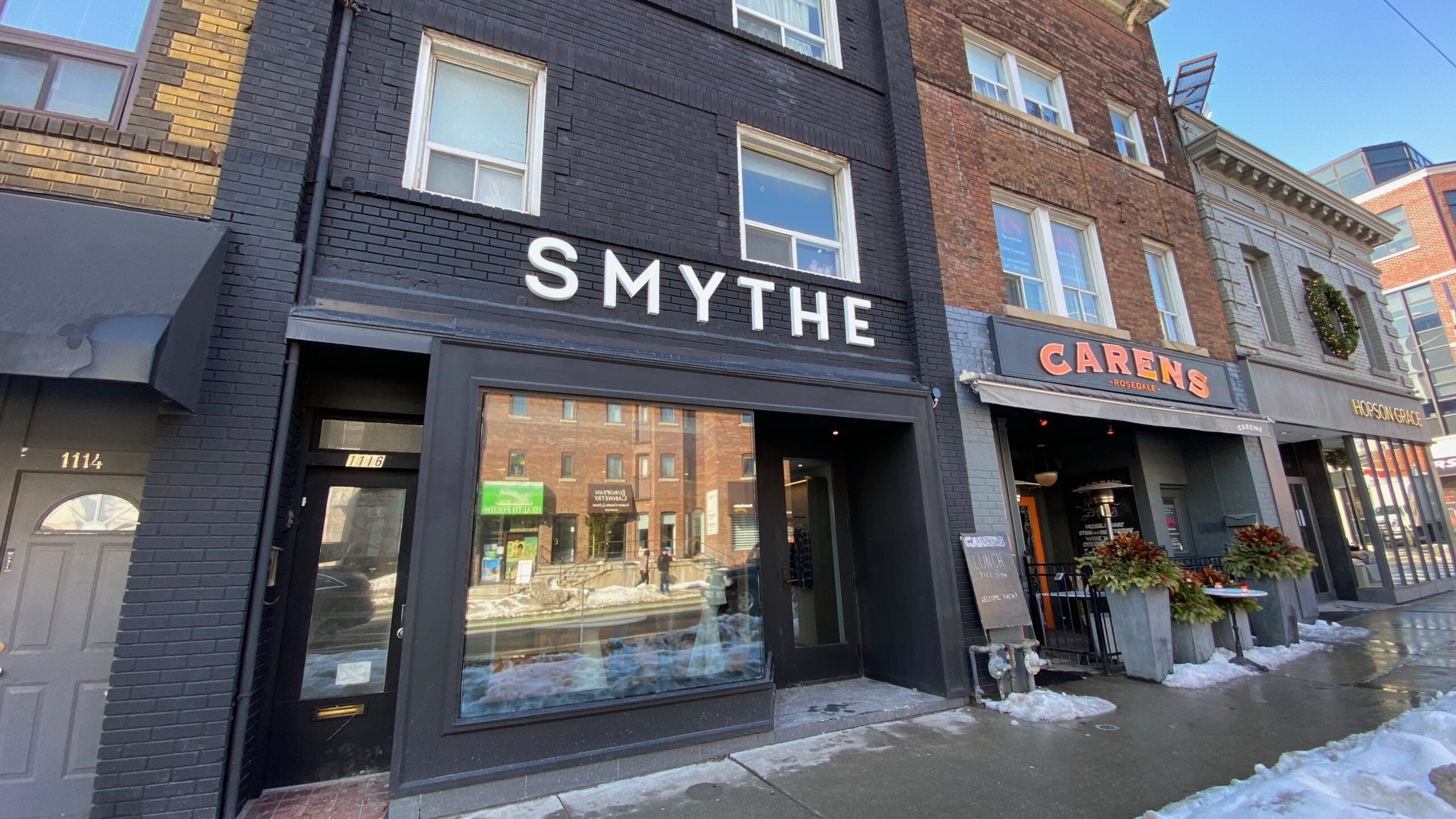
In more recent years, the facade had been obscured by a black tarp bearing white “Club Monaco” lettering, a visual simplification that mirrored the brand’s broader retreat from expressive physical retail environments.
A Smaller Remaining Footprint
As of late 2025, Club Monaco operates a significantly reduced network of stores. In Canada, 14 locations remain, including CF Pacific Centre, McArthurGlen, and Metrotown in the Vancouver area, The CORE and Chinook Centre in Calgary, and several mall-based and street-front locations across Toronto. These include stores at Yonge Street, Yorkdale Shopping Centre for women, CF Sherway Gardens, Square One, Toronto Premium Outlets, and Promenade in Thornhill.
Additional Canadian locations remain at CF Rideau Centre in Ottawa and at 1000 Sainte-Catherine Street West and CF Carrefour Laval in the Montreal area. The Sainte-Catherine Street store is the last of the street-front locations for Club Monaco in Canada.
In the United States, the brand’s footprint has narrowed to five stores, including locations at Beverly Center and Beverly Hills in Los Angeles, two sites in New York City on Fifth Avenue and Spring Street in SoHo, and a store at Boston’s Prudential Center.
Litigation and Financial Pressures in the United States
The contraction has not been limited to Canada. In July 2025, Club Monaco vacated its long-standing store at 160 Fifth Avenue in New York City’s Flatiron district. The closure quickly escalated into litigation, with landlord RFR Holding filing suit in August 2025, alleging more than $800,000 in unpaid rent and seeking approximately $1 million in total damages.
A separate lawsuit emerged at Westfield Valley Fair Mall in San Jose, California, where the landlord alleged that Club Monaco failed to pay rent for nine months between July 2024 and March 2025. Google Maps indicates that the store is now closed permanently.
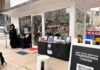


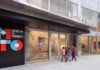



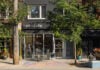



The Club Monaco Store at Mcarthurglen closed on December 18th.
The one at the Prudential in Boston also closed at the end of 2025. Only 4 left in the U.S. now.
Wow, thank you for the update — this is not looking good for the longevity of the Club Monaco brand under its current ownership.
The one at CF Pacific Centre in Vancouver also closed early 2026.
Oh no! I shopped that location when I was a teenager (1990s), I believe it was in the same location for 30+ years.