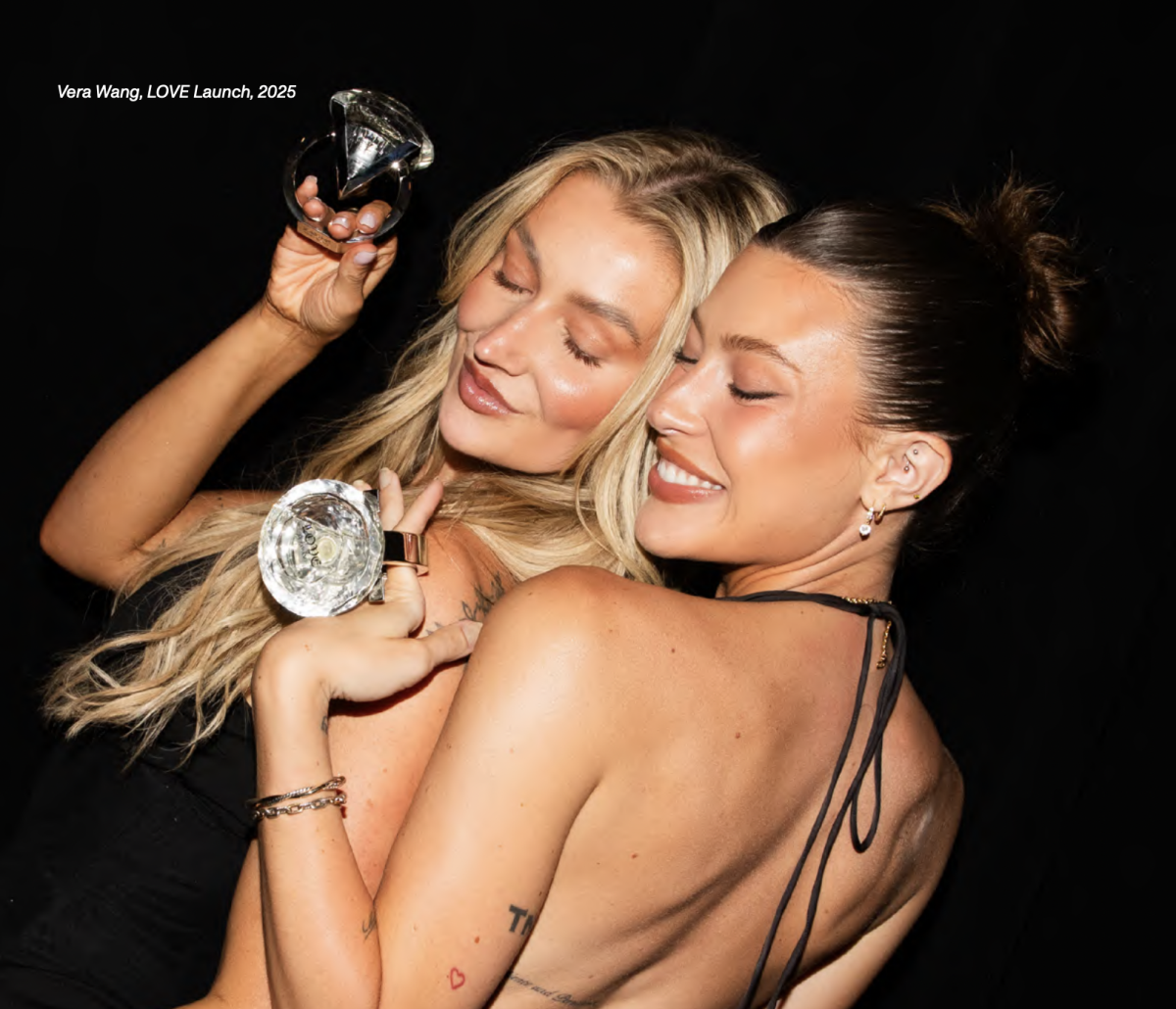
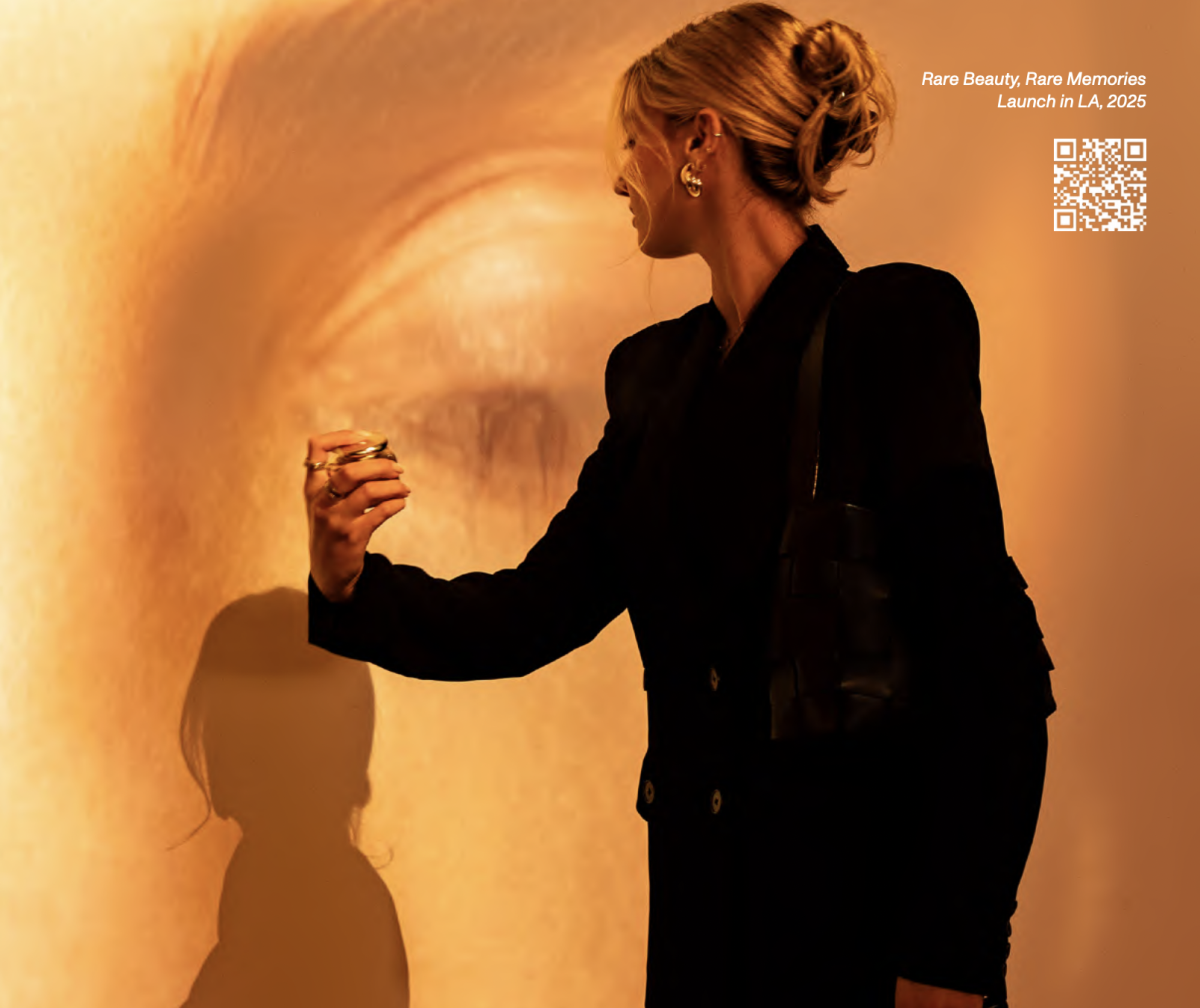
Gradient Experience, an experiential agency based in New York, has released its Beauty IMPACT Report 2025, which explores how leading beauty brands are redefining what experience means today.
The report draws on insights gathered through its annual IMPACT survey and conversations with executives from MAC Cosmetics, Mugler, and Caudalie, among many others, offering a grounded view of how experience, culture, and technology are shaping the future of beauty marketing.
The full white paper can be found here: https://www.gradientexperience.com/beauty-white-paper
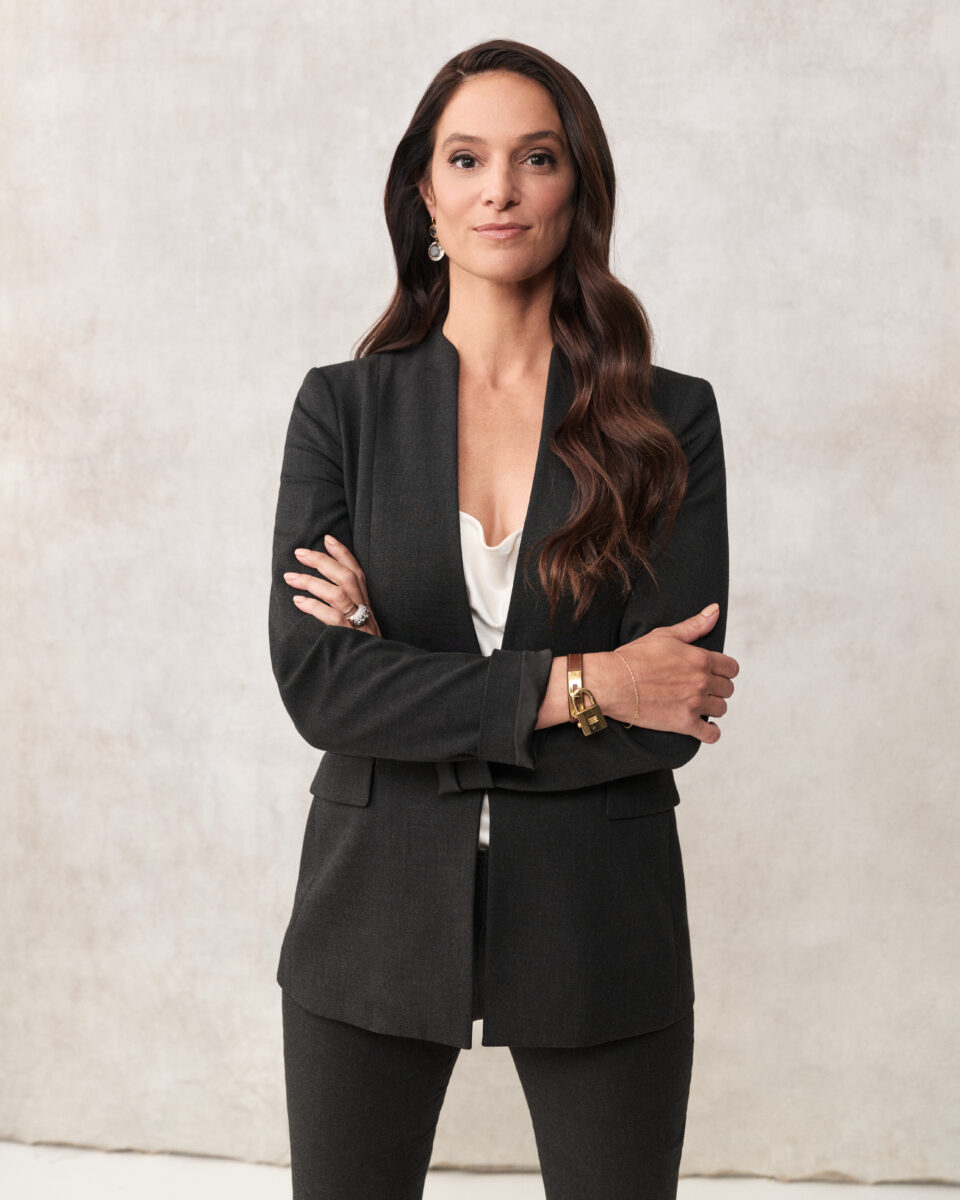
Pauline Oudin, the company’s President, said the new report builds on Gradient’s earlier Impact Report, which outlined the agency’s methodology for evaluating brand experiences.
She said last year’s study was broader and included interviews with chief marketing officers and brand directors across industries such as beauty, spirits, luxury, automotive, as well as a survey of “nearly 1,000 marketers.”
Client feedback prompted the agency to drill further into beauty-specific insights this year.
Oudin said Gradient conducted interviews with “about a dozen CMOs, founders of beauty brands,” ranging from large L’Oréal labels to independent companies, along with a survey of 130 marketers in the beauty sector. While the sample size is smaller than the previous report, she said it provides “directional data” on how brands are using experiential programs.
One trend identified in the survey is a sharp rise in the use of experiential marketing to support influencer content.
Oudin said the data shows “influencer content creation… increased over 25 points,” while in-retail rituals dropped by 36 points. She noted the shift “is not surprising when you’re in this space” but is now backed by quantitative findings.
The survey also shows greater emphasis on brand and product education delivered through experiences, which Oudin said is “probably… linked to influencer content,” while the importance of product trial and sampling decreased.
Oudin said integration across channels remains critical for brands seeking to maximize the value of experiential activations.
“A successful experience has to be integrated across multiple channels, otherwise, as a standalone, it’s too expensive,” she said.
This year’s results show integration with advertising and media spending rose 26.4 per cent, compared to a 19 per cent increase in retail integration.
Experiential marketing is “almost becoming a source of content for advertising,” she added.
Although the study did not quantify the overall portion of budgets devoted to influencers specifically, Oudin said most respondents reported higher experiential spending overall. According to the survey, 86 per cent said their experiential budgets increased, with 40 per cent reporting significant growth and 46 per cent reporting slight growth.
More from Retail Insider:
- Gradient immersive retail activation with Kiehl’s proves experiential strategy drives sales (Photos)
- Why retail companies must shift to experiential marketing or risk losing consumers: Gradient