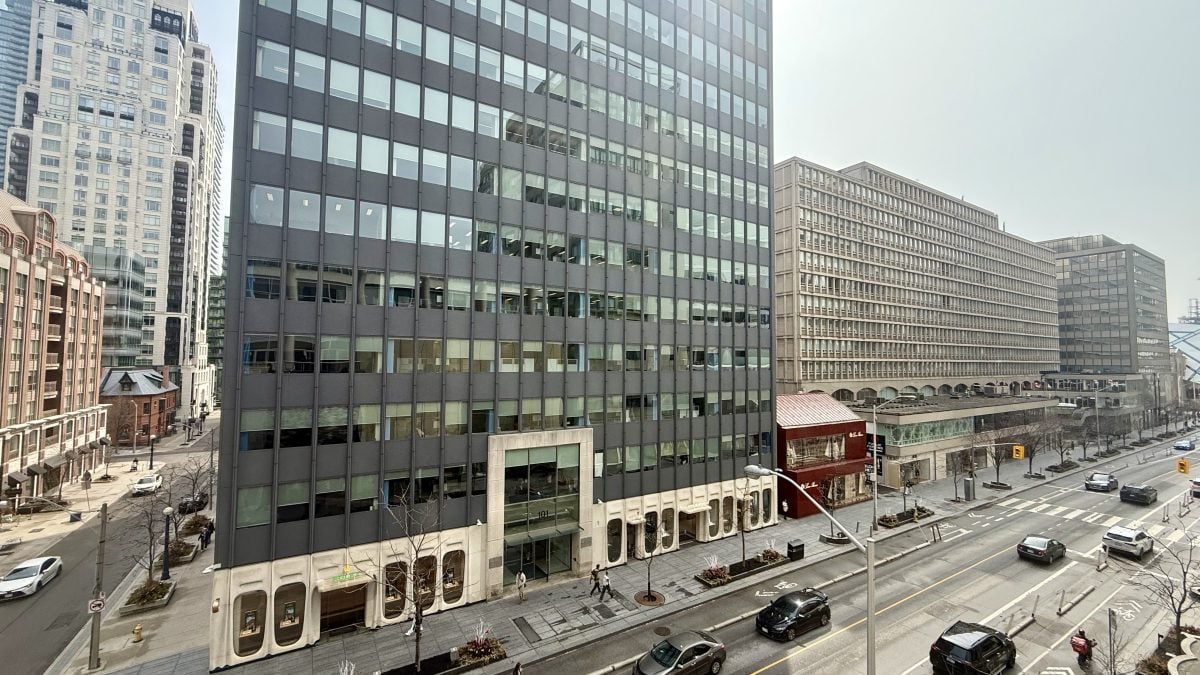
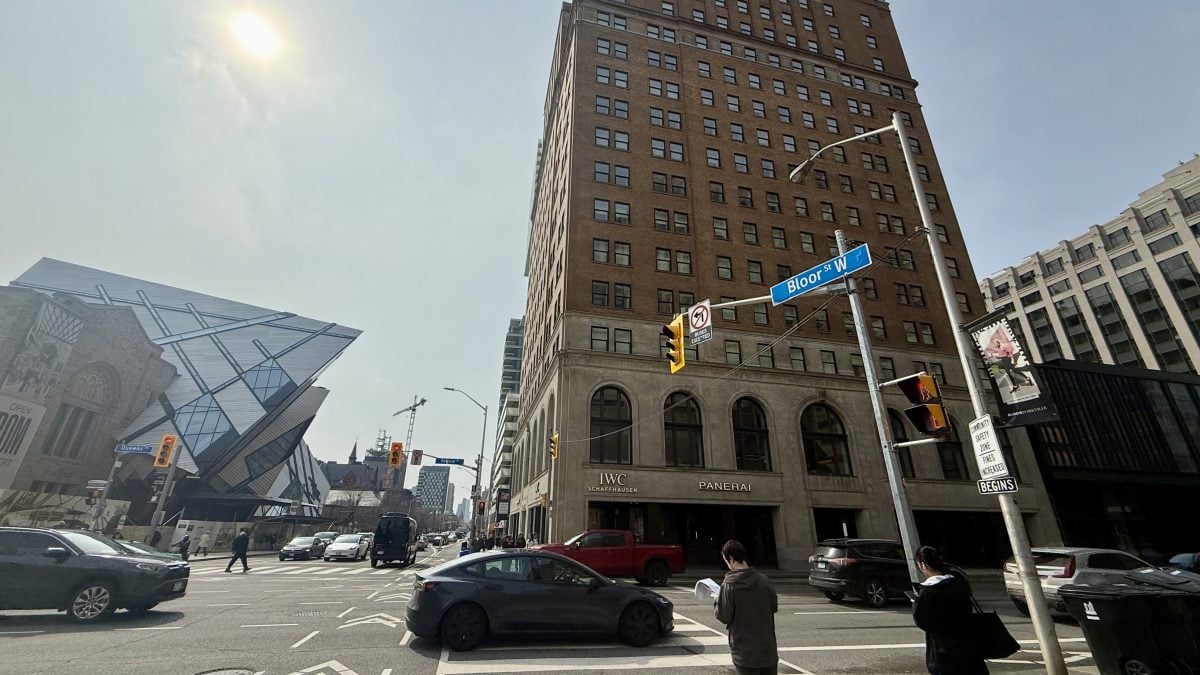
Bloor Street retail rents continue to lead the country, but rising availability along Toronto’s most prestigious shopping corridor is revealing a more complex market dynamic.
According to JLL’s latest Toronto Urban Retail Report, average asking rents on Bloor Street between Yonge and Avenue reached $246.27 per square foot in the fourth quarter of 2025, by far the highest among the city’s major retail corridors. At the same time, availability in the corridor stood at approximately 20.9%, making it one of the most available retail strips tracked in the report.
The combination of record-high rents and elevated vacancy reflects a growing disconnect between pricing and tenant demand in Toronto’s luxury retail market.
Limited Tenant Pool at the Top End of the Market
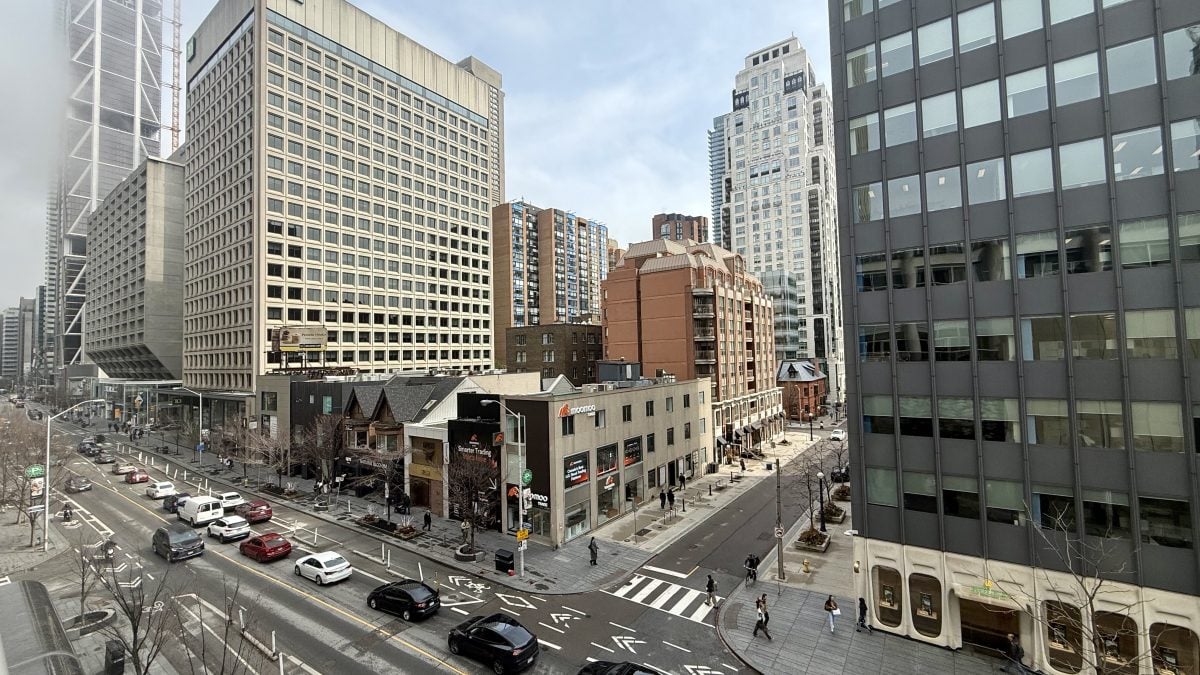
Brandon Gorman, Executive Vice President at JLL Canada, said that while Bloor Street remains the country’s premier luxury retail destination, the number of tenants capable of securing space at current rent levels is relatively small.

“The number of tenants capable of securing space on Bloor Street and actually making money is quite limited,” he said.
As a result, even prime spaces can take longer to lease compared to other Toronto corridors where rents are lower and tenant demand is broader. This dynamic has contributed to the perception of increased vacancy, particularly for larger flagship spaces.
Availability Figures Influenced by Scale and Redevelopment
The availability rate on Bloor Street is also influenced by the corridor’s relatively limited number of storefronts. With fewer units overall, any vacancy can have a disproportionate impact on the reported percentage.
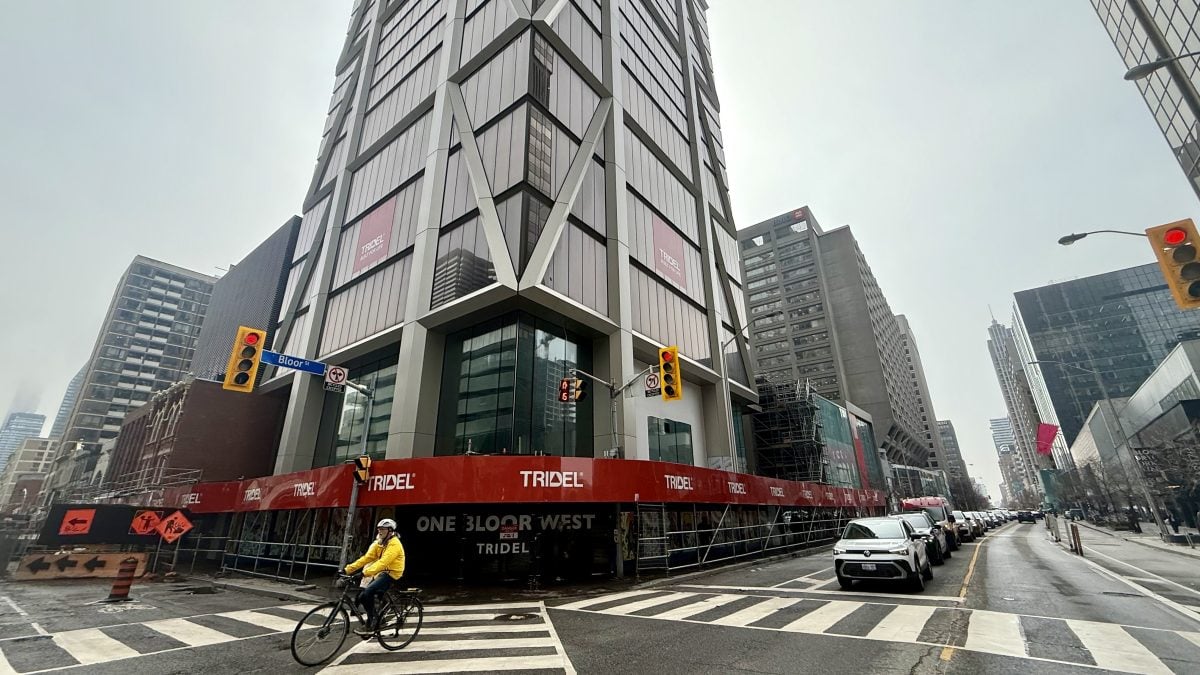
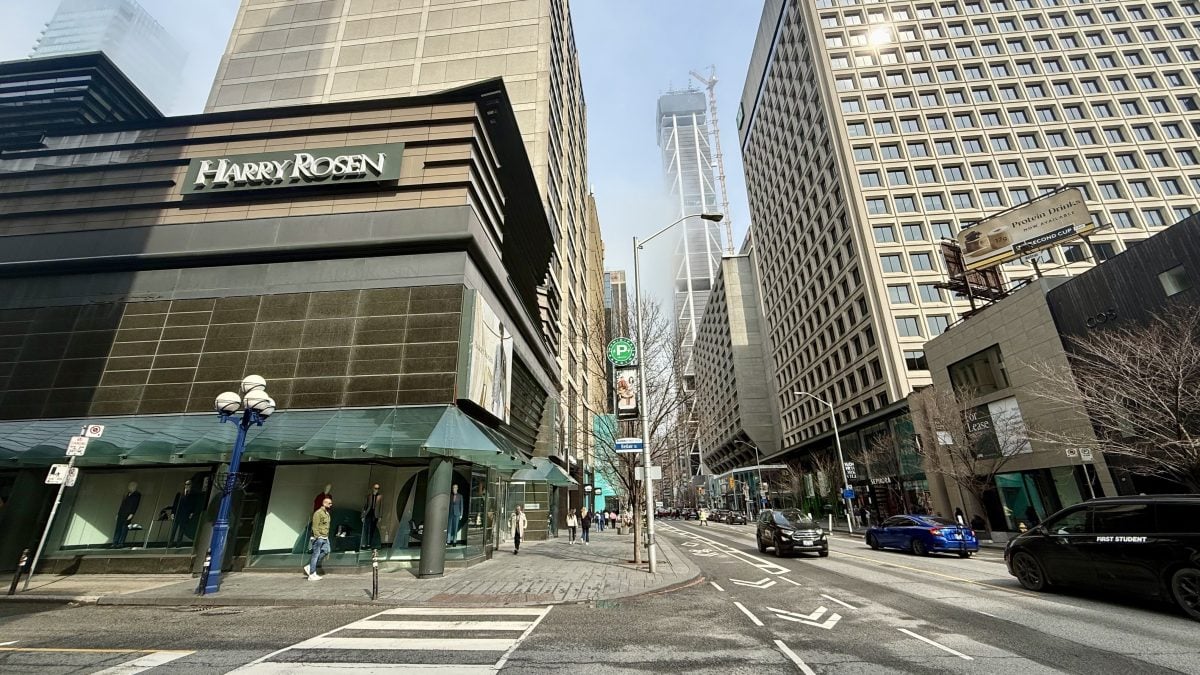
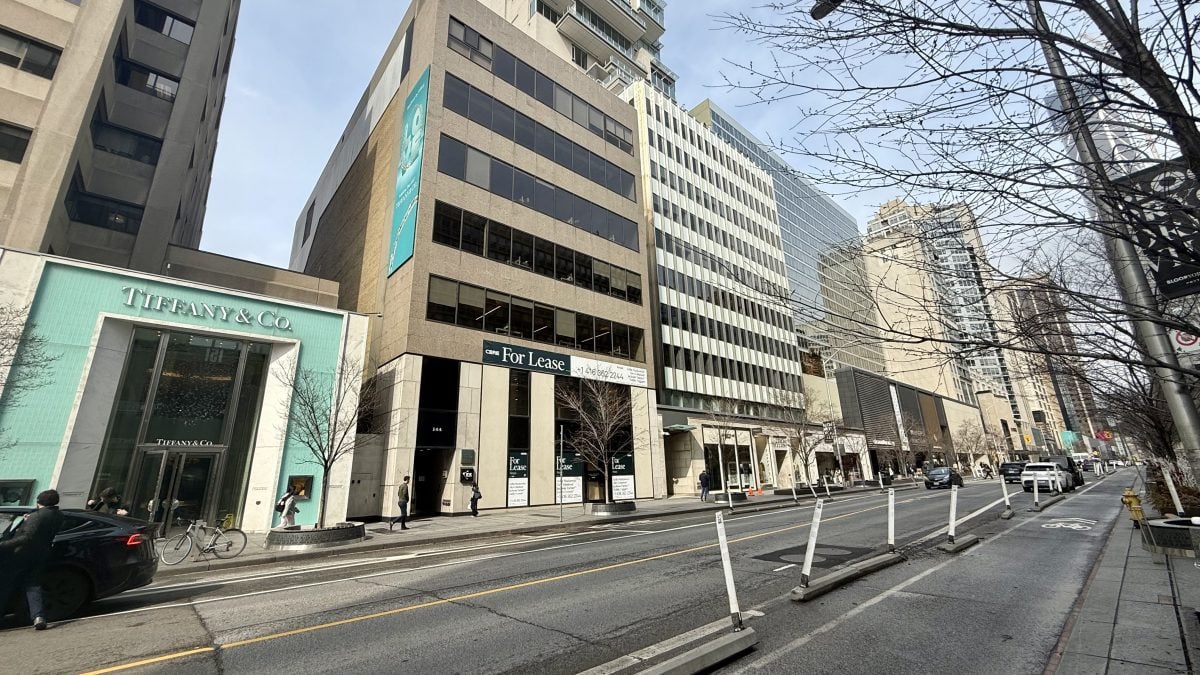
At the same time, several high-profile redevelopment projects are shaping the corridor’s leasing landscape. Some existing spaces have been intentionally vacated in anticipation of future construction, while others are being repositioned for long-term flagship tenants.
Gorman noted that these factors can create a misleading impression for observers walking the street.
“If you’re a casual observer walking down Bloor Street, there appears to be a lot of space available,” he said, adding that in many cases, those vacancies are tied to longer-term redevelopment strategies rather than a lack of demand.
Flagship Spaces Require Time and Precision
Large-format retail spaces on Bloor Street present additional challenges. Many of these units are designed for flagship stores and require significant capital investment from tenants, narrowing the pool of potential occupiers even further.
At the same time, landlords are often selective, preferring to wait for globally recognized luxury brands that align with the street’s positioning rather than leasing quickly at lower rents.
This dynamic can extend vacancy timelines, particularly for high-profile spaces that are being marketed to international tenants.
Luxury Corridor Remains Strategically Important
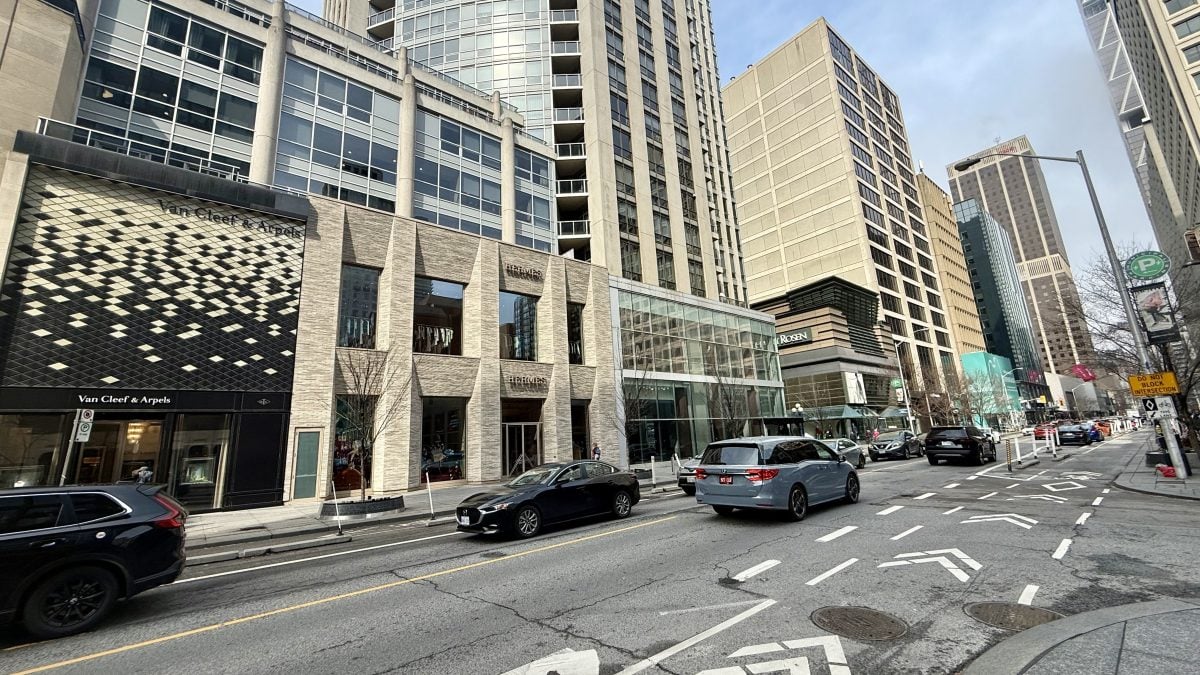
Despite the elevated availability, Bloor Street continues to hold strategic importance for luxury brands entering or expanding in Canada. The corridor remains one of the few locations in the country capable of supporting flagship retail at a global standard.
Recent activity in Toronto’s luxury segment, including new openings and expansions across major shopping centres and streetfront locations, reflects ongoing interest from premium brands seeking a presence in the market.
However, the data suggests that growth at the top end of the market is becoming more selective, with tenants weighing location, size, and long-term economics more carefully than in previous cycles.
A Market Defined by Contrasts
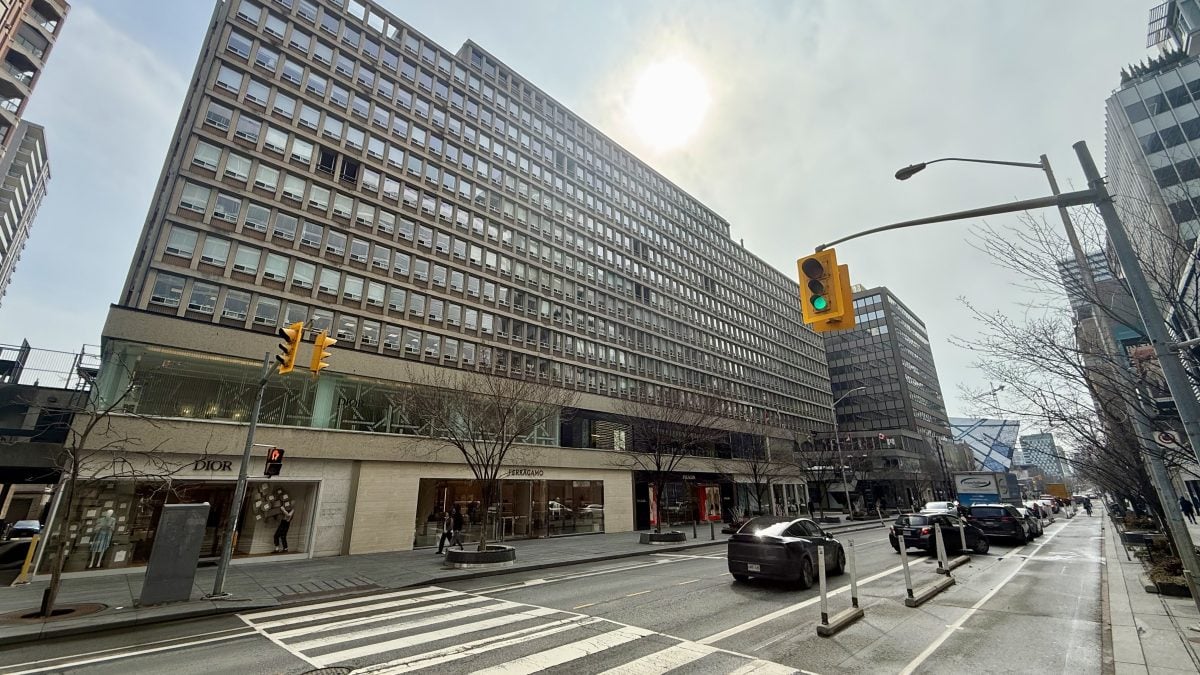
The current state of Bloor Street highlights a broader theme emerging across Toronto’s retail landscape: strong overall demand paired with increasing segmentation between price points and locations.
While many neighbourhood corridors are experiencing near-zero availability and intense competition for space, Bloor Street’s elevated rents are creating a more measured leasing environment.
Even so, the corridor’s long-term outlook remains positive, supported by continued residential intensification, tourism growth, and its status as Canada’s leading luxury retail destination.