Long before the days of smartphones, social media and same-day delivery, the mall was where people met, lingered and spent time together.
Trends may have moved on from shoulder pads and spandex, but the desire for personal connection has never gone out of style. New research from Lightspeed Commerce suggests that Gen Z Canadians are rediscovering the social side of shopping, and bringing a modern twist to mall culture.
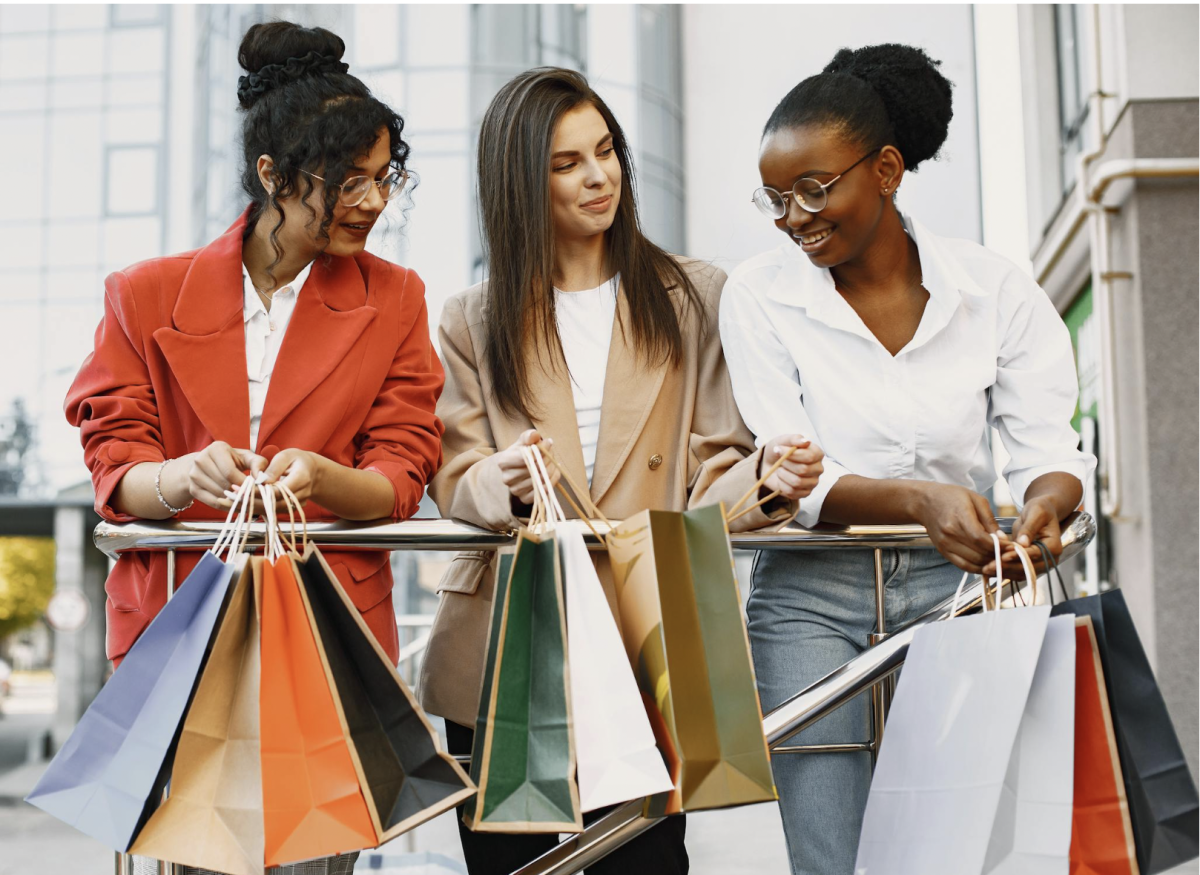
Today, 83% of Gen Z Canadians say stores with social or community features make them feel more connected, and more than half (52%) have chosen a retailer specifically for its third-space experience.
Rather than treating stores as purely transactional, Gen Z is gravitating towards retailers that offer atmosphere, interaction and a reason to stay longer.
This shift is translating into measurable business impact:
- 74% said they feel more emotionally connected to brands that create gathering spaces instead of focusing solely on transactions
- 68% said they are more likely to spend more in stores offering non-shopping experiences
- The same percentage (68%) also said they would be more likely to return to those stores
At a time where AI is accelerating e-commerce and online convenience has never been higher, physical retail is finding renewed relevance through personal connection. In an inflation-sensitive environment where retailers are competing for discretionary spending, emotional connection can be a powerful growth lever. To win younger consumers, brands must become part of their routine: a place to gather, connect and spend time, not just transact.

John Shapiro, Chief Product and Technology Officer, at Lightspeed, said we’re seeing less of a comeback and more of an evolution.
“Gen Z grew up fully immersed in digital, so physical retail offers something they can’t get online: real-world connection. Shopping isn’t just about buying anymore, it’s about how a space makes you feel,” he said.
“In cities like Toronto, where community and culture are deeply valued, stores are becoming social hubs again. Our research shows that 93% of Gen Z shoppers feel less isolated when visiting stores with social or community features. That’s a powerful signal that physical retail is filling a gap that digital simply can’t replicate.”
Shapiro noted that retailers are moving beyond transactional layouts and designing spaces that invite people to stay. That can look like in-store cafés, event programming, styling sessions, or interactive brand experiences.
“The most successful retailers are treating their footprint like hospitality brands. They’re asking how to create a space where people want to spend time, not just money. And it’s working. 54% of Gen Z shoppers say they’ve visited a store specifically because it offered a third-space experience,” he said.
Shapiro added that 81% of Gen Z shoppers feel more connected to brands that create spaces for gathering rather than just transactions.
“That connection translates into tangible outcomes such as increased spend, higher loyalty, and stronger brand affinity. In many ways, emotional connection is what turns a one-time purchase into a long-term relationship,” he said.
“Experiential retail is much more than just a brand play – it can drive real revenue growth. Our data shows that 73% of Gen Z shoppers are likely to spend more in stores that offer non-shopping features, and 77% say they are more likely to return.
“In a climate where consumers are more selective with their spending, retailers need to give people a reason to choose them. Experiences drive foot traffic, increase dwell time, and ultimately boost conversion and repeat visits. When done right, the return is measurable and builds over time.”
Shapiro said expectations will continue to rise.
“Gen Z will increasingly expect physical retail to feel seamless, personalized, and worth their time. We will likely see more hybrid environments: spaces that blend retail, community, and technology. Stores will act as both discovery hubs and social venues, enhanced by digital tools rather than replaced by them,” he said.
“Ultimately, the bar will be higher. If a store does not offer something beyond convenience, there is little reason to visit. The retailers that win will be those that create spaces people want to return to, not just transact in.”
More from Retail Insider: