Canada’s grocery industry is changing as consumers rethink how they shop, what they buy and where they choose to spend their food dollars.
Across the country, shoppers are embracing a growing range of formats, from ethnic supermarkets and specialty grocers to warehouse clubs and private-label-driven retailers. Consumers are seeking value, but they are also looking for convenience, relevance and shopping experiences that reflect their lifestyles and communities.
For Michael Commisso, whose family built Commisso’s Fresh Foods into a 17-store Ontario supermarket chain before selling the business to Sobeys, these developments point to a broader shift in consumer behaviour that is reshaping grocery retail.
His experience spans decades in the supermarket, wholesale and foodservice sectors. Today, Commisso operates MVR Cash and Carry, a major wholesale and foodservice business serving restaurants, retailers and other commercial customers throughout the Greater Toronto Area.
From his perspective, several interconnected trends are influencing the future of grocery retail in Canada.
Consumers Are Looking for Simpler Shopping Experiences
One of the most significant changes is a growing preference for more focused and curated shopping experiences.
Commisso believes many grocery retailers continue to offer more products and more complexity than consumers actually want. As shoppers face increasing demands on their time and attention, retailers that simplify decision-making are gaining traction.
“I think curated food has been on the rise for a long time,” Commisso said during a recent interview with Retail Insider.
He points to European grocery operators Aldi and Lidl as examples of retailers that have built highly successful businesses around carefully selected assortments, operational efficiency and strong private-label programs. Rather than offering endless choices, these retailers focus on a narrower selection of products that emphasize value and convenience.
The same principle can be seen in other formats.
Costco has developed one of the most loyal customer bases in retail through a limited assortment and a strong value proposition. Specialty grocers often focus on specific cuisines, product categories or customer needs. In each case, the goal is not to carry everything. It is to carry the right products for a particular customer.
“I think the grocery stores are still way over-scaling,” Commisso said.
The observation reflects a broader retail trend. Consumers increasingly reward businesses that make shopping easier and remove friction from the buying process.
That trend may be particularly evident among younger consumers. Smaller homes, urban lifestyles and changing household dynamics have altered how many Canadians shop for food. The large stock-up grocery trip that appealed to previous generations may be less relevant for shoppers who prioritize convenience, flexibility and speed.
Ethnic Grocery Retail Is Becoming Increasingly Mainstream
Another major shift is the growing influence of ethnic grocery retailers.
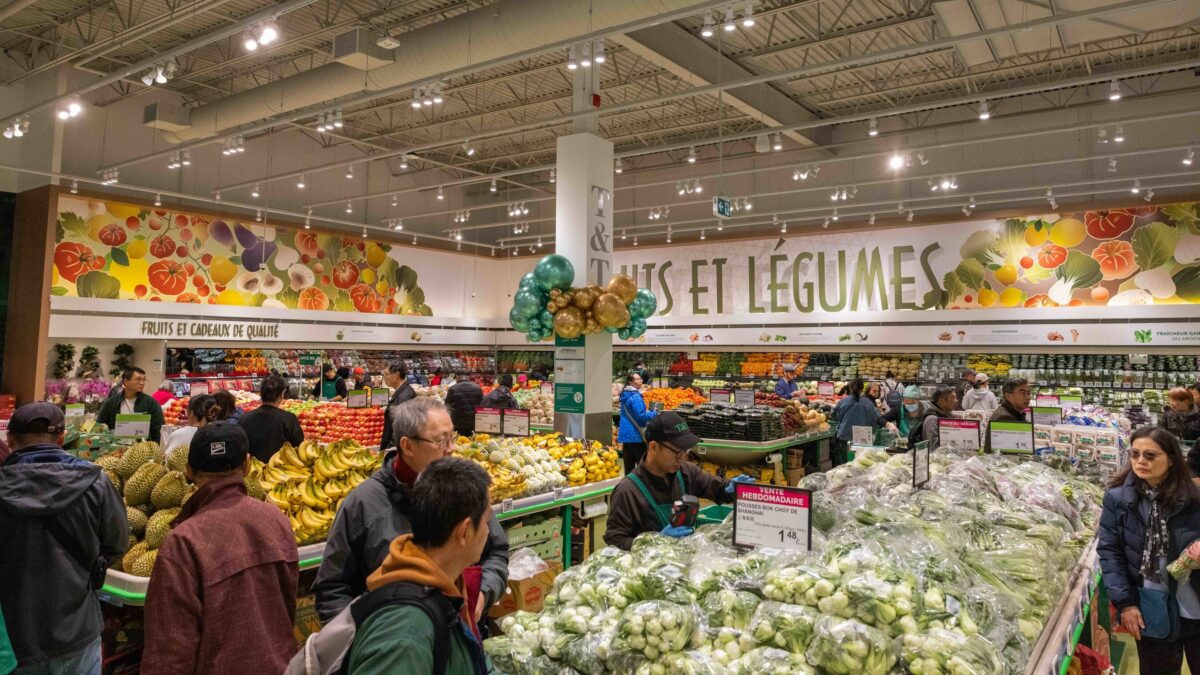
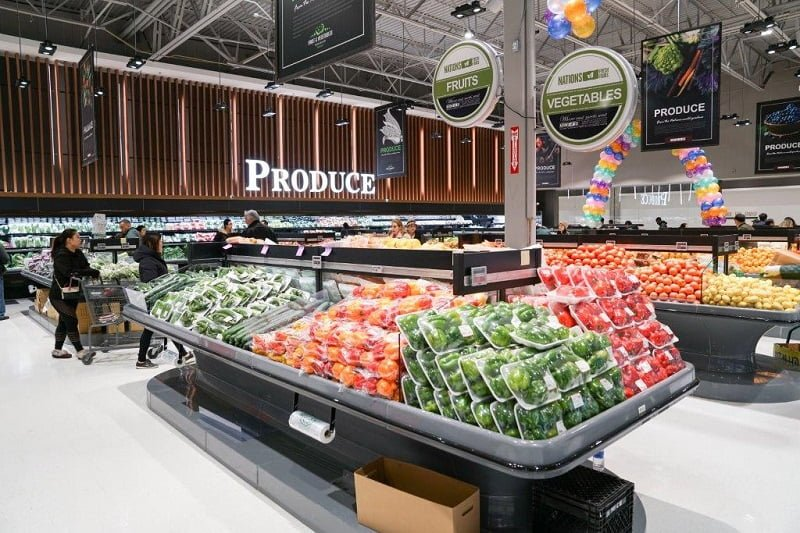
Across Canada, operators such as T&T Supermarket, Nations Fresh Foods, Sungiven Foods and H Mart have expanded their footprints while attracting increasingly diverse customer bases. These stores often combine imported products, prepared foods, fresh offerings and merchandising approaches that differ from conventional supermarkets.
For Commisso, the trend has historical roots.
When Italian, Portuguese and other immigrant communities expanded across Canada in previous decades, entrepreneurs opened grocery stores that reflected the products and food cultures they knew best. Over time, many of those businesses evolved into mainstream supermarket operators.
Today, Chinese, Indian, Middle Eastern, Filipino and other ethnic grocery retailers are building businesses that serve both established communities and a growing number of mainstream consumers.
“They look like stores back in their home countries,” Commisso said.
That authenticity has become a significant competitive advantage. Consumers increasingly seek new flavours, prepared foods, imported products and shopping experiences that offer something different from a traditional supermarket visit.
Commisso recently visited Nations Fresh Foods at Vaughan Metropolitan Centre and said the experience reinforced his belief that grocery retail is evolving in new directions.
“I was like, ‘Wow, this is different. This is different,'” he recalled.
The store’s combination of international products, prepared foods and highly experiential merchandising stood apart from traditional supermarket formats. The appeal extends beyond any single demographic group. Consumers are increasingly willing to explore new products and food cultures, creating opportunities for retailers that deliver a distinctive experience.
The continued expansion of T&T Supermarket illustrates how far this trend has progressed. Once viewed primarily as an ethnic grocery chain, the retailer has become a mainstream destination for a broad range of shoppers. Its planned location at CF Sherway Gardens in Toronto reflects the growing prominence of ethnic grocery concepts within Canada’s retail landscape.
Grocery Retail Is Becoming More Experiential
The rise of specialty and ethnic grocery retailers also reflects a broader consumer desire for experiences.
Traditional grocery stores were often designed around efficiency and assortment. Many newer concepts place greater emphasis on discovery, prepared foods, foodservice and atmosphere.
Consumers are increasingly treating grocery shopping as more than a routine transaction. Freshly prepared meals, unique products, international flavours and visually engaging merchandising can transform a shopping trip into an experience.
This shift mirrors trends seen elsewhere in retail, where experiential concepts continue to attract customers despite growing competition from e-commerce.
For grocery retailers, creating a compelling experience has become another way to differentiate themselves in a highly competitive market.
Value Remains a Defining Consumer Priority
While consumers are exploring new formats and experiences, value remains one of the industry’s most important drivers.
Commisso believes economic pressures continue to influence how Canadians spend on food. Many consumers remain focused on stretching household budgets and seeking better value across grocery categories.
He notes that some consumers are reducing restaurant spending and directing more of their food budgets toward grocery purchases.
Value, however, extends beyond simply finding the lowest price.
Consumers may define value through quality, convenience, consistency or trust. Retailers that successfully communicate those attributes often build strong customer loyalty even in challenging economic conditions.
This helps explain the continued strength of warehouse clubs, discount formats and specialty operators that provide a clear and compelling value proposition.
Private Label Has Become a Major Force
Private-label products are also playing an increasingly important role in grocery retail.
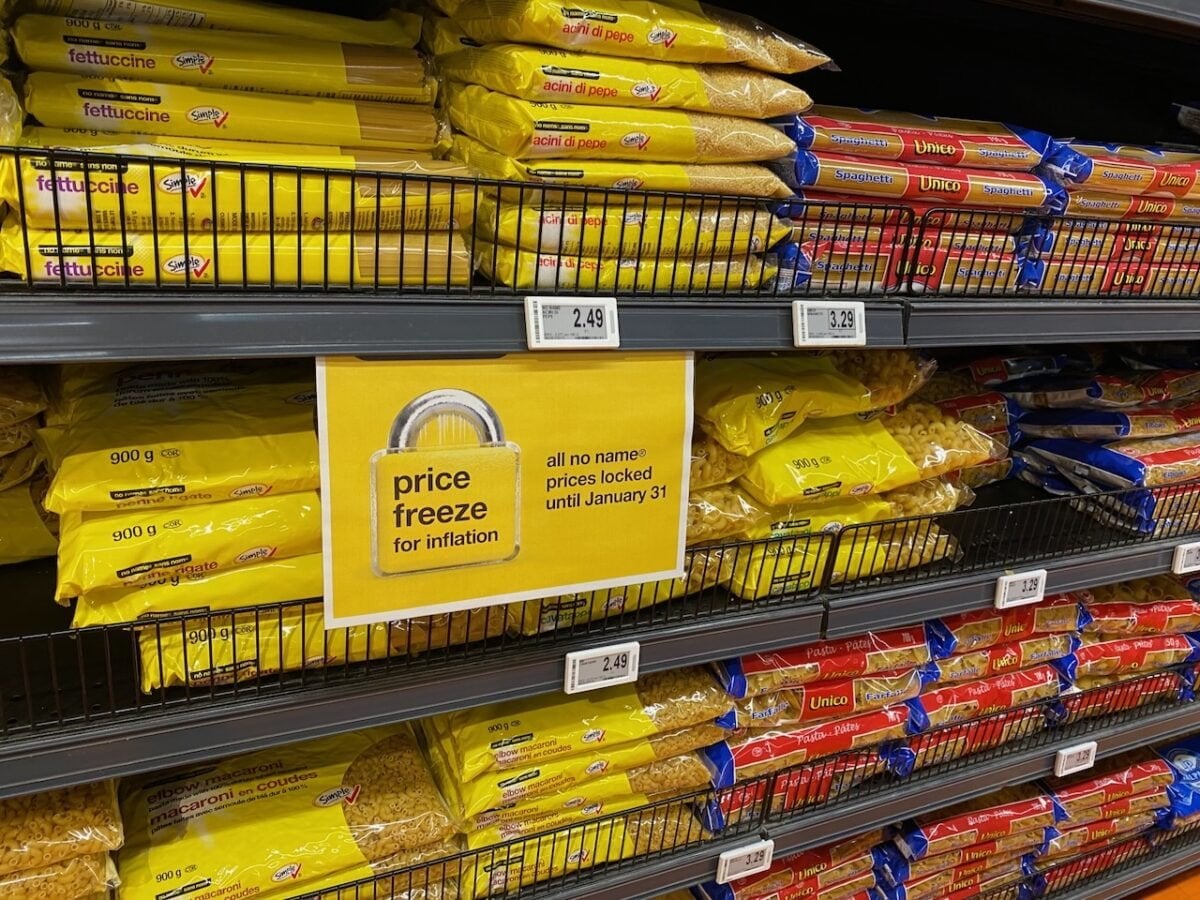
“Private label is huge,” Commisso said.
What was once viewed primarily as a lower-cost alternative has evolved into a core strategic pillar for many retailers.
Costco’s Kirkland Signature brand is one of the most prominent examples globally. Aldi and Lidl have built much of their business around private-label assortments, while Canadian retailers continue investing heavily in their own brands.
President’s Choice and No Name remain among Canada’s most recognizable private-label programs. Farm Boy has expanded its own branded offerings, using private label to strengthen differentiation and customer loyalty.
The trend reflects changing consumer attitudes. Shoppers who once defaulted to national brands are increasingly comfortable purchasing products from retailers they trust.
For retailers, private label creates opportunities to improve margins, strengthen customer relationships and offer products that competitors cannot directly replicate.
A More Specialized Grocery Future
For decades, grocery retailing was often defined by scale. Larger stores and broader assortments were widely viewed as competitive advantages.
Today’s consumers appear to be sending a different message.
They want value, but they also want relevance. They want retailers that understand their needs, reflect their communities and make shopping easier.
The result is a grocery landscape that is becoming increasingly specialized. Traditional supermarkets remain essential players, but they now compete alongside warehouse clubs, specialty grocers, ethnic supermarkets, discount chains and retailers built around strong private-label programs.
The retailers that succeed in the years ahead may not be those with the most products or the largest stores. They may be the businesses that best understand how consumers want to shop and adapt their formats accordingly.
As consumer preferences continue to evolve, grocery retail will evolve with them.