Samsung Electronics Canada is expanding its national retail presence as it takes a deliberate approach to the role of physical stores in an increasingly connected shopping environment.
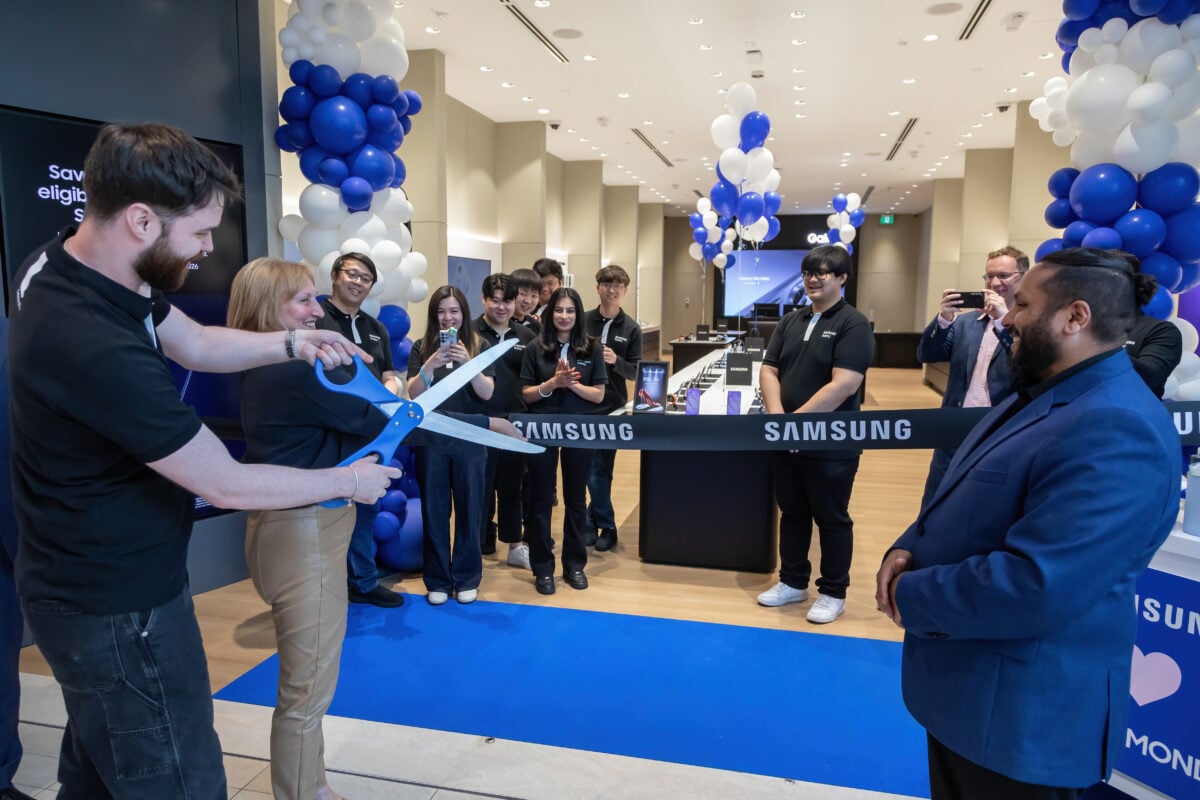
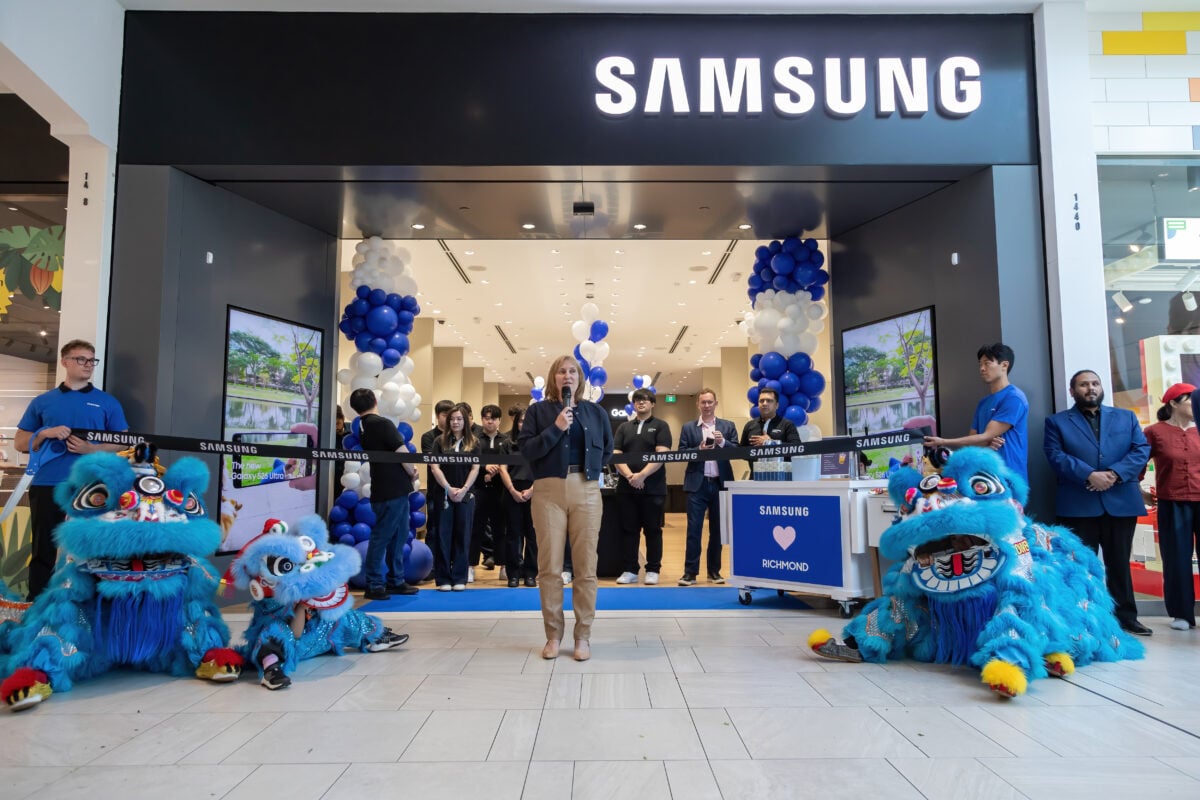
The company recently added Samsung Experience Stores at CF Market Mall in Calgary, CF Carrefour Laval in Laval, Quebec, and CF Richmond Centre in Richmond, British Columbia. The openings build on Samsung’s existing network, which includes locations at Square One Shopping Centre in Mississauga, Yorkdale Shopping Centre, CF Sherway Gardens, Scarborough Town Centre, Montreal Eaton Centre and Metropolis at Metrotown.

Together, the new stores reflect Samsung’s view that physical retail remains an important part of how consumers discover and engage with technology. The locations serve several purposes, including product exploration, education and support before and after a purchase.
“Physical retail in Canada is approached with discipline and intention,” said Krista Collinson, Head of Direct-to-Consumer at Samsung Electronics Canada. “Our focus is not on expansion for its own sake, but on creating meaningful, experience-led destinations where customers can interact directly with our technology.”
Physical Retail as an Experience Destination
Samsung’s recent openings extend its branded retail presence into several major Canadian markets. The CF Market Mall store is the company’s first Samsung Experience Store in Alberta, while the Richmond location expands its presence in Metro Vancouver and the Carrefour Laval store strengthens its retail network in Quebec.
The three shopping centres were also among the country’s highest-performing malls in ICSC’s 2024 Canadian Mall Property Performance rankings. CF Richmond Centre ranked fourth nationally, CF Carrefour Laval ranked tenth in Canada and first in Quebec, and CF Market Mall ranked fourteenth nationally among the participating properties.
Their selection reflects Samsung’s focus on prominent shopping destinations where customers are already browsing, purchasing and spending time. Mall quality, placement within the centre, store size and neighbouring brands all form part of the company’s evaluation process when considering a location.
Samsung’s retail strategy comes as shoppers move between online research, mobile apps, social platforms and in-store visits. This has expanded the role of physical retail for technology brands, particularly where products benefit from hands-on demonstrations and expert guidance.
Across its Experience Store and Express formats, Samsung uses physical retail to demonstrate how mobile devices, connected technologies and its wider ecosystem can fit into daily life. Customers can test products, compare features, ask questions and receive guidance from trained store teams.
Visitors can explore Galaxy AI features and see how smartphones, wearables, tablets, PCs and other connected devices work together within the Samsung ecosystem. At its stores, Samsung also uses cross-merchandising and interactive product demonstrations to present devices as part of a connected experience.
“An intentional opening means the space exists to deepen understanding, provide service access, and foster meaningful interaction, not simply to expand footprint,” Collinson said.
Helping Customers Understand Connected Experiences
Education sits at the centre of Samsung’s retail strategy.
As consumers adopt more connected devices and AI-powered features, Samsung sees its stores as places where customers can understand how new technologies work and how they may apply to their own routines. That includes Galaxy AI features such as Live Translate, Now Brief, photo editing and video creation, along with SmartThings experiences connecting mobile devices, televisions, audio products and home appliances.
Samsung’s approach is part of its wider ambition to become a “companion to AI living,” a vision shared by TM Roh, CEO and Head of Samsung Electronics’ Device eXperience Division, during the company’s CES 2026 remarks.
The vision centres on embedding AI across Samsung’s products, services and connected experiences in a way that feels natural, personal and dependable. Physical stores support that objective by giving customers an opportunity to experience the technology firsthand and understand how individual features may be relevant to their lives.
Samsung’s position is that artificial intelligence should feel approachable and practical. In-store demonstrations allow customers to experience those capabilities directly, with staff explaining features based on individual needs and interests.
“Our stores are designed to make technology approachable through interactive displays, hands-on experiences, and personalized guidance,” Collinson said. “That personalized approach helps simplify AI, build confidence, and show customers how Samsung technology can add value to their everyday lives.”
That educational role becomes increasingly important as Samsung’s product ecosystem expands. A customer may visit a store to explore a smartphone and discover how it connects with wearables, tablets, PCs, televisions and home appliances.
The value of physical retail is especially clear when several products are demonstrated together. AI-powered features and cross-device continuity can be easier to understand when customers can see and test how the devices interact.
Service, Support and Customer Confidence
The role of Samsung’s stores continues after a purchase is complete.
Store teams support customers with device trade-ins, Samsung Care+, data transfers, product setup and SmartThings integration. For many consumers, setting up a new device can be one of the most important parts of the ownership experience, particularly when moving from an older device or connecting several products across the Samsung ecosystem.
The company says in-store expertise is central to its Experience Store model. Store teams receive product training, leadership development, coaching and ongoing learning support so they can provide technical guidance and personalized recommendations.
“In-store expertise is foundational to the Samsung Experience Store model,” Collinson said. “Our store teams do much more than help customers make a purchase. They provide technical guidance, troubleshooting support, and personalized recommendations that help customers get the most from their Samsung products and connected experiences.”
This service-oriented approach recognizes that the customer relationship extends well beyond the sale. Samsung also measures success through trust, loyalty, retention and continued engagement with the brand.
A return visit for technical support, interest in another product category or a recommendation to another customer can all indicate that a store is creating value over time.
The Omnichannel Experience
Samsung’s physical locations are designed to complement the company’s digital ecosystem.
A customer may first encounter a product through digital advertising, creator content, social media, Samsung Members, Samsung.com or the Samsung Shop App before visiting a store. Others may research online and use a physical location for product comparison, pickup, returns or post-purchase support.
Samsung’s retail network supports buy online, pick up in store, in-store returns, trade-in programs, financing and direct-to-home delivery for products such as televisions, monitors and appliances. Store teams can also assist with “endless aisle” purchases, allowing customers to select products in a store and have them shipped directly to their homes.
The new locations in Calgary, Laval and Richmond also provide access to Samsung Care+, technical support, device troubleshooting and online pickup capabilities.
“Ultimately, it comes back to One Samsung: creating a connected experience across every channel so customers can engage with us in the way that works best for them,” Collinson said.
The path to purchase may involve several interactions before a decision is made. Customers can also return to the brand through service, support, upgrades or exploration of additional product categories after the sale.
An Intentional Approach to Canadian Expansion
Samsung says its Canadian store growth is guided by long-term strategy and the value a physical location can provide within its market.
When evaluating new locations, the company considers the local customer base, population growth, brand affinity, trade-area reach and how consumers engage with Samsung products and services. Its goal is to open stores where hands-on product experiences, expert support and personalized service can strengthen the company’s relationship with the surrounding community.
The stores at CF Market Mall, CF Carrefour Laval and CF Richmond Centre demonstrate that national approach. Their openings broaden Samsung’s direct retail presence across Alberta, Quebec and British Columbia, while the Square One store strengthens the company’s network in the Greater Toronto Area.
Over the long term, Samsung aims to make its branded store experience accessible to 90 per cent of Canadians. The objective reflects its belief that in-person experiences remain valuable as consumers discover products and learn how emerging technologies work.
Each store maintains a consistent Samsung brand experience while responding to the community it serves. That can include language support, cultural understanding, local activations and outreach to students, new Canadians and small businesses.
“While we maintain a consistent Samsung experience across our store network, it’s equally important that each location reflects the community it serves,” Collinson said.
Community demographics and local demand can also shape the store experience. In some markets, small-business needs may lead to dedicated business-to-business sections or enterprise showcases. Other locations may place greater emphasis on hands-on discovery, personalized guidance or connected-home education.
The Future of Branded Technology Retail
Samsung expects branded technology stores to keep developing as immersive destinations where customers can experience AI-powered devices and connected ecosystems firsthand.
That development comes as consumers expect their devices to work together across different aspects of daily life. Physical retail gives Samsung an opportunity to make those connections tangible and to demonstrate how its products, services and AI features operate within a wider ecosystem.
“Customers are not just looking for a place to transact,” Collinson said. “They want support, education, convenience, and experiences that help them understand how products can fit into their lives.”
Samsung’s latest openings across Alberta, British Columbia and Quebec show how the company is putting that strategy into practice across Canada. Its stores provide places where customers can ask questions, try new technologies and learn how connected devices may fit into their lives.
As Samsung advances its vision of becoming a companion to AI living, physical retail will remain one of the places where that ambition becomes visible, practical and accessible to Canadian consumers.