Loblaw Companies Limited is directing more of its capital toward discount grocery, with the country’s largest retailer planning approximately $1.2 billion in capital expenditures through the remainder of 2026.
The Brampton-based company expects to open approximately 75 grocery, pharmacy and other locations this year, compared with about 70 anticipated at the beginning of 2026. Loblaw says the increase reflects the performance of recently opened stores and confidence in the formats receiving investment.
About half of Loblaw’s previously announced $2.4-billion capital program for 2026 has already been deployed. The remaining investment will support additional openings, renovations and continued testing of new store concepts across Canada.
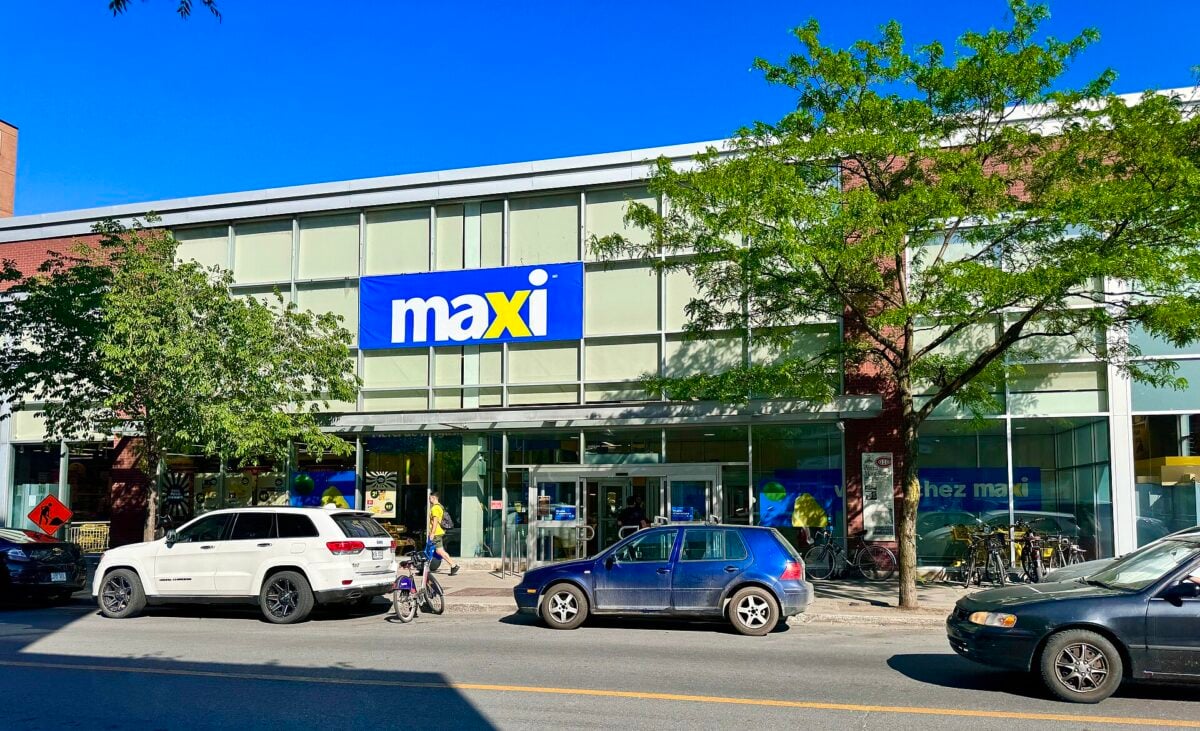
Grocery expansion will be concentrated predominantly in the No Frills and Maxi hard-discount banners, where Loblaw has been seeing strong results from newer locations.
“We’re very happy with how our new stores are performing,” Loblaw President and CEO Per Bank said. “As they mature, we’re seeing strong double-digit same-store sales growth. That gives us confidence in our expansion strategy and in continuing to invest behind the formats customers are choosing.”
Loblaw has opened 38 new grocery and pharmacy locations so far in 2026, including 21 grocery stores and 17 Shoppers Drug Mart locations, with dozens more scheduled before year-end.
Hard Discount Takes a Larger Role
Loblaw began the year expecting to spend approximately $2.4 billion in 2026 and open about 70 locations, including 31 No Frills and Maxi stores and 34 Shoppers Drug Mart, Pharmaprix pharmacies and care clinics.
By its second-quarter earnings call on July 30, management was already indicating that Loblaw was on track to open approximately 75 locations during the year. Executives also pointed to strong results from recent openings, with newer stores entering the comparable-store base producing double-digit comparable sales growth.
Those results help explain Loblaw’s increasing emphasis on discount. Bank told analysts in July that the company considers consumers’ preference for discount to be a long-term shift, making No Frills and Maxi increasingly important to its development plans.
Loblaw opened four No Frills stores and three Maxi locations during the second quarter. Management has also highlighted its conversion of a former No Frills in Bathurst, New Brunswick, to Maxi. According to Bank, sales at the location more than doubled following the conversion.

Canadian households remain highly attentive to price and promotions. Loblaw says the share of its grocery sales purchased on promotion has increased four percentage points since 2022, while promotional sales of its No Name private-label products have risen 18%.
“Canadians are being thoughtful about every dollar they spend,” Bank said. “We see that in how they shop our stores, the brands they choose, and how they use our loyalty and ecommerce solutions.”
Those spending patterns are influencing Loblaw’s development strategy. Its growing commitment to No Frills and Maxi indicates that management expects hard discount to remain an important part of the Canadian grocery market even as inflationary pressures change.
New No Frills Formats Target Different Markets
Loblaw is also using its expansion program to experiment with the size and design of No Frills stores.
A location that opened July 30 in Dutton, Ontario, provides one example. At approximately 8,000 square feet, the store is considerably smaller than a conventional supermarket and carries a curated assortment of about 4,000 products intended to provide a full grocery shop for Dutton and surrounding rural communities.
The smaller footprint could broaden the range of communities available to No Frills, particularly in markets that may not require or support a conventional supermarket. If the model performs well, it could give Loblaw another option for growing the banner outside larger urban and suburban markets.
Loblaw is testing a different approach in nearby Komoka, Ontario. The No Frills that opened there in March introduced a redesigned environment incorporating a hybrid timber-and-steel structure and a warmer interior, departing from some elements traditionally associated with the banner’s warehouse-style stores. The location also includes an expanded fresh and prepared-food offering.
The two Ontario locations test different approaches to future No Frills growth. Dutton pairs a smaller footprint with a tightly edited assortment for a rural market, while Komoka explores a more contemporary store environment with a broader food offering. Both retain the banner’s discount positioning.
More Than 190 Existing Locations to Be Renovated
New construction represents only part of Loblaw’s 2026 capital program. More than 190 existing locations are scheduled for renovations this year, with projects ranging from improvements to fresh-food departments to updates elsewhere in stores.
The spending will modernize portions of a grocery network that includes more than 1,100 stores across multiple banners and price segments. Loblaw is also investing in its pharmacy network, adding Shoppers Drug Mart and Pharmaprix locations while updating existing stores.
Food is becoming part of that work at Shoppers Drug Mart. Seventeen locations have completed what Loblaw describes as a food realignment, with 43 expected to be completed by year-end. The changes include a greater emphasis on convenience, value and multicultural products, alongside updates to beauty and other front-store categories.
Canada’s Discount Grocery Competition Intensifies
Loblaw’s expansion comes as other major Canadian grocers continue adding capacity at the discount end of the market.
Metro has been expanding Food Basics in Ontario and Super C in Quebec through new stores and conversions. Food Basics opened its 156th Ontario store in Mississauga in July, the fifth of eight locations the banner expected to open during 2026.
Empire Company Limited is pursuing further expansion of FreshCo. The Sobeys parent had 161 FreshCo locations as of June 17, including 53 in Western Canada and 108 in Ontario, and expects to open approximately 15 additional stores across Western Canada, Ontario and Atlantic Canada during fiscal 2027. The expansion will bring FreshCo to Atlantic Canada for the first time.
The investments underway at the country’s major grocers are changing the composition of Canada’s supermarket network. Loblaw is adding No Frills and Maxi stores, Metro continues to build its Food Basics and Super C networks, and Empire is taking FreshCo into additional markets.
For Loblaw, No Frills provides an established discount platform across several provinces, while Maxi gives the company a substantial network in Quebec and a growing presence in Atlantic Canada.
Shoppers and Digital Channels Also Grow
Loblaw’s capital program extends beyond grocery, with pharmacy openings and renovations remaining a significant part of its 2026 plans.
The company has opened 17 Shoppers Drug Mart locations so far this year and continues to expand pharmacy and healthcare services across its network. Changes to food, beauty and front-store categories are also being tested as Loblaw updates existing locations.
Digital sales are growing alongside the physical network. Loblaw reported ecommerce sales growth of 19.3% year over year during the second quarter, while PC Express delivery sales increased by more than 40%. Click-and-collect sales were relatively stable.
The growth in delivery is notable alongside Loblaw’s investment in discount stores. The company is expanding lower-price physical formats while continuing to build digital channels around convenience, loyalty and ecommerce.
T&T Provides Another Avenue for Expansion
T&T Supermarket represents another area of expansion for Loblaw, although its growth strategy differs considerably from No Frills and Maxi.
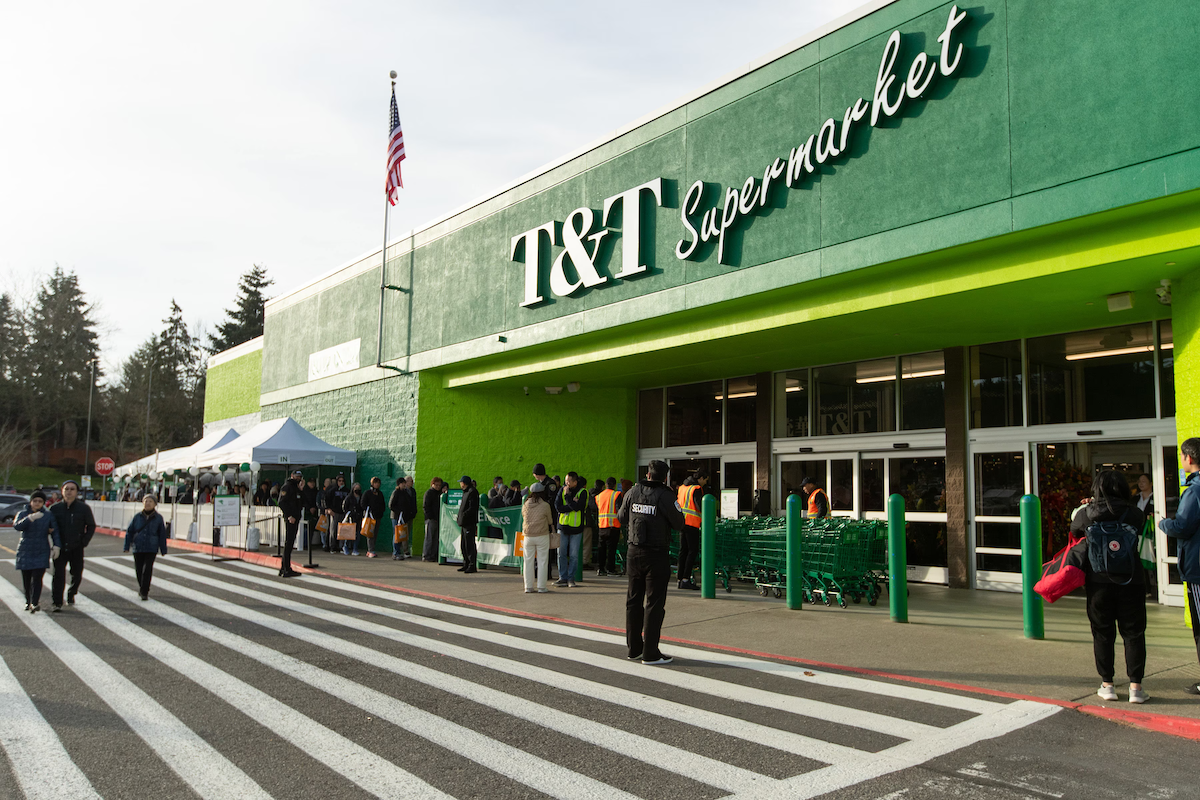
The Asian supermarket chain opened its first California store in San Jose in June, building on its expansion into Washington state. Bank told analysts that San Jose recorded the highest first-week sales of any store opening in Loblaw’s history. Two additional California locations are planned for 2026.
T&T continues to expand in Canada as well, giving Loblaw another grocery banner with growth potential as the company builds its network at home and in the United States.
A $10-Billion Investment Program Through 2030
Loblaw’s $2.4-billion capital program for 2026 represents the second year of its five-year plan to invest approximately $10 billion in Canada by 2030. The company expects this year’s program to support approximately 9,700 retail and construction jobs.
The spending is gradually changing Loblaw’s physical network. Hard discount is taking a larger role in grocery development, No Frills is being tested in different footprints and configurations, existing supermarkets and pharmacies are being renovated, and the company continues to add locations and services through Shoppers Drug Mart.
The expansion of No Frills and Maxi is one of the clearest indications of where Loblaw sees opportunity in Canadian grocery. Newer stores are producing strong results, competing grocers are adding discount capacity of their own, and Loblaw is continuing to put capital behind formats aimed at shoppers who remain highly focused on price.