Canadian Grocers Take a Page from Carrefour’s Playbook to Tackle ‘Shrinkflation [Op-Ed]

Date:

Share post:

“Drawing inspiration from Carrefour’s proactive approach, as we navigate the ‘shrinkflation’ phenomenon, ensuring transparency in food pricing becomes the cornerstone of empowering and informing consumers in Canada.”

Two issues have been particularly vexing for Canadian shoppers at the grocery store: volume discounts, especially for seniors and those who live alone, and the phenomenon known as “shrinkflation.” Over the past 12 months, shrinkflation has garnered significant attention due to substantial price hikes in grocery stores. Fortunately, some grocers are now taking action.

For the past two weeks, the French supermarket chain Carrefour, the seventh largest in the world, has introduced labels on its store shelves to alert shoppers to the issue of “shrinkflation.” As many now know, shrinkflation involves manufacturers reducing the size of product packaging rather than increasing prices. Carrefour has applied these price warnings to various products, including Lindt chocolates and Lipton iced tea, with the aim of pressuring leading consumer goods suppliers such as Nestlé, PepsiCo, and Unilever to address this issue in anticipation of upcoming contract negotiations. This pressure has a cascading effect on the food chain.

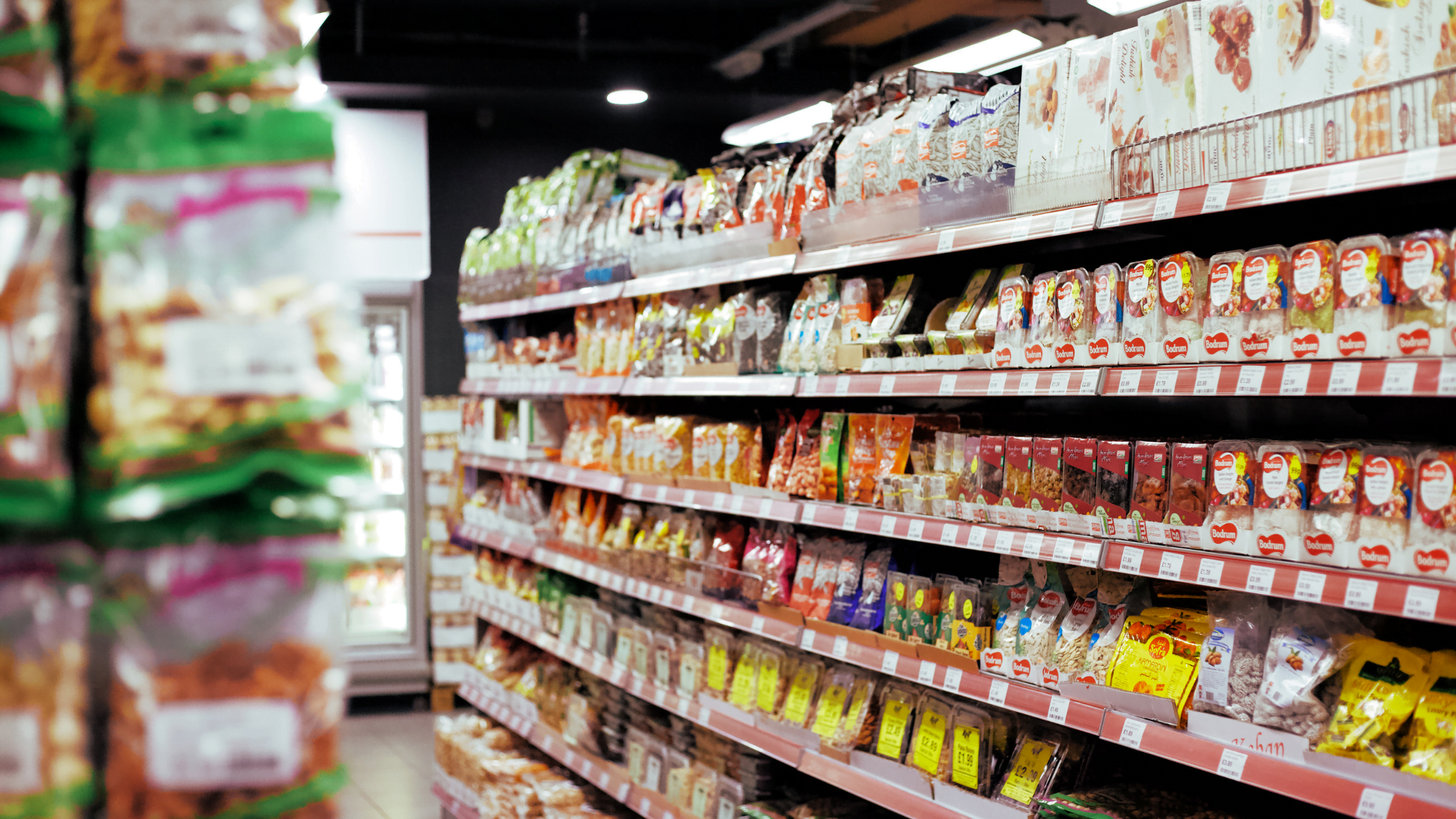
Carrefour Shrinkflation (Image: Fruitbook Magazine)

Carrefour has labelled 26 products with notices stating that the product is smaller than before, with most of these reductions occurring within the last 12 months. This situation could potentially unfold in Canada.

In the past year, Canada has witnessed about 20 cases of “shrinkflation” by major food manufacturers, with most of them garnering significant media attention. Minister François-Phillippe Champagne, who is meeting with food manufacturers this week and has pledged to combat food inflation and increase accountability in the food industry, undoubtedly has “shrinkflation” on his radar. The Carrefour approach in Canada is likely being considered to enhance transparency in food pricing. He has expressed his approval of the Carrefour approach, unsurprisingly, given its simplicity, ease of implementation, and potential popularity among Canadians who feel deceived and shortchanged. They are an easy target for such measures.

Historically, “shrinkflation” is a strategy often employed when input costs rise. The last time we witnessed numerous cases of this was during the financial crisis of 2008. We are currently nearing the end of another cycle and do not expect to see new cases for some time.

However, Carrefour’s motivation appears to be driven by the desire to shame manufacturers into gaining an advantage at the negotiating table, rather than genuinely benefiting consumers. It is worth noting that food manufacturers also produce privately labelled products owned by grocers. Carrefour’s actions have focused solely on major multinationals without disclosing whether some of its own privately labelled products have also decreased in size, which could be seen as deceitful.
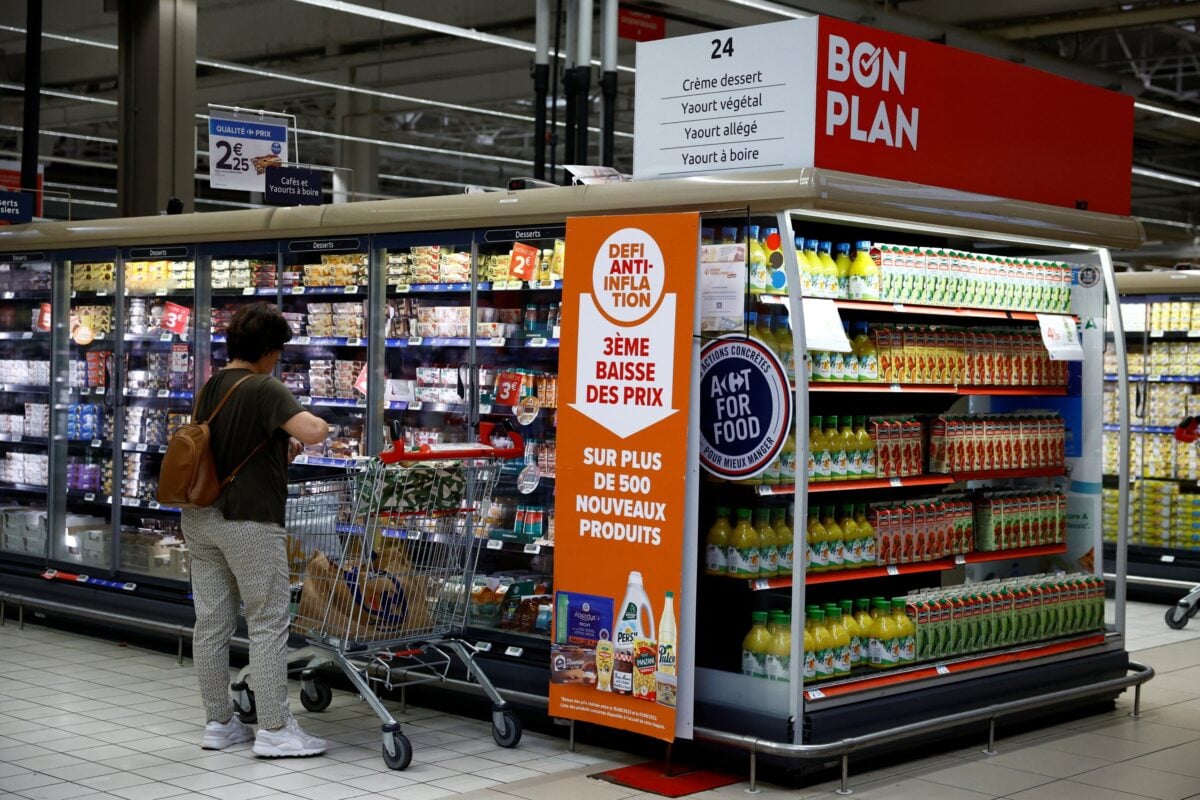
Image: Carrefour

The impact of such a measure is likely to be short-lived. Beyond a few weeks, consumers may revert to their old habits. If Canada were to encourage grocers to adopt a similar approach, it should be implemented uniformly across the board. To go even further, Ottawa needs to abolish the “snack tax.” Many products have shrunk in size in recent years, making them subject to taxation by Canada’s revenue agency. Minister Champagne should clarify that any food sold in Canada if not served, should not be taxed, especially food products that are now too small to be considered as snacks. Many Canadians are unaware of this, and it is costing them daily at the grocery store. Ottawa has the means to rectify this situation.

Do not be surprised if the “shrinkflation” labels become a directive for our grocers by Thanksgiving. It is highly unlikely that we will see a windfall tax or government-mandated price controls, as these measures would have adverse economic consequences. Minister Champagne is astute enough to understand the implications of such actions on our food economy.

Instead, the focus is on the Competition Bureau, supported by Bill C-56. This bill may have received limited attention due to the India affair and President Zelenskyy’s visit, but it is precisely what Canadians need. Minister Champagne has accurately read the political landscape surrounding food. Enhancing the authority of the Competition Bureau is crucial for Canadians, although it will be a protracted process that could span several years. This is why labelling “shrinkflated” products will be an easily achievable victory for him and for Canadians.


LEAVE A REPLY

Please enter your comment!
Please enter your name here

RELATED ARTICLES

Subscribe to the Newsletter

Subscribe

* indicates required

RECENT articles

A&W Food Services releases Q2 results as sales and revenue grow

During the quarter, the company opened eight new A&W restaurants and the first franchised Pret shop.

Small business confidence improves but new tariff threat looms: CFIB

Fuel costs remained the top cost constraint affecting 60% of small firms across Canada, while shipping and receiving costs stayed elevated for 45% of businesses.

Retail sales continue to climb: Statistics Canada

The largest increase in retail sales in May was observed at gasoline stations and fuel vendors (+3.1%).

Groupe Dynamite appoints former Cohere executive Martin Kon to board of directors

The appointment comes as Groupe Dynamite continues to expand its retail and digital operations internationally while focusing on technology, data and artificial intelligence as part of its business strategy.

Moxy Ottawa Downtown hotel opens in iconic Byward Market district

The hotel also offers a variety of amenities designed to balance social energy with relaxation, including a fitness centre, and flexible gathering spaces for both work and play.

Canadian Pet Spending Holds Firm Amid Economic Pressures

A new Canadian pet shopping report finds owners are protecting pet budgets while seeking value, shopping across channels and embracing auto-ship.

Tim Hortons launches handcrafted matcha beverage lineup across Canada

The launch adds five matcha-based drinks to the chain's menu and marks the company's latest product introduction aimed at broadening beverage options beyond its traditional coffee and tea offerings.

Organic Traditions Secures $10.5M to Accelerate U.S. Expansion

Organic Traditions, a Canadian superfood brand, has closed a $10.5 million Series A funding round. This financing aims to bolster its U.S. growth, eCommerce business, and product innovation, particularly in the functional wellness sector.

Retail Insider Sporting Goods & Outdoor Report: Participation and Experience Reshape Growth

Retail Insider's latest Sporting Goods & Outdoor Report examines how participation, community engagement and experiential retail are reshaping Canada's sporting goods sector, with implications for retailers, landlords, brands and investors as operators compete for long-term customer relationships.

Daily Synopsis: Jul 22, 2026

Grocery code reports finds hesitancy to report concerns, Quebec Court of Appeal enforces SSENSE settlement, Happy Belly expanding Yolks to Edmonton's Brewery District, Ariana Grande hosting 'Petal' listening parties in Canadian record stores, and other news.

ZoRaw Chocolates Targets Mainstream Retail Growth with Chocolate-First Strategy

The Mississauga-based company is expanding through grocery and club retailers while using in-house manufacturing and automation to support its next phase of growth.

Sweat and Tonic Sets October Opening for Yorkville Club

Sweat and Tonic will open its 18,000-square-foot Yorkville club this October, bringing together strength training, cycling, yoga, recovery and hospitality as the Toronto wellness company continues to evolve.

Premiers sign final agreement towards Canada-wide direct-to-consumer alcohol sales 

“Canada's independent wineries, breweries, cideries, and distilleries have waited a long time to see direct-to-consumer alcohol shipping finally become a reality.”

Casavogue Again Ranked Among Montréal’s Top 3 Furniture Stores

Casavogue has once again been recognized among Montréal's Top 3 Furniture Stores by ThreeBestRated, reflecting more than five decades of curated furniture, personalized service and family ownership.

RONA Acquires Five Atlantic Canadian Stores and DeliveryCentre

RONA has acquired five Atlantic Canadian stores and a regional delivery centre from RONA Atlantic Ltd., bringing the operation back under direct corporate ownership.

Jobs filled by temporary foreign workers are the ones Canadian youth don’t want: CFIB

Harvesting labourers alone account for nearly a third (32%) of all temporary foreign worker positions in Canada, work that's physically demanding, outdoor and seasonal.

Amazon opens first Canadian Disaster Relief hub in Edmonton, specialized in wildfire response

The hub specializes in wildfire response, stocking and donating supplies that nonprofits and responders need most.

Birks Group Inc. reports Fiscal 2026 results, with net sales increasing 15.5% year-over-year

The increase in net sales is attributable in part, to the acquisition of the luxury timepieces and jewelry retail activities of European Boutique, as well as an increase in both Birks branded jewelry and third party branded jewelry.

UNIQLO to open second Winnipeg store at St. Vital Centre in August

The company said it now operates 38 stores across Canada in addition to its online business.

Daily Synopsis: Jul 21, 2026

Toronto mayor looks to ban 'surveillance pricing' in grocery stores, SPUD acquired by US company, French signage law reshapes commercial streets in Quebec, Uniqlo sets opening date for 2nd Winnipeg store, and other news.