A structural shift is reshaping Canadian retail, and it is becoming increasingly difficult for brands to ignore. According to a new Spring 2026 report from JLL, the industry is moving toward a “barbell” model, where growth is concentrated at the value and premium ends of the market while the middle continues to erode.
This shift is no longer a short-term response to economic uncertainty. Instead, it is emerging as a long-term organizing principle that is influencing everything from store openings to real estate strategy and consumer behaviour.
A Market Dividing in Two
The Canadian retail barbell model reflects a growing divide in how consumers are spending. Higher-income households continue to spend with relatively little change, while lower- and middle-income consumers are becoming more selective, cutting back and trading down.
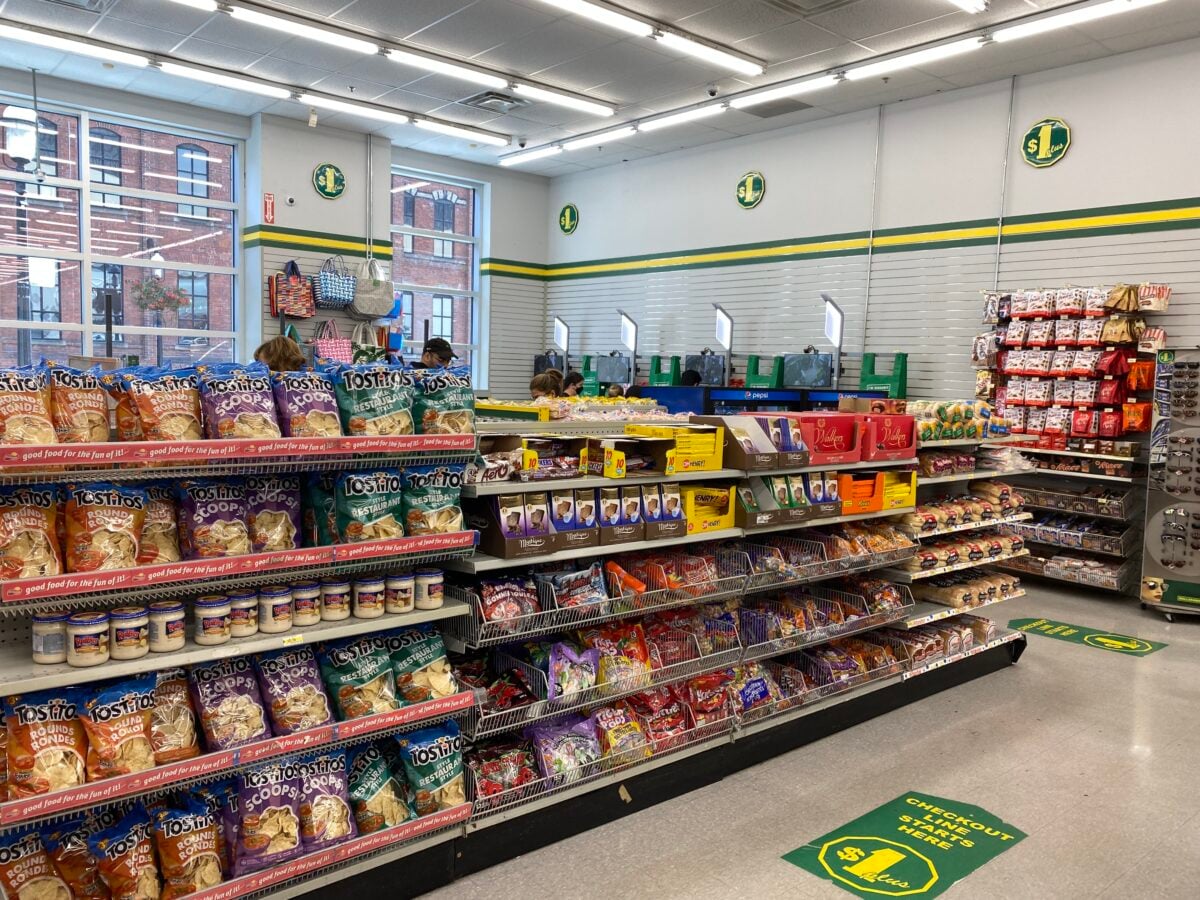
As a result, retailers positioned clearly at either end of the spectrum are seeing the most success. Discount chains, off-price retailers, and value-focused grocers are expanding aggressively. At the same time, luxury brands are growing their presence in top-tier malls and high street locations.
The middle, however, is under increasing pressure. Retailers without a strong value proposition or a clear premium identity are finding it harder to compete in an environment where consumers are making more deliberate choices.
Capital Flows Follow the Extremes
Investment trends are reinforcing this divide. Major retailers are directing billions of dollars toward value-oriented formats, while premium brands continue to expand through highly targeted real estate strategies.
The report notes that capital is increasingly flowing toward these two ends of the spectrum, creating a reinforcing cycle. As more investment enters value and luxury segments, those areas become even more competitive and dominant.
This is particularly evident in store openings. Discount retail has accelerated rapidly, while luxury brands are expanding into both traditional high streets and dominant shopping centres.
Real Estate Reflects the Shift
Retail real estate fundamentals are also aligning with the Canadian retail barbell model. The report highlights a clear divergence between property types, with neighbourhood and strip centres performing strongly while traditional enclosed malls face rising vacancy.
Mall vacancy climbed to 7.5 percent in 2025, largely driven by major anchor closures, while neighbourhood retail remains significantly tighter.
This pattern underscores how demand is concentrating around convenience-oriented retail on one end and high-performing premium destinations on the other.
Consumers Reinforce the Trend
Consumer behaviour is accelerating the shift. Canadians are becoming more price-conscious, avoiding impulse purchases, and increasingly seeking value through promotions, private-label products, and discount retailers.
At the same time, higher-income consumers continue to spend on premium goods, travel, and luxury experiences. This divergence is particularly visible in categories such as apparel, dining, and e-commerce.
The result is a retail environment where growth is strongest at the extremes, with limited room for undifferentiated middle-market offerings.
A Long-Term Structural Change
JLL’s analysis suggests that the Canadian retail barbell model is not a temporary phase. Instead, it represents a fundamental shift in how the industry is structured.
Retailers, landlords, and developers are all being forced to adapt. Those that align with either value or premium positioning are more likely to succeed, while those caught in the middle face increasing challenges.