Loblaw Companies Limited says it has successfully challenged hundreds of millions of dollars in proposed supplier cost increases during 2026, as Canada’s largest grocery retailer faces renewed wholesale pricing pressure while expanding its No Frills and Maxi discount operations.
In its October Food Inflation Report, released October 26, Loblaw said the dollar value of proposed fourth-quarter supplier increases was 120% higher than a year earlier, despite the number of requests declining 35%. The company did not disclose their total value.
The announcement comes as grocery inflation moderates. Food prices rose 1.7% year-over-year in September, down from 2.8% in August, although grocery prices remained approximately 33% higher than in September 2020.
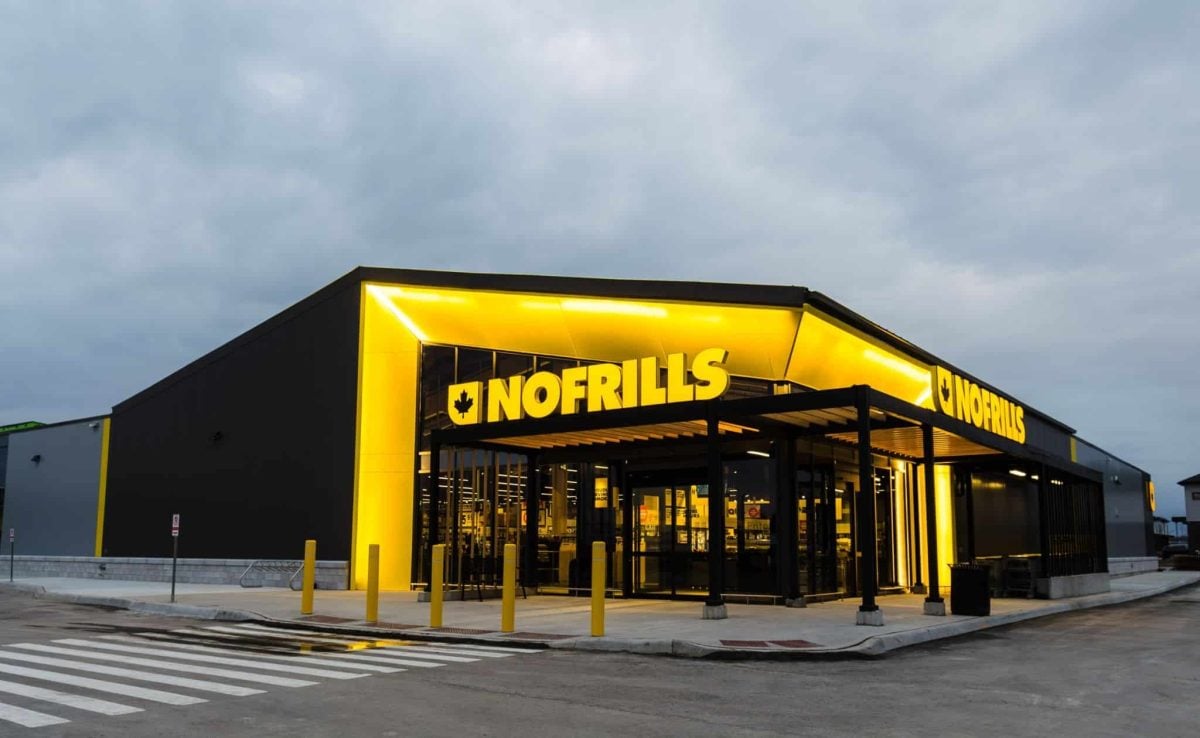
For Loblaw, these negotiations coincide with substantial investment in discount grocery, where competitive shelf prices are central to attracting increasingly price-conscious consumers. The company’s expanding discount network gives wholesale purchasing terms greater strategic importance.
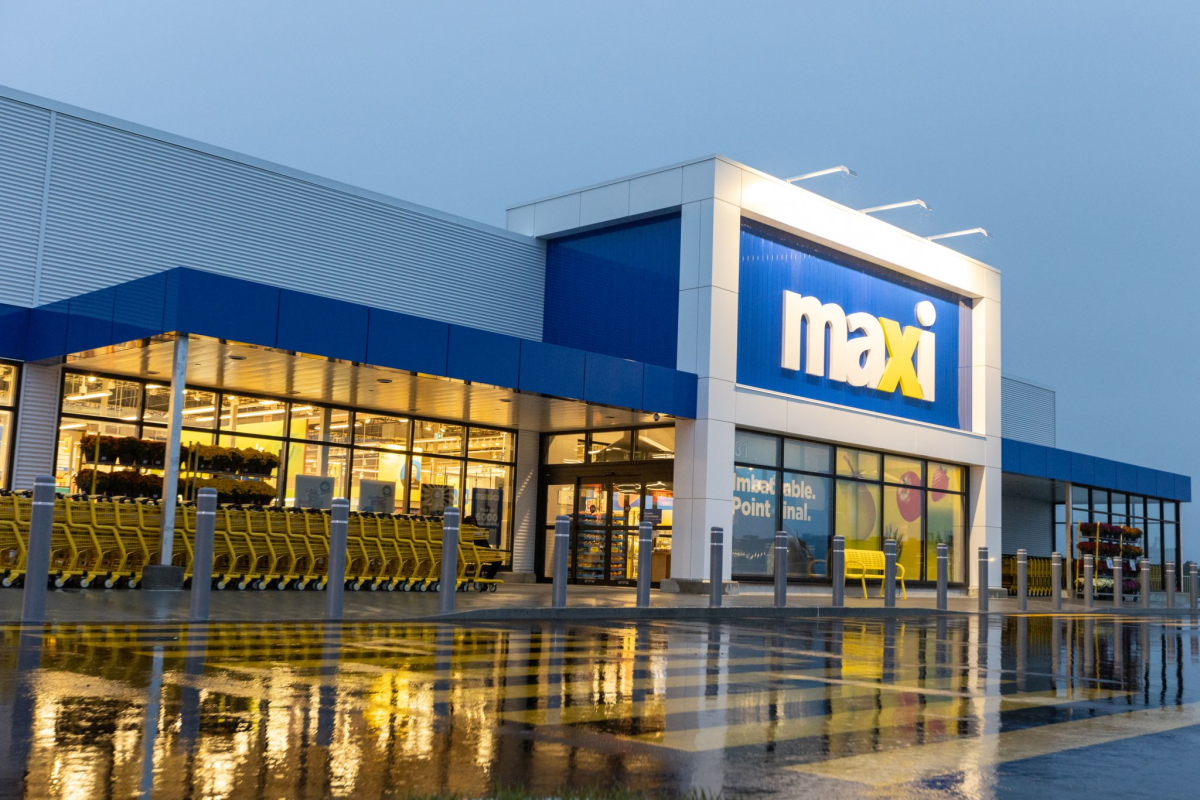
No Frills and Maxi Become Central to Loblaw’s Growth
Loblaw President and CEO Per Bank has prioritized discount grocery since taking over in 2023, expanding smaller-format stores and investing in price-focused banners.
In an October 25 interview with The Canadian Press, Bank said discount banners represented approximately 40% of Loblaw’s grocery footprint. He suggested discount could eventually account for more than half its food business, although this remains an executive expectation rather than a formal forecast.
Bank also said the number of Loblaw stores measuring less than 20,000 square feet had grown from approximately 43 when he became CEO to more than 75. These formats allow expansion into smaller communities and urban neighbourhoods where conventional supermarkets may be less economical.
In September, Loblaw announced approximately $1.2 billion in planned capital expenditures for the remainder of 2026, part of a broader $2.4-billion annual program. Grocery expansion is focused predominantly on No Frills and Maxi, alongside investments in pharmacies and renovations.
The company expected approximately 75 new locations across its grocery and pharmacy businesses during 2026 and renovations to more than 190 existing stores. No Frills reached its 350th Canadian location in October.
Loblaw is also experimenting with smaller assortments and updated formats. A No Frills in Dutton, Ontario, carries approximately 4,000 products, while a Komoka location features expanded fresh and prepared-food offerings.
Smaller stores, private-label merchandise and disciplined assortments can help support discount economics. Wholesale purchasing costs remain important because higher supplier prices can affect product margins, promotional flexibility and the retailer’s ability to maintain its value positioning.
Manufacturers Face Higher Freight, Commodity and Tariff Costs
Loblaw attributes the latest supplier requests to renewed transportation, commodity and tariff pressures. According to its October report, eight of the 10 commodities it tracks increased during September. Wheat rose 5.8%, rice increased 11.3%, and crude oil climbed 19.4% month-over-month.
Loblaw also reported Canadian diesel costs approximately 70% higher than in February. Transportation expenses affect agricultural production, food manufacturing, distribution and deliveries to stores.
In the Canadian Press interview, Bank said one major supplier had requested a 15% increase that Loblaw was resisting. He expressed frustration that consumers often blame grocery retailers for rising shelf prices, even when wholesale increases originate with manufacturers.
Tariffs add another complication. Loblaw estimates Canada’s latest retaliatory measures could affect approximately 2,500 products, compared with 5,000 in 2025, although applicable rates could reach 50%, versus 25% previously.
The company is managing supplier submissions involving approximately 2,000 products and $32 million in proposed annualized increases. These include food and non-food categories such as cheese, baking mixes, dough products and haircare.
Loblaw has also resumed identifying some tariff-affected products through its in-store T symbol, currently appearing on a few dozen items.
Manufacturers can face legitimate increases in ingredients, packaging, labour and transportation costs even as overall grocery inflation slows. Those pressures vary by supplier, and a retailer’s decision to challenge an increase does not establish whether the request was justified.
Sylvain Charlebois Examines Seasonal Grocery Price Negotiations
The timing of Loblaw’s announcement is relevant given the established structure of supplier-retailer negotiations in Canada’s grocery industry.
In a November 2025 Retail Insider column, Dalhousie University food policy researcher Sylvain Charlebois examined recurring increases in grocery inflation during October and February.
Drawing on 25 years of Statistics Canada data, Charlebois linked these patterns partly to wholesale pricing negotiations and the traditional holiday price-increase blackout period, during which major grocers ask suppliers to postpone increases until February.
He also discussed the 2022 Loblaw-PepsiCo dispute, when disagreements over wholesale pricing temporarily disrupted product availability. His analysis provides historical context, although it predates Loblaw’s October 2026 announcement and does not assess these specific requests.
Grocery Code Establishes New Framework for Commercial Disputes
The latest negotiations are taking place during the first year of full implementation of Canada’s Grocery Code of Conduct, developed to improve commercial relationships throughout the grocery supply chain.
According to the Office of the Grocery Sector Code of Conduct, the voluntary Code became fully operational January 1, 2026, including a dispute-resolution process intended to improve transparency, predictability and fairness.
Loblaw, Empire, Metro, Walmart Canada and Costco Canada are registered under the framework, alongside numerous suppliers and other retailers.
The Code addresses commercial conduct and dispute resolution but does not eliminate price negotiations or require retailers to accept proposed increases. There is no established evidence that Loblaw’s latest negotiations constitute a violation or have generated formal complaints.
What the Negotiations Mean for Canadian Grocery
Loblaw’s purchasing scale gives it considerable negotiating leverage compared with smaller grocery operators that may have fewer alternatives when suppliers seek higher prices.
Its financial performance also provides context. In its second-quarter results, Loblaw reported revenue growth of 4.1% and adjusted diluted earnings-per-share growth of 11.9%.
Those results include its broader operations and do not establish the profitability of individual products or discount banners. Strong corporate earnings alone cannot determine whether particular supplier increases are commercially justified.
Independent grocers may face greater difficulty absorbing wholesale increases while competing against national discount chains. Smaller operators often have less purchasing leverage and fewer opportunities to offset rising costs through private-label programs or operating efficiencies.
For consumers, the outcome depends on what happens after negotiations conclude. Resisting a supplier increase may prevent additional pricing pressure, but it does not necessarily reduce existing shelf prices or establish a measurable saving.
As Loblaw expands No Frills and Maxi, supplier negotiations will remain important to its competitive position. Their outcomes will also influence how rising production and distribution costs are shared among manufacturers, retailers and Canadian households.