

Over the past decade, there has been a significant rise of celebrity brands. Recent data from NielsenIQ, a global marketing research firm, shows just how significant this boom has become.
Celebrity beauty brands collectively achieved $1.1 billion in sales from November 2022 to November 2023. Interestingly, these brands experienced a growth rate of 57.8 per cent, far outpacing the overall beauty category’s growth of 11.1 per cent during the same period.
Celebrity brands are products or services created, endorsed or owned by famous individuals who leverage their fame to influence consumer decisions. With the rise of social media and the emergence of digital celebrities, these celebrity brands have become increasingly prominent.
On the surface, the appeal seems straightforward for both celebrities and consumers. Celebrities use their influence to develop brands that bypass the typical awareness stage, entering consumers’ consideration immediately upon launch.
Consumers, in turn, expect that a celebrity they admire will offer high-quality products that resonate with their preferences and values. However, this trust can quickly erode when products fail to meet expectations.
Why do some brands fail?
While some celebrity brands, like Selena Gomez’s Rare Beauty and Rihanna’s Fenty Beauty brands, are successful, not all manage to maintain their initial momentum.
A notable example is beauty influencer Jaclyn Hill’s cosmetics brand, which faced major backlash when her 2019 lipstick launch was filled by complaints of defective products, leading to a recall and long-lasting damage to her brand’s reputation. Hill has since announced the brand will be shutting down, highlighting how even celebrity brands can falter when quality and consumer trust are compromised.
There are three key reasons that can often lead to the downfall of these ventures: product quality, authenticity and misalignment of positioning with the target market.
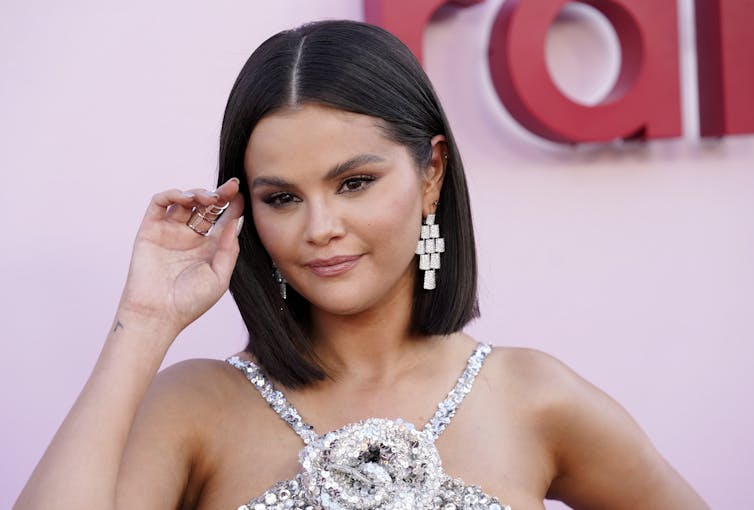
Consumers expect that products endorsed by their favourite celebrities will live up to a high standard. When this expectation is not met, trust is quickly eroded. This falls in line with the expectation confirmation theory, which suggests consumer satisfaction is shaped by the relationship between initial expectations and the actual performance of the product.
An example of this is Kylie Jenner’s skincare brand, Kylie Skin, which came under fire shortly after its launch for promoting a walnut scrub. Skincare professionals and consumers criticized the product, for being too harsh for the skin and potentially causing microtears. This raised questions about the product safety and hurt the brand’s reputation early on.
Consumers expect products to deliver on promises, and if quality is lacking, no amount of celebrity endorsement can save the brand.
The value of authenticity
Younger consumers especially value authenticity in celebrity brands. Consumers are increasingly drawn to brands that feel like a true extension of the celebrity’s personal brand and values.
When a brand feels disingenuous or disconnected from the celebrity, it often results in strong backlash. Given the heightened expectations surrounding celebrity-backed ventures, any perceived inauthenticity tends to amplify negative word-of-mouth, even more so than traditional brands.
For example, in the case of Millie Bobby Brown’s Florence by Mills, the brand faced early challenges, particularly regarding its authenticity and the quality of its marketing.

Shortly after its 2019 launch, Brown was criticized for faking a skincare routine video in which she appeared to mimic applying her products without actually using them. This misstep raised doubts about her involvement in the brand and its authenticity, leading to public backlash.
Brown later apologized, saying she was “still learning” about the beauty space. Although the brand has since recovered, and Brown has recently announced that she is launching a fashion brand, this sort of hurdle can be a breaking point for other brands.
Misalignment with target market
Misalignment between what celebrities think their target market wants and what the market actually desires can severely impact a brand’s success. An example of misalignment in brand positioning is Jessica Alba’s Honest Beauty.
Initially launched as part of the Honest Company, which focuses on safe, non-toxic baby products, Honest Beauty faced challenges when it expanded into skincare. Issues like the 2015 sunscreen backlash where consumers reported sunburns despite using the product, and other allegations of misleading product claims, eroded trust.
Additionally, while the brand was positioned as eco-conscious and affordable, some premium-priced products alienated a portion of the target audience, creating a disconnect between its mission and consumer expectations.
In essence, successful brands must align their positioning — how the brand is perceived in the minds of the consumers — with the celebrity’s image and their audience’s expectations to avoid such challenges.
The future of celebrity brands
As the market continues to evolve and consumers become more discerning about the products they buy, the success of celebrity brands requires more than just star power these days. The era of slapping a famous name on any product and expecting it to sell is over.
Many consumers are also experiencing “celebrity fatigue” due to the oversaturation of celebrity brands. This year alone has seen the launch ofBeyoncé haircare brand Cécred, Dwayne Johnson’s skincare brand Papatui and Wiz Khalifa’s Mistercap’s mushroom growing kits.
With the market becoming increasingly competitive, longevity is now a critical measure of success. While some brands may enjoy an initial boost of interest upon launch, the real challenge lies in sustaining that momentum over time.
To stand out in today’s crowded marketplace, celebrity brands must demonstrate substance, quality and purpose. Today’s consumers are looking for brands that go beyond the surface, offering consumers real value, authenticity and a commitment to social responsibility. Celebrity brands must work to prove their worth and longevity to consumers.
As we move forward, the focus will shift from the sheer number of celebrity brand launches to which ones are truly deserving of consumers’ trust in a space that continues to be increasingly competitive.
Omar H. Fares is a lecturer of Marketing in the Lazaridis School of Business and Economics, Wilfrid Laurier University.
Other “The Conversation” Article: What makes a retail street ‘cool?’ These Canadian cities have the world’s coolest streets