The Competition Bureau of Canada is requesting input from grocery retailers and real estate professionals regarding the use of restrictive real estate clauses (aka restrictive covenants or “property controls”), in the grocery industry. The investigation forms part of the Bureau’s broader efforts to assess competition within the sector, with a particular focus on Loblaw and Empire Company (parent of Sobeys).
Property controls, often included in lease agreements or deeds, may limit competition by preventing other businesses from opening retail food stores or restricting the range of products they can offer. The Bureau is investigating the extent to which these clauses impact market dynamics in Canada and whether they are detrimental to consumers by reducing choice, driving up prices, and limiting innovation.
Empire and Loblaw Under Scrutiny
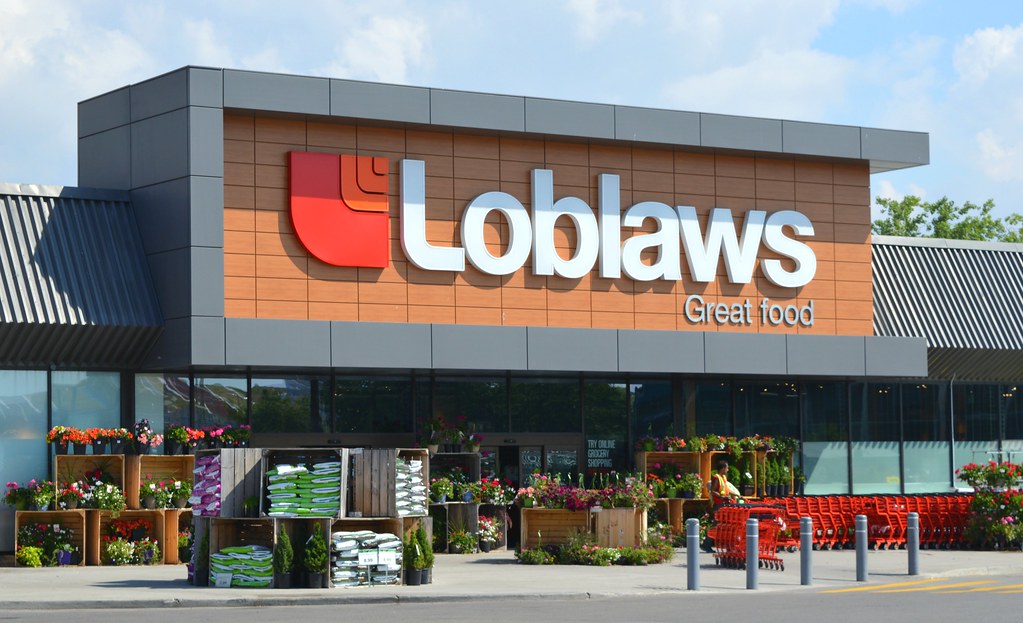
The Competition Bureau’s investigation into the use of property controls by Empire Company and Loblaw is significant. The two major retailers control large portions of the market, and the Bureau is examining whether they have leveraged property controls to block competitors from entering or expanding within key markets.
The Bureau’s interest extends to situations where property controls may have prevented new domestic or international grocery retailers from establishing stores in Canada. Additionally, the investigation is focused on whether such clauses have restricted existing grocers’ ability to diversify their product offerings, ultimately limiting competition.
In June 2024, the Bureau secured court orders to further its investigation into these companies’ practices. However, it is important to note that no conclusions of wrongdoing have been made at this stage. The Bureau’s inquiries aim to gather evidence that will either validate or dispel concerns about anti-competitive behaviour in the sector.
How Property Controls Impact Grocery Competition
Property controls, as described in the Competition Bureau’s June 2023 report, are designed to limit how commercial real estate is used, often preventing competitors from setting up shop in prime locations. These restrictions can also limit the types of products sold in these locations, creating further barriers for competitors.
For example, when a major grocery chain relocates, property controls may be used to prevent a rival from moving into the newly vacated space. This tactic can stifle competition in local markets, limiting consumers’ access to alternative grocery options. The Bureau believes that such controls may contribute to higher prices, reduced product variety, and fewer choices for consumers.
The Bureau is also interested in understanding both the advantages and disadvantages of these property controls from the perspectives of food retailers, landowners, and landlords. By hearing from all sides, the regulator aims to create a more balanced view of the issue, identifying where these clauses may benefit the market and where they may hinder it.
Call for Confidential Input from Industry Stakeholders
To further its investigation, the Competition Bureau is calling on market participants in the grocery and real estate sectors to confidentially share their experiences with property controls. Specifically, the Bureau is seeking examples of where such clauses have limited competition by preventing new grocery stores from opening or restricting existing retailers’ operations. Industry stakeholders are encouraged to submit their input by emailing ControlesdePropriete-PropertyControls@cb-bc.gc.ca.
This call for input comes on the heels of an earlier consultation in August 2024, which invited Canadians to provide feedback on the Bureau’s enforcement approach to property controls. However, that consultation focused on broader changes to the Competition Act and is separate from the current investigation.
The insights gathered from this latest call-out will inform the Bureau’s ongoing investigations and help shape its recommendations to policymakers. With the grocery industry under increasing scrutiny for its pricing practices, the investigation into property controls could have far-reaching implications for how competition in the sector is managed moving forward.
More from Retail Insider:
Canada’s Competition Bureau Launches Investigation into Loblaws and Sobeys [Op-Ed]
Why the Competition Bureau is Toothless in its Investigation of Canada’s Grocery Sector [Op-Ed]