Home Blog Page 13

KINTON RAMEN introduces children’s menu aimed at expanding family dining business

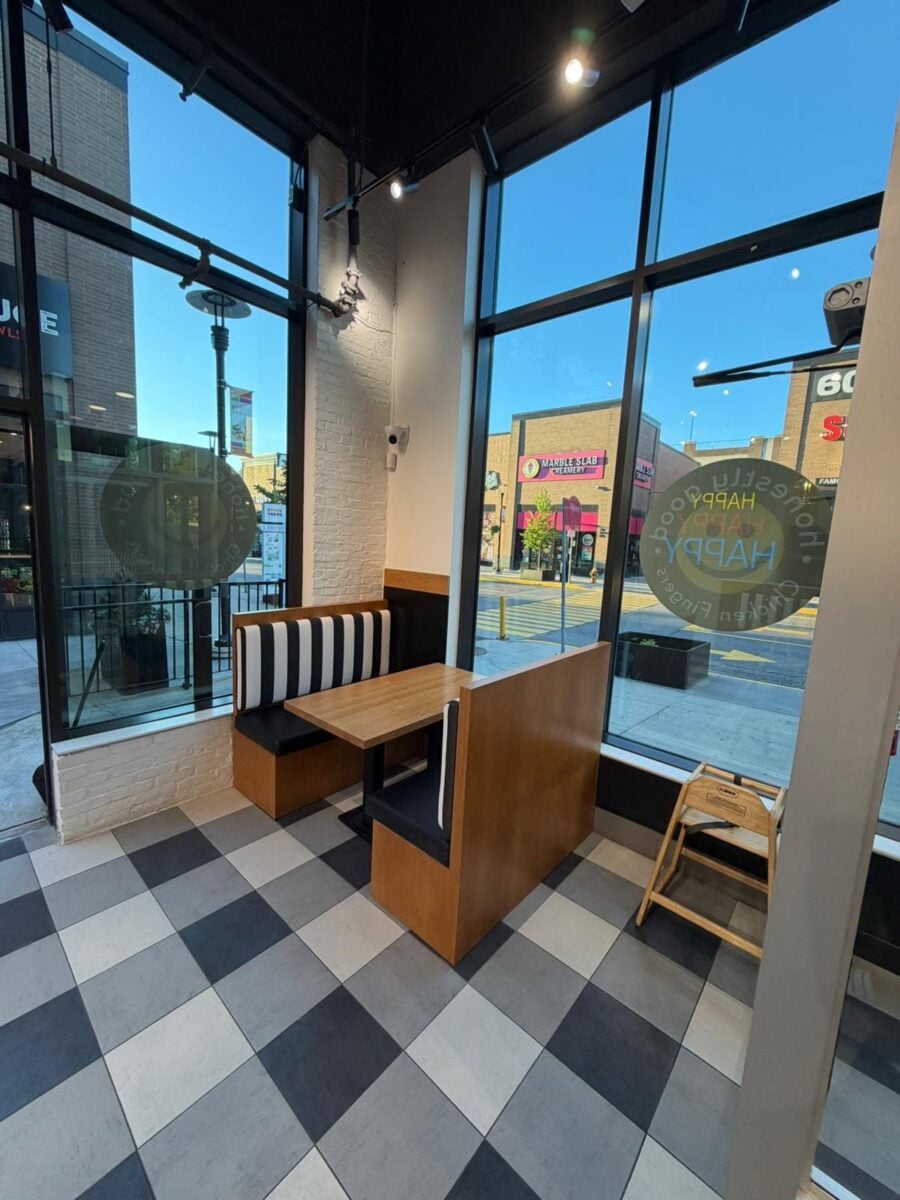
Kinton Ramen photo
Kinton Ramen photo

KINTON RAMEN has introduced a new children’s menu across participating Canadian locations as the restaurant chain looks to broaden its appeal to families through an interactive dining experience centred on Japanese cuisine.

The new Kids Menu combines a children’s meal with activities designed to introduce young diners to elements of Japanese language and culture while they eat. The offering is now available at participating locations, with the Kids Combo starting at $9.99.

The launch represents the company’s latest effort to strengthen its position among families by offering a menu tailored to younger customers while encouraging shared dining experiences.

“We believe some of the best food experiences are the ones that spark curiosity and bring families together,” said Alan De Luna, Senior Marketing Manager at Foodtastic, the parent company that owns and operates KINTON RAMEN. “We wanted to create something that encourages kids to be curious, get involved and enjoy discovering new flavours while sharing a meal with their families.”

The children’s menu includes an activity sheet featuring simple Japanese phrases, a noodle maze and food-matching games intended to engage children while introducing them to aspects of Japanese language, culture and cuisine.

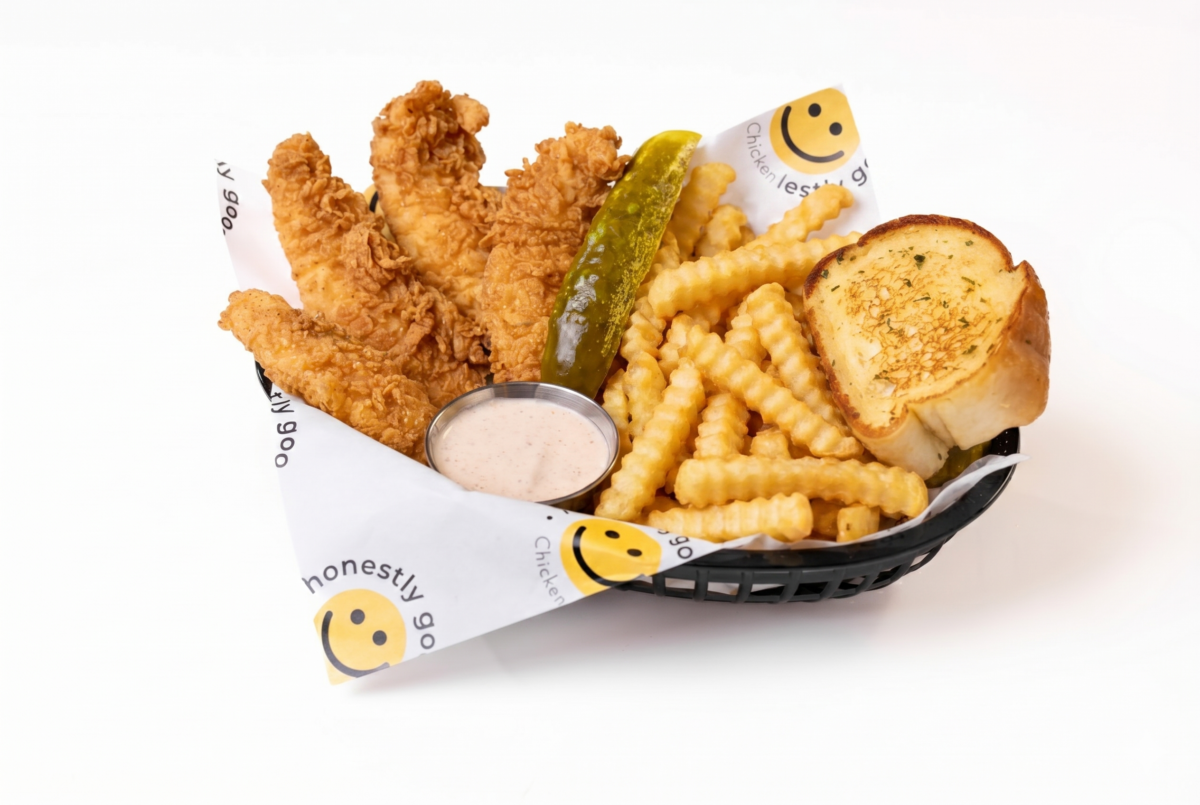
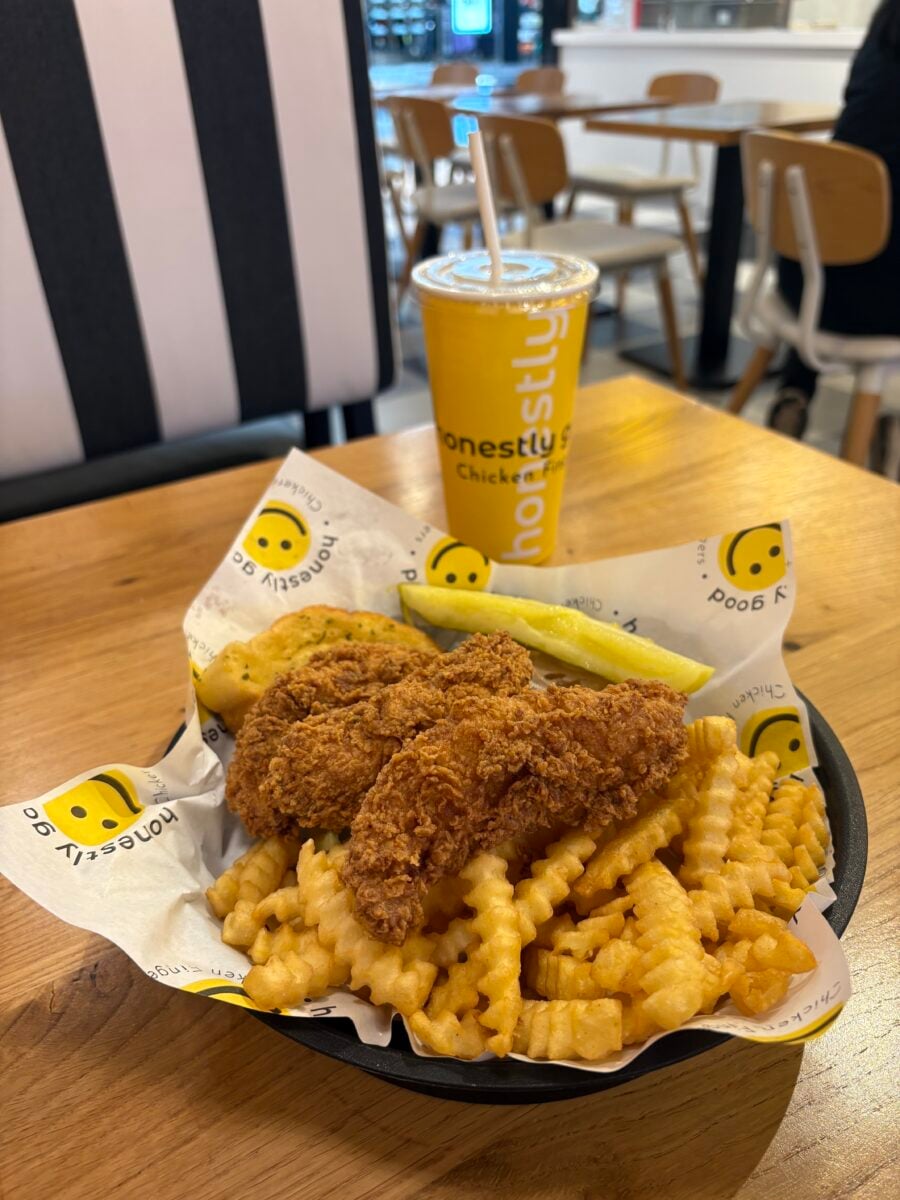
The Kids Combo includes an Original Ramen made with pork broth and topped with corn, Naruto fish cake and take-style beef sausage, along with junior fries and a soft drink of the customer’s choice.

The company says the menu is intended to provide younger guests with an introduction to Japanese cuisine by combining familiar foods with items served at KINTON RAMEN restaurants.

“We’ve always believed in creating a ‘Bowl of Happiness’ for every guest, and we’re excited to extend that experience to families in a more meaningful way,” said De Luna. “As Japanese cuisine continues to grow as a Canadian favourite, more families are choosing KINTON RAMEN as a place to share new food experiences together. We want to make it easier for parents to introduce their children to Japanese flavours and culture in a way that feels fun, welcoming and approachable.”

The company says the launch is part of its continuing efforts to create dining experiences for families while expanding its presence in the Canadian market.

KINTON RAMEN was established in Toronto in May 2012 and operates under Foodtastic. The company says it was among the city’s first Japanese ramen restaurants and is led by Executive Chef Aki Urata and a team of ramen chefs.

More from Retail Insider:

Clutch opens Halifax customer hub as online used-car retailer expands physical network

Clutch photo
Clutch photo

Clutch has opened a new customer hub in Halifax, adding another physical location to support its online used-vehicle business as the company continues expanding its operations across Canada.

The Halifax facility, located at 219 Hobson Lake Dr., will serve as a pickup and drop-off point for customers buying or selling used vehicles through Clutch.ca. The company said the opening is its third new physical location this year, following expansions into British Columbia and Ottawa.

The new hub reflects Clutch’s continued investment in physical locations to support its digital business model by providing customers with in-person services alongside its online platform.

The Halifax site spans 11,000 square feet on a three-acre property and is intended to support customers completing vehicle transactions through the company’s website. Clutch said the location is designed to provide pickup and drop-off services, on-site customer assistance and guidance for buyers and sellers using its online marketplace.

“Opening our new Halifax Customer Hub is an exciting milestone as we continue expanding our presence across Canada,” said Dan Park, CEO of Clutch. “We’ve seen how valuable physical locations are in giving customers more choice, whether they want to complete everything online or connect with our team in-person.”

The company said the Halifax hub will offer several customer services, including vehicle pickup and drop-off for purchases and sales completed through Clutch.ca, on-site staff to facilitate vehicle handoffs, and assistance for customers navigating the online buying and selling process.

Customers visiting the location will also be able to browse the company’s online vehicle inventory using in-store computers with assistance from staff. Clutch said employees will also help customers list vehicles online and receive an offer based on the vehicle’s value.

“Our Customer Hubs are designed to complement Clutch’s digital-first experience by giving customers another way to engage with us,” said Stephen Seibel, Founder of Clutch. “Whether someone is picking up a vehicle, selling their current one, or looking for guidance through the process, the Halifax team will provide the same seamless, customer-first experience that has helped us grow across the country.”

TORONTO – Clutch CEO Dan Park (left) and COO and Founder Steve Seibel are creating an end-to-end e-commerce experience for car buying in Canada. Clutch launched in 2016 in Halifax and entered the Toronto market earlier this year. Glenn Lowson photo (CNW Group/Clutch)

According to the company, services available at the Halifax hub include:

  • Vehicle pickup and drop-off for customers buying or selling vehicles through Clutch.ca.
  • On-site staff to assist with vehicle handoffs.
  • Access to the company’s online inventory through in-store computers with staff available to help customers navigate listings and compare vehicles.
  • Assistance with listing vehicles online and obtaining an offer based on the vehicle’s value.
  • In-person guidance on the online vehicle buying and selling process.

More from Retail Insider:

Canadian Consumers Increasingly Verify Wellness Claims Before Buying: CHFA Study

A man shops in a grocery store. Image: RI/Google

Canadian consumers continue to seek out natural, organic and wellness products, but many are taking a more deliberate approach to the claims attached to them.

Packaging remains an important starting point. From there, shoppers may consult brand websites, health professionals, online reviews, friends and family, and emerging tools such as artificial intelligence before deciding whether a product deserves their confidence.

New research from the Canadian Health Food Association suggests that claims and certifications can help a product enter the consideration set. When the final decision is made, however, quality, effectiveness and price tend to carry greater weight.

The findings are contained in Triple Exposure: Trust, Transparency and Trade-Offs, a consumer report released by CHFA in July 2026. The research is based on an online Leger survey conducted between November 25 and December 11, 2025, involving 1,506 Canadians aged 18 and older.

Results were weighted to reflect the Canadian population by age, gender and region. The sample also included 418 “Wellness Superconsumers,” described in the report as highly engaged early adopters whose behaviour can offer an indication of where the broader market may be heading.

The report presents a wellness market where trust remains intact, although much of it is conditional. Consumers have not broadly rejected wellness claims or third-party certifications. They are becoming more likely to seek context and outside reassurance before accepting them.

Editor’s Note: CHFA NOW Toronto 2026 takes place at Exhibition Place in Toronto, with the conference scheduled for Friday, September 25, and the trade show running Saturday, September 26, to Sunday, September 27. Retailer registration for the trade show is complimentary, with eligible retailers also able to participate in the Retailer VIP program.

Trust Remains, Although Strong Confidence Is Limited

More than half of Canadians surveyed said they trust product claims and third-party certifications to some degree.

Fifty-three per cent said they trust claims such as “natural,” “sustainable” or “science-backed,” while 60 per cent said they trust third-party certifications.

Strong confidence was considerably less common. Only five per cent said they strongly trust product claims, and nine per cent strongly trust certifications.

Distrust was higher for claims created or presented by companies. Thirty-seven per cent said they somewhat or strongly distrust product claims, compared with 25 per cent who expressed distrust toward third-party certifications.

The large number of respondents who fell into the “somewhat trust” category is central to the report. These consumers appear receptive, though their confidence may depend on the information they encounter later in the shopping process.

Trust also varied among consumer groups. Wellness Superconsumers reported much higher trust in certifications and product claims than the population overall. Younger Canadians were generally more receptive to certifications, while Quebec respondents showed greater skepticism.

The findings point to a market where a recognizable phrase or logo may attract attention without securing the sale. Consumers may still expect understandable ingredient information, sourcing details, research or an explanation of the standards behind a certification.

Packaging Starts a Broader Research Process

CHFA’s research describes a purchasing journey that unfolds across several stages.

Product claims and packaging help consumers decide whether an item appears relevant to their needs. Some shoppers then seek reassurance from other sources before comparing products on performance, quality and price.

Packaging was the most commonly cited source of information about claims and certifications, identified by 39 per cent of the general population.

Consumers also reported turning to doctors and medical professionals, brand websites, online reviews and Reddit discussions, friends and family, nutritionists and dietitians, social media, retail employees and AI tools.

Those sources do not carry equal authority.

Seventy-nine per cent said they trust product packaging as an information source, while 69 per cent trusted doctors and medical professionals. Brand websites were trusted by 56 per cent.

Online reviews and Reddit discussions earned the trust of 45 per cent, followed by friends and family at 43 per cent and nutritionists or dietitians at 42 per cent.

AI tools, social media and influencers ranked much lower. Twenty-one per cent said they trust AI tools for information about claims or certifications, while 19 per cent trusted influencers or public figures.

The results suggest consumers are comparing information across multiple touchpoints. Packaging and brand communications remain influential, but shoppers may test those messages against professional advice, independent commentary and the experiences of other consumers.

Consistency therefore becomes important. A claim displayed prominently on a package may lose credibility when a retailer’s product page offers little explanation, the certification is unfamiliar, or outside information appears to conflict with the brand’s message.

Retail product pages, shelf communication and knowledgeable employees can help answer questions that packaging cannot fully address. CHFA also identifies QR codes and other scannable resources as possible ways to connect shoppers with certification details, sourcing information and supporting research.

Familiar Wellness Language Faces Greater Scrutiny

Canadian consumers continue to look for wellness-related claims, but broad marketing terminology appears to be losing some of its persuasive power.

One in five respondents said their trust in product claims had declined during the previous two to three years. Among that group, 63 per cent cited the overuse of terms such as “natural” and “clean” as a reason.

Misleading claims were identified by 15 per cent of those whose trust had declined. Other respondents pointed to brands prioritizing image over honesty, difficulty identifying trustworthy information, conflicting media messages and increased exposure to misinformation.

The distinction is important. The study does not show that 63 per cent of all Canadians reject “natural” or “clean” products. That figure applies specifically to the respondents who reported declining trust.

Consumers continue to seek out claims that help them evaluate products. Three-quarters of respondents said they look for at least one claim, with locally made, natural ingredients and “free from” among the most frequently sought.

Claims tied to specific and understandable product attributes generally appear to retain more credibility than broad language that is difficult to define or verify.

For brands competing in crowded wellness categories, familiar terminology may offer limited differentiation when several products on the same shelf use similar wording.

A term such as “clean” may earn initial attention, but shoppers may still want to know what it means for a particular ingredient list, formulation or production process.

The report encourages brands to support broad claims with precise information. Retailers can reinforce that effort by emphasizing meaningful product differences and making complex categories easier to understand.

Certifications Carry Weight, but Understanding Varies

Third-party certifications command greater overall trust than product claims, although recognition and understanding differ widely among Canadian consumers.

Fourteen per cent of respondents said their trust in certifications had declined over the previous two to three years.

Among that group, 52 per cent cited difficulty knowing who was behind a certification or how credible the organization was. Eighteen per cent pointed to increased exposure to misinformation, while 12 per cent cited the presence of too many misleading certifications.

Other concerns included uncertainty about how certifications are awarded, conflicting information, unfamiliar standards and the overuse of certification seals.

Canada Organic and Non-GMO Project Verified led the report’s certification rankings, earning the trust of 56 per cent and 55 per cent of respondents, respectively. Leaping Bunny or cruelty-free certification followed at 43 per cent. USDA Organic reached 40 per cent, while Rainforest Alliance was trusted by 39 per cent.

Recognition declined considerably across several other standards. Some certifications generated high levels of uncertainty, with respondents saying they did not know what the designation meant.

That uncertainty may matter as much as active distrust. A certification can be prominently displayed without communicating who created the standard, what requirements were met or how compliance is monitored.

Brief explanations on product pages, category pages and in-store materials could help close that information gap. The report recommends pairing certification marks with clear descriptions and giving consumers an accessible way to learn more about the standard.

Quality, Effectiveness and Price Close the Sale

Claims and certifications remain part of the decision-making process, but they do not outweigh the fundamentals that have long shaped retail purchases.

When respondents were asked to identify the most influential factors when choosing between two products, product quality ranked first, followed by effectiveness and price.

Canadian-made or locally sourced products, scientific support, natural ingredients and brand reputation followed.

Third-party certifications and product claims ranked considerably lower. Both remained ahead of packaging and design, though they trailed most practical considerations.

The report characterizes claims and certifications as factors that help a product qualify for consideration. They can signal alignment with a shopper’s values and reduce some of the perceived risk involved in trying an unfamiliar item.

The final decision is usually more practical. Consumers want to know whether the product works, whether its quality supports the price and whether its benefits are clear.

That finding has particular relevance for wellness products carrying premium price points. Certification marks and carefully developed claims may support a brand’s positioning, but shoppers may still expect a clear performance benefit or a meaningful point of difference.

Merchandising products around consumer needs, including sleep support, digestive health or energy, may help shoppers compare their options more easily. Straightforward information about performance expectations and price differences can also help consumers assess value.

AI Is Accelerating Product Research

Artificial intelligence is becoming another source of information for consumers researching health, diet and natural products.

Nearly three in ten Canadians said they had used an AI tool such as ChatGPT, Google Gemini or Perplexity for health-related information.

Usage reached 41 per cent among Canadians under 45, compared with 20 per cent among respondents over 45. Fifty-five per cent of Wellness Superconsumers reported using AI for health-related research.

Consumers remain cautious about the technology. Eighty-five per cent identified at least one concern about using AI for health or product research.

Accuracy was the leading concern, cited by 58 per cent. Difficulty verifying sources followed at 46 per cent. Lack of accountability and potential bias were each identified by 41 per cent, while 34 per cent raised privacy or data collection concerns.

The research positions AI as a starting point for questions and comparisons, without placing it on the same level as professional expertise. Consumers may use it to interpret ingredients, compare products or generate follow-up questions before confirming the information elsewhere.

Its influence on retail may come from speed. Consumers can now compare competing claims and search for supporting information within seconds, making inconsistencies and poorly explained language easier to identify.

Brands and retailers will therefore have another reason to keep product information accurate and consistent across packaging, websites and digital marketplaces.

Retailers Can Help Consumers Navigate the Category

The findings point to a wellness customer who remains interested in product claims and certifications but expects them to withstand closer examination.

Trust develops across a wider range of interactions. A package may capture attention, a certification may provide reassurance, and a product page or employee may answer additional questions. The purchase still depends heavily on whether the item appears effective, well made and worth its price.

Retailers have an opportunity to make that process easier.

Curated assortments can help consumers navigate categories filled with overlapping claims. Product pages can explain ingredients and certifications in straightforward language. Trained employees can help shoppers understand unfamiliar standards or compare products with similar positioning.

Digital tools can also connect consumers with credible supporting information at the point when uncertainty might otherwise interrupt a purchase.

CHFA expects scrutiny of wellness language and AI-assisted comparison to continue growing over the next two to three years. The report also anticipates that trust may become increasingly concentrated around better-known certifications and organizations that provide clear, accessible information.

Canadian consumers have not stopped looking for wellness products or the claims associated with them. They are becoming more deliberate about how those claims are assessed, where reassurance comes from and which factors ultimately justify the purchase.

CHFA NOW Toronto 2026 takes place at Exhibition Place in Toronto, with the conference scheduled for Friday, September 25, and the trade show running Saturday, September 26, to Sunday, September 27. Retailer registration for the trade show is complimentary, with eligible retailers also able to participate in the Retailer VIP program.

More from Retail Insider:

Daily Synopsis: Jul 28, 2026

Welcome to the Daily Synopsis by Retail Insider. We hope you enjoy the 7 articles we published covering key developments in Canadian retail.

CF Toronto Eaton Centre redesigned its Level 2 washrooms to improve capacity, accessibility, and durability while enhancing visitor comfort with local art and biophilic design principles. Just Cuts opened its first Canadian salon in Guelph and plans expansion in Ontario cities using a walk-in haircut model. Research from the University of Toronto and Longo’s shows grocery stores can reduce plastic produce-bag use through better signage, dispenser placement, and reusable options, balancing sustainability and cost savings.

Retail Insider also published coverage on grocery pricing showing offsets between protein price spikes and vegetable price declines in July by Agri-Food Analytics Lab, a report detailing independent retailers outpacing online-only stores and adapting to economic shifts from Faire, and insights into Canadian summer road-tripping trends by Turo. Clinique Canada partnered with AFC Toronto and Canadian Women & Sport to promote girls’ sports participation through a national campaign with retail activations and athlete ambassadors.

🗞️ The Day’s Retail Insider Article List

🌐 Due to a slow news day, Canadian Retail News From Around the Web will be back tomorrow.

Protein price spikes offset broad grocery relief in July: Agri-Food Analytics Lab

Gustavo Fring photo
Gustavo Fring photo

Grocery prices generally softened between June and July, but substantial increases for several protein products prevented the overall food basket from declining, according to new data released by the Agri-Food Analytics Lab at Dalhousie University.

The Lab said its 50-item food basket increased by 0.3% from June to July, rising by approximately $0.89 to an equal-city average of $298.38. The analysis covers nearly 8,000 price observations from 22 grocery banners in 13 Canadian cities.

It said its partner, GroceryPulse.Ca, monitors retail food prices regularly, allowing the Lab to release data ahead of Statistics Canada’s monthly Consumer Price Index report. The findings provide an early indication of emerging grocery-price movements, it added.

Despite the modest increase in the total basket, price relief was widespread. Thirty of the 50 products tracked declined, 17 increased and three remained essentially unchanged. Among comparable store-level observations, 62.3% of prices did not change, said the report.

“The national headline appears remarkably calm, but it conceals a highly uneven month,” said Dr. Sylvain Charlebois, Director of the Agri-Food Analytics Lab at Dalhousie University. “Most products became less expensive, but a small number of significant protein increases were large enough to offset those savings.”

The meat-and-fish category increased by 6.5%, adding approximately $5.72 to the average basket. Bacon recorded the largest increase at 28.9%, followed by Atlantic salmon at 25.8% and pork loin chops at 24.2%. Bacon prices increased in all 13 cities, while salmon and pork chops increased in 12. Chicken breast prices moved sharply in the opposite direction, declining by 26.7% across the national sample. Median chicken breast prices fell in all 13 cities, explained the report.

“This is primarily a protein-volatility story, not evidence of broad-based food inflation,” said Charlebois. “Bacon, salmon and pork rose rapidly, while chicken breast became substantially cheaper. Consumers are therefore seeing very different price signals within the same department.”

Seven of the nine food category baskets declined in July. Vegetables provided the greatest relief, falling by 6.6%. Broccoli declined by 23.9%, romaine lettuce by 6.6%, onions by 5.0% and tomatoes by 4.7%. Bakery products fell by 4.2%, household products by 3.5%, beverages by 2.1% and dairy products by 1.9%. Frozen products were the only category other than meat and fish to increase, rising by 2.8%, added the report.

Regional results varied considerably. Quebec City posted the largest increase in its 50-item basket at 6.1%, followed by Montreal at 4.2%. Calgary and Saskatoon each increased by approximately 2.4%. The strongest declines were recorded in St. John’s at 4.2%, Halifax at 3.6%, Ottawa at 2.9% and Moncton at 2.7%. Overall, seven city baskets increased while six declined, it said.

“Regional variation remains one of the most important features of Canada’s grocery market,” said Charlebois. “A national average can be useful, but it does not necessarily reflect what consumers are experiencing locally. In July, households in Quebec City and St. John’s faced almost opposite price movements.”

Helena Lopes photo
Helena Lopes photo

The gap between the highest- and lowest-cost city baskets narrowed slightly, from $42.51 in June to $40.30 in July. Charlottetown recorded the highest July basket at $318.48, while Ottawa recorded the lowest at $278.18.

Key findings

  • The national 50-item basket increased by 0.3%.
  • Thirty of 50 tracked products declined.
  • Meat and fish increased by 6.5%.
  • Bacon increased by 28.9%.
  • Atlantic salmon increased by 25.8%.
  • Pork loin chops increased by 24.2%.
  • Chicken breast declined by 26.7%.
  • Vegetables declined by 6.6%.
  • Quebec City recorded the largest city-level increase at 6.1%.
  • St. John’s recorded the largest decline at 4.2%.

More from Retail Insider:

Retail Price Monitoring: Why Your Business Needs It

If you’re employed in the retail sector in Canada, you know that the ground is moving under your feet. The window for a price slip-up is even slimmer, and shoppers are in and out of your site within seconds to a competitor. Previously, retail price monitoring was a spreadsheet job that an intern would do every quarter, between coffee breaks. If you’re not keeping a close watch on prices, then you’re not just missing a beat; you’re giving the market a beat.

Why Weekly Spreadsheets Don’t Work Anymore

The speed at which the market is moving is almost like it’s going through a war. Statistics Canada reports e-commerce sales in Canada surpassed $73 billion, accounting for over 7% of all retail sales. The same report highlights that digital baskets are rapidly changing when a better price becomes available. It’s not only the big box guys discounting. Niche brands and marketplace sellers are making adjustments by the hour, as are private-label lines.

Real-Time Retail Price Monitoring: What It Can Really Unlock

Going into real-time isn’t merely about seeing numbers quicker. It changes the game from a data-less approach to one driven by data. The more frequently you monitor your retail prices, the more powerful things happen:

  • You create dynamic pricing algorithms for retail that automatically adjust prices in response to rivals’ actions and stock levels.
  • You’ll receive SKU-level pricing data to help you identify which items to take a shot at. And which ones to pass on.
  • You begin to understand your product’s competitiveness through meaningful private-label price benchmarking against rivals.

Tech Stack That Makes Your Competitor Price Tracking Useful

The NASA control room is not a requirement. There are a few smart tools used for modern price tracking. Competitor pricing intelligence platforms (such as Prisync, Competera or locally developed solutions) extract raw information. Then they deliver it to retail analytics dashboards that your buying and e‑comm teams can understand.

These dashboards help a data-driven team identify trends. For example, you could discover that your primary rival consistently offers a discount on winter tires on the third Thursday of September.

The Infrastructure That Maintains Scraping

So, let’s be honest here: scraping at scale can be a headache in the real world. Websites don’t love bots, and retailers (Canadian or American) are taking steps to protect themselves against bots. If your scraper is going to a competitor’s site with the same IP address every 5 minutes, you will be blocked quicker than a hockey fight is broken up.

This is where infrastructure comes in handy. A robust ecommerce data scraping pipeline requires a stable proxy infrastructure. Proxies change IP addresses, making it appear as if the requests are from regular customers in various provinces or states. You maintain data flow. Many analytics teams use stable proxies from Proxy-Seller, and they do not have to worry about interruptions in that flow. It supports the entire retail price monitoring machine. Without it, you are likely to spend hours dealing with clogged scrapers rather than analyzing prices.

Protect Your Brand With MAP Compliance

When selling through third-party retailers or marketplaces, MAP compliance monitoring can seem like a game of whack-a-mole. One rogue seller sells your high-end kitchenware collection for $79. It is $129 less than the price you agreed to pay. And suddenly your brand’s value perception is affected, not to mention the angry calls from other retailers.

Real-time retail price monitoring means that you won’t have to wait until a weekly report to see if there is a violation. The system will alert you in an hour, take a screenshot and notify your channel manager. That’s the speed that’s good for Canadian brands that depend on specialty stores from Vancouver to St. John’s, as it helps maintain relationships and margins.

Navigating the Complexities of Cross-Border Pricing Comparison

The loonie is volatile, and Canadians are well known for their willingness to cross the border for a better deal. You may be selling patio sets for a great afternoon deal. But until a customer checks out a US retailer’s price on their cell phone, you may find that you’re still 15% more expensive after the exchange.

Today savvy merchants operate parallel retail price monitoring tracks:

  • one for domestic competitors,
  • another for important US rivals who ship products to Canada or who physically cross the border.

The data is integrated into one dashboard and enables your team to fine-tune as they go. It can be a matching game and/or a justification for the premium based on a shorter delivery time or Canadian-based support. In either case, you won’t be able to tell that story without the numbers.

Ecommerce Data Scraping: A Quick Local Case Study

Previously, Calgary-based Mountain Peak Outfitters, a retailer of outdoor gear with 11 physical locations and an online store, had a junior buyer manually check three competitor websites each Wednesday. This reactive strategy resulted in late markdowns of stale products and missed opportunities to keep prices down.

In response, Mountain Peak adopted a lightweight retail price monitoring solution that tracks 15,000 SKUs. In the first quarter, they showed that their private-label camping stoves had room for a 4% price increase without impacting conversion. It also identified a trend of reducing tent prices before long weekends, which allowed Mountain Peak to beat the price cut by 48 hours. This approach resulted in a 3% margin gain in the core categories.

Wrapping Up

If your team has not yet gotten into the habit of retail price monitoring, you are already losing money and margin. Whether it’s an e-commerce site, a giant mall or the main street of a town, the Canadian retail market is fast and harsh. Consumers have no tolerance for retailers that cannot keep up.

The positive: It’s not as intimidating as it seems to get started. Identify your top 500 SKUs, try a monitoring tool and add that rock-solid proxy infrastructure to your data pipelines to avoid the meltdown. Then, scale until you’re monitoring others, private brands and cross-border competition on a single platform.

Retail Technology for Multi-Location Operators: How CGS Video Keeps Stores Running Across Georgia and the Southeast US

Walk into the back office of almost any franchise restaurant in the Southeast US and you’ll find the same sad shelf. A video recorder from one company, a music player from another, a drive-thru timer from a third, a network switch nobody remembers installing, and a binder of support numbers that may or may not still be in service. Each piece was bought separately, installed separately, and, when it breaks, blamed separately.

For a single store, that shelf is an annoyance. For an operator running thirty or fifty locations across Georgia, it becomes a structural problem. And in a region as dense with franchise restaurants and multi-unit retail as the Southeast, it’s a problem a lot of operators share.

One company that has built its entire business around fixing it is CGS Video, an Augusta, Georgia-based integrator that has spent roughly 35 years becoming, for its clients, the only technology phone number worth keeping in that binder.

The finger-pointing tax

The case for a company like CGS starts with a scenario every multi-unit operator recognizes. A camera fails at store 14. The manager calls the security vendor, who says the problem is the network. The network contractor says the cabling was done by someone else years ago and won’t touch it. Three service calls later, the camera works again, and the operator has paid for the finger-pointing as surely as for the repair.

CGS’s answer is blunt: own every layer. The company installs and services CCTV, commercial security, drive-thru communications, background music, digital menu boards, structured cabling, WiFi, and point-of-sale systems under one roof. When something fails, there is exactly one number to call, and the person answering it has no one else to blame. The cabling, the camera, and the network it rides on were all put in by the same firm, usually at the same time, which means diagnosis doesn’t begin with an argument about whose fault it is.

The scale tells you the model has taken hold. CGS currently maintains around 12,000 active cameras, serves some 2,000 background music subscribers, and handles drive-thru maintenance for about 500 users, most of that concentrated in Georgia and the Carolinas.

Why geography still decides who wins

In quick service, the drive-thru now carries the majority of sales at many locations. When the headset system or the timer dies, cars stack up and revenue leaks out in real time. A menu board outage during the lunch rush is not an IT ticket. It’s a sales problem with a timestamp.

That is where being regional stops being quaint and starts being the product. A national vendor two time zones away offering next-week service is a very different proposition from a firm with offices in Athens, Atlanta, Augusta, Columbus, Macon, and Warner Robins that can put a technician in the parking lot the same day. CGS runs 24/7 support behind that footprint, and for franchise operators strung along the I-75 and I-20 corridors, that density of coverage is the whole point.

The company’s certification work reinforces it. CGS is certified for McDonald’s operator programs, services both HME and PAR drive-thru systems, and does compliance upgrades for McDonald’s NRBES 2027 requirements — the kind of brand-mandated, deadline-driven work where a franchisee cannot afford a vendor who is learning on the job.

Rollouts without the circus

The single-partner model changes acquisitions and upgrades too, which is why CGS sells multi-location rollouts as a service of its own. When a franchisee picks up six new stores, or a brand mandates new drive-thru equipment across the system, coordinating one integrator beats sequencing four subcontractors who have never met. Cabling gets pulled once, properly, with the cameras, the audio, and the network designed together rather than layered on top of each other over a decade.

CGS typically starts these engagements with a technology diagnostic — an audit of what’s actually installed at each site, since after a few ownership changes most operators genuinely don’t know. The findings become the rollout plan, sequenced so stores stay open and trading while the work happens.

The cameras are becoming the operating tool

There’s a second thread to the CGS story worth pulling on, and it has to do with what operators actually do with all that video. For decades, cameras recorded footage nobody looked at until after something went wrong. That’s changing fast. A director of operations can now check a live view of any store from a phone, verify that opening procedures happened on time, and pull footage by event instead of scrubbing through hours of recording.

For loss prevention teams, the shift is even starker. Suspicious point-of-sale activity can be flagged and matched straight to video, turning investigations that once ate a full day of driving and DVR-squinting into twenty minutes at a desk. With 12,000 cameras under management across the Southeast, CGS sits close to that shift, and the company’s pitch is that none of it works without the boring foundation underneath: clean cabling, a properly built network, and someone accountable for keeping the whole stack up.

Which is, in the end, the argument for the model. The multi-unit operators getting real value out of store technology in Georgia and across the Southeast are the ones who stopped treating it as five separate purchases and started treating it as one system with one owner. The sad shelf in the back office won’t disappear overnight. But at the operations growing fastest, it’s already looking a lot less crowded.

Is Duty-Free Shopping Actually a Good Deal? A Price Breakdown

The duty-free signs are always there when you pass through an airport. Your eyes get drawn to cheap booze, discounted perfumes, tax-free electronics, and other products. You might think you’re getting a great deal, but the savings tell a different story. Here is when duty-free really saves you money, and when it costs you more than necessary.

What Duty-Free Actually Skips

Duty-free shops don’t have to pay import taxes or local sales taxes, so there’s no VAT in Europe and no GST or HST at a Canadian airport. You’d think this makes everything less expensive. The actual savings depend on three factors.

Those factors are the initial price the retailer pays for the item, the amount of markup that the airport store charges, and whether or not the same product is sold at a lower price online at home. A recent piece in The Week claimed that sometimes the only savings are on the tax, not the actual price.

Where Duty-Free Actually Wins

A few categories really are worth it. Premium perfume is the best example. A 2026 survey at major Asian airports found that buying perfume duty-free saved about 18% on average compared to regular perfume shops, with bottles like Miss Dior Blooming Bouquet coming in well below downtown prices.

Spirits are more hit or miss. A litre of premium whisky, gin, or vodka often beats the supermarket once you account for liquor tax, especially in countries with high alcohol duty. It helps that airports sell travel-only bottle sizes, like a full litre instead of the standard 750ml, which lowers the price per millilitre. Tobacco can save you real money in places with high tobacco taxes, but travellers should keep an eye on their personal import limits so they don’t get hit with customs fees on the way home. 

Where It Loses

The electronics sections are tempting, but they can be a trap. Typically, duty-free laptops, tablets, cameras, and headphones are 10% to 25% more expensive than the same model on the internet. The premium covers airport rent, low turnover and the assumption that you’re buying out of last-minute need rather than choice.

The worst option in the terminal is typically snacks, soft drinks, and souvenir candy. The duty-free discount for K-beauty products has mostly been lost in Korea, as many items have a similar or better price in downtown shops such as Olive Young and Daiso.

The Currency Catch

If you make a purchase in USD or EUR at the airport in another country, the exchange rate determines whether the transaction will appear on your credit card statement. Most cards charge a 2% to 2.5% foreign transaction fee over the spot rate. That can easily wipe out the $200 duty-free savings on a bottle of whisky.

There’s an easy solution to the problem. Use a currency application to check the price in your local currency before you tap the card. If the duty-free price is only a few loonies lower than the retail price at home, then you’re not really saving any money. If duty-free shopping is your thing, look into travel cards that don’t charge any foreign transaction fee.

Staying Connected on the Road

Before you check the prices online, you need data. Hotel Wi-Fi is not always available, especially in transit, and airport Wi-Fi is often locked behind logins that time out at the wrong moment. An eSIM app can give you a fresh mobile data plan for whichever country you’re heading to, with no airport SIM kiosk and no roaming surprises on your next bill.

Worth It, Sometimes

Duty-free is not a scam, but it’s not a guaranteed bargain either. Perfume and good spirits usually save you real money. Electronics and snacks usually don’t. The trick is to do a quick price check before you make the purchase. Treat the duty-free section like any other shop: useful for some things, overpriced for others, and always worth a second look before you hand over the card.

Why More Canadians Are Travelling Abroad for Hair Transplants: A Cost Comparison

Man visiting Istabul during a trip for a hair tranplsnt in Turkey. Photo Credit: Cosmedica Clinic

A hair transplant in Canada costs roughly CA$15,000, and that price covers the surgery and (maybe) a follow-up appointment. The same operation at a top Istanbul clinic costs between CA$3,850 and CA$8,400, with a hotel room, a driver, a 12-month follow-up process, and a translator included in that price. 

Canadians have been running that comparison for a few years now, and it’s no wonder that there are reports of steady growth in bookings from Canada. But getting a hair transplant in Turkey is not only about the price, although the cost of a hair transplant is definitely what first sparks interest in most of these trips. 

But what do you need to know more about when you’re interested in flying to Turkey, to get hair restoration at a Turkish clinic? We’ll do a deep dive in this article.

Why Has Hair Restoration Become Mainstream Spending in Canada?

Hair loss was something most men accepted or hid under a cap. That has changed. Hair restoration is now planned and budgeted the same way people budget for orthodontics, medical tourism or elective plastic surgery.

Prices dropped as clinics abroad became better and busier. The results improved as well, making the decision easier for people who were worried about appearing treated. Photos of finished work are now easy to find, and patients talk openly about where they went and what they paid.

“Hair transplant used to be seen as something only for celebrities… Now, anyone can get it. The quality is equal, or better, than what Hollywood stars get,” says Dr. Levent Acar, lead surgeon at Cosmedica Clinic.

Istanbul built its clinics around international patients from the start. The pricing, scheduling, a good safety record and aftercare were designed for people who arrive by plane. Canadians are simply the newest group to notice.

What Does a Hair Transplant Cost in Canada Compared With Turkey?

Average Turkey hair transplant cost vs hair transplant in Canada. Photo Credit: Cosmedica Clinic

The typical Canadian procedure costs around CA$15,000. A top clinic in Turkey, such as Cosmedica, charges between CA$3,850 and CA$8,400, depending on the technique and the number of grafts. As you can see, this price is not even half of what you would pay in Canada!

The Turkey hair transplant cost is often quoted as one package, not per graft. Most packages cover up to 4,000 grafts, with an extra fee for larger sessions. What sits inside the package explains most of the difference between the two countries. The all-inclusive packages cover:

  • The procedure itself, plus the medication that goes with it
  • A five-star hotel stay for the length of the trip
  • VIP transfers between the airport, the hotel and the clinic
  • A personal companion who also translates
  • Aftercare support once the patient is back home

A Canadian quote usually stops at the surgery and one check-up. The hotel, transport, and days of aftercare are the patient’s responsibility, or they are billed separately. Add a return flight from Toronto or Vancouver to the Turkish package, and the total is still far below the domestic hair transplant price.

Why Does the DHI Sapphire FUE Technique Matter to the Price?

Technique, health and safety standards and quality varies across countries and between individual clinics. That is why patients need to consider the methods the hair transplant clinics are using. Because the method decides how the hairline looks afterwards, and how long the recovery takes.

Cosmedica specializes in the so-called Micro DHI Sapphire technique. According to the clinic, this technique leads to faster healing and a better growth rate. Advanced techniques like this cost more than a standard FUE procedure, which is why the DHI costs more than the other packages. 

Dr. Acar says the following about the technique: “Hair transplantation has been practiced for over 80 years… Now, we’ve developed methods that look completely natural, so nobody can tell it was transplanted.” Combine that with faster healing rates, and it’s no wonder that the DHI sapphire is the most sought-after treatment for people coming from all over the world.

What Makes a Surgeon’s Reputation Worth Flying For?

The surgeon matters more than the package list. Dr. Acar has focused on natural hairline design for his whole career. Cosmedica states he has over 16 years of experience and more than 20,000 planned operations under his belt. He speaks English, so Canadian patients can ask him their questions directly instead of passing them through a coordinator.

He decides the density before anything else. “We calculate mathematically how much is needed for real density. If a patient needs 4,000 follicular units, it’s better to do it in one session than make him come back three times,” he says. The number of grafts depends on the donor area, not on what the patient hopes to hear. This honesty is refreshing, especially in the hair loss industry.

Besides that, patients can compare the hair transplant before and after photos of people with similar hair loss who have been to Cosmedica. All the photos are made under the same conditions, which shows the most realistic results for patients. This is something every good clinic should do, rather than changing angles and lighting to make their results look better. If a clinic does this, consider this a huge red flag.

What Does the Istanbul Patient Journey Actually Look Like?

Hair transplantation in Turkey has been organized down to the last detail if you go to a reputable clinic. A driver picks the patient up at the airport. The hotel accommodation is already booked. A personal companion keeps the schedule, and the medical staff handle the consultation, the surgery and the check-up the next day.

“We organize everything: airport pickup, hotel, transfers to the hospital… And we don’t stop after the procedure. We follow up to make sure patients are happy with their results,” Dr. Acar says.

Cosmedica runs a state-of-the-art clinic in Istanbul, with the hotel and the hospital in one complex. The whole trip takes four or five days, and most patients fly home the day after their first wash. For Canadians who compare convenience as well as price, that is a large part of the appeal.

The Long-Term Value Turkish Clinic Offers

When it comes to hair transplant clinics, you should look further than just the first quote. A transplant that does not grow properly has to be repeated, and a second procedure is what turns a cheap treatment into an expensive one. Post-procedure care should be included in the price comparison for that reason.

Cosmedica reports an average graft survival rate of at least 90 percent. The clinic then supports its patients for 12 months, the full period during which the transplanted hair grows in. That support covers:

  • Aftercare products and written washing instructions for the first weeks
  • Guidance through the shedding phase, which happens before new growth starts
  • Follow-up on the regrowth 
  • Contact with the medical staff throughout the first year

This is where more Canadians land after they compare the two options. A domestic transplant clinic charges roughly three times as much for the procedure and hands the following year back to the patient. Transplant clinics in Turkey with a structured follow-up system cover themselves for that year. This is one of the many reasons why people keep choosing Turkey over Canada when it comes to getting a hair transplant done.

Inside the Redesign of CF Toronto Eaton Centre’s High-Traffic Washrooms

CF Toronto Eaton Centre washrooms. Photo credit: Doublespace Photography

A heavily used public washroom near the Queen Street entrance of CF Toronto Eaton Centre has been transformed into a brighter, higher-capacity space designed to extend the quality of the shopping experience into one of the property’s most practical amenities.

The Level 2 facilities can serve tens of thousands of visitors during busy shopping periods, according to WZMH Architects, which designed the renovated space for Cadillac Fairview. The project required the Toronto-based firm to increase capacity within a constrained footprint while working around existing plumbing, mechanical systems, service traffic and infrastructure inside a shopping centre approaching its 50th anniversary.

Luigi Trama, Associate Principal at WZMH Architects, said Cadillac Fairview approached the firm as part of an ongoing series of washroom renovations at the downtown Toronto property.

“Cadillac Fairview realized it needed to update the washroom experience, and this particular location is a prominent one,” Trama said.

Located just inside the centre from Queen Street, the washrooms sit in an area that experiences substantial pedestrian traffic throughout the year. Trama said WZMH was told the facilities could serve as many as 60,000 users during a particularly busy week, placing considerable pressure on the previous layout during the Christmas season and other peak periods.

The practical brief called for additional stalls, a barrier-free component and a complete visual update.

Cadillac Fairview had already been proceeding with other washroom projects at the centre, including a separately designed facility on Level 3. For WZMH, the Level 2 assignment presented an opportunity to consider how a shared amenity could relate to the surrounding stores and the wider identity of the shopping centre.

CF Toronto Eaton Centre washrooms. Photo credit: Doublespace Photography

Inspired by an Eaton Centre Landmark

The design concept began with one of CF Toronto Eaton Centre’s best-known features: Michael Snow’s suspended Canada geese installation, Flight Stop.

Trama was born in Italy and first visited Canada before eventually moving here to work. During that early visit, his family brought him to the Eaton Centre, where the geese became one of his strongest memories of the property.

“The first thing that impressed me was the Canadian geese flying through the hall,” he said. “When I later came to Canada to work, that symbol was still there. It had stayed in my mind.”

The geese suggested air, sky, lightness and movement. From there, WZMH developed water as a corresponding element for the washroom design.

The team avoided a conventional blue palette and drew inspiration from water during the golden hour, when warm sunlight creates shifting gold and amber reflections across its surface.

“We wanted to explore the calming quality of water,” Trama said. “We selected the golden hour, when the warm rays of the sun create a very peaceful experience.”

The idea informed the project’s lighting, finishes and overall atmosphere. Travertine-inspired porcelain tile features subtle golden veining against a warm background, while fluted glass and painted aluminum accents reinforce the movement and tone of reflected light.

A rotating Italian-made fixture positioned near the sinks projects a water-like lighting effect around the vanity area. Trama described the feature as a way to introduce a calming, biophilic quality into a space that had previously felt darker and more utilitarian.

WZMH frequently applies biophilic principles in workplace design, he said, and saw an opportunity to bring similar thinking into a heavily used public environment.

“Why should the same concept only be used in an office?” he said. “It can be applied in other settings.”

Flight Stop at CF Toronto Eaton Centre. Image: Wikimedia Commons

Extending the Retail Experience

The washrooms are located near a collection of established fashion and premium retailers. Trama believed the quality of the facility should connect with the customer experience created by the stores around it.

“When people enter the washrooms, they want the quality of the experience to continue,” he said. “Why should they feel a disconnection?”

That thinking shaped WZMH’s decision to create a bright, warm environment with natural references and carefully controlled lighting.

The former washrooms had been darker and operated under significant pressure during busy periods. The design team wanted the renovated space to feel calmer and easier to navigate, even when large numbers of people were moving through it.

The project reflects greater attention to the parts of a shopping centre that support a visit but rarely become the focus of retail-design discussions. Customers may spend several hours inside a large downtown property, moving between stores, restaurants, transit connections and public spaces. The cleanliness, accessibility and overall condition of its washrooms form part of their impression of the centre.

For Trama, the challenge was to bring the same level of care to the facility that visitors might expect in a restaurant, airport lounge or hospitality setting.

CF Toronto Eaton Centre washrooms. Photo credit: Doublespace Photography

Materials Made for Constant Use

The finished appearance also had to withstand the demands of a public facility with exceptionally high traffic.

Porcelain tile became one of the project’s primary materials. WZMH selected an Italian product designed to resemble golden-veined travertine, connecting the appearance of natural stone with the movement and colour of water during the golden hour.

“Manufacturers have achieved such a high level of definition that it can be difficult to distinguish porcelain tile from real stone,” Trama said.

Porcelain was used across the floors and wet-wall areas where resistance to water, cleaning and wear was particularly important.

The material palette also had to remain within a defined construction budget. Trama said Cadillac Fairview was prepared to invest in the project and understood the importance of the location, but the design team still had to determine where each material would provide the greatest visual and operational benefit.

Solid-surface wall panels were selected in part for their repairability. Minor marks and scratches can be cleaned or refinished, while more seriously damaged sections can be removed individually.

The panels are mounted on cleats, allowing maintenance teams to replace one section without dismantling a larger portion of the wall.

“If something significant happens, one panel can be removed and replaced,” Trama said. “Within an hour or two, the damage can be repaired.”

That flexibility was particularly important along the corridor leading to the washrooms. The same passage also functions as a service route, with deliveries, carts and skids moving through it to access back-of-house areas.

WZMH installed a higher porcelain base along the lower portion of the corridor walls to protect them from impact. The solid-surface panels begin above the area most exposed to service traffic.

Fluted accent glass appears behind seating in the corridor, bringing texture and reflected light into the approach to the washrooms.

WZMH initially considered extending glass into the stall partitions. The team ultimately selected high-impact phenolic partitions after considering cost, durability and the long-term demands of the facility.

The decision illustrates the trade-offs that shaped the finished project. Every material had to support the design concept while remaining practical to clean, maintain and repair through years of intensive public use.

Working Around a Complex Existing Building

Although the completed space appears visually seamless, the renovation was shaped by extensive infrastructure hidden behind the walls, above the ceiling and below the floor.

The original washroom had a substantially different layout and fewer stalls. WZMH had to find room for additional fixtures and a barrier-free component while preserving access to existing building systems.

The washrooms sit directly above the renovated food hall on the lower level. Drainage lines, pipes and air ducts were already operating in fixed locations, limiting where new fixtures could be installed.

The project team carried out X-rays of the floor assembly while determining how to accommodate the new drainage. Conditions uncovered during demolition required further adjustments to the layout.

The final footprint became slightly smaller than initially planned as the designers worked around existing drains and other infrastructure.

Trama said he would have preferred a larger and more expansive space, but redirecting all of the building systems would have created substantial cost and disruption.

Security lines, server infrastructure, fire-alarm systems and services connected with offices above the shopping centre also had to remain operational.

“You see the final product and everything appears smooth, but it takes a great deal of work to reach that point,” he said.

The project was carried out within a major operating shopping centre where prolonged disruption could affect visitors, retailers and other parts of the building. Every new stall, wall panel and finish had to work within those existing conditions.

The renovation illustrates the complexity of updating public-facing amenities inside established urban retail properties. A finished washroom may occupy a relatively modest area, but its plumbing, mechanical, accessibility and maintenance requirements can reach into several parts of the surrounding building.

CF Toronto Eaton Centre washrooms. Photo credit: Doublespace Photography

Capacity, Accessibility and Comfort

Increasing the number of stalls was one of the project’s central operational objectives.

The revised layout also had to incorporate a barrier-free component while preserving the building systems passing through the space. WZMH worked within the available footprint to improve capacity and respond to the daily volume of people using the facility.

Reliable and accessible washrooms are especially important in a downtown destination where visitors may remain for extended periods. Guests may be travelling, arriving through nearby transit connections, accompanying children or managing health conditions that require frequent access to a washroom.

The design team’s focus on lighting and visibility was intended to support a more comfortable experience during quiet periods and times of heavy use.

The brighter palette can also make maintenance conditions easier to identify, an important consideration in a public facility receiving constant traffic.

Competing with the Comfort of Home

Trama sees the renovation within the larger challenge facing physical retail.

Consumers can purchase many products online without leaving home. Shopping centres therefore need to create environments that offer comfort, convenience and experiences that make a trip worthwhile.

“The shopping experience outside the comfort of your sofa should offer something you cannot receive at home,” he said.

That expectation applies across the property, including the areas located between commercial transactions. Entrances, corridors, seating, food halls and washrooms can all influence the experience created by stores and restaurants.

Trama said restaurants have traditionally devoted greater attention to washroom design because those facilities form part of a controlled hospitality experience. Airports and some European public environments have also established higher expectations for shared amenities.

He believes Canadian shopping centres have the design expertise and operational capacity to provide a comparable standard.

“We have the people and the design talent to do it,” he said. “The experience can reach that same level.”

CF Toronto Eaton Centre has continued investing in its customer-facing areas, including dining, circulation and accessibility improvements. The washroom project represents a relatively compact part of that work, but it is encountered by a substantial number of visitors.

Elements of the Design May Appear Elsewhere

Additional washroom renovations have been underway at other locations inside CF Toronto Eaton Centre, although WZMH is not designing each project.

Trama later learned from the porcelain supplier that the same tile selected for the Level 2 facility had been ordered for another washroom project at the centre.

He initially assumed the supplier was contacting him about the completed WZMH project.

“They told me they had received another order for additional washrooms,” he recalled.

The order suggests that at least part of WZMH’s material approach may be carried into additional renovations, although Cadillac Fairview has not confirmed that the complete Level 2 design has become a mall-wide standard.

For Trama, the project demonstrates how careful design can improve an intensely practical space while supporting the experience of the property around it.

The warm lighting and water-inspired finishes may be the elements visitors notice first. Behind them is a facility designed to accommodate heavy traffic, respond to accessibility requirements and withstand constant use within one of Canada’s most prominent downtown shopping centres.

More from Retail Insider: