Retail Insider is streamlining its Canadian retail news from around the web to include a handful of top news stories that can be viewed quickly during the day. Here are the top stories from the past 24 hours.
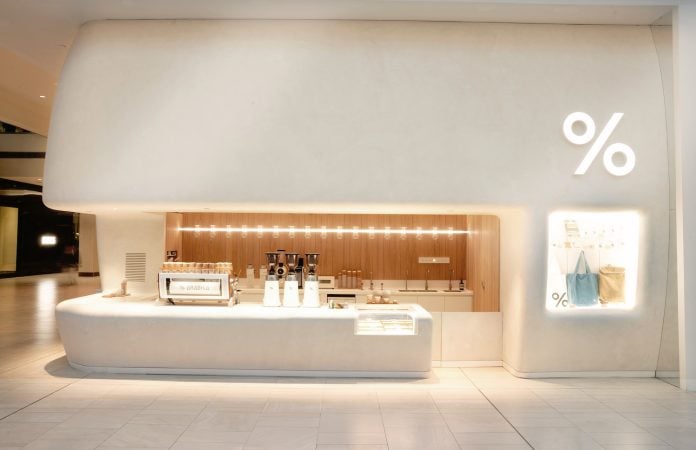
Japanese specialty coffee brand % Arabica has opened its first British Columbia café at CF Richmond Centre, introducing Metro Vancouver to the minimalist design, handcrafted beverages, and global aesthetic that have defined the chain’s rise to international prominence. The location represents a meaningful moment in the company’s Canadian expansion, which continues to advance through development partner Accencis Group. For founder and Creative Director Kenneth Shoji, Richmond marks a key step in shaping the brand’s long-term presence across the west coast.
The Richmond café arrives after the brand’s successful Whistler debut in 2024 and an extremely popular downtown Vancouver pop-up that drew considerable attention earlier this year. With stores already operating across Toronto and the GTA, the brand has steadily grown its Canadian profile since entering the market in late 2022. Shoji described the Richmond launch as both strategic and symbolic in terms of anchoring the brand in British Columbia.
Kenneth Shoji
“Opening our first permanent Metro Vancouver café at CF Richmond Centre is an important step in our Canadian journey,” he said. “After Whistler and our successful downtown pop-up, Richmond allows us to build a long-term home for our community and bring our handcrafted coffee to a wider audience.”
The new café occupies the former Starbucks space near the food court escalators. The high-visibility unit offered the flow, natural light, and overall scale required to showcase the brand’s approach to calm, intentional café design. Shoji said the selection was deliberate. “We chose CF Richmond Centre because it is a vibrant, well-connected location with strong local coffee culture,” he explained. “The former Starbucks space offers the visibility and room we need to create a beautiful % Arabica experience in the middle of a busy mall.”
A Distinct Architectural Statement in a West Coast Setting
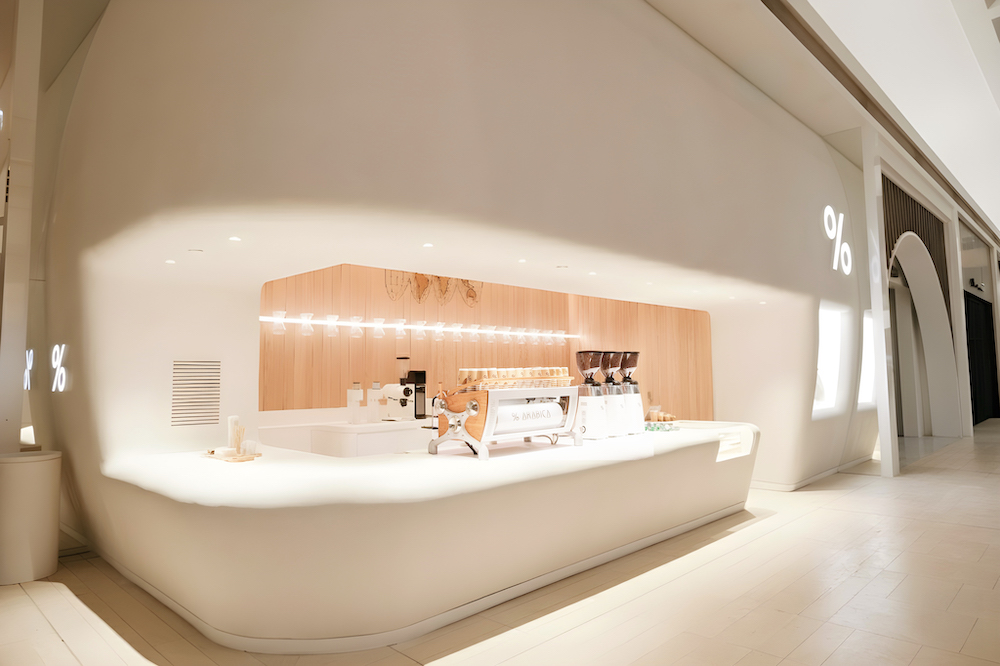
One of the defining features of any % Arabica location is its design, shaped by a Kyoto-rooted aesthetic that emphasizes precision, quietness, and minimalism. At the same time, the brand regularly adapts each café to its surroundings. The Richmond location reflects this philosophy through a sculptural façade inspired by a Kamakura, a traditional snow dome found in northern Japan. Its rounded form helps filter sunlight while introducing a symbolic visual anchor inside the mall’s galleria.
The concept divides the storefront into two seamless facades, each connected through a continuous curve that guides guests toward the order counter and pickup area. The resulting effect is a compact but visually striking presence within the shopping centre. It also supports an open view of the barista bar, where guests can observe drinks prepared by hand.
“Our design approach is intentional and rooted in a desire to create spaces that feel calm and elegant,” Shoji said. “The Richmond café reflects this vision, blending our Kyoto heritage with the character of the west coast.”
The design team, led by Shohei Suzuki and Chika Yamagami, focused on clear lines of movement, uninterrupted sightlines and a façade that stands out in the mall without overwhelming it. The goal was to create a sculptural form that embodies % Arabica’s worldview while remaining practical for daily operations.
% Arabica at CF Richmond Centre. Photo: supplied
Signature Beverages With a Global Following
The menu at CF Richmond Centre features many of % Arabica’s globally popular beverages, including the Kyoto Latte, Spanish Latte and Maple Latte. These drinks have become staples for the brand worldwide, celebrated for their balance of technique and ingredients.
“Yes, our beloved classics like the Kyoto Latte, Spanish Latte and Maple Latte will be part of the menu for Vancouver,” said Shoji. “These signatures are cherished by fans around the world, and we are excited to share them here.”
While the brand remains committed to global consistency, Shoji noted that % Arabica takes inspiration from each community it enters. However, he emphasized that any local adaptations remain restrained and aligned with the brand’s focus on craft.
“At % Arabica, we stay true to our identity as a specialty coffee brand that values simplicity and perfection,” he explained. “Any local twists will always respect the purity and elegance that define our approach. Our goal is not to overwhelm the menu but to ensure every item is thoughtful, consistent and unforgettable.”
This focus reflects the brand’s longstanding analogy of specialty coffee to refined sushi, where technique and ingredients carry equal weight. The company also continues its tradition of sourcing high-quality beans, often roasted in-house, to maintain control over flavour and consistency.
Creating a Smooth Guest Experience in a High-Traffic Mall
One of the clearest learnings from % Arabica’s downtown Vancouver pop-up was the need for a choreographed customer flow during busy periods. The temporary location attracted lengthy lineups, which underscored the necessity of a layout that can maintain calmness even during rush times.
“At % Arabica, we know that great coffee begins with a calm, welcoming environment,” Shoji said. “The response to our downtown pop-up helped us refine how we manage flow during peak hours.”
The Richmond café incorporates a streamlined order and pickup system designed to move customers efficiently while preserving handcrafted quality. Highly trained baristas prepare drinks in full view of guests, and the layout uses clear zones for ordering, waiting and receiving drinks to avoid congestion. Shoji said the intention is to give mall visitors a moment of quiet in an otherwise high-energy setting.
“Even in a busy mall, we want guests to experience the same calm, intentional, beautifully crafted moment that defines % Arabica worldwide,” he noted.
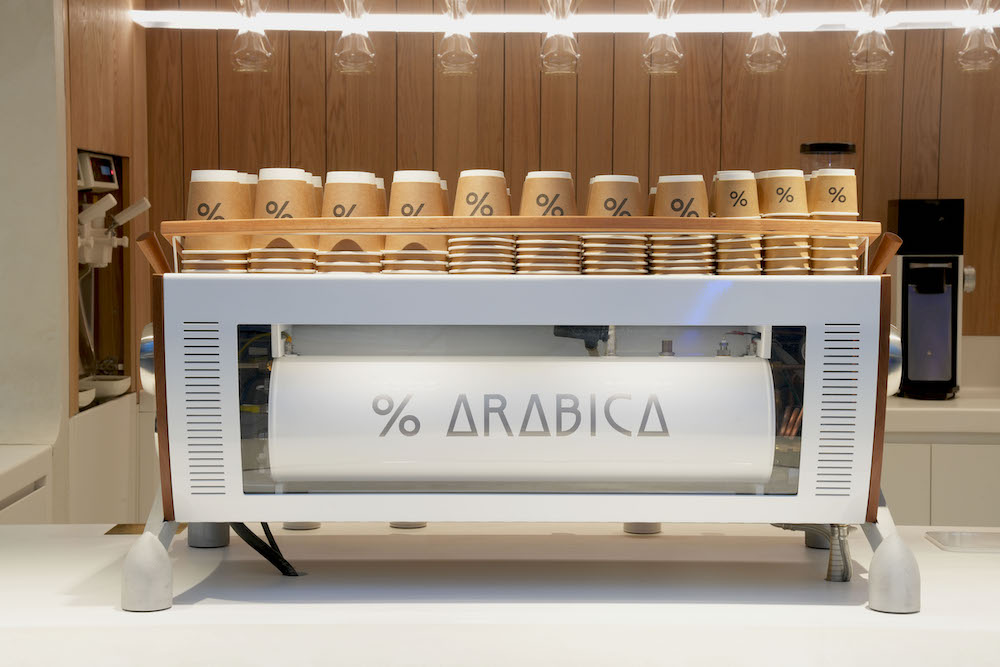
The format at CF Richmond Centre is a full-service café rather than a kiosk model, allowing guests to watch beverages prepared with precision at the barista bar’s centrepiece equipment.
% Arabica at CF Richmond Centre. Photo: supplied
Establishing a National Presence
The Richmond opening builds on % Arabica’s strong performance in Canada since its arrival in 2022. The brand established its flagship Canadian store at Toronto’s Yorkdale Shopping Centre in December of that year, followed by a high-profile café at Union Station in 2023. In December 2024, the chain opened at CF Toronto Eaton Centre, reinforcing its strategy of positioning cafés in major retail destinations.
In 2025, the company opened locations at CF Sherway Gardens and Square One Shopping Centre, each featuring localized design themes that drew attention for their unique interpretations of the brand’s aesthetic. These openings have helped build national recognition, with Canadian consumers responding strongly to the chain’s focus on simplicity, quality and design.
“The reception across Canada has been incredibly positive,” Shoji said. “From Yorkdale and Union Station to Whistler and the GTA, guests have embraced our handcrafted approach and calm café experience.”
This widespread interest has shaped the brand’s strategy in British Columbia, where it sees significant opportunity for long-term growth. Shoji said that Canadians consistently value three things in a café experience: quality, consistency and warm service. These insights are guiding the development of the company’s growing presence in Metro Vancouver.
More Metro Vancouver Stores Coming
The CF Richmond Centre café is only the beginning for % Arabica’s west coast expansion. The company has already confirmed that its next Metro Vancouver location will open at Oakridge Park, one of the region’s most ambitious redevelopment projects. Shoji said the café is scheduled to open in the first quarter of next year.
“Definitely we will be opening new locations,” he confirmed. “Our next location is Oakridge Park, and we are always on the lookout for beautiful spaces that match % Arabica standards.”
The company has also indicated interest in transit-oriented hubs and neighbourhoods that reflect the cultural and architectural diversity of the region. Each future location will carry both the brand’s global design cues and subtle elements inspired by its surroundings.
Connecting Kyoto Craft With Vancouver’s Multicultural Spirit
While % Arabica’s architectural and beverage programs are central to the brand, Shoji said the heart of the company lies in its philosophy of travel, connection and community. This perspective informs the brand’s presence in every market, and Vancouver’s multicultural identity made the city a natural fit.
“At % Arabica, our philosophy is rooted in a love for coffee, design and exploring the world. Our mission has always been to see the world through coffee,” Shoji explained. “Vancouver is a city where cultures connect, where creativity thrives, and where café life plays a meaningful role in bringing people together.”
For Shoji, each café serves as a bridge between Kyoto heritage and local expression. He said the company hopes guests experience both familiarity and discovery when they visit % Arabica in Richmond.
“Every cup we serve carries a story,” he said. “We hope guests feel a sense of home or a memory of where they came from, or excitement for where they are going. Because wherever you are, a cup of % Arabica can reflect the taste of your hometown or open a window to the world.”
Shoji added that the brand aims to create spaces where people pause, share conversations and see life a little differently. “This is what it means to see the world through coffee,” he said. “We are excited to see Vancouver through yours.”
Wendy’s is accelerating its Canadian growth strategy by expanding into high-density urban markets, bringing new small-format restaurants to the downtown cores of Toronto, Montreal, and Vancouver. The shift reflects a broader evolution in Canadian quick-service dining, where convenience, technology, and proximity to daily life now shape where and how consumers choose to eat.
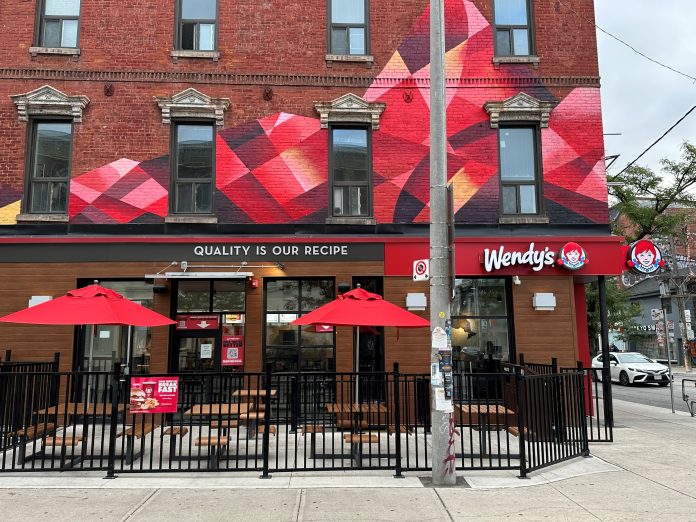
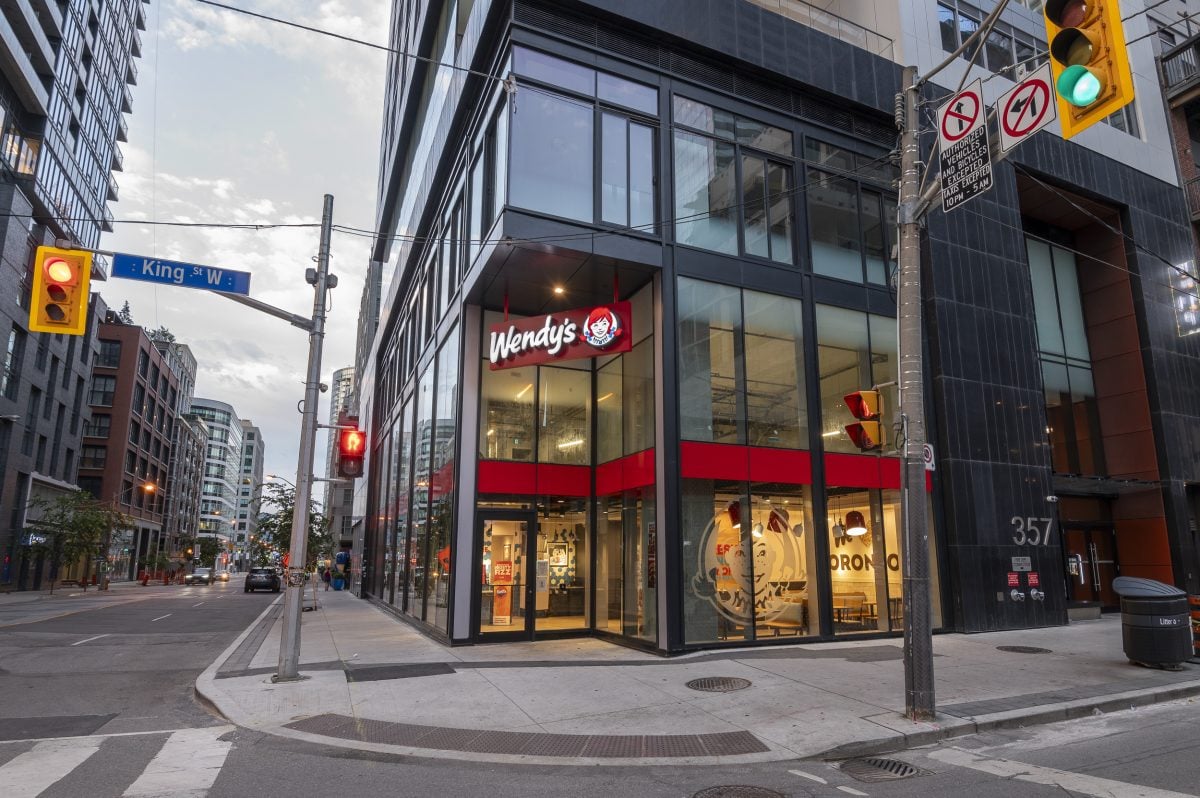
The newest example of this strategy is the opening of Wendy’s on Baseball Place in Toronto’s east end. The restaurant marks the brand’s latest venture into non-traditional urban formats designed to serve busy neighbourhoods with high delivery demand, extended hours, and walk-by traffic from residents and office workers.
For more than 50 years, Wendy’s has been part of Canada’s food landscape, beginning with the opening of its first restaurant in Hamilton in the 1970s. The brand has grown steadily across the country, but its next decade will look different as it focuses on meeting customers in new ways and new spaces.
Dana Calvert, Wendy’s Vice-President and Chief Development Officer, International, said this evolution reflects both changing consumer habits and the company’s commitment to accessibility.
Dana Calvert,
“Wendy’s Canada is committed to growth and meeting our customers where and how they choose to enjoy their Wendy’s favourites,” said Calvert. “Our focus on urban locations reflects Wendy’s ‘globally great, locally loved’ mantra by creating spaces that feel personal, connected, and ready for the future of QSR in Canada.”
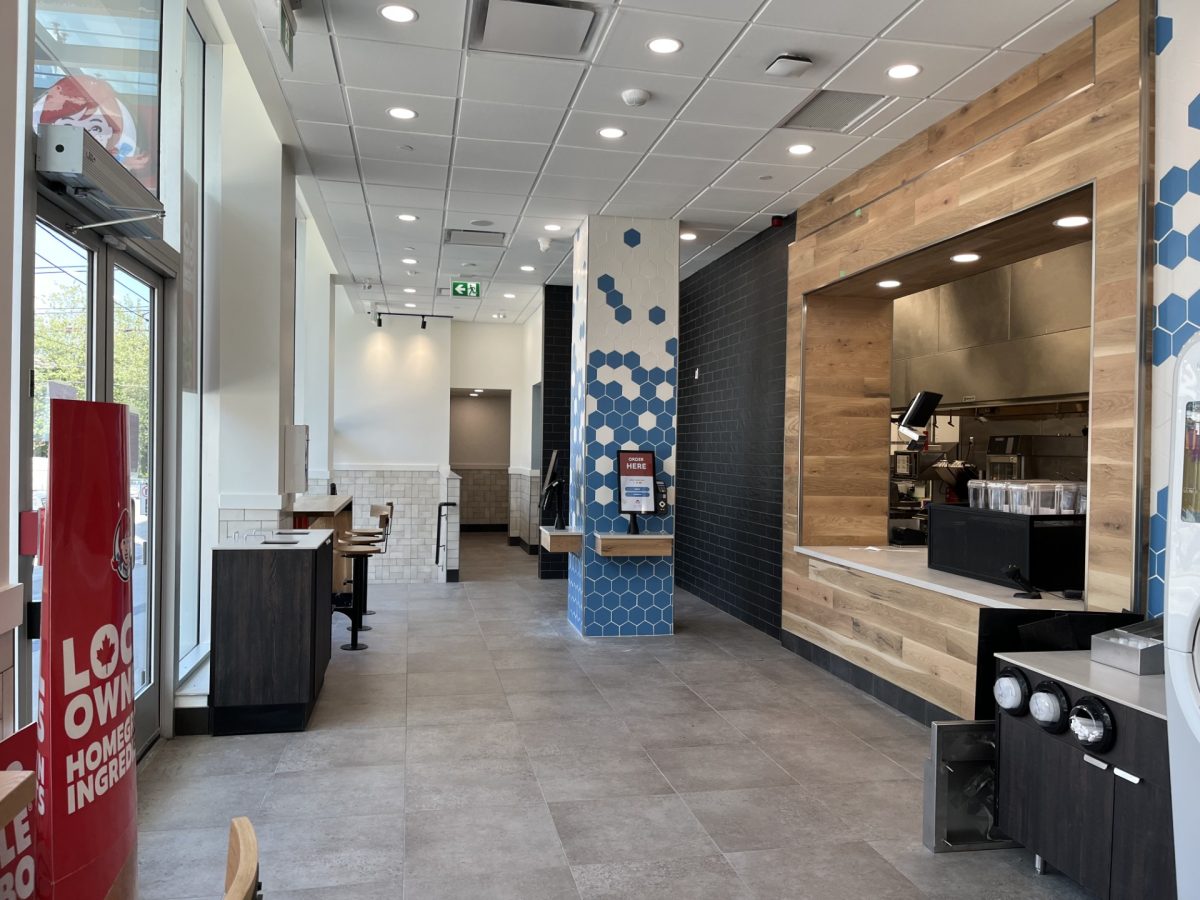
These new restaurants are considerably smaller than suburban drive-thru locations but are equipped with features suited to city life, including advanced digital ordering capabilities and expanded capacity for delivery services.
Toronto’s Baseball Place Opening Connects Food and Community
The latest addition to the Wendy’s network sits at the heart of Toronto’s baseball heritage. Baseball Place, located near the site of the city’s original baseball grounds, is steeped in local history.
The restaurant is operated by longtime franchisee John Ribson, who also opened a Wendy’s on Blue Jays Way in 2024. The Baseball Place location is his 52nd in Canada and contributes to the broader shift toward compact, urban-friendly formats.
“Baseball has always brought people together, and that’s what we love about Wendy’s too,” said Ribson. “Opening my 52nd restaurant on Baseball Place feels like a home run and the perfect way to celebrate our love for the city and the game.”
Like its West End counterpart, the Baseball Place restaurant incorporates Wendy’s Global Next Gen design. It offers self-order kiosks, seamless integration with delivery platforms, and modern digital tools that help serve customers quickly and efficiently during peak traffic and late-night hours.
Wendy’s on King St. W in Toronto. Photo: Wendy’s
The Role of Non-Traditional Development
Calvert noted that Wendy’s urban expansion in Canada is unfolding alongside a broader strategy to grow in locations not traditionally associated with quick-service restaurants.
“Non-traditional development will play a role in the next wave of Wendy’s growth in Canada,” she said. “We’re partnering with our franchisees to bring Wendy’s to places like airports, colleges and universities, malls, petroleum stations and urban centres across Canada.”
These formats are helping Wendy’s reach new customers, particularly younger Canadians who frequent downtown neighbourhoods, university campuses, and commuter hubs.
In Quebec, the brand recently opened its 25th Wendy’s location and plans to more than double its footprint to over 50 restaurants by 2030, a milestone that highlights its renewed focus on provincial growth.
Wendy’s in Vancouver. Photo: Wendy’s
Built for the Pace of City Life
The new urban restaurants are designed to operate efficiently in dense neighbourhoods with limited space and high delivery demand.
“Our flexible restaurant design includes features like self-order kiosks, seamless delivery integration, and digital enhancements tailored for the on-the-go consumer,” said Calvert. “Our urban locations have been designed for extended operating hours, extra delivery capacity and in favour of our team and late-night fans.”
These digital-first experiences are now central to how many Canadians interact with quick-service restaurants. Kiosks, mobile ordering, and app-based loyalty programs allow Wendy’s to meet the expectations of a customer base that values customization, speed, and convenience.
Calvert said digital adoption has grown significantly. “Customers have adapted to new technology quickly as delivery, kiosk and app usage continues to rise,” she explained. “These channels enable us to launch personalized offers, implement seamless ordering and customization for customers, and new payment methods that deliver speed and accuracy for a better crew and guest experience.”
Wendy’s plans to continue enhancing its digital channels to support ordering, loyalty, and future personalization features.
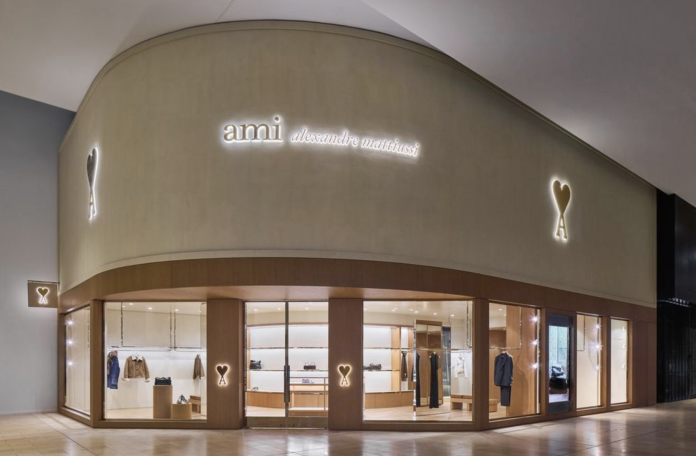
Ami Paris at the Yorkdale Shopping Centre in Toronto. Photo: Michael Muraz
Ami Paris has arrived in Canada, bringing its understated Parisian sophistication to Toronto’s Yorkdale Shopping Centre with the opening of its first Canadian flagship. The boutique, which measures about 2,500 square feet, opened this month and anchors a prominent stretch of Yorkdale’s growing luxury corridor. The arrival marks a meaningful step for the brand as it continues expanding internationally and signals the latest chapter in Yorkdale’s ongoing evolution into one of North America’s most robust destinations for luxury fashion.
The shop replaces a former Nespresso location, a transformation that reflects the mall’s consistent strategy of trading up into premium retail. Yorkdale has spent the past several years attracting high-profile brands from Europe, Asia, and the United States, and the introduction of the Ami Paris Yorkdale boutique reinforces that momentum. For Ami Paris, the location provides immediate exposure to the Greater Toronto Area’s diverse, fashion-forward customer base and positions the brand within a setting where global labels continue to find success.
Designing a Paris-Inflected Space
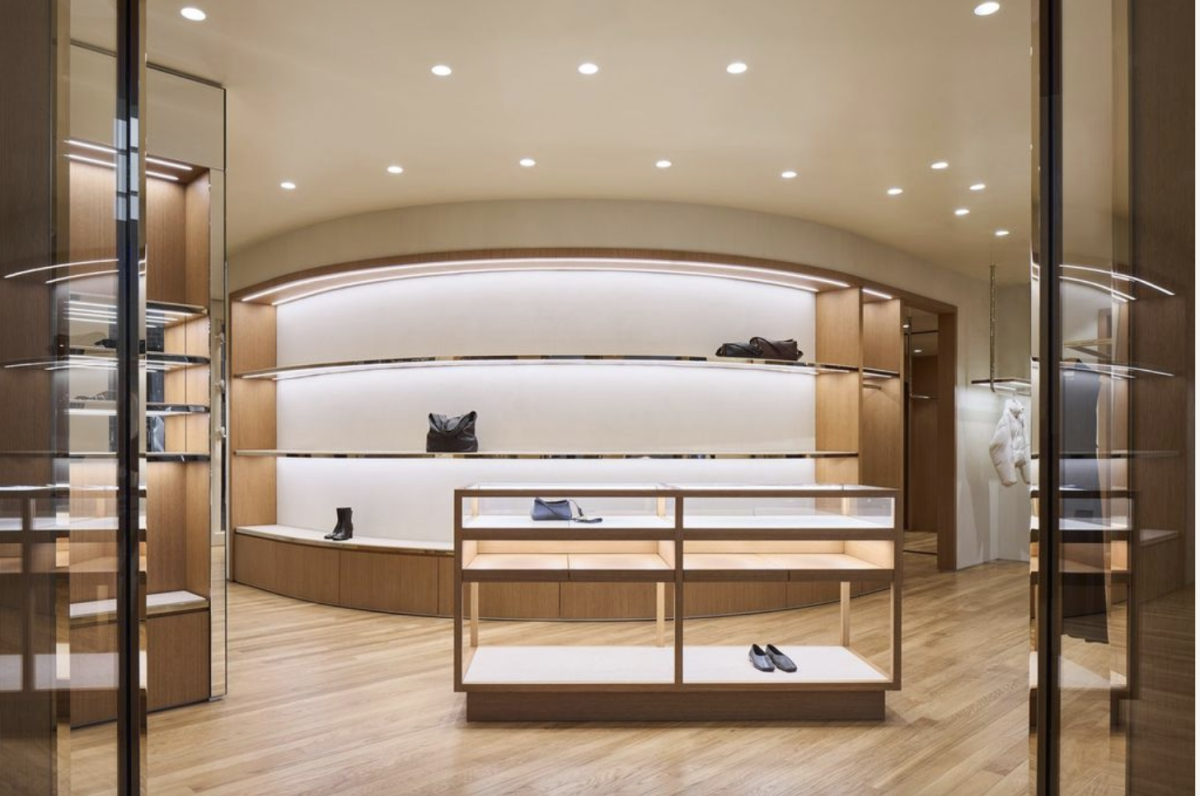
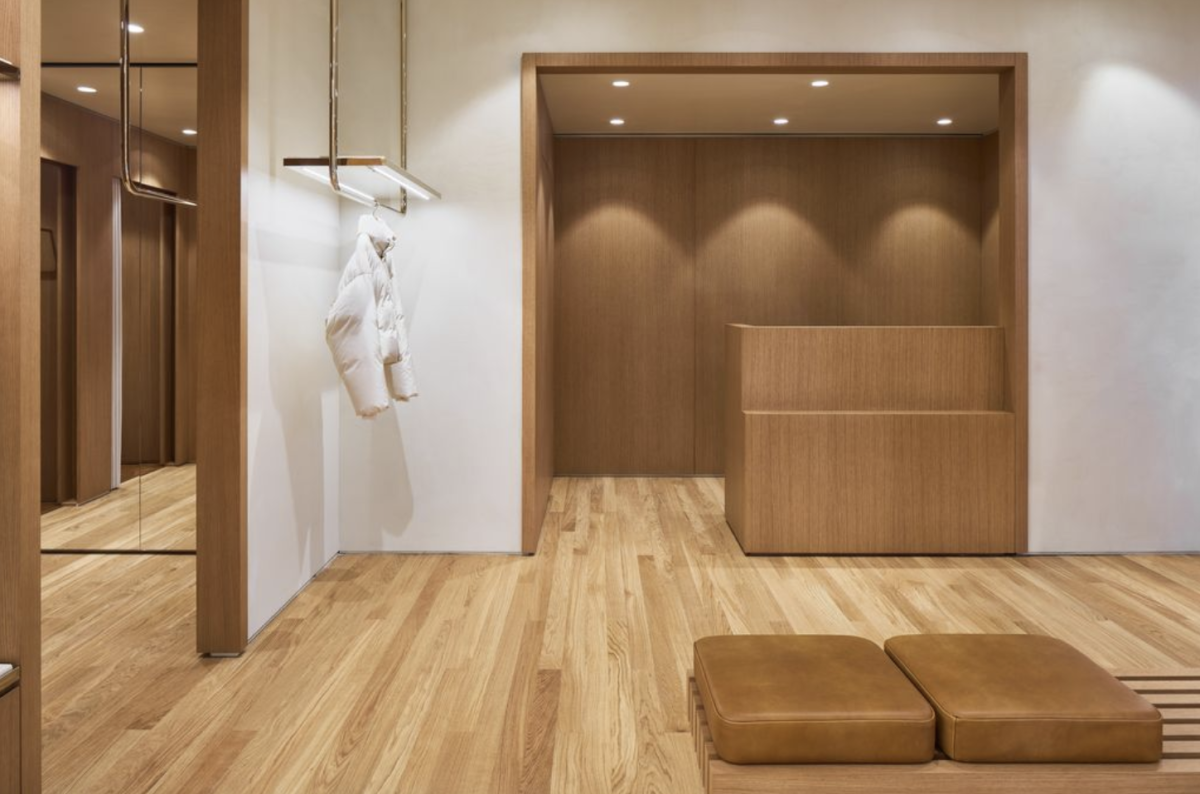
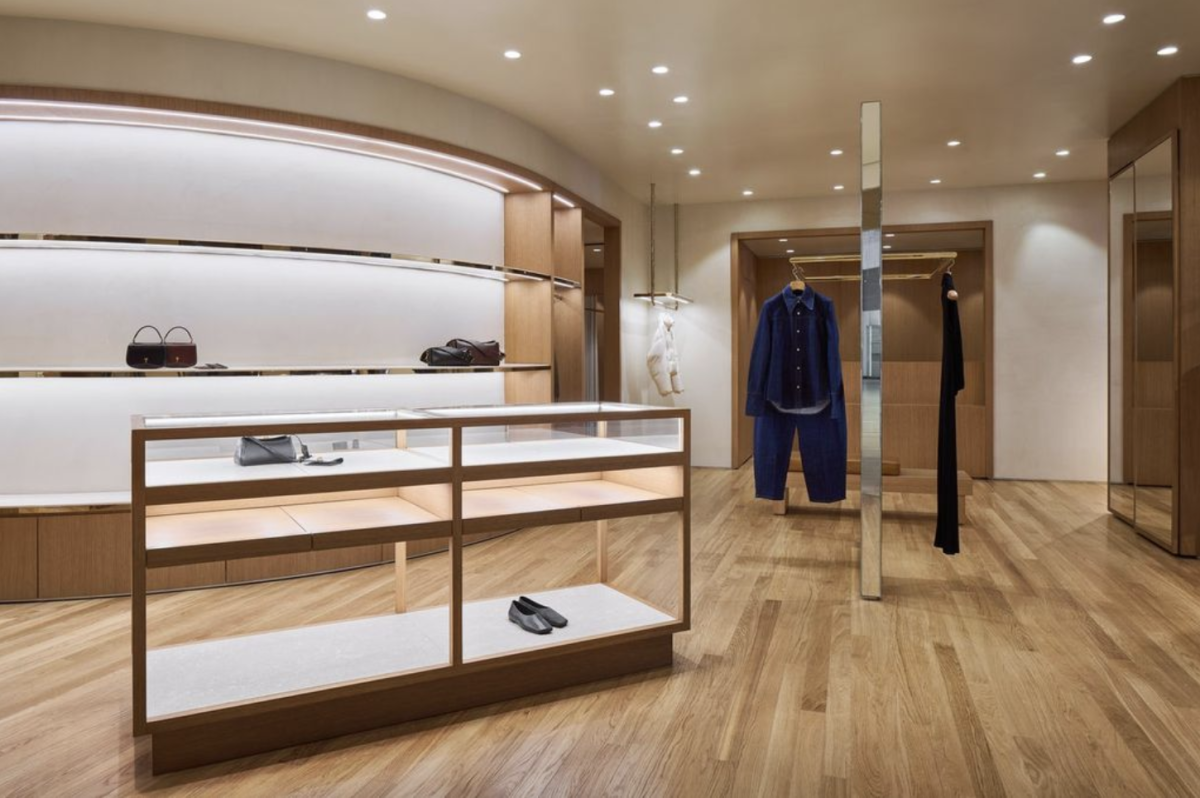
Inside, the boutique mirrors the refined, contemporary identity that has come to define Ami Paris. The brand has recreated aspects of its Paris flagship, using materials such as Euville stone, beige limewash, and dark oak wood to establish an environment that is both soft and architectural. The striped parquet floor, a nod to Ami’s signature stripes, adds warmth and movement to the room, while champagne gold accents and multiple mirror surfaces create a residential feel reminiscent of an elegant Paris apartment.
The design concept reflects the brand’s approach to luxury, which is guided by ease, authenticity, and modern simplicity. Rather than overwhelm shoppers with ornate displays, the boutique favours an atmosphere that is inviting and calm, allowing tailoring, outerwear, accessories, and footwear to stand out through craftsmanship and silhouette.
Jeff Berkowitz of Aurora Retail Group negotiated the lease on behalf of Ami Paris. Oxford Properties is the landlord of Yorkdale Shopping Centre.
Ami Paris now operates six points of sale across North America and more than 700 worldwide. The Yorkdale boutique represents the company’s first Canadian brick-and-mortar location, building on a presence through department store partners such as Holt Renfrew.
Ami Paris at the Yorkdale Shopping Centre in Toronto. Photo: Michael Muraz
A Brand Shaped by Paris and Guided by Its Founder
Ami Paris was founded in 2011 by Alexandre Mattiussi, whose experience designing menswear for Dior, Givenchy, and Marc Jacobs shaped his interest in creating a pragmatic, articulate wardrobe. The label’s name, meaning “friend” in French, captures the brand’s ethos of warmth, sincerity, and accessibility. Mattiussi sought to build a house that blended classic tailoring with contemporary ease, resulting in collections that feel polished but approachable.
The brand gained early recognition for its relaxed silhouettes, minimalist palettes, and the now-famous Ami de Coeur logo, which has become one of the most recognizable graphic signatures in contemporary fashion. Ami began as a menswear label but has expanded seamlessly into womenswear, offering coordinated styles that share a common language of understated Parisian chic.
Growth accelerated after a fund associated with Sequoia Capital China acquired a majority stake in 2020. With support behind retail expansion, Ami Paris has opened flagship locations in cities including Tokyo, Seoul, London, Hong Kong, New York, and Hamburg. Sales now exceed three hundred million euros, and the company continues to strengthen its international presence.
Ami Paris at the Yorkdale Shopping Centre in Toronto. Photo: Michael Muraz
Yorkdale’s Role in the Brand’s Global Strategy
The selection of Yorkdale for Ami Paris’s first Canadian store aligns with a broader pattern among global luxury brands entering Canada. Yorkdale’s performance metrics, from high sales volumes to its wide-reaching customer catchment area, have made it a priority destination for international brands seeking physical visibility. The centre has become one of the most competitive retail environments in Canada, and its ongoing expansion into premium fashion has attracted recent openings from Creed Fragrance, Oliver Peoples, and Stone Island.
The Ami Paris Yorkdale boutique benefits from its proximity to these brands, placing it among a cluster of retailers that draw both local shoppers and international visitors. For consumers who already follow the brand through its global campaigns or online presence, the boutique presents a chance to interact with the collections in a physical setting that mirrors the aesthetic of its Paris flagship.
The store complements the brand’s Canadian online platform, amiparis.com/en-ca, which offers a full range of products for national customers. Together, the physical and digital channels establish the foundation for future expansion in Canada.
Ami Paris at the Yorkdale Shopping Centre in Toronto. Photo: Michael Muraz
Fall Winter 2025 Collection Debuts in Toronto
The opening coincides with the launch of the Fall Winter 2025 collection, which serves as the boutique’s inaugural display. Shot in Paris by photographers Angelo Pennetta and Hedi Stanton, the campaign highlights the brand’s focus on relaxed tailoring, gentle textures, and silhouettes that balance ease with structure.
The collection’s palette emphasizes soft pastels, warm neutrals, and charcoal grey. Fabrics such as satin, flannel, poplin, and shearling add richness to oversized coats, poplin shirts, tailored trousers, and knitwear. Shoes and accessories, including supple trainers and leather goods, complete the line. Together, these pieces reflect the brand’s DNA, which prioritizes comfort without sacrificing sophistication.
Alongside the fall collection, the boutique carries the Ami Holidays assortment, designed for the winter festive season. The seasonal offering introduces giftable accessories and elevated apparel that align with the brand’s view of celebratory dressing.
“Even in a dynamic retail environment, our heritage, quality, and focus on comfort continued to differentiate the brand and drive engagement across our omnichannel platform. We remain disciplined in execution and committed to strengthening the foundations of the brand to support long-term value creation.
“While early in the fourth quarter, we continue to experience positive trends.”
Third Quarter Highlights
Sales were $71.5 million, a 6.8% increase compared to $66.9 million in Q3 2024
DTC sales were $56.8 million, a 4.8% increase compared to $54.2 million in Q3 2024
DTC comparable sales growth was 6.3%
Gross margin was 60.8%, up 80bps compared to 60.0% Q3 2024
DTC gross margin of 65.4%, up 140bps compared to 64.0% in Q3 2024
Net income totaled $2.3 million, decreasing 4.5% from $2.4 million in Q3 2024
Excluding the impacts from the revaluation of cash settled instruments under our share-based compensation plan, net income would have been $2.4 million, improving 1.5% compared to $2.3 million in Q3 2024
Adjusted EBITDAamounted to $7.5 million, a 5.3% improvement from $7.1 million in Q3 2024
Excluding the impacts from the revaluation of cash settled instruments under our share-based compensation plan, Adjusted EBITDA would have been $7.6 million, improving 7.3% compared to $7.0 million in Q3 2024
Net debt reduced 5.9% year-over-year to $44.1 million
The Company repurchased 415,200 common shares for $1.3 million under its normal course issue bid
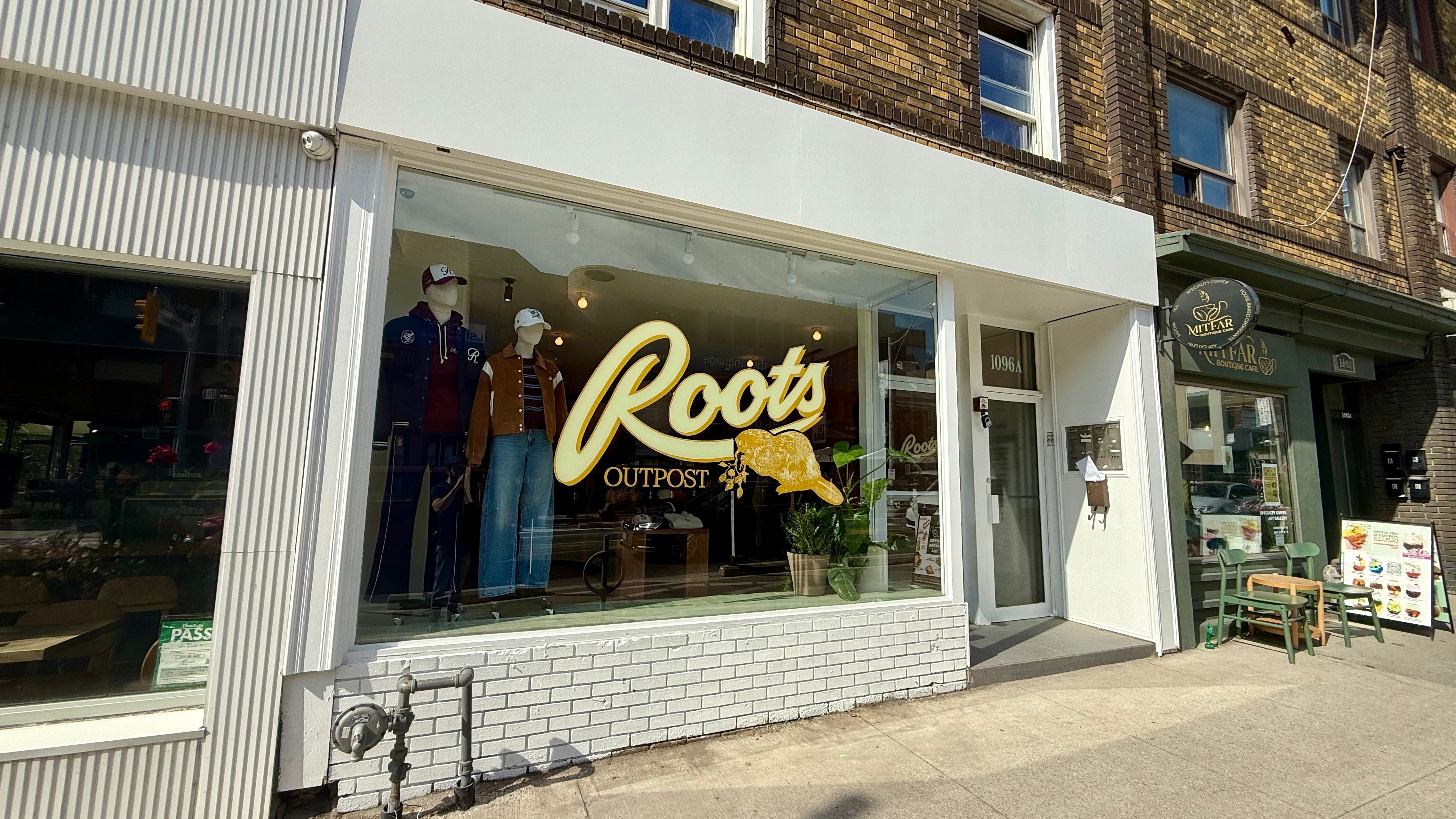
Established in 1973, Roots is a global lifestyle brand. Starting from a small cabin in northern Canada, Roots has become a global brand with over 100 corporate retail stores in Canada, two stores in the United States, and an eCommerce platform, roots.com. It has more than 100 partner-operated stores in Asia, and it also operates a dedicated Roots-branded storefront on Tmall.com in China.
Premier Protein is giving Canadian shoppers a timely seasonal option with the launch of its limited-edition Chocolate Mint High Protein Shake, now available at Walmart in stores and online. The flavour arrives as the busy holiday period begins, aligning with higher demand for convenient, better-for-you beverages that can be consumed on the go. With interest in high-protein, low-sugar products continuing to rise across the country, the release supports Premier Protein’s expanding presence in Canada’s convenient-nutrition category.
The shake is positioned as an indulgent but balanced choice, blending rich chocolate with a refreshing mint note. While many holiday treats lean into higher sugar and calories, Premier Protein maintains its established nutritional profile, offering 30 grams of protein, 1 gram of sugar, and 21 essential vitamins and minerals. This keeps the seasonal option consistent with the brand’s broader positioning around everyday wellness, practicality, and accessible nutrition.
New Flavour Supports Seasonal Routines
Premier Protein notes that the shake can be enjoyed on its own or poured into morning coffee for a holiday-themed “proffee” moment, a trend that has gained traction with Canadian consumers looking to add protein to their coffee routines. The brand frames the product as a simple way to stay energized through seasonal activities such as holiday shopping, skating, decorating, or commuting during the colder months. That framing fits with Premier Protein’s Canadian marketing strategy, which focuses on helping consumers stay on track with daily wellness habits even during the busiest periods of the year.
The timing is deliberate. December is a month when Canadians are often seeking portable meal replacements or quick snacks as holiday calendars fill up. By introducing a flavour that evokes the season and aligns with these needs, Premier Protein reinforces its presence among shoppers looking for both convenience and taste.
Image: Premier Protein
Expanding Retail Availability Through the Season
Walmart is the second major Canadian retailer to launch the Chocolate Mint High Protein Shake, priced at $14.47 for a four-pack in stores and $12.98 online. Costco was the first, where Canadians will find an eighteen-pack for $44.99 in stores and $47.99 online. Select Real Canadian Superstore locations will begin stocking the flavour in January, extending its seasonal run into the new year.
The multi-channel rollout reflects Premier Protein’s strong national coverage. The brand maintains wide distribution across major grocery, mass, drug, and club chains including Loblaws, Safeway, Metro, Sobeys, Fortinos, Zehrs, Save-On-Foods, Jean Coutu and others. Online availability through Walmart.ca, the brand’s Canadian website, and additional e-commerce retailers ensures access in regions without dense physical distribution.
Premier Protein’s ability to secure broad placement for limited-time items highlights its scale in the Canadian market, where its ready-to-drink shakes are consistently positioned among the top sellers in the protein beverage category.
A Leading Brand With International Reach
Premier Protein, part of Premier Nutrition Company, is owned by BellRing Brands, a publicly traded consumer brands company listed on the New York Stock Exchange under the ticker BRBR. BellRing originated within Post Holdings before being spun out as a standalone entity. Premier Nutrition Company also manages Dymatize and PowerBar, operating within the proactive wellness and convenient-nutrition space.
The brand’s global reach and investments in manufacturing, including production partnerships such as SunOpta in Texas, have supported increased capacity and helped meet growing North American demand. These efforts have enabled Premier Protein to bring seasonal products to market more consistently, including in Canada, where it maintains a dedicated web presence and localized social media channels.
Tailored Positioning for the Canadian Consumer
In Canada, Premier Protein emphasizes optimism, practicality, and energy, encouraging consumers to view its shakes as part of everyday routines rather than niche athletic supplements. Canadian marketing highlights simple usage occasions such as breakfast, post-workout recovery, or mid-afternoon fuel. The brand’s Canadian portfolio includes its signature 30-gram protein shakes in flavours such as Chocolate, Vanilla, Caramel, Strawberries and Cream, Bananas and Cream, Café Latte and seasonal offerings including Pumpkin Spice.
The introduction of Chocolate Mint fits into this approach, offering a festive flavour that remains aligned with the brand’s low-sugar and high-protein focus. With increased interest in holiday-inspired beverages each year, the shake positions itself as a better-for-you alternative that still aligns with seasonal taste preferences.
The ready-to-drink protein shake category has expanded significantly in Canada, with more consumers adopting portable nutrition options that can support busy daily routines. Premier Protein continues to lead the category with strong sales and widespread retail visibility. Seasonal releases like Chocolate Mint help drive additional engagement and attract new consumers who may be sampling the brand for the first time.
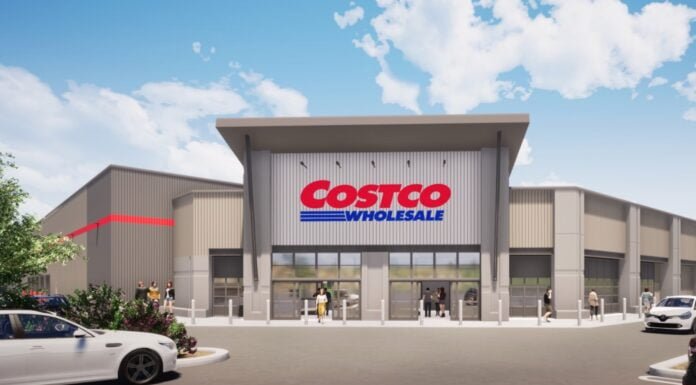
Rendering of the Kelowna Costco Wholesale
Image Credit: Submitted/City of Kelowna
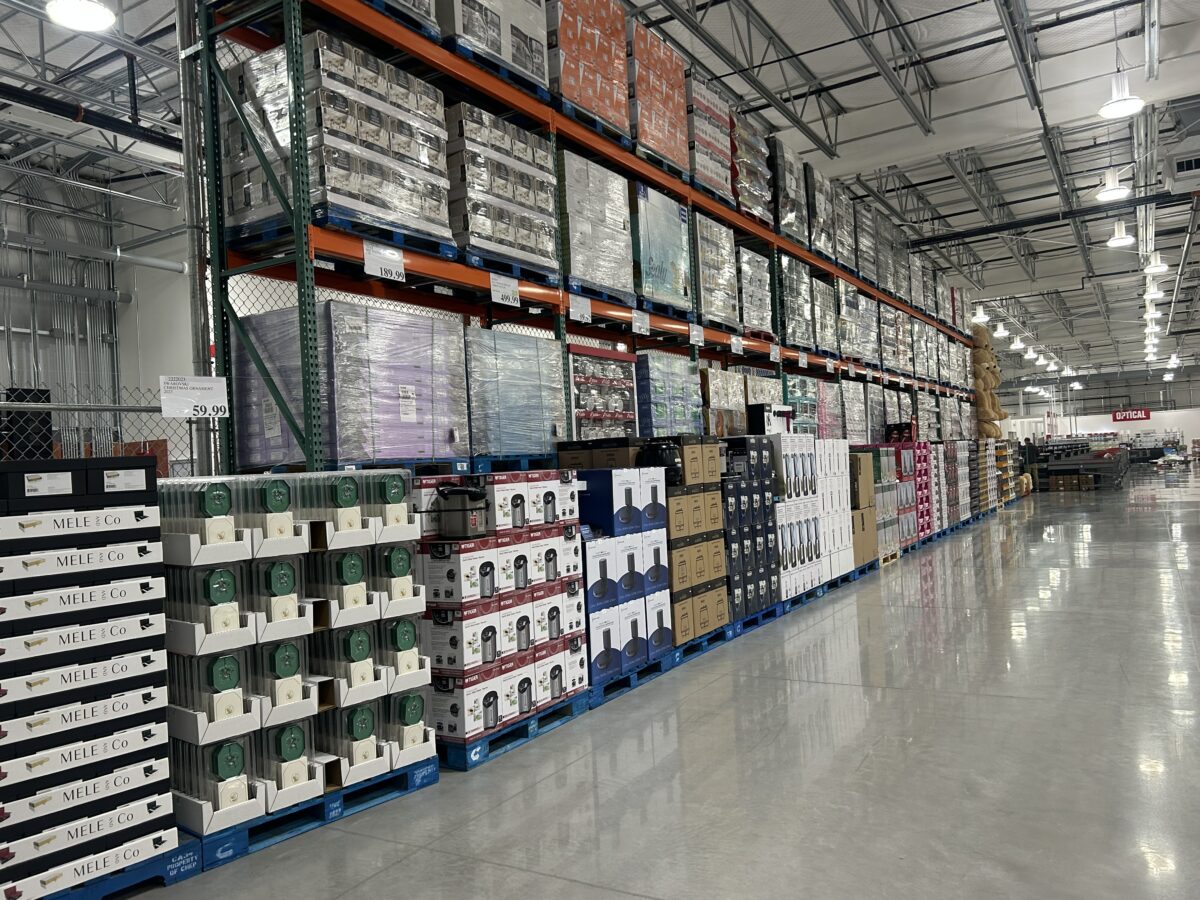
For the second consecutive year, Costco has claimed the top spot in a nationwide assessment of Canadian grocery retailers, reflecting a consumer landscape still shaped by tight budgets and shifting expectations. The ranking, released in dunnhumby’s latest Retailer Preference Index, draws from a combination of shopper sentiment and financial data, offering a detailed look at how Canadians continue to navigate an environment where affordability remains paramount.
The index evaluates the 28 largest grocery banners in the country across conventional stores, discount formats, superstores, and warehouse clubs. Together, these retailers represent nearly the entire grocery market in Canada, which dunnhumby estimates at about $115 billion annually. In this year’s results, Costco was again followed by Maxi, Food Basics, and Real Canadian Superstore. No Frills, Super C, Walmart, FreshCo, and Dominion completed the top nine, forming a group of retailers that dunnhumby identifies as excelling in areas that matter most to consumers in 2025.
The report paints a portrait of a market where Canadians remain cautious about household spending. The cost of groceries has stabilized compared with the steep inflationary spikes of the past two years, but shoppers in many parts of the country report that their budgets have not fully recovered. Bargain hunting has become a daily routine, and retailers that respond with compelling value have seen their efforts rewarded through increased loyalty and stronger long-term results.
Why Value Still Reigns
Dunnhumby’s analysis hinges on several pillars that measure customer perception. Among these, the value pillar, which captures pricing, promotions, and rewards, has grown to dominate the index. It accounts for 44 percent of the outcomes that determine a grocer’s position, reflecting a pronounced shift in consumer sentiment that favours tangible savings over other features that once served as competitive differentiators.
Matt O’Grady, President of the Americas for dunnhumby, said Canadians continue to prioritize practical value even as economic indicators show modest signs of improvement.
“Even though inflation and interest rates have dropped, Canadians still face affordability issues and are focused on value and savings more than last year,” Mr. O’Grady said. “This RPI report gives retailers important data and insights to adjust their customer strategies and offerings to better help their customers meet their needs.”
This focus on value has contributed to widening gaps between top-ranked retailers and the rest of the sector. Shoppers now allocate, on average, 29 percent of their grocery spending to retailers in the top tercile of the index. Retailers in the lowest tercile receive about 17 percent. The divide suggests that Canadians are making clearer distinctions between banners based on perceived savings and promotional relevance.
Dunnhumby’s data also shows that the top performing group grew at a significantly faster pace over the last five years, with long-term revenue growth roughly double that of the lowest-ranked retailers. The findings indicate that shifts in consumer behaviour are not temporary adjustments but rather enduring patterns reshaping competition.
Costco Rexdale NW Toronto (Image: Costco)
A Power Shift in Quebec
While Costco continues to lead nationally, the most significant regional change occurred in Quebec, where Maxi surpassed the warehouse club chain to become the province’s top grocery retailer. Quebec consumers have heightened sensitivity to price, and Maxi’s strategy of offering sharp pricing, effective promotions, and consistent savings allowed it to outpace Costco on measures tied closely to household budgeting.
Maxi also scored higher on speed and convenience, which dunnhumby ranks as the fourth most important pillar. The result highlights how regional shopping preferences can subtly diverge. Quebec shoppers respond strongly to efficient store formats where they can complete trips quickly, especially when they see clear savings on everyday essentials.
Changes in What Canadians Value
While the pursuit of savings dominates decision making, dunnhumby’s analysis does not overlook other components of the Canadian grocery experience. Assortment quality ranked as the second most influential pillar, contributing 31 percent to customer outcomes. Digital services followed at 11 percent. Both pillars, however, declined in perceived importance this year. The shift suggests that shoppers are increasingly willing to forgo premium products or sophisticated online tools if doing so allows them to stretch their grocery budget further.
Speed and convenience accounted for 8 percent of the index, and operational consistency made up the remaining 6 percent. These measures matter, but their reduced impact speaks to a broader theme of practical prioritization. Canadian grocery habits have grown more disciplined, with households gravitating toward banners that offer predictable ways to save.
How Conventional Chains Are Fighting Back
Although discount and superstore formats dominate the top of the ranking, several conventional grocers have adapted in ways that allow them to remain competitive. Zehrs Markets, Save-On-Foods, Safeway, and Thrifty Foods were recognized for strategies that mitigate their disadvantages on base prices. These retailers rely on finely tuned loyalty programs, targeted promotions, and assortment planning that avoids overspending on premium categories.
Dunnhumby notes that these tactics help conventional chains offer value that feels relevant and personalized, without forcing structural changes to their pricing models. By balancing disciplined assortment strategies with well-designed loyalty programs, these banners maintain their positioning among consumers who value both quality and affordability.
Even though Amazon is not included in the official ranking due to its lack of physical stores in Canada, its role in grocery shopping remains significant. About 30 percent of Canadians purchase groceries from Amazon, a figure that underscores the platform’s continued relevance. If Amazon were included, it would rank eighth overall, down from second last year. The decline stems from rising prices and a shift in shopper priorities that makes digital convenience less compelling than it once was. Despite this drop in ranking, Amazon remains a formidable player.
Understanding the RPI
The Retailer Preference Index stands out for its dual approach, combining financial performance with detailed measurement of customer sentiment. The dunnhumby report relies on a survey of 6,000 Canadian shoppers, alongside financial data that incorporates market share metrics, near-term revenue trends, and long-term sales growth. The methodology allows for a nuanced understanding of what drives loyalty and performance in a sector that has grown more complex with the rise of e-commerce, evolving household dynamics, and the proliferation of discount formats.
The partnership connects Moneris to the Canadian soccer community from coast to coast and supports the League’s continued commitment to growing the game and strengthening its presence in communities across all eight CPL markets, said the company.
Michael Beckerman
“We’re thrilled to welcome Moneris into the CPL family,” said Michael Beckerman, Chief Commercial Officer, Canadian Soccer Business. “Their commitment to Canadian communities aligns naturally with the CPL’s identity, and this partnership opens the door to new ways of engaging supporters across the nation. From fresh integrations to expanded fan touchpoints, we’re excited about the momentum this brings to the CPL and the opportunities it will create for our supporters moving forward.”
Moneris said it will activate with the League through a series of high-visibility integrations and fan-focused initiatives that begin this month. To celebrate the launch, the CPL and Moneris will run a national fan giveaway that will award select supporters with CPL prize packs, including a club jersey of their choice and/or a gift card for tickets and merchandise.
Beginning in 2026, the Moneris logo will feature on the sleeve of every CPL club jersey, a powerful reflection of the shared commitment to driving the growth of Canadian soccer and commerce across all League markets. Moneris will also participate in the 2026 season’s marquee event, the CPL Final, with an on-site presence and supporter engagement opportunities.
Mia Huntington
“Soccer’s strong and growing popularity in Canada represents an incredible opportunity to unite communities and inspire progress,” said Mia Huntington, Chief Sales and Marketing Officer, Moneris. “This partnership reflects our commitment not only to powering Canadian commerce, but also to supporting the sport and the communities and businesses that thrive around it. As the game continues to capture the nation’s attention, we’re proud to stand alongside the Canadian Premier League during this exciting chapter for Canada.”
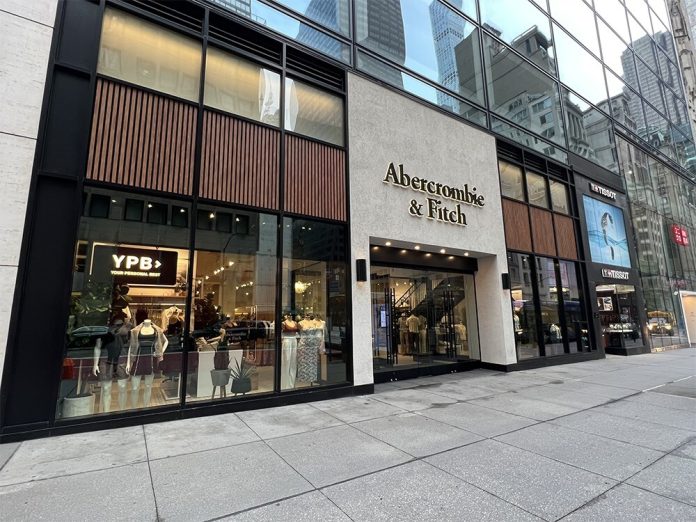
Nedap, a global leader in item-level inventory visibility, is partnering with retail giantAbercrombie & Fitch Co., a leading global omnichannel specialty retailer of apparel and accessories based in New Albany, Ohio.
The retailer will see Nedap’s iD Cloud platform implemented across numerous Abercrombie & Fitch stores in North America, Europe, the Middle East, Africa (EMEA) and the Asia-Pacific region (APAC).
Following a successful 15-store pilot, Abercrombie & Fitch Co. began deploying Nedap’s iD Cloud Store solution in June, with full implementation scheduled to be completed later this month. The rollout underscores A&F Co.’s strategic priority to improve omnichannel fulfillment, inventory accuracy and on-shelf product availability, said the retailer.
Lauren Morr
“Inventory visibility is crucial to serving our customers seamlessly, both digitally and in-store,” said Lauren Morr, Senior Vice President of Digital Operations at Abercrombie & Fitch Co. “We chose Nedap not only for their innovative and advanced technology, but also because of the dedicated expertise within their iD Cloud community. The partnership enables us to optimize our operations with increased inventory accuracy and visibility.”
Abercrombie & Fitch Co. said its deployment of iD Cloud Store streamlines essential store processes, including in-store order fulfillment and inventory replenishment from the back-of-house to the front-of-house, enhancing overall productivity. By successfully scaling the software in such a short timeframe, this new strategy will advance omnichannel performance and position Abercrombie & Fitch Co. for long-term success with increased inventory visibility.
Bruno Bakker
“Abercrombie & Fitch Co.’s transformation through the years has been remarkable, and their renewed strength as a business is a testament to bold decisions and clear strategy,” said Bruno Bakker, director of iD Cloud North America at Nedap. “With iD Cloud, they are now taking the next leap forward, elevating their already strong omnichannel capabilities to an entirely new level. Together, we are building a future-proof retail foundation where real-time inventory visibility fuels efficiency, customer satisfaction, and growth worldwide.”
Abercrombie & Fitch Co. operates iconic brands including Abercrombie & Fitch, abercrombie kids, Hollister, Gilly Hicks and YPB.
Nedap is a global leader in item-level inventory visibility for retail, with over 20,000 stores contracted to its iD Cloud platform.
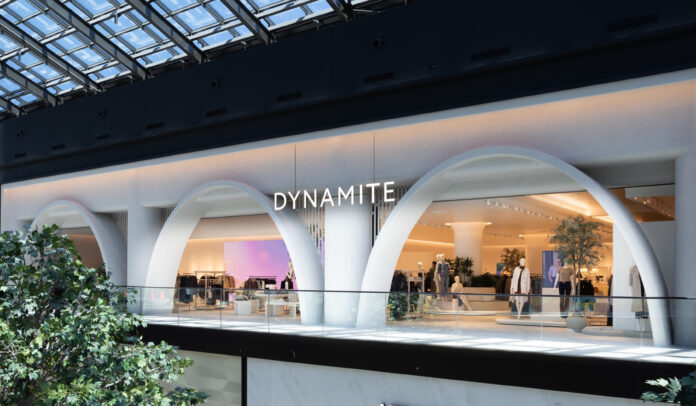
Dynamite at Royalmount in Montreal. Photo courtesy of Dynamite
Groupe Dynamite is closing out its first year as a publicly traded company with exceptional third quarter results that signal ongoing strength across both banners in Canada and the United States. The findings come from a detailed new report authored by Martin Landry, Managing Director and Consumer and Retail Analyst at Stifel, who highlights revenue growth of about 40 percent year-over-year to approximately $363 million.
The lift came from comparable store sales growth close to 30 percent on a constant currency basis. Analysts attribute the sustained momentum to leaner inventories, quicker product cycles and a strong consumer response to Garage’s growing “off-duty” athleisure assortment. According to the Stifel report, these factors produced one of the strongest quarterly top-line performances since before the pandemic.
Martin Landry
The company’s sales trajectory remains favourable heading into the important holiday trading period. Stifel notes that early fourth quarter indicators, including Black Friday performance, exceeded expectations for both traffic and basket size. The analyst report also references recent card-spend data showing a notable surge in apparel sales in recent weeks, suggesting that Groupe Dynamite is well positioned to continue its momentum through the end of the fiscal year.
Profitability Reaches Highest Level in Three Years
Profitability was the standout theme in the quarter, with several financial metrics reaching multi-year highs. Gross margin expanded by 310 basis points to 66.1 percent, supported by lower freight costs, improved merchandise margins and fewer markdowns due to extremely tight inventory control. At the same time, SG&A expenses were leveraged effectively, declining by 340 basis points as a percentage of sales to 25.9 percent. Together these gains produced an EBITDA margin of 40.2 percent, the highest reported in more than three years.
Earnings per share also beat expectations. Adjusted EPS came in at $0.72, which represented a 76 percent increase year-over-year and exceeded Stifel’s forecast of $0.57. As a result of the strong performance, management raised full-year EBITDA margin guidance by 325 basis points at the midpoint to between 35 and 37 percent. The upward revision underscores a fiscal year in which operational efficiencies, rapid product turns and improved pricing strategies have combined to drive meaningful margin expansion.
Store Relocations Provide Multi-Year Growth Runway
Stifel highlights Groupe Dynamite’s real estate strategy as a key driver of future growth. The retailer continues to relocate stores from what it classifies as tier four and tier five malls into stronger tier one to tier three centres. According to the report, sales in upgraded centres can be four times higher than in previous locations with similar square footage. The analyst notes that about 40 percent of the company’s stores continue to operate in lower tier malls, which leaves considerable opportunity for relocations, upgrades and new-format openings across North America.
The shift into more affluent and higher traffic trade areas is also helping the banners connect with customers who have shown resilience to pricing increases. With extremely short product lead times and an average of 46 days of inventory on hand, Groupe Dynamite is reducing fashion risk and maintaining a faster reaction cycle than many competitors. The tight inventory model is cited as a meaningful strategic advantage that allows the retailer to test trends quickly, reduce markdown exposure and maintain stronger full-price sell-through rates.
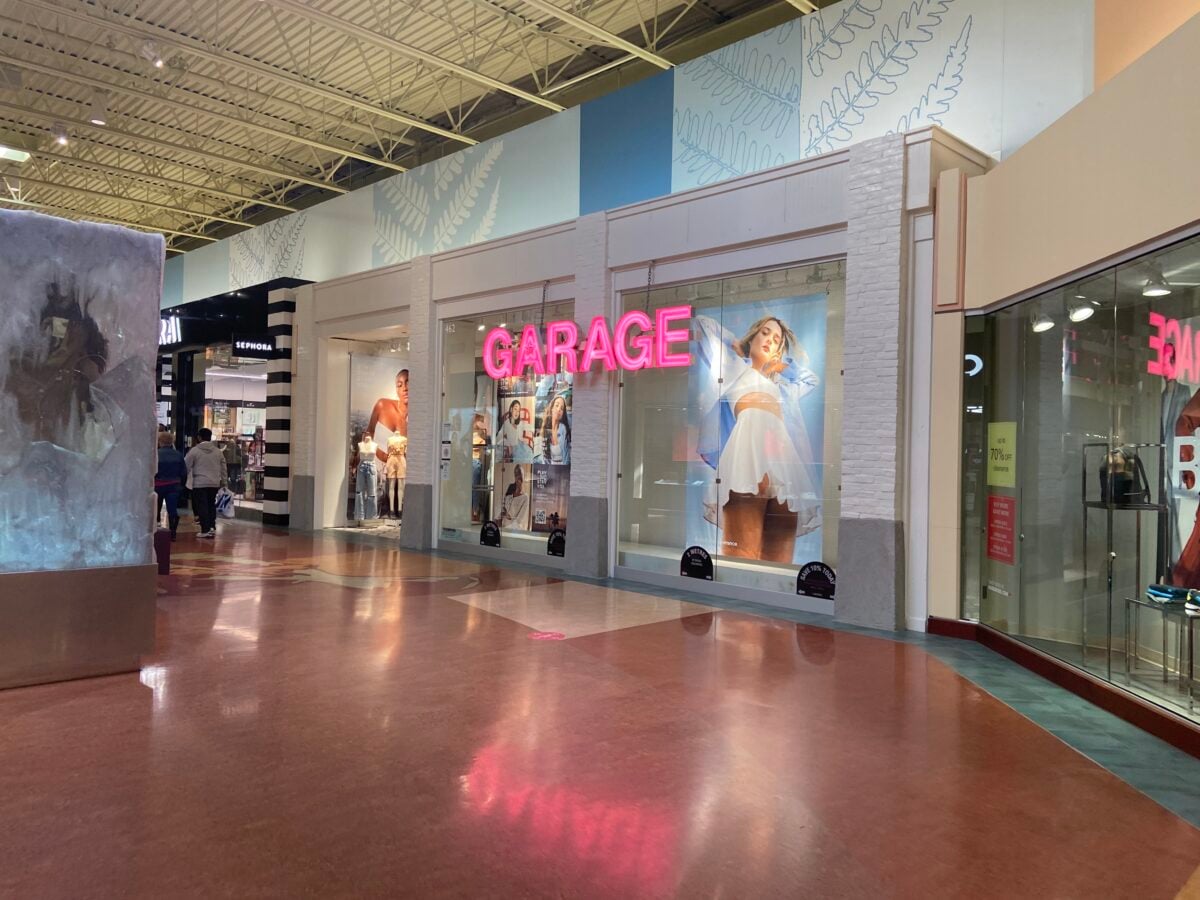
Garage at CrossIron Mills. Photo: Jessica Finch
Expansion Plans for FY26 and FY27
Looking ahead, the company plans to continue expanding its store network at a steady pace. Management is guiding to between 18 and 20 gross store openings in North America in FY26. Stifel expects high single digit same-store sales growth next year driven by traffic gains, improved conversion and additional pricing optimization. The firm is modelling revenue of $1.50 billion in FY26 and $1.75 billion in FY27. Earnings per share are forecast to reach $2.60 in FY26 and $3.20 in FY27, reflecting operational leverage and continued margin improvement.
Gross margin expansion is expected to continue into next year, aided by lower tariffs, distribution improvements and further supply chain efficiencies. SG&A is also projected to benefit from greater scale as the retailer grows larger, modernizes store fleets and continues optimizing labour models to match traffic patterns more precisely.
Capital Markets Update and Special Dividend
The report also points to several developments on the capital markets front. The board has declared a $2.30 special dividend, providing liquidity to the CEO while also potentially delaying a secondary share offering. Stifel notes that a significant number of employees are now shareholders, which management believes has positively influenced performance and execution over the past year.
Valuation remains a discussion point. Stifel argues that the current trading multiple, which it estimates at about 32 times calendar 2026 EPS, is justified given that EPS growth is running above 50 percent year-over-year. The firm’s new target price of $96 is based on a blend of 30 times FY27 EPS, 20.5 times FY27 EBITDA excluding IFRS 16, and a discounted cash flow model using an 8 percent discount rate. The sharp upward trajectory in the company’s share price over recent months, illustrated in the report, reflects growing investor confidence in the retailer’s multi-year margin expansion story and its strategic repositioning of stores.
Groupe Dynamite’s first year on the public markets has shown that disciplined inventory management, thoughtful real estate strategy and a strong understanding of its core customer can translate into robust sales growth and record profitability. With continued relocation opportunities, growing brand recognition and strong consumer demand for athleisure and casual apparel, analysts see a long runway for the retailer as it moves into FY26.