Costco has been ranked the top grocery retailer in Canada, according to the dunnhumby Retailer Preference Index (RPI), a nationwide study that blends financial results and customer perceptions to evaluate grocers’ long-term success. Following closely behind are discount-focused banners Super C, Maxi, and Walmart, underscoring a nationwide trend favouring value-oriented retailers in a challenging economic climate.
The RPI, a comprehensive analysis by global customer data science company dunnhumby, highlights how Canadian shoppers are increasingly prioritizing price, promotions, and rewards when choosing where to buy groceries. Retailers that align their strategies with these priorities have seen notable growth in market share and revenue over the past five years.

“The impact of customer behavioural shifts due to inflation is clear across the Canadian market,” said Chris Thomson, Senior Vice President at dunnhumby in Canada and the U.S. “For retailers to succeed over the next 12 months, they need to be clear on how their value proposition meets customers’ evolving needs in ways that truly matter to them.”
Value-Oriented Banners Lead Market Growth
The study identifies a strong correlation between price-focused value propositions and revenue growth, particularly among discount, superstore, and club banners. Over the last five years, the top-performing retailers grew their grocery revenues significantly faster than competitors, with some outperforming lower-ranked grocers by up to 1.5 times in long-term growth and three times in recent years.
Costco’s dominance stems from its strong performance across four of the RPI’s five value drivers: price, promotions and rewards, operations, and digital. Notably, the warehouse retailer ranked first nationally for operational efficiency, while its partnerships with third-party delivery platforms such as Uber Eats and Instacart have made it increasingly accessible to Canadian consumers.
The top-ranked grocers reflect changing consumer preferences during a period of economic uncertainty. Super C and Maxi, both discount banners, capitalize on competitive pricing strategies. Walmart, ranking fourth, stands out for its digital capabilities, offering an intuitive e-commerce platform and app that streamline the shopping experience for time-conscious consumers.
Regional Variations in Value Preferences
The study further explores regional nuances in consumer behaviour. In Ontario, where cost-of-living pressures are particularly acute, 48% of a retailer’s long-term success is attributed to its price, promotions, and rewards proposition. By comparison, Atlantic Canada places greater weight on other value levers, with price-focused factors comprising only 35% of long-term success.
For many retailers, leveraging region-specific strategies can offer a competitive advantage. For example, Food Basics ranks third in Ontario due to its leadership in mass promotions and pricing, while Save-On-Foods’ More Rewards program has secured its position as the highest-performing conventional grocer in British Columbia and the Prairies.
“Regional differences highlight the importance of a tailored approach to customer value propositions,” said Thomson. “Successful retailers are those that strike a balance between meeting national price expectations and addressing localized consumer needs.”
The Role of Loyalty Programs
Conventional grocers, which represent nearly 40% of the Canadian grocery market, face mounting pressure to compete with value-driven banners. The study reveals that targeted savings through loyalty programs have become a key differentiator for conventional grocers, helping offset their disadvantage in base pricing.
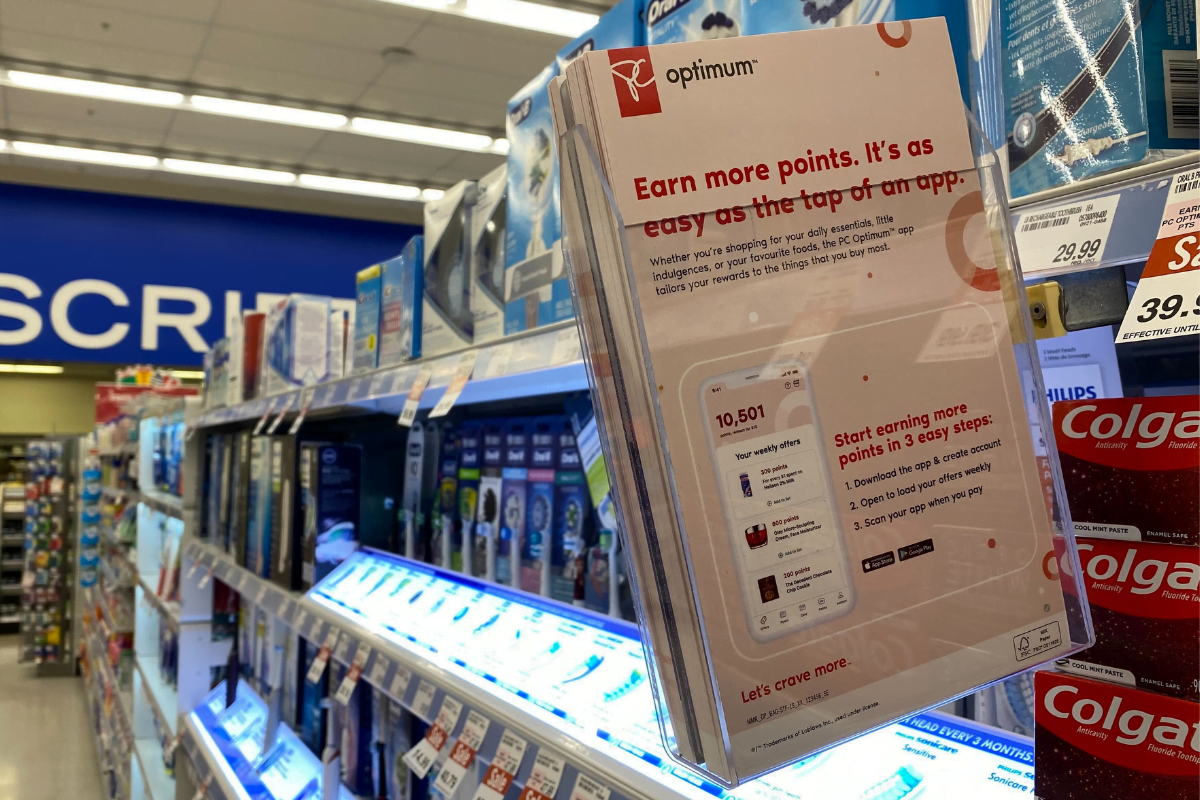
Loblaw Companies’ PC Optimum program remains a standout example, offering personalized promotions and driving customer retention across banners such as Loblaws, No Frills, and Real Canadian Superstore. Similarly, Save-On-Foods’ loyalty initiatives optimize promotional relevance while maintaining quality standards without overinvesting.
By leveraging loyalty programs, conventional grocers can deliver personalized value to their customers while maintaining a competitive position against discount rivals.
Walmart Dominates Digital; Amazon Gains Ground
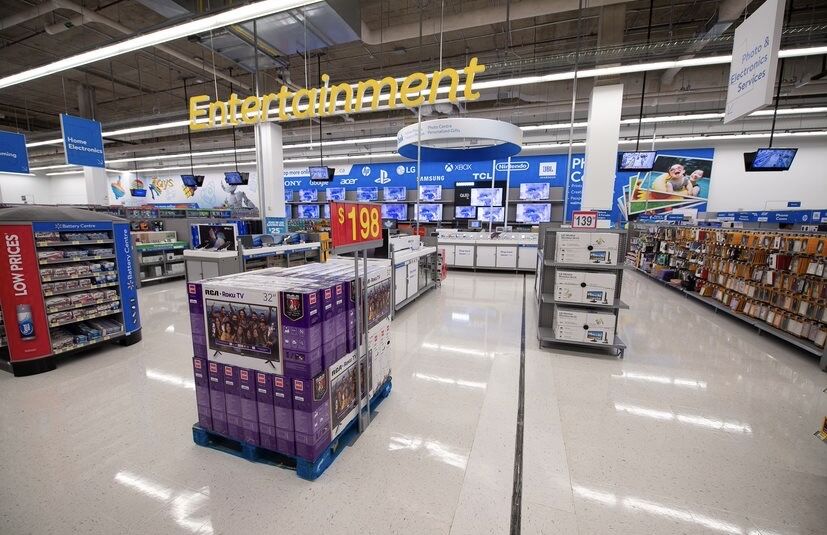
Walmart leads in digital capabilities across all regions, with its user-friendly app and website providing an efficient shopping experience. As the role of e-commerce continues to grow, Walmart’s emphasis on saving customers time has solidified its position among the top-ranked grocers.
However, Amazon’s influence in the Canadian grocery market continues to rise. According to dunnhumby’s findings, three out of 10 Canadian consumers now shop for groceries on Amazon, a statistic that signals a growing competitive threat for traditional retailers.
“Amazon’s ability to combine convenience with competitive pricing makes it a retailer all Canadian grocers should be watching closely,” added Thomson.
The Path Forward for Canadian Grocers
The RPI study offers clear guidance for retailers navigating an evolving grocery landscape. With price, promotions, and rewards accounting for 44% of long-term success nationwide, grocers must continue prioritizing value-driven strategies to maintain customer loyalty.
Retailers focusing on one key value lever can achieve short-term gains, but those excelling across multiple pillars are best positioned for sustained growth. For instance, Costco’s ability to deliver value, quality, and operational excellence simultaneously has cemented its leadership position in Canada.
Thomson concluded, “Change leads to opportunities, and this shift in customer behaviour presents opportunities for all Canadian grocers. Retailers that adapt their strategies to align with these changes will see the greatest success in the months and years to come.”
Methodology and Insights
The dunnhumby Retailer Preference Index evaluates the 28 largest grocery banners in Canada, accounting for 97% of the market share across conventional, discount, superstore, and club formats. The study combines financial performance data with insights from a survey of 6,000 Canadian grocery shoppers.
Retailers are ranked based on five key value drivers:
- Price, promotions, and rewards
- Quality
- Digital
- Speed and convenience
- Operations
The RPI provides actionable insights for grocers looking to enhance their value propositions and adapt to shifting consumer priorities. Retailers can access their individual profiles by contacting dunnhumby directly or visiting their website.