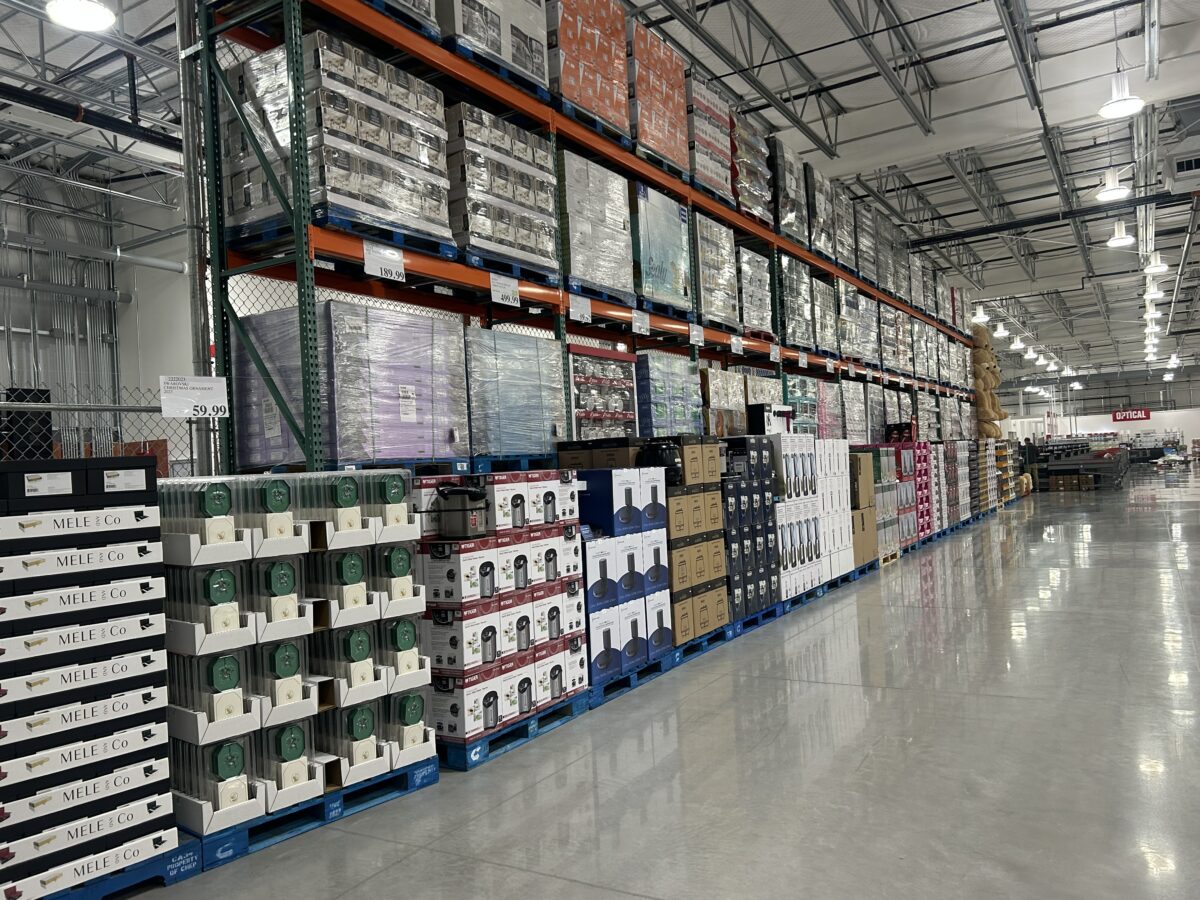
For the second consecutive year, Costco has claimed the top spot in a nationwide assessment of Canadian grocery retailers, reflecting a consumer landscape still shaped by tight budgets and shifting expectations. The ranking, released in dunnhumby’s latest Retailer Preference Index, draws from a combination of shopper sentiment and financial data, offering a detailed look at how Canadians continue to navigate an environment where affordability remains paramount.
The index evaluates the 28 largest grocery banners in the country across conventional stores, discount formats, superstores, and warehouse clubs. Together, these retailers represent nearly the entire grocery market in Canada, which dunnhumby estimates at about $115 billion annually. In this year’s results, Costco was again followed by Maxi, Food Basics, and Real Canadian Superstore. No Frills, Super C, Walmart, FreshCo, and Dominion completed the top nine, forming a group of retailers that dunnhumby identifies as excelling in areas that matter most to consumers in 2025.
The report paints a portrait of a market where Canadians remain cautious about household spending. The cost of groceries has stabilized compared with the steep inflationary spikes of the past two years, but shoppers in many parts of the country report that their budgets have not fully recovered. Bargain hunting has become a daily routine, and retailers that respond with compelling value have seen their efforts rewarded through increased loyalty and stronger long-term results.
Why Value Still Reigns
Dunnhumby’s analysis hinges on several pillars that measure customer perception. Among these, the value pillar, which captures pricing, promotions, and rewards, has grown to dominate the index. It accounts for 44 percent of the outcomes that determine a grocer’s position, reflecting a pronounced shift in consumer sentiment that favours tangible savings over other features that once served as competitive differentiators.
Matt O’Grady, President of the Americas for dunnhumby, said Canadians continue to prioritize practical value even as economic indicators show modest signs of improvement.
“Even though inflation and interest rates have dropped, Canadians still face affordability issues and are focused on value and savings more than last year,” Mr. O’Grady said. “This RPI report gives retailers important data and insights to adjust their customer strategies and offerings to better help their customers meet their needs.”
This focus on value has contributed to widening gaps between top-ranked retailers and the rest of the sector. Shoppers now allocate, on average, 29 percent of their grocery spending to retailers in the top tercile of the index. Retailers in the lowest tercile receive about 17 percent. The divide suggests that Canadians are making clearer distinctions between banners based on perceived savings and promotional relevance.
Dunnhumby’s data also shows that the top performing group grew at a significantly faster pace over the last five years, with long-term revenue growth roughly double that of the lowest-ranked retailers. The findings indicate that shifts in consumer behaviour are not temporary adjustments but rather enduring patterns reshaping competition.
A Power Shift in Quebec
While Costco continues to lead nationally, the most significant regional change occurred in Quebec, where Maxi surpassed the warehouse club chain to become the province’s top grocery retailer. Quebec consumers have heightened sensitivity to price, and Maxi’s strategy of offering sharp pricing, effective promotions, and consistent savings allowed it to outpace Costco on measures tied closely to household budgeting.
Maxi also scored higher on speed and convenience, which dunnhumby ranks as the fourth most important pillar. The result highlights how regional shopping preferences can subtly diverge. Quebec shoppers respond strongly to efficient store formats where they can complete trips quickly, especially when they see clear savings on everyday essentials.
Changes in What Canadians Value
While the pursuit of savings dominates decision making, dunnhumby’s analysis does not overlook other components of the Canadian grocery experience. Assortment quality ranked as the second most influential pillar, contributing 31 percent to customer outcomes. Digital services followed at 11 percent. Both pillars, however, declined in perceived importance this year. The shift suggests that shoppers are increasingly willing to forgo premium products or sophisticated online tools if doing so allows them to stretch their grocery budget further.
Speed and convenience accounted for 8 percent of the index, and operational consistency made up the remaining 6 percent. These measures matter, but their reduced impact speaks to a broader theme of practical prioritization. Canadian grocery habits have grown more disciplined, with households gravitating toward banners that offer predictable ways to save.
How Conventional Chains Are Fighting Back
Although discount and superstore formats dominate the top of the ranking, several conventional grocers have adapted in ways that allow them to remain competitive. Zehrs Markets, Save-On-Foods, Safeway, and Thrifty Foods were recognized for strategies that mitigate their disadvantages on base prices. These retailers rely on finely tuned loyalty programs, targeted promotions, and assortment planning that avoids overspending on premium categories.
Dunnhumby notes that these tactics help conventional chains offer value that feels relevant and personalized, without forcing structural changes to their pricing models. By balancing disciplined assortment strategies with well-designed loyalty programs, these banners maintain their positioning among consumers who value both quality and affordability.
Even though Amazon is not included in the official ranking due to its lack of physical stores in Canada, its role in grocery shopping remains significant. About 30 percent of Canadians purchase groceries from Amazon, a figure that underscores the platform’s continued relevance. If Amazon were included, it would rank eighth overall, down from second last year. The decline stems from rising prices and a shift in shopper priorities that makes digital convenience less compelling than it once was. Despite this drop in ranking, Amazon remains a formidable player.
Understanding the RPI
The Retailer Preference Index stands out for its dual approach, combining financial performance with detailed measurement of customer sentiment. The dunnhumby report relies on a survey of 6,000 Canadian shoppers, alongside financial data that incorporates market share metrics, near-term revenue trends, and long-term sales growth. The methodology allows for a nuanced understanding of what drives loyalty and performance in a sector that has grown more complex with the rise of e-commerce, evolving household dynamics, and the proliferation of discount formats.