Advertisement
Advertisement
Home Blog Page 212

Roots reports higher sales and gross margin in Q2, $4.4m net loss

Roots at CF Toronto Eaton Centre (Image: Dustin Fuhs)

Roots Corporation, the premium outdoor-lifestyle brand, announced Wednesday its Fiscal 2025 second quarter results which ended August 2, 2025, with sales surpassing $50 million in the quarter.

Meghan Roach

“Roots delivered a strong second quarter with comparable sales up 17.8%, reflecting the strength of our brand and the resonance of our products with consumers,” said Meghan Roach, President and CEO of Roots. “This momentum was supported by innovative collaborations, a compelling product assortment, and our focus on creating meaningful customer experiences. As we continue to strengthen our brand and deepen engagement with our loyal community, we are focused on creating long-term value.”

“While early in the third quarter, we continue to experience positive trends during the back-to-school period.”

Second Quarter Highlights

  • Sales were $50.8 million, a 6.3% increase compared to $47.7 million in Q2 2024
    • DTC sales were $41.0 million, a 12.7% increase compared to $36.4 million in Q2 2024
    • DTC comparable sales growth was 17.8%
  • Gross margin was 60.7%, up 430bps compared to 56.4% in Q2 2024
    • DTC gross margin of 63.2%, up 150bps compared to 61.7% in Q2 2024
  • Net loss totaled ($4.4) million, improving 16.1% from ($5.2) million in Q2 2024
    • Excluding the impacts from the revaluation of cash settled instruments under our share-based compensation plan, net loss would have been ($4.0) million, improving 26.8% compared to ($5.5) million in Q2 2024
  • Adjusted EBITDA amounted to ($2.1) million, a 32.0% improvement from ($3.1) million in Q2 2024
    • Excluding the impacts from the revaluation of cash settled instruments under our share-based compensation plan, Adjusted EBITDA would have been ($1.8) million, improving 47.9% compared to ($3.4) million in Q2 2024
  • Net debt reduced 6.5% year-over-year to $38.1 million
  • The Company repurchased 491,500 shares for $1.5 million under the normal course issue bid

Established in 1973, Roots is a global lifestyle brand. Starting from a small cabin in northern Canada, Roots has become a global brand with over 100 corporate retail stores in Canada, two stores in the United States, and an eCommerce platform, roots.com. It has more than 100 partner-operated stores in Asia, and we also operate a dedicated Roots-branded storefront on Tmall.com in China.

Related Retail Insider stories:

Groupe Dynamite announces “exceptional” Q2

Source: Groupe Dynamite website

Groupe Dynamite Inc. reported Wednesday its financial results for the fiscal year 2025’s second quarter ended August 2, 2025, with revenue increasing by 36.5% from a year ago and comparable store sales growth of 28.6%.

Andrew Lutfy - Photo courtesy of Carbonleo
Andrew Lutfy – Photo courtesy of Carbonleo

“We delivered an exceptional quarter. Comparable store sales grew 28.6%, driving a 43.3% two-year stack. This performance was fueled largely by higher traffic, attributable to strong brand heat and an important increase in media brand impressions. We’ve raised our 2025 guidance on both revenue and profitability, reflecting disciplined execution, operational agility and a luxury-inspired model that consistently outperforms. Gross margin reached 63.6%, the highest in the past four quarters. Even in a cautious consumer environment, our positioning around affordable indulgences continues to put a smile on our customers’ faces,” said Andrew Lutfy, Chief Executive Officer and Chair of the Board.

 Fiscal 2025 Second Quarter Highlights

  • Revenue increased by 36.5% to $326.4 million in Q2 2025, compared to $239.1 million in Q2 2024;
  • Comparable store sales growth of 28.6% (25.7% on a constant currency basis) in Q2 2025, over and above comparable store sales growth of 14.7% in Q2 2024;
  • Retail sales per square foot increased by 18.1% compared to Q2 2024, reaching $820 in Q2 2025;
  • SG&A increased to $87.7 million in Q2 2025, compared to $79.9 million in Q2 2024, and adjusted SG&A as a percentage of sales decreased by 550 basis points to 26.7% from 32.2% over the same period in Q2 2024;
  • Operating income increased by 61.4% to $97.3 million in Q2 2025, compared to $60.3 million in Q2 2024;
  • Adjusted EBITDA increased by 49.1% to $120.5 million in Q2 2025, representing an adjusted EBITDA margin of 36.9%, compared to 33.8% for the same period in Q2 2024;
  • Diluted net earnings per share increased to $0.56 in Q2 2025, compared to $0.38 in Q2 2024 and adjusted diluted net earnings per share increased by 43.4% to $0.57 in Q2 2025, compared to $0.40 in Q2 2024.
Dynamite at Royalmount in Montreal. Photo courtesy of Dynamite

Real estate activity for Q2 2025 includes:

  • Opening of 8 gross new stores in the United States under the Garage banner;
  • Closure of 6 stores in Canada, 4 under the Dynamite banner and 2 under the Garage banner;
  • Renovation or relocation of 4 stores: 2 in the United States under the Garage banner and 2 in Canada under both banners.
Stacie Beaver
Stacie Beaver

“This quarter, our teams executed with precision and delivered strong results. North American openings are exceeding expectations, and our UK expansion is progressing with five new leases signed. Every function of the business, from product to marketing to our store teams, is aligned and driving performance. That alignment is fueling stronger brand experiences and deeper connections with our customers and community. With this momentum, we are positioned to elevate our performance across every market we serve,” added Stacie Beaver, President & Chief Operating Officer. 

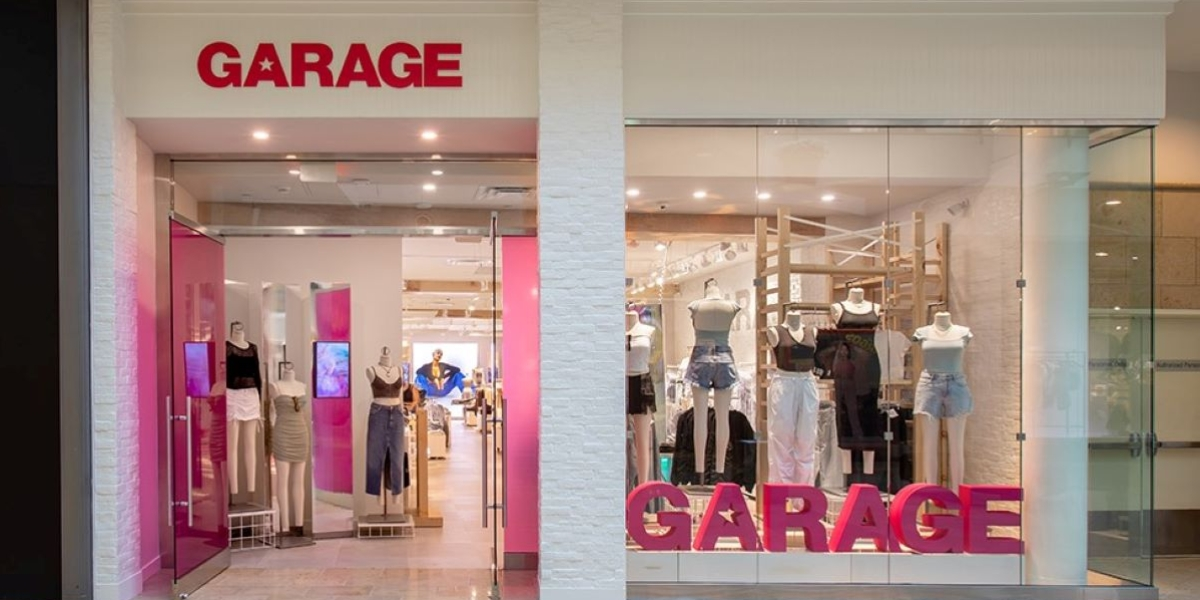
Groupe Dynamite Inc. operates retail stores and digital experiences under two complementary banners—GARAGE and DYNAMITE.

Canadians prefer local spirits: Square

Photo: Boris Ivas
Photo: Boris Ivas

As the end of patio season nears, new research from technology company Square found that the “Buy Canadian” movement remains stronger than ever, and has grown beyond the grocery store to restaurants, bars, and breweries.

According to a survey commissioned by Square, 65% of respondents say they have prioritized homegrown spirits, beer, and wine over U.S. brands when enjoying a drink this patio season.

Ming-Tai Huh
Ming-Tai Huh

“Whether it’s due to national pride, support for local producers, or backlash over shifting trade dynamics, it’s clear that Canadians are increasingly choosing domestic alcohol over U.S. imports,” said Ming-Tai Huh, Head of Food and Beverage at Square. “Canada has some incredible wine, beer, and spirits, and consumers see buying local as both a way to get premium products and to keep more of their spending within local communities.”

Canadians Tip Big After Hours

The later into the night, the bigger the tip: Square’s nighttime economy data confirms Canadians are most generous at 3:00 a.m., leaving an average bar gratuity of 17.8% across seven of its largest cities. And, Winnipegers lead the pack; at the peak hour, their tips jump to  19.7%, making them English Canada’s most generous nighttime tippers, said Square.

image.png

Bar tips also consistently outpaced those in Canadian cafés and restaurants. Between 2020 and 2025, bar tips were notably higher than in other types of Food & Beverage businesses, routinely averaging 14–15%, said the report.

Overall, in July 2025, tips in every Food & Beverage category were stable or slightly down compared to pandemic peaks. For example, bar tips averaged 14.4% across cities, while tip percentages at cafés were 12.7% on average during the month, it added.

image.png

Canada’s New “Party City” Power Duo

“For the second year in a row, Calgary has tied for the title of Canada’s “Top Party City,” but this year it has a new partner at the top: Edmonton. The two Alberta cities have the nation’s top nighttime economies for 2025 based on the share of transaction volume from businesses using Square’s tools and services across Canada,” said Square.

Square said it looked at millions of in-person transactions in some of Canada’s largest cities and found that both Alberta cities have the largest share of nighttime spending (32%) at bars, cafés, and restaurants occurring between 7 p.m. and 4 a.m. 

Photo: Andrea Piacquadio

Toronto, which tied with Calgary for the top spot last year, has seen a significant decline in its nighttime economy in 2025, dropping to second to last place with only 21% of transactions occurring at night. Vancouver placed last with a mere 17%, explained the report.

Toronto isn’t an outlier; overall nighttime spending is down in major cities across the country for the second year in a row, including our Party City co-leader Calgary, whose share of nighttime spending is down from 38% the previous year (Edmonton was not previously ranked), it noted.

“The slowdown we’re seeing in Canada’s nighttime spending is really a sign of changing times,” said Huh. “With rising living costs, Canadians are watching their budgets more closely, and hybrid work may mean fewer after-work get-togethers. But despite the challenges, bars and restaurants have a big opportunity: by creating memorable experiences—whether through great service, unique offerings, or seamless payment options—they can stand out and build loyalty with customers.”

Demand for Mocktails Continues Trending Upwards

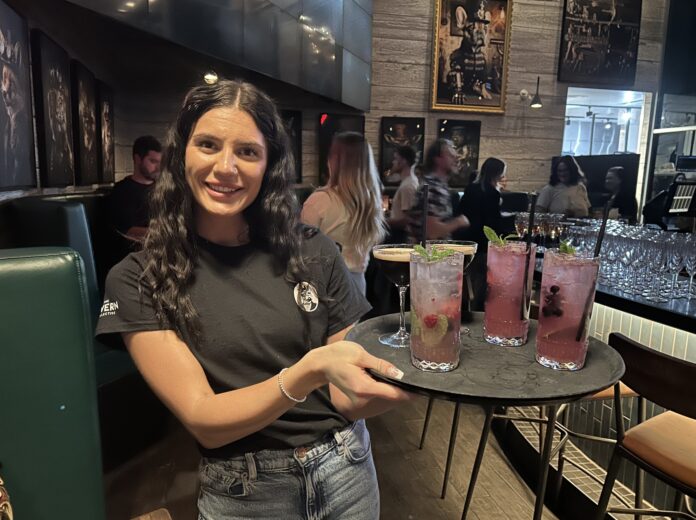
Another big story this summer involves the mocktail, which has enjoyed a meteoric rise in popularity since the pandemic. While not surprisingly, businesses are still earning more from cocktails nationally, in Winnipeg, non-alcoholic beverages outperformed cocktails between November 2024 and February 2025. In Edmonton, sales of mocktails are consistently higher than their alcoholic counterparts, said Square.

Stuart Wheldon
Stuart Wheldon

“To stay relevant, breweries and manufacturers are investing into zero-proof options, leading to high quality drinks that are virtually indistinguishable from their alcoholic counterparts,” said Stuart Wheldon, CEO of Junction Craft Beverage Co. in Toronto, who began producing and offering non-alcoholic alternatives in 2022.

“As the ‘sober curious’ movement continues to gain momentum, this is great news for Canadians who want to cut down on alcohol while still enjoying a night out. It also allows businesses to diversify their menus and appeal to evolving consumer tastes and preferences.”

Related Retail Insider stories:

Jollibee launches next-level mobile app

Jollibee, the global restaurant sensation, has unveiled its newly enhanced mobile app.

Available now on the Apple App Store and Google Play, the app allows customers to easily order their favourites.

The new app delivers a refined, user-friendly experience, putting Jollibee’s great-tasting food at a good value that is always served with joy right in the palm of every fan’s hand. Key features designed to streamline the ordering process include allowing users to customize and re-order their must-have bites, track orders, and skip the line for quick and effortless pickup. Flexible payment options now give users the ability to use Apple Pay or Google Pay to place their orders for even more convenience when a craving strikes, said the brand.

Luis Velasco
Luis Velasco

“At Jollibee, we’re always looking for ways to bring joy to our customers—not just through our food, but through every interaction – whether that’s in store or online,” said Luis Velasco, Senior Vice President and Marketing Head at Jollibee North America.

“Our revamped app is designed to enhance the overall Jollibee experience, whether you’re ordering your favourite Jolly Crispy Chicken or enjoying exciting rewards from our loyalty program. It’s another step in our commitment to delivering the best possible experience to our fans.”

For Jollibee Rewards members, the company said the app offers a seamless, fully integrated loyalty experience. In just one tap users can check their program status, refer friends to earn bonus points, and redeem their Jolly Points for even jollier rewards. An all-new store locator function allows users to stay up to date on the latest happenings at their nearest Jollibee. Through the optimized mobile app, it’s never been easier to experience the joy that’s found in every Jollibee visit.

Jollibee’s new mobile app unlocks even more joy and convenience for its swarms of fans across North America.

To celebrate the launch, Jollibee is offering an exclusive reward for new Jollibee Rewards members during the month of September. Customers who sign-up for Jollibee’s loyalty program will get $5 off their order when they spend $10 or more. Fans can download the new mobile app to access this offer.

Jollibee is the flagship brand of the Jollibee Group, a global restaurant company. Jollibee said it is on its way to becoming a $1 billion business by 2028.

The Jollibee Group is one of the world’s fastest-growing restaurant companies with 19 brands and over 9,900 stores across 33 countries.

The Jollibee Group’s portfolio includes nine wholly owned brands (Jollibee, Chowking, Greenwich, Red Ribbon, Mang Inasal, Yonghe King, Hong Zhuang Yuan, Smashburger and Tim Ho Wan), five franchised brands (Burger King, Panda Express, Yoshinoya, Common Man Coffee Roasters, and Tiong Bahru Bakery in the Philippines), and ownership stakes in other key brands like The Coffee Bean and Tea Leaf (80%), Compose Coffee (70%), SuperFoods Group that operates Highlands Coffee (60%), and bubble tea brand Milksha (51%). The company also has membership interests in Tortazo, LLC, along with Chef Rick Bayless, for Tortazo in the U.S. and has recently invested in Botrista, a leader in beverage technology.

Related Retail Insider stories:

Pumpkin Spice Sales Surge Across Canada

Starbucks pumpkin spice latte. Image: Starbucks

Every September, Canadians welcome back pumpkin spice as though it were an old friend. The crisp air, the return of routine after summer, and the smell of cinnamon, nutmeg, and clove signal a familiar ritual: the launch of the pumpkin spice season. Yet beyond its cozy cultural aura, pumpkin spice is a remarkable economic case study. It is a multi-billion-dollar global industry that reveals much about consumer psychology, seasonal demand shocks, and the resilience of indulgence in an era of elevated food costs.

Globally, the pumpkin spice market is now worth an estimated US$1.1 billion in 2025 and is projected to more than double to US$2.2 billion by 2032, supported by annual growth exceeding ten percent. Within this category, Starbucks’ Pumpkin Spice Latte (PSL) remains the anchor. Since its 2003 debut—tested in Vancouver before its wider rollout—the PSL has sold hundreds of millions of units, generating over US$500 million annually across North America. For a product available just a few months a year, this scale of revenue is extraordinary. It demonstrates how the right flavour profile can anchor not only consumer rituals, but entire retail cycles.

Canada mirrors global trends but with distinct features. Statistics Canada reports that in 2024, more than 11,500 

acres of pumpkins were planted nationwide, serving both fresh consumption and the booming processed sector. Canada accounts for roughly US$154 million of the global pumpkin spice market, ranking just behind the United States in per-capita terms. This is striking given Canada’s smaller population and highlights how deeply consumers have internalized pumpkin spice as part of their autumn identity.

From an economic standpoint, pumpkin spice represents a convergence of nostalgia and affordable indulgence. In an environment where grocery bills remain elevated and restaurants feel increasingly out of reach, consumers lean on symbolic luxuries. A $5 or $6 latte is discretionary, but compared to the cost of dining out, it is accessible. This explains why the product retains momentum despite saturation. In 2024, U.S. dollar sales of pumpkin spice beverages rose 15 percent year-over-year, even though unit sales declined. Households bought fewer drinks, but they paid more when they did indulge—a textbook example of the “lipstick effect,” where small luxuries thrive as larger ones are cut back.

Corporate marketing has reinforced this dynamic. Starbucks has repeatedly moved its campaign earlier, launching on August 21 in 2024 and August 26 in 2025, strategically extending the sales window to capture more consumer dollars. Other chains, from Dunkin’ to McDonald’s, have joined the arms race. The question is how long this strategy can stretch before novelty erodes. When everything from cereal to dog treats is offered in pumpkin spice, the risk of overexposure is real. Yet the numbers suggest that, for now, consumers remain willing to pay a premium for what feels like comfort wrapped in a cup.

There is also a supply-side dimension. Unlike artificial flavour fads, pumpkin spice depends on real agricultural inputs. Canadian pumpkin growers, particularly in Ontario and Quebec, enjoy seasonal boosts, though pumpkins remain a minor crop compared with grains or oilseeds. The critical pressure points are in the spice trade—cinnamon, nutmeg, and clove—commodities highly sensitive to climate shocks and geopolitical disruptions. Rising input costs may eventually force companies to make trade-offs between protecting margins and raising prices, testing the limits of affordability for consumers.

Ultimately, pumpkin spice is more than a flavour. It is an economic signal: evidence that consumers cling to small rituals even in times of uncertainty. It demonstrates how scarcity and seasonality sustain willingness to pay, and how nostalgia itself functions as an economic asset. For policymakers and industry leaders, the message is clear—food is not only sustenance, but also identity, memory, and reassurance.

The natural question is: what comes after pumpkin spice? If consumer culture is cyclical, the next PSL-style phenomenon may emerge from equally nostalgic territory. Early contenders include sweet potato and marshmallow blends, maple-based lattes, and matcha-pumpkin hybrids already trending on social media. 

Whether any of these can replicate the PSL’s twenty-year run remains uncertain. What is clear is that Canadians will continue to pay for rituals that feel both familiar and comforting. As long as pumpkin spice delivers on those fronts, it will remain not just a cultural marker of fall, but also a durable economic one.

More from Retail Insider:

Live Webinar: How Integrated Security Systems are Transforming Canadian Retail

Security professional monitors camera system. Photo: Axis Communications

Canadian retailers are facing a perfect storm: rising incidents of organized retail crime, shifting customer expectations, and a growing need to extract more value from every investment. While security has always been essential, today’s technology can also provide insights that go far beyond loss prevention, and the opportunities are bigger than many realize.

On September 24, 2025, Retail Insider Publisher Craig Patterson will moderate an exclusive live webinar with two leading experts from Axis Communications: Andrew Kertesz, Regional Sales Manager for Central Canada, and James Stark, Segment Development Manager, Retail. Together, they will explore how retailers can use integrated security solutions to protect assets and enhance operations to improve the customer experience. [Register Here]

Beyond Cameras: Creating a Smart Retail Ecosystem

Axis Communications is a global leader in network video, audio, and analytics solutions. But in today’s environment, the conversation has shifted from “How do we stop theft?” to “How can our technology help run a better business?” This webinar will walk participants through the latest in integrated security ecosystems — combining cameras, analytics, and open-platform technology to create a multi-purpose tool for retail success.

What Attendees Will Learn:

  • How organized retail crime trends are evolving in Canada and how to respond.
  • The role of integrated, end-to-end solutions in maximizing return on investment.
  • How AI-driven analytics can enhance both security and customer experience.
  • Future trends, including Security Operations Centres (SOCs) and centralized monitoring.

Practical Insights from Industry Leaders

James Stark brings extensive experience in helping retailers design and implement strategies that deter crime while driving business value. Andrew Kertesz offers a deep understanding of how regional challenges can be addressed through scalable technology solutions. Together, they will share real-world examples and actionable takeaways that attendees can apply immediately.

Event Details

Date: September 24, 2025
Time: 1:00pm Eastern
Format: Live webinar with Q&A
Registration: Register Here

This free, 45-minute webinar is a must-attend for retail executives, loss prevention professionals, and operations leaders who want to get more from their security investments.

Seats are limited — click here to register now and secure your place.

Apple’s 2025 lineup: iPhone 17, iPhone Air, Pro models, Watch, AirPods

Apple announced one of its broadest fall lineups in recent memory, revealing updates across its most popular product families. The event introduced the iPhone 17, the slimmer iPhone Air, and the performance-driven iPhone 17 Pro and Pro Max, along with the new Apple Watch Series 11, the rugged Apple Watch Ultra 3, and the redesigned AirPods Pro 3.

The announcements underline Apple’s strategy to refine design while layering in performance gains, health features, and artificial intelligence through its Apple Intelligence platform.


AirPods Pro 3: Fitness and Translation Join the Audio Experience

Apple Airpods 3. Photo: Apple.

The AirPods Pro 3 continue Apple’s dominance in wireless earbuds with a new design, improved fit, and the most effective in-ear Active Noise Cancellation (ANC) on the market. Apple claims the earbuds now block twice as much noise as their predecessors and four times more than the original model.

Beyond audio, AirPods Pro 3 add a heart rate sensor for workouts, using a custom photoplethysmography system to track heart activity during exercise. Paired with iPhone, they integrate with the Fitness app to log metrics across 50 workout types. The earbuds also work with Workout Buddy, Apple’s AI-driven coaching system that offers motivational feedback in real time.

Battery life extends to eight hours of playback with ANC, while Live Translation debuts on AirPods, enabling real-time, hands-free translation across multiple languages — a feature designed to help in travel and international communication.

Read the full report for Airpods Pro 3 here.


iPhone 17: Bigger Display and Center Stage Camera

iPhone 17. Photo: Apple.

The iPhone 17 focuses on display and camera improvements. It features a 6.3-inch Super Retina XDR display with ProMotion, higher brightness (3000 nits), and Ceramic Shield 2 for three times better scratch resistance.

The Center Stage front camera introduces a square sensor that captures up to 18MP images, allowing both portrait and landscape selfies without device rotation. On the rear, Apple has added a 48MP triple-camera system including Main, Ultra Wide, and Telephoto lenses.

Powered by the new A19 chip, the device promises faster performance and all-day battery life. Available in five colours, it starts at $1,129 CAD, with pre-orders opening September 12 and general availability on September 19.

Read the full report for iPhone 17 here.


iPhone Air: Apple’s Thinnest Phone Yet

iPhone Air lineup. Photo: Apple

The iPhone Air represents Apple’s boldest design shift of the year. At 5.6 mm thick, it is the thinnest iPhone ever made, with a titanium frame and Ceramic Shield protecting both the front and back. Despite its light weight, Apple emphasizes durability and bend resistance.

The 6.5-inch ProMotion display achieves 3000 nits brightness, while the internal redesign makes room for a larger battery. Inside, a trio of chips — the A19 Pro, N1 wireless chip, and C1X modem — drive efficiency, connectivity, and gaming performance.

Camera upgrades include a 48MP Fusion Main camera with multiple focal lengths and a Center Stage 18MP front camera. Storage starts at 256 GB, with pricing from $1,449 CAD.

Read the full report for iPhone Air here.


iPhone 17 Pro and Pro Max: Professional Power and Optics

iPhone 17 Pro. Photo: Apple.

The iPhone 17 Pro and Pro Max push performance to the limit with a new A19 Pro chip cooled by an Apple-designed vapour chamber integrated into a forged aluminum unibody. The system allows for sustained performance, supporting high-end gaming, video editing, and on-device AI models.

The camera system is Apple’s most advanced yet: three 48MP Fusion lenses plus an all-new Telephoto with 8× optical zoom at 200 mm, the longest reach ever on an iPhone. Professional video features include ProRes RAW, Apple Log 2, and genlock, bringing cinema-grade production tools to a smartphone.

Displays measure 6.3 inches (Pro) and 6.9 inches (Pro Max), with Ceramic Shield 2 covering both sides. Battery life is extended further, and eSIM-only versions in Canada and other markets allow space for even larger batteries.

The Pro lineup starts at $1,599 CAD for the Pro and $1,749 CAD for the Pro Max, with storage up to 2 TB.

Read the full report for iPhone 17 Pro and Pro Max here.


Apple Watch Series 11: Sleep and Durability

Apple Watch Series 11. Photo: Apple.

The Apple Watch Series 11 is thinner and more comfortable, while adding a sleep score feature that consolidates heart rate, blood oxygen, and movement into a single nightly rating.

Battery life reaches 24 hours, with 15 minutes of charging delivering up to eight hours. The watch introduces Ion-X glass that is twice as scratch-resistant, plus a redesigned cellular antenna for improved coverage.

watchOS 26 adds Workout Buddy, a new Liquid Glass interface, Live Translation, new watch faces, and enhanced gesture controls. Series 11 starts at $549 CAD and launches September 19.

Read the full report for Apple Watch Series 11 here.


Apple Watch Ultra 3: Rugged Redefined

Apple Watch Ultra 3. Photo: Apple.

The Apple Watch Ultra 3 extends Apple’s wearable strategy into durability and extreme sports. The titanium case is now made with an innovative 3D printing process, reducing raw material use while maintaining strength.

Ultra 3 maintains its large display and extended battery life but adds refinements like an enhanced dual-frequency GPS system, new depth and altitude tracking features, and compatibility with updated watchOS 26 functions, including Workout Buddy and Live Translation.

With its 100-meter water resistance, improved dive computer features, and extended durability ratings, Ultra 3 positions itself for endurance athletes, divers, and adventurers. Pricing begins higher than Series 11, with Canadian availability on September 19.


Apple’s Broader Strategy

This product suite demonstrates Apple’s effort to tighten integration between hardware, AI, and sustainability. Across all devices, the company emphasized recycled materials, renewable manufacturing, and longer software support. Features like heart rate sensing in AirPods, sleep scoring in Watch Series 11, and pro-level video tools in iPhone Pro models highlight a push to expand devices beyond their traditional categories.

For Canadian consumers, the September 19 release date sets the stage for a competitive fall season, with carriers expected to highlight eSIM adoption, trade-in credits, and financing. Apple’s emphasis on design, battery life, and health monitoring may resonate strongly in a market that prizes durability, resale value, and seamless integration.

Apple AirPods Pro 3 redefine sound with ANC, heart tracking

Apple Airpods 3. Photo: Apple.

Apple today announced AirPods Pro 3, the latest generation of its best-selling wireless earbuds, with sweeping updates across design, audio performance, fitness features, and real-time translation. The company describes them as the “ultimate audio experience,” combining the world’s best in-ear Active Noise Cancellation (ANC), a more secure in-ear fit, heart rate tracking for workouts, and extended battery life.

“AirPods Pro 3 take a massive leap forward, providing fantastic sound quality and the world’s best ANC of any in-ear wireless headphones,” said John Ternus, Apple’s senior vice president of Hardware Engineering. “Combined with an improved fit that provides greater stability for even more people, heart rate sensing, extended battery life, and Live Translation enabled by Apple Intelligence, AirPods Pro 3 take personal audio to the next level.”

Pre-orders begin today, with availability set for Friday, September 19.


World’s Best Active Noise Cancellation

Apple’s third-generation AirPods Pro introduce a new multiport acoustic design that refines airflow and enhances spatial listening. Adaptive EQ has been updated to better balance bass response, widen the soundstage, and bring more clarity to voices and higher frequencies. Transparency mode has also been refined so a user’s voice — and those around them — sound more natural when ANC is turned off.

The centerpiece remains noise cancellation. Apple says AirPods Pro 3 remove up to twice as much noise as AirPods Pro 2, and four times more than the original AirPods Pro. Foam-infused ear tips in five sizes, including a new XXS, contribute to passive isolation, while microphones and computational audio reduce unwanted ambient sound.

Battery performance has improved alongside ANC. With noise cancellation enabled, AirPods Pro 3 deliver up to eight hours of music playback — a 33 percent increase compared with the prior model.


Fit and Comfort Built on Research

To redesign AirPods Pro 3, Apple drew from over 10,000 ear scans and 100,000 hours of user testing. The new internal architecture makes each earbud smaller, while the external ear tip geometry has been realigned for better stability. This refinement, combined with additional ear tip sizes, expands the range of users who can achieve a secure fit.

The earbuds are also more durable, rated IP57 for sweat and water resistance, making them suitable for running, yoga, HIIT sessions, and outdoor workouts in unpredictable conditions.


Fitness and Heart Rate Tracking

AirPods Pro 3 deepen Apple’s fitness integration with a built-in heart rate sensor. The photoplethysmography (PPG) sensor pulses invisible infrared light 256 times per second, measuring changes in blood flow. Paired with accelerometers, a gyroscope, GPS, and on-device AI from iPhone, the earbuds can now track more than 50 workout types.

These metrics sync directly with the Fitness app, where users can monitor calories burned, heart rate, and progress toward their Move ring. Apple’s Workout Buddy — powered by Apple Intelligence — adds real-time motivational coaching based on personal history and live data.

Subscribers to Apple Fitness+ gain additional benefits: onscreen metrics such as heart rate, calories, and Burn Bar performance become visible during workouts when AirPods Pro 3 are connected.


Live Translation in Real Time

One of the most striking additions is Live Translation. AirPods Pro 3 use computational audio and Apple Intelligence to translate speech in real time, creating hands-free bilingual conversations. Users can hear translations directly in their preferred language through the earbuds, or display transcriptions on their iPhone when speaking with someone who doesn’t have AirPods.

The system is designed for travel, collaboration, and personal interactions. When two people both wear AirPods with Live Translation enabled, conversation flows more smoothly, with ANC lowering background noise to emphasize the translated voice.

At launch, Live Translation supports English, French, German, Portuguese, and Spanish, with Italian, Japanese, Korean, and simplified Chinese coming later this year.


Sustainability and Apple 2030

AirPods Pro 3 extend Apple’s environmental initiatives. The earbuds are made with 40 percent recycled content, including 100 percent recycled cobalt in the battery and 65 percent recycled plastic in the case. Manufacturing relies on 40 percent renewable electricity, while packaging is entirely fibre-based. Apple positions these changes within Apple 2030, its plan to achieve carbon neutrality across all operations and products by the end of the decade.

Durability and long-term support also remain part of the sustainability message, with Apple emphasizing design choices meant to extend product lifespan.


Canadian Pricing and Availability

AirPods Pro 3 are available for pre-order today and will ship beginning September 19. Pricing for the Canadian market will be announced alongside the retail rollout, but Apple is expected to maintain a premium positioning in line with the second-generation model.

With added fitness features, improved fit, and expanded battery life, AirPods Pro 3 are positioned as both everyday listening devices and serious workout companions. Combined with Live Translation and advanced ANC, they extend Apple’s strategy of turning headphones into a broader platform for personal health, productivity, and global communication.

Rabba marks 27 years of giving

Tom Shurrie, Past President & CEO, CFIG, Joseph Araujo, Client Services Manager, Food Banks Mississauga, Nicole Norris, Director of Program & Agency Networks, Food Banks Mississauga, Rick Rabba, President Rabba Fine Foods, Jack Rabba, Founder, Rabba Fine Foods, Jake Dheer, Campaign Cabinet Member, Trillium Health Partners, Rima Rabba, Program Director, Rabba Roots Community Giving Program. The event highlights the company’s commitment to community giving, reinforcing the power of partnership in creating meaningful change across the Greater Toronto Area.

Rabba Fine Foods, the Greater Toronto Area’s neighbourhood grocer, hosted its 27th annual Rabba Roots Charity Golf Tournament on Monday at the prestigious Brampton Golf Club in support of several different causes and charities.

The event brought together leading partners from the grocery industry in support of the Rabba Roots Community Giving Program, which works to uplift local communities through partnerships with key charitable organizations, said the company.

“The Rabba Roots program, which supports Food Banks Mississauga, Trillium Health Partners, and other impactful local organizations, remains a critical component of Rabba’s efforts to provide access to food, health, and emergency services to those who need it most. The annual golf tournament shines a spotlight on these vital initiatives, while recognizing the ongoing collaboration with corporate sponsors that help drive community support forward,” it said.

“It’s an honour to celebrate 27 years of community giving through our Rabba Roots Community Program,” said Rick Rabba, President of Rabba Fine Foods. “We wouldn’t be here without the tremendous support of our partners, who share our mission to support projects and initiatives that make a difference in people’s lives.”

Tom Shurrie, Past President and CEO of the Canadian Federation of Independent Grocers, who served as the Master of Ceremonies, said: “This is the third time I’ve hosted this event and it’s a true pleasure to be in the company of leaders who value the importance of community giving. I am honoured to be part of this important event.”

Jack and Rick Rabba with Rabba Fine Foods team at the Rabba Roots Community Giving Program Golf Tournament.

Many partners joined the tournament in support of organizations such as Trillium Health Partners and Food Banks Mississauga. Guest speakers included Jake Dheer, Trillium Health Partners and Nicole Norris, Director of Program & Agency Networks at Food Banks Mississauga, who shared words of appreciation for the ongoing support by Rabba and its many grocery partners, said Rabba.

Maple Leaf Foods, Coca-Cola Canada, Molson Coors, and Italpasta, as well as over 200 attendees and partners contributed to making the event a success.  Together, they played a critical role in ensuring the success of community-focused efforts, leaving a meaningful impact on the lives of many across the GTA, it added. 

Rabba Fine Foods, a Toronto institution since the ‘60s, is a chain of local markets that serve the daily grocery and convenience needs of 37 neighbourhoods in the GTA. It is open year round, 24 hours a day.

Related Retail Insider stories: