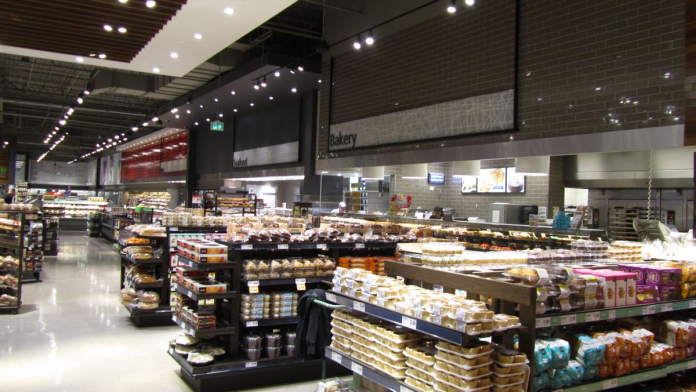
Inside a Metro grocery store. Image: Central Painting
The barrel of oil has now crossed the $90 mark, and some analysts are warning that it could soon exceed $100. If that happens, Canadians should brace themselves—not at the gas pump, but at the grocery store.
We have seen this movie before. Oil shocks in 2008, 2011 and again in 2022 all triggered noticeable increases in food prices months later. The relationship is not immediate, but it is remarkably consistent. Energy prices typically lead grocery inflation by about six to nine months. When oil rises sharply, food prices tend to follow.
The chart accompanying this analysis illustrates the pattern clearly. By shifting oil prices forward by roughly six months, the correlation becomes difficult to ignore. The black line represents oil prices, while the red line shows Canadian food inflation. Time and again, major oil spikes are followed by higher grocery prices.
The latest surge in oil comes after Iranian attacks disrupted shipping routes in the Persian Gulf, injecting fresh uncertainty into global energy markets. If the conflict drags on and oil remains elevated — or worse, climbs beyond $100 per barrel — history suggests food inflation in Canada will not remain where it is today.
Since 2000, every major oil spike has pushed food inflation between one and three percentage points higher. If that pattern holds, today’s energy shock could translate into food inflation reaching between 6 and 8 percent in 2026.
Our projections for the coming months reflect that risk. If oil prices remain elevated and geopolitical tensions persist, food inflation could climb from roughly 5.2–5.6 percent in May 2026, to 5.6–6.1 percent in June, and potentially 6.0–6.6 percent by July.
The magnitude of the shock is already significant. Oil prices have risen 64 percent since January 7, a dramatic surge in a very short period of time. Historically, for every 25 percent sustained increase in oil prices, the average Canadian family’s annual food bill rises by roughly $150 to $200. If current price levels persist, the financial pressure on households will become increasingly difficult to ignore.
Unfortunately, the timing could hardly be worse for Canada.
On April 1, the industrial carbon tax will rise to $110 per metric ton, increasing costs across the energy-intensive sectors that underpin the food supply chain. Combined with rising global oil prices, the result could be a double whammy for farmers, processors, distributors and ultimately consumers.
Energy is embedded in nearly every step of the food system. Fertilizer production relies heavily on natural gas. Farm machinery runs on diesel. Food processing requires heat and electricity. Refrigeration keeps products safe during storage and transportation. And trucks—lots of them—move food across a country as vast as Canada.
When energy prices rise, those costs ripple through the entire chain.
The categories most exposed are animal proteins such as beef and pork, dairy products, and heavily processed foods, all of which require significant energy inputs to produce and distribute. Even staples like bread and cereals are affected, as higher fuel prices raise the cost of fertilizers and grain drying.
In Canada, geography amplifies the problem. Food often travels thousands of kilometres before reaching store shelves. Sustained energy shocks rarely stay confined to the pump — they eventually appear on grocery receipts.
If oil stabilizes, the damage could be limited. But if prices climb toward $100 and stay there, the warning signs are already visible.
For consumers still recovering from the last wave of food inflation, another one may already be on the horizon.
Wayfair has launched its Wayfair Rewards program in Canada, marking the first international expansion of the loyalty platform following its introduction in the United States last year. The initiative reflects the company’s growing focus on customer retention and long-term engagement while reinforcing Canada’s role as one of the most important markets outside the United States for the online home furnishings retailer.
The program provides Canadian shoppers with a suite of benefits including rewards on purchases, free shipping, exclusive member sales, and priority customer service. At the same time, the rollout comes as Wayfair continues to expand its omnichannel strategy in Canada, highlighted by the recent opening of its first physical outlet store in Burlington, Ontario.
Wayfair executives say the loyalty program is designed to deliver tangible value to shoppers making large home-related purchases while strengthening relationships with the retailer’s Canadian customer base.
Loyalty Program Expands to Canada Following U.S. Launch
The Wayfair Rewards program debuted in the United States in 2025 and quickly gained traction with customers. According to Connor Delaney, General Manager of Wayfair Canada, the success of the American rollout prompted the company to bring the concept north of the border with adjustments tailored to Canadian shoppers.
Connor Delaney
“We launched Wayfair Rewards in the U.S. a little over a year ago, and it has been really exciting to see the momentum and, more importantly, the value it’s brought to customers,” Delaney said. “Part of this next phase was trying to figure out how to bring this to Canada and how to localize the program.”
He explained that teams across the company worked to adapt the program to Canadian conditions while maintaining the core benefits that resonated with customers in the United States.
“With the launch of Wayfair Rewards in Canada, we’re delivering a loyalty program that’s simple, transparent and built to maximize value,” Delaney said.
The Canadian membership costs $39 per year and gives members access to several benefits including 5 percent back in reward dollars on merchandise purchases. Rewards never expire as long as the membership remains active and can be applied to future purchases across Wayfair’s product assortment.
The program also includes free shipping with no minimum purchase requirement, exclusive members-only pricing and promotions, early access to major sales events such as Way Day, and a dedicated customer service line.
Loyalty Programs Remain Popular Among Canadian Shoppers
The launch of Wayfair Rewards Canada reflects the broader popularity of loyalty programs among Canadian consumers, who are widely considered among the most engaged loyalty users globally.
Delaney noted that research conducted by Wayfair shows that value is consistently one of the top factors influencing purchasing decisions for home furnishings.
“Our customers want value and they want it in easy-to-understand ways,” he said. “When they’re shopping for home, they’re often purchasing across different categories over time.”
Furniture purchases often involve a series of related purchases rather than a single transaction. A customer might begin with a large item such as a sofa before adding décor, bedding, lighting, and other home accessories.
“When you’re refurnishing a room, you might first buy a couch and then come back for décor,” Delaney said. “That repeat purchasing behaviour is where a rewards program can really add up.”
Instead of using a complex points system, the program offers rewards that appear as dollar credits, making it easier for shoppers to understand the value of the benefits.
“They show up as dollars, which makes it simple,” Delaney said. “If you buy a sofa, 5 percent rewards can add up to meaningful dollars quickly.”
Free Shipping Seen as Key Benefit for Canadian Market
Among the program’s most significant features is free shipping on all purchases for members, regardless of order size.
Wayfair already offers free shipping on many products for orders above a minimum purchase threshold, but the loyalty program removes that requirement entirely.
“Today we have free shipping on a lot of items, but there’s typically a minimum,” Delaney explained. “With Wayfair Rewards, there’s no minimum at all.”
The benefit is particularly relevant in Canada, where shipping costs can be a major factor in online retail purchases.
For smaller home items such as decorative accessories or bedding, customers may have previously waited until their cart reached a certain value before completing a purchase.
“With free shipping, you don’t have to bundle items together,” Delaney said. “You can purchase one at a time as you see fit.”
The company believes that eliminating shipping thresholds will encourage shoppers to purchase more frequently across a broader range of product categories.
Canada Remains a Key Market for Wayfair
Wayfair executives say the Canadian market plays an important role in the company’s global strategy. The retailer has been selling to Canadian customers for more than a decade and has invested heavily in building local infrastructure.
Canada is the company’s largest international market outside the United States and Europe, supported by a network of warehouses, logistics operations, and a major technology hub in Toronto.
“We’ve been selling in Canada for over a decade,” Delaney said. “We have investments in supply chain and warehouses here, and we have a tech center in Toronto.”
He added that Wayfair’s Canadian platform reaches a substantial audience each month.
“We have 25 million monthly visits to our site each month,” he said.
The loyalty program is expected to deepen engagement with this existing customer base while encouraging more repeat purchases.
Launching Wayfair Rewards Canada also demonstrates the company’s confidence in the market.
“The rollout of Wayfair Rewards in Canada as our first expansion market really showcases how important Canada is to the overall business,” Delaney said.
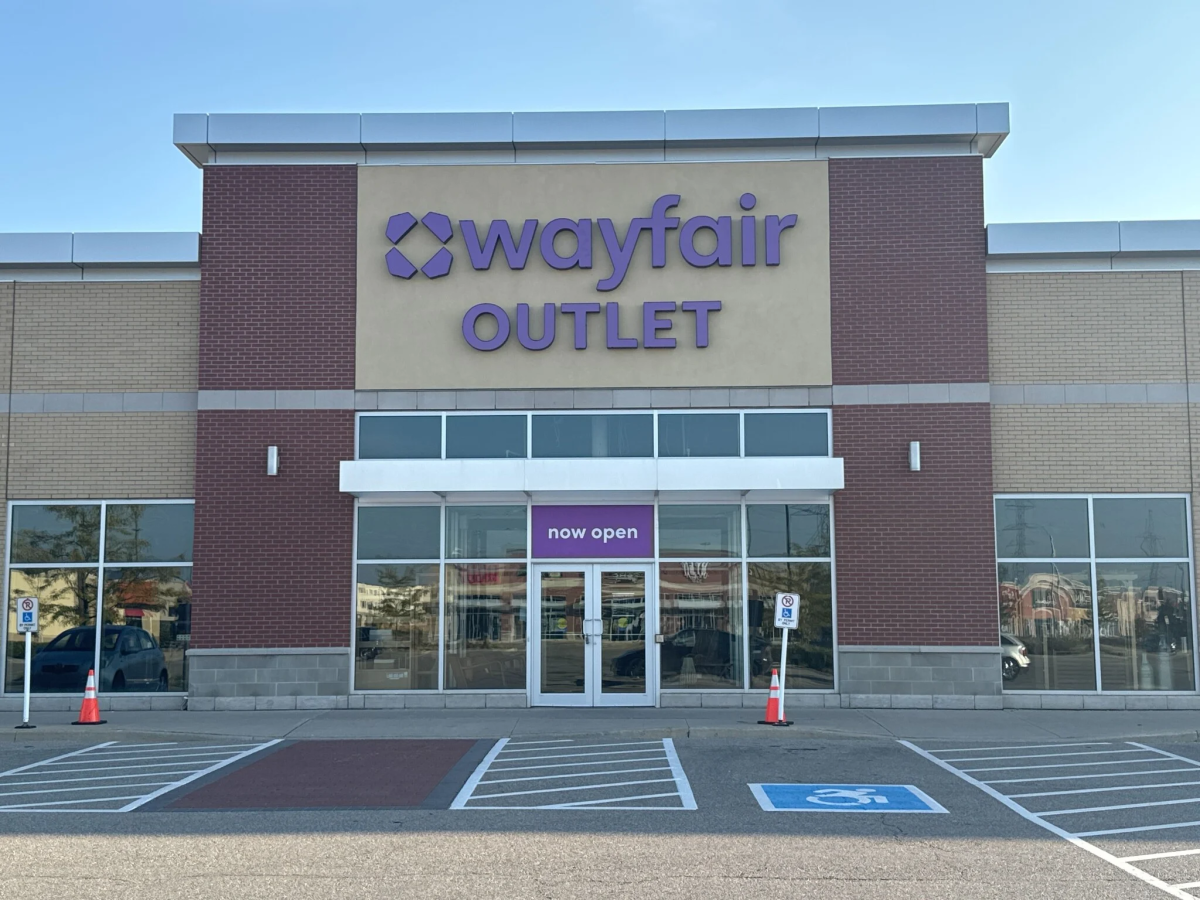
Wayfair Outlet in Burlington, ON. Photo Wayfair
Omnichannel Strategy Emerging in Canada
While Wayfair built its brand as an online-only retailer, the company has increasingly begun experimenting with physical retail formats as part of a broader omnichannel strategy.
In Canada, that shift is visible through the opening of Wayfair’s first outlet store in Burlington, Ontario, which launched roughly seven months ago.
The outlet represents the company’s first physical retail location in the Canadian market after more than a decade of online operations.
“We launched our first outlet in Canada in Burlington,” Delaney said. “It’s the first manifestation of our brand in physical form here.”
The Burlington store focuses primarily on discounted merchandise including customer returns, discontinued items, and overstock inventory. Products are typically offered at steep discounts, creating a “treasure hunt” style shopping experience.
“It’s very deal-driven,” Delaney said. “We’re selling returns, discontinued items, and overstocked items at incredibly high discounts.”
The store allows customers to interact with the brand in a physical environment while complementing Wayfair’s digital marketplace.
“For customers, it’s the ability to go in and touch products, interact with the service team, and see our assortment in person,” he said.
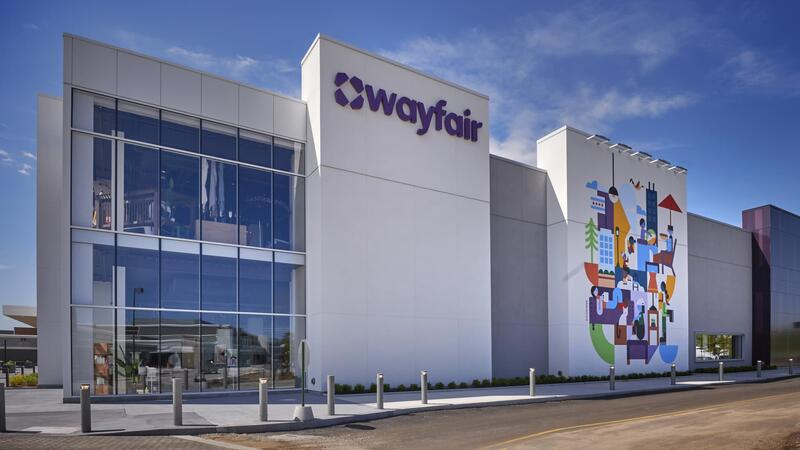
Wayfair retail showroom in Wilmette, Il. Photo: Wayfair
Physical Retail Helps Reinforce Online Sales
Although the outlet primarily sells clearance merchandise, Wayfair views the physical location as an important component of its broader omnichannel strategy.
Delaney said many customers use the store as part of a combined online and offline shopping journey.
“Sometimes customers will shop in the outlet and then go online to purchase something else,” he said.
The reverse also happens, with online shoppers visiting the outlet to see the brand firsthand.
“Tying it all together in an omnichannel strategy is something the company has been working on,” Delaney said.
Wayfair has been gradually expanding its physical retail presence in the United States as well, including large-format flagship stores designed to compete with traditional furniture retailers.
However, Delaney said there are currently no public announcements regarding additional physical retail locations in Canada.
“Nothing public at this point,” he said when asked whether more stores could open in the country.
First Members-Only Sale Launches in Canada
To mark the launch of Wayfair Rewards Canada, the company will host its first Canadian members-only sale from March 11 to March 13.
The event will provide exclusive pricing on furniture, décor, housewares, and seasonal home products for loyalty members.
Members will also be able to accumulate reward dollars during the promotion, reinforcing the program’s value proposition.
Wayfair believes the event will help demonstrate the benefits of membership while encouraging customers to explore the broader assortment available on the platform.
March is Fraud Prevention Month and Moneris, Canada’s leading commerce provider, is providing businesses with data and guidance on what to look for when it comes to potential fraudulent behaviours.
New data from Moneris reveals a four per cent increase in reported fraud cases in 2025, compared to the year prior. While the increase is modest, many fraud cases go unreported or even undetected for long periods of time. No matter the time of year, there are important steps businesses can take to mitigate the risk of fraud, said the company.
Mail order/telephone order (MOTO) fraud
Nationwide, mail order/telephone order (MOTO) continues to be the most common fraud type reported to Moneris. “Card Not Present” fraud, primarily involving MOTO transactions, contributed to 65 per cent of all reported cases in 2025. This is up from 62 per cent from 2024, said the company.
Taking card details over the phone or by mail and manually entering the information increases the risk of fraudsters submitting a chargeback. Businesses can mitigate this risk by using secure online payment gateways like Moneris Checkout to protect themselves, added Moneris.
Account takeover (ATO) fraud
Regionally, while most provinces also reported MOTO as their most common fraud type, Ontario saw fraud cases resulting from account takeover (ATO) as the most common. This method involves using stolen information, often obtained through malware or phishing, to access a business owner’s information and can result in funds being diverted to a fraudster. Nationally, account takeover fraud accounted for eight per cent of all reported cases, said Moneris.
Businesses can mitigate this type of fraud by educating staff on the risks and questioning the source of all email messages they receive, it added.
Refund fraud
Moneris said refund fraud on stolen devices dropped to one per cent of all reported fraud cases nationwide in 2025, compared with 16 per cent in 2024 and 13 per cent in 2023.
“This may suggest merchants are taking greater precautions to protect their devices, like checking for tampering, keeping them in sight of security monitoring systems and keeping terminals locked and out of sight when not in use,” said Moneris.
“However, abuse of the refund process rose to nine per cent of reported fraud cases in 2025, compared to one per cent in 2024. Merchants can help reduce the risk of this type of fraud through observing transactions, stringent return policies, password-protected terminals and having administrative restrictions on device access and permissions for employees.”
Cybersecurity and AI
Fraudulent activity has also become more sophisticated, particularly with the growth of AI and other tools that can make it difficult for businesses to identify and report suspect behaviour, said Moneris.
Thirdman photo
It said there are a few key actions businesses can take to reduce risk, including:
Review transaction alerts and reports each week to monitor changes in volume, location or refund patterns.
Teach staff to spot fraud and phishing through regular training sessions.
Automate daily backups for business and payment related system
Use Moneris fraud prevention tools such as address verification, CVV checks, and real-time transaction monitoring to catch risky behaviour before payments are processed.
Yale Holder
“Fraudulent activity saw a small increase year-over-year in 2025, which on the surface creates little cause for concern. However, many fraud cases go unreported or even initially unnoticed, especially as fraudsters become more sophisticated in their methods,” said Yale Holder, Vice President, Customer Experience.
“Card Not Present fraud, which includes mail and telephone orders, continues to represent the majority of fraud cases nationwide, which reinforces the need for businesses to prioritize more secure payment methods and verification procedures.
““Among the benefits of secure solutions like Moneris Checkout and Moneris Total Commerce is that they integrate with fraud prevention tools that help shift chargeback liability to the card issuer, reducing risk for businesses.
“In Ontario, merchants have seen a spike in account takeover fraud, where fraudsters use stolen information, typically obtained through malware or phishing activities, to divert funds from businesses’ accounts to their own. This trend underscores the importance of education when it comes to cybersecurity best practices.
“Refund fraud on stolen devices is down to nearly zero, which is positive news for merchants. However, employee return fraud and abuse of the refund process are still prevalent, highlighting the importance of strengthening return policies and restricting access to terminals.”
“Over the past two years, we have focused on improving the underlying quality of the system,” said Steven Pelton, President and CEO of Aegis Brands. “By strengthening franchisee capability, accelerating renovations, expanding our promotional schedule and returning to disciplined new store growth, we believe the foundation is in place for continued same store sales and EBITDA improvement.”
Steven Pelton
Highlights for the quarter:
System sales increased by 12.1% to $34.7 million and same store sales increased by 10.3% compared to last year.
EBITDA for the fourth quarter increased to $1.9 million from $1.2 million in Q4 2024, representing year-over-year growth of 58%.
Net income for the fourth quarter improved to $1.1 million, or $0.01 per share, compared to a net loss of $0.2 million, or $(0.00) per share, in Q4 2024.
Highlights full year:
System sales were flat at $133.0 million and same store sales decreased by 3.3%.
EBITDA increased to $6.4 million, compared to $6.1 million last year.
Net income improved to $3.0 million, or $0.04 per share, compared to a net loss of $1.3 million, or $(0.02) per share, in the prior year.
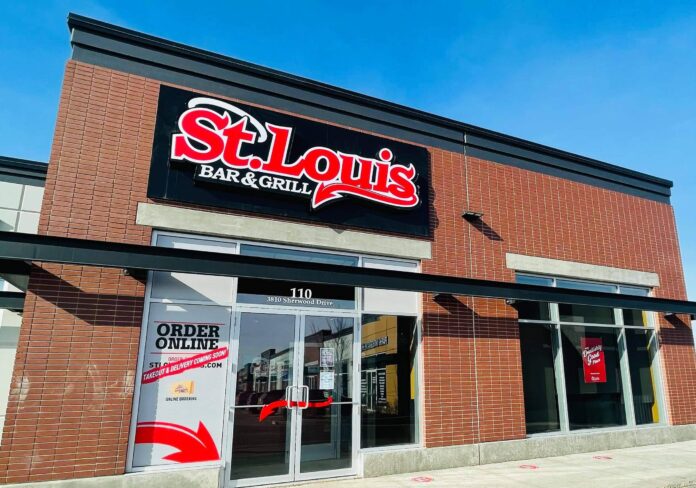
“The fourth quarter of fiscal 2025 reflects the continued strengthening of Aegis following the successful execution of its portfolio simplification strategy. With a focused, asset-light franchising model and a stable national footprint under the St. Louis Bar & Grill banner, the Company is demonstrating improving earnings quality and a clearer long-term value proposition. With the transformation of the business complete, management is focused on building store profitability, enhancing brand relevance, and delivering sustainable earnings for shareholders,” said the company in a news release.
It said St. Louis delivered a strong finish to the year, highlighted by same store sales growth of 10.3% in the fourth quarter, marking a significant acceleration. System sales increased 12.1% to $34.7 million, reflecting stronger guest traffic and the growing effectiveness of the brand’s promotional and operational initiatives.
“The fourth quarter performance represents one of the brand’s strongest same store sales results in recent years and demonstrates the impact of the Company’s renewed focus on value-driven promotions, improved operational execution and enhanced franchisee engagement. Initiatives introduced earlier in the year gained traction in the second half, culminating in a meaningful increase in traffic and sales across the system during the quarter,” it said.
“For the full year, system sales were consistent with the prior year and same store sales declined 3.3%. St. Louis generated $6.4 million in EBITDA for the year, demonstrating stable profitability as management reduced overhead and increased traffic at the store level in the second half.”
During 2025, it opened three new locations and closed three underperforming restaurants, maintaining 81 franchised locations at year end.
The company said renovated locations are generating meaningful increases in sales post-renovation. A refreshed environment drives higher guest satisfaction, and stronger performance, all of which results in increased profitability for our franchisees. Additional renovations are planned for 2026 as we continue to prioritize renovations where returns justify capital deployment, it added.
With improving franchisee economics, the company said it is returning to disciplined new store development. Ontario remains a priority market, and Atlantic Canada locations continue to over-index relative to the broader network.
“We’ve aligned our overhead with a focused franchisor model and improved store-level economics across the system,” said Pelton. “As unit profitability strengthens, it supports disciplined new store growth, which we expect will drive continued EBITDA and net income improvement year-over-year.”
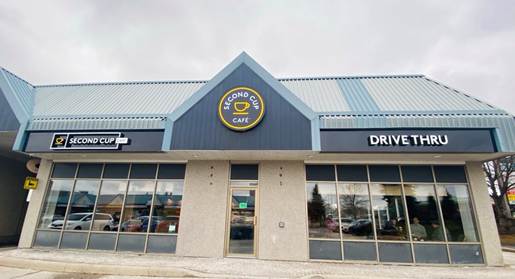
The first Second Cup Café in Vaughan is having its grand opening celebration on Thursday March 12.
The Vaughan café, located at 9222 Keele Street, continues Second Cup’s commitment to ethically sourced coffee, handcrafted beverages, and fresh food, all served in a welcoming space designed to bring the community together, said the company.
The new café offers a drive-thru for added convenience, updated exterior signage, and expanded seating for guests who want to gather, work, or relax.
The event, at 11 a.m., will include a ribbon-cutting and cake-cutting with Vaughan Mayor Steven Del Duca and franchisee Shradha Chopra. The first 100 guests will enjoy a free coffee, and all customers can take advantage of 10 per cent off menu items throughout the day. Attendees can also look forward to giveaways and complimentary cake.
Roxane Desjardins
“Opening the first café in a city and welcoming a new community never ceases to be special,” said Roxane Desjardins, Marketing Director at Second Cup. “With the Vaughan location’s expanded seating, drive-thru convenience and warm atmosphere, we look forward to it becoming a neighbourhood gathering place.”
Second Cup Café has been around since 1975.
It is under the Foodtastic umbrella, one of Canada’s largest restaurant franchisors, operating more than 1,200 locations across the country. Its diverse portfolio includes Freshii, Quesada, Pita Pit, Second Cup, Milestones, and over 22 other banners.
2020 Companies, a leading U.S.-based outsourced sales and marketing organization, and Influence Retail Services, a Canadian retail, digital, and experiential marketing firm, today announced a major partnership designed to expand their combined capabilities across North America.
“This partnership aligns the strengths of both organizations while allowing each company to continue operating independently as standalone go-to-market brands. Influence’s client-first culture is a natural fit and complements 2020’s approach in the marketplace,” said Christopher B. Munday, Chairman and CEO of 2020 Companies.
2020 Companies, a retail sales, merchandising, and experiential marketing agency, is headquartered in Southlake, Texas.
Located in Mississauga, Ontario, Influence Retail Services is an integrated marketing services agency. The company creates immersive in-field experiences, amplifies those experiences online, and paves the path to purchase in-store.
The partnership expands 2020 Companies’ Canadian presence while providing Influence Retail Services with enhanced access to the U.S. market. The companies will collaborate to support brands seeking seamless retail execution, sales optimization, and experiential marketing solutions across North America.
“Canada represents an important market for our clients. Partnering with Influence Retail Services allows us to expand our footprint and capabilities while working with a team that deeply understands the retail landscape,” said Steve Peters, President of 2020 Companies.
Chris Wilson, Managing Partner of Influence Retail Services, added: “This partnership reflects a shared vision for growth and innovation in retail. Aligning with 2020 Companies extends our reach while maintaining the entrepreneurial spirit and client-first approach that defines our culture.”
Our most recent Retail Insider articles are listed below, followed by Canadian Retail News From Around the Web. Highlights include L’OCA Quality Market’s decision to close its Edmonton-area stores after under two years due to significant monthly losses, the ongoing impact one year after Hudson’s Bay’s creditor protection filing reshaping department store viability, and the intensified language compliance pressures Quebec retailers face following Bill 96.
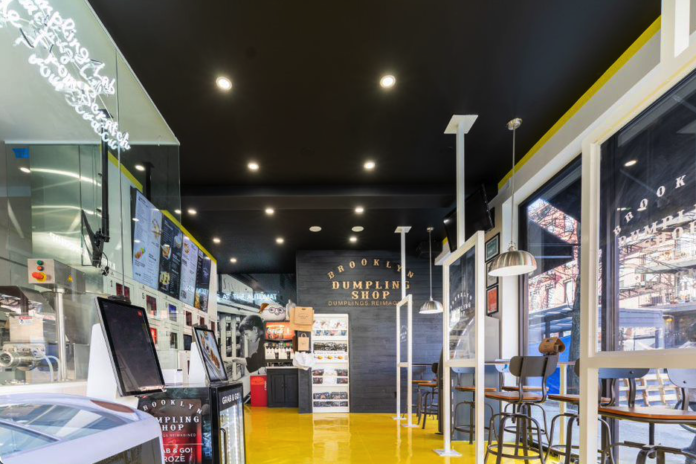
Brooklyn Dumpling Shop, a leading Asian-inspired fusion restaurant and consumer products brand loved by fans coast-to-coast, recently announced that influencer and food critic Keith Lee has joined the brand as an investor, marking a major milestone in the company’s continued expansion and cultural momentum.
Lee has over 20 million followers across social media platforms. Dumpling Shop will also be a featured vendor at Lee’s first-ever FamiLee Day, taking place on May 16 at UNO Lakefront in New Orleans. The one-day festival will include food experiences, live music, carnival rides, and a family obstacle course.
Lee’s investment represents a defining moment for both the brand and the broader creator economy. Known for his transparent, trust-driven reviews that consistently compel immediate consumer response, Lee has built one of the most influential food platforms in the world by championing brands he genuinely believes in. His decision to invest in Brooklyn Dumpling Shop reflects a deep strategic alignment between brand and voice, his genuine love for the food, and long-term confidence in the brand’s product quality, leadership team, and scalable growth model, said the company.
Keith Lee and Brooklyn Dumpling Shop
“In addition to our active current partners, as our team thought about who else would be a dream addition to our broader team, every one of us said ‘Keith Lee’. Keith has built his reputation on great food, authenticity, and trust–which is what we’re all about,” said Jeff Galletly, Chairman and CEO of Brooklyn Dumpling Shop.
“When we connected with Keith’s team, it was then a dream come true to learn he loved our food and wanted to make us his first investment. It validated the strength of our brand, products, and long-term vision. As we continue to expand across North America, having a globally recognized partner who not only drives organic demand, but also understands taste, quality, and what consumers want, strengthens our value proposition for our team, fans, franchisees, retailers, and investors, and will allow more people to try our incredible food.”
Jeff Galletly
“I’ve always believed that food brings people together, and that’s what stood out to me about Brooklyn Dumpling Shop. It’s creative, it’s accessible, and it doesn’t cut corners on flavor,” said Lee. “Partnering with Brooklyn Dumpling Shop is about more than just great food, it’s about community, culture, and creating experiences people can enjoy and trust. I’m excited to be part of what they’re building and to help introduce even more people to something special.”
Brooklyn Dumpling has 22 operating locations, a pipeline of new development across both the U.S. and Canada markets, and an ever-growing consumer packaged goods and foodservice presence.
The Mi’kmaw community of 4,500+ members is located on the shores of the Bras d’Or Lake in Eastern Cape Breton Island.
The land addition, known as the McLaughlin Property, will be used for mixed residential and commercial purposes. The addition to reserve enables Eskasoni First Nation to support growing families with land to build modern housing and growing businesses with space to increase commercial opportunities, said officials in a news release.
“Along with the addition to reserve, Indigenous Services Canada is providing $534,750 to Eskasoni First Nation to further advance economic development in Cape Breton. The funds support the expansion of the existing community retail center to include a Dollarama which will provide new access to goods in the region and job opportunities for the community.
Expanding land bases and supporting economic development supports a thriving community in Eskasoni First Nation and the greater Cape Breton region,” they said.
Leroy Denny
“Our community continues to grow, and with growth it comes a need for more space to build and support our people. These additions to reserve will help us to expand our housing development and continue building a stronger future for Eskasoni. We’re excited about what’s ahead, keep an eye out, there’s more to come,” said Denny.
Rebecca Alty
“Every community deserves to have the opportunity and space to grow and succeed. Through the additions to reserve process we are helping provide that space, and through our investment of over $534,000 we are creating more opportunities for economic development. My sincere congratulations to Chief Leroy Denny on the expansion to Eskasoni First Nation lands,” added Alty.
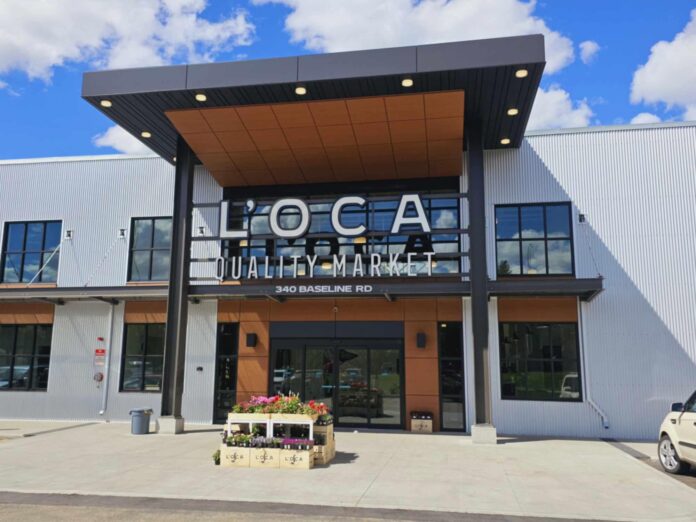
Entrance to the new L'OCA Market in Sherwood Park, Alberta. Photo: Christa Patterson
An ambitious experiment in experiential grocery retail is coming to an end in Alberta. L’OCA Quality Market will close its two Edmonton-area stores on March 12, 2026, less than two years after launching its flagship location in Sherwood Park.
The concept attracted national attention for its theatrical, culinary-focused approach to food retailing, blending a premium grocery store with full-service dining and artisanal production. However, sources familiar with the business told Retail Insider that the operation has been losing approximately $1 million per month, raising questions about whether the highly labour-intensive model can succeed in a challenging grocery environment defined by rising costs and price-sensitive consumers.
The shutdown will affect the company’s flagship 45,000-square-foot location in Sherwood Park as well as a second location in Edmonton’s Parkview neighbourhood. Both stores are expected to cease operations on March 12 along with the attached restaurant concepts that form a central part of the brand’s experiential strategy.
A Bold Vision to Reinvent Grocery Retail
L’OCA Quality Market launched with the goal of disrupting the conventional supermarket format. The concept was spearheaded by President Josh Thatcher, a former Whole Foods Market executive, along with partner Ben Cochrane. Major investors include members of the Priestner family, founders of the Go Auto automotive group.
From the beginning, the founders positioned L’OCA as something very different from a traditional grocery store. The brand’s philosophy centres on the idea of “doing food differently,” with an emphasis on scratch cooking, culinary theatre, and reconnecting consumers with artisanal food traditions.
The company’s name, L’OCA, translates to “The Goose” in Italian, and its branding incorporates a stylized Canada Goose as a symbol of European inspiration blended with Canadian identity. The concept borrows elements from high-end European food halls, where shopping, dining, and culinary education are integrated into a single destination.
In interviews with Retail Insider during the openings of the Sherwood Park flagship and the Edmonton Parkview location, partner Ben Cochrane described the concept as an effort to bring excitement back to grocery shopping. The intention was to create a space where customers can shop for premium ingredients, watch chefs at work, and enjoy restaurant-quality meals under the same roof.
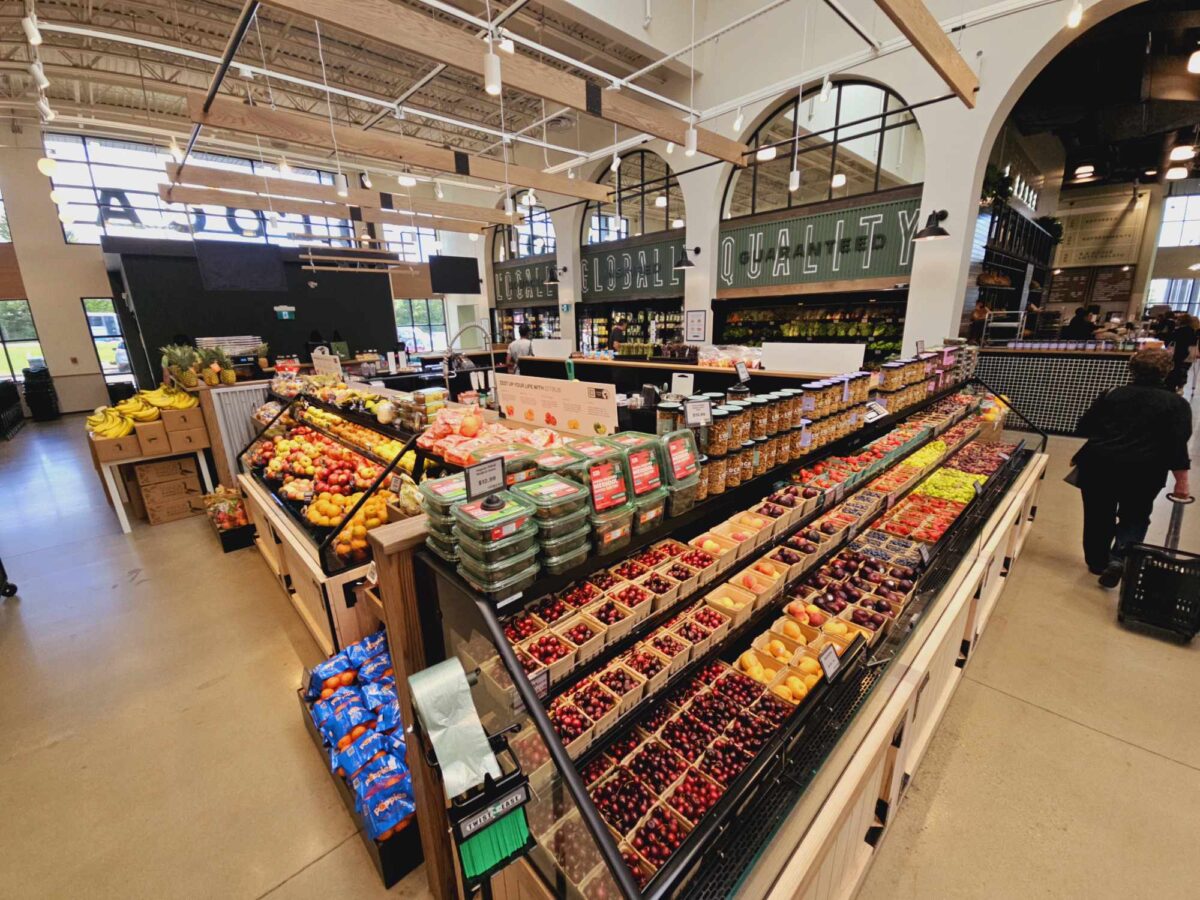
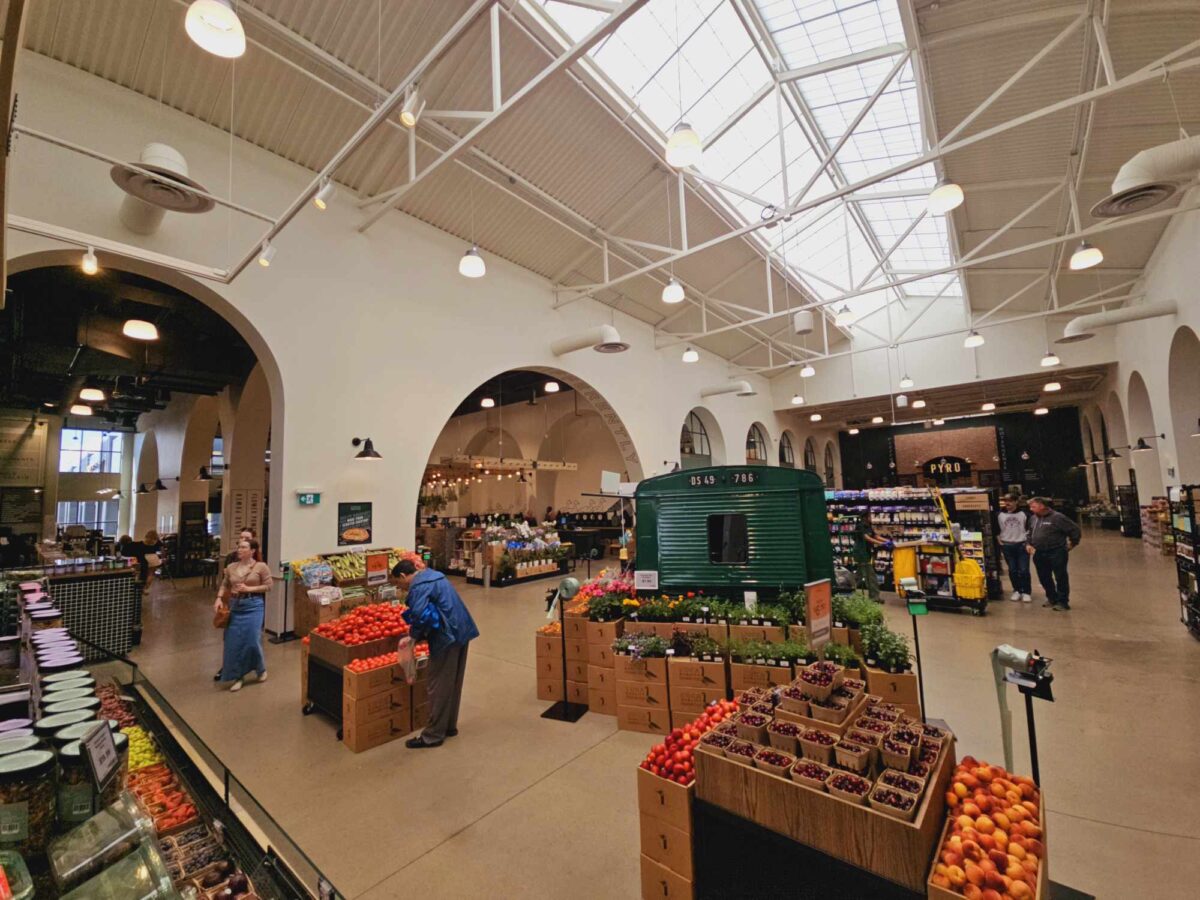
Inside L’OCA Quality Market in Sherwood Park, Alberta. Photo: Christa Patterson
Sherwood Park Flagship Designed as a Food Destination
The company’s first location opened on May 10, 2024, at 340 Baseline Road in Sherwood Park. The 45,000-square-foot store occupies a converted Rona building that was extensively renovated to accommodate the concept’s ambitious layout.
Rather than following a traditional supermarket floor plan, the store is organized as a culinary marketplace featuring specialized departments staffed by chefs and artisans. These include a full-service butcher shop focused on whole-animal butchery, a bakery and pâtisserie producing breads and pastries from scratch, and a specialty deli offering house-made pasta, cured meats, and a large cheese selection.
Prepared foods are also central to the concept. The L’OCA Gourmet section offers one of Canada’s largest selections of chef-prepared grab-and-go meals, designed to provide restaurant-quality food for customers seeking convenience.
The store also includes L’OCA Labs, a demonstration kitchen where chefs host cooking classes and interactive culinary experiences. These elements transform the grocery store into a destination where customers can engage with food culture rather than simply purchasing products.
Inside L’OCA Quality Market in Sherwood Park, Alberta. Photo: Christa Patterson
Restaurants Add Experiential Dining to the Market
A defining feature of the Sherwood Park L’OCA concept is the integration of full-service restaurants within the grocery environment. Two dining concepts operate alongside the retail store.
PYRO Wood-Fired Kitchen & Bar focuses on rotisserie meats and primal cuts cooked over what the company describes as Canada’s largest indoor wood-burning grill. The restaurant emphasizes open-flame cooking and a theatrical presentation that aligns with the broader experiential theme.
ORO Trattoria offers a modern interpretation of Italian cuisine, with a menu inspired by regional dishes and traditional cooking techniques. The restaurant functions as a standalone dining destination while also complementing the grocery market’s premium positioning.
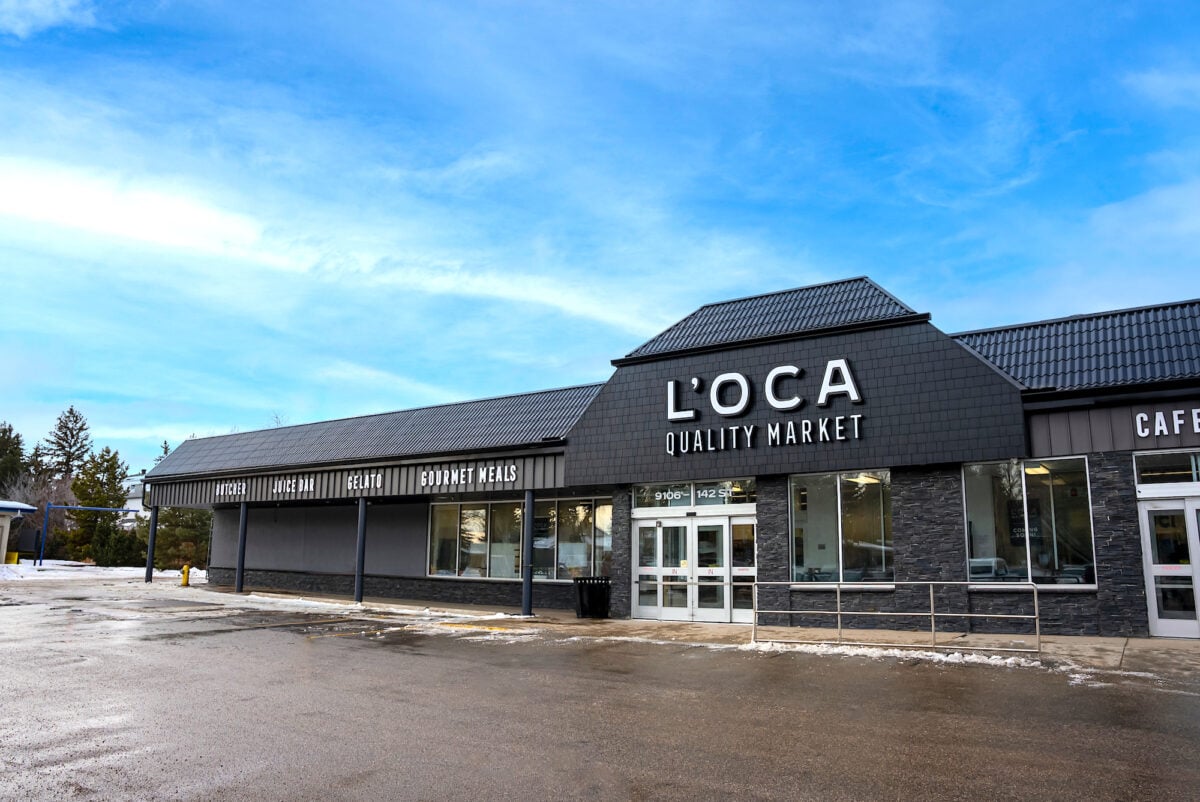
L’OCA Quality Market in Edmonton. Photo: L’OCA Quality Market
Rapid Expansion and Ambitious Growth Plans
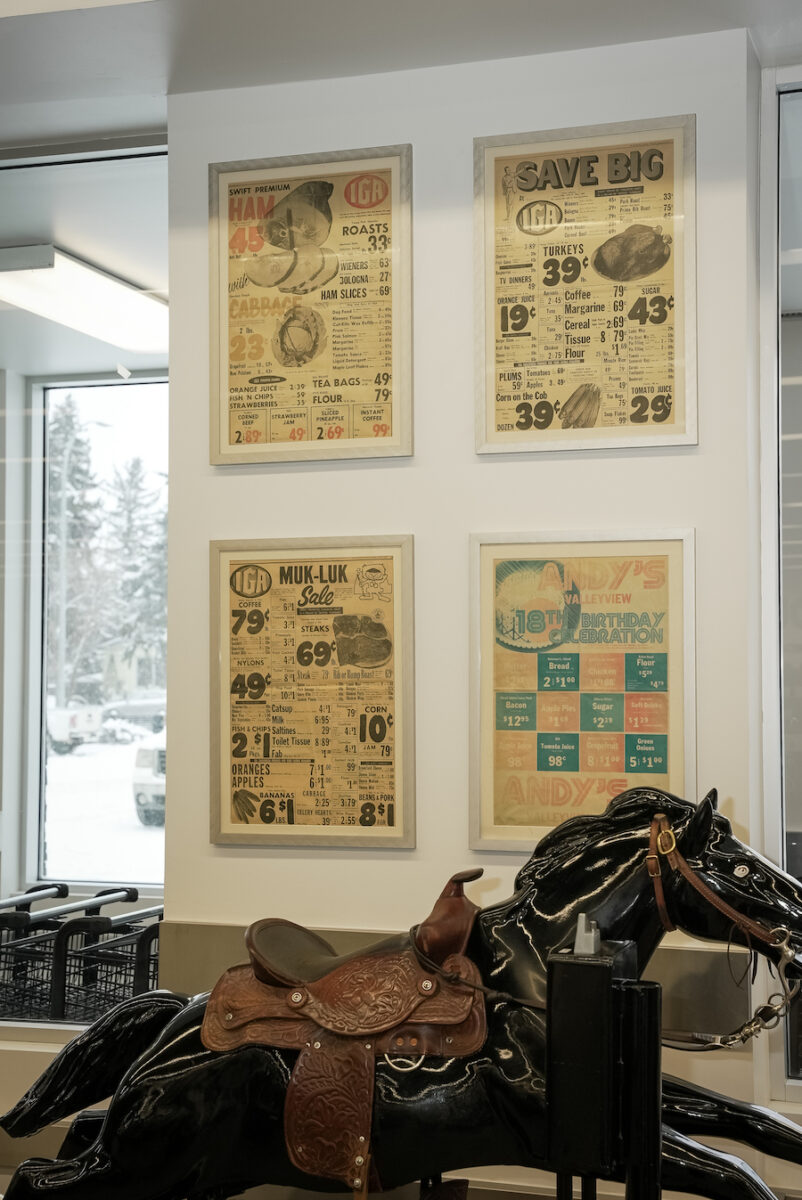
Despite the complexity of the model, L’OCA moved quickly to expand. A second location opened on January 31, 2025, in Edmonton’s Parkview neighbourhood. The 22,000-square-foot store occupies the former Andy’s Valleyview IGA site, a community grocery store that served the area for more than 60 years. The store has neither of the restaurants found in Sherwood Park.
The Parkview location represents a smaller format but maintains the company’s emphasis on fresh food, prepared meals, and culinary production. The opening was seen as a significant milestone in L’OCA’s effort to build a regional chain of experiential grocery stores.
Plans were also underway for a third location in St. Albert. The proposed store was expected to open in 2026 and would have featured a larger format similar to the Sherwood Park flagship. However, the project has now been cancelled as part of the company’s wind-down.
During interviews with Retail Insider prior to the closure announcement, Cochrane spoke openly about the company’s intention to scale rapidly. He explained that the goal was never to operate a single boutique grocery store but rather to build a multi-unit concept that could eventually expand beyond Edmonton.
The famous historic horse statue, and historic IGA fliers at L’OCA Quality Market in Edmonton. Photo: L’OCA Quality Market
Labour and Production Costs Proved Challenging
While the concept attracted attention and industry praise, the economics of the model have proven difficult to sustain.
One of the defining features of L’OCA is its commitment to scratch production. The company employed more than 75 full-time chefs across its operations, an unusually high number for a grocery business. These chefs produce many of the products sold in the store, including pastries, prepared meals, and specialty foods.
This approach creates a unique customer experience, but it also results in significantly higher labour costs than those typically seen in grocery retail. Traditional supermarkets often rely on centralized production or semi-prepared ingredients to control costs. L’OCA instead prioritizes handcrafted food, which requires a much larger workforce.
Operational complexity also contributes to the challenge. Running a large grocery market alongside two full-service restaurants requires managing multiple business models within the same facility. Each component has its own staffing requirements, supply chains, and waste risks.
Industry observers say that this level of operational intensity can be difficult to sustain without consistently high sales volumes.
Inflation and Price Sensitivity in the Grocery Sector
The timing of L’OCA’s launch also created headwinds. The stores opened during a period of significant food inflation in Canada, which pushed many consumers toward discount grocery chains.
As grocery prices increased, shoppers increasingly sought value-oriented options. Discount banners and warehouse-style retailers gained market share as households became more cautious with food spending.
L’OCA occupies the opposite end of the spectrum. The concept targets customers interested in premium products and culinary experiences, which require discretionary spending. While the stores initially attracted strong interest from food enthusiasts, sustaining a large base of regular shoppers proved more difficult.
Sources told Retail Insider that the company has been losing approximately $1 million per month in the months leading up to the shutdown. Although the figure has not been confirmed publicly by the company, it reflects the scale of the financial pressure facing the operation.