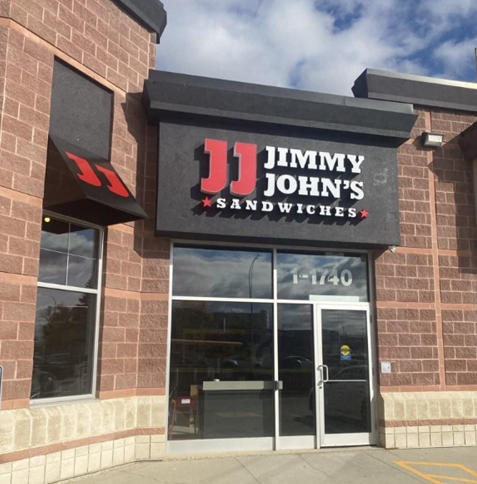
White Spruce Partners has announced it has secured a multi-store area development deal with Foodtastic to franchise Jimmy John’s across Manitoba with the first location at 1740 Pembina Highway. The restaurant is targeting an early fall 2025 opening.
This will be Jimmy John’s first location in Manitoba, following the brand’s Canadian debut in Ontario. The 1740 Pembina location will be particularly noteworthy as the first Jimmy John’s in Canada to feature a drive-thru, marking a milestone in the company’s national rollout strategy, said the company in a news release.
Derek Nieroda
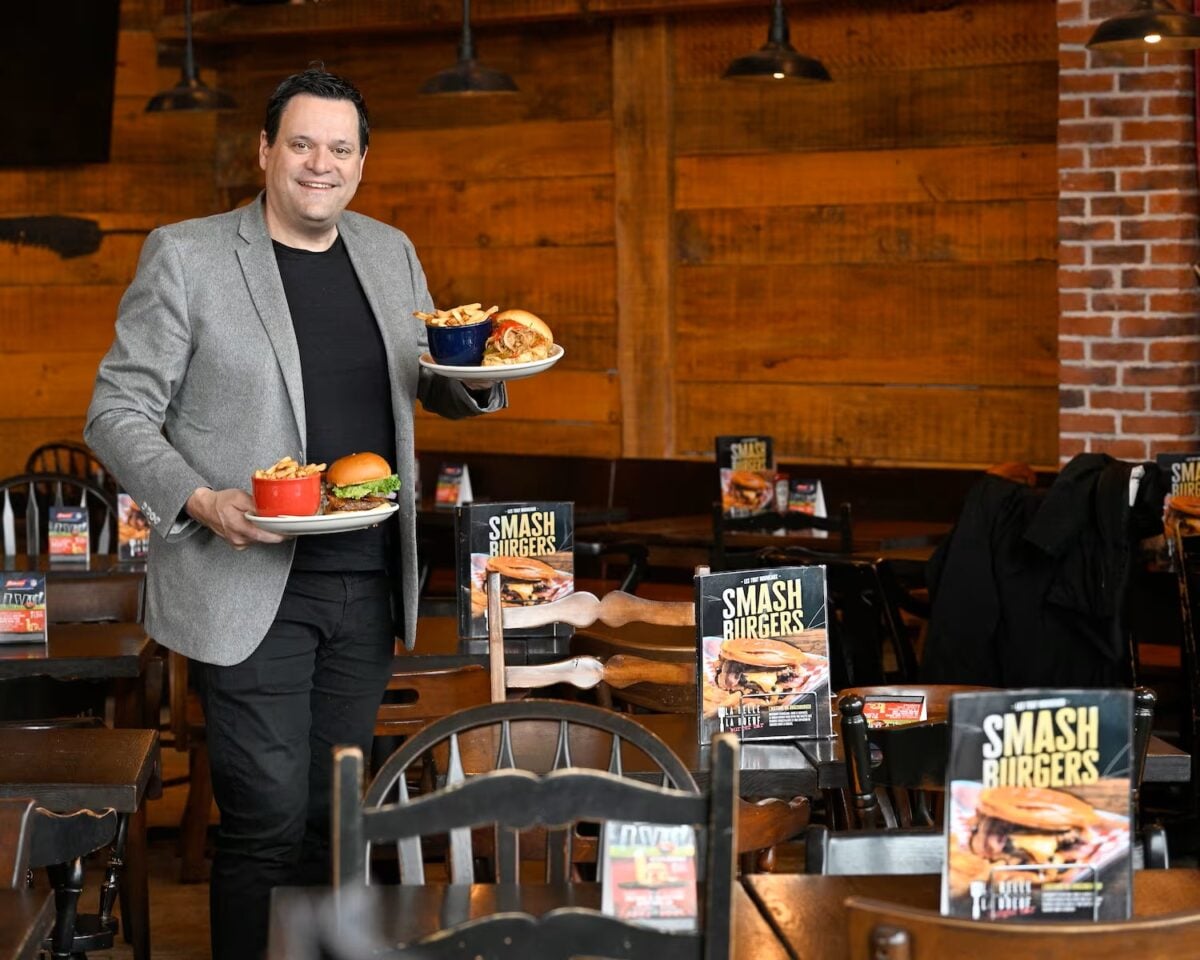
Derek Nieroda, President of White Spruce Partners, said he is excited to bring the brand’s signature fast service and fresh subs with Canadian ingredients to a high-visibility site on one of Winnipeg’s busiest commercial corridors.
This is the first of several Jimmy John’s Derek and General Manager, Mark Beyer, have planned for Winnipeg and the surrounding areas creating fresh & fast new food options and local jobs for Manitobans, said the company.
“Bringing the first Jimmy John’s drive-thru in Canada to Winnipeg is an exciting milestone,” said Nieroda, franchisee of the 1740 Pembina location. “The excitement from the community has been incredible, and we can’t wait to open our doors this fall.”
Photo: Shindico
Shindico Realty announced that a multi-year lease has been secured with Jimmy John’s at 1740 Pembina Highway. Possession was granted on June 15, with demolition and construction beginning the same day.
Sandy Shindleman
Shindico, a vital piece in this expansion, “is proud to bring Jimmy John’s to the Manitoba market,” said Sandy Shindleman, President of Shindico Realty. “This flagship location reinforces our commitment to working with best-in-class brands and delivering high-profile sites that support long-term growth”.
Founded in 2020 and headquartered in Winnipeg, MB, White Spruce Partners is a family office style private capital provider who invests and / or acquires leading small-to-medium sized businesses in order to help owners achieve their desired succession planning goals.
2025 marks Shindico’s 50th anniversary. Founded in 1975, Shindico Realty Inc. is a full-service commercial real estate company and one of the largest privately owned real estate firms in Manitoba. As owners and managers of commercial real estate, Shindico’s diverse portfolio of properties includes shopping centres, office buildings, industrial parks, multifamily apartments, personal storage, and mixed-use developments.
Founded in 1983, Jimmy John’s is a fast-casual sandwich chain known for its fresh ingredients, baked-daily bread, and trademark “Freaky Fast®” service. With over 2600 locations in the United States, and sales of over $2.5 billion USD for 2024, the brand has built a loyal following for its high-quality subs made to order in minutes. Now expanding into Canada.
“To help customers make informed choices, Loblaw is expanding its instore and online labelling program to mark nearly 7,500 products with a “T” symbol, indicating those directly impacted by tariffs. Behind the scenes, about one-third of all inflation-related cost increases submitted by suppliers are tied directly to tariffs — reinforcing why clarity and transparency remain a priority,” it said.
In June 2025, food prices in Canada rose by 2.8% compared to last year — a slower pace than the 3.3% increase seen last month but still higher than the headline inflation rate. The drop in fresh vegetable prices, which fell by 3.1%, helped ease cost pressure on grocery bills, with a welcome shift to more local produce as we head into the summer, said the report.
“The U.S. government continues to throw trading partners into chaos with shifting goal posts during negotiations. At time of writing, many countries (including Canada) have not responded to the latest threats of new tariffs effective August 1 and continue to negotiate; however, it’s important to note many counter tariffs remain in Canada,” it said.
“How these potential tariffs play out have different impacts on food pricing in Canada: 1. If the Canadian government imposes further counter-tariffs on U.S. food, prices at grocery stores are likely to increase; 2. U.S. tariffs on other countries where ingredients are sourced will potentially see higher prices on finished goods destined for Canada. For example, vegetables, proteins, spices, packaging and other ingredients sourced globally by U.S. manufacturers are facing import tariffs into the U.S, increasing the overall production cost; and 3. New trade agreements are signed, and tariffs (or Canada’s counter tariffs) are removed, which would reduce prices of those products,” explained the report.
“The summer months bring some of the best quality and lowest pricing options for certain fresh produce for Canadians. Locally grown lettuces, celery, and field vegetables (beans, eggplant and zucchini) come into season. As international options include higher freight costs and foreign exchange rates, during peak growing season the cost of these can typically be 15-30% cheaper than spring months.”
As the retail landscape evolves, businesses are finding it increasingly important to create a welcoming and efficient shopping environment while also reducing operational expenses. Rising energy costs, customer expectations for comfort, and growing awareness of sustainability are driving more retailers to explore smart infrastructure upgrades. By investing in modern systems and materials, businesses can enhance in-store experiences and improve their bottom line. Two of the most impactful upgrades, advanced insulation and smart HVAC services, are leading the way in energy efficiency and climate control.
The Cost-Comfort Dilemma in Retail
Retailers constantly walk a fine line between providing an inviting atmosphere for customers and managing overhead costs. Customers expect comfortable temperatures year-round, while store managers keep an eye on heating, cooling, and lighting bills. Inefficient buildings or outdated systems can cause energy waste and lead to inconsistent in-store conditions. As energy prices continue to rise, the pressure to balance comfort and cost has become even more critical. That’s where smart infrastructure solutions come in, offering a path to savings without sacrificing the in-store experience.
The Rise of Smart Infrastructure in Retail
Smart infrastructure refers to systems and technologies that enhance building performance through automation, energy efficiency, and real-time monitoring. In retail settings, this might include intelligent lighting systems, automated thermostats, and energy management software that optimizes power usage throughout the day.
Many retailers are already embracing these changes to stay competitive and reduce their environmental impact. By implementing interconnected systems that work together, such as lighting tied to occupancy sensors or HVAC units that adjust based on weather data, businesses can operate more efficiently while maintaining optimal conditions for customers and staff alike.
The Role of Advanced Insulation Systems
One of the most overlooked, yet crucial, components of smart retail infrastructure is insulation. Proper insulation acts as a thermal barrier, helping maintain a consistent indoor temperature regardless of outdoor weather. Without it, stores lose heated or cooled air rapidly, leading to increased energy consumption and uneven indoor climates.
Understanding the importance of insulation begins with the basics: understand how insulation works. Modern insulation systems use materials like spray foam, rigid foam boards, and eco-friendly composites that not only reduce energy loss but also improve acoustic control and indoor air quality. These materials are more effective and longer-lasting than traditional options, making them a smart investment for long-term efficiency.
Upgrading insulation doesn’t just impact comfort, it directly affects a retailer’s utility bills. By reducing the load on heating and cooling systems, insulation minimizes wear and tear on equipment and helps maintain a stable indoor environment. Whether renovating an existing space or building new, incorporating high-performance insulation systems should be a top priority for retailers looking to improve energy efficiency.
How Upgraded HVAC Services Impact Retail Performance
Alongside insulation, HVAC systems play a critical role in maintaining customer comfort and controlling energy use. Outdated or poorly maintained HVAC units are not only inefficient but can also contribute to inconsistent temperatures, poor air circulation, and even health issues due to poor indoor air quality.
Modern HVAC systems are designed with smart features such as programmable thermostats, zoning capabilities, and remote monitoring tools that make managing indoor climate easier than ever. These systems respond in real time to occupancy, external temperatures, and store layout, ensuring every corner of the space is comfortable and energy-efficient.
For retail businesses seeking expert solutions, it’s essential to contactswk mechanical, a trusted provider of commercial HVAC services. Their team specializes in designing and installing HVAC systems tailored to retail environments, ensuring your space runs smoothly while keeping energy costs low. Whether you’re upgrading existing systems or planning a new build, professional guidance ensures your HVAC setup is optimized for both performance and efficiency.
Maximizing ROI Through Integrated Planning
Retailers looking to make impactful infrastructure upgrades should consider an integrated approach that combines insulation, HVAC, and smart technology. Each system supports the others, and when planned together, they deliver greater efficiency and cost savings.
The first step is conducting an energy audit to assess current inefficiencies and identify which upgrades will offer the highest return on investment. From there, retailers can work with contractors and energy consultants to build a phased plan that aligns with business goals and budget. Integrated planning ensures each improvement complements the others, maximizing benefits without unnecessary redundancies or added expenses.
Next Steps for Retailers Ready to Upgrade
For retailers ready to take action, the journey starts with a clear assessment of your building’s current infrastructure. Identify problem areas such as drafty spaces, inconsistent temperatures, or rising utility bills. Then, explore your options for insulation improvements and HVAC upgrades, and bring in professionals who can offer tailored solutions.
Small changes, like replacing old insulation or installing a smart thermostat, can lead to big improvements. Over time, these investments not only reduce costs but also create a more pleasant shopping experience that encourages repeat visits and longer stays.
In an increasingly competitive retail market, smart infrastructure upgrades are no longer a luxury, they’re a necessity. By investing in high-performance insulation and advanced HVAC systems, retailers can enjoy lower overhead, happier customers, and a more sustainable future.
Woman destroying sheet of paper with shredder in office, closeup
Law firms handle highly sensitive information daily, from client case files to confidential legal strategies. Proper document management is a legal and ethical obligation. Document shredding for law firms ensures that sensitive data is irreversibly destroyed when no longer needed.
Let’s explore the major risks of neglecting proper document shredding and why law firms must prioritize secure destruction.
1. Violation of Client Confidentiality
Lawyers are bound by attorney-client privilege, which mandates the strictest protection of client information. When firms skip professional document shredding, they risk exposing confidential case details, financial records, and personal client data.
Unauthorized access to improperly discarded files can lead to breaches of confidentiality agreements, malpractice lawsuits, and disciplinary action from state bar associations. It also causes loss of professional licensure in severe cases.
Implementing secure document shredding for law firms ensures compliance with ethical obligations and safeguards client trust. Whether you need on-site paper shredding, e-waste shredding, or purge shredding services, a professional can help you without long-term commitment.
2. Non-Compliance with Data Protection Laws
Legal firms must comply with strict regulations such as GDPR (General Data Protection Regulation), which applies to firms handling EU client data. Many states impose additional data protection requirements. Improper disposal of documents can lead to regulatory fines, audits, and legal consequences.
3. Increased Risk of Identity Theft
Legal documents contain personally identifiable information (PII), including Social Security numbers, financial records, and addresses. Discarding them without shredding makes them easy targets for identity thieves, putting clients and the firm at risk.
4. Exposure to Corporate Espionage
Competitors or malicious actors may sift through improperly discarded documents to gain insights into ongoing cases, litigation strategies, or corporate dealings. This can compromise a firm’s competitive edge and damage client trust.
5. Financial Losses from Legal Penalties
Data protection legal non-compliance can result in hefty fines. For instance, HIPAA violations cost up to US$50,000 per violation. GDPR fines can reach €20 million or 4% of global revenue. Meanwhile, state laws may impose additional penalties for negligence. The cumulative financial impact can be devastating for a law firm.
6. Damage to Firm Reputation
A single data breach or leaked document can destroy a firm’s credibility. Clients expect absolute discretion, and a failure to protect their information can lead to loss of clients, negative media exposure, and difficulty attracting new business. Rebuilding trust after a breach is costly and time-consuming.
7. Increased Vulnerability to Cybercrime
While digital security is a priority, physical documents can also be a gateway for cybercriminals. Dumpster diving (retrieving discarded documents) is a common tactic used to gather information for phishing attacks, fraud, or blackmail.
A professional document shredding service ensures confidential data, such as personal details, financial records, and business information, is irreversibly shredded. This reduces vulnerabilities to identity theft, fraud, and phishing.
8. Operational Inefficiency and Clutter
Without a structured document shredding policy, law firms accumulate outdated case files, expired contracts, and redundant paperwork. Storage rooms overflow, wasting space needed for active cases. Staff waste time searching for critical files buried in clutter, delaying client services and increasing frustration.
Administrative costs rise due to disorganized records. The lack of regular shredding also risks exposing sensitive information, raising compliance concerns. A systematic shredding policy would streamline operations, free up storage, cut costs, and improve efficiency.
9. Missed Opportunities for Secure Digital Transition
Many law firms transitioning to digital documentation neglect a crucial step: securely shredding outdated paper records. Even after digitization, old case files, client documents, and sensitive contracts linger in cabinets or boxes.
These forgotten papers risk exposing confidential details, privileged strategies, or obsolete personal data. It leaves firms vulnerable to breaches, compliance violations, and reputational harm. A proactive shredding policy ensures physical copies are safely destroyed post-digitization, eliminating unnecessary risks and securing a truly paperless future.
10. Loss of Competitive Advantage in Legal Cases
Legal strategies, settlement details, and case preparations are often documented in physical files. If these materials are discarded without secure shredding, opposing parties or unauthorized individuals could access them, undermining a firm’s litigation tactics. This breach could weaken a client’s position in court, lead to unfavorable outcomes, and even trigger lawsuits for professional negligence.
11. Employee and Insider Threats
Not all security risks come from external threats. Disgruntled employees or careless staff may exploit improperly discarded documents to leak sensitive information, steal client data, or even sell confidential details to third parties.
Without a strict shredding policy, firms have no way to track or control how documents are disposed of, increasing vulnerability to insider misconduct. Moreover, employee training on proper document handling and disposal is essential to mitigate risks, ensuring they understand the consequences of negligence or malicious actions.
Bottom Line
The risks of skipping document shredding for law firms extend beyond regulatory fines. They threaten client trust, case integrity, and long-term business viability. By implementing a secure, consistent shredding policy, law firms can mitigate these dangers, uphold ethical standards, and maintain a reputation for uncompromising confidentiality. Consult a document shredding service company today.
In today’s unpredictable retail environment, staying competitive isn’t just about increasing sales, it’s about building a resilient foundation that protects your business from long-term losses. With shifting consumer behavior, economic uncertainty, and growing operational risks, retailers need more than a good product or storefront. They need the right investments, those that reduce vulnerabilities, improve decision-making, and create long-term stability.
From technology to expert guidance and reliable insurance, the smartest retail operators are focusing on strategic tools that future-proof their businesses. Here’s a closer look at the critical investments that help safeguard retail success over time.
Why Long-Term Protection Matters in Retail
Retailers operate in a fast-changing landscape where challenges can strike at any time, from supply chain disruptions and inflation to data breaches and natural disasters. Yet many businesses remain focused solely on growth, overlooking protection until it’s too late.
A proactive approach can make the difference between surviving a disruption and shuttering operations. By investing early in systems, services, and strategies that protect your assets and improve adaptability, you create a stronger buffer against financial loss and reputational damage. These are not just “good-to-have” extras, they’re essentials for longevity.
Investing in the Right Technology and Infrastructure
The right technology isn’t just about modern convenience, it plays a crucial role in preventing loss and improving efficiency. From advanced POS systems to cloud-based inventory software, tech tools allow retailers to streamline operations, monitor transactions in real time, and reduce human error.
Automation also helps minimize costly mistakes, like overstocking or understocking inventory, and enhances security through surveillance, access controls, and transaction monitoring. Integrated systems offer valuable insights, enabling business owners to make data-driven decisions that reduce waste and maximize profit.
Failing to keep up with these tools not only puts your business behind competitors, it also leaves you vulnerable to inefficiencies and loss.
The Value of Expert Business Guidance: Catchfire Group Consulting
Retailers often juggle so many tasks that they miss opportunities for growth or overlook weak points in their operation. That’s where business consultants come in, offering an experienced, outside perspective that helps identify risks and create actionable strategies.
Catchfire Group is a business consulting firm that specializes in helping businesses build smarter, more sustainable operations. From market positioning to operational streamlining, they provide tailored support to help retail owners navigate today’s complex business climate. Whether you’re expanding locations, rebranding, or dealing with operational bottlenecks, their expert advice can provide clarity.
If you’re unsure where to start with improving your business resilience, visit their website to learn how a consultation can guide your next strategic move. A short-term investment in consulting often pays long-term dividends through stronger performance and avoided setbacks.
Business Insurance: Your Safety Net Against Major Setbacks
No matter how carefully you plan, some events are beyond your control, fire, theft, severe weather, or even a customer lawsuit. That’s why business insurance is one of the most critical investments a retailer can make. It doesn’t just provide peace of mind, it provides a financial safety net that can save your business from catastrophic loss.
Different types of insurance are designed to protect different aspects of your operation. General liability, commercial property, and business interruption insurance are among the most essential for retailers. These cover legal fees, damaged goods, lost income, and more.
It’s crucial to ensure you’re adequately covered and working with experienced professionals. If you’re based in Manitoba, contact R.A Hughes forWinnipeg insurance brokers who understand the retail landscape and can tailor a policy that meets your specific risks. A customized insurance strategy ensures you’re not underinsured or paying for unnecessary coverage.
Building a Resilient Team and Workplace Culture
While technology and financial protection are essential, don’t overlook your people. Investing in your workforce, through training, engagement programs, and strong leadership, can significantly impact the stability of your business.
High turnover, poor communication, and lack of accountability often lead to costly mistakes and low morale. On the other hand, a well-trained, motivated team reduces risk, improves customer satisfaction, and helps your business run more smoothly. Prioritizing staff development and fostering a positive work environment ultimately protects your brand and bottom line.
Future-Proofing Your Retail Business
Retail is unpredictable, but that doesn’t mean you can’t prepare. The key to long-term success lies in the smart investments you make today. Whether it’s upgrading your infrastructure, working with consultants like Catchfire Group, or securing tailored coverage from trusted brokers such as R.A Hughes, these choices reduce risk and build resilience.
Instead of waiting for a crisis to highlight your business’s weaknesses, take proactive steps to assess, plan, and strengthen now. These investments may not generate instant revenue, but they’re invaluable when it comes to protecting your retail operation from long-term losses and positioning it for growth in the years ahead.
It’s difficult to argue that climate change isn’t the most pressing threat to our agri-food sector. Farmers, processors, distributors, retailers, and transporters have all been forced to adapt in real time to extreme weather events, shifting growing seasons, and volatile conditions. From droughts to floods to wildfires, climate change has tested the resilience of every link in the food supply chain.
Yet, for all the challenges the sector has faced—and will continue to face—due to climate pressures, it has managed to cope reasonably well. Investments in technology, new crop varieties, smarter logistics, and infrastructure upgrades have helped absorb many of the shocks. But there is another looming threat—quieter, slower, and far more difficult to reverse—that few in the industry appear prepared for: depopulation.
At its core, the food industry is built on one assumption: that there will always be more mouths to feed. Growth in population has long been a proxy for market growth. The logic is simple—more people mean more demand for calories, more diversity in food preferences, and more spending across the value chain. Many strategies across the sector are driven by the idea of expanding “stomach share”—a concept that assumes a continually expanding consumer base.
But what happens when that base begins to shrink?
More than 60 countries around the world are already experiencing population decline, and that number is expected to exceed 100 within the next 25 years. Fertility rates are falling below replacement levels across much of Europe, East Asia, and even parts of Latin America. Japan, Italy, South Korea, Bulgaria, and many others are already seeing their populations shrink year over year. Aging populations and lower birth rates are creating labour shortages, weakening tax bases, and reshaping national economies.
Even countries like Canada and Australia, which have so far used immigration to offset domestic fertility declines, will not be able to avoid the broader demographic shift forever. Immigration policies may adjust, and population levels may stabilize temporarily, but the long-term trend is clear: global population growth is slowing, and in many places, reversing.
While the world has historically worried about overpopulation and the stress it would place on food systems, the more pressing concern now may be how to sustain food systems with fewer people to feed and fewer workers to produce food. For decades, global hunger has been a function not of insufficient supply, but of poor distribution and localized production failures. The fear of “not enough food” was always more political than agricultural.
But in a world of declining population, the question flips: How do we maintain a vibrant, efficient, and innovative food economy when demand begins to shrink?
Canada’s situation underscores this dilemma. While we are not yet in population decline, our fertility rate continues to drop. Without robust immigration, our population would already be contracting. And although the public discourse remains focused on rising food prices and access to affordable groceries, a deeper, more structural issue is emerging—nutritional insecurity.
In 2024, one in eight Canadian households experienced food insecurity, and that number is likely an undercount. Food insecurity is associated not only with hunger but also with poor diet quality, reduced access to fresh and nutritious food, and broader health consequences. More Canadians than ever may be meeting their caloric needs but are failing to meet their nutritional ones.
This brings us to a critical but often overlooked issue: disease-related malnutrition. This condition affects individuals of all ages and is deeply intertwined with both chronic illness and food insecurity. It is estimated that up to one in three Canadian children and one in two adults admitted to hospital are already malnourished upon arrival. Disease can lead to malnutrition, and malnutrition can exacerbate disease, creating a costly and dangerous feedback loop.
This challenge is only growing. As populations age and chronic illnesses become more prevalent, the demand for nutritional care—not just food—will intensify. Malnutrition is not just a clinical issue; it is a systemic one, reflecting broader failures in how we view, measure, and address food insecurity.
So what does this mean for the food sector?
It means we can no longer rely solely on volume. The industry must pivot from selling calories to delivering nutrition, quality, and personalized value. As the population plateaus—or declines—success will depend on a deeper understanding of demographic shifts, health trends, and evolving consumer expectations. We must recognize the increasingly heterogeneous nature of the market. A one-size-fits-all approach will no longer be sufficient. Growth will come not from quantity, but from innovation, specialization, and nutrition-forward offerings.
Public policy will also need to evolve. The current focus on food affordability and access must expand to include nutrition security—a concept that emphasizes consistent access to food that promotes health and prevents disease. This is not just a semantic shift; it reflects a deeper understanding of what a modern food system must deliver.
The transition from a growth-centric model to a resilience- and quality-focused one won’t be easy. But if we fail to adapt, we risk building a food system that is increasingly out of sync with the demographic and nutritional realities of our time. The future of food will not be measured in tonnes—it will be measured in impact per person.
Josh Karam and Erika Mozes. Photo: Delancey Sports
In a world increasingly dominated by e-commerce giants and generic big-box stores, Delancey Sports has emerged as a distinctly personal, community-rooted alternative that blends athletic gear, local spirit, and even retro arcade games. The sporting goods retailer, co-founded by Erika Mozes and Josh Karam, has become a cottage country favourite, with three locations across Haliburton and Muskoka in Ontario. In just five years, what started as an impromptu response to the COVID-19 pandemic has evolved into a growing regional brand with national ambitions—and even a collaboration with one of Canada’s most iconic lifestyle names.
“We were running a tech company in New York City when the pandemic hit,” said Karam in an interview with Retail Insider. “New York was the epicentre, and we had to get out. So we left everything behind and came back to Canada.”
Settling in Haliburton, the couple found themselves drawn to the rhythms of a more outdoor, sport-oriented lifestyle, and quickly noticed a gap in the market.
“We were shocked there wasn’t a dedicated, modern sporting goods store serving the community,” said Mozes. “There was clearly an opportunity.”
By late 2020, Delancey Sports had opened its first store in Haliburton. The name, a nod to their old apartment at Delancey and Suffolk in Manhattan, served as a kind of tribute to their former lives. “We even named our lake house ‘The Suffolk,’” Mozes added with a laugh. “It just felt right to carry that energy into this next chapter.”
Photo: Delancey Sports
Retail With a Twist: Enter the Arcade
Today, Delancey Sports operates three storefronts: the original 1,500-square-foot Haliburton location, a seasonal pro shop at Sir Sam’s Ski Hill (launched in 2022), and a larger 2,500-square-foot space in Bracebridge opened in 2024. What sets Delancey apart—beyond its curated product mix—is the unexpected presence of a speakeasy-style arcade tucked into the back of its Bracebridge and Haliburton shops.
“I always wanted to open an arcade,” said Karam. “Standalone arcades aren’t always viable from a business perspective, but we realized it could work as a feature that added value to our retail concept.”
The arcade charges a flat $5 entry fee, with all games on free play. “It’s all sports-themed and family-friendly,” Mozes explained. “It gives parents a chance to shop, drop off their kids, or even just hang out with them.”
The idea proved to be more than just fun—it became a community touchpoint. “We’re seeing kids on PD days, grandparents babysitting grandkids—people love it,” said Karam. “There aren’t many intergenerational activities that work for everyone. This ended up being one.”
Curated for Cottage Country
Delancey Sports is not your average sporting goods store. The company focuses on high-quality, emerging brands with a strong Canadian component.
“We’re obsessed with sports ourselves, and everything we carry is tested or vetted by us,” said Mozes. “We’re proud to offer products that you won’t find in a typical big box.”
Brands like Left on Friday, Malvados, and Craft are part of the core assortment. “We’re also constantly looking to add more Canadian brands,” Mozes said. “It’s about showing people what’s new, what performs, and what aligns with the lifestyle out here.”
The company’s strategy targets both year-round residents and seasonal visitors in Ontario’s cottage country. “There’s been a huge population shift since 2020, with more people spending extended time in places like Haliburton and Muskoka,” said Karam. “These are active communities that want great gear. We’re here to serve them.”
Arcade area at Delancey Sports. Photo: Delancey Sports
From Whistler to Bracebridge: A Roots Partnership is Born
Delancey’s latest milestone is a co-branded product collaboration with Roots, the iconic Canadian lifestyle brand. What began as a chance visit to the Roots store in Whistler turned into something much larger.
“We were just skiing in Whistler and walked into the store,” said Karam. “We saw the location-specific product—like Roots Whistler—and thought, why isn’t there a Roots Halliburton or Roots Muskoka?”
Back home, they reached out to Roots and were thrilled when the brand agreed to collaborate. “For small business owners like us, this is a dream,” said Mozes. “As a kid in Ottawa, I used to go to the Roots store in Westboro. I still have vintage Roots pieces from back then.”
The first co-branded items launched last month in Bracebridge to coincide with the town’s 150th anniversary. Limited to just 150 hoodies and 150 t-shirts, the capsule collection sold briskly. Halliburton’s version is set to launch on Canada Day weekend.
“What’s really special is that Halliburton borders Algonquin Park, where the founders of Roots actually met,” said Karam. “So the Halliburton collection is inspired by that heritage, by the Algonquin vibe.”
Looking to the Future: Expansion and E-Commerce
While the co-founders are not rushing into new openings, expansion remains on the horizon. “I’d be surprised if we didn’t open more stores in the future,” said Karam. “There are still underserved towns, especially with ski hills or strong summer populations. The demand is there.”
In the meantime, the team is focusing on optimizing the existing stores and building out their e-commerce presence. “We already ship across Canada,” said Mozes. “But we want to continue growing in a way that stays true to what makes us different: community, curation, and authenticity.”
Delancey’s digital presence is also being used to spotlight Canadian brands and introduce them to a national audience. “It’s not just about selling product, it’s about telling stories,” said Mozes. “That’s what people connect with.”
Roots partnership with Delancey Sports. Photo: Delancey Sports
Navigating Retail Challenges: Tariffs and Tight Margins
Like many Canadian retailers, Delancey Sports has been affected by rising import tariffs, particularly on goods not manufactured domestically.
“Tariffs have been a challenge,” admitted Karam. “They haven’t been a nightmare, but they’ve definitely forced us to rethink some of our ordering decisions.”
Mozes added that while retail margins are already tight, they’re committed to making it work. “The reality is, we’ve become more focused on sourcing locally where we can,” she said. “That’s also why partnerships like the one with Roots make so much sense.”
A New Chapter for Small-Town Retail
Delancey Sports is more than a store — it’s a reflection of a lifestyle, a location, and a post-pandemic reinvention. For Mozes and Karam, the journey from Manhattan tech entrepreneurs to rural Ontario retailers may have been unexpected, but it’s one they’ve fully embraced.
“We’re entrepreneurs at heart,” said Mozes. “This wasn’t part of the plan, but it’s the best kind of surprise. We love what we’re building, and we’re excited about what comes next.”
ATACZ, the Vancouver-based, zero-waste brand known for transforming recycled plastic bottles into sleek, functional bags, is opening its first-ever retail store at CF Richmond Centre on July 19.
ATACZ has gained a loyal online following for its clean, minimalist designs and sustainable knit material, made from recycled plastic bottles. Now, the brand is excited to open the doors to its first-ever physical space in an 1,800-square-foot space.
Gigi Wong
Co-Founder and Head of Product Design, Gigi Wong described ATACZ as a Vancouver-based, zero-waste fashion brand that transforms recycled plastic bottles into sleek, functional bags.
“Our mission is to revolutionize how people perceive waste and fashion by merging sustainable practices with artistic design. Each ATACZ product embodies minimalist aesthetics, innovative craftsmanship, and a commitment to sustainability. We provide urban explorers with stylish, lightweight, and functional bags that align with their values without compromising on quality or style. By incorporating art and sustainability into every design, ATACZ is more than a brand—it’s a movement toward conscious consumption and a brighter future,” she said.
“ATACZ has built a loyal online community through our e-commerce platform, offering products to eco-conscious consumers across Canada and beyond. Beyond digital, we actively engage with our audience through pop-up shops, including regular appearances at Granville Island and an upcoming debut at Holt Renfrew. These events allow us to connect with customers face-to-face and share the story behind our brand. With the opening of our first retail store at CF Richmond Centre, we are expanding our presence and creating a space where customers can fully experience ATACZ’s commitment to sustainability and artistry.”
She said the retailer is unique because it blends sustainability, art, and functionality into every product.
“Our bags are crafted from recycled plastic bottles, showcasing the potential of upcycled materials in creating stylish, durable designs. We celebrate artistic expression by collaborating with talented artists whose work transforms our bags into wearable canvases. This focus on sustainability, artistic storytelling, and innovative craftsmanship sets us apart from competitors. ATACZ is not just a brand; it’s a lifestyle that empowers consumers to make conscious choices while embracing timeless, minimalist designs,” explained Wong.
“Opening our first retail store allows us to connect with customers in a more immersive and meaningful way. While our e-commerce and pop-up shops have been successful, a permanent retail space enables us to showcase ATACZ’s story, values, and products in a tangible environment. Customers can experience the craftsmanship, design, and sustainability of ATACZ firsthand. This store also represents a milestone in our journey, bringing us closer to our vision of inspiring a global upcycled fashion movement while building a strong community of conscious consumers.”
Photo: ATACZ
Wong said the brand chose CF Richmond Centre because it’s a high-traffic shopping destination that attracts a diverse and fashion-conscious audience.
“As a proudly Canadian brand, opening our first store in Canada was important to us, and Richmond’s vibrant community aligns with our target market. The mall’s mix of innovative and lifestyle-focused brands, including Aritzia and Vessi, makes it the perfect location to introduce ATACZ to shoppers who value style, functionality, and sustainability. CF Richmond Centre provides an ideal platform to gain brand exposure and connect with like-minded consumers,” noted Wong.
“ATACZ has experienced rapid growth in just three years, culminating in the opening of our first store at Richmond Centre. In addition to our retail presence, we regularly host pop-up shops at Granville Island and are excited to debut at Holt Renfrew this month. Looking ahead, we plan to expand our e-commerce platform and organize more pop-up shops across Canada in 2026 and 2027. We also aim to explore collaborations with like-minded brands and hotels to create exclusive, sustainable products. At ATACZ, we’re building not just a brand, but a lifestyle and community that inspires conscious living.”
Farm Boy has announced the addition of three new locations to its growing network of Ontario grocery stores. The latest stores will be located in Kanata at 700 Terry Fox Drive, in Ottawa at Bank Street and Skipper Drive, and in downtown Collingwood at 39 Huron Street. These openings mark the continuation of Farm Boy’s steady provincial growth under parent company Empire Company Limited.
“The excitement for Farm Boy is contagious,” the company stated in a message shared on its website. “Our focus is on bringing fresh, high-quality food options to both urban and suburban areas, ensuring everyone has a chance to experience the Farm Boy quality and value.”
Although official opening dates have yet to be confirmed, Farm Boy emphasized that negotiations and construction timelines can be fluid, and it encouraged customers to check its website regularly for updates.
Strategic Expansion in Key Ontario Markets
The newly announced Farm Boy new Ontario stores are part of the brand’s broader growth strategy to deepen its footprint across the province. By selecting a mix of suburban and smaller urban markets, the retailer is demonstrating confidence in its proven formula of chef-prepared meals, fresh produce, and a distinct in-store atmosphere.
The upcoming Collingwood location at 39 Huron Street marks the brand’s first store in the Simcoe County town, which has seen an influx of residents and tourists in recent years. Meanwhile, the two new Ottawa-area stores continue the brand’s expansion in its home territory, where Farm Boy maintains a particularly strong customer base.
Ottawa Roots and a Province-Wide Presence
Founded in Cornwall in 1981 by Jean-Louis and Colette Bellemare, Farm Boy began as a modest 300-square-foot produce stand. Over the past four decades, it has evolved into a full-fledged grocery chain with 51 locations across Ontario. Headquartered in Ottawa, the company has retained its local roots even as it grows under the ownership of Empire Company Limited, which acquired Farm Boy in 2018.
Despite being part of a larger national grocery group, Farm Boy has remained focused solely on the Ontario market. Each new store reflects the brand’s emphasis on community, freshness, and curated offerings tailored to local tastes.
Farm Boy Sugar Wharf (Image: Dustin Fuhs)
A Distinct Shopping Experience
Farm Boy differentiates itself from larger supermarket chains through a fresh-market concept that places customer service and quality at the forefront. Unlike typical big-box grocers, Farm Boy stores are often smaller in scale and designed to feel more like boutique markets. The company avoids self-checkouts, instead emphasizing personal interaction with knowledgeable team members throughout the store.
Its slogan, “It’s All About The Food,” is reflected in the layout and offerings of every location. Stores feature a mix of farm-fresh produce, premium deli and butcher selections, local and international cheeses, bakery items, and sustainable seafood. The retailer also places a strong emphasis on chef-prepared meals, with in-store kitchens producing soups, salads, and entrees made from scratch.
Private Label and Local Sourcing
A defining feature of Farm Boy’s success is its expansive range of private-label products, many of which are exclusive to the brand. From snack foods and sauces to frozen items and bakery treats, these items have helped cultivate strong customer loyalty.
In addition, Farm Boy’s dedication to local sourcing is central to its identity. The company works closely with Ontario farmers and food producers to stock hundreds of regionally sourced items. This connection to community vendors aligns with the retailer’s brand values and bolsters its reputation as a supporter of the provincial economy.
Customer Enthusiasm Driving Growth
Farm Boy says its customer base is eager for new stores, and that community excitement plays a central role in site selection. “We hear from countless customers every day, eager to know when a store will be gracing their city,” the company noted on its website. “This outpouring of support is truly heartwarming, and we can’t wait to bring the Farm Boy experience to even more communities.”
The company also acknowledged the time required to finalize lease negotiations and complete construction. “We have some exciting plans brewing, but for now, we kindly ask for your patience. Negotiations can take time, and opening dates can sometimes shift due to unforeseen circumstances,” the statement read.
Retail Insider is streamlining its Canadian retail news from around the web to include a handful of top news stories that can be viewed quickly during the day. Here are the top stories from the past 48 hours.