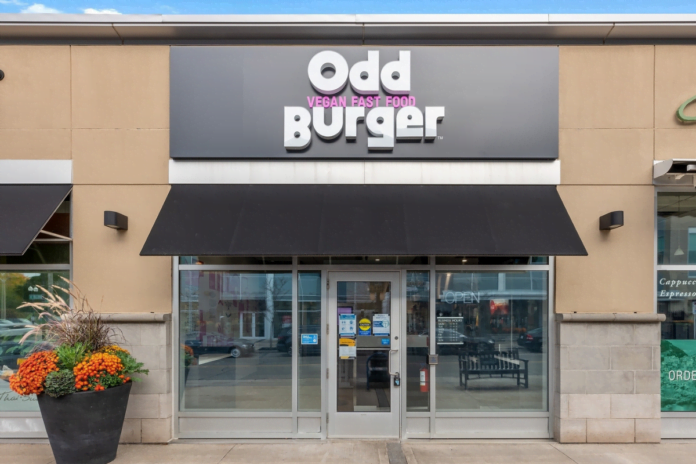
Odd Burger Corporation, a leading plant-based fast-food chain and food technology company, announced Monday the appointment of Vasiliki McInnes as the company’s new Chief Financial Officer, as well as the grand opening of its second Edmonton location on Saturday, August 2.
Vasiliki McInnes
Vasiliki McInnes is Odd Burger’s co-founder, former Chief Operating Officer, and largest shareholder. The company said she has played a critical role in the financial operations of the company since January 2024 and has led the company’s annual financial audit for the past two years.
Her deep understanding of the company’s strategic vision and her extensive experience in operations and financial leadership makes her an ideal fit for this role, said the brand.
“Vasiliki has been a driving force behind Odd Burger’s growth and financial discipline,” said James McInnes, CEO and Co-Founder of Odd Burger. “Her leadership, commitment, and deep alignment with our mission, positions her perfectly for the CFO role as we enter this next stage of expansion.”
James McInnes
The brand said its second Edmonton location is at 9518 Ellerslie Road. The grand opening will take place from 12 PM to 6 PM, with a ribbon cutting ceremony at noon to kick off the festivities.
Highlights of the grand opening include:
$1 plant-based soft serve available all day
25% of all sales donated to Farm Animal Rescue and Rehoming Movement (FARRM), a local sanctuary that provides a safe haven for surrendered and abused farm animals and cats near Wetaskiwin, AB
Free Odd Burger tote bags for the first 30 people in line
This new location continues Odd Burger’s mission to make sustainable, ethical, and delicious fast food more accessible across Canada and expands its footprint in Edmonton AB where it successfully operates a franchise location in the west end, added the company.
Odd Burger Corporation is a franchised vegan fast-food restaurant chain and food technology company that manufactures a proprietary line of plant-based protein and dairy alternatives.
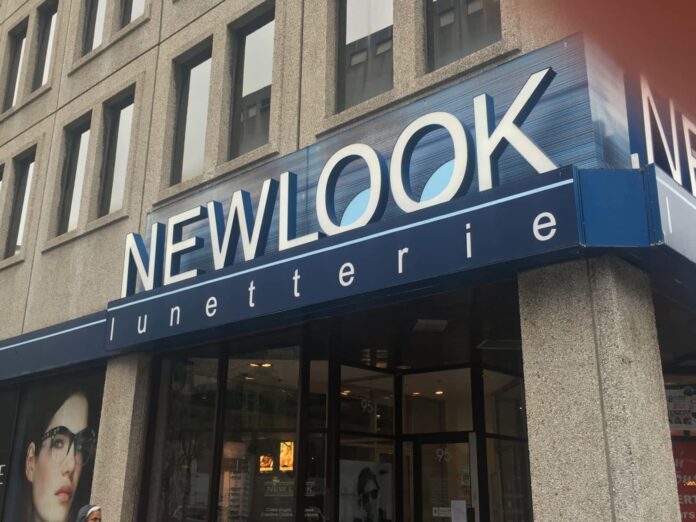
New Look Vision location on Montreal's Rue Sainte Catherine. Photo: New Look Vision
Affirm, the payment network that empowers consumers and helps merchants drive growth, and New Look Vision Group, a leading North American optical retailer with over 475 stores in the US and Canada, today announced a new partnership in Canada, bringing Affirm’s “honest, transparent pay-over-time options” to customers shopping at New Look Eyewear, Greiche & Scaff, Vogue Optical, IRIS, and more.
Whether shopping for prescription glasses, sunglasses, or contact lenses, approved Canadian shoppers can select Affirm at checkout to split their purchases into biweekly or monthly payments. If approved, they can choose the customized payment plan that best suits their needs and never pay any late or hidden fees, said the companies in a news release.
Antoine Amiel
“We’re proud to partner with Affirm in Canada, advancing our vision of making high-quality vision care more accessible and affordable to consumers across the country,” said Antoine Amiel, President & CEO of New Look Vision Group. “Eyewear is often a necessary investment, and offering a flexible way to pay helps remove a meaningful barrier for many consumers. Integrating with Affirm helps us offer shoppers greater confidence and clarity over how they pay, without compromising on quality or experience.”
With this launch, New Look Vision Group joins nearly 360,000 merchants offering Affirm at checkout, including partnerships with leading Canadian retailers Amazon, Apple, Samsung, Brown’s Shoes, CheapOair, and more.
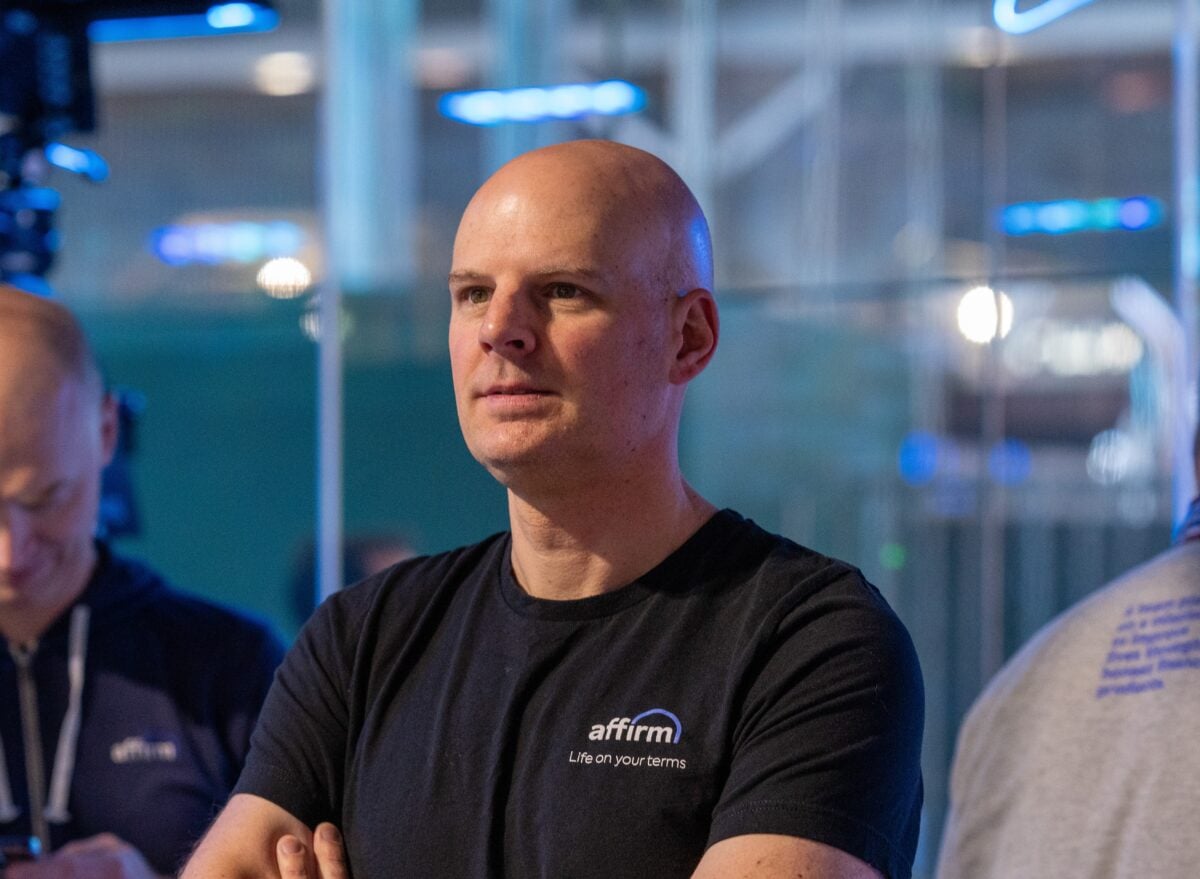
Wayne Pommen
“Eyewear and prescriptions are tailored to meet individual needs, and the way people pay should be no different,” said Wayne Pommen, Chief Revenue Officer at Affirm. “By teaming up with New Look Vision Group, we’re thrilled to offer personalized payment options without any late fees or hidden charges. Consumers should not have to worry about gotchas or fine print when shopping for vision care, and with Affirm they don’t have to.”
New Look Vision Group is a leading optical retailer operating at the intersection of healthcare and retail. Headquartered in Montreal, New Look Vision Group is present in Canada and the United States. New Look Vision Group has a network of 476 locations operating mainly under the Iris, New Look Eyewear, Vogue Optical and Greiche & Scaff banners and operates a lens manufacturing facility using state-of-the-art technologies located in Canada.
New data from VistaPrintand Wix shows that small business owners in the retail space are doubling down on their digital marketing efforts, with an eye towards creating unique customer experiences.
The 2025 Small Business Marketing Guide, based on a survey of 1,000 SBOs and 1,000 consumers, reveals that 40% of small business retailers say an online presence has had the biggest impact on their business in the last 12 months and 63% are more comfortable connecting online rather than in person.
Key findings for this sector:
Top digital marketing tactics include social media (58%), websites (48%) and online reviews (46%)
The top three methods of building loyalty among customers include engaging customers via social media (58%), offering personalized discounts (53%) and sending personalized thank you cards (45%)
Despite operating in a digital-first world, small business retailers still value traditional marketing tactics via business cards (53%), promotional products (35%) and attending events and tradeshows (33%)
“Looking ahead to the next 12 months, small business owners are united in their desire to continue expanding their marketing, while consumers agree that they want to see more community connections. And AI isn’t sci-fi anymore – it’s firmly in the marketing mix, but not everyone agrees on its uses or merits,” said the report.
“When it comes to the state of small business marketing in 2025, we can see that it’s anything but linear. There are ups and downs, challenges and opportunities, but the undeniable theme in this year’s data is that businesses and consumers are seeking the same thing: community.
“It’s the antidote to competition and the pathway to connection. For small business owners, it’s a loyal audience that shows up to support them every day. For consumers, it’s their local cafe, clothing store or electrician whose services and products they can count on and trust.
“Because great marketing isn’t just about clicks and conversions, it’s about building something that lasts, something that never stops, something that flows.”
Healthy Planet, Canada’s largest health and wellness e-commerce website and wellness retail store chain, is launching its Good Food Drive, a national back-to-school campaign running from August 1 to September 30, aimed at tackling childhood food insecurity head-on.
Recognizing that one in three food bank clients in Canada is a child, Healthy Planet said it is taking meaningful action by donating nutritious, minimally processed food to help support the health and well-being of children in need.
The Good Food Drive will donate 300,000 non-GMO, kid-friendly ingredients through local food banks in Toronto, Calgary, and Vancouver to help families prepare healthy meals at home.
“We believe no child should have to rely on ultra-processed, low-nutrient food just because it’s all that’s available. The Good Food Drive is our way of giving families in need the same high-quality food we’d give our own children. It’s simple—when you shop with us, you’re helping feed your community.
“The call to action is clear: shop smart, give back. Every participating product purchased triggers a meaningful donation, transforming everyday grocery trips into opportunities to do good. Our core intent is to raise community awareness towards the right food selection even when we think about food donations.”
For every participating product purchased, identified by a special apple icon, Healthy Planet said it will donate one dollar worth of nutritious staples to local food banks, contributing up to $50,000 in product value during the nine-week Good Food Drive.
How it works:
In-store: All participating SKUs—every item in the Benefits by Nature brand, plus any items from partners such as Once Upon a Farm, KIND, and Vita Coco—will feature the apple icon on their shelf tags.
Online: A dedicated Good Food Drive shop will showcase the full list of eligible brands, and each qualifying item will feature the apple logo on its product page.
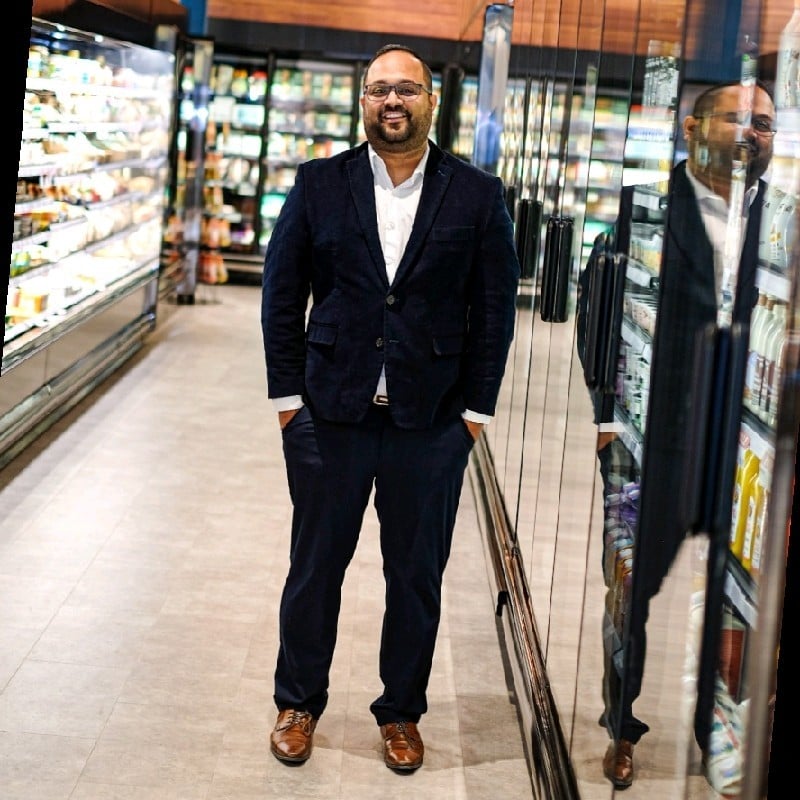
Neil Hetherington
“Access to wholesome food is critical for a child’s growth,” said Neil Hetherington, CEO of Daily Bread Food Bank. “Healthy Planet’s product donations help parents turn pantry staples into balanced meals.”
The company said the campaign highlights the growing concern over not just food insecurity, but nutrition insecurity—a situation where many families rely on food banks that lack healthy options. Over 50 per cent of calories consumed by Canadian children come from ultra-processed foods, contributing to poor dietary health. By focusing on non-GMO, minimally processed staples, Healthy Planet is ensuring donations support not only calories but also childhood development and long-term well-being, it said.
WeCook, Canada’s leading ready-to-eat meal delivery service, is bringing a taste of Montréal’s iconic Schwartz’s Deli to Toronto with a one-day-only immersive pop-up!
Schwartz’s by WeCook will open its doors on Wednesday July 30 from 4-8 PM at Avenue Diner, 222 Davenport Rd, Toronto.
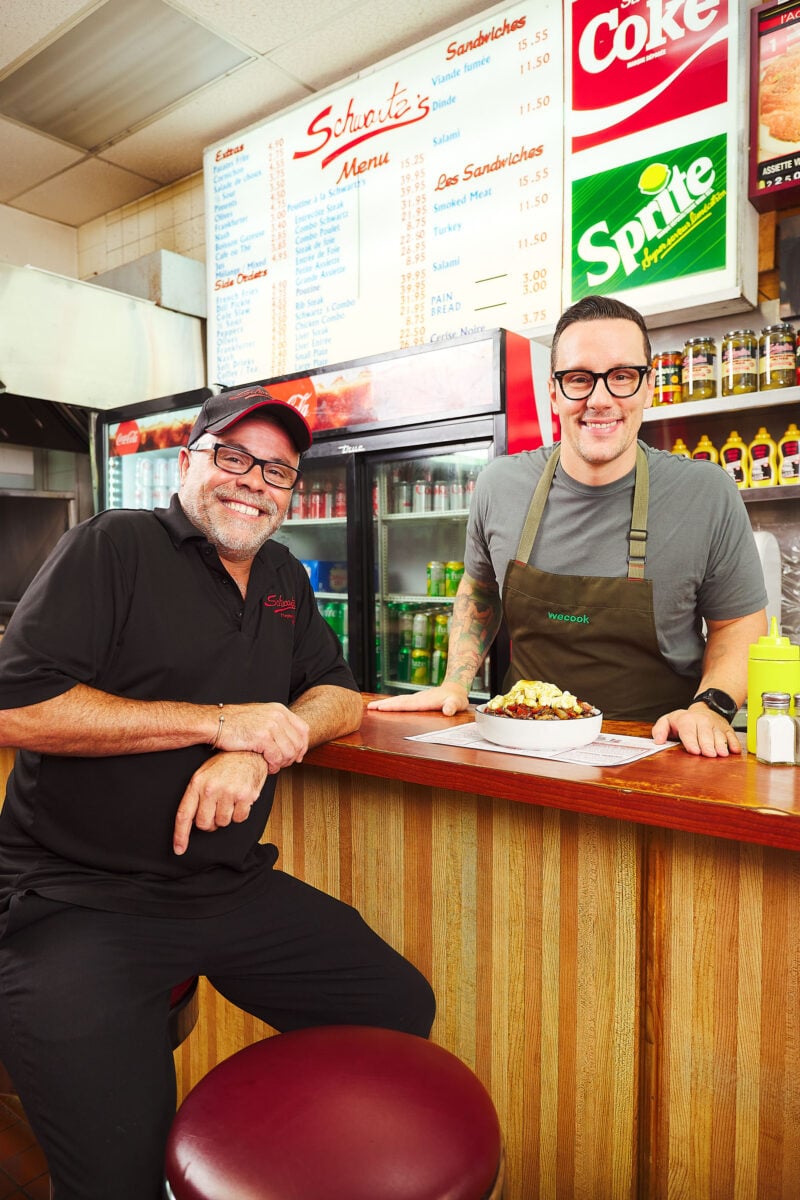
Schwartz’s GM Frank Silva & WeCook Chef Gabriel Drapeau
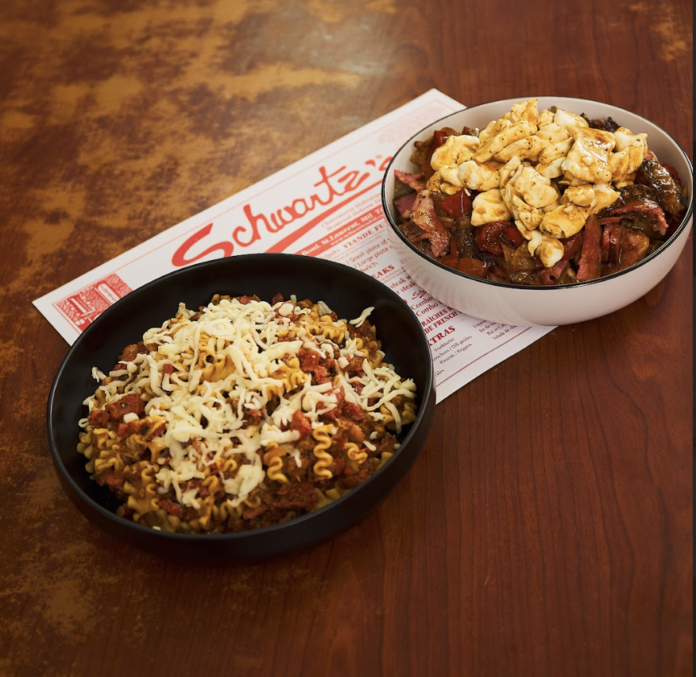
Two new meals created by WeCook’s Executive Chef Gabriel Drapeau (former Executive Chef of Joe Beef Group) featuring Schwartz’s beloved smoked meat will be available at the pop-up.
The meals are also available to order on WeCook’s websitefor a limited time:
Schwartz’s Montréal Smoked Meat Poutine
Week of August 17 menu (available to order starting July 21)
Schwartz’s Montréal Smoked Meat Bolognese Pasta
Week of August 24 menu (available to order starting July 28)
The pop-up will feature the two dishes above for $5 each, prepared by Chef Gabriel himself. Seating is limited and first come, first served.
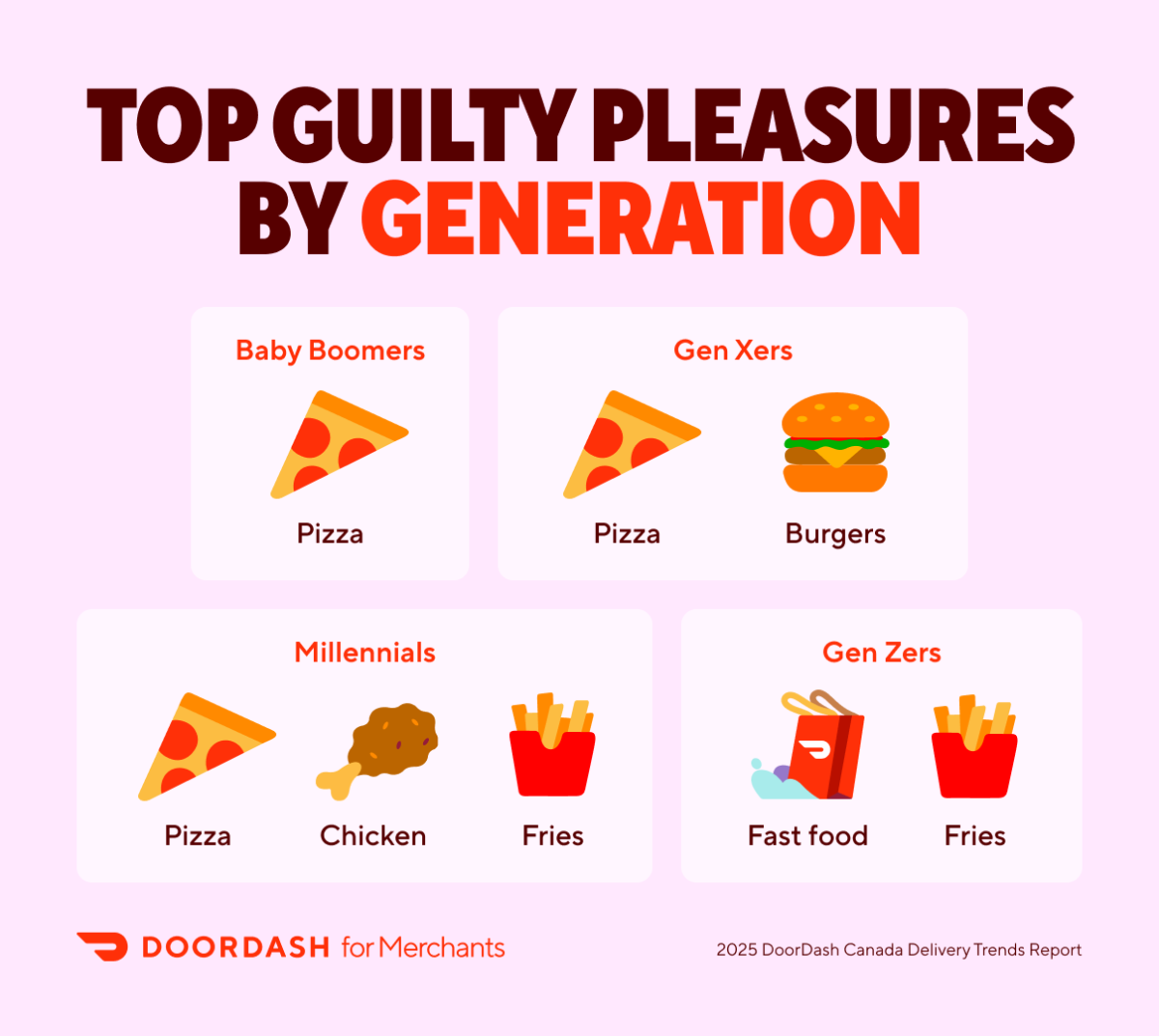
Sample findings that might be relevant for restaurateurs and other business operators include:
Sober-Curious Shift: 76% of Canadians who order alcohol for delivery have also opted for low or no alcohol options in the past six months.
Increased Personalization Appetite: 43% of Canadians say they want AI-powered, personalized recommendations for what to eat or drink. As digital discovery becomes even more tailored, it’s important for restaurants to show up smarter in front of consumers.
Emotions and Impulse: Nearly all Canadians (96%) have ordered delivery to satisfy a craving and 63% placed a last-minute delivery order in the last month.
Multitasking Dining: With 77% of consumers eating delivery meals while watching content, delivery has officially entered the age of background consumption.
“Every year, we survey thousands of consumers to find out what people are craving from their dining and delivery experiences. And every year, these decisions are influenced by the world around us,” said DoorDash.
“Our survey revealed that younger diners in particular want a taste of viral foods from social media, and more than half of consumers are open to having AI make ordering decisions easier – no matter their age. Health foods and sustainable options are high priorities for Gen Z and Millennials, along with non-alcoholic drink options to support a variety of lifestyles.
“Today, mealtimes look pretty different than they did a decade or two ago. Most diners eat their delivery food in front of the TV, and consider restaurant meals as a form of self-care that gives them a break from cooking and meal planning.”
Introducing Nicole Kidman, Clé de Peau Beauté’s new Global Brand Ambassador (CNW Group/Shiseido Canada)
Clé de Peau Beauté, a global luxury skincare and makeup brand, is proud to announce Nicole Kidman as its new Global Brand Ambassador.
Renowned for her commanding presence on and off the screen, as well as her passionate advocacy for women’s causes, Kidman perfectly embodies Clé de Peau Beauté’s vision of Radiance—where a blend of intelligence, artistry, and purpose converge. Her appointment marks a significant moment in the brand history, said the company.
Kidman’s acclaimed career reflects the brand’s DNA—intelligent, exquisite, and uncompromising; shaped by conscious choices and an unwavering passion. With each role, she redefines convention, breaking stereotypes with a dedication that has remained consistent throughout her 40-plus-year career. Her elegance and commitment to meaningful change make her an exceptional ambassador, representing a vision of timeless and transformative beauty and radiance, added the brand in a news release.
Mizuki Hashimoto
“We are delighted to welcome Nicole to the Clé de Peau Beauté family,” said Mizuki Hashimoto, Chief Brand Officer of Clé de Peau Beauté. “We believe Radiance is more than appearance; it’s an inner strength that drives positive change. Nicole exemplifies this belief through her inspiring journey, showcasing how passion and purpose unlock a Radiance that empowers others.”
Beyond her artistic achievements, Kidman has made a profound impact as a UN Women Goodwill Ambassador, advocating for women and girls’ empowerment through education, economic opportunities, and the fight against gender-based violence. Her philanthropic work aligns seamlessly with Clé de Peau Beauté’s mission to cultivate beauty that inspires confidence and meaningful change, explained the company.
Photo: Nicole KIdman Instagram
“I am thrilled to be joining the Clé de Peau Beauté family,” said Kidman. “I am inspired by the brand’s commitment to celebrate individual beauty across every aspect of a person’s life. I look forward to what we can create together.”
“Committed to telling diverse stories, Kidman has showcased a remarkable range of roles, continuously pushing boundaries to amplify underrepresented voices in the film industry. Her bold choices reflect her commitment to infusing artistry with purpose, aligning with the vision of Radiance as a source of empowerment,” added the brand.
“A true symbol of Radiance, Kidman exemplifies the idea that true radiance is cultivated through purpose and positive action. Her journey highlights the transformative power of beauty, inspiring others to embrace their own unique beauty and light.”
Clé de Peau Beauté, a luxury brand of Shiseido Co., Ltd., was established in 1982. It is available in 26 countries and regions worldwide.
Retail Insider is streamlining its Canadian retail news from around the web to include a handful of top news stories that can be viewed quickly during the day. Here are the top stories from the past several days.
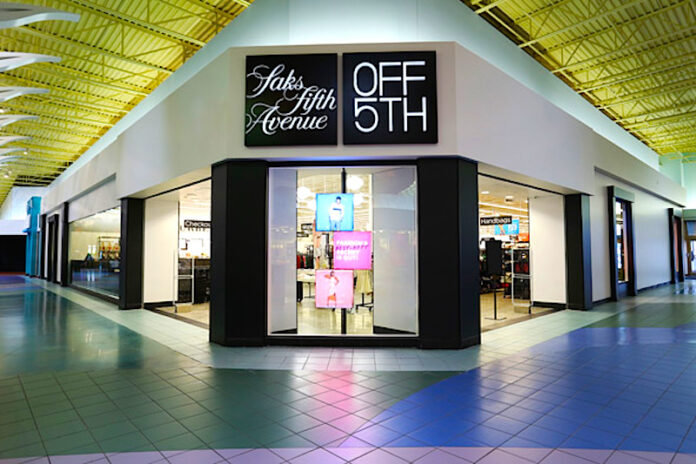
Saks OFF 5TH Vaughan Mills. Photos provided by Hudson's Bay Company.
Canadian fashion powerhouse YM Inc. is set to expand its footprint after reaching a deal to acquire five former Saks OFF 5TH locations from the Hudson’s Bay Company (HBC). The agreements, disclosed in recent court filings, come as the storied retailer navigates a turbulent winding down under the Companies’ Creditors Arrangement Act (CCAA).
The deal, valued at $5.03 million, will see YM take over spaces in some of Canada’s most prominent outlet centres, subject to court approval and landlord consent. This transaction underscores YM’s aggressive growth strategy and highlights the growing appetite for prime retail real estate as HBC seeks to monetize its assets.
Where the New Stores Will Open
According to legal documents filed with the Ontario Superior Court of Justice, YM has secured the following leases:
Vaughan Mills near Toronto – approximately 35,000 square feet
Tanger Outlets Ottawa in Kanata – 28,357 square feet
Outlet Collection Winnipeg – 32,191 square feet
CrossIron Mills near Calgary – approximately 30,000 square feet
Toronto Premium Outlets in Halton Hills – approximately 25,000 square feet
These locations are situated in some of the country’s busiest outlet centres, offering YM immediate access to high-traffic shopping destinations. The stores were formerly occupied by Saks OFF 5TH, which shuttered its Canadian operations last month. Saks OFF 5TH stores in Canada were licensed under the Hudson’s Bay Company.
YM’s ambitions extended beyond these five locations. The retailer had sought to acquire Saks OFF 5TH leases at Pickering Town Centre in Pickering and Skyview Power Centre in Edmonton, and a 175,000 square foot Hudson’s Bay lease at Midtown Plaza in Saskatoon for an additional $1 million. However, landlord approvals for those properties were not secured, a recurring obstacle in the ongoing restructuring process.
The inability to close these additional sites underscores a broader challenge facing bidders and HBC: the need for landlord consent in lease assignments. Many property owners remain cautious about incoming tenants, particularly amid uncertainty around the future of Canadian retail and the viability of new concepts.
Inside the former Urban Planet store at 157 Bloor Street West in Toronto on Friday, October 11, 2024. Photo: Craig Patterson
A Broader Disposition Strategy
The YM transaction is part of a larger strategy by HBC to dispose of its real estate interests and generate liquidity for stakeholders. HBC has closed all 80 Hudson’s Bay department stores, 13 Saks OFF 5TH stores, and three Saks Fifth Avenue stores in Canada following its entry into creditor protection earlier this year.
The company owes nearly $1 billion to lenders and trade creditors, making asset sales a critical component of its restructuring plan. According to Alvarez & Marsal, the court-appointed Monitor, a total of 39 properties were offered for sale earlier this year, attracting a dozen bidders.
Among the most high-profile bidders is B.C. billionaire Ruby Liu, whose name has dominated headlines in recent weeks.
Weihong (Ruby) Liu in front of the Court House at 330 University Avenue in Toronto on June 23, 2025. Photo: Craig Patterson
The Ruby Liu Saga: A Bidder Under Fire
Ruby Liu initially made waves by acquiring three former Hudson’s Bay leases at malls she owns — Woodgrove Centre in Nanaimo, Mayfair Shopping Centre in Victoria, and Tsawwassen Mills in South Delta — for $6 million. Those transfers were approved by the court last month, returning the spaces to Liu-controlled properties.
However, her ambitions did not stop there. HBC selected Liu as the preferred bidder for 25 additional leases across Canada, positioning her to launch a new department store concept bearing her name. Liu has described her vision as a family-oriented shopping destination blending retail, dining, and entertainment.
Despite these aspirations, landlords have fiercely opposed the proposed transaction. Court filings reveal concerns that Liu has not yet submitted a credible or detailed business plan. The situation escalated during a recent hearing when Liu appeared without legal counsel or supporting documentation, prompting Justice Peter Osborne to adjourn proceedings.
“I not only urge but recommend in the strongest terms that you retain legal representation,” Justice Osborne stated, rescheduling the hearing for August 28. Until then, the fate of the 25 leases remains uncertain, creating heightened anxiety among creditors eager for resolution.
Mounting Costs and Tight Timelines
Delays in approving major lease transactions are proving costly. The Monitor estimates that maintaining HBC’s dark stores costs at least $4.7 million monthly in rent, property taxes, utilities, and related expenses. These carrying costs erode potential recoveries for creditors with every passing day.
In its latest motion record, HBC requested an extension of creditor protection from July 31 to October 31, citing the need for additional time to finalize the YM and IC transactions, secure approval of the Liu deal, and auction valuable corporate art holdings.
“The requested stay extension is necessary to preserve value for stakeholders and avoid a disorderly liquidation,” HBC’s counsel at Stikeman Elliott LLP argued in court filings.
Former Hudson’s Bay store at Metropolis at Metrotown in Burnaby, BC. Photo: Stephen A. Braverman via X/formerly Twitter
Other Lease Sales Underway
While YM’s deal and Liu’s proposal dominate headlines, other transactions have also emerged. Ivanhoe Realties Inc., an affiliate of major landlord Ivanhoe Cambridge, has agreed to pay $20,000 for the lease of a 132,000-square-foot former Hudson’s Bay store at Metropolis at Metrotown in Burnaby. Given Ivanhoe Cambridge’s ownership of Metrotown, the deal effectively returns the property to its landlord.
This nominal purchase price highlights a key reality: in many cases, landlords prefer to regain control of their spaces rather than allow uncertain operators to take over, particularly when anchor tenant stability influences overall mall performance.
YM’s expansion signals confidence in the outlet and value-driven retail segment, even as department store operators struggle to adapt to shifting consumer behaviours. By acquiring these former Saks OFF 5TH sites, YM gains immediate access to prime outlet locations, a format aligned with its portfolio of accessible fashion brands such as Urban Planet, Bluenotes, West49, and Suzy Shier.
“Although our net sales and comparable store sales for fiscal 2025 are lower than fiscal 2024, when excluding the effect of third-party jewelry brand movement, comparable store sales are positive year-over-year, as a result of a strong retail performance and product offering particularly in our third-party branded timepieces. In fiscal 2025, we opened two new stores under the TimeVallée and Birks brands and continued to benefit from the fiscal 2024 renovations in our Chinook and Laval locations. These initiatives along with our recent announcement of the acquisition of the watch and jewelry business of European Boutique will continue to generate greater sales and contribute to improve our results,” said Jean-Christophe Bédos, President and Chief Executive Officer of Birks Group.
Image: Jean-Christophe Bédos
“I would like to thank our teams for their tireless efforts. The results achieved in fiscal 2025 are a testament to our commitment to our customers and I am grateful for the unwavering efforts of all our employees and the implementation of various initiatives during this past year to enhance our product offering and customer experience.”
For the fiscal year, Birks reported net sales of $177.8 million, a decrease of $7.5 million or 4.0%, from the comparable fiscal year ended March 30, 2024. Comparable store sales for fiscal 2025 decreased by 3.4% compared to the corresponding period in fiscal 2024.
“The decrease in net sales and comparable store sales is mainly due to lower sales of branded jewelry due to the exit of a jewelry brand from two stores. When excluding the third-party jewelry brand movement, the comparable store sales increased by 6.9%, mainly driven by timepiece sales. The Company reported gross profit of $66.3 million, or 37.3% of net sales, compared to $73.6 million, or 39.7% of net sales in fiscal 2024, due to lower sales volume resulting from the exit of a jewelry brand from two stores. Gross profit as a percentage of sales for fiscal 2025 was 37.3%, a decrease of 240 basis points from the gross profit as a percentage of sales of 39.7% for fiscal 2024 as a result of the sales mix with decreased sales from third-party branded jewelry, as well as a foreign exchange loss,” it said.
Birks Group is a leading designer of fine jewelry and an operator of luxury jewelry, timepieces and gifts retail stores in Canada. The company operates 17 stores under the Maison Birks brand in most major metropolitan markets in Canada, one retail location in Montreal under the Birks brand, one retail location in Montreal under the TimeVallée brand, one retail location in Calgary under the Brinkhaus brand, one retail location in Vancouver under the Graff brand, one retail location in Vancouver under the Patek Philippe brand, four retail locations in Laval, Ottawa and Toronto under the Breitling brand, four retail locations in Toronto under the European Boutique brand, one retail location in Toronto under the Omega brand and one retail location in Toronto under the Montblanc brand. Birks was founded in 1879 and has become Canada’s premier designer and retailer of fine jewelry, timepieces and gifts.
Here is Birks’ financial overview for the fiscal year ended March 29, 2025:
Total net sales for fiscal 2025 were $177.8 million compared to $185.3 million in fiscal 2024, a decrease of $7.5 million, or 4.0%. The decrease in net sales in fiscal 2025 was primarily driven by the results of the Company’s retail channel. Net retail sales in fiscal 2025 were $7.3 million lower than fiscal 2024, primarily due to the decrease in third-party branded jewelry sales, following the exit of a jewelry brand from two stores, partially offset by an increase in branded timepiece sales throughout the retail network;
Comparable store sales decreased by 3.4% in fiscal 2025 compared to fiscal 2024 mainly due to lower third-party branded jewelry sales following the exit of a jewelry brand from two stores, partially offset by an increase in third-party branded timepiece sales and an increase in average sales transaction value. When excluding the third-party jewelry brand movement, the comparable store sales increased by 6.9%, mainly driven by timepiece sales;
Total gross profit for fiscal 2025 was $66.3 million, or 37.3% of net sales, compared to $73.6 million, or 39.7% of net sales, in fiscal 2024. This decrease in gross profit was primarily due to the decreased sales volume experienced during fiscal 2025, due to third-party branded jewelry sales following the exit of a jewelry brand from two stores, and a foreign exchange loss due to the strengthening of the U.S. dollar, partially offset by the increased sales of third-party branded timepieces. The decrease of 240 basis points in gross margin percentage resulted primarily from the sales mix with decreased sales from third-party branded jewelry, as well as a foreign exchange loss, partially offset by an increase in branded timepiece sales;
SG&A expenses in fiscal 2025 were $59.5 million, or 33.5% of net sales, compared to $65.7 million, or 35.5% of net sales, in fiscal 2024, a decrease of $6.2 million. The main drivers of the decrease in SG&A expenses in fiscal 2025 include lower occupancy costs ($2.7 million) mainly due to store closures and store lease modifications, lower marketing costs ($2.3 million) mainly due to lower brand development initiatives, lower compensation costs ($0.5 million) mainly due to lower sales volume and head count reductions, lower general operating costs ($0.4 million) and lower non-cash based compensation expense ($0.3 million) mainly due to fluctuations in the Company’s stock price during the fiscal year. As a percentage of sales, SG&A expenses in fiscal 2025 decreased by 200 basis points as compared to fiscal 2024, reflecting the Company’s focus on cost management and containment;
The Company’s adjusted EBITDA for fiscal 2025 was $9.2 million, a decrease of $0.8 million, compared to adjusted EBITDA of $10.0 million for fiscal 2024;
The Company’s reported operating loss for fiscal 2025 was $5.5 million, a decrease of $6.7 million, compared to a reported operating income of $1.2 million for fiscal 2024. The operating loss in fiscal 2025 includes an impairment of long-lived assets of $4.6 million related to the write-down of capitalized software costs associated with the delay in completing the implementation of the Company’s ERP system;
The Company’s recognized interest and other financing costs were $9.7 million in fiscal 2025, an increase of $1.7 million, compared to recognized interest and other financing costs of $8.0 million in fiscal 2024. This increase is mainly due to an increase in the average amount outstanding on the amended credit facility, additional borrowings, and a foreign exchange loss of $1.0 million in fiscal 2025 versus a foreign exchange gain of $0.2 million in fiscal 2024 on our U.S. dollar denominated debt;
The Company recognized a net loss for fiscal 2025 of $12.8 million, or $0.66 per share, compared to a net loss for fiscal 2024 of $4.6 million, or $0.24 per share.