Walmart Canada in collaboration with ARC(Asset Recharge Center) is introducing smart lockers to support and enable its associates to better serve customers in its more than 400 stores nationwide. These smart lockers will manage and protect handheld devices critical to Walmart Canada store operations.
By deploying ARC device lockers, Walmart Canada is emphasizing its dedication to equipping its associates with the best tools to do their jobs, said the retailer.
“The ARC technology is designed to support our associates, ensuring they have access to the next best available device, fully charged and in optimal working condition, ready to start their day.”
The ARC locker system combines smart charging lockers with advanced proprietary device management software, ensuring devices are charged, not missing, and fully functional. ARC employs advanced technology and a user-centric approach to anticipate and solve issues that would otherwise cause headaches for field teams at scale, said Walmart.
Douglas Baldasare
“Walmart Canada continues to lead the way in addressing complex retail challenges with innovative solutions, including introducing ARC device lockers to address the common retail issue of device loss,” said Douglas Baldasare, CEO of ARC.
“Our commitment to developing cutting-edge solutions that meet the evolving needs of today’s retailers, including enabling associates to have the best tools to do their job, comes to life in this collaboration with Walmart Canada.”
Walmart Canada’s nationwide rollout of ARC lockers is underway and is scheduled to be completed this year.
ARC is a leading smart-locker system for managing company-owned handheld devices that employees use to do their jobs. Handheld devices are a critical productivity driver for team members. When these devices go missing, become non-functional, or consume too much time from managers overseeing manual processes, productivity slows, time and money are lost, and employee and customer satisfaction drops. ARC’s tech-enabled solution has allowed clients to save time, money, and improved productivity surrounding this complex retail problem, said the company, which is headquartered in Philadelphia and is a division of ChargeItSpot. Since its founding in 2011, ChargeItSpot has managed millions of consumer and associate devices within the world’s largest brands.
Walmart Canada has more than 400 stores nationwide serving 1.5 million customers each day. Walmart Canada’s flagship online store, is visited by more than 1.5 million customers daily.
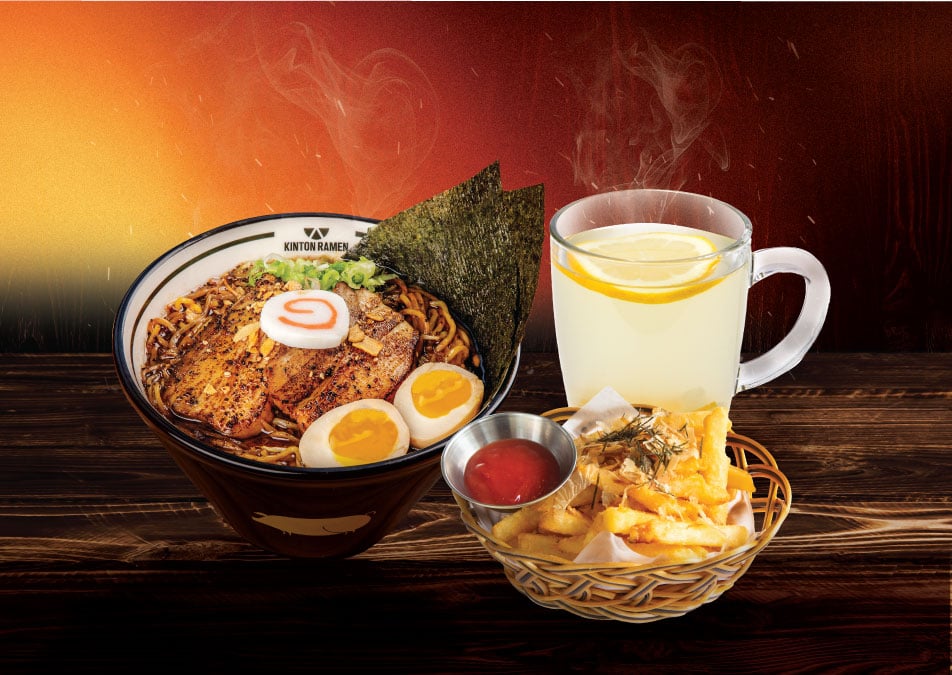
KINTON RAMEN, the popular ramen chain celebrated for its authentic Japanese cuisine, is continuing its rapid expansion across Alberta with the upcoming opening of its very first location in Edmonton.
Named KINTON RAMEN Terra Losa Edmonton, the new location marks another milestone in the brand’s Alberta expansion, driven by the growing demand for high-quality Japanese cuisine across the province, said the company, which is operated by the KINKA FAMILY.
“We’re thrilled about our growth in Alberta. From our Calgary openings to the new Edmonton location, it’s exciting to see the increasing demand for authentic Japanese ramen across the province.”
Located in Terra Losa, the Edmonton restaurant is the latest addition to the brand’s growing presence in the province – one of several new locations set to open throughout 2025.
This expansion is part of a broader Area Representative Agreement with The Labreche Group, which will bring 12 restaurants to Alberta over the next five years.
Source: KINTON RAMEN
With more than 45 locations across Canada and the United States, the restaurant chain continues to grow by blending traditional recipes with innovative ramen creations. Since launching its franchise program in 2021, the brand has rapidly expanded across North America, offering its unique dining experience to a wider audience.
In addition to dine-in service, Edmonton residents and visitors can enjoy a wide range of ramen dishes, combo specials and seasonal items through convenient delivery and takeaway options. Orders can be placed at order.kintonramen.com or via Uber Eats, SkipTheDishes and DoorDash.
Established in May 2012, KINTON RAMEN was one of Toronto’s first Japanese ramen restaurants. Led by Executive Chef Aki Urata and a team of professional ramen chefs, KINTON RAMEN strives to offer guests an extraordinary dining experience every time.
Founded in 2009, KINKA FAMILY is a full-service international hospitality group. Since then, the company has come to be recognized as Canada’s largest Japanese restaurant group. KINKA FAMILY owns and operates a diverse portfolio of restaurants and cafés in Toronto, Montreal, Vancouver, Chicago, and New York. Included are KINKA IZAKAYA, KINTON RAMEN and JaBistro.
This Canada Day, grocery giant Sobeys, part of Empire Company Limited, said it is leaning into what it does best: bringing Canadians together over great food and a shared sense of pride.
With that spirit in mind, Sobeys recently launched the “So Canadian Picnic” – a social-first contest that celebrates the country the brand has called home since 1907. The campaign taps into the power of community, local suppliers, and summer tradition, and includes:
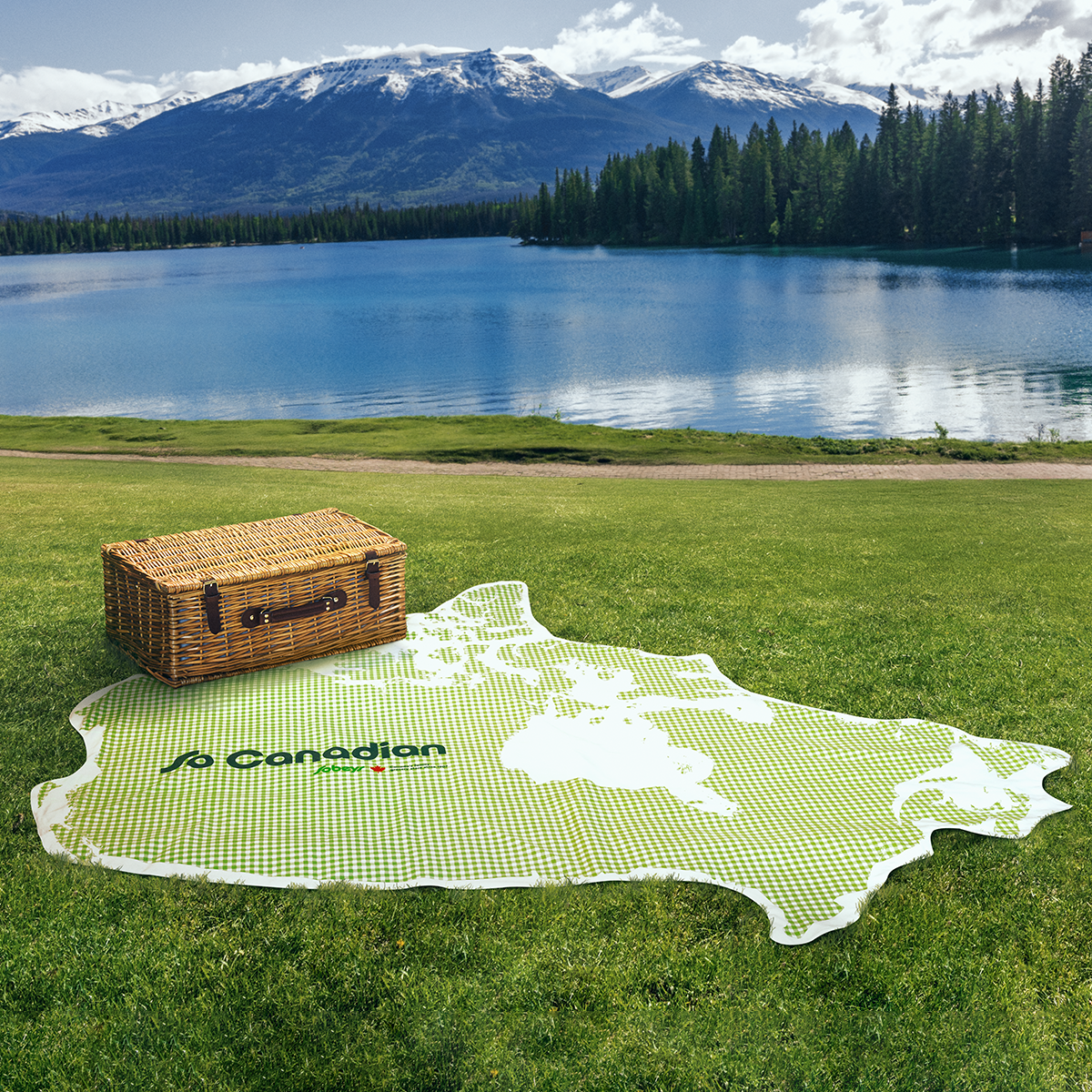
· Grand prize picnic experience: Two lucky winners will each receive a hosted picnic for up to 25 friends and family. The experience includes an oversized, limited-edition Sobeys picnic blanket shaped like the Canadian map, a fully catered menu featuring Canadian-inspired dishes and seasonal favourites (including Compliments products), and summer-themed activities.
· Limited-edition picnic kits: 30 additional winners will receive a custom So Canadian Picnic Kit filled with Canadian food items, including Compliments products. Each kit also includes a Canada-shaped picnic blanket and a reusable picnic basket.
· Local supplier spotlight: The campaign also highlights Sobeys’ incredible network of Canadian suppliers, whose products are featured in both the kits and the grand prize celebrations.
Source: Sobeys
The So Canadian Picnic builds on the momentum of Sobeys’ So Canadian brand campaign launched earlier this year, marking the next chapter in the company’s storytelling. It brings to life what it means to be Canadian through integrated social, influencer, and PR engagement.
Canadians can enter the contest until June 16 (11:59pm ET) by following @sobeys on Instagram and/or Facebook, liking the contest post, and commenting on how they’re celebrating Canada Day this year – and tagging a friend they’d bring to their dream picnic.
Source: Sobeys
“Hey Canada, picnic season is finally here! And we’re giving away 30 So Canadian Picnic Kits and 2 lovely Picnic Experiences! Each kit comes packed with Canadian products and a limited-edition, Canada-shaped picnic blanket. And if you’re one of our 2 grand prize winners, you’ll get a private picnic for you and up to 25 friends and family—complete with delicious food, fun activities, and one giant Canada-shaped blanket to kick back on,” said the company in an Instagram post.
“We’ve been Canadian through and through since 1907, and if there’s one thing we know, it’s that Canadians love a summer picnic. So, we’re here to help make yours extra special! Gather your loved ones, savour Canadian products, and soak up some sunny moments together.”
Destination Canada unveiled its new brand to more than 1,500 industry, media and international buyers at the recent Rendez-vous Canada, the country’s largest international tourism tradeshow, in Winnipeg.
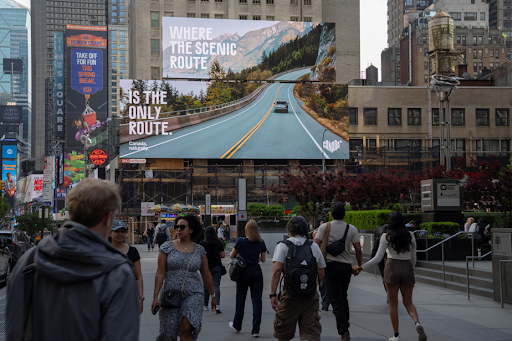
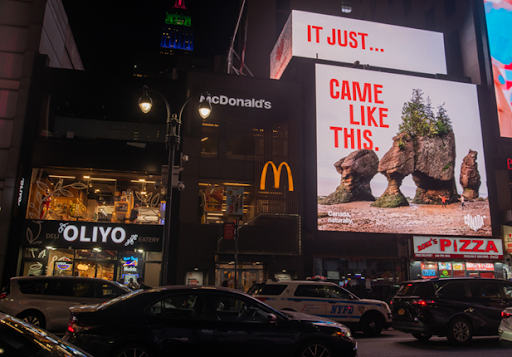
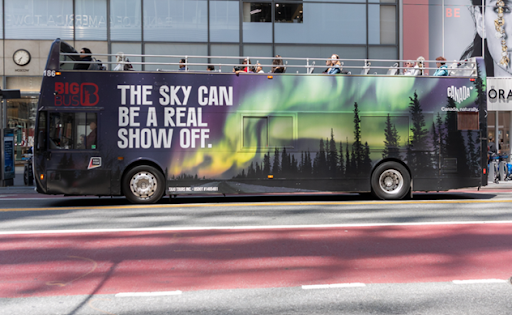
Canada, naturally. reflects what comes naturally to Canada—awe-inspiring landscapes and warm-hearted people—and how even the ordinary moments here can feel extraordinary to guests. The first look of this long-term campaign came with the launch of the U.S. multi-channel marketing campaign that went live in market May 12, it said.
Rooted in Destination Canada’s 2030 Strategy: A World of Opportunity, Canada, naturally. is a bold step toward strengthening Canada’s global position and generating $160B in annual tourism revenue by 2030. To achieve this goal and build long-lasting demand, Canada needs to be a destination that resonates deeply with target guests and differentiates itself in a competitive global marketplace, said the organization.
Destination Canada said its research and data shows that Canada’s target guests are attracted to authentic, unfiltered experiences: 65 per cent of these guests are more likely than other travellers to seek out destinations that feel unique and authentic. (Destination Canada Global Segmentation Data).
“This new brand direction aims to attract these visitors by showcasing Canada’s openness; from open-hearted people that foster a sense of belonging, to open minds that invite fresh perspectives, all set against open spaces that inspire awe and wonder,” it said.
“Instead of filtered and AI-generated content so frequently found in marketing campaigns today, Canada, naturally. leads with quiet, observational vignettes of everyday Canadian moments—from roadside fill-ups in the Rockies to backyard BBQs featuring the northern lights— reflecting Canada’s unfiltered beauty, quiet confidence and welcoming attitude.”
Gloria Loree
“Canada, naturally. is the perfect antidote to what people need right now,” said Gloria Loree, Senior Vice-President, Marketing Strategy & CMO. “We’re living in a world that’s increasingly filtered and fake, combined with disruption and associated unpredictably. This campaign underscores the importance of connecting to what’s real and reflects what makes Canada distinct. It’s an open invitation to travellers who are craving authenticity and meaningful connections.”
Key campaign elements of Canada, naturally. include:
Online Videos: Instead of fast-paced montages, the hero videos showcase everyday Canadian moments—captured in 35mm film for a warm, natural aesthetic that feels more documentary than commercial.
Digital advertising: a suite of digital assets echo the same tone—humble, beautiful, and quietly powerful. Showing how the ordinary everyday in Canada, is extraordinary to those who visit.
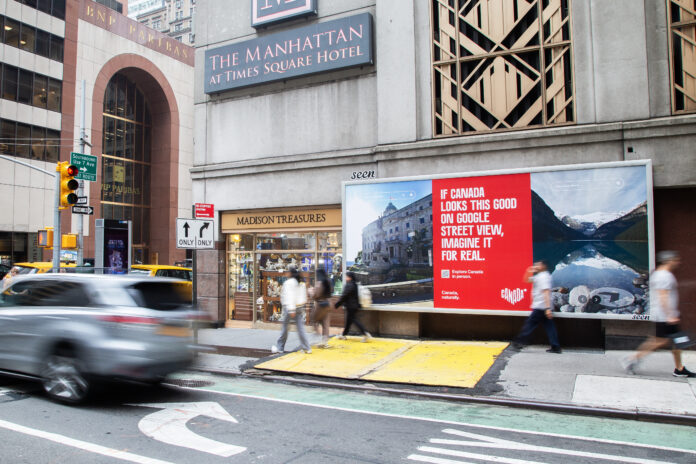
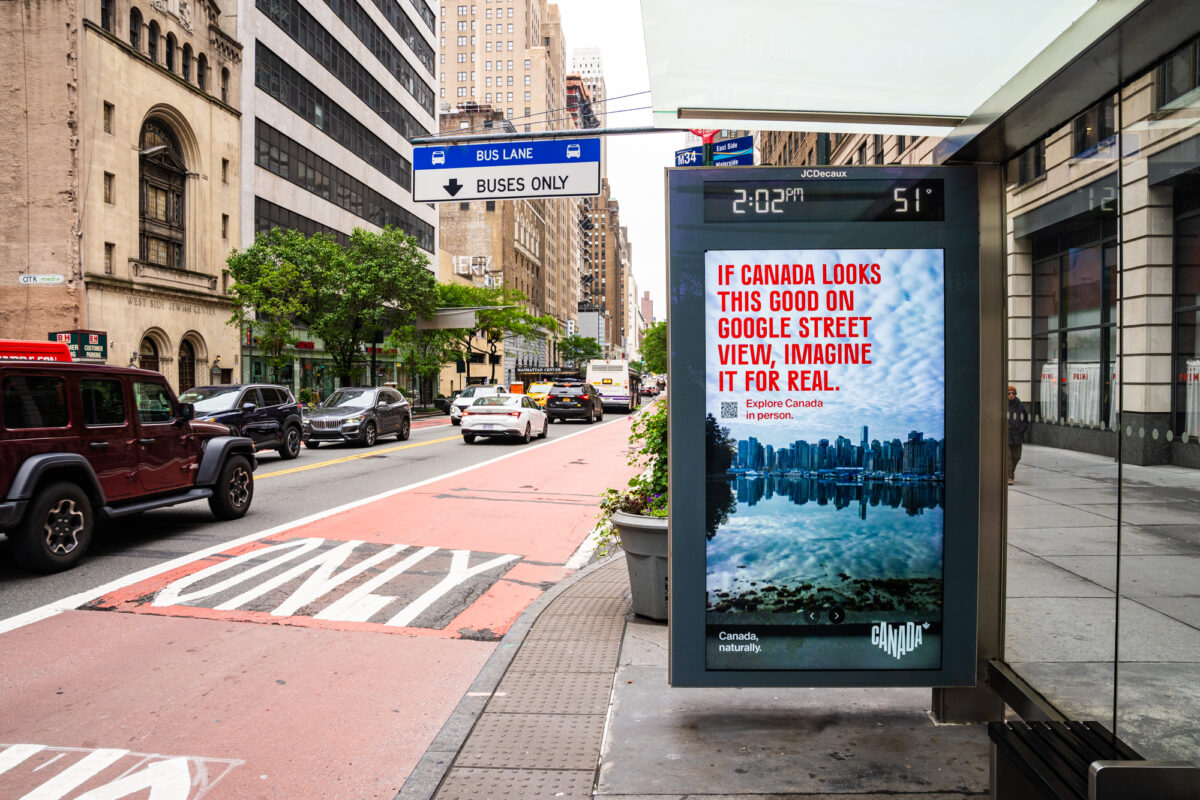
Google Street View collaboration: This is a first-of-its-kind national tourism campaign using authentic images from Google Street View, rather than high-gloss visuals. This bold creative choice reflects our core value of authenticity and redefines how technology can be used to connect with travellers in a deeply human way. explained the organization.
“In a time when genuine relationships and meaningful connections hold more value than ever, Canada’s openness is its greatest strength and competitive advantage. Canada is an opportunity to truly connect with what’s real,” it said.
Destination Canada, which is a Crown corporation wholly owned by the Government of Canada, said tourism contributes $130 billion to the Canadian economy. That’s more than $350 million a day in revenue powered by 265,000 businesses in 5,000 communities coast to coast to coast.
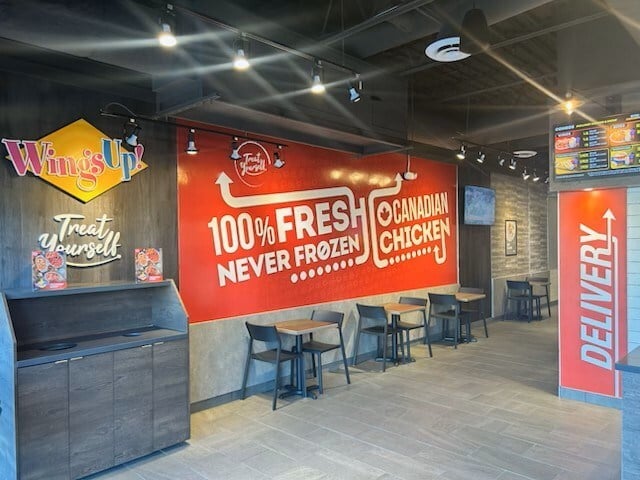
WingsUp!—one of Canada’s fastest-growing names in the quick-service restaurant space—has officially landed in Calgary, bringing its signature fresh, never-frozen chicken wings to the heart of Alberta.
This marks WingsUp!’s first location in the province, serving Calgarians a bold and crave-worthy menu that includes fan favourites like Medium BBQ, Jamaican Hot, Honey Garlic Parmesan, and Texas Tequila—each made to order for maximum flavour, it said.
It is located at 5809 Macleod Trail SW.
“WingsUp! sets the standard for comfort food. Chicken wings are 100% real, fresh, and never frozen—no fillers, no shortcuts, just unbeatable flavour. Every bite reflects the care and quality put into the food, and it’s why loyal customers keep coming back,” said the company.
Darren Czarnogorski
“Calgary is a natural next step for us,” said Darren Czarnogorski, President of WingsUp!. “It’s a city that loves great food, has a strong community spirit, and appreciates quality—everything WingsUp! stands for. We’re excited to finally serve this market.”
WingsUp! said it is built for convenience, with a small-footprint model ideal for urban settings and high-efficiency service. In-house delivery ensures customers get their wings fast and hot—without third-party markups. And for those planning events, the brand offers catering for all occasions, from office lunches and birthdays to game nights and casual get-togethers.
With 36 locations across Ontario, WingsUp! continues to expand west, with new franchise locations planned for Vancouver and Surrey by the end of summer.
Previously known as “The Incredible Wing Ding”, it rebranded to WingsUp! in 1999, to signify the popular saying that’s spoken through every WingsUp! kitchen, when a delicious basket of wings is finished to perfection, it said.
It’s been in operation since 1988 where it first opened its doors in Milton, Ontario. It moved its headquarters to Burlington in 2006.
Source: WingsUp!
The Calgary opening is part of a broader national growth strategy, with the brand actively seeking entrepreneurs to join its thriving franchise system. WingsUp! offers a turnkey franchise model with low startup costs, hands-on training, and marketing support, making it an appealing opportunity for business-minded individuals looking to invest in a growing, proven brand, said WingsUp!
“Our goal has always been to bring WingsUp! to communities coast to coast,” Czarnogorski added. “We’re thrilled to be in Calgary—and we’re just getting started.”
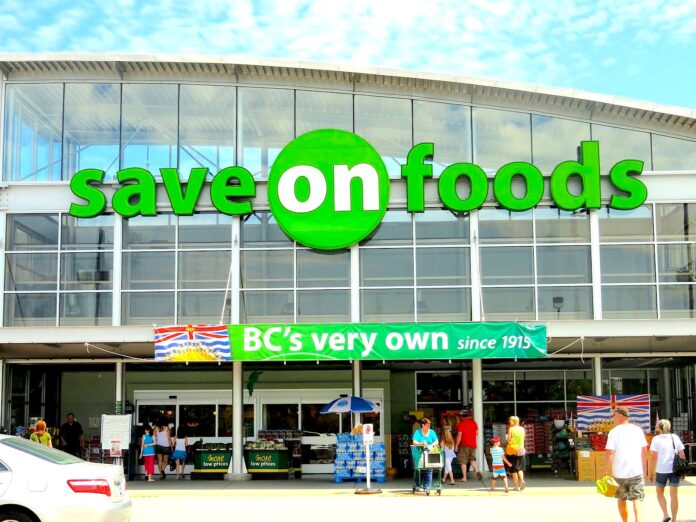
Now, all eligible RBC credit and debit cardholders can earn double the More Rewards points, PFG’s loyalty program currency, by linking their RBC card to their More Rewards card. More Rewards points can be collected at eligible More Rewards grocery partners, including Save-On-Foods, Quality Foods and Buy-Low Foods, according to a news release.
Simon Maycock
“Groceries are such a significant and essential everyday purchase for Canadians and we’re excited to bring more everyday value to so many of our clients,” said Simon Maycock, Senior Vice President, Loyalty & Merchant Solutions, RBC. “Together with Pattison Food Group, we’re making it easy for customers across Western Canada to maximize their rewards and get even more value.”
Heidi Ferriman
“Building on our partnership and the successful launch of our More Rewards RBC Visa and More Rewards RBC Visa Infinite cards earlier this year, we are excited to offer even more points to RBC cardholders when they link their More Rewards card to their existing RBC card,” said Heidi Ferriman, Senior Vice President of People, Marketing and Corporate Affairs, Pattison Food Group. “We know that Canadian shoppers are always looking for value and More Rewards provides amazing redemption offers on the things that matter to them like groceries, gift cards and travel.”
Credit and debit cardholders can link their eligible cards by visiting avionrewards.com/morerewards and following three easy steps.
Once linked, eligible cards will automatically earn 2x More Rewards points when they pay with their RBC card and scan their More Rewards card at participating grocery partners across British Columbia, Alberta, Saskatchewan, Manitoba and the Yukon, including Save-On-Foods, Quality Foods, Nesters Market, Urban Fare, Buy-Low Foods and PriceSmart Foods said the press release.
Clients who are not yet More Rewards members can sign up during the linking process or by visiting morerewards.ca/enroll.
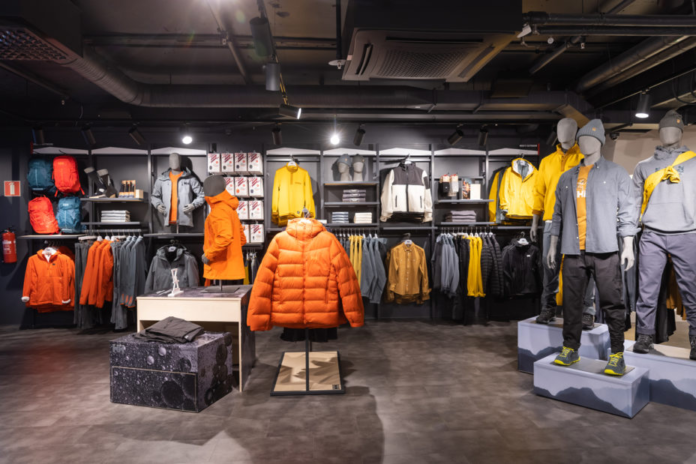
Canadian Tire Corporation has finalized the sale of its sportswear brand, Helly Hansen, to U.S.-based Kontoor Brands Inc. The transaction, valued at approximately $1.3 billion, was announced on Monday and marks a pivotal shift in Canadian Tire’s strategic direction.
Helly Hansen, renowned for its high-performance outdoor and sailing apparel, will now be under the umbrella of Kontoor Brands, the American company that owns iconic labels such as Wrangler, Lee, and Rock & Republic. Despite the change in ownership, Canadian consumers can expect to continue finding Helly Hansen products on Canadian Tire’s shelves.
“As we shift from brand owner to brand customer, we expect Helly Hansen’s world-class products to remain on our shelves and on the shopping lists of our customers. We are excited to see where Kontoor takes the brand next,” said Canadian Tire CEO Greg Hicks in a February statement.
Strategic Refocus on Canadian Retail
The divestiture of Helly Hansen aligns with Canadian Tire’s renewed focus on its core Canadian retail operations. The proceeds from the sale are earmarked for a combination of debt reduction, share repurchases, and investments aimed at enhancing customer experience and driving growth within its primary retail business.
“As our strategy becomes more singularly focused on great Canadian retail, it is time to pass this iconic brand into global hands,” Hicks noted.
Acquisition of Hudson’s Bay Intellectual Property
In a parallel strategic move, Canadian Tire has acquired the intellectual property of the historic Hudson’s Bay Company (HBC) for $30 million CAD. This acquisition includes a vast array of trademarks, slogans, and digital assets that have been integral to Canadian retail heritage.
The deal encompasses the rights to the Hudson’s Bay name, its iconic multicoloured stripes, the historic coat of arms, and slogans such as “Bay Days” and “Lowest price is the law.” Additionally, Canadian Tire gains control over various private labels and digital domains associated with HBC.
This acquisition follows HBC’s filing for creditor protection under the Companies’ Creditors Arrangement Act in March 2025, leading to the liquidation of its retail operations. All 80 Hudson’s Bay stores, along with three Saks Fifth Avenue and 13 Saks OFF 5TH locations, ceased operations on June 1, 2025, resulting in over 8,300 job losses.
Retail Insider is streamlining its Canadian retail news from around the web to include a handful of top news stories that can be viewed quickly during the day. Here are the top stories from the past 24 hours.
“CMLC and the Calgary Stampede are proud to partner with Truman, who bring more than 40 years of exceptional building experience in Calgary to this much-anticipated hotel development right at the front door to Stampede Park,” said Kate Thompson, President and CEO of CMLC.
“Hotel development has been a key priority for CMLC and the Calgary Stampede, and we’ve seen development interest in The District surge with the completion of the BMO Centre expansion, the groundbreaking of Scotia Place, and the opening of the new 17 Ave S.E. extension, which unlocked the potential of this site and created a unique hotel opportunity at the west entrance to Stampede Park and The C+E. Partnerships and development investments like this one are an indication of industry confidence and enthusiasm for our shared vision for this district, and we’re so pleased to see this project take shape.”
Officials said CMLC and the Calgary Stampede have been working to advance hotel development opportunities for the past five years through challenging market conditions impacting hotel and financing requirements. In that time, CMLC and the Calgary Stampede have completed feasibility studies and site analysis on three potential hotel sites on Stampede Park and in The C+E, and have conducted extensive engagement with a range of interested developer partners on each of the sites.
A Purchase and Sale Agreement is now signed between the Calgary Stampede and Truman, and Truman is actively engaged with a world-class international hotel brand partner to operate the hotel, who will be announced in the coming months.
The partnership is working with architecture firms NORR Architecture (Chicago), Scatliff+Miller+Murray (Calgary), and CivicWorks (Calgary) to lead design and planning for the hotel. The hotel design is inspired by the unique curvature of Flores LaDue Parade and the expanded BMO Centre, with a sweeping curved form that draws inspiration from the movement of a bucking horse and materiality representative of both the rich identity of the Calgary Stampede and of Alberta’s landscape.
The next step in the process is to initiate regulatory approvals with a development permit submission expected to be submitted later in June, and prepare the site for construction, which is anticipated to begin in late 2025. Construction is anticipated to be completed in late 2028, added officials.
Source: Calgary Stampede
“Not only will this new hotel further strengthen our competitive advantage and help draw more visitors to the BMO Centre, Stampede Park, the Culture + Entertainment District and Calgary, but it will also build on the world-class experience guests receive when visiting,” said Joel Cowley, CEO of the Calgary Stampede. “When guests stay at the hotel, they will receive the highest level of Western hospitality that Calgary is known for, through a thoughtful, quality-built project by Truman, and the incredibly elevated guest experience that this hotel will offer.”
Located on an approximately 85,000 square foot parcel, the Truman hotel will be a full-service, 13-storey upper-upscale lifestyle boutique hotel with approximately 320 rooms; 15,000 square feet of meeting and ballroom space; 14,000 square feet of food and beverage offerings including restaurants, a lobby bar, a coffee shop, and a roof-lop lounge with views of downtown; a south-facing leisure terrace with activity pool, jacuzzi and an outdoor bar; and an indoor swimming pool and fitness club, explained officials.
“This is an exceptional location for a hotel, allowing guests to just stay steps away from the action of The Culture + Entertainment District – whether it’s a convention, meeting or event held in the BMO Centre, a hockey game in Scotia Place, a concert in The Big Four Roadhouse, or the Calgary Stampede’s annual celebration of Western heritage and community spirit each July,” said Tony Trutina, Chief Operating Officer of Truman. “As a family-owned Alberta-based developer, we are thrilled to partner with CMLC and the Calgary Stampede to bring this project to life in one of our city’s most exciting and fast-growing districts.”
With a development value of approximately $330M, this hotel agreement and land sale represents substantial private developer investment on Stampede Park and marks the first full-service convention-oriented hotel built in downtown Calgary in 25 years, demonstrating significant confidence in the emerging Culture + Entertainment District. Truman’s investment is further anchored by the recent purchase of another C+E District development site at 15 Ave and Macleod Trail, which is in the development planning stages with announcements forthcoming, noted officials in making the announcement.
“As home to Western Canada’s largest convention centre since the expanded BMO Centre opened in June 2024, the Calgary Stampede is now drawing hundreds of thousands of visitors to Stampede Park every year for meetings, conventions and special events, and upwards of a million more during our annual celebration each July. As a result, our city is experiencing a growing demand for hotel rooms, and hotels like this one, conveniently located directly next to the BMO Centre, are a timely response to that demand,” they said.
“Since the expanded BMO Centre opened in June 2024, it has hosted 409 events, with 205 major events booked between now and 2032, and is projected to contribute more than a quarter of a billion dollars to Canada’s GDP annually, with the majority supporting Alberta’s GDP. These numbers will only increase as hotel capacity in the area grows.”
Hudson's Bay Queen Street flagship store in Toronto on June 1, 2025. Photo: Craig Patterson
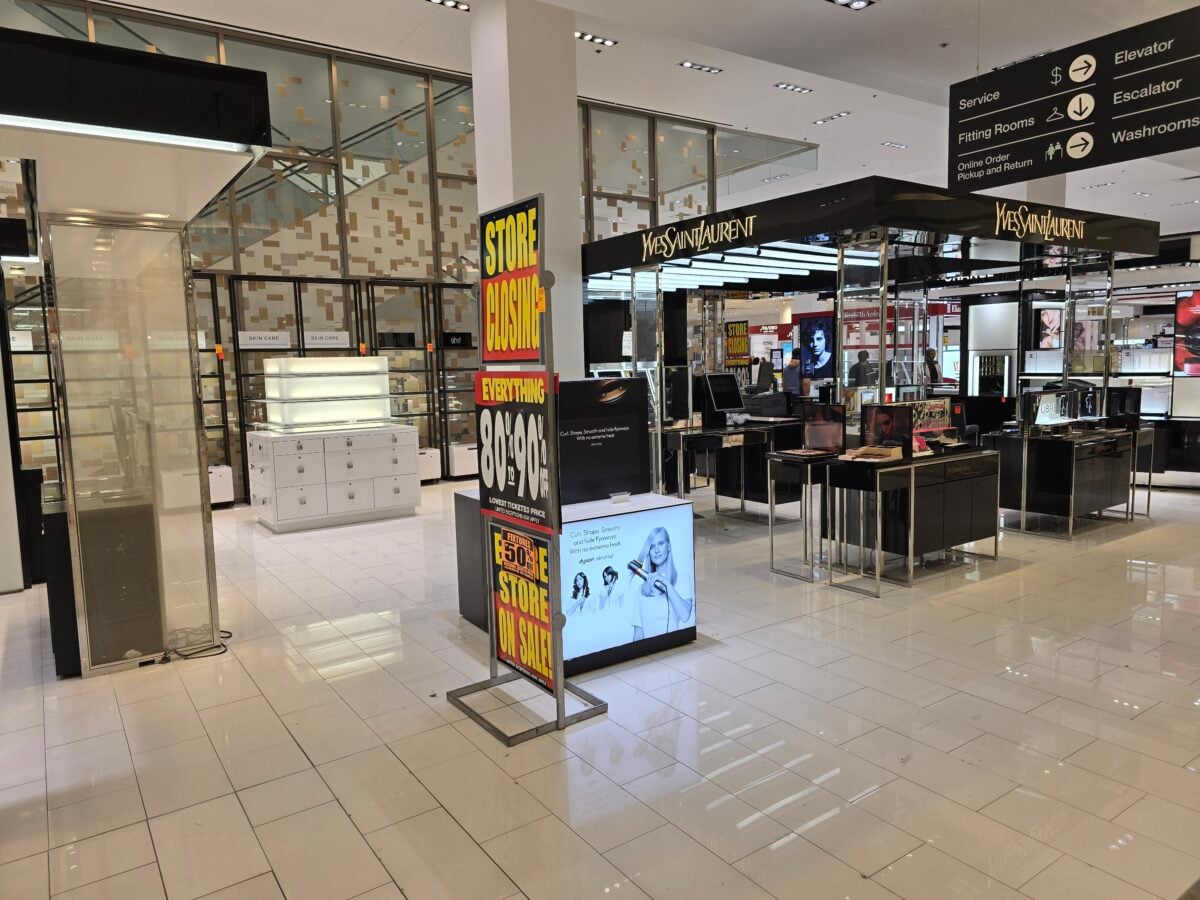
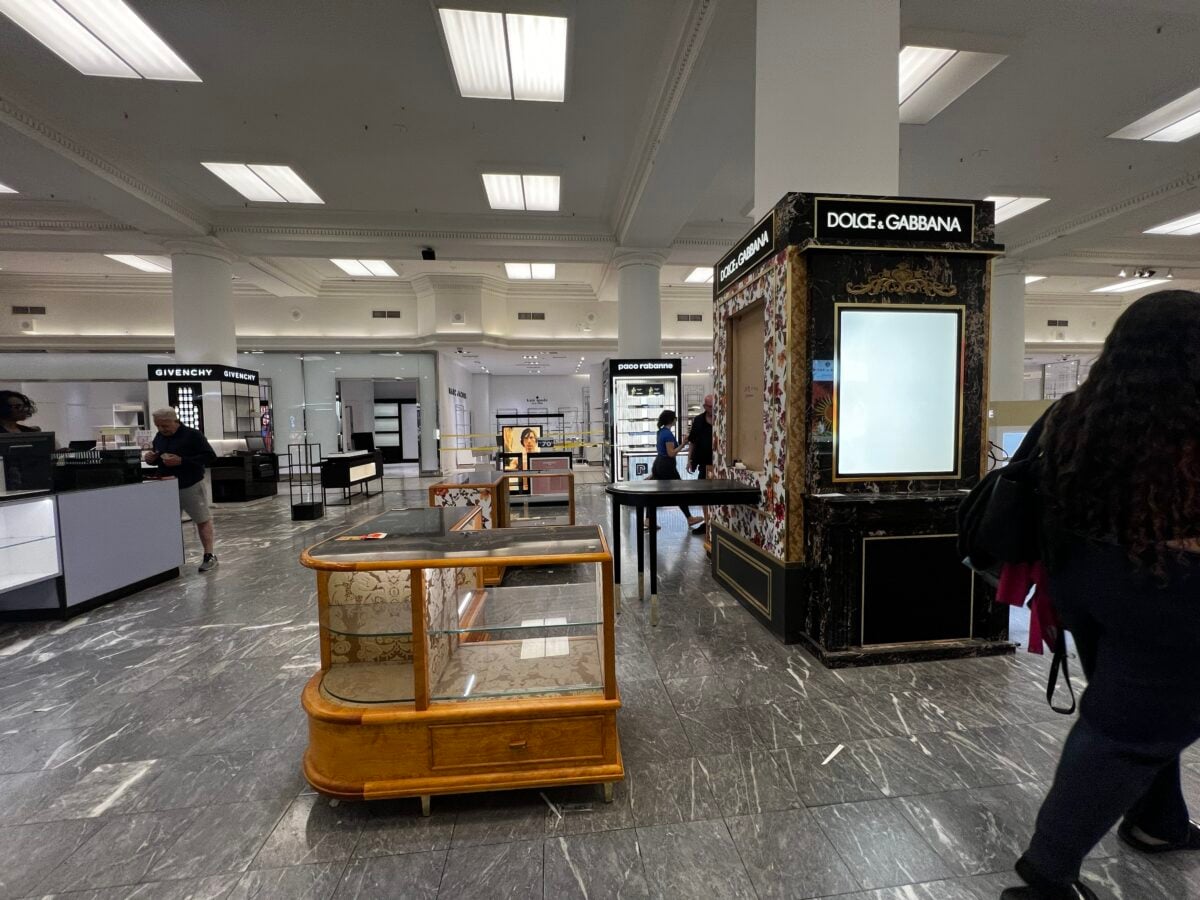
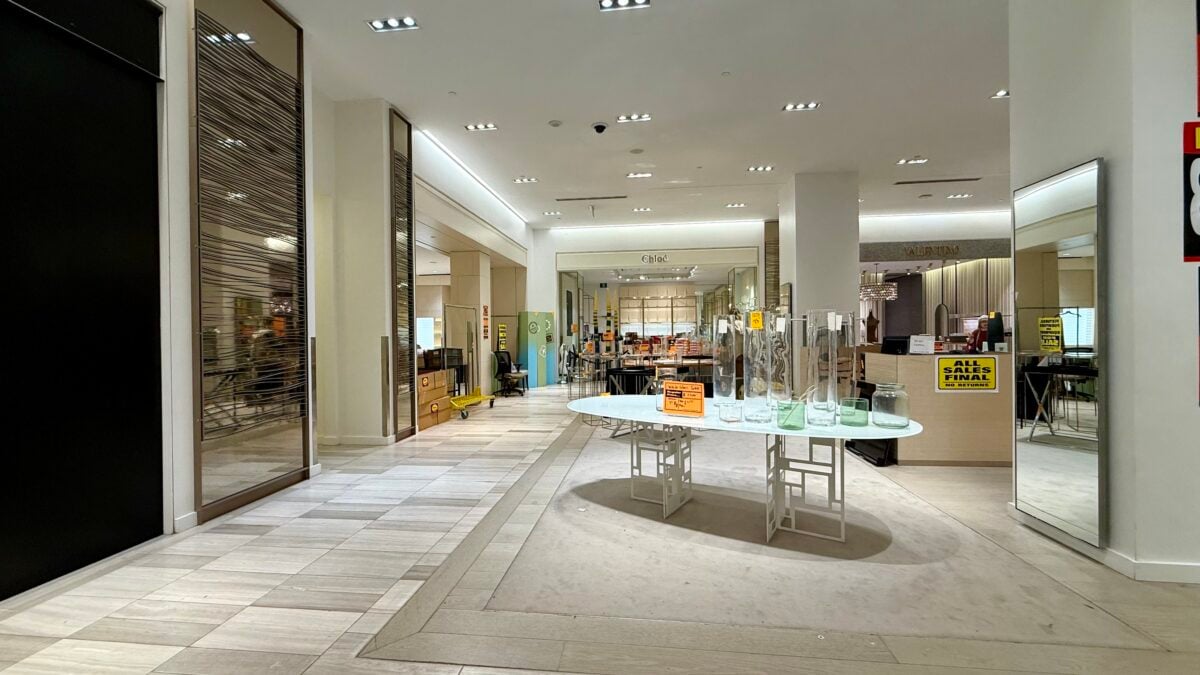
The doors have officially closed. On Sunday, June 1, 2025, the Hudson’s Bay Company ended its centuries-long run as a department store chain in Canada. After months of liquidation sales and public speculation, the retailer’s final locations, including its once-iconic downtown flagships, ceased operations, drawing to a close one of the most storied and enduring chapters in Canadian commerce. What was once the world’s longest continually operating commercial enterprise as a department store chain is now relegated to history books, marking a sobering moment for Canadian retail, culture, and national identity.
With Hudson’s Bay’s closure, Canada loses not only its last full-scale department store chain but also the final remnant of a retail format that once served as the commercial and social anchor of the nation’s urban centres and suburban malls. The end of Hudson’s Bay as a department store completes a decades-long unraveling of the country’s department store sector.
The closures follow earlier exits by other iconic department stores that once defined Canadian retail. Eaton’s, once the largest department store chain in the country, declared bankruptcy in 1999. Simpsons, which had been acquired by Hudson’s Bay in 1978, was fully absorbed and rebranded in 1991. Woodward’s, a Vancouver-based competitor, was acquired by HBC in 1993. Sears Canada, which had become the nation’s dominant mid-market chain for much of the late 20th century, was liquidated in 2018. Now, with Hudson’s Bay gone, the department store model—once the primary destination for apparel, housewares, cosmetics, and life milestones like bridal registries—has vanished entirely from the Canadian retail landscape.
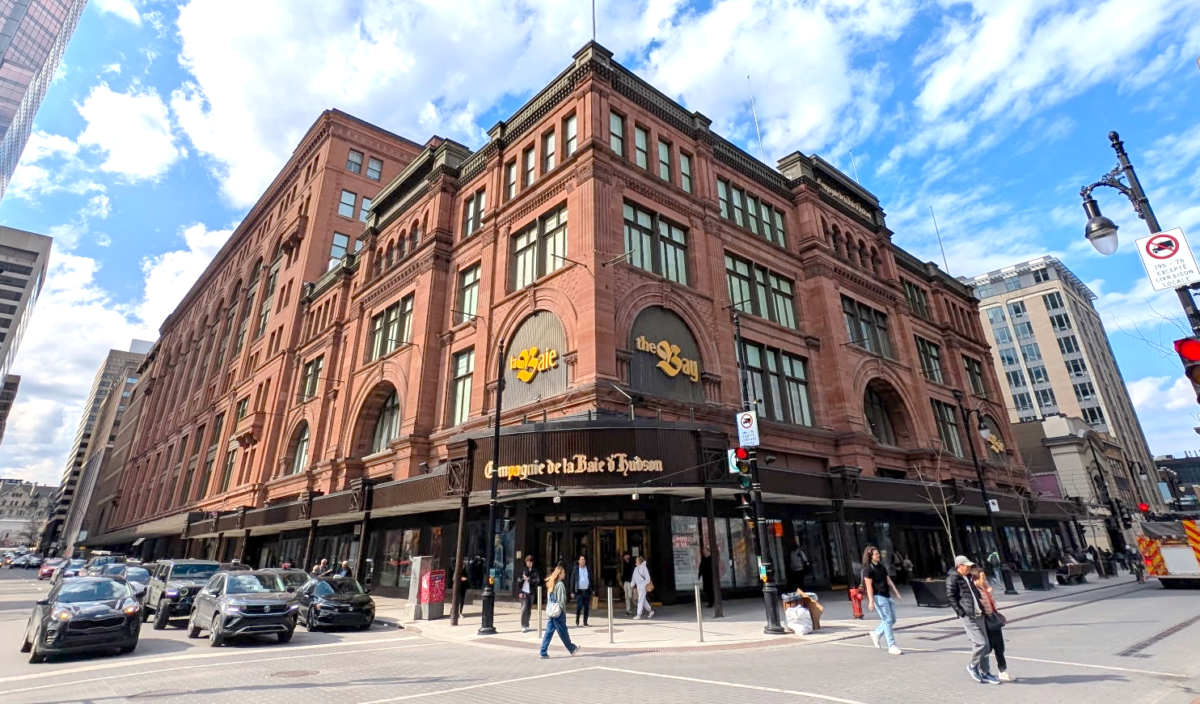
Hudson’s Bay flagship store in downtown Montreal on May 31, 2025. Photo: Maxime Frechette
The Last Downtown Flagships Go Dark
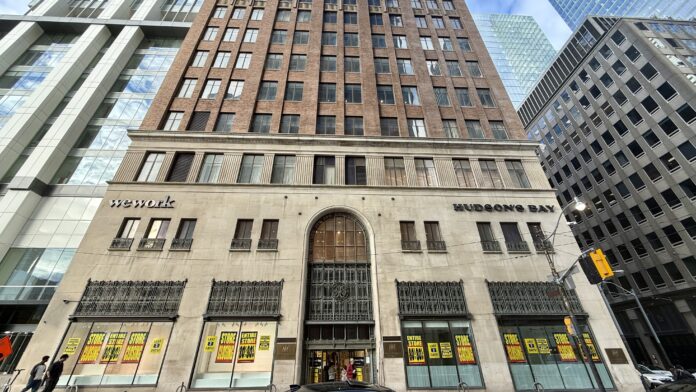
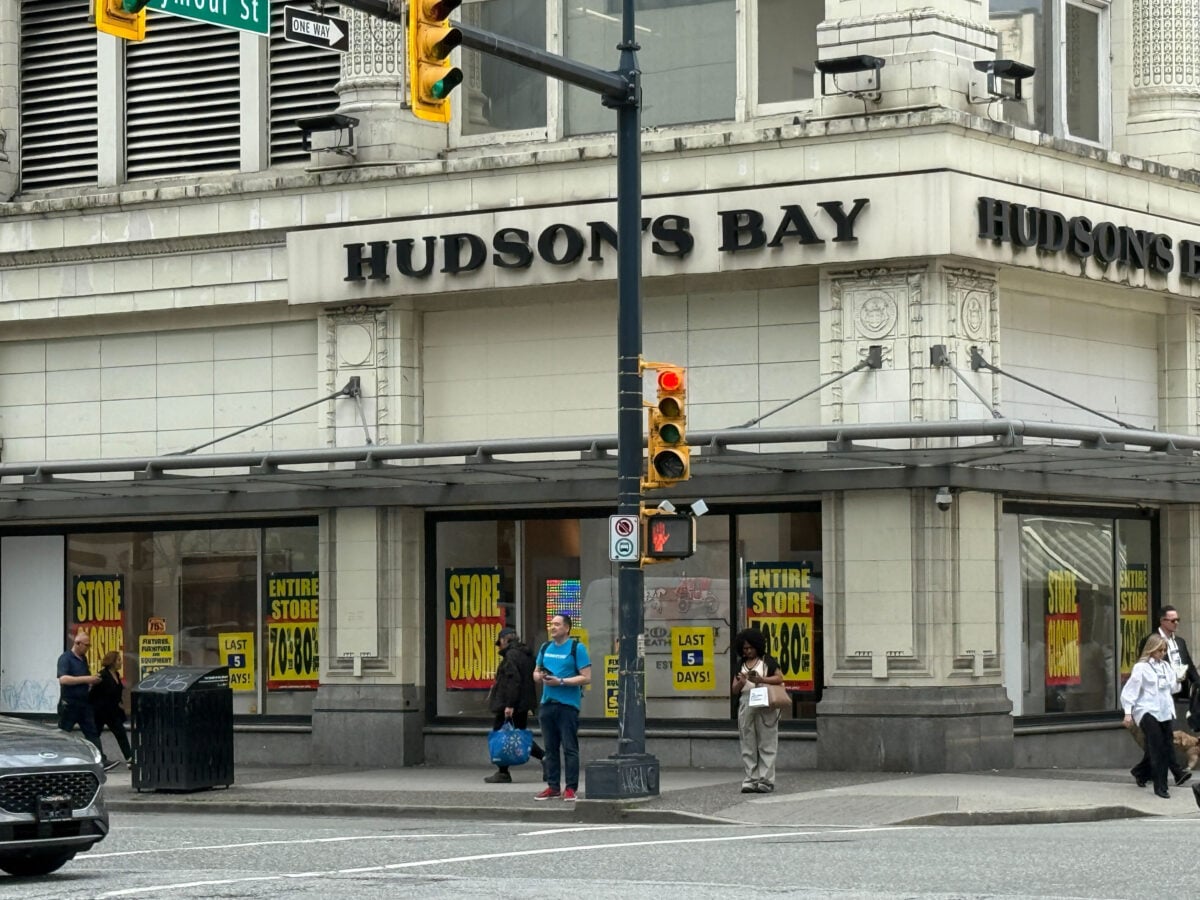
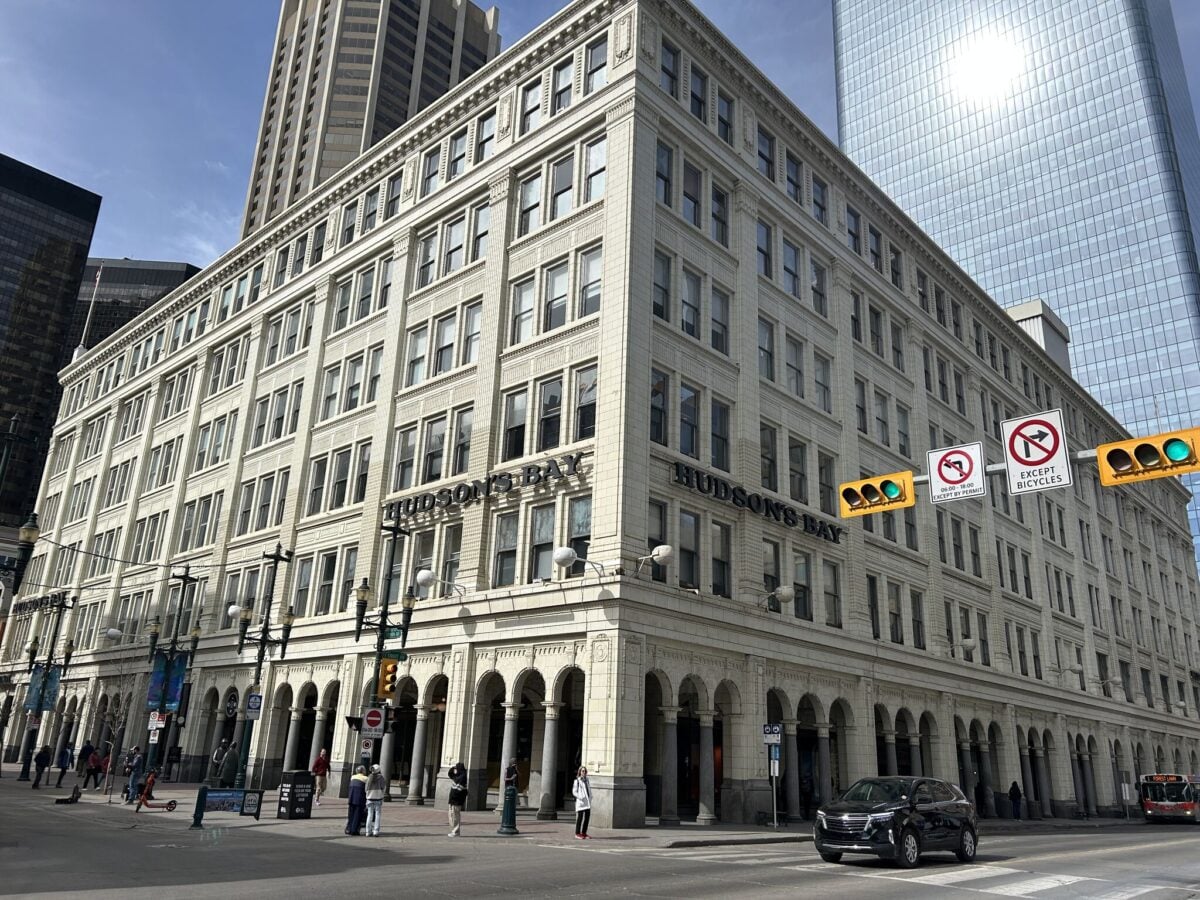
Perhaps the most visible and immediate consequence is the vacuum left in Canada’s major downtown cores. Flagship stores in Toronto, Vancouver, Montreal, Calgary and Ottawa have now all shuttered. In Toronto, the Queen Street flagship, originally the Simpsons flagship converted to Hudson’s Bay in 1991, closed after generations of serving as a central shopping destination. Vancouver’s Granville Street location has also gone dark, alongside the Montreal Sainte-Catherine Street location (formerly Morgan’s), Calgary’s Stephen Avenue flagship, and Ottawa’s store on Rideau Street (formerly Freiman’s).
The closure of these landmark flagships leaves vast amounts of prime downtown real estate vacant, wiping away major anchors that had served as commercial, social, and even architectural icons in the urban core. The shutdown of these flagship properties marks the first time in well over a century that Canada’s largest cities will no longer have full-line department stores operating in their downtowns.
Weihong (Ruby) Liu, who acquired 28 suburban Hudson’s Bay store leases for her new yet-to-be-named department store concept, excluded these flagship locations from her bid. Her acquisition focuses on suburban properties that offer more immediate redevelopment potential. As a result, the historic core of Hudson’s Bay’s department store empire is being left behind, and the future of these enormous properties remains uncertain.
Hudson’s Bay Queen Street flagship store in Toronto on May 31, 2025. Photo: Craig Patterson
The End of an Institution With Deep Canadian Roots
For many Canadians, Hudson’s Bay was far more than a department store. Its history is deeply intertwined with the very creation of the country. Chartered in 1670 by King Charles II of England, the Hudson’s Bay Company (HBC) began as a fur trading enterprise. Its royal charter granted it exclusive trading rights over Rupert’s Land, which covered approximately 40 percent of present-day Canada. The company’s early trading posts, including York Factory, Fort Garry, and Fort Edmonton, were instrumental not only in commerce but in the westward expansion of European settlers.
As the fur trade declined in the 19th century, HBC transformed into a major landholder, selling large portions of Rupert’s Land to the Canadian government in 1869. This transaction played a pivotal role in Canadian Confederation and western expansion. Over time, many of its trading posts evolved into general merchandise stores, setting the stage for its eventual transition into full-scale department store retailing.
By the 20th century, Hudson’s Bay had grown into Canada’s dominant department store operator, opening flagship stores across major cities. The chain became synonymous with Canadian family life, from back-to-school shopping and holiday gift-giving to bridal registries and household purchases. Its own private-label products, most notably the multistripe Hudson’s Bay point blanket, became recognized worldwide as Canadian icons.
Hudson’s Bay at Scarborough Town Centre on May 31, 2025. Photo: Rob Bartlett
A String of Strategic Acquisitions Built a National Giant
Hudson’s Bay’s dominant position in Canadian retail was built through several strategic acquisitions that gradually consolidated Canada’s department store industry under its banner. The 1960 acquisition of Morgan’s gave HBC its first major urban retail presence in Eastern Canada. Morgan’s Quebec locations would eventually be rebranded as La Baie, while other locations outside Quebec were converted into The Bay.
In 1978, Hudson’s Bay acquired Simpsons, one of its largest national competitors. Simpsons’ presence was strongest in Ontario, Quebec and Atlantic Canada, and its acquisition allowed HBC to finally operate coast-to-coast. By 1991, the Simpsons name was retired as stores were converted to the Hudson’s Bay brand.
The acquisition of discount chains Field’s and Zellers in 1978 allowed HBC to also compete in the discount segment, which was growing rapidly at the time. Woodward’s, based in Vancouver, was acquired in 1993 after struggling financially. Its acquisition eliminated HBC’s strongest western Canadian competitor and cemented Hudson’s Bay as the leading department store chain across the entire country.
The Zellers brand remained an important part of HBC’s portfolio for decades before most Zellers leases were sold to Target Canada in 2011. Target’s ill-fated expansion into Canada ultimately collapsed by 2015, leaving a gap in the mid-market retail segment that was never fully filled.
Hudson’s Bay flagship store in downtown Montreal on May 31, 2025. Photo: Maxime Frechette
The Shift to Foreign Ownership and Global Expansion
The latter decades of Hudson’s Bay’s existence saw a shift from Canadian ownership to foreign and private equity control. In 1979, HBC was sold to Kenneth Thomson but later passed into the hands of American financier Jerry Zucker. Following Zucker’s death, U.S. private equity firm NRDC Equity Partners, controlled by Richard Baker, acquired HBC in 2008.
Under Baker’s leadership, Hudson’s Bay pursued aggressive international expansion strategies. In January 2012, the company acquired U.S. department store Lord & Taylor, strengthening its presence in American retail. The following year, in 2013, HBC entered the luxury segment with its $2.9 billion USD acquisition of Saks Fifth Avenue and Saks OFF 5TH. In 2015, HBC expanded into Europe with the purchase of Germany’s Galeria Kaufhof, which was later merged with rival Karstadt to form Galeria Karstadt Kaufhof. The company continued to diversify with its 2016 acquisition of online luxury flash sale retailer Gilt Groupe.
While these international ventures temporarily positioned HBC as a global luxury retail and real estate conglomerate, most of the expansions failed to deliver sustained profitability. Mounting debt, operational challenges, and underperforming assets ultimately placed enormous financial strain on the organization.
Saks Fifth Avenue in the Hudson’s Bay Queen Street flagship store in Toronto on May 31, 2025. Photo: Craig Patterson
The Pivot to Real Estate and Digital Operations
By the early 2020s, as financial pressures mounted, Hudson’s Bay began restructuring its operations into separate entities. Its core business was divided into Hudson’s Bay (department store retail), Saks (luxury and digital retail), Saks OFF 5TH (off-price retail), and HBC Properties and Investments (real estate holdings). Significant investment went into digital channels, with Saks.com spun out as a standalone entity in 2021, backed by private equity investor Insight Partners.
Even with these moves, Hudson’s Bay’s physical stores continued to see declining foot traffic, as consumer habits shifted rapidly to online shopping, especially during and after the COVID-19 pandemic. Despite investment in technology and digital operations, the company was unable to reverse the deteriorating performance of its traditional department store locations. Falling revenue coincided with a lack of investment, as stores were left to languish with non-functioning escalators and failing HVAC systems.
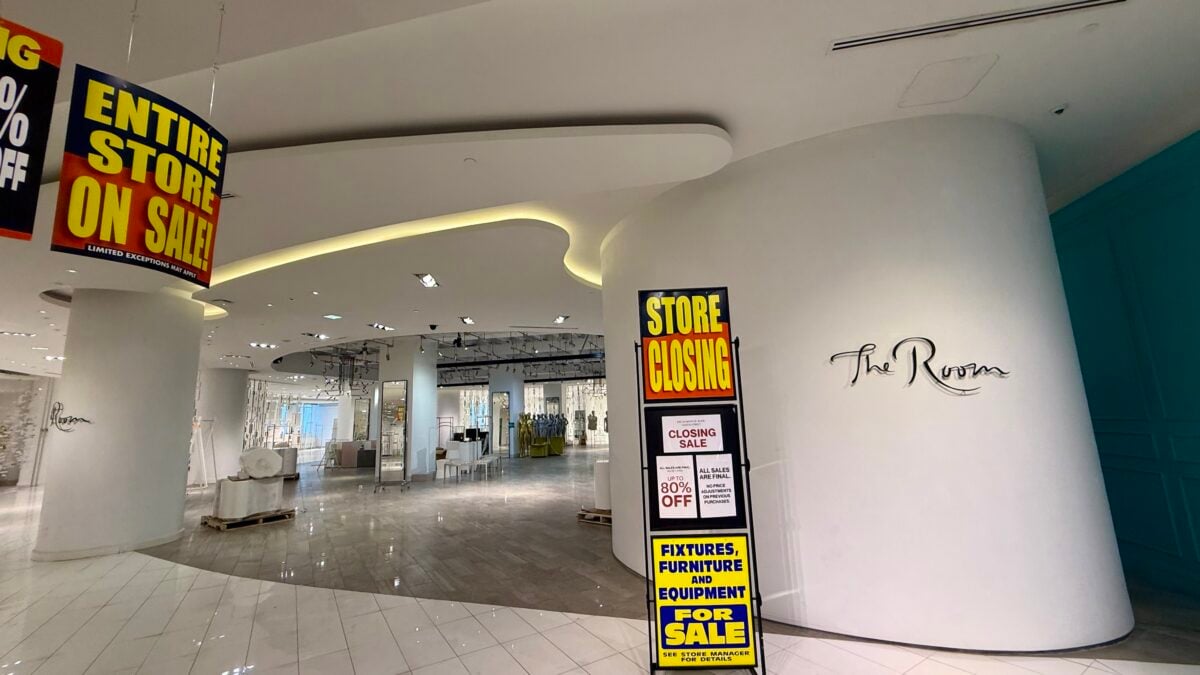
The Room women’s luxury department at the Hudson’s Bay Queen Street flagship store in Toronto on May 31, 2025. Photo: Craig Patterson
2025: The Financial Collapse
By March 2025, Hudson’s Bay’s financial situation had reached a breaking point. On March 7, 2025, the company filed for creditor protection under Canada’s Companies’ Creditors Arrangement Act (CCAA). At the time of filing, Hudson’s Bay was operating 80 Hudson’s Bay stores, three Saks Fifth Avenue stores, and 13 Saks OFF 5TH locations across Canada.
Liquidation sales began on March 24, with full closures scheduled through mid-June. In total, approximately 8,347 employees—nearly 90 percent of the company’s workforce—lost their jobs with more to come. Canadian Tire Corporation purchased the Hudson’s Bay intellectual property, including its branding and trademarks, for $30 million CAD. Meanwhile, Ruby Liu’s acquisition of 28 suburban store leases salvaged portions of the real estate portfolio, but excluded the flagship downtown locations that had long defined Hudson’s Bay’s public image.
Hudson’s Bay flagship store in downtown Vancouver on Wednesday, May 28, 2025. Photo: Lee Rivett
Real Estate Consequences and Urban Uncertainty
The closures of these large downtown department store locations leave behind significant real estate challenges. These flagship buildings occupy some of the most valuable and historic commercial real estate in the country. All are heritage-designated structures that will require extensive planning, capital investment, and creative vision to redevelop for new uses. Potential redevelopment scenarios include office conversion, institutional repurposing, mixed-use residential, or cultural uses. However, the sheer size and complexity of these buildings make adaptive reuse difficult, particularly in urban cores already contending with fluctuating office demand in a post-pandemic environment.
The absence of these department store anchors also creates ripple effects for surrounding downtown retail districts. Many nearby retailers depended on Hudson’s Bay’s ability to generate pedestrian traffic. Without that anchor tenant, downtown shopping areas face the risk of reduced footfall and declining vitality, not to mention vagrancy.
Downtown Montreal flagship Hudson’s Bay store on April 24, 2025. The building started as a location for the Henry Morgan department store chain, which in decades past operated as an upscale business. Photo: Carl Boutet
The Impact on Canada’s Retail Ecosystem
The end of Hudson’s Bay’s department store business creates significant ripple effects throughout Canada’s broader retail industry. Canadian apparel brands have lost a key national wholesale distribution channel, forcing many to rely more heavily on direct-to-consumer models, e-commerce marketplaces, and specialty boutiques. Cosmetics brands, particularly in the prestige segment, will shift more volume into specialty retailers such as Sephora and Shoppers Drug Mart. Traditional bridal registries, once a reliable Hudson’s Bay offering, have largely fragmented into smaller niche providers or online platforms. Home goods, housewares, and small appliance sales—categories where department stores once dominated—are also increasingly fragmented among big-box retailers and specialty chains.
Secondary suburban malls anchored by Hudson’s Bay stores are expected to experience challenges as foot traffic declines. While some suburban locations may be repurposed into new concepts under Ruby Liu’s ownership, many secondary malls may face longer-term uncertainty without the draw of a department store.
Consumers, who once relied on Hudson’s Bay as a one-stop shopping destination for everything from fashion to home décor, will now navigate a far more fragmented and multi-channel retail environment.
Hudson’s Bay downtown Calgary. Photo by Mario Toneguzzi
The Cultural Loss for Canadians
Beyond commerce, the closure of Hudson’s Bay represents the loss of a powerful cultural institution. Generations of Canadians shopped at Hudson’s Bay for back-to-school clothing, holiday gifts, wedding registries, and home essentials. The company’s fur trading origins were interwoven with the earliest moments of Canadian history, its stores expanded alongside the growth of the nation itself, and its products, like the Hudson’s Bay multistripe blanket, became globally recognized symbols of Canada.
For many Canadians, the closure of Hudson’s Bay department stores is not simply the loss of another retailer—it is the end of a living connection to Canada’s national story.
Lingering Questions About Ownership and Leadership
While the decline of department stores worldwide is well documented, many observers place considerable blame for Hudson’s Bay’s downfall on its most recent owner, Richard Baker. Critics argue that Baker failed to reinvest adequately in Hudson’s Bay’s physical stores and brand, prioritizing financial engineering, real estate transactions, and risky international acquisitions that ultimately proved unsuccessful.
As Hudson’s Bay struggled, questions mounted over where capital was allocated and whether the company’s core Canadian operations were sacrificed in pursuit of broader, more speculative ambitions abroad, including Saks Global.
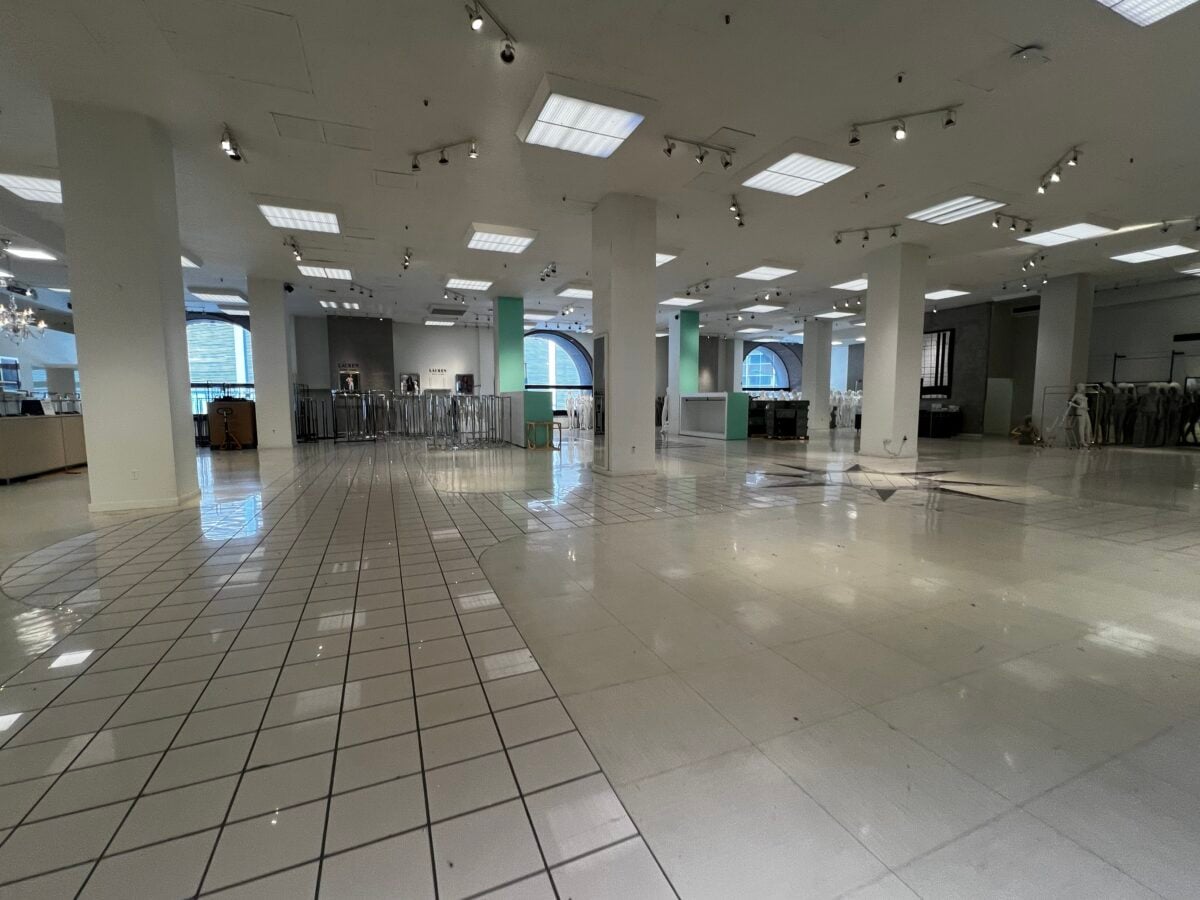
Third floor of the Hudson’s Bay Queen Street flagship store in Toronto on May 31, 2025. Photo: Craig Patterson
A Historic Transition Now Complete
The closure of Hudson’s Bay’s department stores marks one of the most extraordinary corporate life spans in history, spanning over three and a half centuries from its fur trading origins to its rise and fall as Canada’s dominant department store chain. Though Canadian Tire’s acquisition of the Hudson’s Bay intellectual property may preserve aspects of the brand in some form, and Ruby Liu’s forthcoming suburban department store concept may capture certain retail opportunities, neither will replace what Hudson’s Bay represented to generations of Canadians.
The final store closures on June 1, 2025, signify not just the end of a company, but the end of an era in Canadian commerce, culture, and identity.