Home Blog Page 438

Tahini’s CEO on Bitcoin, franchising, and U.S. expansion

Tahini's
Tahini's

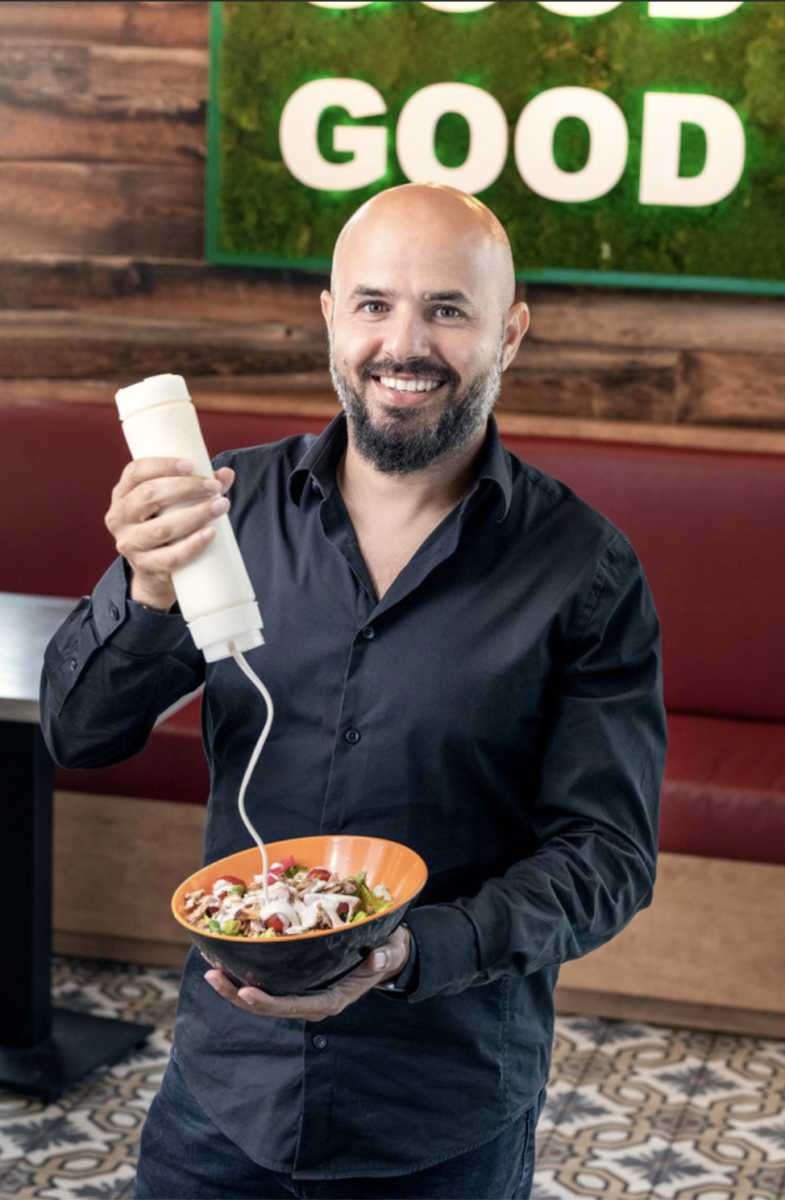
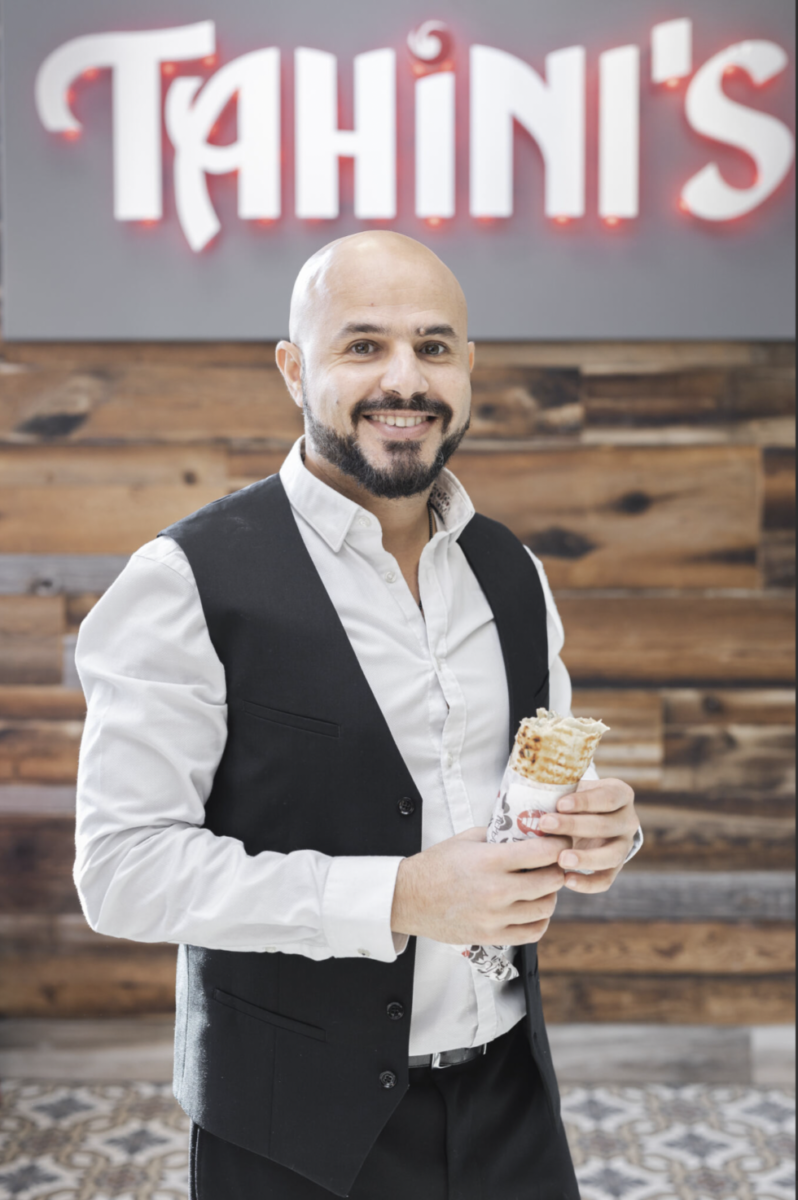
Tahini’s Restaurants, Canada’s fastest-growing Mediterranean fusion chain, continues to expand and Omar Hamam, its Co-founder and CEO, has found an unlikely but lucrative ingredient in his restaurant group’s business recipe—Bitcoin.

In an interview with Retail Insider, Hamam shared the bold decision the company made during the height of the pandemic to convert part of its cash reserves into cryptocurrency.

Omar Hamam
Omar Hamam

“There was a lot going on with COVID, and the instability of the Canadian dollar—it was very unpredictable,” said Hamam. “They were printing money like crazy. And we thought, well, printing money has never been a good idea throughout history.”

Looking for a hedge against inflation, the company turned to Bitcoin in 2020 as a treasury reserve asset.

“You’re not just battling the day-to-day challenges of running a business—work, competition—you’re also battling inflation,” said Hamam. “So, we decided to hold our reserves in Bitcoin.”

Hamam called the move “an amazing idea,” crediting his brother’s advocacy of Bitcoin and inspiration from companies like MicroStrategy.

“We were following MicroStrategy—Michael Saylor, if you know him. That’s what he did, and he did very well. So we thought, let’s preserve our value in Bitcoin.”

The decision has paid off handsomely.

“We’ve done something like 300 to 400% returns on our Bitcoin since we invested, which is huge. Imagine putting in $100 and getting $400,” said Hamam. “It’s definitely been a good investment for us.”

But Hamam is quick to note the volatility.

“With Bitcoin, you have to understand—it’s a roller coaster. It’s not for the weak-hearted. But if you believe in it and wait through the ups and downs, it goes up over time. You just need patience.”

Tahini’s has made Bitcoin part of its ongoing strategy.

Omar Hamam
Omar Hamam

“Every month, we take some money and put it into Bitcoin. That’s the strategy,” said Hamam. “Any Bitcoin advocate will tell you—buy consistently, regardless of highs or lows. It averages out over time.”

The strategy has also started influencing operations and franchising.

“Well, we don’t accept Bitcoin as payment in-store—yet. We’d love to, but it’s not available right now in Canada,” said Hamam.

Instead, the company has partnered with Bitcoin ATM providers.

“Some of our restaurants have Bitcoin booths where customers can buy Bitcoin. Not all—it’s voluntary for franchisees. And they can choose to be paid in dollars or Bitcoin,” he said. “If they choose Bitcoin, it can grow in value over time.”

The cryptocurrency strategy has brought financial stability to the brand.

“When our cash reserve builds up—and it did because of Bitcoin—it gives you the stability that you need through the turmoils of any business.”

Tahini’s currently operates exclusively in Canada but is making its first move across the border.

Rockford, Illinois is the company’s first location south of the border.

Bitcoin is part of the long-term vision for U.S. expansion too.

“Once we open more stores in the States, we’d love to offer Bitcoin as a payment option for customers. That’s the plan,” he said. “Right now we’ll only have one location, but more are in the pipeline.”

 Tahini’s is a unique, category leading quick service restaurant group founded in 2012 and currently operating more than 60 locations across Canada, in addition to operating Tahini’s Kitchen within select FreshCo locations, a Sobey’s banner, and offering a selection of Tahini’s retail packaged products through select grocers. The brand has been fueled by nearly 2 billion views across all of its social media channels and is preparing for rapid growth across Canada and internationally.   

Related Retail Insider stories:

RONA Foundation presents $1.3M to 8 Canadian NPOs through its 2025 Build from the Heart program

RONA+ Charlemagne (Image: RONA)

The RONA Foundation, which oversees the philanthropic activities of RONA inc., one of Canada’s leading home improvement retailers operating and servicing some 425 corporate and affiliated dealer stores, will present a total of $1.3M to eight non-profit organizations (NPOs) across the country through its 2025 Build from the Heart program.

This initiative, which was launched in 2022, is designed to provide financial support to NPOs with projects aimed at revitalizing a living environment or facilitating access to housing for victims of domestic violence and their children, low-income families, and people with disabilities or mental health issues, said the Foundation, adding that the beneficiary organizations were selected earlier this year following a call for applications. A selection committee studied the projects and made their decision based on a rigorous evaluation grid.

Catherine Laporte
Catherine Laporte

“At the RONA Foundation, we care deeply about improving life in the communities where we take root. Given that access to housing is a major challenge that underscores the vulnerability of many Canadians, we are committed to supporting this cause,” said Catherine Laporte, Chair of the Foundation Board of Directors and Senior Vice-President, Marketing and Customer Experience at the retailer.

The program raised funds through a mix of initiatives, including:  

  • A fundraising campaign that took place in all RONA+ and RONA corporate stores and online at rona.ca, from April 21 to May 31, 2025.
  • The new “Win Your Renovations” contest, which gave customers who donated $15 or more a chance to win one of three RONA gift cards, including one for $25,000 and two for $1,000.
  • A partnership with several major appliance vendors (Amana, Bosch, Electrolux, Frigidaire, Frigidaire Gallery, GE – MABE, KitchenAid, LG, LG Studio, Maytag, Midea, Samsung, and Whirlpool), who donated $5 to the RONA Foundation for every major appliance sold in stores and online from April 17 to May 28.
  • The RONA Foundation’s annual Golf Day, held at the Club de Golf La Vallée du Richelieu on July 7, 2025, which was attended by many RONA vendors.
Josée Lafitte
Josée Lafitte

“The Golf Day was an incredible demonstration of solidarity,” said Foundation Director Josée Lafitte. “Thank you to our partners, customers and donors. Every action counts. I would like to express my sincere gratitude to each of them for their generosity and support. Together, we can make a difference.”

The RONA Foundation is a charity established in 1998, whose mission is to help improve the quality of life of Canadians in need by revitalizing their living environments or making it easier to access housing. In particular, it aims to help victims of domestic violence and their children, low-income families, and people with disabilities or mental health issues.

Organizations Supported by the Build from the Heart Program in 2025

ProvinceNameAmount received
AlbertaHabitat for Humanity Edmonton$100,000
British ColumbiaHollyburn Community Services Society$150,000
ManitobaGenesis House$50,000
Nova ScotiaHabitat for Humanity Nova Scotia$50,000
OntarioGillian’s Place$300,000
OntarioLanark County Interval House and Community Support$300,000
QuébecLa Traversée$300,000
SaskatchewanMoose Jaw Women’s Transition House$50,000

To learn more about the organizations and projects that will receive funding through the Build from the Heart program, visit https://www.ronainc.ca/en/corporate-responsibility/communities/our-campaigns.

RONA inc. is one of Canada’s leading home improvement retailers headquartered in Boucherville, Québec. The RONA inc. network operates or services some 425 corporate and affiliated dealer stores under the RONA+, RONA, and Dick’s Lumber banners.

Related Retail Insider stories:

Jersey Milk Discontinued Amid Economic Pressures

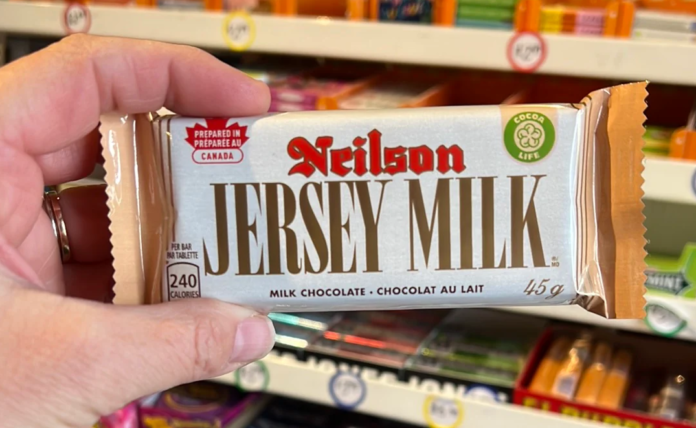
Jersey Milk chocolate bar. Photo: Dessart Sweets Ice Cream & Candy Store

It appears Jersey Milk Chocolate is gone after all—despite weeks of corporate denials. Mondelez has now confirmed the product is being discontinued. While the company claims no jobs will be lost—a credible assertion given that Jersey Milk was produced alongside other brands like Caramilk and Mr. Big at the Gladstone plant in Toronto—the move reflects a broader strategic shift. This is less about nostalgia and more about economics: Jersey Milk had become a low-volume product that consumed relatively high production resources. In short, it no longer made financial sense.

What’s troubling, though, is the lack of transparency. It took weeks of speculation and online chatter for the company to finally acknowledge the product’s discontinuation. Companies rarely announce product retirements voluntarily, especially when it involves a legacy brand like Jersey Milk—an iconic Canadian chocolate bar first introduced by William Neilson Ltd. in 1924, beloved by generations for its simple, creamy profile and its essential role in summer s’mores.

From an economic perspective, the decision is understandable. Input costs, particularly cocoa, have surged dramatically. Cocoa prices have hovered between $7,500 and $9,000 USD per metric ton—three to four times the historical average. Since December 2023, the market has remained above $4,000 USD per metric ton, putting immense pressure on manufacturers like Mondelez, who have had to renegotiate contracts amid volatile commodity markets.

Some may dismiss this as the loss of “just a chocolate bar.” But confectionery, like other discretionary food items, acts as a bellwether for consumer confidence and purchasing power. You don’t need chocolate to survive, but its availability and variety reflect economic health. When manufacturers start pulling brands from shelves—especially those made domestically, as opposed to imported products like the recently discontinued Cherry Blossom—it raises larger questions about our domestic economy.

Canada’s economy is facing a paradox: our population is growing, yet our productivity and real income levels are not. As a result, food processors and retailers are under pressure to streamline offerings and focus only on what sells best. The disappearance of familiar products from grocery aisles is symptomatic of a broader issue—slowing investment, economic stagnation, and increased homogeneity on retail shelves.

And fewer choices don’t just reflect a lack of innovation—they have real consequences. Less variety means less competition, which often leads to higher prices. When iconic products quietly vanish, market power becomes more concentrated in fewer hands, giving large players greater pricing latitude. In the long run, consumers pay more not just financially, but in lost culinary diversity.

In a more prosperous context, another brand might emerge to fill Jersey Milk’s place. But in today’s Canada—where consumers are stretching every dollar just to get by—product innovation becomes riskier, and companies are less inclined to take chances.

Jersey Milk’s quiet exit is more than a nostalgic loss. It is a subtle economic signal. When variety disappears, it’s often because choice has become a luxury. Chocolate isn’t essential for survival—but in times like these, small comforts matter more than ever.

More from Retail Insider:

How the MT4 Trading Platform Empowers the Modern Retail Investor

Retail investing has come a long way. It’s no longer limited to building a slow-moving portfolio of funds and waiting for long-term gains. Today’s investors are taking more control, learning faster, and diversifying their income in ways that weren’t possible a decade ago.

Technology is a big part of that shift. And for millions of self-directed traders around the world, the MT4 trading platform is still one of the most practical, trusted, and effective tools to make it happen.

While newer platforms get a lot of attention, MetaTrader 4 continues to serve as a foundation for modern retail traders who want flexibility, precision, and real-time access to global markets. Yes, the features are great, but it’s about enabling smarter strategies, whether you’re trading part-time, building a side income, or looking for more control over your financial outcomes.

A Platform That Meets Traders Where They Are

Retail investors today are tech-savvy, curious, and more hands-on with their money. They’re looking beyond passive investing and into markets like forex and CFDs, where timing and strategy make a real difference.

That doesn’t mean everyone’s aiming to trade full-time. However, it does mean that more people are adding active trading to their financial toolbox, especially those interested in short-term market moves, hedge opportunities, or strategy-based income.

For these individuals, MetaTrader 4 offers something rare: a platform that’s robust enough for serious trading, yet still accessible to those starting out. It doesn’t overwhelm users with clutter. It focuses on what actually matters: execution, data, and control.

Why MT4 Still Holds Its Ground

With so many platforms launching each year, why has MT4 stayed so widely used?

Fast, Stable, and Lightweight

MT4 is built for efficiency. It runs smoothly on most devices, loads charts quickly, and doesn’t demand high processing power. For traders managing their activity alongside a day job or other commitments, this kind of speed and simplicity matters.

Whether you’re opening a quick position on a news-driven spike or monitoring a few setups in the background, MT4 lets you do it without lag or distraction.

Real-Time Charting and Analysis

Good decisions come from clear data. MT4’s charting tools offer just that: clean visuals, reliable price feeds, and full control over how you view the market.

You can customise timeframes, add indicators like MACD or RSI, and draw levels to support technical strategies. This isn’t just useful for short-term traders. Even investors exploring swing setups or macro-driven positions benefit from the precision of these tools.

Automation Through Expert Advisors

One of MT4’s most valuable features is its support for automated trading via Expert Advisors (EAs). These are scripts that let you test and run strategies automatically, based on specific rules and market conditions.

This is a game-changer for traders who want to stay systematic, or who simply don’t have time to watch charts all day. Many modern retail investors are now exploring automation as a way to reduce emotional trading, free up time, or scale up a strategy that’s already working.

Plus, because MT4 has been around for years, the EA ecosystem is massive. Whether you’re coding your own or using a third-party solution, the tools are there.

Supporting the Rise of Self-Directed Finance

There’s a wider trend happening in personal finance: more people are building their own wealth strategies outside traditional channels. That could mean starting a business, building an online income, or trading markets part-time.

Platforms like MT4 fit perfectly into this landscape. They give everyday people access to the same types of markets, data, and execution that professionals use, without needing a degree in finance or a huge starting capital.

And because MT4 is offered by many top-tier brokers, onboarding is straightforward. You can open an account, practise with virtual funds, and move to live trading when you’re ready, all without switching platforms.

Why MT4 Works for Modern Diversification

Traders want different options. MT4 supports this by giving retail investors access to a wide range of instruments beyond just currency pairs. From commodities like gold and oil, to stock index CFDs, to crypto (via CFDs), MT4 offers flexibility without overcomplication.

For investors who want to…

  • Hedge currency exposure
  • Take advantage of geopolitical trends
  • Trade high-volatility events
  • Diversify beyond traditional assets

MT4 serves as a central hub. It keeps everything in one place, streamlining both the strategy and execution side of trading.

Empowering Decision-Making, Not Guesswork

One of the reasons traders stay with MT4 is that it supports better decisions. The platform helps you refine your approach.

You can:

Backtest strategies ✔️

Track past trades and outcomes ✔️

Set up alerts for price action ✔️

Manage risk with stop-loss and take-profit tools ✔️

This is the difference between “trying trading” and actually building a method that fits your lifestyle and goals. Whether you trade once a day or once a week, MT4 supports consistency, and that’s what makes a difference over time.

A Community That Adds Value

Because MT4 has been a leading platform for years, there’s an enormous community of traders, educators, developers, and analysts who continue to support it.

That means it’s easier to find tutorials, customise your setup, download or purchase EAs, and get help when you need it.

You’re not on your own. The knowledge base around MT4 is deep and constantly growing, which gives retail traders a better shot at success, especially in the early stages of learning the ropes.

Global Reach, Local Access

MT4’s design allows traders to participate in global markets without needing a complex setup. You can trade major sessions, respond to real-time news, and use different currency pairs or CFDs from anywhere in the world.

And because it integrates easily with many brokers, including ThinkMarkets, the user experience is smooth whether you’re on a desktop at home or managing positions from your mobile on the go.

That kind of flexibility is essential in 2025. Retail traders don’t sit in front of multi-screen setups all day. They’re mobile, dynamic, and often fitting trading around other priorities. MT4 adapts to that reality.

The Role of MT4 in Long-Term Financial Habits

Trading platforms influence how people approach money, risk, and discipline. MT4 has played a role in helping everyday investors treat trading as a process, not a guess. By making powerful tools available to everyone, it has supported a shift in how financial independence is pursued through self-education, strategy, and action.

Even traders who eventually move on to other systems often credit MT4 for helping them build their foundation. That says something about its relevance and reliability.

Practical, Proven, Still Powerful

MT4 has lasted because it delivers what real traders actually need. In 2025, retail investing isn’t about doing what institutions do. It’s about having access to the same tools, but using them on your own terms. MT4 empowers that by combining speed, flexibility, and user control in a way that newer platforms often overcomplicate.

It remains the smart choice for anyone looking to diversify their income, explore active trading, or simply understand the markets more deeply. And in a time when financial flexibility is more valuable than ever, that makes MT4 just as relevant now as when it first launched.

FAQs

Is MT4 still a good choice for beginners?

Yes. MT4 offers a user-friendly layout that’s easy to navigate, even if you’re new to trading. It’s simple enough to learn on, but powerful enough to grow with as your strategy develops.

Can I trade more than just forex on MT4?

You can. MT4 supports CFDs on a range of instruments, including commodities, indices, and even cryptocurrencies (depending on your broker). This gives you more flexibility when building a diversified strategy.

Do I need to know coding to use Expert Advisors (EAs)?

Not necessarily. While EAs are built using MQL4, many are available ready-made. You can download or purchase EAs and run them on your MT4 platform without needing to code them yourself.

Is MT4 mobile-friendly?

Yes. The MT4 mobile app allows you to place trades, manage positions, and monitor charts on the go. It’s a great option for traders who need flexibility during the day.


Loulou Lollipop: Vancouver-based baby brand eyes international growth and retail expansion

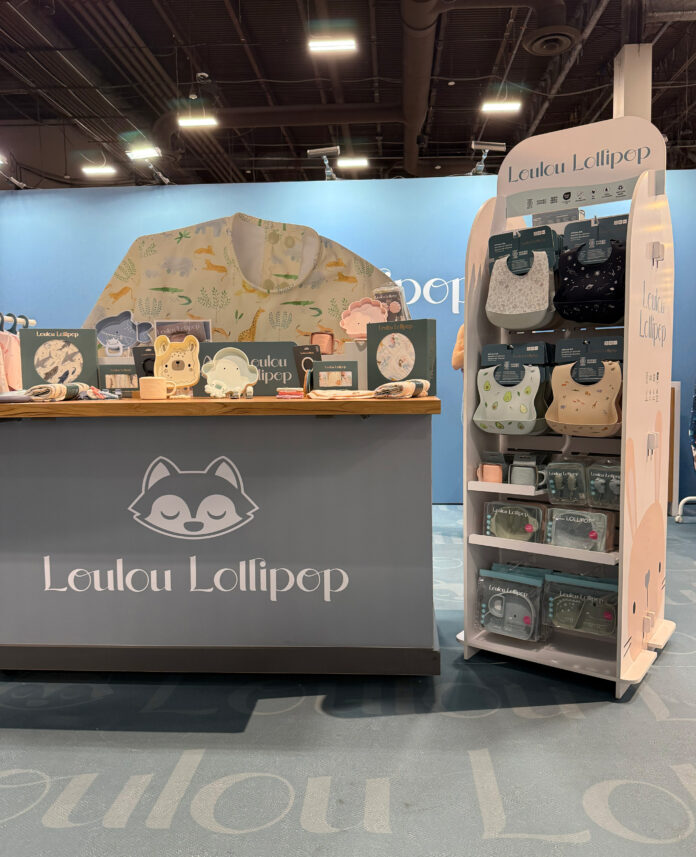
Photo: Loulou Lollipop

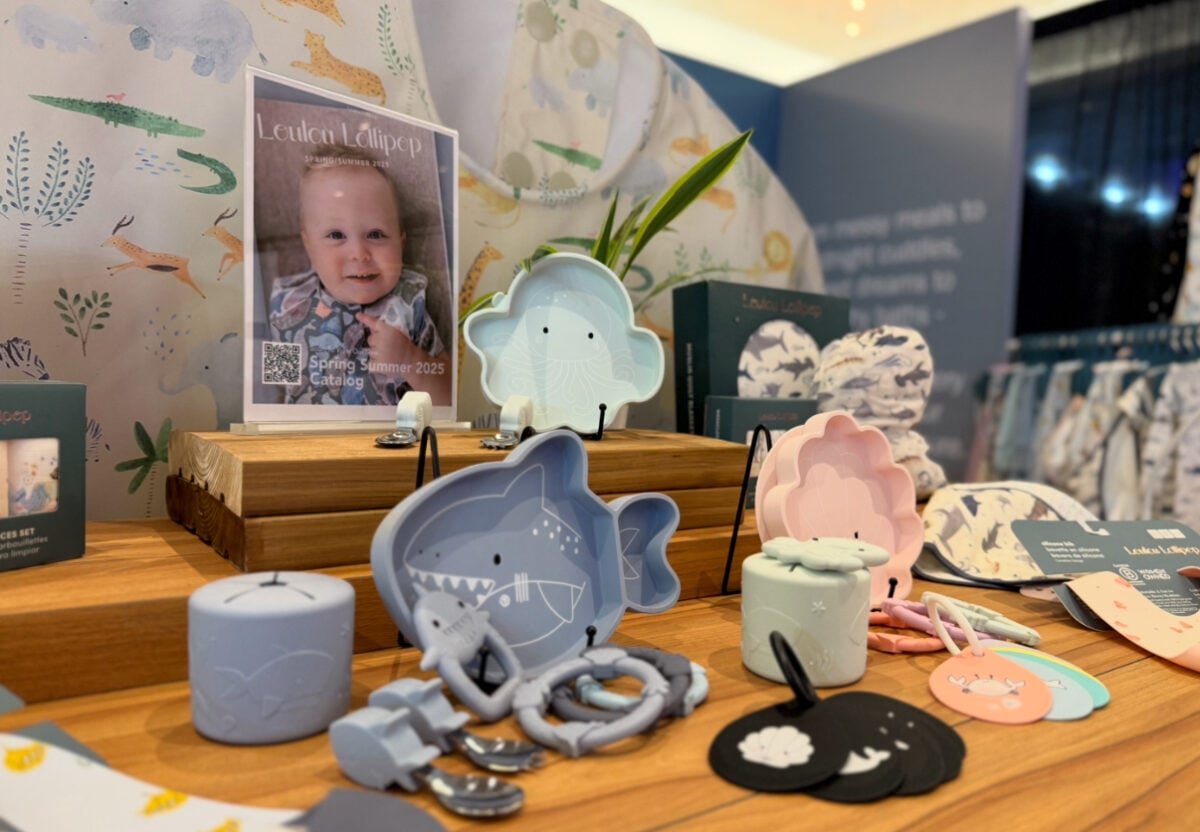
Loulou Lollipop, a Vancouver-based baby lifestyle brand known for its safe, stylish, and functional products, is marking 10 years in business with plans to expand internationally and explore physical retail.

Co-founded by Eleanor Lee and Angel Kho in 2015, the idea for the company began with a personal need.

“I was a new mom and then I was looking for a teething necklace at that time,” said Lee. “I saw a gap in the market and there was nothing like that in the Canadian market that I liked—more safe and stylishly designed products that would reflect my style and my value. So I thought that could be something other moms are looking for.”’

Eleanor Lee and Angel Kho

The company launched with one product—a teething necklace—driven by a deep belief in building “something meaningful and different,” said Lee. “At that time, there was no business plan, no investor.”

Kho, who joined from the start, said she was intrigued by the concept. “When Eleanor shared the idea with me, I had not heard of teething necklaces. My kids were a little bit older, they were out of the teething phase already, and it was something that I thought was quite intriguing and interesting,” said Kho. “My kids grew up with those plastic gel-filled teething toys that I knew at that time were not very safe. I remember one time, as I was checking out at the grocery store, I had to keep my girl busy and using a car key—I only had a car key in hand—I gave her a car key. And as I was paying and turned around, I saw her putting the car key in her mouth. It was just shocking. I was like, oh dear, what have I done? But she survived. She’s 18 now.”

Today, the company has grown far beyond necklaces, offering a range of products across several categories.

The company has been on an aggressive growth trend and in the past few months alone the company has:

  • Participated in the ABC Kids Expo – North America’s largest baby and kids trade show
  • Launched in Taiwan, with strong early traction in the Asian market
  • Received a significant new order from Nordstrom
  • Secured new distribution in Spain, Portugal, Mexico, Amazon EU and TikTok Shop all launching this summer, with Vietnam later this year, massively expanding global reach
  • Continued to grow their retail presence across Canada and the U.S., all while staying true to their roots as a founder-led, purpose-driven business.

This growth complements current retail partnerships like West Coast Kids, Clement and Indigo in Canada and Bloomingdales, Target, Macy’s and Gap online in the US. Also Loulou Lollipop has won numerous awards for their products in recent months, including The Bump Best of Baby Award, the Parents Best for Baby Award, The Everymom Registry Award, and the PureWow Happy Kid Award. 

Loulou Lollipop is also a certified B Corp known for sustainable, design-forward essentials.

JamesConnell
JamesConnell

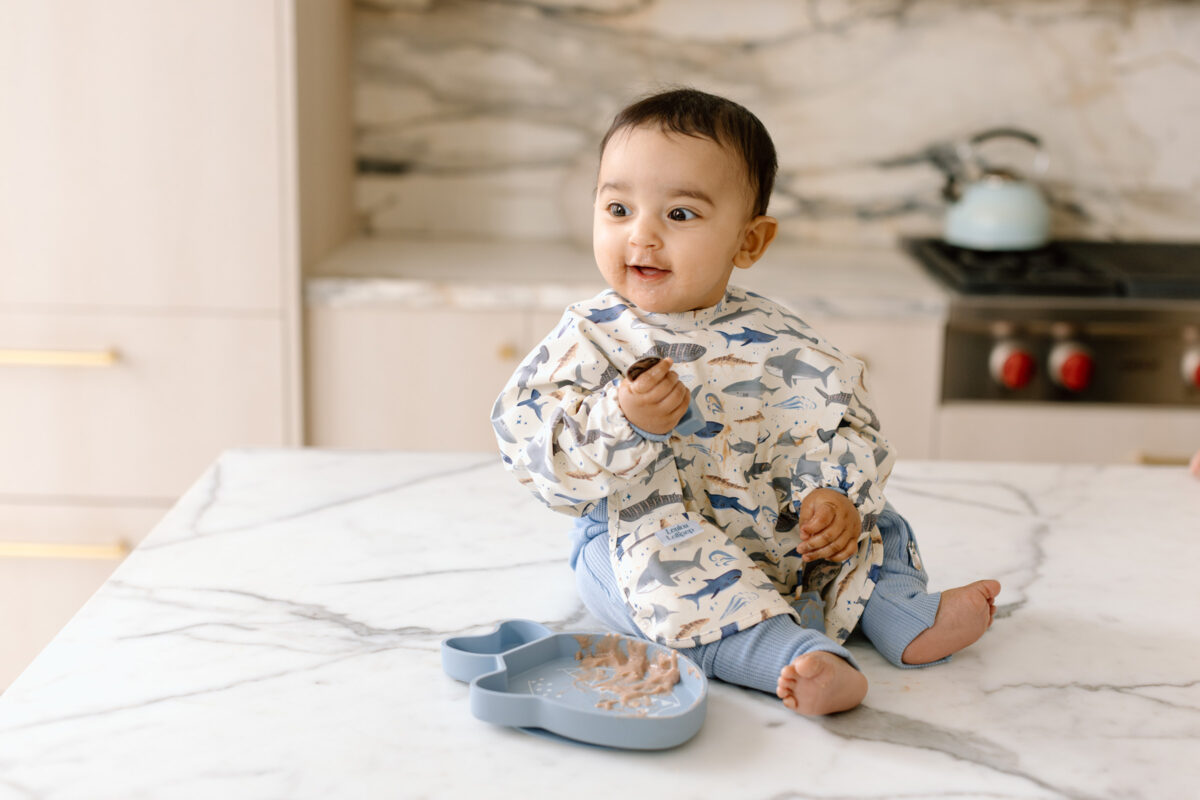
“(We have) the combination of sleepwear—so sleep bags, sleepers, swaddles—as well as a significant line of silicone tableware, so snack plates, cups, learning utensils, and then bath toys,” said James Connell, who recently joined the team as COO and CMO. “A number of different toys that sort of make bathtime more fun and enjoyable as well.”

The brand’s products are available through Loulou Lollipop’s own website, Amazon, and a wide range of retailers including West Coast Kids, Nordstrom, and Indigo Chapters.

“We also have recently started to expand internationally as well,” added Connell. “In the last few months, signed a distribution deal in Taiwan, as well as Latin America.”

Although Loulou Lollipop doesn’t currently operate physical stores, the founders see potential in having a retail presence.

“Yes, definitely,” said Kho. “We thought about it, and it’s more like in the horizon, I would say. We’re testing out with something small first, testing out with pop-up shops. And then at our headquarter in Richmond, we do have a very, I would say, a pretty great front space that we are going to turn into more like a retail experience this summer.”

Looking ahead, the company is focused on continued global expansion.

Angel Kho
Angel Kho

“I would say we’ll continue to expand internationally,” said Kho. “And also, we’ll definitely be looking at having more physical presence as well. Because we feel that a lot of our products—the pictures don’t do justice. Our products need to be seen and touched. And also having that interpersonal conversation with our customer—really understanding what they’re looking for, what they want from our products—it makes it very special.”

Operationally, the brand is also making supply chain shifts to better position itself amid global changes.

“That’s something that we’re currently working on,” said Connell, referring to a shift in production from China to Vietnam. “And have been prior to the announcement of tariffs.”

“Looking at diversification of our supply chain really helps mitigate challenges when it comes to potential tariffs, which we’re already seeing, as well as the fact that we’re starting to see costs rise with certain suppliers. So by looking at different suppliers globally, it allows us to not only maintain our commitment to sustainability and B Corp status, as well as get the best price for our customers and not be in a situation where we’re having to raise prices to adapt to new market changes or inflation.”

Asked whether U.S. tariffs have affected business strategy, Connell said the focus is on flexibility.

“It is such a moving target that what we say today, we may not necessarily believe tomorrow,” he said. “The U.S. market for us is important and will continue to be important. Nordstrom just placed a great new order.”

“That being said,” he added, “it’s equally as important to be in a new retailer in Taiwan or Spain or Mexico. So the more we can start to build a globally recognized brand that’s desirable around the world by families, the better off we’re going to be.”

Eleanor Lee
Eleanor Lee

Lee noted that the company is also seeing rising brand awareness at home.

“In the past, the U.S. market accounted for 80%. However, since COVID and the last few years with more marketing we are seeing an uptick of our brand in Canada. The Canadian market now accounts for 50%,” said Lee. “So in Canada, definitely we do see there’s a lot of room for growth. So we’ll continuously grow the brand in Canada and at the same time, just like James mentioned, we will continue to expand internationally to kind of de-risk and mitigate risk.”

Kho added: “There’s the old adage—don’t put all of your eggs in one basket. Right? So having that diversification is absolutely crucial. And also there are a lot of people going to different countries—Spain is definitely one of the top travel destinations, Taiwan is coming up, and also like Japan. So, for our customers to see our products in international countries—it really creates that desire. It’s like, oh wow. And also, making us as a Canadian brand really proud as well.”

Photo: Loulou Lollipop

When asked about the brand’s name, Lee explained its evolution.

“We actually came up with Lollipop first. Lollipop is a candy kids love a lot. And our first product was a teething necklace—something kids put in their mouth. So that’s why we felt that Lollipop was very fitting,” she said. “However, with Lollipop, the name is quite generic and it doesn’t really resonate with parents. We liked French culture, with a French aesthetic, and maybe we could create a name that’s a bit more sophisticated.

“Lulu came to mind. There are a couple of reasons—at that time there was Lulu magazine in Canada, and also lululemon. In French, ‘Lulu’ is actually a fashion way of calling a little kid. So we thought, oh, that’s actually a great name because we are creating products for children. So it is like children and a lollipop—and that’s how we landed on the name.”

Kho added, “It rolls off the tongue. We tried ‘bonbon,’ like candy, but ‘Loulou Lollipop’ just kind of rolls.”

Connell said the brand’s evolution includes the recent launch of a new brand icon.“I think that’s also part of the reason why we’ve launched a new brand icon, Wolfie, in the last few months,” he said. “That’s also really related to the fact that with our move into more aggressive branding over the past few months to try to be more recognizable in the market, which is proving to be successful and driving more demand. The Wolfie icon is also a loose translation of ‘wolf’ from French. So it allows us to have our sleepy Wolfie on our product and help it be more recognizable to consumers, not only in North America but also globally.”

Related Retail Insider stories:

Photo: Loulou Lollipop

Cleaning With Purpose: Guests on Earth redefining home care as next wellness frontier

Photo- Guests on Earth

A Toronto-based eco-friendly cleaning brand is making waves in the wellness and retail spaces by rethinking how consumers clean their homes—with purpose, innovation, and sustainability at its core.

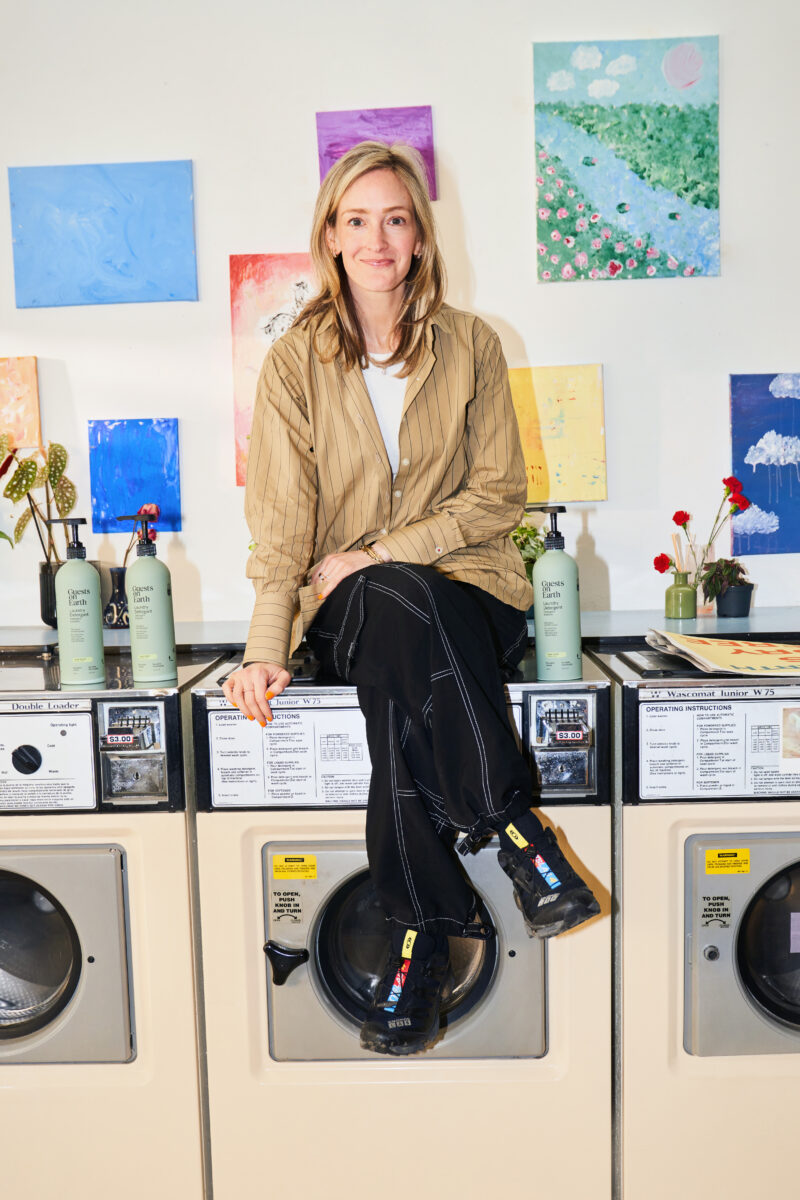
Jackie Prince, Founder of Guests on Earth, launched the company in March 2022, inspired by the challenges of home life during the pandemic.

Jackie Prince
Jackie Prince

“I was working from home during the pandemic and constantly cleaning up after my family and my kids, and really was just hating it,” said Prince. “It became this daily chore that loomed over me that I just knew I’d have to constantly do, and especially at that time when we were all about the Lysols and the kind of like kill everything around us. I felt like it was poisoning us.”

That moment led to a deeper awareness of both the health impacts of conventional cleaning products and the environmental issues surrounding packaging waste.

“I also became hyper aware of all of the recycling that was accumulating in the bins at a time where it felt like our consumption was really low,” she said. “I learned it’s actually only a small percentage of plastic that’s properly recycled.”

Her research led her to brands like Blueland in the U.S. and to the realization that “plastic recycling was kind of a myth created by the plastics industry.”

An experienced marketing and creative strategist who has worked in CPG, hospitality, tech, and social impact sectors—primarily in New York—Prince said she always had an entrepreneurial mindset and a desire to build a mission-driven brand.

“I’ve kind of started things on the side of working full time and this just seemed like the thing to really go for,” she said.

With a background rooted in social enterprise, she became aware of the B Corp movement and businesses driven by a triple bottom line.

“I saw that actually doing good business could be better for business,” she said.

Prince also noted larger cultural shifts as a signal for opportunity: “In food, people started paying a lot more attention like 20 years ago to the food that they would put into their bodies. Then 10 years ago it was more like skincare and beauty products and ingredients.”

The growing green cleaning category made sense from both a personal and business standpoint.

“I learned that the green cleaning space was growing at a much higher rate than regular cleaning,” said Prince.

A Product Line Designed for Planet, People—and Performance

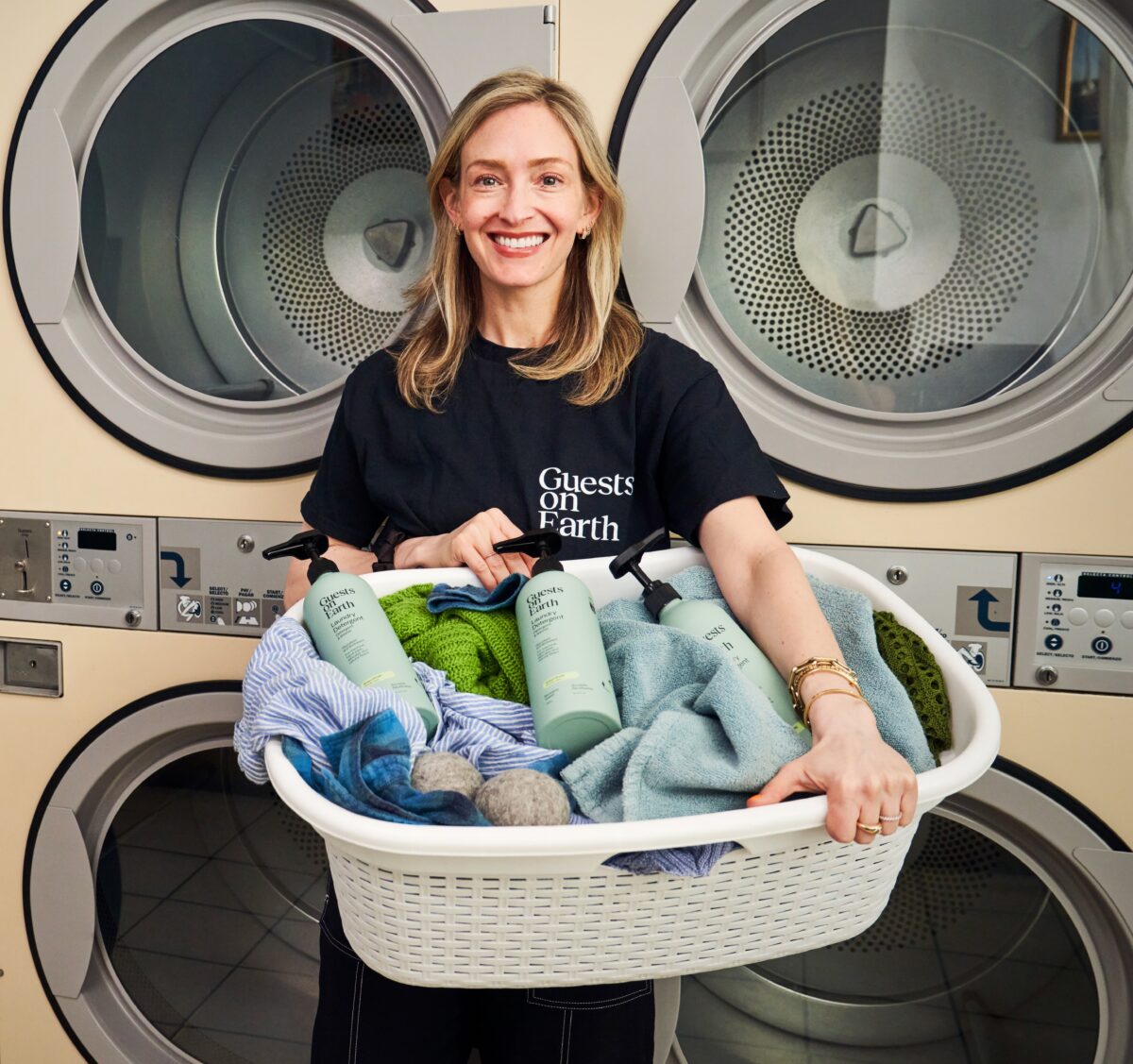
Guests on Earth debuted with two core products: an all-purpose cleaner and a foaming hand soap. Both come in reusable aluminum bottles and are paired with compact, refillable pouches.

“The idea is you just buy the bottles once and then ongoing you refill them,” Prince explained. “We have these small concentrated refill pouches made from 50% post-consumer recycled materials and one of these will make five full bottles of product.”

Customers simply dilute the concentrate with tap or filtered water at home. “We’re saving on space, we’re saving on emissions, formula packaging, weight of shipping things.”

The company has since expanded its line to include a dish soap—“which is innovative in that it starts as a liquid concentrate and then it thickens a bit with water”—and its most recent launch: a laundry detergent.

“This comes full because it’s incredibly concentrated already. It’s 50% active,” she said. “There’s a really great form factor to this, which is a pump . . . you’re just pumping this directly into the detergent dispenser.”

The laundry product has been in development for nearly two years and features biotech innovations for both “sustainability and clean ingredient standpoint and in cleaning power.”

Jackie Prince
Jackie Prince

From Direct-to-Consumer to Growing Retail Presence

Guests on Earth is currently 90% direct-to-consumer, with 10% of sales through retail. But that’s expected to change.

“We’re going to be focusing more on retail in the second half of this year and further into 2026,” said Prince. “We’d like retail to make up closer to 20% of our business by the end of the year.”

Retail partnerships include Well.ca, The Detox Market, Summerhill Market, Coco Market, Health Hut, Good Neighbour, and Erewhon in Los Angeles.

“The Detox Market, for example, in 2024—over 800 brands applied to be sold there, and they only accepted six. And we were one of the six brands to be accepted—and we’re their only cleaning brand,” she said. “That is really exciting for us because it speaks to our overall wellness proposition. We really see cleaning as the next untapped wellness frontier.”

The company uses the phrase home care is self-care, which Prince says reflects the company’s ethos: “When you take care of your home in this more considered, mindful way, you’re also taking better care of yourself and the products that you use and that you’re inviting into your home.”

Prince sees major potential in premium grocery and lifestyle retail.

“Whole Foods is a goal of ours. We’re a great Whole Foods product,” she said.

While the brand positions itself at a higher entry price point, it becomes cost-effective once customers switch to refill pouches. “The foaming hand soap, for example… ends up being $8 a bottle… The all-purpose ends up being $7… The dish ends up being $8 a bottle.”

Looking Ahead: Hospitality, Pop-Ups, and U.S. Expansion

Guests on Earth also sees opportunity in hospitality. The company is launching a new partnership with a residential real estate developer in Montreal.

“They’re including our great guest kits as welcome gifts into their new condo units,” said Prince. “Rentals and longer-term hospitality [are] a really great space that we’re hoping to explore more.”

Another future possibility: a physical store.

“It would be great one day to have a concept store that speaks to our larger vision and kind of how we view materials and experience,” she said. “We would try a pop-up and see how that goes. It could be a great way to introduce us to new markets.”

In the meantime, the brand is preparing for a high-profile collaboration. “We’re also working on an exciting collaboration with a brand based in Brooklyn that’ll help us kind of broaden our audience that way as well.”

As awareness around wellness continues to evolve, Guests on Earth is positioning itself as a brand with purpose, performance—and a strong pipeline of innovation.

Related Retail Insider stories:

Toronto’s Bananas brings bold, quirky retail to Midtown with a playful twist

Photo: Bananas
Photo: Bananas

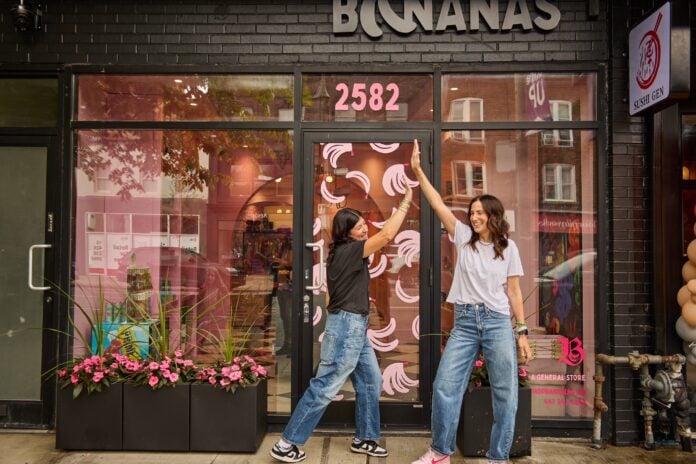
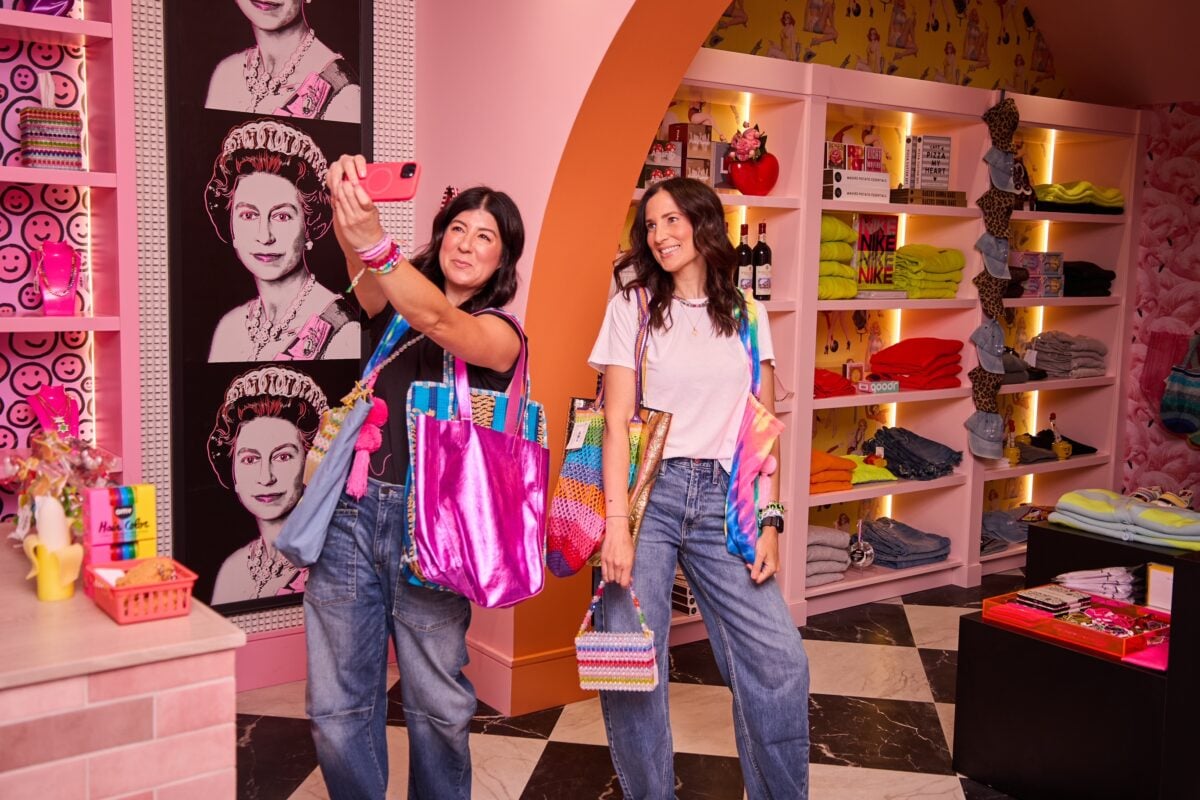
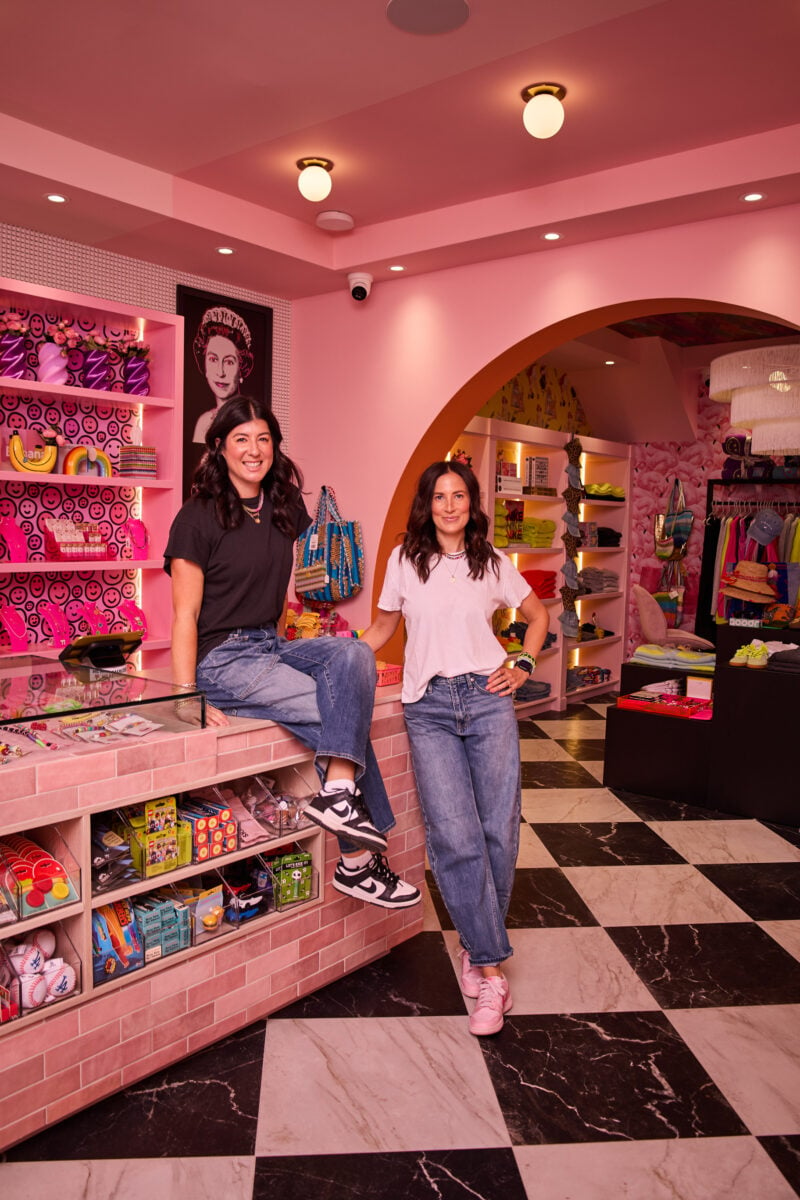
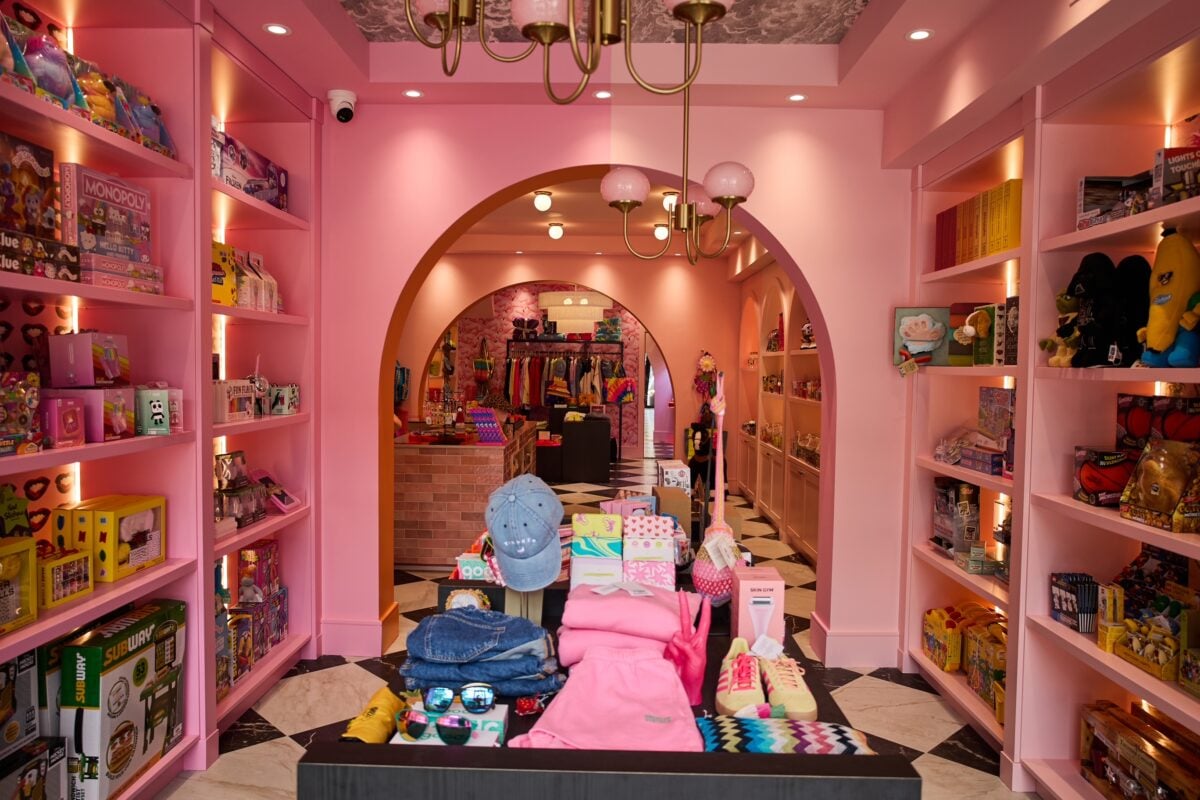
Bananas, a whimsical yet chic take on a classic general store has opened in midtown Toronto. Bananas offers shoppers a curated collection of products and a lovely reprieve from the grind of Yonge Street.

Bananas is the passion project of best friends and midtown residents, Joanna Stern and Lauren Shulman. Every item in the store has been handpicked by the duo and is the perfect blend of eccentric luxury – think artisan bags from Italy alongside the hottest squishes and fidgets! 

Photo: Bananas
Photo: Bananas

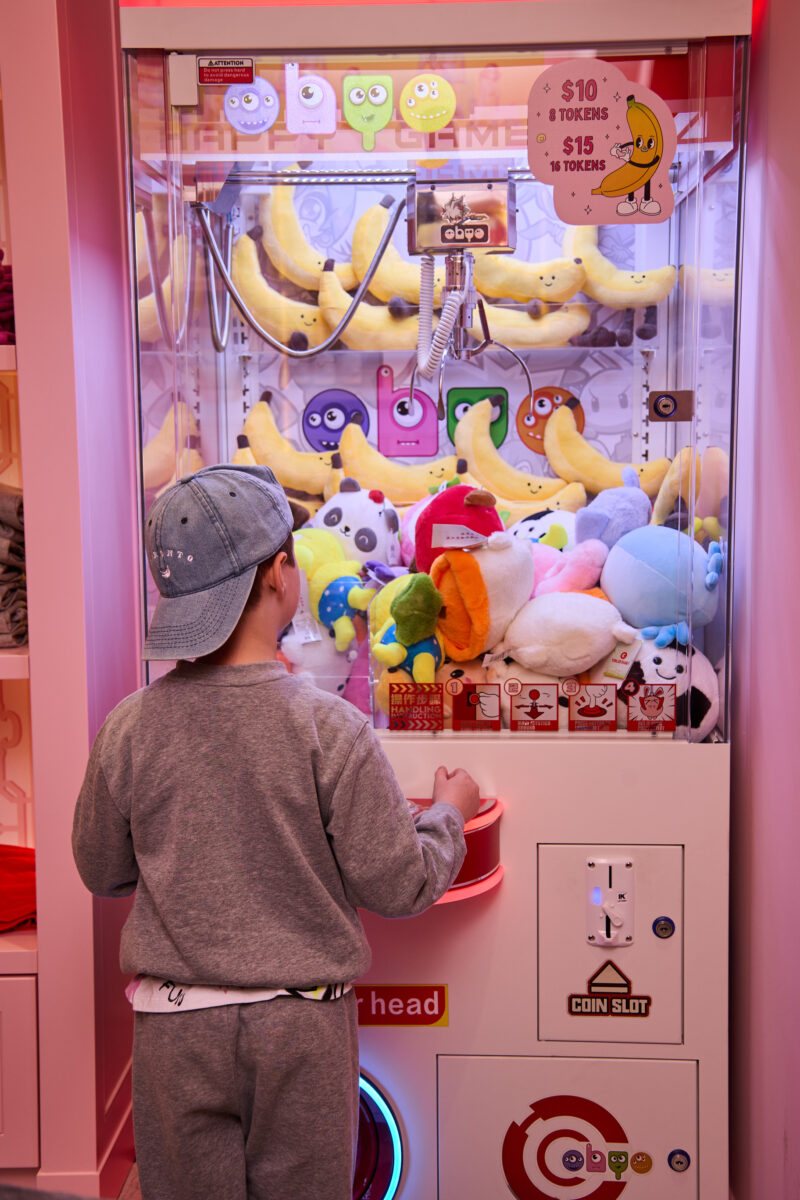
Bananas is more than a retail store, it is an experience – from the in-store claw machine to sweet treats from around the globe to one-of-kind home goods, shoppers will delight in this exciting addition to midtown Toronto.

“We opened on May 24,” said co-founder Shulman, who, alongside best friend and business partner Stern, launched the whimsical retail concept at 2582 Yonge Street. “We’re in Midtown Toronto… It’s a really great strip. A lot of amazing stores are opening or have opened here—Mandy’s, the Nut Bar, the Hut Smoothie Shop, Andrea’s Cookies, and Cocoa Market.

“I call it the Sporting Life block—it’s where I grew up walking as a kid. It feels like home. And we’re in great company,” said Stern.

The store spans 1,100 square feet, and, according to Shulman, the decision to open there was immediate. “This was actually the first spot we looked at. I’m an uptown girl, not really into downtown… It’s exactly what we wanted,” said Stern.

Photo: Bananas
Photo: Bananas

Before launching Bananas, the duo ran a boutique design studio. “It was called Smudge Designs. I did it for about 10 years,” said Shulman.

“Lauren joined a couple of years before we pivoted to Bananas. It was a boutique invitation and event design studio,” added Stern.

“Primarily we did printed invitations—letterpress, foil, traditional stuff,” Stern continued. “But we also did full event branding—logos, decor, dance floors, bar signage, that kind of thing.”

Eventually, burnout and a longing for a different creative outlet led them to retail. “We’ve always loved the idea of a traditional brick-and-mortar store,” Shulman said. “We love in-store shopping—that experience got lost during COVID when everything moved online. The event business was slowing down, and we were feeling burned out.”

“We had been dreaming about opening a store for years. We’d send each other stuff all the time—things we wanted to buy, things people would ask us about. It was just the perfect evolution. It gave us a fun new place to channel our creativity and energy.”

Photo: Bananas
Photo: Bananas

The name Bananas reflects the playful energy they’ve infused into every inch of the store. “’Bananas’ is just our slang—it’s how we describe something wild or crazy,” Stern explained. “We’re best friends, so there were always texts like, ‘That’s bananas!’ We wanted the store to reflect that feeling—fun, quirky, unexpected. We call it our happy place.”

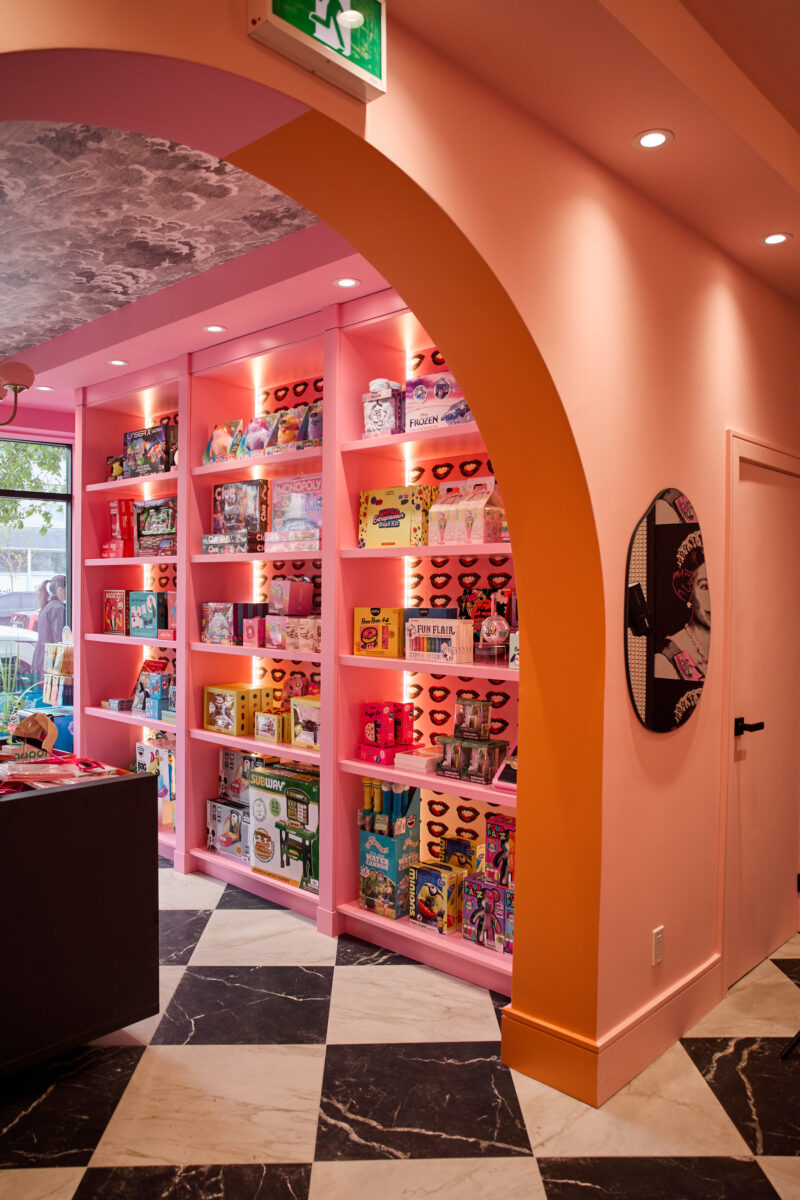
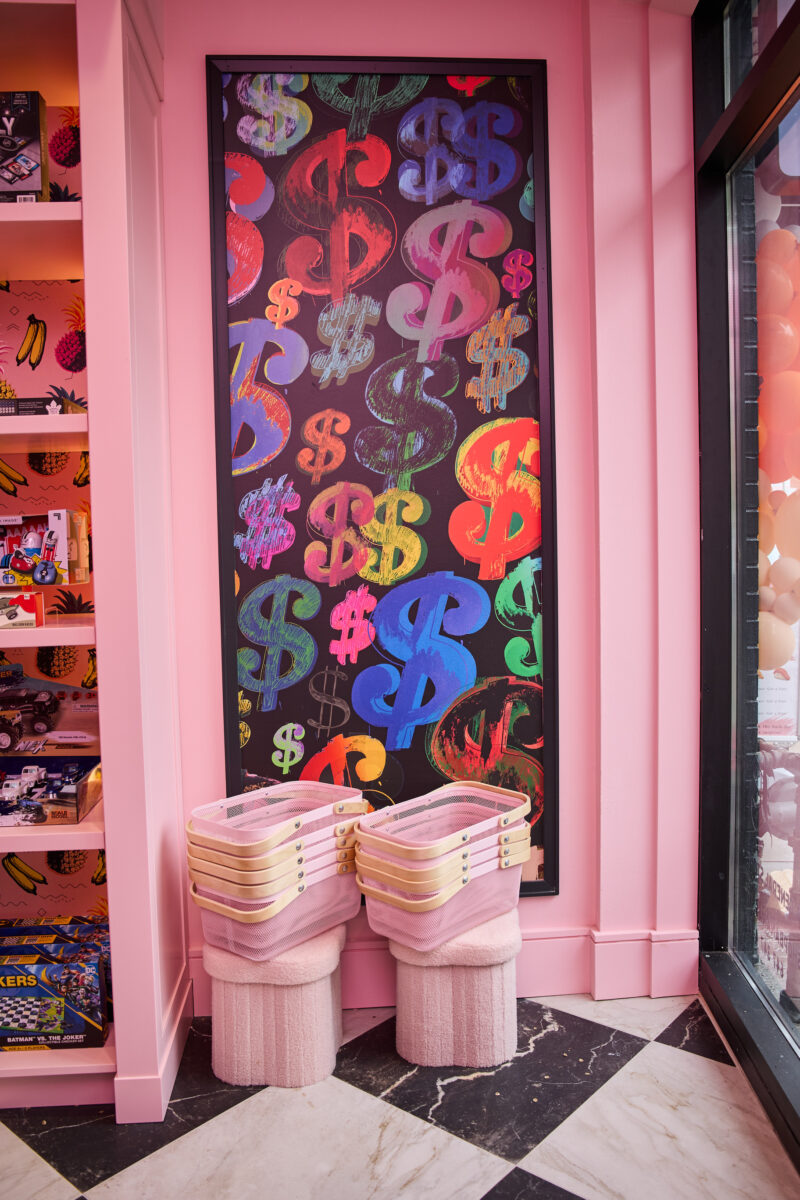
“It’s a play on the general store concept—only we made it bananas,” said Shulman. “The decor is wild: 12 different wallpapers, a painted ceiling, everything handpicked by us. It’s meant to feel like a little adventure.”

“It was really important to us that our personalities be reflected in the space,” Stern added. “We didn’t want it to feel generic or like just another retail store. We wanted it to feel like walking into our heads—colourful, exciting, full of surprises.”

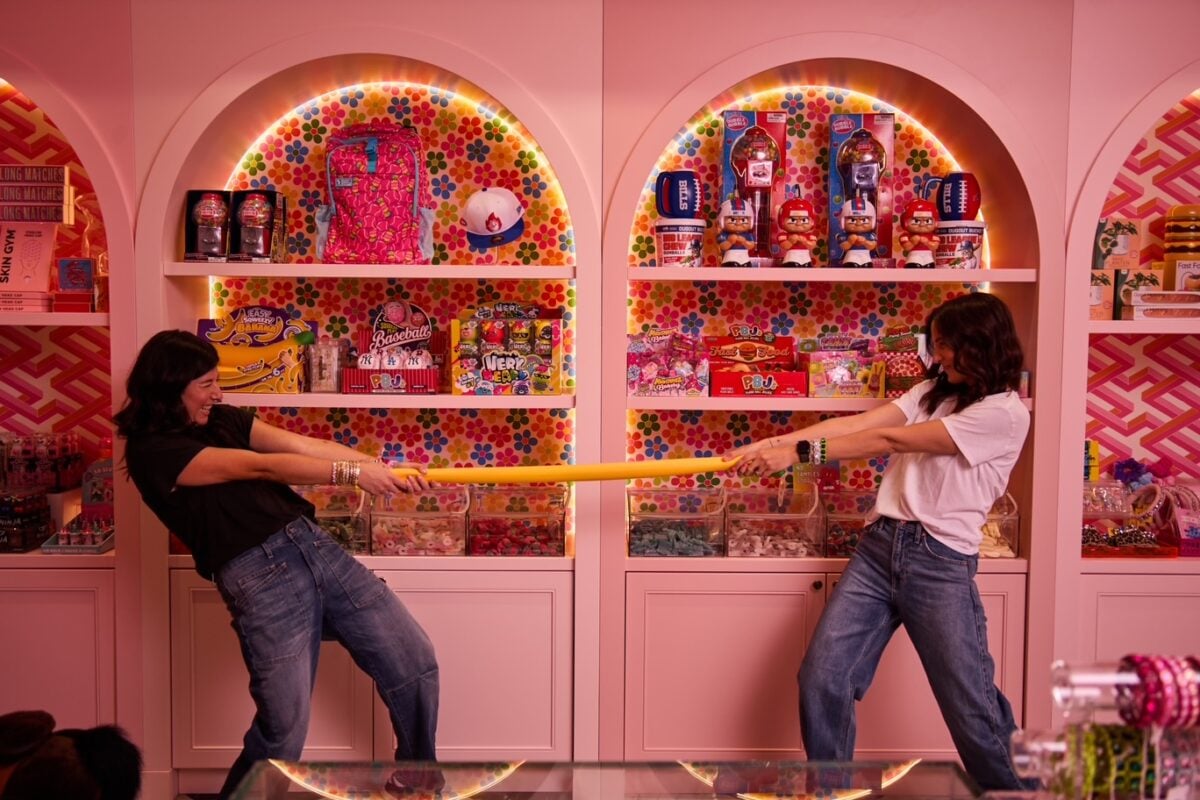
The inventory reflects that same joyful unpredictability. “Our bestseller is this giant fidget toy—it stretches up to six feet. We can’t keep it in stock,” said Stern.

“We also recommend things like ice rollers as teacher gifts—little self-care items that have been really popular. “We’ve got traditional novelty items, joke boxes…”

“Handmade decorative eggs, too,” Shulman chimed in. “It’s really a mix. We’ve got clothing, accessories, homeware, gifts, toys, and candy. Lots of candy.”

Photo: Bananas
Photo: Bananas

“Candy is a big one for us—we source our favorites from all over the world: Sweden, England…” said Shulman.

“We just brought in Percy Pigs, which are a big deal in the UK. People love having a little sweet treat to take with them,” added Stern.

“We even have old-school pick-and-mix bins—it’s very nostalgic,” said Shulman. “Like an old convenience store where you scoop your own candy.”

Their curated toy section is also carefully selected. “Between us, we have three boys,” said Shulman. “So we spent a lot of time choosing the best of the best—lots of things from Europe, stuff you can’t find easily in Canada. Same with the clothing lines—they’re mostly European, thoughtfully selected.”

“Everything we sell is something we’ve used, gifted, or swear by,” said Stern. “It’s all tried and true.”

As for expansion? The team is keeping it simple for now. “World domination, right?” joked Stern.

“For now, we’re happy with one store,” Stern said. “Our next big decision is whether to go online or not.”

It’s hard to translate the in-store experience to a website. So much of what we do is about connection—explaining why we chose something, guiding people through the space,” added Shulman.

Photo: Bananas
Photo: Bananas

Still, the buzz is growing. “The neighbourhood has been so welcoming,” Shulman said. “People now come here saying, ‘I got something for myself, my kid’s teacher, my grandma’—they find gifts for everyone. That’s exactly what we wanted.”

Whether it’s candy from England, toys from Europe, or just a little fun injected into everyday retail, Bananas is out to make shopping joyful again—one nostalgic surprise at a time.

Related Retail Insider stories:

Photo: Bananas
Photo: Bananas
Photo: Bananas
Photo: Bananas
Photo: Bananas
Photo: Bananas

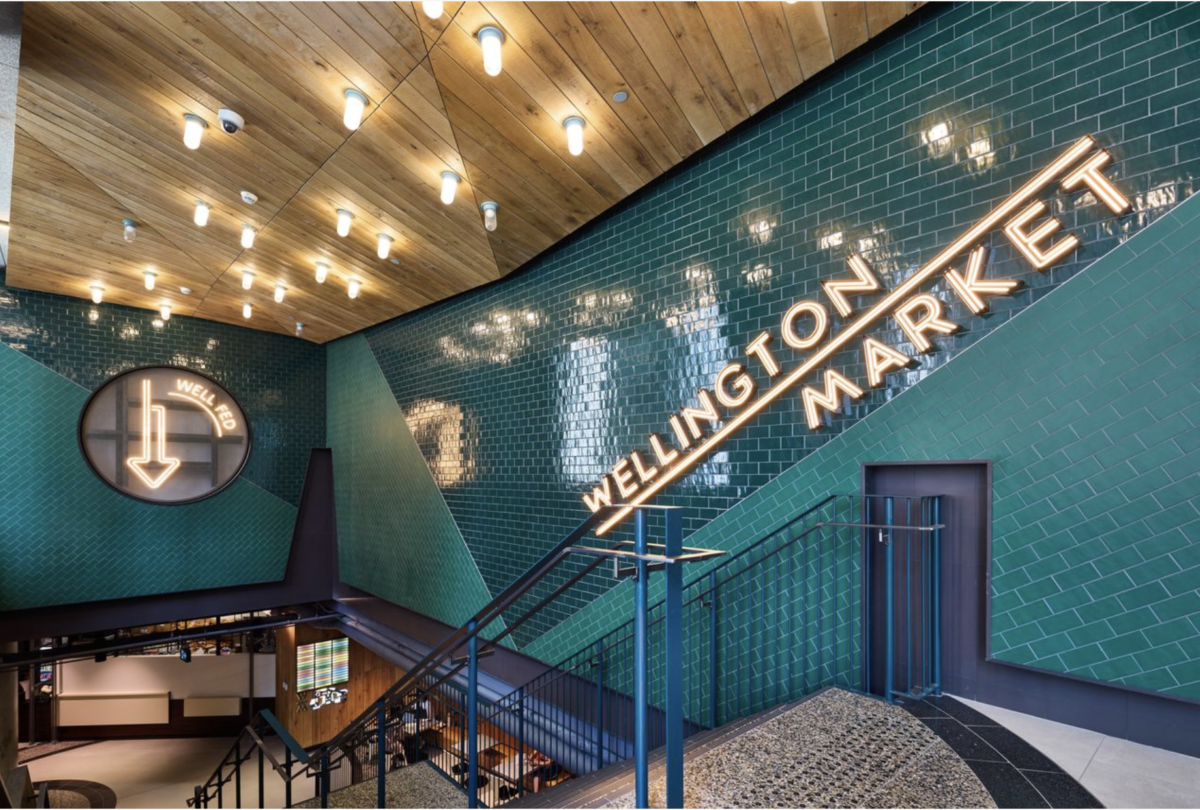
Wellington Market announces expansion with renowned new vendors (Photos)

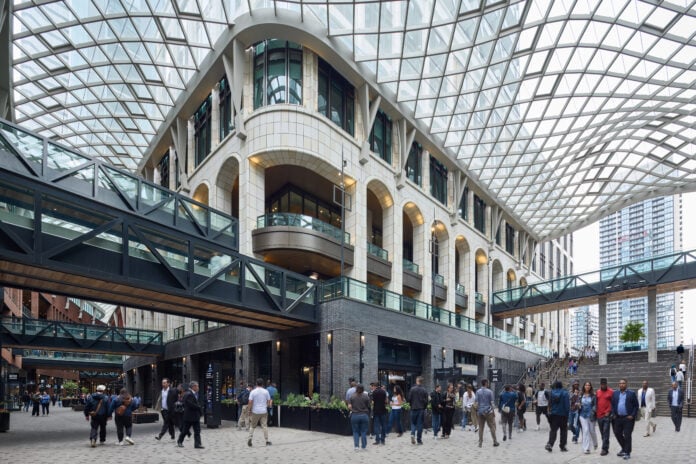
The Well in downtown Toronto. Photo: The Well

Following its debut in May 2024, Wellington Market at The Well has unveiled an additional 20,000 square feet of dining and experiential space.

Home to over 50 merchants, Wellington Market said it is an evolved market hall offering a curated mix of restaurants, fresh market fare, and gourmet grab-and-go options. This next phase introduces nine new merchants, extra seating, and a variety of exciting new experiences to this Toronto landmark, it announced on Monday.
Josh Katz
Josh Katz

“The Well is a dynamic urban hub at the gateway to Toronto’s downtown – where the city’s top tourist attractions meet the vibrant King West neighbourhood,” said Josh Katz, Assistant Vice President of Leasing at RioCan Real Estate Investment Trust.

“The expansion of Wellington Market introduces merchants that further strengthen the market’s position as a standout in Toronto’s culinary landscape. With locally sourced and internationally inspired food, expanded day-to-night dining, cultural programming, and award-winning design, we’re proud to offer a vibrant gathering place where community, culture, and cuisine come together.”

New merchants joining Wellington Market this July include:

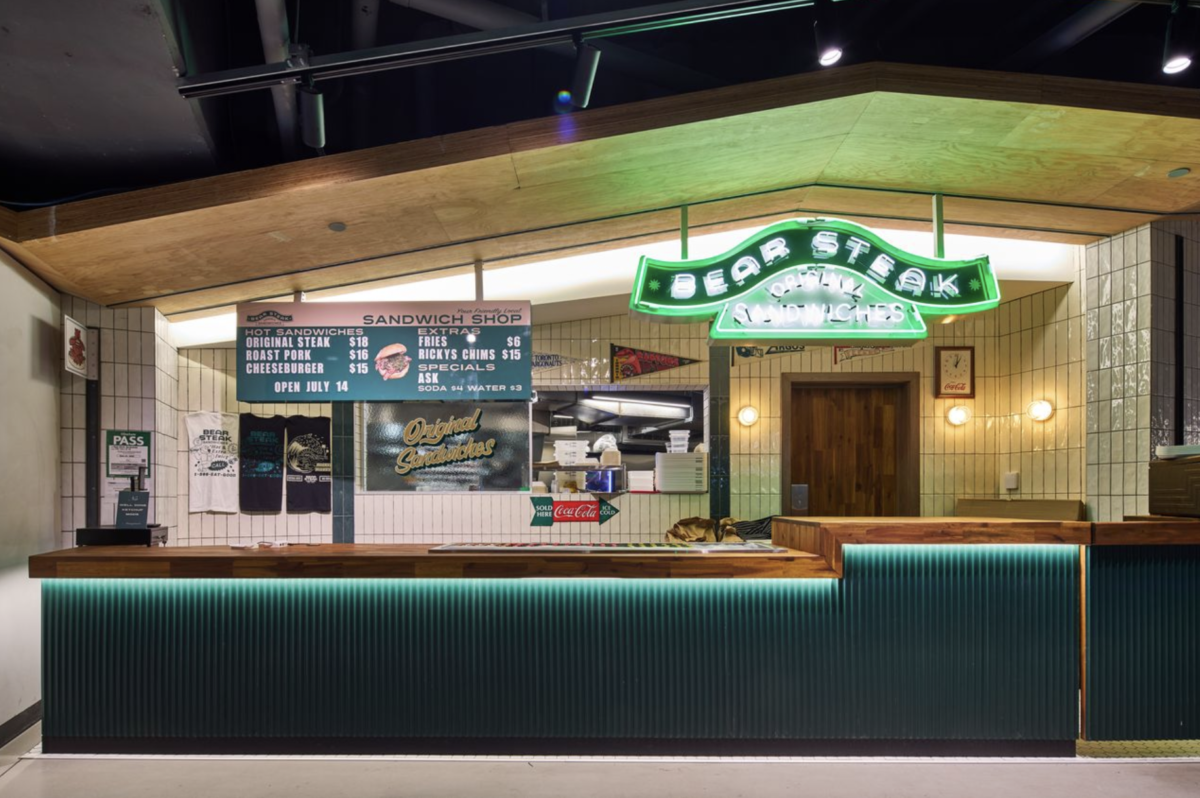
  • BEAR Steak Sandwiches – Specializing in steak sandwiches, Bear Steak offers a menu focused on bold flavours brought to life by locally sourced ingredients.
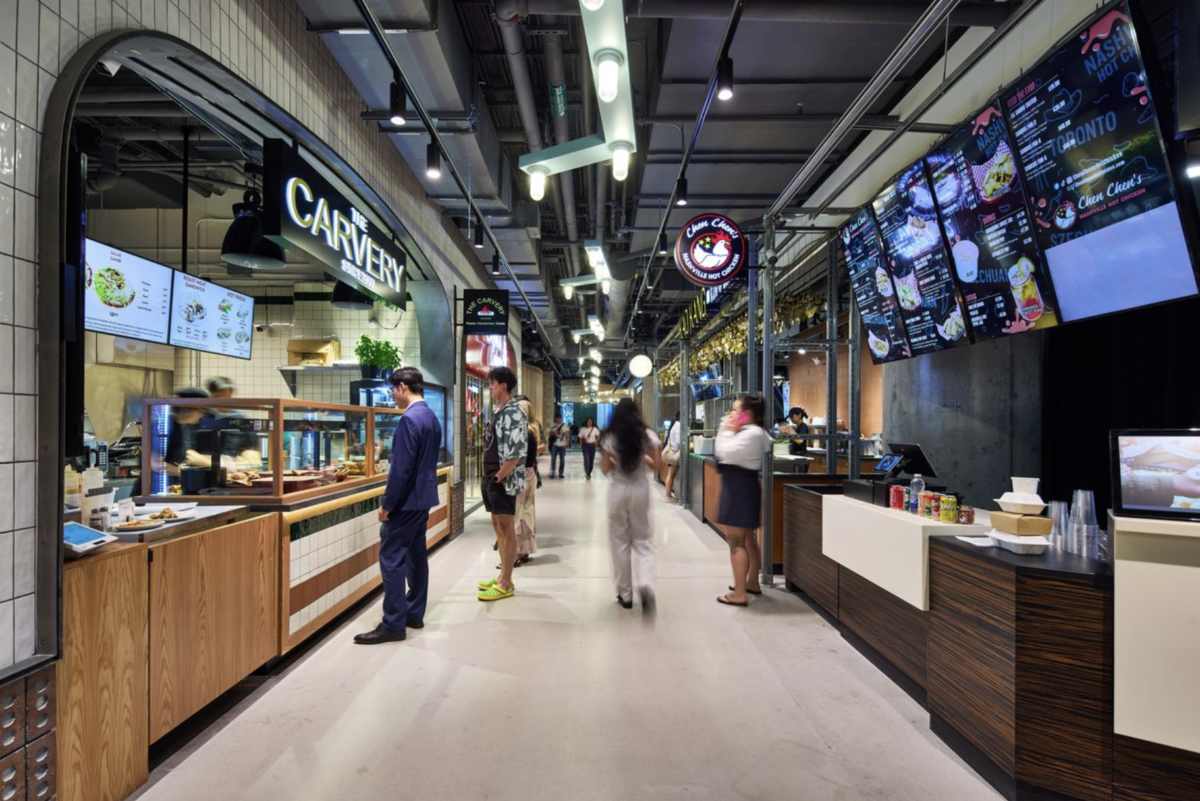
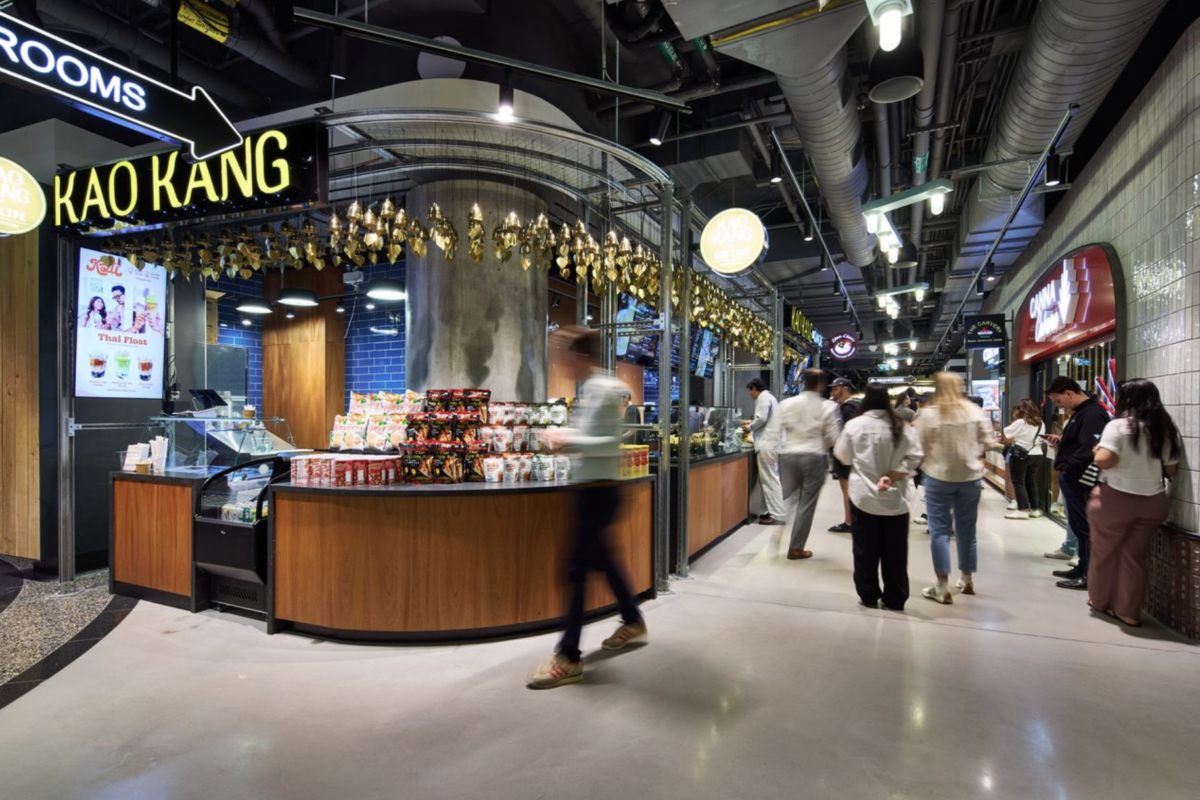
  • KAO KANG by Koh Lipe – A Thai comfort food concept from the Michelin recognized team behind Koh Lipe, offering authentic, soul-satisfying dishes.
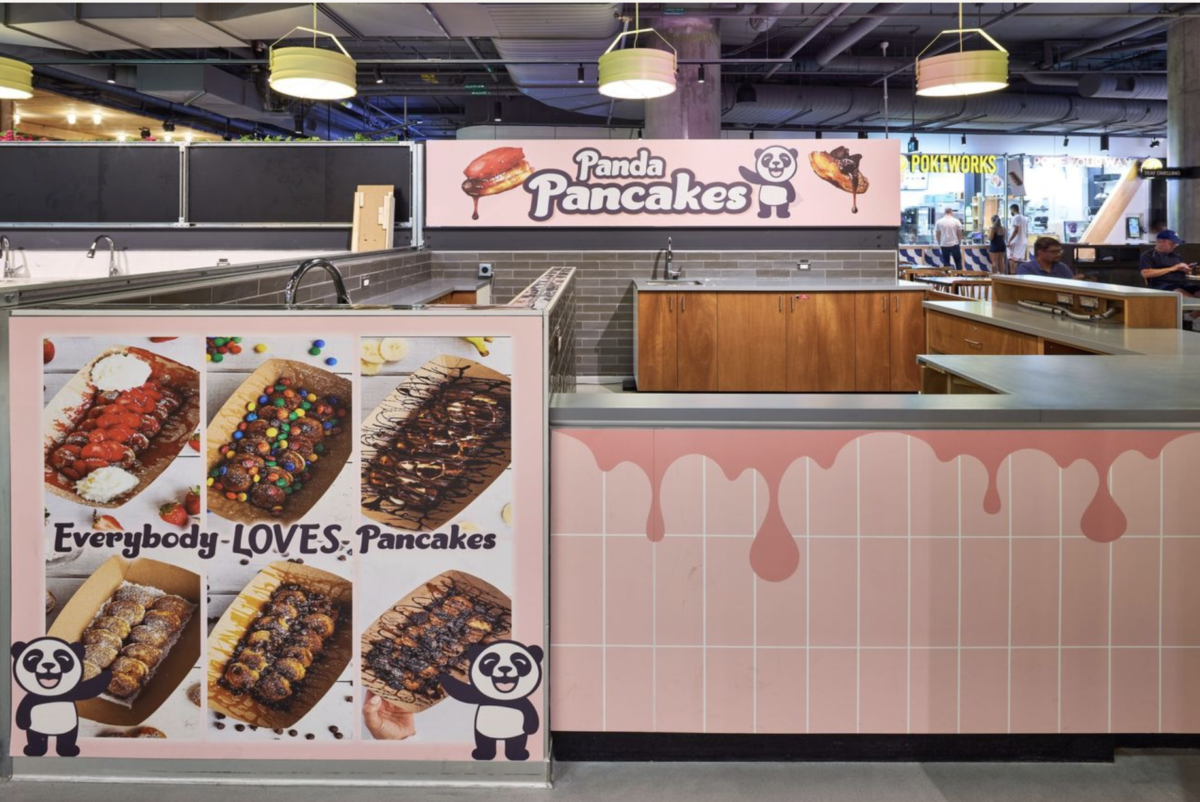
  • Panda Pancakes – A fun, interactive mini dessert concept offering pillowy bite sized pancakes with customizable toppings.
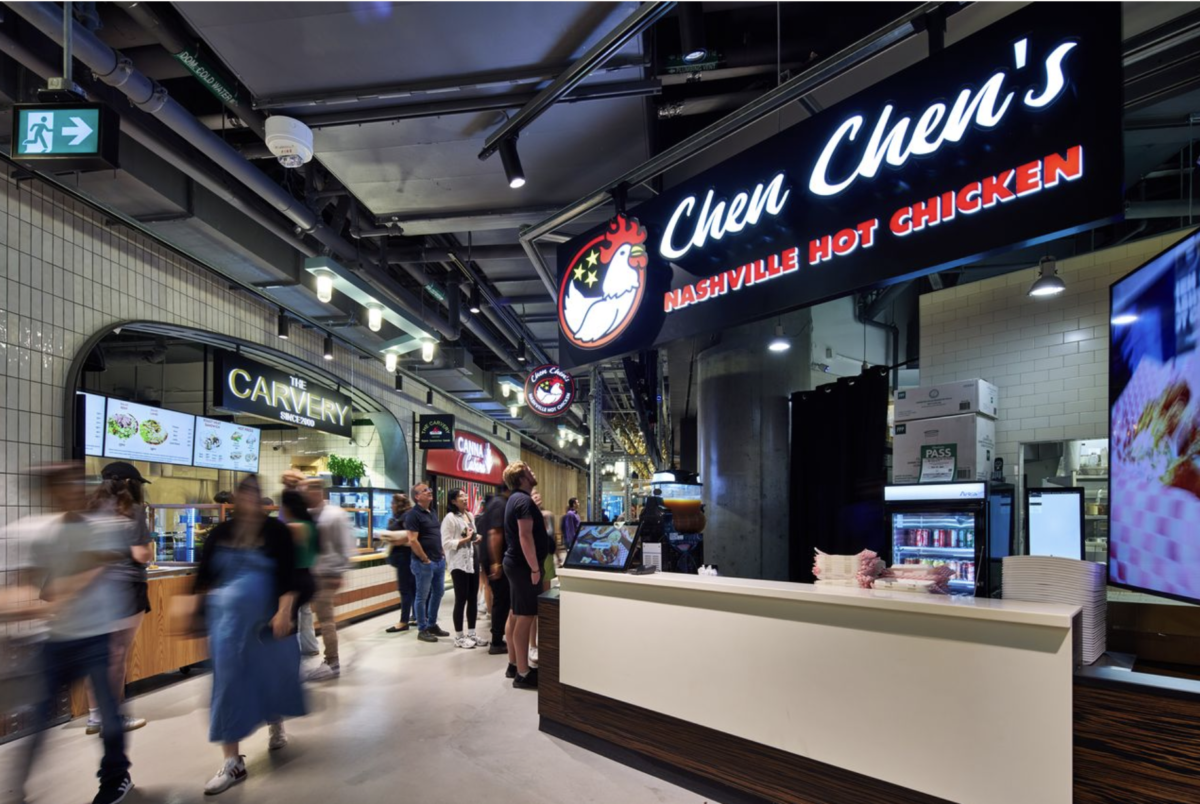
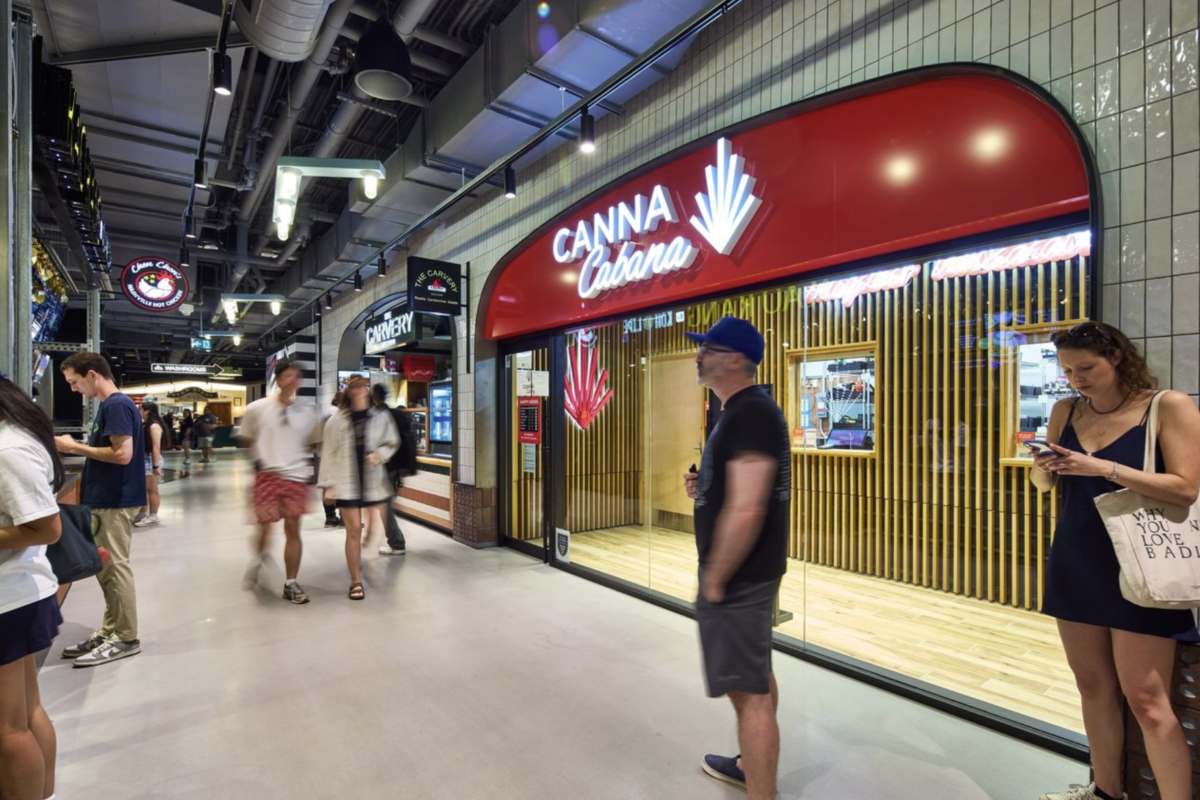
  • The Carvery – Hailing from New Zealand, The Carvery brings traditional English-style roast meat meals and sandwiches to Toronto.
  • Canna Cabana – Canna Cabana is as a modern cannabis retailer focused on education, design, and a welcoming experience.

Merchants opening in August include:

  • Cheezed – A chef-inspired grab and go grilled cheese concept offering handcrafted sandwiches, soups, sides and signature sauces.
  • Lili Foods – Chef-driven kitchen, serving sustainably sourced proteins and markets sides in a quick-serve environment.
  • Taline – A Michelin-recognized restaurant serving contemporary Armenian Lebanese cuisine, with a focus on house-made dips, flatbreads, and grilled specialties.

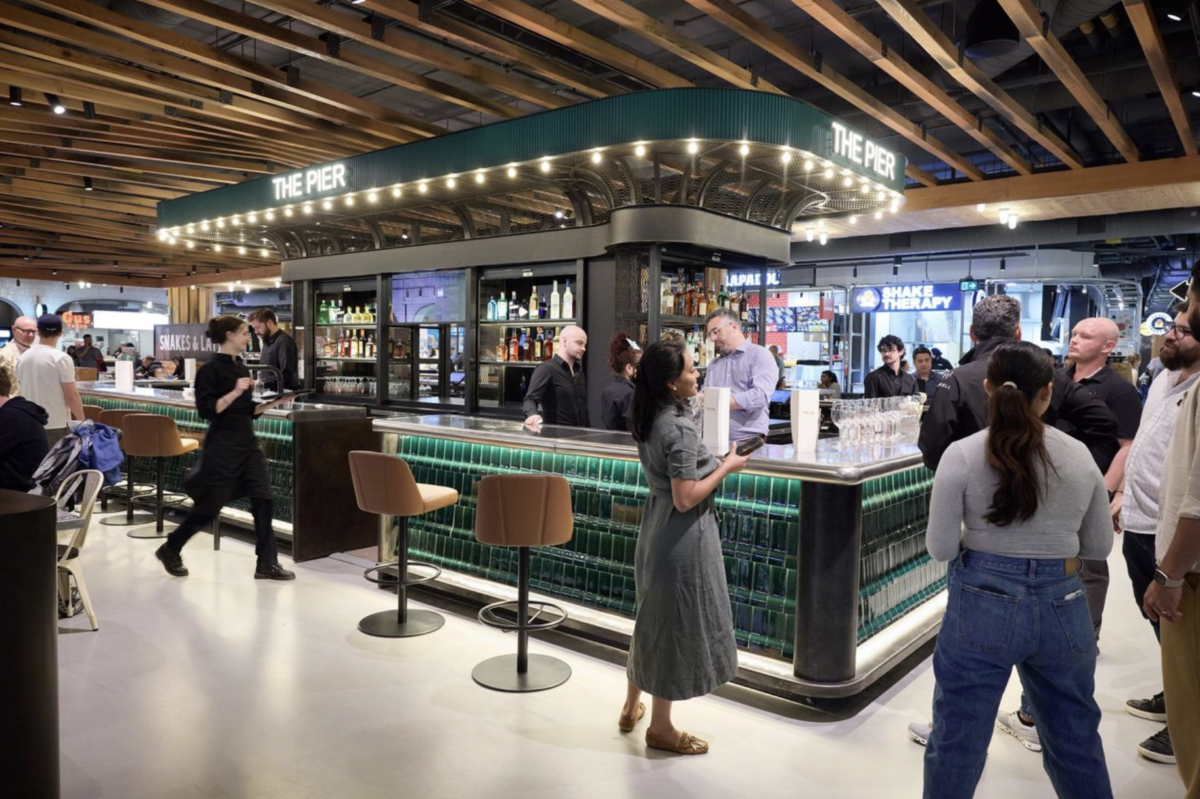
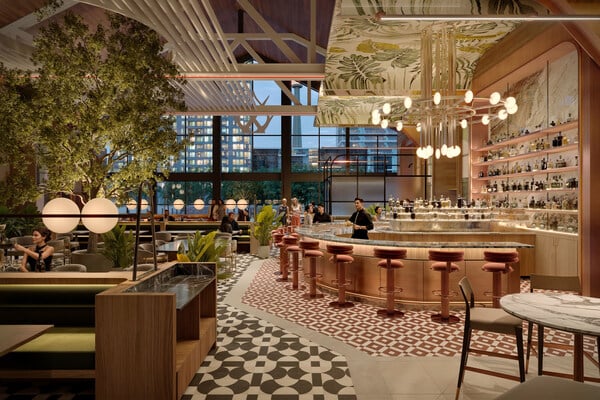
Located at the base of The Well’s Retail Walk, Wellington Market offers a variety of dining options designed for quick visits and relaxed experiences. The market seats up to 900 guests, with tables both indoors, and under The Well’s iconic glass canopy, The Glass, which allows for comfortable Al fresco dining. In the middle of Wellington Market, The Pier bar invites guests to sit, sip, and stroll, with a liquor license that extends across the market and hours that stretch into the evening, explained the Market.

A Recognized Design Destination

Recently awarded Gold in the Restaurant/Casual Dining category at the 2025 International Shop! Association Design Awards, Wellington Market was designed by Giannone Petricone Associates Inc. Architects (GPA). The space features reclaimed wood from the original site, repurposed oil drums as light fixtures, and nods to the area’s shoreline heritage through design elements like The Pier.

GPA crafted an experience that is both European-inspired and community-forward, with multiple entrances, folding glass walls, and intentionally varied seating arrangements that invite connection and inclusivity.

More Than a Market: Programming and Purpose

Wellington Market said it extends beyond dining to serve as a dynamic community hub. Its diverse programming, versatile event space, and strong commitment to sustainability create a vibrant and purposeful environment for visitors and merchants alike.

  • Community Events –Weekly Night Market DJ Series, monthly puzzle competitions with Snakes N’ Lattes, plus ongoing public chess and trivia nights.
  • Event Venue –Wellington Event Venue, a 5,000 sq. ft. space designed by BDP Quadrangle, accommodates 200+ guests for culinary demos, arts events, and corporate bookings.
  • Sustainability Initiatives –Partnerships with Second Harvest to fight food insecurity and ChopValue to repurpose used chopsticks into sustainable furniture.
  • Innovative Infrastructure –Features deep lake water cooling and hot water distribution systems developed with Enwave Energy Corporation, contributing to The Well’s status as one of Toronto’s most sustainable large-scale developments.

Wellington Market is located at The Well, 486 Front Street, Toronto, and is open seven days a week. The Well attracts approximately 25,000 daily visitors, including around 11,000 residents and employees who live and work onsite. The development features 1.2 million square feet of office space and 320,000 square feet dedicated to retail and food service. It offers 1,700 residential units across six purpose-built rental and condominium buildings, along with one office tower connected to a three-level Retail Walk.

Allied is a leading owner-operator of distinctive urban workspace in Canada’s major cities. Allied’s mission is to provide knowledge-based organizations with a workspace that is sustainable and conducive to human wellness, creativity, connectivity and diversity.

RioCan is one of Canada’s largest real estate investment trusts. RioCan owns, manages and develops retail-focused, mixed-use properties located in prime, high-density transit-oriented areas where Canadians want to shop, live and work. As of March 31, 2025, RioCan’s portfolio is comprised of 177 properties with an aggregate net leasable area of approximately 32 million square feet (at RioCan’s interest).

All photos courtesy of Wellington Market.

Related Retail Insider stories:

Queens Harbour: The New Heartbeat of Toronto’s Waterfront

Queens Harbour (CNW Group/Queens Harbour)

Toronto’s Harbourfront will see the opening of Queens Harbour, a 23,000-square-foot dining destination opening Friday July 11.

With 800 seats and Canada’s largest retractable rooftop, Queens Harbour offers a chef-driven menu, fusing Mediterranean and Asian influences. As the city’s biggest new restaurant opening, it showcases modern design, waterfront scenery and CN Tower views, setting a new standard for atmospheric dining, it announced on Monday.
Kevin Jazexhi
Kevin Jazexhi

Founded by restaurateurs Ali Badreddine, Kevin Jazexhi and Iris Jazexhi, Queens Harbour said it was conceptualized to serve with one unwavering belief, to always put the guest first.

“To fulfill this vision, Queens Harbour offers versatile dining spaces for every guest. Upon entry, a grand bar, earth-toned banquettes, intimate tables, towering trees and soft textures are surrounded by floor-to-ceiling windows. Upstairs overlooking the space, two private dining rooms and one semi-private room accommodate everything from exclusive dinners to large celebrations,” it explained.

“At the heart of the restaurant is an open kitchen and sushi bar, where chefs prepare dishes with fresh ingredients using precise techniques. Once through, enter Queens Garden, a two-level area with a custom-engineered operable roof that blends indoor comfort with open-air dining. Queens Garden delivers a late-night atmosphere with the same menus but a distinctly different vibe.”

“Its location on Toronto’s waterfront was a deliberate choice. We saw an opportunity to create something that naturally evolves throughout the day while offering a new restaurant concept to a city that appreciates more than a meal,” added Kevin Jazexhi.

“We wanted to ensure a quality experience, and Queens Harbour offers one that is one-of-a-kind and deeply connected to Toronto,” said Iris Jazexhi.

The restaurant’s MediterrAsian menu embodies this spirit of connection. Inspired by the backgrounds and creative vision of its chefs and owners, and today’s global food trends, it is curated for shared experiences. Led by Chef Robert Balint and in collaboration with Julien Laffargue, the culinary team highlights everything from fresh sushi and seafood towers to shareable platters for communal dining, said the company.
“At Queens Harbour, hospitality and creating a sense of belonging are our driving objectives,” said Badreddine. “Our culinary approach focuses on flavours designed to captivate the palate. Paired with an inventive beverage program, every element comes together to fuel an experience that demands attention and leaves guests wanting to return.”
The beverage program matches this level of craft with a robust selection of cocktails, spirits, wines, and more. From bright and refreshing to dramatic and smoky, there’s something to satisfy every preference and craving. Non-alcoholic options and zero-proof mocktails promise just as much flavour and creativity, it added.

Related Retail Insider stories: