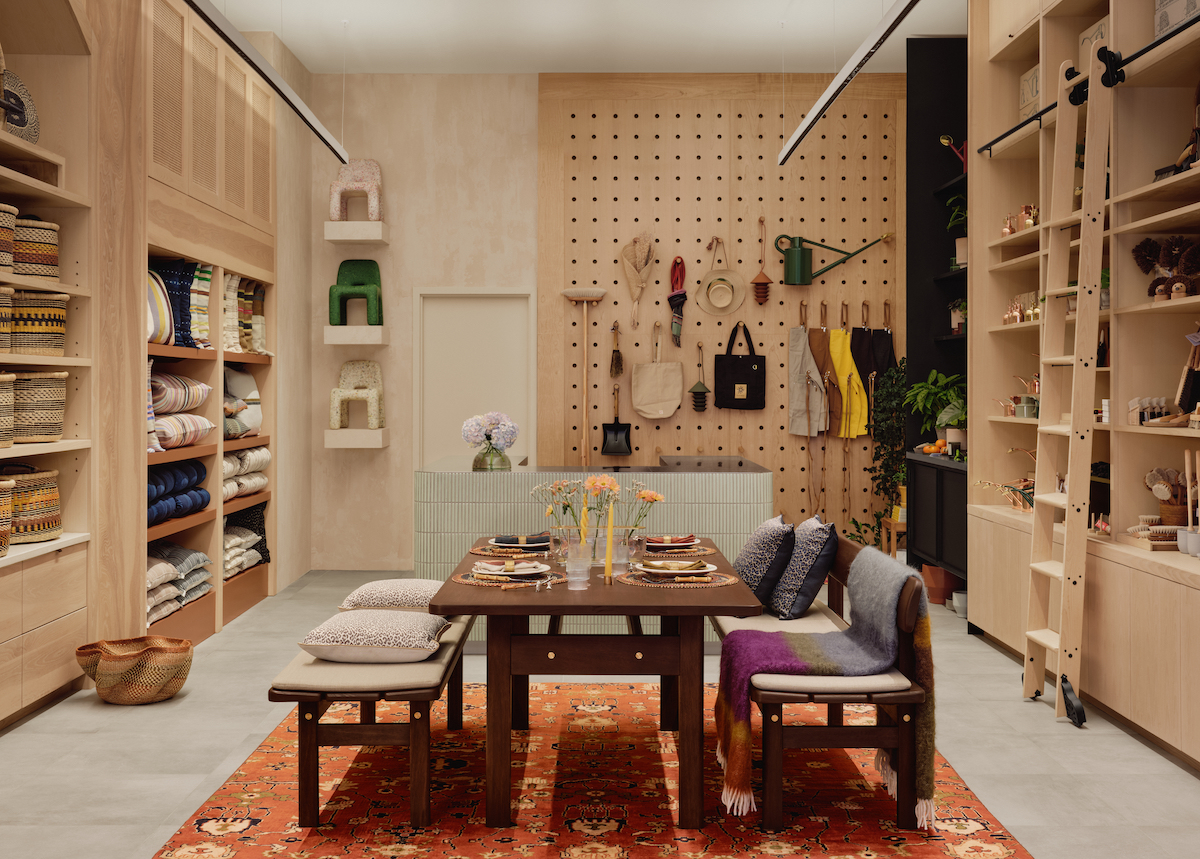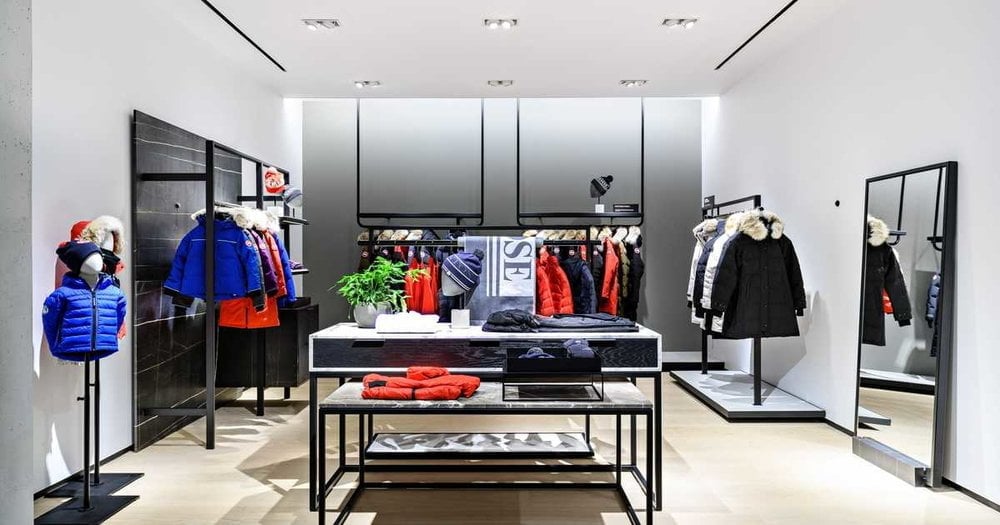
Calgary’s University District (U/D) continues to grow its reputation as a top mixed-use destination, achieving a significant milestone as it surpasses 50 retailers along its thriving Retail Main Street. Since the opening of its first store on University Avenue in 2020, U/D has become a vibrant community hub, attracting a diverse range of residents, businesses, and visitors drawn to its lively atmosphere, services, and convenience.
The recent openings in U/D highlight a new wave of businesses at the ground level of key residential developments, including the Argyle building by Homes by Avi. New additions include Bronze Baxx Tanning and Wellness, Flowers & Beyond, Lagree YYC, Stephen Cleaners, Shoppers Drug Mart, Pho Pham Vietnamese, and Easy Blink Optometry. Just recently, The Forge building welcomed Seed N Salt and Hot Yoga, bringing more unique dining and wellness options to the area.
Jeff Harris
Jeff Harris, Vice President of Commercial Real Estate at University of Calgary Properties Group, is enthusiastic about the community’s evolution: “We have been working hard to develop University District into a thriving community since the first business on Retail Main Street opened in 2020, and reaching more than 50 retailers is a major milestone for our team. We appreciate the many businesses who choose to operate here and the customers who frequent them. The continued success of University District reflects our commitment to creating a diverse community where people can live, shop, and connect.”

University District’s mixed-use approach, with retail spaces integrated at the ground level of residential buildings, has created an ideal setting for retail, dining, wellness, and service-based businesses, meeting the needs of over 2,000 residents and drawing in visitors from across Calgary. The area’s convenient location near major institutions like the Foothills Medical Centre, Alberta Children’s Hospital, the University of Calgary, and Arthur J.E. Child Comprehensive Cancer Centre makes it particularly attractive for health and professional services, as well as retailers and restaurants.
New openings continue to fuel U/D’s momentum, with popular names like UNA pizza + wine, Native Tongues Taqueria, Swish Oral Care, and University District Vet Clinic set to open soon. U/D has also launched leasing for Block 17C (Autumn by Homes by Avi), which will add 16,000 square feet of additional retail space in the community.
With more retailers preparing to join the district and a wide array of services already available, University District is firmly establishing itself as a go-to destination for shopping, dining, and living in Calgary.
Canada’s first-ever TikTok SmallBiz Pop-Up was recently launched at Union Station in Toronto.
TikTok has become the go-to destination for small businesses to boost their brand visibility, with 82 per cent of users discovering brands on the platform before anywhere else. Through the SmallBiz Pop-up, visitors will be able to shop from some of their favourite TikTok SMBs in real life for the very first time and experience the action on the app using the hashtag #SmallBizPopUp.
The pop-up will be running until December 31.
Joshua Bloom
Joshua Bloom, GM, Global Business Solutions, TikTok Canada, said “TikTok has emerged as the go-to platform for small businesses to be discovered, empowering them to share their products not only with Canadians, but with over a billion people around the world – driving real-world impact for businesses.”

“That’s why we’re excited to be bringing to life the TikTok SmallBiz Pop-Up, Presented by TD, where Torontonians will be able to check out these small businesses as they pass through Union Station. And as part of the program, we’re proud to be offering free resources to entrepreneurs across the country to empower them and help them reach their goals.”

The goal is to create a one-of-a-kind opportunity for brands who grew their business on TikTok to be provided with a physical retail space, allowing them the chance to be connected with their consumers in real time. Participating businesses include:Oven Theory, Street Brew Coffee, Dandylion, CelineGlow and Our Haru.
Additionally, as part of the SMB Pop-up, presented by TD, TikTok has introduced the SmallBiz Talks Series, a webinar-style program designed to help Canadian entrepreneurs leverage TikTok to grow their brands. Anyone interested can register here.
Meet the pop-up residents:
Dandylion: Carolyn Chen is the founder of Dandylion, a dog care brand inspired by her 13-year-old Cockapoo’s chronic skin issues. Dandylion is disrupting the dog grooming industry with innovative and healthier dog grooming essentials.
“Participating in this TikTok SmallBiz Pop-Up allows Dandylion to connect with our community in a truly meaningful way. While we engage with dog parents online every day, this initiative gives us the chance to meet them in person, fostering a deeper connection and building community offline. For us, it’s essential to hear directly from our customers about what they love, areas where we can improve, and what new solutions they want to see from us.
“When I first launched Dandylion, I spent time interviewing over 100 dog parents to understand their needs, which became the foundation of our mission to bring healthier, more convenient grooming options to pet families. This pop-up is an extension of that same commitment, offering a unique way for us to continue learning, engaging, and bringing dog parents the products that make their lives easier.
“This pop-up represents an exciting new chapter for Dandylion. It brings us one step closer to making our products more accessible to dog parents everywhere, especially during the busy holiday season when convenience is key. The pop-up also provides a valuable opportunity to test the in-person shopping experience and see firsthand how dog parents respond to interacting with our products in a physical setting. Being able to show up for our community in this way not only deepens our relationship with existing customers but also helps us welcome new families into the Dandylion community, making this a very special initiative for us.”
Photo by Robert Okine
Our Haru: Chaewon Kim is a Toronto-based Korean artist and the founder of a unique pet store inspired by her muse, Haru. She curates aesthetic, modern and high-quality products from independent designers and small brands in South Korea, offering carefully selected items for both pets and their owners.
“This pop-up is a meaningful way for Our Haru to connect with pet lovers who appreciate thoughtful design and quality. It’s important because it allows us to showcase Korean craftsmanship and share our passion for creating special experiences with pets, highlighting products designed with love and intention.
“For us, this pop-up is more than a display. It’s a celebration of the bond we cherish with our furry baby and a chance to create meaningful moments with those who feel the same. It’s also a chance to celebrate our growing community, strengthen our brand presence, and introduce people to a different approach to pet products—one that emphasizes style, quality, and the special bond we share with our pets.”
Photo by Robert Okine
Oven Theory: Timothy Cho is the owner of Oven Theory, a Mississauga commissary kitchen bakery that specializes in Asian-inspired cupcakes that are light, fluffy and not too sweet. Apart from the traditional overly-rich counterparts, there is a delicate focus to uphold the subtle sweetness often inherited in Asian baking. His mission is to create premium cupcakes that are perfect for sharing, allowing opportunities for people to come together and celebrate many of life’s achievements and celebrations.
“I think this is very important to have this initiative ‒ having a small business can be challenging to reach customers. Through TikTok and the SmallBiz Pop-Up, presented by TD, gives me the chance to connect with more people in person and grow.
“The fact that I quit my job in February of this year ‒ there was a lot of risk in doing that. I’m able to share my story and encourage people to go after their dreams. A nine to five job was not necessarily my passion, but going after something I cared about so deeply allowed me to find another purpose for my own life.”
Photo by Robert Okine
Street Brew Coffee: Caitlin Campbell is the co-founder of Street Brew Coffee, a social enterprise specialty coffee company that aims to connect with coffee lovers and help those experiencing homelessness in the city. In addition to making coffee, Caitlin also creates videos on TikTok teaching people to make coffee better and documenting her journey as a small business owner.
“We have our coffee trailer that operates at farmers’ markets and we closed down for the winter so this initiative gives another opportunity for our customers to find us and connect in person. Through this initiative, we make connections that start from a screen to meeting in person ‒ creating that human element.
“TikTok supports small businesses, giving them an opportunity to elevate these local companies. It provides an opportunity to expand beyond my digital business to a coffee trailer, and now an in-person retail experience. It shows that when you have an idea that you are passionate about and you work hard, you can really see it grow.”
Photo by Robert Okine
Sunday Glow: Founded by Celine Guo, Sunday Glow offers personalized Asian skincare subscription box, offering expertly curated products tailored to individual skin needs for a monthly ritual of self-care and transformation. Since creating the brand in 2020, Celine has scaled it into a seven-figure business within just two years. On TikTok, Celine has built a vibrant community, sharing her journey and inspiring others along the way. Beyond skincare, she champions women’s empowerment, inspiring thousands worldwide to pursue their dreams, embrace inner beauty and cultivate lasting confidence.
“Our participation in this pop-up is deeply meaningful for us because it allows us to connect with our community in such a genuine and personal way. At Sunday Glow, our mission goes beyond skincare; it’s about building relationships and empowering our customers to feel their best.
“Being able to interact face-to-face, hear their stories, and share the passion behind our products makes the experience truly special. This opportunity also allows us to amplify brand awareness and introduce Sunday Glow to an even wider audience. It’s a chance for people to experience the essence of our brand firsthand—the craftsmanship, care, and intentionality that goes into everything we do. Engaging directly with our community in real life is invaluable, and we’re grateful for moments like these to foster deeper connections and grow together.”
Retail Insider is streamlining its Canadian retail news from around the web to include a handful of top news stories that can be viewed quickly during the day. Here are the top stories from the past 24 hours.
Booster Juice, Canada’s original juice and smoothie bar, is celebrating a milestone: 25 years since opening its first location in Sherwood Park, Alberta, in 1999. Over the past two and a half decades, Booster Juice has grown to more than 450 locations across the country, offering Canadians healthy smoothies, energizing snacks, and exceptional customer service. Reflecting on the journey, Founder, President, and CEO Dale Wishewan credits the brand’s success to a strong team, loyal customers, and a passion for innovation.
“I really haven’t reflected on the magnitude of today’s event until now, and it’s sunk in that it’s a big milestone,” Wishewan said. “It’s been a lot of fun and has positively changed many people’s lives. I’m incredibly thankful for our amazing customers, franchise partners, and my corporate and store staff. This kind of success isn’t possible without great people, and I’m also deeply grateful to my family for their support throughout this journey.”
Dale Wishewan, founder, President and CEO of Booster Juice
From Alberta to Nationwide Recognition
Wishewan’s journey with Booster Juice began with a simple yet powerful vision: offering a healthy alternative to fast food. Originally from Waskatenau, Alberta, he was inspired during his time in the United States on a baseball scholarship. “When I saw the popularity of juice bars in the U.S., I realized Canada needed this,” Wishewan explained. “People here deserved a healthy, fast, and delicious option, so I took a chance.”
Opening a juice and smoothie bar during a Canadian winter seemed unconventional. “Friends and neighbours thought I was crazy,” Wishewan said. “But I believed people were ready for something new.” By the end of the first year, Booster Juice had expanded to 15 locations and reached 50 stores by the end of year two—a record for Canadian franchises at the time. “I didn’t know what to expect,” he admitted. “We just focused on making the best product we could, and growth came naturally.”
Signature Smoothies and Customer Favourites
At the heart of Booster Juice’s appeal are its signature smoothies, beloved by customers across Canada. The Mango Hurricane and Strawberry Sunshine smoothies consistently rank as fan favourites. “People often tell me they remember their first taste of a Mango Hurricane,” Wishewan said. “It’s incredible to see how these flavours resonate with people.”
Booster Juice’s menu has evolved over the years, offering wraps, paninis, Booster Balls, and energizing shots alongside its iconic smoothies. “Staying relevant means listening to our customers and keeping things fresh,” Wishewan emphasized. “Our goal has always been to make healthy options convenient and tasty. I think that’s why people keep coming back.”
A Focus on Exceptional Customer Service
Wishewan credits Booster Juice’s longevity to its unwavering commitment to customer service. “Our customer service is as good as anyone out there,” he said. “We’ve built a strong network of franchise partners and a dedicated corporate team who share in our passion. It’s about more than just serving smoothies—it’s about creating a positive experience every time.”
The close relationship with franchisees has been a cornerstone of the brand’s success. “Our franchisees are more than business partners—they’re family,” Wishewan said. “We’ve grown this together, and I’m deeply proud of what we’ve built.”
Booster Juice in Brampton, ON. Photo: Booster Juice
Future Growth and Expansion Plans
Looking ahead, Booster Juice aims to expand its presence both domestically and internationally. Wishewan envisions continued growth for Booster Juice in Canada, with plans to ultimately expand to 650 to 700 stores. He emphasizes that the company will carefully evaluate the market to find the right balance and avoid overextending, ensuring sustainable growth while maintaining quality across all locations.
Quebec remains a key target market within Canada, with plans for 45 to 50 new locations. “We believe there’s untapped potential,” Wishewan noted. “We’re committed to thoughtful growth that maintains our brand values.”
Internationally, Booster Juice sees promise in the United States. “Canadians have a strong presence and familiarity with the brand there,” Wishewan explained. “We’re confident our reputation will carry over well.”
Booster Juice at Rutherford Marketplace in Vaughan, ON. Photo: Booster Juice
Giving Back to Communities
Booster Juice’s success has enabled the brand to give back in meaningful ways. “It’s important to us that we use our success to make a difference,” Wishewan said. “Whether through charitable initiatives or job creation, we’re committed to positive change. Knowing we’ve touched so many lives in different ways is humbling.”
Staying Connected to Its Roots
Despite significant growth, Booster Juice remains connected to its Sherwood Park roots. “This is where it all began,” Wishewan reflected. “The memories we’ve made here are invaluable. Even as we grow, our roots keep us grounded.”
For Wishewan, the past 25 years have been both challenging and rewarding. “The fact that we’re still here, blending up smoothies and serving healthy options, is something I’m incredibly proud of,” he said. “We’ve come a long way, and I’m excited to see where we go next.”
Artificial Intelligence (AI) and retail. Image Algolia.com
Artificial intelligence (AI) is reshaping the retail industry in unprecedented ways, according to George Minakakis, Founder and CEO of Inception Retail Group. In a recent discussion, Minakakis highlighted the fierce competition among tech giants like Apple, Microsoft, Meta, OpenAI, Google, and Amazon to develop the most advanced consumer-facing AI solutions.
“This is a race to see who will develop the first formidable AI assistant that can engage in truly human-like conversations,” Minakakis noted, emphasizing the potential impact on consumer behaviour and the broader retail sector.
Personal AI: Transforming Consumer Engagement
Minakakis envisions a future where personal AI assistants offer more than basic chatbot interactions. These systems, he explained, would evolve into sophisticated, personalized avatars capable of anticipating consumer needs.
George Minakakis
“Imagine an AI that knows your sizes, colour preferences, key dates, and even reminds you of important occasions. It becomes a personal concierge,” he said. “For consumers, it’s about making life simpler. But for retailers, it raises a serious question: how do you stay relevant in this new paradigm?”
The implications for retail are immense. While platforms like Amazon’s AI assistant Rufus illustrate the potential for highly interactive consumer engagement, they also raise concerns about accessibility and competition. “The challenge is how retailers maintain relevance with customers who have become accustomed to instant, personalized interactions,” Minakakis added.
Unlike retailer-tied chatbots, personal AI is dedicated solely to individual consumers, which he views as a fundamental shift. “Retailers can’t afford to be sidelined. They need to find a way to stay connected,” he said.
The Rise of Subscription Models and AI-Driven Search Evolution
Convenience has always been a driving force in consumer behaviour, and Minakakis sees personal AI systems as the next evolution of search and purchasing. He described the frustration many consumers experience when navigating online searches, often bombarded with advertisements before finding relevant results. “It’s no longer just about searching; it’s about finding exactly what you want with minimal effort. That’s what AI promises,” he said.
Minakakis also foresees a tiered model for AI, including free options with ads and subscription-based, ad-free experiences. “Consumers have always been willing to pay for convenience and personalization. This is just another way to deliver that,” he explained. This model could reshape consumer engagement strategies, forcing retailers to explore innovative ways to connect with their audiences.
Artificial Intelligence (AI) and retail. Image: redresscompliance.com
Challenges for Retailers: Adapting to AI Integration
Minakakis highlighted proactive steps taken by major retailers to integrate AI into their operations. Walmart, for example, has introduced generative AI tools to thousands of employees. “Retailers like Walmart are setting the pace. They’re proving that waiting is not an option,” he said.
However, smaller retailers face a steeper challenge. While community-based businesses such as bakeries or dry cleaners may be less vulnerable to disruption, specialized retailers lacking differentiation may struggle without AI. “If you’re offering something truly unique, you might stand a chance. But if not, AI will be essential for survival,” Minakakis warned.
The Impact of AI on Consumer Behaviour
Personal AI systems could lead to a significant shift in consumer habits, transforming general shopping trips into targeted, purpose-driven excursions. “People want to enjoy themselves when they go out, not just shop,” Minakakis noted. “This shift is going to put more pressure on retailers to offer experiences that go beyond the transaction.”
He also emphasized that retailers must find a way to work within centralized AI ecosystems to remain connected to consumers. “Think of it as being part of an interconnected web. Retailers can’t afford to be isolated nodes—they need to engage with these AI-driven platforms,” he said.
Addressing the Knowledge Gap Among Retailers
Minakakis pointed to a significant knowledge gap among smaller retailers when it comes to AI adoption. He cited a survey revealing that 77% of employees believe their companies lack a clear AI strategy. “That’s a scary number,” Minakakis remarked. “It shows that many companies are simply unprepared for what’s coming.”
He urged retailers to move beyond treating AI as a buzzword. “Retailers cannot afford to ignore AI. It’s not just about technology—it’s about having a strategy and knowing where you fit into this new landscape,” he said.
Minakakis shared his experiences speaking to industry groups, where he frequently encounters skepticism about AI. “I’ve heard people say it’s just a fad, but that kind of thinking is dangerous,” he warned.
AI’s Broader Impact on Retail Strategy
Minakakis believes AI’s transformative impact on retail extends far beyond customer interactions. He cited China’s efforts to push goods globally through new channels and described the potential for AI-driven apps to reshape how consumers access products. “This isn’t just about retail; it’s about rethinking how we connect, sell, and deliver,” he said.
Looking ahead, Minakakis says he remains committed to helping the retail industry navigate this seismic shift. He expressed interest in contributing more on the topic of AI’s impact on retail, noting that the conversation is only beginning. “The war is on to see who can deliver the best AI package to consumers,” he said. “Retailers need to be ready to adapt. The stakes couldn’t be higher.”
Rokt, the e-commerce technology firm leveraging AI to personalize shopping experiences, has partnered with Skip, Canada’s own delivery network, to launch a retail media solution within the Skip app. The new feature will deliver targeted, relevant messages from advertisers to Skip’s user base at key moments in the purchasing process, enhancing customer engagement while opening up new advertising avenues, according to a news release.
With a vast network of over 50,000 restaurants, retailers, and convenience stores across Canada, the food delivery service will use Rokt’s AI-powered network to offer highly contextual messages on the order confirmation and tracking pages of its app. This integration is designed to present timely content to users when they are actively engaged, enhancing the overall order experience and driving conversions for advertisers in Rokt’s network, it said.
Jamie Gowryluk
“At Skip, we’re always looking for ways to enhance the customer experience and drive even more convenience,” said Jamie Gowryluk, Director of Operations and Ancillary Revenue at Skip. “Our partnership with Rokt expands our retail media offering, allowing us to seamlessly deliver relevant content to our customers, connecting them with brands they love and adding even more value to their ordering experience.”
Rokt, which powers over 4.6 billion transactions globally, enables businesses to leverage first-party data to create seamless, customer-controlled ad experiences.
The Skip app and website now reach more than 480 Canadian cities and towns, with recent expansions adding 25 new locations this year. Through this new collaboration, the company said it aims to further deepen customer engagement and offer advertisers a unique opportunity to connect with audiences during high-attention moments.
Tim Crouch
Tim Crouch, Rokt’s Vice President of Strategic Partnerships, said: “We’re delighted to partner with Skip and provide additional value to their customers in the transaction moment. This partnership significantly extends the reach of Rokt’s network of advertisers.”
Loro Piana store at 111 Bloor St. W. in Toronto. Image: ETHAN ESPIRITU/Loro Piana
Loro Piana, the storied Italian luxury brand known for its exquisite cashmere and textiles, has celebrated its centenary year by expanding into Canada with two new standalone stores in Toronto. This ambitious move follows the opening of Loro Piana’s flagship on Rodeo Drive in July and a boutique in Montecito in August, signifying a strong global expansion strategy.
The Toronto locations—on Bloor Street West and in the Yorkdale Shopping Centre—highlight the brand’s commitment to blending tradition with modernity while celebrating 100 years of luxury craftsmanship.
Men’s footwear and ready to wear on the second floor of Loro Piana, 111 Bloor St. W. in Toronto. Photo: ETHAN ESPIRITU/Loro Piana
Loro Piana’s Bloor Street Flagship Blends Tradition and Innovation
The Bloor Street flagship, located at 111 Bloor Street West, spans two levels and occupies a 10,000-square-foot space previously held by Dolce & Gabbana. Designed to reflect the legacy of Sergio Loro Piana, the store offers a blend of timeless and contemporary design elements. The interior, described as “an embodiment of understated elegance,” features oak and silk accents, Carabottino wood, geometric stone tables, rose gold-framed couches, and curved armchairs upholstered with Loro Piana Interiors fabrics. The design is further enhanced by Venini chandeliers that add a touch of glamour.
The building’s exterior is clad in Loro Piana’s signature glazed ceramic tiles, crafted by a Tuscan company known for artisanal expertise. These tiles, in the brand’s iconic kummel colour, first appeared at the Dubai Mall store and have since become a hallmark of the brand’s flagship locations, including Beverly Hills.
The ground floor houses women’s ready-to-wear collections, leather goods, footwear, and an assortment of household items, all reflecting Loro Piana’s commitment to quality and craftsmanship. The upper level is dedicated to menswear, featuring a VIP area designed for private appointments and personalized shopping experiences.
The Bloor Street store is one of only three in North America to carry Loro Piana’s home furnishings collection, joining New York City (Madison Ave) and Beverly Hills.
Women’s footwear and ready to wear on the main floor of Loro Piana, 111 Bloor St. W. in Toronto. Photo: ETHAN ESPIRITU/Loro Piana
Yorkdale Boutique Offers Seamless Luxury Shopping
Yorkdale Shopping Centre has also welcomed a new 3,800 square foot Loro Piana boutique in its luxury wing, occupying a spacious, single-floor layout. The store is designed with a minimalist aesthetic, characterized by warm tones, natural materials, and a refined elegance that encapsulates the essence of the Loro Piana brand. Visitors are greeted with a carefully curated selection of accessories, bags, shoes, and ready-to-wear collections for both men and women.
The store is located in Yorkdale’s new 65,000 square foot luxury wing that is currently in development.
Loro Piana at Toronto’s Yorkdale Shopping Centre. Image: Loro Piana
Toronto’s Luxury Market Embraces Loro Piana
The decision to open two standalone stores in Toronto underscores Loro Piana’s confidence in Canada’s luxury market. Previously, the brand was only represented in Canada through concessions at Holt Renfrew stores in Vancouver and Calgary. With these new standalone locations, Loro Piana aims to offer a more immersive luxury experience.
The lease negotiations for the Bloor Street and Yorkdale locations were facilitated by David Wedemire and Stan Vyriotes of DWSV Realty. The landlord of the Bloor Street building was represented by Tom Balkos of P3 Global Realty Advisors, Alex Edmison, and Brett Taggart of CBRE.
Women’s second floor ready to wear at Loro Piana, 111 Bloor St. W. in Toronto. Photo: ETHAN ESPIRITU/Loro Piana
A Vision for Future Expansion
While there are no confirmed plans for further Canadian expansion, industry insiders speculate that Vancouver may be a logical next step, particularly with the anticipated opening of Oakridge Park in 2025. The luxury cluster there could offer an attractive opportunity for Loro Piana to extend its reach further into Canada.
Founded in 1924, Loro Piana has long been celebrated for its dedication to luxury textiles, fine craftsmanship, and understated elegance. Now majority-owned by LVMH, the brand’s new Toronto locations underscore its global prestige and commitment to creating refined luxury experiences.
Canadian businesses are worried about the impact a potential Canada Post labour disruption will have on the country’s economy.
“As representatives of Calgary’s business community, we are deeply concerned about the potential for strike and lockout action between Canada Post and the Canadian Union of Postal Workers. A strike at this time would create far-reaching disruptions for Calgary businesses, especially as we approach the crucial holiday season,” said Deborah Yedlin, President and CEO at the Calgary Chamber of Commerce.
Deborah Yedlin
“Small and medium-sized businesses — comprising 95% of all businesses in Calgary and 98% across Canada — depend on Canada Post for affordable, reliable shipping. A strike would create delays in deliveries, disrupt cash flow, add to debt burdens and hinder growth potential. For many, this season accounts for a significant portion of annual revenue, and a disruption now could prove costly. Increased operational expenses from turning to alternative courier services would only heighten existing cost pressures on small businesses.
“Rising costs are already a top barrier to growth, and we must do everything possible to support our business community through this critical season. We urge all parties to reach a swift, fair resolution, and we call on policymakers to explore contingency measures that protect Calgary’s economy, so businesses can thrive, and customers can count on reliable service.”
The Canadian Union of Postal Workers (CUPW) said it has received notices from Canada Post Corporation that postal workers will be locked out of work as of 8:00 am (EST) on November 15, if agreements cannot be reached for the Urban Postal Operations and Rural and Suburban Mail Carriers (RSMC) bargaining units.
These notices come eight hours after CUPW issued its own 72-hour strike notice.
“Our goal has always been to reach negotiated collective agreements that support the long-term success of our public post office, while addressing the real issues our members face daily,” said Jan Simpson, CUPW National President. “Canada Post has the ability to make that happen without any job action, but it needs to come to the bargaining table and resolve both new and longstanding issues.”
In a news release, Canada Post said: “The negotiations come at a critical juncture for Canada Post as the Corporation grapples with the significant financial and operational challenges of delivering in today’s highly competitive parcel delivery market. In the first six months of 2024, the company recorded a loss from operations of $490 million. From 2018 to 2023, it lost $3 billion.
“It is critical that both parties focus their energies on resolving outstanding issues to reach negotiated agreements. A labour disruption would have significant consequences for the millions of Canadians who rely on Canada Post while deepening the company’s already serious financial situation, as customers move their holiday shipments to other carriers.”
The Government of Canada said it understands how important it is for Canadians to continue to receive the benefits and services they need in the event of a Canada Post labour disruption. It is encouraging all Canadians to set up a My Service Canada Account (MSCA) and sign up for direct deposit if they have not done so already. Signing up for direct deposit will ensure the timely delivery of benefits, as the delivery of physical cheques by mail may be impacted in the event of a Canada Post labour disruption. Through MSCA, clients can access many services for the benefits they receive from home.
Terry Beech
“Our government knows that Canadians count on receiving their benefits and accessing services smoothly, regardless of any disruptions. With the online service delivery infrastructure we’ve built, Canadians have more options to access these benefits and services quickly and reliably online. We are dedicated to ensuring every client can get what they need, whether it’s through direct deposit, online support, or our in-person centres. Our government is here to support you every step of the way, making sure there are no delays or added stress,” said Minister of Citizens’ Services, Terry Beech.
On Tuesday, the federal government finally stepped in and ordered binding arbitration to get the Port of Montreal and BC ports fully operational after their labour disruptions.
Dan Kelly
In a post on social media channel X, Dan Kelly, President and CEO of the Canadian Federation of Independent Business, said: “So small retailers will be . . . unable to use Canada Post to ship products to their customers. For many businesses, 25-40% of their annual sales are in the 6 weeks leading up to Christmas. We need to wake up the federal govt!”
Jasmin Guenette
Jasmin Guenette, VP of national affairs for the CFIB, said: “Many small businesses still use Canada Post to send payments and receive invoices. In the leadup to the holiday season, we also worry that many small firms won’t be able to ship their goods to customers, especially those in rural and remote communities as they may not have alternative options. The six weeks before Christmas is a crucial period for small businesses, and many count on it to end the year in the black. A postal disruption will be devastating for small businesses, and we urge all parties to quickly reach a deal.”
Prior to the federal government move, the Retail Council of Canada released the following statement: “With container traffic halted at the Ports of Montreal and Vancouver and a potential strike looming at Canada Post, Canadian retailers are bracing for an unprecedented triple-threat labour disruption. The impact is staggering: key holiday shipments are delayed, ships carrying essential goods are being rerouted across North America, and supply chain ripple effects are already causing trains to grind to a halt. All this is unfolding during the critical holiday season, when every delivery counts.
“Retail Council of Canada (RCC) is calling on the government to act swiftly. The stakes are high: without immediate intervention to resolve port work stoppages, retailers warn of empty shelves, severe product shortages, and rising costs for consumers. RCC is urging decisive government action to keep our transportation networks moving and ensure Canadians don’t bear the brunt of these disruptions.”
In August, Canada Post recorded a profit before tax of $46 million in the second quarter of 2024, as the divestiture of SCI Group Inc. and Innovapost Inc. contributed to the segment’s bottom line and offset a loss from operations of $269 million, it said.
“A crowded and highly competitive ecommerce delivery market continued to impact Parcels revenue in the first and second quarters of 2024. Transaction Mail volume continued to erode, while Direct Marketing revenue and volumes picked up,” said Canada Post in a news release.
“The Corporation’s profit before tax in the second quarter improved by $300 million compared to a loss before tax of $254 million in the second quarter of 2023, largely due to dividend income from the sale of SCI and Innovapost. As a result of the divestitures of SCI and Innovapost, the segment’s loss before tax in the first two quarters was $30 million, compared to a loss before tax of $361 million in the first half of 2023.
“Canada Post’s revenue in the second quarter was relatively flat compared to the same period a year earlier. For the first half of 2024, Canada Post’s revenue fell slightly by $48 million, or 1.4 per cent,1 compared to the same period of the prior year.
“In the second quarter and the first six months of 2024, total operating costs increased by 0.9 per cent and 1.9 per cent, respectively, compared to the same periods of the prior year. This was mainly due to higher employee benefit costs driven by lower discount rates. The increase in costs was partly offset by lower non-capital investments.
“The Corporation recorded a loss from operations of $269 million in the second quarter, compared to a loss from operations of $259 million in the same period of the prior year. In the first six months of 2024, the loss from operations was $490 million, compared to $371 million in the same period of 2023. The loss from operations excludes any dividends from the divestitures.”
Loblaw Companies Limited (TSX: L) reported robust third-quarter financial results, with growth fueled by strategic retail initiatives and increased consumer demand. Revenue for the quarter ended October 5, 2024, was $18.5 billion, reflecting a $273 million increase year-over-year, as the company continues to focus on providing value to Canadians through its food and drug retail segments, it said in a news release.
The quarter benefitted from a $125 million gain related to a resolved commodity tax issue at President’s Choice Bank, helping boost net earnings by 25.1% to $777 million. Food Retail experienced a modest same-store sales increase of 0.5%, while Drug Retail outpaced food, showing a same-store growth of 2.9%. Pharmacy and healthcare services posted strong growth with a 6.3% increase in same-store sales, highlighting the impact of an aging population and demand for healthcare services.
Per Bank
“Increased customer traffic to our stores this quarter demonstrates that we are delivering the value, quality, and service our customers count on,” said Per Bank, President and CEO of Loblaw. “Our relentless focus on retail excellence allows us to provide great value to Canadians and invest in future growth.”
Food Retail and Drug Retail Drive Q3 Growth
In the Food Retail segment, Loblaw said it saw increased customer visits despite some seasonal shifts, as the Thanksgiving holiday falls in Q4 this year. Hard discount banners, including Maxi and No Frills, along with T&T’s multicultural food offerings, were key drivers. Notably, the quarter also saw the opening of 25 new discount stores, including two ultra-discount no name® pilot stores, reflecting Loblaw’s commitment to catering to cost-conscious consumers.
In Drug Retail, Shoppers Drug Mart’s growth was bolstered by strong prescription volumes and a surge in the beauty category, even as the company scaled back on certain electronics and convenience items with lower profit margins.
E-Commerce and Financial Segment Highlights
E-commerce sales surged by 18.5% year-over-year, reflecting a shift in customer purchasing habits. The Financial Services segment recorded revenue of $382 million, a slight uptick due to higher credit card fees, while benefitting from a favorable tax ruling that reversed a $165 million charge related to the PC Bank loyalty program, said the company.
Looking Ahead
Loblaw said it aims to build on this momentum with guidance suggesting double-digit growth in adjusted net earnings per share for the year. The company also revised its 2024 capital expenditure target to $1.9 billion, supporting its continued expansion and modernization of retail and distribution networks.
With strong performance across segments and strategic investments in customer-focused initiatives, Loblaw’s Q3 results underscore its position as a leader in Canada’s competitive retail market, it said.
Loblaw Companies Limited is Canada’s food and pharmacy leader, the nation’s largest retailer, and the majority unitholder of Choice Properties Real Estate Investment Trust. Loblaw provides Canadians with grocery, pharmacy, health and beauty, apparel, general merchandise, banking, and wireless mobile products and services. With more than 2,300 corporate, franchised and Associate-owned locations, Loblaw, its franchisees, and Associate-owners employ approximately 192,000 full- and part-time employees, making it one of Canada’s largest private sector employers.
It has more than 1,050 grocery stores that span the value spectrum from discount to specialty; full-service pharmacies at more than 1,250 Shoppers Drug Mart and Pharmaprix locations and more than 500 Loblaw locations; no-fee banking with PC Financial; affordable Joe Fresh fashion and family apparel; and three of Canada’s top consumer brands in Life Brand®, no name® and President’s Choice®. Through the PC Plus™ and Shoppers Optimum® loyalty programs, more than one in every three Canadians are rewarded for shopping with the companies.
The Home Depot Canada Foundation to raise over $11 million in support of youth homelessness by the end of 2024 (CNW Group/The Home Depot of Canada Inc.)
The Home Depot Canada Foundation announced that it anticipates raising over $11 million in support of youth homelessness by the end of 2024. This milestone aligns with the organization’s broader mission to address and prevent youth homelessness, which affects an estimated 35,000 to 40,000 young Canadians each year, it said in a news release.
Through 2024, the Foundation has mobilized support from partners, associates, and communities across Canada. This year’s fundraising momentum was bolstered by initiatives like the Spring Orange Door Project Campaign, the annual Spring Gala, and the Charity Golf Classic, with significant contributions from associates, customers, and vendor partners. The funds bring The Home Depot Canada Foundation closer to its $125 million fundraising target, set for 2030, dedicated to providing stable housing and support services for at-risk youth across the country, it said.
The Foundation’s commitment is bolstered by its “Team Depot” volunteer program, where associates engage in community service projects such as refreshing and repairing shelters and youth housing. Team Depot has enabled essential updates to housing facilities, providing safe spaces for at-risk youth to thrive.
“Our associates are deeply invested in this mission,” added Graham. “Through hands-on projects, they directly contribute to creating safer, more supportive environments for young people in need.”
The Home Depot Canada Foundation invites customers to contribute to The Orange Door Project Campaign, running in all Canadian Home Depot stores from November 12 to December 22. Donations support youth-serving charities in local communities, with the Foundation set to match all Giving Tuesday donations on December 3 for the first time. Additionally, the Foundation has renewed its partnership with Raising the Roof, offering signature toques with proceeds funding affordable housing renovation grants for vulnerable youth.
To learn more or to donate, visit any Home Depot Canada store or visit OrangeDoorProject.ca.
The Foundation has pledged $125 million by 2030 to support youth through three strategic pillars: housing stability, wrap-around community support, and youth employment readiness.