FIFA and The Home Depot are teaming up to bring the excitement of the FIFA World Cup 26™ to life across North America.
As the world’s largest home improvement retailer, with stores throughout Canada, Mexico and the USA where the tournament is to take place, the retailer will be the Official Home Improvement Retail Supporter in the region, the company announced in a news release.
Building on the retailer’s history of supporting football and other athletic events, fans can expect unique on-site “Built by The Home Depot” experiences at FIFA Fan Festivals and stadiums. The company will also bring the World Cup experience to its associates and customers with opportunities to participate in FIFA World Cup™ activations leading up to and during the 2026 edition, it said.
Doug Graham
“Being the official Home Improvement Retail Supporter of FIFA World Cup 2026™ is incredible, and we can’t wait to host our customers, partners, and associates,” said Doug Graham, vice president of ecommerce and marketing at The Home Depot Canada. “This is more than just a sponsorship; it’s about bringing communities, where we live and work, together to celebrate the biggest sporting event ever.”
FIFA Secretary General Mattias Grafström added, “We are delighted to welcome The Home Depot as an Official Supporter of the FIFA World Cup 26. The Home Depot’s commitment to innovation and community resonates with FIFA’s values of inclusivity and global engagement. As we prepare for the most inclusive FIFA World Cup in history, featuring 48 teams, this partnership will bring unique opportunities for fans, as well as meaningful engagement for The Home Depot’s customers and associates across the host countries.”
Through its Orange Apron Media network, select supplier partners in exclusive categories will have the opportunity to participate in various FIFA World Cup 26 activations alongside The Home Depot, said the company.
The Home Depot is the world’s largest home improvement specialty retailer. At the end of the third quarter, the company operated 2,345 retail stores and over 760 branches across all 50 states, the District of Columbia, Puerto Rico, the US Virgin Islands, Guam, ten Canadian provinces and Mexico. The company employs over 465,000 associates.
Shake Shack at Union Station in Toronto. Photo: Shake Shack
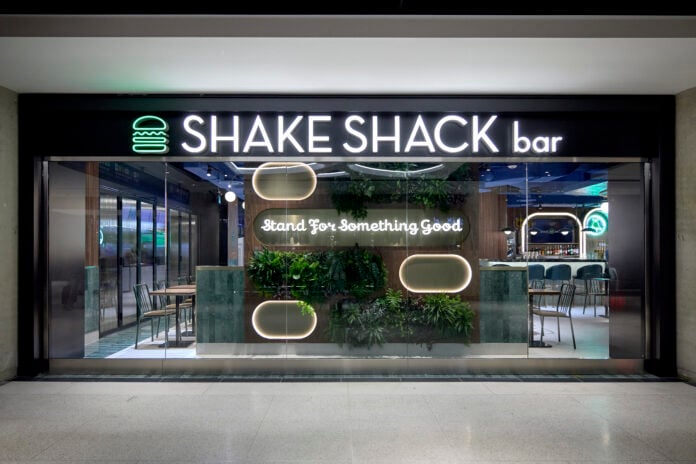
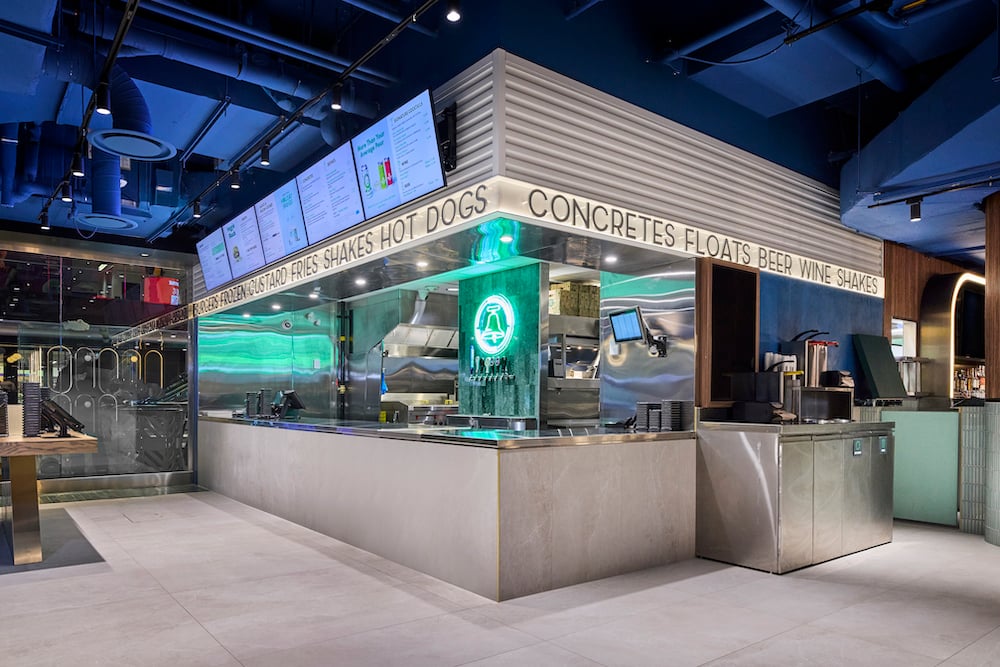
Toronto welcomes its second Shake Shack location at Union Station, a milestone in the brand’s Canadian expansion plan. Following the highly successful launch of its first Canadian flagship location at Yonge and Dundas earlier this year, the Union Station Shake Shack introduces unique offerings, including a full-service bar and locally inspired artwork, setting it apart as a destination for both locals and visitors.
Shake Shack Union Station: A Distinct Offering
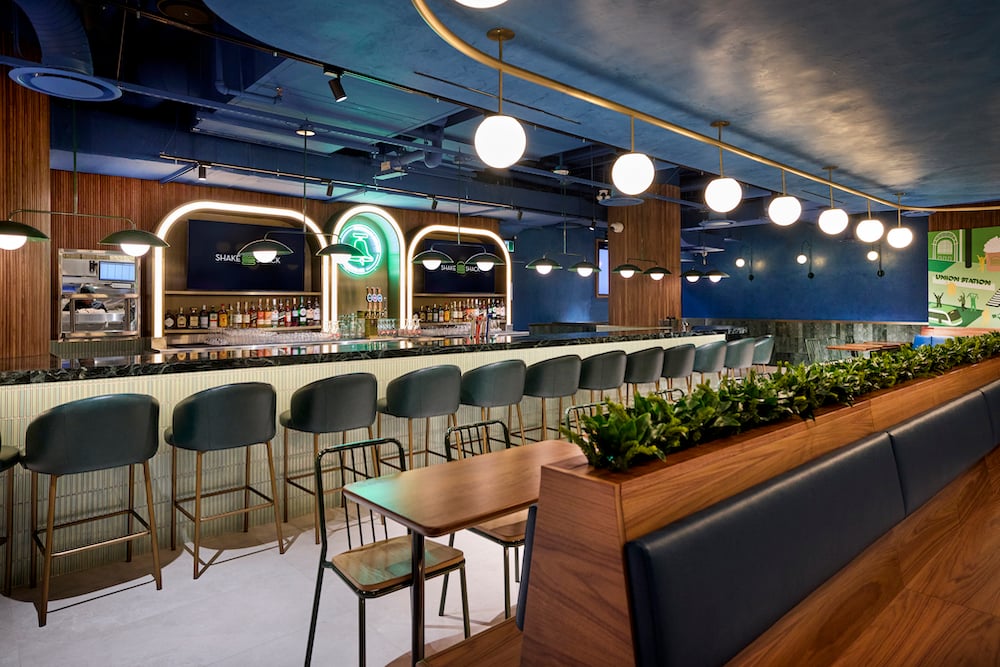
Shake Shack at Union Station is one of the few locations globally to feature a full-service bar, offering exclusive cocktails crafted for the Toronto market. This new addition elevates the brand’s fast-casual dining concept, creating an inviting space for commuters and downtown visitors seeking a premium experience. The bar complements Shake Shack’s signature menu items, including 100% Canadian Angus beef burgers, crispy chicken sandwiches, crinkle-cut fries, and hand-spun frozen custard made with locally sourced ingredients.
Adding a local touch, the space features artwork by Toronto-based illustrator Pui Yan Fong. Known for her storytelling through illustration, Pui Yan’s vibrant work highlights Shake Shack’s commitment to celebrating the diversity and culture of the communities it serves.
Shake Shack at Union Station in Toronto. Photo: Shake Shack
Rapid Growth for Shake Shack Canada
Shake Shack Canada, a partnership formed in 2023 between Toronto-based Osmington Inc. and Harlo Entertainment Inc., is spearheading the brand’s expansion in Canada. With plans to open 35 locations nationwide by 2035, the company is poised to establish Shake Shack as a leader in the premium fast-casual dining sector.
The first Canadian Shake Shack at Yonge and Dundas, located in the newly branded “The Tenor” complex at 10 Dundas Street West, quickly gained traction earlier this year, becoming a local favourite. The Union Station location builds on this momentum, offering a more robust experience with unique features tailored to its downtown setting.
Shake Shack at Union Station in Toronto. Photo: Shake Shack
Yorkdale Shopping Centre Location Coming Soon
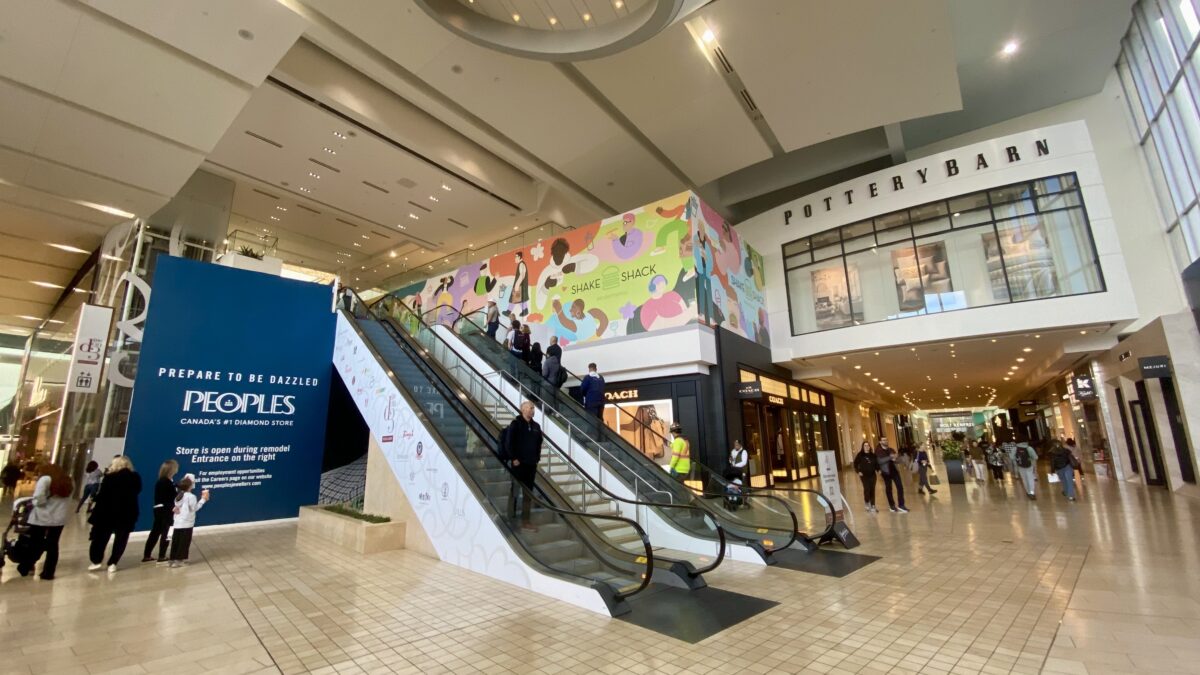
Shake Shack’s next Canadian location is set to open at Toronto’s Yorkdale Shopping Centre. This space, blending a former Illy Cafe on a mezzanine with part of the second level of the mall’s former Eaton’s department store, will create a visually striking dining area situated between two escalators.
The Yorkdale location will also feature artwork by Toronto illustrator Vivian Rosas, whose work celebrates community and diversity. The focus on integrating local artistry underscores Shake Shack’s dedication to making each restaurant distinct and community-focused.
Shake Shack construction hoarding at Toronto’s Yorkdale Shopping Centre on Thursday, October 24, 2024. Photo: Craig Patterson
A Global Powerhouse Makes Its Mark in Canada
Since its humble beginnings as a hot dog cart in New York City’s Madison Square Park in 2004, Shake Shack has grown to over 510 locations worldwide. With over 290 locations in the United States and more than 150 internationally, including cities like London, Tokyo, and Dubai, Shake Shack has become a global leader in fast-casual dining. Its entry into Canada marks another chapter in its international growth, leveraging the country’s appetite for premium, high-quality food options.
Shake Shack’s Canadian menu emphasizes local ingredients, such as Canadian dairy and 100% Angus beef, reflecting the company’s focus on delivering quality while connecting with local communities.
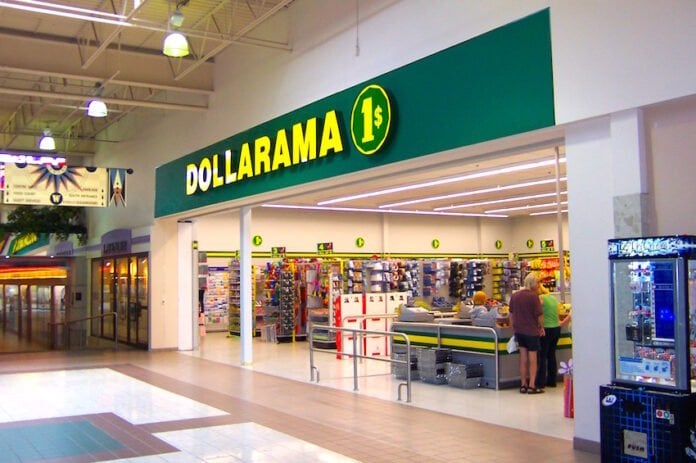
Dollarama, Canada’s premier dollar store chain, has announced significant expansion plans, including the establishment of a new distribution center in Calgary and an ambitious increase in its national store count.
The retailer has invested $46.7 million to acquire land in Calgary, where it plans to construct a state-of-the-art warehouse and distribution center to enhance service across Western Canada. The transaction is expected to close in the fourth quarter of fiscal 2025, with the facility slated to be operational by the end of 2027.
In response to consistent positive customer feedback and a reassessment of market potential, Dollarama has increased its Canadian store target to 2,200 locations by 2034, up from the previous goal of 2,000 stores by 2031. Currently operating 1,541 stores, this new objective entails opening approximately 67 new stores annually, aligning with the company’s recent expansion pace.
Financial Performance Highlights
Dollarama reported a third-quarter profit of $275.8 million, or 98 cents per diluted share, marking an increase from $261.1 million, or 92 cents per diluted share, in the same period last year. Sales rose by 5.7% to $1.56 billion, with comparable store sales growing by 3.3%. This growth was driven by a 5.1% increase in transaction volume, despite a 1.7% decline in the average transaction size.
Historical Context and Leadership
Founded in 1992 by Larry Rossy, a third-generation retailer, Dollarama opened its first store in Matane, Quebec. The company has since expanded significantly across Canada, offering a wide range of products, including cleaning supplies, toys, groceries, and more. In 2016, Larry Rossy transitioned the CEO role to his son, Neil Rossy, who continues to lead the company today.
Competitive Landscape
Dollarama operates in a competitive market alongside retailers such as Dollar Tree Canada, which operates over 200 stores nationwide, and Great Canadian Dollar Store, with well over 100 locations. Despite this competition, Dollarama maintains a significant market presence, with over 1,500 stores across Canada as of 2024.
The forthcoming Calgary distribution center is expected to optimize Dollarama’s warehousing and distribution operations, supporting its growth plans and generating cost savings. This facility will enhance the company’s supply chain efficiency, particularly in Western Canada, aligning with its expansion strategy.
Economic Context
Amid economic uncertainties and shifts in consumer spending habits, Dollarama’s value-oriented model has resonated with cost-conscious consumers. The company’s ability to offer a wide array of affordable products positions it favourably in the current retail landscape.
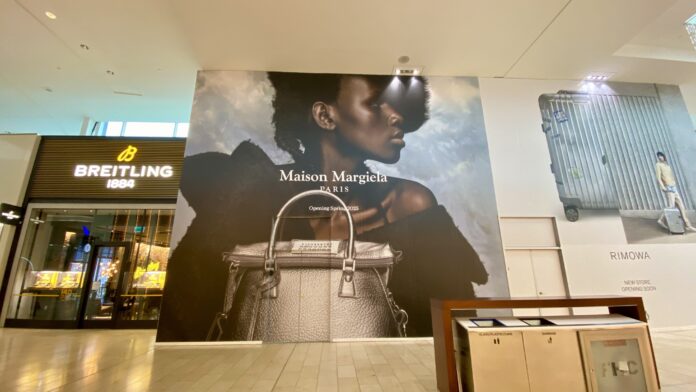
Future Maison Margiela store at the Yorkdale Shopping Centre in Toronto. Photo: Craig Patterson
Maison Margiela, the avant-garde fashion house renowned for its innovative designs, is making a bold debut in the Canadian market with two highly anticipated store openings. The first, a 1,747-square-foot boutique, is under construction in Toronto’s Yorkdale Shopping Centre and will open Spring/Summer 2025. A second location is set to follow in the summer of 2025 at Vancouver’s Oakridge Park.
Yorkdale’s New Luxury Wing Welcomes Maison Margiela
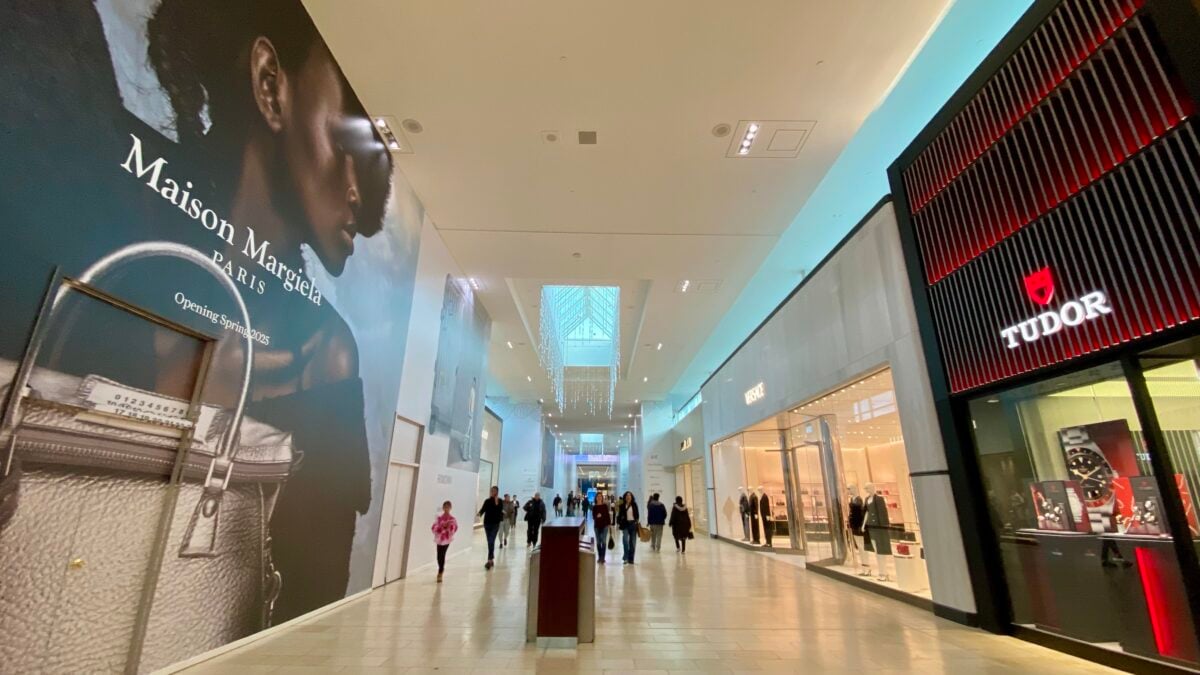
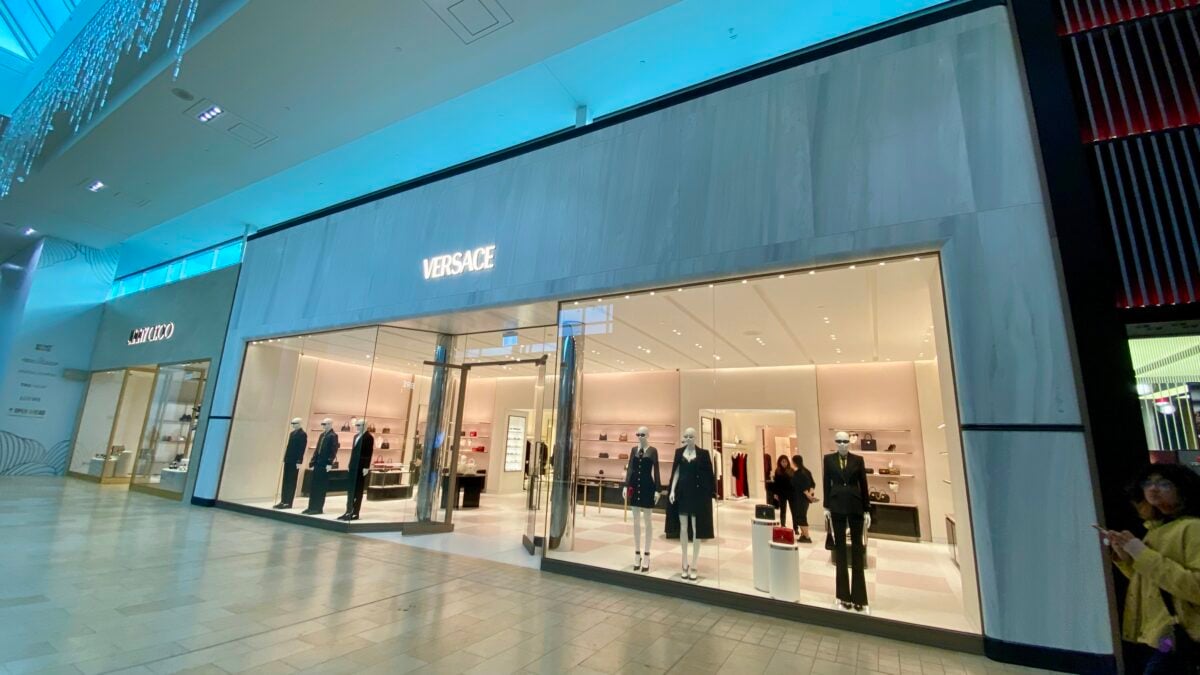
The Yorkdale Shopping Centre store will be located in the mall’s new 65,000-square-foot luxury wing, which is currently under development in the heart of the shopping centre. Maison Margiela will be in close proximity to other global luxury brands. A Rimowa boutique is opening next door, while Versace and Jimmy Choo have recently debuted just across the hall. Additional luxury tenants already unveiled in the wing include Brunello Cucinelli, Loewe, and Loro Piana, with more high-end brands on the way.
Yorkdale has cemented its position as Canada’s top luxury shopping destination, attracting international brands and affluent shoppers alike. This latest expansion is part of a $28 million investment aimed at enhancing the mall’s already impressive roster of luxury retailers, including Louis Vuitton, Tiffany & Co., and Bottega Veneta among others.
Under development: New luxury wing at Toronto’s Yorkdale Shopping Centre. Photo: Craig Patterson
Maison Margiela’s second Canadian boutique will open in Vancouver’s Oakridge Park, a transformative development that is set to redefine luxury retail on the west coast. Scheduled for a summer 2025 debut, the store will join a roster of high-profile tenants, including Louis Vuitton, Prada, and Versace, in a mixed-use space that combines high-end shopping with residential and community amenities.
The addition of Maison Margiela to Oakridge Park highlights the development’s ambition to become a premier luxury shopping destination, competing with Vancouver’s established downtown core. The Margiela store, according to lease plans, will be in the ‘North Arcade’ of the mall near other brands such as Christian Louboutin and Alexander Wang.
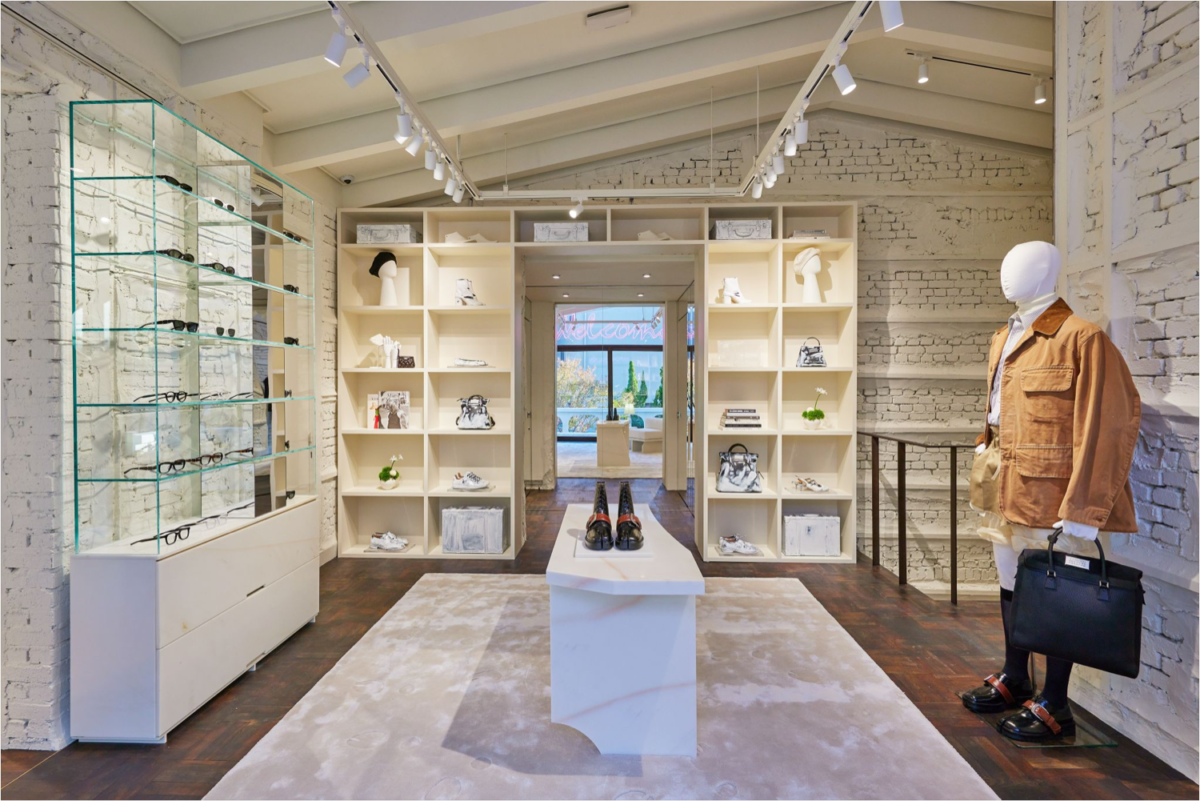
Inside the Maison Margiela store in Seoul. Photo: Margiela
Negotiated by DWSV Realty
The leases for Maison Margiela’s Yorkdale and Oakridge locations were negotiated by David Wedemire and Stan Vyriotes of DWSV Realty, who represented the brand in its discussions with Yorkdale’s landlord, Oxford Properties and QuadReal, landlord for Oakridge Park. DWSV Realty has a track record of securing prime locations for luxury retailers, including other high-profile leases within Yorkdale, Oakridge Park and other luxury nodes in Canada.
Recently opened retailer in the new luxury wing at Toronto’s Yorkdale Shopping Centre. Photo: Craig Patterson
Maison Margiela: Redefining Fashion
Founded in 1988 by Belgian designer Martin Margiela, the brand is celebrated for its deconstructive designs and unconventional use of materials. Maison Margiela’s unique aesthetic, which often reveals the structural elements of garments, has earned a cult following among fashion enthusiasts and established its reputation as a leader in avant-garde fashion. Today, the brand is part of OTB Group (Only The Brave), a fashion conglomerate founded by Renzo Rosso that includes other luxury names such as Diesel, Amiri, Jil Sander, Marni, and Viktor&Rolf.
Maison Margiela’s choice of Yorkdale and Oakridge Park for its Canadian debut underscores the brand’s focus on strategic market entry. Both locations offer access to affluent shoppers while reinforcing the brand’s positioning within the global luxury retail market. Retail Insider will follow up when these stores open next year.
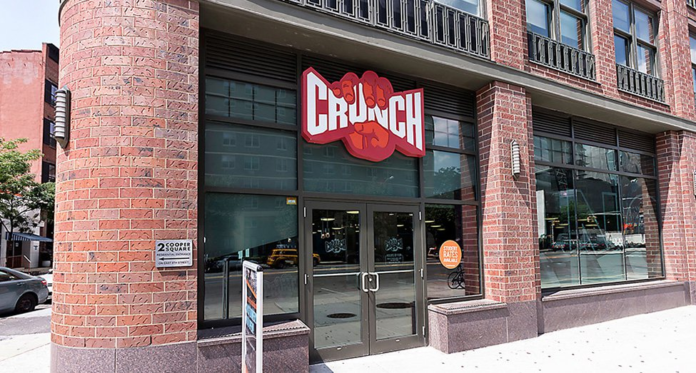
Crunch Fitness is accelerating its growth in Canada with a significant boost from new investment partners, Trive Capital and 808 Capital Partners. The Cambridge, Ontario-based master franchisee has its sights set on an ambitious expansion strategy, aiming to become a dominant force in Canada’s fitness industry. With over 90,000 members already served across 19 corporate-owned clubs and another 45,000 members in 13 franchised locations, the company is poised for exponential growth.
A Strategic Partnership to Drive Growth
The partnership with Trive Capital and 808 Capital Partners brings financial resources and strategic expertise to Crunch Canada, enabling the company to scale its operations and pursue new opportunities. Wes Hodgson, CEO of Crunch Canada, expressed his excitement about the collaboration.
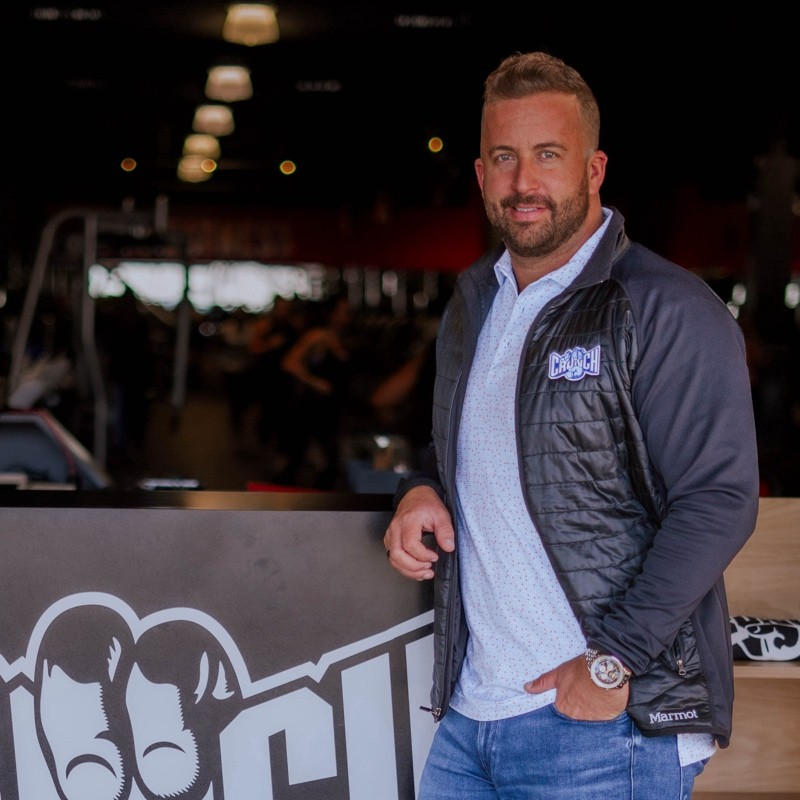
Wes Hodgson, CEO of Crunch Fitness Canada
“We are thrilled to partner with Trive and 808, who share our vision for delivering an exceptional fitness experience to our members,” Hodgson said. “This partnership allows us to enhance our capabilities, expand our leadership team, and capitalize on several near-term growth opportunities, including new club openings and select acquisitions.”
Trive Capital, a Dallas-based private equity firm, has a proven track record in the fitness sector, having previously invested in JF Fitness of North America, a Crunch franchisee in the United States. Jared Reyes, Managing Director at Trive Capital, emphasized the potential of the Canadian market.
“We are impressed with the Crunch Canada team’s ability to open and operate clubs while supporting its network of franchisees,” Reyes said. “The Canadian fitness market offers significant opportunities for expansion, and Crunch is well-positioned to capture additional market share with its high-amenity, affordable offering.”
Photo: Crunch Fitness Canada
Expanding Across Canada
Crunch Canada’s expansion strategy focuses on both corporate-owned and franchised clubs, targeting urban hubs and smaller communities alike. The company aims to open 12 to 15 locations annually, with plans to reach underserved markets across Ontario, Alberta, Quebec, and British Columbia.
“Our goal is to bring Crunch Fitness to every community in Canada,” Hodgson said. “We see untapped potential in both high-density areas like Toronto and smaller towns where access to affordable, high-quality fitness facilities is limited.”
In addition to organic growth, Crunch Canada is exploring acquisition opportunities to accelerate its footprint. The recent investment will also support innovations in member experience, such as upgraded amenities and new programming.
Crunch Canada’s brokerage partner, Titan York, led by Aaron Graben, has been instrumental in negotiating leases
A Unique Value Proposition
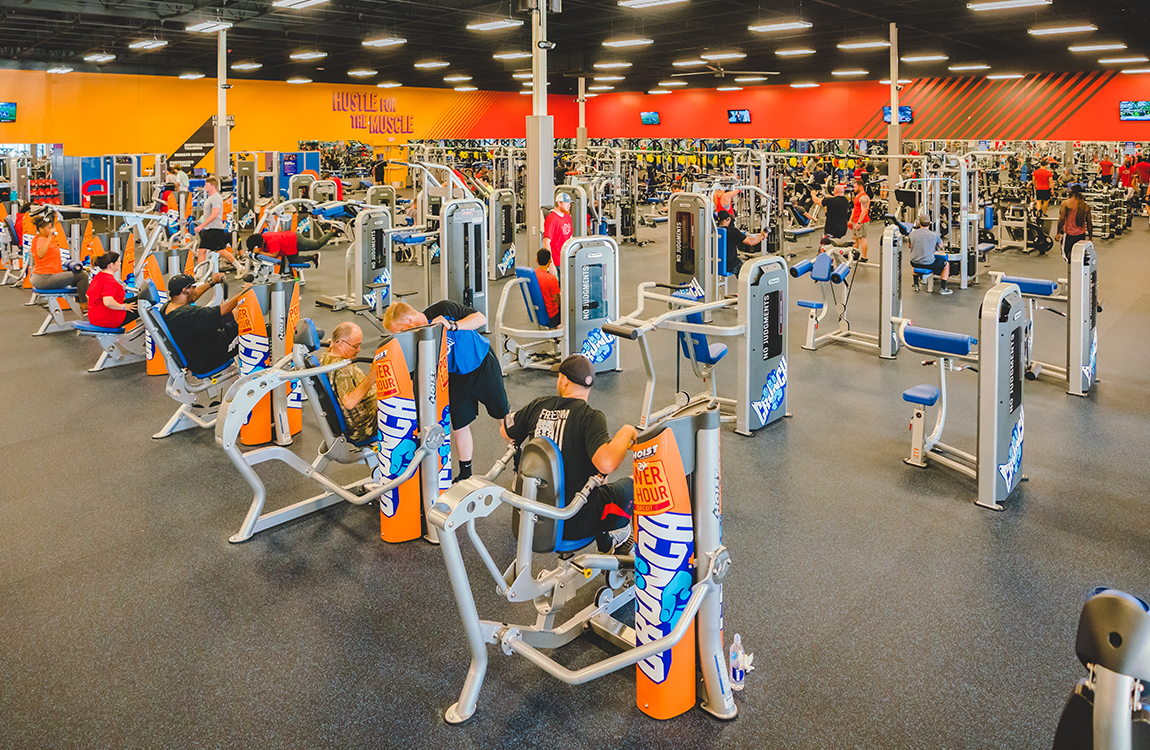
Crunch Fitness operates in the “high-value, low-price” segment, offering premium amenities at a fraction of the cost of traditional gyms. Memberships range from $10 to $34 per month, depending on location and services.
“Our model is about democratizing fitness,” Hodgson said. “We provide boutique-level amenities like hydro-massage, red light therapy, and group fitness classes, but at an accessible price point. This resonates strongly with Canadians who are seeking value without compromising on quality.”
Crunch’s proprietary HITZone, a high-intensity interval training space, exemplifies the brand’s innovative approach. Members enjoy boutique-style programming integrated into larger gym formats, offering flexibility and value.
Photo: Crunch Fitness Canada
Technology and Real Estate Strategy
Advanced technology plays a pivotal role in Crunch Canada’s site selection and operational efficiency. Tools such as Place AI and Buxton help identify ideal locations based on demographic and market data, ensuring each new club is strategically positioned for success.
“Technology has been a game-changer for us,” Hodgson explained. “It allows us to replicate the success of our top-performing locations by targeting similar demographics in new markets.”
Securing prime real estate is another key focus. Crunch Canada’s brokerage partner, Titan York, led by Aaron Graben, has been instrumental in negotiating leases in competitive markets like Toronto and Vancouver.
A Legacy of Growth
Crunch Canada’s roots trace back to 1976, when the Hodgson family opened its first fitness club in Kitchener, Ontario. Wesley Hodgson, who became CEO in 2010, expanded the family business and acquired the Crunch master franchise rights for Canada in 2017. Since then, the company has grown steadily, earning a reputation for innovation and member satisfaction.
“The North American fitness industry is thriving as more consumers prioritize health and wellness,” said Shravan Thadani, Partner at Trive Capital. “Crunch’s model of high amenities at affordable prices positions it as a leader in this growing sector.”
Looking Ahead
As Crunch Canada embarks on its next phase of growth, the company remains committed to its core values of inclusivity and community. Hodgson envisions Crunch locations as vibrant hubs where people of all backgrounds come together to prioritize their health.
“Our gyms are more than just places to work out—they’re places to connect, recharge, and thrive,” Hodgson said. “With the support of our new partners, we’re excited to bring the Crunch experience to even more Canadians.”
Chequan Lewis, President of Crunch Fitness, echoed this sentiment. “We are proud to see Trive and 808’s continued investment in Crunch. Their support will enable Wes and the team to strategically grow our footprint in Canada and deliver our unique fitness experience to a broader audience.”
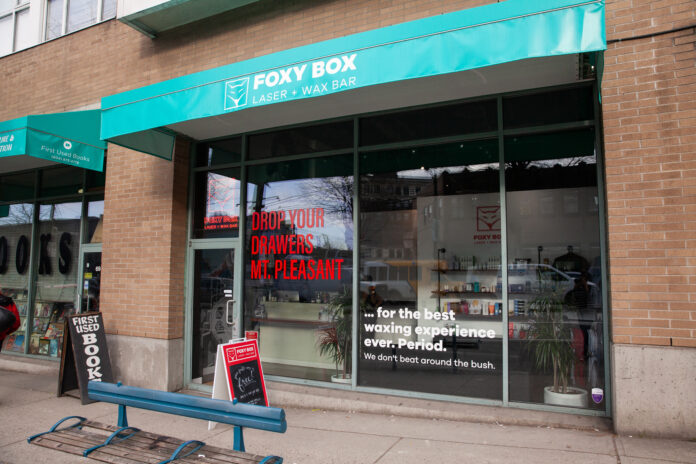
Foxy Box Laser & Wax Bars, with its start in Victoria, is set on a path of unparalleled growth – without losing the essence of what makes it unique. From 2020 to 2024 the franchise business rapidly expanded, scaling from four locations in 2020 to 18 to date in 2024, with continued expansion across Canada and into the US forecasted for 2025.
Founded in 2012 by Kyla Dufresne, Foxy Box was built on a foundation to create a unique and empowering experience for all clients. Being one of the first wax bars to remove gender terms in services and offer the same price for services, regardless of gender, Foxy Box’s talented “Vagicians” offer services in an inclusive, safe and comfortable environment.
Its approach to empowering and making customers feel powerful has resulted in some impressive revenue numbers. From 2020 to 2023 Foxy Box saw a 356% increase in system-side revenue from $2.1M+ to $9.6M+.
Kyla Dufresne
Not slowing down anytime soon, Foxy Box is expanding in Quebec with eight new locations scheduled to open over the next five years, and launching in the US market in 2025.
“My very first location was actually the dining room of my shared house when I was 24 years old. I was a bartender at the time. I quit my job. I put myself through school and then I made little business cards called FoxyBox with my cellphone number on it and it had my home address on it,” said Dufresne.
“I grew really quickly . . . I found my own space downtown and I guess my very first Foxy Box location was six or eight months after that. We’ve grown since those humble beginnings. We have 18 open and three more under construction. We’ll have 21 locations open by the end of February.”
Foxy Box is currently located in BC, Alberta and Ontario with two new stores opening in Quebec after signing on a master franchise partner who are scheduled to open eight locations over the next five years.
Photo: Foxy Box
Dufresne owns two of the locations and the rest are franchised.
“Where am I driving this rocket ship to? My big hairy, audacious goal is to get to 150 locations. We are entering into the U.S. market. We are planning on launching quarter two of next year. I imagine we probably could get to maybe 50 locations in Canada but the U.S. is where we can really scale. We’re going to market in the U.S. next year,” she said.
“Beyond that I see Foxy Box as a global brand. I’ve secured my trademark in the UK and in Australia.
“We’re not just a hair removal business. We’re in the business of self-empowerment. Our goal is to leave every customer feeling powerful and energized. That’s what we aim and strive to do. We’ve created a brand, not just a business. We’re not all about just a transaction for hair removal. We really do impact the communities that we’re in.”
For example every year the company hosts an event Foxy Fest, inspired by Lilith Fair. It’s held on International Women’s Day and the company has done it for the last five years, raising money for local charities.
The company also every year has a Customer Appreciation Day.
“We’re a gender neutral salon. We’re the first wax bar in Canada to go gender neutral. In the past we used to have female services and male services . . . We’ve removed gender from all of our verbiage and we’re based on anatomy.”
Also at each of the locations, about 95 per cent of the waste is recycled, using a program with Green Circle.
Craig and Myriam Belzile-Maguire, Founder and Designer at Maguire Shoes, discuss the remarkable growth of the Montreal-based footwear brand she founded. Known for its direct-to-consumer model, the brand offers high-quality shoes at affordable prices by cutting out traditional wholesale markups. Myriam shares how her experience as a designer inspired the creation of a mid-range price point in leather footwear that bridges the gap between budget and luxury. Maguire’s unique business approach has been instrumental in its success, allowing the brand to maintain fair pricing while delivering exceptional quality.
Maguire Shoes has expanded significantly since its inception, starting with a small Montreal shop and growing to include locations in Toronto, New York, and soon, Brooklyn. Myriam explains the strategic importance of being in trend-driven neighborhoods with vibrant local life, such as Nolita in Manhattan, to enhance visibility and attract fashion-savvy customers. Physical stores have also positively impacted online sales, with half of the brand’s revenue now generated through e-commerce.
Beyond footwear, Maguire has diversified its product line to include accessories such as gloves and jewelry, inspired by collaborations with trusted manufacturers. As the brand continues to explore new markets and refine its offerings, Myriam hints at potential future ventures, including a possible expansion into men’s footwear. Despite rapid growth, Maguire Shoes remains committed to its Canadian roots, ensuring competitive pricing for local customers while capturing global attention through innovative designs and strategic retail placement.
If you prefer to listen to the audio version, it is available below:
The Interview Series audio podcasts by Retail Insider Canada are available on Apple Podcasts, Stitcher, TuneIn, Google Play, or through our dedicated RSS feed for Overcast and other podcast players. Also check out our The Weekly audio podcast where Craig and Lee discuss popular content published on Retail Insider which is part of the The Retail Insider Podcast Network.
Subscribe, Rate, and Review our Retail Insider Podcast!
Drop us a line at Craig@Retail-Insider.com. You can also rate us in Apple Podcasts or recommend us in Overcast to help more people discover the show!
Background Music Credit: Hard Boiled Kevin MacLeod (incompetech.com). Licensed under Creative Commons: By Attribution 3.0 License. http://creativecommons.org/licenses/by/3.0/
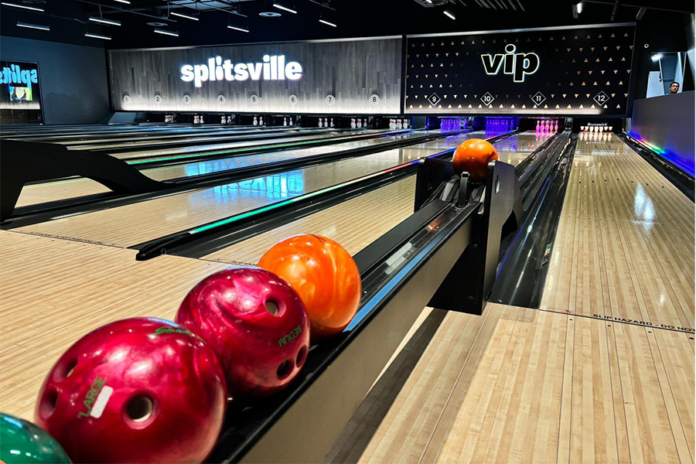
Splitsville Entertainment, a family entertainment chain specializing in bowling, arcades, and upscale food and beverage offerings, is making major strides in its Canadian expansion. With 13 locations already open with two to open in early 2025 in Kanata, Ontario and northwest Calgary, the company is positioning itself as a leader in the modern bowling experience.
“We’ve taken a page from the evolution of movie theatres. Bowling centres today are a mix of traditional lanes, cutting-edge game rooms, and upscale food and beverage offerings. We’re creating an immersive guest experience with state-of-the-art lighting, audio-visual technology, and comfortable seating. It’s all about elevating the fun for families, friends, and even corporate groups.
“We like to think of ourselves in leading the trend in the guest experience. We’re truly trying to make sure that that guest experience is fairly high. Ultimately our goal is to have people return more sooner than later.”
With Edmonton slated for its latest development, Splitsville plans to open a new location at Christy’s Corner in late 2025. This will bring the total number of Canadian locations to 16. Haggerty is optimistic about the region’s potential, noting its well-planned infrastructure.
“Edmonton has a fantastic ring road system, which makes it easy to move around the city,” he explained. “Our vision is to have four centres here: Northwest, Northeast, Southwest, and Southeast. The goal is for anyone in Edmonton to have a Splitsville nearby for easy access to top-tier entertainment.”
Photo: Splitsville
Splitsville isn’t stopping at Edmonton. Haggerty outlined ambitious plans to grow the chain to 30-35 locations nationwide, targeting major urban centres and feeder communities like Red Deer, Medicine Hat, and Lethbridge.
“Canada’s urban centres are ripe for family-friendly entertainment options,” Haggerty said. “With our unique blend of recreation, sport, and leisure, we’re tapping into a market that caters to everyone from kids to retirees.”
One of Splitsville’s core strengths is its broad appeal. “Bowling has been around for 5,000 years, and for good reason,” Haggerty shared. “It’s accessible to everyone—from toddlers to seniors and even those with physical or mental challenges. We offer sport, recreation, and entertainment, ensuring there’s something for everyone at any time of day.”
The company’s programming reflects this diversity. “We have leagues early in the week, corporate events on Thursdays and Fridays, and families during the weekends,” he added. “Millennials and younger crowds love our late-night vibe. It’s a wave of different guests filling our spaces at different times, which makes it so exciting.”
Haggerty emphasized that Splitsville’s success hinges on delivering consistent, high-quality guest experiences that keep patrons coming back. “We’re all about creating an environment that people want to return to sooner rather than later,” he said. “With every location, we’re fine-tuning what works to ensure we’re the go-to destination for fun and entertainment.”
As Splitsville Entertainment prepares to break ground on its Edmonton project, Haggerty is optimistic about the future. “We’ve done our homework, and we know there’s a strong demand for what we offer,” he concluded. “Edmonton residents can look forward to a fantastic entertainment option that’s worth the wait.”
Splitsville is bringing a modern bowling and arcade experience to Edmonton:
21 lanes of 10-pin bowling with digital scoring equipment, interactive bowling games, comfortable seating, VIP lanes, and lane-side food and drink service.
State-of-the-art arcade to bring out the kid in everyone featuring games from arcade classics to the newest VR technology and an impressive prize redemption counter.
Bar and lounge with casual dining, pool tables, and all your favourite sports games.
Photo: Splitsville
In 2022, he had a company called Splitsville with five family entertainment complexes across Canada. He was looking to expand and met the folks at Hollywood Bowl, who own 80 centres in the UK.
In May 2022, Haggerty sold them the five locations and they retained him as President.
“When we look at Canada, there’s seven, eight major cities.
We want to be in all of those. We want to be sort of in their feeder, when I call it feeder communities and specific say to Alberta, we would like to be in Red Deer, Medicine Hat, Lethbridge at some point, but really our concentration right now is in the bigger urban areas like Calgary, like Edmonton,” he said.
“We will actually create programs through the days of the week and the times of the day to be attracting anybody and everybody that can make their way to our facilities to ultimately have a really good guest experience. Create that experience so that they are coming back more sooner than later, so essentially anybody that’s out there really becomes sort of a client of ours. Where our heavier concentration comes from we’ll have the leagues during the early part of the week the Mondays, the Tuesdays, the Wednesdays then we migrate into more corporate in the Thursdays and Fridays, and then we’re into families, daytime, Saturdays and Sundays with the Millennials coming later at night.”
Retailers are disproportionately targeted by cybercriminals, with about 24% of cyberattacks globally aimed at this sector, she says.
“And within that, what we’re seeing is 30% of those attacks are typically phishing, so that would be the common techniques that you would see, such as emails being the most common one, but more and more we’re seeing phone phishing as well as text phishing as part of newer trends,” says Regen.
“The second one would be malware. The third one would be ransomware with approximately 13% of attack and malware being approximately 20%. And then the remaining percentage are spread between 10% denial of service attack and the last one are all other types of threats that we’re seeing in the market.”
She said phishing is essentially a social engineering technique that aims for someone to be able to have you create an action that in turn will help them either gain access to your personal information or access to your device such as your computer.
“The most common way that we’ve seen it over the past 10 years is you would receive an email with some sort of a call to action, a sense of urgency is usually the key technique that they use that would request of you to take a specific action.
“The two most common types of action would be for you to click on a link and typically what happens next is they want to harvest your credential. So they want you to log into a website that is meant to look legitimate, for example, but isn’t in a way to capture your username and password.”
Another one that is being seen is people wanting you to download a file, which is a malicious file that once downloaded into your computer, for example, would enable them to take various actions. Some of the actions that we’re seeing is they will monitor what you’re typing on your keyboard.
So then and there they can get your credentials, your passwords, and so on and so forth.
And then depending on whether it’s your personal laptop or your work laptop, it may actually allow them to maneuver within the infrastructure of the organization, escalate the privileges, and then do a lot more damage when that happens.
“Retailers actually have access to customers. So the impact that they can have by targeting a retailer in gaining access to personal information can be quite significant,” said Regen.
“Essentially, the more the trend that we’re seeing in the retail industry right now is to gather a lot of data around customers. And that amount of data is very beneficial for trends such as targeted marketing, personalization of the services or the products that customer they’re getting to. But the flip side of this is, this is a well of data that malicious threat actors can try to get access to to create damage, not only to the retailer itself, but also to the area of customers.”
There’s also the very appealing additional factor, which is credit card information.
“The first and the best recommendation that we tend to give over here at EY is to look for a proactive and preventative approach.
Now, what does that mean? Proactive means essentially be ready for a potential negative exploit to arrive within your organization. We often say in cybersecurity, it’s not if, it’s when. So the devil will be in the detail of how prepared are you to respond when something occurs and there’s various elements that goes into preparedness that can be around.
“Do you have the right playbook so that you know exactly what to do, who to call and what to execute. Should something happen? Have you tested this playbook so that you can see how all of the different people in your organization that have to be mobilized work together and invent an incident to effectively respond to this incident.
“Do you have the right providers supporting you if something happens that you’re ready to call? Like incident response retainer is a very common thing that organizations do in those instances. That would be for, say, the preparedness aspect. Now, the additional proactive aspect is think about having the right security guardrails within your organization.”
People need to be ready for any cyber risk
Humans need to be ready. That means train your employee in recognizing something that looks suspicious. Train them to be able to recognize phishing emails, for example, or voice phishing email, for example, and so on and so forth. Test their knowledge and don’t go beyond the basics.
And what kind of technologies have you invested in to have the ability to effectively respond to more sophisticated type of attacks.
“Think proactively, holistically and strategically about the right mix of technical and non-technical security controls that will allow you to both protect your parameters, but also make sure that the people within your parameter have the ability to recognize and take the right action.”
Retail Insider is streamlining its Canadian retail news from around the web to include a handful of top news stories that can be viewed quickly during the day. Here are the top stories from the past 24 hours.