Calgary’s landscape is set to undergo a transformative change with an ambitious joint venture project between Calgary Co-op and Truman Homes in the heart of the Marda Loop neighbourhood.
The proposed development, named the “Marc & Mada Block,” will provide about 441 new homes and nearly 58,000 square feet of retail space, anchored by an urban-format Calgary Co-op grocery store.
The new homes are designed to support Calgarians of all ages, wages, and stages of life. Marc & Mada Block features a strong commitment to long-term housing affordability by dedicating a portion of new homes as affordable rental units, which will be owned and operated by the non-profit Liberty Housing Organization.
“I’m an urban planner, and I’ve been supporting Calgary Co-op and Truman on this proposal at a pretty granular level since they formed their partnership after Co-op acquired the site in 2019,” explained David White.
White said a rezoning application and then a bricks and mortar development are currently under review by the City of Calgary. “We expect through the course of the first quarter of this year, heading into the Spring, a recommendation will be made to City Council and ultimately a public hearing will be hosted and a decision will be made about the rezoning,” he explained.
“If that is successfully approved by Council this year in the Spring as we anticipate that means the development permit could then be considered for approval which would then allow the next stages of approvals and ultimately construction starting in 2026. For a project of this scale, it’s a fairly significant project, it would take at least two years, two and a half years to see construction through to occupancy.”
Marc & Mada Block
Key Features of the Development
The project is centred on a 27,000-square-foot urban-format grocery store, complemented by 15,000 square feet of additional commercial retail units (CRUs). “The main podium will house the grocery store and a collection of shops, services, and restaurants, creating a vibrant commercial hub,” White detailed.
Above the commercial spaces, the development will feature three residential components integrated into one superstructure. “It’s essentially one giant project sitting on a four-story parkade with a large podium. The residential portion includes approximately 441 new homes, a mix of for-sale condos and some purpose-built rentals, with the latter associated of affordable housing with a third-party non-market housing provider,” White explained.
Marc & Mada Block
Damon Tanzola
“This new mixed-use development in the heart of one of Calgary’s most beloved communities is a source of pride for Calgary Co-op. When we acquired this site four years ago, we could see the unique potential of this strategic investment on behalf of our members. This new development will further contribute to this thriving community by providing those living, working and playing in Marda Loop, a fresh take on grocery shopping and enhanced community amenities,” said Damon Tanzola, Senior Vice President, Real Estate and Health & Wellness
“Marc & Mada Block represents the next generation of city-building in our redeveloping communities—mixed-use development that delivers the housing and amenities Calgarian’s need within vibrant growing neighbourhoods. We are proud to partner with Calgary Co-op to make this vision a world-class place,” said George Trutina, President, Truman.
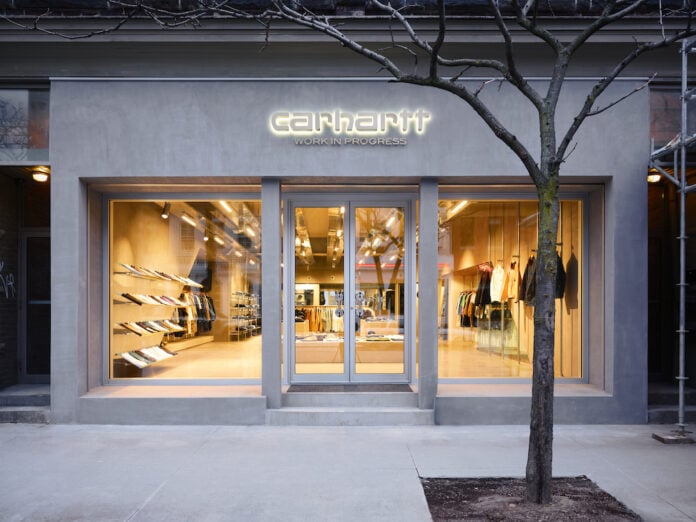
Carhartt store on Ossington Avenue in Toronto. Photo: Carhartt
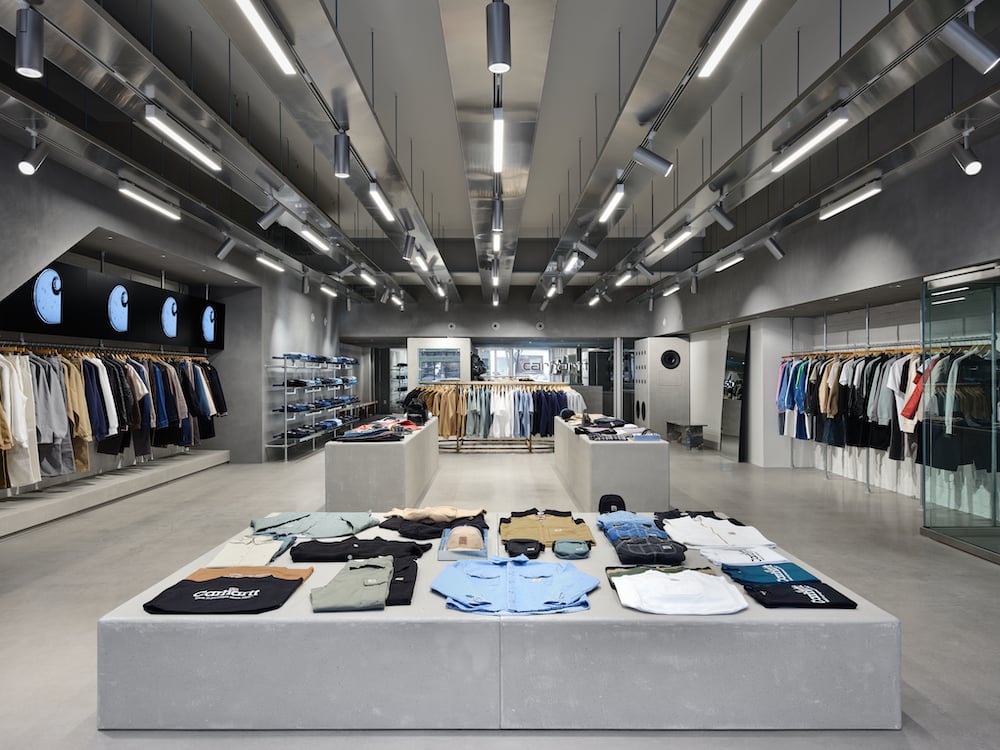
Carhartt Work In Progress (WIP) has officially opened its first Canadian store at 49 Ossington Avenue in Toronto. The opening marks a significant milestone for the brand. The 2,000-square-foot store blends Carhartt’s heritage of durability with the contemporary aesthetic of its WIP line, offering Torontonians a curated collection of apparel and accessories.
A Legacy of Quality and Durability
Carhartt, founded in 1889 by Hamilton Carhartt in Detroit, Michigan, began as a workwear brand designed to meet the needs of American labourers. With just two sewing machines and five workers, the company focused on creating durable overalls for railroad workers, earning a reputation for “Honest value for an honest dollar.” Over the decades, Carhartt expanded its offerings to include jackets, coats, overalls, shirts, and jeans, all designed for hard-working individuals.
In 1994, Carhartt WIP was introduced as a refined offshoot of the brand, catering to urban audiences by combining Carhartt’s hallmark durability with contemporary streetwear designs. This evolution has allowed Carhartt to remain relevant in an ever-changing fashion landscape, balancing its blue-collar roots with modern, style-conscious sensibilities. Carhartt WIP’s parent company, Work in Progress Textilhandels GmbH, is based in Basel, Switzerland.
Carhartt WIP has cemented its status in the global fashion world through high-profile collaborations. Partnerships with A.P.C., Converse, Junya Watanabe, Nike, and Fragment Design have elevated the brand’s visibility, introducing its rugged aesthetic to new audiences. These collaborations have resulted in limited-edition collections that marry utility and design, enhancing Carhartt WIP’s appeal to both long-time fans and newcomers.
Carhartt at 49 Ossington Avenue in Toronto. Photo: Carhartt
The Toronto Store: Blending Heritage with Modernity
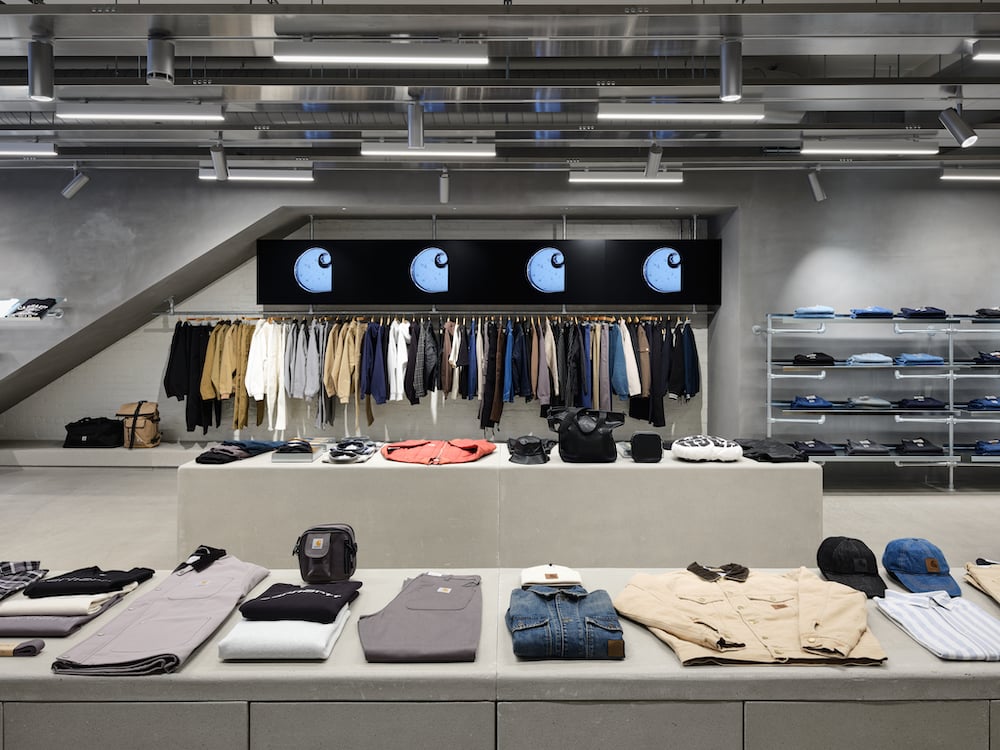
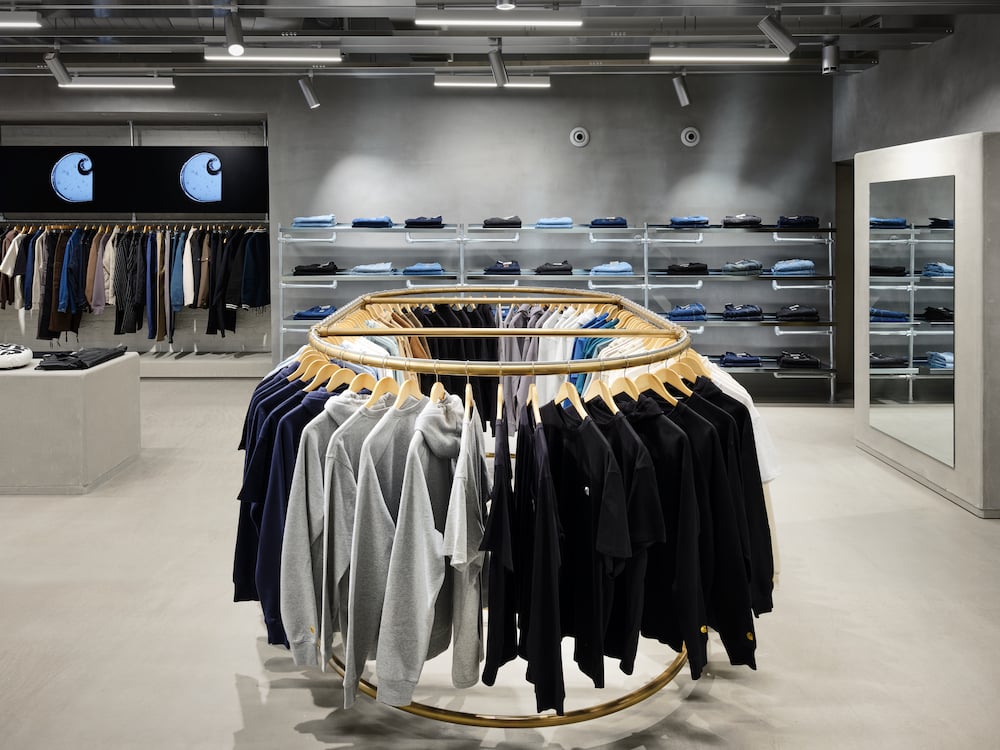
Located on Toronto’s trendy Ossington Avenue, the new store represents Carhartt WIP’s third standalone location in North America, following stores in New York City and Los Angeles. The 2,000-square-foot space captures the brand’s industrial heritage while embracing a sleek, modern retail experience.
The store features a curated selection of Carhartt WIP’s latest collections, including jackets, t-shirts, pants, and accessories, designed to cater to Toronto’s diverse and fashion-forward community.
The CBRE Urban Retail Team facilitated the lease agreement for the space, with Teddy Taggart and Arlin Markowitz representing Carhartt in the deal with the support of the Team. Their expertise in Toronto’s retail market helped secure the Ossington location, which has become a destination for eclectic boutiques and cultural experiences.
Carhartt at 49 Ossington Avenue in Toronto. Photo: Carhartt
A Growing Retail Hub: Ossington Avenue’s Appeal
Carhartt WIP’s arrival on Ossington Avenue further solidifies the street as a prime destination for unique shopping experiences. The area, nestled between Queen Street West and Dundas Street West, has recently seen an influx of new fashion retailers.
In December 2024, Toronto-based Uncle Studios opened its first physical location at 46 Ossington Avenue, pairing clothing retail with a coffee shop in a hybrid concept. Also in December at 104 Ossington Avenue, Province of Canada launched its second Toronto store, offering locally manufactured apparel and home goods that prioritize sustainable design.
Ossington Avenue is home to a unique range of retailers, including some well-known names such as Mejuri, Tiger of Sweden, Edwin Jeans, Duer, Reigning Champ, Tilley Endurables, and others. The street is also home to popular coffee shops, restaurants and bars.
Carhartt at 49 Ossington Avenue in Toronto. Photo: Carhartt
Future Canadian Expansion: What’s Next for Carhartt WIP?
Currently, it is unclear if Carhartt WIP plans to open additional stores in Canada. While the Toronto store is a milestone for the brand, there has been no official announcement regarding further expansion.
If Vancouver were to be a potential site for a second Canadian store, West 4th Avenue in Kitsilano would be a strong contender. The area’s mix of premium retailers and a demographic similar to Ossington Avenue’s makes it an appealing location for the brand.
Uniqlo at CF Chinook Centre (Image: Mario Toneguzzi)
Retail in Canada performed very well in 2024, with demand for space robust across almost all markets and sectors. Amid a limited development pipeline, retail vacancy rates declined to historical lows last year and many markets saw rental appreciation, according to CBRE’s H2 2024 Retail Rent Survey, a snapshot of retail trends and rents for 11 Canadian markets.
CBRE anticipates these trends will continue in the first part of 2025. Retail sentiment is positive, the market remains supply-constrained, and there is tenant demand in almost all sectors, particularly in grocery, restaurants, QSRs and those associated with general service-based uses, health and wellness, and fitness.
Alex Edmison
“But the long-term trajectory is more difficult to project,” said CBRE Senior Vice President Alex Edmison, who heads the National Retail Group. “One of the largest drivers of retail growth has been immigration, which will moderate this year.
“The threat of tariffs and their potential to throttle the economy could have a material impact at a time when consumers were already feeling pressure. But overall, we think that Canadian retail is in good shape heading into 2025.”
CBRE said the survey notes that interest rates will be something to watch in 2025; their downward trajectory helped support consumer confidence through 2024.
“But rising bond yields could limit future improvements on this front. The retail market will likely remain supply constrained into the foreseeable future, and there will be very little retail development. Even if the economy softens, retail availability will likely remain low,” said the report.
Here some other key takeaways from the Retail Rent Survey:
Rent growth was noted in 24 of the total 120 areas included in the survey. This is a marked slowing in the pace of rent appreciation cross-country and follows 40 increases noted at mid-year.
Four of 11 markets reported no change in rents over the last six months. This ties the H1 2023 edition of the Retail Rent Survey for the greatest number of markets with no noted movement in rents.
Mixed-use urban and unenclosed community centres experienced escalating rents in four markets each, the most of any retail formats.
Six key urban retail nodes across four markets noted increased rental rates. Select cities meanwhile continue to face challenges from decreased daytime foot traffic, with focus remaining on suburban sites
Here are the most active retailers and growing segments for 2025, according to CBRE:
Grocery: The grocery segment is competitive across most markets with an emphasis on discount banner expansion in underserved areas. Low vacancy and a lack of development has created a very dynamic environment for expansion, however. In a race for space, second generation space and off-market deals are common. Brands like Loblaws are actively looking to grow their No Frills and Maxi formats and are targeting smaller size stores between 10-20,000 square feet, as well as T&T.
Fitness: From discount to premier, there is a wide variety of offerings and activities available on any budget. Pilates and yoga studios, and other club/gym formats like Equinox and Fit4Less are all currently in expansion mode. Innovative community-based offerings are also picking up steam like Fairgrounds, which is taking space in transitional assets, and Othership, which is gaining appeal in the U.S.
Service/Medical: Momentum continues to build in the medical space, with consolidation as well as growth from start-ups. Innovation is being seen in the vet space in tandem with consolidation countrywide, along with growth in urgent care business and activity in the cardiovascular space.
Luxury & Apparel: The athletic and athleisure apparel sector is experiencing healthy growth and has been active across high street and enclosed malls. First-to-market brands such as Nike, ON, Alo Yoga and Vuori are taking space in the most in-demand areas. And luxury houses such as LVMH are expanding in Toronto’s Bloor Yorkville area.
CBRE listed some of the notable retail trends to watch for in markets across Canada:
In Calgary, there has been tremendous demand from daycares securing space, but the market is now beginning to run short on options. QSR food opportunities meanwhile continue to be in strong demand. Edmonton‘s QSR food scene has also experienced a surge in traffic as American franchises like Chick-fil-A, Krispy Kreme, Chipotle, and Firehouse Subs opened their first locations.
True North Real Estate Development finalized their acquisition of Portage Place Mall in Winnipeg. Adding residential, medical, office and new retail components, this massive redevelopment will impact downtown Winnipeg as a whole. Hopewell has begun development on the retail portion of their Refinery District project, which will bring 7,000 square feet of retail space to market in Q2 2025.
Toronto’s restaurant scene remains active in the Financial Core with recent openings from JOEY Restaurants and Estiatorio Milos. QSR is also making moves, with Shake Shack opening new locations at Yorkdale Shopping Centre and Union Station. New boutiques in Yorkdale’s renovated luxury wing include Versace, Loewe, Jimmy Choo, and Brunello Cucinelli.
In Montreal, the overhaul of Sainte-Catherine Street West is now 50% complete. For the first time in years, there is no construction, and the street is fully accessible. Alo, Sephora, and New Balance have all secured new deals on Sainte-Catherine Street West, with more activity expected in 2025.
President Donald Trump’s provocative suggestion that Canada might as well be America’s 51st state is absurd, as Canadians know. But it is precisely this absurdity that garners attention—something Mr. Trump understands all too well. To Canadians, such comments are exasperating, but they also highlight a deeper issue: the dysfunction within Canada’s own economic framework, particularly when it comes to interprovincial trade.
Easier to Trade with the U.S. than Other Provinces
Most Canadians understand this will never happen. However, Mr. Trump’s comments strike a nerve because they expose an inconvenient truth: Canada’s fragmented trade policies often make it easier to do business with the United States than with other provinces. Interprovincial trade barriers have been a longstanding issue, and provinces frequently prioritize the U.S. market, drawn by its ease of access and substantial economic returns.
Danielle Smith, Alberta’s Premier, has repeatedly voiced frustrations with Canada’s disjointed energy policies. Eastern Canada’s lack of willingness to discuss cross-country pipelines has left Alberta relying heavily on exports to the U.S. for its energy resources. The agri-food sector faces similar challenges. Provinces like Ontario and Quebec, for example, often prefer to maintain tight controls rather than foster seamless trade relationships with the rest of Canada. When trade disputes arise with the U.S., these provinces have historically been quick to sacrifice others—most notably Alberta—even though Alberta’s equalization payments financially support many of the social programs delivered in Eastern Canada.
Alcohol and Supply Management Complications
This hypocrisy extends beyond energy and into food systems. While Alberta and British Columbia recently reached an agreement to ease interprovincial wine trade, Ontario and Quebec continue to resist efforts to smooth alcohol trade. This resistance mirrors the broader challenges of supply management, which governs the production and pricing of dairy, poultry, and eggs. Each province operates under its own quotas, making the movement of these goods across provincial borders unnecessarily complex. For instance, a dairy farmer in Quebec faces significant regulatory hurdles if they want to sell milk to processors in Ontario.
These inefficiencies directly impact Canadians. Chicken in British Columbia, for example, costs 25–30% more than in other parts of the country, despite supply management’s supposed mandate to provide safe and affordable food to all Canadians. The situation is even worse in Northern communities, where the cost of food skyrockets due to logistical barriers.
Moreover, inconsistent provincial regulations on food labeling, packaging, and grading further complicate interprovincial trade. A fruit producer in British Columbia, for instance, may need to adjust packaging to meet Ontario’s specific requirements, driving up costs and reducing competitiveness. Similarly, differing rules around transportation create roadblocks for perishable goods. Manitoba beef producers looking to sell in Quebec face delays from varying inspection protocols or transportation permits.
Small Businesses Struggle with Trade Restrictions
Small businesses and farmers also bear the brunt of these barriers. A butcher in Alberta, for example, operating in a provincially inspected facility, cannot sell beef to retailers or restaurants in neighboring Saskatchewan, even if demand exists. Likewise, variations in pesticide, fertilizer, or farm equipment regulations across provinces create logistical headaches for farmers, particularly those near provincial borders.
Even local food initiatives, designed to support regional producers, inadvertently hurt interprovincial trade. Schools in Ontario and Quebec that prioritize purchasing locally grown apples make it harder for British Columbia growers to compete.
The examples are endless, and the consequences are clear. Canada’s fragmented trade policies undermine its competitiveness, leaving provinces overly reliant on the United States for economic growth. Addressing these barriers is not only essential for fostering a stronger national economy but also for reducing vulnerabilities in times of geopolitical uncertainty.
President Trump may be wrong most of the time, but his comments sting because they point to Canada’s potential to do better. If Canada wants to become a more competitive marketplace and lessen its reliance on the U.S., it’s time for provinces to cooperate and tear down the walls that divide us.
Tourism drove $8.8 billion into Toronto’s economy last year, the highest level of visitor spending ever recorded in the city, according to the year-end report Toronto’s Visitor Economy: 2024 Market Performance Highlights published Monday by Destination Toronto. The nine million overnight visitors to Toronto last year are the most since the pandemic, though still 600,000 fewer than the number of visitors welcomed in 2019, said the report.
Andrew Weir
“Toronto’s visitor economy is proving once again to be an engine for the city, drawing almost 9 billion dollars of new money into our economy from across Canada, across the border and around the world,” said Andrew Weir, President and CEO of Destination Toronto.
“The tax revenue generated by visitors last year was greater than $2 billion. In fact, without tourism, every family in Toronto would have had to pay $1,850 more just to maintain the same levels of government services across all three levels of government.”
While the domestic market has essentially fully recovered to pre-pandemic levels, travel from international markets is progressing steadily and driving disproportionate value; international visitors tend to stay longer and spend more than domestic visitors. Toronto welcomed 2.7 million international visitors in 2024—a 7 per cent increase over the previous year—with strong performance from the U.S., the U.K. and Germany. International travellers accounted for 30 per cent of total visitors and 38 per cent of all visitor spending in 2024, said the organization.
Olivia Chow
“Toronto is the most diverse city in the world—with hundreds of vibrant, thriving neighbourhoods. In 2024, we welcomed Taylor Swift, the NHL All-Star Game and of course every year, TIFF, the largest film festival in North America. With hundreds of conferences, events, festivals and visitors bringing almost $9 billion, tourism is enormously valuable for our city. Come visit Toronto!” said Mayor Olivia Chow in a statement.
Destination Toronto said visitor spending continues to recirculate throughout Toronto’s economy, producing an overall economic impact of $13 billion in 2024. Last year’s study Economic Impact of Visitors in Toronto traced the full impact of visitor spending, including induced and indirect spending across industries like finance, insurance and real estate, utilities and health care.
“Major meetings and events (multi-day events with more than 1,000 attendees) brought nearly 250,000 visitors in 2024, including the NHL All-Star Game, Pediatric Academic Societies, World Water Congress and Exhibition, and MedTech Conference. In 2025, major meetings and events are projected to draw 300,000 visitors, with attendees coming to the city for the Alzheimer’s Association International Conference, ACM SIGKDD International Conference on Knowledge Discovery and Data Mining, American Bar Association Annual Meeting and more. In 2024, Destination Toronto and its partners secured new business that will bring more than 365,000 visitors in the coming years, explained the organization.
Looking Ahead
The outlook for 2025 is positive, with growth in the visitor economy expected to maintain momentum and a number of openings, developments and anniversaries planned, added Destination Toronto.
Developments: A new roller coaster AlpenFuryis opening at Canada’s Wonderland, Rogers Stadium is set to open at the former Downsview Airport Lands, the Gardiner Museum will unveil its reimagined space, and the Port Lands will continue its transformation including Ookwemin Minising.
Airports: U.S. pre-clearance is coming toBilly Bishop City Airport to allow U.S.-bound travellers to clear U.S. Customs, Immigration, and Agriculture inspection before takeoff.
Canadian consumer confidence continues its upward trend, with discretionary spending intentions reaching the highest level in seven quarters, according to a recent survey by Stifel. The survey, which polled 300 Canadians aged 18 and older, highlights a 200 basis points (bps) sequential increase in spending intentions for discretionary items, with 56% of respondents indicating plans to increase spending in this category. This marks the second consecutive reading above 50%, signalling ongoing expansionary intentions.
The data reveals a significant driver of this growth: respondents earning less than $75,000 annually. While higher-income respondents remained flat sequentially, lower-income Canadians showed a robust 300bps improvement in spending intentions. Analysts attribute this optimism to reduced inflation rates and declining interest rates compared to the previous year.
However, headlines surrounding export tariffs may have tempered confidence among higher-income earners, potentially dampening overall growth momentum.
Apparel Spending Slows: A Concern for Aritzia and Groupe Dynamite
Despite the overall uptick in discretionary spending, intentions for clothing and apparel have decreased sequentially, with 51% of respondents planning to increase spending in this category over the next 12 months. This marks a 400bps drop from the previous quarter and the lowest reading in four quarters.
Notably, the decline is more pronounced among higher-income respondents—key customers for premium brands such as Aritzia. This shift may be influenced by external factors such as increased global economic uncertainty, rising costs of luxury goods, or a shift in spending priorities towards experiences like travel. Younger consumers aged 18 to 34, a critical demographic for Groupe Dynamite, also showed weaker intentions, potentially due to inflationary pressures affecting disposable income. These results could signal a potential slowdown for these brands, which rely heavily on these segments.
Dollar Stores Benefit from Value-Seeking Trends
In contrast to apparel, dollar stores continue to thrive as value-seeking behaviour remains prevalent among Canadian shoppers. Spending intentions in this category climbed for the fourth consecutive quarter, with 74% of respondents planning to increase their spending over the next year.
The surge was primarily driven by lower-income respondents, while spending intentions among higher-income Canadians remained steady. Dollarama, a leader in the discount retail sector, stands to benefit significantly from this sustained growth. Recent financial reports from Dollarama have shown consistent same-store sales growth, bolstered by an expanded product assortment and strong performance during the holiday season. Additionally, the discount retailer has been strategically opening new locations to capture more market share, further solidifying its dominance in the value retail space.
Pet Valu Ottawa (Image: Fox Contracting)
Pet Spending Intentions Decline Slightly But Remain Strong
The pet industry saw a 300bps sequential decline in spending intentions, with 71% of respondents indicating plans to increase their spending on pet food and accessories. Despite the dip, the category remains robust, with intentions still 300bps higher than the six-quarter average.
Interestingly, female respondents demonstrated the highest spending intentions, with 74% planning to increase their expenditures—marking the strongest reading in six quarters. Pet Valu remains well-positioned to capture this demand, though the slight decline warrants close monitoring.
Toys Category Rebounds, Boosting Prospects for Spin Master
The toy category saw a significant rebound, with 59% of respondents planning to increase their spending on toys in the next 12 months. This marks the highest level in five surveys, reversing a concerning dip below 50% in the previous quarter.
Parents aged 18-54 were a key driver, with 64% indicating increased spending intentions. Contributing factors may include the rising popularity of educational and tech-integrated toys, as well as increased marketing efforts by major toy brands. Spin Master, a Canadian toy and entertainment company, is poised to benefit from this resurgence in consumer interest.
Furniture Spending Intentions Steady but Regional Weakness Emerges
Spending intentions for furniture and appliances remain in expansionary territory, with 55% of respondents planning purchases in the next 12 months. Younger consumers aged 18-54 showed particularly strong intentions at 65%, reflecting their tendency to replace furniture more frequently than older generations.
However, regional disparities persist. In Western Canada, only 47% of respondents indicated plans to increase spending, underscoring a potential area of weakness for national retailers like Leon’s Furniture.
Flat Results for Powersports Vehicles
The powersports category, which includes vehicles like ATVs and snowmobiles, remains stagnant. Only 7% of respondents expressed a strong likelihood of purchasing or upgrading a powersports vehicle in the next year, consistent with results from the past two years.
While the industry enjoyed a brief rebound in mid-2024, current spending intentions suggest continued challenges for brands like BRP.
Kits at Yew and Cornwall in Vancouver, BC (Image: Kits.ca)
KITS Eyecare Sees Rising Brand Awareness
One standout from the survey is Vancouver-based KITS Eyecare, which recorded a 36% increase in brand awareness since February 2024. Now familiar to 12% of respondents, KITS has made notable strides in a competitive online eyewear market.
Although the company ranked sixth among seven surveyed online eyewear retailers, its recent growth underscores a strong runway for future expansion.
Key Takeaways for Canadian Retailers
This quarterly survey by Stifel offers valuable insights into Canadian consumer spending trends across key retail categories:
Discretionary Spending: Rising confidence among lower-income Canadians is driving overall growth.
Apparel: A decline in spending intentions highlights challenges for premium brands like Aritzia.
Dollar Stores: Continued strength in this category reflects persistent value-seeking behaviour.
Pets and Toys: Elevated spending intentions point to opportunities for Pet Valu and Spin Master, respectively.
Furniture: Regional disparities could pose challenges for national players.
Powersports: Flat results highlight ongoing struggles in this niche market.
As inflation moderates and interest rates remain favourable, Canadian retailers should adapt their strategies to capitalize on evolving consumer preferences. Brands focusing on value, affordability, and category-specific trends stand to gain the most in this dynamic retail environment.
Businesses in Canada are contending with a complex regulatory landscape, which not only presents significant challenges to their daily operations, but also carries a total cost of $51 billion annually across all businesses, says the Canadian Federation of Independent Business in its annual Canada’s Red Tape Report: The cost of regulation to small business.
“This pressure is evident as nearly half (44%) of owners rank government regulation and paper burden as a top concern, second only to taxes and operational expenses such as labour and general costs These combined pressures make it increasingly difficult for businesses to remain financially viable, as they struggle to balance rising operating costs with the added burden of regulatory compliance. This financial strain also affects the cost of goods and services, ultimately impacting consumers. Moreover, these regulatory demands shape how entrepreneurs view the business climate and even influence the advice they would give to aspiring business owners. Only one in five (18%) would recommend starting a business right now,” said the report which was released on Monday.
“The weight of the regulatory burden ─ cited by 62% as a major deterrent to starting a business ─ extends beyond financial costs, consuming time and energy that is critical for growth and innovation. Instead of focusing on expansion or improving their offerings, many business owners find themselves bogged down by paperwork, permits, and a seemingly endless stream of compliance requirements.”
In 2024, red tape accounted for 35% of business regulations. The share attributed to red tape decreases as business size increases.
In 2024, the average business spent 735 hours (92 days) on regulation, 256 hours (32 days) of which was spent on red tape. This marks a 58-hour (8.6%) increase from CFIB’s 2020 estimate of 677 hours.
87% of small business owners think that excessive government regulation significantly reduces their business’s productivity and ability to grow. Financial cost of regulation
The annual cost of regulation in 2024 reached $51.5 billion, with $17.9 billion attributed specifically to red tape. This marks a $5 billion (13.5%) increase from CFIB’s 2020 estimate of $45.4 billion.
For smaller businesses, most of the regulation cost per employee is attributable to wage costs. Burden on smaller businesses
Smaller businesses tend to spend more time complying with government regulation per employee than larger businesses.
The annual cost of regulation per employee is higher for smaller businesses.
Marvin Cruz
“Business owners lose an entire month’s worth of productivity to filling out lengthy or redundant forms, navigating mazes of government websites, and deciphering government jargon. That is crucial time that could be better spent on activities like training staff, planning business expansions, serving customers or even spending time with family,” said Marvin Cruz, CFIB director of research. “As governments at all levels look for solutions to Canada’s productivity problem, eliminating regulatory barriers and giving small business owners their time back needs to be a top priority.”
Laure-Anna Bomal
“Small business owners don’t get into business to be government compliance experts. Red tape discourages entrepreneurship, stagnates economic growth and overall, is a lose-lose situation for businesses and consumers alike. Eliminating unnecessary regulatory compliance would free up over 200 million hours across the economy for more productive activities,” said Laure-Anna Bomal, CFIB economist and report co-author. “Imagine what an entrepreneur could do if they got just over a month back. If Canada wants to improve its productivity and economic competitiveness, it must put a renewed focus on cutting red tape.”
Rising regulatory costs:
In 2024, Canadian businesses faced $51.5 billion in regulatory costs—a 13.5% increase from 2020. Higher wages and professional fees, along with an increase in the time spent on compliance, are driving the rise in costs.
In 2024, businesses with fewer than five employees paid $10,208 per employee in regulatory costs—over five times the cost for businesses with 100+ employees.
Increasing compliance time: In 2024, business owners spent an average of 735 hours on regulatory compliance—up 8.6% from 677 hours in 2020. Of these, 256 hours were dedicated to red tape.
In 2024, businesses with fewer than five employees spent 198 hours per employee on compliance, versus eight hours for those with 100+ employees.
Reducing red tape: Business owners believe a 35% reduction in the regulatory burden—equivalent to $17.9 billion—could be achieved without compromising public interest. This reduction would also free up 268 million hours (about 137,000 full-time jobs) for more productive and growth-focused activities.
Stress of compliance: 90% of small business owners report high stress from excessive regulation, often requiring long hours and harming work-life balance.
Discouraging entrepreneurship: Due to the regulatory burden, 68% of owners would not recommend entrepreneurship to the next generation, posing a threat to innovation and economic growth.
Retail Insider is streamlining its Canadian retail news from around the web to include a handful of top news stories that can be viewed quickly during the day. Here are the top stories from the past several days.
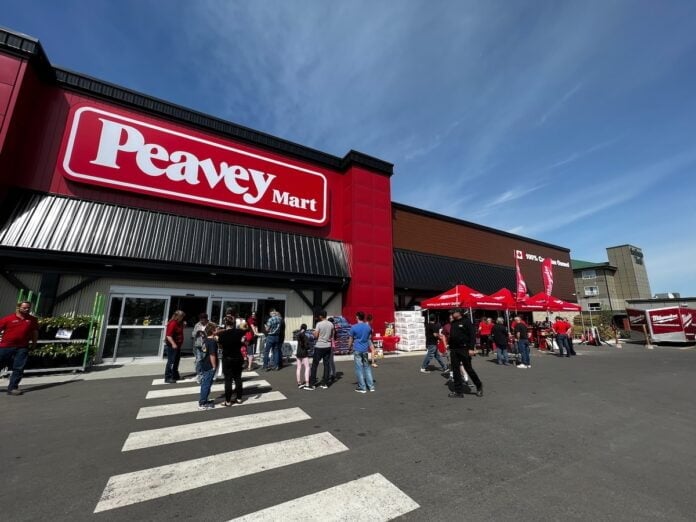
Peavey Mart in Red Deer, Alberta (Image: Peavey Mart)
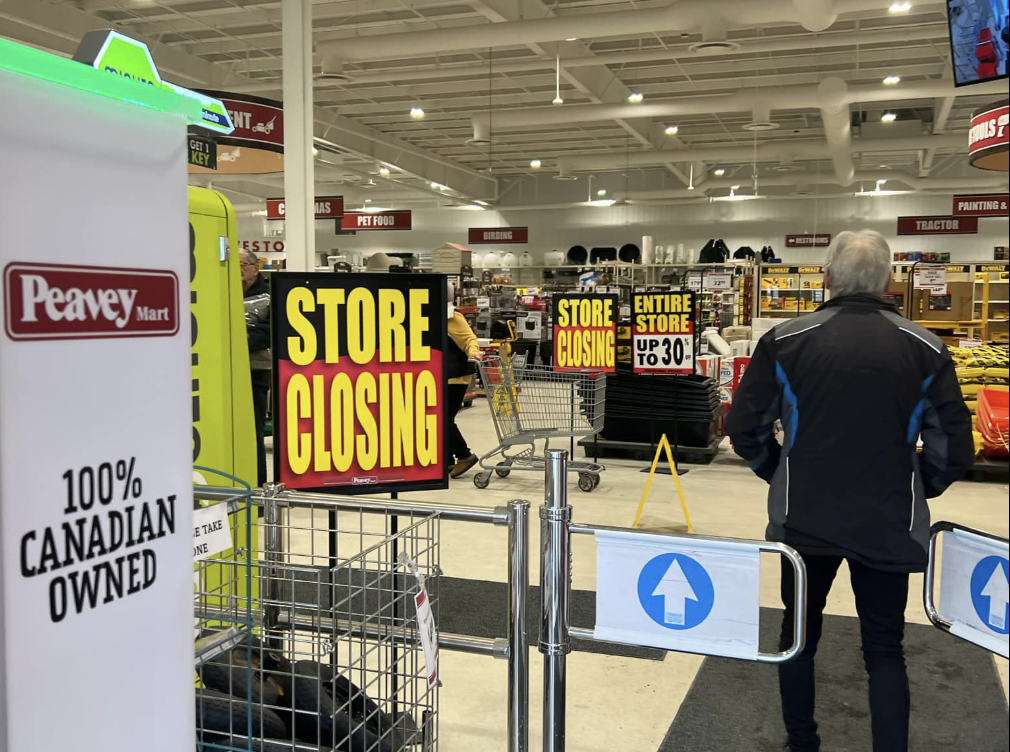
Sources have confirmed to Retail Insider that Peavey Mart, a Canadian retail chain known for its agricultural supplies, hardware, and home improvement products, is closing all of its stores nationwide. Liquidation sales began on the weekend. The store closures include the flagship location in Red Deer, Alberta, where the company’s headquarters are also based. This marks a significant and surprising turn of events for a company with deep roots in Canadian retail, dating back to its establishment in Winnipeg in 1967.
Peavey Mart has long been a staple for rural and small-town communities, catering to farmers, ranchers, and homeowners. Over the years, the company expanded from its Western Canada base into Ontario and other regions, particularly following its acquisition of TSC Stores in 2016. That move helped establish Peavey Mart as a household name in Ontario, diversifying its reach and bolstering its product offerings. It was also a huge expense.
In 2020, the company further broadened its scope by acquiring the Canadian master license for Ace Hardware from Lowe’s-owned RONA Inc., adding 107 Ace Hardware locations to its portfolio. This strategic acquisition was part of Peavey Industries’ efforts to compete in the hardware and home improvement sector against larger rivals like Home Depot and Canadian Tire.
However, Peavey’s relationship with Ace Hardware International came to an end in 2024, following the announcement that the partnership would cease on December 31, 2024. This decision marked a turning point for the company, forcing it to refocus on its Peavey Mart and MainStreet Hardware brands.
Financial Struggles and Early Signs of Trouble
Last week, Peavey Industries announced plans to shutter 22 underperforming Peavey Mart locations in Ontario and Nova Scotia by the end of April. At the time, the closures were presented as part of an organizational restructuring aimed at stabilizing the business and positioning it for future growth.
Doug Anderson, President and CEO of Peavey Industries, addressed the challenges in a previous statement:
“The Canadian retail environment has undergone significant disruptions in recent years, and Peavey has not been immune to these challenges. These closures are a challenging yet necessary step to stabilize and position our business for future growth.”
Despite these efforts, it now appears the company’s financial difficulties have proven insurmountable, leading to the closure of all 90+ stores across Canada.
Liquidation signs at Peavey Mart’s Red Deer store on Saturday, January 25. Photo: Joel Graham via Facebook
Financing and Restructuring Efforts Fall Short
In its bid to remain viable, Peavey Industries had secured a CAD $155 million financing package from Gordon Brothers. The package included a $105 million revolving credit facility, a $30 million term loan, and a $20 million consignment program. This financial injection was intended to facilitate restructuring efforts, support ongoing operations, and provide a lifeline to the struggling retailer.
Additionally, Peavey Industries collaborated with Gordon Brothers to ensure a smooth transition for affected employees and communities. However, these measures were ultimately insufficient to save the business.
Impact on Communities and Employees
The closure of Peavey Mart will leave a significant void in the Canadian retail landscape, particularly in rural and small-town markets where the chain has long been a trusted resource for agricultural and home improvement needs. The closures are also a major blow to the company’s workforce across the country.
While Peavey Industries initially expressed a commitment to supporting its employees during the transition, the abrupt announcement of a full shutdown leaves many workers and communities grappling with uncertainty.
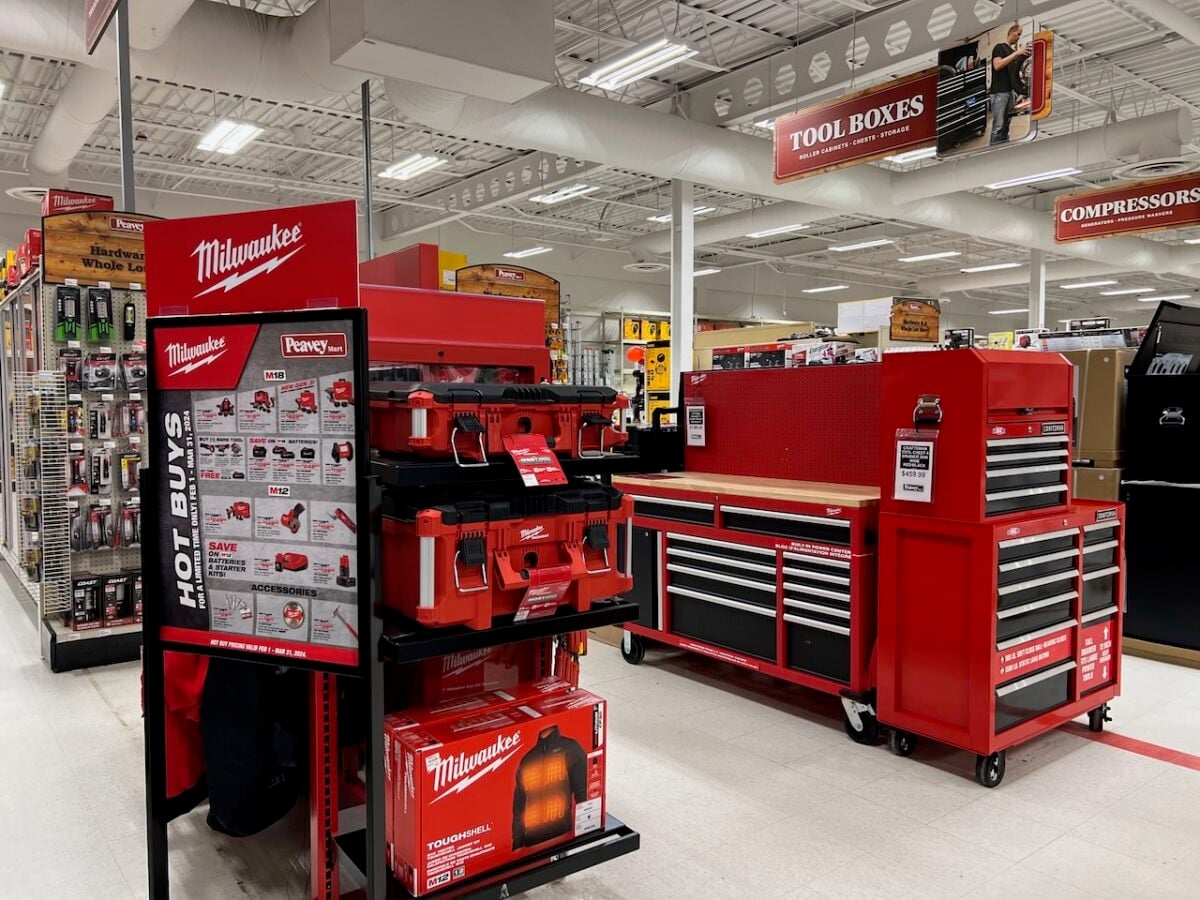
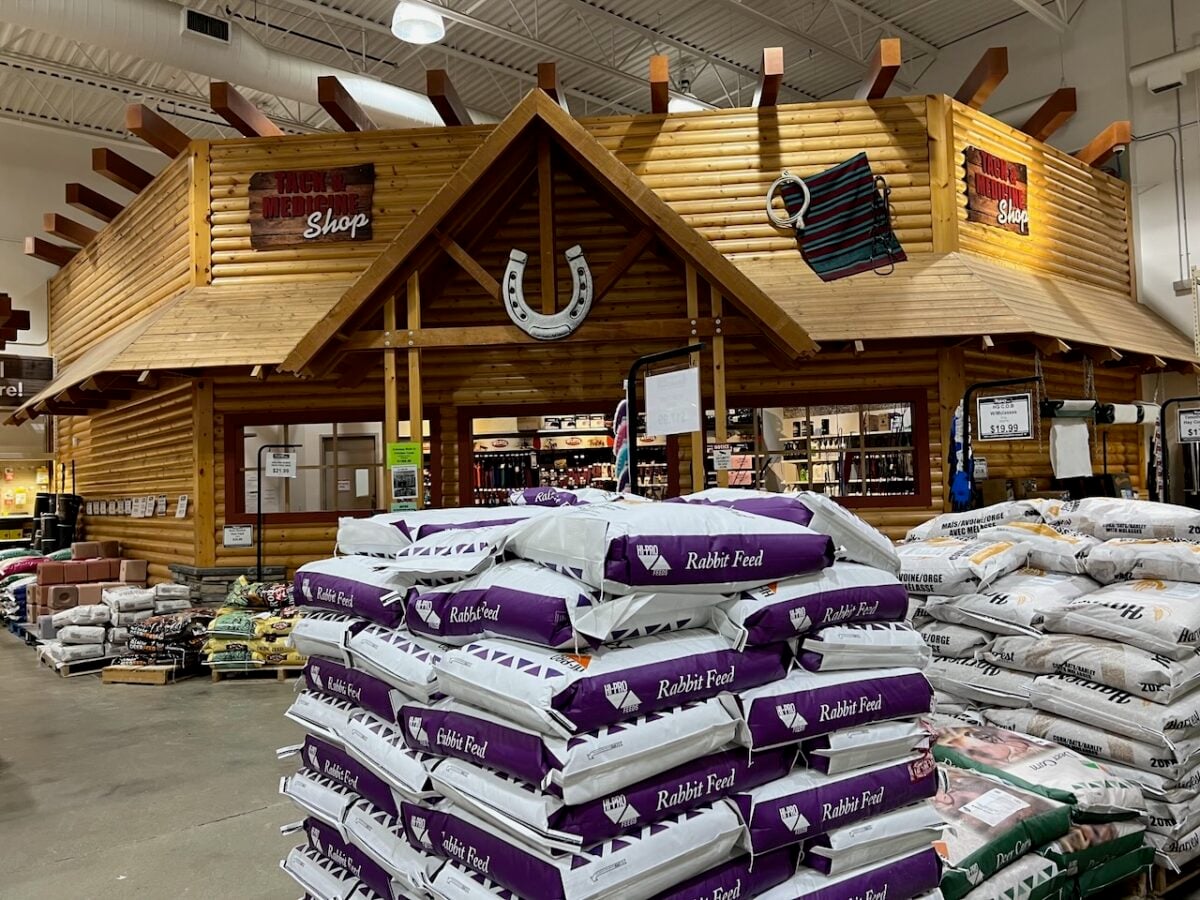
Image: Peavey MartImage: Peavey Mart
A message from the Peace River Manager
In a heartfelt statement shared on Facebook, the manager of the Peace River, Alberta, Peavey Mart location expressed regret about the closures. The post sheds light on the situation and offers a glimpse into the company’s struggles over recent years. The manager wrote:
“Peace River Community,
It is with regret that I inform you of the upcoming closure of Peace River Peavey Mart, along with all other Peavey Mart locations across Canada. While many details are being kept confidential, I will keep you updated as we receive more information from the corporate team. At this time, I do not have a time frame; my best guess is 3 to 6 months.
Until an official statement is released by the company, I can only offer my personal perspective on the situation. Since 2016, Peavey Mart has expanded rapidly, acquiring over 70 stores in Eastern Canada, opening new stores, and acquiring several other businesses. However, growth was met with challenges, including a decline in business levels and rising interest rates. Unfortunately, many of the acquired stores did not prove profitable, and the company’s efforts to adjust did not have the desired results.
As a last resort, Peavey partnered with Gordon Brothers, an American investment firm, which I believe now holds a majority stake in the company and are making all decisions going forward. It appears the current plan may be to liquidate and close all locations, with potential rebranding, though which stores will remain open is still uncertain.
Please note that this is my personal opinion, and I am sharing it to help clarify the situation for our valued customers. I kindly ask that you direct any concerns toward our corporate offices, as these decisions are beyond the control of the staff here in the store.
We have worked diligently to serve you, and we appreciate your understanding during this time. It’s difficult to come to terms with the closure of so many profitable locations in Western Canada, with Peace River being one of the most notable. The Peace River location recently achieved top sales growth company-wide, consistently delivering a healthy profit despite Peavey’s constant inventory challenges.
I would like to express my sincere gratitude to all of our customers. It has been a pleasure serving the Peace River community, and I will miss it when our time here comes to an end. If you have any questions, please feel free to visit the store, and I will do my best to provide answers. At the current moment, the company has told us they are not ready to make a statement yet.”
Update: Press Release from Peavey Industries
Peavey Industries confirmed Monday evening that all Peavey Mart stores will be closing. The following is the press release that was forwarded by email to Canadian media sources:
“Red Deer, Alberta – January 27, 2025 – Peavey Industries LP (“Peavey” or “the Company”), Canada’s largest farm and ranch retail chain, announced today that it has sought and obtained an Initial Order for creditor protection under the Companies’ Creditors Arrangement Act (CCAA) from the Court of King’s Bench Alberta.
Following the recently announced closures of 22 stores in Ontario and Nova Scotia, the Company will now begin store closing sales at all remaining locations across Canada. This includes 90 Peavey Mart stores and six MainStreet Hardware locations. The closures and liquidation efforts will commence immediately.
The decision to seek creditor protection and close all stores was made after thorough evaluation of available options, in consultation with legal and financial advisors. The Canadian retail industry is experiencing unprecedented challenges, including record-low consumer confidence, inflationary pressures, rising operating costs, and ongoing supply disruptions along with a difficult regulatory environment. These factors have created significant obstacles for businesses like Peavey.
“This was a profoundly difficult decision, but one that allows us to explore the best possible alternatives for the future of the Company,” said Doug Anderson, President and CEO of Peavey Industries LP. “For nearly six decades, our customers’ loyalty, employees’ dedication, and the resilience of the communities we serve have been the cornerstone of our business. We remain focused on working with our partners and stakeholders to preserve the Peavey brand and the value it represents.”
The Company’s immediate priority is to generate liquidity through the closure process while continuing to work with funders, partners, and stakeholders to explore potential opportunities to preserve the brand.
Peavey Industries LP is committed to providing regular updates as the situation develops.”
Lightspeed Commerce Inc., the Montréal-based global leader in commerce technology, has unveiled a suite of innovations aimed at transforming operations for retailers, restauranteurs, and golf course operators. These new features, launched during the latest quarter, focus on improving efficiency, enhancing customer experiences, and driving business growth across multiple industries.
Dax Dasilva, Founder and CEO of Lightspeed, emphasized the impact of the company’s recent advancements. “Q3 brought about some significant product innovations designed to help customers realize real value in their day-to-day business operations,” said Dasilva. “From Selling on Scanner to our Kitchen Display System, we’re bringing solutions that empower merchants and restauranteurs to surprise and delight their customers.”
Dax Dasilva, CEO, Lightspeed
Retail Innovations to Streamline Operations
Lightspeed has introduced several new tools designed to improve retail operations and create a seamless shopping experience. One of the highlights is the expansion of the Lightspeed Scanner app, which now allows retailers to process purchases directly from the sales floor using an iPhone. This mobile selling feature addresses common pain points such as long checkout lines, giving customers a faster, more convenient shopping experience.
Retailers also benefit from enhanced promotional tools that enable them to run unified campaigns across physical and online stores. With these tools, businesses can target promotions based on factors like inventory levels and purchase history, offering more personalized incentives such as free shipping or custom discounts.
Additionally, the Lightspeed Supplier Network has grown significantly, now featuring over one million products. This expansion simplifies inventory management and helps retailers provide tailored product selections in key categories like home and garden, pet supplies, and golf.
To further improve operations, Lightspeed has integrated its timeclock feature with Homebase, a workforce management platform. This integration streamlines employee scheduling and helps reduce overtime, missed shifts, and time-tracking errors. Inventory management has also been enhanced through a partnership with Cin7 Core, offering automated, real-time stock control for retailers.
Other updates include new tools to manage special order fulfillment, making it easier for retailers to handle transactions involving multiple delivery methods. Meanwhile, improvements to online storefronts allow merchants to create detailed product catalogs with subcategory navigation, making it easier for customers to find what they need.
Hospitality Features Modernize Restaurant Operations
For the hospitality industry, Lightspeed introduced tools designed to optimize restaurant operations and enhance the customer experience.
The new Kitchen Display System (KDS) connects front-of-house operations with the kitchen, ensuring orders are executed efficiently. By seamlessly routing orders from point-of-sale systems to kitchen staff, KDS streamlines workflows even during busy periods.
Another major update is Lightspeed’s multi-location reporting tools, which enable restaurant operators to monitor performance metrics across all their locations in real time. These insights help businesses make informed decisions and maintain operational consistency.
To address cash flow challenges, Lightspeed Payments now offers Instant Payouts, allowing restaurants to access funds within 30 minutes—even on weekends and holidays. This feature ensures smoother operations and faster access to capital.
Restaurant operators also gain access to real-time insights through Lightspeed Pulse, a mobile app that provides performance metrics and actionable data on the go. This tool is designed to help operators make quick, informed decisions from anywhere.
An expanded partnership with workforce management platform 7shifts offers restaurants a streamlined approach to payroll processing, team scheduling, and labour cost management, further simplifying operations.
Transforming Golf Course Management
Golf operators are also benefiting from Lightspeed’s latest innovations. The new Lightspeed Scheduling tool allows clubs to manage bookings for a variety of services, from simulator bays to pickleball courts and golf lessons. This integrated solution helps maximize revenue opportunities and enhances customer satisfaction.
In addition, Lightspeed renewed its partnership with Landscapes Golf Management, which oversees more than 60 properties. The collaboration equips golf operators with advanced tools for tee time management, integrated point-of-sale systems, and actionable insights to improve workflows and drive growth.
Supporting Businesses Globally
Lightspeed continues to power some of the world’s most renowned businesses, including Taverne Atlantic in Montréal, Alinea Group in Chicago, and L’Occitane in New Zealand. With its headquarters in Montréal and operations across North America, Europe, and Asia-Pacific, the company serves customers in over 100 countries.