Chef Chuck Hughes and WeCook Executive Chef Gabriel Drapeau
WeCook is teaming up with Montréal chef Chuck Hughes on a four-week collaboration that will add four limited-time meals to the ready-to-eat meal company’s weekly menus beginning Aug. 23.
The collaboration is aimed at the back-to-school period and will see Hughes work with WeCook executive chef Gabriel Drapeau on four meals incorporating products from Hughes’s retail collection.
The dishes will be introduced over four consecutive weekly menus, with two meals available during the first two weeks and two new meals following in the third and fourth weeks.
Four meals over four weeks
The menu will feature:
Weeks of Aug. 23 and Aug. 30: Chuck Hughes Antipasto & Bruschetta Salmon with Orzo; and Chuck Hughes Red Pepper Spread Agnolotti with Chicken.
Weeks of Sept. 6 and Sept. 13: Chuck Hughes White Balsamic Vinegar Kale & Goat Cheese Harvest Salad; and Chuck Hughes Reuben-Style Grilled Chicken with Mustard Coleslaw.
The meals will use products from Hughes’s retail collection, including Mild Antipasto, Red Pepper Spread, Tomato Bruschetta, White Balsamic Vinaigrette and Mustard Coleslaw.
“For me, good food doesn’t have to be complicated. It starts with great ingredients, simple techniques and big flavours. It was a lot of fun collaborating with the WeCook team and seeing my products used in four completely different meals. We’re both proud Montréal brands, and I hope these dishes make the busy back-to-school season a little easier with food that’s fresh, comforting and full of flavour,” said Hughes.
WeCook’s growth
The collaboration comes as WeCook continues to expand its ready-to-eat meal business. The company says it has grown by 1,000 per cent since 2020 and has created more than 600 jobs.
WeCook, which was established in 2013, operates a federally licensed production facility in Montréal and says it delivers more than 4.5 million meals annually to customers in Quebec and Ontario, as well as major metropolitan areas in the Maritimes and Western Canada from Winnipeg to Vancouver.
The company offers weekly menus of 15 recipes, along with snacks and beverages.
For WeCook, the Hughes collaboration also brings products from the chef’s retail business into prepared meals sold through its delivery service.
Michel GagnéWeCook photo
“Chuck’s creativity, authenticity and love of great food make him a natural partner for WeCook,” said Michel Gagné, CEO of WeCook. “Together, we’ve created meals that bring the flavours Canadians know from Chuck’s products into convenient, chef-crafted dishes for the busy back-to-school season.”
The four-week menu is scheduled to run through the week of Sept. 13, with each pair of dishes rotating into the company’s weekly offerings during the collaboration.
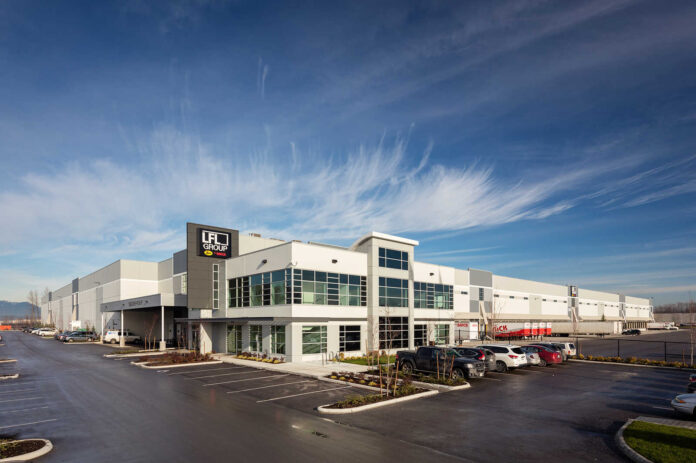
Leon’s Furniture Limited sees room to expand its namesake banner further across Western Canada while The Brick is targeting additional growth in Atlantic Canada, as LFL Group continues investing in physical retail despite a difficult environment for discretionary spending.
The growth strategy varies considerably by banner and market. The Brick is using franchising to extend its reach into smaller Atlantic communities, Leon’s sees additional opportunities across a Western network that remains considerably smaller than its Ontario presence, and higher-end Appliance Canada has begun expanding beyond Ontario through a store-within-a-store concept in British Columbia.
LFL also expects to add two corporate stores during the third quarter, although management did not identify their locations during its latest earnings call. The company had 301 stores across Canada at the end of the second quarter.
“Primarily for The Brick on the East Coast and for Leon’s on the West Coast,” Walsh told analysts.
The comments point to continued physical investment at a time when Canadian consumers remain cautious about major household purchases. LFL is not outlining a large-scale national store rollout. Its approach is selective, with different banners, store sizes and ownership models being used according to the market.
The Brick Expands Further Across Atlantic Canada
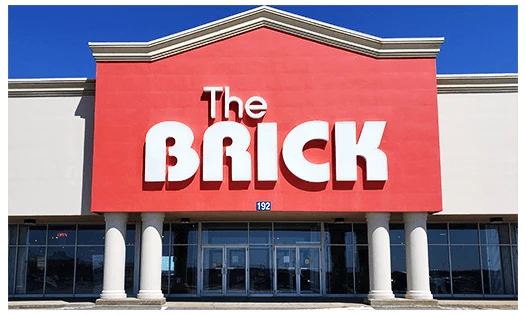
The Brick’s Atlantic strategy was already visible during the second quarter, when the retailer opened three franchise locations on Nova Scotia’s South Shore on the same day. New stores in Bridgewater, Liverpool and Barrington Passage officially opened May 28, extending The Brick into three smaller regional markets. The company described the openings as part of its continued franchise development and growth across Atlantic Canada.
The Bridgewater store is locally operated, while the Liverpool and Barrington Passage locations are operated by the Wilson Group, a multigenerational family business in southwestern Nova Scotia.
Franchising has become an established way for The Brick to reach communities that may not have the population or economics to support one of the chain’s conventional corporate locations. The retailer says its franchise network has grown to more than 67 stores, with the model particularly suited to rural Canadian markets.
The approach gives LFL a way to deepen its Atlantic presence without depending exclusively on large corporate-store investments. The three Nova Scotia openings also provide tangible evidence behind Walsh’s assessment that further East Coast opportunities remain for The Brick.
The Brick Novia Scotia Location. Image: www.thebrick.com
Leon’s Sees More Room in Western Canada
Management has identified Western Canada as the primary geographic opportunity for further expansion of the Leon’s banner. The chain currently has six locations in British Columbia and seven in Alberta, along with three each in Saskatchewan and Manitoba. Ontario remains by far its largest provincial market, with 43 locations.
That disparity provides useful context for the current expansion comments. LFL has not identified specific Western cities for future Leon’s stores or announced a large-scale rollout, but Walsh’s comments indicate that management sees room to add to the banner’s existing presence.
Leon’s has also shown a willingness to adapt its traditional showroom model when developing Western markets. In 2020, the retailer opened a 20,000-square-foot “smart store” in Kelowna, B.C., alongside a larger 50,000-square-foot Calgary location. The Kelowna concept followed an earlier smaller-format store in Coquitlam, B.C., using technology to give shoppers access to a wider assortment than could be displayed physically in the showroom.
Those stores predate the current expansion plans by several years, but they provide a useful example of Leon’s experience adapting its physical model for different markets. That experience could become increasingly relevant as LFL looks for locations where a smaller footprint can produce attractive economics.
Appliance Canada Pushes West
Some of LFL’s more recent experimentation in Western Canada has occurred through Appliance Canada, the higher-end appliance banner historically concentrated in Ontario. Its business includes retail customers as well as builders, designers and other commercial clients.
LFL has extended the concept west through an Appliance Canada store-within-a-store at an existing Leon’s location in Richmond, B.C. The Richmond operation was Appliance Canada’s first physical expansion west of Ontario and uses approximately half of the existing Leon’s store.
Walsh said the move was partly intended to diversify Appliance Canada beyond an Ontario builder market that has been under significant pressure. Management has been pleased with the performance in British Columbia and is examining other markets where the concept could work.
Appliance Canada also reaches a somewhat different customer from the broader Leon’s and Brick businesses. Walsh described it as a higher-end appliance operation, including customers working with designers on kitchens and purchasing premium appliance packages. That positioning gives LFL another way to grow geographically while reaching a more affluent segment of the home-products market.
Appliance Canada currently lists six showrooms in London, Mississauga, Ottawa, Richmond, Toronto and Vaughan.
The Richmond format allowed LFL to take Appliance Canada into a new region using space already occupied by Leon’s. Its performance will give management another reference point as it evaluates where the banner could expand next.
Franchising Opens Smaller Communities
LFL is also using franchising to reach markets considerably smaller than those normally associated with national furniture chains. Along with the three Brick openings in Nova Scotia, Leon’s opened a franchise location in Happy Valley-Goose Bay, Newfoundland and Labrador, during the second quarter.
The approximately 6,000-square-foot store is much smaller than a conventional Leon’s big-box showroom, illustrating how the company can adjust both ownership structure and physical footprint for different market sizes.
That flexibility broadens the range of communities available for expansion. Major urban centres can support large corporate showrooms, while franchise partners can bring the banners into smaller markets where local knowledge and a more compact store may offer better economics. The model is particularly relevant to The Brick’s Atlantic strategy, given the number of smaller population centres across the region.
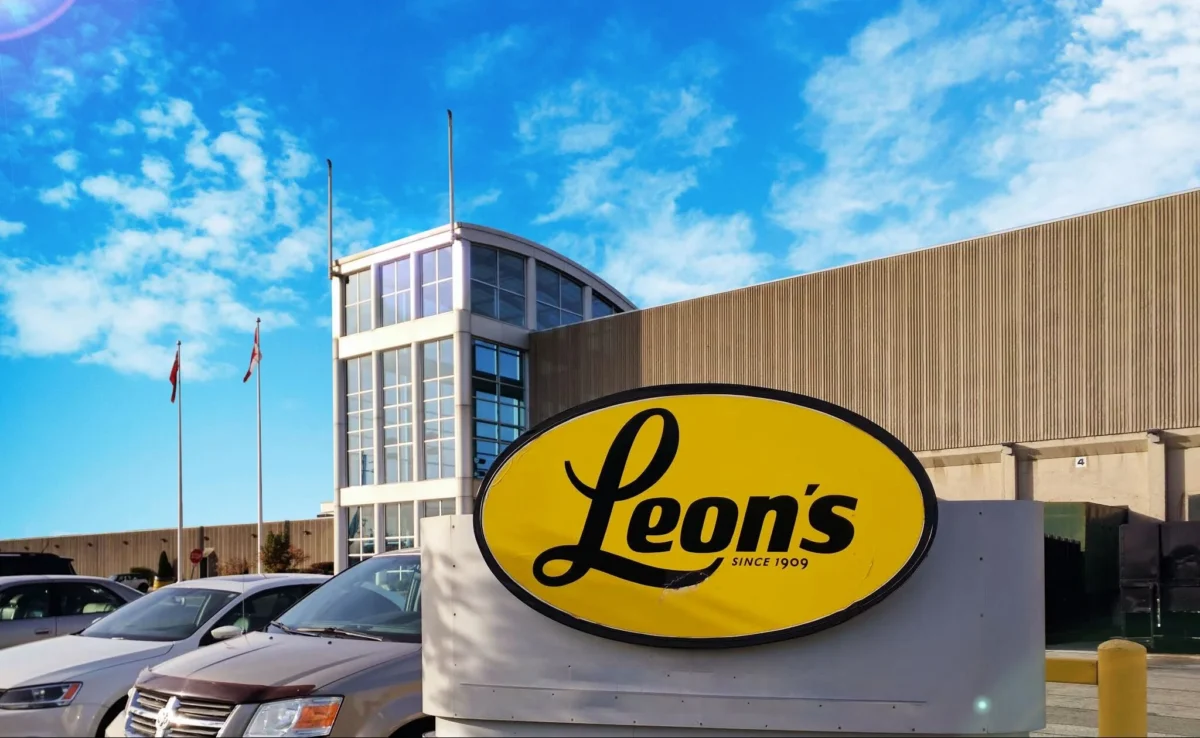
Leons’ Weston Location. Image: www.leons.ca
Existing Stores Are Being Reworked
Physical investment across LFL’s network also includes existing locations. Shortly after the second quarter ended, Leon’s held the grand reopening of its Welland, Ont., showroom, with management reporting a strong initial customer response.
The company has also been reopening and modernizing stores in Brockville and Cornwall, Ont., while The Brick has invested in renovations and redesigns at locations including Richmond and Kelowna, B.C., and Lloydminster, AB.
These projects do not represent net additions to LFL’s national store count, but they show another part of its physical retail strategy. Existing stores can be refreshed, resized or repositioned as local markets and customer expectations change, meaning investment in the network extends beyond the number of new locations added each year.
Smaller Footprints Could Play a Larger Role
LFL has also signalled that store productivity could increasingly influence how its network evolves. Company investor materials discuss optimizing stores toward smaller, higher-traffic footprints where comparable profitability can be maintained.
The idea is particularly relevant for a retailer with an extensive distribution network and digital platforms capable of showing customers far more merchandise than any individual showroom can carry. Leon’s has experience with smaller-format showrooms, Appliance Canada has entered British Columbia using part of an existing Leon’s store, and franchise locations can be tailored to the size of individual markets.
Large-format stores will remain an important part of the network. Furniture and mattresses are categories where many consumers still want to see and experience products before making a major purchase. LFL’s evolving approach suggests that the amount of space needed to serve those customers can vary considerably by market.
Store optimization could also have implications for the company’s substantial owned real estate portfolio. LFL has said that moving some stores into smaller footprints could free land for other uses, connecting decisions about its retail network with longer-term opportunities to intensify selected properties.
Western Distribution Capacity Supports Growth
LFL has also invested in the distribution infrastructure needed to support its Western operations, including a major Edmonton distribution centre that opened in early 2025. The facility expanded the company’s distribution capacity in the region and is also home to The Brick’s corporate headquarters.
Leon’s recently agreed to acquire the remaining 50-per-cent interest in the Edmonton property for $45.75 million, which will give LFL full ownership once the transaction closes. Management has described the facility as central to its Western Canadian operations, improving product availability and service levels while providing capacity for future growth.
The investment gives additional context to Walsh’s comments about expanding Leon’s in Western Canada. Furniture and appliances require significant warehousing, transportation and final-mile delivery capacity, making the distribution network an important part of adding stores and serving a larger customer base across the region.
Expanding Through a Difficult Retail Cycle
LFL is making these investments during a period when the Canadian furniture market remains challenging. Second-quarter revenue declined 2.0 per cent to $631.2 million, while same-store sales fell 2.2 per cent. Consumers remained active, but many gravitated toward lower price points as affordability pressures continued to influence discretionary purchases.
The company is continuing to add locations and upgrade stores without assuming that a broad furniture-market recovery has already arrived. Walsh said LFL sees opportunities to gain market share through the current cycle and emerge in a stronger position as conditions normalize, pointing to its national brands, sourcing scale, distribution capabilities and financial position as advantages during a difficult period.
The expansion reflects that selectivity. LFL is concentrating investment in markets where management sees geographic opportunity, using franchise structures where appropriate and testing ways to make better use of existing space.
More Corporate Stores Coming
The physical network is expected to grow further during the current quarter, with CFO Victor Diab saying two corporate stores are expected to open around the middle of the third quarter. Management did not disclose their locations during the earnings call.
LFL will also have a full quarter of contribution from the four franchise stores opened during Q2. The company’s 301-store national network is evolving through a combination of new corporate and franchise locations, store reopenings, renovations and new concepts within existing properties.
Different Banners, Different Growth Strategies
LFL’s current plans do not point to a standardized national rollout. The Brick is using a well-established franchise model to deepen its reach in Atlantic Canada, including smaller communities. Leon’s sees additional opportunity in Western Canada, where its footprint remains substantially smaller than in Ontario. Appliance Canada is testing whether its premium positioning can travel beyond its traditional Ontario base, beginning with Richmond.
At the same time, LFL is modernizing existing locations, experimenting with more efficient uses of space and investing in the distribution infrastructure needed to support further growth. Digital remains part of that physical-store strategy as well, with management increasingly viewing the company’s websites as research and qualification tools that can send customers into showrooms with stronger purchase intent.
For categories where consumers often want to see a sofa, try a mattress or compare appliances before committing to a major purchase, stores remain central to LFL’s model. Its latest expansion plans suggest the next phase of the network will be shaped by where each banner has room to grow and by finding the physical format that makes sense for each market.
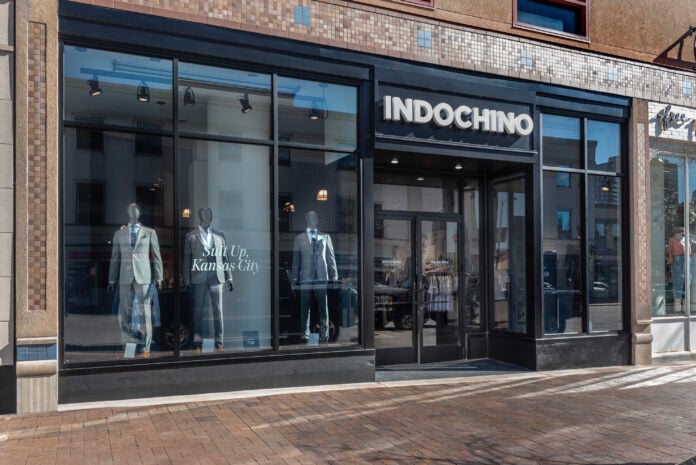
INDOCHINO announced Thursday plans to open 10 new showrooms across the United States in 2027, marking the company’s largest investment in standalone retail in years. Six locations are confirmed for early 2027, with four additional showrooms slated to open in mid to late 2027.
The confirmed early 2027 locations are:
Cherry Hill, NJ
Columbia, MD
Ross Park, PA
Brea, CA
Roosevelt Field, NY
Boca Raton, FL
The remaining four locations will be announced in the coming months as site selection and lease finalization wrap up, said the company.
The announcement comes on the heels of six consecutive quarters of positive EBITDA for INDOCHINO, underscoring the financial strength behind the company’s direction and decision to further invest in its unique no inventory appointee based physical retail model, added the retailer.
“This is the largest investment we’ve placed on standalone retail in years, and it is the start of a new small format approach to our retail network, one we think we can expand for a decade,” said Drew Green, President and CEO of INDOCHINO. “Our customers keep telling us they want the INDOCHINO showroom experience closer to home and the consumer data we have gives us the confidence to deliver our showroom experience to more geographies, in a format that provides unique value to the communities and stakeholders we serve.”
Image: Drew Green, INDOCHINO CEO
Each new showroom will offer the full INDOCHINO experience, including one on one styling with Style Guides, premium fabric selection, and made to measure suiting, shirting, and outerwear built around the brand’s core promise, a confidence made for you, through every detail. The expansion reflects INDOCHINO’s market leadership within the made to measure category, and belief that investment in small format standalone showrooms as a core profitability growth lever, with markets selected based on strong customer demand in the areas selected, explained the company.
Founded in 2007, INDOCHINO is a global leader in made to measure apparel, operating a growing network of showrooms across the United States and Canada alongside a robust e-commerce platform. The company delivers custom suits and accessories crafted to precise measurements, combining personalized service, accessible pricing, and scalable operations to modernize the tailoring industry.
“We’ve been working on this for, well, pretty much the entire year, securing these first six locations for board approval, and then we’ve got another four that we’ve got to basically come to a conclusion on and then negotiate out,” said Green.
“But Cherry Hill, Columbia, Ross Park, Brea, Roosevelt, and Boca Raton, they just have a built-in customer base that we know will really love the in-showroom experience. And, you know, one of the things that is really core to this investment that we’re making is a new showroom format, which we’re basically calling a boutique format. Whereas it’ll be a bit smaller than our traditional showrooms, but be able to serve the same amount of customers.
“We’ve partnered with some great real estate firms and landlords across the US, and these are the first six that we’ve signed. They all launch literally in Q1 of 2027, and then we’ll follow that mid-2027 with another four. My goal would be, if all goes well with these 10 in ’27, is to launch 10 a year for the next five years.”
The brand has 56 flagship showrooms in the US, ranging in size from 2,000 square feet up to 5,000 square feet. The boutique format stores will range from around 1,500 up to 1,800 square feet.
Green said Canada has 13 locations and the brand hasn’t expanded beyond that 13 in quite some time.
“It’s a very, very healthy market for us, but there’s not really a need to expand further right now in Canada. Toronto is served by four showrooms, all of which do really, really well. The online business in Ontario is strong. So, we’re quite happy with where we are in Canada.”
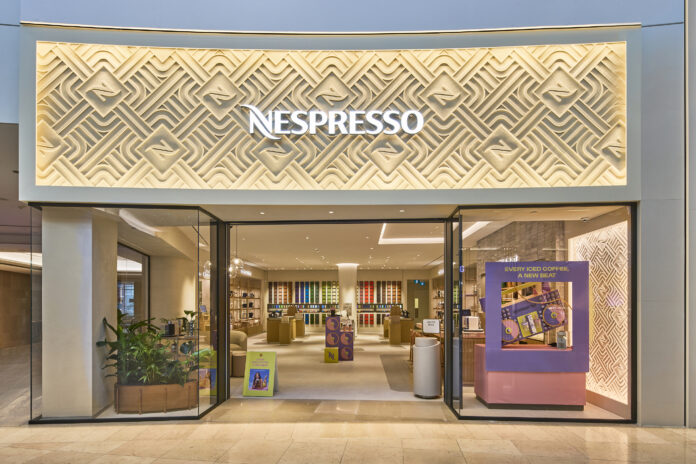
Nespresso Canada has unveiled its redesigned CF Sherway Gardens boutique in Toronto, bringing the brand’s latest boutique concept to one of its most established locations, marking another step in the evolution of its boutique experience across Canada.
The company said the location holds an important place in the brand’s history in the Greater Toronto Area. First opened in 2015, it was Nespresso Canada’s second boutique in the region. Its renovation reflects Nespresso’s continued commitment to enhancing the premium coffee experience for customers, while reaffirming its long-standing presence in the GTA, it said.
The Sherway Gardens boutique marks the latest milestone in Nespresso Canada’s continued investment in retail excellence, following the opening of the Willowbrook boutique in Langley, British Columbia, and the reopening of the Oakridge boutique in Vancouver, British Columbia, and the Ste-Foy boutique in Québec City, Québec, reflecting the company’s broader vision for the future of retail in Canada, explained the company.
Reimagined to offer an even more elevated and personalized experience, the new Sherway Gardens boutique introduces new spaces and services designed to help coffee lovers discover, explore, and enjoy coffee in new ways, it said.
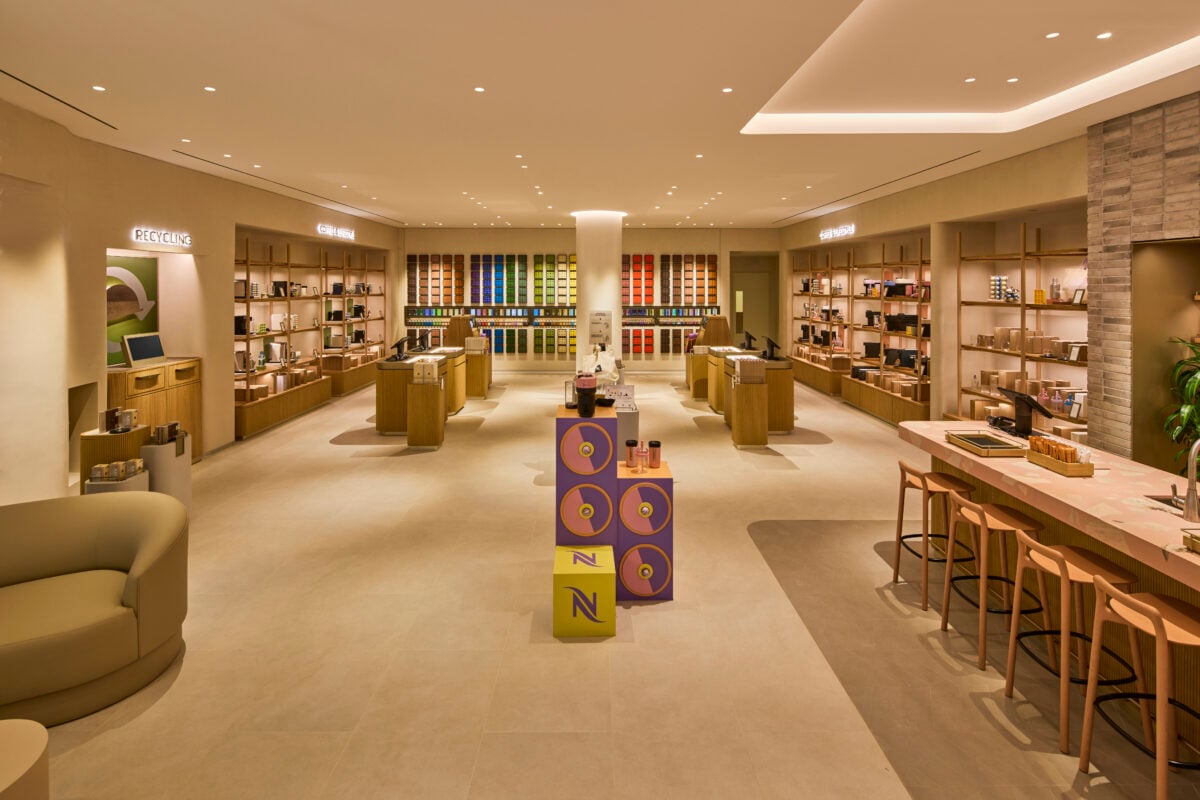
At the heart of the boutique is a new Coffee as an Art area, where Club Members can explore the journey of coffee from bean to cup through guided tastings and conversations with Nespresso Coffee Specialists. The boutique also features a welcoming lounge area designed for visitors to slow down, savour a coffee, and immerse themselves in the experience of coffee discovery, it added.
“Our boutiques are more than retail spaces; they are destinations where coffee lovers can discover the world of Nespresso through expert guidance, personalized service, and memorable experiences,” said Alexis Giguère, VP of B2C Sales at Nespresso Canada. “The redesigned Sherway Gardens boutique reflects our continued focus on creating meaningful moments for customers while bringing our latest retail vision to life.”
Alexis GiguèreCarla Adwan
The redesigned boutique enhances the customer experience through its new self-selection stations, giving customers greater flexibility to explore, browse, and select their favourite coffees at their own pace, while expert guidance remains available throughout their visit. Whether welcoming long-time Club Members or those discovering Nespresso for the first time, the Sherway Gardens boutique offers a seamless blend of convenience and hospitality, while celebrating the craftsmanship, expertise, and culture behind every cup of coffee, said the company.
“As Nespresso continues to evolve, we are constantly looking for ways to enhance the boutique experience for our Club Members. Sherway Gardens was operating under one of our earlier retail concepts, so this renovation gave us the perfect opportunity to introduce our latest retail design and innovations including features such as our new self-selection stations. The goal is simple: create a more immersive, intuitive, and personalized destination that truly brings the world of Nespresso to life, while preserving the expert service our customers love,” said Carla Adwan, Retail Director, Nespresso Canada.
“Sherway Gardens holds a special place in Nespresso Canada’s retail network. Since opening in 2015, it has consistently been our top-performing location in the Greater Toronto Area. As a flagship destination within one of Canada’s premier shopping centres, it was critical to preserve our presence while reimagining the space for the future. This renovation allows us to invest in the future of the boutique by introducing our latest retail concept, elevating the experience for our Club Members, and ensuring this location continues to set the standard for retail excellence in the GTA.
Nespresso Canada image
“The Sherway Gardens reopening is part of Nespresso Canada’s broader commitment to retail excellence and the ongoing evolution of our boutique network. We continue to invest in our retail presence across the country, building on recent projects in British Columbia, Québec, and Ontario. As we look ahead, we are excited about opportunities to bring this elevated experience to additional communities across Canada, modernizing our network and bringing our latest innovations to more customers.”
To support sustainability efforts, Club Members can conveniently return their used Nespresso capsules for recycling at the Sherway Gardens boutique. The capsules undergo a mechanical separation process in which the aluminium and coffee grounds are separated, allowing the aluminium to be repurposed into new products and components, while the coffee grounds are used as compost on Canadian farms. This in-boutique collection option complements Nespresso’s other recycling options available across Canada, including at-home solutions, making it easy for Club Members to recycle their capsules in a way that best fits their routine. Availability of recycling solutions varies by region, added the company.
Nestlé Nespresso SA works with more than 130,000 farmers in 18 countries through the Nespresso Sustainable Quality Plan to embed sustainability practices on farms and the surrounding landscapes. Launched in 2003 in collaboration with the NGO Rainforest Alliance, the Nespresso Plan helps to improve the yield and quality of harvests, ensuring a sustainable supply of high-quality coffee and improving the livelihoods of farmers and their communities, said the brand.
In 2022, Nespresso achieved its first B Corp™ certification – joining an international movement of over 10,000 purpose-led businesses that meet B Corp’s high standards of social and environmental responsibility and transparency.
Headquartered in Vevey, Switzerland, Nespresso operates in 98 markets and has over 14,000 employees. In 2025, it operated a global retail network of 849 boutiques.
The retail industry has experienced a remarkable transformation over the past decade. With the rise of e-commerce, mobile shopping, and omnichannel experiences, retailers are compelled to continuously adapt their technology infrastructure to meet changing consumer expectations. Modernizing the retail technology stack is no longer optional; it’s essential for survival and growth. Retailers must embrace innovative IT solutions to enhance operational efficiency, improve customer engagement, and safeguard sensitive data.
This transformation is driven by consumers’ demand for seamless shopping experiences across physical stores, online platforms, and mobile devices. According to a report by Statista, global retail e-commerce sales are expected to reach $7.4 trillion by 2025, up from $4.9 trillion in 2021, highlighting the rapid growth of digital retail channels. To keep pace with this evolution, retailers need a modern technology stack that supports agility, scalability, and security.
One critical component in this modernization journey is the integration of advanced helpdesk and consulting services. These services provide retailers with the expertise and support needed to navigate complex IT landscapes and implement scalable, secure technology solutions. By leveraging specialized IT partners, retailers can focus on their core competencies while ensuring their technology infrastructure remains robust and future-proof.
The Role of IT Helpdesk in Retail Modernization
An efficient IT helpdesk is the backbone of any retail organization’s technology ecosystem. It ensures that technical issues are promptly resolved, minimizing downtime and maintaining smooth business operations. Today’s helpdesk goes beyond simple troubleshooting; it acts as a strategic partner that anticipates challenges and drives proactive improvements.
For example, the helpdesk team at Nortec plays a pivotal role in supporting retail businesses by offering tailored IT helpdesk solutions. Their team specializes in addressing the unique demands of retail environments, from point-of-sale system maintenance to network management. By leveraging such expertise, retailers can reduce the risk of costly disruptions and focus on delivering exceptional customer experiences.
A study by Gartner reveals that businesses implementing advanced IT helpdesk solutions experience a 35% reduction in system downtime, directly contributing to higher productivity and revenue growth. This improvement is crucial in retail, where even a few minutes of downtime can translate into significant lost sales and diminished customer trust. Efficient helpdesk support also facilitates faster resolution of issues related to inventory systems, payment processing, and customer data management, all vital for maintaining operational continuity.
Moreover, modern helpdesk services often include AI-driven ticketing systems and predictive maintenance tools that enable proactive identification of potential IT failures. This approach minimizes interruptions and helps retailers stay ahead of technology challenges, ensuring that stores remain operational and customers receive uninterrupted service.
Strengthening Security with Specialized Consulting
As retailers digitize their operations, cybersecurity becomes a paramount concern. The proliferation of customer data, payment information, and proprietary business insights makes retail a prime target for cyberattacks. Implementing comprehensive cybersecurity measures is vital to protect both the business and its customers.
Expert consulting services provide retailers with the knowledge and tools to fortify their defenses. For instance, companies offering cybersecurity services in New York City can help retail organizations assess vulnerabilities, design security strategies, and implement continuous monitoring solutions. This proactive approach reduces the likelihood of breaches and ensures compliance with industry regulations.
Research indicates that 60% of retail companies experienced at least one cyberattack in the past year, with an average financial impact exceeding $2 million per incident. These figures highlight the necessity of partnering with cybersecurity experts who understand the retail landscape. Retailers face threats such as ransomware, phishing attacks, and data theft, which can severely damage brand reputation and customer loyalty.
Beyond threat prevention, specialized consulting helps retailers navigate complex regulatory environments, including PCI DSS compliance for payment security and GDPR requirements for customer data privacy. Maintaining compliance is not only essential for legal reasons but also fosters consumer trust in an era where data breaches are frequently reported in the media.
Furthermore, consulting firms assist retailers in implementing advanced technologies like zero-trust architecture, multi-factor authentication, and endpoint security solutions. These measures collectively create a layered defense strategy that adapts to evolving cyber threats.
Key Components of a Modern Retail Technology Stack
Modernizing the retail technology stack involves integrating multiple systems and tools to create a seamless, agile IT environment. Some essential components include:
– Cloud Computing: Enables scalability and remote accessibility, allowing retailers to manage inventory, sales, and customer data efficiently. Cloud platforms also support rapid deployment of new applications and services, facilitating innovation.
– Data Analytics: Provides actionable insights into consumer behavior, inventory trends, and operational performance. Advanced analytics enable personalized marketing campaigns and optimized stock replenishment.
– Mobile Solutions: Supports on-the-go management and enhances the customer shopping experience through mobile apps and contactless payments. Mobile POS systems increase checkout speed and flexibility.
– IoT Devices: Facilitates smart inventory management and personalized marketing through connected sensors and devices. For example, RFID tags help track stock levels in real-time, reducing out-of-stock occurrences.
– Unified Communications: Streamlines collaboration among store associates, supply chain partners, and headquarters. Integrated communication tools improve response times and coordination across multiple locations.
The integration and maintenance of these technologies require specialized expertise, making IT consulting and helpdesk services indispensable. A seamless technology stack not only improves operational efficiency but also empowers retailers to respond swiftly to market changes and consumer demands.
According to Deloitte, retailers that adopt modern IT strategies and partner with consulting firms report a 25% improvement in IT project success rates, leading to enhanced innovation and competitive advantage. This statistic demonstrates how strategic IT partnerships contribute to realizing the full potential of technology investments.
Benefits of IT Helpdesk and Consulting Partnerships in Retail
Collaborating with experienced IT helpdesk and consulting providers offers several tangible benefits to retailers:
1. Cost Efficiency: Outsourcing technical support reduces the need for a large in-house IT team, lowering operational expenses. This allows retailers to allocate resources toward growth initiatives.
2. Access to Expertise: Retailers gain access to specialists who stay updated on the latest technology trends and security threats. This expertise is critical for staying competitive in a fast-evolving landscape.
4. Scalability: Consulting services help design flexible IT architectures that grow with the business. Scalability ensures that retailers can expand their operations without technology bottlenecks.
5. Risk Mitigation: Proactive cybersecurity strategies minimize the risk of data breaches and regulatory penalties. This protects both the retailer’s reputation and financial health.
Furthermore, IT helpdesk and consulting partnerships enable retailers to adopt emerging technologies such as artificial intelligence for customer service chatbots, augmented reality for virtual try-ons, and blockchain for supply chain transparency. These innovations differentiate retailers in a crowded market and meet evolving consumer expectations.
Implementing a Strategic IT Roadmap for Retailers
To effectively modernize their technology stack, retailers should develop a strategic IT roadmap. This plan outlines the phases of technology adoption, resource allocation, and risk management. Key steps include:
– Assessment: Evaluate current IT infrastructure, identify gaps, and prioritize needs. This involves auditing hardware, software, security posture, and user workflows.
– Planning: Define objectives, select appropriate technologies, and establish timelines. Engaging stakeholders from various departments ensures alignment with business goals.
– Execution: Deploy solutions with minimal disruption, supported by helpdesk and consulting teams. Phased rollouts and pilot programs help mitigate risks.
– Monitoring: Continuously track performance, security, and user feedback for ongoing improvements. Real-time analytics and reporting tools facilitate proactive management.
– Training: Equip staff with the knowledge to utilize new technologies effectively. Training fosters user adoption and maximizes return on investment.
Engaging with trusted IT partners during each phase ensures alignment with business goals and maximizes return on investment. A well-crafted IT roadmap not only guides technology implementation but also supports change management and continuous innovation.
Conclusion
The retail landscape is evolving at a rapid pace, driven by technological innovation and shifting consumer behaviors. Modernizing the retail technology stack is crucial for retailers seeking to stay competitive and deliver superior customer experiences. Leveraging specialized IT helpdesk and consulting services enables retailers to build resilient, scalable, and secure technology environments.
By partnering with experts like them , retail businesses can safeguard their operations while embracing digital transformation. Integrating robust cybersecurity measures through further strengthens these efforts, ensuring comprehensive protection against evolving threats. As retailers continue to modernize their technology infrastructure, reliable IT support and consulting are becoming increasingly important for keeping systems efficient and responsive. For professionals working in retail technology, finding the right opportunities can be just as important as keeping up with new tools and systems. Jooble can help explore technology and IT-related positions across Canada.
Investing in comprehensive IT helpdesk and consulting services today positions retailers to meet tomorrow’s challenges head-on, ensuring they remain agile, secure, and customer-focused in an increasingly digital world.
In today’s retail landscape, automation is no longer a luxury but a necessity. Retailers are increasingly relying on automated systems to streamline operations, improve customer experience, and stay competitive. From inventory management and point-of-sale systems to supply chain logistics, automation requires robust IT infrastructure and vigilant cybersecurity measures to ensure uninterrupted service and data protection.
The modern retail environment incorporates a complex web of interconnected devices, applications, and cloud services. This complexity enhances operational efficiency but also introduces multiple points of vulnerability. According to a recent report, 73% of retail businesses experienced at least one IT-related disruption in the past year, impacting sales and customer satisfaction. Such disruptions underscore the critical role of managed IT services in maintaining seamless retail operations.
However, as retailers adopt more interconnected technologies, they also face rising risks from cyber threats and system failures. The challenge is to build an automated retail environment that is not only efficient but also resilient. This resilience depends on continuous monitoring, rapid incident response, and proactive risk management-elements best delivered by specialized managed IT and cybersecurity services.
Partnering with Experts for Seamless IT Management
One effective approach for retailers is to collaborate with specialized IT firms that understand the nuances of retail technology. For example, Gravity, a professional IT firm offers comprehensive managed IT solutions tailored for the complexities of retail operations. Their expertise helps businesses implement scalable networks, integrate automation tools, and maintain secure cloud environments-all critical components for a resilient retail infrastructure.
Outsourcing IT management to such professionals enables retailers to focus on their core competencies while ensuring their technology backbone is reliable and up-to-date. This partnership also provides proactive monitoring and quick incident response, reducing downtime and mitigating risks before they escalate.
Moreover, managed IT providers assist with integrating emerging technologies such as AI-driven inventory forecasting and IoT-enabled supply chain tracking. These advanced tools increase operational efficiency but require sophisticated IT management to function securely and effectively. By leveraging expert IT partners, retailers can accelerate digital transformation while minimizing the risks associated with technology adoption.
The Critical Role of Cybersecurity in Retail
With the surge in digital transactions and customer data collection, cybersecurity has become a top priority for retailers. Cyberattacks targeting the retail sector increased by 44% in 2023 compared to the previous year, underscoring the urgent need for vigilant defenses. Retailers must safeguard sensitive customer information, payment details, and proprietary business data against constantly evolving threats.
Retailers located in major hubs such as Boston benefit from specialized local cybersecurity expertise. Companies offering cybersecurity in Boston provide tailored strategies that address region-specific threats and regulatory requirements. Their services include vulnerability assessments, employee training, and implementation of advanced security technologies designed to protect retail environments from breaches and ransomware attacks.
Retail cybersecurity strategies now extend beyond traditional firewalls and antivirus software. They incorporate multi-factor authentication, endpoint detection and response (EDR), and zero-trust network architectures. These measures are essential to protect against increasingly sophisticated threats such as phishing campaigns and supply chain attacks targeting retail vendors.
Building Resilience Through Integrated IT and Security Strategies
The integration of managed IT and cybersecurity is fundamental to achieving resilience in automated retail operations. Resilience means more than just preventing cyberattacks; it involves the ability to quickly recover from disruptions, maintain service availability, and protect business reputation.
Industry reports indicate that 60% of small and medium-sized retailers who suffer a significant cyber incident close within six months. This stark statistic highlights the importance of comprehensive IT and security planning. Managed IT providers work closely with cybersecurity experts to design systems that not only defend against attacks but also ensure operational redundancy and disaster recovery capabilities.
For instance, implementing automated failover systems enables retail operations to continue seamlessly even if primary servers or networks experience outages. Backup solutions and regular disaster recovery drills ensure that data integrity is maintained and services are restored rapidly. In addition, continuous risk assessments help identify emerging vulnerabilities, allowing retailers to adapt their defenses proactively.
Combining proactive IT management with robust cybersecurity protocols creates a holistic defense posture. Such integration reduces the likelihood of costly downtime, protects customer trust, and enhances overall business continuity.
Enhancing Customer Trust and Compliance
Beyond operational continuity, robust IT and cybersecurity practices enhance customer trust—a critical factor in retail success. Consumers today are more aware of data privacy issues and expect retailers to protect their personal information diligently. Retailers that demonstrate compliance with data protection regulations such as GDPR or CCPA differentiate themselves in the marketplace.
Managed IT services often include compliance support, helping retailers navigate complex legal frameworks and implement necessary controls. Cybersecurity firms provide ongoing audits and updates to maintain compliance, reducing the risk of costly fines and reputational damage.
A 2023 survey found that 82% of consumers are more likely to shop with retailers that demonstrate strong data protection measures. This statistic emphasizes that cybersecurity investments are not just about risk mitigation but also about building long-term customer loyalty.
Additionally, compliance with industry standards such as the Payment Card Industry Data Security Standard (PCI DSS) is crucial for retailers processing credit card transactions. Failure to comply can lead to severe penalties and loss of customer confidence. Managed IT and cybersecurity providers help ensure that retailers meet these requirements through regular system audits and security enhancements.
Future Trends in Retail IT and Cybersecurity
Looking ahead, the retail sector will continue to evolve with advancements in artificial intelligence, Internet of Things (IoT), and edge computing. These technologies promise greater automation and personalization but also introduce new vulnerabilities. Retailers must anticipate these changes and invest in adaptive IT and security solutions.
For example, IoT devices used in smart shelves or automated checkout systems increase operational efficiency but expand the attack surface for cybercriminals. Edge computing enables faster data processing at store locations but requires decentralized security measures. Retailers need managed IT partners who can architect secure, scalable infrastructures that incorporate these innovations safely.
Managed IT partners will play a crucial role in guiding retailers through this transformation, ensuring that infrastructure upgrades align with security best practices. Cybersecurity providers will increasingly leverage AI-driven threat detection and response tools to keep pace with sophisticated cybercriminal tactics. According to Gartner, by 2025, 70% of enterprises will use AI-based security solutions to enhance threat detection capabilities.
Preparing for these trends requires ongoing investment in workforce training, technology updates, and strategic partnerships. Retailers that proactively embrace innovation while maintaining robust security postures will be best positioned to thrive in the evolving marketplace.
Conclusion
Automated retail operations represent the future of commerce, offering efficiency and enhanced customer experiences. However, the complexity and interconnectedness of these systems demand expert management and strong cybersecurity to build resilience against disruptions. Retailers who invest in professional managed IT and cybersecurity services will not only protect their operations but also gain a competitive edge through increased reliability and customer confidence.
In a rapidly changing retail environment, partnering with experienced providers is a strategic move to ensure your retail business thrives securely and sustainably. Leveraging specialized regional expertise further strengthens your security posture and operational resilience. With the right technology partners, retailers can confidently navigate digital transformation, safeguard critical assets, and deliver exceptional service in an increasingly automated world.
The retail industry has undergone a profound transformation over the past decade, driven by the rapid adoption of digital technologies. What was once a predominantly brick-and-mortar sector has evolved into a complex ecosystem where e-commerce platforms, artificial intelligence (AI), data analytics, and cloud computing play pivotal roles. This digital shift is no longer optional; it has become essential for retailers who want to remain competitive and meet the ever-changing expectations of modern consumers.
Retailers today face a multifaceted challenge: they must deliver seamless, personalized customer experiences while optimizing operational efficiency and managing increasingly complex supply chains. Achieving this requires a robust IT infrastructure that supports innovation, agility, and security at every level of the business. However, building and maintaining such an infrastructure is no small feat, especially given the fast pace of technological change and the growing threat landscape.
In this context, IT support and managed IT services have emerged as critical enablers of retail digital transformation. These services allow retailers to implement cutting-edge technologies while ensuring system stability, security, and scalability. Companies that invest in professional IT support and managed services are better equipped to respond quickly to market shifts, reduce downtime, and enhance the overall customer experience.
One of the key advantages of leveraging remote support by 7tech is the ability for retailers to access expert assistance around the clock, ensuring that technical issues are resolved promptly and without disrupting business operations. This kind of IT support is essential in a retail environment where any downtime can lead to lost sales and diminished customer satisfaction. Moreover, managed IT providers often bring industry-specific knowledge, enabling them to tailor solutions that address the unique challenges faced by retailers.
Furthermore, retailers that opt to navigate Contigo’s services benefit from a comprehensive suite of IT services designed to proactively monitor systems, anticipate potential issues, and implement strategic improvements. This proactive approach not only reduces the risk of outages but also helps retailers optimize their IT investments by aligning technology initiatives with broader business objectives. As a result, managed IT services serve as a strategic partner in digital transformation, rather than just a reactive support function.
The Role of Managed IT Services in Retail
Managed IT services offer retailers a comprehensive and proactive approach to managing their technology environments. Instead of relying solely on internal IT teams, which may be stretched thin or lack specialized expertise, retailers partner with external providers who deliver a broad range of services. These include network management, cybersecurity, cloud infrastructure, data backup, and help desk support.
For example, retailers leveraging remote IT support can benefit from around-the-clock expertise that quickly addresses technical issues without the need for costly on-site interventions. This remote support model not only minimizes downtime but also helps control operational expenses-a crucial advantage in the highly competitive retail sector where margins can be tight.
Moreover, organizations that choose to engage managed IT services gain access to tailored IT solutions specifically designed to meet retail’s unique challenges. These managed services often encompass proactive system monitoring, rapid incident response, and strategic IT consulting. This partnership approach enables retailers to future-proof their technology investments, improve operational resilience, and focus on core business growth rather than firefighting IT problems.
The importance of managed IT services is underscored by industry data showing that 63% of retail businesses plan to increase their investment in managed IT solutions over the next two years to support digital initiatives. This trend reflects a growing recognition that expert IT management is foundational to successful digital transformation.
Improving Customer Experience Through Technology
Enhancing the customer experience is a primary driver behind retail digital transformation. Today’s consumers expect personalized, seamless interactions across multiple channels-whether shopping in-store, online, or via mobile devices. Technologies such as mobile apps, AI-powered chatbots, personalized marketing platforms, and omnichannel retailing depend on reliable and secure IT systems to deliver consistent and engaging experiences.
Managed IT services play a vital role in supporting these customer-facing technologies by ensuring the underlying infrastructure is robust and scalable. They help retailers deploy and maintain applications that provide real-time inventory visibility, personalized promotions, and frictionless checkout options. Additionally, managed IT providers implement advanced cybersecurity measures to protect sensitive customer data, which is critical for maintaining trust and complying with data privacy regulations such as GDPR and CCPA.
Statistics highlight the commercial value of investing in customer experience technology: 86% of buyers are willing to pay more for a better customer experience. Furthermore, retailers that deliver a consistent omnichannel experience retain 89% of their customers, compared to just 33% retention for retailers with weak omnichannel capabilities. These figures demonstrate that technology-enabled customer engagement directly correlates with increased loyalty and revenue growth.
By partnering with managed IT providers, retailers can ensure that their digital tools are always up-to-date, performant, and secure, enabling them to meet customer expectations and differentiate themselves in a crowded marketplace.
Enhancing Operational Efficiency and Agility
While customer experience often takes center stage, digital transformation also profoundly impacts back-end operations. Retailers must optimize inventory management, streamline supply chain logistics, and efficiently schedule workforce resources to stay competitive. Integrated IT solutions supported by managed services enable automation, real-time data analytics, and improved decision-making across these critical functions.
For example, cloud-based platforms supported by managed IT providers allow retailers to scale IT resources dynamically based on demand. This flexibility is especially valuable during peak shopping seasons or unexpected market disruptions, enabling businesses to maintain service levels without over-investing in permanent infrastructure. In fact, research indicates that 70% of retail businesses experience increased operational efficiency after adopting managed IT services.
Managed IT also plays a crucial role in risk mitigation. Through continuous monitoring and rapid incident response, IT providers help prevent costly system outages and data breaches, which can damage a retailer’s reputation and result in significant financial losses. By maintaining high system availability and security, managed IT services ensure that retailers can deliver consistent service and protect both business and customer data.
Furthermore, the integration of Internet of Things (IoT) devices in retail environments-such as smart shelves, RFID tracking, and connected point-of-sale systems-relies heavily on expert IT management. Managed IT providers facilitate the deployment and maintenance of these technologies, helping retailers gain granular visibility into operations and enhance supply chain efficiency.
IoT adoption in retail is on the rise, with projections estimating that by 2025, over 75 billion connected devices will be in use worldwide, many of which will be employed in retail settings to improve inventory accuracy and customer insights. This surge in connected technologies underscores the importance of reliable IT support to manage and secure these complex networks.
Future-Proofing Retail Through IT Innovation
The future of retail will be shaped by continuous technological innovation. Emerging technologies like artificial intelligence, machine learning, augmented reality, and IoT are transforming how retailers interact with customers and optimize operations. Successfully integrating these advancements requires sophisticated IT infrastructure and specialized expertise.
Managed IT providers are uniquely positioned to help retailers navigate this evolving landscape. They offer strategic IT consulting services that guide technology adoption aligned with business goals. Moreover, as retail shifts toward hybrid work models and decentralized operations, managed IT services ensure seamless and secure remote support for employees in stores, warehouses, and home offices.
Remote assistance capabilities have become increasingly important, especially in the wake of the COVID-19 pandemic, which accelerated the need for flexible work arrangements. Providers that deliver robust remote IT support enable retail teams to stay connected and productive regardless of location.
Additionally, managed IT services help retailers maintain compliance with evolving cybersecurity standards and data protection laws, safeguarding their operations against emerging threats. This proactive approach to IT management enables retailers to embrace innovation confidently, minimize risks, and sustain competitive advantage.
The increasing sophistication of cyber threats targeting retail businesses further emphasizes the need for expert IT support. According to a recent report, 43% of cyberattacks in the retail sector target point-of-sale systems and payment processing infrastructure. Managed IT providers help mitigate these risks through continuous security monitoring, threat detection, and rapid incident response.
Conclusion
The retail industry’s digital transformation journey is complex and ongoing. IT support and managed IT services are foundational elements that power this transformation, enabling retailers to adopt new technologies, enhance customer experiences, streamline operations, and innovate securely. By partnering with expert IT providers, retailers can reduce downtime, improve agility, and focus on delivering value to customers.
As competition intensifies and technology continues to evolve, the retailers that invest strategically in managed IT services will be best positioned to thrive. These partnerships not only support day-to-day operations but also provide the guidance and infrastructure needed to future-proof retail businesses in an increasingly digital world.
In summary, the integration of IT support and managed IT services into retail operations is no longer a luxury but a necessity. Retailers embracing these services can expect enhanced performance, greater resilience, and a stronger competitive advantage in the digital marketplace. With technology continuing to reshape consumer expectations and operational paradigms, managed IT services will remain at the heart of retail innovation and success.
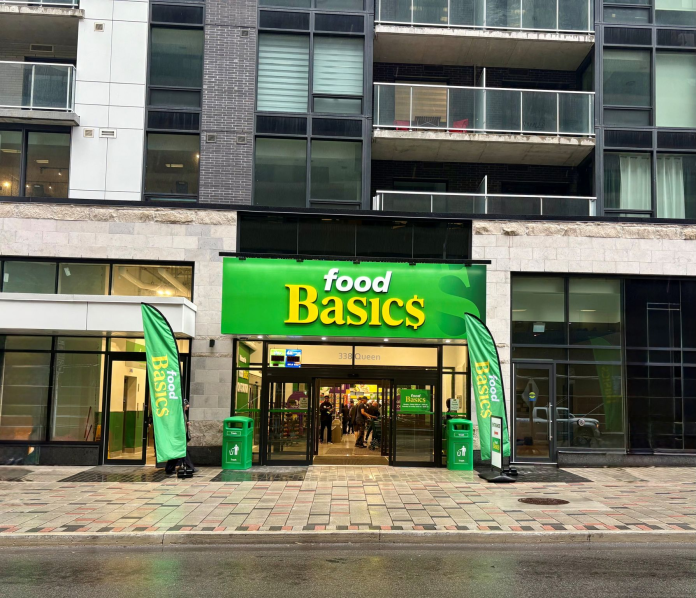
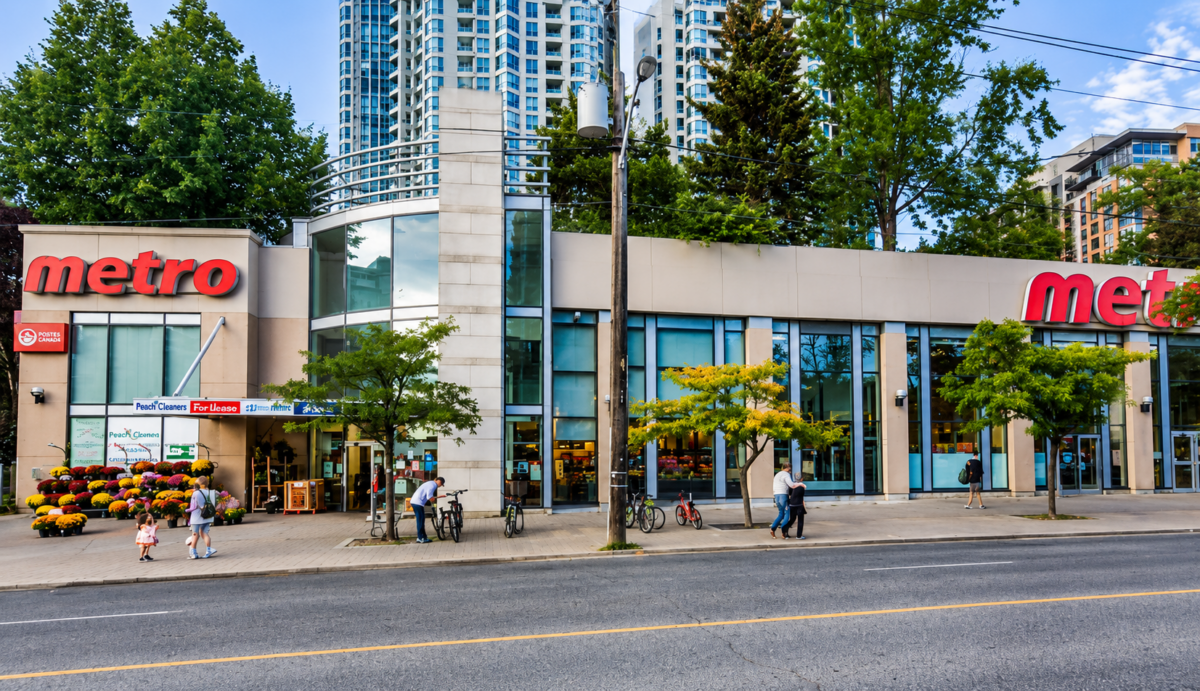
Food Basics at 340 Queen St. in downtown Ottawa. Photo: Food Basics
METRO Inc. is accelerating the expansion of its Food Basics discount banner in Ontario, with plans to convert 10 existing Metro supermarkets as consumers continue to prioritize value and the company adjusts its store network market by market.
The conversions will take place across Ontario, including locations in the Greater Toronto Area, Ottawa and elsewhere in the province. Two have so far been identified: Metro Southgate in Ottawa and the Metro at 20 Church Avenue near Yonge and Finch in Toronto. METRO has not disclosed the remaining eight locations, saying stores and employees will be informed progressively as the program is rolled out.
The company is also planning to permanently close one additional, as-yet-unidentified Ontario store and a satellite warehouse as part of a broader network restructuring. METRO said the changes are intended to address customers’ continued search for value and strengthen its competitive position in targeted markets.
The moves come as discount grocery continues to capture more consumer spending. On METRO’s third-quarter earnings call Wednesday, Chief Operating Officer Marc Giroux said shopping patterns remain similar to recent quarters, with consumers purchasing proportionately more private-label products, participating in promotions and directing greater volume toward discount stores than conventional supermarkets.
“Consumers are focused on value,” Giroux told analysts, adding that METRO expects the trend to continue and is investing accordingly in what it considers the right store format for each market.
Food Basics Expected to Outperform Converted Metro Stores
METRO is positioning the 10 conversions as a targeted optimization of individual stores rather than a broad retreat from its conventional Metro banner.
President and CEO Eric La Flèche said the company continually evaluates its network and considers the most appropriate format for individual trade areas. For the 10 stores selected for conversion, management concluded that Food Basics provides a better fit for the markets they serve.
Eric La Flèche
“If we’re deciding to convert a store, it’s because the store is not the right store for that market, and the store has not been performing as we would want to,” La Flèche told analysts.
METRO expects the conversions to increase sales and improve store contribution. Depending on the amount of construction required, an individual store could close for roughly two months during its transition, resulting in a temporary sales decline before reopening as Food Basics.
Once reopened, management expects the converted stores to generate higher sales than they did under the Metro banner, with further growth anticipated as the locations mature. The conversions are expected to begin improving store contribution in fiscal 2027, with benefits increasing over the following two years.
Toronto and Ottawa Stores Among First Conversions
The Metro at 20 Church Avenue in North York, near Yonge Street and Finch Avenue, is one of the stores slated to become Food Basics. METRO has confirmed the location as part of the 10-store program. The existing supermarket is scheduled to close August 13, with Food Basics expected to open at the site later in the fall.
METRO has also confirmed that Metro Southgate in Ottawa, at 2515 Bank Street, will be converted. La Flèche said during the earnings call that the Ottawa conversion is expected to open by the end of the current fiscal year.
The company has not identified the remaining eight stores. La Flèche said some locations had recently been advised or would be informed shortly, but METRO was withholding further details until affected employees had been notified. He said the conversions include stores in the GTA as well as other parts of Ontario.
The restructuring also has employment implications. METRO has not disclosed how many workers will ultimately be affected, but said employees at the Toronto and Ottawa stores have options under their respective collective agreements. Some employees will work at the incoming Food Basics stores, while others may pursue different options available under those agreements.
METRO recorded $25.7 million in restructuring expenses during the third quarter, primarily related to employee termination benefits, restoration and site-closure costs, and lease-related expenses. Those costs apply to the broader restructuring program, which includes the 10 conversions, the separate Ontario store closure, the satellite warehouse closure and changes to the company’s Montreal e-commerce operation.
Metro at 20 Church St. in Toronto. Image: CBRE
Food Basics Network Continues to Grow
The 10 conversions build on several years of expansion for METRO’s discount banners. Over the past three years, the company has added 31 discount locations through new stores and conversions, bringing Food Basics to 155 stores in Ontario and Super C to 121 in Quebec. Management said customers have responded well to the discount formats and that new and converted locations are generating encouraging sales results and returns.
METRO is also on track to open approximately a dozen new or converted discount stores during fiscal 2026. Five discount stores opened during the third quarter, including one conversion and one relocation.
The expansion extends a strategy already underway before the latest restructuring, with METRO directing more of its store investment toward discount formats as consumers emphasize price and value. The latest 10-store program adds another dimension by repositioning existing conventional supermarkets in markets where management believes Food Basics can generate stronger sales and returns.
Ontario Grocery Market Remains Highly Competitive
The shift is taking place against a highly competitive grocery backdrop in Ontario. La Flèche said METRO is pleased with its business in the province and is holding market share, while acknowledging continued competition for consumer spending.
Population growth has also slowed considerably while grocery square footage continues to expand. La Flèche said population growth is now “very small or flat,” adding to competitive conditions as retailers pursue growth in the market.
La Flèche rejected the suggestion that the 10 conversions were simply a reaction to competing discount stores opening nearby. He described the decisions as part of METRO’s ongoing review of individual markets and store performance.
“This was a good time to relook at the network as we were preparing the plans for next year,” La Flèche said. “For those 10 locations, we feel discount’s the way to go.”
Broader Network Changes Underway
The Ontario conversions are part of a wider effort by METRO to adjust its network and lower costs in areas where consumer behaviour has changed. In Quebec, the company will close its dedicated Montreal e-commerce fulfilment centre and shift to store-based picking supported by third-party delivery. METRO said growing demand for same-day grocery delivery makes the store network better suited to fulfil online orders while reducing the fixed costs associated with a dedicated facility.
The overall network optimization program is expected to generate approximately $15 million in recurring annual after-tax earnings by the end of fiscal 2028, with about half of the benefit expected by the end of fiscal 2027. Management said roughly half of the eventual improvement should come from increased contribution at the converted Food Basics stores and half from the lower-cost e-commerce fulfilment model.
METRO expects the Ontario restructuring to be completed by the end of fiscal 2027. For now, eight of the 10 Metro locations slated for conversion remain undisclosed, with the company planning to identify stores progressively as affected employees are informed.
IKEA Canada is launching a limited-edition collection of 18 art objects created by seven artists, designers and creatives, with the products set to go on sale across the country and online Sept. 1.
The KONSTRUNDA collection brings together glass objects, ceramics, furniture and textiles, with IKEA positioning the range as an effort to make art more accessible through everyday home furnishings.
Collection brings together seven creators
IKEA said the contributors were invited to work independently from a blank canvas, creating pieces based on their individual perspectives. The collection’s name, KONSTRUNDA, means “Art Tour” and reflects what the company describes as a range of different artistic voices.
“Art should be available for all to enjoy, not a luxury reserved for galleries,” said Karin Gustavsson, Creative Leader for KONSTRUNDA. “Art evokes emotion, sparks conversation and helps transform a house into a home. With KONSTRUNDA, we wanted to create a collection that encourages people to express themselves and surround themselves with objects they love.”
Karin GustavssonAkanksha Deo is a designer and visual artist
The collection includes a handblown glass vessel, a stool designed as a sculptural piece and textiles intended to function as works of art. IKEA said the pieces feature bold forms, vibrant colours and expressive silhouettes, with each reflecting the individual creator’s approach.
The company said the collection is intended to allow customers to incorporate individual pieces into their homes or build collections of objects that have personal meaning.
“At IKEA, we know Canadians are always looking for ways to make their homes feel more personal and welcoming,” said Willisko. “What I love about KONSTRUNDA is its ability to make art more approachable through thoughtfully designed objects that inspire self-expression and creativity. By offering these pieces at affordable prices, we’re making it easier for the many Canadians to bring art into their everyday lives and create homes that truly reflect who they are.”
The company said its role in the collection is not to define or explain art, but to provide a platform for the participating creators while applying its experience in product development.
“At IKEA, we don’t claim to define or explain art. Instead, our role is to create space for it,” said Gustavsson. “We have extensive knowledge and experience in designing and developing products. We understand materials, proportions, colours, durability, and how to bring ideas to life. Through KONSTRUNDA, we can offer a platform for artists to create and an opportunity for people to collect art that reflects who they are in the home.”
Collection launches Sept. 1
KONSTRUNDA will be available in IKEA stores across Canada and online starting Sept. 1.
IKEA Canada is part of Ingka Group, which operates 574 IKEA stores in 31 countries. In Canada, the company operates 15 stores and 13 Plan and order points.
The company said IKEA Canada welcomed 33.3 million visitors to its stores last year and recorded 199.9 million visitors to IKEA.ca.
IKEA Canada was founded in 1943 in Sweden and operates under the company’s stated vision of creating a better everyday life for the many people.