Home Blog Page 54

Government of Canada investing in quality tourism experiences and attractions in Alberta

Andre Furtado photo
Andre Furtado photo

Amid tariff‑related uncertainty and shifting global trade conditions, it is more important than ever to strengthen sectors that drive economic activity and support jobs in our communities. Alberta’s tourism sector has what the world wants with incredible sites across the province. These investments will offer an inclusive pathway to strengthen long-term economic resilience and create meaningful jobs in communities across the province, says the Government of Canada.

During National Tourism Week in Canada (April 20-24), Eleanor Olszewski, Minister of Emergency Management and Community Resilience and Minister responsible for Prairies Economic Development Canada (PrairiesCan) announced a federal investment of more than $1.9 million through the Tourism Growth Program (TGP) for eight projects across Alberta. These investments will help businesses and not-for-profit organizations deliver the kinds of outstanding experiences that drive year-round tourism spending in Alberta, she said.

Eleanor Olszewski
Eleanor Olszewski

This support from PrairiesCan will help enhance cultural and heritage experiences, expand accommodation offerings and improve attractions. Their efforts will contribute to vibrant travel destinations – including in rural areas and beyond high-volume tourism periods – while supporting more than 50 jobs, said the government.

The Tourism Growth Program (TGP) launched in 2023 with $108 million over three years to support Indigenous and non-Indigenous communities, small and medium-sized businesses, and not-for-profit organizations develop or expand local tourism experiences. The program was designed to complement other federal, provincial, and territorial tourism supports and was part of the Federal Tourism Growth Strategy.

PrairiesCan announced $1,940,281 in funding under TGP for the following eight projects across Alberta:

  • Aurum Experience Ltd.
    Expand infrastructure at Aurum Lodge to better meet the growing demand for year-round accommodations in the Abraham Lake and Nordegg areas. This project will increase capacity, enhance visitor experiences and enable year-round operations of the lodge. This represents an investment of $249,999 in repayable funding.
  • The Confluence Historic Site & Parkland Society
    Create three permanent galleries dedicated to the Tsuut’ina Nation, Stoney Nakoda Nation, and the Métis Nation of Alberta (Districts 5 and 6) to showcase Indigenous knowledge, histories, stories, and culture. Curated by Indigenous artists, this project offers insight into Indigenous experiences near the Bow and Elbow rivers over time. This represents an investment of $349,629.
  • Chimney Rock Ranch Retreat Inc.
    Expand accommodations, event spaces, and visitor programming that can house visitors in the peak season and attract tourists to the Nanton area outside of the peak season. This woman-owned, rural project will scale-up operations of Chimney Rock Ranch Retreat and transform it into an all-season destination. This represents an investment of $250,000 in repayable funding.
  • Friends of the Ukrainian Village Society
    Construct a multi-purpose event space, including a covered outdoor venue and natural seating, at the Ukrainian Cultural Heritage Village to replace infrastructure lost to fire. This expansion will enable immersive cultural programming such as concerts, culinary tourism, and Farmers’ Markets to strengthen the open-air museum’s role as a regional tourism anchor, extending the visitor season and driving economic growth. This represents an investment of $250,000.
  • Lakeview Investments Inc.
    Build all-season cabins, install outdoor spa amenities, and create accessible spaces at Lakeview Lodge to attract tourists to explore the County of Barrhead in all seasons. This project will enhance facilities while increasing overnight visitor capacity. This represents an investment of $341,184 in repayable funding.
  • Pine Creek Retreat
    Expand Indigenous tourism experiences and accommodations in the Bears Ears Reserve on the banks of the North Saskatchewan River. This expansion, along with accessibility upgrades, will help to meet growing demand for authentic Indigenous tourism experiences in Alberta. This represents an investment of $200,000.
  • Rural River Rentals Ltd.
    Develop elevated glamping experiences for tourists seeking to immerse themselves in nature, adventure, and Métis history while enjoying modern comforts. This project will accelerate business growth and expand active outdoor tourism products and authentic Métis experiences available in Sturgeon County. This represents an investment of $115,000.
  • The Woods Experience Ltd.
    Upgrade visitor accommodations and programming facilities to enhance access to authentic Indigenous tourism experiences and year-round programming. This project will further develop the Indigenous tourism ecosystem in Yellowhead County while advancing Indigenous economic participation. This represents an investment of $184,469.

More from Retail Insider:
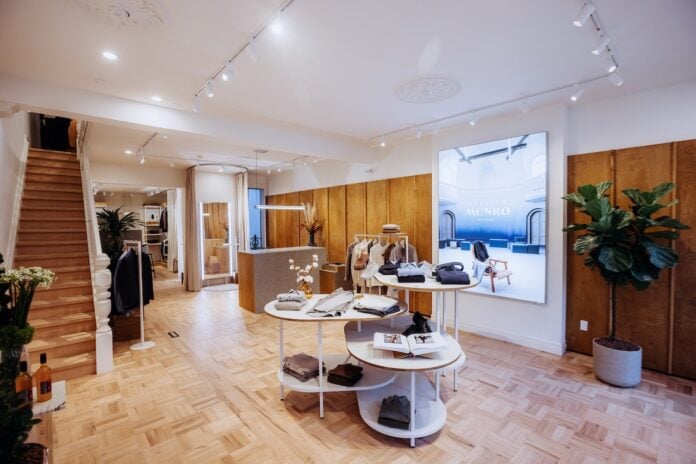
Atelier Munro Opening Vancouver Store, Expands West

The Atelier Munro House-Toronto

Dutch menswear brand Atelier Munro is set to open its third Canadian location next week with a new boutique in downtown Vancouver, marking another step in its direct-to-consumer expansion strategy across the country.

The Atelier Munro Vancouver store will be located at 535 Howe Street, in a space previously occupied by an art gallery. The location sits directly across from Holt Renfrew, placing the brand in one of the city’s most prominent luxury retail corridors.

This opening follows the company’s first Canadian location in Toronto’s Yorkville neighbourhood in fall 2022 and a second outpost in Calgary in 2023, as the brand continues to build a national presence targeting affluent, style-conscious consumers.


Direct-to-Consumer Strategy Drives Expansion

The Atelier Munro Vancouver store reflects the company’s broader shift from a wholesale model to a vertically integrated, direct-to-consumer approach. Historically distributed through retail partners, including Harry Rosen, the brand has transitioned to operating its own standalone “House” locations that prioritize customer experience and brand control.

This evolution accelerated after Atelier Munro exited wholesale partnerships in Canada around 2023, allowing the company to fully own its retail environments, customer data, and margins.

Each location is designed as more than a traditional store. The “House” concept emphasizes hospitality, personalization, and community engagement, positioning the brand within a lifestyle context rather than a purely transactional retail format.

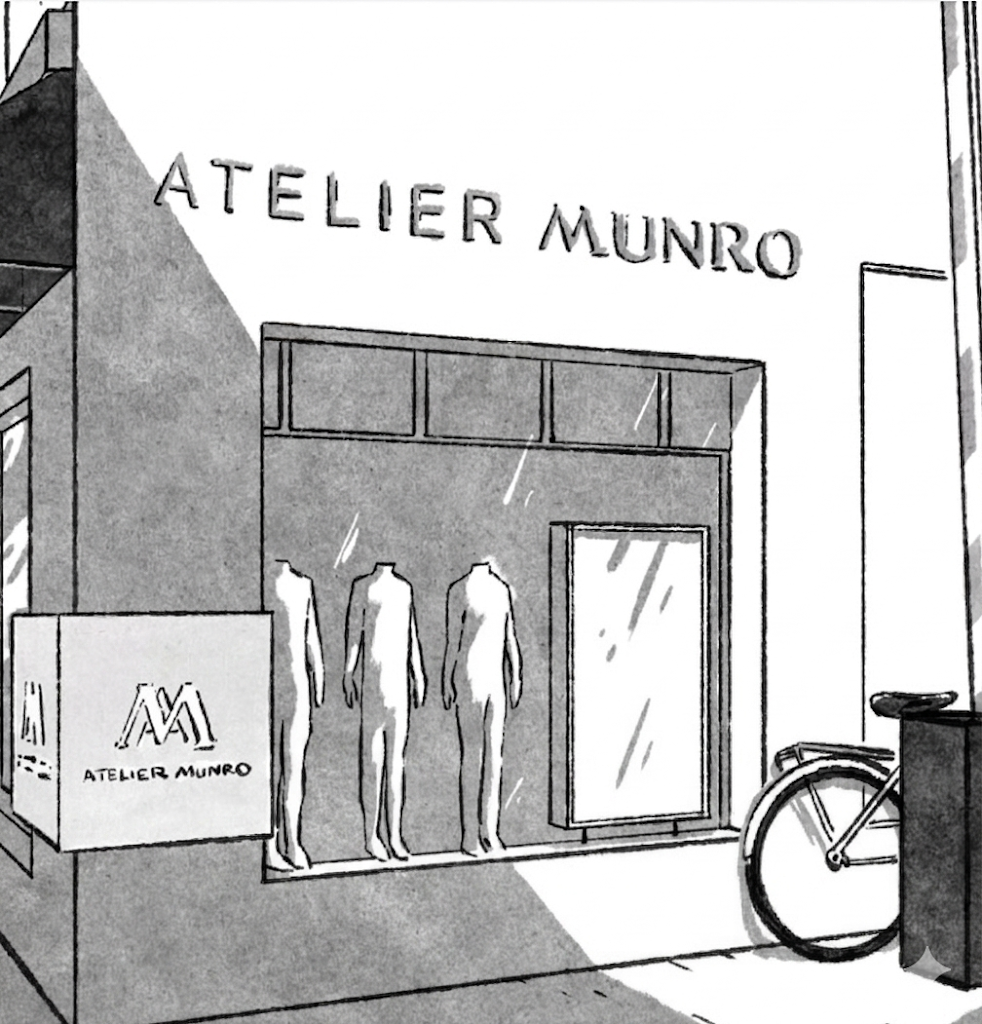
Rendering of the Vancouver Atelier Munro at 535 Howe Street

Western Canada Becomes a Strategic Focus

The opening of the Atelier Munro Vancouver store underscores a deliberate focus on Western Canada as a growth market. Following the success of its Toronto flagship, the company identified Calgary and Vancouver as key cities with strong concentrations of high-net-worth professionals seeking personalized apparel solutions.

In Calgary, the brand established a presence in the Beltline district, adapting its concept to a more industrial-modern aesthetic and emphasizing casual and outerwear offerings tailored to the local market. Vancouver represents a continuation of this strategy, with a location that aligns with the city’s established luxury retail ecosystem.

Product Expansion Beyond Traditional Tailoring

Alongside its retail expansion, Atelier Munro has broadened its product assortment beyond made-to-measure suiting. The brand now offers a wider range of customizable and ready-to-wear options, including sneakers, outerwear, knitwear, and casual apparel designed for more flexible, modern lifestyles.

Recent collections emphasize versatility, with pieces intended to transition seamlessly between professional and social settings. The introduction of curated ready-to-wear capsules also aims to attract customers seeking immediate purchases, complementing the brand’s core made-to-measure offering.


Technology and On-Demand Model Differentiate the Brand

A key component of Atelier Munro’s strategy is its technology-driven production model. The company operates a proprietary digital platform that enables extensive customization while connecting directly to manufacturing facilities in Europe.

Unlike traditional luxury retailers that carry seasonal inventory, Atelier Munro produces garments on demand. This approach reduces excess stock and aligns with shifting consumer expectations around sustainability and personalization.

From B2B Supplier to Global Consumer Brand

Founded in Amsterdam, Atelier Munro evolved from a business-to-business tailoring provider into a global direct-to-consumer brand in 2017. The company leveraged its existing manufacturing and technology infrastructure to build a consumer-facing identity focused on modern tailoring.

Today, the brand operates in more than 50 partner locations globally while increasingly prioritizing its own flagship “House” environments to define its retail experience.

More from Retail Insider:
KFC Canada Brings Montreal Forum Seats to Restaurants

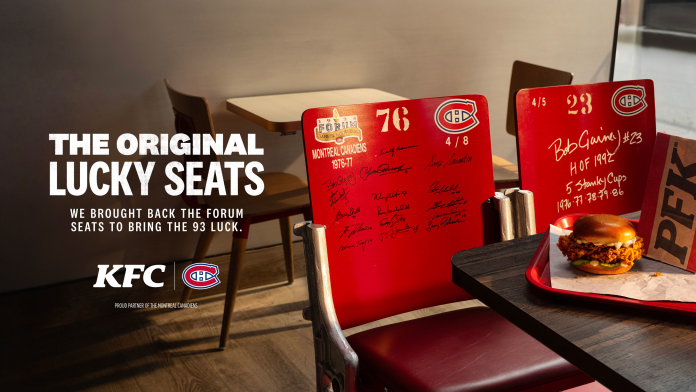
Photo: KFC

KFC Canada is leaning into hockey culture with a localized activation that brings pieces of Montreal’s sports history directly into its restaurants. As the NHL playoffs capture national attention, the brand has installed original seats from the Montreal Forum in select locations across the Greater Montreal area.

The initiative ties a globally recognized quick service restaurant brand to one of the most iconic venues in hockey history, creating a physical connection between dining and fandom at a time when engagement is at its peak.


Unlike typical themed promotions, the campaign features authentic arena seats rather than reproductions. These seats once belonged to the Montreal Forum, which served as home to the Montreal Canadiens during decades of championship success.

By incorporating real artifacts, KFC is elevating what could have been a standard promotional effort into a more immersive in-store experience. Customers are invited to sit in a piece of hockey history while dining, effectively turning restaurants into informal viewing and gathering spaces during the playoffs.

The activation is currently available at five locations across the Montreal region, including sites in Montreal, Laval, Longueuil, and Kirkland.

Locations include:

  • 4086 rue Wellington, Montréal
  • 1670 rue Saint-Denis, Montréal 
  • 3000 boul. St-Charles, Kirkland 
  • 850 ch. de Chambly, Longueuil 
  • 1689 boul.des Laurentides, Laval
 

Tapping Into Hockey Superstition and Culture

The campaign is positioned around the idea of playoff superstition, a well-known aspect of hockey fandom. By framing the seats as “lucky,” KFC connects with emotional behaviours that often drive consumer engagement during major sporting events.

At the same time, the brand has paired the activation with a value-driven promotion, offering its Famous Chicken Sandwich at a reduced price on game days. This combination of experiential marketing and pricing strategy is designed to increase foot traffic while reinforcing relevance during the playoff season.

Retail Strategy Rooted in Localization

This initiative highlights how global brands are increasingly adopting hyper-local strategies to resonate with Canadian consumers. In this case, KFC is aligning itself with Montreal’s deep-rooted hockey identity, using nostalgia as a bridge between brand and customer.

The Montreal Forum remains a powerful cultural symbol, having hosted the Canadiens from 1926 to 1996 and serving as the backdrop for numerous Stanley Cup victories. That legacy continues to carry emotional significance, particularly among longtime fans.

By bringing elements of that history into its restaurants, KFC is positioning its locations as more than transactional spaces. Instead, they become part of the broader playoff experience, where food, sport, and memory intersect.

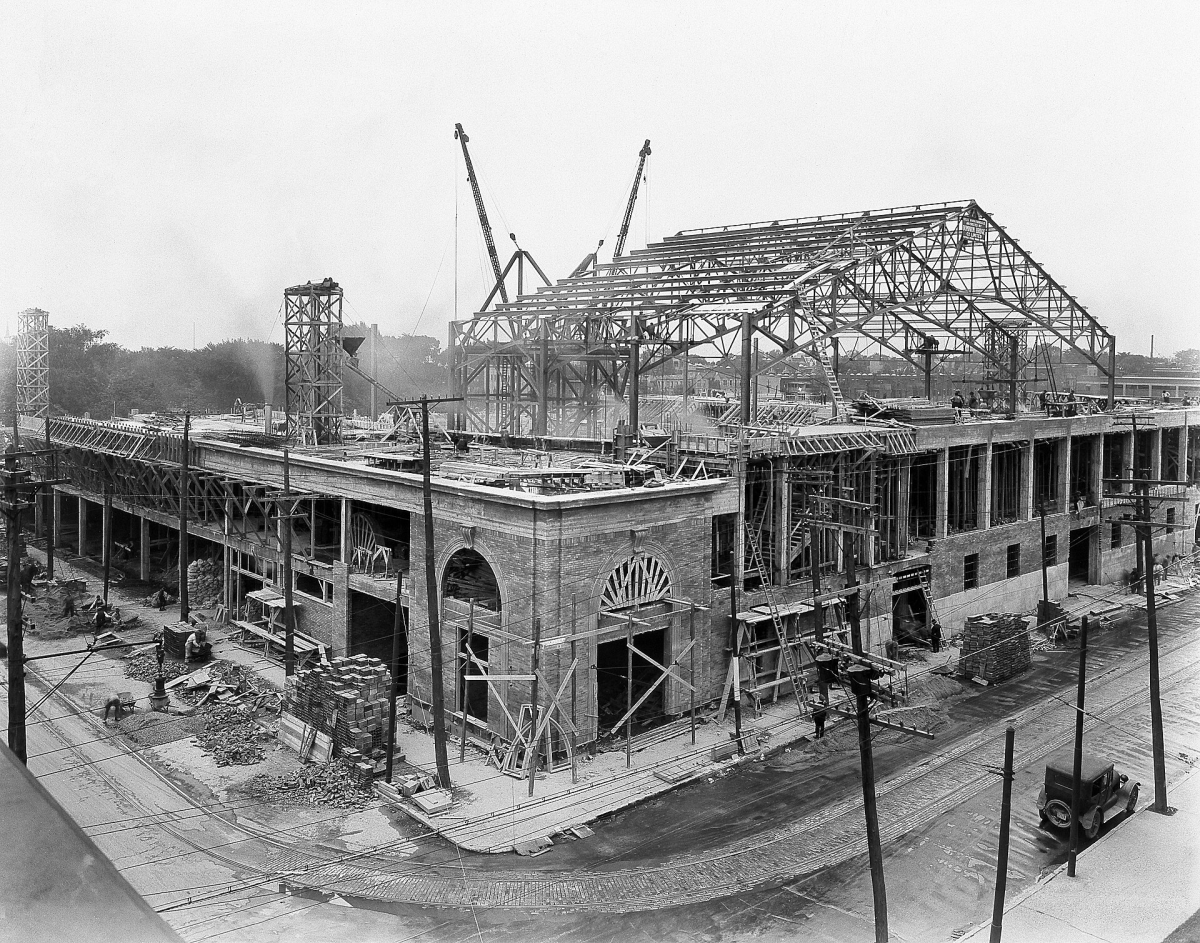
Montreal Forum under construction in 1924

Experiential QSR Marketing Gains Momentum

KFC’s Montreal Forum seats activation reflects a broader shift in the quick service restaurant sector toward experiential marketing. As competition intensifies, brands are looking beyond menu innovation to create environments that encourage customers to stay longer and engage more deeply.

In this context, the use of authentic sports memorabilia stands out as a differentiator. It offers a level of credibility and emotional resonance that traditional promotional materials often lack.

More from Retail Insider:

KFC Canada installs original Montreal Canadiens Forum seats in restaurants for playoffs

Photo: KFC

As playoff momentum builds around the Montreal Canadiens in the National Hockey League, KFC Canada is bringing a piece of hockey history back into the spotlight, installing original seats from the legendary Montreal Forum inside select restaurants across Greater Montreal to help channel the energy of the team’s most iconic championship era.

Not replicas. The real thing, said the company.

“In a bold move that blends superstition and culture, KFC is integrating a powerful symbol of the team’s legacy. Fans can now sit where history once lived, tapping into fandom that fueled generations of wins,” said the company.

Fans can find and sit in the “lucky seats” at five locations:

  • 4086 rue Wellington, Montréal
  • 1670 rue Saint-Denis, Montréal 
  • 3000 boul. St-Charles, Kirkland 
  • 850 ch. de Chambly, Longueuil 
  • 1689 boul.des Laurentides, Laval

“Like KFC, Hockey fans don’t do things halfway, especially in Montreal,” said Lauren Pottie, Senior Manager, Media & Partnerships, KFC Canada.  “This city leans into superstition, shows up loudly every single game, and we are matching and celebrating its energy unapologetically.” 

Lauren Pottie
Lauren Pottie

On Canadiens game day, KFC Canada said it is offering the Famous Chicken Sandwich for just $5.95, giving fans one more reason to show up, sit down, and lock into the moment.

Founded by Colonel Harland Sanders in 1952, KFC is the world’s most popular chain of chicken restaurants. Kentucky Fried Chicken Canada Company (KFC Canada) is a subsidiary of YUM! Brands, Inc. which operates more than 60,000 restaurants in more than 150 countries around the world. KFC Canada has more than 650 locations in Canada.

More from Retail Insider:
Sales at greenhouses rise for 5th consecutive year: Statistics Canada

Vitaly Gariev photo
Vitaly Gariev photo

Sales at greenhouse, nursery, field-grown cut flower and sod operations increased 7.5% to $6.5 billion in 2025, marking a fifth consecutive annual increase, according to a recent Statistics Canada report.

Greenhouse growers accounted for just over four-fifths (84.4%) of total sales in 2025 at $5.5 billion, driven by increased production of greenhouse fruits and vegetables and by higher prices, said the federal agency.

Tomatoes were the top greenhouse crop by sales in 2025, up 4.5% year over year to 334.7 million kilograms. Although cucumber production was higher (+5.2% to 384.1 million kilograms), tomatoes accounted for a slightly larger share of sales (19.4% versus 18.8%), it said.

“Total greenhouse area increased by 1.4% to 35.9 million square metres in 2025. Ontario accounted for just under two-thirds (64.9%) of total greenhouse area nationally in 2025, followed by British Columbia (17.4%) and Quebec (10.4%),” explained Statistics Canada.

“Greenhouse harvested area dedicated to strawberry production grew at the fastest pace in 2025, rising 45.5% to 1.2 million square metres. Harvested area dedicated to lettuce (+8.1% to 414.1 thousand square metres), fine herbs (+11.2% to 200.6 thousand square metres) and Chinese vegetables (+23.0% to 114.0 thousand square metres) were also up significantly.”

Tomatoes and cucumbers were the leading greenhouse export commodities from Canada to the United States in 2025, said Statistics Canada.

In 2025, cucumber exports increased 12.7% to 290.0 million kilograms and tomato exports rose 0.5% to 231.7 million kilograms. The United States remained Canada’s primary export market, accounting for approximately 99% of Canada’s greenhouse export market, it noted.

Vitaly Gariev photo
Vitaly Gariev photo

“In 2025, sales of potted plants increased 8.9% to $1.5 billion, driven by a 3.9% rise in production to 269.1 million pots. Cut flower sales increased 9.8% year over year to $252.7 million,” said Statistics Canada.

“Canada’s total nursery area decreased 2.4% to 37.2 thousand acres in 2025, largely driven by declines in Ontario (-5.3%), Alberta (-1.5%) and British Columbia (-0.9%). In contrast, increases were reported in Quebec (+4.6%), New Brunswick (+3.2%) and Nova Scotia (+1.7%).

“Despite the reduction in area, nursery sales rose 1.8% to $852.7 million. Canada’s total sod area edged up 0.1% to 50.9 thousand acres in 2025 while sales rose 2.1% to $164.8 million.”

StatsCan said Canada’s total greenhouse operating expenses increased 4.3% to $4.2 billion in 2025 on higher input and production costs. Plant material costs rose 16.3% to $759.5 million and gross yearly payroll increased 2.6% to $1.2 billion.

Electricity costs rose by over one-fifth (21.2%) year over year to $181.9 million in 2025, while other fuels (+12.2%) and heating oil (+11.0%) costs were up by over one-tenth. Natural gas costs rose 4.7% to $265.4 million.

In the nursery sector, total operating expenses edged up 0.5% to $721.1 million. In contrast, operating expenses in the sod sector fell 3.3% to $130.6 million.

More from Retail Insider:
Canadian Retail in Transition Conference Set for Toronto

A new industry event examining the evolving dynamics of Canada’s retail sector is set to take place in Toronto this spring. The conference, organized by Insolvency Insider, will bring together executives, lenders, advisors, and restructuring professionals for a focused morning of discussion.

The Canadian retail in transition conference will be held on May 8, 2026 at the offices of PwC Canada at 18 York Street. The half-day event is positioned as a practical and candid forum to examine the forces reshaping retail in Canada, from insolvencies and restructuring activity to broader structural changes across the sector.

A Sector Under Pressure and Transformation

Canadian retail continues to navigate a period of significant disruption. While some formats remain resilient, others face mounting pressure driven by shifting consumer behaviour, supply chain volatility, tariffs, and the continued rise of e-commerce.

The conference agenda reflects these realities, beginning with a panel focused on the changing face of Canadian retail. Industry insiders will examine which segments are performing, where weaknesses are emerging, and how operators and stakeholders can interpret current market signals.

Subsequent discussions will explore operational turnaround strategies, including store footprint optimization, vendor relationships, and liquidity management. These topics have become increasingly relevant as more retailers look to stabilize performance without entering formal insolvency proceedings.

Craig Patterson to Share Frontline Perspective

The morning will include a fireside chat titled “The Retail Insider View,” featuring Craig Patterson, Founder and Editor-in-Chief of Retail Insider. Drawing on extensive coverage of the sector, Patterson will examine recent retail insolvencies in Canada, identifying warning signs, structural challenges, and emerging patterns across cases.

The discussion is expected to provide insight into both high-profile failures and less visible pressures affecting retailers across the country. It will also explore how broader economic and competitive forces are influencing outcomes.

From Turnaround to Formal Proceedings

Later sessions will shift toward the mechanics of formal restructuring processes. Panels will examine how insolvency proceedings unfold in practice, including the role of monitors, debtor-in-possession financing, creditor dynamics, and landlord considerations.

As retail restructurings become more complex, particularly in cross-border contexts, the conference will also address valuation challenges, intellectual property considerations, and the evolving landscape for buyers and investors.

Bringing Together Key Industry Stakeholders

The event is designed for a wide range of participants, including retail executives, lenders, real estate professionals, and advisors working directly within the sector. 

Confirmed speakers include senior professionals from PwC, Stikeman Elliott, Torys, Tiger Group, and FAAN Advisors, reflecting the multidisciplinary nature of retail restructuring today.

Attendance is complimentary for many industry participants, including retailers, landlords, and investors, while restructuring professionals and advisors can attend for a fee.

With limited capacity and a focused half-day format, the conference aims to deliver high-value insights and meaningful networking opportunities for those actively engaged in Canada’s retail landscape.

[Registration link]

VIDEO: 50 Years of Canada’s Commercial Real Estate Evolution

Michael Kehoe, broker of record at Fairfield Commercial Real Estate, offers a 50-year perspective on the evolution of Canada’s commercial real estate industry, highlighting key retail trends, structural shifts, and the enduring importance of relationships.

Kehoe traces his career back to 1975, beginning in marketing roles at Southcentre Mall before moving into management and leasing with major developers. He describes the 1980s as a period of rapid expansion in Alberta’s shopping centre sector, followed by a pivotal shift in the mid-1990s when institutional investors, including pension funds and REITs, transformed ownership structures. According to Kehoe, the industry is now seeing a partial return to entrepreneurial ownership as institutions divest non-core assets.

A major theme in Kehoe’s outlook is the constant evolution of shopping centres. He notes that while malls have become more standardized with national and international brands, there is growing pressure to differentiate through local tenants and unique experiences. He points to the rise of non-traditional uses—such as fitness, healthcare, and recreational amenities—as evidence of how landlords are repurposing space to match changing consumer behaviour.

Despite the growth of e-commerce, Kehoe emphasizes the resilience of brick-and-mortar retail. He views physical stores as a critical component of an omnichannel strategy, offering tactile and social experiences that online platforms cannot replicate. At the same time, he acknowledges that technology, including AI, is accelerating change across the sector.

Kehoe also addresses challenges in downtown retail, particularly around public safety and shifting traffic patterns, but remains optimistic about long-term recovery driven by urban revitalization efforts.

Throughout the conversation, he underscores that commercial real estate remains fundamentally a relationship-driven business, where in-person interaction, market insight, and trust continue to be essential for success.

More from Retail Insider:



Daily Synopsis: Apr 22, 2026

Retail Insider’s latest articles are listed below, followed by Canadian Retail News From Around the Web. Lululemon names Heidi O’Neill as CEO to lead global growth and product innovation amid flat North American sales. Danier is expanding with a new boutique-style store concept to attract younger shoppers in Calgary and Mississauga. Meanwhile, METRO reports strong Q2 sales growth driven by its discount and pharmacy businesses despite supply challenges. These developments highlight strategic leadership shifts and retail expansion efforts to navigate evolving market demands.


🗞️ The Day’s Retail Insider Article List


🌐 Canadian Retail News From Around the Web

Lululemon Appoints Heidi O’Neill as CEO

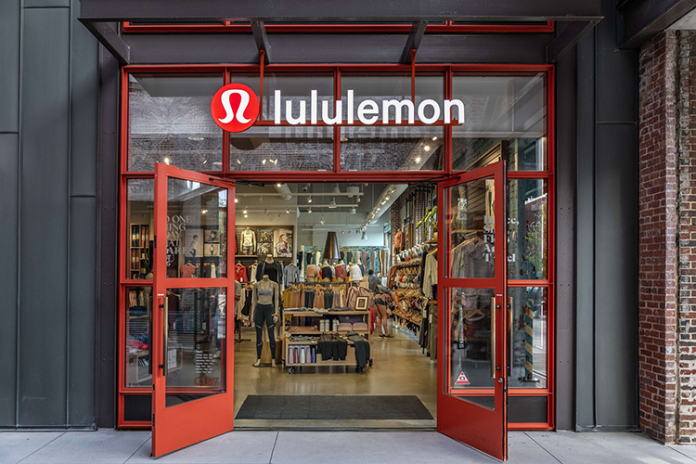
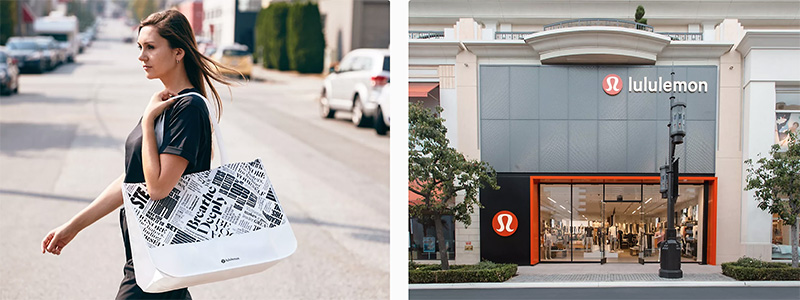
Lululemon store. Photo: Lululemon

Vancouver-based Lululemon Athletica Inc. has confirmed the appointment of Heidi O’Neill as its next Chief Executive Officer, marking a significant leadership transition as the company looks to reposition itself for its next phase of global growth.

The appointment, announced on April 22, 2026, follows a four-month executive search that began after the departure of former CEO Calvin McDonald. O’Neill will officially assume the role on September 8, 2026, and will also join the company’s Board of Directors. She will be based at Lululemon’s Vancouver headquarters.

In the interim, leadership responsibilities will remain with co-CEOs Meghan Frank and André Maestrini, with Frank continuing to oversee efforts tied to product assortment and brand positioning.


Veteran Nike Executive Brings Global Scale Experience

O’Neill joins Lululemon following more than 25 years at Nike Inc., where she most recently served as President of Consumer, Product, and Brand. During her tenure, she played a central role in scaling Nike’s global business from approximately $9 billion to more than $45 billion in revenue.

Her experience spans product innovation, digital transformation, and direct-to-consumer strategy. She also led Nike’s women’s division for several years, an area of particular relevance as Lululemon seeks to strengthen engagement with its core female customer base.

Earlier in her career, O’Neill held marketing roles with the Dockers brand under Levi Strauss & Co..

Heidi O’Neill

Strategic Priorities Focus on Product and Global Growth

Lululemon’s board has positioned O’Neill as a leader capable of driving “disruptive change and growth at scale,” with a focus on revitalizing product innovation and accelerating international expansion.

In a statement, O’Neill said she intends to “accelerate product breakthroughs, deepen the brand’s cultural relevance, and unlock growth in markets around the world.”

Immediate priorities are expected to include addressing consumer feedback around product newness and assortment, particularly in core categories where competitors have gained traction. At the same time, the company continues to expand internationally, including recent e-commerce developments in Mexico and ongoing growth in China.

The company is also advancing its North American growth strategy beyond its core markets. Earlier this week, Lululemon launched a dedicated e-commerce platform in Mexico and confirmed plans to open eight stores in the country in 2026, positioning the market as a key expansion opportunity. By year-end, the company expects to operate more than 30 stores in Mexico, reflecting a broader push to build an integrated omnichannel presence in the region.

The expansion aligns with O’Neill’s experience in scaling global markets and integrating digital and physical retail channels, capabilities that are expected to be central to Lululemon’s next phase of growth.

Photos: Lululemon
 

Leadership Change Comes Amid Performance Pressures

The leadership transition comes at a pivotal moment for Lululemon. The company has reported multiple quarters of flat or declining comparable sales in the Americas, alongside elevated inventory levels that have raised concerns about discounting and brand positioning.

At the same time, international markets have emerged as a growth engine, with China delivering strong performance. O’Neill’s experience with global operations is seen as an asset as Lululemon looks to balance regional challenges with international opportunities.

Chip Wilson
Chip Wilson

Founder Tensions Add Complexity to Transition

The appointment also unfolds against the backdrop of ongoing public criticism from founder Chip Wilson, who remains the company’s largest individual shareholder.

Wilson has recently voiced concerns about the company’s direction, arguing that Lululemon has lost its creative edge and cautioning against leadership approaches that prioritize operational efficiency over product innovation. He has also publicly questioned the board’s strategy and its ability to support long-term brand vision.

These tensions are expected to form part of the broader narrative as O’Neill steps into the role, particularly as she brings a large-scale corporate background that differs from Wilson’s entrepreneurial approach.

A Defining Moment for the Brand’s Next Chapter

The appointment of O’Neill signals a strategic shift as Lululemon positions itself as a global athletic brand with expanded reach beyond its origins in yoga apparel.

For Lululemon, the leadership change represents both an opportunity and a test. The company is seeking to reinvigorate product innovation, strengthen its connection with consumers, and navigate a competitive and evolving athleisure market.

As O’Neill prepares to take the helm, the effectiveness of her strategy will likely shape the brand’s trajectory in both North America and international markets in the years ahead.

More from Retail Insider:

Reitmans Partners with Toronto Tempo for WNBA Debut

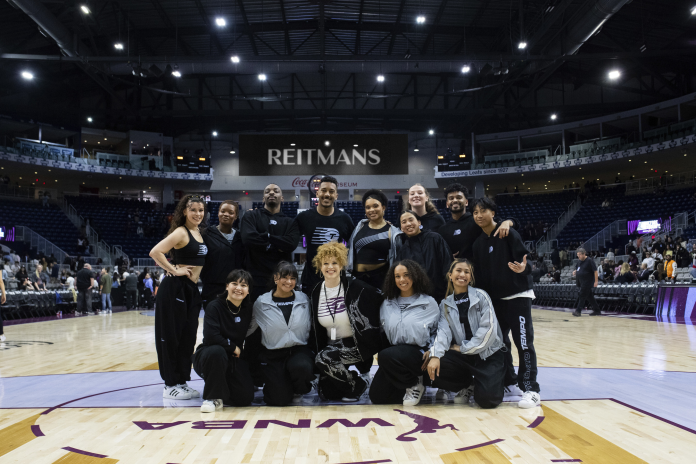
Reitmans Takes Centre Court (CNW Group/Reitmans (Canada) Ltd)

Canadian apparel retailer Reitmans has announced a partnership with the Toronto Tempo, marking a notable intersection of retail, sport, and cultural momentum as Canada prepares to welcome its first Women’s National Basketball Association franchise.

The Reitmans Toronto Tempo partnership positions the brand as presenting sponsor of the team’s dance crew, The Rhythm Section, as part of a broader effort to engage with audiences through sport and lifestyle activation. The collaboration arrives as Reitmans celebrates its 100th anniversary in 2026, aligning a legacy Canadian retailer with a new chapter in women’s professional sports in the country.


A Strategic Cultural Alignment for a Centennial Brand

The partnership reflects a strategic evolution for Reitmans, which is seeking to connect its longstanding presence in Canadian retail with emerging cultural platforms. The brand’s centennial campaign, “A Century Is Just the Beginning,” underscores this transition toward a more contemporary positioning that emphasizes relevance and engagement.

“Celebrating our 100th anniversary by joining the Tempo’s inaugural season feels like a defining moment for Reitmans,” said Isabelle Bonin, Vice President of Marketing. “We’ve supported Canadian women for generations, and today we’re showing up where women are shaping culture – not just following it. This partnership is about confidence, energy, and self-expression–on and off the court.”

From a retail perspective, the Reitmans Toronto Tempo partnership signals a continued shift toward experiential branding. By integrating into live sports environments and fan engagement moments, the company is expanding beyond traditional merchandising into lifestyle-driven marketing.


Hyba Brand Takes Centre Stage with Custom Uniforms

At the core of the collaboration is Reitmans’ activewear label, Hyba, which will design custom uniforms for The Rhythm Section. Created at the brand’s Montreal headquarters, the apparel is intended to combine performance functionality with a modern aesthetic inspired by the energy of the team.

The initiative reflects broader trends in retail where private labels and in-house brands are leveraged to drive differentiation. By placing Hyba within a high-visibility sports platform, Reitmans is effectively positioning the label within a performance and lifestyle context that resonates with younger consumers.

In addition, the retailer will provide curated styling experiences for the team’s front office staff, extending the partnership beyond on-court activation into corporate and professional environments tied to the franchise.

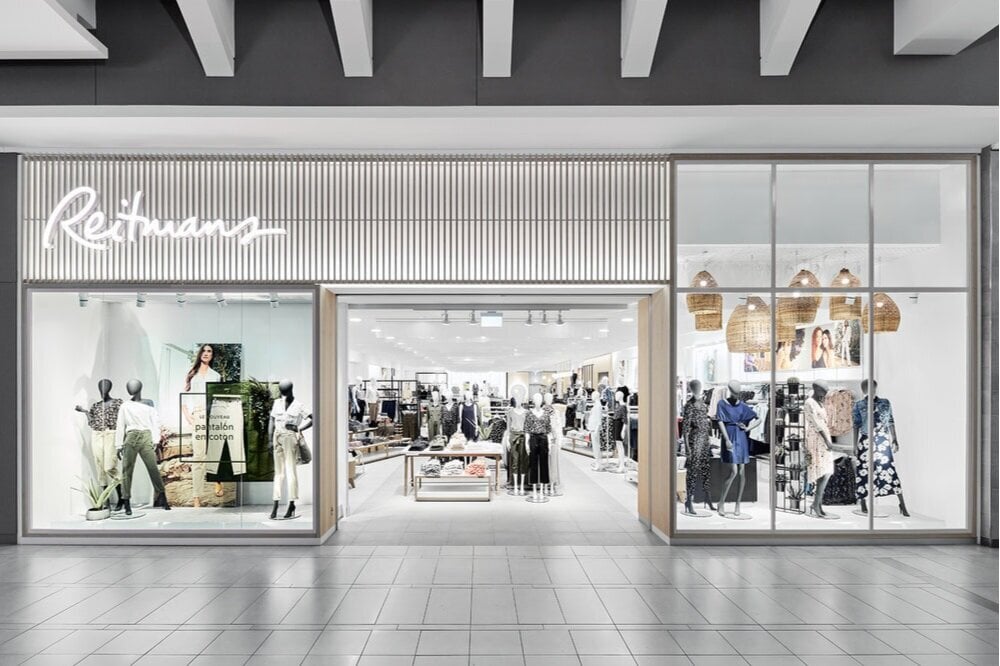
REITMANS’ CF CARREFOUR LAVAL SHOP PHOTO: REITMANS

Toronto Tempo Builds Momentum with Founding Partnerships

For the Toronto Tempo, the collaboration adds to a growing roster of corporate partners as the team prepares for its inaugural 2026 season.

“The Tempo is setting the tone for a bold new era of women’s sport in Canada, and we’re intentional about choosing partners who share that vision,” said Lisa Ferkul, Chief Revenue Officer, Toronto Tempo. “Reitmans has supported the diverse lives of Canadian women for a century, and we’re thrilled to have this Canadian icon help write this first chapter of our team’s story.”

The team, owned by Kilmer Sports Ventures, represents a milestone for Canadian sports as the first WNBA franchise outside the United States. The arrival of the Tempo reflects increasing investment in women’s professional sports and growing demand for live sports experiences in Canada.

Fans will see the partnership activated through multiple touchpoints, including an in-arena Reitmans-sponsored Game Day on June 7 at Coca-Cola Coliseum, where the Tempo will face the Chicago Sky.

The Rhythm Section presented by Hyba x Reitmans will appear at every home game, while additional activations will extend into digital and social channels. These integrations are designed to deepen brand engagement and create ongoing visibility throughout the seaso

More from Retail Insider: