Home Blog Page 541

It’s worth the drive to Acton: Hide House shutting operations after 165 years 

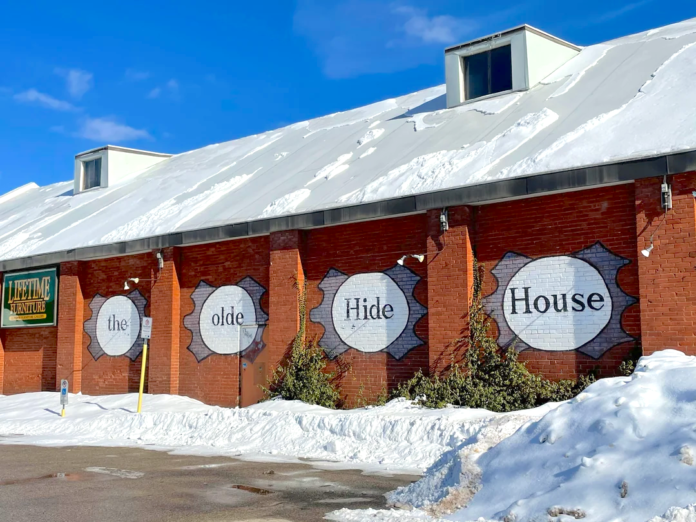
The Olde Hide House in Acton, Ontario. Image via Reddit.

After more than 165 years in business, the Olde Hide House Acton, Ontario’s iconic leather destination, is set to close its doors for good. Renowned for its extensive leather goods selection, this family-run business has drawn visitors to Acton for years, cementing its place as a cornerstone of the local community.

On Friday, November 1, Danbury Global Ltd. and A.D. Hennick & Associates Inc. will begin the store’s final liquidation sale, offering substantial discounts on its renowned inventory of high-quality leather items.

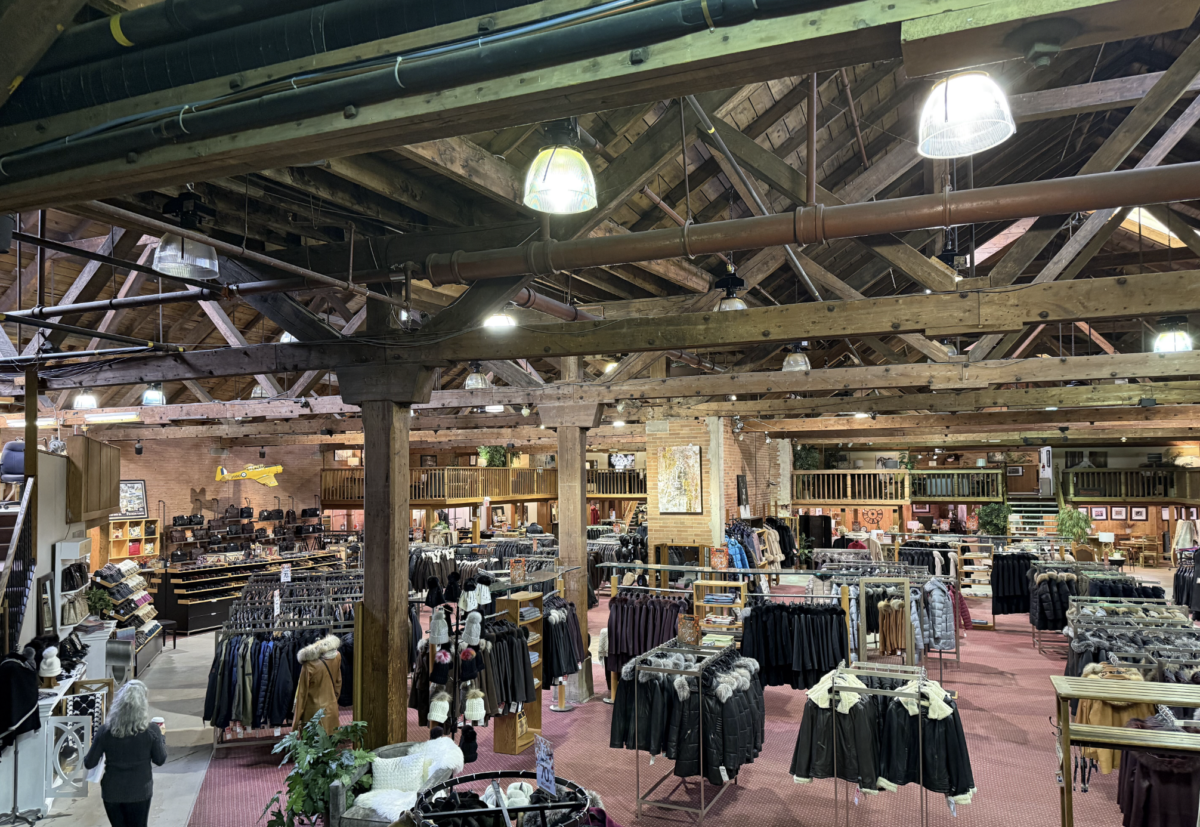
For generations, The Olde Hide House has attracted shoppers eager to “drive to Acton” for its wide array of leather goods. Housed in a historic warehouse, the store has been a vital part of Ontario’s retail landscape, drawing approximately 300,000 visitors each year. Now, as it prepares to close, the store’s remaining inventory of leather goods, furniture, and accessories will be sold off in one last event.

Shifting consumer preferences, a lack of e-commerce and a challenging economy have contributed to the company’s closure, leaving the retailer with a substantial amount of unsold inventory.
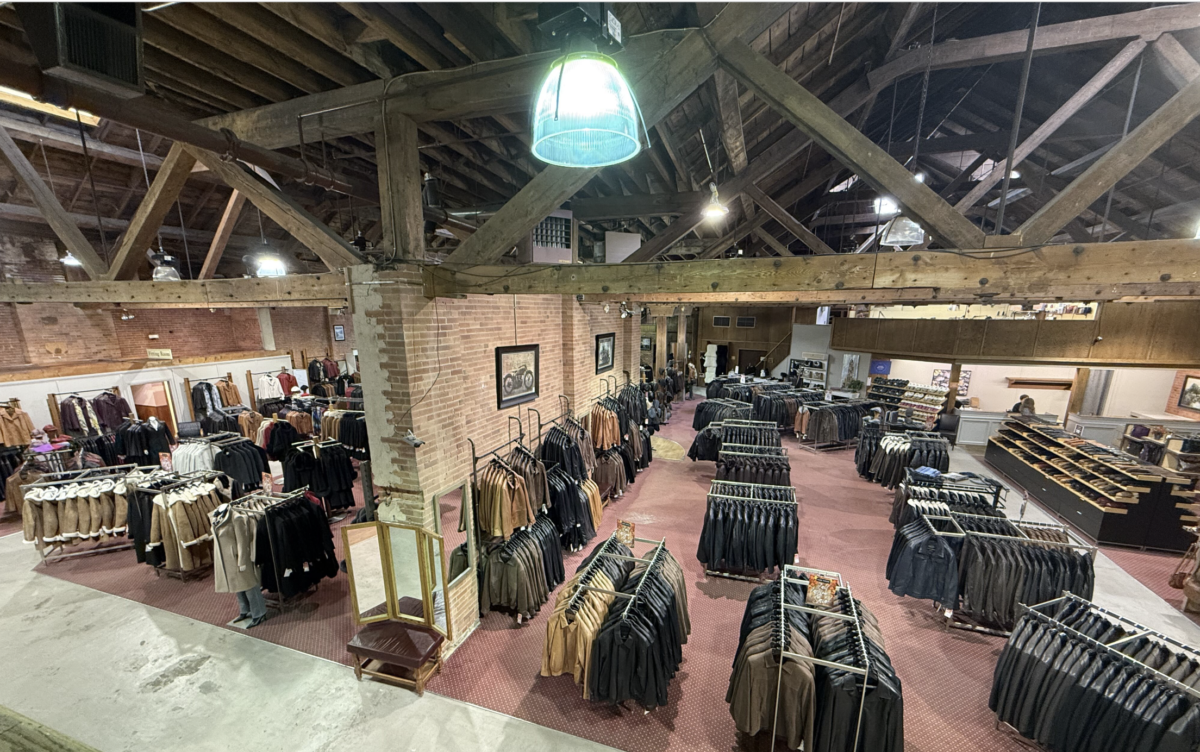
Inside the Olde Hide House in Acton, Ontario, October 2024. Photo: A.D. Hennick & Associates Inc.

Acton’s Leather Heritage and The Olde Hide House

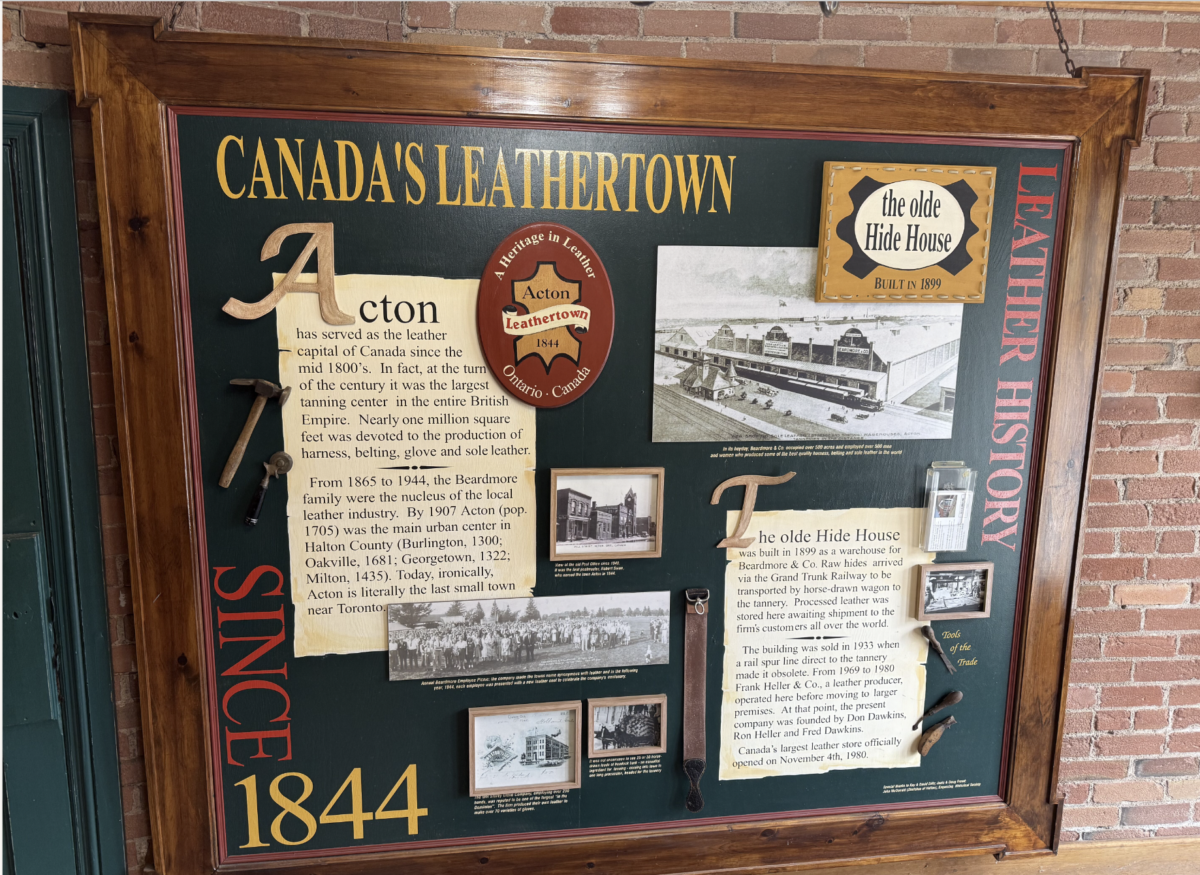
The Olde Hide House Acton is deeply intertwined with Acton’s rich leather heritage, dating back to the 19th century when brothers Rufus, Zenas, and Ezra Adams founded the town initially named Adamsville. In 1844, the town was renamed Acton, quickly establishing itself as a hub for leather manufacturing and later being called “Canada’s Leathertown.”

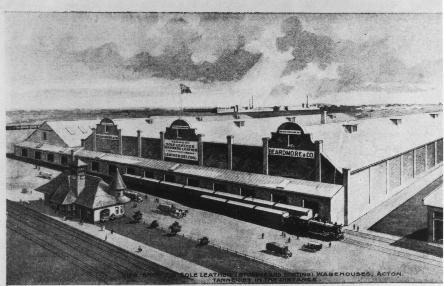
In 1856, George L. Beardmore established Beardmore & Co. in Acton, creating one of the largest tanneries in the British Empire, with facilities covering over a million square feet. This thriving leather business fueled the local economy, and in 1899, Beardmore & Co. built a brick warehouse—the “Hide House”—alongside the railway to store raw hides. Although Beardmore’s tannery ceased operations years ago, the building became a symbolic representation of Acton’s leather legacy.

The Olde Hide House opened in 1980 after Fred Dawkins, Ron Heller, and Don Dawkins transformed the historic warehouse into Canada’s largest leather store. With its renowned tagline, “It’s worth the drive to Acton,” The Olde Hide House quickly became a destination, offering thousands of leather garments, accessories, and home furnishings.

Youtube video
Video showing inside the Olde Hide House Acton store, via Danbury Global
In 1899, Beardmore & Company also built a large brick warehouse, right next to the railway line. Even back then it was known as the “Hide House” because raw hides were brought in by rail and stored here to await transport by horse-drawn wagons to the tannery for processing. Photo: Hide House

Leather Goods and Furnishings at The Olde Hide House Acton

Inside the Olde Hide House, visitors have found a vast array of high-quality leather products. The Lifetime Furniture Gallery showcases complete room settings featuring premium leather furniture from respected manufacturers like Good Earth and Bradington-Young.

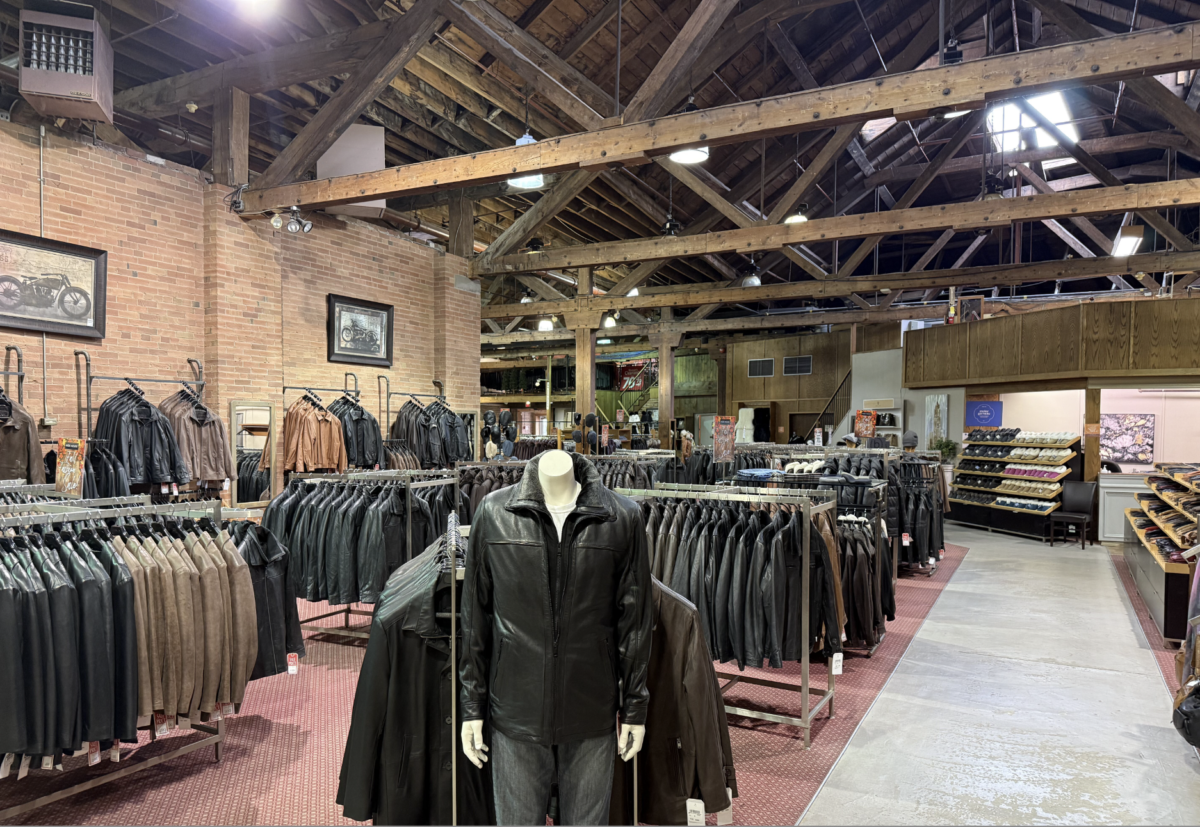
The store’s robust selection includes leather jackets, coats, gloves, handbags, and accessories that appeal to both fashion-conscious customers and motorcyclists. Seasonal offerings have included lightweight spring jackets, winter shearling coats, and fur-lined hooded jackets. Additionally, The Olde Hide House offers unique items like moccasins, slippers, cowhide rugs, and rustic wood furnishings, catering to diverse customer tastes.

This store’s attraction extended globally, drawing international visitors from over 40 countries, some of whom traveled specifically to explore the Olde Hide House’s impressive leather collection. Its guestbook records countless international shoppers who found their way to Acton, making the store a landmark destination.
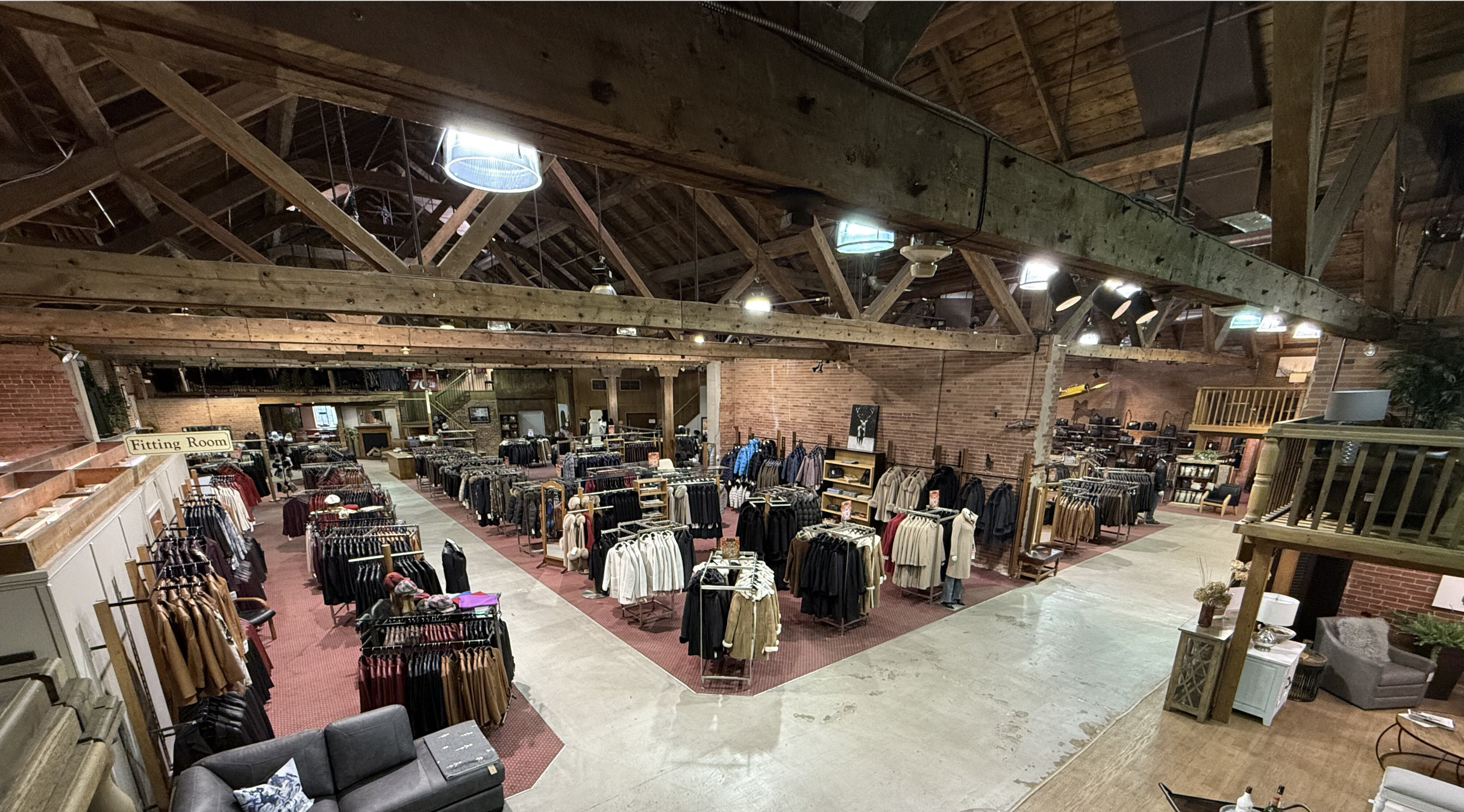
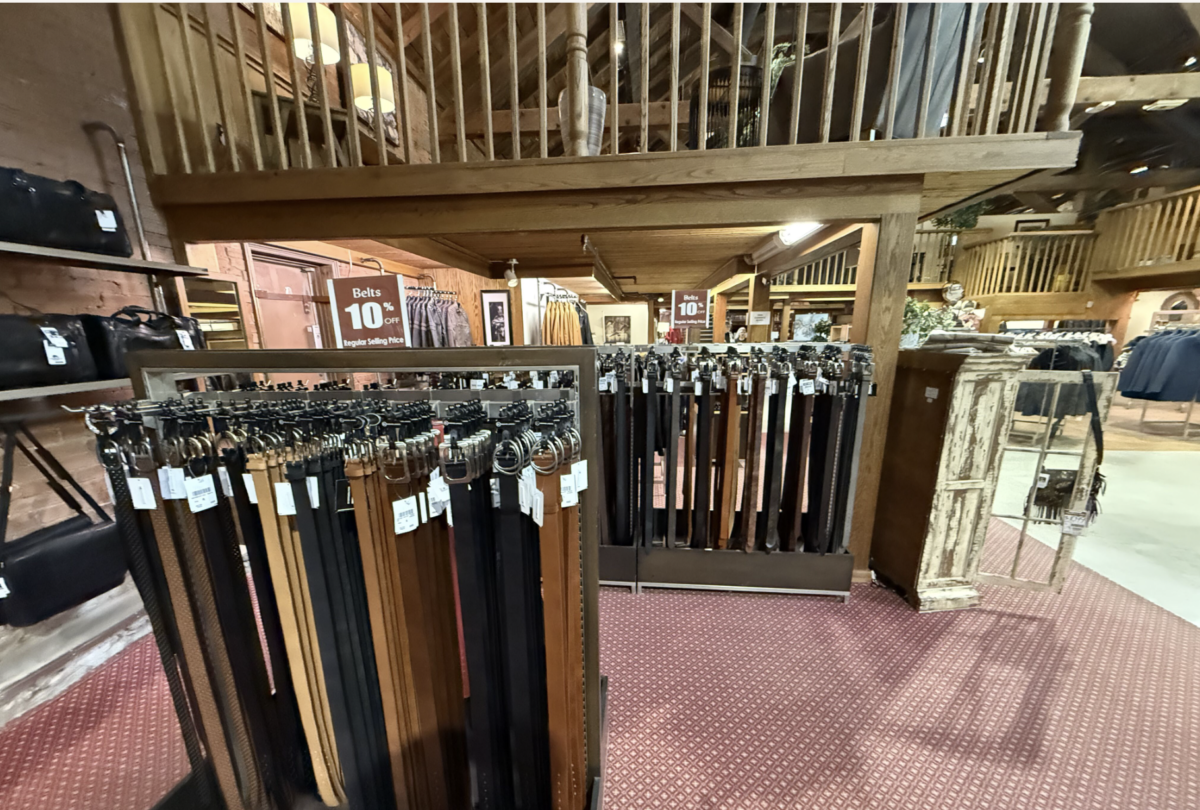
Inside the Olde Hide House in Acton, Ontario, October 2024. Photo: A.D. Hennick & Associates Inc.

The Final Liquidation Sale

The store’s upcoming liquidation marks the end of an era. “With a huge selection of leather goods and household furnishings, it’s a rare chance to own a piece of Canadian retail history,” says Jonathan Ordon, CEO of Danbury Global. Alex Hennick, President of A.D. Hennick & Associates, encourages shoppers to secure items that “can be passed down through generations.”

With over $5 million worth of stock, the sale offers customers the opportunity to purchase quality leather jackets, handbags, and home furnishings at discounted prices—a fitting farewell to a store that has been part of Ontario’s retail heritage.

Youtube video

Changing consumer preferences have contributed to The Olde Hide House’s decline. In recent years, demand for traditional leather coats has decreased as shoppers increasingly opt for synthetic and vegan alternatives, including leather-like materials crafted from pineapple fibers and recycled plastics. Additionally, consumers now prefer lighter, more versatile outerwear that aligns with modern, eco-conscious values, presenting challenges for established leather retailers.

The retailer also lacked online sales, representing a missed sales opportunity for its global fan base.

The store’s closure represents a significant loss for Acton, a small town with fewer than 10,000 residents. The Olde Hide House has long been a primary driver of local tourism, drawing nearly 300,000 visitors annually and benefiting surrounding businesses. Its closure could impact other local businesses that have relied on increased foot traffic from visitors drawn by Acton’s leather heritage.

As Acton’s most iconic retail destination, The Olde Hide House has been instrumental in supporting the town’s economy, and its closure could lead to a shift in Acton’s identity. Known as “Canada’s Leathertown” for decades, Acton may experience a notable change as it bids farewell to a retailer that has both shaped its history and drawn in visitors from across Canada and beyond.

Youtube video

See below for more photos of inside the Olde Hide House in Acton, Ontario, in October 2024. Photos: A.D. Hennick & Associates Inc.
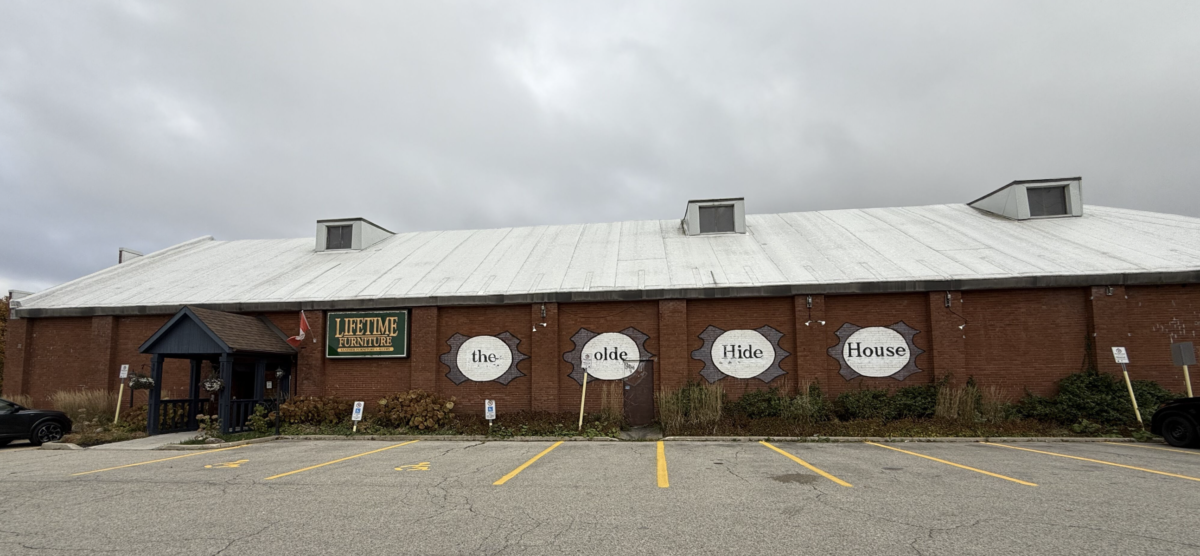

The Olde Hide House in Acton, Ontario, October 2024. Photo: A.D. Hennick & Associates Inc.
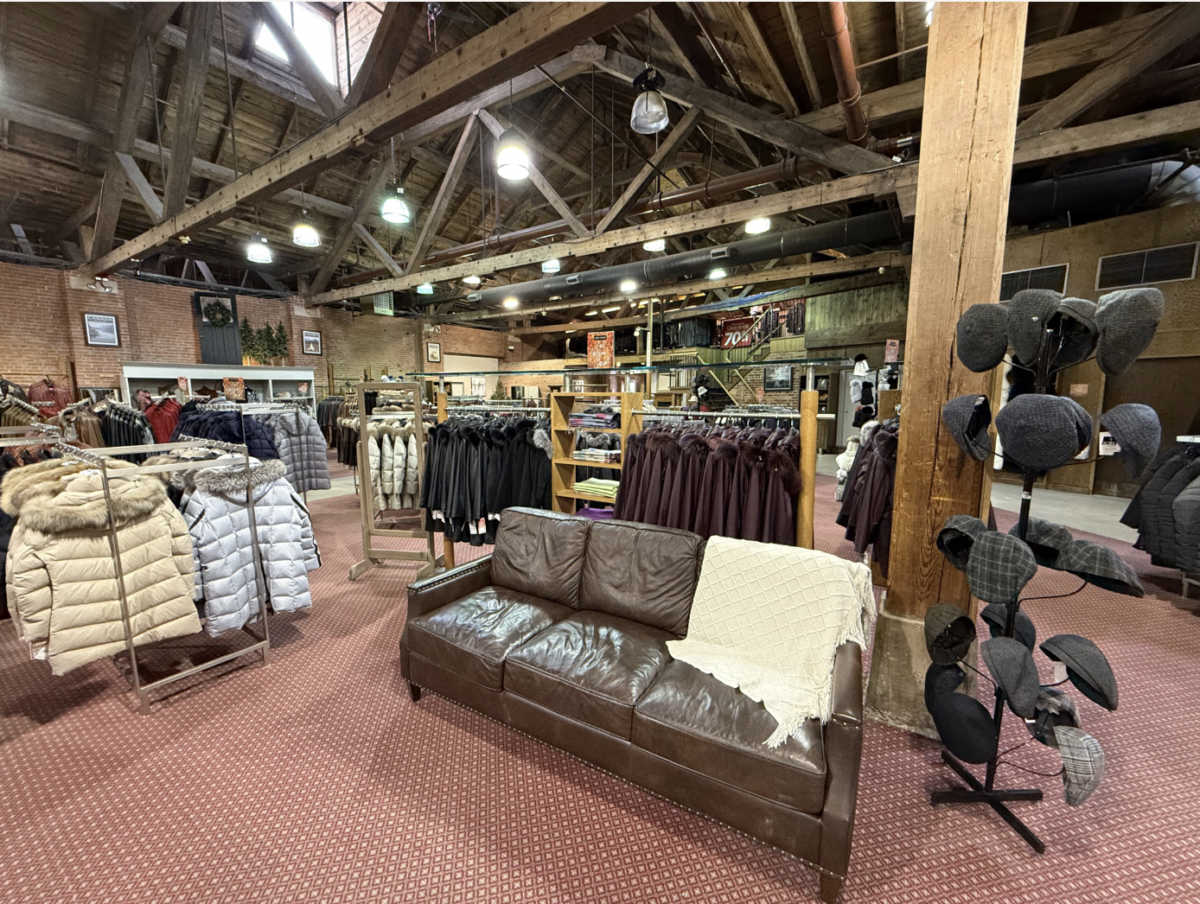
Sign for the Olde Hide House in Acton, Ontario, October 2024. Photo: A.D. Hennick & Associates Inc.
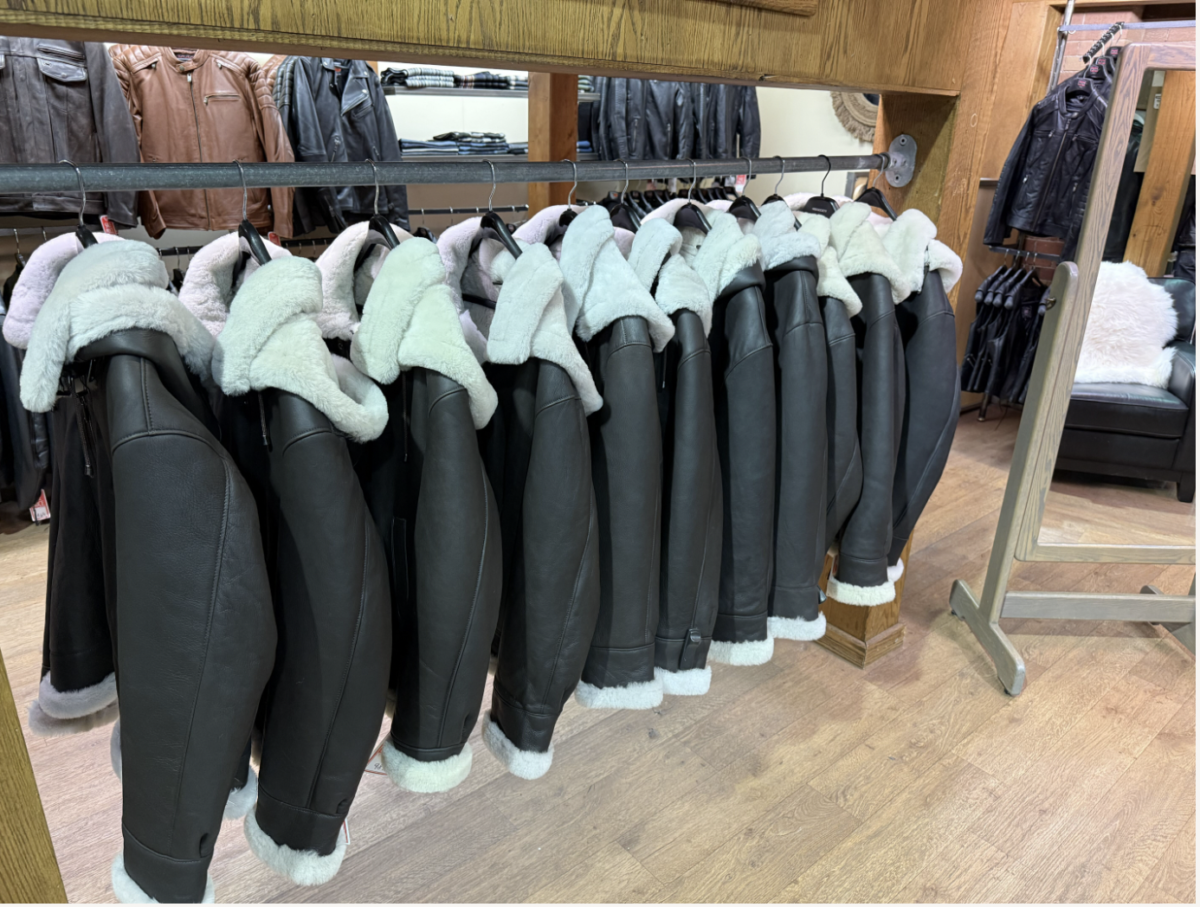
Inside the Olde Hide House in Acton, Ontario, October 2024. Photo: A.D. Hennick & Associates Inc.
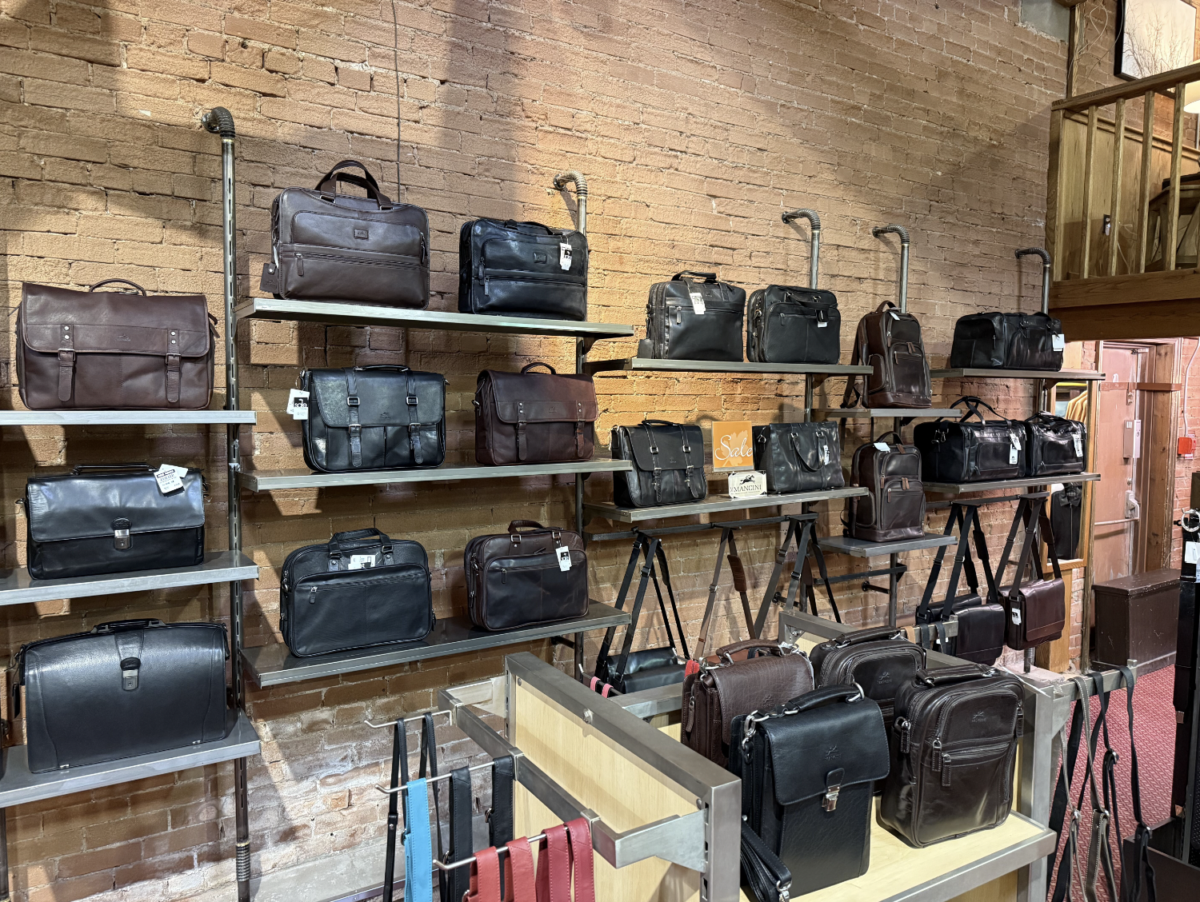
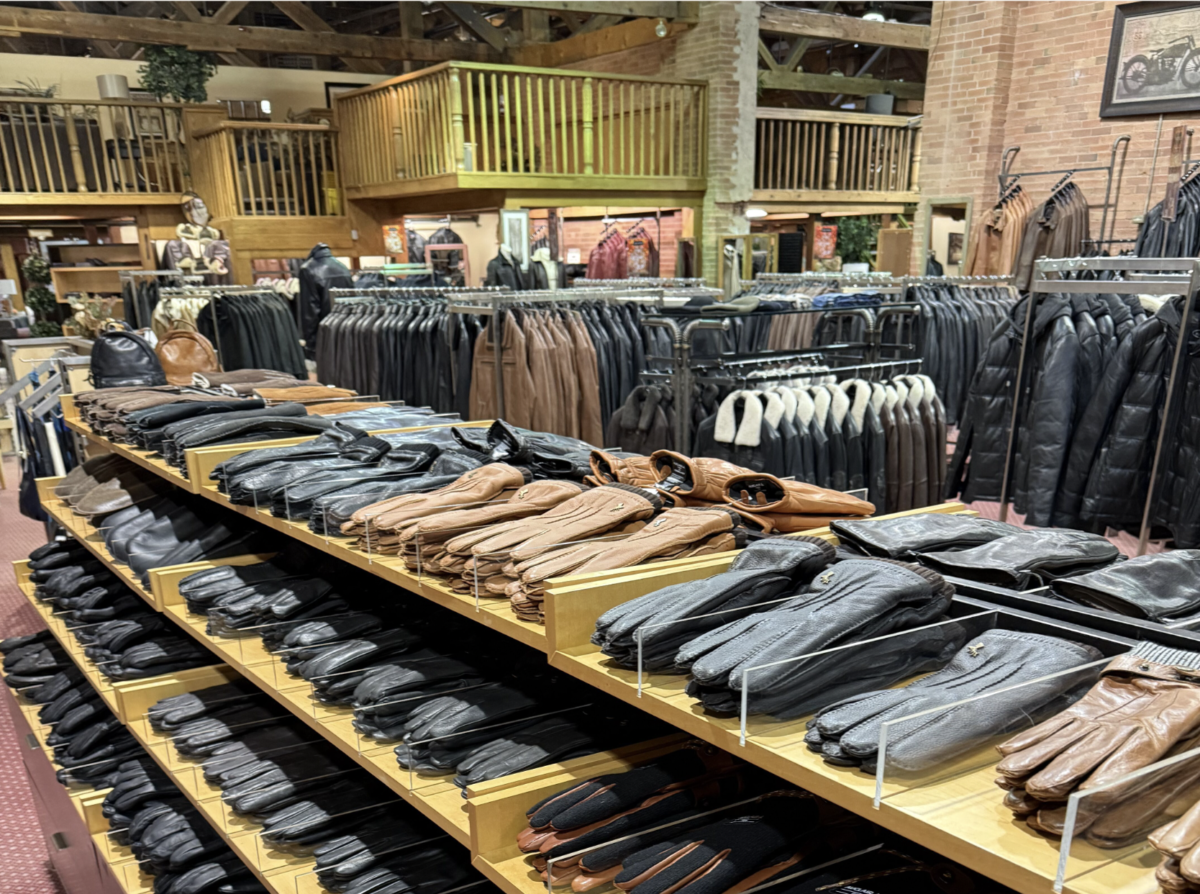
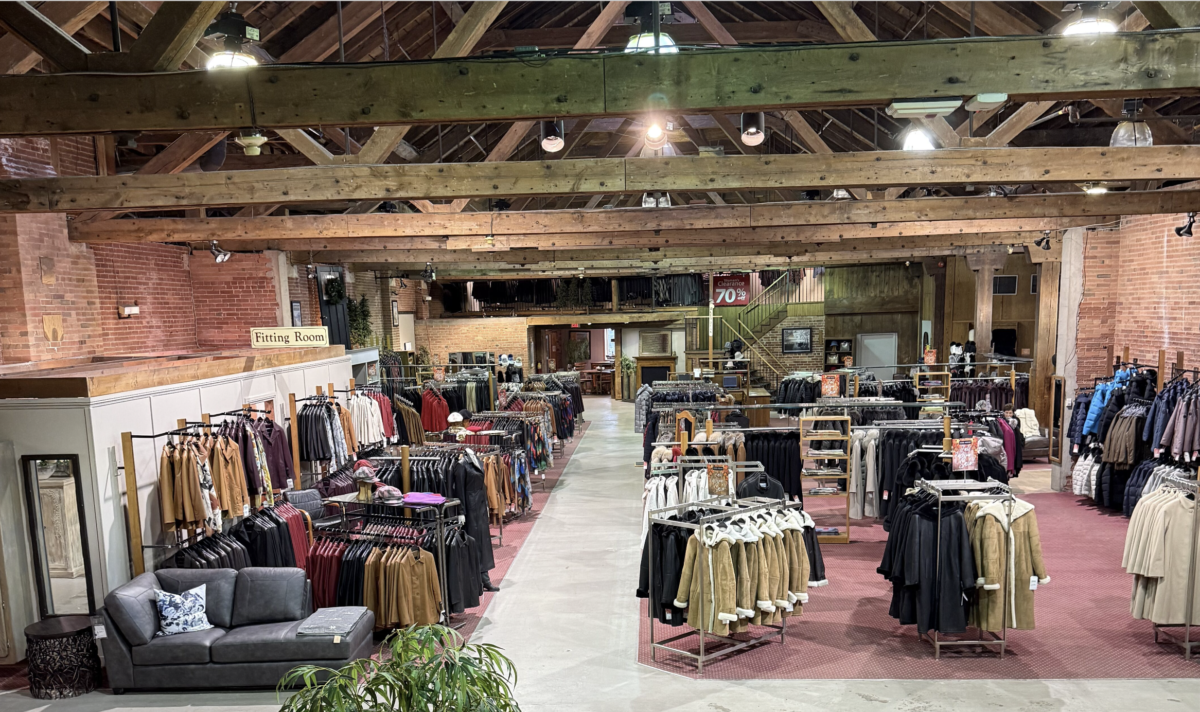

Videos:

Youtube video
Tour of the Acton Olde Hide House store
Youtube video
Olde Hide Houses TV commercial, 1990
Youtube video
Town of Acton, 1949

More from Craig Patterson:

Amazon launches Rufus AI shopping assistant in Canada

Amazon Canada office in Toronto - Photo by Dustin Fuhs

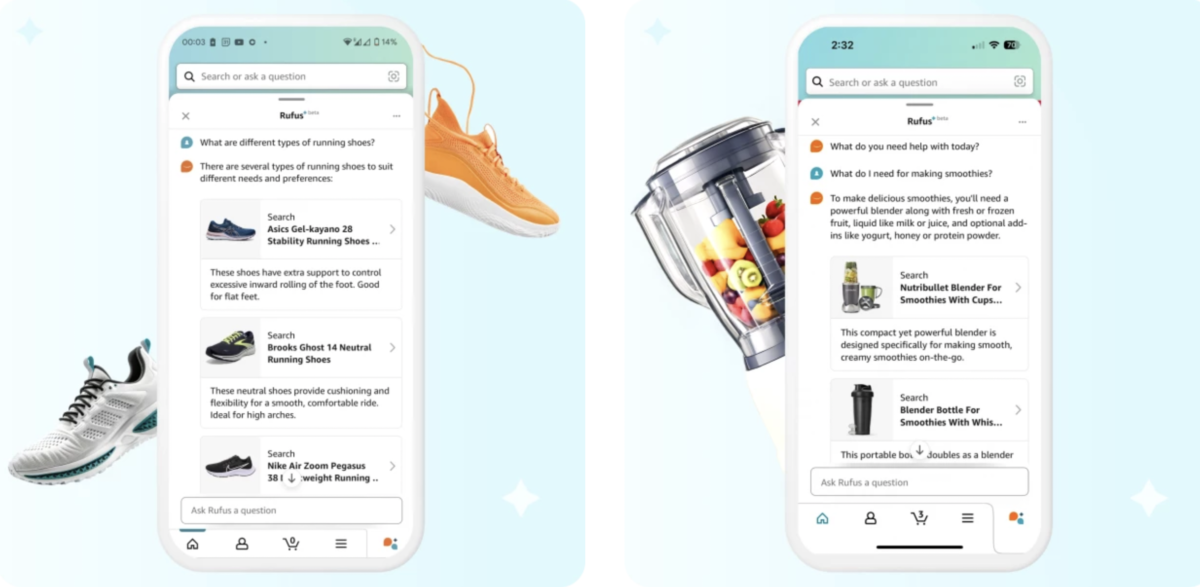
Amazon has officially launched its AI-powered shopping assistant, Rufus, to a select group of Canadian users. Available now through the Amazon mobile app, this new feature enhances product discovery by answering customer questions, recommending products, and enabling detailed product comparisons. 

Previously launched in the U.S., U.K., and India, Rufus is trained on Amazon’s vast catalog of products, customer reviews, community Q&As, and insights from across the web to provide Canadian shoppers with a highly personalized and interactive shopping experience.

Integrating AI for a Smarter Shopping Journey

Rufus’s release is part of Amazon’s broader commitment to AI-powered retail experiences, a strategy the company has honed over 25 years. Familiar tools such as Alexa, customer-specific shopping recommendations, and the optimized paths used in Amazon’s fulfillment centres are all underpinned by AI advancements. 

Rufus is the latest addition, building on these achievements by offering a conversational interface where users can ask questions about general shopping categories or seek tailored recommendations for specific items.

Canadian shoppers are encouraged to try Rufus by accessing it in the mobile app through an icon in the bottom right corner. By simply tapping this icon, users can enter the Rufus chat box to initiate inquiries about various products. 

Amazon pilots ‘Rufus’ generative AI shopping assistant in Canada. Image: Amazon

For instance, questions like “What are the best options for a durable backpack?” or “What should I buy for a child’s rainy-day activity?” will prompt specific, curated recommendations that align with Amazon’s product expertise. This assistant is not just for seasoned shoppers but is also suited to newcomers looking for guidance on new purchases or unique gift ideas.

To support product discovery, Rufus helps customers identify items based on a variety of queries. Whether shoppers are planning for a specific event, need gear for a hobby, or are setting up a new space at home, they can ask Rufus questions like “What do I need for camping?” or “I want to start an indoor garden.” Rufus then suggests relevant products, such as camping essentials or indoor gardening supplies, providing an efficient way for customers to find what they need without extensive searching.

Amazon Canada Office in Toronto – Photo by Dustin Fuhs

Enhanced Comparisons and Tailored Recommendations with Rufus AI

Beyond answering general questions, Rufus can provide precise product comparisons to help customers make confident purchase decisions. Shoppers can ask about differences between specific product types, such as “What’s the difference between drip and pour-over coffee makers?” or “Can you compare lip gloss to lip oil?” By pulling insights from Amazon’s product catalog and customer reviews, Rufus can highlight unique features and benefits, aiding users in selecting products best suited to their preferences and needs.

The recommendation capabilities of Rufus extend to occasion-based shopping and trend-specific items. For example, Canadian users can seek recommendations for holiday gifts, seasonal items, or new hobby essentials, and Rufus will provide a range of options customized to the request. Each recommendation is designed to save users time, presenting them with shoppable links to products and suggestions for follow-up questions to further refine their search if needed.

Feedback plays a central role in Rufus’s development. Canadian beta users can help improve the AI’s performance by rating answers and providing freeform feedback within the app. This feedback will guide Amazon in fine-tuning Rufus’s responses, enhancing accuracy, and adapting to evolving customer needs. The goal is to make Rufus an even more reliable shopping tool in the future, ensuring users receive informative answers that simplify and enrich their shopping journey.

Amazon’s Rufus AI shopping assistant debuts in Canada, offering personalized product recommendations, comparisons, and discovery within the Amazon app.

A New Era for Amazon Canada with Rufus 

Canadian customers currently participating in the Rufus beta can access it by updating their Amazon app. They will find Rufus in the bottom corner of the app’s main screen, where they can start asking questions, browsing answers, and discovering product recommendations suited to their unique needs. If desired, users can also close the Rufus chat at any time, allowing them to navigate back to traditional search results.

As Amazon rolls out Rufus to more Canadian users over the coming weeks, the company says it is optimistic about the role of generative AI in shaping the future of e-commerce. Through a blend of cutting-edge technology and user feedback, Amazon says it aims to make Rufus an indispensable companion in the Canadian shopping experience, delivering a personalized approach that empowers customers with the knowledge they need to make confident, informed purchases.

Bathorium celebrates 10 years, furthering expansion into the U.S. with capital raise

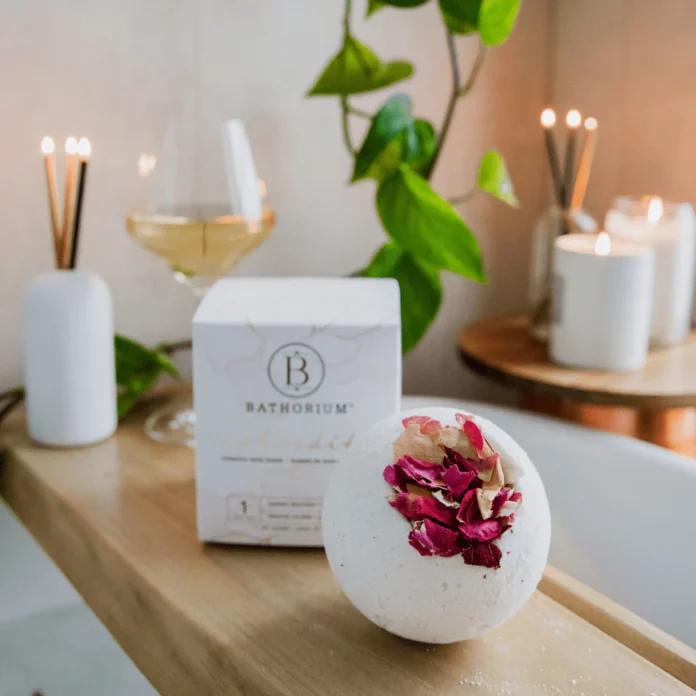
Bathorium Aphrodite bath bomb. Photo: Bathorium

Ottawa-based luxury bath and wellness brand Bathorium is celebrating its 10th anniversary while preparing for its first external capital raise in January 2025. The company is known for creating botanically-based, clean bath products, and has grown organically into a global brand that is now poised to expand further into the U.S. market. With strategic plans in place, the company seeks to capitalize on the booming wellness sector and continue its rise as a leader in luxury bath products.

Founder and CEO Gregory Macdonald‘s journey with Bathorium began with a personal experience in Italy that inspired him to develop indulgent bath soaks that elevate everyday wellness. Bathorium products are now sold across Canada and the U.S. at high-end retailers like Holt Renfrew, Whole Foods, and Costco, and feature prominently in luxury hotels, including Four Seasons and Ritz-Carlton properties.

Origins of Bathorium: A Personal Journey to Creating Luxury Bath Products

Bathorium founder and CEO Gregory Macdonald. Photo: Bathorium

In an interview, Gregory Macdonald shared the story behind the creation of Bathorium, which began with a transformative experience during a trip to Italy in 2014. After spending weeks traveling through Europe, Macdonald stayed at a small house rental in Italy. “When I checked into the rental, the owner offered to draw me a bath, using oils, flowers, and even shaved cocoa butter,” Macdonald recalled. “The bath was unlike anything I’d ever experienced. It was decadent, euphoric, and it inspired me to start Bathorium.”

Upon returning to Canada, Macdonald noticed a gap in the market for luxurious, natural bath products that could replicate the Italian experience. He began experimenting with ingredients and creating bath soaks for guests at the Shangri-La Hotel in Toronto, where he worked as a bartender at the time. The response was overwhelmingly positive, leading him to pursue Bathorium full-time.

“The feedback from guests was incredible,” Macdonald said. “People were coming back to the bar and asking for more of the bath soaps. That’s when I knew there was a real demand for this type of product.”

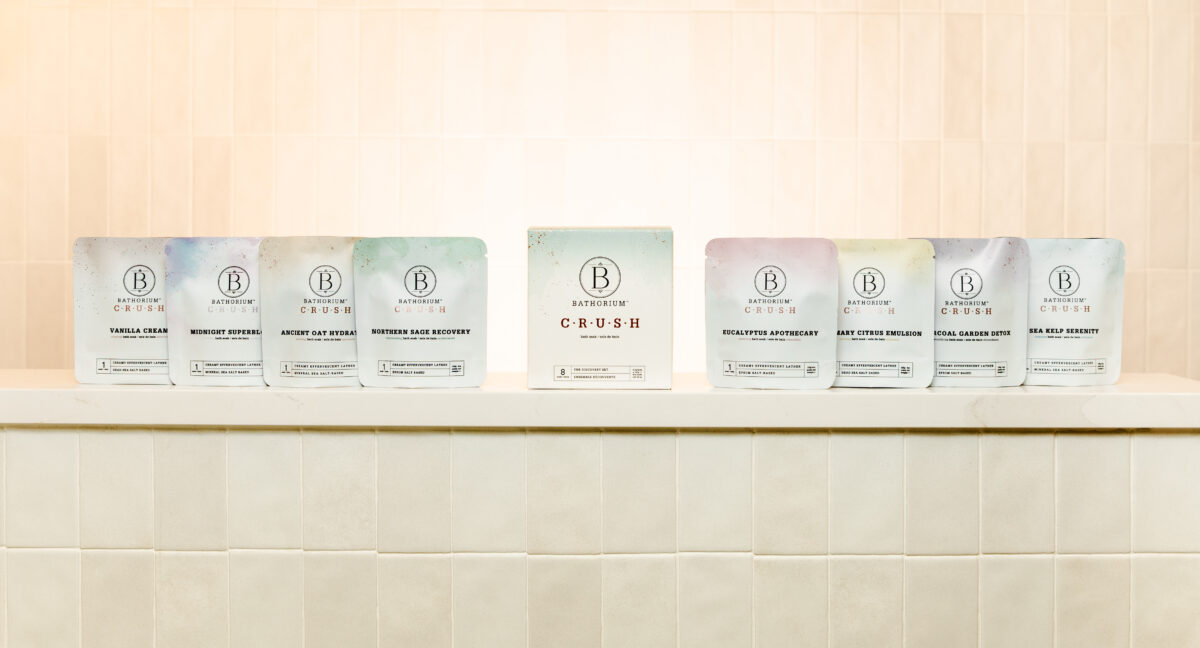
Bathorium Crush 8 pack. Photo: Bathorium

Bathorium Prepares for U.S. Expansion and First Capital Raise

With over 30 million baths enjoyed globally using its products, Bathorium is now entering a new phase of growth. The company’s upcoming capital raise in January 2025 will help accelerate its U.S. expansion and scale production to meet increasing demand. Bathorium’s products are already available at select U.S. retailers, such as Whole Foods, and Macdonald sees the capital raise as a key opportunity to deepen the brand’s presence in the market.

“We’ve been bootstrapped since the beginning, reinvesting all our earnings back into the business,” Macdonald explained. “But now, with the momentum we’ve built, especially with our partnerships in the U.S. and the launch of our docuseries Soaked in Tradition, it’s the right time to bring in outside investment.”

The funds raised will allow Bathorium to expand its U.S. distribution network, invest in product innovation, and bolster marketing efforts. The company is also planning an international expansion, with the U.K. market next on its list. While details of its U.K. launch are still under wraps, Macdonald hinted at a partnership with a major British department store and luxury hotels.

Bathologist products. Image: Bathorium

A Look Ahead: Strategic Vision and the Role of Bathologist

In addition to Bathorium’s growth, Macdonald has introduced a sister brand, The Bathologist, aimed at the mass-market segment. The Bathologist’s products are available at retailers like Winners, Costco and Macy’s, offering a clean, stripped-down version of Bathorium’s luxurious bath soaks at more accessible price points.

“The Bathologist allows us to reach a wider audience, while Bathorium remains focused on the high-end luxury space,” Macdonald said. “Both brands are growing rapidly, and with the upcoming capital raise, we’ll be able to expand both even further.”

With the global wellness market valued at over $1.5 trillion, Macdonald is confident in Bathorium’s ability to capitalize on this growing sector. “We’re just getting started,” he said. “There’s so much more to come.”

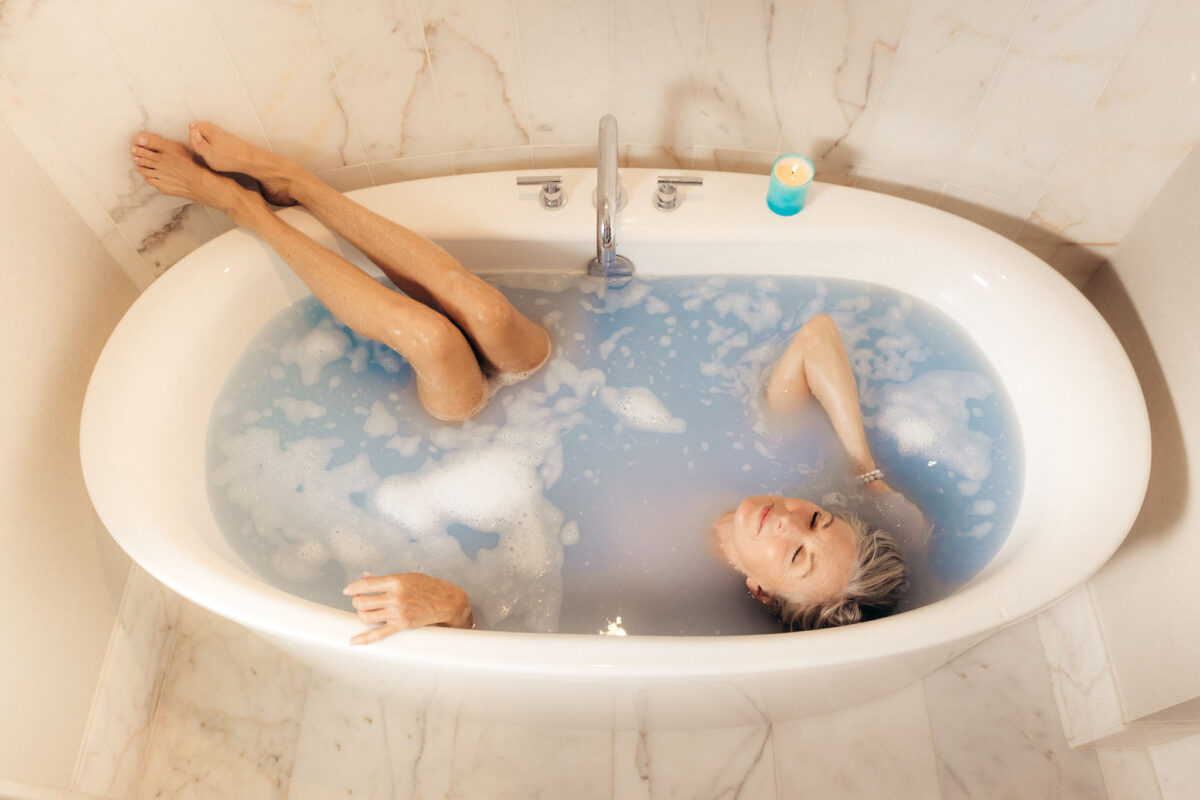
Bathorium marketing image. Photo by Olivia Van Dyke Photography

Soaked in Tradition: Bathorium’s Cultural Docuseries

Macdonald’s passion for bathing rituals extends beyond products. His latest venture is a docuseries titled Soaked in Tradition, which delves into the cultural significance of bathing around the world. Produced by Flāvr Films, the series will premiere in November and explore traditional bath practices in countries like Japan, Morocco, and India.

“The series is about connecting with the cultural importance of bathing,” Macdonald explained. “In many cultures, bathing is more than just hygiene—it’s about community, well-being, and tradition. We wanted to capture that and share it with the world.”

The first episode of Soaked in Tradition focuses on Japan’s onsen hot springs, showcasing the country’s deep connection to water and wellness. Future episodes will explore the hammams of Morocco, flower baths in Bali, and the spiritual significance of the Ganges River in India.

Gregory Macdonald and the film crew on the set of filming ‘Soaked in Tradition’. Image: Bathorium

Looking to the Future: Innovation, Sustainability, and Growth

As Bathorium moves into its second decade, Macdonald’s vision for the company is clear. Innovation and sustainability remain top priorities as the brand continues to redefine the luxury bath space. All Bathorium products are created with natural, botanically-based ingredients, and the company is committed to sustainable practices in both product development and packaging.

“We want to create products that not only make people feel good but also align with our values of sustainability and wellness,” Macdonald said. “As we expand into new markets, those values will remain at the core of everything we do.”

Related:

2024 Halloween retail trends: Spooky decor, thrifty finds, and pop-up stores

As Halloween is at the end of this week, retailers are in the final countdown and are pushing their spooky merchandise. With new trends emerging, from pop-up shops to adult-targeted products, Jeff Doucette, manager at Field Agent Canada, discusses what Halloween looked like this year along with Field Agent’s recent Halloween survey results. 

Competition between seasons 

Halloween has crept into the stores earlier this year as retailers are eager to bring in seasonal sales. However, as Halloween decorations and costumes went into stores – so did Christmas, creating a competition between two seasonal celebrations. 

Christmas and Halloween. Photo created in Canva.

Doucette says seasonal Christmas displays, such as candy and gifts, are often appearing right next to Halloween items in major retail chains. This early arrival has left some shoppers feeling Halloween is being overshadowed by the rush towards the holidays. 

“While at Walmart, I noticed they have a full-sized Halloween section still – but then you also have Christmas. If you walk through health and beauty, there are a lot of gift sets, so I think it is really interesting. It seems like Amazon Prime has rushed the holiday sales and the pressure for Christmas is definitely on. I think people are kind of seeing the Prime Days as sort of the kickoff to Christmas in a way, and maybe Halloween is getting a little lost in all of that,” says Jeff Doucette. 

Although this pattern is not new, it is even more present in stores as retailers fill their shelves with both Halloween and Christmas decorations – but does this work? Despite the early displays, how effective is this method: “The displays are up early … whether that is actually driving sales up or not – I don’t know.” 

Halloween pumpkins, Canva photo

Pop-up shops and local retailers 

This year, one Halloween trend Doucette noticed more pop-up shops opening up in major cities across Canada, taking over vacant storefronts and providing shoppers with options outside of the bigger brands. 

While large chains, such as Spirit Halloween, are still popular – many shoppers are finding an increased interest towards smaller and independent stores for Halloween. Doucette says when he visited Montreal, Doucette noticed more pop-up shops transforming into Halloween themed shops. 

“There seems to be a lot more local retailers here selling Halloween products. They have taken over empty storefronts, and it is pretty prevalent. I kind of think that has to do with a little bit of the retail real estate situation and that there is retail space available out there.” 

This trend allows smaller businesses to make use of any vacant space temporarily, allows them to be in the Halloween space, and provides consumers with more Halloween options. 

Increasing interest towards second-hand Halloween products 

Halloween costumes. Photo provided by Field Agent Canada

As sustainability and second-hand shopping are increasing in popularity, it is also becoming a Halloween trend. Although consumers are buying candy, decorating houses, and buying costumes – 80 per cent of consumers are saying they will be spending the same or less compared to last year. 

In the children’s section, Doucette notes 21 per cent of parents will buy their children’s costumes from thrift stores and 39 per cent will buy new costumes. Thrift stores, Kijiji, and the Marketplace are among the popular places for second-hand options. 

Along with second-hand products, Doucette says 18 percent of shoppers will reuse their children’s Halloween costume this year and 47 per cent of adults will also reuse a costume they already have.  

“I think the thrift stores have always been great places for Halloween costumes, and it is interesting to see that more people are going that route now – especially with families looking to save a little. And when you are talking about costumes that might only be worn once or twice, reusing or thrifting just makes sense.” 

Beyond candy and costumes: Expanding Halloween products 

Docette says Halloween has been evolving from its traditional focus on candy and costumes to retailers offering a broader range of products. This year, Doucette says consumers found Halloween-themed items from cereals, snacks, and beauty products. 

One example is Hershey’s Kisses partnering with Harry Potter. 

“One of the things I noticed was Heyshey’s Kisses getting into the Halloween game, but through a collaboration with Harry Potter. So they have Harry Potter Hershey’s Kisses right now and it is an interesting way for Kisses to get into the Halloween season.” 

Other collaborations Doucette has noticed include Wednesday cereal from Kellogg’s, pumpkin spice Cheerios, and Bear Paws that were rebranded as Scare Paws. 

“I am seeing more unique products for Halloween. I think there are more companies that are seeing the value of playing in the Halloween space through collaborations. These partnerships are also a fun way for brands to stay relevant and capture that seasonal interest.” 

Halloween decorations – Inflatables and high-end decorations are increasing 

Halloween decorations. Photo provided by Field Agent Canada.

Halloween decorations are reaching new heights this year as Doucette says larger displays are becoming popular for both retailers and homeowners, especially inflatables. 

“Inflatables seem to be a huge category for Halloween. We were walking around the neighbourhood and homes have like multiple of these inflatable ghouls and goblins – like this big cat or ghost. It is everywhere. There is the traditional carving of a pumpkin, but then there’s this next level of decorating with inflatables that we also see at Christmas time. It is quite interesting to see that it has evolved to that as well.” 

Image: Home Depot

These inflatable products, which come with a larger price tag, are long-term investments for consumers: “These big, giant skeletons and stuff are like $200, and so if you are bored with it – you are not just going to throw it away.” Instead, Doucette says once consumers are done using them, they will most likely resell them. 

As this trend is increasing, Doucette says more retailers are responding by providing shoppers with more product variety such as the inflatables, lighting options, and more props – turning more neighborhoods into a spooky Halloween show. 

“People are having fun with it! It is still a big retail event, and it is hard to miss in stores now – it is pretty front and centre. You walk in, and there is no question Halloween is here. It is not like you are in a store and they are not recognizing Halloween. From inflatables to unique themed products and even the traditional candy and costumes, it is clear that retailers know Halloween is something people look forward to, and they are leaning into that excitement.” 

Other key findings for Halloween 

  • 86 per cent of Canadian households will be participating in Halloween 
  • 81 per cent of Canadians will buy Halloween treats, but only 69 per cent will be handing them out on Halloween night. 
  • On average, Canadians can expect around 60 Trick or Treaters on the 31st 
  • Nine per cent of households will be giving out healthy options instead of candy 
  • 91 per cent of shoppers will be buying more Halloween products between October 16th to October 31st
  • 85 per cent of Canadians will buy a pumpkin this year 
  • 26 per cent of shoppers will be spending more on Halloween treats compared to last year 

For more Halloween results, read the full survey

Canadian Halloween Loses Its Spark, Calls for More Innovation and Seasonal Balance in Retail [Interview]

Home Depot Canada Adds Massive Halloween Decorations in Stores as it Innovates to Secure Market Share [Interview]

Majority of consumers plan to increase or maintain Halloween spending: RCC

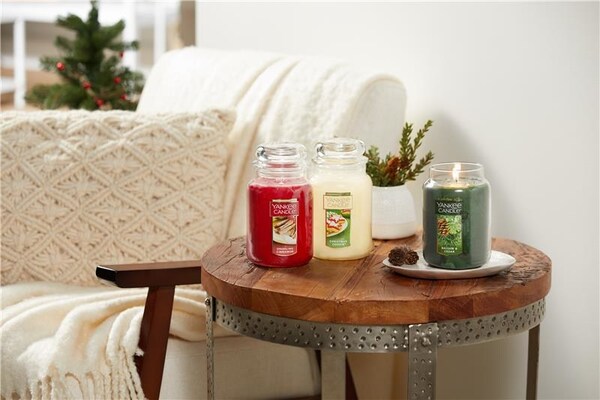
Yankee Candle announces expansion into Canada (Interview)

Yankee Candle® Announces Expansion into Canada (CNW Group/Yankee Candle®)

The Yankee Candle Company, a leader in home fragrance and part of the Newell Brands global portfolio of brands, has announced the expanded availability of its products to retailers and consumers in Canada.

This announcement marks a significant business growth opportunity as Canadian retailers and consumers previously had limited access to Yankee Candle products in the market, and Canada is one of Newell Brands’ top international markets, said the company in a news release on Tuesday.

“In 2023, Newell Brands unveiled a new corporate strategy that disproportionately invests in top brands and geographies, including Yankee Candle and Canada, brand-building and go-to-market excellence. Over the past year, the company has been increasing the distribution of its brands into fast-growing channels and focusing efforts on winning retailer space through powerful shopper insights and innovations backed by extensive marketing campaigns,” it said.

Jenny Leach
Jenny Leach

“Yankee Candle’s increased availability in Canada is an exciting milestone for the brand as there is unlocked potential in the market,” said Jenny Leach, Vice President and General Manager of Newell Brands Canada. “Canadian consumers once had to go to great lengths to purchase Yankee Candle products through third-party vendors or travel to the U.S. to sample different scents. Now consumers will have multiple channels to purchase their favorite scents in-store and online.” 

Yankee Candle said it prides itself on its commitment to quality and fragrances developed based on consumer behaviors and lifestyle trends. The Yankee Candle team’s shopper insight research showed strong buying potential by Canadian consumers seeking premium fragrance products and an unlocked ability to grow the candle category in Canada. The launch is set for Fall 2024, as consumers eagerly anticipate purchasing their favorite holiday seasonal scents.

“It’s part of the research we did as we were building our strategic plan to enter the category in Canada. Through our research, one of the things that we found is that Canadians have 55 per cent brand awareness of Yankee Candle and we’re a top consumer in Canada of candles,” said Leach. “So it just made all the sense for us to enter the category in Canada which we haven’t been. It’s the number one top loved candle in the U.S. It’s been there for 50 years so we have a history of quality and fragrance that we get to lean on here in Canada. It’s absolutely a brand that’s very well known and loved in Canada as well.”

 Aaron Swart
 Aaron Swart

“The Yankee Candle brand has been a household name in the U.S. for over 50 years, and Canadian consumers have been eagerly awaiting better access to our products, so feel that we are set up for a strong start and overall long-term growth,” said Aaron Swart, General Manager of Home Fragrance, Newell Brands. “We’re always exploring new ways to evolve the brand and product portfolio and offer more choice to our consumers around the world. We look forward to Yankee Candle being the fragrance product of choice for Canadian consumers for many years.”

Leach said this the first real entrance into the Canadian market for the brand.

“We are doing a full activation launch of the brand. We’ve got some really exciting things planned in Q4. We’ve never done that before. Our product’s been available through different channels but we’ve never really invested behind it,” she said. “While we’ve been available somewhat through Amazon over the years, this is the first time you’re really going to see the assortment of fragrances and formats . . . We’re going to be in a few key retailers here in Q4. We’re just getting started coming into the holiday season.

“Many of our retailers are able to take some great off shelf displays that we’re doing for impulse purchase and so we’re in key retailers in Q4 and we’re really looking to expand fully onto shelves in our major Canadian retailers come 2025.”

Yankee Candle products are now available at retailers like Canadian Tire, Staples Canada, London Drugs, Save on Foods, Lawtons Drugs, well.ca and Amazon.ca.

There are more than 200 Yankee Candle stores in the U.S. The company has had stores before in Canada but they haven’t been a strategic focus because the brand wasn’t really launched in Canada.

“So this is our launch now ahead of us. Our focus is on the retail partners . . . From there we’ll see where we go from our own channel perspective.”

According to the company, it was Christmas 1969 and 16-year-old Mike Kittredge, too broke to buy his mother a present, melted some crayons to make her a candle. A neighbour saw it and convinced Mike to sell the candle to her. With that small stake, he bought enough wax to make two candles — one for his mom, and another to sell. That was the birth of Yankee Candle.

“Yankee Candle has become the most recognized name in the candle business and the country’s best-selling candle brand. Today, with over 600 fragrances, we offer a wide range of seasonal and specialty scented candles, home and car fragrance products, and candle accents and accessories,” said the brand.

“The majority of our candles are made by master chandlers (candlemakers) in Massachusetts. Our candles and accessories can be found in our nationwide base of over 200 company owned stores. We also have a vibrant catalog and online business, and an expanding North American wholesale customer network that includes over 14,000 specialty retailers in the U.S.

“The future looks bright for new growth and expanding opportunities as we continue to write new chapters in this true American success story.”

Related articles:

Metro Inc. completes $1 billion supply chain transformation

METRO Toronto Fresh DC (CNW Group/METRO INC.)

METRO Inc. announced Tuesday the inauguration of its automated distribution centre for fresh products in Toronto which marks the completion of nearly a billion-dollar investment in the modernization of its supply chain.

With the new Toronto Fresh distribution centre now fully in operation, the final milestone of the company’s seven-year modernization project has been reached. Initiated in 2017, the project has included investments in a new automated fresh and frozen distribution centre in Terrebonne, Quebec, that opened in 2023, the expansion of the fresh produce distribution centre in Laval, Quebec, and the construction of two new automated distribution centres in Toronto – a frozen facility that opened in 2022, and the opening of the fresh facility, the company said in a news release.

Eric La Flèche
Eric La Flèche

“Our new automated distribution centres as well as the expansion of one of our facilities represent a substantial investment in METRO’s future,” said Eric La Flèche, President and Chief Executive Officer of METRO Inc. “The transformation of our supply chain will provide capacity for future growth and efficiency, strengthen our market position and generate new opportunities for our employees.”

The company said its automated distribution centres feature state-of-the-art technology provided by its automation partner, Witron, a German Company and an international leader in automation in the food distribution sector, with whom the brand has been working since 2017.

Dan Gabbard
Dan Gabbard

“The opening of METRO’s Toronto Fresh DC represents a major milestone,” said Dan Gabbard, Vice President of Logistics and Distribution, METRO Inc. “This facility incorporates modern technology that boosts our efficiency as a retailer, ensuring we can deliver high-quality food products to our stores more efficiently, thereby enhancing freshness and quality.”

METRO said its modernized supply chain will:

  • Improve service to METRO’s store network with greater precision and reduced handling time;
  • Provide efficiency gains throughout the supply chain that will enable METRO to be more competitive;
  • Offer greater precision in order fulfillment, which will improve our in-stock position in store;
  • Improve customer experience through greater variety and freshness;
  • Sustain anticipated growth.

With annual sales of more than $20 billion, METRO Inc. is a food and pharmacy leader in Québec and Ontario, providing employment to more than 97,000 people. As a retailer, franchisor, distributor, manufacturer, and provider of eCommerce services, the company operates or services a network of some 980 food stores under several banners including Metro, Metro Plus, Super C, Food Basics, Adonis and Première Moisson, and 640 pharmacies primarily under the Jean Coutu, Brunet, Metro Pharmacy and Food Basics Pharmacy banners.

Related articles:

Gatorade Canada partners with hockey player Sarah Fillier

Photo: Gatorade
Photo: Gatorade

Gatorade Canada is expanding its roster of elite athletes and welcoming up-and-coming hockey player and 2024 PWHL first-overall draft pick, Sarah Fillier to its team.

In a news release, the company said Fillier’s accomplishments have garnered widespread recognition and admiration, inspiring others even before her professional career has begun. As an inaugural sponsor of the PWHL, this partnership is a testament to Gatorade’s longstanding commitment to fueling great athletes and supporting women’s hockey.

Lourdes Seminario
Lourdes Seminario

“Gatorade has a long history of helping fuel the next generation of top athletes, and we are excited to welcome Sarah to the Gatorade family as we kick off another exciting season partnering with the PWHL,” said Lourdes Seminario, Senior Director of Marketing, Sports Nutrition, Canada.  As an exciting new talent in women’s hockey, Sarah brings an unmatched level of energy, determination, and skill to the ice—qualities that perfectly align with Gatorade’s mission to fuel greatness in sport. We can’t wait to support her rise and watch her inspire the next generation of players.”

Prior to making her professional league debut next month, Sarah Fillier has earned four gold medals on the world’s biggest stages, Rookie of the Year in three different collegiate leagues and was chosen first-overall in the 2024 PWHL draft. This partnership celebrates Fillier’s incredible achievements and seeks to amplify her upward trajectory as she prepares for her first season, explained Gatorade.

Sarah Fillier
Sarah Fillier

“It’s truly an honour to join the Gatorade family alongside the world’s most elite athletes,” said Fillier. “I’m proud to work with such an iconic brand that is empowering the next generation of athletes to never give up on their dreams.”

“Gatorade Canada proudly celebrates Sarah’s relentless drive to mastering her craft on the ice; spotlighting her impressive record of accomplishments and ‘never enough’ attitude that has helped launch her professional career,” added the company.

“In the creative, Sarah is seen skating back and forth on the ice with text visuals displaying her many triumphs from the beginning of her career to being chosen first overall in the 2024 PWHL draft. The video ends with a motivational message for Fillier as she takes a sip of Gatorade: “That’s just the beginning. Welcome to the team, Sarah Fillier.””

Youtube video

PepsiCo generated more than $91 billion in net revenue in 2023, driven by a complementary beverage and convenient foods portfolio that includes Lay’s, Doritos, Cheetos, Gatorade, Pepsi-Cola, Mountain Dew, Quaker, and SodaStream.

Related articles:

Trove launches Resale Plugin, empowering brands to blend pre-owned & new products

Photo- Trove
Photo- Trove

 Trove, the leader in branded resale solutions, has launched the Resale Plugin, a first-of-its-kind tool that seamlessly integrates pre-owned items into existing ecommerce platforms with as little as one line of code.

Terry Boyle
Terry Boyle

“The Resale Plugin enhances the shopping experience by seamlessly pairing pre-owned and new items within a single, streamlined ecommerce platform,” said Terry Boyle, CEO of Trove, in a news release. “This quick-to-implement tool offers brands flexibility in how they display inventory. Brands can choose to show exact matches, similar items, or past-season stock, allowing them to start at their preferred level and control what customers see.

“In today’s economic climate, where consumers are shopping more thoughtfully, the Resale Plugin helps brands attract new customers and increase loyalty. It’s an ideal time for brands to integrate resale into their ecommerce strategy.”

Trove said the Resale Plugin offers brands a range of powerful features:

  • Smart Inventory Control: This feature seamlessly integrates pre-owned items with new product offerings, complementing, rather than competing with, new collections. It provides an ideal solution to offer past-season products or fill inventory gaps.
  • Flexible Placement: The plugin allows brands to embed pre-owned items on product-detail pages, landing pages, or any other site location. This gives brands full control over where resale inventory is showcased.
  • Quick Deployment: Brands can deploy the system in just two weeks using minimal technical resources. 
  • Cross-Platform Compatibility: The plugin is compatible with major ecommerce platforms, including Shopify, Salesforce Commerce Cloud, and BigCommerce. It is fully customizable to match any brand’s design.

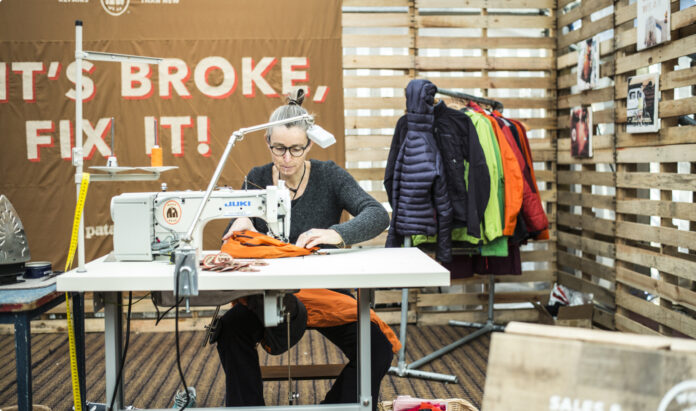
“Patagonia, a pioneer in sustainable fashion and Trove’s long-standing partner has adopted the Resale Plugin to advance its Worn Wear program. By seamlessly integrating pre-loved items alongside new products, Patagonia demonstrates how brands can grow while minimizing carbon emissions. This approach sets an industry standard and showcases the potential for other brands to leverage Trove’s Resale Plugin to build more accessible and profitable resale programs,” said Trove.

Sam Brown
Sam Brown

“The Resale Plugin represents a significant step forward for Worn Wear, highlighting used products on our mainline website and bringing resale closer to the center of our business. Through Worn Wear, it’s our goal to provide customers with lower-impact choices, underpinned by the same level of quality and service customers expect when shopping for new Patagonia products— we believe this is achieved by the plugin and a more cohesive shopping experience between new and used,” said Sam Brown, Head of Resale for Patagonia.

Trove said its mission is to help brands grow their businesses without increasing their carbon emissions.

“By using the Resale Plugin, brands can make resale more profitable and accessible to shoppers. This innovative tool provides a low-barrier solution for brands of all sizes to integrate resale into their offering, meeting the needs of a new generation of customers,” it said.

Related articles:

Canadian resale apparel market sees strong growth: Trendex Report
Resale Going Mainstream in Canada with Consumers Particularly Valuing Brand-Owned Resale: Report

Canadian hospitality operators call for greater balance between fair wages and tips (Interview)

A national survey of Canadian hospitality operators and professionals indicates 71 per cent of respondents say tipping is important (50 per cent call it very important), 34 per cent prefer a higher base over tips, and 42 per cent remain indifferent as long as overall compensation is fair.

The 2024 Hospitality Tipping Trends Survey was released by Atlas, a leader in hospitality automation and tip management software, in partnership with Angus Reid.

Afshin Mousavian
Afshin Mousavian

“This survey makes it clear that hospitality workers are calling for fair and more transparent compensation models,” said Afshin Mousavian, CEO and co-founder of Atlas.

“The most important finding is the strong 91 per cent support for greater transparency in tipping processes. Many current systems lack transparency due to the manual effort needed to make this information accessible for employers and employees. With another recent report showing 77 per cent of consumers are happy to tip if the money goes to employees, there’s clear demand for automated, transparent tipping models like those Atlas provides, benefiting both employees and operators.

“Most hospitality workers rely on tips as much as their base wages, so employers who prioritize transparent tipping will likely have an easier time attracting and retaining staff. Given the high turnover in this industry, offering a clear and fair tip distribution system is key. Atlas addresses this need by automating the entire process, making tip distribution seamless and transparent for everyone involved.”

He said governments have largely overlooked support for hospitality, despite pandemic-related setbacks, minimum wage hikes, and rising costs. In provinces where alcohol sales are regulated, government price increases have added yet another burden for hospitality operators.

“Now is the time for proactive measures, such as tax breaks for both employers and employees, to prevent bankruptcies, protect jobs, and help the industry manage economic pressures more sustainably,” he said.

Mousavian said it does seem tougher today for consumers to tip given their stretched household dollars. But context matters.

“Consumers still value tipping in restaurants, yet they’re less inclined to tip for takeout or retail purchases. Clearer distinctions for tipping situations can help consumers feel comfortable and keep their experience positive,” he said.

“Based on our survey, 47 per cent of hospitality workers and employers believe tipping should remain voluntary rather than feel mandatory. Setting reasonable tip percentages and offering customers the ability to adjust can help ensure tipping remains a positive reflection of service quality. When customers feel they’re in control, it becomes a useful indicator for both sides on meeting service expectations.”

Operators Call for Transparent Tipping Policies

According to the survey, 91 per cent of Canadian hospitality operators agree that tipping practices should be made clear and transparent for both employees and customers. Despite this, a surprising 21 per cent of respondents admitted they don’t fully understand how much of a tip actually reaches the intended recipient. These findings indicate a need for more structured policies to bridge the knowledge gap among workers and patrons alike.

The survey reveals that regulatory adjustments are also top of mind. Sixty-six per cent of respondents expressed a preference for tips to be exempt from income and payroll taxes, and 41 per cent of operators want clearer guidelines regarding tipping practices. These changes are viewed as necessary for addressing financial uncertainty within the sector, especially as inflation and living costs rise across Canada.

Rising Living Costs Influence Tipping Behaviours

The impact of inflation and increased living expenses is apparent in tipping trends over recent years. Approximately 39 per cent of operators reported a decrease in tipping over the past two years, highlighting the economic challenges that influence both employees and customers in the hospitality industry. However, tips tend to rise around the holidays, with 50 per cent of respondents noticing an increase in gratuities during this season, and 29 per cent reporting a 10 per cent boost in holiday tips.

Photo- Mario Toneguzzi

For many respondents, tipping remains an essential aspect of the industry’s compensation model. Seventy-one per cent of operators consider tipping important, with 50 per cent calling it very important. Support for tipping as a compensation method is notably higher among older respondents, particularly those aged 55 and up (52 per cent), and is strongest in Ontario, where 57 per cent see tipping as crucial.

Preferences for Voluntary and Quality-Based Tipping

The survey highlights differing views on tipping practices, with 47 per cent of participants advocating for tipping to be a voluntary gesture from the customer. This approach is most favoured in Saskatchewan, where 67 per cent of respondents support voluntary tipping. Additionally, 37 per cent of operators believe tipping should be determined by the quality of service, aligning tips with customer satisfaction and service performance rather than standard expectations.

A trend toward standardized wages over tipping is emerging in Canada’s hospitality sector. Forty-two per cent of survey respondents reported no preference between tipped and non-tipped environments as long as overall compensation is fair. However, 34 per cent favor a no-tip environment with higher base pay, particularly in Quebec, where 58 per cent of operators support this model. Only 25 per cent prefer a work environment with tipping, underscoring a shift toward prioritizing stable wages over variable income through tips.

Tipping practices during the holiday season indicate regional variations. Half of the survey respondents report an increase in holiday tips, with the largest boosts observed in Manitoba (73 per cent). While 45 per cent of operators say holiday tipping remains unchanged, 29 per cent experience a 10 per cent increase, especially in Manitoba (55 per cent), Saskatchewan (33 per cent), and Atlantic Canada (33 per cent).

The survey found that nearly half of respondents (47 per cent) are not fully informed about how their tips are distributed, with the highest lack of awareness reported in Alberta (38 per cent). This data underscores the demand for clear and transparent tipping policies, with 91 per cent of respondents supporting clarity in how tips are allocated to ensure fairness. This sentiment is strongest among respondents aged 55 and older (74 per cent) and those in Saskatchewan (83 per cent), signalling widespread support for transparent policies across demographics and regions.