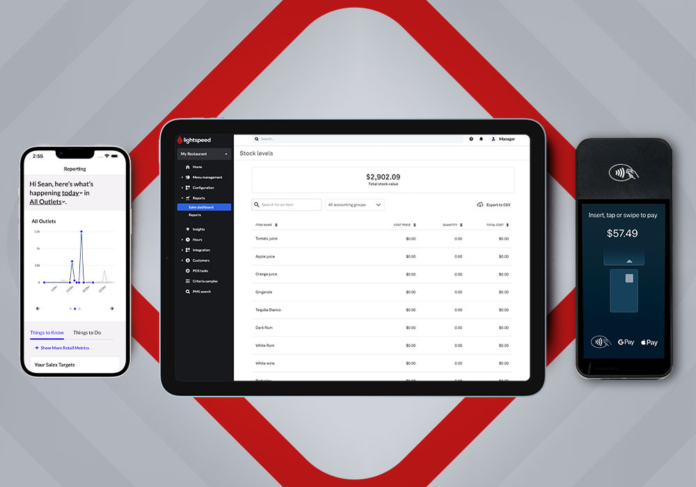
Lightspeed Commerce Inc., based in Montreal, has rolled out a series of insight-driven product updates aimed at giving retail and hospitality businesses deeper analytics and operational efficiencies. These latest innovations, released for Q2 2024, help merchants leverage data to improve decision-making and streamline workflows, ensuring businesses can adapt swiftly to changing market demands.
Improved Retail Insights for Increased Sales and Better Efficiency
Among the key updates is the introduction of Retail Insights, a tool designed to help merchants avoid stockouts and missed sales. By analyzing both real-time and historical data, retailers can forecast demand more accurately and manage inventory more efficiently. This allows for preemptive purchase orders, ensuring that retailers have the right products available when customers need them, which boosts sales while reducing overstocking issues.
Lightspeed also launched a new Offline Mode, allowing merchants to process sales even during internet outages. The system stores transactions locally until the connection is restored, ensuring smooth operation during any network disruptions. Additionally, the new Multi-Location Ordering feature makes it easier for retailers to distribute stock across multiple locations with a single purchase order. This innovation simplifies inventory transfers, saving time and reducing logistical headaches.
The UK market is also benefiting from Lightspeed’s Instant Payouts feature, enabling retailers to access funds immediately after each transaction. This tool, already available in the U.S., ensures merchants can manage cash flow effectively, even on weekends and holidays, providing the financial flexibility needed to grow and scale.
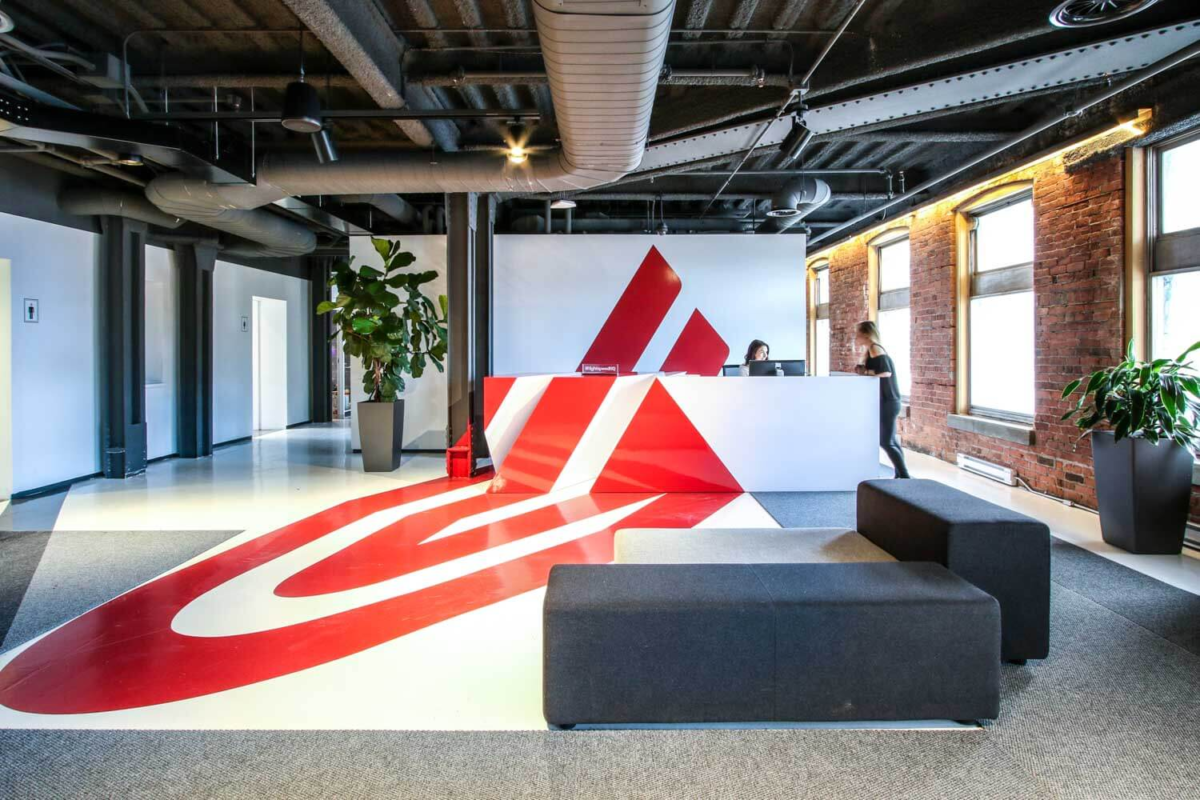
Lightspeed head office in Montreal. Image: Lightspeed
AI-Powered Insights for Hospitality Businesses
For the hospitality sector, Lightspeed has unveiled AI-driven Benchmarks & Trends. This tool uses machine learning to give restaurateurs a competitive edge by providing industry-wide data to identify trends and performance benchmarks. These insights can help businesses boost revenue, optimize operations, and stay ahead of competitors in a crowded market.
Lightspeed’s new Sales Summary page offers a clearer view of sales performance, using enhanced data visualization to identify busy periods and pinpoint areas for improvement. This page helps businesses track performance more effectively, offering a real-time overview of where losses may be occurring and how to address them.
In addition to these updates, the integration of Happy Hour pricing into the Order Anywhere system allows hospitality businesses to dynamically adjust prices, enabling customers to take advantage of special offers online, directly from their table. Lightspeed’s focus on flexibility continues with a new bulk menu management feature that allows restaurateurs to manage large-scale updates to their menus quickly and efficiently. Furthermore, the introduction of partial refunds directly from the POS provides greater flexibility in customer service, enhancing overall satisfaction.
eCommerce Innovations and Customization Tools
Lightspeed is also enhancing its eCommerce platform with new tools that offer more customization options. The platform now supports the creation of custom sections for Lightspeed’s Instant Site, giving merchants the ability to design a unique online store that aligns with their brand’s vision. This allows businesses to craft a more personalized customer experience, ensuring their online presence matches their physical stores.
Lightspeed’s commitment to helping businesses succeed is reflected in these new updates, which are designed to provide merchants with the tools and insights they need to stay competitive in today’s fast-paced retail and hospitality industries. As Lightspeed continues to innovate, its platform remains a key asset for businesses looking to streamline their operations and optimize performance.
Canadian outerwear brand Moose Knuckles has launched Moose Lab, an innovative platform for creative collaborations. The first project, a capsule collection designed by the brand’s Global Artistic Director, Carlos Nazario, reimagines Moose Knuckles’ heritage by blending military-inspired outerwear with contemporary fashion. This collection draws from the brand’s Canadian roots, known for technical expertise and bold outerwear design.
First Moose Lab Capsule: A Creative Vision by Carlos Nazario
The Moose Lab capsule collection by Carlos Nazario consists of 12 unique pieces, each combining elements of Moose Knuckles’ signature outerwear with Nazario’s personal aesthetic. The collection merges technical functionality with high-fashion design, resulting in a line that is both protective against cold climates and deeply stylish. This balance is highlighted through the use of luxurious materials such as leather, Mongolian wool, down, and shearling.
Nazario drew inspiration from the bold, oversized silhouettes of the 1990s, blending these iconic elements with the rugged, protective design Moose Knuckles is known for. The collection’s focus on utilitarian functionality is a nod to the brand’s origins in cold-weather military apparel, while the contemporary designs reflect Nazario’s vision for the future of luxury outerwear. The collection includes outerwear and accessories that reflect both Moose Knuckles’ heritage and Nazario’s creative direction.
Nazario commented on the collaboration, saying, “For me, outerwear is more than just a practical necessity; it’s an extension of personal style. Growing up in New York City, outerwear played a huge role in my identity. This capsule collection draws inspiration from the coats that first made me feel truly sophisticated. I wanted to blend Moose Knuckles’ roots in military apparel with the glamour and craftsmanship that make these pieces stand out in a modern context.”
Moose Knuckles Moose Lab Capsule Embodies Utility and Style
The campaign for the capsule collection, shot by photographer Vito Fernicola, features a diverse group of models, many of whom are close friends and collaborators of Carlos Nazario. This casting highlights the personal connection Nazario has to the collection, with each model bringing their own unique style and authenticity to the campaign. The bold, oversized pieces are featured prominently, reinforcing the message that the collection is designed to merge protection and fashion seamlessly.
The Moose Lab capsule not only represents the evolution of the brand but also reflects its ongoing commitment to innovation and craftsmanship. According to Victor Luis, Executive Chairman of Moose Knuckles, the capsule is a perfect representation of the brand’s blend of utility and luxury: “Carlos has reinterpreted Moose Knuckles’ heritage in a way that feels both functional and glamorous. This collection is a testament to our dedication to pushing boundaries while staying true to our core identity.”
The Moose Lab by Carlos Nazario capsule collection officially launched on October 22nd, 2024, and will be available exclusively on Mooseknuckles.com as well as at select Moose Knuckles retail stores across Canada.
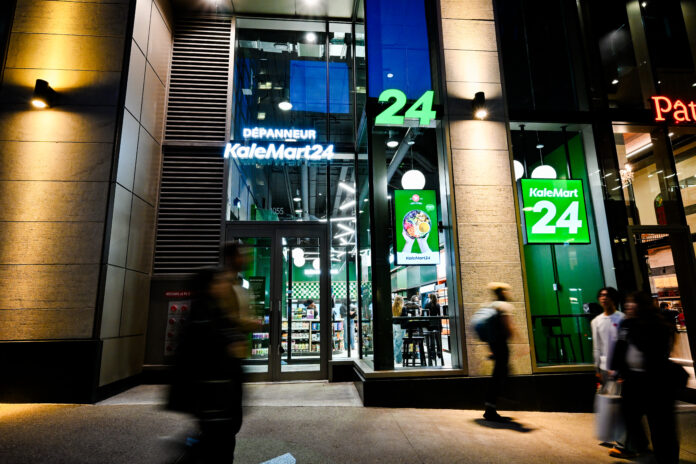
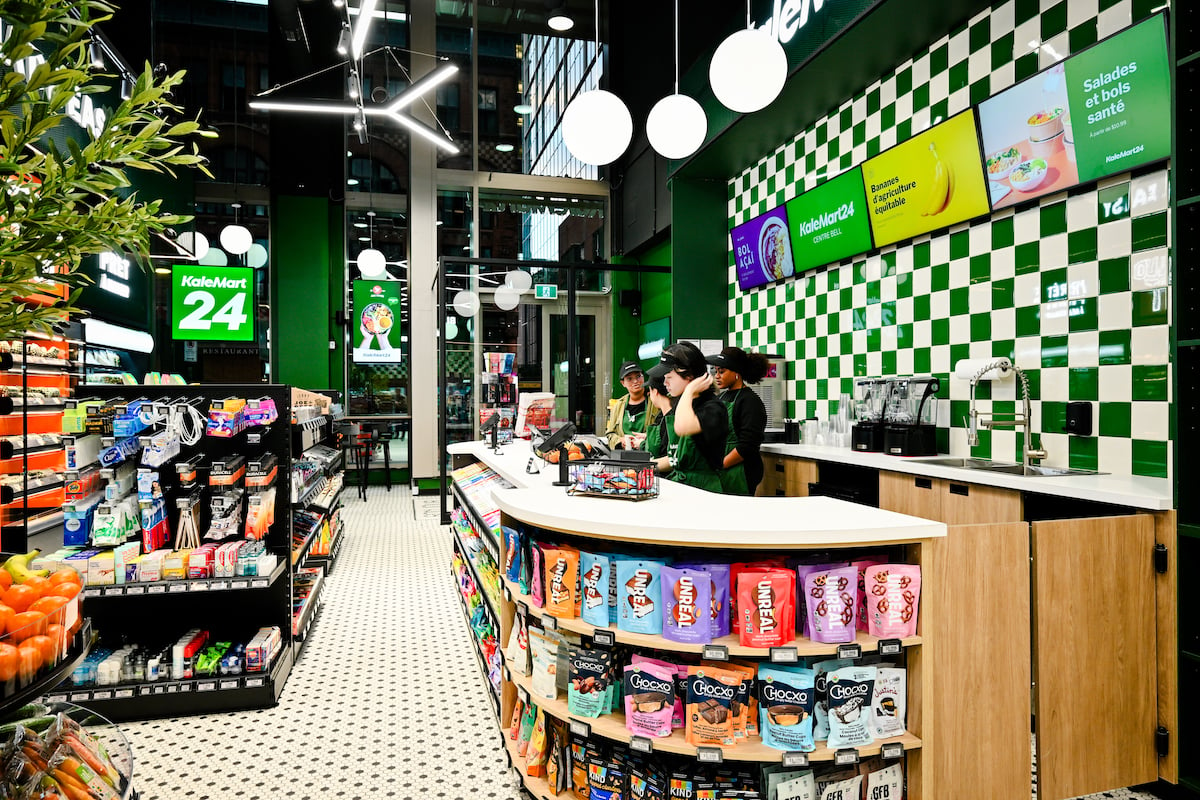
KaleMart24 near the Bell Centre in Montreal. Photo: KaleMart24
KaleMart24, a natural convenience store chain, has expanded its footprint with the opening of its third location at 1055 Rue de la Montagne, adjacent to Montreal’s Bell Centre. This latest opening on October 4, 2024, marks a significant step forward in the brand’s mission to provide health-conscious consumers with convenient access to sustainable and organic products. With a focus on wellness, KaleMart24 continues to redefine the convenience store model by blending environmental sustainability with everyday shopping needs.
Founded by Oussama (Sam) Saoudi, CEO of Montreal-based Toro Beverages, KaleMart24 has quickly gained recognition for its innovative approach to convenience retail. Saoudi’s background in the beverage industry—having introduced Canada’s first matcha-powered energy drink through Toro Beverages—has shaped his vision for KaleMart24 as a destination for eco-conscious shoppers. The brand has been described as the “Whole Foods Market” of convenience stores, with a unique focus on organic products and environmentally friendly practices.
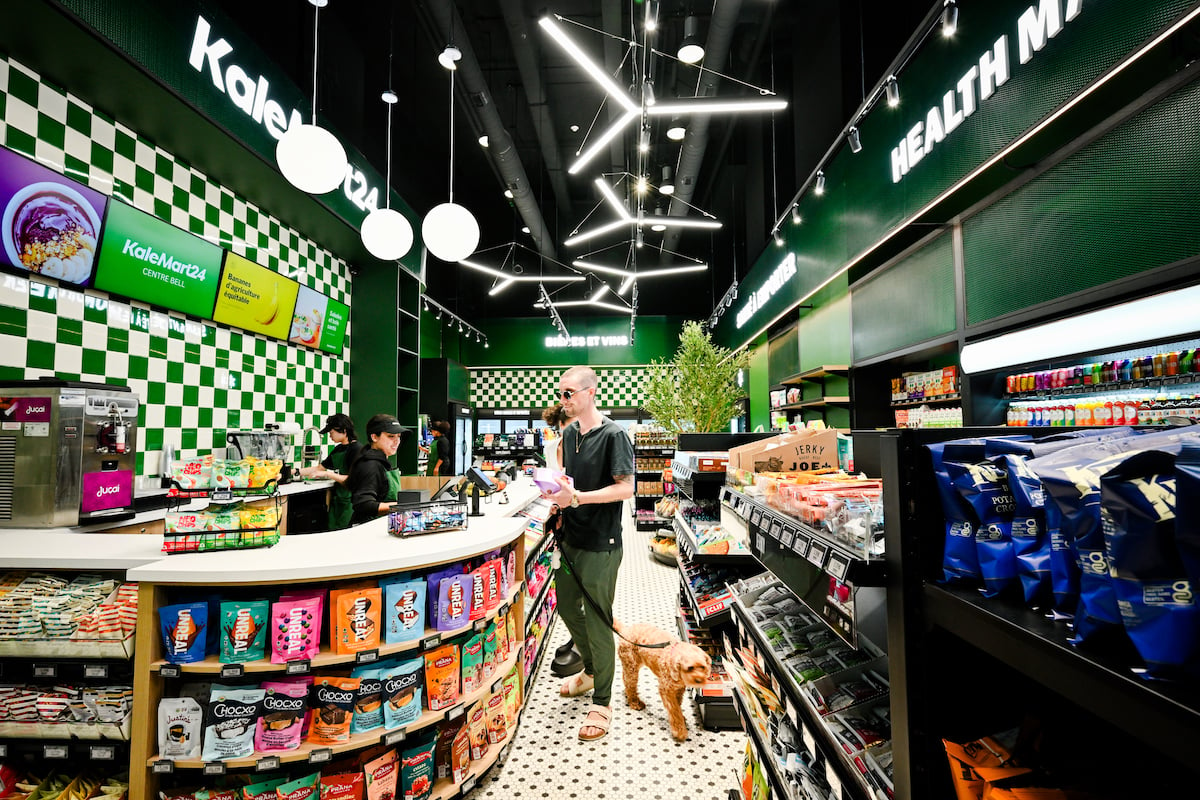
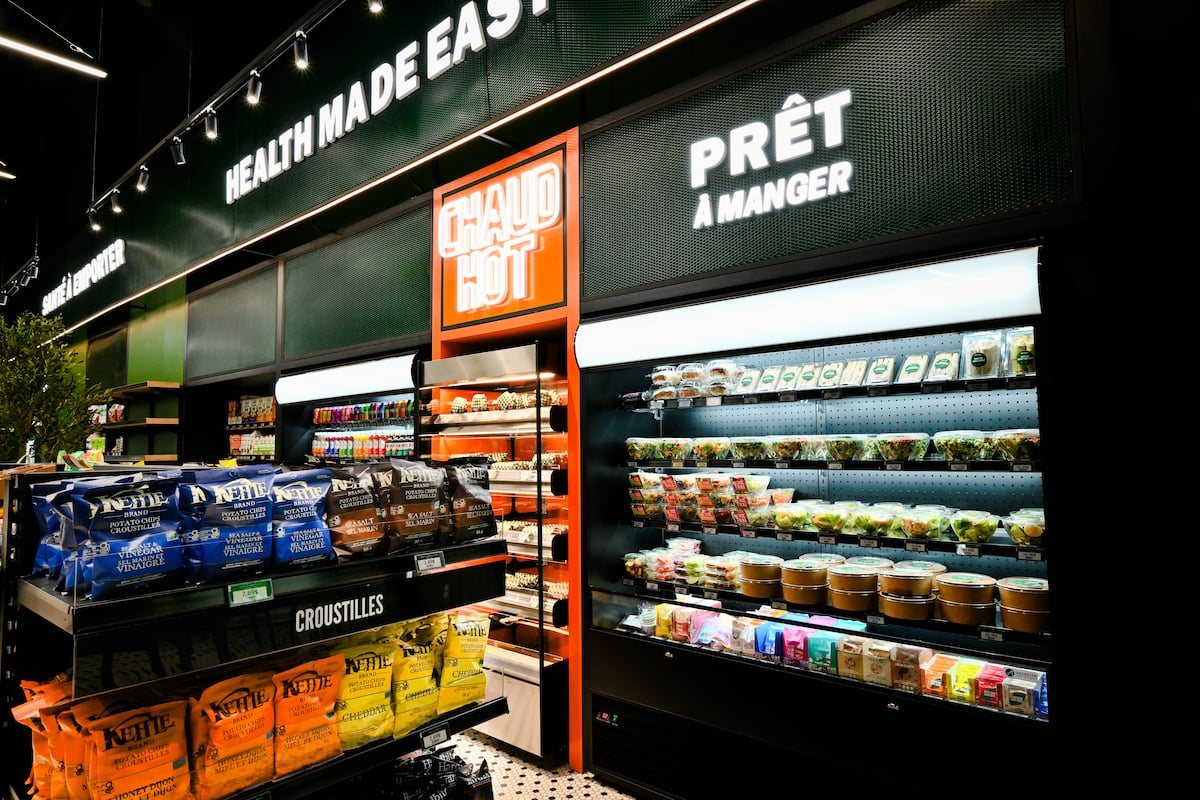
KaleMart24 near the Bell Centre in Montreal. Photo: KaleMart24
KaleMart24’s Third Store Brings Sustainable Convenience to Downtown Montreal
The new store near the Bell Centre is the largest of KaleMart24’s three locations, covering 2,055 square feet. It offers a carefully curated selection of organic snacks, eco-friendly household items, and a dedicated section for organic pet products. The location was chosen for its high-traffic area, catering to busy urbanites looking for quick, healthy options.
KaleMart24’s expansion reflects growing consumer demand for sustainability in the retail space. The store uses biodegradable packaging and energy-efficient lighting to reduce its environmental impact. In line with its sustainability goals, the brand worked with renowned architecture and design firm Benoy to create a modern, environmentally friendly space.
KaleMart24 near the Bell Centre in Montreal. Photo: KaleMart24
Saoudi emphasizes the importance of accessibility: “Our goal is to make sustainable living easy for people on the go. By offering convenient access to healthier options, we hope to encourage consumers to make choices that support both their well-being and the planet.” KaleMart24 offers mobile-savvy shoppers contactless payment options and a loyalty program, further enhancing the shopping experience.
KaleMart24 Targets Further Expansion Beyond Montreal
KaleMart24’s growth is set to continue with ambitious plans for further expansion. In addition to the Bell Centre store, the company has opened locations at the Berri-UQAM Metro Station and Jarry Metro Station. These high-traffic transit hubs offer ideal spots for the brand’s health-conscious convenience model.
KaleMart24 near the Bell Centre in Montreal. Photo: KaleMart24
With three stores now operating in Montreal, Saoudi has his sights set on expanding beyond Quebec. “We’re aiming to open 10 to 15 stores across Montreal, but we’re also looking at Ontario,” Saoudi said. The company has secured a franchise agreement in Ottawa, where it plans to open its first store outside of Quebec. Toronto is also a key target, with the brand expected to launch there by the end of the year.
In collaboration with Tony Flanz at brokerageThink Retail, KaleMart24 is pursuing a strategy focused on high-traffic, street-front locations ranging from 1,000 to 1,500 square feet. The expansion will meet the rising demand for sustainable and healthy convenience options among Canadian consumers, especially in urban areas.
Ontario’s Bill 190, part of the Working for Workers Five Act, is poised to bring significant changes to the way retailers in the province handle job postings, salary disclosures, and candidate interactions.
Salary Transparency: A Double-Edged Sword for Retailers
One of the most discussed provisions of Ontario Bill 190 is the mandatory disclosure of salary ranges in job postings. According to Sears, this requirement aims to address wage inequality, particularly for women and minority groups who have historically earned less than their counterparts. In retail, where wages have traditionally been flexible, the change is expected to challenge employers in balancing transparency with the need to manage labor costs.
Suzanne Sears. Image via LinkedIn
“Retailers are already facing increased wage pressures, especially with the recent minimum wage hike to $17.20 per hour,” explains Sears. “Now, having to post salaries or salary ranges could lead to wage inflation. Employees who see job postings with higher wages than they’re currently earning will expect pay adjustments, which could create internal discord and strain budgets.”
She said that for instance, if a retailer advertises a position at $20 per hour, existing employees may demand a similar rate, creating a ripple effect across the organization. Sears notes that while transparency is necessary for wage equity, it could complicate operational costs for retailers already grappling with economic challenges.
How Ontario Bill 190 Aims to Address Wage Inequality
The bill’s focus on salary transparency is part of a larger effort to tackle wage inequality. Sears said that for years, women and minorities have earned less than men in similar roles, particularly in industries like retail. By enforcing wage disclosure, Bill 190 hopes to level the playing field and ensure that all candidates, regardless of background, receive fair compensation.
Sears believes this could be a game-changer for retail. “Retail has long been a space where wage disparities exist, especially in mid-level and senior management roles. By making salaries public, it encourages employers to be more consistent and fair in their compensation practices,” she says. However, Sears also acknowledges the concerns many retailers have about rising labor costs and the potential for wage inflation as a result.
Organizations should conduct thorough job analyses before posting listings by determining a job’s core skills and characteristics. (Shutterstock)
False Job Postings and Increased Efficiency in HR
Another significant amendment in Bill 190 is the requirement for accurate job postings. In many large retail operations, automated applicant tracking systems (ATS) are set to post jobs when an employee leaves, even if there’s no immediate need to fill that position. According to Sears, this often leads to a flood of applications for non-existent jobs, wasting both the candidates’ time and the HR department’s resources.
“False job postings create confusion and inefficiencies,” says Sears. “Now, with Bill 190, retailers must ensure that only real, available positions are posted online. If they don’t, they risk facing fines, and that will push HR teams to be more diligent in their hiring processes.”
Sears sees this as a positive development for both employers and job seekers, as it will reduce the number of irrelevant applications and streamline the hiring process. By ensuring job postings are accurate and up to date, she says retailers can focus on hiring qualified candidates without being overwhelmed by unnecessary applications.
The Role of AI in Retail Hiring and New Compliance Measures
The use of artificial intelligence (AI) in hiring has been growing across industries, including retail hiring. However, Sears highlights how AI tools, while efficient, have also created issues in diverse workforces like Canada’s. AI-driven recruitment tools, which screen resumes and conduct initial interviews, have sometimes led to unintentional bias, screening out candidates with non-native accents or from minority backgrounds.
Bill 190 now requires retailers to inform candidates upfront if AI will be used during the hiring process. Sears views this as a critical step toward transparency.
“In Canada, we have a diverse workforce, and AI systems are not always equipped to handle that diversity fairly. Many candidates with accents or unique cultural backgrounds have been unfairly screened out,” she explains.
By mandating that retailers disclose AI use in hiring, the bill encourages more fairness and gives candidates the opportunity to know exactly how their application will be processed. “AI should assist in the hiring process, but it shouldn’t replace human judgment, especially in such a diverse market like retail,” says Sears.
Photo Credit: Alexander Limbach
Enhancing Candidate Communication and Reducing Ghosting
One of the most frustrating aspects of job hunting, especially in the retail sector, has been the issue of “ghosting”, says Sears, where candidates are left without any communication after applying for a job or even attending interviews. Bill 190 introduces new rules requiring employers to notify candidates about the status of their application, whether they are successful or not.
“Ghosting has been a significant issue in retail,” Sears says. “Candidates, especially those applying for entry-level positions, often feel disrespected when they don’t hear back from employers. Bill 190 ensures that employers must follow through and communicate with all candidates they engage with, improving the overall job-seeking experience.”
For retailers, this means adapting their hiring processes to ensure that every candidate receives timely feedback. Sears believes this will help retailers maintain a positive brand image. “When candidates have a good experience, even if they don’t get the job, they’re more likely to stay loyal to the brand. On the flip side, negative experiences can harm a retailer’s reputation.”
Equal Opportunity for New Canadians
Bill 190 also tackles the issue of requiring “Canadian experience” for job applicants—a barrier that has prevented many skilled immigrants from securing jobs in their field. Sears notes that this provision will open doors for new Canadians who have the qualifications and skills but have been overlooked due to a lack of local experience.
“In retail, we rely heavily on immigrant workers, both in entry-level roles and in management,” says Sears. “By removing the ‘Canadian experience’ requirement, Bill 190 ensures that all candidates are judged on their abilities and not an arbitrary job requirement.”
This change is expected to have a significant impact on the retail sector, which has been facing labor shortages. By tapping into a broader talent pool, retailers can fill key positions with highly qualified candidates, including those from diverse backgrounds.
Conclusion: Preparing for Change in Retail Hiring
While Ontario Bill 190 presents challenges for retailers—particularly around wage transparency and compliance—it also offers long-term benefits. As Suzanne Sears points out, the bill encourages greater fairness, transparency, and efficiency in hiring, which could lead to stronger employee retention and a more diverse workforce.
Retailers in Ontario will need to adapt quickly to these new regulations when put into force, but the benefits of improved candidate experience, wage equity, and streamlined hiring practices could outweigh the initial hurdles, says Sears. As other provinces consider similar legislation, Ontario’s retail sector may serve as a model for how to successfully implement these important changes, she notes.
A new study by Gradient, a global leader in experiential marketing, reveals 82 per cent of retail companies invest heavily in experiential marketing to build deeper connections with their customers.
“Experiential marketing has become crucial because it taps into the most fundamental aspect of human decision-making: emotion,” said Anthony Coppers, Founder and Head of Innovation at Gradient. “Consumers are growing tired and indifferent to ads and digital content. What they want is new and unique ways to interact with brands, where they don’t feel like just another customer, but a participant that matters.”
The report said retail is no longer just about the transaction. It’s about creating moments that resonate with the audience. In an era where consumers are bombarded with endless product options and advertisements, retail brands need to cut through the noise and build genuine relationships with customers.
It said many retail brands have significantly increased their budgets for experiential marketing over the last three years.
“This surge isn’t just about spending more, it’s about adapting to a fundamental shift in consumer behavior. Modern consumers, especially Millennials and Gen Z, are seeking more than just products– they want meaningful experiences that reflect who they are,” said Gradient.
“This demand for authenticity isn’t just a passing trend. It’s rooted in a deeper cultural movement toward transparency, self-expression, and personalization. Nowadays, customers are skeptical of traditional advertising and generic marketing tactics. Instead, they want to engage with brands that understand their individuality and offer immersive, personalized experiences.”
It said retail giants like Nike and IKEA have had success with their experiential strategies, creating spaces where customers can engage with products in immersive and interactive ways.
“Retail marketers are focusing on earned media value (64 per cent) and social engagement (51 per cent) as the primary metrics for measuring the success of their experiential campaigns. These figures surpass the averages of 55 per cent and 47 per cent across other industries. This emphasis on earned media and social engagement indicates the retail industry’s strategic approach to maximizing the reach and impact of its events, leveraging social media and digital platforms to engage broader audiences,” explained Gradient.
“The best brand experiences are content playgrounds. Everyone can create content; celebrities, creators, influencers, and of course the brand itself. This creates content that is more authentic, and reaches both a broader and more targeted audience. Interestingly, we know now that 89 per cent of consumers trust recommendations above all other advertising channels so whilst reach is great, often it is the content from your (non-influencer) friends that has the greatest impact,” added Coppers.
Other Key Survey Findings
Gradient’s research also uncovered a number of other key statistics associated with experiential marketing, covering scope, budget, and ROI.
Retailers allocate 10-30 per cent of their total budget to experiential marketing, consistent with the industry average;
93 per cent of respondents are satisfied with their experiential marketing ROI measurements, which is higher than all other industries;
Respondents prioritize sales (41 per cent) and awareness (34 per cent) as the most important ROI categories from their experiential marketing efforts.
Key challenges in implementing experiential marketing are budget allocation (49 per cent) and internal cross-collaboration (52 per cent).
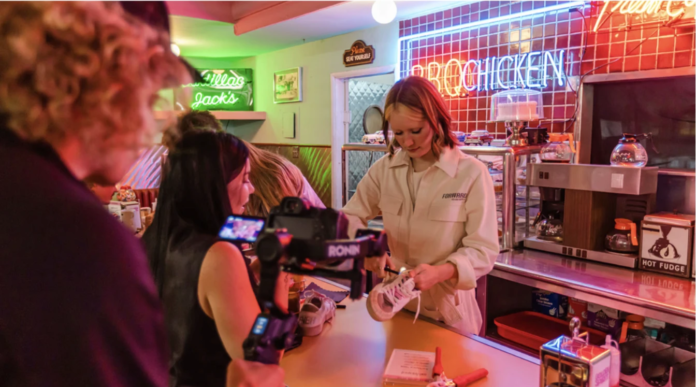
Photo: Gradient
“As we move into 2025, experiential marketing will only become more integral to retail brands’ strategies. With the rise of augmented reality (AR), virtual reality (VR), and other digital innovations, the opportunities for brands to create hyper-personalized, immersive experiences are endless,” said Gradient.
“Gradient’s experiential guide brings light to this strategy by providing insights and practical solutions to the challenges that currently exist, ensuring marketing efforts can remain impactful and measurable.”
Coppers said Gradient began 15 years ago in New York City with offices now in Miami and Los Angeles and just opened a new one in Paris.
“The mission of Gradient has always been about creating remarkable and unforgettable moments for the world’s leading brands. I love saying that I’m a goosebump inducer. So that’s always been the mission. I think the vision, because of our world, it’s evolution technology. The vision has really been about allowing experiential to get its rightful place in the marketing ecosystem,” he said.
“In this experience era that we’re in, experiential, because of technology, can be much more measurable and can give you back much more ROI (return on investment) than it ever could before, even though it had the same effects.”
Coppers said experiential marketing is more than doing events.
“An event can be a moment of connection that is linked to nothing else than a party and a drink in your hand. Experiential is about making sure that you are creating a moment and a connection that is allowing you to live the story of a brand – storytelling,” he said, adding a good brand can communicate the reason it exists and the story behind that reason and behind every product it delivers. Stories it has lived through to being the brand it is today.
“And there’s a cyclic value behind storytelling into story living because once you make sure to take that storytelling and put it into story living with a brand that creates the new storytelling of tomorrow. So experiential is a way to create an interaction with your consumer and through your story.
“The retail of tomorrow is no longer a place of transaction. It’s a place of connection, of education, of content. It’s a place we like to say that it’s taking storytelling, bringing it into story, living and turning a store into a story.”
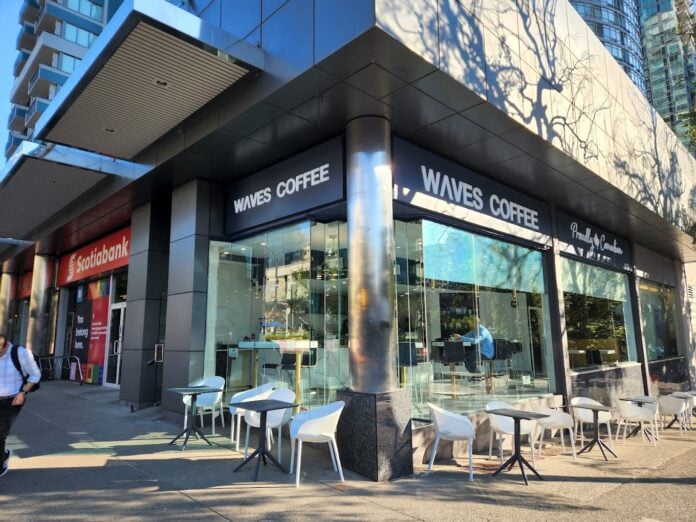
One is inside the Lions Gate Hospital in North Vancouver and two in Edmonton – at the West Edmonton Mall and in St. Albert.
Kayvan Rahmati
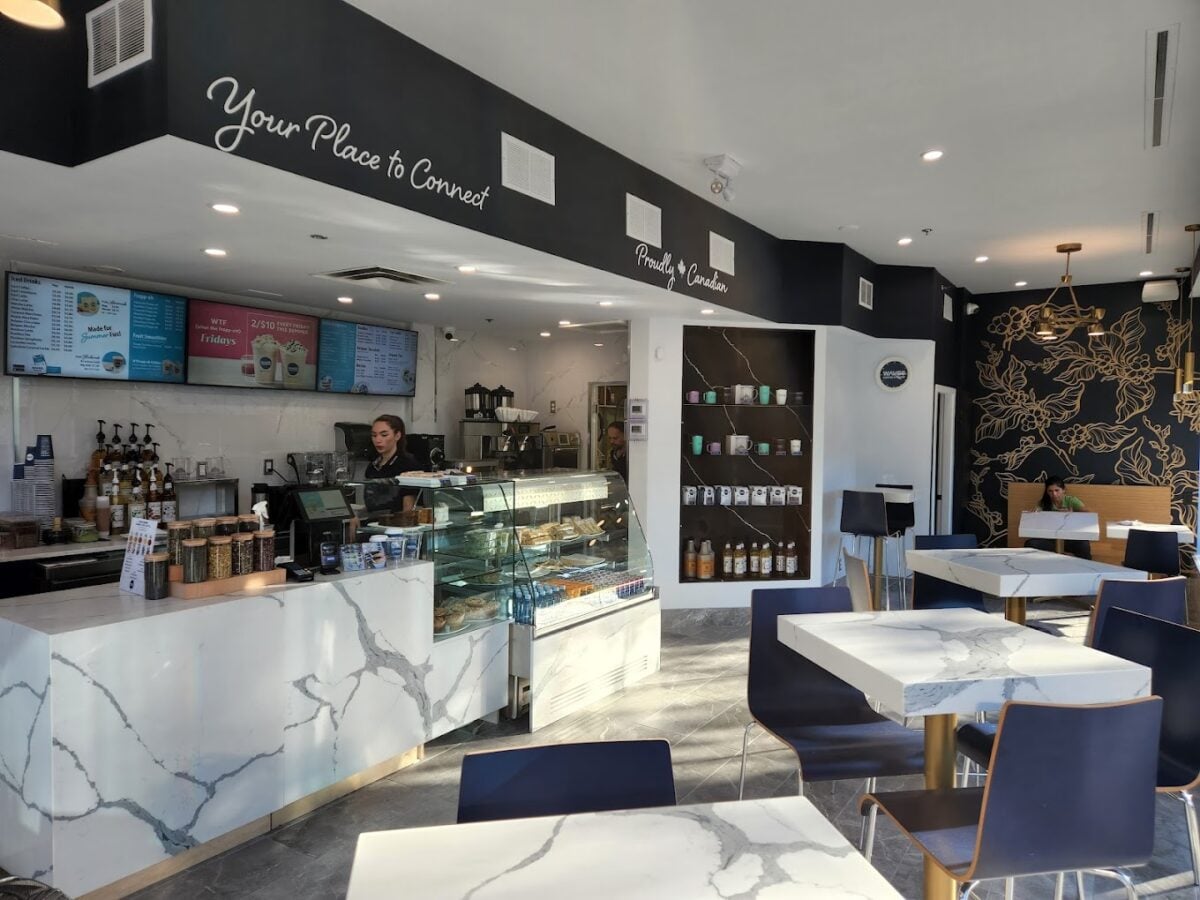
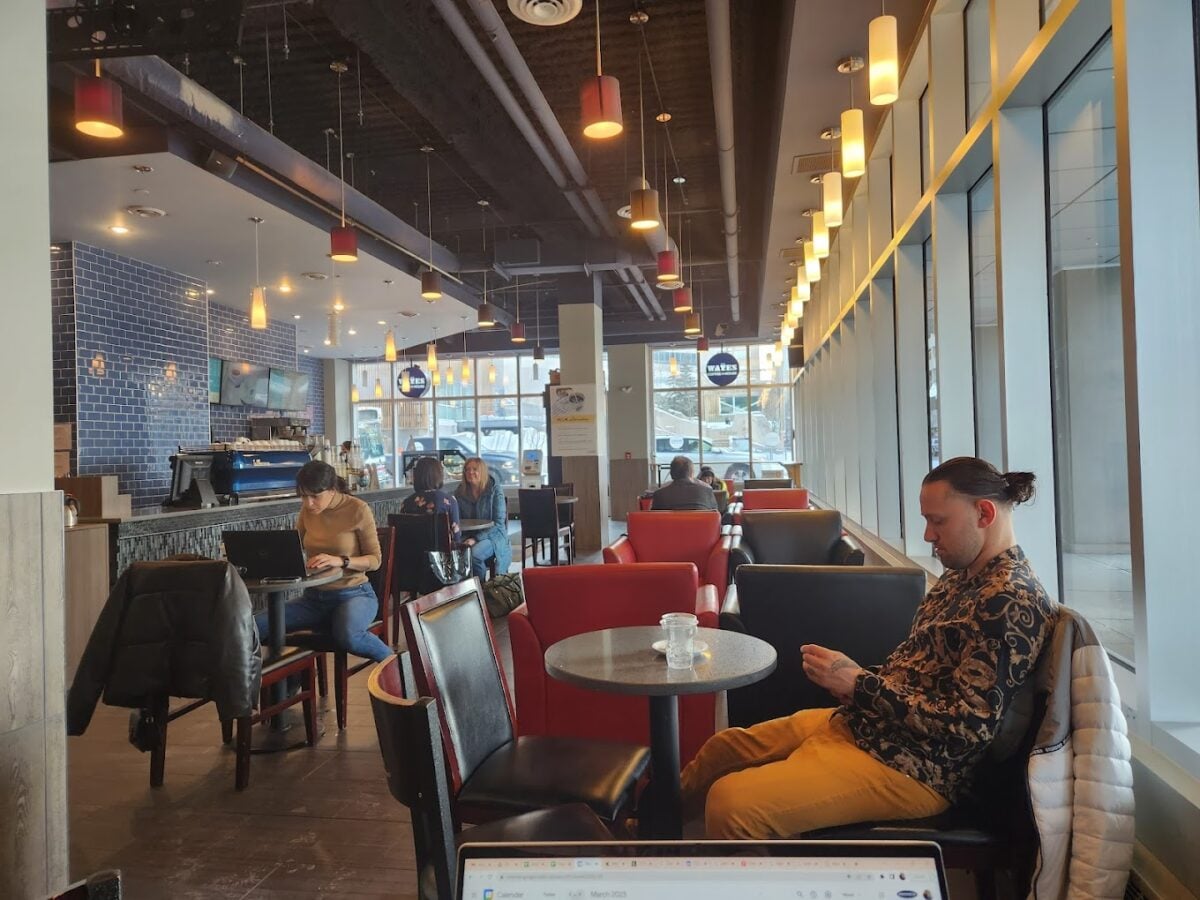
“There’s many outfits that claim that they have high quality. We also claim the same thing. We use specialty grade coffee beans, real chocolate in our mochas, 100 per cent pure matcha powders. We always stick true to the quality. And even currently, chocolate pricing has skyrocketed three or four times. And we had the decision to make. Do we go to powders and syrups? Or, how do we do this? And we were sticking true to our quality. So unfortunately, there’s price increases there but that’s just something we’re known for. On top of that is a little bit more of the finer details we use, like real china, and more of a sit down experience with what I call mixed seating,” said Rahmati.
Locations can include long communal tables for students and comfy chairs by a fireplace. Some locations have meeting rooms. A downtown Vancouver location has an entire office set up.
He said the brand has always considered itself as a neighbourhood community coffee house, anchored in a very predominant location
“And we’re noticing some of the bigger guys are stepping away from in-store experience, and we’re trying to keep that going,” addedRahmati.
Currently, the brand is based in British Columbia and Alberta. Most of the locations are in BC with four in Calgary and two in Edmonton.
“Right now we’re just in the two provinces and we’re just focusing on these two provinces,” he said.
“Anything is possible, but at this point, no I don’t have any plans or aspirations to go out East . . . I think there’s a lot of room still in Vancouver Island, the interior BC. Between Edmonton, Alberta, we’re getting interest for Red Red Deer, Airdrie. I’m still pretty focused on these two provinces. My focus is until 2027 but hopefully we’ll see what kind of goes from there.
“There’s many layers to the consumer in terms of what they find valuable. For us, the success pillars are customer service, quality and cleanliness. We think those three pillars really encompasses the experience of the guests as they interact with your business. But on top of that, people want somewhere that is somewhat presentable, or some sort of architectural touch, something where it brings them a little more of a lure. I like to say, we live in a social media world where people want to take photos of products and locations. So you really want to create that draw as well too.”
Rahmati said he’s excited about going into the West Edmonton Mall.
“West Edmonton Mall is the largest mall in Canada. For us, we were more so looking to establish ourselves in Edmonton, meaning we already have two locations there. They’re thriving. I think it’s a great market. We have one coming in St. Albert and hoping to get to, like the Sherwood Park areas.
“It is part of our kiosk plan. So we have a kiosk plan in terms of getting to hospitals, airports and malls. This kind of fit in that. And I also felt like it would support the other locations and bringing the brand’s name top of mind to the other locations in the other areas as well.”
When looking for locations, Rahmati said he likes the three P’s.
“I look for pedestrians. The traffic of pedestrians really are supportive, if not pedestrians, at least parking. And we want patio as well too. It’s very important to us to have this and then presence. So we’d like to be on corner units,” he said.
“We’re just going into a little bit of growth mode. I think we’ve had a little bit of a quiet time from 2020 till now, but now we’re looking to gear up . . . We’re very technology friendly. We’ve always tried to kind of innovate in that sense . . . We were also the first Bitcoin ATM in the world . . . We got really good coverage on that through BBC, CBC.
“But the the most exciting innovation we’re coming up with is into this hospital location. We’re introducing food lockers. We’re working with the hospital . . . They brought up that doctors and surgeons don’t have much time to make orders. So we’re thinking, okay, should we have a two-line system where doctors on this side, regular customers here, but then they don’t want customers to feel belittled or not important.
“So we were racking our brains around what to do, and we came across this food locker idea where someone could place an order through the app. It’ll go to the barista, they will confirm it, and once that food or drink is placed into that locker and closed, it will send a text to that customer that it’s ready for pickup, and they just have to come and scan it and take it out of the locker and off they go. So there’s no interaction needed.”
Retail Insider is streamlining its Canadian retail news from around the web to include a handful of top news stories that can be viewed quickly during the day. Here are the top stories from the past 24 hours.
Dilawri is pleased to announce the start of a new era for its BMW-affiliated Calgary operations. BMW Royal Oak (formerly BMW Gallery) and MINI Calgary are now located in a brand-new, 74,205-sq-ft (6,894-m2) shared facility at 7699 110 Ave NW. The building is the first combined BMW and MINI retail facility in Canada to follow BMW Group’s cutting-edge, customer-centred Retail.Next design standard. (CNW Group/Dilawri Group of Companies)
Dilawri, Canada’s largest automotive group, has introduced a groundbreaking new retail facility for BMW and MINI in Calgary.
The newly completed 74,205-square-foot space, located at 7699 110 Ave NW, marks the first Canadian facility to combine both brands under the BMW Group’s Retail.Next design. This modern facility enhances the customer experience by offering both BMW Royal Oak and MINI Calgary in one state-of-the-art location.
The BMW Royal Oak dealership, previously known as BMW Gallery, continues to operate in Northwest Calgary under new leadership. Meanwhile, MINI Calgary has moved from Southeast Calgary to join BMW Royal Oak in this shared, purpose-built facility.
Combined BMW and MINI Retail Facility in Calgary Enhances Customer Experience
MINI Calgary’s new home within the combined facility reflects the brand’s commitment to providing personalized service for its loyal customer base. The dedicated MINI showroom offers a distinct yet cohesive experience that aligns with BMW’s premium standards. The facility’s design prioritizes a streamlined, customer-centred journey, ensuring an engaging and comfortable environment.
According to Andy Kistner, VP of Operations for Dilawri’s Prairies Region, the new space represents a forward-thinking approach to automotive retail.
“Our goal with the combined facility is to offer customers an elevated experience that matches the quality of both the BMW and MINI brands,” said Kistner. “The Retail.Next design helps us achieve this, creating an immersive environment where customers can explore the latest models in a setting that enhances their entire journey.”
The Retail.Next design features modern architecture and digital enhancements that cater to a premium customer base. Orthogonal panels and sleek design elements reflect BMW’s engineering ethos, creating a timeless space. The facility includes a centralized walkway, guiding customers through a 13-car showroom that highlights vehicles from both brands, accompanied by comfortable sales lounges and dedicated consultation areas.
New Era of Retail: Retail.Next Design Concept Unveiled
BMW’s Retail.Next corporate identity redefines the traditional dealership model by focusing on customer interaction and brand integration. The concept aims to immerse visitors in the BMW and MINI experience, from the moment they enter the space. Each Retail.Next facility is designed to make the vehicle the focal point of the customer’s journey, with the Calgary location exemplifying this vision.
In addition to its innovative layout, the new facility features a 24-bay service department, three-lane drive-through service area, and EV charging stations. These amenities are intended to offer convenience and reflect the brands’ growing focus on electric mobility. A BMW Bar & Lounge provides a comfortable setting for guests to relax, while a dedicated BMW M area showcases the performance-driven side of the brand.
MINI Calgary’s relocation to this shared facility further enhances its ability to deliver premium service in a space that matches the brand’s bold, playful identity. Customers can explore the latest MINI models and accessories in an environment designed to be both functional and engaging.
Dilawri’s Continued Investment in Customer-Centred Experiences
Dilawri’s commitment to enhancing its dealership network across Canada is reflected in this new Calgary facility. The combination of BMW and MINI under one roof, along with the Retail.Next design, offers a glimpse into the future of automotive retail. As the first of its kind in Canada, this facility is expected to set new standards for customer service, brand integration, and overall experience.
Since its founding in 1985, Dilawri has expanded to become Canada’s largest automotive group, operating 82 dealerships across Canada and the United States.
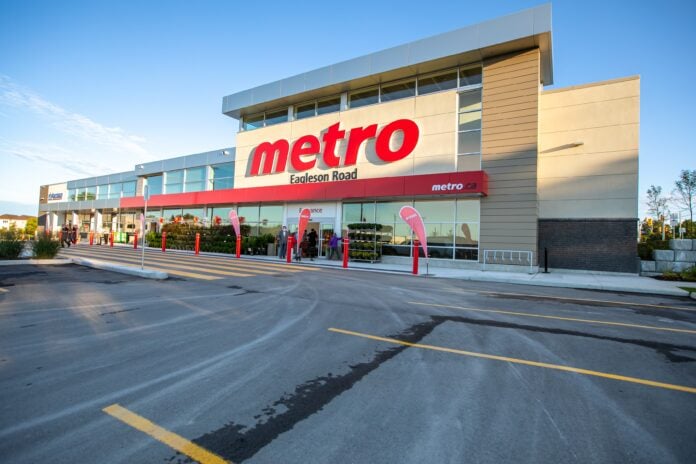
Metro Inc.says it will officially launch its proprietary loyalty program, Moi Rewards, in Ontario on Thursday October 24, with RBC’sAvion Rewards as its core loyalty partner.
In a news release, the company said the Ontario launch is an evolution of the Moi Program and follows the successful 2023 launch of METRO’s Moi coalition loyalty program in Quebec. Most recently, the 2024 Leger Wow Survey ranked Moi as the most widely used loyalty program in Quebec, with 79 per cent of Metro customers actively engaging with the program and experiencing its benefits, it said.
Alain Tadros
“Our goal is to help Canadians save by becoming the most personalized and relevant loyalty program. The Moi Rewards program will be available in eight banners and more than 1,175 stores across Ontario, Quebec and New Brunswick. With base points, bonus points and RBC as a strategic partner, we intend to offer our customers a generous, personalized and compelling program that combines food and pharmacy, deepens our relationship with customers and contributes to their well-being,” said Alain Tadros, Vice President and Chief Marketing Officer and Digital Strategy, Metro.
“The program makes rewarding customers easier and more convenient by enabling Moi Rewards members to earn points by shopping at Metro and Food Basics grocery and pharmacy banners as well as nine Jean Coutu locations in Ontario. Customers that have at least 500 points (equivalent to $4) can start redeeming points. This constitutes the lowest threshold to redemption for everyday essentials like groceries. The program also provides customers with the flexibility to redeem in $1 increments rather than predetermined tiers,” said Metro.
“It will provide personalized offers, extra points in flyers and in-store, as well as special offers for members and exclusive contests to help accumulate points faster.”
Adding further value, the Moi Rewards program will link with RBC’s Avion Rewards, allowing members to earn even more bonus Moi Rewards points on purchases, which are made with a linked RBC debit or credit card. Bonus points earned by linking are fully redeemable at all Metro Inc. banners participating in the Moi Rewards program in Ontario, Quebec and New Brunswick, it said.
Niranjan Vivekanandan
“We’re thrilled that our expanded loyalty partnership with METRO and Moi Rewards will bring tangible benefits to consumers across Ontario, especially knowing that they are looking for ways to save money on everyday essentials now more than ever,” said Niranjan Vivekanandan, Senior Vice President & Head, Loyalty & Merchant Solutions, RBC. “RBC and Avion Rewards have a long and successful history of delivering innovative partner experiences across key categories. We’re so pleased to combine the breadth and scale of our loyalty program with Moi Rewards to offer our cardholders and members additional value that they can receive every time they shop at a METRO Inc. location.”
RBC cardholders will earn 1 extra Moi Rewards point for every $2 on eligible spend when they link their eligible RBC card to their Moi Rewards card in addition to the base earn of their Moi Rewards program. Minimum purchase requirements will apply, said Metro, adding that its loyalty partnership with RBC began last year with the initial launch of Moi in Quebec and New Brunswick and the introduction of the moi RBC Visacredit card.
With annual sales of more than $20 billion, Metro Inc. is a food and pharmacy leader in Québec and Ontario, providing employment to more than 97,000 people. As a retailer, franchisor, distributor, manufacturer, and provider of eCommerce services, the company operates or services a network of some 980 food stores under several banners including Metro, Metro Plus, Super C, Food Basics, Adonis and Première Moisson, and 640 pharmacies primarily under the Jean Coutu, Brunet, Metro Pharmacy and Food Basics Pharmacy banners.
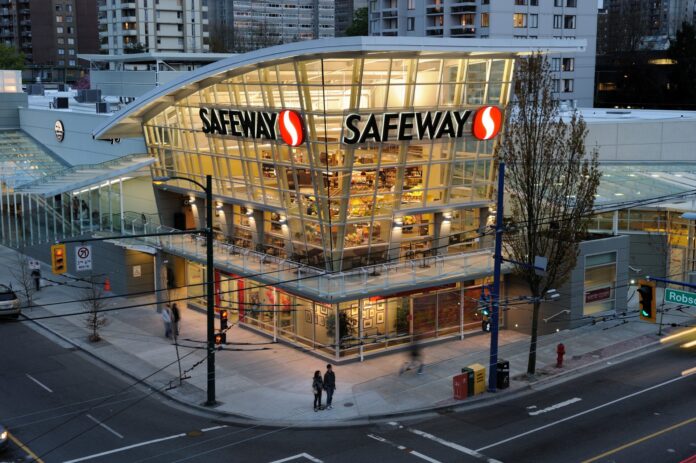
Safeway store at Robson and Denman Streets in Vancouver. Photo: Graham Construction
The Competition Bureau of Canada is requesting input from grocery retailers and real estate professionals regarding the use of restrictive real estate clauses (aka restrictive covenants or “property controls”), in the grocery industry. The investigation forms part of the Bureau’s broader efforts to assess competition within the sector, with a particular focus on Loblaw and Empire Company (parent of Sobeys).
Property controls, often included in lease agreements or deeds, may limit competition by preventing other businesses from opening retail food stores or restricting the range of products they can offer. The Bureau is investigating the extent to which these clauses impact market dynamics in Canada and whether they are detrimental to consumers by reducing choice, driving up prices, and limiting innovation.
Empire and Loblaw Under Scrutiny
The Competition Bureau’s investigation into the use of property controls by Empire Company and Loblaw is significant. The two major retailers control large portions of the market, and the Bureau is examining whether they have leveraged property controls to block competitors from entering or expanding within key markets.
The Bureau’s interest extends to situations where property controls may have prevented new domestic or international grocery retailers from establishing stores in Canada. Additionally, the investigation is focused on whether such clauses have restricted existing grocers’ ability to diversify their product offerings, ultimately limiting competition.
In June 2024, the Bureau secured court orders to further its investigation into these companies’ practices. However, it is important to note that no conclusions of wrongdoing have been made at this stage. The Bureau’s inquiries aim to gather evidence that will either validate or dispel concerns about anti-competitive behaviour in the sector.
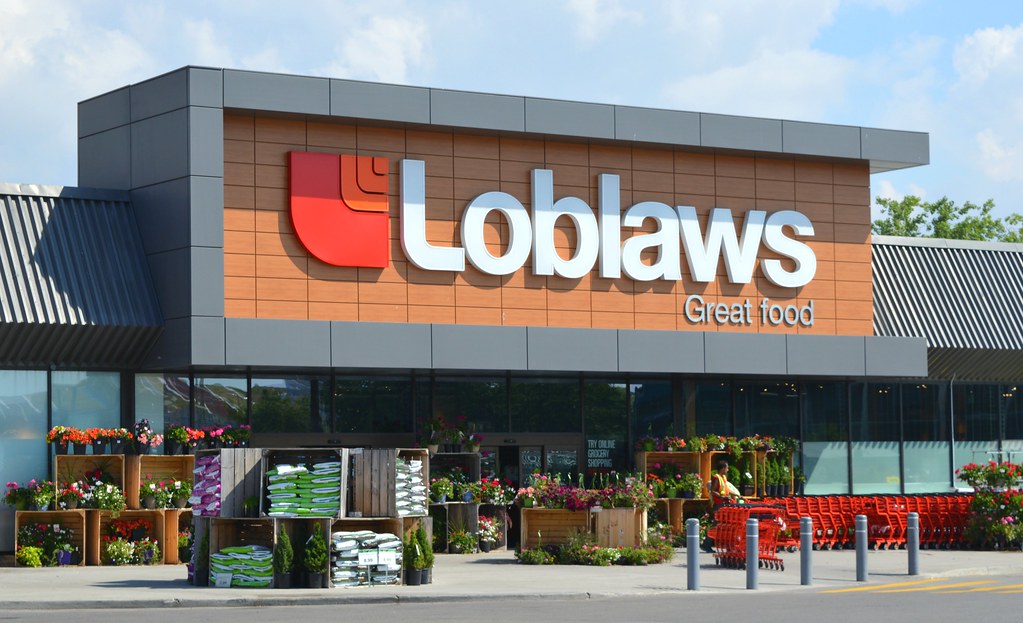
Loblaws store. Image: Loblaws
How Property Controls Impact Grocery Competition
Property controls, as described in the Competition Bureau’s June 2023 report, are designed to limit how commercial real estate is used, often preventing competitors from setting up shop in prime locations. These restrictions can also limit the types of products sold in these locations, creating further barriers for competitors.
For example, when a major grocery chain relocates, property controls may be used to prevent a rival from moving into the newly vacated space. This tactic can stifle competition in local markets, limiting consumers’ access to alternative grocery options. The Bureau believes that such controls may contribute to higher prices, reduced product variety, and fewer choices for consumers.
The Bureau is also interested in understanding both the advantages and disadvantages of these property controls from the perspectives of food retailers, landowners, and landlords. By hearing from all sides, the regulator aims to create a more balanced view of the issue, identifying where these clauses may benefit the market and where they may hinder it.
Call for Confidential Input from Industry Stakeholders
To further its investigation, the Competition Bureau is calling on market participants in the grocery and real estate sectors to confidentially share their experiences with property controls. Specifically, the Bureau is seeking examples of where such clauses have limited competition by preventing new grocery stores from opening or restricting existing retailers’ operations. Industry stakeholders are encouraged to submit their input by emailing ControlesdePropriete-PropertyControls@cb-bc.gc.ca.
This call for input comes on the heels of an earlier consultation in August 2024, which invited Canadians to provide feedback on the Bureau’s enforcement approach to property controls. However, that consultation focused on broader changes to the Competition Act and is separate from the current investigation.
The insights gathered from this latest call-out will inform the Bureau’s ongoing investigations and help shape its recommendations to policymakers. With the grocery industry under increasing scrutiny for its pricing practices, the investigation into property controls could have far-reaching implications for how competition in the sector is managed moving forward.