Erol Custom Tailoring Ltd. at 74 Scollard Street in Toronto. Photo: Craig Patterson
Erol Custom Tailors, a bespoke tailoring service, has opened an elegant new showroom at 74 Scollard Street in Toronto’s prestigious Yorkville neighborhood. The expansion marks a milestone for proprietor Erol Bayram, who has been honing his craft since his youth.
Bayram’s journey in the world of tailoring began early, working part-time in his uncle’s factory while still in elementary school. The early exposure laid the foundation for his expertise, eventually leading him to achieve master tailor status. Fourteen years ago, Bayram took the entrepreneurial leap and opened his first shop at the corner of Scollard and Bay Streets under the name ‘Erol Custom Tailors Limited’.
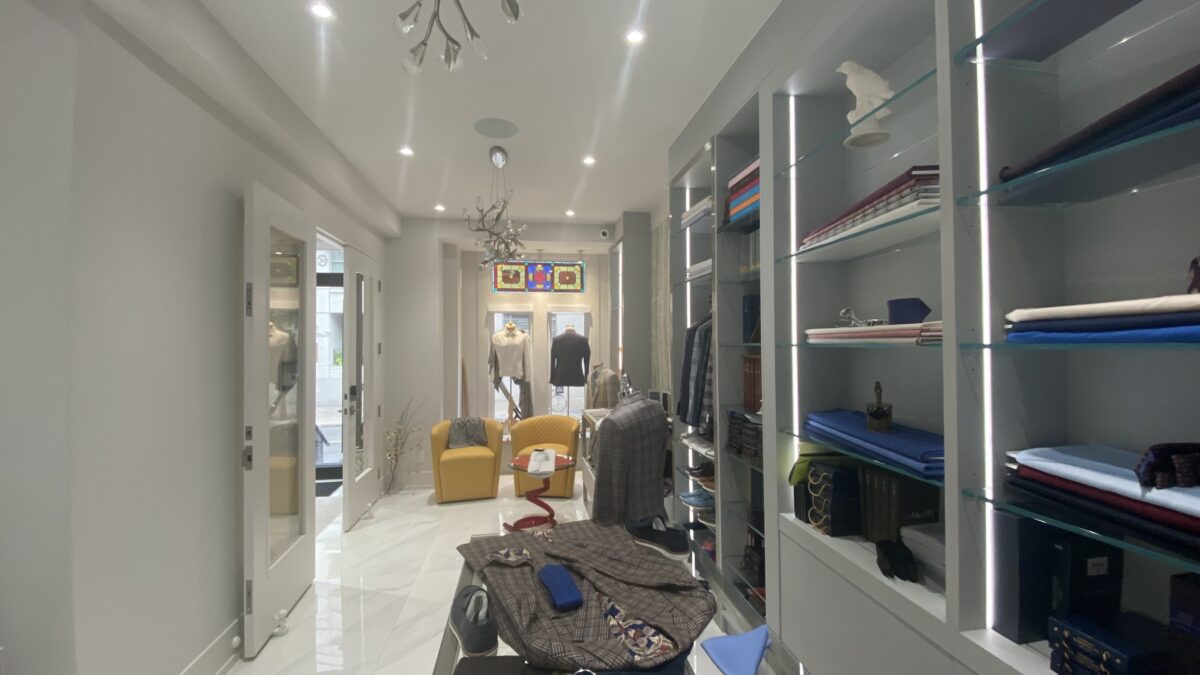
Inside the new Erol Custom Tailor Ltd. at 74 Scollard Street in Toronto. Photo: Craig Patterson Inside the new Erol Custom Tailor Ltd. at 74 Scollard Street in Toronto. Photo: Craig Patterson
The new location on Scollard Street, which Bayram purchased and extensively renovated over the course of a year, represents a significant upgrade from his previous premises. Bayram described the meticulous attention to detail that went into creating the space. The showroom boasts a sophisticated white interior with marble floors, custom chandeliers, and specially designed mirrors, creating an atmosphere that reflects the quality and craftsmanship of the garments on offer.
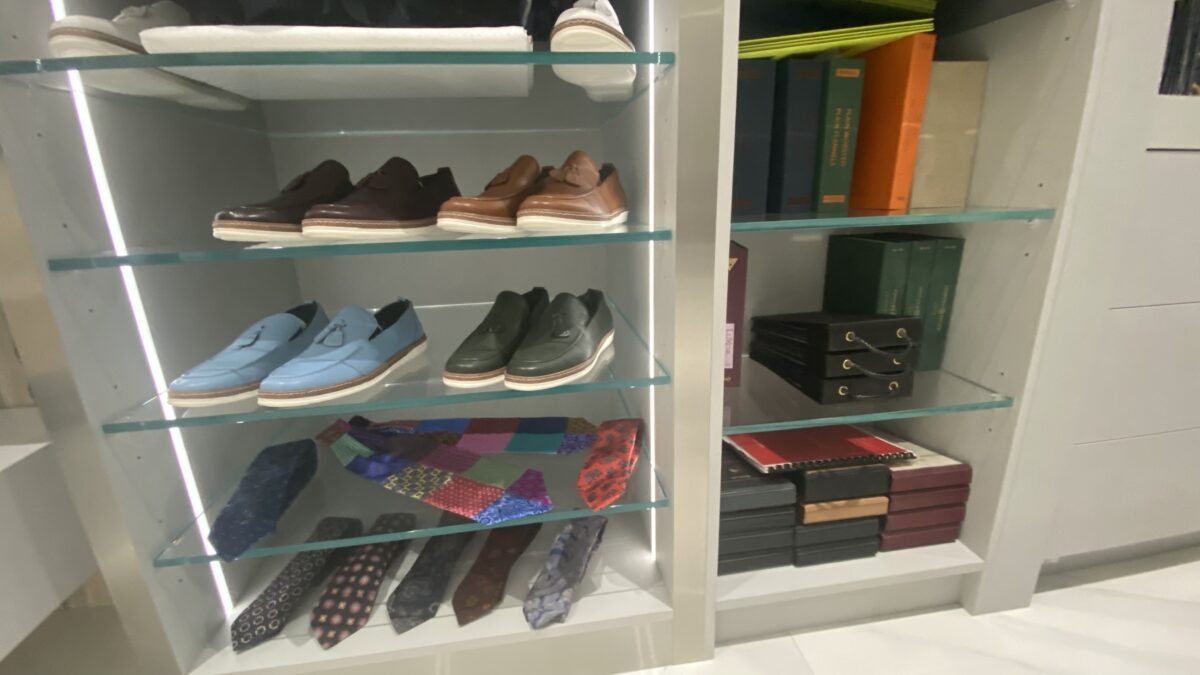
Erol Custom Tailors’ collection spans a wide range of bespoke clothing and accessories. Bayram says he takes pride in his organic denim jeans, which he describes as a “dress style, with stretch, and very comfortable.” The showroom also features a selection of shoes crafted from soft leather, sourced and manufactured to Bayram’s specifications in Istanbul, Turkey.
Row of heritage buildings on Scollard Street. Photo: Craig PattersonErol Bayram custom fitting a jacket for a client. Photo: Erol Custom TailorInside the new Erol Custom Tailor Ltd. at 74 Scollard Street in Toronto. Photo: Craig Patterson
Erol Bayram
While men’s suiting remains a cornerstone of the business, Bayram has expanded his offerings to include women’s wear. His collection for women features blazers described as having a “very classy, dressy style,” along with high-rise dress pants and skirts. The tailor also offers remodeling services, breathing new life into clients’ existing garments through creative redesigns.
Bayram works with high-end fabrics from renowned mills such as Loro Piana, Scabal, and Holland & Sherry. The dedication to superior textiles, combined with his mastery of tailoring techniques, has earned him a loyal clientele who say that they appreciate the comfort and styles of his creations.
Bayram works below the showroom — a narrow staircase leads to the lower level, where Bayram has set up his workshop. This area houses specialized machinery for cutting and crafting garments, allowing for on-site customization and alterations. The building also features ample storage space, crucial for maintaining an inventory of fabrics and finished pieces.
Former Erol Custom Tailors location at 1300 Bay Street. Photo: Brown Management Services
Looking to the future, Bayram plans to expand his ready-to-wear offerings. “Later on, I’m going to start custom dress shirts,” he said. He also anticipates growing his fabric selection, with new stock already on order to enhance the in-store display.
More photos of Erol Custom Tailor at 74 Scollard Street in Toronto:
Erol Bayram creating a custom jacket for a female client. Photo: Erol Custom TailorInside the new Erol Custom Tailor Ltd. at 74 Scollard Street in Toronto. Photo: Craig Patterson Inside the new Erol Custom Tailor Ltd. at 74 Scollard Street in Toronto. Photo: Craig Patterson Inside the new Erol Custom Tailor Ltd. at 74 Scollard Street in Toronto. Photo: Craig Patterson Inside the new Erol Custom Tailor Ltd. at 74 Scollard Street in Toronto. Photo: Craig Patterson
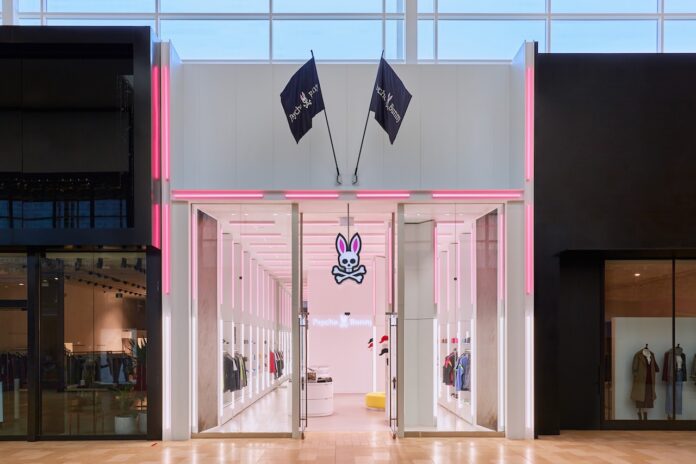
Psycho Bunny at Yorkdale Shopping Centre (Image: Psycho Bunny)
Premium menswear brand Psycho Bunny is in expansion mode these days as it aggressively rolls out new stores in Canada and abroad.
And it’s also engaging in strategic partnerships to continue to grow its presence in the retail landscape.
The brand will be opening its 100th North American store in Quebec City in November. There are about 60 stores in Latin America – Mexico, Colombia, Panama and some of the Caribbean islands. There’s one store in Dubai and a new store coming soon in Kuwait. Next week it’s opening in South Africa. The brand has 15 stores in Canada.
“It started off call it in 2018, 2019 where the first pop up store was opened in Florida. It’s kind of the beginning of the story of the pretty rapid expansion in terms of North America,” said Martini. “It was a pop up store that was hugely accepted from the point of view of people falling in love with the brand instantaneously. So that sort of started off the rollout of the stores.
“And even through COVID Psycho Bunny was opening stores in the U.S. So we only started opening in Canada at the end of 2022.”
Psycho Bunny looking for premier shopping malls
Martini said Canada has amazing retail real estate across the country.
“So for sure, we’re looking to partner with premier shopping malls in the country. And we have a few. If you look at our Canadian portfolio, we have definitely already entered into amazing shopping centres in Canada. So obviously, we look for shopping centres that have pretty high traffic, like most retailers do. One is a great location within the mall. Two the great mall is high traffic, great, great co-tenancy – all of the ingredients that make for it to be like a great shopping centre.”
She said the brand is also opening at Vaughan Mills in a couple of weeks.
“Next year again we already have some stores, you know, in the roster. So next year we’re going to be continuing our expansion in North America. Obviously we’d like to open in Calgary, so we’re working closely with the landlord to see if we try and find a spot there because we are in Alberta at West Edmonton Mall, and in Vancouver, we got three stores in Vancouver. So Calgary is hopefully going to be our next market, untapped market. We’re looking at a few things, looking at Ottawa and also in Greater Toronto, Greater Montreal, we still have room for expansion in these existing markets,” added Martini.
She said the brand is successful because it’s premium, high quality product with 80 per cent of the products sourced out of Peru with premium Pima Cotton.
“And second thing is our guy, so our muse, his name is Liam. He’s the guy that we think about every day as we’re designing products, as we’re figuring out what we’re going to do from a marketing perspective, what we do in terms of store and store experience. So we’re really focused on being a big part of Liam’s life, whether it’s his work life, his casual hanging out with the guys, or going on a date. He’s really our focal point, and that’s been obviously an important part of our success.
“And of course our Psycho Bunny logo, which brings a smile to most people when they look at this logo. So it’s fun with a little bit of edge. A little bit of edge is always good in life.”
This year it completed its first year in partnership with Tennis Canada.
Photo courtesy of Tennis Canada
“We really love the space, the tennis space. We think it’s very aligned to Liam and to the Psycho Bunny brand . . . We wanted to create beautiful product for what we would call all the ball boys and all the people that are working, all the volunteers at the tennis tournament, everybody from the ball boy to the security guard (at the National Bank Open),” said Martini.
“We had pop up shops basically on premises for both Montreal and Toronto. So it was a great place for us to meet and greet existing customers, new customers, and bring the brand to life in a great environment. The thing about tennis it’s a it’s a beautiful sport, it’s an elegant sport. It’s competitive, it’s fun, it’s bold. And Psycho Bunny is a bold brand. So the fit’s pretty amazing.”
The multi-year Tennis Canada partnership will see Psycho Bunny as the official athletic apparel sponsor of all the Canadian teams. The brand also launched a new consumer lifestyle collection, which includes their cult-favorite polos, hoodies, sweatshirts, track jackets and more. Psycho Bunny’s partnership with Metaverse Group and Super League in launching their Summer Splash Storefront in Roblox led to the inventory selling out in the first 30 minutes.
Martini said that with the success Psycho Bunny has had with Tennis Canada it is looking at other potential partnerships, both in Canada, in the US.
“We’re working on a few right now, so hopefully we’ll have a few things to announce for next year,” she added.
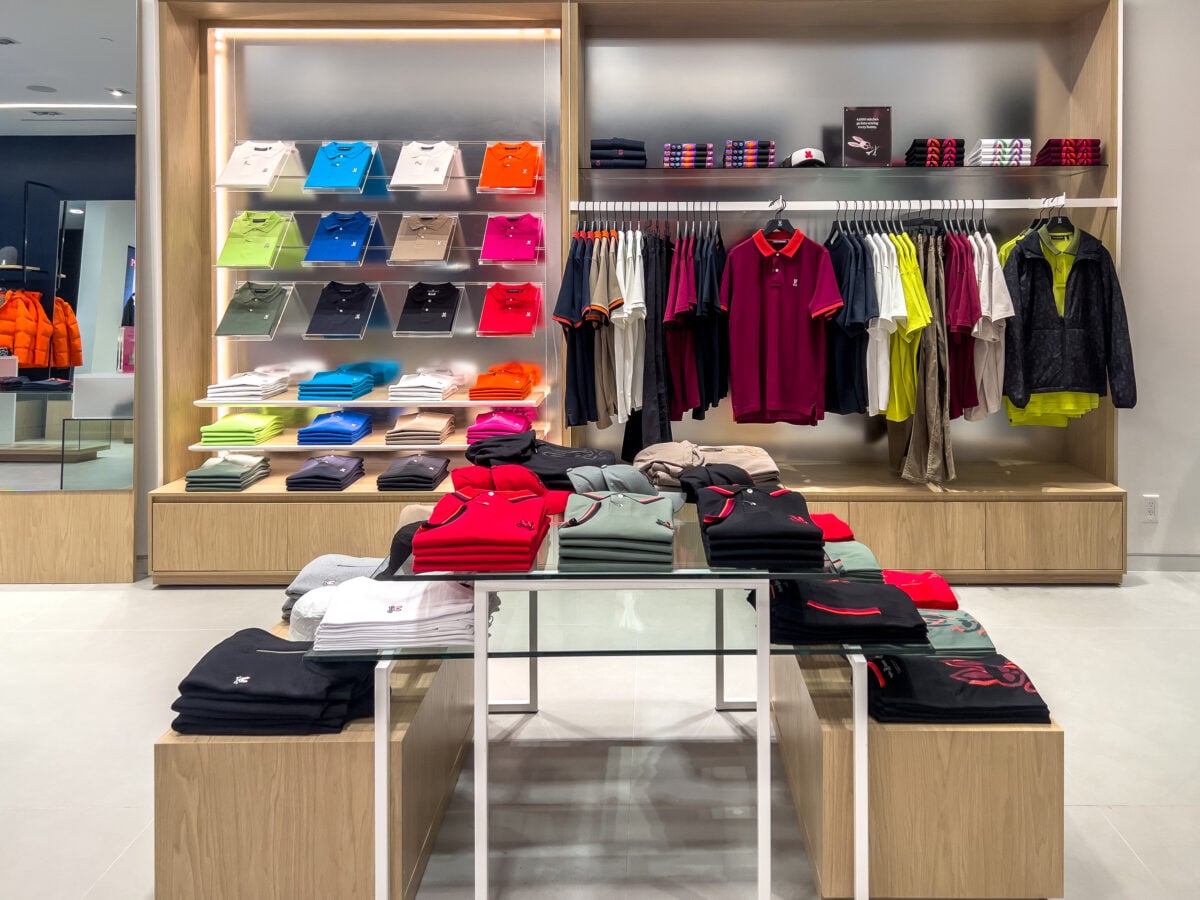
Inside of one of the Psycho Bunny stores (Photo courtesy of Psycho Bunny)
Canada Sees Coffee Price Surge Amid Declining Agricultural Commodity Prices
Most agricultural commodities are experiencing price drops compared to last year, including staples like wheat, corn, barley, and canola. Even cocoa, which hit a historical high less than a year ago, has seen a decrease.
However, coffee prices remain an outlier, with arabica coffee hitting a 13-year high. Currently, a pound of arabica coffee costs $2.70 U.S., reflecting an increase of over 80% since September of last year. This surge is largely due to severe droughts and wildfires in Brazil and Vietnam, the world’s top coffee producers, which together account for around half of the global coffee bean production.
A cup of coffee that might be getting a little more expensive in Canada in the coming months, says Dr. Sylvain Charlebois. Photo: iStock
Will Coffee Chains in Canada Increase Prices?
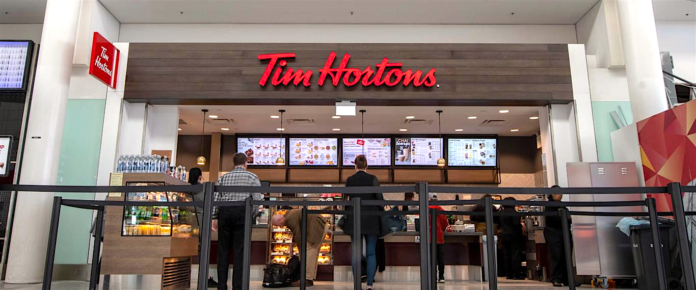
Historically, companies like Tim Hortons raised prices during coffee price surges, as they did in 2011 when coffee prices spiked. However, it’s important to note that the cost of coffee beans typically comprises a small portion—between 5% to 10%—of the total price of a cup of coffee at large chains. The bulk of the price goes toward covering labour, rent, utilities, and other operational costs. As such, while we can expect some price adjustments, drastic increases are unlikely in the short term.
The fluctuation in coffee prices over time is primarily driven by climatic factors. Arabica coffee requires specific growing conditions, and the regions suitable for its cultivation are shrinking due to climate change. Meanwhile, global demand continues to grow, especially in emerging markets like China and India, where coffee consumption is on the rise despite their traditional preference for tea.
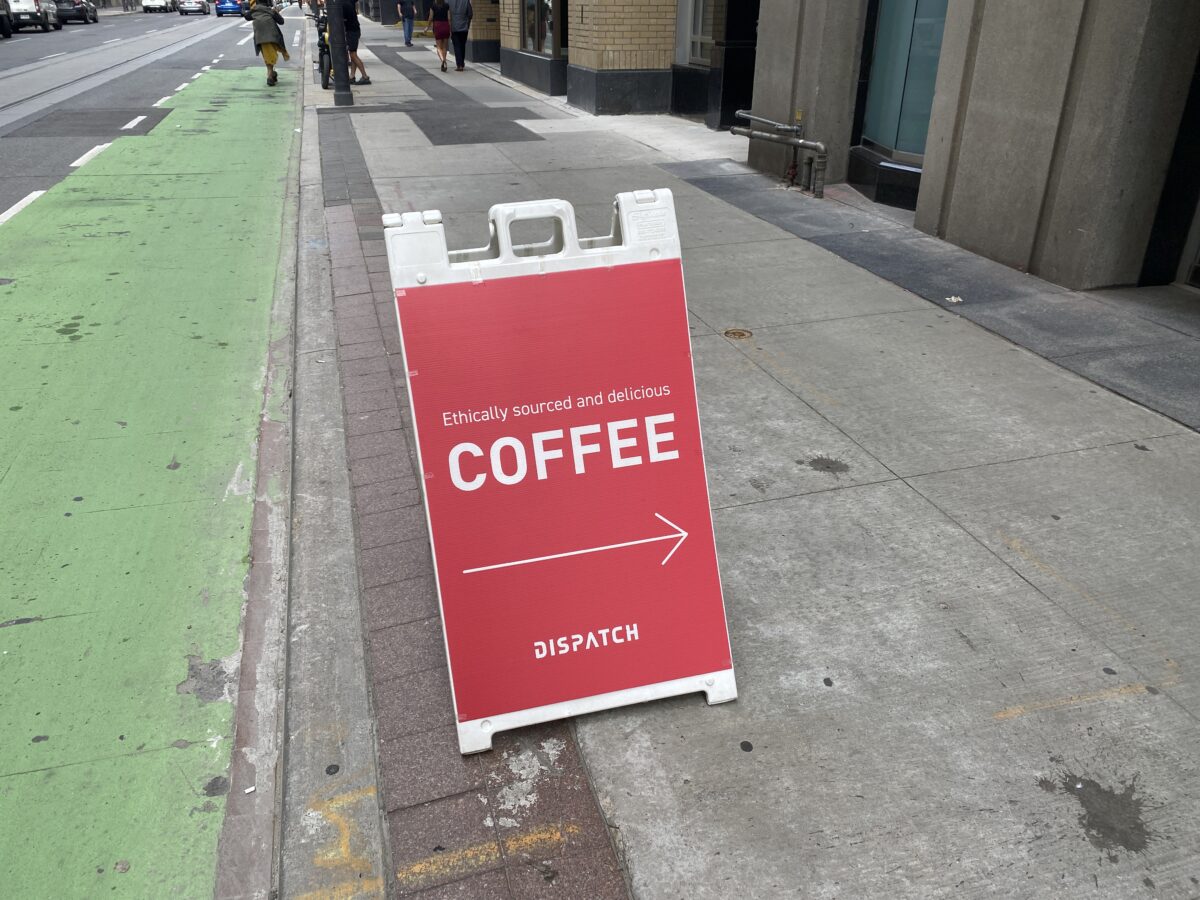
Dispatch Coffee on Bay Street in Toronto (Image: Dustin Fuhs)
Canada’s Coffee Culture and Consumption Rankings
Canada, too, is a significant coffee-consuming nation, ranking 11th globally with an average of 1.57 cups per person per day. Coffee is deeply embedded in the daily routines of Canadians, with the average individual expected to drink around 35,000 cups of coffee over their lifetime. However, countries like Luxembourg, Finland, Sweden, and Norway boast even higher per capita coffee consumption, with people drinking more than five cups a day in some cases.
With coffee being one of the most traded commodities globally, there’s growing interest in producing it more sustainably through lab-grown methods. Research on lab-grown coffee has been ongoing since the 1970s, but only recently have we seen more serious advancements in replicating the taste and aroma of traditionally farmed coffee. A study by the VTT Technical Research Centre of Finland suggests that lab-grown coffee could eventually match the flavour profile of conventional coffee, and there’s optimism about the scalability of the technology.
Good Earth Coffeehouse Sunridge Mall (Image: Good Earth Coffeehouse)
Investments Pouring Into Lab-Grown Coffee Startups
The lab-grown coffee sector has attracted significant investments in the last two years. Atomo Coffee, for example, has raised millions to develop molecular coffee made from plant waste. Other startups are collectively raising tens of millions of dollars to create sustainable coffee alternatives that reduce water use, carbon emissions, and the need for deforestation linked to traditional coffee farming.
However, until lab-grown coffee becomes mainstream, it is unlikely that consumers will see lower coffee prices. For now, stocking up on coffee beans when prices dip may be the best strategy for coffee lovers to manage rising costs.
The Marine Building at 1411 Peel Street (at Ste-Catherine) in Montreal. Photo supplied
Located at the intersection of Sainte-Catherine and Peel Streets in downtown Montreal, the Marine Building offers boutique Class A office space across five floors, with three levels of retail at its base.
Constructed in 1989 by Sheldon Mintzberg, who continues to manage the building as owner and CEO of the Marine Group, this property combines high-quality materials with thoughtful design.
The office spaces are beautifully renovated, providing modern features in a historical context. Additionally, the building’s lobby has undergone recent upgrades, featuring escalators, marble walls and flooring, and unique artwork, adding to the professional atmosphere.
Available spaces include:
Third floor: 6,429 sq. ft. (suite 300)
Fifth floor: ~5,400 sq. ft.
Sixth floor: 2,984 sq. ft. (suite 600) and 3,046 sq. ft. (suite 602)
Seventh floor: 3,700 sq. ft. (suite 701)
The Marine Building is directly connected to downtown Montreal’s underground pedestrian network, offering indoor access to the STM Metro (Peel Station) and the upcoming REM system. Parking facilities are also available nearby, along with on-site parking connected to the Underground City.
For leasing inquiries, contact Kyle Mintzberg of the Marine Group:
Office lobby of the Marine Building at 1411 Peel Street in Montreal. Photo supplied.Office space at the Marine Building at 1411 Peel Street in Montreal. Photo supplied.Unique light show as part of the art in the office lobby of the Marine Building at 1411 Peel Street in Montreal. Photo supplied.
*Retail Insider has partnered with the Marine Group for editorial, including this advertisement ahead of ICSC@CANADA in Toronto next month. To work with Retail Insider, contact Craig Patterson at craig@retail-insider.com
Retail Insider is streamlining its Canadian retail news from around the web to include a handful of top news stories that can be viewed quickly during the day. Here are the top stories from the past 24 hours.
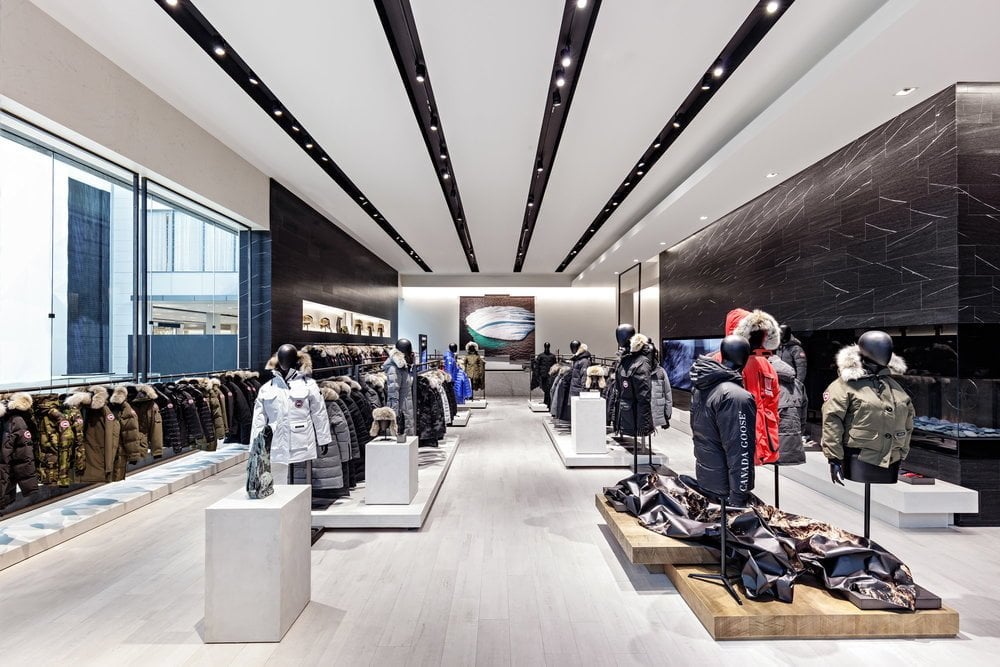
Canada Goose store in London. Rendering: Canada Goose
Canada Goose Holdings, Inc. is undergoing a strategic transformation in response to evolving market conditions. The company’s recent financial performance highlights both the challenges and opportunities it faces as it shifts focus from wholesale channels to a more direct-to-consumer (DTC) model, all within the context of a complex retail environment.
Financial Performance Overview
In the first quarter of fiscal year 2025, Canada Goose exceeded market expectations, reporting an adjusted loss per share of C$0.79, a result that outpaced consensus estimates. This was largely due to stronger-than-anticipated sales and more efficient management of selling, general, and administrative (SG&A) expenses. This positive outcome, during a traditionally slow period for outerwear sales, demonstrates the company’s resilience and operational prowess.
For the full fiscal year 2024, which concluded prior to the release of the Q1 FY2025 results, Canada Goose reported robust growth across all its major regions, showing improved profitability year-over-year. The final quarter of FY2024 saw adjusted earnings per share (EPS) of C$0.19, surpassing expectations once again, thanks to increased sales and strong SG&A management. Looking ahead, analysts project a cautious yet optimistic outlook for fiscal year 2025, forecasting an EPS of USD 1.13, with expectations for USD 1.23 in the subsequent year.
Canada Goose on Peel Street in Montreal. PHOTO: MAXIME FRECHETTE
Strategic Shift to Direct-to-Consumer Sales
Central to Canada Goose’s current strategy is its shift towards direct-to-consumer sales, a move that reflects broader retail trends. Wholesale revenues saw a significant year-over-year decline of 41.7%, as the company continues to pull back from traditional sales channels. While the drop in wholesale may initially seem concerning, it is a deliberate part of the company’s long-term plan to streamline operations, enhance customer engagement, and improve profit margins.
By reducing its reliance on third-party retailers, Canada Goose aims to take greater control of its brand narrative and product distribution. The DTC model presents opportunities for higher margins, better customer data access, and more personalized shopping experiences, all of which can contribute to long-term growth. As the company refines its DTC operations, it may also benefit from stronger pricing control and less dependency on markdowns and promotions often seen in wholesale partnerships.
This shift reflects one of the company’s strengths, being its ability to adapt quickly to a changing market while leveraging strong brand recognition in the luxury outerwear sector. Additionally, Canada Goose’s improved profitability and performance across regions highlight its operational efficiency. However, the significant drop in wholesale revenues also underscores a weakness, as the company has historically relied on these partnerships for stable, predictable revenue streams.
Canada Goose opens its doors in the city it calls home, Toronto Yorkdale (CNW Group/Canada Goose)
Regional Performance Variability
Canada Goose’s performance varies significantly across regions, with the Asia-Pacific (APAC) market leading growth in recent quarters. The brand’s strong appeal in luxury-driven markets in APAC, particularly China, highlights its potential to capture the growing affluence in the region. However, North America (NA) and the Europe, Middle East, and Africa (EMEA) regions have presented more mixed results, partially offsetting the gains made in APAC. As Canada Goose continues to navigate these mature markets, maintaining its premium brand positioning while addressing shifting consumer preferences and economic conditions will be key.
The APAC market presents a major opportunity for Canada Goose to expand its presence in luxury-focused regions. The company is well-positioned to capitalize on rising demand for high-end products, particularly in markets like China, where the appetite for luxury goods continues to grow. At the same time, however, challenges in North America and EMEA reflect a potential threat as the company works to maintain growth in more saturated and competitive markets. Economic uncertainties and changing consumer preferences in these regions could further complicate its expansion strategy.
EXTERIOR OF CANADA GOOSE STORE AT YORKDALE SHOPPING CENTRE. PHOTO: JM
Challenges and Growth Prospects
Despite a strong first quarter and overall fiscal year performance, analysts remain cautious about Canada Goose’s growth potential in the near term, primarily due to the sharp decline in wholesale revenue. The wholesale segment, which has traditionally provided a stable source of income, has seen its contraction accelerate as the company pivots towards DTC. This may lead to challenges in cash flow forecasting and could impact relationships with long-standing retail partners, affecting the brand’s visibility in certain markets.
Canada Goose’s heavy reliance on cold-weather apparel, while a hallmark of its brand, also presents a weakness and a risk. Seasonal fluctuations and the broader impacts of climate change could reduce demand for winter outerwear, complicating efforts to sustain growth. Furthermore, there’s the threat of increased competition in the premium outerwear market, as brands like Moncler and The North Face continue to innovate and appeal to the same luxury-oriented customer base.
Opportunities for Long-Term Profitability
The shift to a DTC model, while presenting near-term challenges, could enhance Canada Goose’s profitability over the long run. By eliminating middlemen, the company can capture a greater share of the retail price, improve inventory management, and maintain tighter control over brand experience. Direct interaction with customers via e-commerce and owned retail stores will provide valuable insights, enabling Canada Goose to adapt more quickly to market trends and consumer preferences.
Analysts also point to the potential for margin expansion as the company optimizes its DTC operations. With the opportunity to realize economies of scale in its retail and e-commerce channels, Canada Goose could see improved operational efficiencies. Furthermore, the reduction of wholesale business means less reliance on promotional activity, preserving the premium image of the brand and allowing for better pricing strategies. These opportunities for margin growth, particularly through optimized operations and global expansion, position Canada Goose well for long-term success.
As the company continues to focus on expanding into higher-margin product categories and exploring local production in key markets, there is potential for further margin growth. These efforts could help bolster profitability and support Canada Goose’s ambition to become a more agile and efficient luxury brand in a competitive global market.
Conclusion
Canada Goose’s ongoing transition to a direct-to-consumer model represents both an opportunity and a challenge for the company. While the sharp decline in wholesale revenues may cause short-term disruptions, the shift is strategically aligned with long-term growth and profitability. Success will depend on the company’s ability to navigate a complex retail landscape while leveraging its brand strength and customer loyalty to achieve sustained growth in the years to come.
Peak Achievement Athletics Inc. announced Monday that certain affiliates of Fairfax Financial Holdings Limited will acquire all the equity interests in Peak currently owned by Sagard Holdings Inc., giving Fairfax control over Peak and its stable of brands including Bauer Hockey, Cascade Lacrosse and Maverik Lacrosse.
Ed Kinnaly
“We couldn’t be happier that Fairfax has decided to acquire controlling ownership of our portfolio of brands. Fairfax has been an incredible partner over the past seven years, and we’re thrilled to solidify this new long-term relationship. Having Bauer Hockey remain with Canadian ownership reflects the importance of the sport within Canadian culture. With Fairfax’s ongoing support the opportunity for our business potential is limitless,” said Ed Kinnaly, Chief Executive Officer of Peak, in a news release. “We also want to thank Sagard for the partnership over the past seven years and their leadership in helping to grow Peak’s brands to the leadership positions they hold today.”
V. Prem Watsa (Photo from Horatio Alger Association of Canada website)
“We are very excited to increase our ownership in Bauer, led by Ed Kinnaly, which has over many years cultivated Bauer as the most iconic and successful hockey brand in the world,” said Prem Watsa, Chairman and Chief Executive Officer of Fairfax. “Ed and his leadership team have positioned Bauer for growth and continued success for many years to come. We are very thankful to Paul Desmarais III and Sagard for what has been a valuable and rewarding partnership in owning Bauer together, and we wish them all the best in the future.”
In 2017, Fairfax and Sagard purchased Peak, which has a portfolio of leading global brands that includes BAUER, CASCADE and MAVERIK. With its roots starting in Kitchener, Ontario, in 1927, Bauer Hockey is the leading hockey equipment and apparel manufacturer in the world and the No. 1 brand in the game. Cascade Lacrosse and Maverik Lacrosse combine to be the leader in lacrosse head protection and equipment.
The transaction is expected to close in the fourth quarter of 2024.
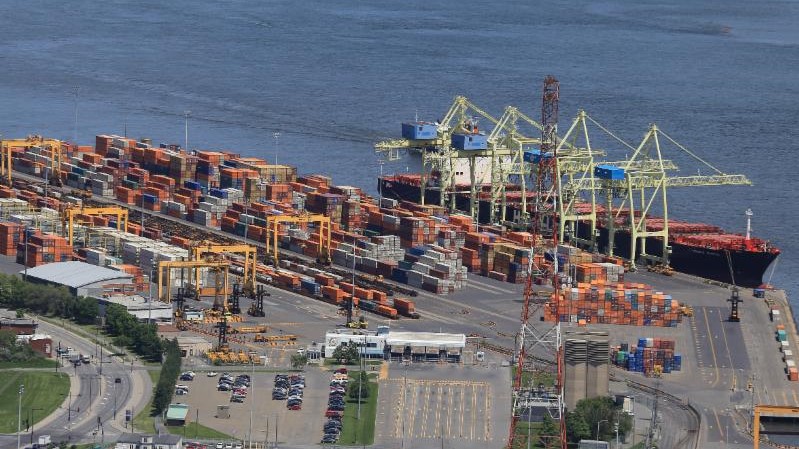
The union representing longshore workers at the Port of Montreal has initiated a three-day strike, significantly impacting operations at the port’s Viau and Maisonneuve Termont terminals.
Approximately 350 workers, affiliated with the Canadian Union of Public Employees (CUPE), are participating in the work stoppage, which began at 7 a.m. Monday morning. The strike, set to continue until Thursday, stems from ongoing contract disputes, as the workers’ agreement with the Maritime Employers Association expired on December 31, 2023.
The Maritime Employers Association (MEA) expressed its disappointment in a statement, indicating that despite efforts to avoid disruption—including mediation and an emergency meeting with the Canada Industrial Relations Board—negotiations have reached an impasse. The MEA emphasized that they had “tried all possible means” to avoid the strike, though these efforts proved unsuccessful.
This strike has the potential to disrupt trade significantly, as the Port of Montreal is a key point for Canadian imports and exports. The port handles approximately 40 million tonnes of goods annually, including consumer products for retailers, vital resources like fuel, and industrial materials. As the strike progresses, various industries dependent on the port’s supply chain may face delays, potentially causing ripple effects across the country.
Photo: Port of Montreal
The strike follows years of escalating tensions between the union and employers over working conditions, including wages, job security, and scheduling concerns. In 2021, the union launched a similar work stoppage that led to widespread delays and cost businesses millions in lost revenue. This latest strike threatens to replicate that impact, with the possibility of prolonged economic consequences if the dispute isn’t resolved swiftly.
Montreal’s port authority is urging both sides to return to the bargaining table to reach a resolution, as the strike adds pressure on an already strained supply chain. The global logistics industry has faced mounting challenges due to the pandemic and inflationary pressures, and additional labor disruptions could exacerbate these issues.
The union has stated that it remains open to further dialogue but maintains that their members deserve fairer working conditions. With the strike ongoing, the situation at the Port of Montreal remains critical, with all eyes on potential developments as Thursday’s deadline approaches.
The retail trade sector (+1.0 per cent) was the largest contributor to overall growth of Canada’s GDP in July, recording a second consecutive increase and the sector’s largest monthly growth rate since January 2023, reports Statistics Canada.
“Most subsectors expanded in July 2024 with motor vehicles and parts dealers (+2.8 per cent) contributing the most to growth, driven by higher retailing activity at new car dealers which more than offset the previous month’s decline. A contraction at gasoline stations (-1.8 per cent) tempered the overall growth in the sector,” says the federal agency.
In a recent report, StatsCan said real gross domestic product was up 0.2 per cent in July, following essentially no change in June. Despite negative impacts from wildfires on transportation and warehousing and accommodation services, the services-producing industries grew 0.2 per cent in July, driven in large part by increases in the retail trade sector, the public sector and the finance and insurance sector. Goods-producing industries edged up 0.1 per cent, with the utilities and manufacturing sectors contributing the most to growth within this aggregate. Overall, 13 of 20 sectors expanded in July.
“Advance information indicates that real GDP was essentially unchanged in August. Increases in oil and gas extraction and the public sector were offset by decreases in manufacturing and transportation and warehousing. Owing to its preliminary nature, this estimate will be updated on October 31, 2024, with the release of the official GDP by industry data for August.”
Toronto’s Union Station, Canada’s busiest transit hub, is undergoing another phase of its ongoing transformation with the expansion of its Foodie Aisle this October.
Located on the lower level with direct access to Scotiabank Arena, the Foodie Aisle serves as a key part of the station’s revitalization, bringing a diverse selection of chef-driven, market-style eateries to the heart of downtown Toronto.
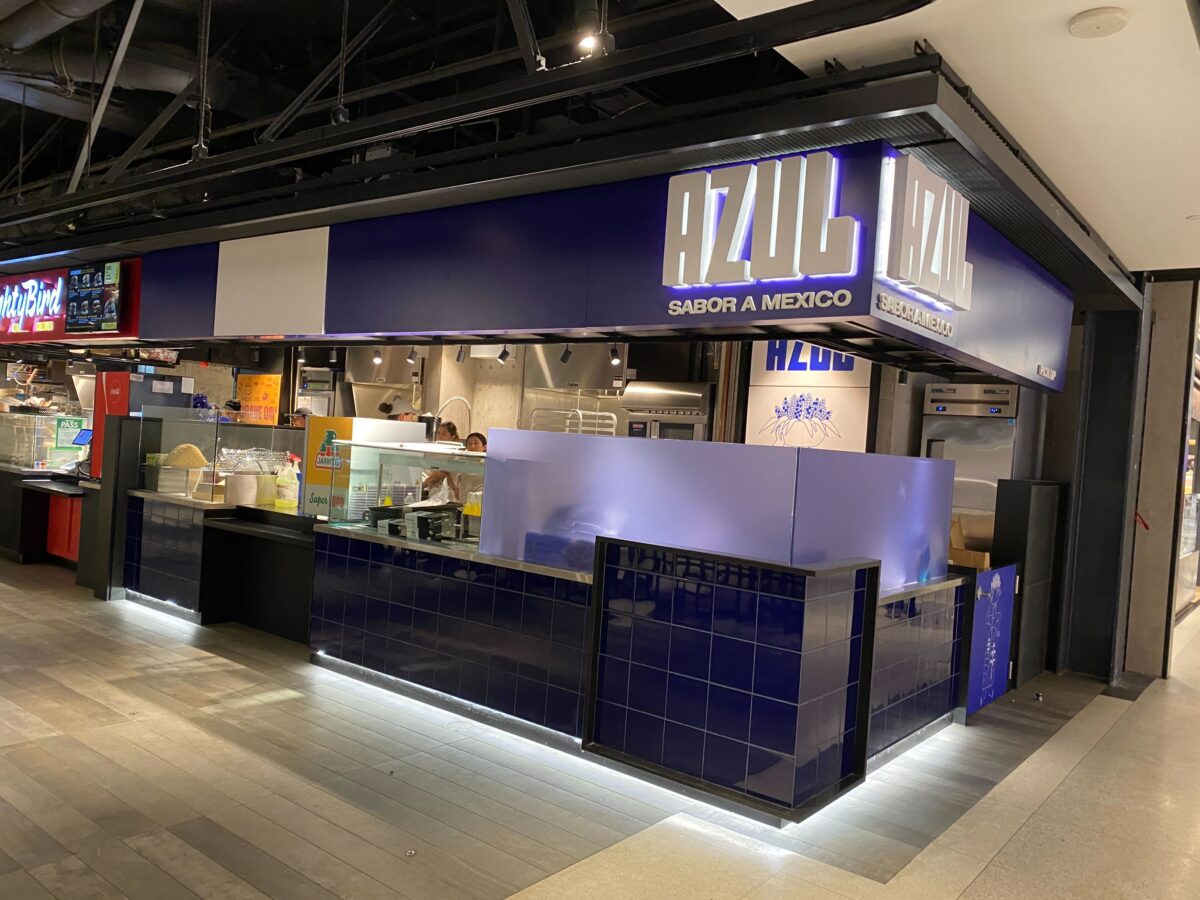
Azul at Union Station on September 30, 2024. Photo: Dustin Fuhs
The latest rotation of vendors, the first since the Foodie Aisle opened in 2021, introduces new culinary options that its landlord says reflect Toronto’s vibrant food culture.
Among the new additions are Azul, Tut’s Egyptian, and Blondies Pizza, each contributing unique offerings to the diverse mix of international and local cuisines:
Azul, led by Executive Chef Joao Medina, aims to redefine quick-service Mexican food with a focus on authenticity and quality. Known for bold flavors, Azul will offer a selection of traditional Mexican dishes tailored for busy commuters and sports fans.
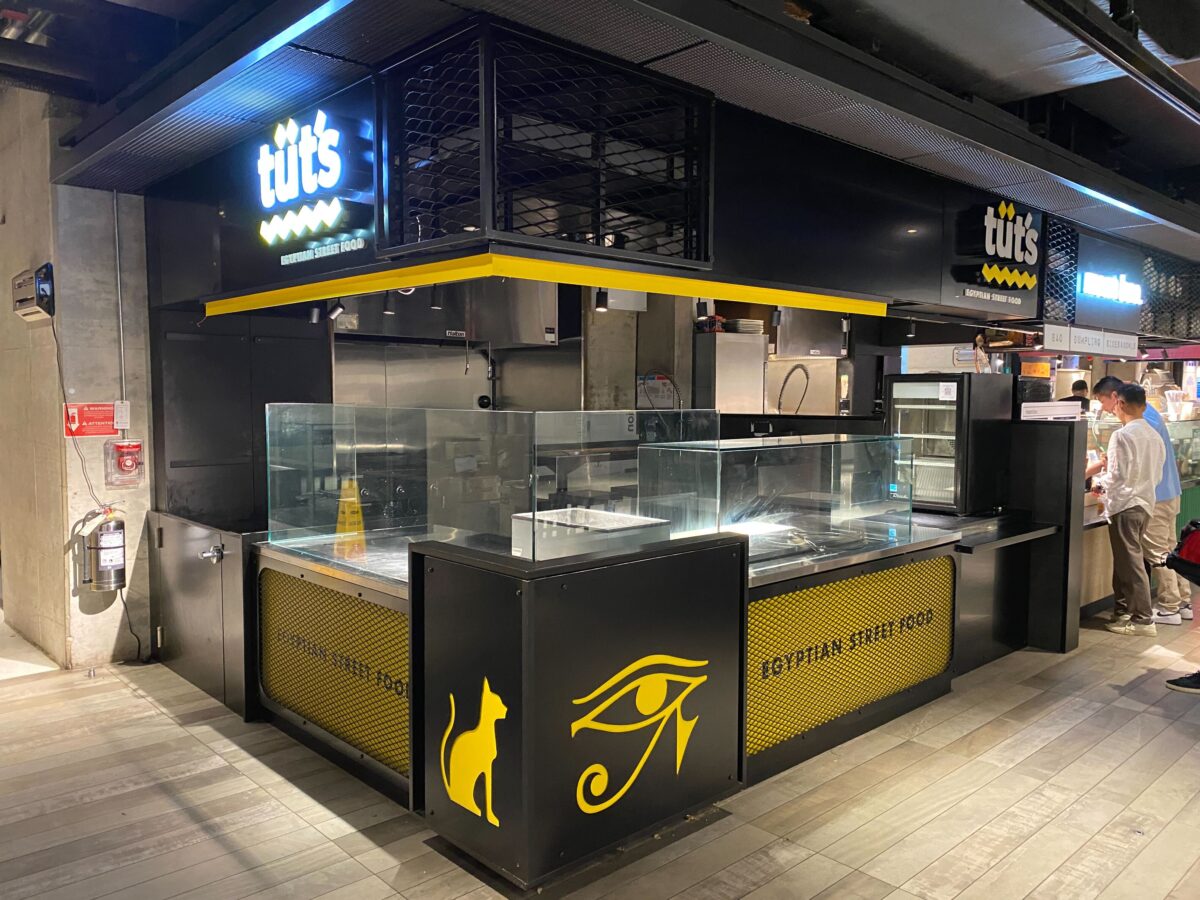
Tut’s Egyptian, which has already made a name for itself with locations in King & Portland, Mississauga, and Oakville, specializes in Egyptian sandwiches. This will be the vendor’s first foray into the downtown core, where it aims to introduce a modern take on Egyptian street food.
Blondies Pizza, a rising star in Toronto’s pizza scene, will bring its New York-style pizzas to Union Station in November. Since its founding in 2018 in Leslieville, Blondies has become known for its innovative approach to classic pies, utilizing high-quality toppings and ingredients.
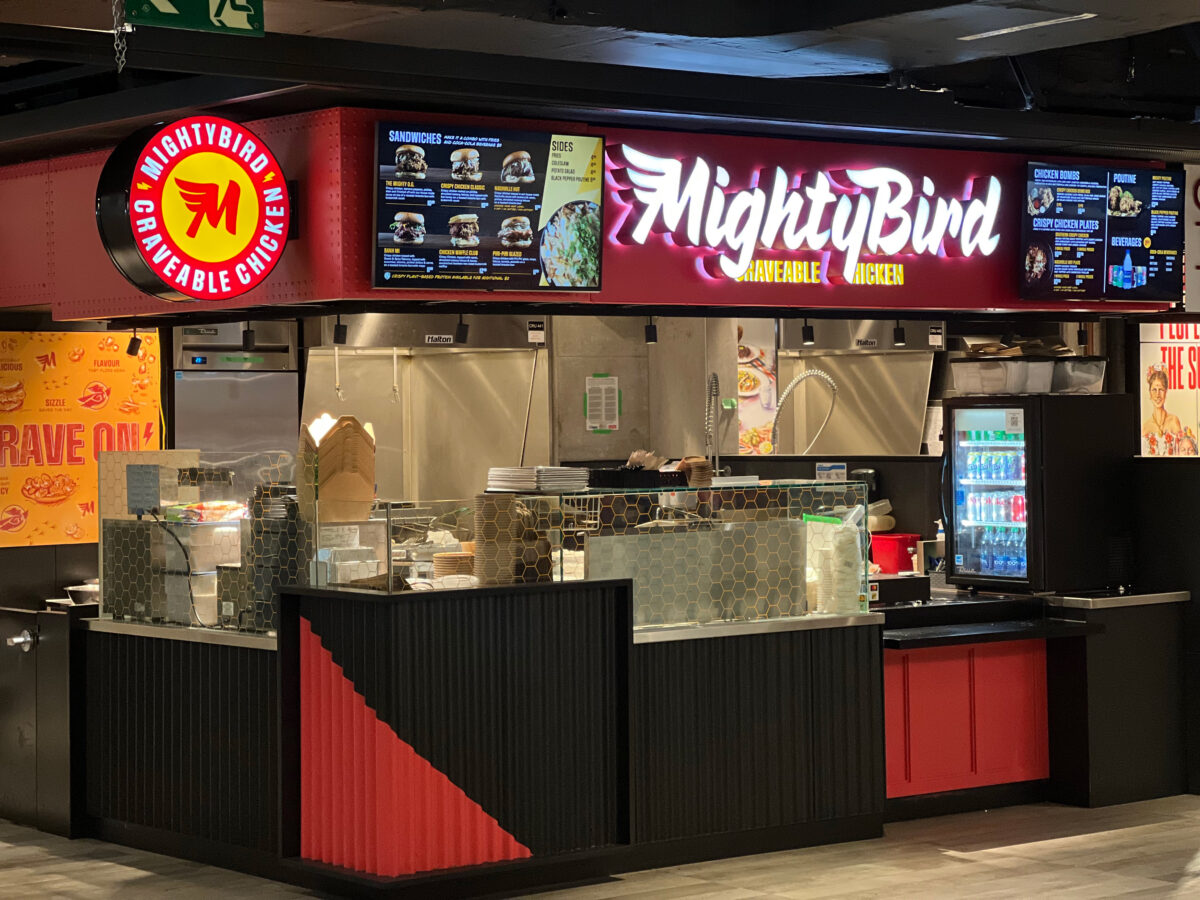
Tut’s Egyptian at Union Station in Toronto on September 30, 2024. Photo: Dustin FuhsMightyBird Union Station in Toronto (Image: MightyBird)
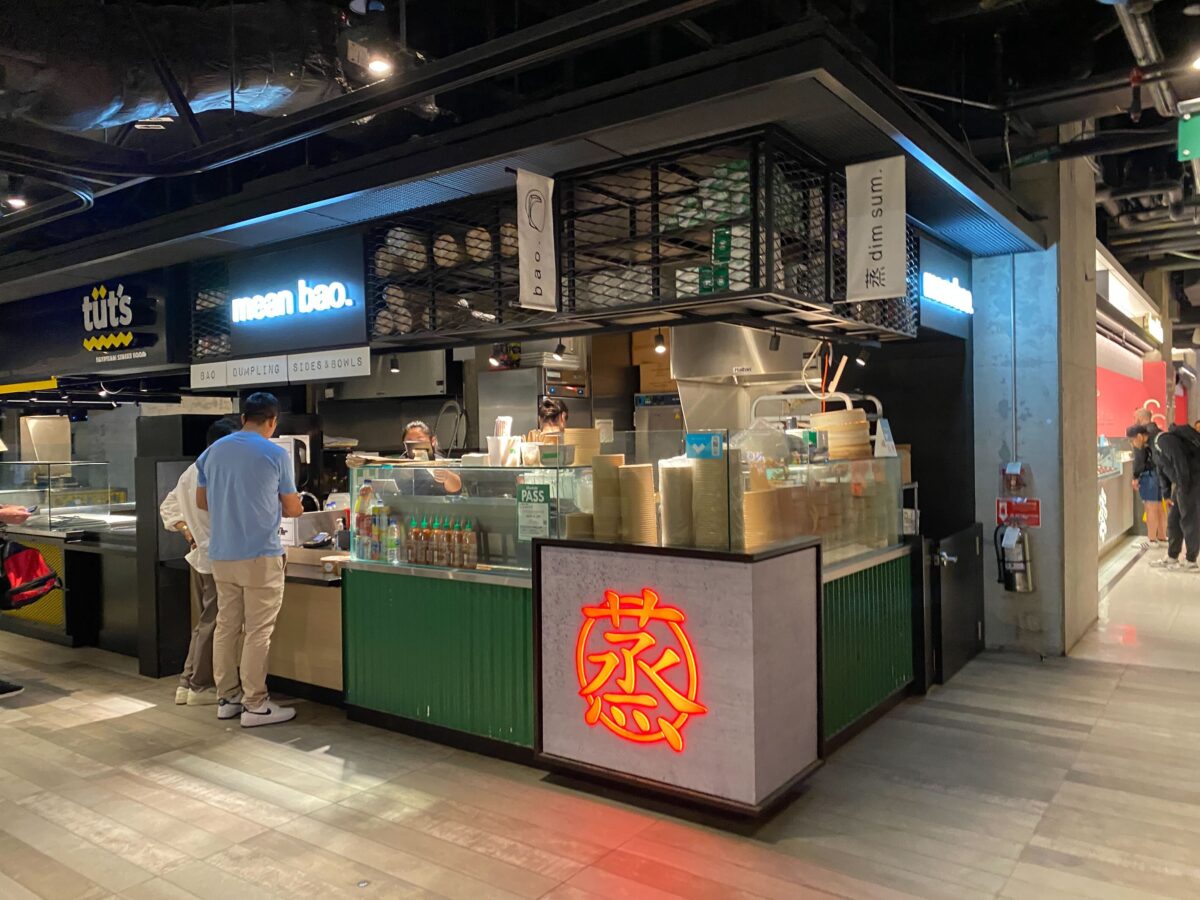
The new vendors join returning favourites, such as Mean Bao, known for its pillowy bao buns filled with savoury ingredients like pork belly and braised beef, and MightyBird, offering premium fried chicken dishes that have become popular for their bold flavours.
Part of a Broader Revitalization
The Foodie Aisle is just one element of Union Station’s larger redevelopment. The multi-phase project is transforming the station into a cultural and commercial hub, with plans to host over 75 retail and food vendors by its completion.
Mean Bao at Union Station in Toronto on September 30, 2024. Photo: Dustin Fuhs
The revitalization has already attracted international brands, including Sephora, Decathlon, %Arabica and Nespresso, while the newly opened Fresh Market provides groceries and specialty items from local vendors.
“Union is becoming a destination for food lovers,” said Lawrence Zucker, CEO of Osmington Inc. “Toronto is one of the best food cities in the world, and visitors and residents alike will now find high-quality food options at Union that reflect our city’s diverse culinary landscape”.
Toronto Union Station (Image: Dustin Fuhs)
A Culinary Gateway
Union Station’s strategic location between the Financial District, Scotiabank Arena, and the waterfront makes it a natural gathering place for both commuters and visitors.
The food hall concept emphasizes convenience while offering diverse options that range from dim sum and tacos to smash burgers and rotis. The ease of access to food has helped position Union Station as a culinary destination in its own right.