Welcome to the Daily Synopsis by Retail Insider. We hope you enjoy the 8 articles we published covering key developments in Canadian retail.
Jollibee plans a major Canadian expansion by adding 26 new franchised locations primarily in British Columbia and Edmonton. Vancouver’s retail market remains strong with resilience noted by Colliers through declining vacancy and rising sales plus opportunities from the FIFA World Cup tourism.
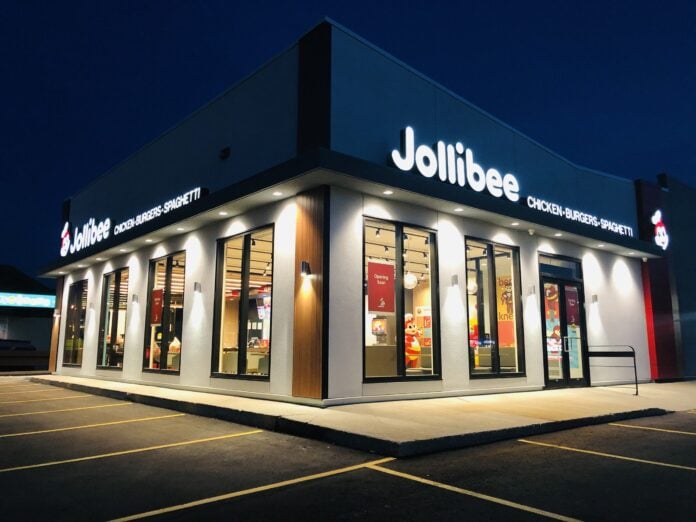
Jollibee is preparing for one of its largest periods of Canadian expansion since entering the country a decade ago, with 26 new restaurants committed through franchise development agreements in Western Canada.
The fast-food chain has entered into a multi-unit development agreement for 16 restaurants in British Columbia over the next five years, up from four Jollibee locations currently operating in the province. The agreement follows a separate commitment for 10 restaurants in the Edmonton market.
Together, the two agreements almost match Jollibee’s existing network of 28 company-operated locations across Canada. If all of the committed restaurants are developed and the existing network remains in place, the Canadian footprint would increase to at least 54 locations.
After spending much of its first decade in Canada building a company-operated network, Jollibee is now using experienced multi-unit franchise operators to accelerate development.
British Columbia Set for Major Jollibee Expansion
The British Columbia agreement was signed through JBM LLC, the Jollibee entity responsible for the company’s North American franchise program, with an experienced multi-brand food retail operator. The identity of the franchise operator has not been publicly disclosed.
Jollibee currently operates four restaurants in British Columbia, with two in Vancouver and two in Surrey. If all 16 restaurants included in the agreement are developed, the provincial network could eventually reach 20 locations.
Specific cities and sites have not been announced, leaving open how much of the development will be concentrated in Metro Vancouver and how broadly the chain could expand across the province.
Jollibee opened its first Vancouver restaurant in 2022. Its subsequent expansion included a location at Strawberry Hill in Surrey that became Jollibee’s 100th North American restaurant when it opened in early 2024.
“Canada continues to be an attractive growth market for Jollibee, supported by strong consumer demand, strong brand relevance, and increasing interest from experienced franchise operators,” said Richard Shin, Jollibee Group Chief Financial and Risk Officer and Jollibee Group International Chief Executive Officer.
“This latest agreement reflects the growing appeal of the Jollibee brand and our confidence in the long-term opportunity in Canada,” Shin added. “As we continue to expand through disciplined franchising, we remain focused on partnering with operators who share our commitment to operational excellence, sustainable growth, and building scale in priority markets.”
Edmonton Agreement Adds Another 10 Restaurants
Jollibee previously entered into a multi-unit development agreement for 10 restaurants in the Edmonton market, where the brand is already established.
The chain currently operates four restaurants in Edmonton. Alberta has eight locations overall, including three in Calgary and one in Red Deer, making it Jollibee’s second-largest provincial market after Ontario.
Individual locations and opening schedules for the 10 additional restaurants have not been disclosed. The commitment could substantially increase Jollibee’s presence in the Edmonton market, depending on where within the development territory the restaurants are located.
The Edmonton and B.C. agreements also illustrate the scale possible under the franchise model. Sixteen planned restaurants in B.C. compare with four currently operating across the province, while Edmonton has 10 additional restaurants committed against an existing base of four in the city.
JOLLIBEE MASCOT PHOTO: JOLLIBEE CANADA FACEBOOK
Canadian Network Could Nearly Double
Jollibee currently operates 28 restaurants across five provinces. Ontario is its largest Canadian market with 12 locations, followed by Alberta with eight, British Columbia with four, Manitoba with three and Saskatchewan with one. The chain does not currently operate restaurants in Quebec or Atlantic Canada.
The 26 restaurants covered by the two Western Canadian development agreements are equivalent to approximately 93 per cent of Jollibee’s existing Canadian footprint.
Multi-unit development agreements establish commitments to open restaurants over time, while individual projects remain subject to site selection, approvals, construction and other development considerations.
Jollibee spent roughly its first decade in Canada building a 28-location company-operated network. It has now secured commitments for almost the same number of additional restaurants through two franchise development agreements.
Franchising Opens a New Growth Phase
Jollibee historically relied on company-operated restaurants while establishing the brand in the United States and Canada. It later created JBM LLC to support a larger North American franchising strategy and began recruiting experienced restaurant operators capable of developing multiple locations.
By the end of 2025, Jollibee was describing its North American strategy as a transition from a strictly company-owned model toward a hybrid structure combining corporate and franchised restaurants.
Working with multi-unit operators gives Jollibee another way to build density in existing markets and enter new ones without relying exclusively on company-operated development. The company has emphasized that it is seeking franchise partners with substantial restaurant operating and multi-unit development experience.
The relatively small size of Jollibee’s existing Canadian network means even a handful of large development agreements could materially change its national footprint.
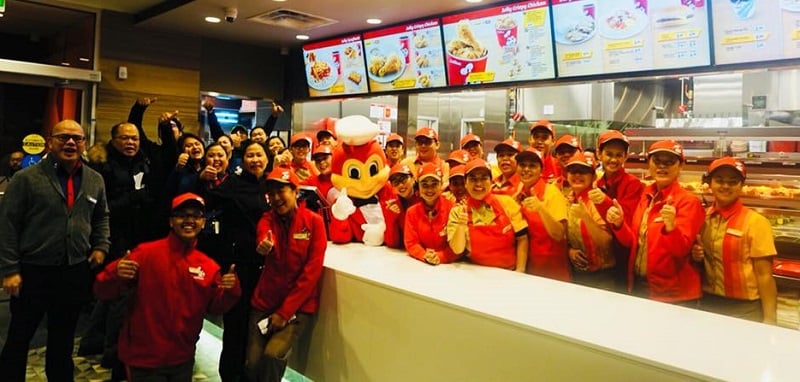
GRAND OPENING OF FIRST CANADIAN JOLLIBEE RESTAURANT IN WINNIPEG
New Restaurants Could Take Several Forms
Jollibee’s Canadian franchise program identifies several potential restaurant formats, including freestanding locations with or without drive-thrus, shopping-centre end caps, urban storefronts and mall locations.
That gives operators flexibility to pursue different sites depending on the market rather than relying on a single restaurant format, particularly as Jollibee adds density in metropolitan areas and expands into other trade areas.
For Canadian landlords and shopping-centre owners, the 26 committed restaurants could generate a substantial site-development pipeline over the next five years.
Jollibee Targets Larger North American Footprint
Earlier in 2026, Jollibee had 109 restaurants across the United States and Canada, including 81 in the U.S. and 28 in Canada. The company has outlined a target of 500 North American restaurants by 2030, with franchising expected to play an important role in reaching that scale.
Jollibee has also been signing agreements with experienced multi-unit operators in the United States. Its Canadian agreements extend that model north of the border as the company builds a larger North American franchise network.
The expansion comes alongside recent sales growth. Jollibee reported 6.8 per cent same-store sales growth for the brand in North America during the first quarter of 2026.
Jollibee is also working to broaden its appeal beyond the Filipino consumers who helped establish a strong following for the brand in the U.S. and Canada. Building a wider quick-service restaurant customer base will be increasingly important if the chain reaches the scale envisioned by its North American development plans.
More Canadian Markets Could Follow
The first large Canadian franchise commitments have been concentrated in Western Canada, but Jollibee says it continues to see franchise interest across the country and remains engaged with prospective partners in multiple provinces. It has not disclosed which markets could be next or announced additional Canadian development agreements.
The B.C. and Edmonton deals show how quickly Jollibee’s footprint can grow once multi-unit operators are secured. British Columbia could move from four restaurants to as many as 20 under one agreement, while the Edmonton market has another 10 restaurants committed on top of an existing base of four in the city.
Franchising could produce similar increases elsewhere if additional agreements are reached. Jollibee’s discussions with prospective operators across multiple provinces indicate that its Canadian franchise strategy extends beyond the two Western Canadian agreements, although no further markets have been confirmed.
That leaves considerable room for growth both in provinces where Jollibee already operates and in large parts of Canada where the chain has no presence today.
From Establishing the Brand to Building Scale
Jollibee opened its first Canadian restaurant in Winnipeg in December 2016 and subsequently expanded into Ontario, Alberta, Saskatchewan and British Columbia. Over roughly a decade, it established a 28-store company-operated network spanning five provinces.
With 26 franchised restaurants now committed in two Western Canadian markets and discussions underway with prospective operators elsewhere in the country, the company’s next stage of Canadian growth could move considerably faster.
The 16-store British Columbia agreement therefore carries significance beyond the province. It shows how Jollibee is moving from establishing the brand through a relatively small company-operated network toward using multi-unit franchise partners to build scale across Canada.
If that model expands beyond British Columbia and Edmonton, Jollibee’s Canadian footprint could ultimately grow well beyond the 54 restaurants represented by its existing network and current development commitments.
Despite unending tariff threats putting stress on retailers, fears of inflation, and a decrease to the population in British Columbia (B.C.), Metro Vancouver retail continues to be a resilient asset class, according to Colliers’ Greater Vancouver Retail Report, Mid-year 2026.
“Urban and suburban retail vacancies are slowly, but steadily, decreasing across the GVA while the average monthly retail sales in BC are steadily increasing month after month going into the second half of the year,” said the report.
“With a new developer for the former downtown flagship Hudson Bay Company space, retailers will wait and see on what will be done in the massive retail space with a heritage component. Opportunities may align for the space especially during a time historically low vacancy and new entrants entering the Metro Vancouver market. Overall projections for the rest of 2026 are optimistic with long tailed effects from FIFA World Cup 2026 increasing consumer spending even further.”
As of mid-year 2026, the Urban Retail Colliers Index Vacancy Rate is 2.96%, down from 2.99% at year-end 2025. Meanwhile, the Suburban Retail Colliers Index Vacancy Rate is 0.65% down from 0.81% at mid-year 2025. Average monthly retail sales for B.C., reported by Statistics Canada, were up 3.4% year-over-year (YoY) to $9.9B as of May 2026 and up 4.5% from October 2025 showing healthy growth in consumer spending. With data yet to be released during the World Cup months and the lingering effects from the event; these figures may see a significant bump. These results show the retail sector maintaining its momentum from the end of last year, explained the report.
Following the end of Hudson’s Bay Company (HBC) 355-year reign in Canadian Retail, 15 million square feet have been left vacated across Canada. In Vancouver, HBC left a 620,000 square feet void in the heart of downtown, said Colliers.
“Recently, Onni Group bought the former HBC space with undisclosed plans for the site. Typically, with previous large vacated spaces, landlords have subdivided its space for multiple tenants. However, with the added challenge given that the building has a heritage component, it remains to be seen what Onni may do with the site,” said the report.
“While there may not be any immediate plans shared with the public in the near future, it will be worth monitoring to see what sort of retail plans are in store for this historic landmark. With a massive new vacated space in a premium downtown location, there may be new opportunities for new entrants or existing GVA retailers looking for a downtown location.
“Vancouver Retail is in mid-transition, with a huge legacy anchor space being reconsidered, street level demand especially downtown remains strong enough to absorb new entrants at a rapid pace.”
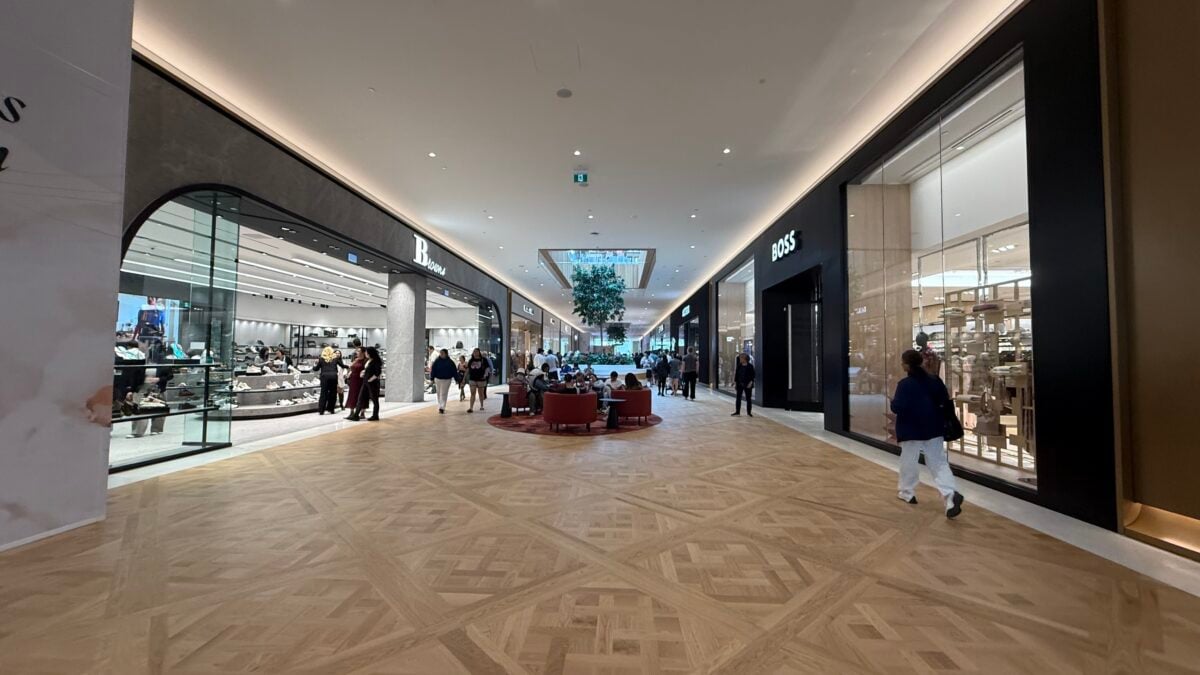
Susan ThompsonOakridge Park in Vancouver, May 2026. Photo: Craig Patterson
Even though uncertainty from factors such as constantly changing tariffs, a deepening affordability crisis, and a shrinking population are wearing away at the confidence of people and business owners, retail remains resilient, said Susan Thompson, Director, Research, Colliers Canada.
“Vacancy rates for key urban retail streets and grocery-anchored shopping centres continue to tick down and are at historically low levels. Average monthly retail sales are up in British Columbia over the last six months, according to Statistics Canada data, new entrants continue to set up shop across the Metro Vancouver region, and the retail industry continues to evolve and reinvent itself as new opportunities come up.”
Thompson said consumers are showing a continued desire to shop near their residences with no sign of changing anytime soon, which is contributing to historically low vacancy rates.
“The recent end of the 355-year legacy department store Hudson’s Bay operations across Canada has left over 15 million square feet vacant, including a 620,000 square foot void in the heart of downtown Vancouver at their former flagship location. However, like many of these locations across the country, opportunities to reimagine these spaces into new retail experiences and/or mixed-use developments are being pursed. Onni Group recently bought the former downtown Vancouver HBC space with undisclosed plans for the site, but it is believed that they have grand plans for a master planned site given the size and prime location, even with the added challenge of a heritage designation on the property and SkyTrain tracks running directly underneath.”
Granville Street in Vancouver. Photo: Destination Vancouver
Thompson noted that the population in Canada and B.C. is expected to contract in late 2026 and into 2027 for the first time in decades as the effects to changes in national immigration policy play out. However, even with a reduced population, personal disposable income and retail sales are expected to shrink by less than half a per cent, showing that consumers are spending similar amounts, if not more than usual before inflation, making up for the loss of spending from the slight decrease in provincial population.
Thompson said Vancouver recently wrapped up its FIFA World Cup 2026 hosting duties, with the last game played at BC Place on Tuesday, July 7. Over the course of the event, hundreds of thousands of fans from all over the world filtered through Vancouver to take part in match day festivities.
“Overall projections for the rest of the 2026 tourist season are optimistic with long-tailed effects from the event increasing consumer spending. With several of the master planned communities with significant retail components completing or at the finish line (Oakridge Mall, Sen̓áḵw, Concord Metrotown, etc.) the development pipeline is starting to constrict, leaving few options for new or expanding retailers,” she said.
“Other massive projects remain in their planning phase while waiting for macroeconomic conditions to improve. However, due to the strength of retail, many smaller mixed-use projects are still in the pipeline. With retail sales increasing despite provincial population loss, urban and suburban retail reaching historic lows, and long tailed effects from a strong tourism season anchored by FIFA World Cup 2026 match hosting, retail in the GVA is poised for a strong year-end finish.”
Canadian menswear retailer HANK. is beginning its physical rollout with two Ontario stores opening within days of one another, revealing an assortment that combines established labels, lesser-known international brands and two proprietary collections developed by parent company Caulfeild Apparel Group.
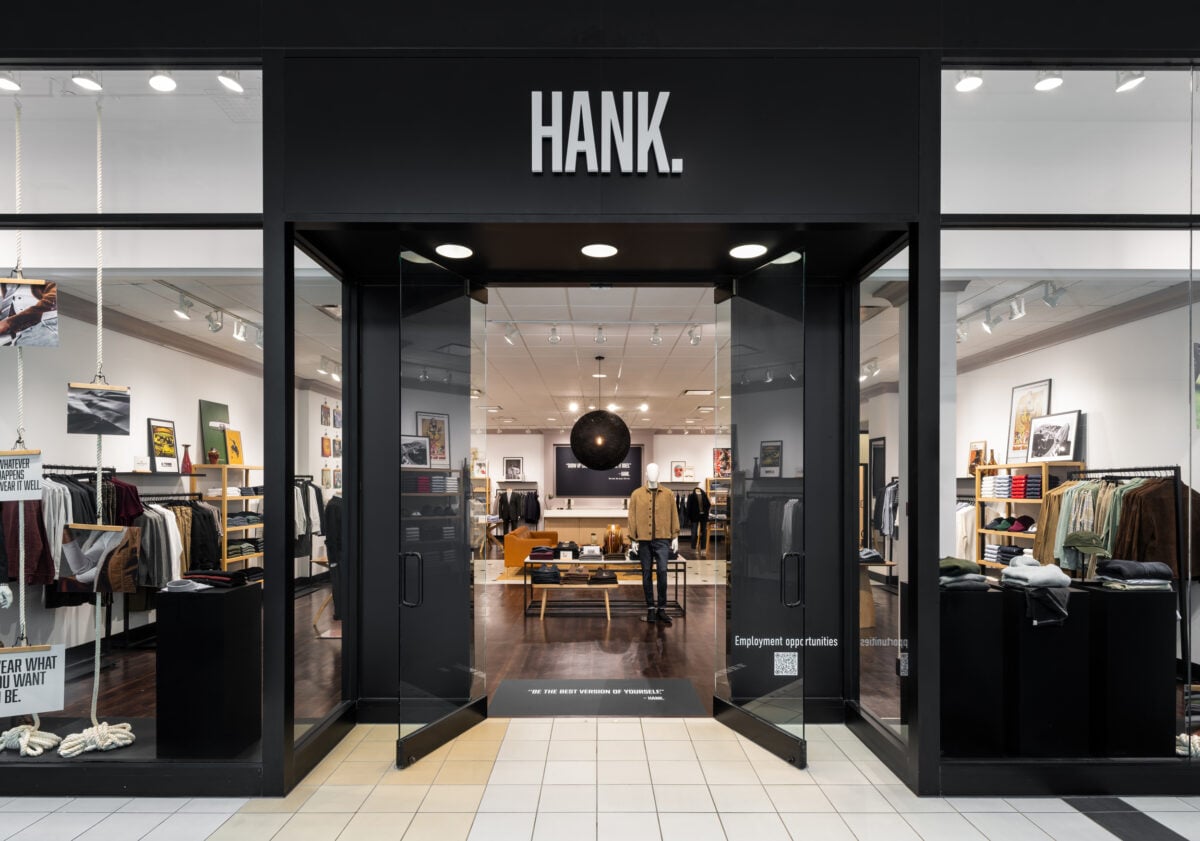
HANK.’s flagship has opened at Bayview Village Shopping Centre in Toronto, while a second location at Upper Canada Mall in Newmarket opened Monday morning. A third store at CF Masonville Place in London, Ont., is scheduled to open later this summer, followed by the launch of national e-commerce in fall 2026.
The openings bring Caulfeild Apparel Group directly onto the retail floor after generations spent largely behind the scenes in Canadian apparel. The privately held company traces its history to 1886 and has built its business around manufacturing, wholesale, licensing, brand management and distribution.
For Mike Purkis, founder of HANK. and president and CEO of Caulfeild Apparel Group, the move into retail follows years of change across the Canadian menswear market.
“We’ve spent decades operating in the Canadian menswear market,” Purkis said. “Over the last ten years, through the loss of retailers and shifts in the industry, we have noticed a growing void in the menswear market.”
HANK. was developed to address that opening with a compact multi-brand assortment, a greater emphasis on personal service and a mix of familiar labels and brands that have had little or no exposure in Canada.
Mike Purkis
HANK. Reveals Its Brand Mix
The opening assortment provides the clearest picture yet of how HANK. intends to position itself. Established names include Ralph Lauren and BOSS, alongside Rodd & Gunn, Nudie Jeans and Canadian denim brand DU/ER. HANK. is also carrying Ketroy, which Purkis said is entering the Canadian market through the retailer.
Two additional labels, Wear London and Italian brand IMPURE, are making their North American debuts exclusively through HANK., according to Purkis. The retailer is also introducing two brands of its own: CAULFEILD 1886, an elevated menswear collection drawing on Caulfeild’s heritage, and HANK., focused on foundational wardrobe pieces.
Wear London grew out of a British garment-manufacturing business and developed into a standalone brand in 2020. The company says the majority of its products are made in the United Kingdom, with fabrics sourced from mills in Italy, Britain and elsewhere. It now operates stores in London and Brighton.
IMPURE is an Italian casual menswear label within the Link2east group. It was among the exhibitors at Pitti Uomo in Florence in June 2026, appearing in the trade fair’s Dynamic Attitude section.
Ketroy traces its origins to a family business established in 1974 and positions its collections around quality, craftsmanship and enduring menswear design.
Purkis said the combination of recognizable brands and less familiar labels is deliberate.
“We’re opening with a curated mix of trusted names and genuine discoveries,” he said.
Caulfeild’s background in product development and sourcing also informs what makes it onto the HANK. sales floor.
“One idea runs through the whole assortment: Well made. Well chosen. Well worn,” Purkis said. “We start with construction and materials — pieces built to last, not to churn — and we favour timeless design over trend, brands a man can build a wardrobe around and still wear in ten years.”
He said Caulfeild’s experience gives the company confidence when evaluating brands and individual products.
“This is where our background matters,” Purkis said. “Caulfeild has been developing and sourcing menswear since 1886, so when we look at a garment we can tell whether it’s genuinely well made. We’re not guessing — we’re recognizing.”
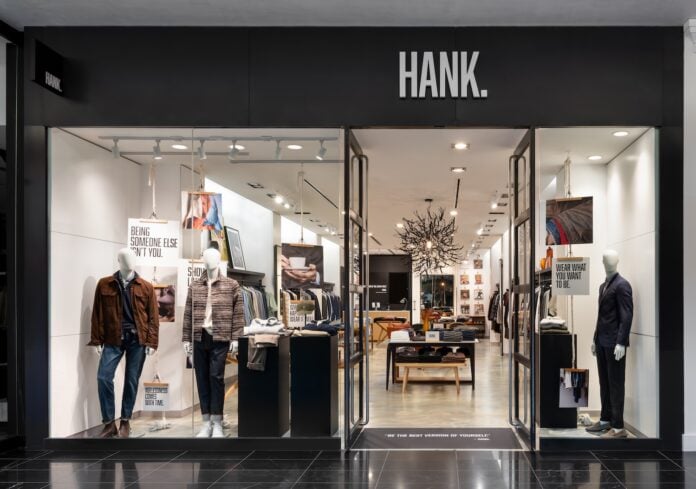
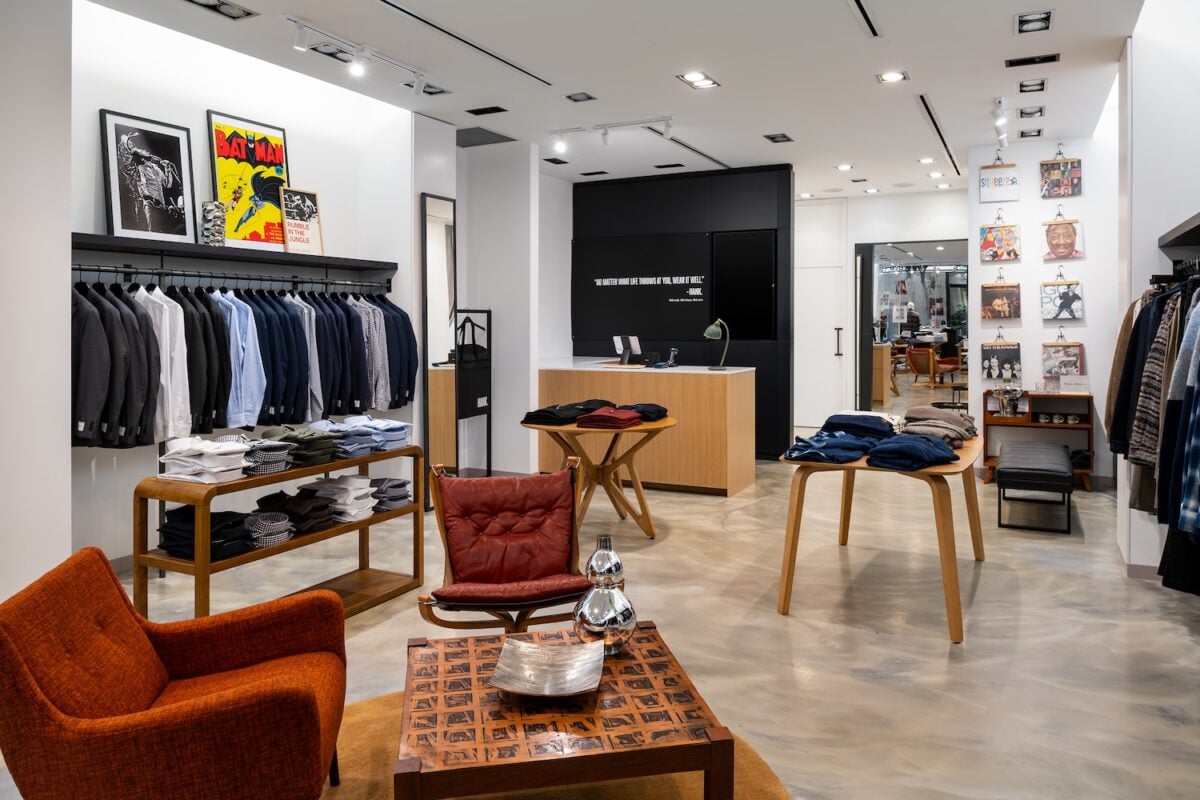
HANK. at Bayview Village in Toronto. Photo: HANK.
A Focused Menswear Assortment
At launch, HANK. is concentrating on tailoring, outerwear, knitwear and shirting, along with a smaller assortment of accessories. Craighill, the Brooklyn design company known for keychains, carabiners and small metal goods, is among the accessory brands carried in the stores.
Footwear and grooming products are not part of the opening assortment, a decision Purkis said reflects the company’s intention to keep the merchandise mix controlled as HANK. establishes itself.
“We’ve deliberately opened with a focused edit, so there’s no footwear or grooming yet,” he said. “That restraint is the point — we’re not trying to be everything on day one. In a crowded market, the edit itself is part of the service.”
The approach gives HANK. a different scale from the broad menswear floors traditionally associated with national department stores of the past. The company wants to offer enough breadth to build a wardrobe while limiting the amount of merchandise customers have to navigate.
“Our customer is the man who values quality over trends and wants fewer, better choices that fit his real life,” Purkis said. “Someone who’d rather trust good guidance than wade through endless racks.”
Built for a Changed Canadian Menswear Market
The launch follows several years of upheaval in Canadian fashion retail. Nordstrom exited Canada in 2023, followed by further disruption across the department-store sector. Retail Insider first reported on HANK.’s store plans in May, when Purkis described the concept as targeting premium menswear below the more luxury-oriented positioning of Harry Rosen and pointed to the volume of menswear business displaced by major retailer losses as part of the opportunity Caulfeild saw for the chain. HANK.’s first stores put that strategy into practice.
“The opportunity is significant right now because the market just lost its anchor,” Purkis said. “With the department store gone, men are overwhelmed online and under-served in person. Our answer is clarity: in a crowded space, we make choosing easy.”
The company is building its stores around smaller assortments and staff expected to provide guidance on fit, wardrobe needs and occasion. Purkis contrasted the approach with his view of the traditional department-store model.
“Department stores gave you everything and helped you with nothing,” he said. “We do the opposite — we edit carefully and guide personally.”
HANK. employees are described as guides rather than salespeople, with product knowledge intended to play a significant role in customer interactions.
“We start with people, not product,” Purkis said.
HANK. at Upper Canada Mall in Newmarket. Photo: HANK.
Brick-and-Mortar Comes First
HANK. is also taking a physical-first approach to its launch, opening stores before its national e-commerce platform goes live later this fall. Purkis said the decision reflects the company’s belief that a significant part of menswear shopping still benefits from being done in person.
“Men are overwhelmed online and underserved in person,” he said. “We are intentionally launching with brick-and-mortar first because confidence is built in person, not on a screen. A very carefully architected online experience will follow later this fall.”
For Caulfeild, the stores also establish a direct relationship with consumers after decades operating primarily through other retailers. The company has historically developed, managed, licensed and distributed apparel brands through wholesale channels.
HANK. now puts Caulfeild in front of the customer while providing a physical platform for introducing brands and developing its own merchandise.
A Store Designed to Slow the Customer Down
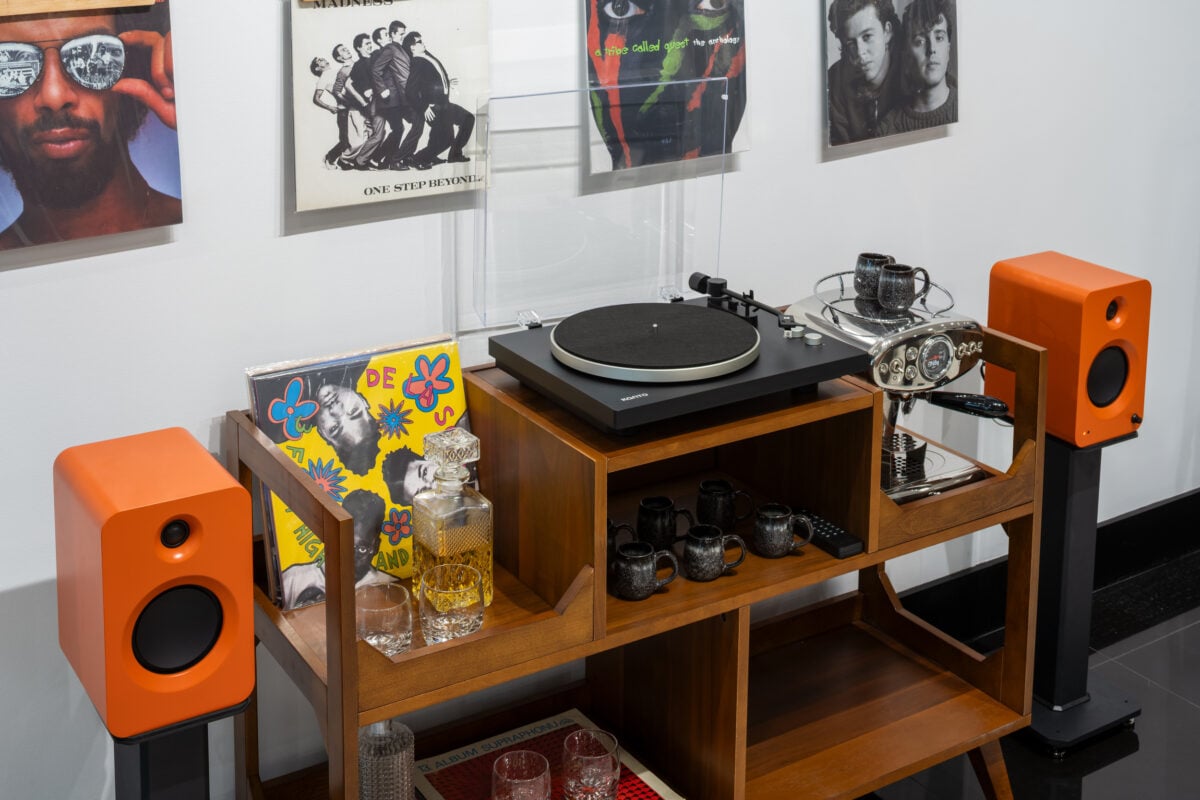
The physical environment carries that approach into the store design. HANK. describes its locations as having a mid-century modern aesthetic with vintage furnishings, artwork and integrated messaging. Bayview Village serves as the flagship for the concept.
Purkis said he wants customers to notice the atmosphere before they focus on individual products.
“The first thing I hope they feel is calm — no noise, no hard sell, no overwhelming wall of choice,” he said.
Staff are encouraged to begin conversations by asking what occasion a customer is dressing for or how he wants to feel, according to Purkis.
“I want them to sense that everything in the room was chosen, that each piece earned its place,” he said. “Honestly, I want a man to exhale a little when he walks in. That’s the opposite of what he feels almost everywhere else.”
Several Canadian companies have also been incorporated into the store experience. Kanto Audio provides audio for the locations, while Vancouver Candle Co. created an exclusive co-branded candle that will be sold in stores and offered as a gift with qualifying purchases. Toronto-based Harmon’s is supplying its non-alcoholic craft beer for guests.
HANK. at Upper Canada Mall in Newmarket. Photo: HANK.
Caulfeild Uses HANK. to Build Brands
The longer-term strategy becomes particularly evident in CAULFEILD 1886 and HANK., the two proprietary brands being introduced through the stores.
CAULFEILD 1886 is positioned as the more elevated collection, drawing on the history of a company whose roots date to a Toronto shop selling fine English woollens in the late 19th century. The HANK. label focuses on foundational pieces intended to sit alongside the retailer’s third-party brands. Both are initially exclusive to HANK.
When asked which brands on the sales floor best represent the concept, Purkis pointed to three.
CAULFEILD 1886 represents “well made,” he said, while Wear London represents “well chosen” and Nudie Jeans represents “well worn.”
“Together they tell you exactly who we are,” Purkis said.
The proprietary brands will eventually extend beyond HANK.’s own stores. Purkis told Retail Insider that Caulfeild plans to begin wholesaling CAULFEILD 1886 and HANK. for the Fall 2028 season.
“Our own brands will lead the way,” he said. “CAULFEILD 1886 and HANK. are exclusive to our stores today, and we’ll begin wholesaling both for Fall 2028.”
The plan gives HANK. an additional role within Caulfeild’s broader business, allowing the company to establish the two labels within its own stores before offering them to other retail accounts.
“The brands we build in-store become brands you’ll see beyond it,” Purkis said. “That’s the advantage of our background. We don’t just sell product; we build it.”
Expansion Begins Across Ontario
Bayview Village and Upper Canada Mall mark the first stage of what Caulfeild has previously described as a considerably larger potential retail network.
CF Masonville Place in London will become the third HANK. location later this summer, with additional openings contemplated beyond the initial three stores. National e-commerce follows in the fall.
Retail Insider previously reported that the initial stores were expected to range from approximately 1,800 to 2,700 square feet. Purkis also said HANK. could ultimately grow to between 35 and 45 locations, depending on how the concept develops.
The merchandise strategy is expected to evolve as the network grows, though Purkis said expansion will not automatically result in more brands being added to the assortment.
“The core will stay disciplined,” he said. “More stores means going deeper on what works, not wider for the sake of a bigger wall.”
The openings put Caulfeild’s retail thesis to its first real test. After generations spent developing, sourcing and distributing apparel through other retailers, the company is now building a consumer-facing network of its own in a Canadian menswear market that has lost several of its traditional shopping destinations.
“Curation is a permanent practice for us, not a launch gimmick,” Purkis said. “We’ll keep removing what doesn’t earn its place and adding brands that fit, including more exclusives men can’t find elsewhere.”
Canada’s retail labour market is showing signs of improvement after a difficult start to 2026, although the recovery is unfolding unevenly across jobs, categories and markets.
Statistics Canada reported that employment in wholesale and retail trade increased by approximately 21,100 jobs in July, a gain of 0.7% from June. That followed an increase of about 16,400 jobs in June, meaning the combined sector added roughly 37,500 positions over two months. Despite those gains, wholesale and retail employment remained approximately 50,100 jobs below July 2025 levels, representing a year-over-year decline of 1.7%.
The figures point to a labour market that has begun regaining some of the ground lost earlier in the year. For retailers themselves, however, the headline numbers capture only part of what is happening.
Suzanne Sears, president of Best Retail Careers International, said the hiring activity she is seeing is heavily concentrated at store level rather than across the full retail organization.
“The demand is almost entirely street level, with an emphasis in hiring multiple part-time workers,” Sears said.
Her observations point to a Canadian retail employment market in which companies continue to need frontline workers while remaining considerably more cautious about higher-level hiring, compensation and permanent headcount.
Retail Employment Shows Signs of Recovery
The Labour Force Survey combines wholesale and retail trade in its headline industry figures, meaning July’s 21,100-job increase cannot be attributed entirely to retailers. More detailed Statistics Canada payroll data, however, indicates that retail employment itself had already begun moving higher earlier in the year.
Retail payroll employment increased by about 5,600 positions in May, marking a third consecutive monthly increase. From March through May, the sector added approximately 20,500 payroll jobs, or about 1.0%.
The improvement followed a longer period of weakness. Retail payroll employment had declined through portions of 2024 and 2025, while several major retail categories remained below year-earlier employment levels during the first part of 2026. The recent gains therefore look less like a sudden hiring boom than an emerging recovery from a period of contraction.
Retail also remains an important employer of younger Canadians. Statistics Canada reported that close to one-quarter of returning students who were employed during the summer worked in retail trade, making it the largest employing industry for that group. The sector’s workforce composition helps explain how rising retail employment can coexist with continued caution around more senior, permanent and corporate hiring.
Suzanne Sears
Hiring Demand Concentrated at Store Level
Sears said employers are seeking staff most actively in customer-facing positions, often with a preference for multiple part-time employees rather than fewer full-time hires. An increase in retail employment, therefore, does not necessarily signal a corresponding increase in career-track positions, head-office roles or management opportunities.
Within store-level hiring, some categories are considerably more active than others. Sears said cosmetics and beauty currently represent one of the strongest areas of recruitment demand and one where employers are having difficulty finding sufficient qualified staff. She also pointed to luxury retail, watches and jewellery, and luxury menswear as areas where demand for experienced employees remains strong.
Those segments can require specialized selling skills, including product knowledge, clienteling ability and experience providing highly personalized service. In luxury retail in particular, established customer relationships can carry considerable value. A relatively large pool of available workers, as a result, does not necessarily mean employers can readily find candidates with the particular experience they are seeking.
Retail Pay Is Rising, but Compensation Remains a Challenge
Average weekly earnings in retail trade reached approximately $798 in May 2026, up more than 8% from about $739 a year earlier. The increase is significant, although retail earnings remain substantially below the Canadian economy-wide average of approximately $1,338 per week.
Sears said many employers are discovering that compensation budgets established even a year ago are no longer sufficient to recruit the calibre of employees they are seeking.
“It is nearly impossible to attract high-level talent with last year’s wage budgets,” Sears said.
In some cases, she said, companies are leaving positions vacant rather than increasing compensation enough to attract their preferred candidates. In others, they may ultimately hire someone with less experience than originally envisioned for the role.
Retail compensation is rising relatively quickly from a comparatively low base, while candidate expectations and employers’ requirements for experienced talent are not necessarily moving in tandem. The disconnect can become more pronounced as retailers move beyond hourly sales positions into management, regional leadership and specialized roles.
Career Progression Adds Another Recruitment Challenge
For experienced candidates, Sears said compensation is only one consideration. Advancement opportunities are also influencing how candidates assess retail careers, and the Canadian operations of international retailers do not always offer the same range of corporate positions available in their home markets.
International retailers operating Canadian store networks may keep key merchandising, buying, marketing, strategy and executive functions at headquarters outside the country. That can narrow the domestic career ladder for employees seeking to progress beyond store and regional management.
Sears said the combination of compensation expectations and limited opportunities to move upward can make it harder to attract and retain strong retail employees. For workers deciding whether retail represents a long-term career rather than simply their next job, the availability of a credible path forward can become an important part of the decision. For employers, it can create a mismatch between the experience they expect candidates to bring and the compensation and career opportunities available in return.
Hudson’s Bay Closures Added Thousands of Workers to the Market
The collapse of Hudson’s Bay added another unusual dimension to the Canadian retail employment landscape. Thousands of employees were displaced as stores closed across the country, suddenly putting a significant pool of experienced retail workers into the labour market.
One might expect that influx of talent to make recruiting substantially easier for other retailers, but Sears said that has not necessarily been the case. In her experience, cosmetics employees coming out of Hudson’s Bay have generally been more readily absorbed by other retailers, while many other former employees have either retired or have not yet moved into comparable positions.
The situation illustrates a notable contradiction in the current labour market. Retailers can report difficulty finding qualified employees at the same time that experienced retail workers are looking for work. The challenge is not necessarily the absolute number of people available, but how closely candidates’ experience, compensation expectations, location and skills align with the positions retailers are trying to fill.
Retail Hiring Extends Into Smaller Markets
Where retailers are hiring is changing as well. Sears said some of the activity she is seeing is connected to expansion into smaller provinces and communities that have historically been underserved by national retailers.
Recent employment data provides some support for that observation. Wholesale and retail trade employment in rural and small-town Canada was up by approximately 13,600 jobs, or 3.7%, year over year in June, with even stronger growth recorded during some preceding months.
Population shifts, housing affordability and development in secondary communities are creating opportunities outside Canada’s largest metropolitan markets. Communities that historically supported fewer national retailers can become viable locations as their populations grow and surrounding trade areas expand.
For retailers, expansion into smaller and underserved markets can also create a recruitment challenge. New stores require local employees, including managers and experienced sales staff, in communities where the existing pool of specialized retail talent may be smaller. Growth in these markets can therefore create jobs while simultaneously making certain positions difficult to fill.
Tariff Uncertainty Weighed on Hiring Earlier in 2026
Asked what contributed to the weakness in retail hiring earlier this year, Sears summarized the mood among employers in one word: “Paralysis.”
She pointed specifically to uncertainty surrounding U.S. tariffs and concern over how changing trade relationships could affect costs, consumer spending and broader economic conditions.
Her assessment is consistent with broader business sentiment reported earlier in the year. Bank of Canada surveys found that tariff uncertainty and softer demand were weighing on companies’ expansion and employment intentions, with many businesses reluctant to increase staffing while the economic outlook remained unclear. Statistics Canada had also reported that employment in wholesale and retail trade was trending lower from late 2025 before the more recent improvement.
The retail employment decline cannot be attributed to tariffs alone, but uncertainty around trade policy formed part of a broader environment in which businesses had reason to delay decisions, limit hiring and preserve flexibility until there was greater visibility around demand and costs.
Holiday Hiring Could Remain Constrained
Two consecutive months of improving wholesale and retail employment might ordinarily suggest stronger hiring heading into the fall and holiday season, but Sears remains cautious about the outlook.
She said many retailers have limited wage budgets available for substantial additional hiring, even as the industry approaches its critical seasonal period. Retailers will still require holiday staff, particularly in malls and other high-traffic environments, but they may have to be more selective about how those labour dollars are deployed.
That could mean greater reliance on part-time and seasonal workers, adjusting hours among existing employees or limiting permanent additions while reserving available labour budgets for periods of peak demand. The fall hiring market could therefore appear active at store level while remaining restrained elsewhere within retail organizations.
HR Departments Face Their Own Capacity Problem
Another part of the hiring challenge is taking place behind the scenes. Sears said retail HR departments are increasingly being asked to manage traditional human-resources responsibilities while simultaneously adapting to technology- and AI-driven recruitment processes, often without corresponding increases in staffing, tools or budgets.
Rather than necessarily accelerating recruitment, Sears said those pressures can contribute to longer hiring cycles.
“Time to hire is increasing by months, not weeks,” Sears said.
That can leave positions vacant for extended periods while HR teams manage competing responsibilities. Those vacancies can become an operational issue, placing additional pressure on existing employees and potentially affecting customer service and sales performance.
Meanwhile, companies remain under pressure to control labour expenses, leaving HR teams attempting to reconcile demands for lower costs, faster hiring and stronger candidates.
A Recovery, but an Uneven One
Canada’s recent employment numbers provide growing evidence that retail-related hiring has begun to recover after a difficult period. Wholesale and retail employment increased in both June and July, while retail-specific payroll employment had already posted three consecutive monthly gains through May.
What is returning, where it is returning and who employers are able to recruit tell a more complicated story. Much of the hiring Sears is seeing is concentrated in frontline and part-time positions, while beauty and luxury retailers face difficulty finding employees with particular skills and experience. Compensation is rising but remains comparatively low, and career advancement opportunities can be limited for employees of international retailers whose major corporate functions are located elsewhere.
At the same time, thousands of workers displaced by major retail closures are not necessarily matching quickly with available positions. Retailers expanding into smaller markets can encounter limited local talent pools, while the HR departments responsible for filling those jobs are themselves being asked to do more with constrained resources.
The latest employment gains suggest the Canadian retail labour market is moving in a better direction, but the challenge facing retailers increasingly goes beyond the number of workers available. Employers must match people with the right skills and experience to jobs in the right locations, while offering compensation and career opportunities capable of attracting them.
Lindt & Sprüngli Canada has opened its first Lindt Chocolate Shop in Banff, bringing the Swiss chocolate brand to one of Canada’s highest-profile tourism markets and an increasingly competitive destination for specialty confectionery.
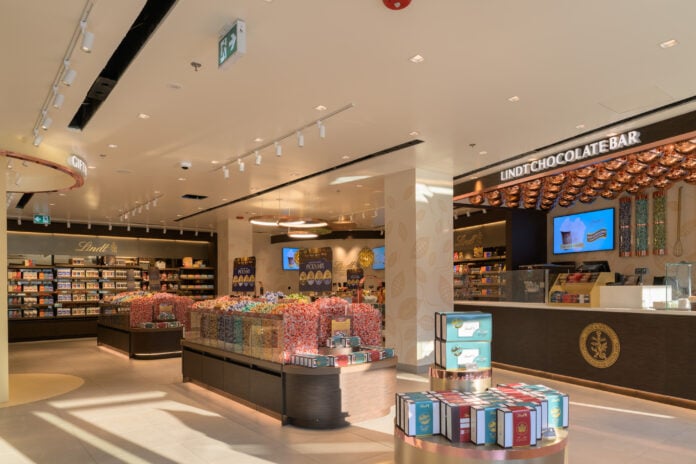
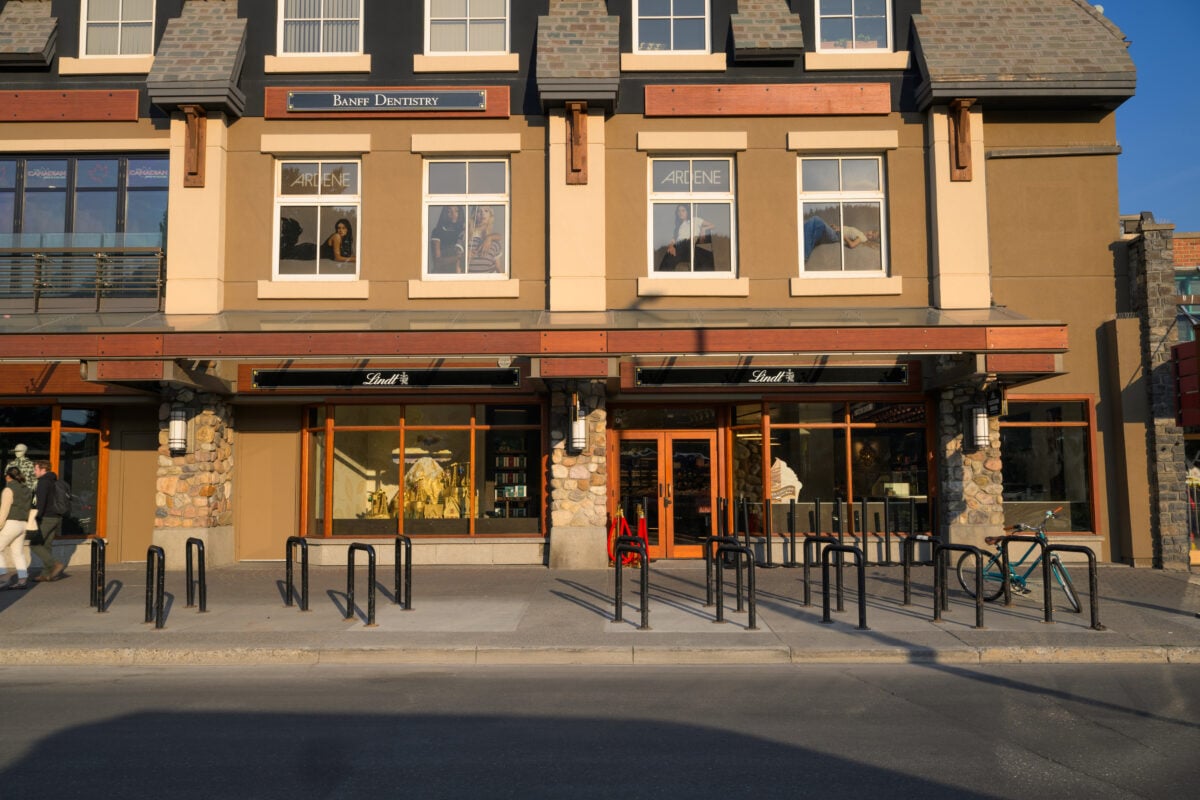
The new shop opened August 5 at 317 Banff Avenue, within the Cascade Shops property. It combines Lindt’s traditional chocolate assortment with prepared drinks, gelato, freshly crafted products and merchandise developed specifically for the mountain destination.
The opening comes as visitor activity in Banff is running at record levels. It also puts Lindt into direct competition with an established collection of confectionery businesses, including the recently launched Chocolate Board of Canada, Rocky Mtn Chocolate, The Fudgery and several other sweets and dessert operators along Banff Avenue.
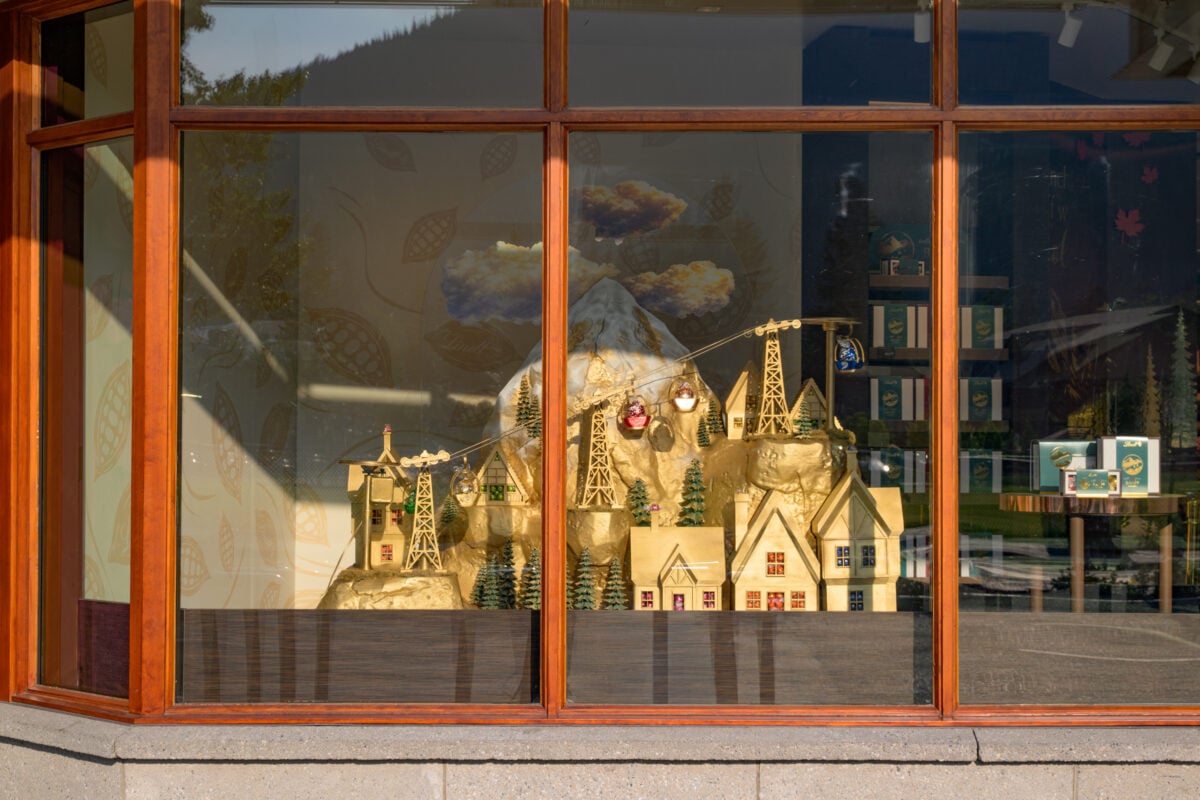
Lindt has adapted parts of the shop specifically for the location. In addition to its signature LINDOR assortment, the Banff store carries freshly crafted chocolate bars, location-exclusive gift packaging and a Maple Sea Salt Leaf created by a Lindt Maître Chocolatier.
An on-site Drinks Bar serves hot and iced beverages made with Lindt chocolate, while the menu includes Lindt Crema Gelata and Crema Gelata shakes, introduced in 2026. Together, the assortment gives Lindt products for gifting and take-home purchases alongside drinks and desserts intended to be consumed during a visit.
The mix is well suited to Banff’s four-season tourism market. Hot chocolate and gifting fit naturally with winter and après-ski traffic, while gelato, shakes and iced beverages provide an offering for the much larger summer visitor period. It also gives Lindt a broader range of purchase occasions than a conventional boxed-chocolate shop.
Banff Adds a New Dimension to Lindt’s Canadian Network
The Banff opening appears to bring Lindt’s Canadian retail network to 52 locations. The company’s online store directory lists 51 other shops across nine provinces, with Ontario and Quebec accounting for 37 of those locations.
Banff becomes Lindt’s fifth Alberta store and its 11th across Western Canada. The company’s existing Alberta footprint includes Deerfoot Meadows in Calgary, CrossIron Mills north of the city and two stores in the Edmonton area.
The Banff shop gives Lindt a substantially different type of market, extending its presence beyond Alberta’s two largest metropolitan areas into a mountain community whose commercial economy is shaped by millions of annual visitors.
Lindt’s Canadian retail expansion has been underway for decades. Lindt & Sprüngli Canada has operated as a wholly owned subsidiary of the Swiss company since 1994, while Retail Insider reported in 2014 that the chocolatier had 20 stores in Canada and intended to add another 12 by the end of 2016.
Tourism destinations were already part of the company’s real estate strategy at the time. Lindt was considering locations ranging from outlet centres and super-regional malls to high streets, airports and tourist markets as it expanded nationally.
The current network reflects that variety. Lindt operates in major enclosed malls such as Yorkdale, CF Toronto Eaton Centre and Square One, alongside outlet and destination-shopping properties including CrossIron Mills, Tsawwassen Mills, McArthurGlen Designer Outlet Vancouver Airport and Outlet Collection at Niagara. It also has open-air and power-centre locations, downtown stores and a Vancouver Exchange Tower shop that has incorporated a café component.
Banff represents one of the clearest examples of Lindt applying its Canadian retail strategy to a tourism-driven destination.
Lindt Chocolate Shop in Banff. Source: Lindt
Lindt Takes Banff Avenue Frontage at Cascade Shops
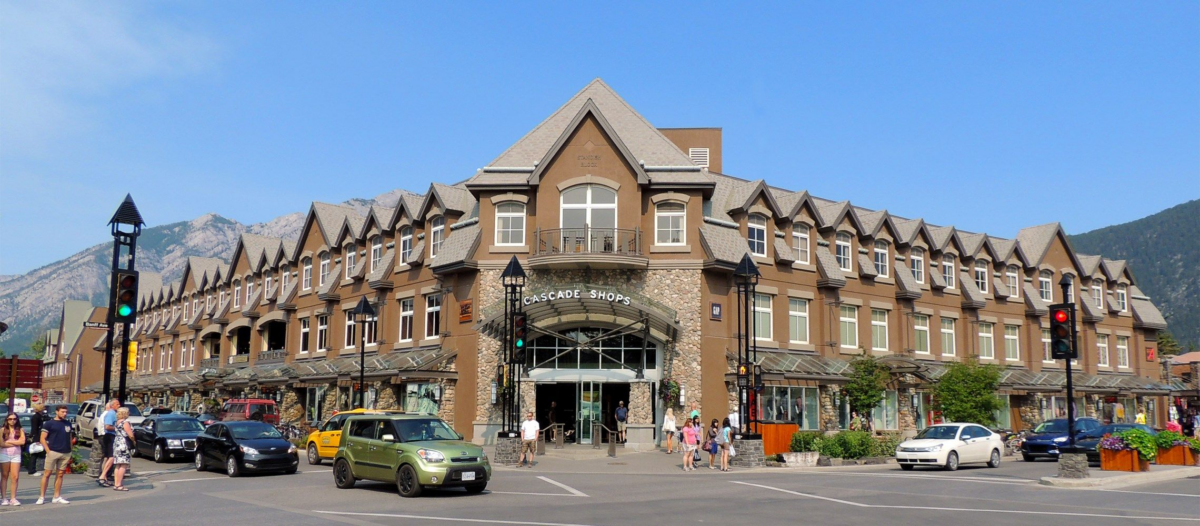
The new Lindt shop is part of Cascade Shops, the mixed-use property formerly known as Cascade Plaza at Banff Avenue and Wolf Street. The store also has its own exterior entrance directly from Banff Avenue, giving Lindt street-level frontage and access to pedestrian traffic while remaining part of the shopping centre.
Cascade Shops describes itself as Banff’s largest indoor shopping centre and the town’s only indoor mall. The complex contains 126,999 square feet of rentable area, including 81,328 square feet of retail, along with office, residential and hotel uses.
The location gives Lindt direct exposure along Banff’s primary commercial street while connecting the store with the broader Cascade Shops property. It also positions the chocolatier farther north along Banff Avenue than several established confectionery businesses concentrated around the 100 and 200 blocks.
Jeff Berkowitz and Joel Patterson of Aurora Retail Group negotiated the Banff lease deal on behalf of Lindt. Aurora Retail Group works with Lindt on its real estate across North America.
Record Tourism Supports a Much Larger Retail Market
Banff’s relatively small permanent population tells little about the scale of its retail opportunity. Banff National Park welcomed approximately 4.5 million visitors in 2025, according to Parks Canada, setting a record and increasing from the previous year, while summer visitation also rose.
Banff Avenue therefore functions differently from the main street of a conventional small Canadian community. Its stores serve local residents alongside Canadians and international visitors moving through one of the country’s best-known tourism destinations.
Confectionery is well suited to that spending environment. Chocolate can be consumed during a visit, purchased as an accessible indulgence or carried home as a gift, while ice cream, fudge, beverages and other sweets benefit from high pedestrian traffic and spontaneous purchasing.
For Lindt, location-exclusive products add another dimension. LINDOR and many other Lindt products are readily available through supermarkets, pharmacies and retailers across Canada, meaning visitors do not need a Lindt shop in Banff to access the brand.
Banff-specific packaging and products give those customers a reason to purchase from this particular location. The Maple Sea Salt Leaf similarly incorporates a recognizably Canadian flavour cue into an international brand whose identity remains rooted in more than 180 years of Swiss chocolate-making.
Lindt Chocolate Shop in Banff. Source: Lindt
A Competitive Chocolate Market
Lindt is entering a market where specialty chocolate and confectionery are already well established. One of the most significant additions came almost exactly a year earlier, when Chocolate Board of Canada opened its first location at 202 Banff Avenue in August 2025. The concept was created by the Canadian family behind Rocky Mtn Chocolate and launched in the historic Caribou Corner building, a prominent location that once housed Banff’s first Hudson’s Bay Company store.
Retail Insider reported at the time that Chocolate Board was developed as a more elevated concept than the company’s longstanding Rocky Mtn Chocolate format. Its assortment emphasizes artisan chocolates, hand-finished products, premium gift packaging and flavours intended to communicate a distinctly Canadian identity.
The Banff flagship also incorporates experience into the format. Customers can see elements of chocolate production taking place in the shop, while the assortment extends beyond packaged chocolates into handmade fudge, caramel popcorn, hot chocolate and ice cream.
Its operators deliberately chose Banff as the launch market for the new brand, giving Chocolate Board exposure to visitors from across Canada and around the world before taking the concept into other high-profile locations.
The arrival of Lindt creates an interesting contrast between two approaches to premium chocolate retail. Chocolate Board builds its identity around Canada, using domestic references, Canadian flavours, hand production and a brand created specifically to evoke place. Lindt arrives with international recognition, Swiss heritage and products familiar to consumers around the world.
In Banff, the strategies begin to overlap. Both businesses use premium presentation, destination gifting, beverages, frozen desserts and products associated with the visitor experience. Lindt’s Banff-exclusive packaging and Maple Sea Salt Leaf introduce local relevance to a global brand, while Chocolate Board uses Banff as a platform for an explicitly Canadian one.
Established Operators Add More Competition
Chocolate Board is far from the only established player Lindt will encounter. Rocky Mtn Chocolate continues to operate a separate store at 117 Banff Avenue, giving the company two distinct concepts in the market.
The Canadian Rocky Mtn Chocolate business traces its history to Whistler Village, where its first domestic location opened in 1988, providing decades of experience selling confectionery in mountain-tourism markets. Its more playful format, including highly visual products such as caramel apples, remains distinct from the premium positioning developed for Chocolate Board.
Other nearby businesses add further competition for sweets and dessert spending. The Fudgery offers handmade chocolates, fudge, brittle, truffles and other confectionery, while Banff Sweet Shoppe sells handmade chocolate, fudge and nostalgic candy. Banff Candy Store specializes in retro and international sweets, and COWS competes for dessert traffic through its premium ice cream business.
These businesses vary considerably in format, price and positioning, but they share the same underlying opportunity: capturing discretionary spending from visitors moving through a compact tourism district. For Lindt, that means competing for more than chocolate purchases, since a visitor considering a gelato or chocolate drink may also be choosing among ice cream, fudge, candy and other treats available only a short walk away.
Cascade Shops in Banff. Photo: Tourism Alberta
Chocolate Retail Moves Beyond the Box
The growing Banff market also illustrates how specialty chocolate retail is evolving. For brands operating their own stores, the opportunity increasingly extends beyond shelves of boxed chocolates as drinks, desserts, fresh preparation, visible production and exclusive merchandise make the shop itself part of the experience.
Lindt’s Banff store reflects that shift with its Drinks Bar, Crema Gelata, shakes and freshly crafted chocolate bars. Chocolate Board combines chocolate retail with visible production, handmade products, ice cream and hot beverages, while Rocky Mtn Chocolate and long-established independents have similarly relied on preparation, aroma and visual merchandising to draw visitors into their stores.
The result is a broader set of purchase occasions. A customer might enter for a hot drink, buy gelato during an afternoon walk or pick up a Banff-specific package to take home. The same store can address immediate consumption, personal indulgence, gifting and souvenirs.
That flexibility has become particularly relevant as the global chocolate industry manages sharply higher cocoa costs and significant increases in retail pricing. Lindt has continued to grow its North American business, but the company has also acknowledged broader pressure on chocolate volumes following substantial price increases across the category.
Specialty retail gives Lindt a way to offer something different from the products consumers already encounter in conventional grocery and drugstore channels. In Banff, the value of the shop is tied to the experience, location and exclusivity surrounding the chocolate as well as the product itself.
Banff as a Showcase Market
Banff offers another advantage that is difficult to replicate in a conventional regional market: enormous geographic reach within a relatively compact retail district. A business operating on Banff Avenue can encounter customers from across Canada and around the world during the same trading day. Visitors are also experiencing the stores during leisure travel, when dining, shopping, gifting and other discretionary purchases are part of the trip.
Chocolate Board used that environment to introduce a new Canadian brand, while Lindt is using it to present a localized version of one of the world’s most recognizable chocolate names. Their approaches point to a wider evolution in destination retail, where recognizable products are increasingly combined with local references and experiences specific to the place where they are sold.
Banff remains built around mountain scenery, outdoor recreation and hospitality, but its commercial district also provides brands with a highly visible stage for concepts designed around experience, premium products and a strong sense of place.
Lindt’s arrival adds another international name to that mix while intensifying competition in a confectionery market that is already remarkably deep for a community of Banff’s size. For visitors, that means more choice. For the retailers competing along Banff Avenue, it raises the stakes in creating an experience memorable enough to travel home with the chocolate.
Now that the FIFA World Cup has wrapped, one thing is clear: the brands that won weren’t necessarily the official sponsors. They were the ones that understood where fans were, how they were engaging, and how to stay relevant long after the final whistle.
In an interview with Retail Insider, Scott Mitchell, Managing Director, Canada at Vistar Media, breaks down the biggest marketing lessons from this year’s tournament and what brands should take away for future major sporting and cultural moments.
Scott MitchellVistar Media image
Question: What separated the most successful World Cup marketing campaigns from the ones that struggled to break through the noise?
Answer: The World Cup wasn’t just 90 minutes. Fans followed highlights throughout the day, met friends to watch matches, celebrated in public spaces and continued engaging with content long after the final whistle.
The brands that resonated recognized those behaviours. Rather than focusing on a single moment, they built a connected presence throughout the tournament, delivering relevant messages in the moments and places where fans were already engaged.
Q: You argue that context mattered more than official sponsorship. What did brands like BMO do right, and what lessons can other non-sponsors take from their approach?
A: One of the biggest misconceptions around major sporting events is that brands need official sponsorship rights to be part of the conversation. In reality, consumers care far more about whether a brand feels relevant to the experience than whether it has official status.
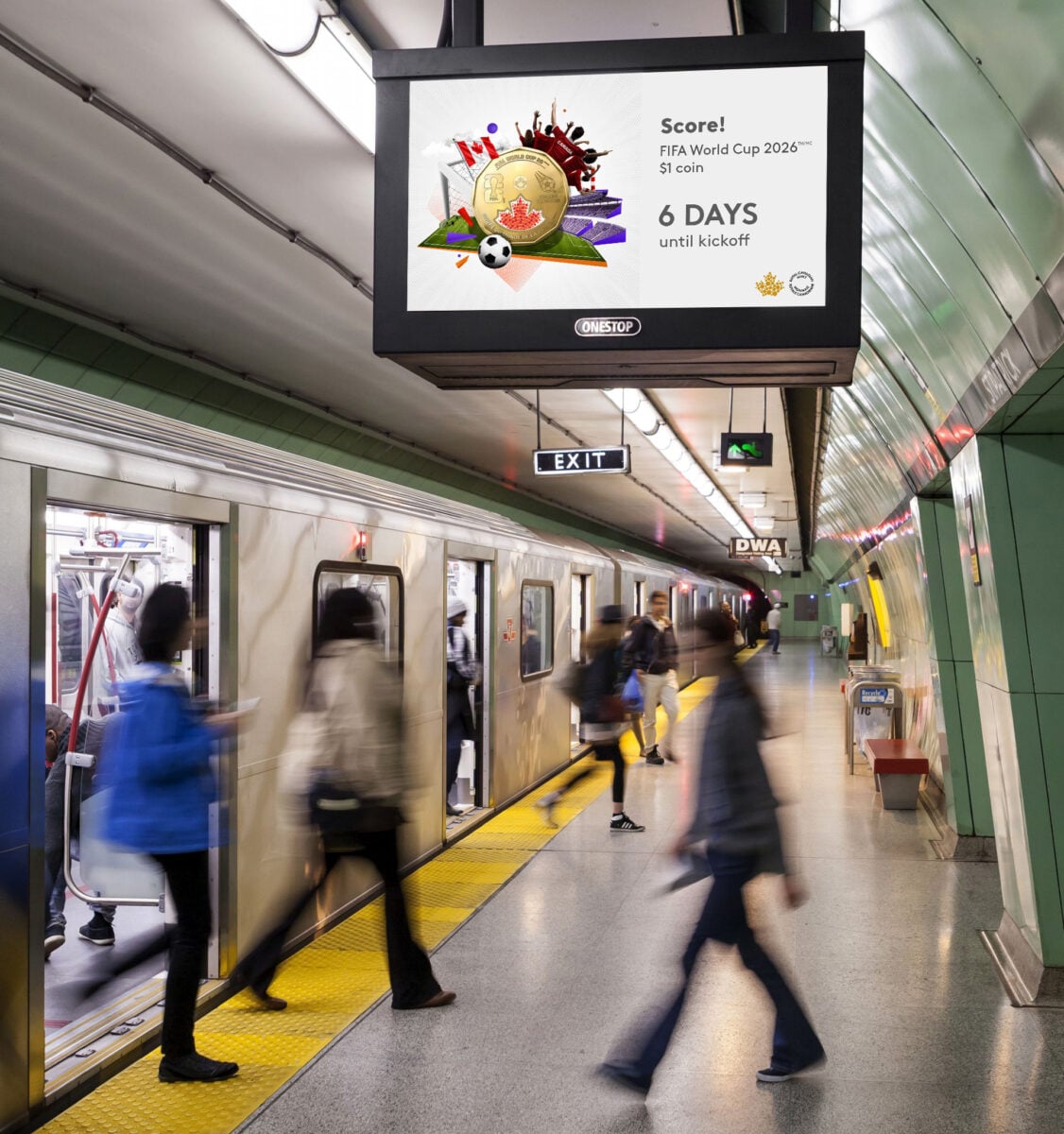
BMO understood that. It built on its longstanding connection to soccer in Canada through activations, experiences and out-of-home advertising. Rather than trying to compete with official sponsors, the brand focused on reaching fans in places they were already gathering, like Toronto’s Union Station, with creative that reflected the excitement surrounding the tournament. There was no need to reference FIFA directly because the context did the work.
That’s an important lesson for marketers. You don’t have to own the event to participate in it. If you understand your audience, deliver compelling creative and show up at the right moments, you can create meaningful connections without official rights.
Vistar Media image
Q: How has the fan journey evolved beyond the stadium, and what does that mean for where brands should be investing their marketing dollars during major sporting events?
A: Today’s consumer journey doesn’t follow a single path. People discover content, connect with friends, shop and make decisions across multiple environments throughout the day across multiple environments throughout the day.
During FIFA, the stadium was just one part of the experience. Fans were commuting, gathering in restaurants and bars, travelling between destinations and catching highlights long before and after each match. Brands that planned around those moments had far more opportunities to stay relevant.
For marketers, the takeaway is to plan around how people move through the real world, not around individual channels. The strongest campaigns use complementary channels to reinforce one another, helping brands remain top of mind throughout the entire consumer journey instead of relying on a single moment of attention.
Q: Tim Hortons is cited as a brand that focused on long-term cultural relevance rather than short-term buzz. What made that strategy effective, and how can other Canadian brands apply it?
A: Consumers are increasingly drawn to brands that feel authentic rather than opportunistic.
Like BMO, Tim Hortons wasn’t an official sponsor, but it’s a brand that Canadians already associate with sports at both the professional and community level. Its soccer-themed Timbit Buckets were a simple but effective way to tap into the excitement surrounding the tournament. There was no FIFA branding, but there didn’t need to be. Canadians immediately understood the connection because it felt like a natural extension of the brand.
That’s the opportunity for other Canadian brands. Start with what your audience already associates with your brand, then find authentic ways to participate in the moments that matter to them. The most effective campaigns build on existing brand equity instead of chasing short-term attention. Official sponsorship can amplify a campaign, but it’s not the only path to relevance.
Vistar Media image
Q: Looking ahead to future major sporting and cultural events, what are the biggest opportunities and biggest mistakes you expect Canadian brands to make?
A: Canada has an incredible lineup of major sporting and cultural events over the next several years, creating more opportunities than ever for brands to connect with consumers during shared experiences.
The brands that will benefit most are the ones that start planning early and think beyond the event itself. The opportunity isn’t limited to the main event. It’s in the anticipation beforehand, the moments when people come together to experience it and the conversations that continue afterwards. Campaigns that reflect those behaviours are far more likely to resonate with audiences.
The biggest mistake is treating these moments as isolated marketing opportunities. The strongest campaigns don’t just capitalize on a cultural moment. They reinforce broader brand-building efforts by delivering relevant, consistent experiences across the customer journey.
Montreal-based furniture company Cozey is expanding its sleeper sofa category with two new products, the Orian Sofa Bed and the Atmosphere Sofa Bed, as it broadens its range of multifunctional furniture.
The launches add sleeper functionality to two different designs, including an existing modular collection, with the company positioning the products as options for customers looking to accommodate guests or make more efficient use of living space.
Two new sofa beds
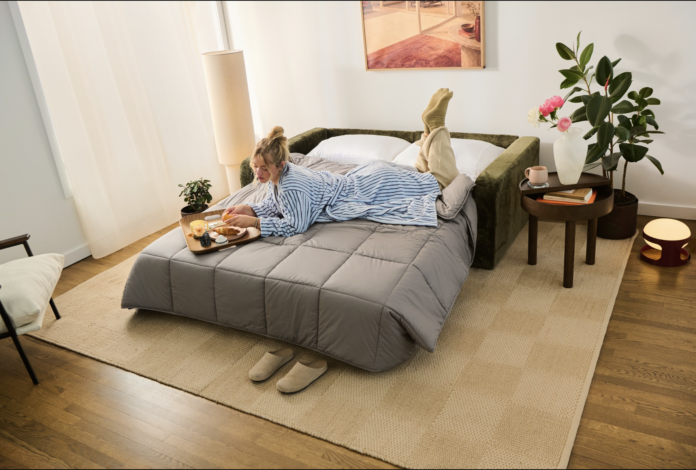
The Orian Sofa Bed combines a compact modular design with a contemporary silhouette and converts from a sofa into a queen-size bed using a pull-out mechanism.
The product is available with optional storage modules and comes in five colourways across Chenille, Aquaforte™ and Performance fabrics. It starts at $1,395 CAD for a two-seater.
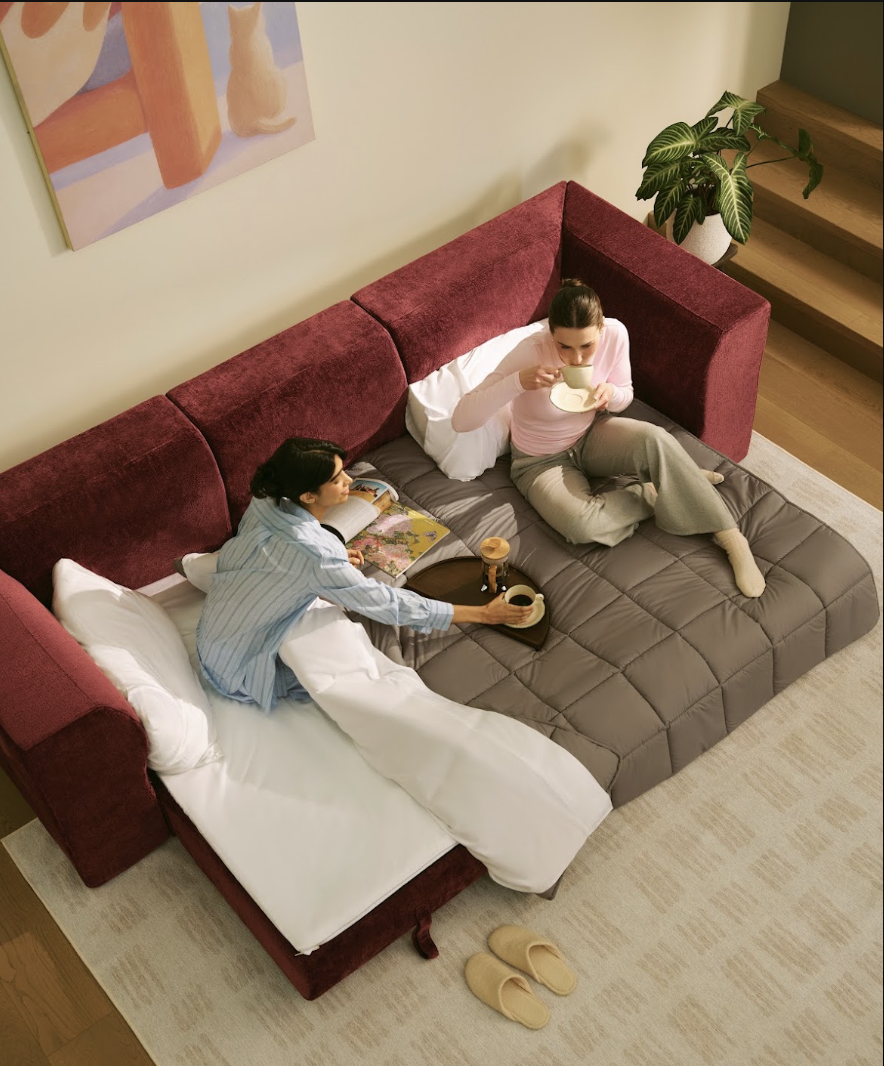
The Atmosphere Sofa Bed extends Cozey’s Atmosphere modular collection with an integrated sleeper option. The company says it is the first time sleeping functionality has been incorporated into the collection.
The Atmosphere Sofa Bed is available in more than 15 colourways across Corduroy, Chenille and Performance fabrics. Customers can select from four arm configurations: High Angled Square, Regular Square, Rounded or Armless.
The product starts at $2,290 CAD for a two-seater.
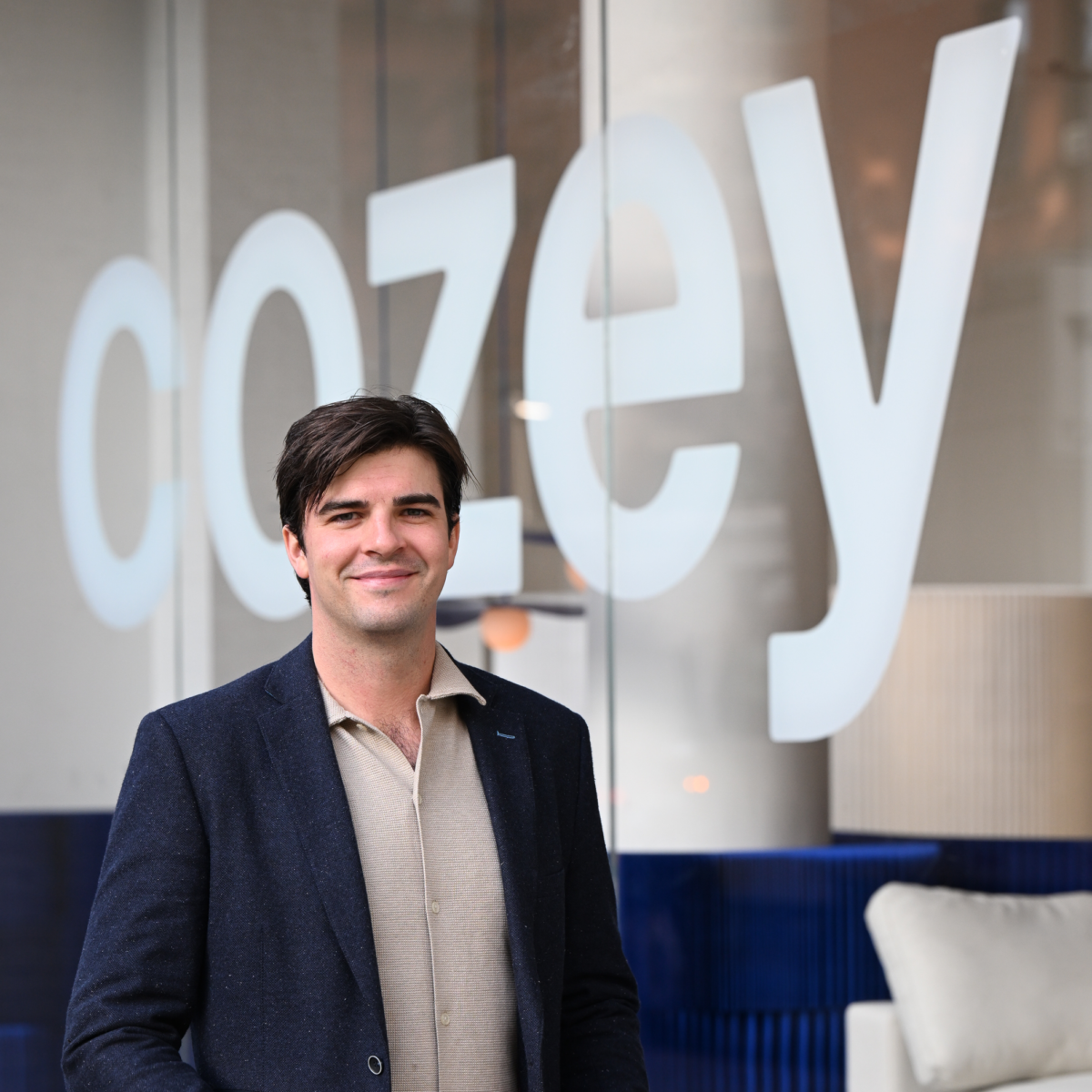
Frédéric Aubé, Founder and CEO of Cozey
“The way people use their homes has changed significantly over the past few years, and we’re seeing growing demand for furniture that works harder without sacrificing design,” said Frédéric Aubé, CEO and Founder of Cozey. “With the Orian and the Atmosphere Sofa Bed, we’re evolving the category with solutions that are intuitive, beautifully designed, and adaptable in ways that support everyday living, whether you’re furnishing a smaller space or simply looking for more flexibility at home.”
Building on earlier sleeper sofa
The two launches follow the introduction of Cozey’s Neptune Sofa Bed in 2023, the company’s first sleeper sofa.
According to the release, the Neptune was developed with a mechanism that allows it to convert into a queen-size bed without a bulky pull-out system and without requiring additional modules or ottomans.
The Atmosphere Sofa Bed also expands an existing modular collection that includes additional storage modules, giving customers more configuration options within the line.
Cozey photo
The company says the new products are part of its broader expansion across furniture categories, with a focus on multifunctional designs intended to accommodate different uses within the home.
Cozey describes itself as a North American furniture company focused on customer-centric design, quality and innovation. The company says its mission is to make adaptable and timeless furniture accessible to consumers, while also emphasizing the well-being of its customers, employees and partners.
The new sleeper sofas add to that product strategy by combining seating and sleeping functions in two distinct designs and price points.
Nearly one in four Canadians surveyed by Equifax Canada say they expect to make only the minimum monthly payment on their credit cards, as more households report using credit and savings to cover everyday expenses.
The survey of 1,532 Canadians also found that seven per cent expect they will fall behind on their credit-card payments, while 56 per cent expect to pay their balances in full each month.
The findings point to growing financial pressure among some households, with 40 per cent of respondents saying they are spending more overall than they were a year ago, compared with 18 per cent who are spending less.
Credit and savings used for essentials
The survey found that Canadians are increasingly drawing on credit and savings to manage household expenses.
Twenty-nine per cent of respondents said they are using more credit than they were a year ago to pay for groceries, utilities and other essential living expenses. Another 23 per cent said they are drawing on savings to cover day-to-day costs, while 20 per cent said they are relying more on credit cards and lines of credit.
At the same time, 35 per cent said they have reduced contributions to savings, investments or education funds. Forty-four per cent said they worry they are not saving enough for retirement, while 41 per cent are concerned about unforeseen emergency expenses.
Rebecca OakesJulie Kuzmic
“The results point to mounting financial pressure for many households,” said Rebecca Oakes, Vice-President of Advanced Analytics at Equifax Canada. “The survey indicates that a significant percentage of Canadians surveyed (29 per cent) are using credit and savings to manage everyday expenses, while 35 per cent are cutting back on contributions to save for their future and expecting to make only minimum credit card payments. When these pressures begin to overlap, households can lose financial flexibility quickly.”
The survey also found that 32 per cent have reduced spending on essential living expenses, including groceries and utilities.
Discretionary spending also down
Canadians surveyed reported cutting back on discretionary expenses as well. Sixty-seven per cent said they have reduced spending on entertainment and leisure, while 40 per cent have cut spending on personal care.
The survey found that 60 per cent of respondents are actively avoiding taking on new debt. At the same time, 13 per cent said they are borrowing more to cover basic living expenses, while eight per cent said they are opening new credit cards or taking on new loans.
Financial confidence has also weakened. Twenty-nine per cent of respondents said they are less confident in their ability to manage financial demands than they were a year ago, compared with 23 per cent who said they are more confident. Forty-seven per cent said their confidence is about the same.
“Financial pressure often builds gradually, and making only the minimum payment can sometimes feel like a way to manage through a difficult month,” said Julie Kuzmic, Head of Consumer Advocacy and Compliance at Equifax Canada. “However, balances can take much longer to repay and cost considerably more in interest. Anyone seeing their balances continually rise with little hope at repayment should review payment obligations, prioritize due dates and explore options with their lenders or a reputable credit counsellor before their financial situation limits their options.”
Vitaly Gariev photo
Families, younger adults report greater pressure
Households with children reported greater financial pressure than those without children.
Fifty-one per cent of respondents with children said they are spending more than they did a year ago, compared with 35 per cent of those without children.
Among households with children, 42 per cent said they are using more credit than last year to pay for essential living expenses, compared with 24 per cent of households without children. Thirty-three per cent of respondents with children expect they will only be able to make minimum monthly credit-card payments.
Forty-five per cent of those with children said they are concerned about supporting family members, including children’s education or aging parents, compared with 18 per cent of those without children.
Respondents under 55 also reported greater financial pressure than older respondents. Thirty-six per cent of those under 55 said they are using more credit for essential expenses than they were a year ago, compared with 18 per cent of those aged 55 and older.
Among respondents under 55, 42 per cent said they are spending more overall than a year ago, compared with 36 per cent of those aged 55 and older. Thirty-one per cent expect they may only be able to make minimum monthly credit-card payments, compared with 16 per cent of older respondents.
Twenty-two per cent of respondents under 55 said they are struggling to pay down debt because of high housing or mortgage costs, compared with 11 per cent of those aged 55 and older.
Only 47 per cent of Canadians under 55 expect to pay their credit-card balance in full each month, compared with 69 per cent of those aged 55 and older.
Taco Bell has brought the Enchirito to Canada for the first time, but only customers at 15 participating restaurants in Southwestern Ontario will be able to buy the menu item during a two-week launch.
The Enchirito is available for $3 plus applicable taxes from July 30 through Aug. 13 at restaurants in Amherstburg, Chatham, Kingsville, LaSalle, Niagara Falls, Sarnia, Wallaceburg and Windsor.
Limited rollout
Rather than introduce the item across its Canadian network, Taco Bell Canada is using the Southwestern Ontario launch as a controlled test of demand and restaurant operations.
“We know Canadians love discovering iconic Taco Bell menu items, so we wanted the Enchirito’s Canadian debut to feel special,” said Meera Patel, Director of Marketing. “We’re starting small. These communities get the first taste, and the bragging rights, and the response will help shape what happens next.”
Meera PatelTaco Bell photo
The company says the limited rollout will allow it to assess guest demand, operational execution and overall performance before deciding whether to bring the Enchirito to other Canadian markets.
If the launch performs well, the item could be expanded to additional regions across Canada. Guest response during the promotion will help inform those future plans.
What customers are getting
The Enchirito, a Taco Bell menu item dating to the 1970s, combines elements of an enchilada and a burrito. It consists of a soft flour tortilla filled with seasoned beef, refried beans and onions, topped with red sauce and shredded cheddar cheese and heated until the cheese is melted.
“Being among the first restaurants in Canada to serve the Enchirito is an exciting moment for our teams and our guests,” said Puja Gupta, Franchisee of Gupta Foods. “We are proud to help introduce this Taco Bell icon to Canada and look forward to seeing the response across our communities.”
The $3 price applies at participating restaurants, while pricing may be higher through delivery platforms. Availability and participation may vary by restaurant.
Participating locations
The Enchirito is being offered at 527 Sandwich Street South in Amherstburg; 328 St. Clair Street in Chatham; 329 Main Street East in Kingsville; 3770 Montrose Road in Niagara Falls; 1337 London Road in Sarnia; 60 McNaughton Avenue in Wallaceburg; and 2301 Sandwich Parkway West in LaSalle.
The Windsor locations are 300 Tecumseh Road North, 301 Ouellette Avenue, 1655 Manning Road, 1790 Huron Church Road, 3058 Dougall Avenue, Devonshire Mall at 3100 Howard Avenue, 3419 Tecumseh Road East and 6707 Tecumseh Road East.