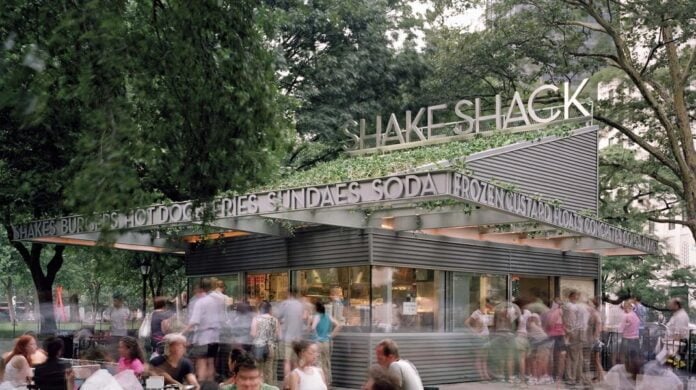
Shake Shack in Madison Square Park (Image: Shake Shack)
NYC-based burger chain Shake Shack has announced plans to open a flagship location in Toronto in 2024, with an additional 35 locations to open across Canada by 2035. It’s a highly anticipated entry into the Canadian market that has been in the works for years.
Michael Kark
“We have been eyeing this incredible opportunity in Canada for quite some time and are elated to have found exceptional partners to serve Shack classics and bespoke Canada-exclusive items to our sophisticated neighbors to the north,” says Michael Kark, Chief Global Licensing Officer of Shake Shack.
“Together with Osmington Inc. and Harlo Entertainment, we plan to open 35 Shacks in Canada by 2035 starting with the flagship location in Toronto in 2024. We can’t wait to be a part of the city’s bustling energy and innovative food scene.”
“Shake Shack has long been a brand that we admire. Their emphasis on community building, enlightened hospitality and exceptional food quality aligns with our values and we are thrilled to be bringing them to Canada,” says Lawrence Zucker, CEO of Osmington.
“Our experience in creating leading culinary destinations, scaling concepts and driving memorable guest experiences has allowed us to build successful hospitality venues across North America. We are extremely proud to be partnering with Shake Shack and excited to bring their brand to Canadians,” says Michael Kimel, Co-Founder and Chairman of Harlo Entertainment.
Since the original Shack opened in 2004 in NYC’s Madison Square Park, the Company has expanded to over 440 locations systemwide, including over 290 in 32 U.S. States and the District of Columbia, and over 150 international locations across London, Hong Kong, Shanghai, Singapore, Mexico City, Istanbul, Dubai, Tokyo, Seoul and more.
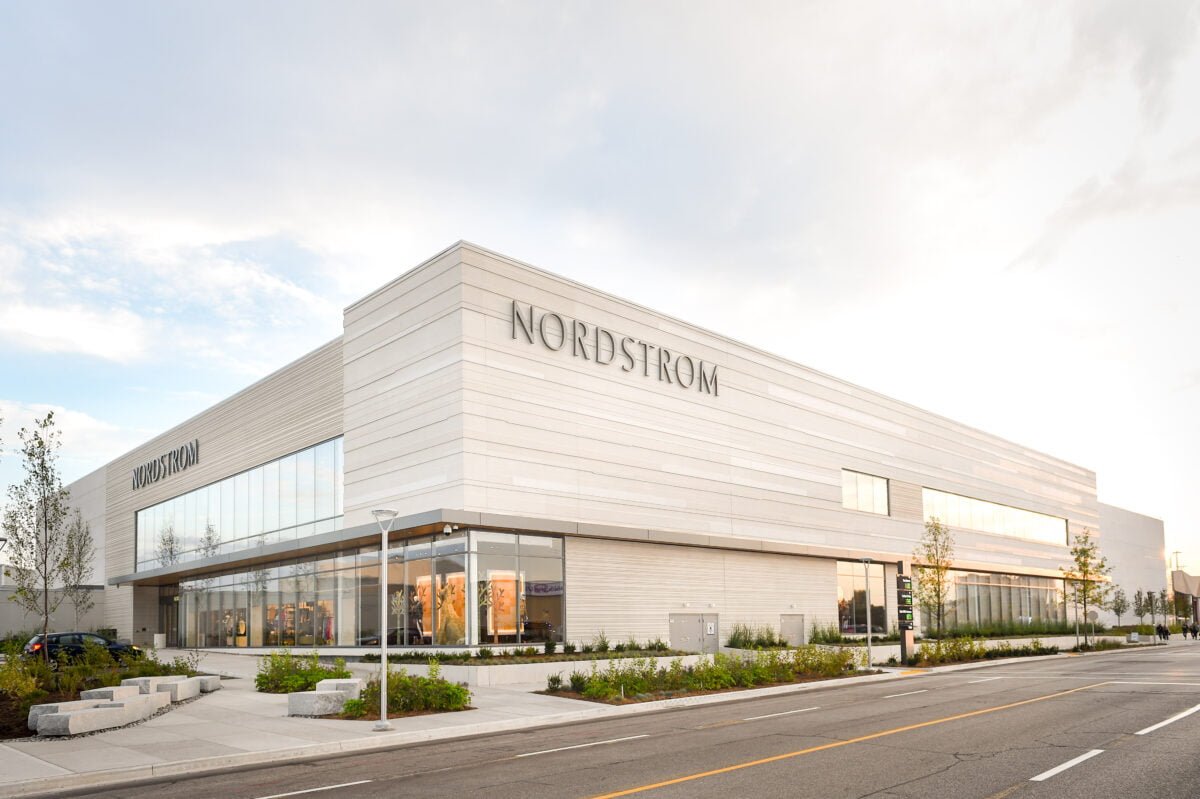
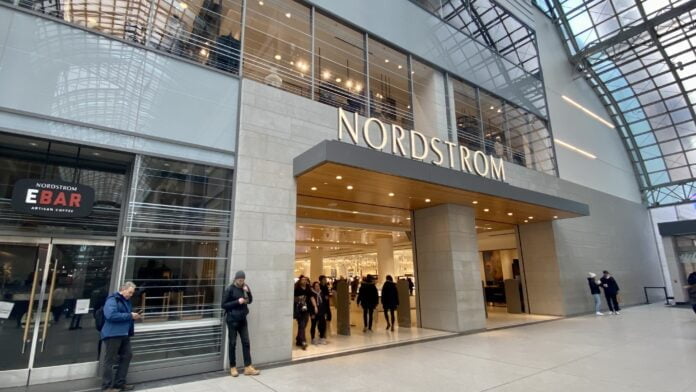
As Nordstrom begins its exit from Canada with liquidating sales, many are wondering what is going to happen to some of the big box real estate in choice locations that the giant retailer is going to leave behind.
Are there companies and organizations waiting to jump in and take over that space or will that huge chunk of real estate follow what happened in much of the former Sears space in Canada where landlords broke it up into smaller units to accommodate more than one use?
Martin Moriarty, Senior Vice President, Investments & Leasing with Marcus & Millichap in Vancouver, said he doubts one large-scale user will come in and swoop up the spaces, nor does he think the landlords may want that simple answer.
Martin Moriarty
“For their landlords, Cadillac Fairview and Oxford Properties, two of the best in the business, they now have a generational opportunity to reprogramme, reimagine and reposition key central blocks of space in super-prime locations. This could involve creating a community of smaller retailers, food and beverage offerings and entertainment uses. Nationally, each unit will be different but in terms of Vancouver’s impact, this may prove to be the opening needed for several new market entrants to land. I know there will be a lineup of notable groups looking to take this chance,” he said.
“I may be remarkably wrong but it feels inevitable that the spaces will be subdivided to some degree. Each location, I’m sure, will be strategically attacked differently depending upon location, size and configuration but I’d say subdividing will naturally occur to allow for a wider variety of uses, tenancies and consumer experiences. It feels right and I think, in today’s age, there is also something to be said for “de-risking” an asset by taking such an approach.
“Nordstrom selects great locations and there’s a reason their real estate is revered by most retailers. Whilst hard for me to comment specifically across a national portfolio, I feel confident their landlords will not have a tough time filling these highly-coveted spaces but they will likely take their time to ensure they achieve the right mix of users to bolster their consumer experience. In short, great things do take some time.”
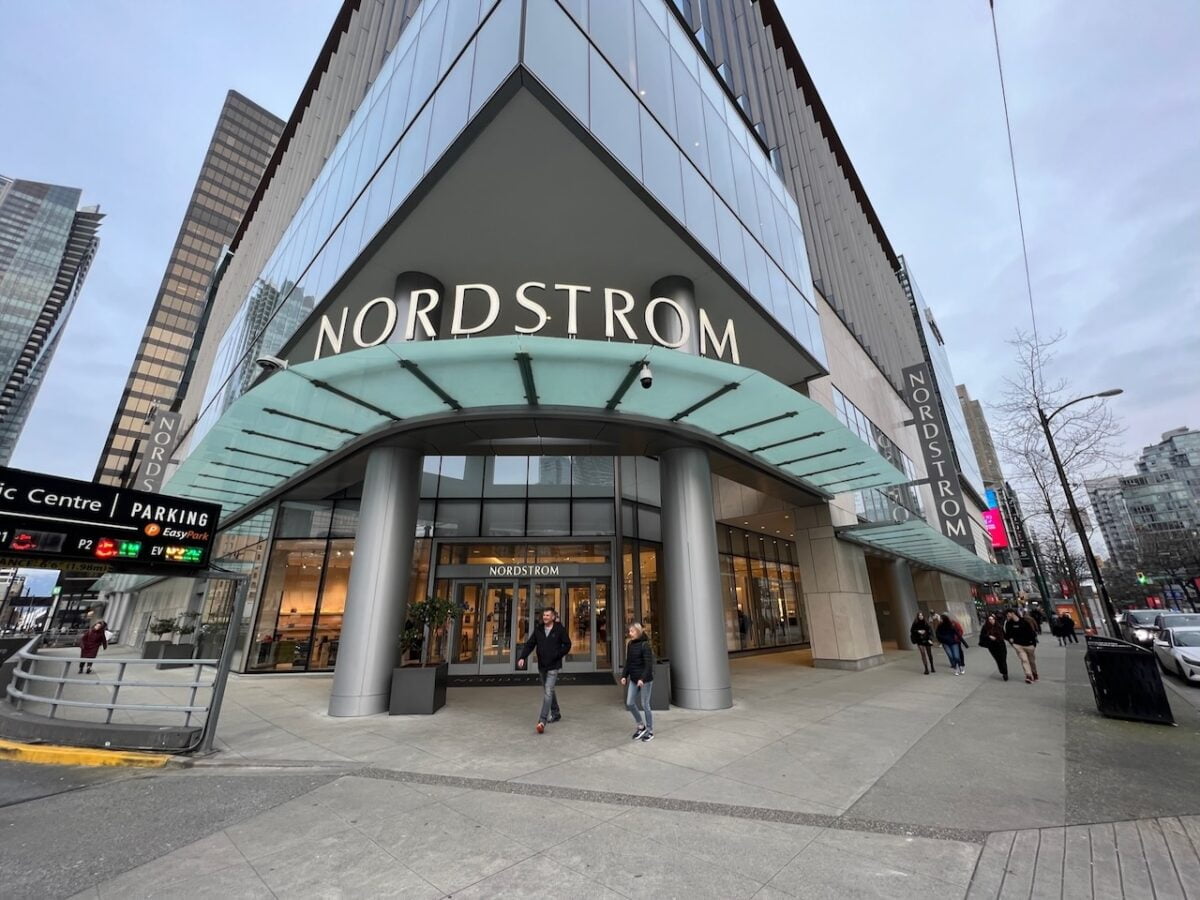
Nordstrom at CF Pacific Centre (Image: Lee Rivett)
Mary Mowbray, Senior Vice President, Retail Group, Colliers, said Canada has relatively few players that could lease Nordstrom department stores which range from 138,000 square feet to 220,000 square feet – maybe Simon’s or Holt Renfrew – so, it’s unlikely, but not impossible, that the stores would be released in their existing sizes.
Mary Mowbray
“It’s more likely that Nordstrom department stores will be broken up into medium sized units of 10,000 square feet to 30,000 square feet and re-leased,” she said. “The mall owners could target lifestyle retailers, large format retailers, larger food and beverage concepts, and entertainment concepts. No owner wants to see an anchor retailer like Nordstrom close but it also creates huge opportunities to introduce new uses and concepts.
“Owners need to bring in new concepts – new retailers but also food and beverage and entertainment uses – to keep attracting people to shopping centres, especially younger customers. And, Nordstrom department stores are in the absolute best shopping centres in the country. They are the calibre of malls that new retailers and concepts are looking to be in. The Nordstrom Rack stores are more likely to be leased to single tenants given their size and locations.”
She said as shopping centres look at big boxes today and in the future more of them will follow what happened with the former Sears space as landlords broke up the space to accommodate more tenants.
“The excitement in retail is in newer concepts. This includes newer retailers, which often start small to test products and the marketAnd, it includes newer uses, such as entertainment uses; these are generally larger than retail uses but often top out at 40,000 square feet, still much smaller than a department store,” said Mowbray. “More, smaller tenants also provide the opportunity to introduce more new concepts over time and reduce an owner’s risk.”
She said she didn’t believe it will be tough for shopping centres to fill these Nordstrom spaces given the quality of the shopping centres and their owners’ experience.
“Nordstrom stores are in the best centres in the country and are remarkably resilient. And, the centre owners have the experience and the depth of knowledge to create exciting opportunities out of the vacancies,” she said.
“Both Nordstrom and Nordstrom Rack occupy different real estate locations to start with. Nordstrom Racks are at power centres and outlet malls, they will be a different animal to deal with given the target audience and offers. And Nordstrom itself is mostly within first tier malls,” he said.
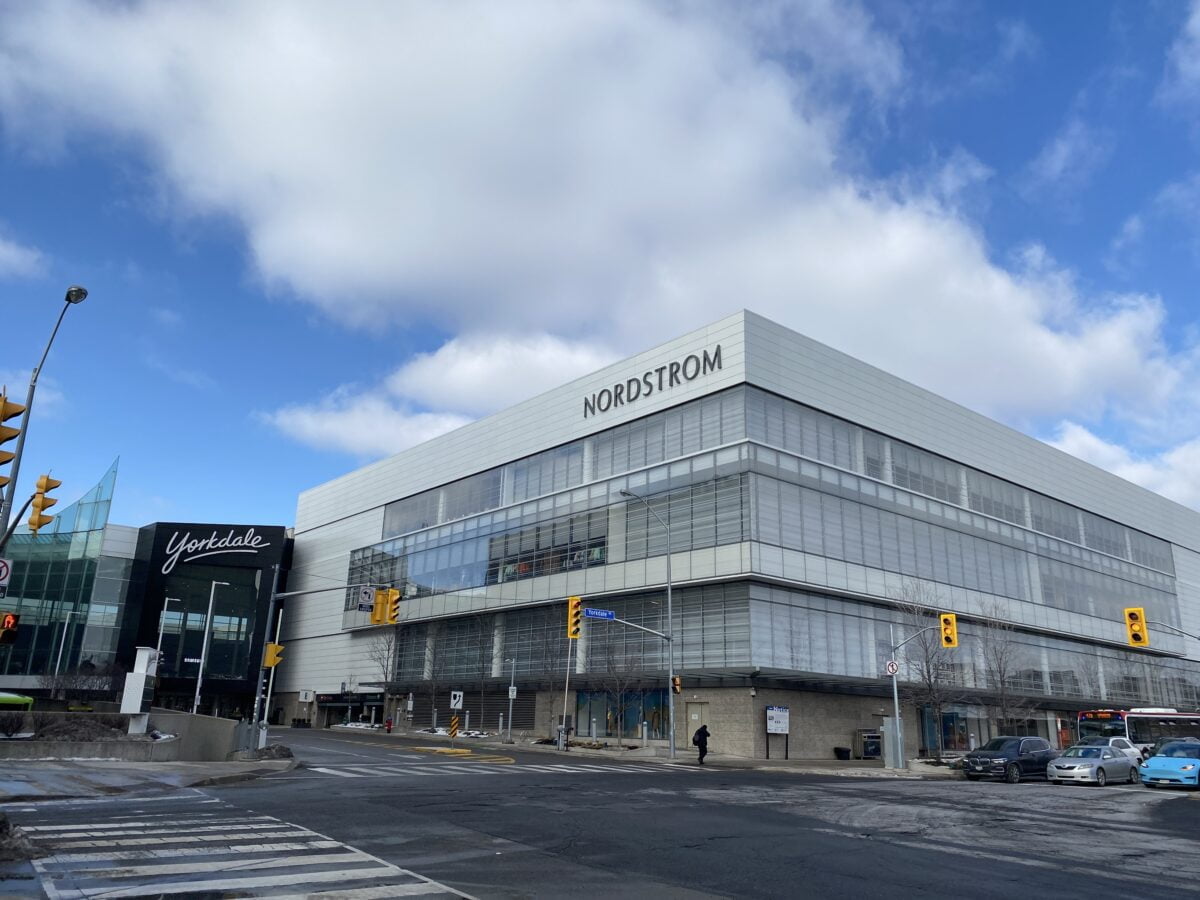
“The majority of spaces will be filled whether the same size or divided up. Malls like Eaton Centre, Pacific Centre and Yorkdale will have some interesting offers. Keeping in mind these locations are all about branding with the right merchants. So they can afford to be very selective and tactical.”
Minakakis said if he was leading retail chains he would be asking why they should enter Canada, a market that clearly is so different. It’s not easy today to pull it off.
“As for demographics, with the exception of Toronto, Montreal and Vancouver, most of our other cities are more like middle America than they are like New York or San Francisco. Getting creative with a retail space is more logical than generating no revenue from it,” he said.
The strategy by landlords to cut and divide space is inevitable for all shopping centres that have little opportunity to attract any big names to Canada, he said. Suburban malls do have an interesting opportunity for smaller chains that are doing well and want more visibility and traffic. More traffic is a challenge these days.
“Ten years ago most shopping centres had a long list of retailers who wanted to lease these spaces. Not as easy today to find large anchors, especially one that stands out as prominently an attraction as Nordstrom. If anything, Nordstrom’s failure means bread and butter for some Canadian department stores, because US and likely international brands not here today, will think twice about making the big move to Canada. If anyone was hoping for a Neiman Marcus or Bloomingdales to enter Canada that’s not in the cards,” said Minakakis.
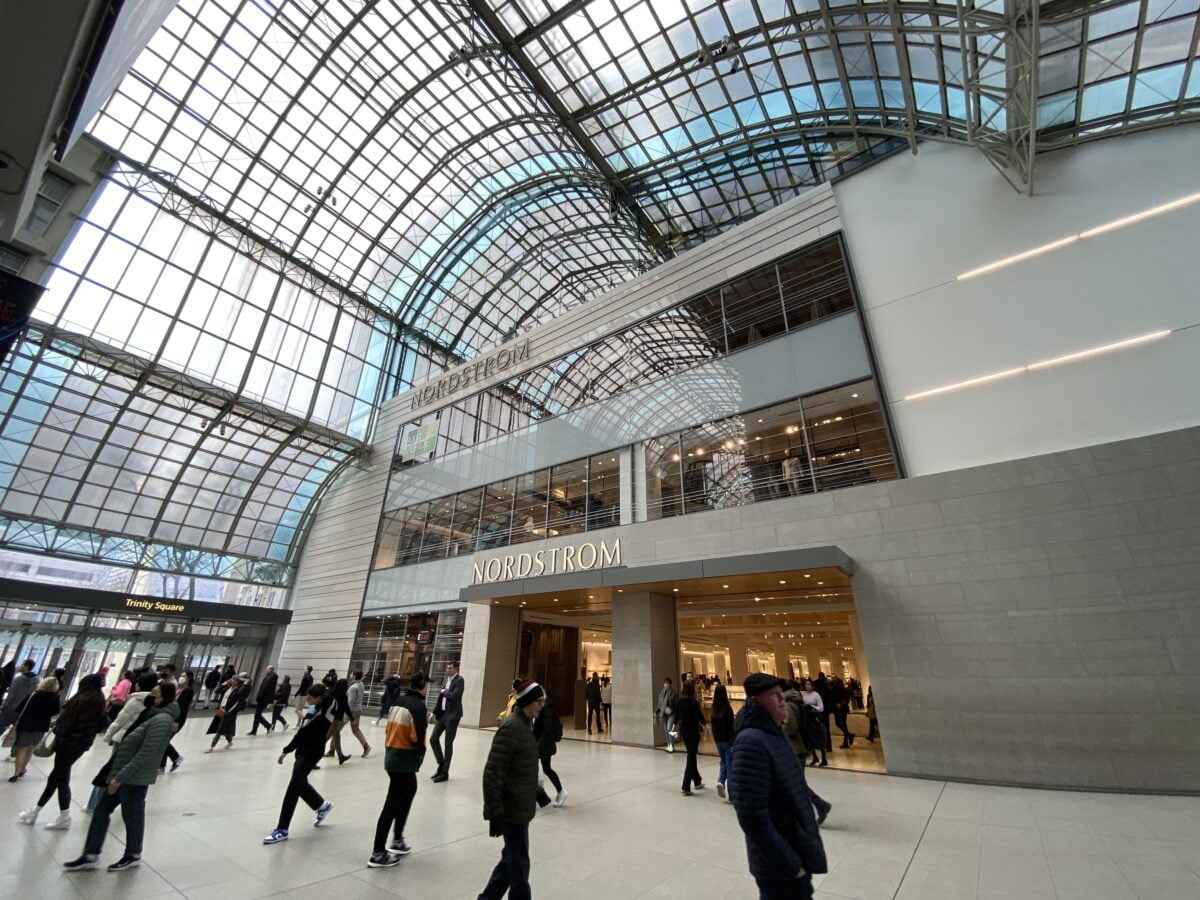
Nordstrom at CF Toronto Eaton Centre (Image: Dustin Fuhs)
“So, who would take these locations? One retailer that comes to mind is La Maison Simons however they have 15 locations and opening more stores may be attractive provided they aren’t cannibalizing existing stores. There would also have to be very attractive terms to enter some of these prime locations. It all depends on a retailer’s risk appetite.
“What I am also trying to convey to many about Nordstrom’s departure is that the luxury market in Canada is a little overstated by many who focus primarily on luxury brands and sometimes make it sound like everyone in Canada is buying these goods. This is a high income class driven retail culture. In our own research we found consumers who can buy luxury goods are about 10-12 per cent of the population, and the top three per cent can do it everyday. As a matter of fact, I also happen to know high net worth people who drive 15-year old trucks and don’t buy these brands. For this reason, it will be tough to fill Nordstrom’s shoes with new anchors that are as attractive.
“It will take time to fill these spaces in this economy. We should expect that developers will have secured leases before they begin to split up an anchor location, it’s just smart to ride out the storm.”
Nordstrom at CF Sherway Gardens (Image: Nordstrom)
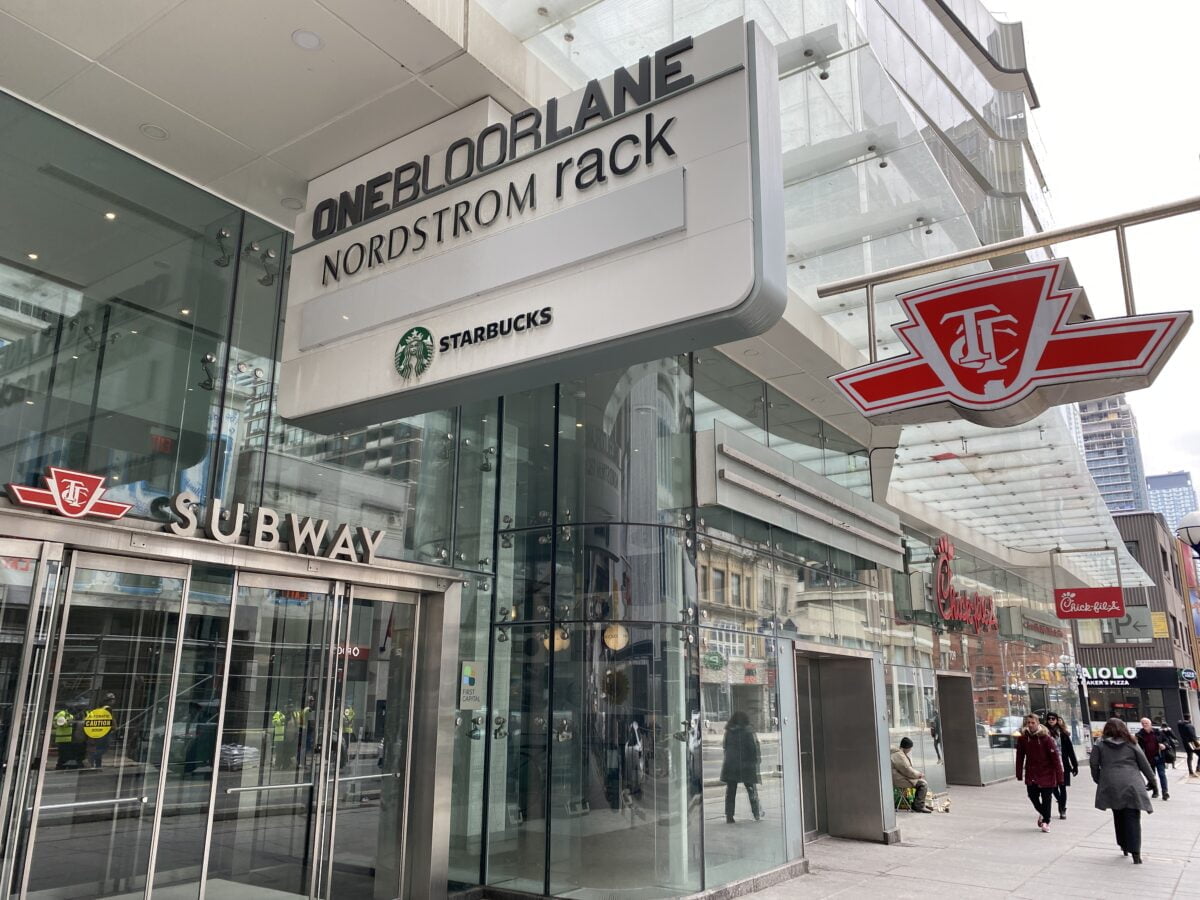
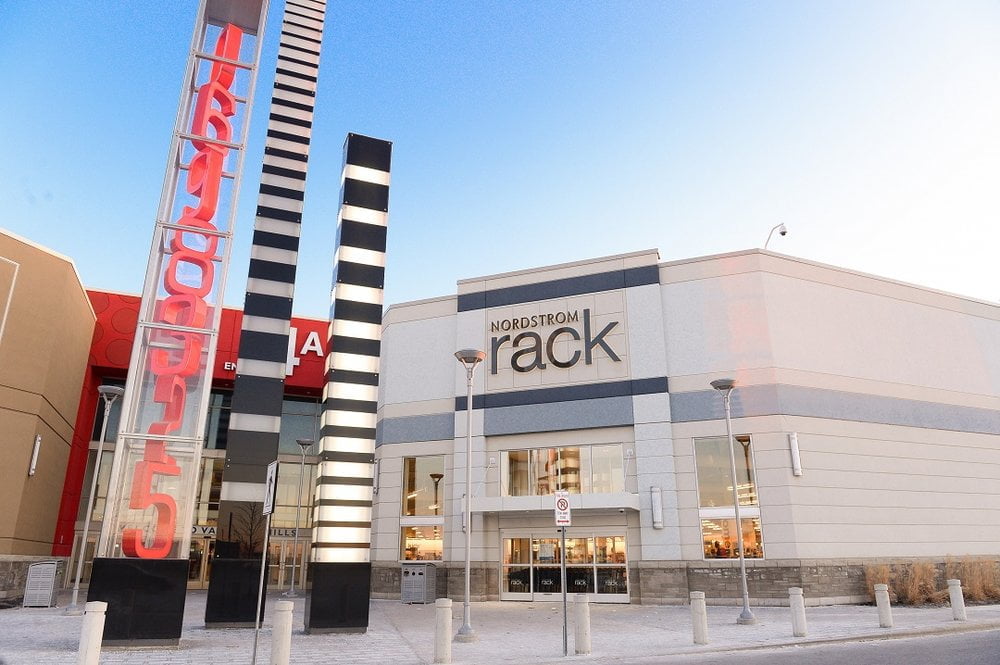
Clearance sales at Nordstrom stores in Canada have begun as part of the winding down of Nordstrom Canada under the Companies’ Creditors Arrangement Act. Nordstrom has six full-sized stores in Canada including three in Toronto (CF Toronto Eaton Centre, Yorkdale and CF Sherway Gardens) as well as in Ottawa at CF Rideau Centre, Calgary at CF Chinook Centre, and at CF Pacific Centre in Vancouver. Nordstrom also operates seven Nordstrom Rack stores in Canada in the metropolitan Vancouver, Edmonton, Calgary, Toronto and Ottawa markets.
On its website the retailer said: “Nordstrom Canada entered the Canadian market in 2014 with a plan to build and sustain a long-term business in the country. Against the backdrop of a challenging operating environment, Nordstrom Canada’s parent company, Nordstrom, Inc., has determined, after careful consideration of all reasonably available options, that it is in the best interests of its stakeholders to discontinue further financial and operational support for the Canadian business operations. As a result, Nordstrom Canada has determined that it will wind down its operations and close its 13 Nordstrom and Nordstrom Rack stores. Further, Nordstrom.ca has ceased operations, effective immediately.”
The retailer said the liquidation sale process is expected to be completed in late June.
Nordstrom Rack at One Bloor (Image: Dustin Fuhs)
Bruce Winder, author of RETAIL Before, During & After COVID-19 and President of Bruce Winder Retail, said landlords will either look for a big new entertainment draw that brings affluent customers to malls or break up the space and lease it out to other tenants in need of smaller spaces.
Bruce Winder
“Another option could be a luxury auto dealership or spa or something like that. There aren’t many retailers who could fill the space Nordstrom had that fit the demographic of the shopper from these malls. These are massive, anchor locations that leave these centres with a huge eye sore and reminder of Nordstrom’s demise. No doubt they already have some deals in the works. Looking forward to seeing what opens later in 2023 or 2024,” he said.
“I don’t think that (landlords) will have a hard time filling the Nordstrom space, but it may take time and require capital to reconfigure the locations. The Nordstrom spots are prime, anchor locations in malls with traffic from shoppers who have high disposable income so the right tenant could make it work if the space is broken up.
“International luxury brands keep coming to Canada so over time they could take portions of this space, but the malls will need another anchor that draws customers out of their chairs and into the shopping centre. It has to be compelling yet make sense from a customer lifestyle perspective. Nordstrom’s exit may make other international brands think twice about expanding into Canada or at least may teach them a good lesson about starting small and testing and learning before gradually expanding.”
Nordstrom Rack at Vaughan Mills (Image: Nordstrom)
Michael Kehoe, Broker of Record, Fairfield Commercial Real Estate in Calgary, said the Canadian Nordstrom locations will be re-configured, repurposed and re-leased strategically over time as these shopping venues across the country evolve to keep pace with consumer demand.
Michael Kehoe
“In some cases, densification is likely to occur as a long-term, mixed-use development strategy,” he said.
“The gene pool of department store retailers in the Canadian market is limited however, I am expecting to see some innovative solutions from the building owners. Could there be an international player that may enter the market or perhaps a large format Canadian retail brand will be a part of the solution? Excited to see the continuous evolution of the consumer retail industry unfold as shopping patterns continue to change across the country. We can expect that the Nordstrom spaces will be recycled and repurposed over time with other retailers, entertainment and other non-retail uses.
“The Canadian Nordstrom spaces are prime and I expect that Cadillac Fairview, an innovative and successful retail landlord will generate some high-profile solutions with interesting new shopping, entertainment and dining destinations that will add value at their Canadian properties. There are obvious challenges facing the consumer real estate industry and the overall economy in Canada but I am not expecting that the Nordstrom spaces will sit idle for long.”
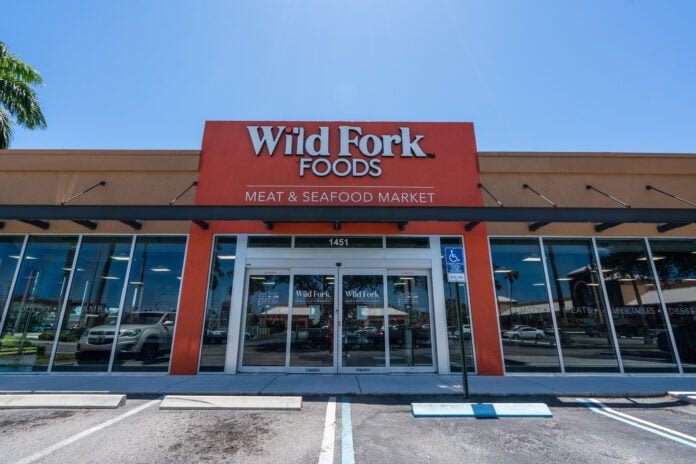
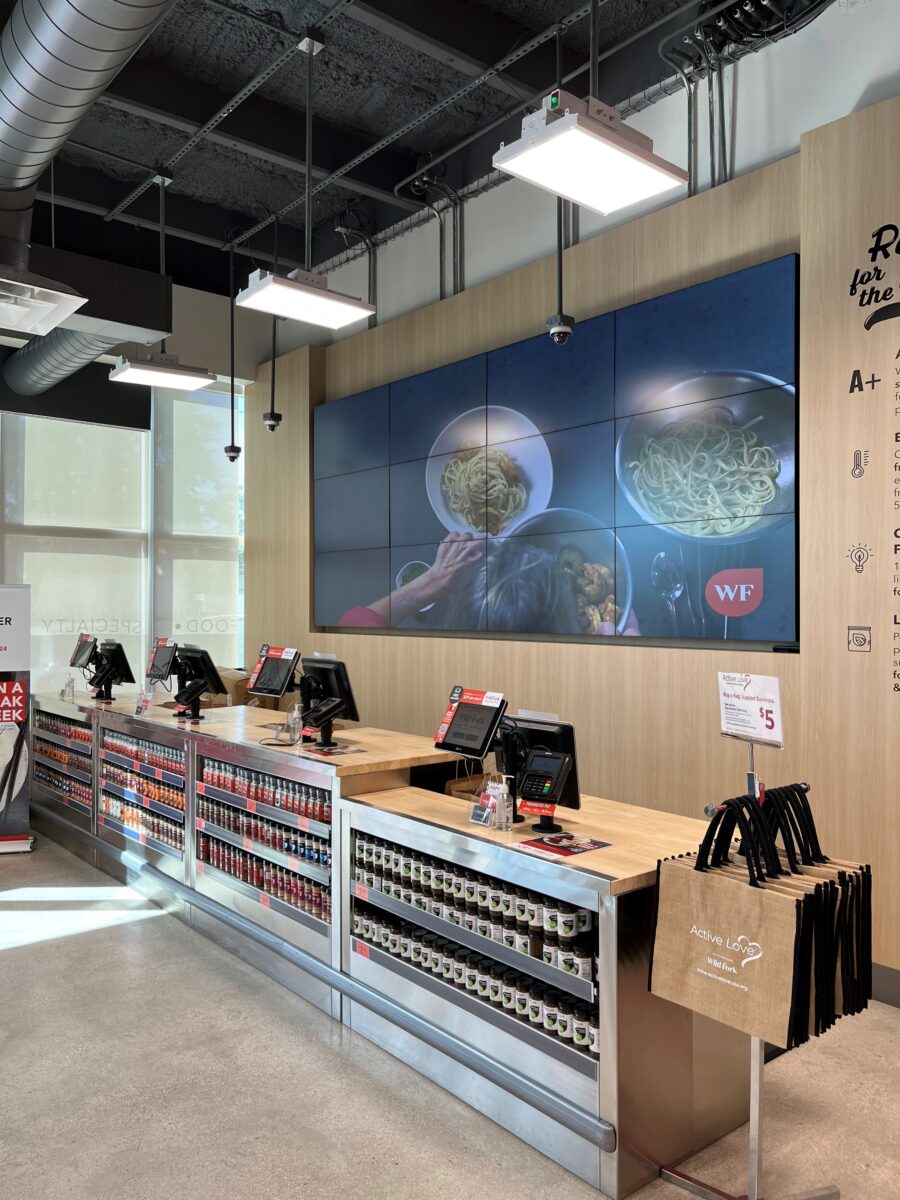
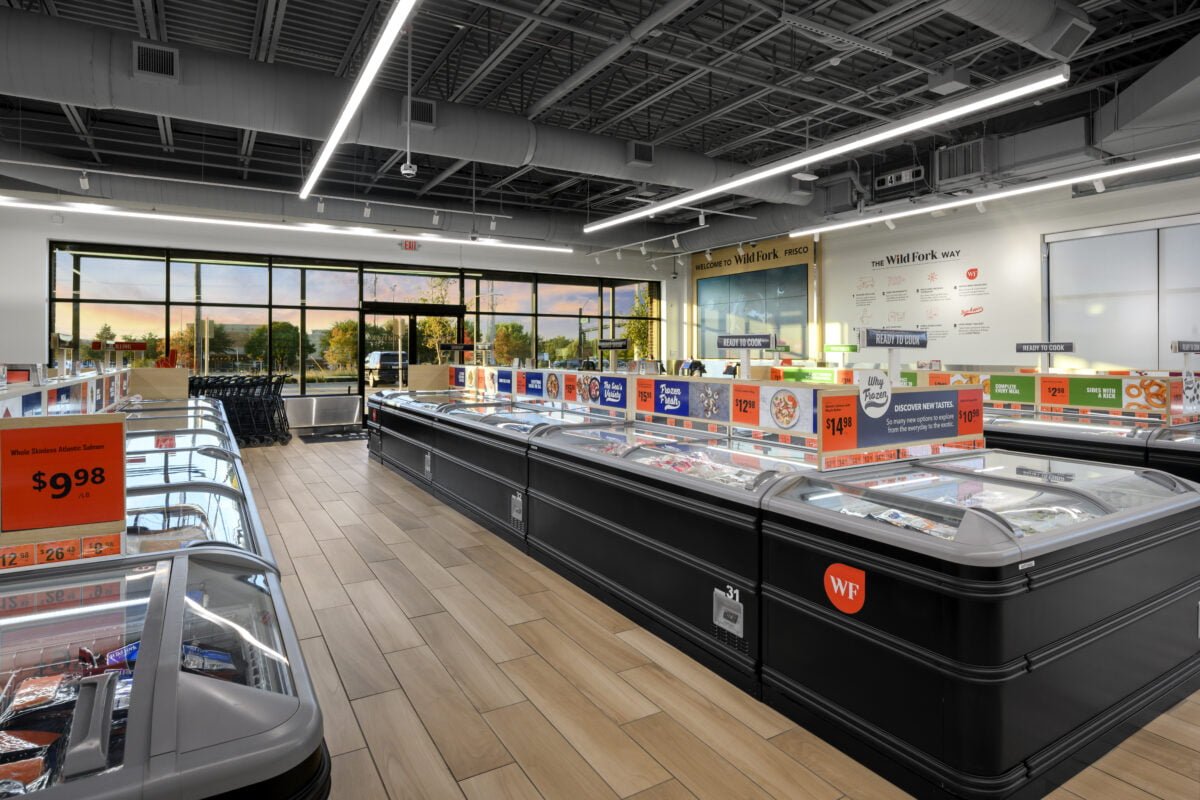
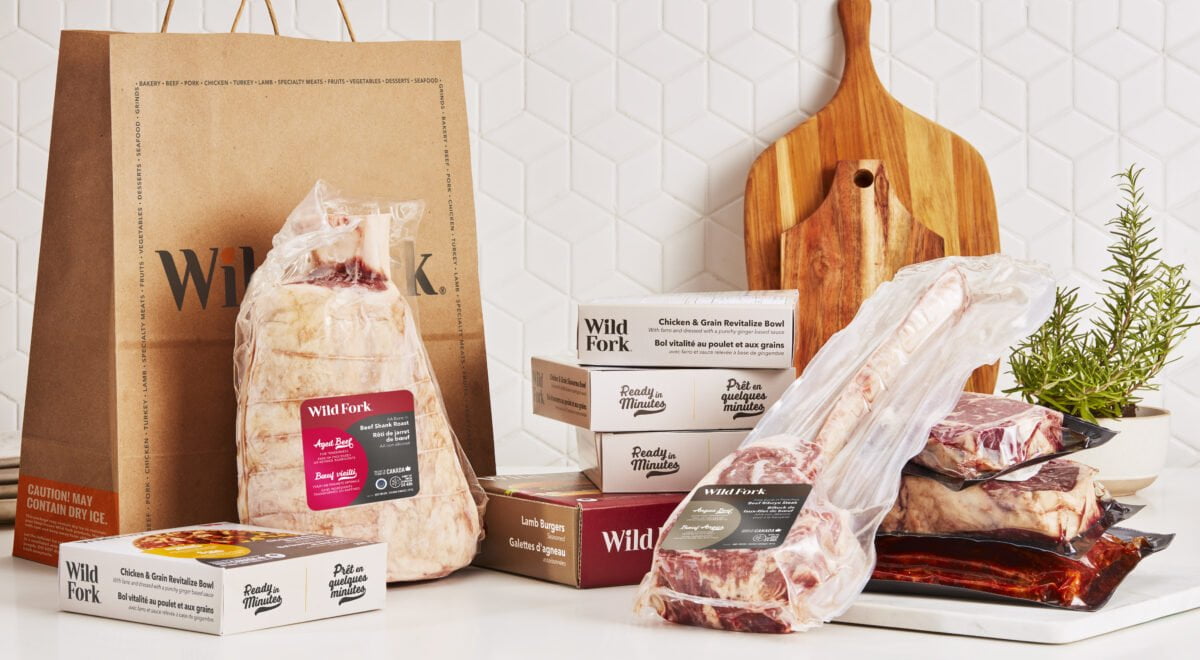
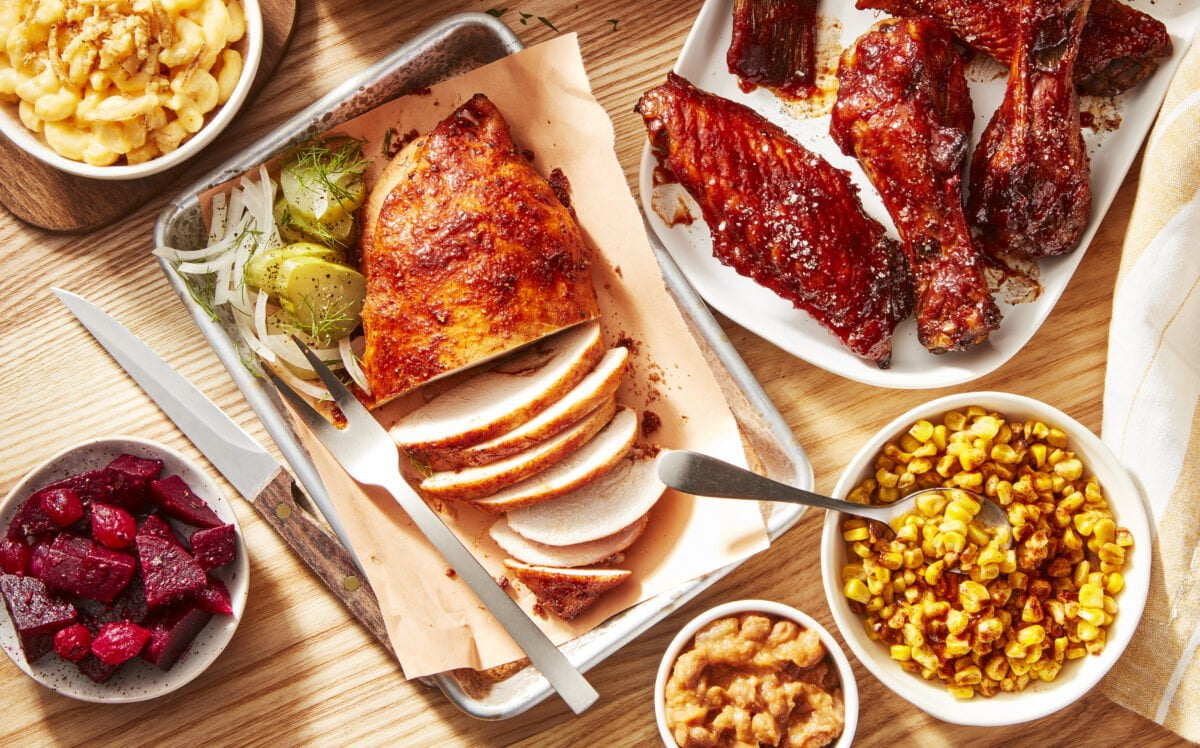
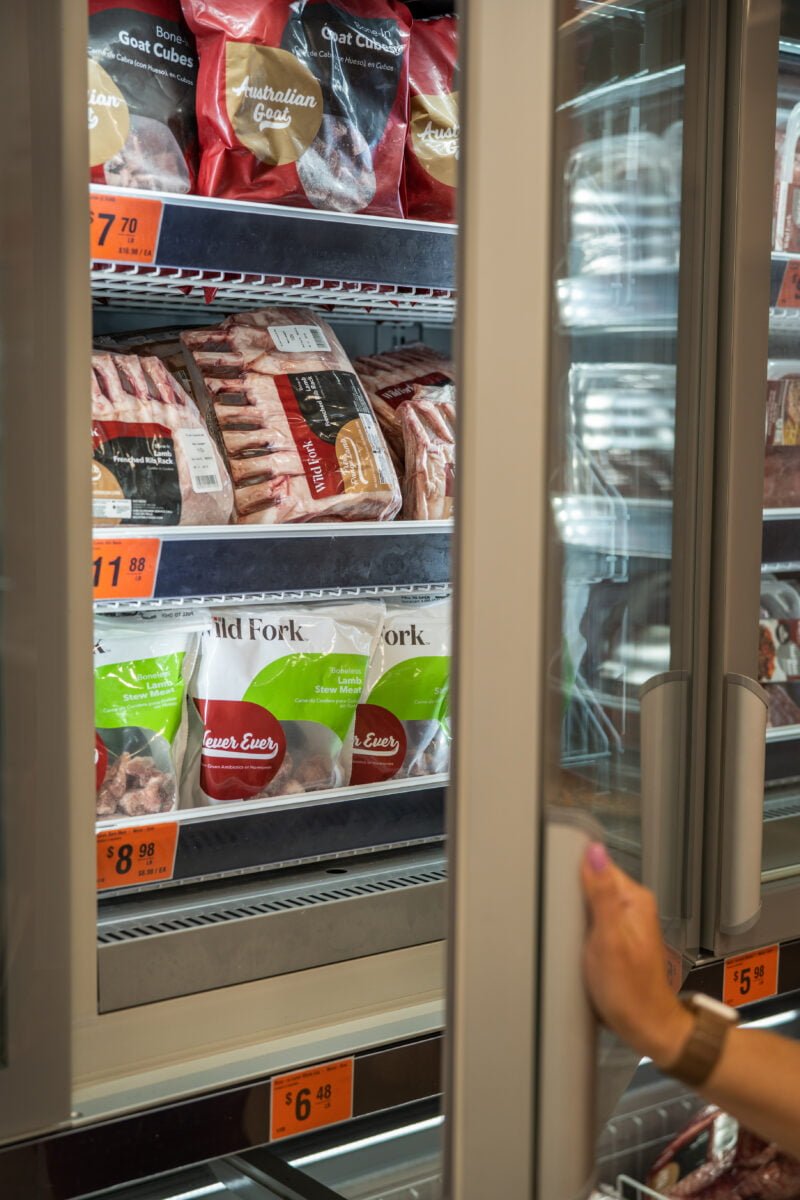
Innovative food company Wild Fork has launched in Canada with delivery of quality meat, seafood and more right to Canadians’ doorsteps with plans on opening numerous physical locations across the country.
“At the core, we are a protein company and at the highest level what we’re aiming to do is transform how people shop for and consume protein,” said Sherryl Woodward, Head of Brand Experience at Wild Fork.
“It starts with quality. Everything we do starts with quality. We have an entire team dedicated to product inclusive of a head chef. They go out and work directly to find the best suppliers . . . Chefs literally try every single item before something is put on our website for Canadians to be ready to buy it.”
Image: Wild Fork
Sherryl Woodward
Woodward said that is combined with “insane” variety. For example, it doesn’t have just one type of beef but in numerous types such as seasoned, pre-sliced, AAA, Prime, Angus, etc.
“So depending on what you are looking for, you can buy it all from us,” she added.
“You can get your specialty and everyday things and everything across the board is hyper, hyper, hyper competitively priced. We are constantly every day trying to offer Canadians bang for the buck which especially right now is incredibly important.”
Image: Wild Fork
The brand launched in Canada on January 19 this year as an online business servicing the Greater Toronto Area with same day delivery. The first retail store is opening this spring in Whitby, Ontario.
Max Izen
“It’s exciting to part of this unique brand which will be opening retail locations later this year in the GTA,” shares Max Izen, Head of Real Estate for Wild Fork.
“We’ve had a great reaction to our brand so far and look forward to bringing it to more communities in the near future.”
Image: Wild Fork
Ali Fieder Baker
Ali Fieder Baker, Vice President at commercial real estate firm Avison Young which is handling Wild Fork’s Canadian real estate needs, said the first physical store will be located in the Taunton Gardens shopping centre.
She said the store will be about 4,000 square feet.
“Right now we’re actively sourcing 20 sites in the GTA with goals to open those in 2024-2025. We are focused on Ontario growth right now and then BC and Alberta come 2025,” said Baker.
Image: Wild Fork
The brand will be looking for space from 3,800 square feet to 5,000 square feet.
“We love a grocery-anchored plaza. That would be ideal,” she said.
“We consider ourselves a second shop to grocery, liquor, drug store. If we can’t be on a physical site with a grocery store, we’d like to be across the street or in close proximity. We’re really focusing on these key high traffic nodes for that day-to-day shopping. And we basically sweep all the real estate within that node to see what we can find and what would work for us.”
Woodward said Wild Fork is complementary to a grocery store.
At the core, she said, the brand is trying to drive some appetite appeal and some excitement.
“We want to excite your meals and it goes back to the fact we really want to transform that eating experience. That could be through trying something different. But it’s all about the joy of eating with us,” said Woodward.
Image: Wild Fork
Woodward said despite different trends out there with more people becoming vegetarians, protein is still very core to people’s everyday meals.
Wild Fork also offers pizza, desserts and breads.
While the brand just launched in January, it has existed in the U.S., Brazil and Mexico.
Image: Wild Fork
The brand says it is transforming the way people shop and eat protein.
“By managing every step of the process from farm to fork, we ensure you get the highest quality, largest variety and most consistent eating experience at the most affordable prices. It’s at the core of everything we do,” says the company on its website.
“The new fresh way to eat is here and it’s frozen. We’ve evolved how to shop for the best quality meat, seafood and more by locking in freshness until you’re ready to make your star ingredient sizzle. We deliver the largest variety of quality meat, seafood and more right to your door at affordable prices, ensuring you get what you want every time.”
Retail Insider is streamlining its Canadian retail news from around the web to include a handful of top news stories that can be viewed quickly during the day. Here are the top stories from the past 24 hours.
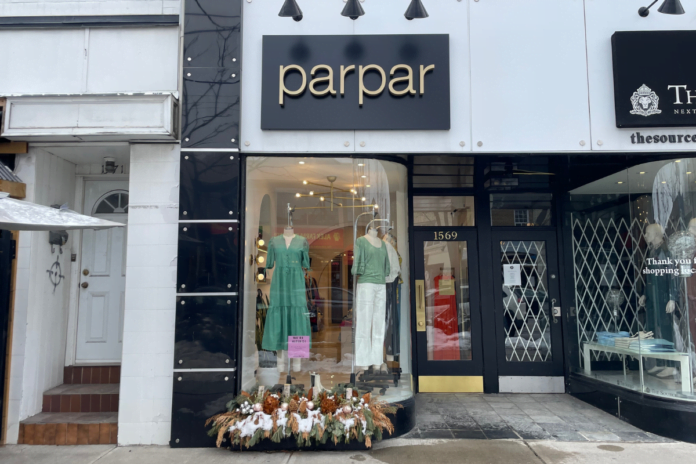
Parpar Boutique at 1569 Bayview Avenue, Toronto (Image: Parpar)
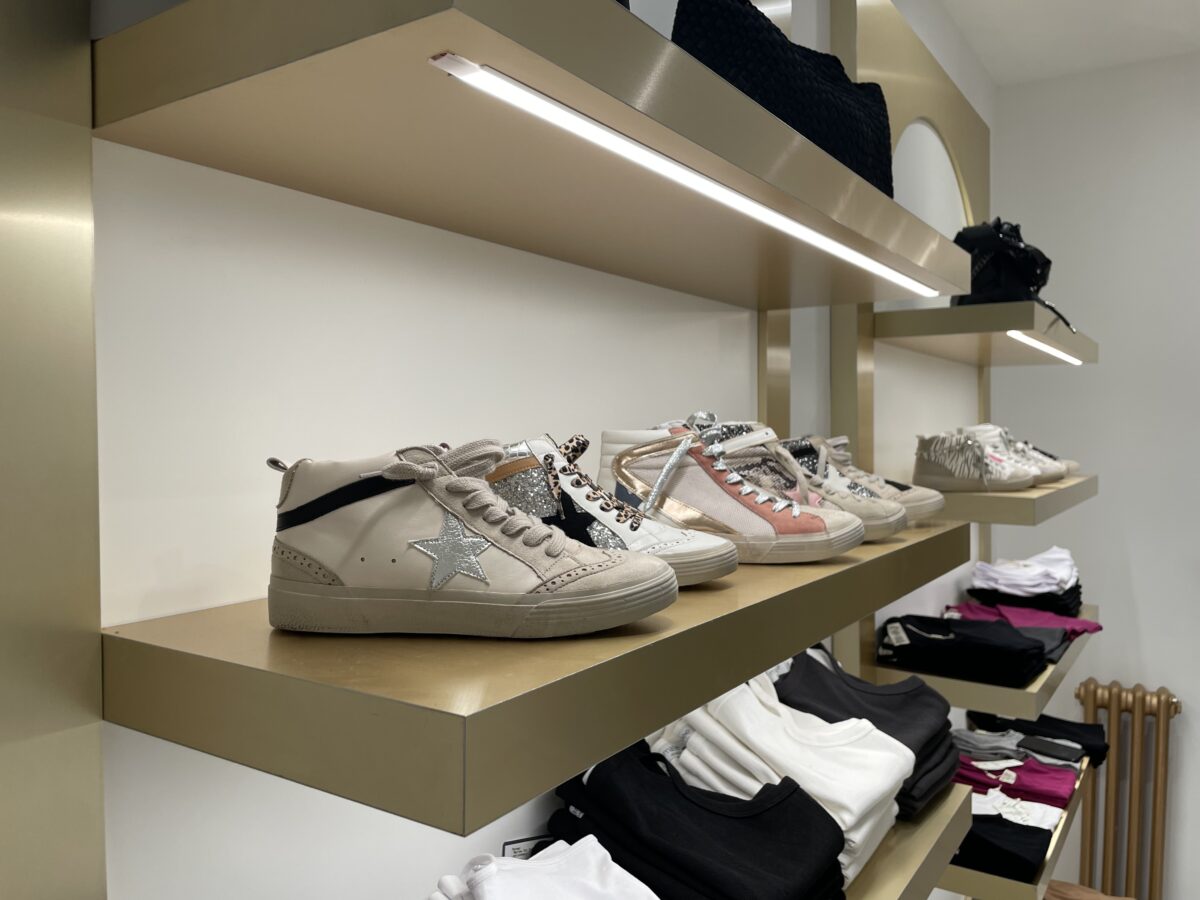
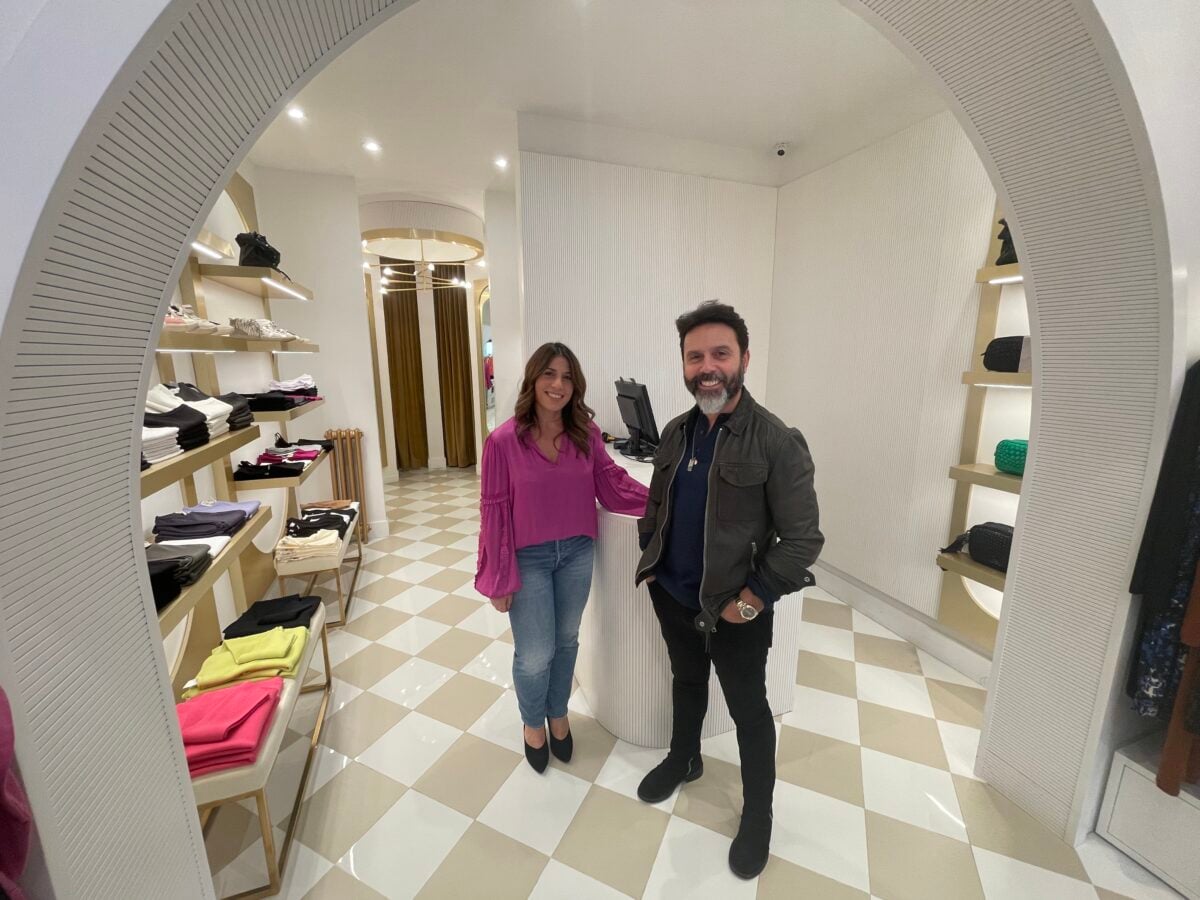
Parpar Boutique, a women’s clothing store in Toronto, opened its third location in July of last year, has renovation plans, and wants to continue to expand as it has seen a boom in brick and mortar after Covid.
The boutique was opened by Stephanie Marer and Ariel Benaich, who are siblings, back in 2005 and has since then grown into three locations in Toronto: St. Clair, Avenue Road, and now there is a location in Leaside. Women can find a variety of clothing styles and uniqueness as the owners bring in new styles almost daily.
“Covid actually created a lot more opportunities to open in places that we really wanted to be in. So we pulled the trigger on Leaside at the beginning of last year, and then building up the space took a long time as we also got caught up in the whole material shortage during Covid, so we ended up opening in July of last year and honesty it has been great ever since and we want to focus on opening more locations in trendy neighbourhoods,” says Ariel Benaich.
Parpar Boutique at 1569 Bayview Avenue, Toronto (Image: Parpar)
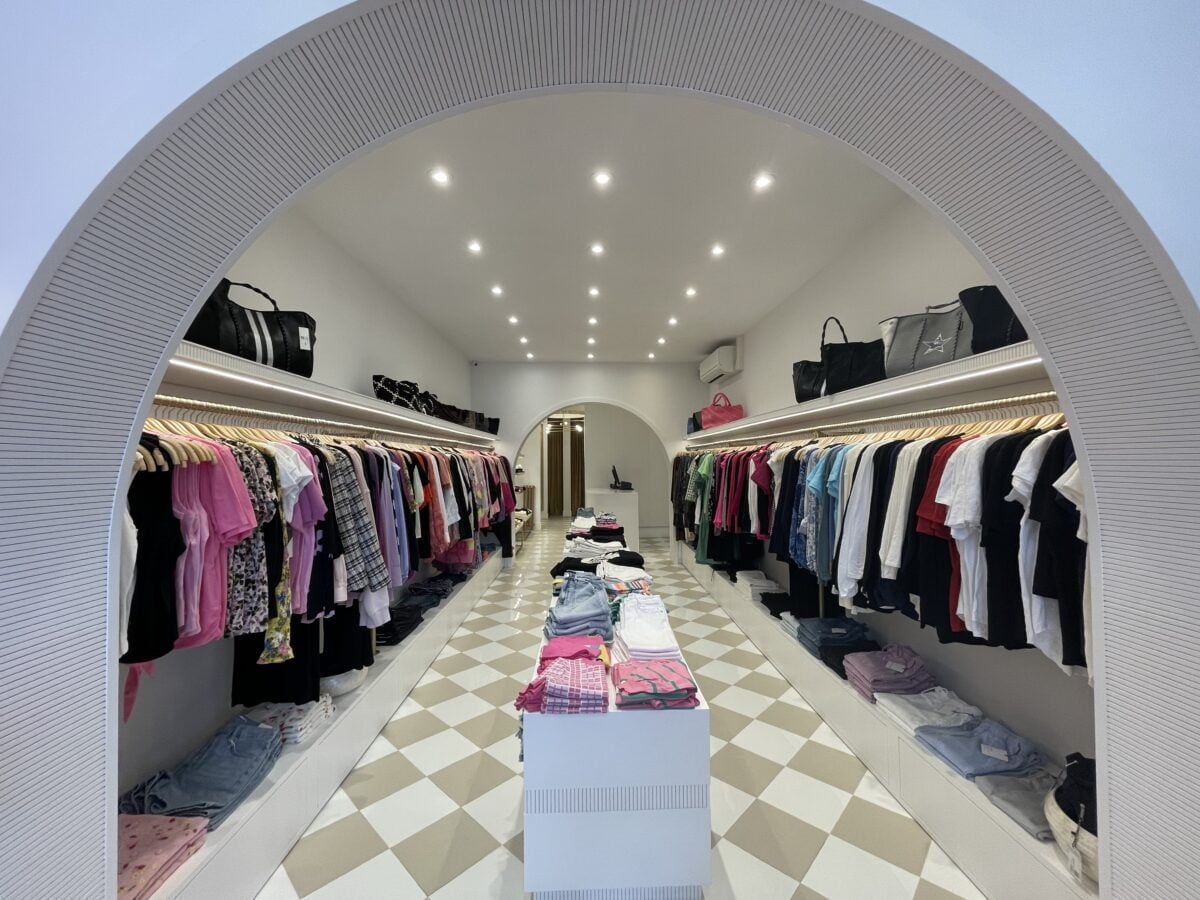
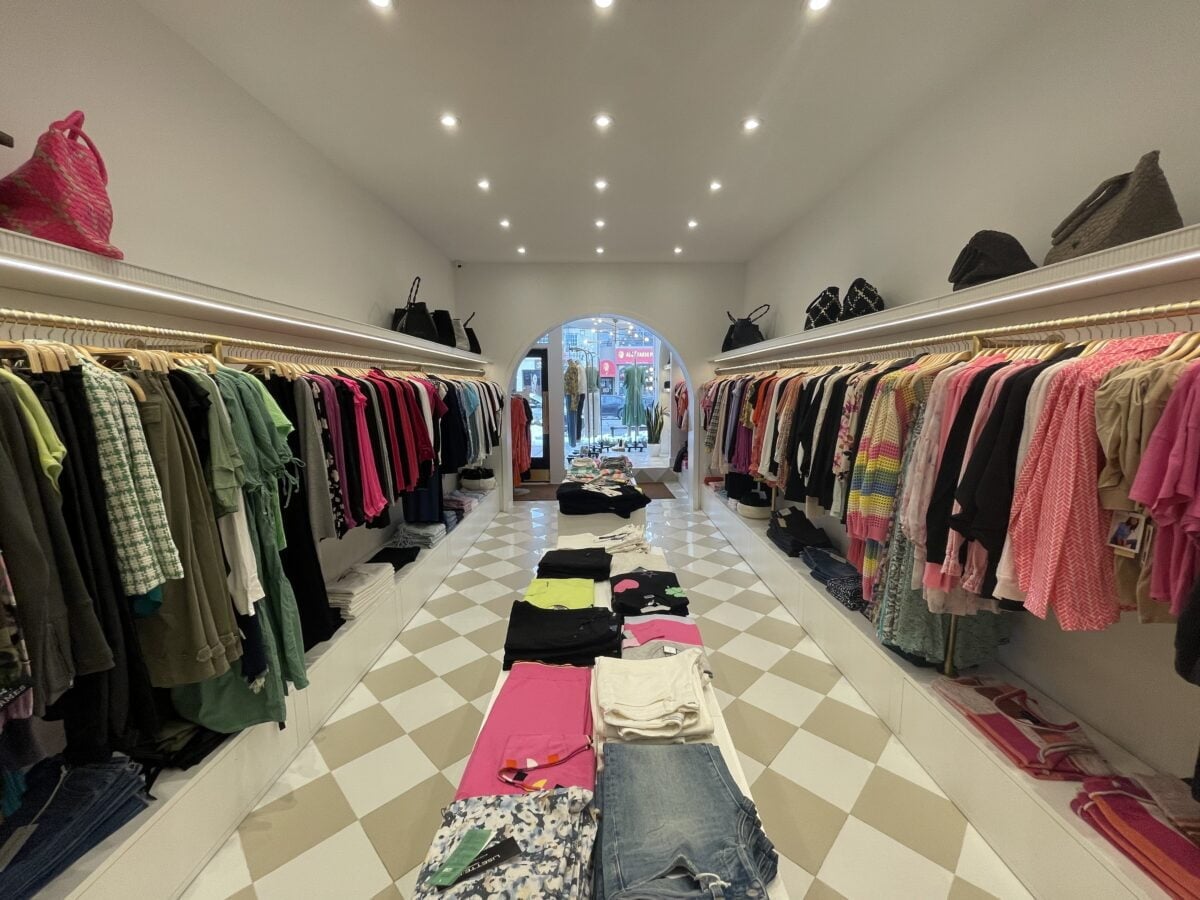
The new location is at 1569 Bayview Avenue and has all the same products as the other stores, but has a smaller footprint as they realized they did not need large spaces to meet their goals. Its first location in St. Clair is just over 2,000 square feet and Benaich said they always thought they would need stores between 1,500 to 2,000 square feet; however, the Bayview location is 600 square feet and is their favourite so far. The St. Clair location is beneficial to them as it acts as a head office where they receive shipments, but moving forward Benaich said they would like to continue with the smaller footprint stores when looking at expanding.
“We learned from Leaside that we can actually work much better with a smaller footprint. Bayview is our smallest footprint but we invested wisely into a very good designer and she helped us fit everything that we had in all the other stores into this very small space. It keeps our costs down with payroll, rent, and the general costs to run the place, but we really love this smaller footprint more than anything,” says Benaich.
The decision of opening in Leaside was based on deciding on what block, what street, and which side of the street they wanted to be on. Benaich said on Bayview there is more traffic on the East side of the street than there is on the West side and they made the effort to make sure this was the perfect spot for its opening.
Parpar Boutique at 1569 Bayview Avenue, Toronto (Image: Parpar)
“We were pretty selective on which block, street, and side we wanted to be on and we just loved the area. During Covid when everything was closed, we would walk around with our family and it was so nice. We find the customers are lovely, it has a great community feel, and everyone has been supportive – it is just a really nice community with lots going on,” says Stephanie Marer.
Going, Going, Gone
Parpar Boutique at 1569 Bayview Avenue, Toronto (Image: Parpar)
Instead of having the same styles for weeks or months, Parpar Boutique focuses on bringing in new styles daily. For example instead of having a few styles in large quantities, Parpar has a large variety of styles in smaller quantities, this way customers can have more variety but also have to act fast as products tend to sell quickly.
“We don’t sell products that are available all year long. We bring in products almost daily, we like a more limited quantity and bring in 100 different options to choose from and that makes it a bit more exciting,” says Benaich. “We get customers coming in all the time and they want something they saw weeks ago and we will have to tell them it is sold out – and that is how we prefer it. I don’t want to see the same products weeks or months on end as I think it is boring.”
What is Next?
Stephanie Marer and Ariel Benaich at Parpar Boutique Bayview Avenue, Toronto (Image: Parpar)
Before Covid, Marer and Benaich said they were just wanting to expand its e-commerce and focus everything there; however, they said they noticed more customers coming into stores after the pandemic. The goal now is to expand their storefronts in Toronto or a location that is an hour drive from the city. Marer and Benaich said they are also looking to renovate their first and second location to look like the Bayview location.
“Like any brand, you evolve and change your look. The look and feel of our bayview location is our favourite and is really fresh. I think it is very much with the times and our goal now is to renovate our existing locations to look the same as our Bayview,” says Benaich.
Any locations in the future will also have the same look, feel, will be under a smaller footprint of around 700-1000 square feet, and will remain on street level as they want to keep the community feel and can build better relationships with consumers.
Metro at Front Street in Downtown Toronto (Image: Dustin Fuhs)
“Shrinkflation has bothered many people for a very long time. The taxman has given another reason why we should hate shrinkflation even more.”
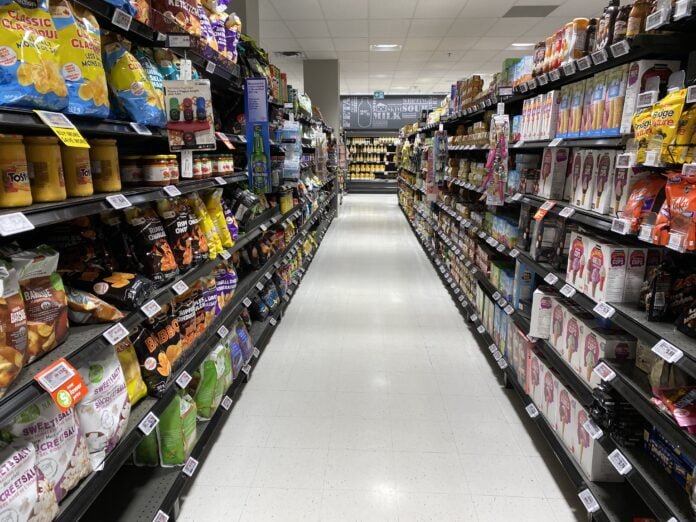
As if shrinkflation wasn’t painful enough for all of us, looks like the taxman is making shrinking packages even more painful for our wallets. Shrinkflation is when a food manufacturer reduces quantities but continues to sell the product at the same price. We have seen this happening pretty much everywhere in all sections of the grocery store. It’s even now happening in the fresh section, with strawberries and blueberries.
The Canada Revenue Agency (CRA) has provisions that make some smaller products taxable that weren’t in their larger forms. This policy is not new, it actually dates back to 2007, when the GST/HST Memorandum was revised. Some articles of the memo even existed back in 1997. But what is new is the number of products now subject to this Tax Act due to reduced quantities. An increasing number of products, hundreds, are now taxed that weren’t before.
The Act’s policy section Schedule VI, Part III clearly defines a snack and the meaning of single serving. For instance, the threshold for ice cream is 500 millilitres. Anything below that means the product is taxable as it is considered a snack, not as part of basic groceries. Cakes, muffins, pies, pastries, tarts, cookies, doughnuts, brownies, croissants with sweetened filling or coating, or similar products are all taxable if quantities are reduced below thresholds specified by the Act.
If food items are pre-packaged for sale to consumers in quantities of less than six items, these products are taxed. Grocery shopping is complicated enough, but now, due to shrinkflation, consumers have to worry about how much more they need to pay. Depending on the province you live in, it could add 5% to 13% more to the price tag of some products you’re buying. And chances are, you have likely never noticed.
Consumers are basically being double slammed by both the industry and the taxman himself, and in most cases, without knowing. By “skrinflating” a product, consumers get less and are taxed more. Just great.
CRA’s GST/HST Memorandum 4.3 on taxable food products includes in it 156 articles. Unless you’re a tax expert, few will ever understand or even know how to interpret the Act and appreciate how it will apply to the 18,000 to 25,000 different food products you can find in a regular grocery store. It is practically impossible to know how many items were taxed in compliance with the law.
A recent survey conducted by Dalhousie University, in partnership with Caddle, shows that 67 percent of Canadians have found at least one mistake on their grocery receipt in the last year. That is an astonishing number. And according to the same survey, only 9.2 percent have seen tax on a food item that shouldn’t have been taxed. The true number is likely higher, much higher. One can only assume that many consumers wouldn’t have been able to pick up on mistakes related to taxable items. The law is incredibly confusing for everyone. Even some grocers have admitted to having made mistakes and having applied taxes on food products when they shouldn’t have.
With shrinkflation, many products which are now taxed find their way into lunchboxes for school children. Many are penalized by this. Most of these products were designed to bring convenience to our lives. Paying more taxes is certainly what most consumers would consider convenient.
In essence, food at the grocery store should never be taxed, unless it is serviced to be consumed right away. Or at the very minimum, the Act should be changed to exempt smaller single servings and packages that include less than six items.
Skrinkflation has been around for well over 30 years, perhaps even longer. The strategy has angered many consumers for obvious reasons. With food inflation being at a 40 year-high these past few months, most consumers are blaming industry for their ills at the grocery store. Yet many tend to forget how our own fiscal regime also makes our food more expensive. The carbon tax is potentially impacting food affordability in our country. On April 1, the carbon tax will rise to $65 a metric ton and will reach $170 a metric ton by 2030. We need to know how the policy will influence our food bill over time.
However, the carbon tax is hidden and impacts the supply chain. A sales tax is very real for all of us. Seeing more taxes added to our food bill as we exit the grocery store adds insult to injury. This is just simply unacceptable.
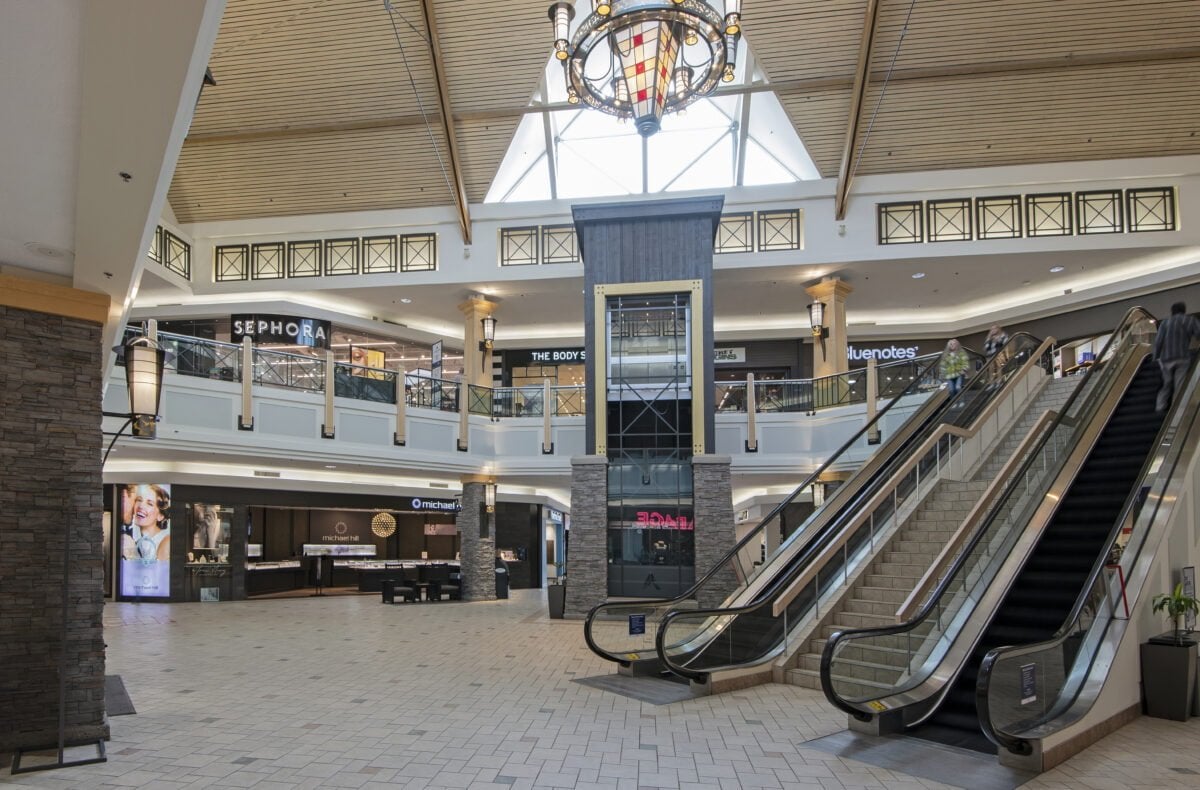
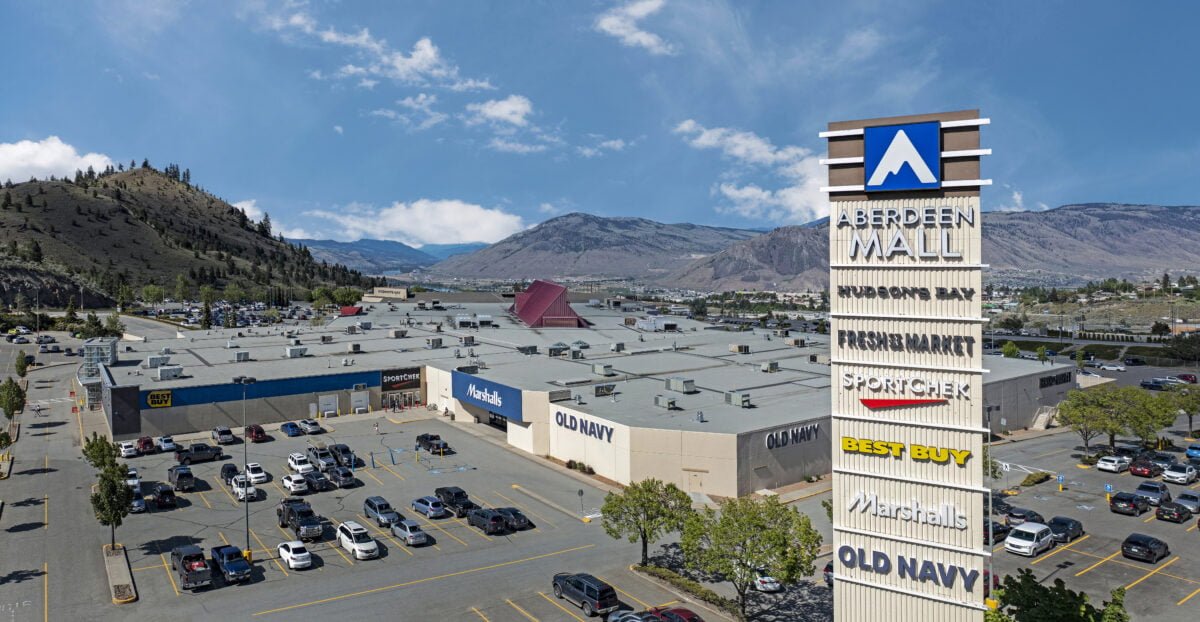
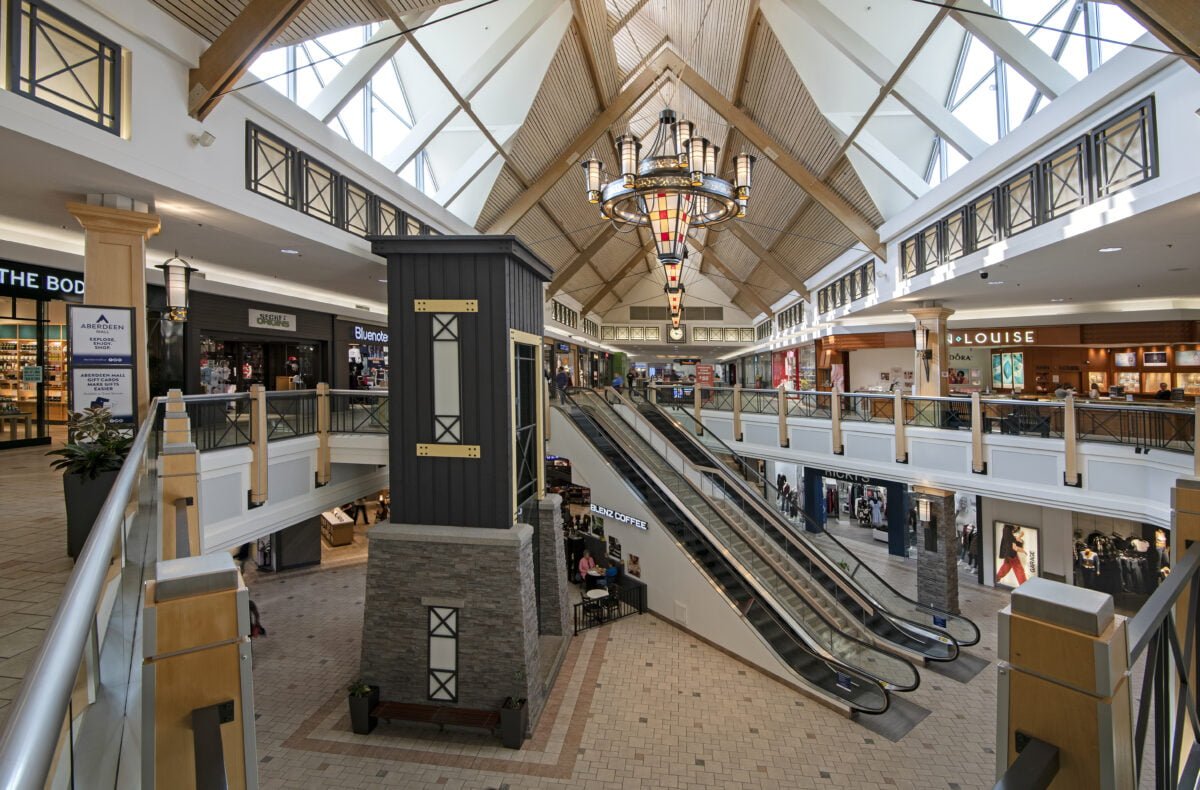
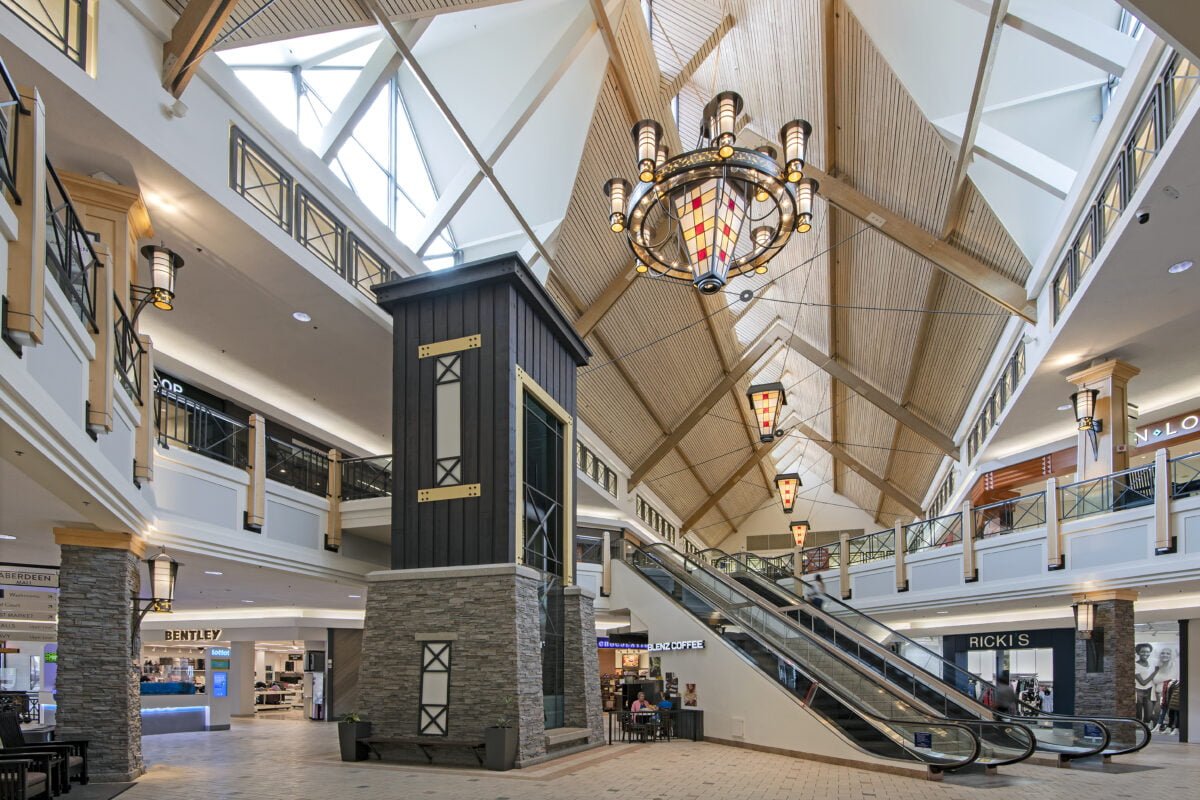
Aberdeen Mall in Kamloops, BC (Image: Kelly Funk Photography)
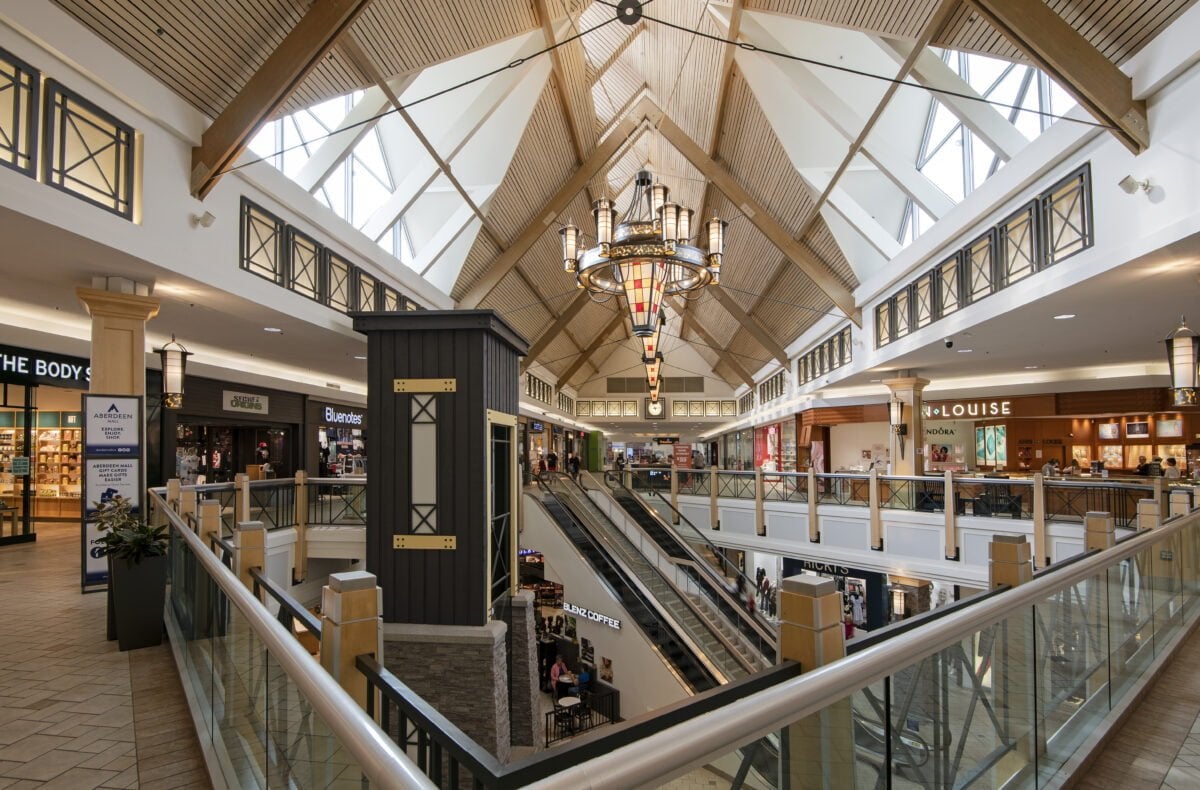
While the pandemic hit the retail sector hard, the Aberdeen Mall in Kamloops, BC, took the opportunity to open a number of new stores during the health crisis in abandoned former Sears space.
It has also added a number of different retailers to its tenant mix and continues to attract new businesses.
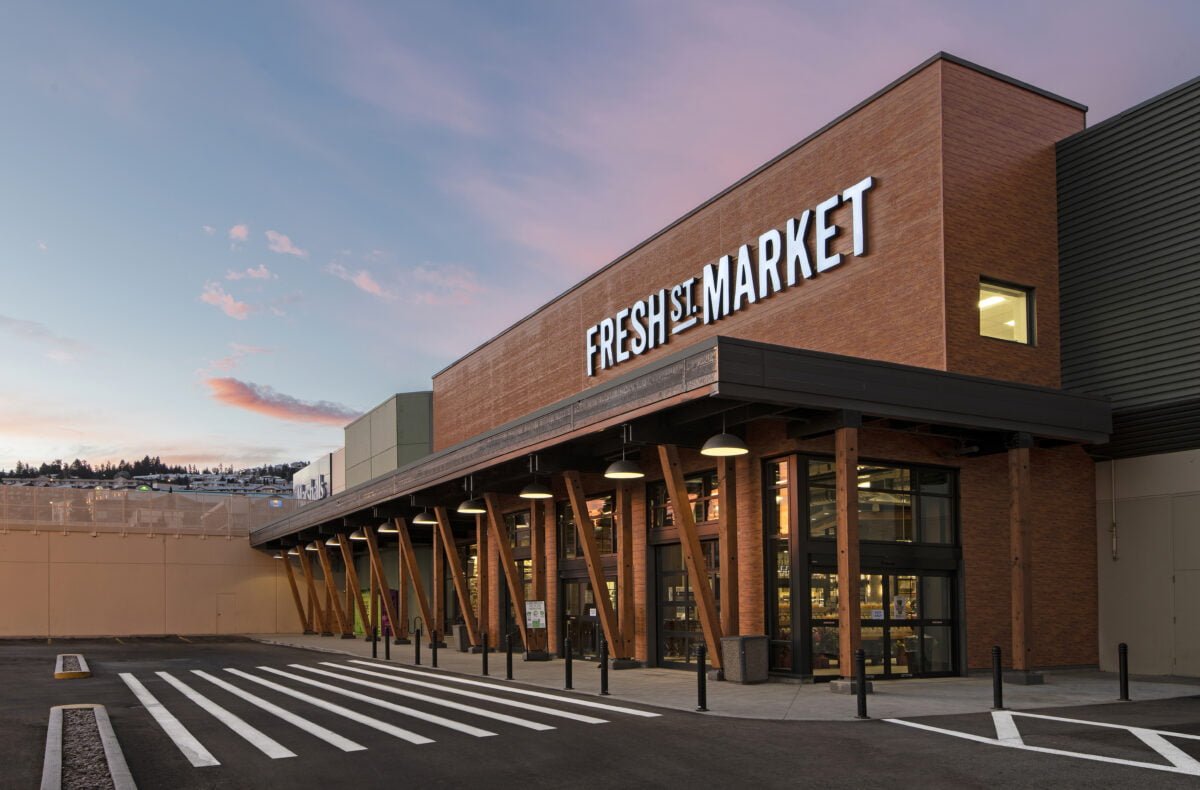
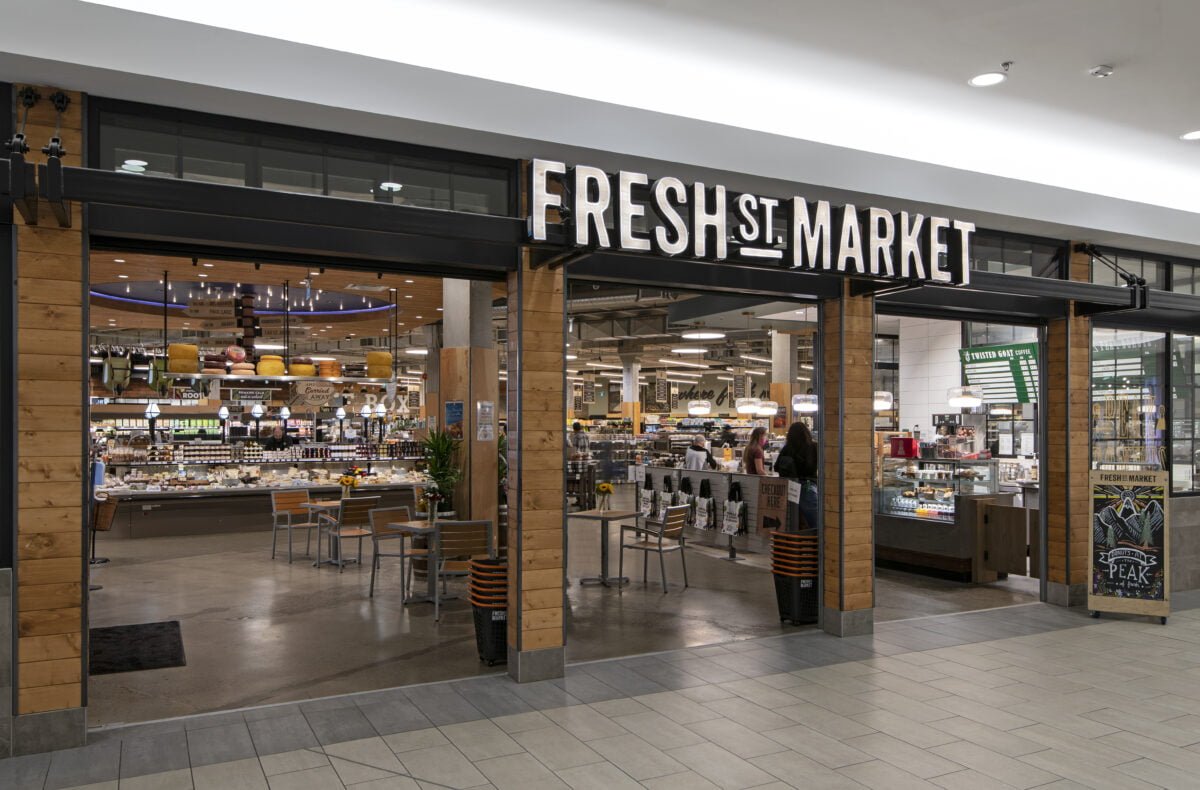
“We’ve opened a Specsavers, a brand new BCLC (British Columbia Lottery Corporation) lottery kiosk and a Suzy Shier/Le Chateau combo store. We’ve also added to our food and beverage with a bubble tea shop called SweeTea. And Fork Lift Kitchen & Bar is the name of a restaurant that opened inside of our grocery store, Fresh St. Market.” said Neufeld, adding that the grocery store opened a few years ago.
Aberdeen Mall in Kamloops, BC (Image: Kelly Funk Photography)
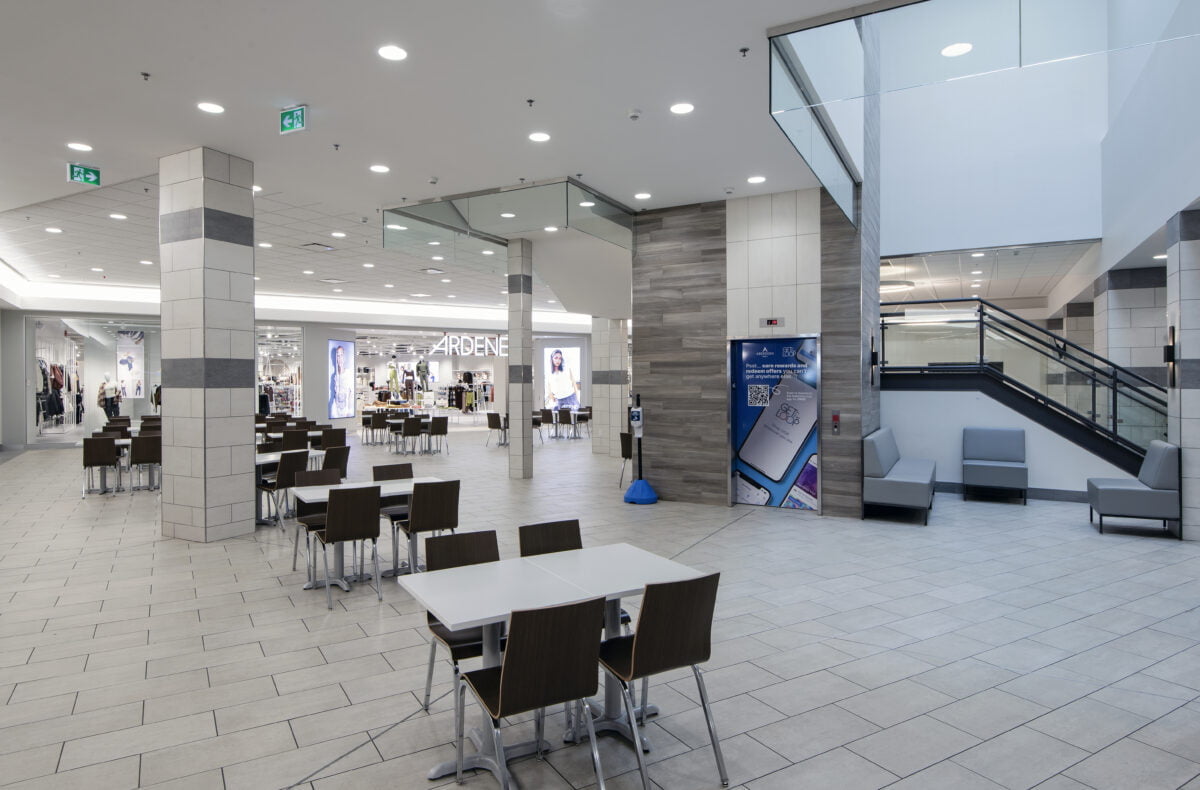
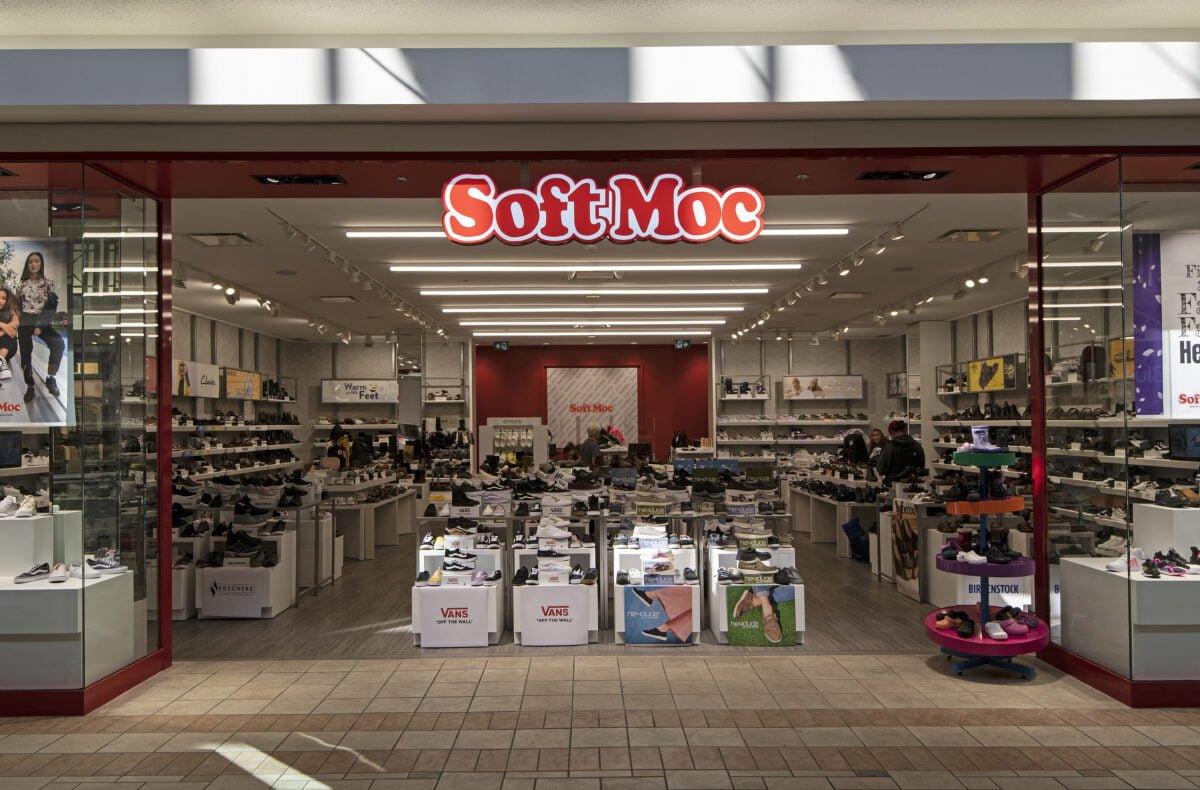
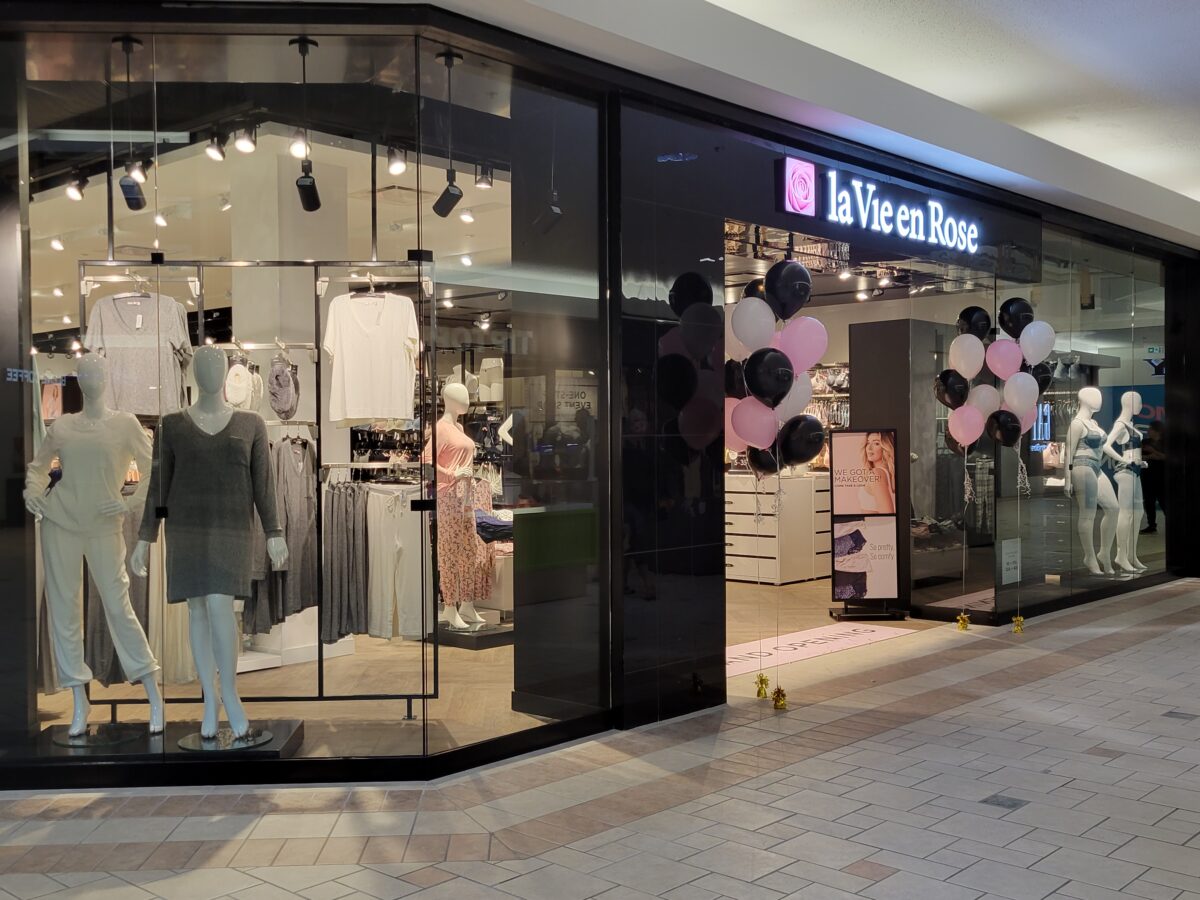
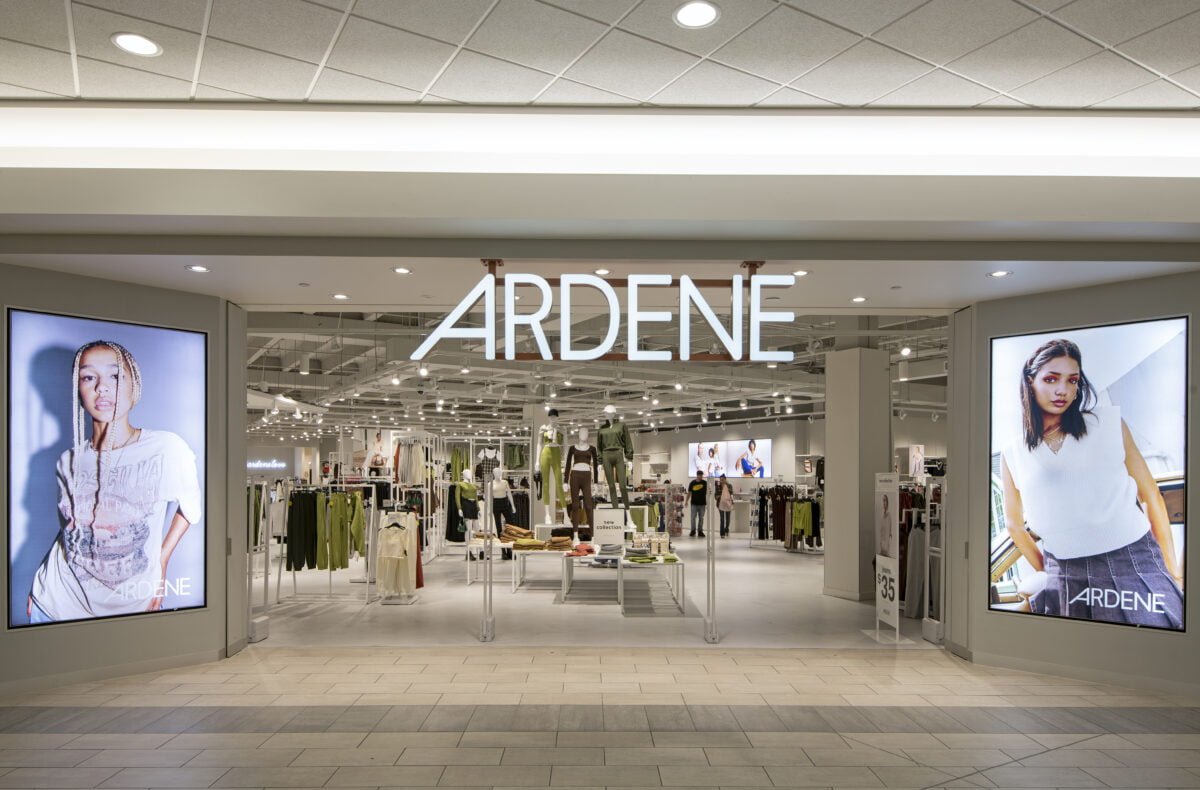
“Those were all the new things that opened last year. In addition to that though we also saw the relocation and expansion of three existing tenants that wanted to move to a larger footprint with brand new buildouts. Those three retailers are SoftMoc, Ardene and La Vie En Rose. They were all existing, but they built big, new, beautiful stores. They all wanted to expand their square footage.
“It was a busy year for us.”
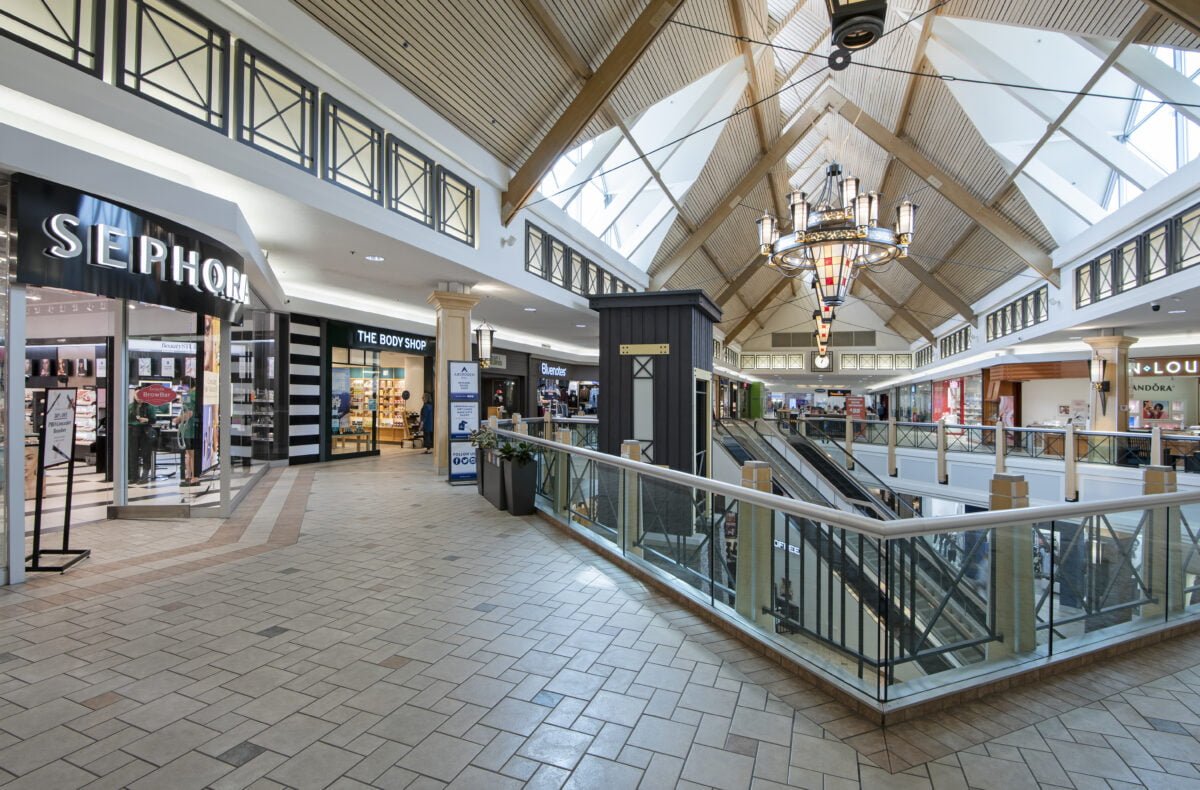
Aberdeen Mall, which was built in 1981, is about 465,000 square feet over two levels with 90 tenants. It’s located in a southwest part of Kamloops called Aberdeen.
“We’ve got two buildouts currently happening. The first is Mobile Klinik and the second is Kurves Brow Bar. Those are under construction right now and they will open later this spring or early summer,” said Neufeld.
“We also just finished development of a pad site out in our parking lot and that site is going to pave the way for future restaurant Canadian Brewhouse. So always lots happening here . . . We’re hoping that construction will commence later this year with an opening in 2024.”
Aberdeen Mall in Kamloops, BC (Image: Kelly Funk Photography)
Neufeld said the mall was fortunate through COVID. It had a Sears box space that was returned to the mall in 2018. That space was about 120,000 square feet over two levels.
“It gave us the opportunity to have some square footage to bring in new tenants. I can tell you with respect to our occupancy, it has always been really high which is obviously a huge plus for a variety of reasons,” she said.
“But one of the negatives of having a low vacancy rate is that it doesn’t allow you a lot of turnover to bring in new brands because we simply just don’t have the space for them. Getting the Sears box back for a lot of landlords was a negative at a time when they didn’t want more square footage added, but for us it was celebrated. Not that I wanted Sears to leave, don’t get me wrong, but to have the opportunity to bring in some new tenants was really exciting.
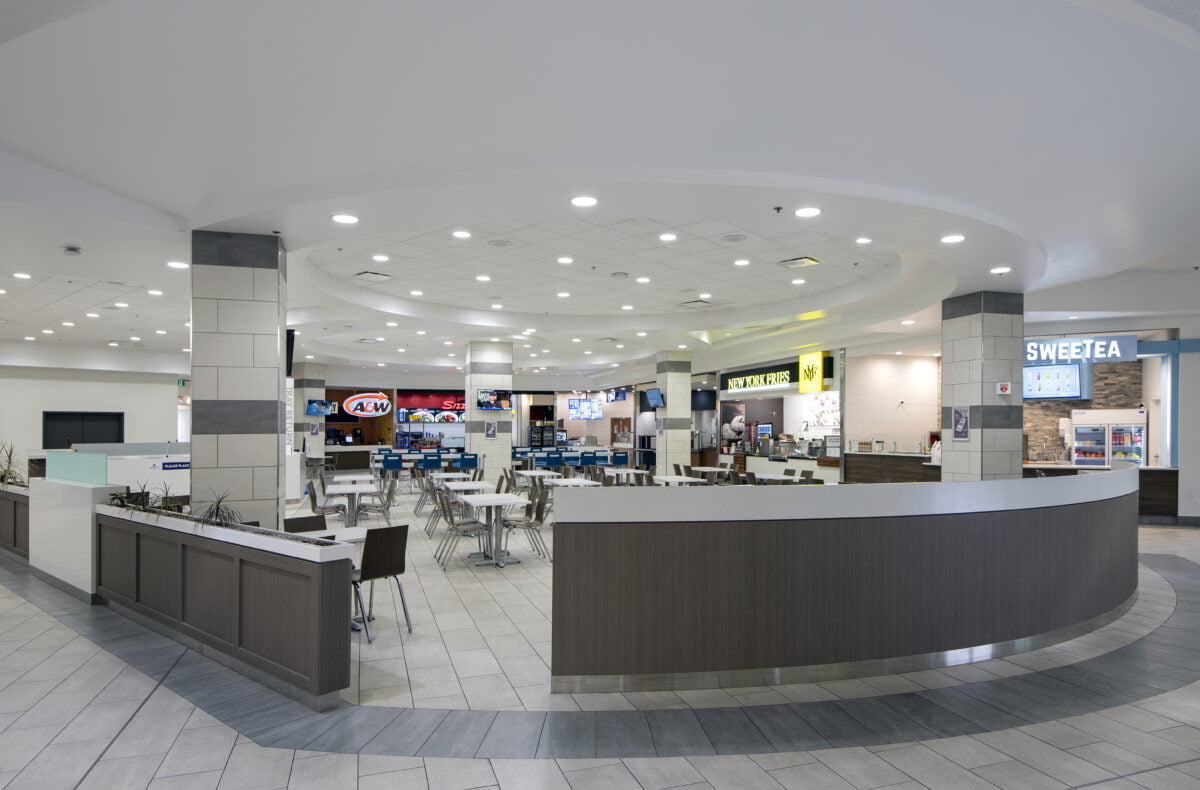
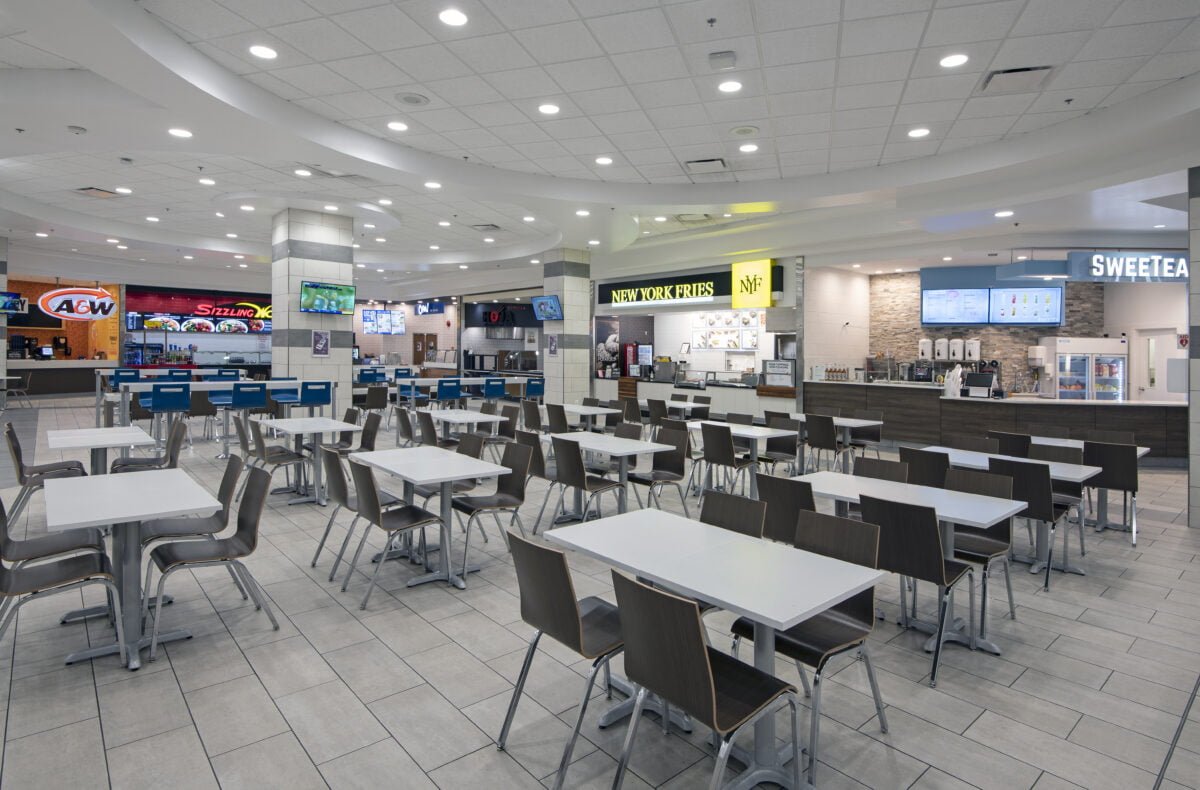
Food Court at Aberdeen Mall in Kamloops, BC (Image: Kelly Funk Photography)
Food Court at Aberdeen Mall in Kamloops, BC (Image: Kelly Funk Photography)
Food Court at Aberdeen Mall in Kamloops, BC (Image: Kelly Funk Photography)
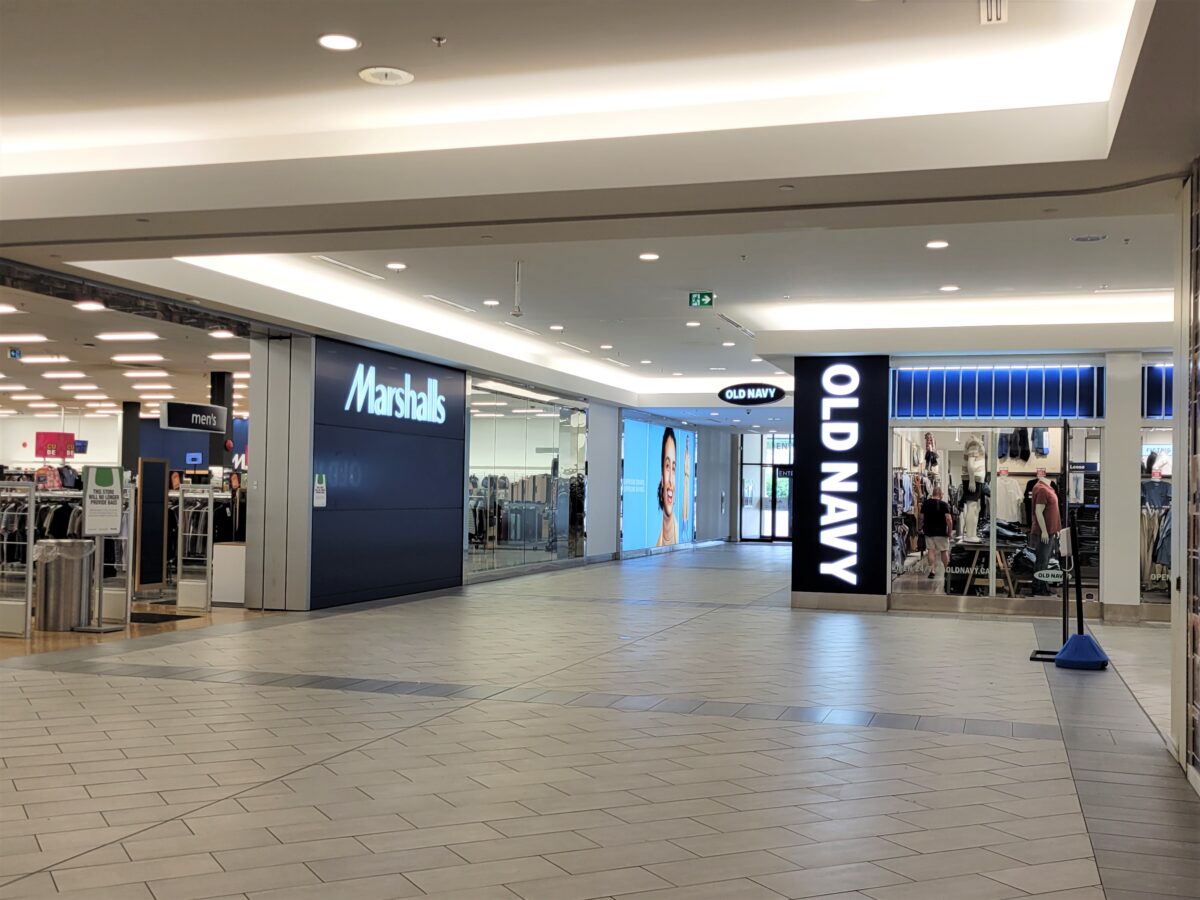
“Unlike many in the retail industry, while COVID was going we were in the fortunate position of having some major brands open. Since the pandemic started, we’ve added a Marshalls to the shopping centre, as well as Old Navy and Fresh St. Market.
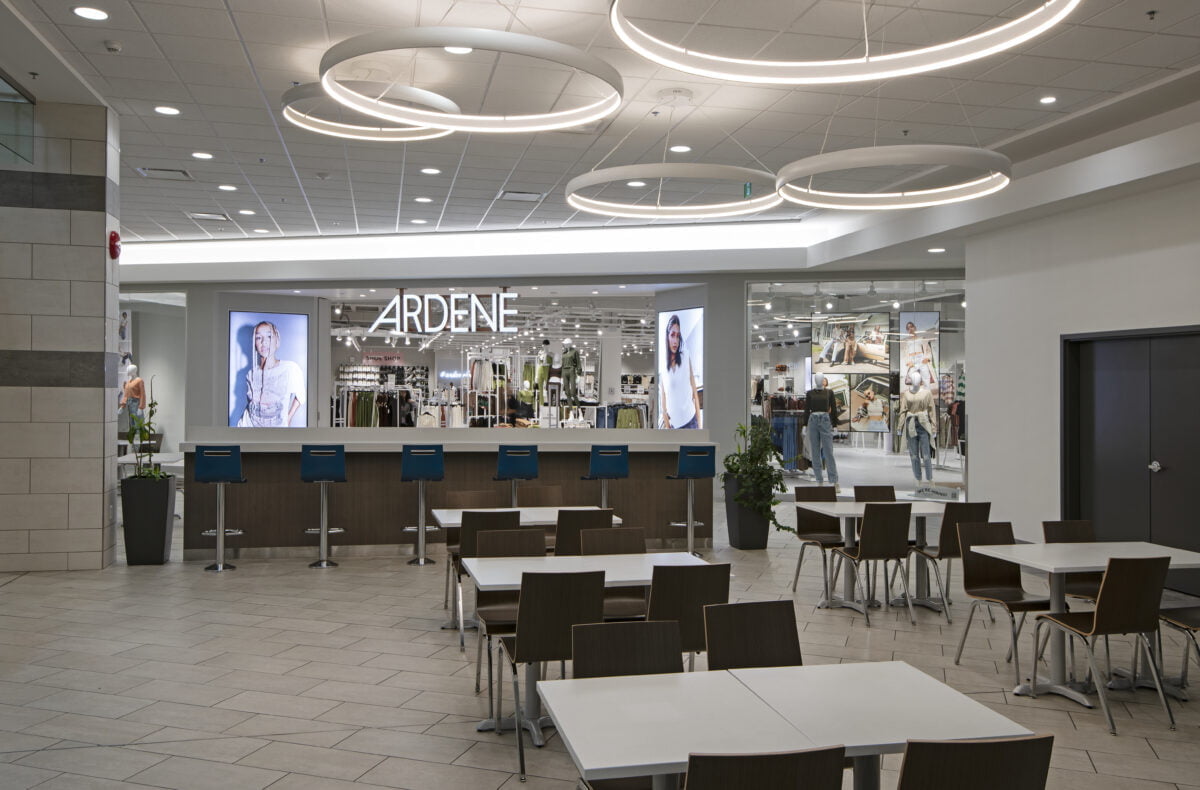
“We also completely renovated our food court and increased our seating. It’s been a busy few years. We’ve been really lucky that we’ve been able to secure some great tenants to add to our mix.”
Neufeld said there’s a few smaller parcels of space available within the old Sears space.
“We have a 7,000-square-foot unit and a 5,000-square-foot unit that are left out of that and everything else has been taken up,” she said.
Aberdeen Mall in Kamloops, BC (Image: Kelly Funk Photography)
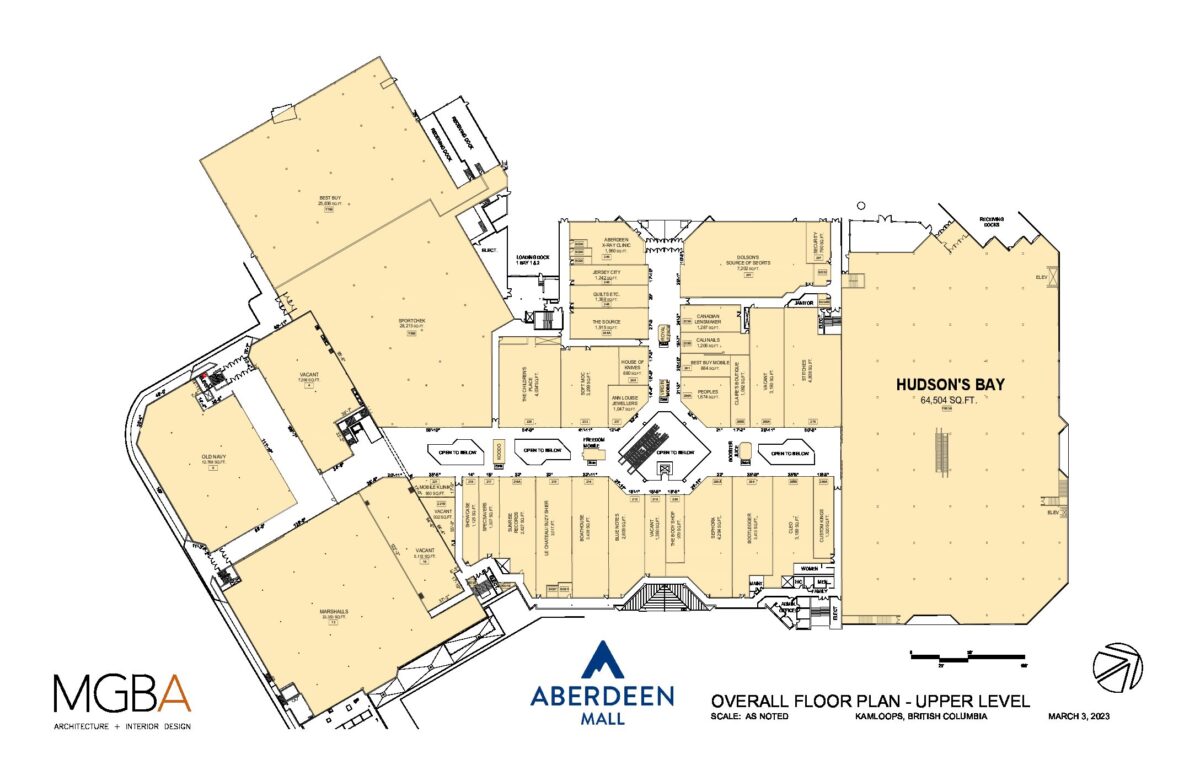
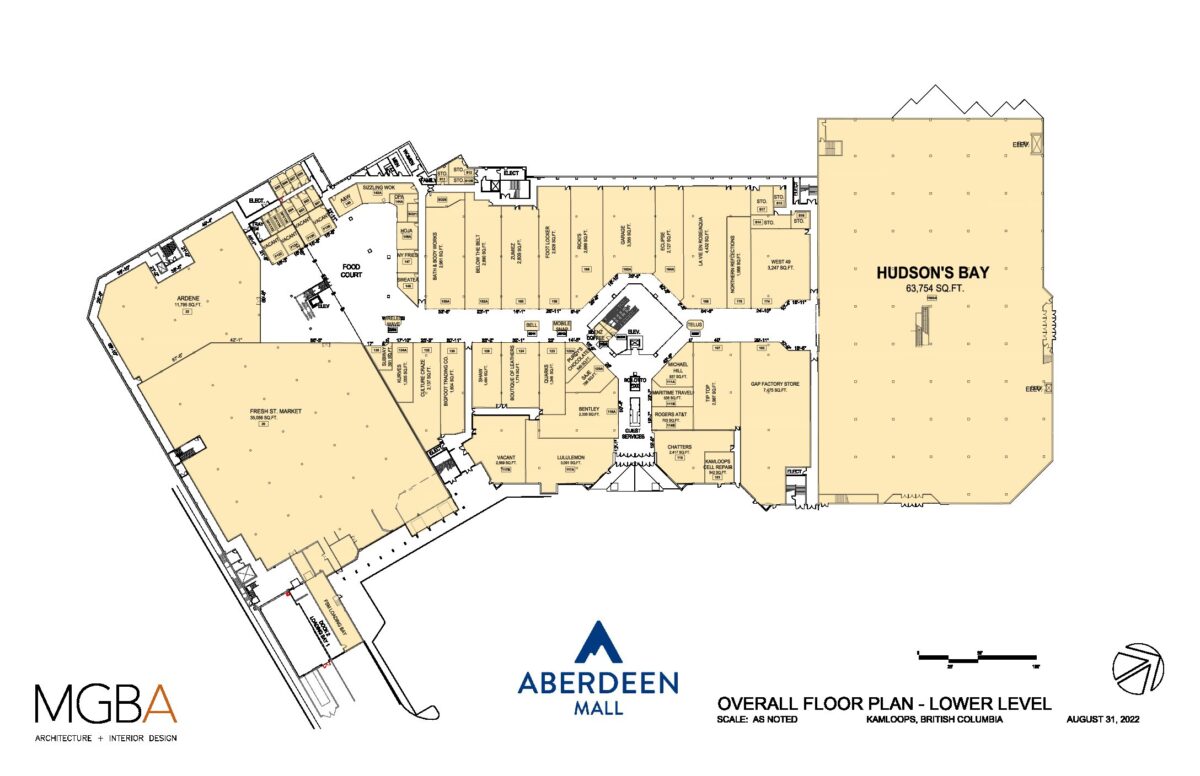
Upper Level Leasing Plan at Aberdeen Mall in Kamloops, BC Lower Level Leasing Plan at Aberdeen Mall in Kamloops, BC
Additional Images from Aberdeen Mall in Kamloops, BC
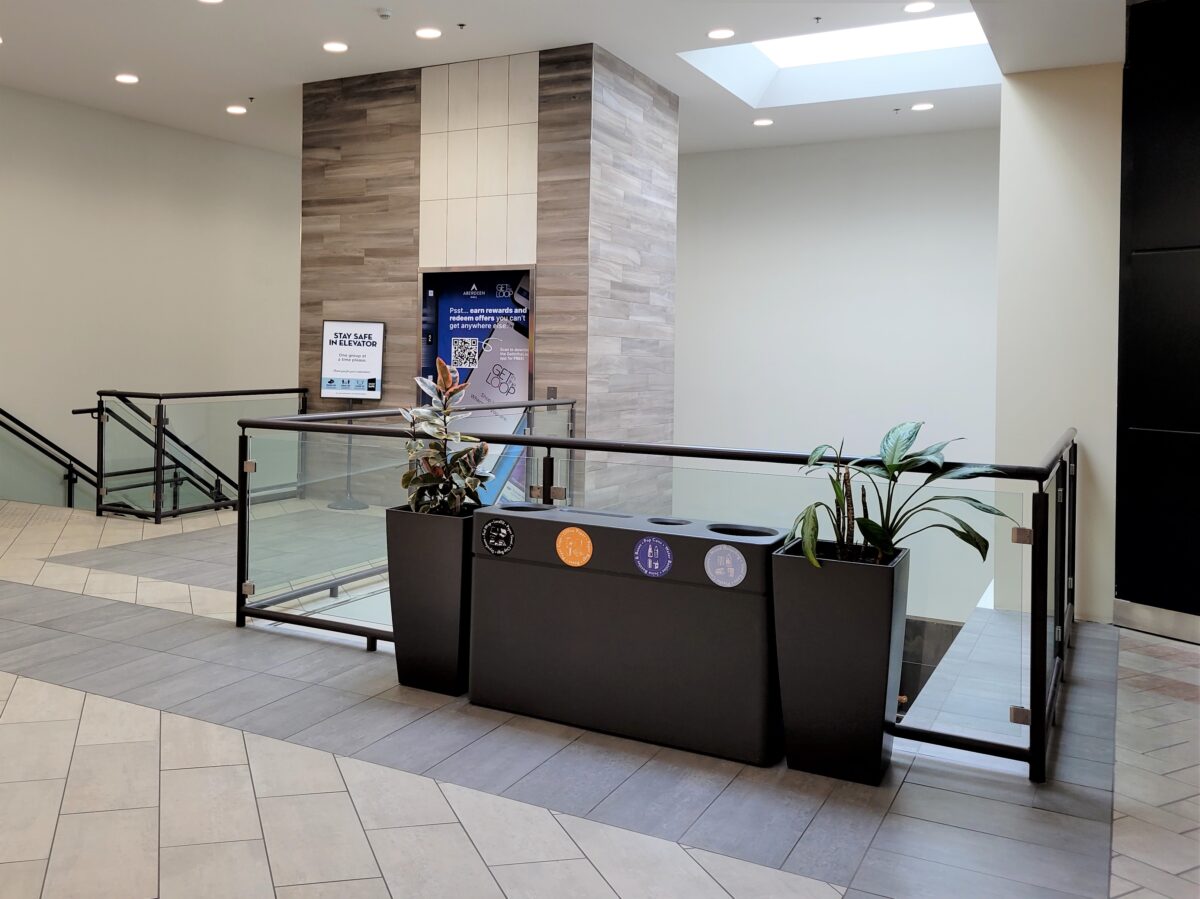
Soft Moc at Aberdeen Mall in Kamloops, BC (Image: Kelly Funk Photography)Aberdeen Mall in Kamloops, BC (Image: Kelly Funk Photography)Marshalls & Old Navy at Aberdeen Mall in Kamloops, BC (Image: Kelly Funk Photography)La Vie en Rose at Aberdeen Mall in Kamloops, BC (Image: Kelly Funk Photography)Fresh St Market at Aberdeen Mall in Kamloops, BC (Image: Kelly Funk Photography)Fresh St Market at Aberdeen Mall in Kamloops, BC (Image: Kelly Funk Photography)Ardene at Aberdeen Mall in Kamloops, BC (Image: Kelly Funk Photography)Ardene at Aberdeen Mall in Kamloops, BC (Image: Kelly Funk Photography)Aberdeen Mall in Kamloops, BC (Image: Kelly Funk Photography)Aberdeen Mall in Kamloops, BC (Image: Kelly Funk Photography)Aberdeen Mall in Kamloops, BC (Image: Kelly Funk Photography)
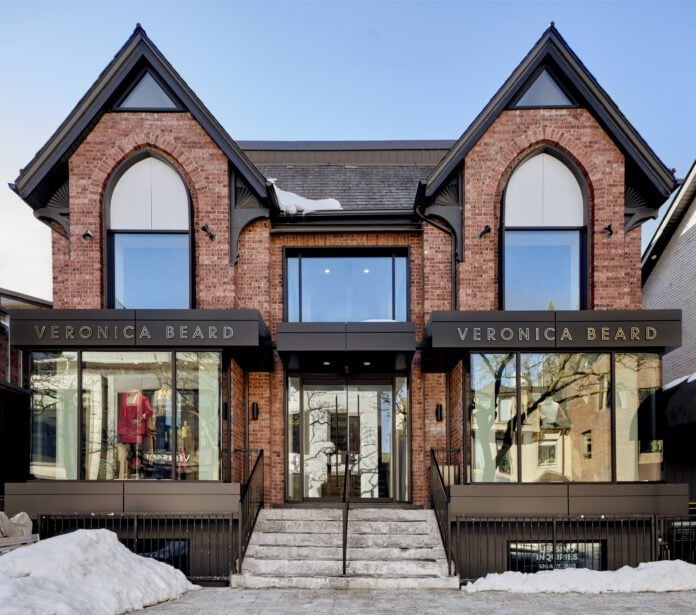
Veronica Beard at 111 Yorkville Avenue in Toronto. (Photo supplied.)
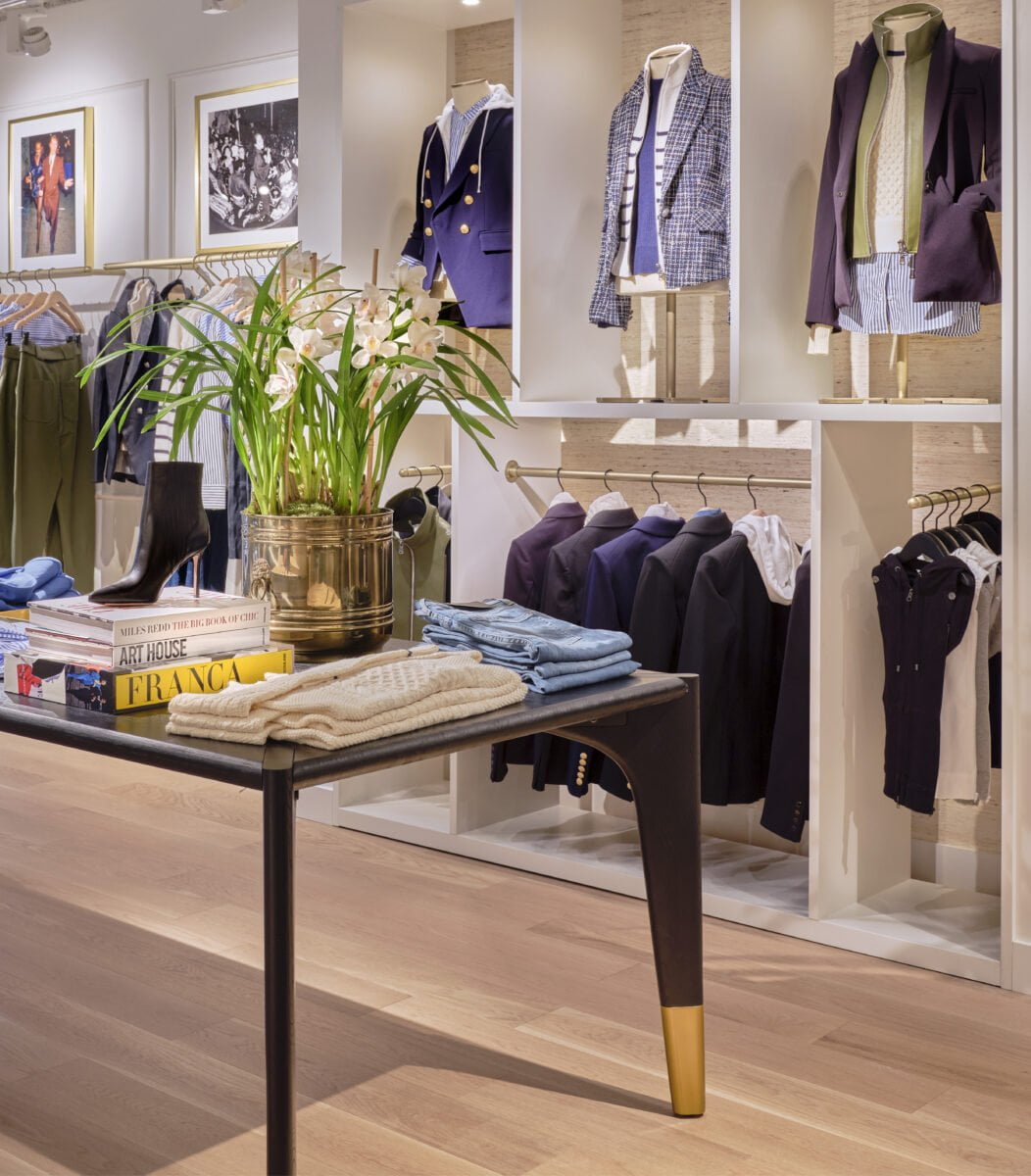
Upscale New York City-based women’s fashion brand Veronica Beard has opened its first Canadian storefront at 111 Yorkville Avenue in Toronto. The location features a unique facade in a double-townhouse that was recently renovated.
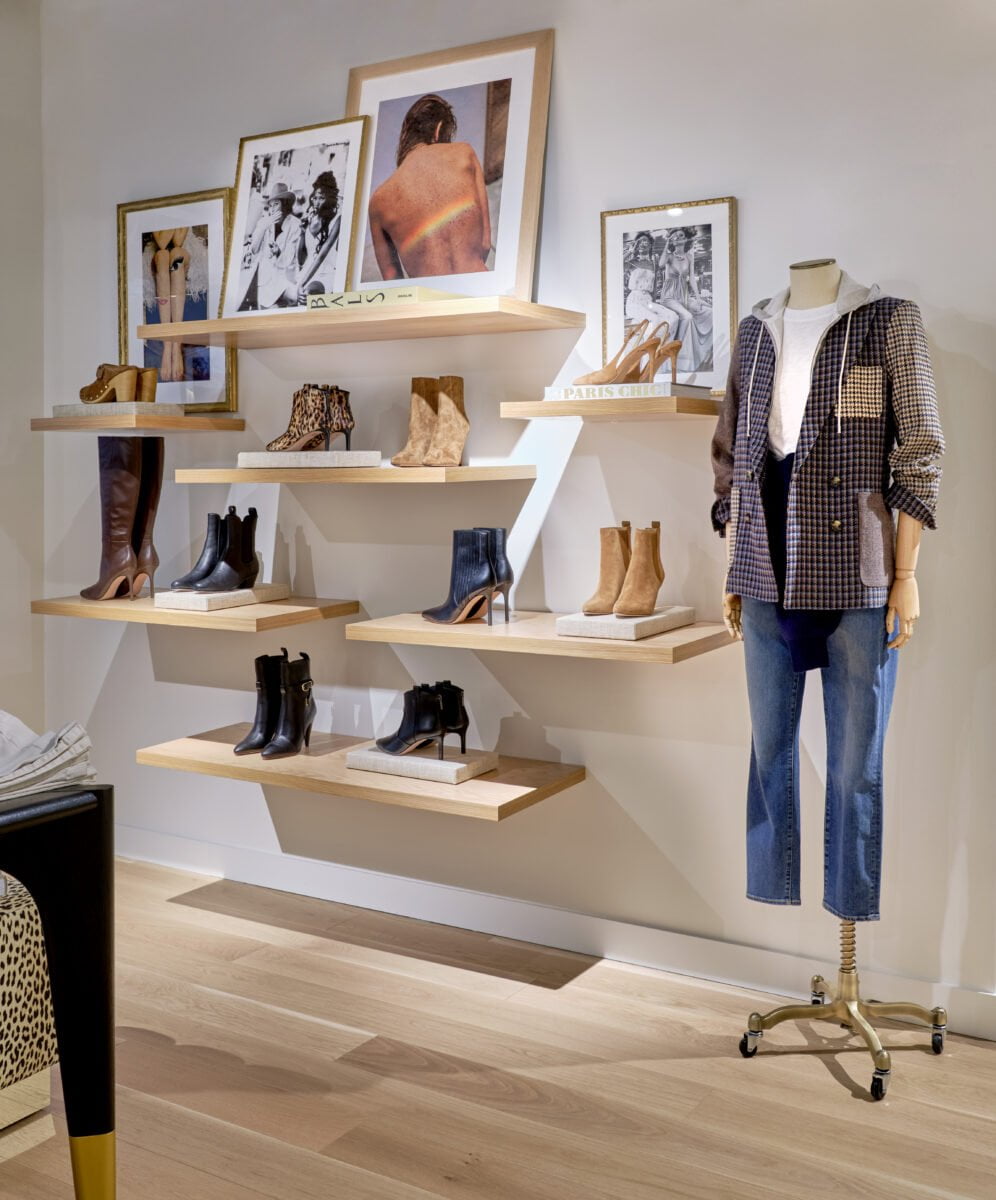
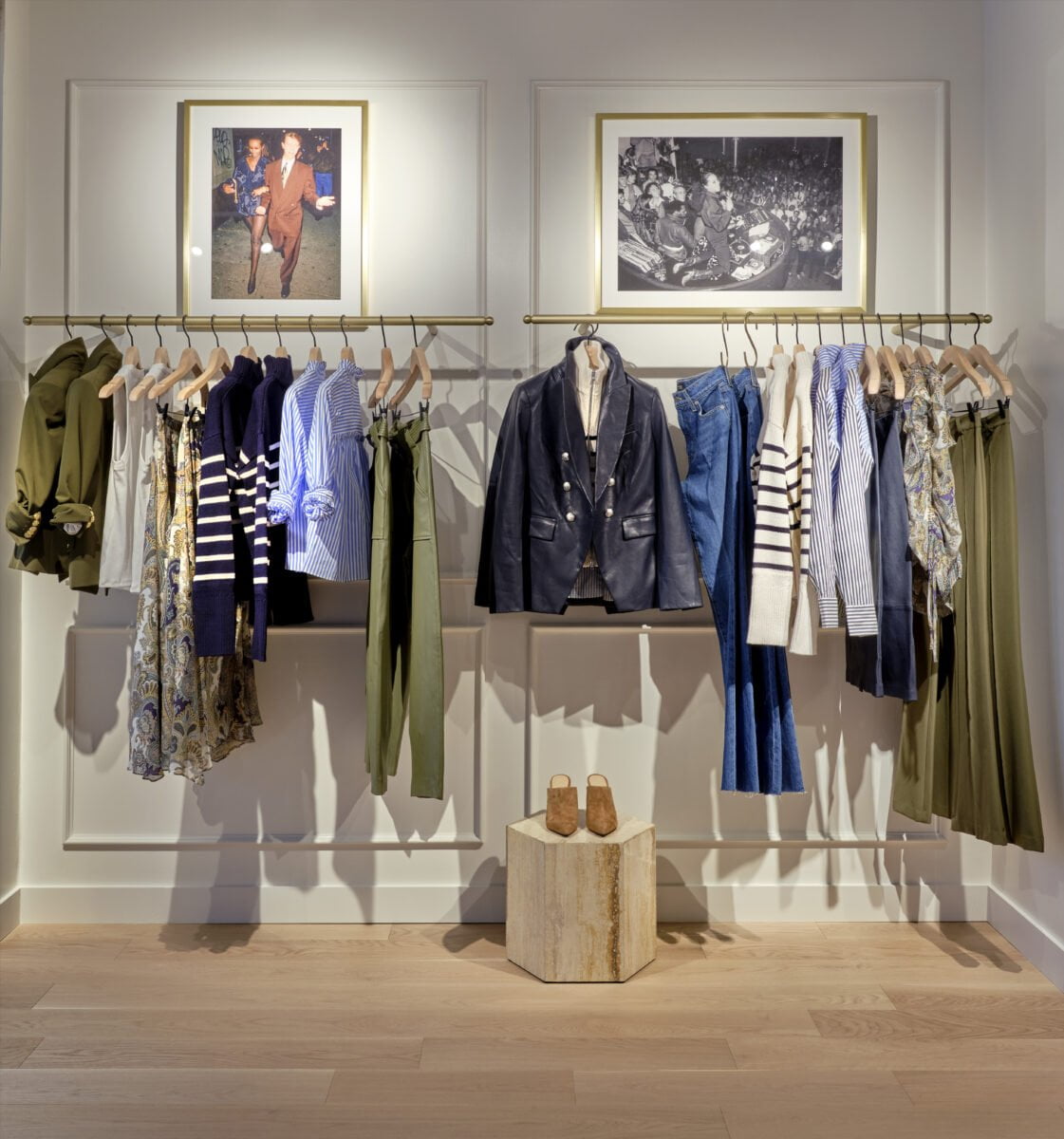
The new store spans about 1,800 square feet and houses Veronica Beard’s women’s ready-to-wear collection and staples such as the Dickey Jacket, scuba suiting and denim, as well as outerwear, dresses, jeans, tops, skirts, footwear, accessories and other categories.
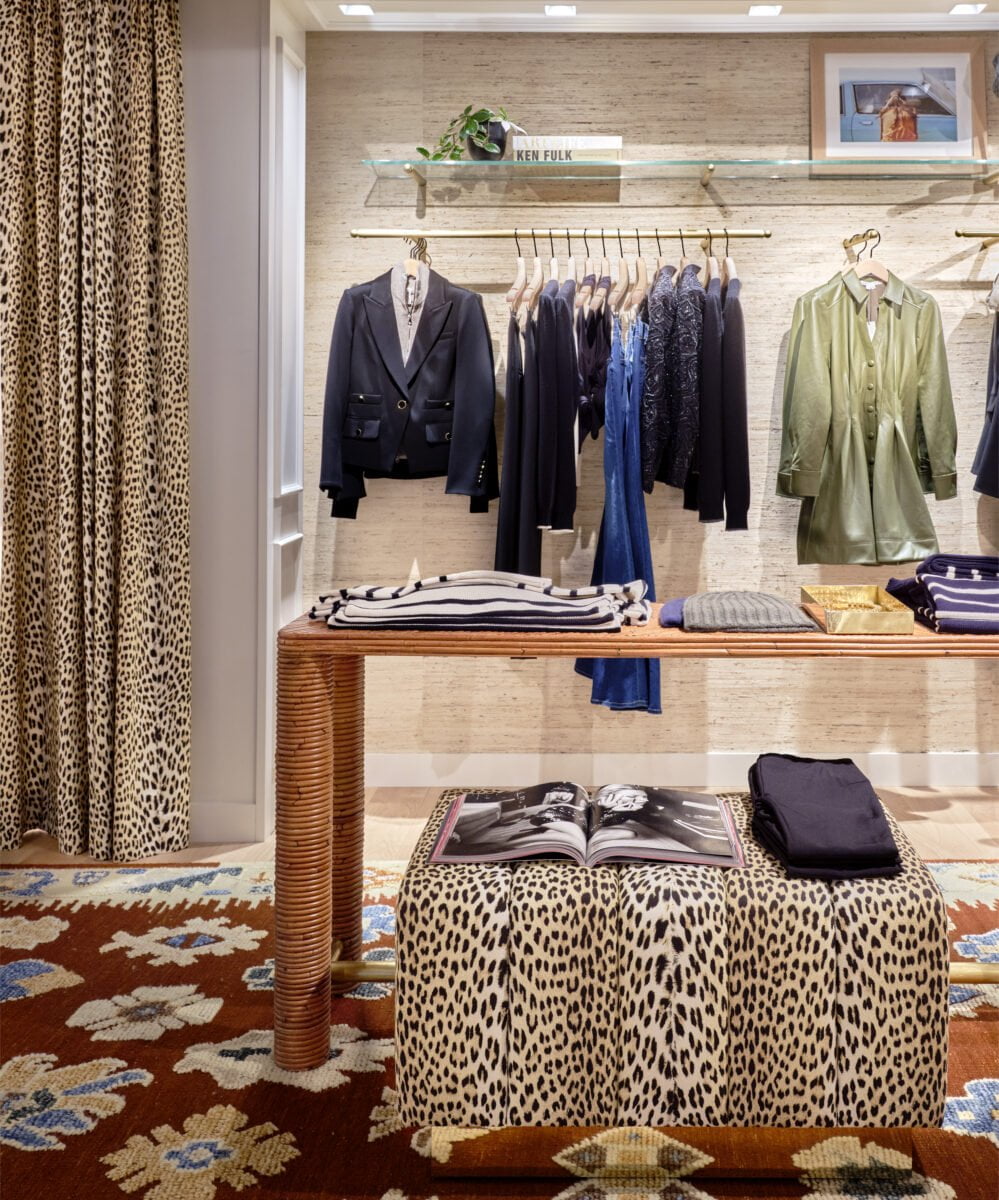
The store was decorated in partnership with interior designer Carolina de Neufville. The decor includes leopard ottomans and drapery. Trapezium shell-shaped chairs, sourced from Chairish, were reupholstered in Pierre Frey leopard, a signature print for the brand.
The brand Veronica Beard was founded by sisters-in-law Veronica Miele Beard and Veronica Swanson Beard in 2010. The first product was the ‘dickey jacket’ and the brand has since expanded to a full lifestyle collection. Veronica Beard has 21 stores in the United States as well as one in London UK and now in Toronto.
Inside the new Toronto Veronica Beard store. Photo suppliedInside the new Toronto Veronica Beard store. Photo supplied
“We are thrilled to be opening our second international store and entering this new phase of the business,” said Veronica Swanson Beard in a statement. “Toronto has been key in our brick-and-mortar strategy. It is an incredible market for us and we’re so honored that our brand resonates with Canadian women.”
“Toronto happens to be one of our favorite cities, with an energy unlike any other,” said Veronica Miele Beard in a statement. “We wanted VB Toronto to capture the distinct spirit of Veronica Beard as well the spirit of Toronto—warm, lived-in, and inviting.”
The lease deal for the Veronica Beard space at 111 Yorkville Avenue was handled by CBRE, which has been active in the Bloor-Yorkville neighbourhood, and another brokerage. CBRE’s Arlin Markowitz, along with Teddy Taggart and Jackson Turner, represented Veronica Beard in the deal, along with Michael Leifer of Runyon Group. The landlord side of the deal was handled by CBRE’s Arlin Markowitz and team members Emily Everett and Alex Edmison.
Inside the new Toronto Veronica Beard store. Photo suppliedInside the new Toronto Veronica Beard store. Photo supplied
Markowitz, who has been active both in retail leasing and building sales in the area, said that there is confidence in brick-and-mortar retail in the Bloor-Yorkville neighbourhood which is already home to many of the world’s top luxury brands. He said that more exciting announcements will follow as the neighbourhood sees an ongoing retail transformation.
More upscale retailers will be opening nearby on Yorkville Avenue this year, with announcements to follow. One is California-based John Elliott which will soon begin construction on a new store. The entire Bloor-Yorkville area is seeing something of a retail renaissance, including prestigious Bloor Street West which will see several luxury brand flagship stores open this year. Yorkville Avenue itself is home to several luxury brand stores including Chanel, Stone Island, Versace, Brunello Cucinelli, Kiton, Christian Louboutin and Isaia.
Retail Insider is streamlining its Canadian retail news from around the web to include a handful of top news stories that can be viewed quickly during the day. Here are the top stories from the past several days.
Shuttered eBar coffee shop at the mall entrance to Nordstrom at CF Toronto Eaton Centre. Photo: Bill Manning via Reddit
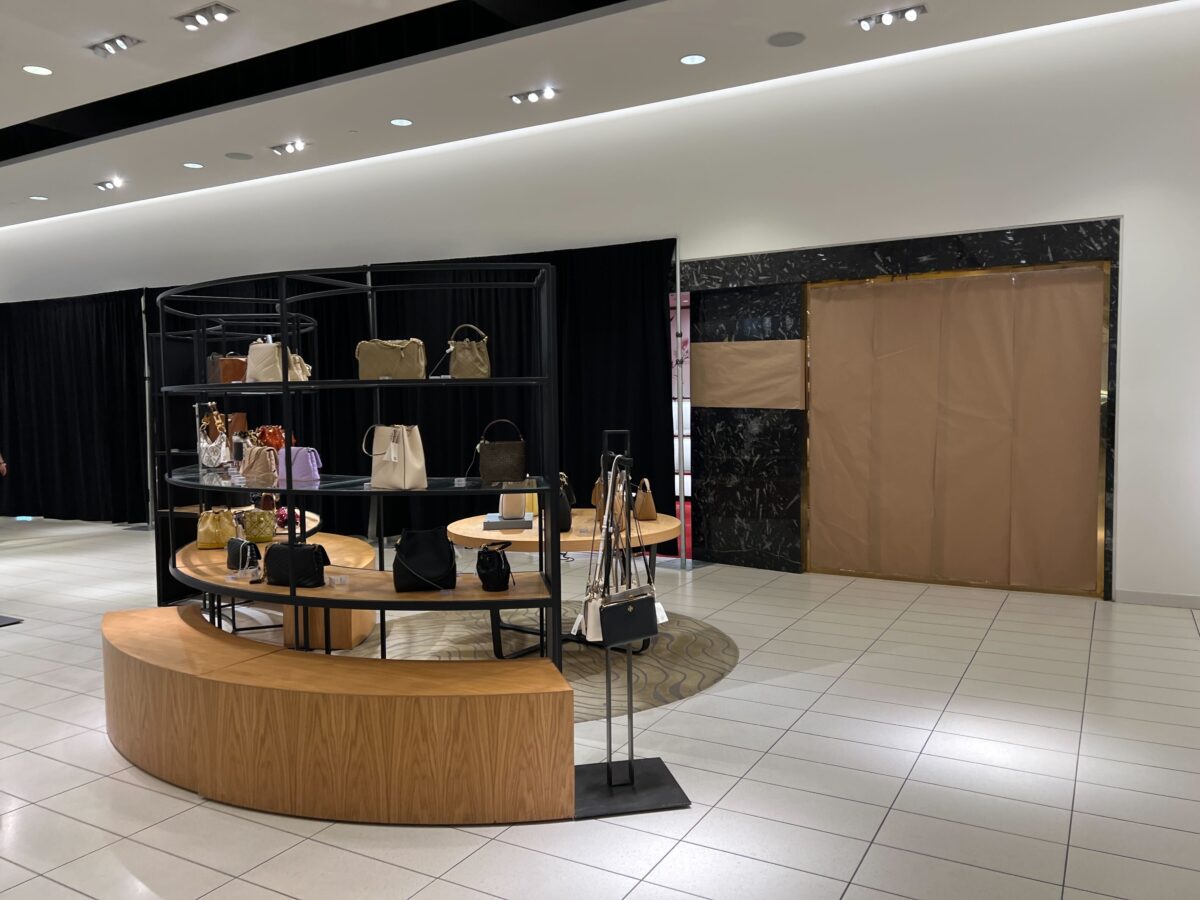
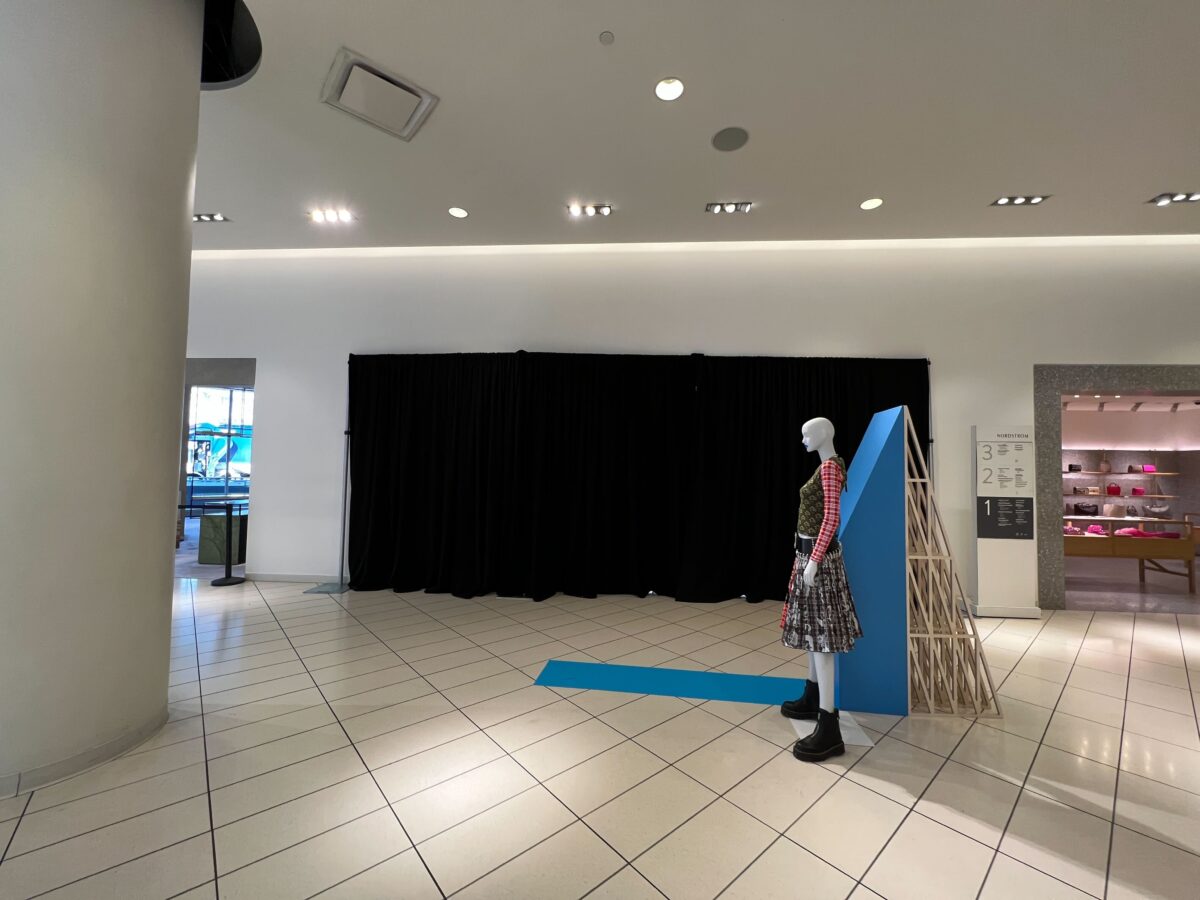
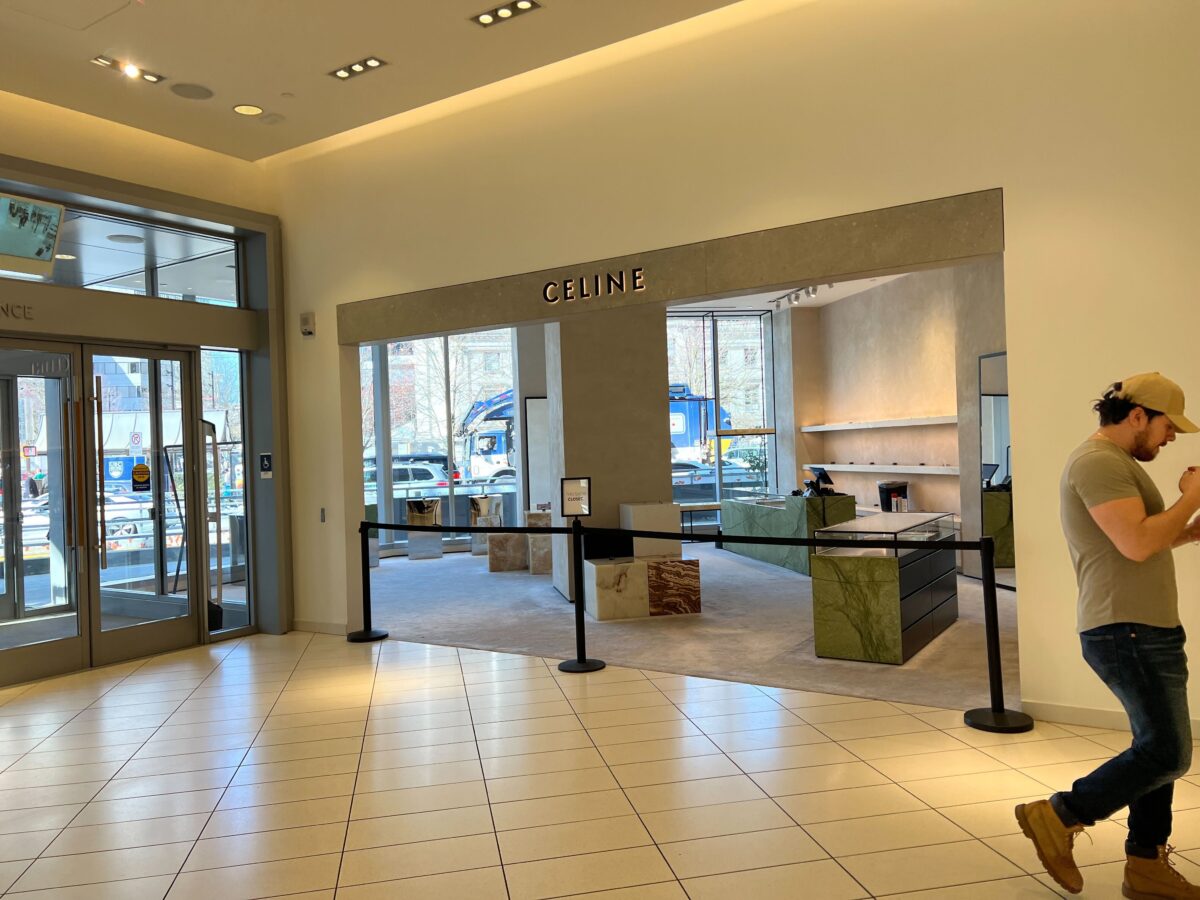
The luxury brand concessions at Nordstrom have shuttered ahead of the retailer’s exit from Canada. Downtown Vancouver’s flagship Nordstrom store was home to the most leased concessions of any Nordstrom store in Canada, while two Toronto stores had several as well.
In Vancouver, one reader sent photos of shuttered main floor boutique spaces for brands including Christian Louboutin, Saint Laurent, Celine, Burberry and others, leaving a sad state in the store with empty shelves and spaces covered in black tarp.
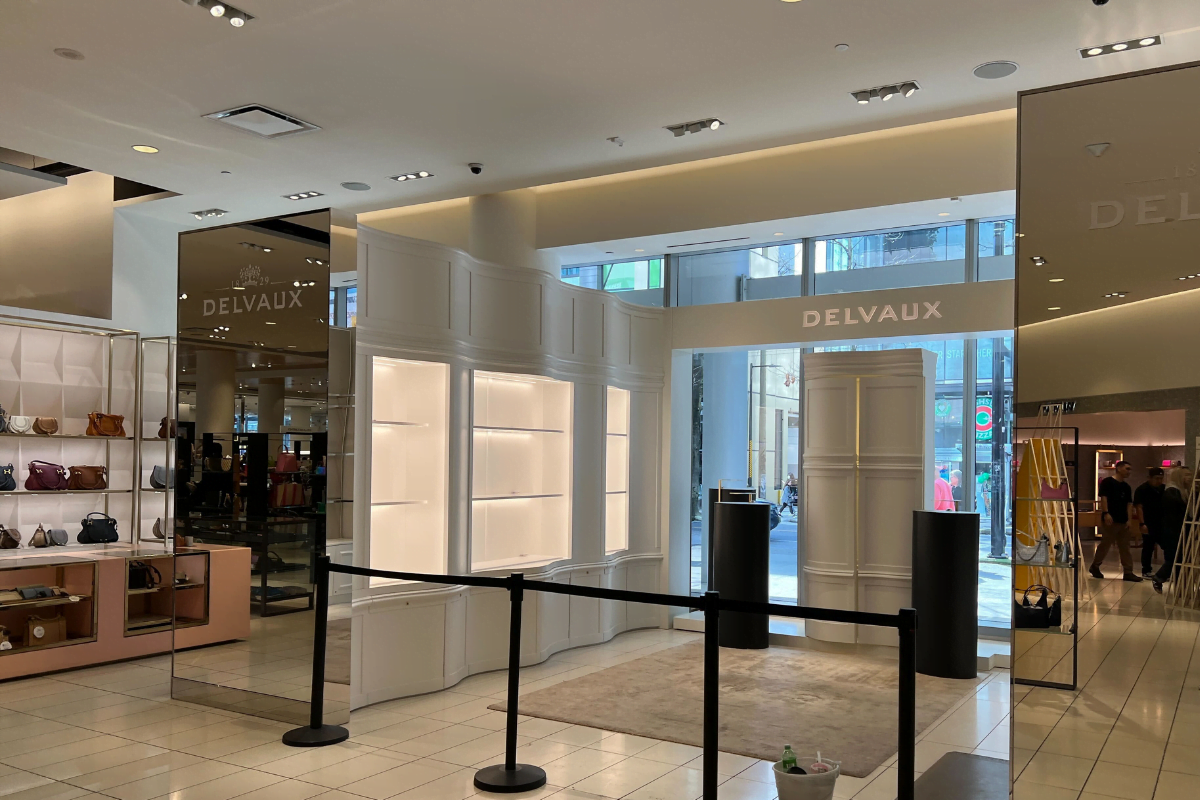
One of the notable brands that shut is Belgian luxury bag brand Delvaux, which also had a boutique space at Nordstrom in Toronto’s Yorkdale Shopping Centre. Delvaux’s only two boutiques in North America were at Nordstrom in Canada until several years ago when a standalone store opened in New York City. Bags are priced well into the thousands of dollars and it remains to be seen if Holt Renfrew picks up the brand, or if Delvaux will look to open any standalone stores in Canada.
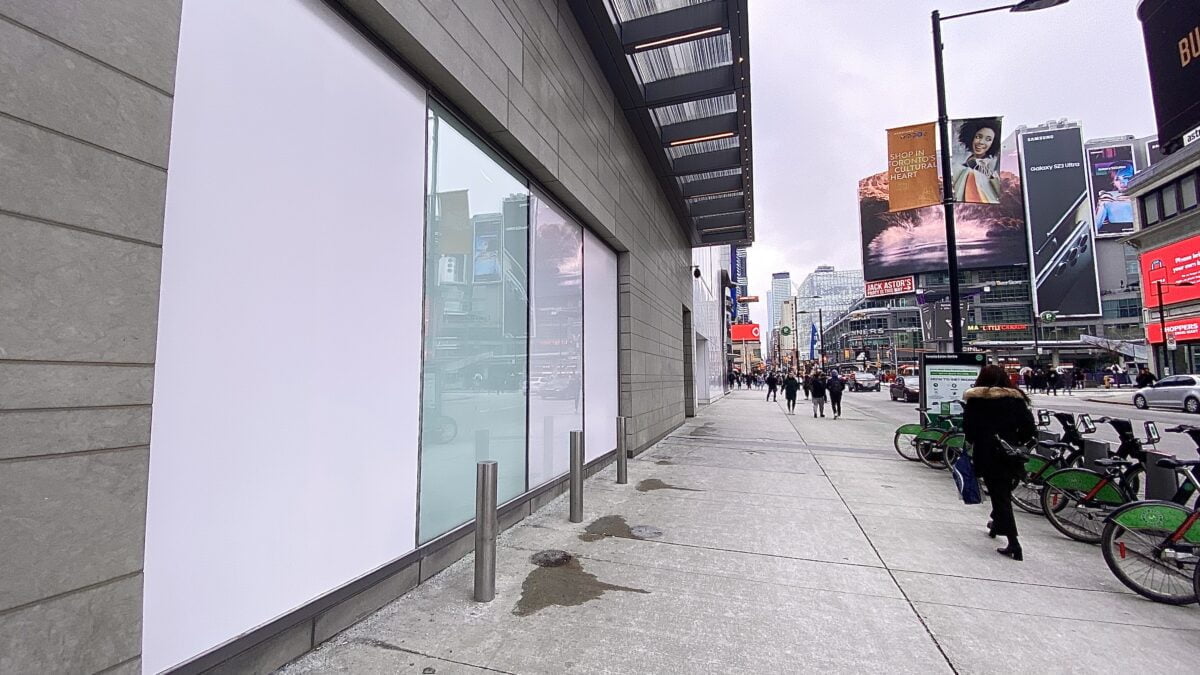
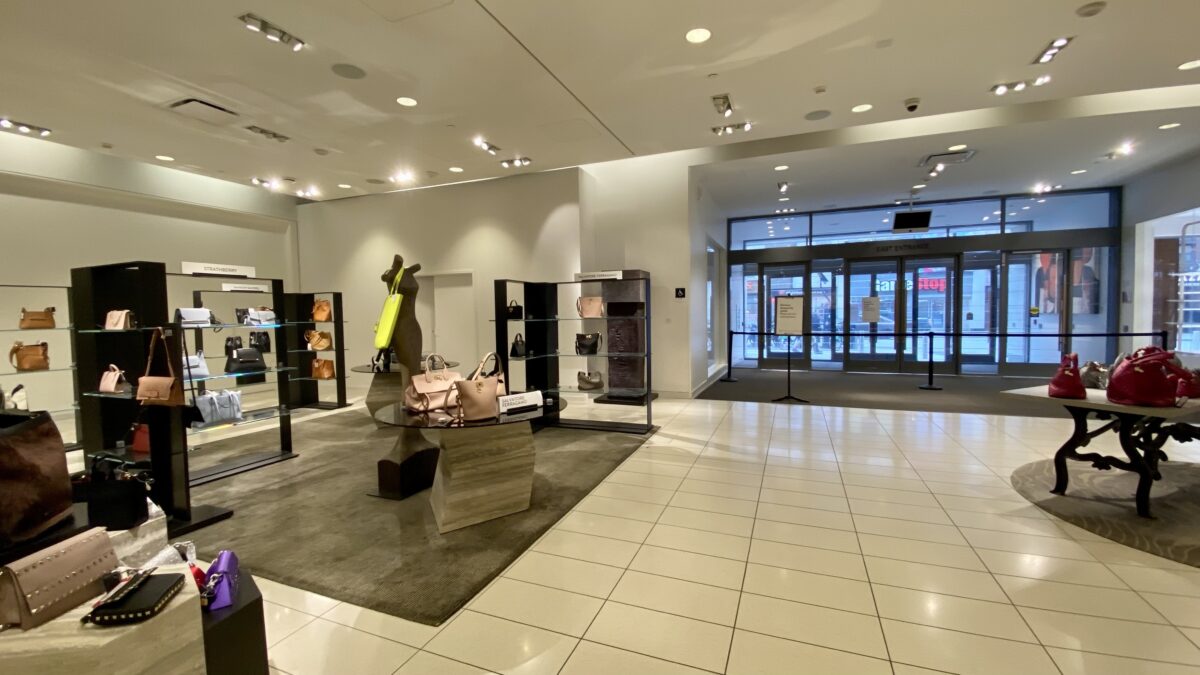
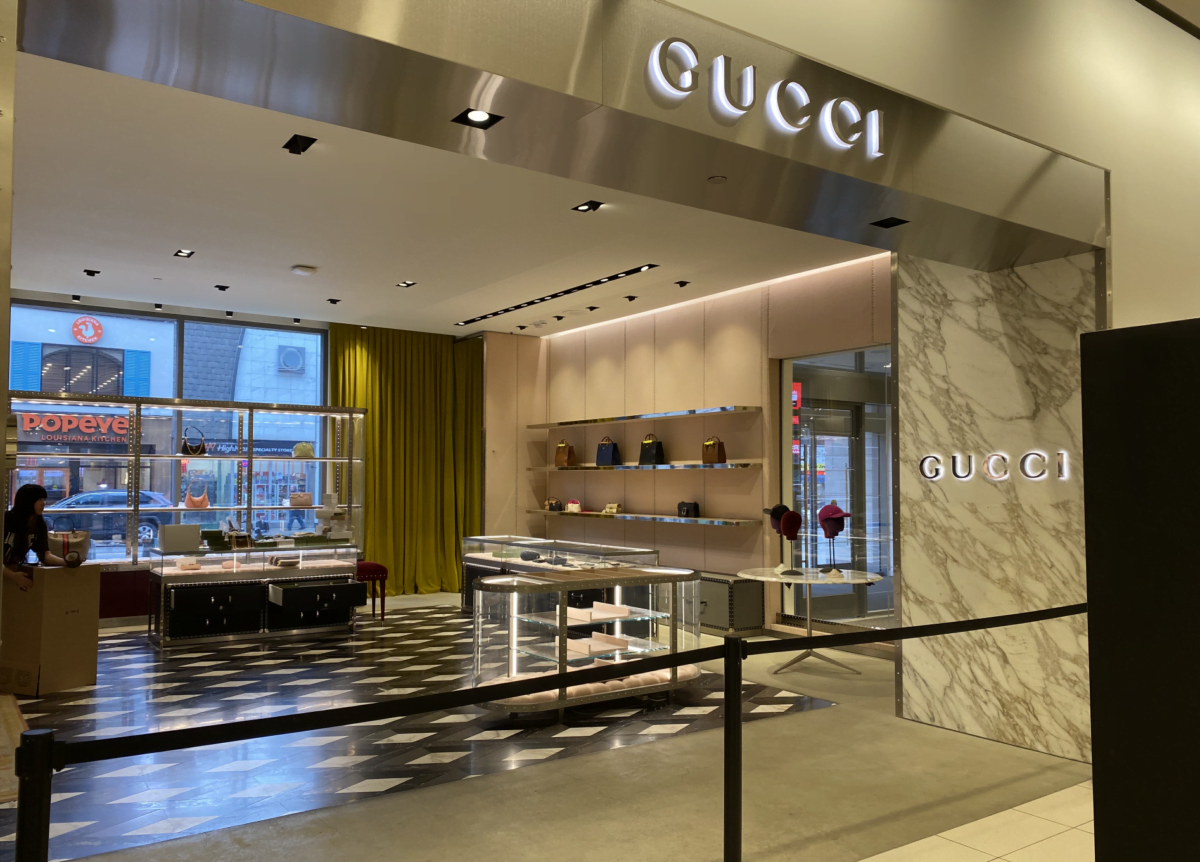
Former Delvaux boutique space at Nordstrom in Vancouver. Until last week there was also a boutique at Nordstrom Yorkdale. Photo: Richard GellerGucci once had a facade facing onto Yonge Street on the main floor of Nordstrom CF Toronto Eaton Centre. Photo: Craig Patterson Inside Nordstrom CF Toronto Eaton Centre where Gucci had been located. Photo: Angela Lui via RedditOn Friday of last week, product began clearing out of the Gucci concession on the main floor of Nordstrom at CF Toronto Eaton Centre. Photo: Lisa Hutcheson of J.C. Williams Group
In downtown Toronto, a Gucci bag and accessory concession shut at Nordstrom’s CF Toronto Eaton Centre location, marking the end of Gucci having a facade on Yonge Street which will likely never occur again in our lifetimes. The Toronto Nordstrom store had far fewer concessions than the Vancouver Nordstrom store, although the Toronto location had several boutique spaces that shut over the course of the pandemic. That included bag/accessory shops on the main floor for Loewe, Stella McCartney and Miu Miu and most recently, Burberry exited its boutique space after the brand made the decision to operate its shop-in-stores in Canada as concessions.
Oddly as well, only three days before Nordstrom announced it was shutting in Canada, the former Burberry boutique space at Nordstrom’s downtown Toronto store became home to French bag brand Longchamp, with a purpose-made sign for the shop. The shop was no longer there as of Sunday.
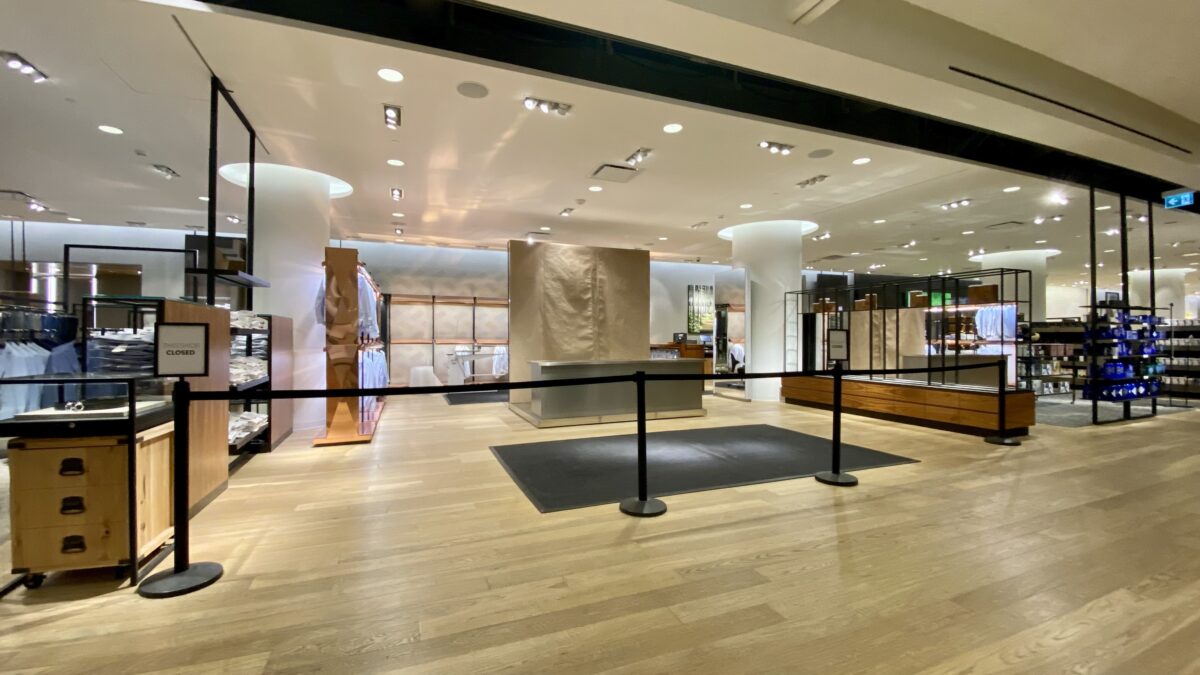
Dutch suit brand Suitsupply shut its concessions at Nordstorm in Toronto and Vancouver as well — the partnership was established shortly before the pandemic.
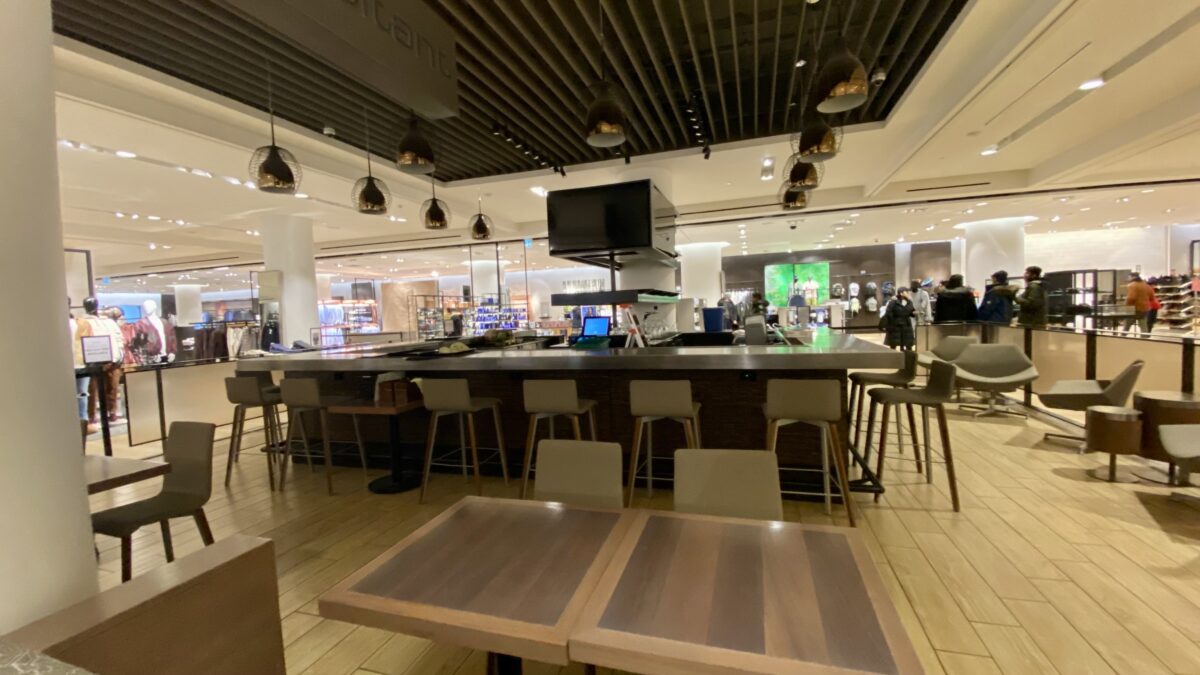
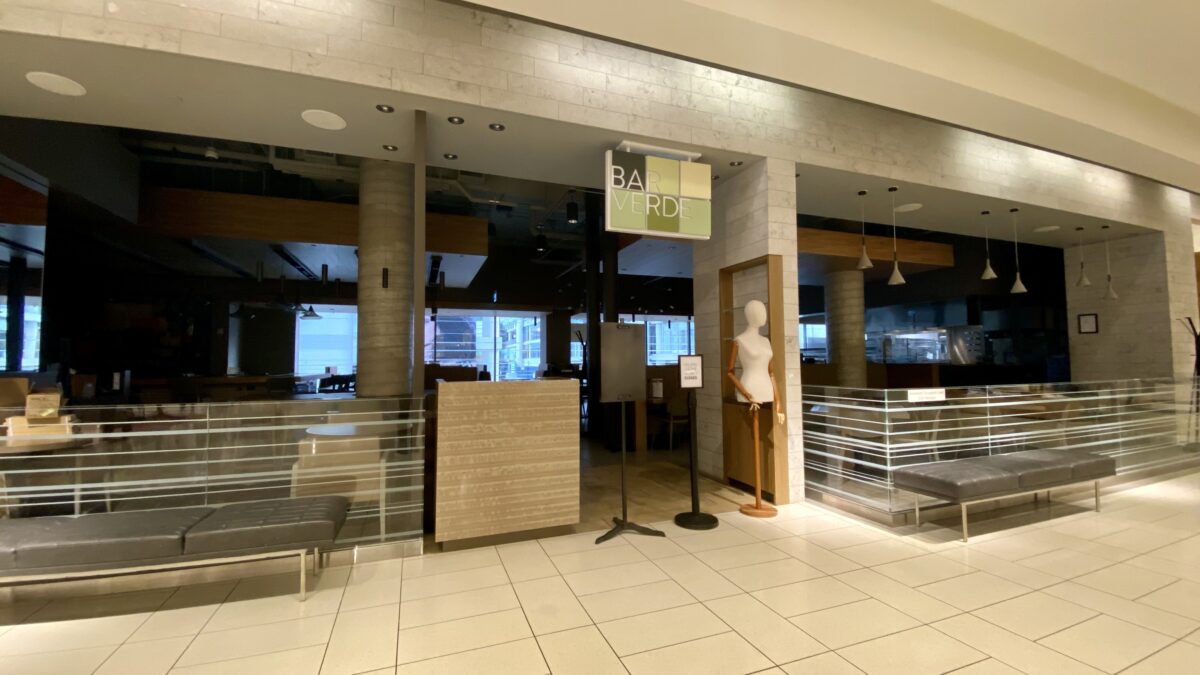
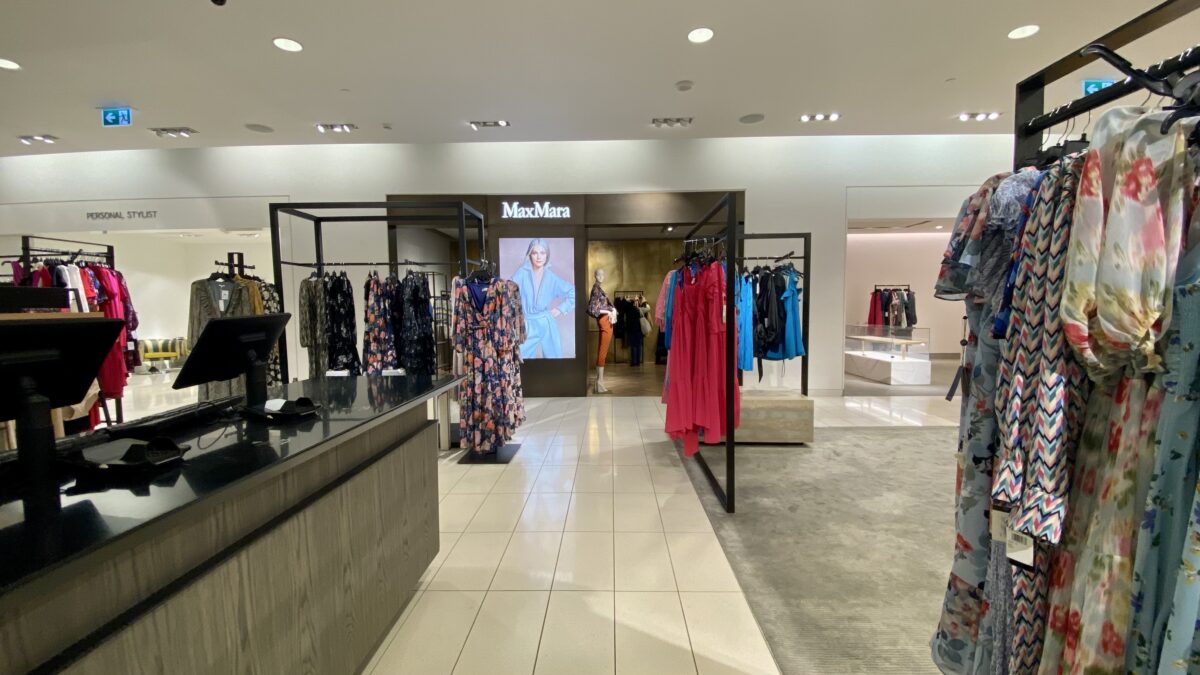
Shuttered SuitSupply concession at Nordstrom CF Toronto Eaton Centre. Photo: Angela Lui via RedditShuttered Habitant bar at Nordstrom CF Toronto Eaton Centre. Photo: Angela Lui via RedditShuttered Bar Verde restaurant at Nordstrom CF Toronto Eaton Centre. Photo: Angela Lui via RedditMax Mara (not a concession) remains open at Nordstrom CF Toronto Eaton Centre. Photo: Angela Lui via Reddit
During the pandemic, non-concession boutique spaces for women’s luxury brands at the CF Toronto Eaton Centre and Yorkdale stores shut almost entirely, leaving a Max Mara boutique at the downtown store and Dries Van Noten at Yorkdale. The exit of these brands were among the signs that we were watching prior to knowing that Nordstrom would be exiting the Canadian market.
The foodservice businesses at Nordstrom in Canada shut last week, including full-service restaurants, bars and in-store eBar coffee shops. Milk Bar, a popular foodservice concept, opened in November at the downtown Vancouver Nordstrom store and operated for less than four months.
Clearance sales at Nordstrom stores in Canada begin this week as part of the winding down of Nordstrom Canada under CCAA proceedings. Nordstrom has six full-sized stores in Canada including three in Toronto (CF Toronto Eaton Centre, Yorkdale and CF Sherway Gardens) as well as in Ottawa at CF Rideau Centre, Calgary at CF Chinook Centre, and at CF Pacific Centre in Vancouver. Nordstrom also operates seven Nordstrom Rack stores in Canada in the metropolitan Vancouver, Edmonton, Calgary, Toronto and Ottawa markets.
Shuttered Christian Louboutin shoe/bag boutique at Nordstrom in Vancouver. Photo: Chris WongSaint Laurent exits its bag concession at Nordstrom in Vancouver. Photo: Chris WongShuttered Celine bag concession at Nordstrom in Vancouver. Photo: Chris Wong
We’ll report on anything newsworthy as Nordstrom begins its exit from Canada. Stores are expected to shut forever by June of this year. As of Friday of last week, Nordstrom is no longer accepting returns or exchanges in its Canadian stores.