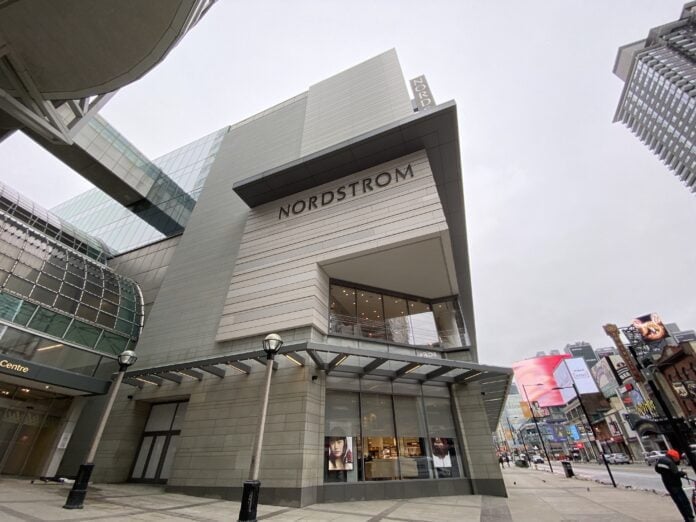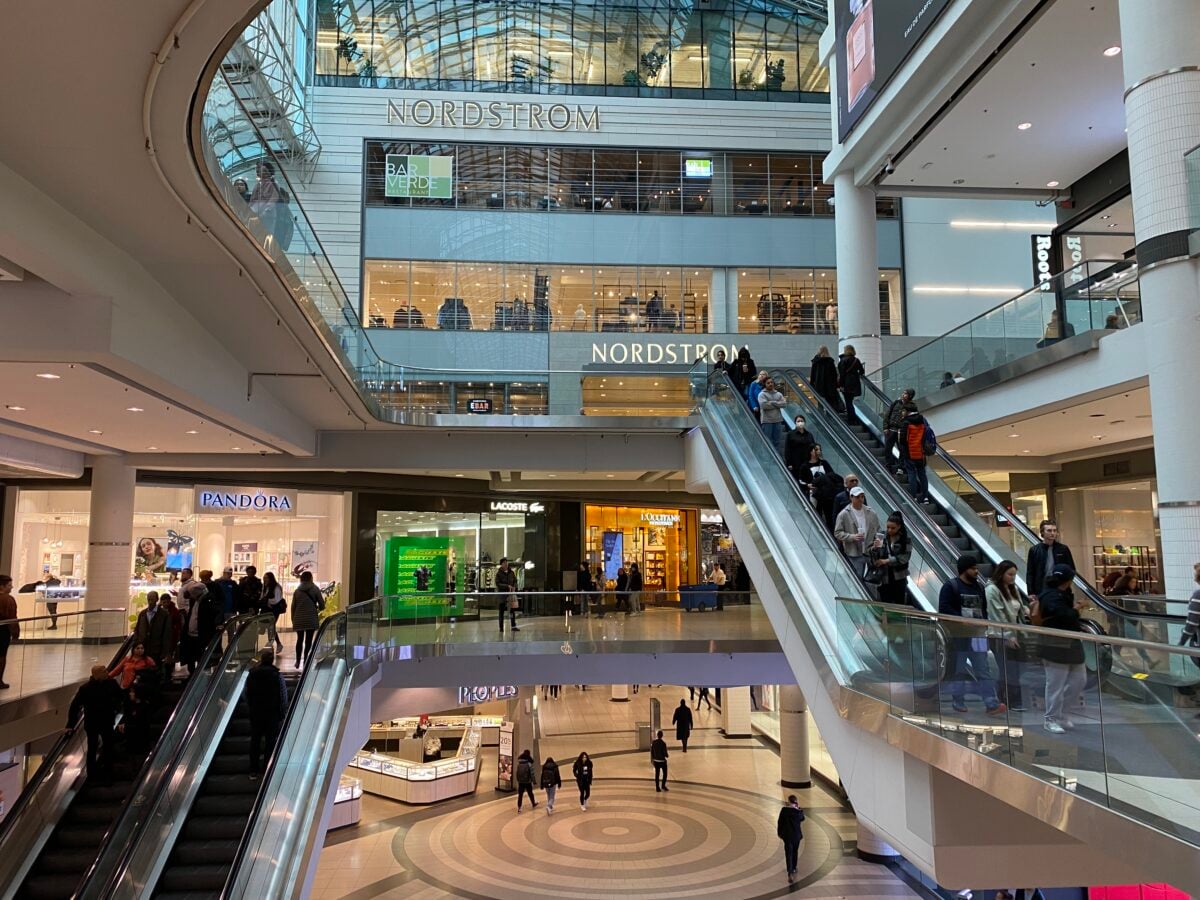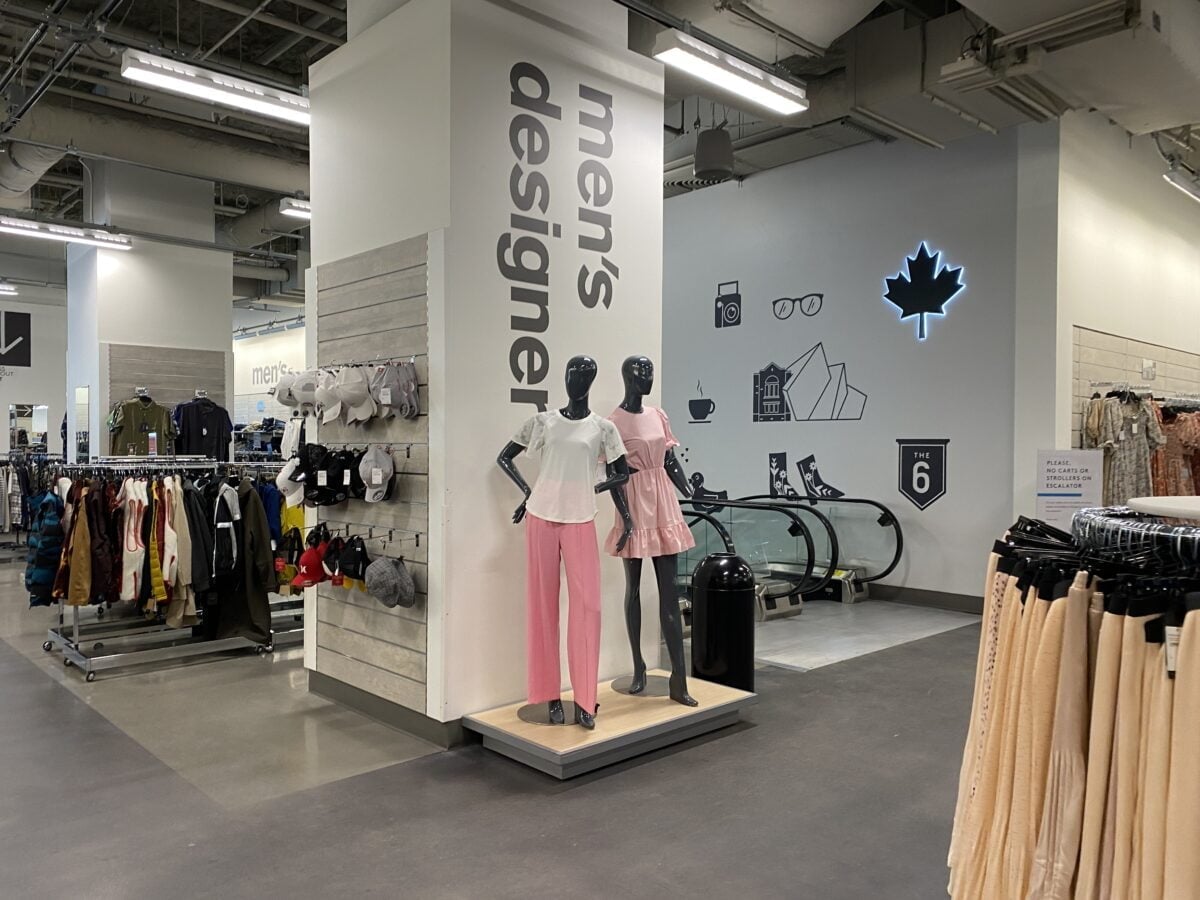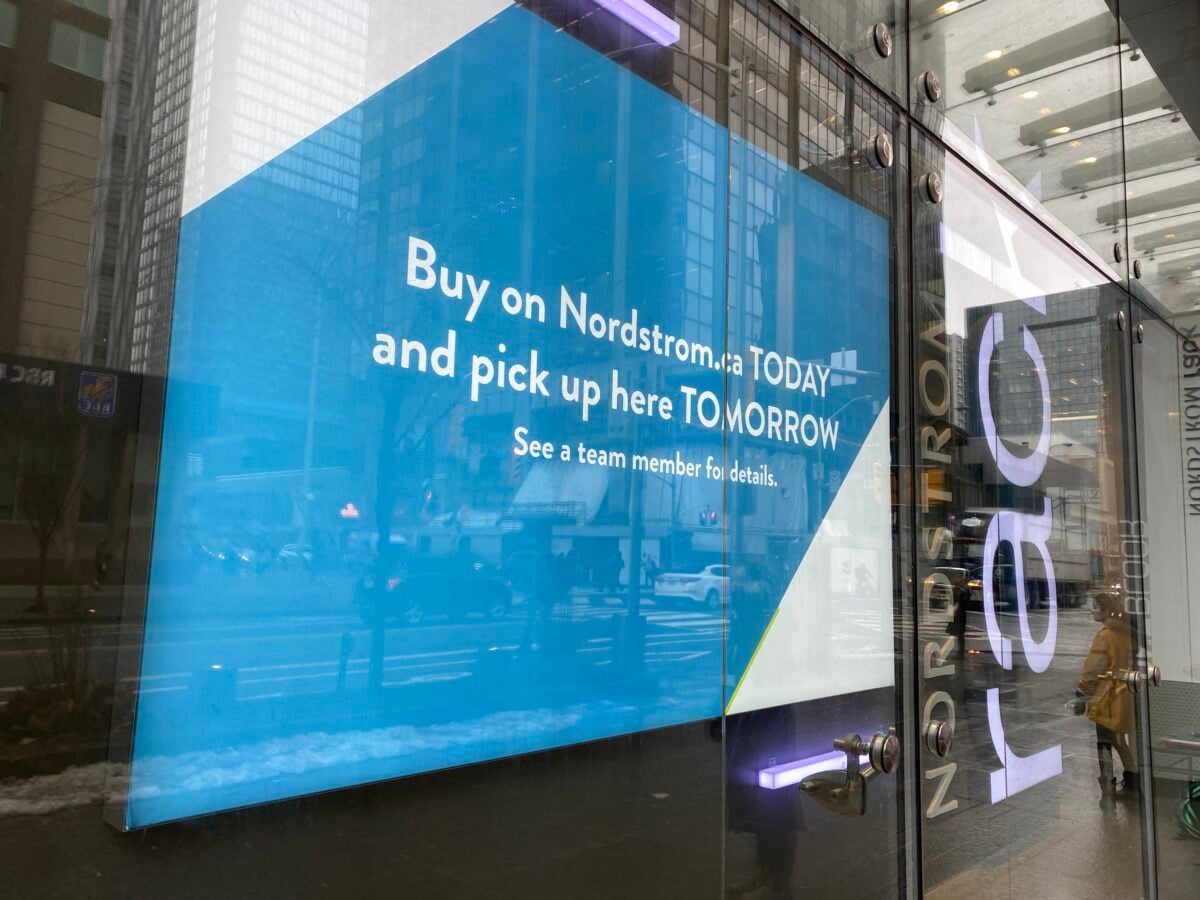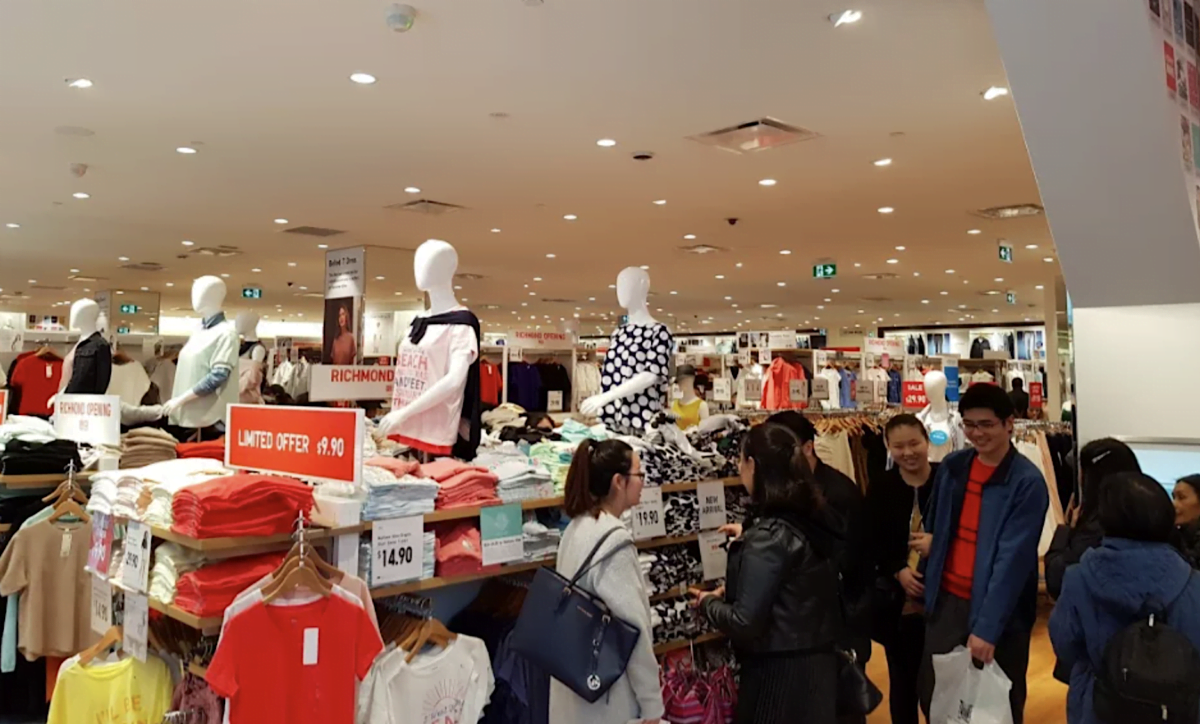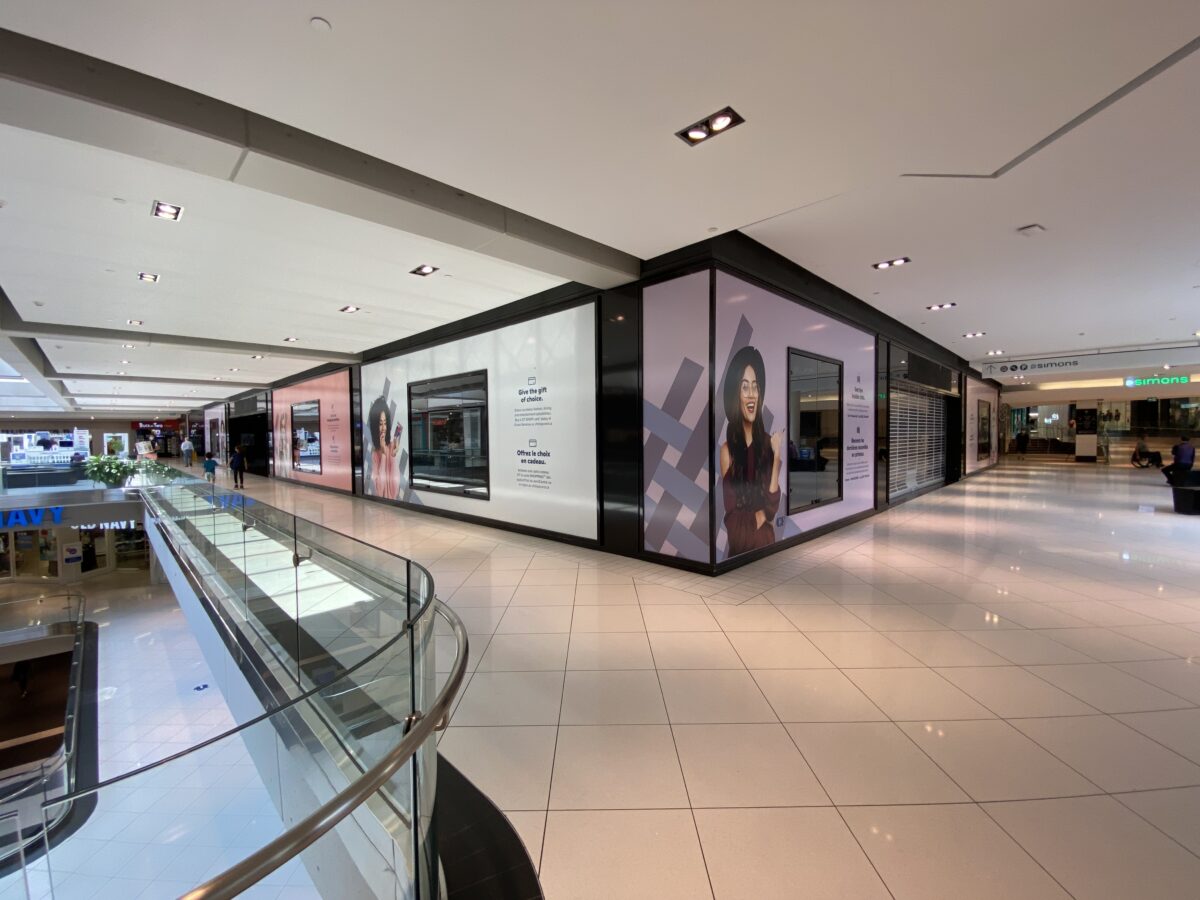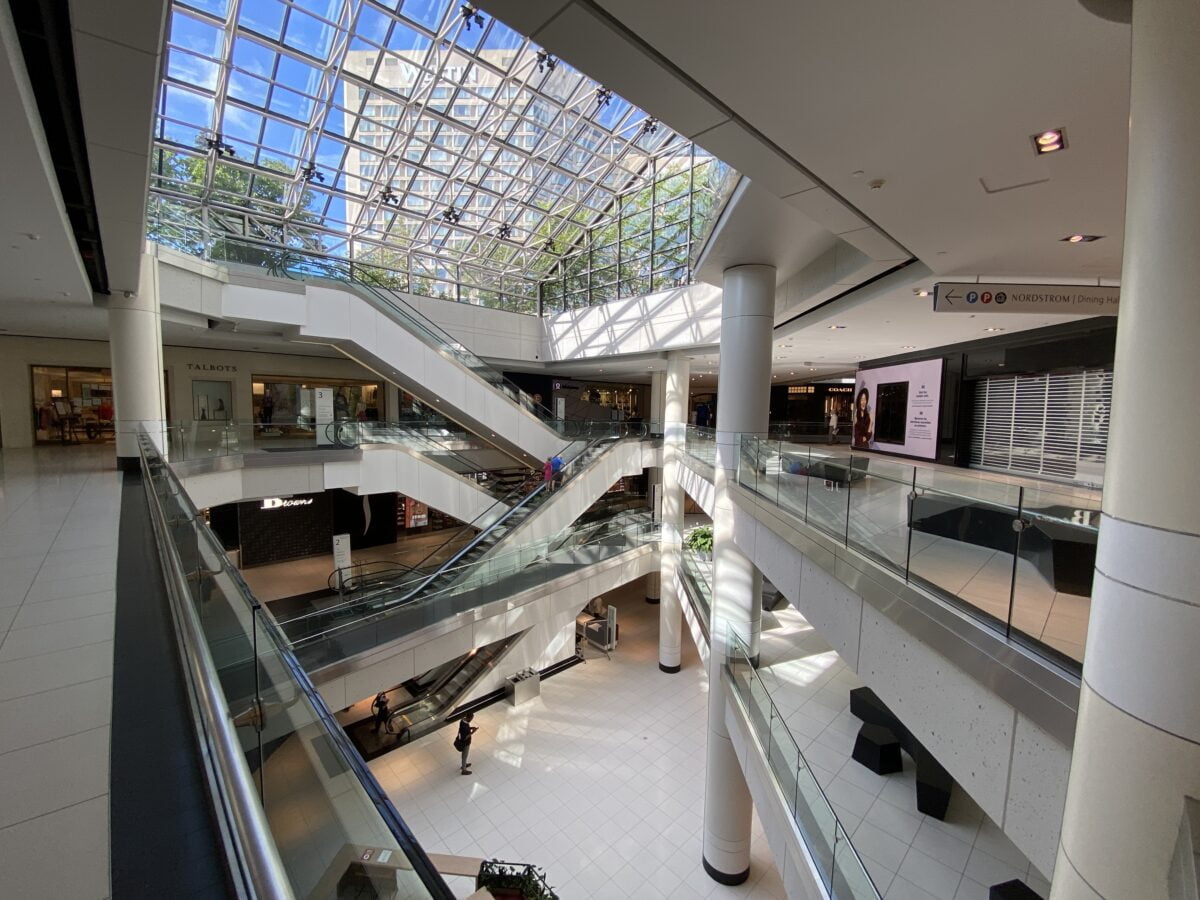
Craig and Lee talk about the closure announcement of Nordstrom shutting its Canadian stores. Included in the discussion is how we found out, what might be done with Nordstrom’s stores in Canada, and why the retailer made the shocking move.
The Weekly podcast by Retail Insider Canada is available on Apple Podcasts, Stitcher, TuneIn, Google Play, or through our dedicated RSS feed for Overcast and other podcast players. Also check out our The Interview Series podcast where Craig interviews guests from across the Canadian retail landscape as part of the The Retail Insider Podcast Network.
Retail Insider content discussed this episode:
Transcript
Announcer 0:00
This is a Retail Insider Podcast. You’re listening to “The Weekly”.
Lee Rivett 0:08
Welcome to this week’s episode of The Weekly by retail Insider. I’m Lee Rivett and I’m joined with the owner and publisher of Retail Insider Media, Craig Patterson, to discuss this week’s most read articles on retail-insider.com. So thanks for joining me, Craig.
Craig Patterson 0:22
Hello, everyone.
Lee Rivett 0:23
Pretty much anybody who is into retail in Canada has heard by now that Nordstrom and Nordstrom Rack is exiting Canada and closing all of their stores. So Craig, we pretty much hit the “Publish” button minutes after the Nordstrom announcement that this is going to happen. How did we know in advance to be able to have a comprehensive article ready to go to do that? Because that was quite a feat,
Craig Patterson 0:49
Absolutely. We were notified that parties in the know were firstly saying that an international department store chain would be exiting the Canadian market. Once we actually got information that this was Nordstrom. Firstly, I was heartbroken because the very first article that I ever wrote in April of 2012 (when I founded Retail Insider) was about Nordstrom attempting to come into the Canadian market and what options it had given that some leases from Sears Canada had been made available for this potential expansion. For me to be writing this article, it felt a little bit like seeing a full circle in my own business here at Retail Insider. Once the announcement was made, we had that full confirmation and we were able to put out that pre-drafted story. Which is why, again, it would be really impossible for us to have had a story like that going out three or four minutes after a press release came out saying that Nordstrom was exiting Canada, having quotes from an expert that wasn’t me (not that I’m an expert) having all this information in there. I did it I did quite an extensive analysis on who could replace these locations and that was, a good amount of time was taken to write that thing and some contemplation and whatnot. And then we put in some financial numbers and some quotes from Nordstrom to finish the article off and bada boom, bada bing, we sent it out.
Lee Rivett 2:06
What can we even just go through a quick recap for folks on the facts that we know? For example, how many Nordstrom Rack locations are closing how many full price lineup locations are closing? Even just the rationale that Nordstrom gave for pulling out and closing all of those Canadian store locations in totality?
Craig Patterson 2:24
Yes, so Nordstrom has six full line stores in Canada. Those are located in the markets of Calgary, Ottawa, Vancouver and Toronto. It’s also got seven Nordstrom Rack locations which are in major markets throughout the country. Now the Nordstrom stores measure between 140,000 square feet at the smaller end to the largest one and being in Vancouver at about 230,000 square feet. And then we’ve got those seven Nordstrom Rack stores, they’re a little bit smaller between roughly 30 to 35,000 square feet each. There’s a slightly larger one in downtown Toronto, that’s about 38 to 39,000 square feet, I believe it is. Now Nordstrom has basically said that it had not turned a profit in Canada over at the time that it had been here. For those unaware, Nordstrom entered the Canadian market in September of 2014 with its store in Calgary. Unfortunately since Nordstrom came in back then, the chain has not turned a profit in the Canadian market and lost money year over year. Much like what target had said around 2015, Nordstrom said that it did not see the opportunity or the ability to turn things around in Canada and has decided to cut its losses and run.
Lee Rivett 3:38
Do we know how much money they lost?
Craig Patterson 3:40
Now, some people may not be aware of this, this wasn’t widely reported. But what was found was that Nordstrom had lost about $74 million in 2020. In the Canadian market, unfortunately, its sales in 2022 were about $515 million. I think that’s a little bit indicative that the pandemic did have an effect on sales for Nordstrom. I had some numbers in 2019, which was showing Nordstrom doing a bit over $600 million a year in Canada in just its full line, full price stores (not including the Nordstrom Rack locations). So I think that we did see a little bit of a downturn in some of these locations. Probably a little with the Vancouver store which was doing in the $300 million range before the pandemic. I know that the some of the dynamics there have changed and we did see a bit of a downward trend with some of the stores over the years including the Calgary went a little bit. Now we have some sales numbers to be able to go on in terms of our understanding and that’s really unfortunate as well.
Lee Rivett 4:43
Wow, well 300 million annually for just the Vancouver store – that’s shocking that they’re closing the store. That’s half of the Canadian-wide revenue? It’s 300 million, right?
Craig Patterson 4:52
$300 million annually is what I had been told. This before the pandemic of course, the Vancouver store was doing in Canadian dollars. A little less to the Americans given the currency exchange. At various times, the Vancouver store was the top selling store in the entire company and that includes in the United States. Some of the top stores there were downtown Seattle, Chicago (Michigan Avenue with the shops at North Bridge), and then a store opened in New York City which initially was doing very well.
Lee Rivett 5:25
Sorry to bring it back to the Vancouver store location again, because I’m just flummoxed that it’s shuttering. It’s a beautiful, massive store.
Craig Patterson 5:34
I gotta tell you, when I was told that Nordstrom was exiting Canada, my very first question to my source (who I won’t name of course) was, “And, Vancouver as well?” because I was firstly, a little shocked by the announcement. But secondly, knowing how well the Vancouver store had been doing in terms of sales, and knowing how beautiful that store is. It’s aesthetically pleasing. It’s got all kinds of luxury brand shops inside and it’s quite busy. I was just sent a video by a friend who’s in Vancouver right now and she said it was like Christmas time in the store. It was just packed with people shopping.
Lee Rivett 6:09
But like bringing it back, did you really think that they could have made a ‘go’ at just having one Nordstrom store in Vancouver, as successful as it is?
Craig Patterson 6:17
Really, if you think about it, having one single store in another country that you have to fulfill with warehousing and marketing and all of the other things that are expensive. I think that that profitability specifically in that one Vancouver store may have become profit-losing.
Lee Rivett 6:32
Speaking of profit losing, isn’t there a component of bankruptcy going on here as well?
Craig Patterson 6:37
This was a CCA filing, which is kind of like a bankruptcy filing. And it looks like they would have to do this for the entire Canadian operation. All Nordstrom stores, all Nordstrom Racks in order to fulfill this particular strategy to make the Canadian exit. So with that, the Vancouver store is on the chopping block and is set to close unfortunately. So which really when you look at it is mind blowing given that this is a really high selling store with so much money was put into it. And it’s a well built store and it’s so prominent in downtown Vancouver, it’s takes up almost an entire city block, which not many stores can say that. So it used to be it was built in the 1970s for Eatons. For a time period, it was a Sears after Eaton’s went under in 1999. And now we’re losing Nordstrom so it just seems to be a general progression at CF Pacific Centre of tenants for that space. I think we’re gonna be seeing some new stuff coming up there. Well, we will for sure.
Lee Rivett 7:33
With Nordstrom unloading all of this retail square footage into all these Canadian malls across Canada, what do you think all of these malls are going to do with the extra vacant space?
Craig Patterson 7:43
This is an interesting conversation. And I’m gonna have conversations with some experts to I don’t want to just give my own opinion. But I am today just podcast where you and I talk.
Lee Rivett 7:52
Yes. Well, let’s start going through all the Nordstrom full fledged locations. We’ll go through the Nordstrom Rack was after that, but so starting in the West. In downtown Vancouver for CF Pacific Centre, what’s the details going on there?
Craig Patterson 8:06
CF Pacific Centre is about 230,000 square feet. It’s about three levels of retail space for Nordstrom currently. This is just such a brilliant piece of real estate. It’s got three corners that can be utilized. Say if the store was to be – we call it ‘subdivided’, I’ll use simple language and use ‘demised’. But you’ve got three corners on this block here, there is an opportunity for landlord, Cadillac Fairview (which, by the way, has five of the six large Nordstrom stores and it’s malls in Canada), to extend the mall into that space. So there is an opportunity for them to as a landlord have smaller retailers that may be paying more rent per square foot than what Nordstrom would be, which could in turn be better for Cadillac Fairview. There’s an opportunity for some new brands to come in and even get some really valuable corner space that’s going to have great frontage on Robson Street and Granville Street which is seeing a resurgence and a revitalization of downtown Vancouver. They’re actually I think are some exciting opportunities that could come here in terms of taking this large, single 230,000 or so square foot space and subdividing it for multiple retailers.
Lee Rivett 9:11
Now what about the third floor?
Craig Patterson 9:13
It’s about 70,000 square feet. You can take some second floor. I don’t know if La Maison Simons (the Quebec City based large format fashion retailer which I’m a big fan of) has the budget or the wherewithal, but I do know that a downtown Vancouver store would be very popular and could do quite well hopefully. So maybe there’s an opportunity for Simon’s to take part of the space.
Lee Rivett 9:37
Why wouldn’t Simons take the entire space?
Craig Patterson 9:40
It’s just too big. The largest Simon store is you know, maybe about 120 to 130,000 square feet – if that. So, I would see some space being taken possibly by Simons if it were to come in.
Lee Rivett 9:51
But not the entire thing.
Craig Patterson 9:52
Not the entire thing. But again, this gives Cadillac Fairview an opportunity to make money as well as to get some smaller retail spaces in there. And this gives some brokers in the city (you know the duo at Marcus and Millichap – Martin Moriarty and Mario Negras). Well, it’s really hard in downtown Vancouver to find space sometimes. It’s restricted and landlocked, it’s hard to find the right space. Now that opportunity is there. So I don’t see this completely as a negative at least from a real estate standpoint and from a standpoint of looking how downtown Vancouver could be in the future. So it is still tragic in my opinion that Nordstrom was leaving Canada and specifically closing that beautiful downtown Vancouver store. But looking on the bright side, there is an opportunity to repurpose this away from a department store model and something that’s a little bit more diverse in terms of having multiple tenants.
Lee Rivett 10:37
Taking our wagons eastward across the Rocky Mountains to Calgary, Cadillac Fairview has another mall just south of the downtown called CF Chinook Centre that has a full fledged Nordstrom that’s also going to be shuttering. I know that you just had an interview with Gracie Yan talking about this mall and Nordstrom’s departure there. But give us a little bit of the specifics for folks that haven’t listened to that podcast about Chinook Centre.
Craig Patterson 10:59
So Calgary. This is interesting. It’s the Nordstrom store at CF Chinook Centre in Calgary is at the end of a hallway. I believe it was an Eatons store years ago and then became a Sears. I’m sure there are a few options out there. I mean, given that it’s 140,000 square feet, a retailer like Simons could possibly occupy the entire thing or close to it.
Lee Rivett 11:20
Which it already has a location in downtown Calgary at The CORE.
Craig Patterson 11:24
Which is very unique. It’s about 90,000 square feet, it’s over I think five or so floors or something because it’s just such a unique interesting configuration, including a heritage building, as well as some movement in the former TD square which is now part of The CORE. I don’t know if Simons would want to stores in the market or if it would replace downtown with CF Chinook Centre, who the heck knows. i am sure there are other options out there to get creative. Cadillac Fairview could put a food hall somewhere in there upstairs or otherwise. They could extend the mall in that direction through that space. It remains to be seen, I cannot wait to hear what’s going to happen. But there’s opportunities there but not I think to the same degree as at CF Pacific Centre in Vancouver which has just an incredible opportunity with so much frontage and the fact that it’s not a store at the end of the hallway.
Lee Rivett 12:08
Continuing eastward, let’s hop over to Ottawa for another Cadillac Fairview mall called CF Rideau Centre. Beautiful architecture, beautiful façade. What do you think about that one?
Craig Patterson 12:22
The Ottawa store, I see a little bit similar to what I was talking about in terms of CF Chinook Centre, except for the Simons connection. La Maison Simons already has a beautiful store at the CF Rideau Centre on the other side of the mall. So I don’t know why it would pick up and move over into the Nordstrom space just because it’s already got a good store. I think Cadillac Fairview is going to have to find something new to do that this space here. Years ago, it was an Eaton’s location. I know Holt Renfrew had been looking at taking part of it. I don’t think Holt Renfrew would come back into the Ottawa market. I just don’t think that people in Ottawa buy enough luxury goods. I mean Ottawa doesn’t even have Louis Vuitton store. So that’s pretty basic for a city, especially one as wealthy as Calgary with its population. My thought is that there’s going to be either some sort of mall extension that’s going to happen through there.
Lee Rivett 13:12
But wasn’t Cadillac Fairview going to do a tower build or something on the site as well?
Craig Patterson 13:17
I do know that Cadillac Fairview is involved in building a residential tower on the site. So I have to go and have a look at how its configured but perhaps part or all of it could be demolished. Or the mall could be extended. Who knows? I mean, Cadillac Fairview is going to want something that’s profitable in terms of something that they’re going to put into it that’s going to make money and the world is Cadillac Fairview’s oyster at least I suppose, to a degree. I guess some creative thinking to make money is going to have to be there because again, Cadillac Fairview being owned by a pension fund has a responsibility to its shareholders to try to repurpose it in a profitable manner.
Lee Rivett 13:52
Well, let’s run down to the GTA now. What about the Nordstrom located at CF Sherway Gardens?
Craig Patterson 13:58
CF Sherway Gardens. It’s a good one just because it’s sort of a continuation of this conversation here right now.
Lee Rivett 14:04
And it’s located in Etobicoke, which is east of downtown Toronto and it’s also in a fairly affluent neighborhood.
Craig Patterson 14:11
Yes. That store again, is also about 140,000 square feet. So it’s quite similar to the Calgary location and this Nordstrom store at CF Sherway Gardens was purpose built in terms of this was specifically a box that was created for Nordstrom. So it might have taken the old Brenton spot and maybe use some of the floors. I can’t remember and I don’t know because I wasn’t there for part of that construction. With that again, I mean, La Maison Simons – I just keep bringing that one up because it’s one of the only other large format retailers in Canada that could take a large space like this – it already has a store at the Square One Shopping Centre in Mississauga (which is only a few minutes away by car) so I don’t know if Simons would love to do another store in that location. Who knows. I mean, I heard a little rumor here. I don’t know if this is true. I definitely won’t name the source, but that perhaps Holt Renfrew could look at stepping out of Square One and moving back into Sherway Gardens where it was for years and years and years originally? Especially if Saks Fifth Avenue leaves, which you know, is always a possibility. So other options could be again to subdivide the space into multiple retailers. Also Eataly will be opening a second Toronto location, I thin, towards the end of the year at CF Sherway gardens. And that’s going to be located right by the Saks Fifth Avenue store as it currently is located over in the former Eatons box way over on the other side of the mall. So compared to CF Pacific Centre in Vancouver, I don’t think the opportunity is quite as exciting.
Lee Rivett 14:11
Heading north of the downtown, there’s Yorkdale Shopping Centre, which had a rather large Nordstrom and it kind of had its own wing of that like open to that it’s at the very end. So you kind of have to take a little journey to get to it as well. So what’s your thought for that space – as it’s going to be exiting as well?
Craig Patterson 15:32
Similar conversation to the last few. It’s a store at the end of the hallway, but it’s a little special. That’s store might have achieved flagship status for Nordstrom, at least certainly with the luxury brands that were in there when the store opened in 2016. Lots of luxury brands and Yorkdale at that Nordstrom store as within the mall. So it makes sense that Nordstrom would have tried to carry that theme over just given how expensive the other stores are in other parts of the mall. It has a whole Renfrew as well.
Lee Rivett 16:22
When I take a look at the Yorkdale space that was purpose built for it, it’s beautiful. When I take a look at the downtown Vancouver’s CF Pacific Centre – yes, it took that old Eaton/Sears space and repurposed it into what it is now been beautiful. But this space at Yorkdale is stunning to me.
Craig Patterson 16:42
This was a purpose built almost glass box. I think it has the most glass on the exterior of any store. This is what I was told when the store had opened. It’s about 200,000 square feet. And it’s a lovely space. But it was also built at the end of this hallway. I think that was a mistake. It’s a bit of a trip to get down there. I think that’s why maybe some shoppers didn’t go. La Maison Simons had actually literally announced plans to open a store at Yorkdale years ago and I even wrote an article about it. I forget what year it was, but I think I may have been living in Edmonton. So it might have been around 2015. Part of that space because again, it’s too big for assignments to occupy it. So perhaps some of it could be Simons perhaps some of it could be subdivided into other retailers, or perhaps some sort of a food hall experience could be created there as well. The opportunities there I think it’d be quite interesting. Yorkdale has some very, very wealthy shoppers that do come into the mall to specifically look for some certain stores that are there, as well as the Holt Renfrew and we’ll see I mean Yorkdale has a very, very diverse offering.
Lee Rivett 17:49
Moving into downtown Toronto into CF Toronto Eaton Centre. I think this is the last one we wanted to talk about that so full fledged on Nordstrom, but it’s an iconic landmark that’s a lot of people have to walk through in order to get to and from the the transit system right. So what do you think is going to happen with that location at once it shutters?
Craig Patterson 18:11
The CF Toronto Eaton Centre store presents a little bit of an opportunity like the downtown Vancouver store at CF Pacific Centre, but not quite as good of an opportunity but also a very unique opportunity. So I think ever since Eatons was a department store built within the CF Toronto Eaton Centre in the 1970s you from the north side of the mall as it stands, which now currently is home to H&M, Uniqlo and Samsung among other things, you should literally have to walk through Nordstrom to get on the north side of the mall to the south side of the mall. So with Nordstrom leaving there is an opportunity now for Cadillac Fairview, to actually finally connect the mall north to south. So people will be able to walk in on the north doors at Yonge and Dundas Square and – dear God, I mean if you see some of the people there I don’t know if I’d want them in the mall, but nevertheless – this is going to be something that happens and they come in anyways. I mean, it’s a little bit of a shit show over in the in the Square there if anyone’s ever been. I stand by my words. I know I got criticized in the past but dear God, it’s just absolutely chaotic at some points during the day. But this again is an opportunity for Cadillac Fairview with smaller retailers that are going to be able to be built along this new corridor which would be able to connect the north and south part of the mall.
Lee Rivett 19:21
What about the upstairs?
Craig Patterson 19:24
There could be different things that are done. I mean, so sort of experiences. Perhaps I mean, La Maison Simons does want a downtown Toronto store, at least it did at one time. And I believe that it was looking to take space with Nordstrom, in that former Eatons space, which was most recently occupied by Sears. But whatever planning came about Nordstrom ended up taking those large floorplates and Simon’s did not end up coming in. So there is an pportunity for Simons to come in. There’s an opportunity for some experiences or something to be done as an alternative. Of course given that I don’t know what Simons is like in terms of its financing to open new stores. It is opening a new store and Halifax So clearly there’s at least a little bit of money happening here with the company but the world is is Cadillac Fairview’s oyster for this box because it really is quite well positioned for redevelopment into something else that could be very, very exciting.
Lee Rivett 20:15
To wrap up because that is all of the flagship full price Nordstrom locations, but to touch upon the Nordstrom Racks, what do you think is going to happen for those because there’s not a number of them spread across a lot of the different malls in Canada that will need to be filled as well since that are closing as at the same time
Craig Patterson 20:34
Now the Nordstrom Rack stores will probably be quite a bit easier to fill in Canada, there’s seven of them, as I said before, they generally in the 30 to 35,000 square foot range, the one at Younge and Bloor in Toronto, which I think is considered to be the flagship for Nordstrom Rack in Canada is about I think 38 or 39,000 square feet. So there’s more, you know, more options for something of that size. I mean, landlords can split them these boxes up and put other tenants in there. That could be some grocery tenants want to come in some specialty groceries in that size. You might have Winners or Marshals open a store here, it’s not going to be nearly as challenging. These are not as large of boxes. So you might have a Best Buy, you could have all kinds of stuff. So so I’m not nearly as worried with the landlords that have these Nordstrom Rack locations on their properties.
Lee Rivett 21:20
Two more questions to wrap up the podcast here. But I know that you have a lot of thought leadership and kind of looking over strategies of organizations, you’ve now seen Nordstrom come into Canada, and now leave Canada. Looking back at their strategy, do you think it was doomed to begin with since they began and set foot into Canada? Or do you think something changed along the way that brought us to this point?
Craig Patterson 21:44
This is almost a whole topic for another podcast. But I do have a little bit of insight that probably not a lot of people do. When Nordstrom was looking at coming into Canada, I had a source who I won’t name, of course, who provided me with some interesting documents. And Nordstrom was comparing the Canadian cities that it was going to be entering to American cities to get a better understanding. And they may have missed the mark, because this document that I had showed that Vancouver was being most closely compared to Seattle. I don’t know if I would agree. I mean, both cities have some wealth. But I think that Vancouver given its much larger Chinese demographic as well as other factors with tourism, I think is quite different. Perhaps it’s a bit more akin to San Francisco or even a little bit with LA. The Calgary market was being compared to Denver. And again, I mean, perhaps that’s a good comparison to a degree, but you might want to throw a little bit of Houston, Dallas or Atlanta in there as well. This was before oil prices went down in Calgary, I should say. So Calgary was really a high rolling city, there was a lot of money and it was an exciting time. And I know that there’s been a bit of a downturn but nevertheless, being compared to Denver. Toronto was compared to Chicago, which may not be that inaccurate, but Toronto was also I think, in a lot of ways a more dynamic city. It’s it’s more multicultural, it’s got a different tourism pattern. It’s a different place. Like I just it’s hard for these American retailers to come here and try to say, well, this is almost an extension of the United States. I suppose even Los Angeles given just given some of the sprawl, it’s complicated. And then the worst one, in my opinion, was Ottawa which was being compared to Washington DC. I actually burst out laughing when I saw that because they are very, very different cities. If you look at Washington, DC in terms of the retail Saks Fifth Avenue, Neiman Marcus, you’ve got luxury stores in that city, in as well as in the suburbs. But Ottawa as I said before, it doesn’t even have a Louis Vuitton location. So the shopper in Ottawa is very different from Washington, DC. It’s not a glamorous place. It’s a conservative, buttoned-down government town that’s really quite boring overall. And it’s particularly in the fashion space. So I think Nordstrom really missed the mark in terms of at least comparing Ottawa to Washington DC, but probably didn’t miss the mark and creating a relatively boring store because the Ottawa Nordstrom location really doesn’t have a lot of designer brands in it at the Calgary and CF Sherway Gardens stores are quite similar. But you know, at least they didn’t bring in even a Louis Vuitton boutique. And I think there’s three Nordstrom stores that have them two or three and you know, that that may not have worked out or even worse, bringing in some of the super high end actress or you know, YSL, even Chanel, which Nordstrom has in some American stores. So did it have a good strategy? Well, I mean, I’ll defer some of that to other experts. But certainly, I was not. I was a little bit underwhelmed with Nordstrom and Canada overall, in terms of its stores outside of the Vancouver location, which I think was executed very well. And I just I mean, I think Nordstrom did try and Canada but I think it could have tried a little bit harder. And really, at this point, quitting the Canadian market is very unfortunate, because I’m sure that there could have been some sort of a turnaround. But at the same time now that we know that it lost $74 million last year on sales that we’re struggling probably not.
Lee Rivett 25:06
Well, for the last question of the podcast is more around the American operations. If they’re shuttering everything across the board in Canada, it does beg beg the question if things look as grim for the American operations across their country as well. Any thoughts on what’s happening on that side of the border?
Craig Patterson 25:27
Well, there may be some store closures in the United States for Nordstrom as well, the large format stores that is I don’t know, I’m just guessing I don’t have any information on that specifically. But, you know, we looked at the most recent numbers. The announcement for Nordstrom leaving Canada was made just before the fourth quarter report, that was a broadcast for Nordstrom on Thursday of last week. And we know that things are struggling there. Specifically, I do have some insider information. I was told that the server on a few stores, but I’ll use a couple of examples at the Westfield San Francisco Centre, which is in downtown San Francisco, there’s a Nordstrom store there, which is among the largest, if not the largest of a 380,000 square feet. It’s at the top of the mall. It’s a really strange setup. But you go to the top and it says even the circular escalators, it’s not super convenient to get up there unless you take an elevator. But there’s a Nordstrom store there. That was maybe it’s still considered to be a flagship store given its size, but I was in there in September, and I was massively disappointed with what I saw. That store had not been renovated like it was supposed to have been, that was supposed to been renovated to the standard that you were seeing in Seattle, as well as some of these Canadian stores. And not only was it not renovated, but most of the luxury brands had been pulled out. The collector’s department was really no more. That’s the women’s high end department, the handbag department. So if you look at women’s leather goods was kind of like Michael Kors was one of the higher end brands and years past you would have seen Valentino and you would have seen, you know, Stella McCartney, and you would have seen, you know, these top brands in there. So I was told that sales and absolutely tanked in San Francisco. Part of that could be to the social issues that you have in that city right now is just a disaster. I again, I was there I was shocked at the drug use. And I saw thefts with my own eyes. I saw people stealing stuff from stores. It’s not just on social media or on TV, I thought it’s there. And I was told that the sales have tanked so badly that it’s of a similar sales, seeing similar sales numbers to a typical suburban unit. This is something similar to New York City. My understanding is that originally sales were quite high with the New York City location, but that those sales have since tanked, it was an incredibly expensive investment by Nordstrom to create. Firstly, it opened small men’s store and then it opened this gigantic, women’s and everything else store across the street. That store apparently is not doing very well right now. It’s a beautiful, beautiful store, but maybe in the wrong location. It’s not on Fifth Avenue, it’s kind of off the street a little bit. And there’s a lot of competition in New York City. I mean, even though Neiman Marcus closed and a few other stuff at the pandemic, but um, so the US stores in some cases are not doing as well as they should be. You’ve got Nordstrom, again, having lower sales, it’s got inventory. glut, I think is one of the issues they complained about. And now that there’s this activist investor that’s coming in who’s actually Canadian. I think this was the perfect storm in terms of Nordstrom trying to turn things around which included getting rid of its Canadian operations, which represented about 3% of total sales for Nordstrom. So very, very unfortunate situation. I’m sad that Nordstrom is going to be leaving but remains to be seen what’s going to be happening next with those Nordstrom locations in Canada, as well as other retailers that have been left standing here in this country. Hudson’s Bay, Holt Renfrew and Saks Fifth Avenue, among others.
Lee Rivett 28:45
It’s a sad story that Nordstrom Canada is shuttering. But again, all these new locations that are freeing up space as a new story, new chapter for all these different landlords, so I’m interested to see where that happens. But thanks for going through this and possible opportunities Craig, and chat with you next week.
Craig Patterson 29:04
And thank you so much, Lee, and thank you so much, everyone for listening. Take care and bye for now.
Subscribe, Rate, and Review our Retail Insider Podcast!
Follow Craig:
- LinkedIn: www.linkedin.com/in/CraigPattersonToronto
- Instagram: @craig_patterson_toronto
- Twitter: @RI_EIC
Follow Retail Insider:
- LinkedIn: www.linkedin.com/company/Retail-Insider
- Facebook: https://www.facebook.com/RetailInsider/
- Twitter: @RetailInsider_
- Instagram: @Retail_Insider_Canada
Listen & Subscribe:
Share your thoughts!


Drop us a line at Craig@Retail-Insider.com. You can also rate us in Apple Podcasts or recommend us in Overcast to help more people discover the show!
Background Music Credit: Hard Boiled Kevin MacLeod (incompetech.com). Licensed under Creative Commons: By Attribution 3.0 License. http://creativecommons.org/licenses/by/3.0/