What is “next” in retail is becoming “now” at stunning speed. How retailers can continue to adapt and thrive at a time of constant change and transformation will be the focus of this year’s RCC STORE 23 Conference, May 30-31 in Toronto.
With an outstanding lineup of 75+ speakers, participants will learn the latest insights from Canada’s most influential retail leaders, world-renowned visionaries, and passionate entrepreneurs who will be encouraged to talk candidly about their challenges, how they are driving change, and about the future possibilities for retail.
Jarvis Sam – Founder and CEO, Rainbow Disruption (previously led DEI at Nike Inc)
Doug Stephens – Founder, Retail Prophet
Michele Guimond – Vice President Marketing, Mountain Equipment Coop
Eric Morris – Managing Director and Head of Retail, Google Canada
David Shing – Digital Prophet
Jan Kestle – President and Founder, Environics Analytics
Afdhel Aziz – Founder and Chief Purpose Officer, Conspiracy of Love
Kostya Polyakov – National Industry Leader for Consumer and Retail Practice, KPMG Canada
Tamara Szames – Executive Director, Industry Advisor, Canada Retail, The NPD Group
Andrew Grantham – Executive Director & Senior Economist, CIBC
There will also be an exhibitor floor at RCC STORE 23, which will feature some of the most innovative business partners, from startups to leading established companies. These exhibitors will be available to demonstrate their cutting-edge technologies, strategies, and retail solutions.
“We’ve designed this year’s conference to not just inspire the over 2,000 participants but also ensure there are lots of opportunities for everyone to interact and learn from one another and really network,” said Michelle Ribout, Vice President, Education & Partnerships at Retail Council of Canada, and key organizer behind the RCC STORE 23 Conference. “Many retailers have adapted, or entirely reinvented their business models over the last few years; this is an outstanding event for everyone to hear about what is working and where the new opportunities will be going forward.”
More information can be found on the RCC STORE 23 website at storeconference.ca.
RCC STORE 23 will also host two gala awards shows and dinners. On the first evening, the Excellence in Retailing Awards Gala will recognize the best in retail innovation and creativity in 12 distinct retail categories. There will also be special awards of distinction given to prominent retail leaders in Canada that have led companies to remarkable business success, consistently demonstrating community commitment and support.
On the second evening, the Canadian Grand Prix New Product Awards Gala will celebrate the best new products of 2022. The awards recognize excellence in food, non-food, and private label categories. Entrants represent national and regional brands as well as private label.
To buy tickets to RCC STORE 23 in Toronto, visit: https://storeconference.ca Take advantage the advanced rates by booking by April 17, 2023 and save $100.
*Retail Insider partnered with Retail Council of Canada for this announcement.
Birks Group has relocated its Maison Birks store to a bigger location in CF Chinook Centre in Calgary and the retailer has undertaken significant renovations at its CF Carrefour Laval store which will be unveiled later this spring.
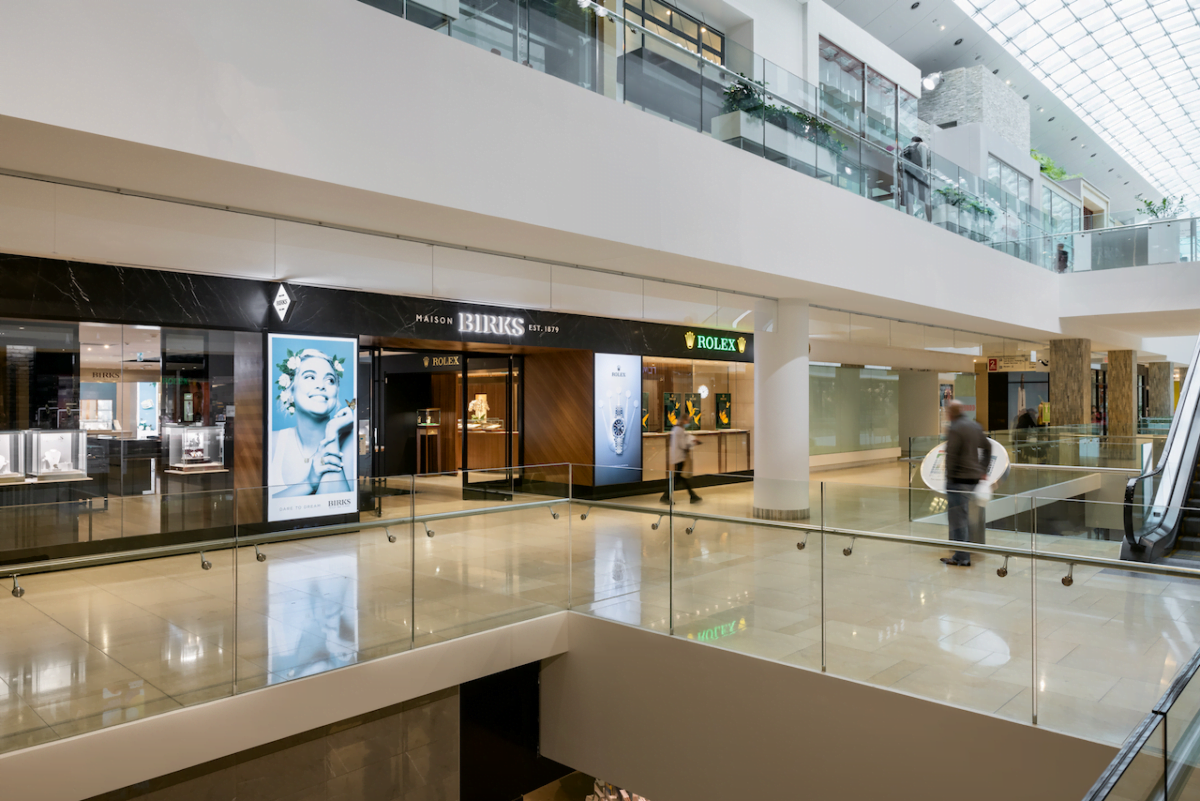
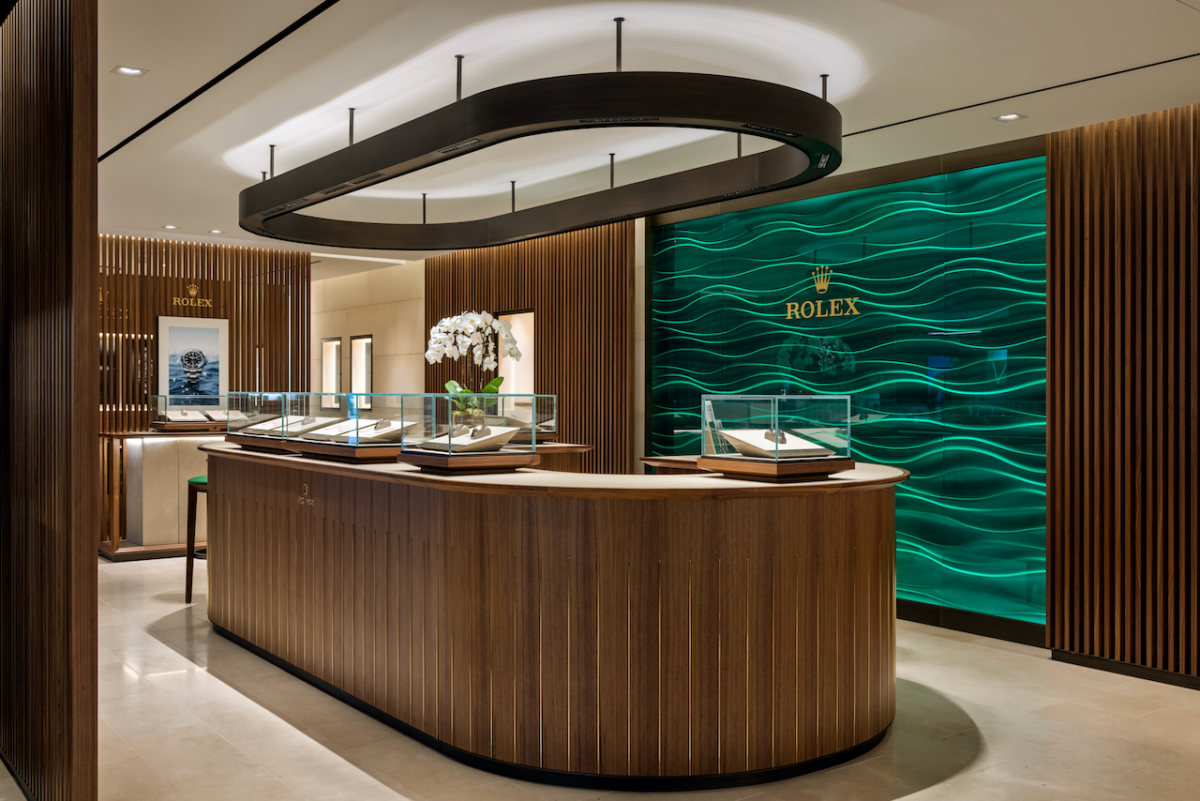
New design features at Chinook Centre include an expanded square footage and a Rolex Showroom.
Birks is a leading Canadian retailer and designer of fine jewellery, timepieces and gifts since 1879. The company operates 23 Maison Birks stores across Canada, including flagship locations in Calgary, Montreal, Toronto and Vancouver.
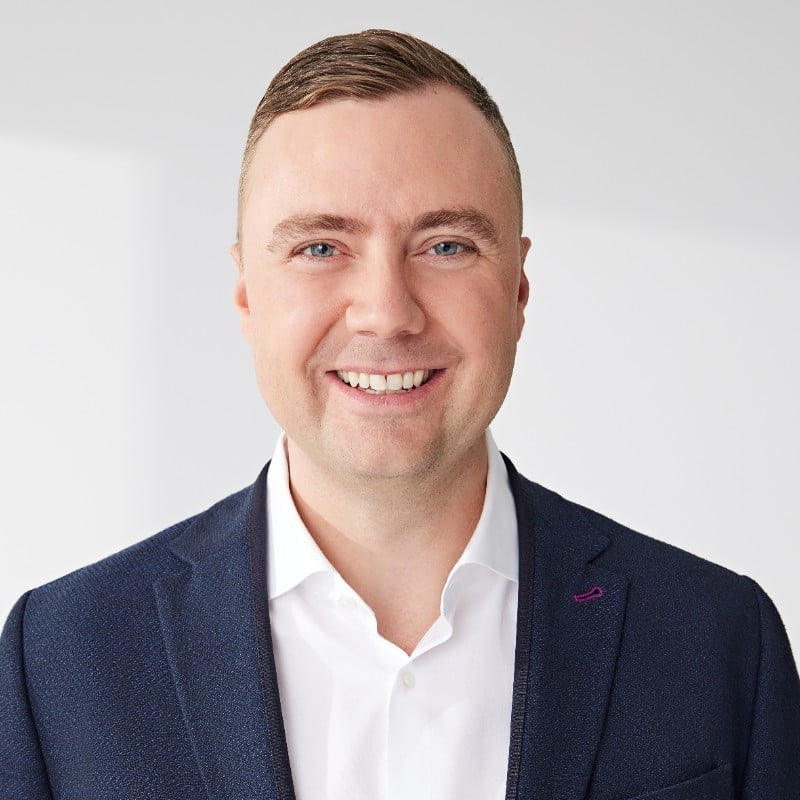
Jean-Christophe Bédos
Jean-Christophe Bédos, President and CEO, Birks Group, said the retailer was already present at Chinook with a store that was doing very well. But an opportunity arose to relocate to a bigger site and much better positioned in the shopping centre for pedestrian traffic.
“We are in the luxury aisle and we wanted to be more luxury because we have obtained the distribution of Rolex watches on the condition of course that we would be on or close to the luxury aisle,” said Bédos.
Maison Birks at CF Chinook CentreMaison Birks at CF Chinook Centre
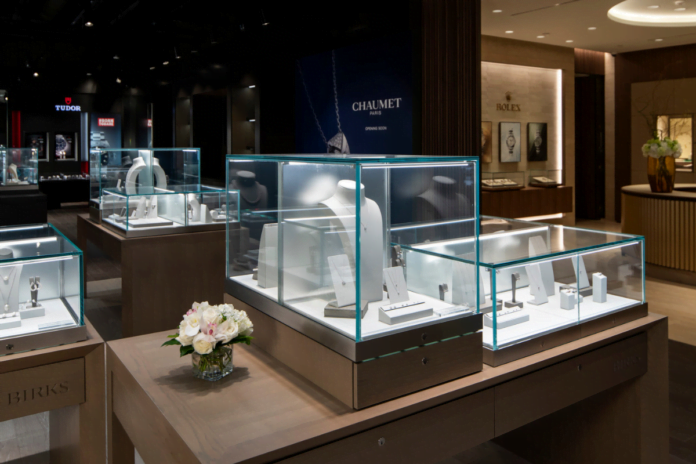
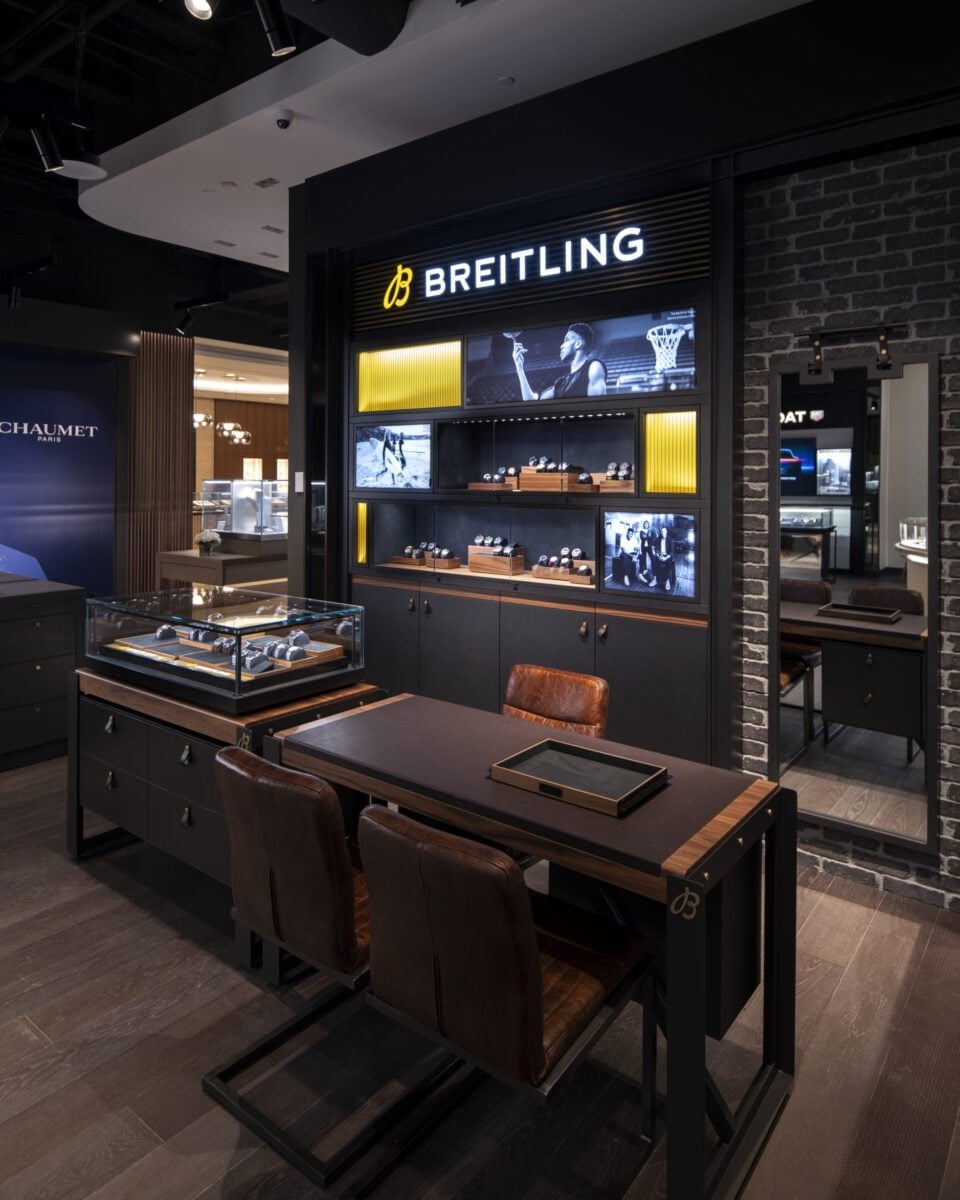
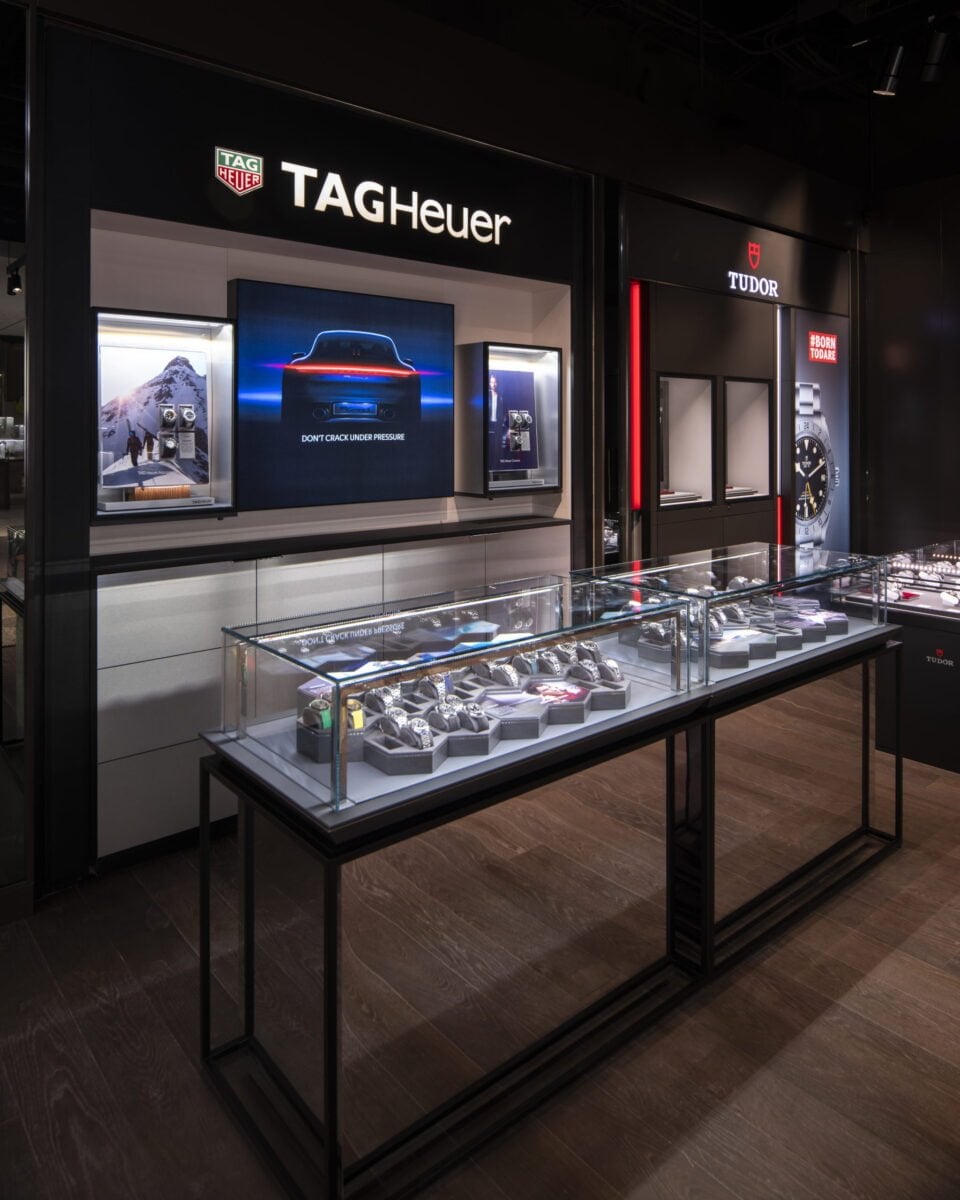
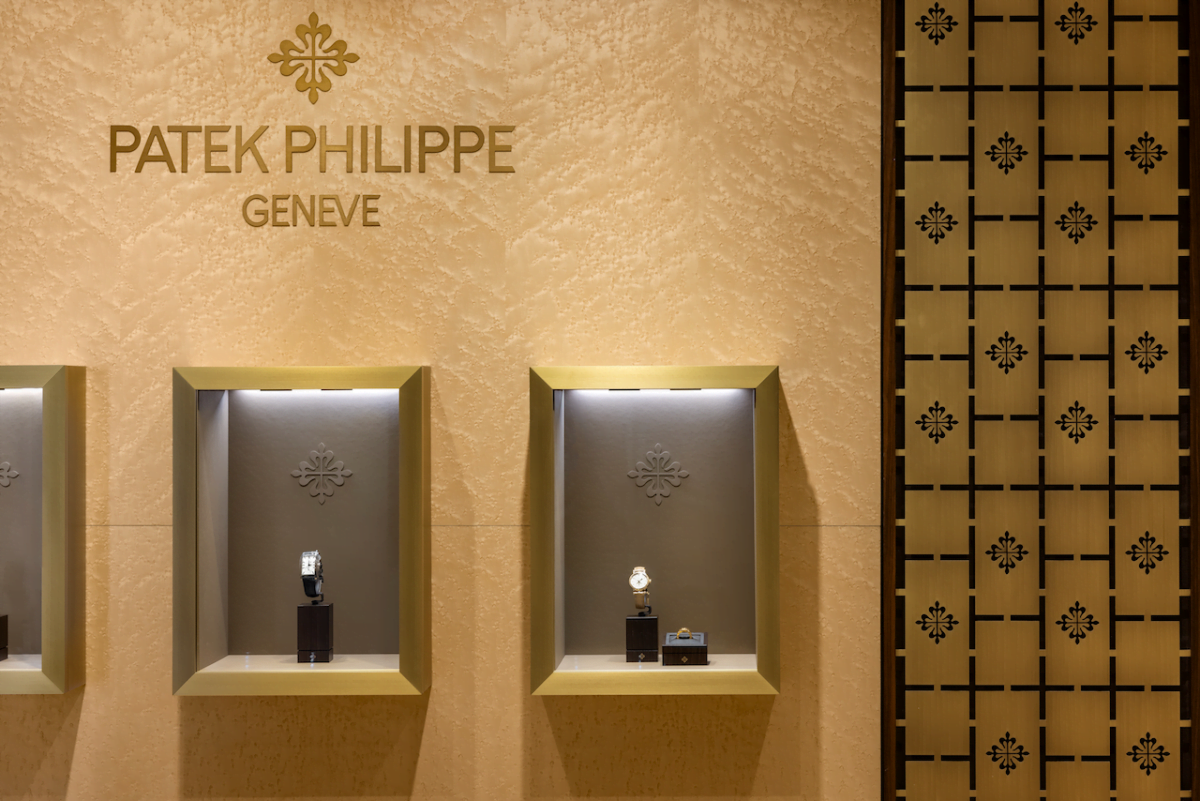
The 4,174-square-foot Maison Birks store, developed by Optima Design, incorporates rich, dark wood tones, high ceilings and innovative lighting. The new store also includes a 1,117-square-foot Rolex Showroom with a VIP area. Floor to ceiling windows showcase the store’s offerings which includes Balmain, Birks, Breitling, Cartier, Qeelin, TAG Heuer, Tudor and Wolf. Chaumet fine jewellery and Longines watches, will unveil shop-in-shops in early spring.
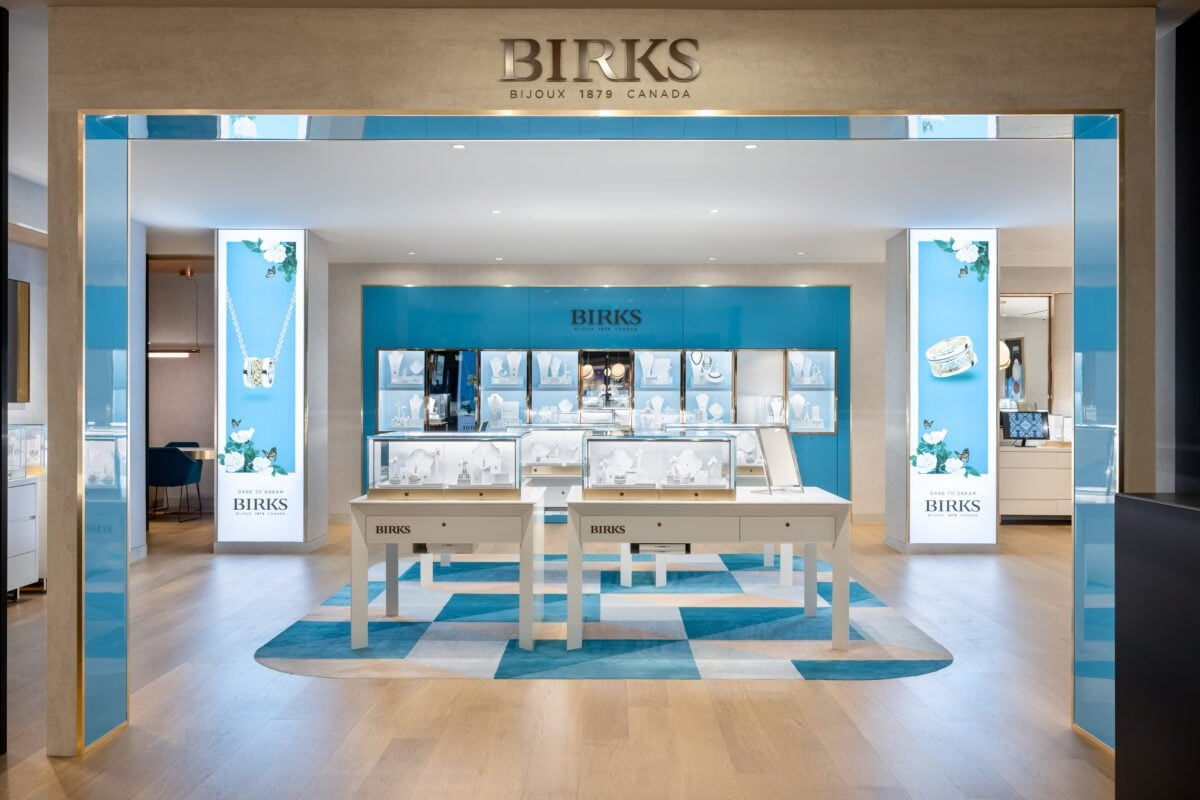
Birks’ own brand of fine jewellery, engagement rings and wedding bands is featured in a 803-square-foot shop-in-shop which celebrates the brand’s heritage and commitment to Canadian nature and landscape by incorporating light, warm wood tones.
“So for us, investment in Calgary is a significant strategic decision that we made to actually have a strong presence in Alberta, specifically Calgary, because we believe that’s a great market for us,” said Bédos.
“After 63 years in the Calgary market, the relocation and expansion of the Maison Birks CF Chinook Centre store is an exciting new chapter for Birks Group Inc. We are thrilled to welcome clients to the new Rolex Showroom and to continue to enhance the shopping experience for our Calgary customers.”
Bédos said CF Carrefour Laval, just north of Montreal, is also under renovation.
“We do believe in the future of luxury in our country,” he said.
“We strongly believe that the long term for our business is very positive in Canada.”
Bédos said the Carrefour location is scheduled to be completed in April. It will have a Breitling Showroom.
BIRKS – TD Core Calgary (Image: BIRKS)
He said Birks has additional stores it wants to renovate as well as some markets it wants to enter.
“There is a significant shift in the consumer behaviour for luxury goods. We are closing markets and we are opening new markets. We definitely see that the market is growing and it’s an evolution that we have our thumb on that post to really be present where the consumer spending is growing,” explained Bédos.
“For Canada what’s happening our observation is that the Canadian market’s becoming more and more urban in the spending. Four or five major hubs, clusters of luxury. The cities like Vancouver, Toronto and Montreal are clearly growing for the market. We see significant investments in retail from international brands.
“We see also Alberta with Calgary and Edmonton becoming strong and those areas see a significant arrival of new Canadians and new residents who come from countries where the luxury brands are present and they expect those brands to be present in the markets where they decide to become residents in Canada.”
BIRKS – Brinkhaus (Image: BIRKS
Bédos said in the past what had been missing in Canada was the international calibre of the retail experience especially in downtown areas and top quality shopping centres.
With the macroeconomic tension at the moment with inflation and higher interest rates, business is not easy.
“But when you provide an experience which is worth it, worth going out of home, worth transacting somewhere else than just on the mobile phone or your desktop, this is what (retail expert) Doug Stephens called what the store has to offer more than just the website,” said Bédos.
“The people go out and enjoy it. You see the transformation of downtown Toronto with Yorkville and Bloor. Yorkdale is a great example. We see also the great example in Vancouver and Vancouver is going to soon have a new Oakridge store which is going to be a significant value proposition for consumers. People will go there. When there is something interesting, they go and shop.”
It’s tough enough being a small business owner in the best of times with failure rates quite high across North America.
And of course, for many, it has been an extremely difficult and challenging period over the past three years dealing with the full impact of the COVID pandemic that has affected everybody’s bottom line.
The fitness industry was one of the hardest hit ones during the health crisis with lockdowns shutting down businesses for extended periods of time. Many didn’t survive.
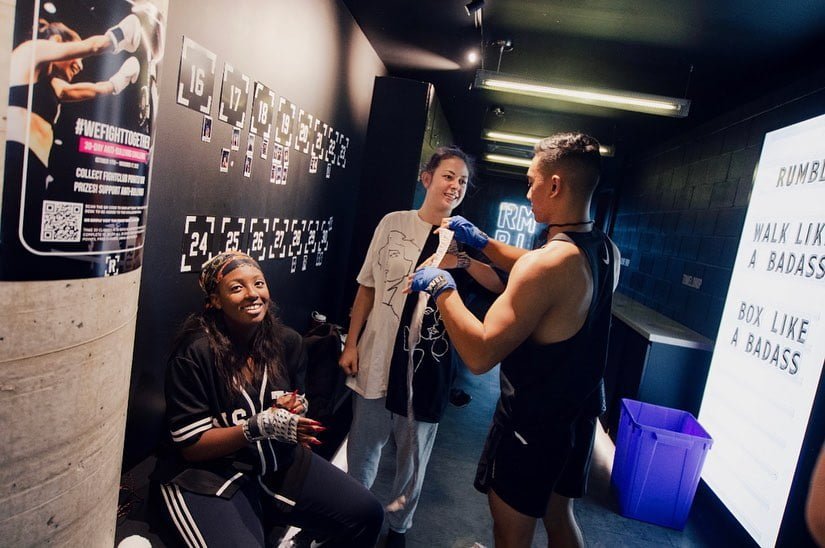
Cissy Chen, founder of Rumble Boxing Studio, not only successfully navigated through the challenging time but is now poised for growth.
Image: Rumble Boxing
Cissy Chen
Chen, formerly in the oil and gas industry, founded Rumble Boxing Studio in 2016, and it’s seen rapid growth since then.
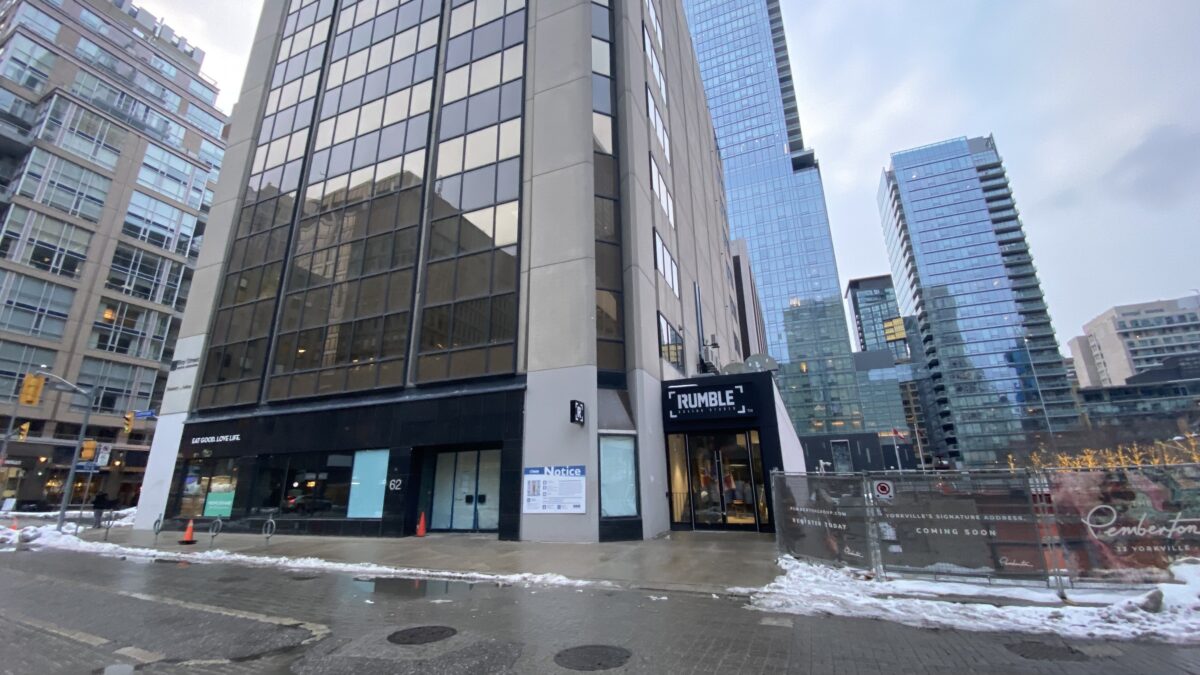
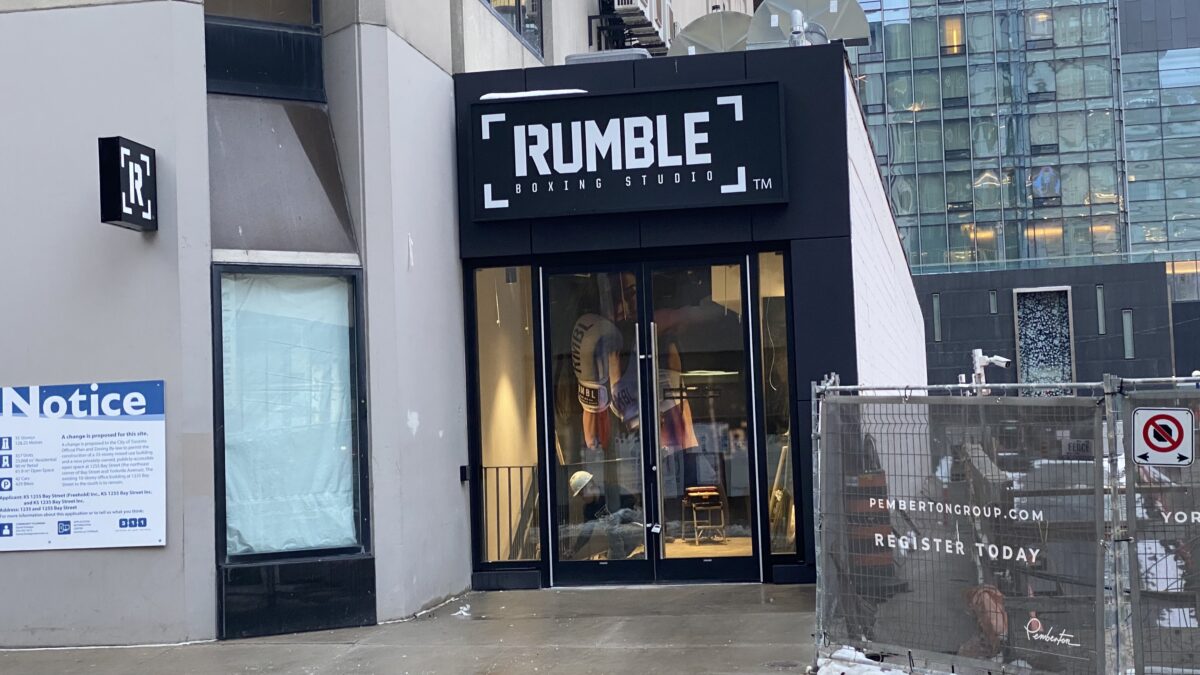
In fact, the now widely popular boutique fitness studio where FightClub meets NightClub is slated to open its doors in Yorkville, Toronto on March 18, marking its fifth studio in Canada.
“I graduated from the University of Calgary expecting to build a career in oil and gas, but I quickly realized that a 9 to 5 corporate job wasn’t going to fulfill me in the way I needed,” says Cissy Chen, founder and CEO of Rumble Boxing Studio. “At the same time, I started enjoying spin as a fitness routine, and it sparked an idea: if people can ride to the music, why can’t they box to the beat?”
Rumble Boxing Studio Construction at 1235 Bay Street in Toronto (Image: Craig Patterson)Rumble Boxing Studio Construction at 1235 Bay Street in Toronto (Image: Craig Patterson)
In this video interview, Chen discusses the concept of her business, how she toughed it out during the pandemic and the company’s plans for growth.
The Video Interview Series by Retail Insider is available on YouTube.
Connect with Mario Toneguzzi, a veteran of the media industry for more than 40 years and named in 2021 a Top Ten Business Journalist in the world and the only Canadian – to learn how you can tell your story, share your message and amplify it to a wide audience. He is Senior News Editor with Retail Insider and owner of Mario Toneguzzi Communications Inc. and can be reached at mdtoneguzzi@gmail.com.
Also check out the other series offered by Retail Insider, including The Weekly podcast and The Interview Series, which are both available on Apple Podcasts, Stitcher, TuneIn, Google Podcasts, or through our dedicated RSS feed for Simplecast and other podcast players.
Future Zellers at CF Pacific Centre (Image: Lee Rivett)
Zellers will be opening a number of its first locations within Hudson’s Bay in Ontario and Alberta and launch its Zellers.ca e-commerce platform on March 23.
“At the heart of the Zellers experience is its price philosophy: Everyday Low Prices. We know Canadian shoppers are smart and savvy, and will be looking for both value and an elevated aesthetic in the products they shop us for. Instead of limited time sales or discounts, Zellers shoppers will know they are getting the best price, every day, no matter when they shop,” said the retailer in a news release on Tuesday.
“Reflecting a product assortment built on three pillars – quality, design, and value – customers will be served across key lifestyle categories, including kitchen and bath, accent furniture and home decor, organization and storage, baby and kids toys and apparel, pets, and apparel basics for men and women.
“Over the first opening days, the Zellers Diner on Wheels will visit different store locations. A full schedule will be provided.”
The Ontario and Alberta Zellers within Hudson’s Bay locations are:
Ontario
Erin Mills Town Centre, Mississauga
Burlington Mall, Burlington
White Oaks Mall, London
Scarborough Town Centre, Scarborough
Pen Centre Shopping Plaza, St. Catharines
Cambridge Centre, Cambridge
Rideau Centre, Ottawa
St. Laurent Centre, Ottawa
Cataraqui Town Centre, Kingston
Alberta
Kingsway Garden Mall, Edmonton
Medicine Hat Mall, Medicine Hat
Sunridge Mall, Calgary
The retailer has plans to open 25 stores within The Bay.
Zellers as Canadians knew it ceased to exist in March of 2013 after the Hudson’s Bay Company sold most of the store leases to Target and shuttered a majority of the stores — the remaining two Zellers-branded stores shut in 2020.
Adam Powell
“Where the lowest price is the law” was a calling card, which has helped Zellers establish itself as more than a retail destination, but a place to build and support community,” said Adam Powell, Chief Business Officer, Zellers, in a previous Retail Insider story. “Zellers is a brand deeply rooted in the Canadian experience. Spanning generations, people hold distinct connections to Zellers through shared experiences with family and friends, and we look forward to building on that in the future.”
Retail Insider is streamlining its Canadian retail news from around the web to include a handful of top news stories that can be viewed quickly during the day. Here are the top stories from the past 24 hours.
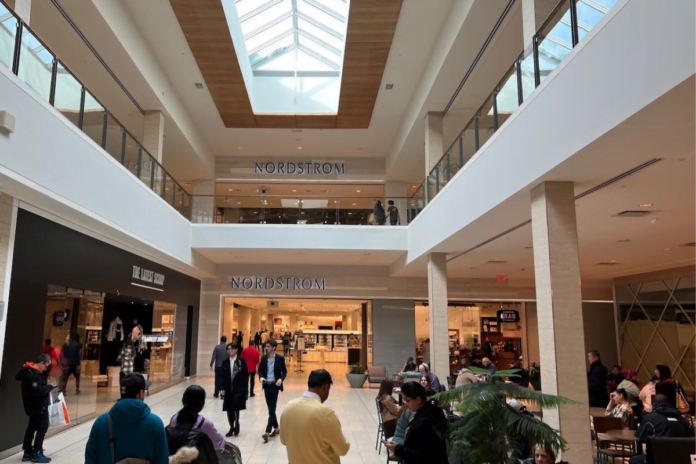
Nordstrom at CF Chinook Centre (Image: Lee Rivett)
Craig sits down with Grace Yan, Commercial Consultant at Blackstone Commercial, to discuss the departure of Nordstrom store in CF Chinook Centre in Calgary. Yan says that times are tough in the Calgary market, and that there are opportunities to do something interesting with Nordstrom’s 140,000 square foot Calgary space after the retailer exits Canada this summer.
If you prefer to listen to the audio version, it is available below:
The Interview Series audio podcasts by Retail Insider Canada are available on Apple Podcasts, Stitcher, TuneIn, Google Play, or through our dedicated RSS feed for Overcast and other podcast players. Also check out our The Weekly audio podcast where Craig and Lee discuss popular content published on Retail Insider which is part of the The Retail Insider Podcast Network.
Craig Patterson I’m Craig Patterson. I’m the founder and publisher and CEO of Retail Insider. We’re talking about Nordstrom today, specifically in the Calgary market. Nordstrom announced that it’s going to be leaving the Canadian market and that’s affecting all kinds of different cities, including Calgary, which has a Nordstrom store at CF Chinook Centre. This is Grace Yan. She’s a broker with Blackstone Commercial, and a community advocate. You also ran for mayor, Grace, a little while ago in Calgary.
Grace Yan I did. Yes. And thanks for having me, Craig.
Craig Patterson Now, are you surprised with the closure of Nordstrom in Canada?
Grace Yan Well, I was and I wasn’t. I mean, I’m at Chinook all the time. I’ve seen Nordstrom and other stores that aren’t busy. Saks isn’t busy. Saks is even closed for the day. So I wasn’t really surprised. And sometimes, and lately, the past little while going into Nordstroms they haven’t been restocking. So it then you’re wondering, well, there’s just nothing. It’s just been bare lately. So yeah, I think wasn’t a surprise, but you’re just hoping that they sort of figure something out to stay because, it was exciting when they came to Calgary.
Craig Patterson I wonder if that restocking issue had anything to do with the fact that Nordstrom was already thinking about leaving Canada, I wonder?
Grace Yan Well, I think you know, when you do your decision making around, sort of the future of the stores, you have to look at when you’re restocking, or even hiring, and that’s what it takes and have to plan well in advance. And so, you know, you kind of saw the writing on the wall. Which is sad because even the cafe there, it’s not busy either. And so, you know, with Nordstrom is leaving, and which is a huge anchor for Chinook Centre. With CF Chinook Centre and CF Market Mall, being one of our “Class A” shopping malls, they are just not busy. You there’s so many closures in those malls. You just see that all of a sudden the store is gone. And you don’t see anything else that’s coming in. And so it it’s a perception to people that “Oh, no. Another store closed?”.
Craig Patterson And that’s in a mall that’s actually quite busy. I visited CF Chinook Centre, I think it was in October. And I’m always blown away with the foot traffic that’s coming through there particularly around the Louis Vuitton store where it’s just like a hoard of people that always seems to be coming by towards the Apple store.
Grace Yan Yeah, the Apple Stores always usually busy. As of January, the traffic has slowed. You’ve seen more stores close. All you just see as these stores closing, and now Nordstrom is closing. We’re told that Alberta’s in a boom but when you see stores like this closing and like Bed Bath and Beyond closing 160 stores, Walmart’s closing I think two locations in Alberta. So there’s going to be a shift and I think we need to really repurpose these malls. They do this in Toronto, they do this in different parts of the world, where there’s the main floor commercial and then they build up condos and there’s a built in clientele. Like a Lifestyle Center.
Craig Patterson What do you think is going to happen? What do you think is going to happen to this Nordstrom box at CF Chinook Centre? Do you think they’re going to extend the mall? Do you think they can find one tenant? Or do you think that they’re going to split it up into a bunch of smaller retailers?
Grace Yan I think they’re going to have to demise it. I know that Zellers is coming back in, but within Hudson’s Bay locations. Some people are saying why are they going to put a dollar store there now? We’re seeing more and more lower end, retail stores popping up.
Craig Patterson How do you think that the closure of Nordstrom and CF Chinook Centre is going to impact other retailers as well as say, even perhaps some commercial real estate deals? The reason I asked this question is because I was told recently, in a major city that there was some negotiations for some commercial real estate space, the moment that the announcement was made about Nordstrom, brokers called and said, “Hold on, we need to figure out what’s going to happen with these Nordstrom boxes, because we don’t know what the foot traffic is going to be like”. What do you think it’s going to be like at CF Chinook Centre, as Nordstrom closes in the foot traffic changes?
Grace Yan Of course, Nordstrom has a draw of people. With them leaving, it’s going to impact the traffic. And so other potential tenants are going to be rethinking, because if they’re not going to have the same foot traffic and see if can guarantee same foot traffic, and that’s going to affect everyone’s sales overall. It’s been a challenge to foot traffic anyways, since COVID. A lot of the box-mortar type retail stores are really struggling to get back to where they were pre-COVID. Because that was two years of people adjusting to online, and they were forced to adjust online. So now that people are used to this, so I’m just at home and I’m just ordering everything. It’s convenient. You don’t have to find parking. So I think that’s why these malls (in general), have to repurpose to attract people to be there. And that maybe means you have to build up and build condos on top of it. Where there’s restaurants, you know, grocery stores, gyms, cafes, bakeries, it’s all it’s all there. And I think that would really attract a different model that most North American malls don’t have. But other malls in the world are set up like that.
Craig Patterson Now, you mentioned foot traffic. You also mentioned that the Saks Fifth Avenue store in the mall – knows for those that are not aware, there’s three anchors, there’s a Hudson’s Bay store, there’s a Nordstrom store that’s going to be closing in due course, and there’s a Saks Fifth Avenue. Now the Saks Fifth Avenue has been quite quiet. If Saks Fifth Avenue was to shut down at CF Chinook Centre and Calgary, what do you think could happen there? Because that would be quite catastrophic for one mall to lose two relatively high end anchors.
Grace Yan I mean, it’s a disaster already that Nordstrom is leaving. If Saks was to leave, and, again, I see Saks randomly closing, sometimes it’s open, sometimes it’s not. And sometimes they’re closed early. The hours are so random, that I know that some of these stores are saying we’d rather take the fine of closing than having to open and pay the costs to staff it for the day. You know, and I think the bigger picture, though, Craig, is that we wouldn’t have to worry about all of this if the economy overall was in better shape. If if we had instead of all these companies leaving Canada, if we had them coming, and we’re employing people, which means giving them incentives. For the first five years of being here, you want to attract businesses to come to Canada. And I think the question is that we have to think about why are they leaving? Why are they losing money? Canada is a great country, and a lot of positives of setting up a business in Canada. But when we’re losing Bed Bath and Beyond and Abercrombie and Fitch and all these companies that have left, the list is endless that are leaving Canada. And so I think, as a country, we have to think, Well, why? Why are they leaving? Why aren’t they making money? We know the numbers. We know the losses. We know what the problems are, we have to offer solutions. I think we have to talk more about the solutions of keeping and retaining, excellent companies like Nordstroms. I would be sitting down with Nordstroms and saying, This is a disaster. What can we do even on the government side or on the landlord side, we all have to work together and make sure we don’t really lose companies like this.
Craig Patterson Now, yeah, let’s talk a little bit about retailing Calgary, generally now, obviously, CF Chinook Centre, which is not downtown for those that may not know the Calgary area very well. What are you seeing downtown because of downtown Calgary, there are also three retailers. There is a Hudson’s Bay store, which has been downsized. There’s a La Maison Simons store, which is quite large, I think, 92,000 square feet if I remember the article that I wrote, and there’s a Holt Renfrew store, which recently just renewed its lease. What if you seen anything in downtown Calgary in terms of retail, as well as say, the dominance of Holt Renfrew in the market at the higher end?
Grace Yan Yeah, I think the only way we’re going to retain a lot of these businesses, especially downtown because our downtown is still 70% vacant. Okay, we’re seeing more and more people get back to work. But there’s still a lot of the head offices that have left Calgary, so we still have hundreds and 1000s of square feet vacant. And the only way we’re going to retain businesses downtown is rent adjustments. I get it, it needs to work for the landlords as well. But that’s the only way we’re going to retain businesses and even attract them. I represent franchisors that expand globally, and across Canada. And it’s always, calculating, of course, labor costs and, and lease rates, that’s a huge, huge impact on decisions of where you’re going to be either in Canada or elsewhere in the world, like lease rates in the US, I mean, way, way more attractive, and margins are way better in the States. And leasing is a lot easier, as well. And, overall, I think we need to make the whole process of leasing in our only lease rates, but just the time it takes, it’s it’s gets to be too lengthy of a process even for companies to even want to expand. So there’s many, many challenges. But I think we wouldn’t be even talking about these issues if people had money to spend. And, we were bringing companies here, rather than talking about them leaving.
Craig Patterson Do you think that one of the big either Asian or European department stores might look at coming into the Canadian market? I know that Galleries Lafayette from France intended to come into with Montreal and possibly Toronto markets before the pandemic, but that never happened. You’ve obviously got some incredible stores that are in places like say, Seoul, you’ve got Lotte you’ve got Shinsegae — do you think any of these retailers might look to come into the Canadian market? Or do you think that we’re too small and not wealthy enough?
Grace Yan I hear that a lot. Okay, when I work globally, and a lot of these companies do say that Canada is not a big enough market. You know, I think our population is the same population as California. So for them to really consider Canada as an expansion, then we really have to have something that would benefit them, whether it’s lease rates or certain concessions, tax incentives. Because there’s a you’re right, like, I mean, in Asia, they’re fine with the sheer population, you know, Asia, Europe and US. They’ve got the population to sustain their models. Canada doesn’t have the population, nor do we have the tax incentives. So, this is what we have to think about, yes, we want those companies coming internationally, okay, we really do. And so that’s why we have to learn to work with the rest of the world. And we’re the only country in the world that has to have everything in two languages. For a model for a company, that’s a big decision, because that’s an extra cost, extra approvals by the government and all the products. And so these are all things that companies are saying, forget it. This is, you know, let’s just, let’s just go where it’s easy, and it’s comfortable, and our margins are better.
Craig Patterson What do you think’s gonna happen with the Nordstrom space at CF Chinook Centre over the next couple of years?
Grace Yan I hope it doesn’t stay vacant. Because that would just be horrendous. Is it’s looking sad as it is, okay. Chinook mall and Market Mall. Being the best malls in the city. I compare it to other places where we, you know, we want to be a world class city. But it looks old and tired. And it just looks sad. Especially when you see that there’s nobody there and it’s not it’s not vibrant, you don’t get that vibrant, feeling like, you know, things are happening and things are growing. And here now we’re seeing Chinook losing Nordstroms and it’s gonna be more sad. They’ll probably have to demise it. And they seem to be putting in I said lower and type retail, you know, like, which is great, as long as it’s filled, I think. And it drives people there that’s what we really need.
Craig Patterson Makes a lot of sense. Makes a lot of sense. We’ll wrap it up here. Grace. This is Grace Yan, your broker with Blackstone Commercial, community advocate, former mayoral candidate. You’ve also got the Philippine Chamber of Commerce in Calgary?
Grace Yan Yes, yes. I am the President of the Philippine Chamber of Commerce and that’s what we’re trying to do, Craig is, is attract businesses, from the Philippines to Canada. So we’ve got some brands already that are coming in, that are here trying to expand as well. And it is it’s it’s a challenge, but I always think let’s just focus on the solution, because there is a solution to this. And we can grow and companies like Nordstroms shouldn’t have to leave. And we don’t want them to leave. We don’t want Nordstroms to leave, we don’t want Saks to leave, or Bed Bath and Beyond. Because then now we have less and less selection and then people are now going to order from Amazon. We we have less options now. Which is not good for the consumer.
Craig Patterson Landlords or anyone doing deals in terms of retail.
Grace Yan Yeah, yeah. So I think let’s focus on the solutions and get these companies not leaving.
Craig Patterson Oh, absolutely. Thank you so much for joining us, Grace. And I’m Craig Patterson. I’m the founder, CEO and publisher of Retail Insider Media Ltd. This is the Retail Insider video series. We’re going to be talking more about Nordstrom and its spaces, what can be done, what went wrong, these conversations are going to be here and I think we’re going to be seeing some more announcements coming down here in Canada. So thank you so much again, everyone for joining us today. Take care and bye for now.
Subscribe, Rate, and Review our Retail Insider Podcast!
Drop us a line at Craig@Retail-Insider.com. You can also rate us in Apple Podcasts or recommend us in Overcast to help more people discover the show!
Background Music Credit: Hard Boiled Kevin MacLeod (incompetech.com). Licensed under Creative Commons: By Attribution 3.0 License. http://creativecommons.org/licenses/by/3.0/
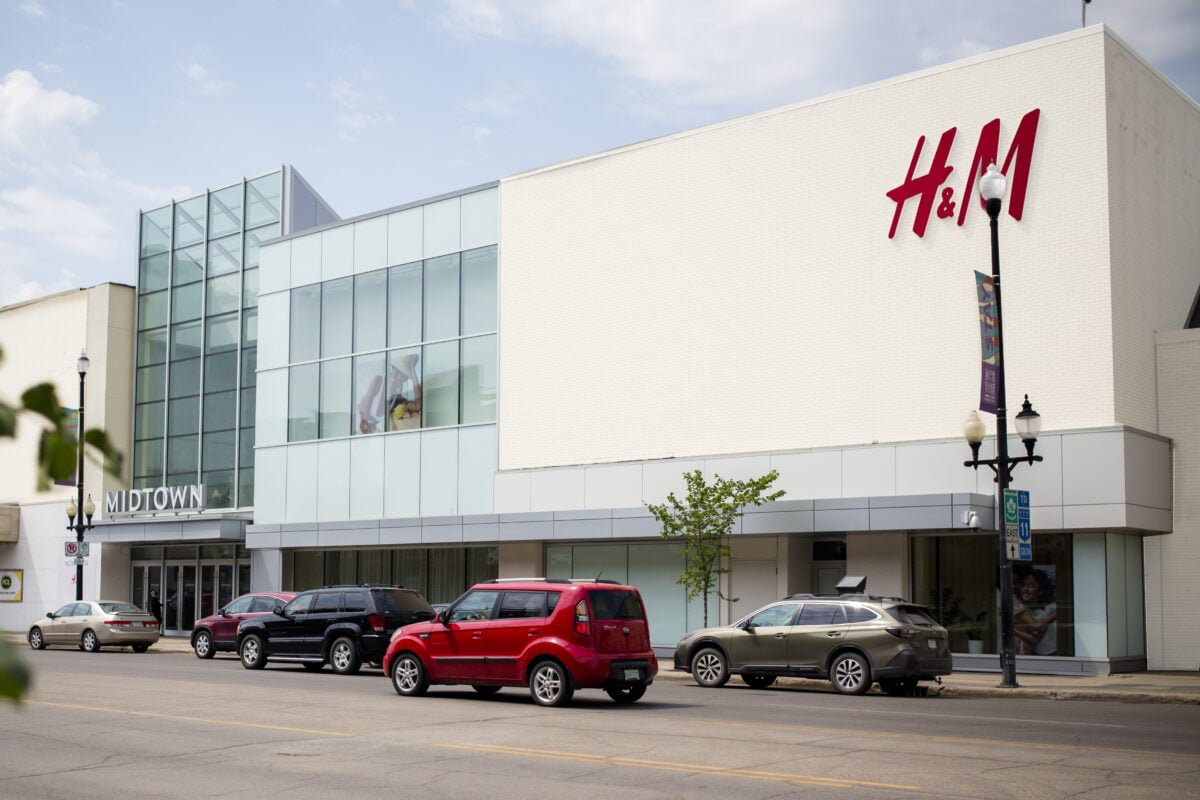
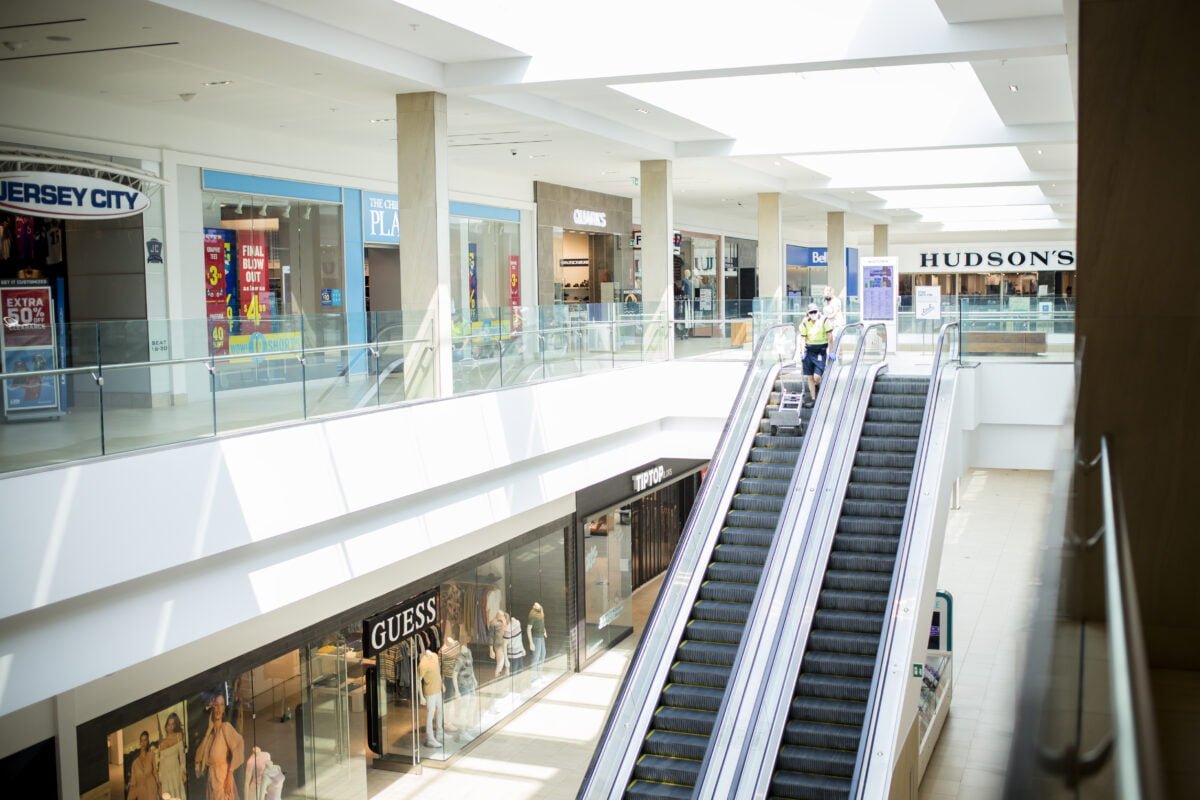
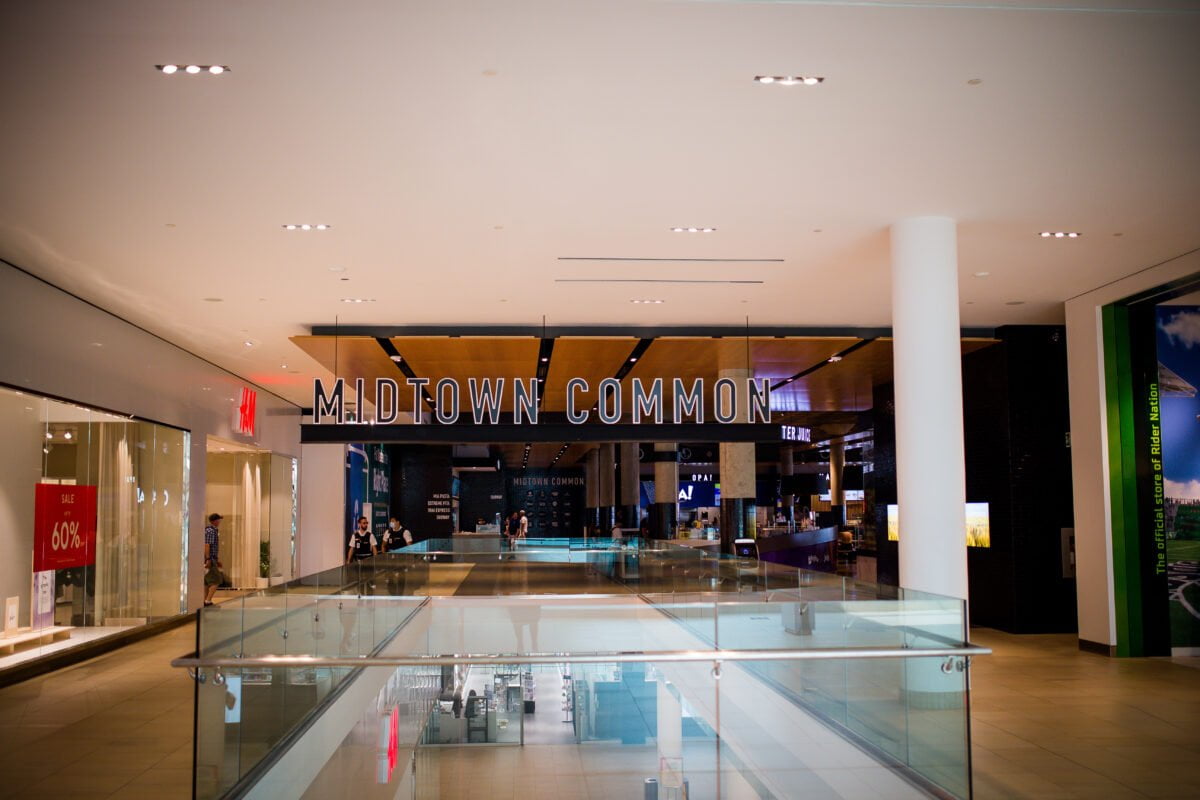
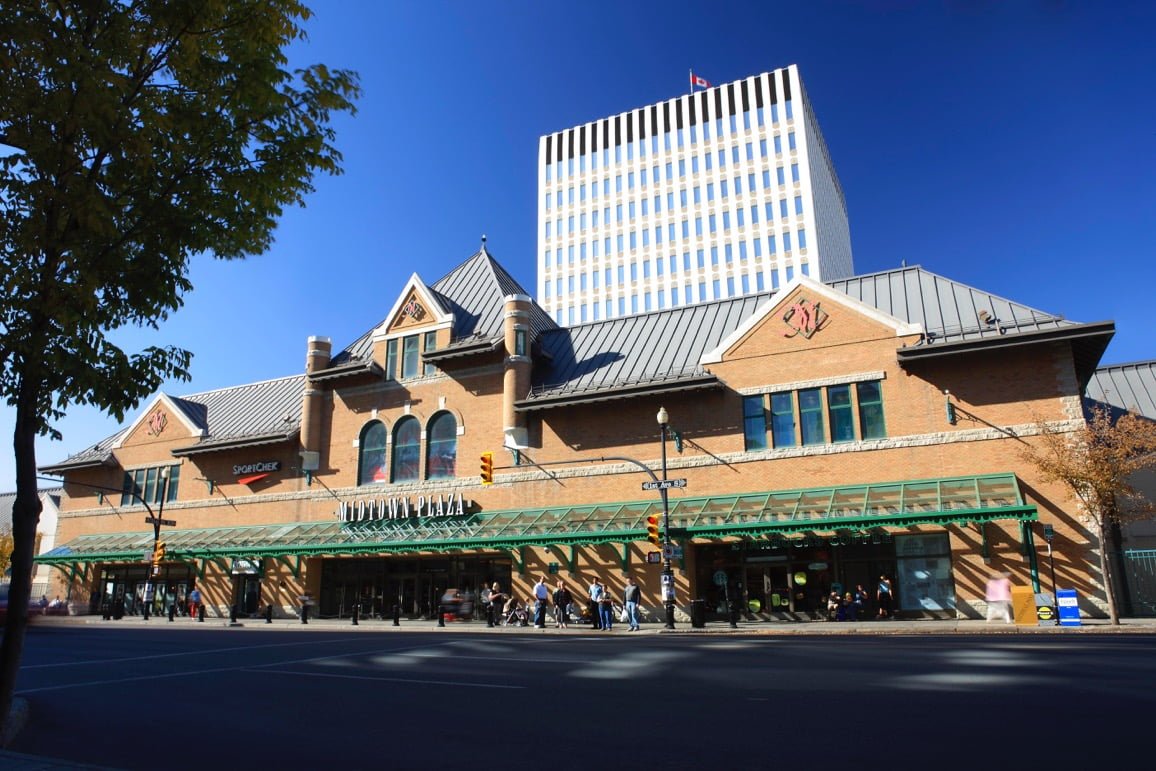
The Midtown shopping centre in the heart of Saskatoon has seen the opening of several new retailers in the past year or so.
Tara Faris, General Manager of the mall which is managed by Cushman & Wakefield, said Bailey Nelson opened in the fall – a first to market eye retailer for the Saskatchewan city.
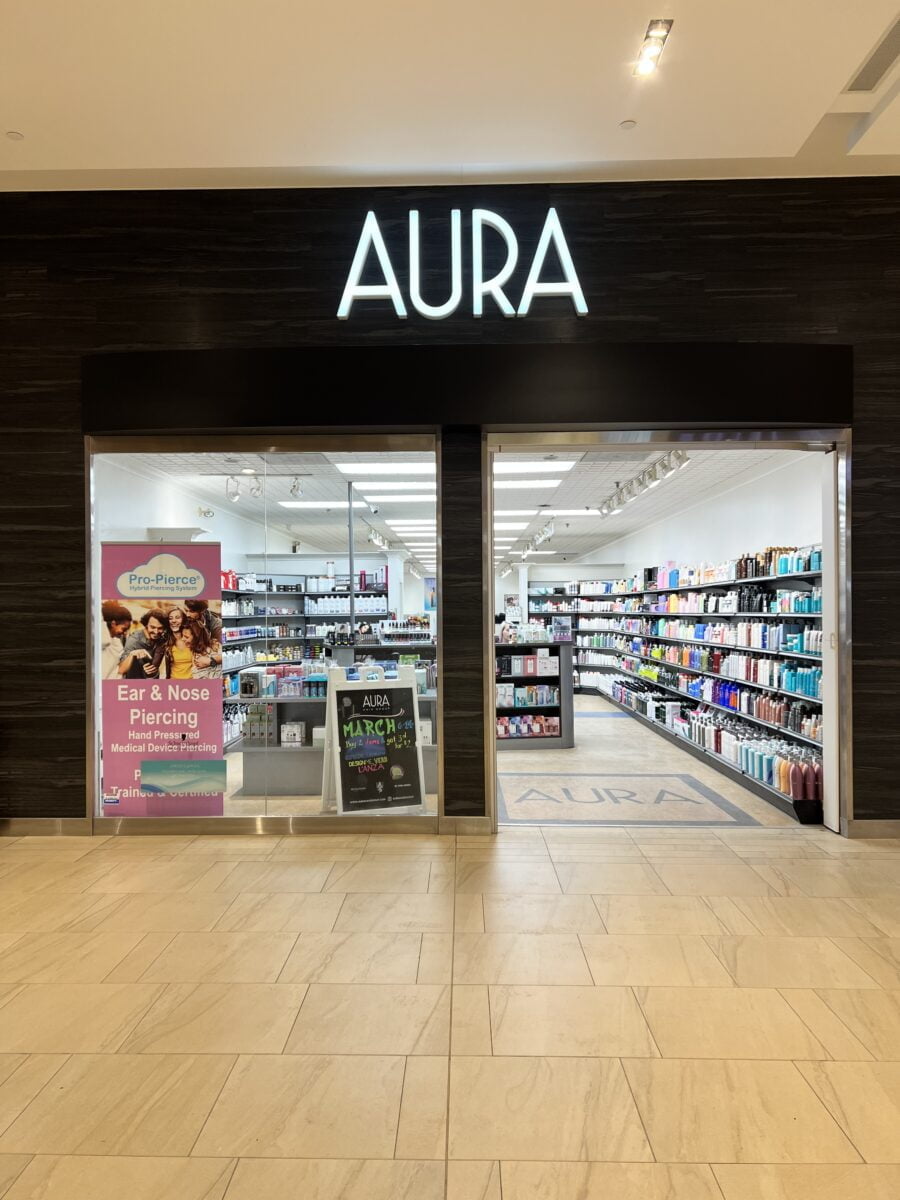
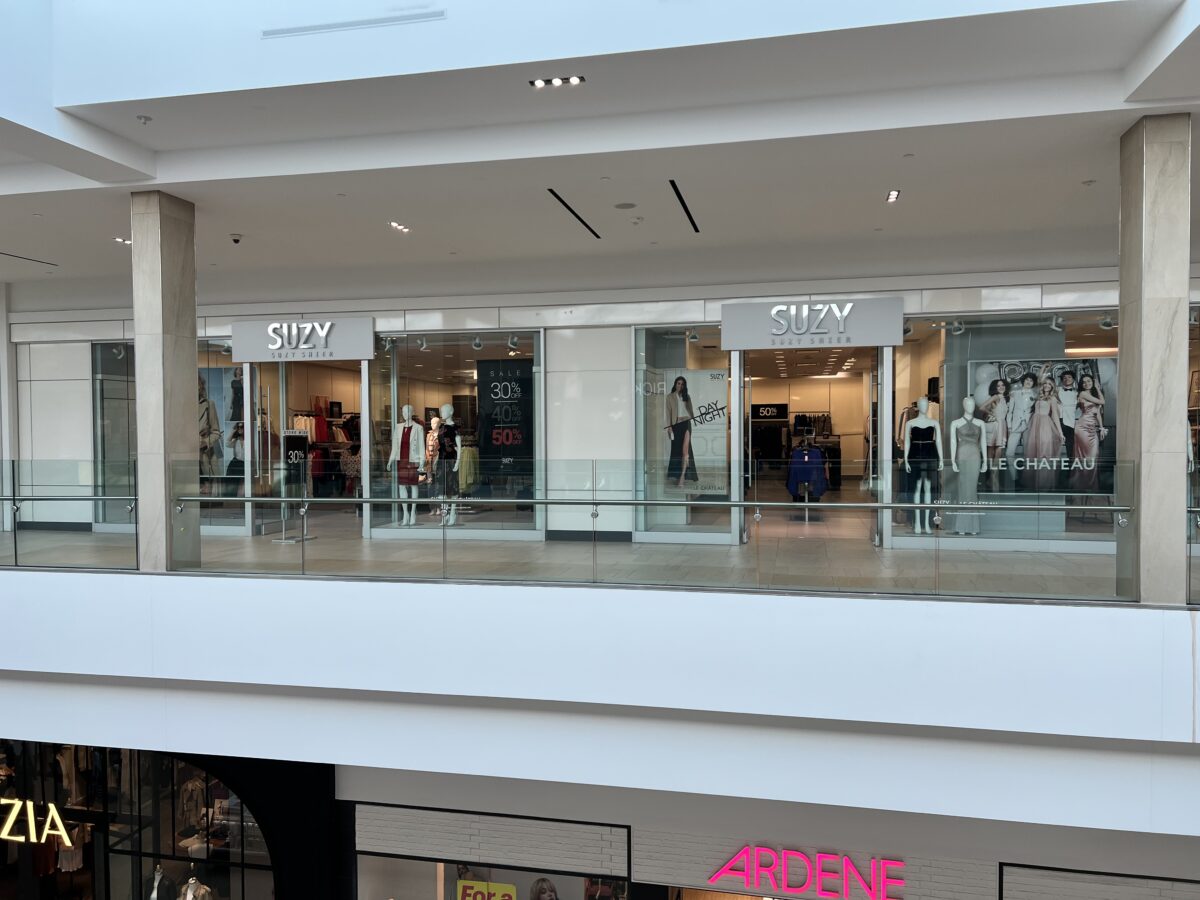
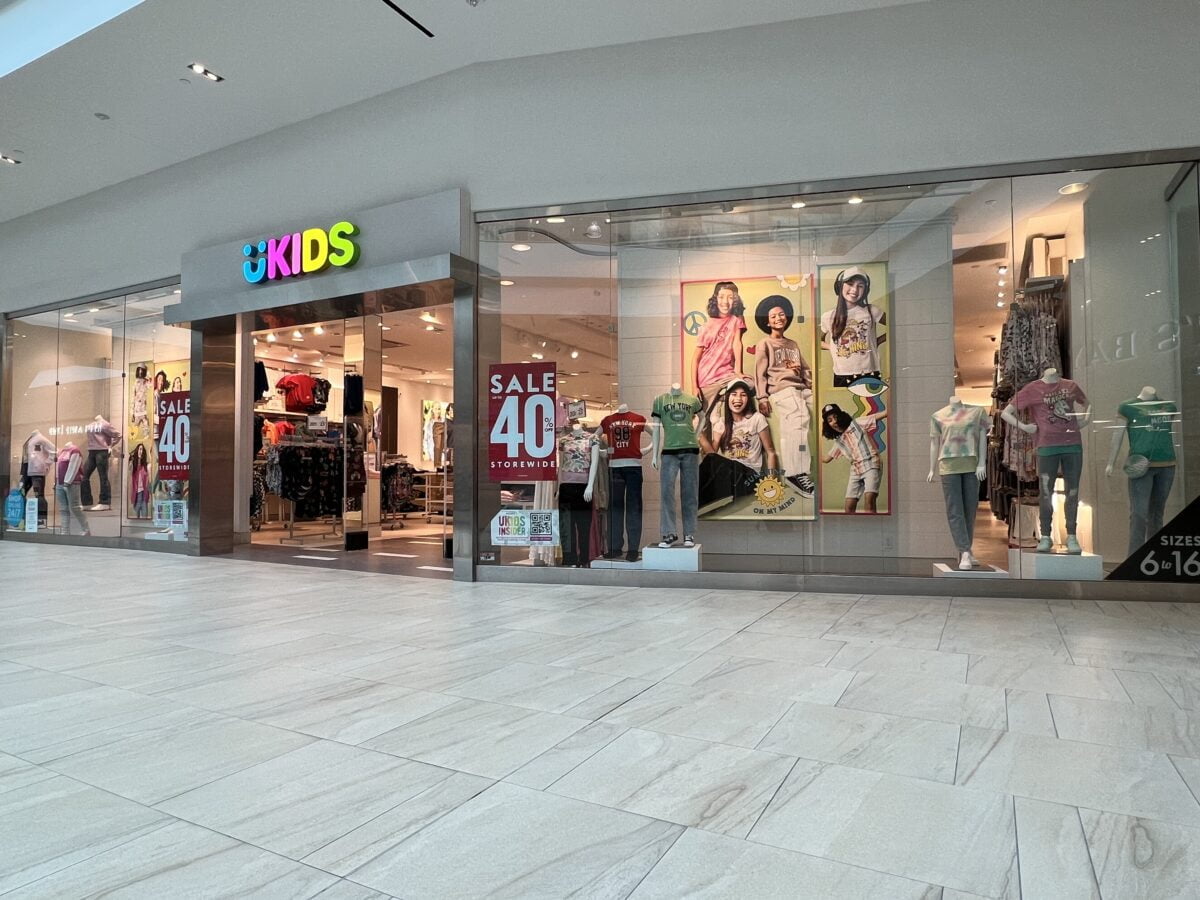
“We now have Urban Kids in the centre down by The Bay,” she said. “And then we’ve got the new Suzy Shier/Le Chateau combo store in the centre. That opened last fall as well. We’ve got Aura Hair (Salon) which is expanding into Saskatchewan from Manitoba. They also opened shortly before Christmas.
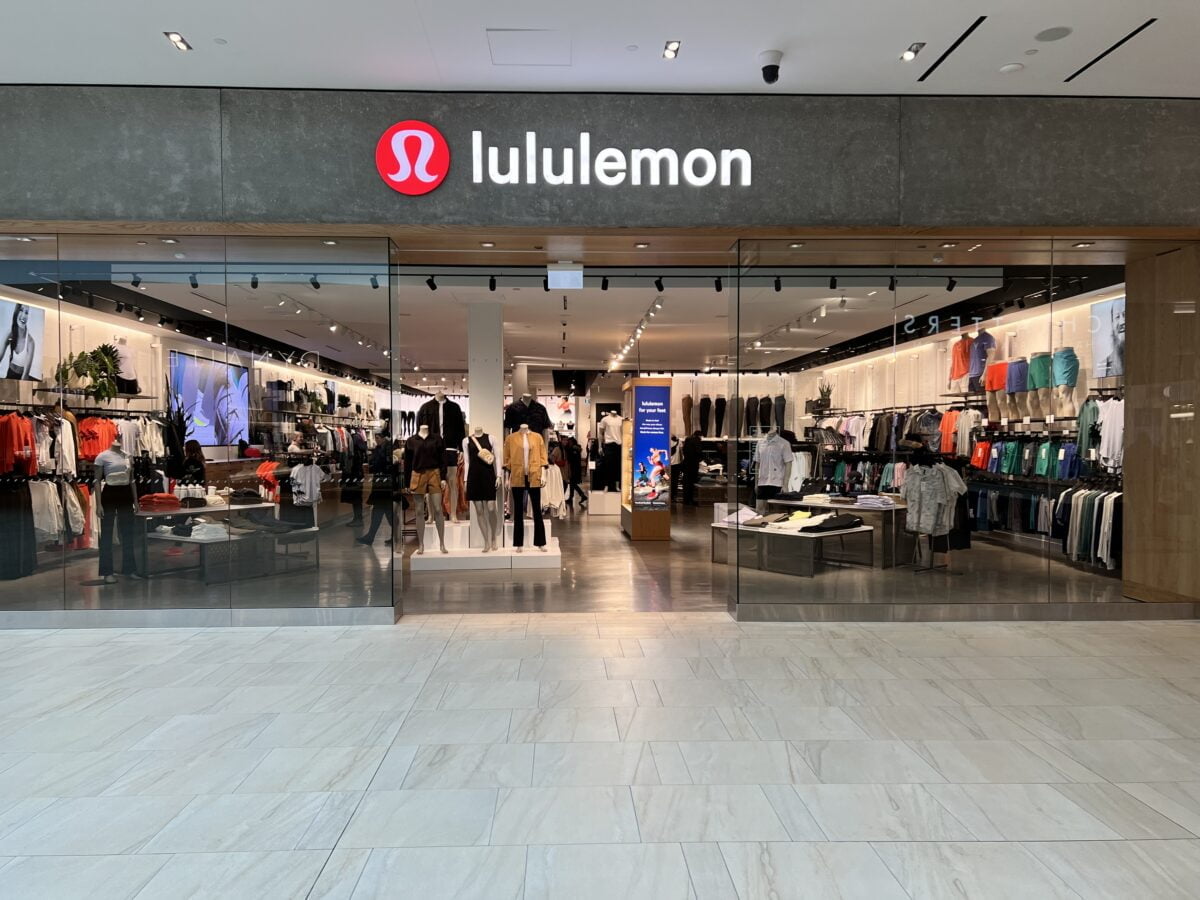
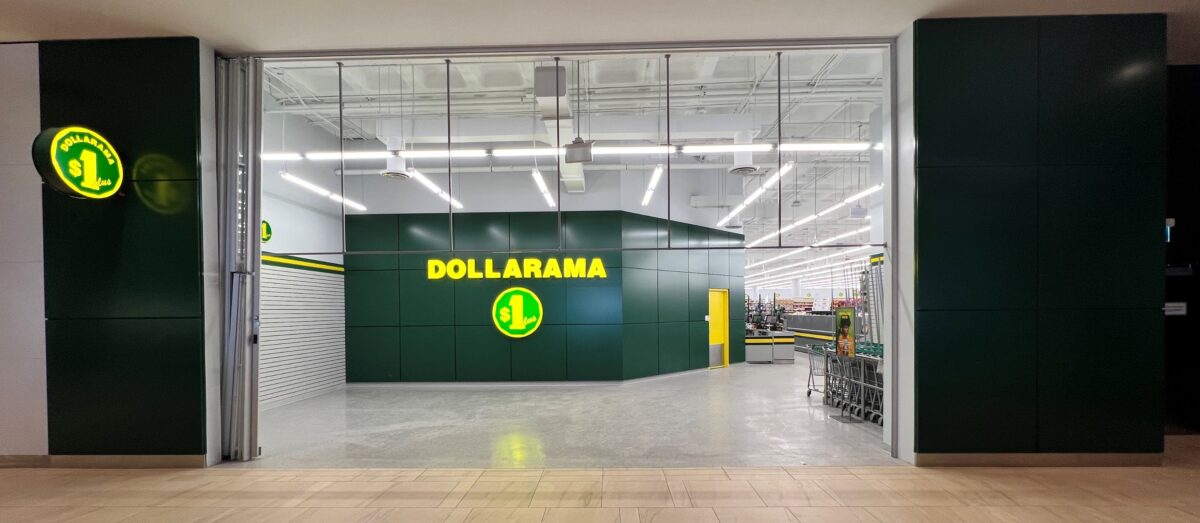
“And then we have a 14,000-square-foot Dollarama and that opened at the end of October. Of course, lululemon is a full year with us now. They opened in mid December of 2021.”
Faris said there’s been some significant recovery coming out of the pandemic.
“For Midtown, we are the downtown fashion destination in this market. Lots of first to market retailers call Midtown home in terms of Aritzia, Victoria’s Secret and like. So we’ve got good foot traffic coming back to the centre coming out of the pandemic,” she said.
“Retail certainly is in recovery mode . . . Seeing the activations in the centre and seeing people come back to that pre-pandemic way of shopping. So it’s been really positive in Saskatoon.”
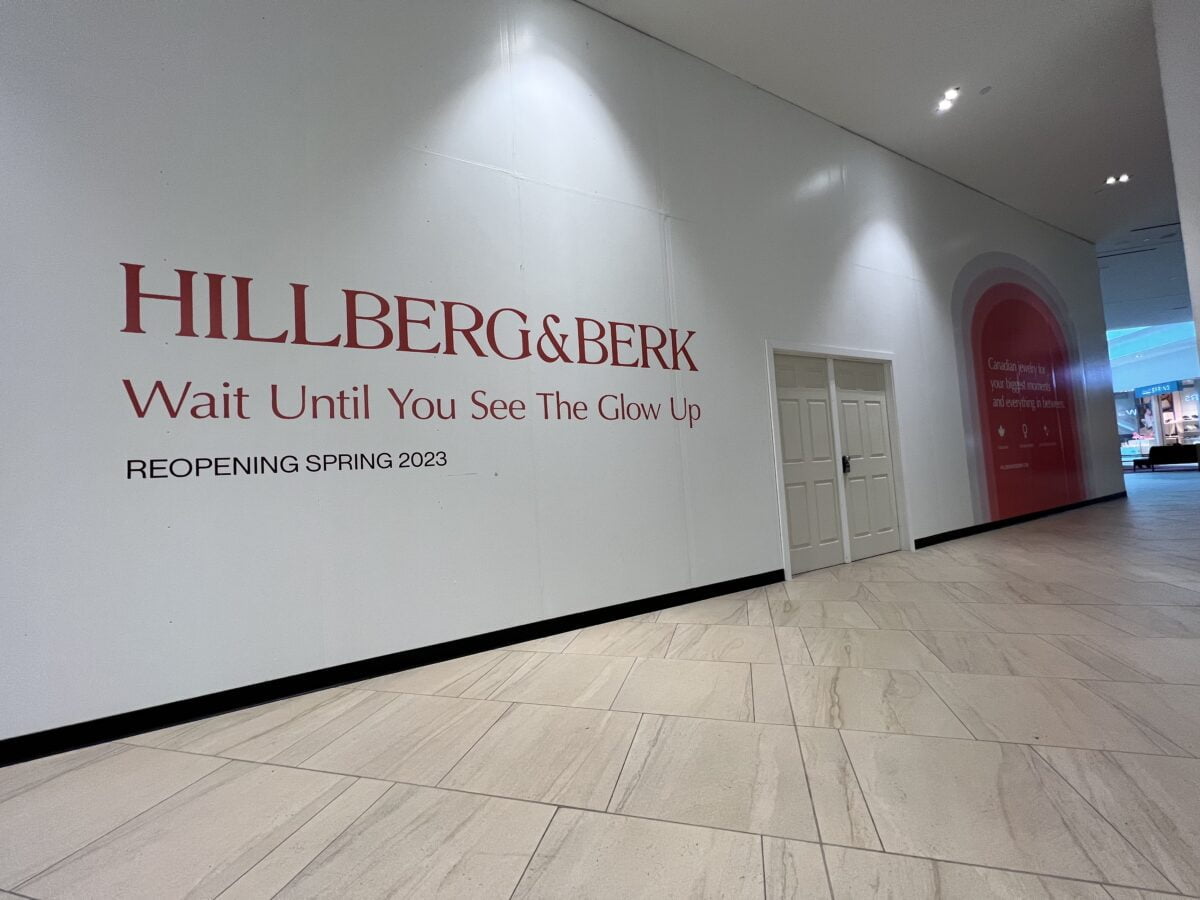
Faris said the Hillberg & Berk store in Midtown is expanding and relocating in the centre and is currently under construction.
Future Hillberg & Berk at Midtown (Image: Midtown)Rendering: Pitchfork at Midtown
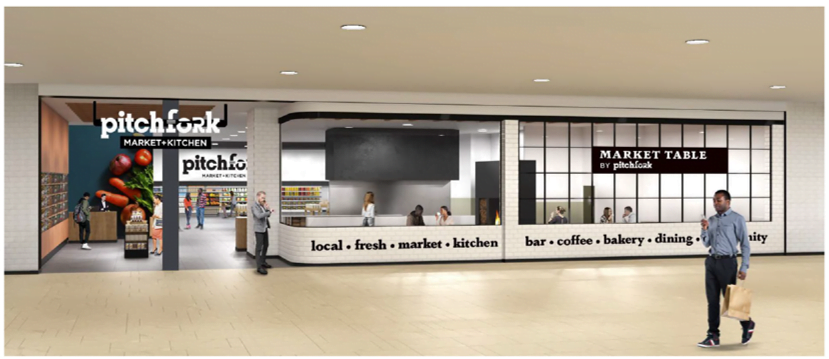
“We have Pitchfork Market which is kind of a boutique local grocery store here in the city. They’re taking about 18,000 square feet. They should be starting construction here in the next couple of weeks with a late summer, early fall 2023 opening date. We’ve got the store within a store with Zellers coming inside the Hudson Bay store at about 9,000 square feet. So we’re excited to see how they put that concept together for us.
“We have Torrid coming actually and they’ll be new to market for us and they’ll be taking possession here for fixturing come April. We look to have them open for summer of 2023. That’s exciting as well.”
Midtown (Image: Cushman & Wakefield)
Faris said there remains about 18,000 square feet of available retail space.
“We are actively looking for a good first to market user for that space too,” said Faris. “In terms of overall occupancy, I’d say we’re about 96 to 97 per cent. Lots of activity, not many dark stores, and of course we’ve got a very robust popup program that incubates local tenants.”
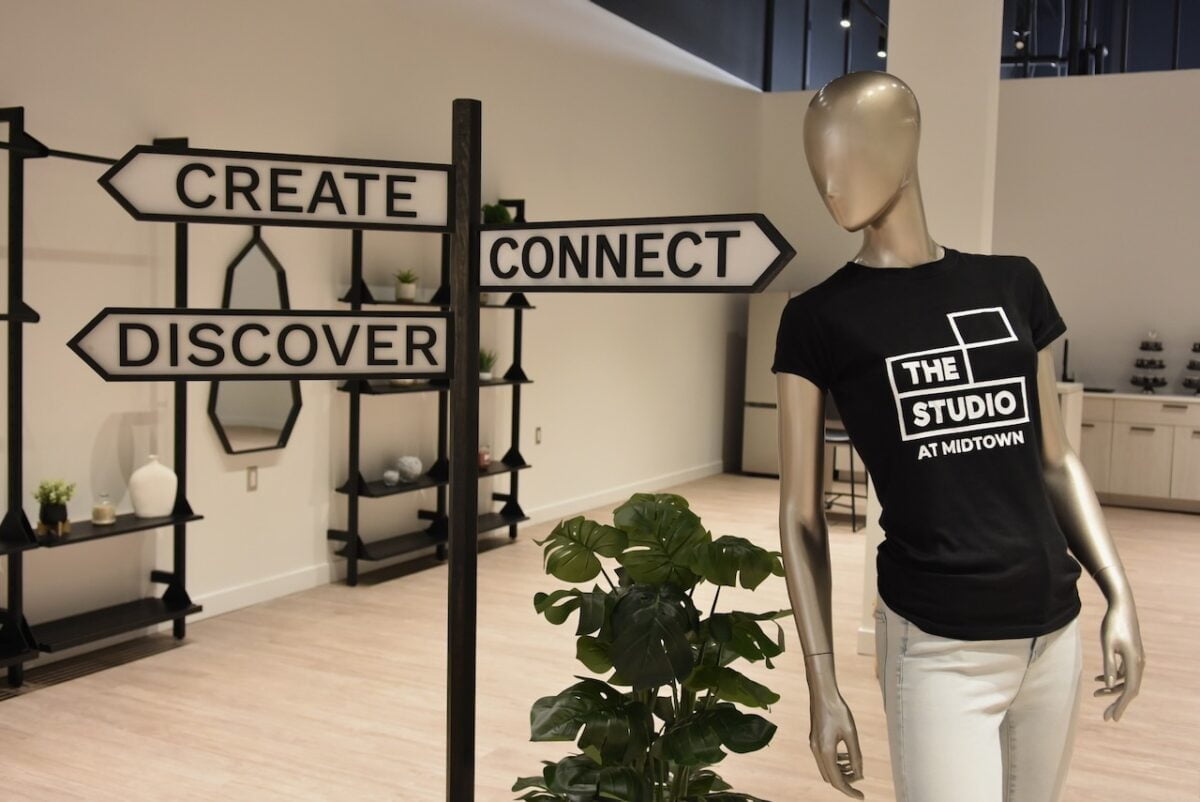
Last fall the shopping centre launched its newest event space, The Studio at Midtown, which is a community-focused hub for people to connect, create and discover.
The Studio at Midtown (Image: Midtown)
“The Studio has actually been a great success for us, having artisan markets, art shows. A lot of those retailers that are coming as part of those markets are actually filling our retail pipeline a little bit. Some start in The Studio and then do longer terms in inline spaces. That’s kind of a cool good news story, just cultivating those local retailers, incubating their ideas and their concepts and giving them opportunities to their concepts and get some market data from real consumers. That’s working out very well for us as well.”
Faris said sales productivity at the mall has also recovered from the pandemic.
The eye-care industry is regarded as one of the healthiest and most durable retail sectors in the world. It has a predictable purchase cycle and is almost recession proof. That’s what’s made it so attractive for many investment firms over the last couple of decades with a great deal of consolidation within the industry from independents Optometric offices to optical stores, and the acquisition of some retail chains.
This industry has been through a number of changes. With the introduction of contact lenses and laser surgery all were thought to do away with eyewear. And then back in the late 90’s the industry started its transition in eyewear from being only function to fashion. Even online has not deterred consumers shopping in stores. Although the pandemic has a few now closing stores.
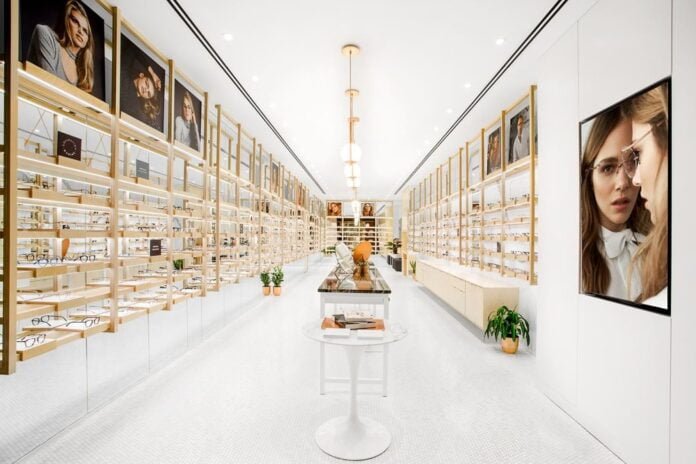
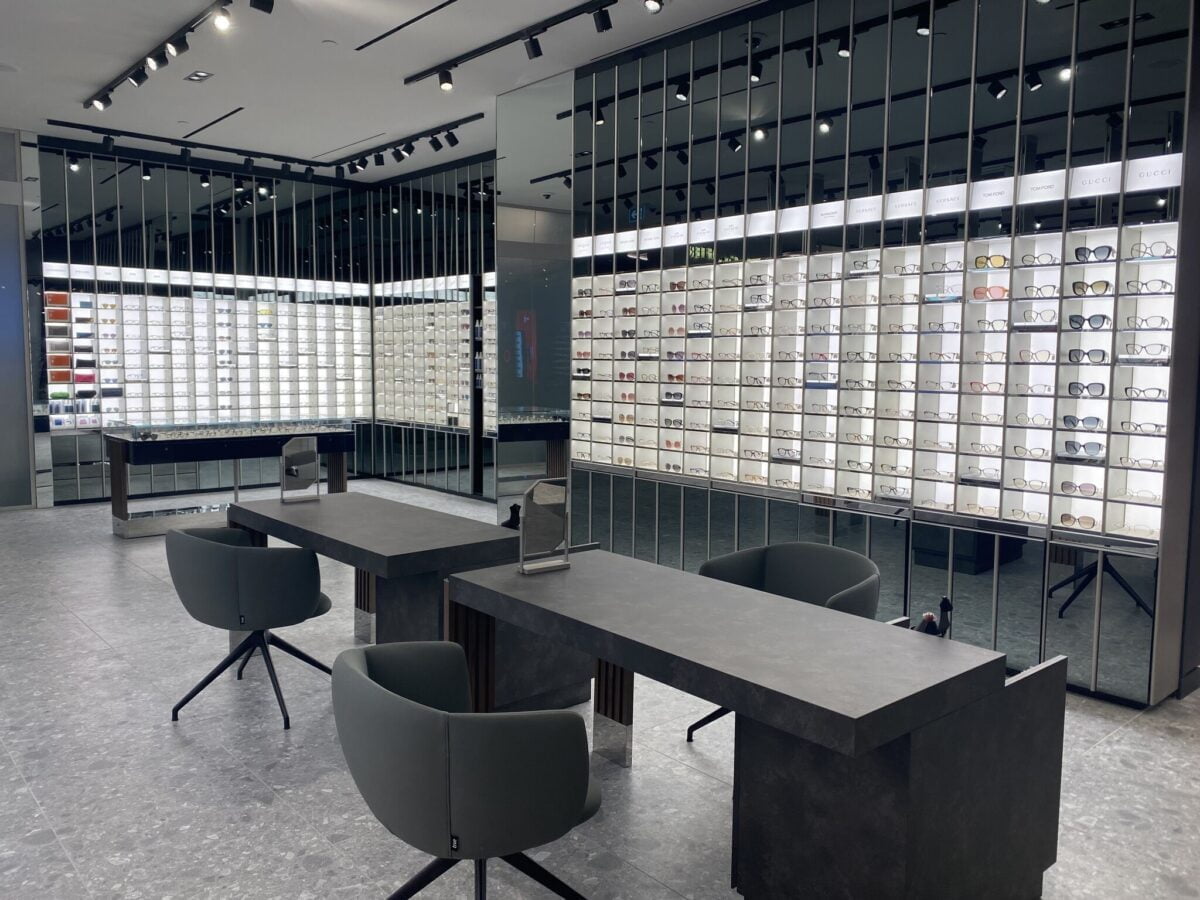
The Canadian marketplace has been benign competitively for well over a decade, there haven’t been many major threats over the years, there has always been enough for everyone. Needless to say, this retail/healthcare sector has had a great deal of consolidation again with no major impact, it has been a very orderly market. In many ways it has been a hospitable marketplace for competitors. Brands like LensCrafters, New Look and FYI Doctors have led the category and focused quite successfully on quality eyewear and eyecare.
Lenscrafters at Park Royal Shopping Centre in West Vancouver. Photo: Park Royal Shopping Centre.
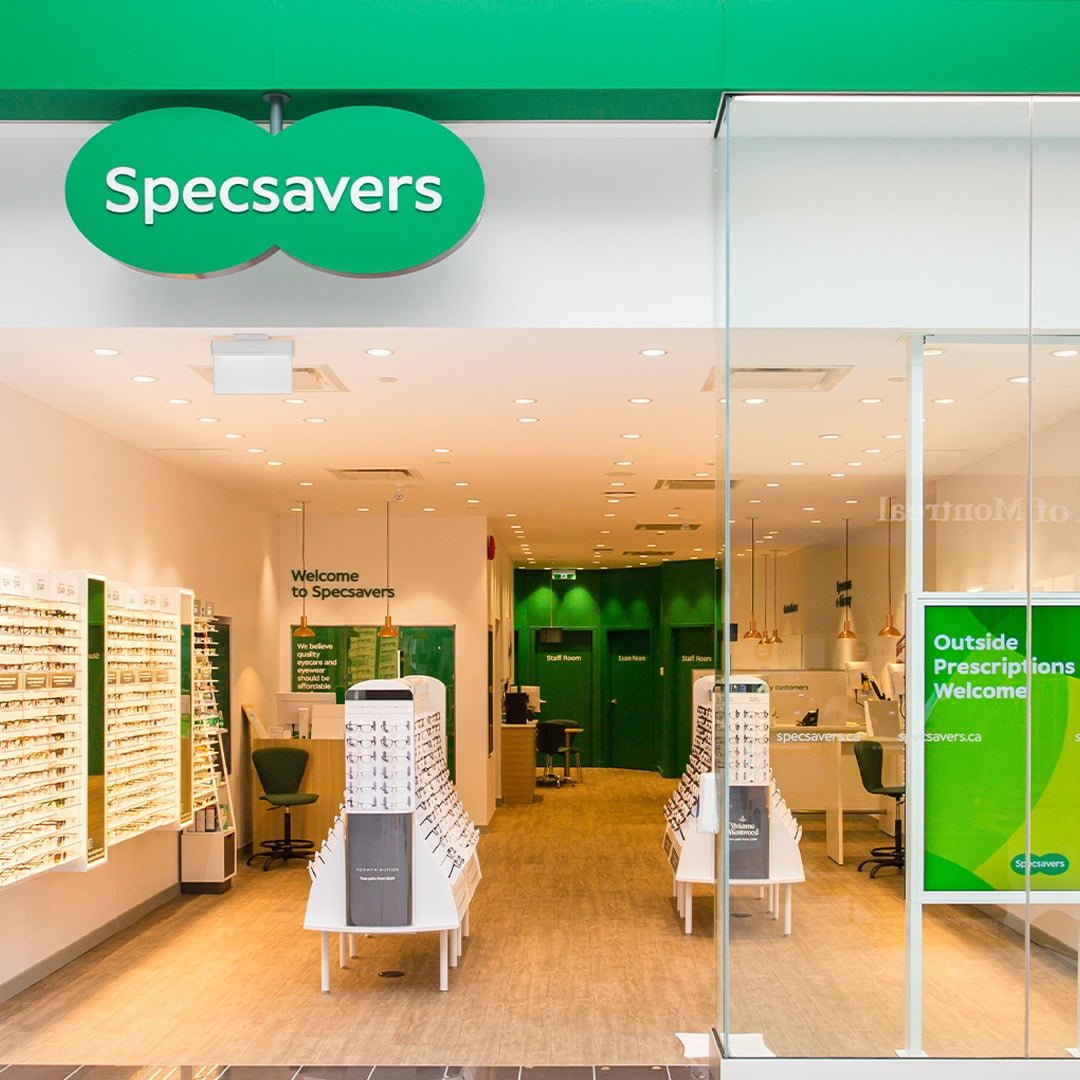
However, the Canadian market has encountered more competitors recently but nothing serious enough to change the landscape. Who are some of them? From Australia with Oscar Wylee and Bailey Nelson. And not to forget Warby Parker online and in stores and whole lot of others available online who have been operating for a while as well. And then a bigger announcement came along which was SpecSavers who entered Canada with a plan to open approximately 200 locations and many of us have been seeing those boarded up store fronts announcing their new locations more frequently.
This time things are a little different on a few fronts. My expectations are that many mistakes will be made by existing brands who will either dismiss the new level of competition or not do enough to respond to it. 2023 will be the first year of a true post pandemic marketplace coupled with inflation, higher cost of borrowing, price sensitive consumers and a potential recession.
Many of us in the industry are very well aware of SpecSavers, their offer, and the power of their marketing messages. They have changed the optical industry in many of the markets they’ve entered. Weaker and tired brands will struggle in this new environment. Many optical retailers large and small who have established their brands on service and product values will be challenged.
Resilience in this industry is a bit of a myth and usually works in a stable and competitively friendly marketplace. That’s what Canada had been for years. In fact, the last time a threat like SpecSavers came along was when LensCrafters entered Canada and introduced their one-hour service to manufacture your eyewear on site, it really upended the industry.
Image: Specsavers
However, with SpecSavers it is a little different for the first time a physical retail chain enters the market to tell Canadians you can have fashion for your eyes at an affordable price. There are other discounters in the market but none as effective in their branding and messaging. Which has been very successful in markets that they’ve entered.
To be fair the lowest price is not always the best eyewear choice. In fact, not all eyewear and lenses are created equal in quality and performance. Especially when it comes to picking the right frame and lenses with the needs of defined by a prescription. And for those that are new to this category, few humans have the same prescription in both eyes. The right eyewear and lenses matter a lot!
How will optical chains react to this new landscape? Keep in mind that SpecSavers won 40% market share in Australia. Therefore, initially by way of tactics everyone will have their best shot out of the gates early with discount offers and I expect a lot of price matching and messaging to that effect. This will be the wrong response. Effectively heavy discounting will tell consumers they have been overcharged in the past.
With my past corporate experience and work with Private Equity firms, I can say with conviction that not all optical players are as sophisticated at winning in this kind of environment. Here are my top four priorities for anyone in this industry to win in this landscape.
The first is the strength and resources of the leadership team to respond to a changing competitive landscape. Experienced talent matters.
Second, the ability to introduce and execute the right strategies. This is where many fail.
Third is the customer/patient experience. In this convenience driven consumer economy, the overall service process is time consuming in this industry and needs to be reinvented. It is time to invest in technology to enhance that experience. And no online eye-exam appointments are not revolutionary.
Fourth, define your brand values and attributes to consumers, what differentiates your brand? And deliver on it!
In closing, this retail space is prime for disruption both technologically and competitively. I can’t emphasize enough the importance to innovate and respond effectively to changing demographics and competition. Things will be very different going forward.
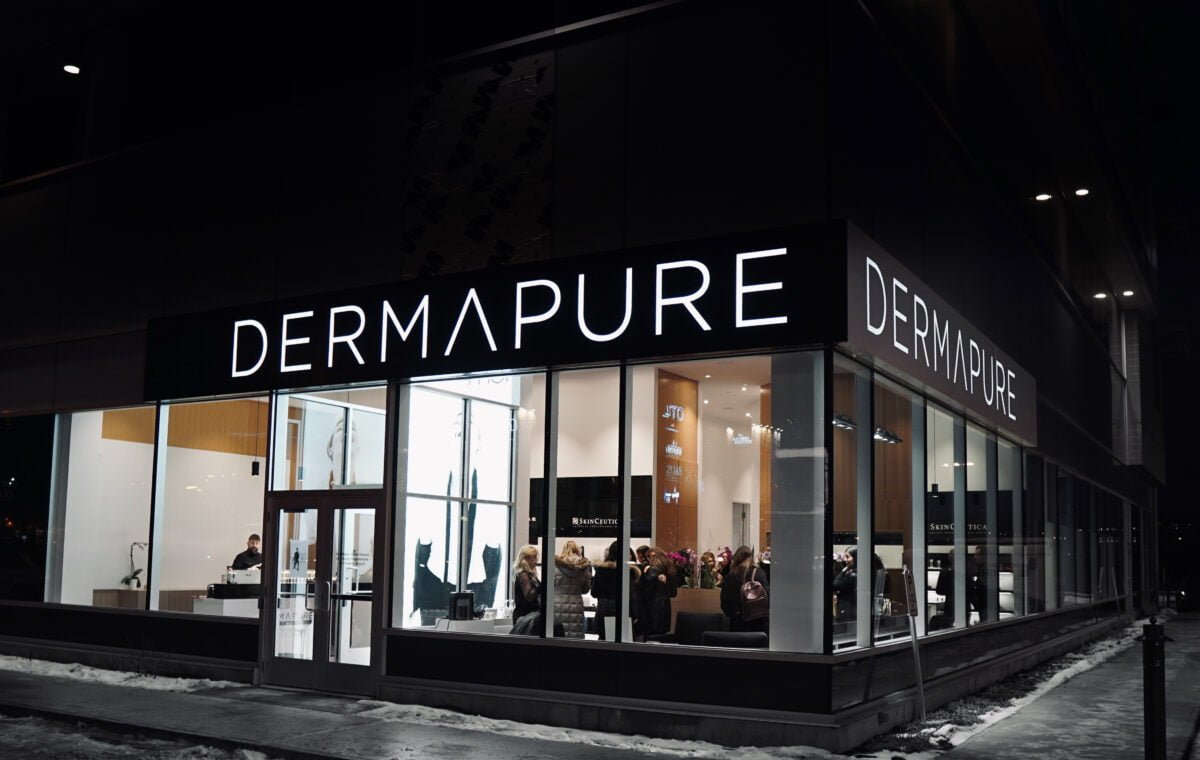
Dermapure, a Canadian based cosmetic clinic, currently has 70 stores across Canada and is looking to add 80 more clinics within the next few years, along with expanding internationally.
The cosmetic clinic was founded 14 years ago as Marilyne Gagné, President and Founder of Dermapure, noticed a gap in the industry.
“I used to train doctors in different technologies in the industry, and I saw a lack of support on the administration side so I decided to give a brand where we can give more support to doctors while also creating an amazing customer experience to celebrate taking care of the skin,” says Gagne. “Now, we are looking at opening more clinics in Canada and internationally.”
“The Gym For Your Skin”
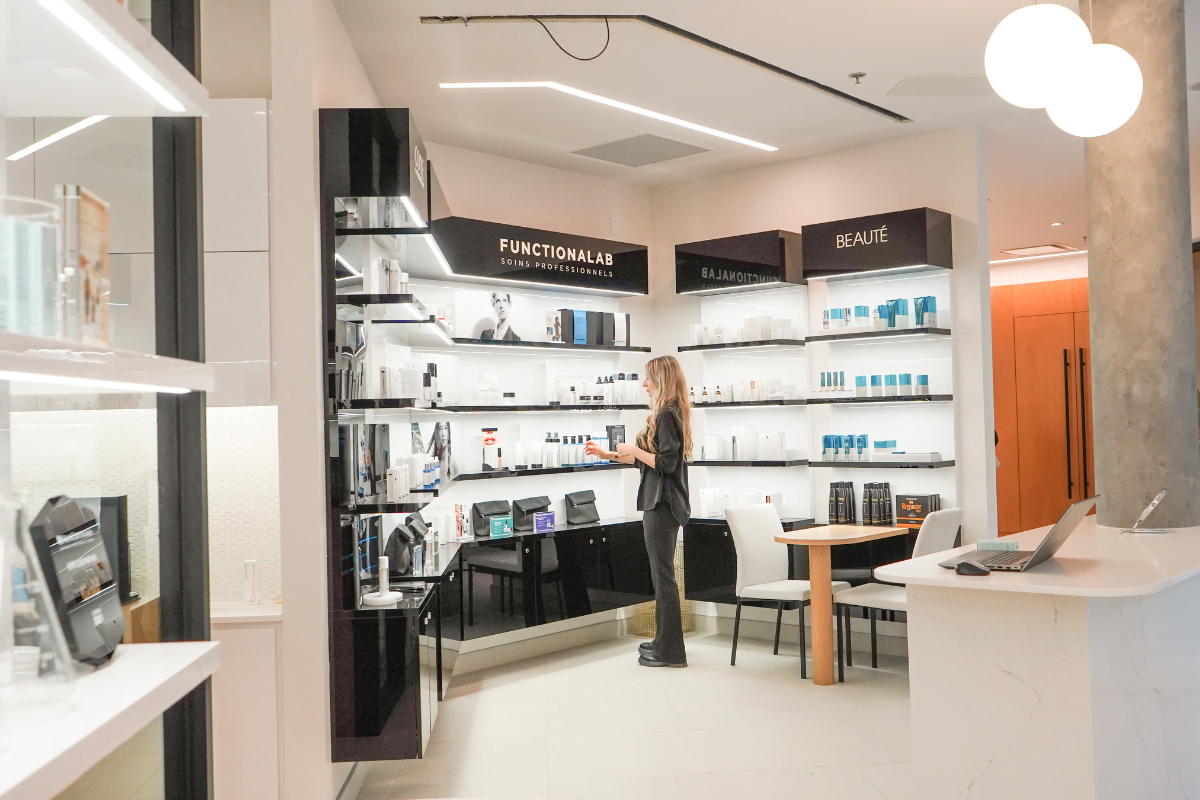
Image: Dermapure
Dermapure offers a variety of non-surgical services for patients who are looking to improve their skin such as skin tightening, complexions, texture, vascular options for those with skin conditions such as acne, and injections such as botox and fillers. Dermapure also provides maintenance services such as facials, peels, and “everything for the health and beauty for the skin and also for the body.”
Gagne said its main demographic is between the ages of 35 to 55, but also serves younger customers and its goal is to educate people and to be responsible.
“We are more into positivity aging than trying to change everybody and we want to be a responsible leader in this industry. Being the largest premium in the world, we feel very responsible and we want to make sure we don’t create needs at the early age where people don’t need anti-aging treatment yet, but that doesn’t mean we are not serving younger people.”
Dermapure has also recently partnered with L’Oreal and LVMH. Gagne said this is the first time L’Oreal invested in services and is a great partnership as Dermapure fits with L’Oreal’s philosophy and values. Now with L’Oreal and LVMH on board, the brand can continue to grow rapidly as it is planning for expansions.
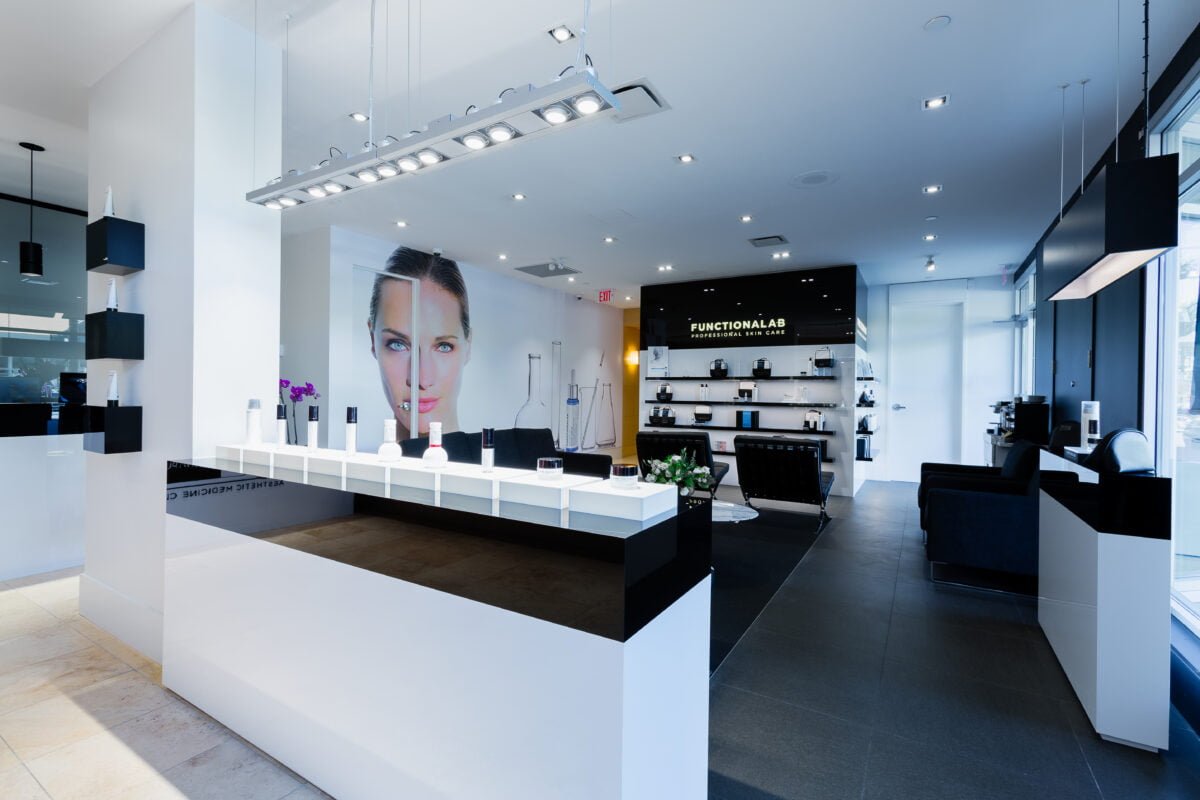
Dermapure was able to expand to 70 clinics or so through their recent merger with Functionalab Group and FYi Aesthetic Medicine’s division, announced at the end of 2022. This is when L Catterton came in as an investor.
Expansion Plans in Canada and Internationally
Image: Dermapure
Currently Dermapure has 70 locations spread out in Canada and Gagne said she would like to see that number be 150 locations in Canada within the next two to three years.
“We want to complete the country and it is very exciting to grow more in Canada and be able to be in all the cities as possible. It will be doubling our size and we want to partner with the best people.”
The next locations customers can expect is in the Greater Toronto Area in Yorkville and on Yonge Street, which will be a large flagship store. The new location on Yorkville will be ready as of August or September; however, the Yonge Street location won’t be ready until the end of the year. Gagne said she has plans on adding ten locations in the GTA and twenty in other parts of Ontario.
“We are focused on the GTA this year and next and it is the area we have not spent a lot of time in yet. Dermapure will be shining in the province and will be a great luxurious destination for people.”
Image: Dermapure
Dermapure has also recently opened its second headquarters in Calgary and has opened two training centers in Sherbrooke Quebec where the company began. The training centers allow product innovation as Dermapure creates its own products in Canada.
In addition to expanding in Canada, Gagne says she is opening locations in the United States and has her eyes out on additional counties such as China, Brazil, and Europe. Before expanding overseas, Gagne said she would like to expand into the US within the next three to five years and then start looking at other countries.
“We are in the beginning of chapter two, we are having a lot of meetings with American doctors so we can expand into the US, and then we will target other countries, so it is an ambitious plan but we want to explore different countries starting with the US. We have something to be proud of, this Canadian company will soon shine in other countries, so hopefully we can be a large brand that is deployed everywhere.”
Image: Marilyne Gagné, President and Founder of Dermapure
Each location is generally around 4,000 square feet and generates between two and ten million dollars annually. Each clinic has a doctor or two where they supervise the visits and patients should expect to have a natural result as that is one of Dermapure’s priorities.
“If people want something that does not look natural – we will say no. We want to define ourselves by saying no and I think it is appreciated by our patients. It is very important to us and this is what people can expect from us. It is also important that people feel comfortable and don’t feel guilty. I like to say that you train your body, you eat well, you are allowed to train your skin. So it is a way of living and hopefully people feel they deserve it.”
Retail Insider is streamlining its Canadian retail news from around the web to include a handful of top news stories that can be viewed quickly during the day. Here are the top stories from the past 3 days.