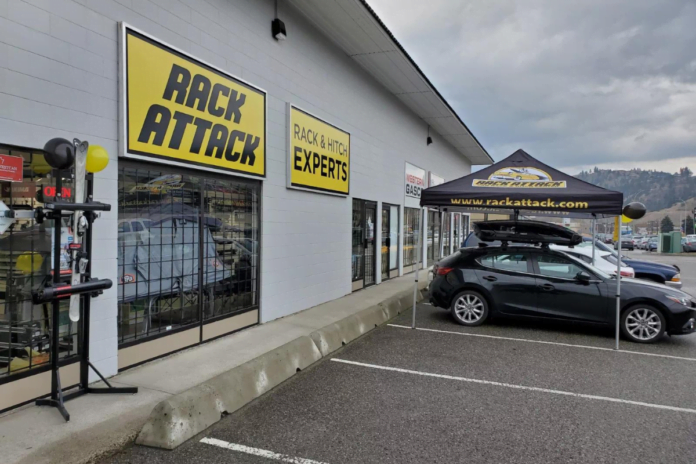
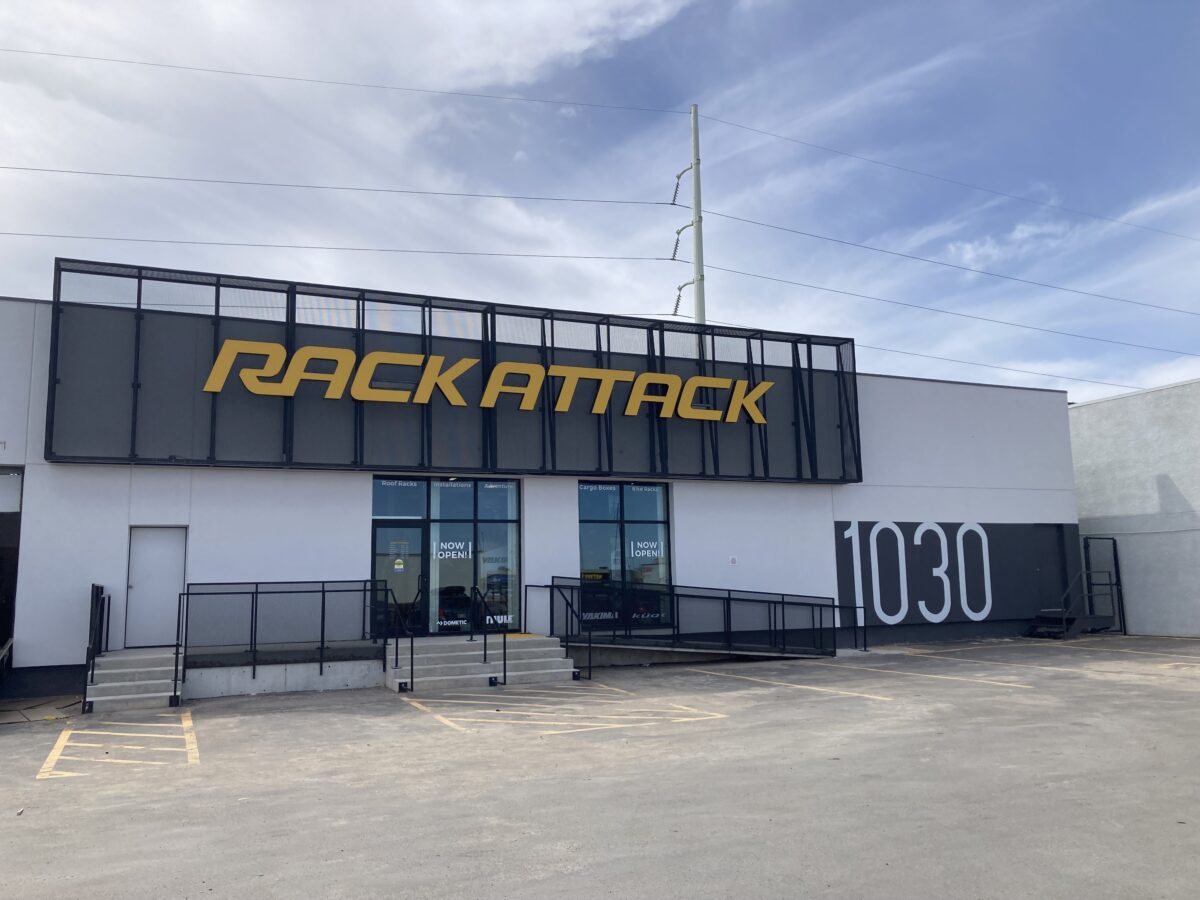
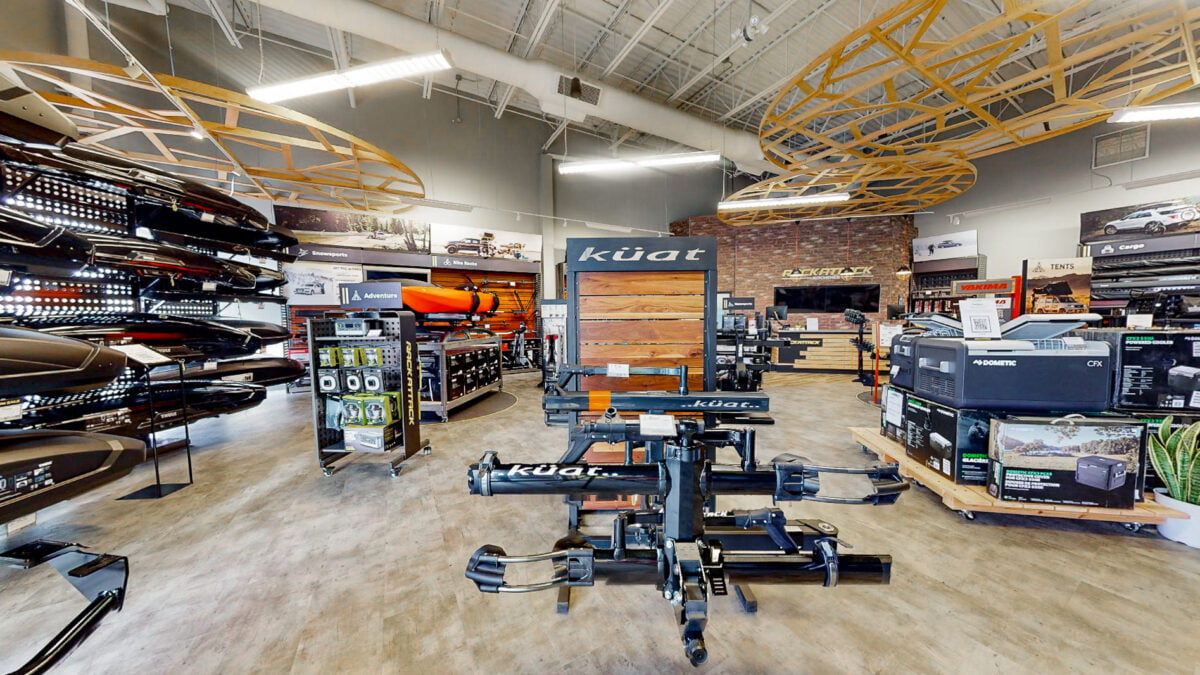
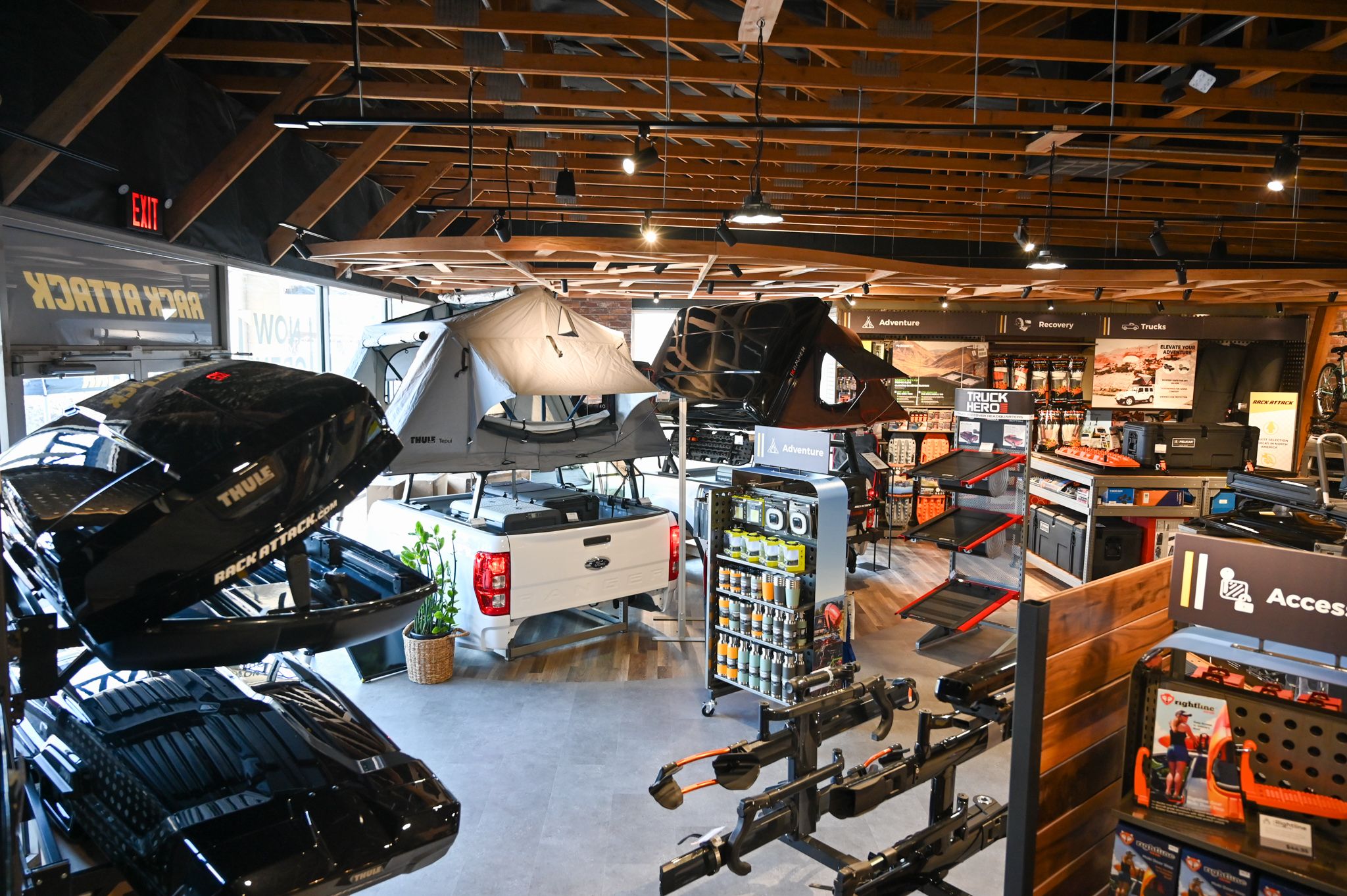
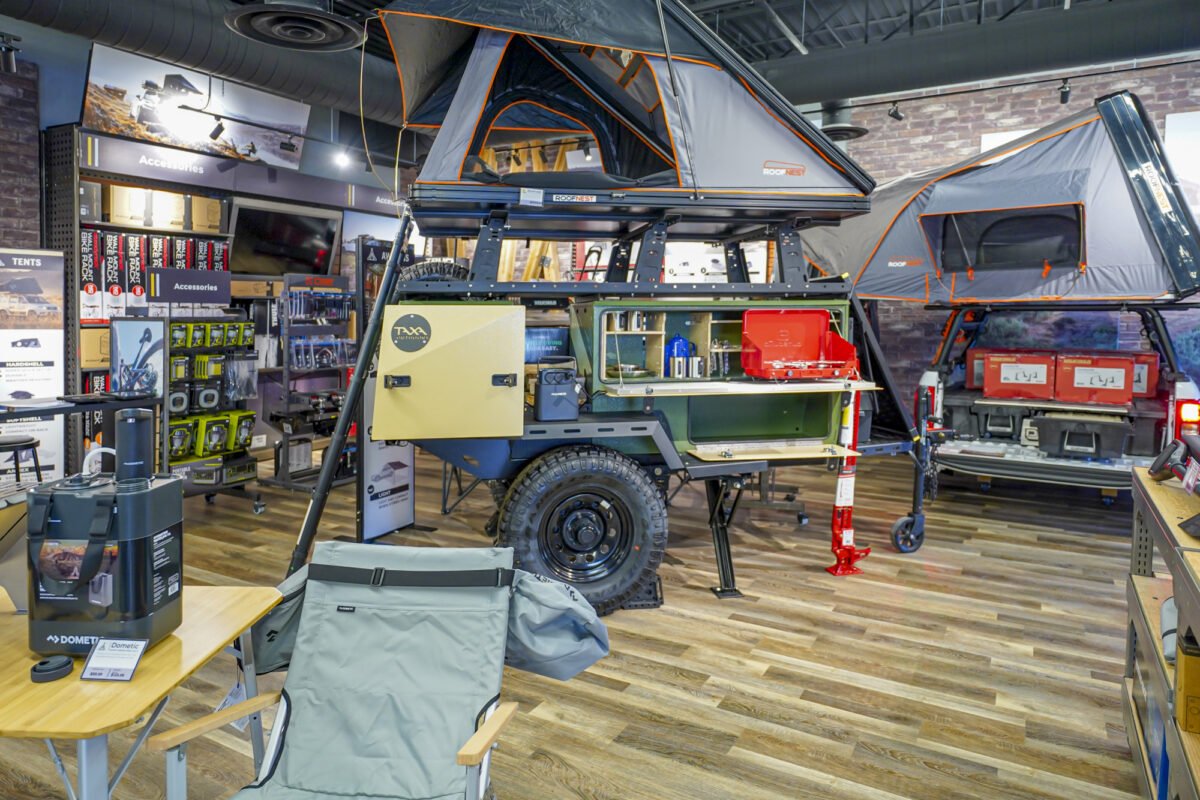
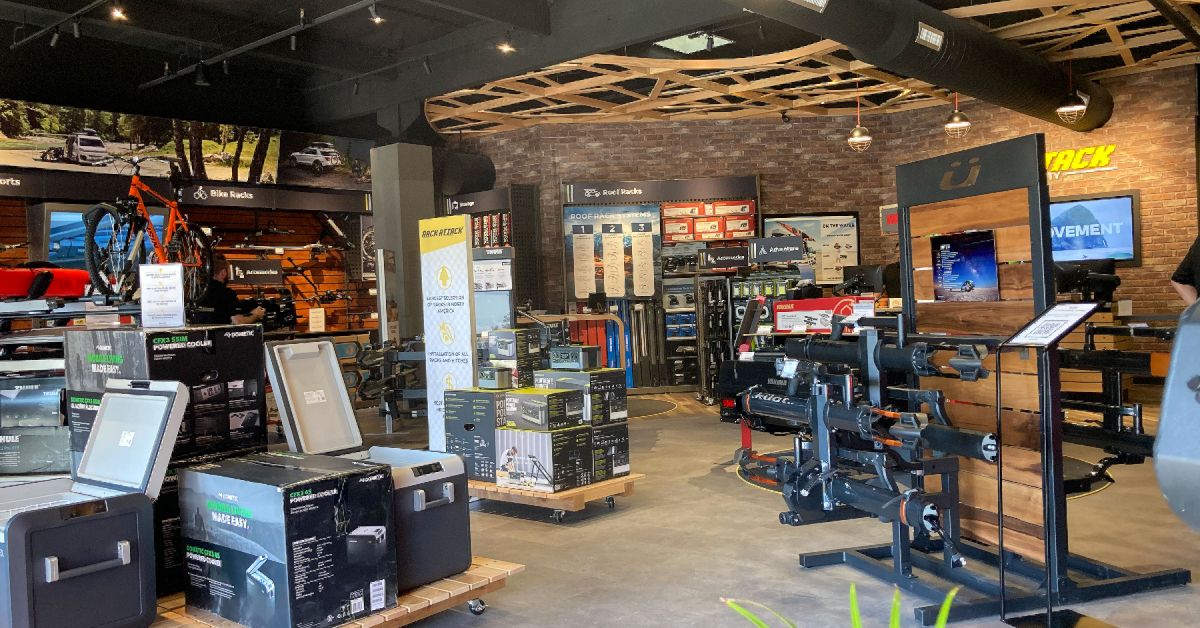
Rack Attack, a leading retailer of car racks, bike racks, rooftop tents, overlanding, and other outdoor gear, continues to expand its footprint in Canada with the recent openings of three new stores in Kitchener, London and Winnipeg as well as acquiring two new stores in Calgary, previously owned by Racks Unlimited.
It’s part of the company’s plans to aggressively grow to more locations throughout the country and the United States.
The brand currently has 47 stores combined in both countries.
Rack Attack in Winnipeg (Image: Rack Attack)Rack Attack in Kitchener, Ontario (Image: Rack Attack)
Rack Attack began with one store in Vancouver in 1996.
Alexander Welbers
Alexander Welbers, CEO of Rack Attack, said the company’s focus is to support customers in making the best gear choices for their outdoor adventures.
“From easy base racks to very complicated vehicle modifications or vehicle rigging to make them off road and overland ready,” he said.
“We really accelerated our expansion over the last four years and we will open our 47th store in June (just outside of Philadelphia).”
Image: Rack Attack
Image: Rack Attack
The Kitchener, London and Winnipeg stores opened over the last three months.
“We’re coming out of a really intense growth expansion period since the beginning of 2022. We opened 26 stores since the beginning of 2022,” said Welbers. “We are really committed to growing the Canadian base and the U.S. base further. We have plans for more stores towards the end of this year and next year and beyond.
“On the Canadian side, we have 14 stores to date in BC, Ontario and Alberta. And we’re looking to further expand especially in the territories of BC, Alberta, Saskatchewan, Ontario and eventually Quebec. It’s hard to give you a number. We’ve opened three stores since the beginning of this year in Canada and we’re looking for roughly the same amount every year. Three to five stores to add to the Canadian market. There’s still some significant space that we’re not in now and we’re looking to find the right locations that are convenient for our communities to come to.
“When you see the new locations that we opened in Kitchener, London and Winnipeg, they’re in very good retail areas where people are familiar to go to . . . We need to find the location that has the right size for us but also allows some drive in bays, because we do all the service and vehicle modifications in our stores. We install everything we sell. That requires special retail locations where we can have vehicles in the stores.”
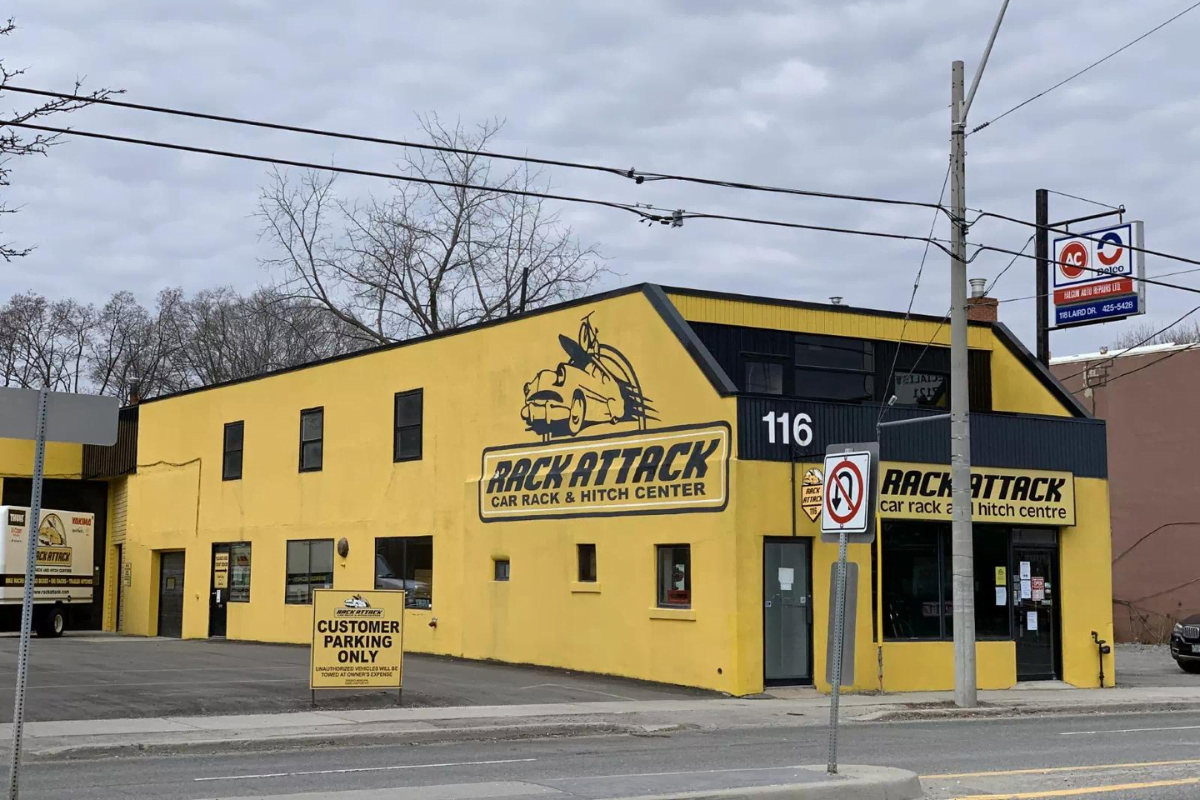
Rack Attack in London, Ontario (Image: Rack Attack)Rack Attack Toronto (116 Laird Drive) Image: Rack Attack
Welbers said the company is in the process of re-branding the Calgary stores it acquired a few months ago.
“It’s a great market for us. We’re really excited to be in the Calgary market finally,” he said.
The company opened in January 2022 Canada’s first location for a branded store for Swedish-based Thule, a global designer and manufacturer of roof racks and carriers, and is located in the Park Royal Shopping Centre in Vancouver. It is the second branded Thule store in North America with the first one in Denver, Colorado, which opened in June.
“We are still looking to expand further our Thule store base. Also in Canada. We’re looking for maybe one more location towards the end of this year but we haven’t really committed to a lease yet,” said Welbers.
“That’s one of the new store openings that we’re looking to as well. The three to five (new) stores per year in Canada could include one Thule store roughly every year. So we’re looking for locations there too. The Thule stores are really in high traffic areas like you see the Park Royal store. A lot of foot traffic.
“The Rack Attack stores are in good retail destinations but they are bigger and they need drive-in bays to service and install and they need to be bigger to show all of the products that we have there. So the Rack Attack store is four to five times bigger than a Thule store.”
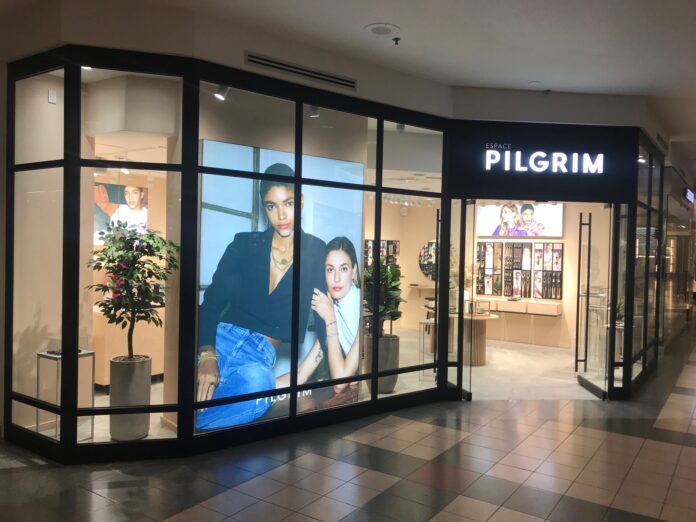
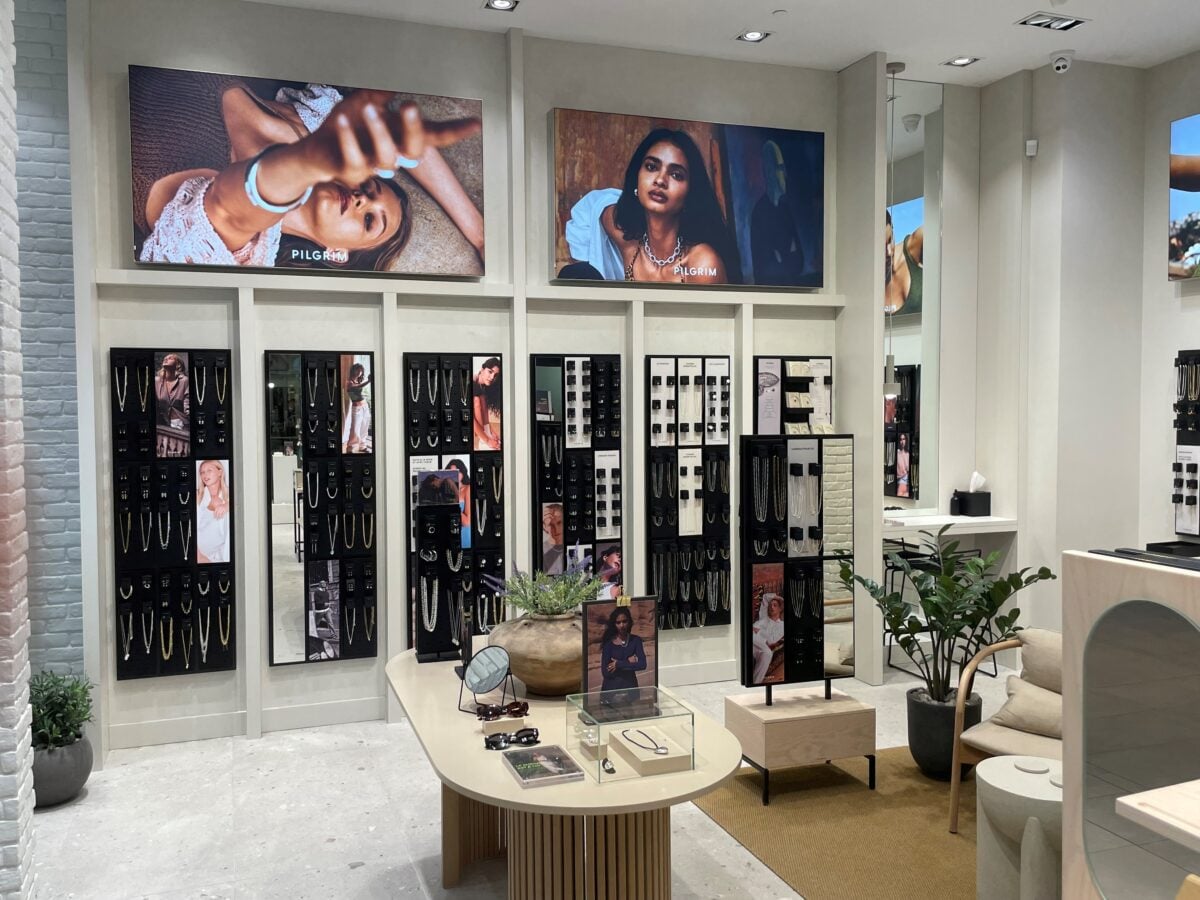
Craig speaks with Robert Hayes, CEO of the North American arm of Danish jewellery brand Pilgrim. The discussion includes how Hayes brought the brand into the market, what makes it so popular, wholesale expansion, and what’s in store for new locations in Canada in the coming years including one at CF Toronto Eaton Centre opening in late June.
If you prefer to listen to the audio version, it is available below:
The Interview Series audio podcasts by Retail Insider Canada are available on Apple Podcasts, Stitcher, TuneIn, Google Play, or through our dedicated RSS feed for Overcast and other podcast players. Also check out our The Weekly audio podcast where Craig and Lee discuss popular content published on Retail Insider which is part of the The Retail Insider Podcast Network.
Featured during this interview:
Robert Hayes, CEO / Owner of Pilgrim North America Inc.
Craig Patterson Welcome to the Retail Insider video series. I’m your host, Craig Patterson. And we’re joined here today with a special guest, Robert Hayes. He’s the CEO of jewelry brand, Pilgrim. You’re the CEO of the North American Division. Welcome.
Robert Hayes Thank you so much. I’m so excited to be here.
Craig Patterson Now Robert, tell us a little bit about Pilgrim.
Robert Hayes Yeah so, basically Pilgrim is a Danish brand that was established over 40 years ago. And Pilgrim is synonymous with recycling. So over 60% of all of our products are made from recycled materials. And we’re actually working towards getting over 100% of our products to be sustainable and recyclable. We’ve also been working with all of our suppliers in terms of, you know, the back end of, of how to be, you know, more green and more circular. We’re also starting a recycling program. And one of the great things about Pilgrim too, is that all of our jewelry is hypoallergenic. So it’s perfect for all types of people who might normally have sensitivities to different jewelries.
Craig Patterson And the price point is pretty good, too. I was having a look on the website, and it seems pretty affordable.
Robert Hayes Exactly. So one of the, you know, that Scandinavian kind of essence of really trying to provide kind of, you know, fair pricing for products. So some of them work really hard to do, and to bring real value to customers. And also as well, to our wholesale partners as well. So it’s, it’s something that we work really hard on.
Craig Patterson And there’s there’s necklaces and earrings and rings, and what other categories are there for Pilgrim.
Robert Hayes So we also do sunglasses, so we have a polarized UV 400 sunglasses, and they’re also made out of water bottles that are collected from the ocean. And it’s about 1.2 water bottles per sunglasses. So people really like that. And one of the things that I love too, is that if by accident, a wave hits, and they’re gone, it’s kind of like returning it back to where the cycle started again, right? And it wasn’t that expensive. So you’re not afraid to you know, kind of bust the bank, on your sunglasses.
Craig Patterson Now, you’ve got some retail stores, you started in the province of Quebec, how’s that going so far
Robert Hayes It’s going really well, actually, we’ve had an amazing response. I know the malls are not too open in terms of sharing sales per square foot. But on the odd time you get, you know, the the mall managers in a good mood, they’ll share those numbers. And we can see that, you know, we’re ranking pretty well within the malls. And we’re also bringing in like a different type of demographic. So some of the larger mall companies, you know, they’ve got these programs where they can really analyze who’s coming into their centers. And they can see from that data that the Pilgrim customer is maybe somebody who wasn’t traditionally coming into the center to buy their jewelry, and now they are so for them, they’re really happy. And it’s kind of adding to the basket size, and it’s actually growing the percentage or the commodities within the malls rankings. So for them, they’re really happy. So traditional, kind of, you know, bridge jewelry, which would be you know, Pandora or Swarovski are not seeing necessarily a drop in their business. And so for the malls are really excited about that, because it’s almost like it’s something new that’s coming into the mall for them. And that’s why I think for us so far, we haven’t had very much competition in that segment. And, and we seem to be kind of really clearing kind of our own path within the malls segment at this time.
Craig Patterson Which malls are you in so far in Quebec, and I think you’ve got one in Ontario and soon to
Robert Hayes Exactly, yeah, so we started off our first was Place Montreal Trust. Then we opened 30 discount. Then we opened a CF Carrefour Laval. Then we did a Galeries de la Capitale Mall, and then we did CF Rideau center.
Craig Patterson Excellent. Now you’ve got one coming up here at the CF Toronto Eaton Center, which is the was at least before the pandemic, the busiest mall I certainly in North America, maybe even the world.
Robert Hayes Yes. So we’re so excited about that. And, you know, we couldn’t have done it originally without you know, Sydney pulled from Cadillac Fairview, you know, she really took kind of that risk with us and coming to the office when we’re just a wholesale brand was Chanel, her colleague, and really seeing who we were and, and analyzing that and then kind of putting us on the path towards retail. So we’ve been very fortunate to have that partnership with Cadillac Fairview, and also the fact that they really look at young emerging brands and companies because even though we’re from Denmark, you know, I bought the distribution rights for Canada. And so, you know, seeing kind of young talent and kind of the team that we built around, Cadillac Fairview kind of took the plunge with us and we’ve been very fortunate.
Craig Patterson Excellent is there now that story is gonna be a little bit different. There’s going to be I think ear piercing and or piercing general and a few other things.
Robert Hayes Exactly. So in our other stores, we’ve been kind of testing, you know, the ear piercing concept. And then for this location, we’ve decided to go, you know, substantially larger and really provide a piercing studio, one of the things we do is the needle thread piercing, so instead of doing the gun piercing, so it actually is a less painful, it’s a cleaner, piercing, and it heals faster, and there’s less likelihoods of infection. So it’s a more kind of elevated experience. And then also, through our research, we found out that there’s no real, you know, kind of government agencies or real kind of training, it’s usually you know, person A, teaches person B, and then it’s like, good luck, you know, with the gun. And then for us, we actually, you know, do almost a two week intensive training course, we actually work with a company from France, because in France, it’s actually very, like, regulated in terms of how piercings are done. So we’re actually able to utilize kind of those standards and bring those over here to Canada and, and try to really give it something completely different than your traditional kind of, you know, either going to a tattoo parlor, or you know, going to kind of a mall kiosk and getting your ears pierced.
Craig Patterson Great once once the I think that opening party, or when’s the opening date roughly for that new Toronto store.
Robert Hayes So we’re planning on opening on Thursday, June 29, at around 3pm. And we’re planning to host a big party, we DJ we also looking to do ear piercing, for free, as well as doing nails, because one of the things that we found is when people whenever they put on rings, sometimes they don’t want to show off their fingers, because their nails are not necessarily done. So I think you know, to get the buzz and kind of that social media element of it, we’ll have somebody being able to do people’s nails so that when they try on our rings, there’ll be really comfortable to kind of show them off on social media. And one of the thing that’s really cool of about our rings, just as kind of a side file is that all of our rings are adjustable. So you know, if you have a glass of wine, and then all of a sudden, you know your fingers swell up a little bit, you can actually readjust them. And then also what we love to when we hear back from our clients too is those clients who you know, are recently pregnant, all of a sudden, you know, their fingers changed a little bit during pregnancy, they can readjust their rings. And so they love that so that there’s so much versatility within their jewelry, and they don’t have to go up or down a size they can keep the peace they have.
Craig Patterson That’s amazing. I didn’t know you could do that with rings. I didn’t realize fingers were swelling as well. But I don’t worry about since the divorce. Yeah, that’s a whole nother conversation. But how did you get involved? You mentioned that you you bought the rights. Did you have a jewelry background before or where did you come from in terms of the business world?
Robert Hayes Yeah, so I was working for a brand called BestSeller. And I was one of the first employees of that company in Canada. And I was working for Manon and Michael Muirhead and basically was responsible for their retail expansion in the beginning. And so I was with the success of the retail in the beginning, I was offered an international role in Denmark. And then while I was living in Denmark, my cousin was working for Doctors Without Borders. And so she came to visit me. And so while she was visiting me, she was like, ah, we’ve got to stop at this cool store called Pilgrim because they do this Doctors Without Borders collection and all my colleagues would like to get, you know, some necklaces, and she wanted to bring them back as gifts. So that’s kind of how I discovered the brand. And then while visiting multiple shops, because unfortunately not each shop, you know, had enough quantities for what she needed. I was really able to see kind of the fact that you know, the Pilgrim customer is coming all different souls, and different and there’s no real age. And so I thought, wow, this is so cool that somebody like in their 60s can work Pilgrim but then you also had customers that were 12,13, 15 and 16 wearing Pilgrim and so it’s so cool in that regard. And and I remember when we started Jack and Jones and Bermuda in the beginning, that was one of the strengths of the brand is that it had no age, and that everybody could kind of wear it in their own way. And so by doing a little bit of research, I found out that the brand was not carried in Canada. And and then Annemette was kind of you know, who’s the founder of the company and who still to this day designs all of the jewelry, and is very much involved. I wasn’t sure because I was a really young guy. And she was like, I’m not sure and all this so I asked her I said can I borrow some jewelry rolls? And she said, Okay, and so I borrowed the rolls, jumped on the plane, headed to Canada, met with Simon’s and showed them the collection and they were just like, wow, this is so cool. It’s so neat. And so they give me kind of a first order. So then I went back to Denmark placed the order and kind of from there it was decided that we would step forward and move forward. And today, you know, we have 56 employees working here in Canada. And they’re in the process currently of hiring many more. So we’ve been very fortunate, very lucky to, you know, have built such a kind of loyal following.
Pilgrim at CF Carrefour Laval (Image: Pilgrim)
Craig Patterson Now La Maison Simon’s was a wholesale partner or stock list, however you want to call it. Tell me about the wholesale business now, because you’ve developed that in Canada as well.
Robert Hayes Exactly. So we right now, wholesale represents about 52% of our business, we have a well over 300 active customers, which represent 556 doors across the country. And it’s a business that’s really expanding and doing very well for us. And our retail strategy is to balance that, you know, I think in the past, many companies were very quick to expand very quickly. And they didn’t understand the power of that local partner who understands their market. So I think where we plan to open our stores, and you know, I spoke about this on the article with, you know, the 30 locations, it’s really an areas where there are not a lot of wholesale partners. And so I want to be very strategic in terms of where I open not to, you know, mitigate or take away from the business that we are building and wholesale and the structure that we’re doing, but at the same time to in those malls, be able to give the service and kind of the experience that someone might not be able to get online. And really a big connection with the brand. So it’s kind of finding that balance. And that’s something that, you know, I would like to do that maybe I wasn’t able to accomplish, you know, what, in my past career, and my past job. And so for me, it’s, you know, very important to have that wholesale element, and that and they are the ones who push the brand forward. Because when you have 300 plus partners telling you what’s good, what’s not good, it makes you have the best collection possible, and a real reading of the Canadian market from coast to coast.
Craig Patterson That’s very interesting. I’d like to discuss in terms of angle. Now, of course, you mentioned we’ve mentioned that you’re gonna be opening at CF Toronto Eaton Centre in Toronto, in terms of say, the long term plans over the next five years, can you share anything about to say 30 stores? If you’re looking at any market? So would it be a coast to coast from Vancouver to Nova Scotia type of movement, or tell me a bit about what you might have planned there?
Robert Hayes Absolutely. So I think what I want to do is make sure that I do this very strategically. And I want to enter the markets kind of slow and steady. So I know a lot of brands have a tendency to open like you know, a little bit all across across the country, I want to work my way across the country where we properly understand the market before we enter it. And then when we do enter it with marketing have the right availability for the customers in terms of where they can find the product. So I think for for the next two years, our plan is really you know, GTA and then moving kind of the rest of Ontario, and then we’re going to probably catapult ourselves all the way to British Columbia, and then from British Columbia work our way, Alberta, Saskatchewan, Manitoba, and then probably last would be the Maritimes because it’s actually one of our strongest wholesale markets. I don’t, you know, necessarily I really good partners here. And I also see that there’s a little bit of opportunity within the shopping centers, you know, they haven’t quite modernized like they have, you know, in the rest of Canada, and I feel that that independent customer is so strong in the Maritimes that I think that that would probably be one of the last places that we would open shops.
Craig Patterson Would you say shopping centers? So we’ll obviously that’s the primary expansion. Do you ever see any street front locations for Pilgrim in Canada?
Robert Hayes I’m not sure because they think that that’s a space where our wholesale partners, you know, really cover well. And I know when we have customers that can do you know, a full shop and shop, you know, 600 square feet of Pilgrim it’s the same exposure that they would get if we were to do the same kind of thing. But they had that local buyer, that local connection with someone who really understands that market and they often can sell much more than we could at you know, a corporate level. So it’s leveraging their know how and also us sharing our market know how and our merchandising standards and then leveraging their local experience.
Craig Patterson Now you’ve got the rights for North America. Is there an American expansion at play for Pilgrim any plans in the next little while?
Robert Hayes Absolutely. But step number one is to properly do it in Canada, and then from because people don’t realize how Yes, we are neighbours. Yes, we are brothers and sisters with the United States. But we really are two unique markets. And I had the opportunity in my old company to really learn that and and I really want us to solidify the Canadian market before entering into the United States market. I feel like also some firms in the US market, it’s, uh, they see, you know, European and Canadian brands and some take advantage of but, you know, there’s always that big learning curve that has to be done. And sometimes you don’t necessarily get, you know, the fair end of the stick. And I feel the same way for us. You know, I have friends, you know, who are Americans who are opening here, and some and sometimes I look at their lease, you know, rates and my lease rates, and they’re not the same. So sometimes there’s preferential things that are given to Canadian brands and vice versa. So I just want to make sure that we when we go in, we do it properly, and that we’ve have all of our research done, and that we really are properly segmented. Now in wholesale, we have about 38 customers currently right now in the United States. And now that COVID has finished, you know, when we go to the Toronto gift fair, we tend to meet more and more American customers are now returning back to the fairs and having opportunities to open them. So I think for the time being, we’ll probably start slowly, with Wholesale, when we meet those customers at the different trade shows.
Craig Patterson Excellent. Now, how is how are things online in terms of web sales and whatnot.
Robert Hayes So our web sales are constantly growing, I just feel that the challenge with web and I know this from a lot of people is that it’s very difficult to turn a profit online, you know, it’s always like, what comes first the chicken or the egg, and you’re always pumping a lot of money into the online versus, you know, with the stores, I’m able to turn a decent profit. And I feel like landlords today understand that it’s a win win, where, you know, everybody eats everybody’s comfortable. And I think that there probably is going to be a reckoning, you know, online, because there’s a lot of kind of unfair practices that are happening online, it’s kind of a bit the Wild West as we know. And so even, you know, with conversations with the BBC, they struggle to find retailers that actually turn a decent profit with the online business. And as soon as you hit a new level, online, all of a sudden, you have to invest significantly more amounts of money in salaries, and the recipe seems to change every month. So you know, if you found the right recipe for certain while, then you have to pivot and then flip and then change. And, and it always seems that, you know, certain kinds of big media companies and social media companies seem to constantly make the money, but they don’t constantly share how they’re pivoting and changing, you know, the all the different algorithms. So it’s a challenge, you know, but it’s somewhere you have to be, and you have to participate, and you have to work on but even huge brands, you know, that I, you know, my old company, you know, the old company, you know, own the old, my old boss, you know, used to own portions of Zalando. And, and he saw us, you know, they to also struggle to make money even on the on the large scale. So, it’s definitely something where, you know, I don’t think enough business owners are honest about the challenges that they’re having online. And I think that, you know, bankers and different people are starting to understand that when they look and realize, like, wow, you spend that much money to burn just that little amount. And you almost have to, you know, give your blood and your firstborn baby to kind of make it happen.
Craig Patterson It’s a good thing. It’s a good endorsement for brick and mortar retail, though, fascinating conversation around online versus physical store.
Robert Hayes Absolutely. And even during the pandemic, you know, even though we’re still seeing crazy growth online, we still saw significant growth and brick and mortar, I think if you offer an experience, if you’re actually unique, and you listen to your customers, people want to come and shop, you know, the average customer at Pilgrim shops every four months. And we see you know, the return rate is significant. And so if you can actually properly connect and bring back that level of service and not have you know, the, the, you know, the salesperson sitting on her phone, behind the cash desk, and not really passionately caring about the process, then people won’t come back. But if you actually do something that’s unique and different, and you properly connect with the customer, they will come back and they will be loyal. And I feel like today people are significantly more loyal than they weren’t even five years ago. And our wholesale customers see that as well. You know, we can look at data. And especially, you know, nowadays with loyalty programs, you can really dive into the data. And we’re noticing that kind of across the board that loyalty, especially for us maybe with jewelry is becoming something that we didn’t expect or didn’t see, you know, pre pandemic. So that’s an interesting trend.
Craig Patterson This has been a fascinating conversation. I’ve got Robert Hayes. He’s the CEO of the North American Division of Danish jewelry brand, Pilgrim, thank you so much for joining us here today, Robert.
Robert Hayes Thank you so much. It was such a pleasure, and I’m a really big fan.
Craig Patterson I’m looking forward to the store opening at CF Toronto Eaton center. I’ll be there. And I’m Craig Patterson. I’m the founder of Retail Insider. I’m also the host of the Retail Insider interview series and publisher of Retail Insider Media Limited thank you so much everyone for joining us here today whether or not you’re doing this on video or whether or not you’re on here through our podcast channel take care and bye for now
Subscribe, Rate, and Review our Retail Insider Podcast!
Drop us a line at Craig@Retail-Insider.com. You can also rate us in Apple Podcasts or recommend us in Overcast to help more people discover the show!
Background Music Credit: Hard Boiled Kevin MacLeod (incompetech.com). Licensed under Creative Commons: By Attribution 3.0 License. http://creativecommons.org/licenses/by/3.0/
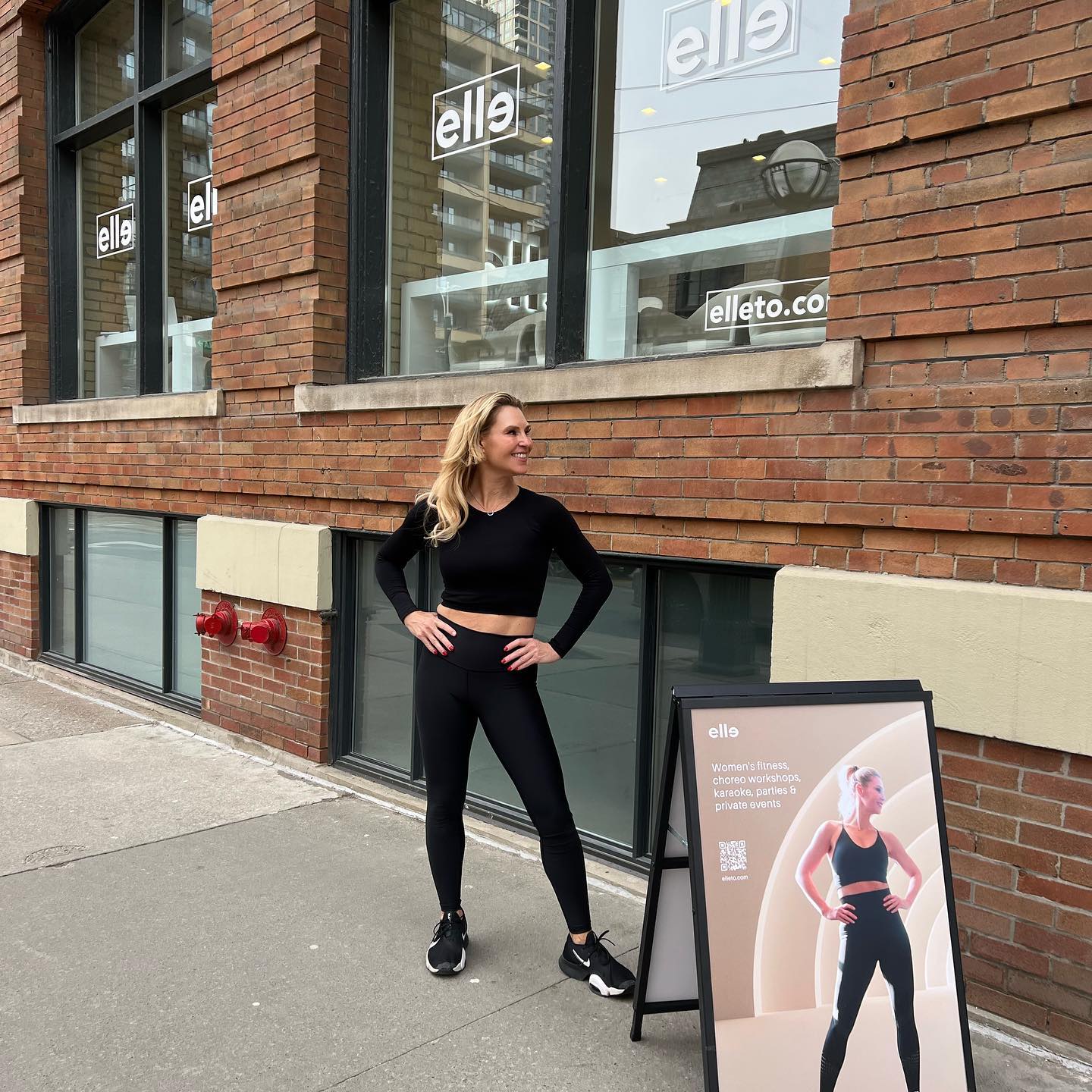
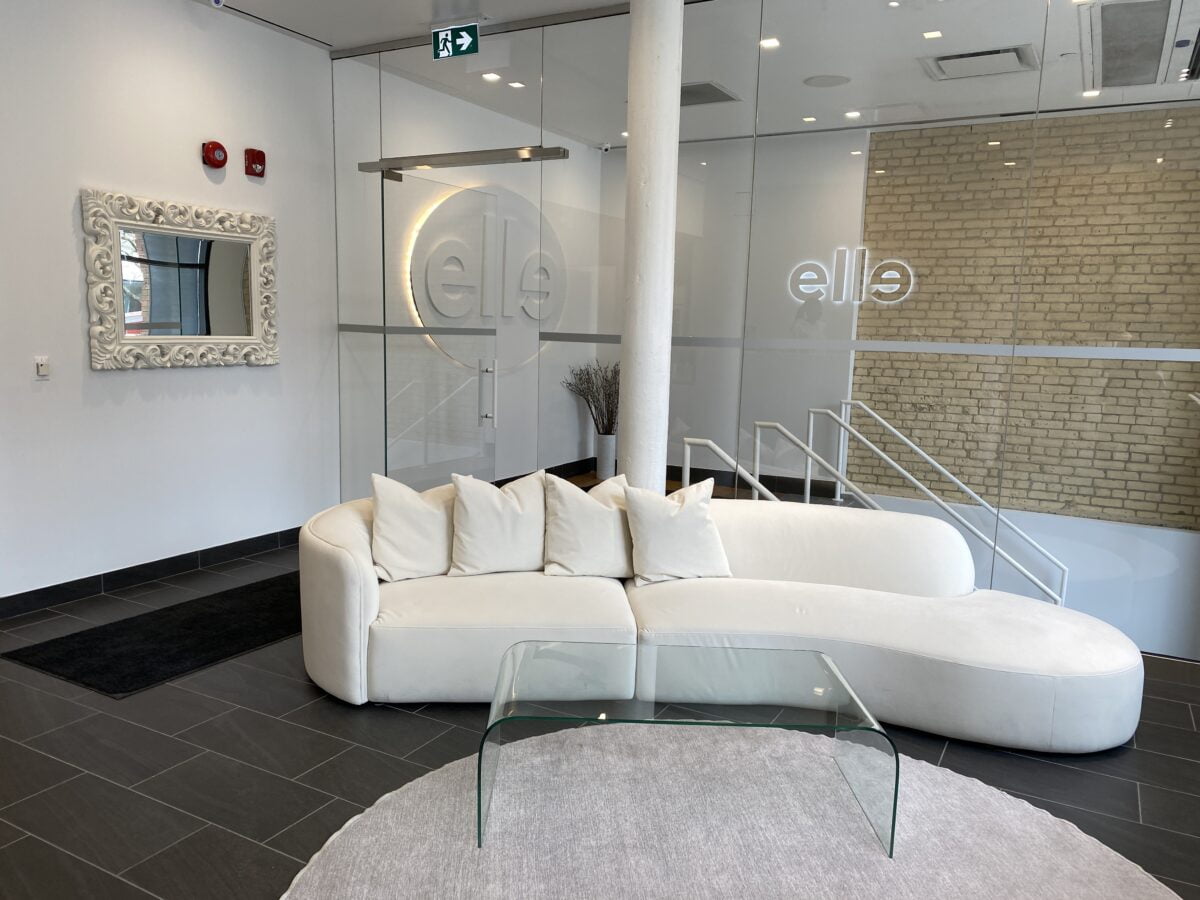
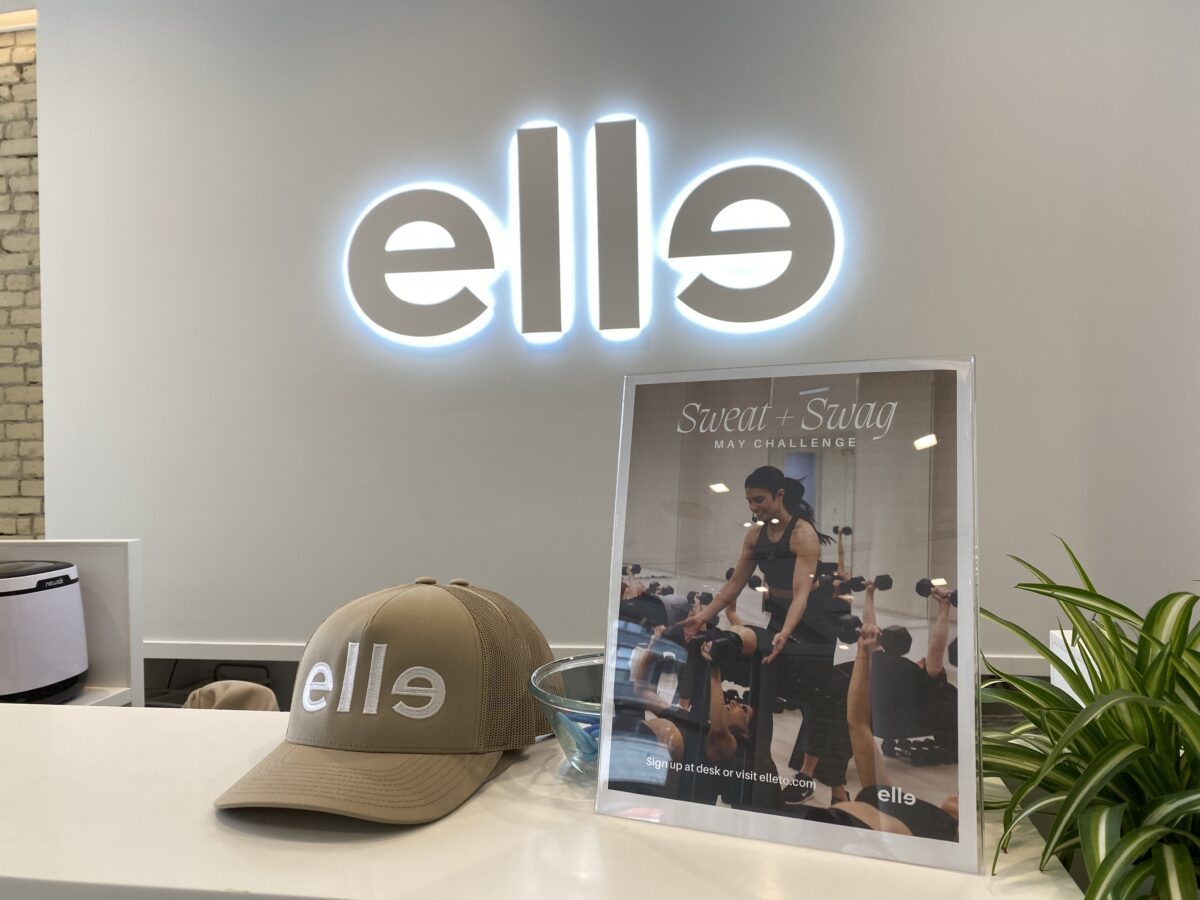
The brand evolved over time and today is known as elleTO after moving to a new location at the beginning of April.
Michelle Epstein
The first location was on Wellington Street until about 2011 then it moved to King Street and is now located at 435 King St W in Toronto.
“We’re right downtown Toronto at King and Spadina. We are right in the heart of it. We’re close to the Scotiabank (Arena) and the Rogers Centre,” said Epstein.
“We’re kind of in the Club District. That’s what they call it. King St W is like this really cool, edgy part of town where all the clubs and restaurants are on this one strip and then all of a sudden all these condos started to go up and all the cool kids moved in.
elleTO (Image: elleTO)
elleTO (Image: elleTO)
elleTO (Image: elleTO)
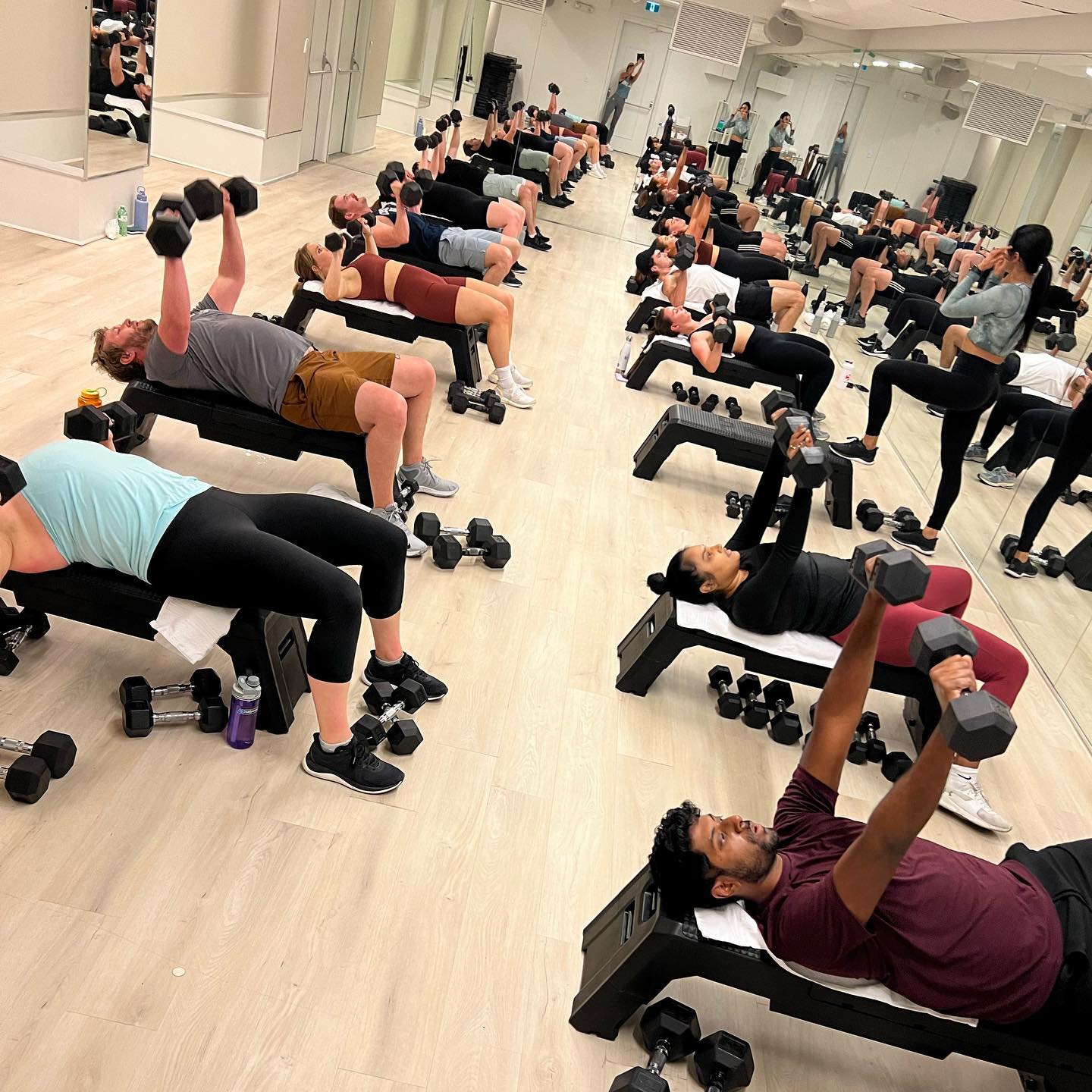
“So when we moved to King St we were like centre ice for all the cool, young, hot women in the city – and they lived in Liberty Village which is a little further west and they all worked downtown. So they would pass by the gym every day and stop for their workout, and pass by the gym on their way home. And we’re packed. It’s busy.
“There’s not very many women-only facilities. It’s a safe space for women. I like to think that elle has grown up over the years . . . We were always able to pivot with the trends but always a safe, fun place for women . . . And our classes cater specifically to women. We’re not girlie classes. It makes me crazy when people come into elle and think it’s going to be easy. The classes are hard.”
The new location is just under 5,000 square feet and it opened in early April.
“Our former space was much larger and we had three studio rooms. We were busy, busy, busy. But (because of the pandemic) the nature of the industry has changed. So we had three really busy studio rooms and we were offering these unique events but the space we were in wasn’t suited to beautiful unique corporate events. So we decided we wanted to make our business more intimate, be a more community-based business for our members and also we saw this space come available.
“This space wasn’t on the market and it was a former gym but it’s also this gorgeous space that can be an event thing. You walk in and it’s King St storefront right at the corner of one of the busiest intersections in the city. We had this opportunity to move. We knew we wanted to downsize the classes. We didn’t want to scale back on the amount of classes we had but we could scale back on the volume that we could do. So we wanted to take this beautiful space and kind of up the ante on what we offer our clients and the community and service this kind of crazy uptick in requests for special events. People don’t necessarily want to do events in bars and public spaces anymore. They want to do their own private events so we have all these requests for weddings and bar mitzvahs and corporate events. Tons of corporate events. Team building. Some are fitness based classes but a lot were more cocktail parties.”
Prior to the pandemic, the business had signed a lease on a new space but that was put on hold. The plan was always to have a flagship downtown and then do offshoots. Epstein said she believes the suburbs are a great market for the concept.
Epstein said the fitness industry is back in a very different way following the pandemic.
elleTO (Image: elleTO)
elleTO (Image: elleTO)
“People are doing a hybrid of on-demand and in-person. And that’s the one good thing that came out of that. We started an on-demand platform and it’s still going strong,” she said. “We do live streams. So people join live and the way we do it is pretty unique. We live stream our classes. So I’ll be there teaching a class with 20 women behind me and I’m live streaming it out to another 15 who are following along online, talking to all of them.
“And after the class is over we upload it to our on-demand platform and after that it gets hundreds of views. The one thing about elle that’s unique is we built a really strong community before and we harnessed it during and maintained beyond and that piece is really special to me.”
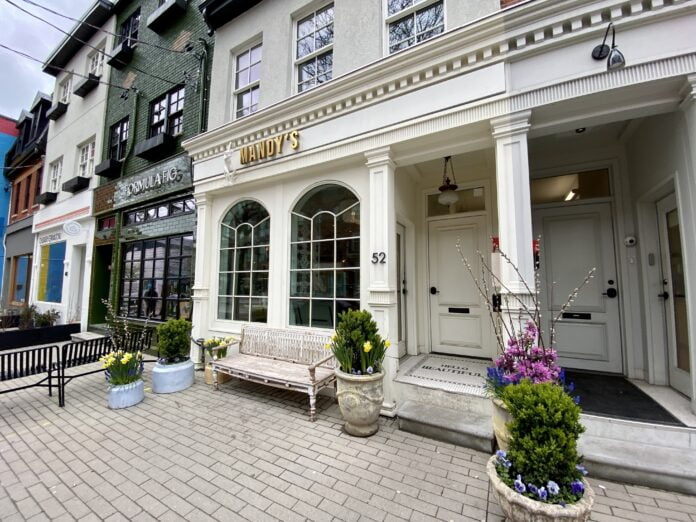
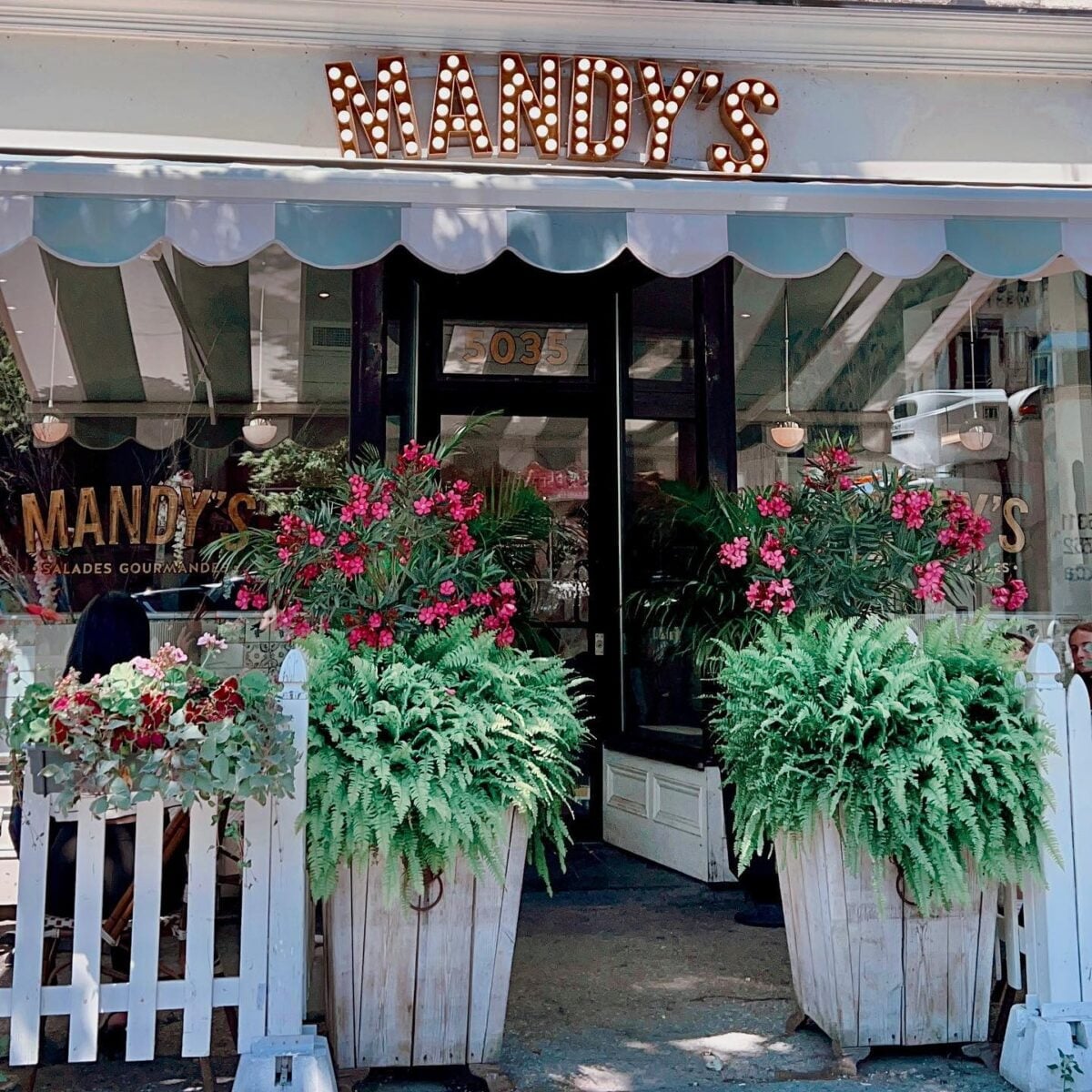
Mandy's Gourmet Salads at 52 Ossington Avenue in Toronto (Image: Dustin Fuhs)
When it comes to expansion, Montreal-based gourmet salad brand Mandy’s believes the sky’s the limit.
With eight locations currently operating in Montreal plus its latest in Ossington in Toronto and two ghost kitchens in Toronto, the company has plans to grow to many more markets.
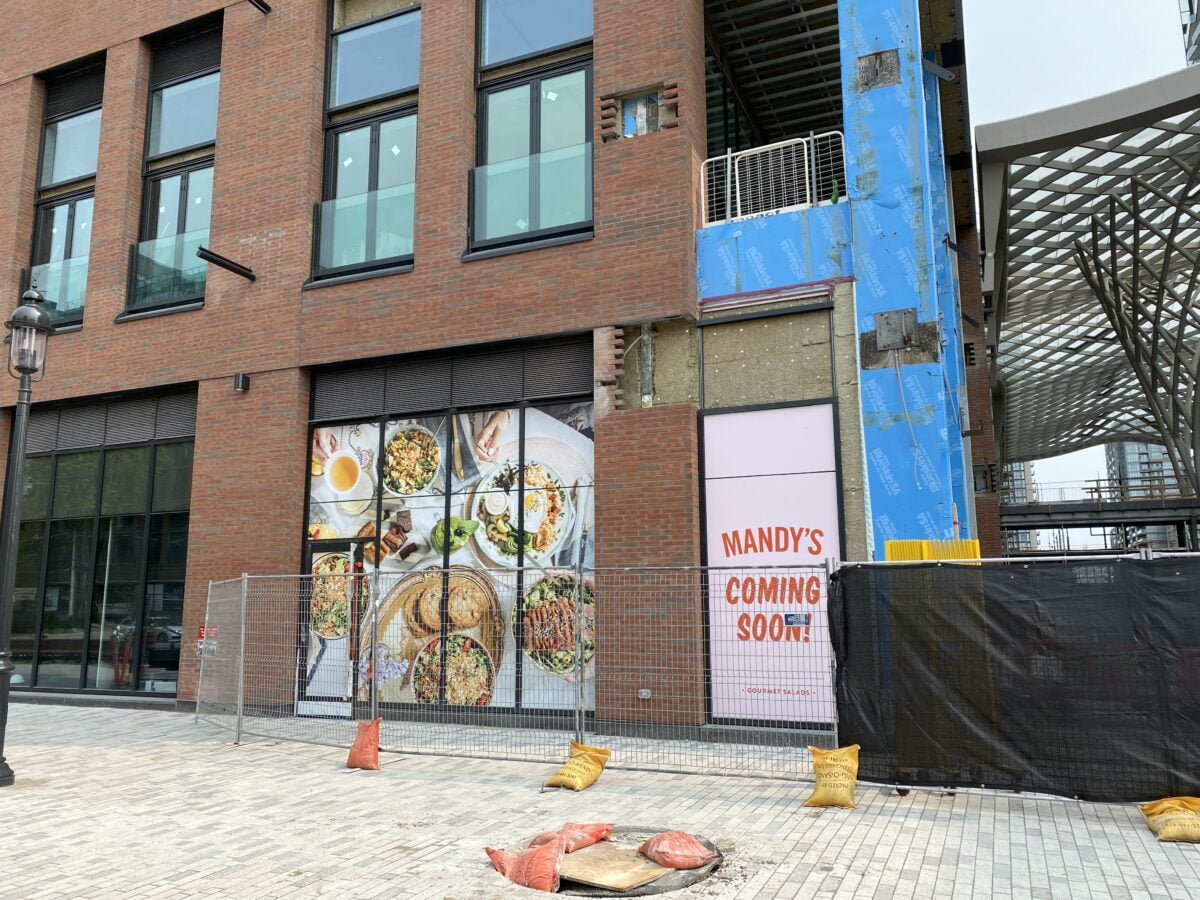
It plans to open another new location in the fall in the massive mixed-use The Well development in downtown Toronto.
Future Mandy’s at The Well (Image: Dustin Fuhs)
The success of the company comes after a rough start in 2004 when sisters Mandy and Rebecca Wolfe opened up Montreal’s first create-your-own salad bar in the back of a women’s clothing store in the Westmount area.
“It was a slow start. We actually closed after the first six months because we weren’t really making any money,” said Mandy, the company’s Chef. “Like most restaurants do in the first year. But we were in a very lucky situation where our landlord, the owner of the boutique, is now Rebecca’s husband. He was quite forgiving with the rent payments and basic overhead.
“So after the first six months that we closed, it was winter time, salads weren’t selling in the winter, so we decided to re-open in the following spring with a little more gusto and we’ve been open ever since.”
The Toronto ghost kitchens are geared to delivery and quick service pick up. The Ossington location opened in March 2022. The ghost kitchens are located nearby in the Dufferin and Castlefield area and one in Liberty Village.
“We couldn’t keep up with the demand of orders at our dining restaurant at Ossington and Queen. It’s a great problem to have so we decided to open up satellite kitchens, production kitchens, where people could walk in and take out or get their delivery service for the north of the city and Liberty Village,” said Mandy.
Image: Mandy’s Gourmet Salads
Image: Mandy’s Gourmet Salads
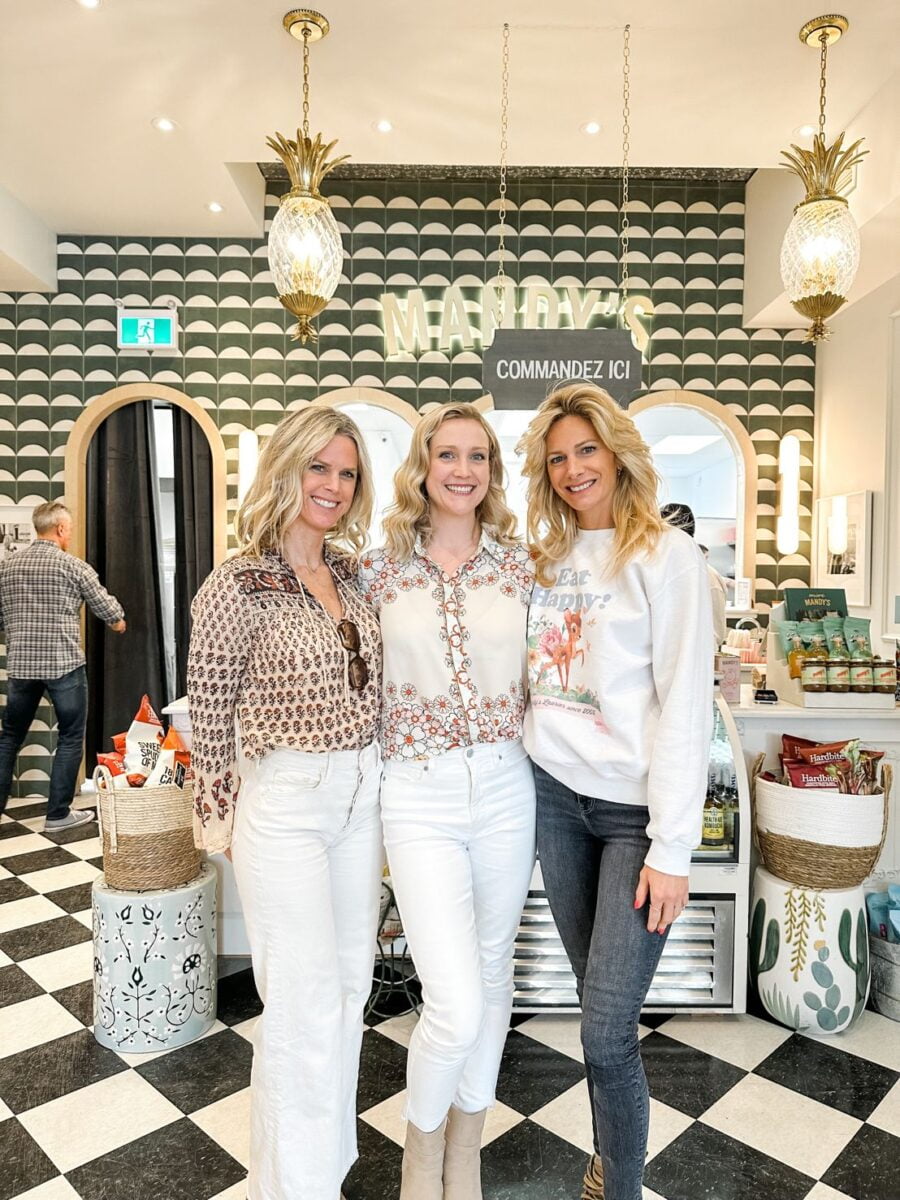
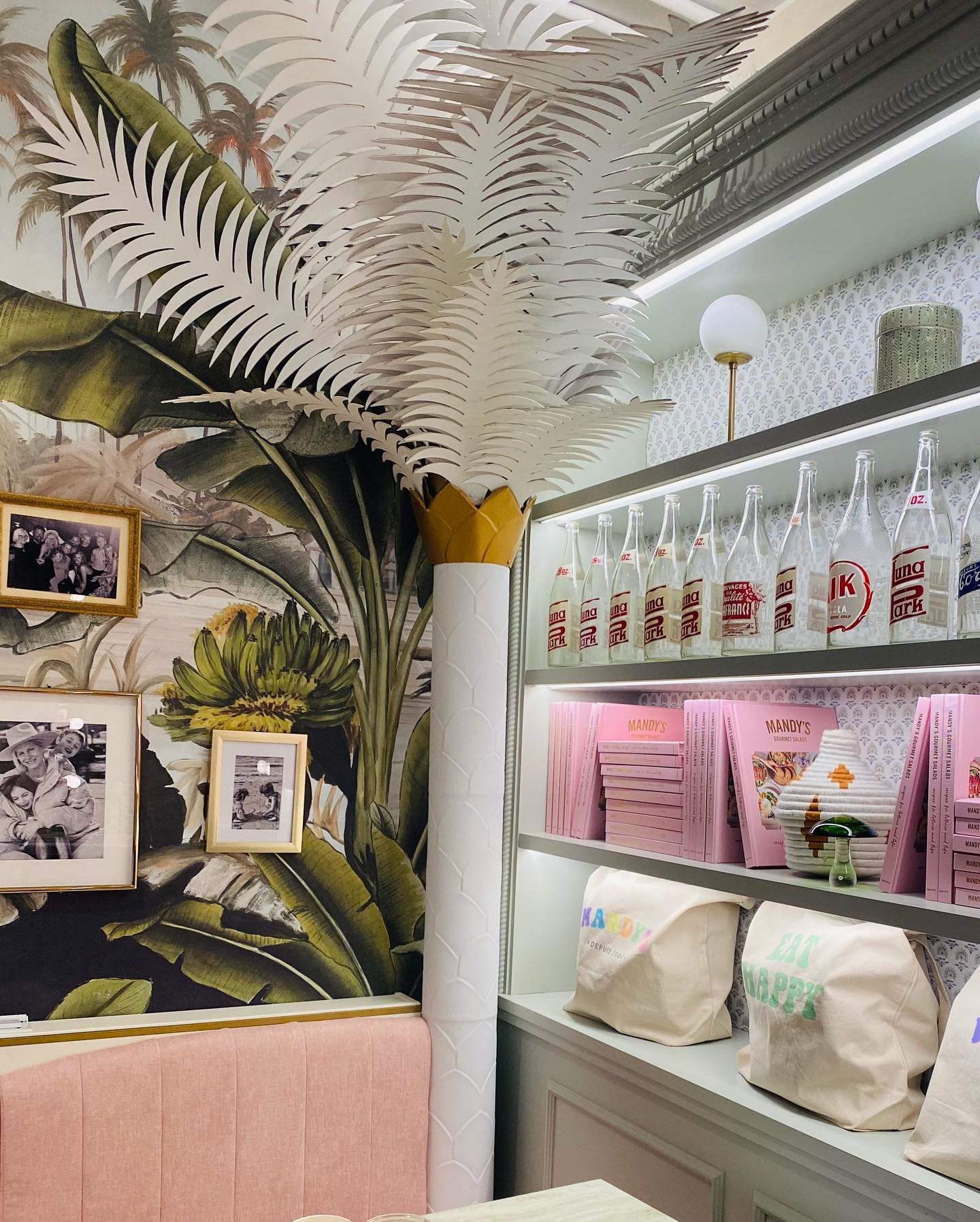
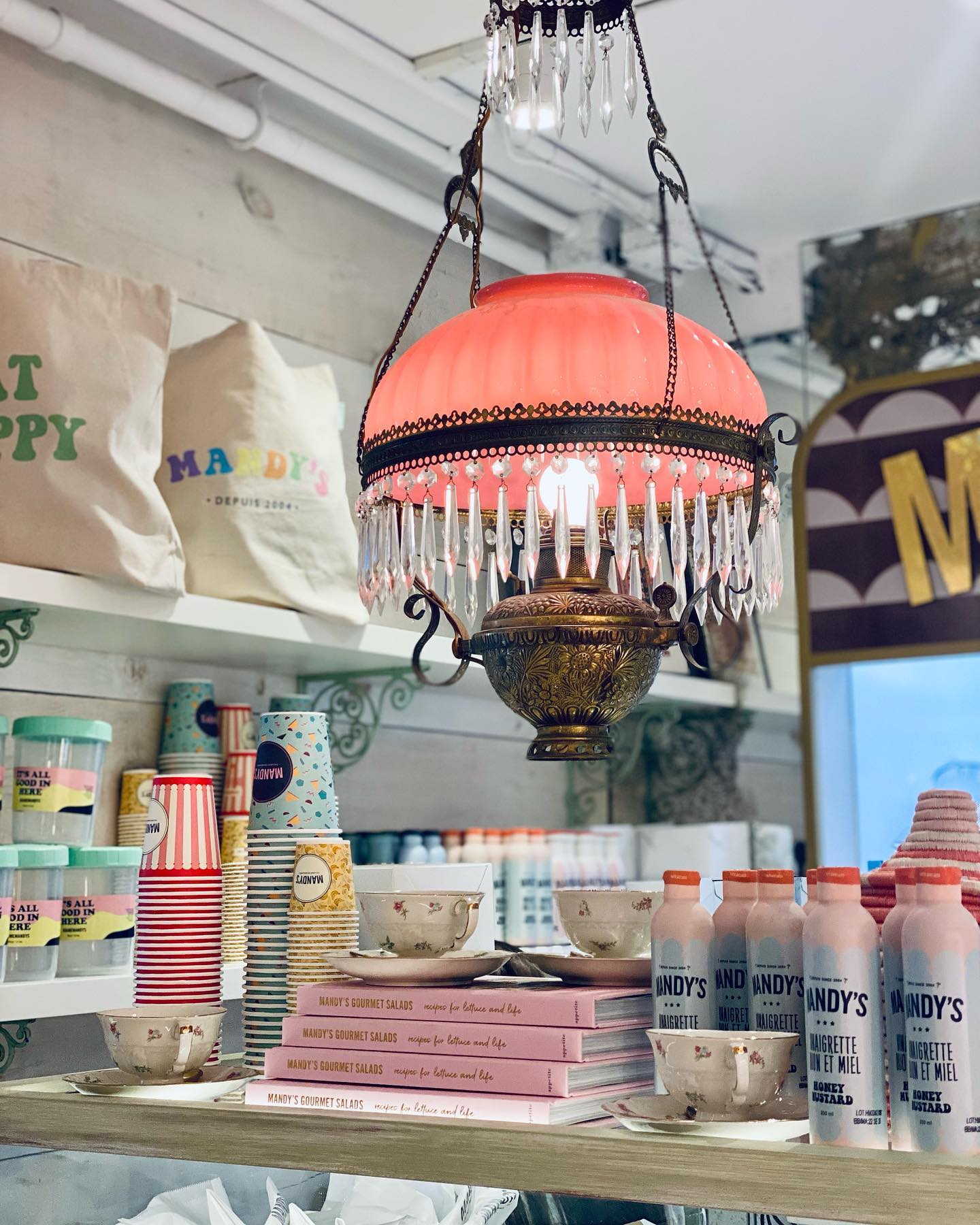
Rebecca, the company’s Designer, describes Mandy’s as a “gourmet” chain.
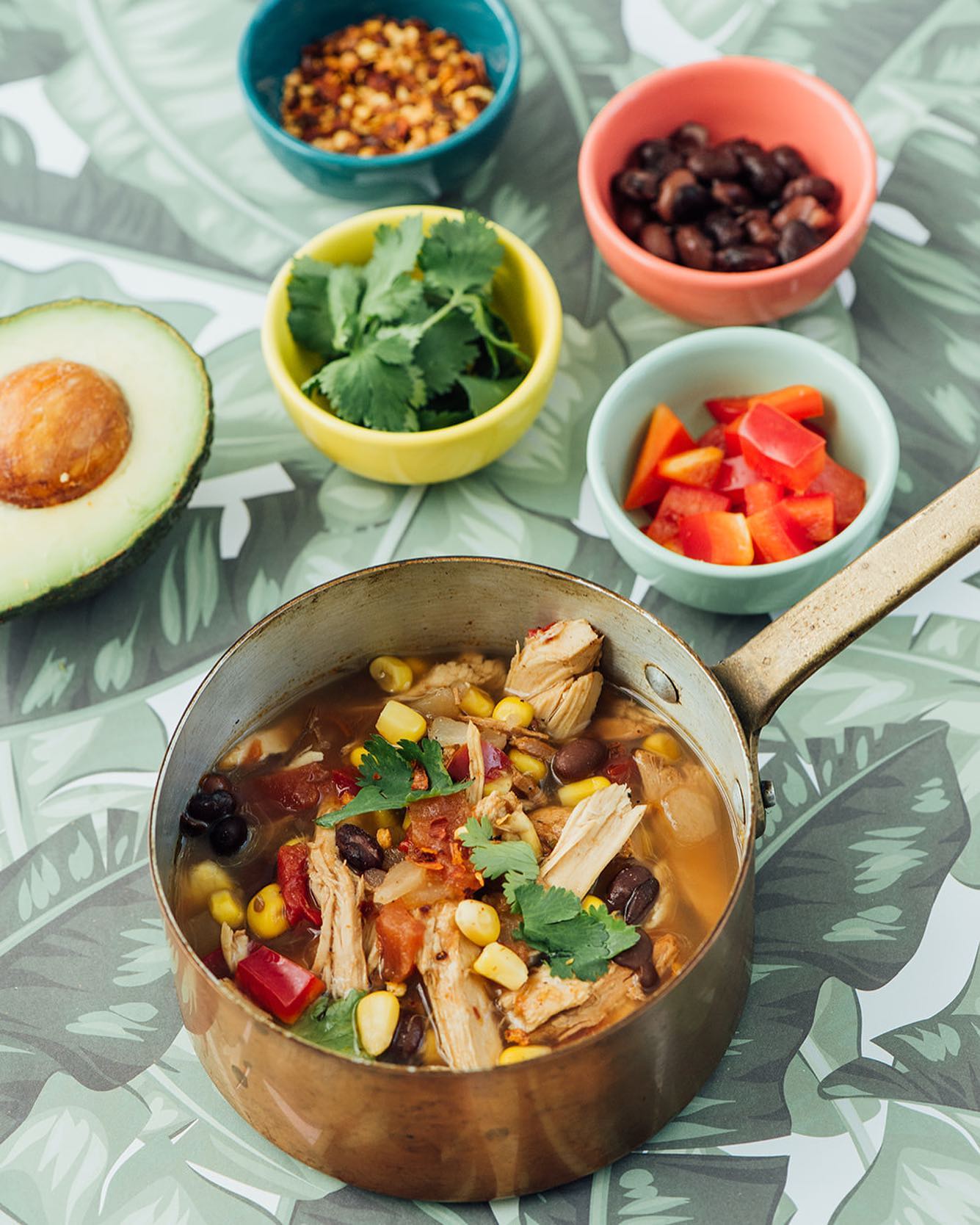
“We’ve prided ourselves in making high end, high quality, excellent ingredients and we’re a create-your-own salad concept,” she said. “We have many different signature salads that we also offer. We have grain bowls, we have smoothies and in the winter time we have soups and it’s a dine-in experience as well as a take-out model,” she said. “It’s a hybrid.”
The brand has a grab and go model of about 500 square feet and the largest location is 4,000 square feet in Old Montreal with seating for about 75 people.
“Our sweet spot moving forward is somewhere between 1,600 to 2,200 square feet,” said Mandy.
Brandon Gorman of JLL is handling lease negotiations for Mandy’s Gourmet Salads in Toronto.
Vanessa Fracheboud, President of Mandy’s, said she’s very excited to embark on the brand’s expansion journey.
“We’re looking forward to bringing our delicious salads to more people across the country because I believe that Mandy’s has so much potential. We are definitely ambitious and believe the world is our oyster,” she said.
“Ontario so far has been very welcoming and it’s been a huge success for Mandy’s since day one. Hundreds of people visiting and big lineups . . . We are looking at other potential locations and building our game plan.”
The company believes it can definitely match its Montreal presence with the potential of having at least eight in Toronto. The idea is to go beyond Montreal and Toronto.
“We’d love to do northeast U.S. as well,” said Rebecca. “We’ve always done very well with university students so our plan is to open up in university towns across the northeast whether it be Princeton, Harvard or Georgetown. We’re looking at New York City, we’re looking at Miami.”
Image: Mandy’s Gourmet Salads
Image: Mandy’s Gourmet Salads
So potentially how many locations can the brand grow to eventually?
“I think the sky is the limit,” said Fracheboud. “Hundreds of locations. But truly we envision about 40 locations in the next three to five years because we believe in the brand and in creating a different world where healthy eating is the norm.”
Mandy said the brand has always been a restaurant that serves all kinds of eaters with everything from a Lumberjack Salad which is full of bacon and turkey and chicken plus cheese to vegetarian and vegan options.
“We don’t discriminate against anybody’s dietary preferences or requirements,” she said. “I think another part of what makes our food offering so interesting is that it’s really internationally inspired. The world seems to be getting smaller and more accessible. We’re getting to know different cultures and the history of food and palates and ethnicities. It’s really interesting and fun to be able to represent that in our menu and I think that really resonates with our customers as well.”
International firm SAJO is the design-builder for all of Mandy’s locations, and will be handling build-outs of the new locations.
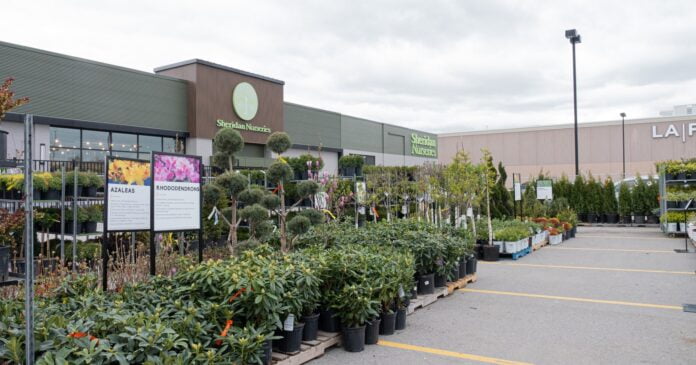
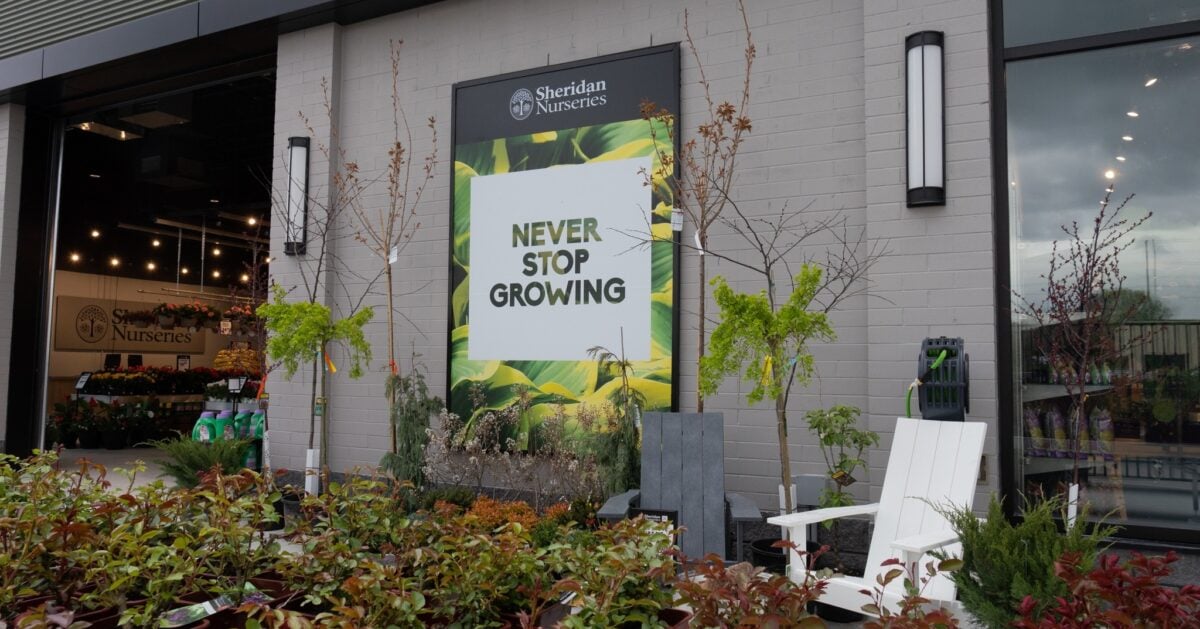
Ontario-based Sheridan Nurseries has opened a new concept Garden Centre in Aurora, Ontario as it celebrates 110 years of growing with landscape professionals and home gardeners.
The company says it is proud to continue to innovate and inspire with products and services to create dream landscapes and backyard havens.
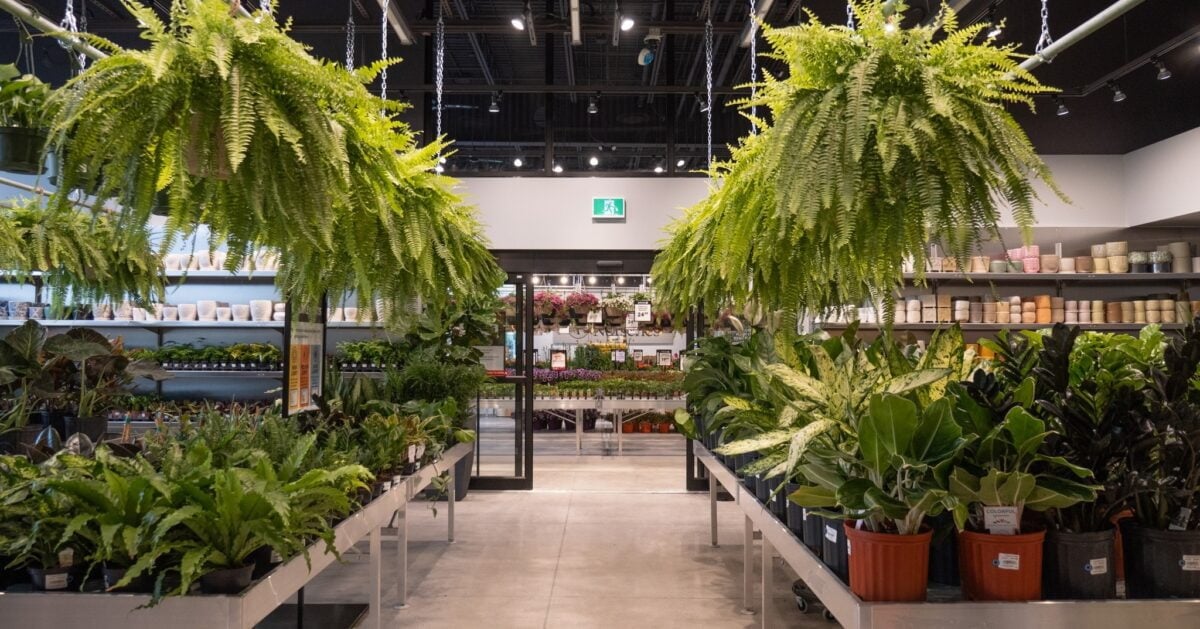
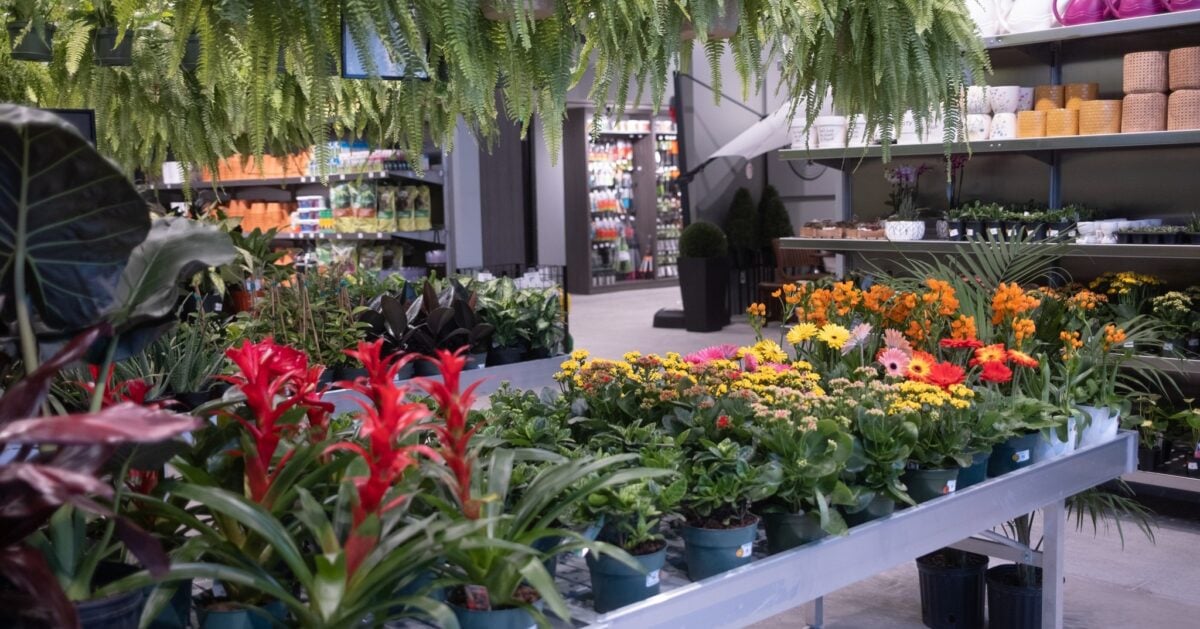
The new garden centre, which is the company’s eighth location, features:
A nursery featuring premium trees, flowering shrubs, evergreens and other hardy, ornamental nursery stock;
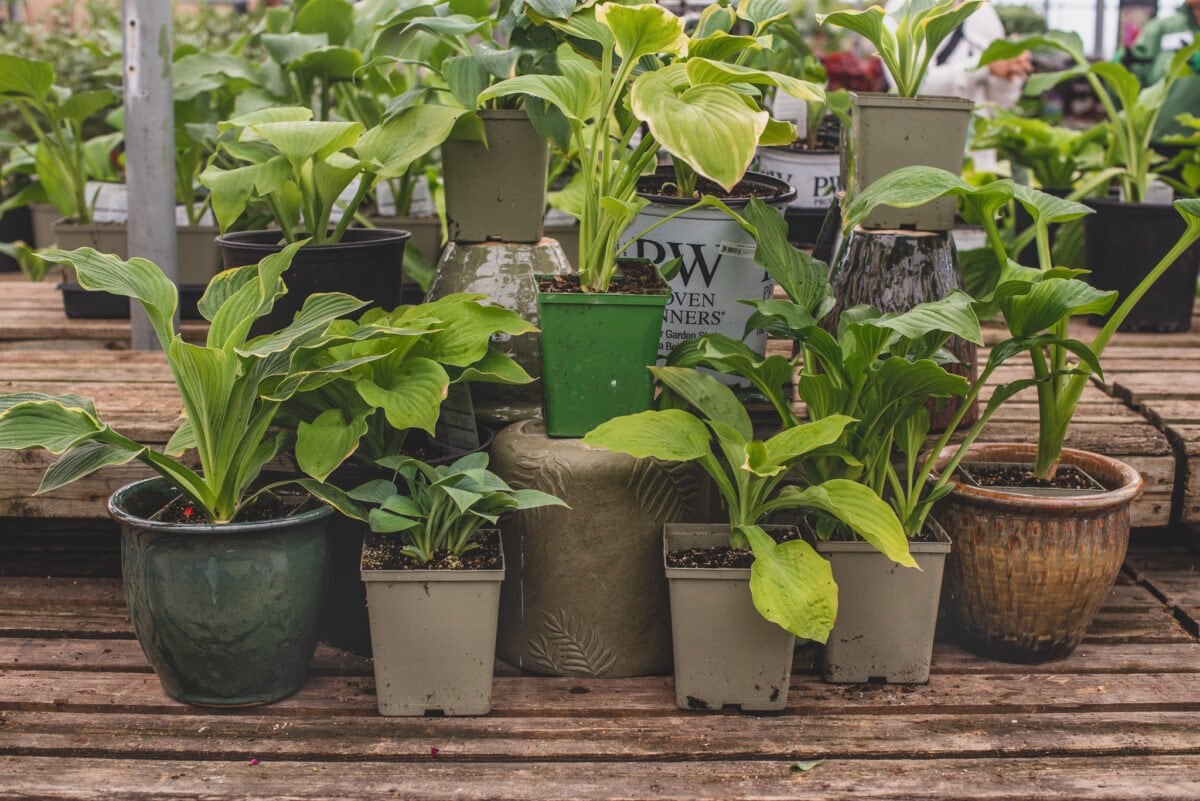
A wide selection of perennials and annuals to grow a garden of timeless beauty and colour;
A greenhouse featuring an exotic collection of tropical, foliage and flowering houseplants;
All the supplies and tools to set you up for success in your garden;
A collection of patio furniture, outdoor accessories, home décor and fashion.
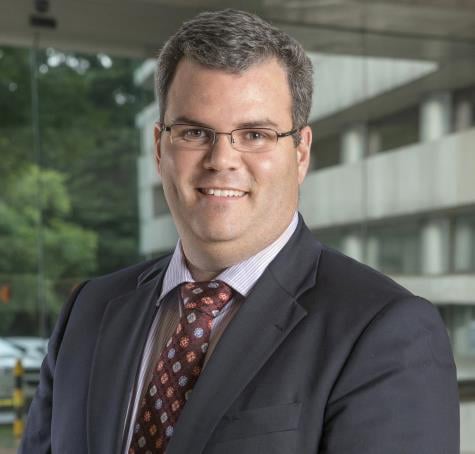
“We’re thrilled to be opening our newest location in Aurora,” said Colin Cruji, President and CEO of Sheridan Nurseries. “Sheridan Nurseries has been part of the Ontario landscape industry since 1913, and we’re excited to bring our expertise and passion for gardening to this vibrant community.”
Colin Cruji
Sheridan Nurseries is a local grower, wholesaler and retailer of plants, garden supplies, patio furniture and home decor products. It offers one of the largest assortments of annuals, perennials, and nursery stock in Southern Ontario. Sheridan grows over 1,200 cultivars of perennials in Norval, Ontario and hardy nursery stock on 900 acres in Halton Hills, Ontario, and ships 1.8 million plants annually to markets across North America.
Victoria Mulvale, Director of Marketing for Sheridan, said the company was started in 1913 by two landscape architects (Howard and Lorrie Dunington-Grubb ) who came from England with a vision of bringing the idea of an ornamental garden to the ‘wilds’ of Canada.
Victoria Mulvale
“It didn’t exist. There were no real formal gardens in Canada back then,” she said. “They quickly discovered that not only did we not have gardens already but we did not have the plant material that was hardy to the climate to be able to put together these gardens.
“So they purchased some land in Sheridan, Ontario which is now part of Oakville . . . and they started growing the plants and products that they would need to bring the vision of the ornamental gardens to life, or the English gardens.
“In 1913, they purchased 100 acres of land and they started cultivating ornamental plants and that was the beginning of Sheridan Nurseries.”
Image: Sheridan Nurseries
She said the new nursery hired accomplished Scandinavian horticulturist Herman Stensson as its foreman. The Stensson family continues to be owners of the Sheridan Nurseries today.
By 1926, the company had 250 acres and it continued to grow by adding farms in Georgetown, where it currently operates its farm production.
The newest Garden Centre in Aurora is located at 15630 Bayview Ave.
Design for the new Garden Centre was led by Burdifelik and Drew Mandel Architects, with construction managed by Structure Group.
The Aurora Garden Centre is supported by Sheridan Nurseries’ 900 acres of farm production in Halton Hills, Ontario.
The current nurseries are all in Southern Ontario.
Mulvale said the Garden Centre in Aurora is a test.
“It’s a new direction for how we’re bringing the Garden Centre to life in communities. It’s not on sprawling acres of land like you would traditionally see a garden centre. It’s a standalone building within a shopping centre. It’s a new approach. We’re going to see how that goes and that will sort of lead us into further development based on the success of that location and seeing how that one goes and how we need to modify or shift,” she said.
Craig interviews Toronto-based jeweller Alan Anderson, who discuses how he got started in the jewellery industry, his new atelier on Jarvis Street, and future plans which will include the launch of a handbag line. They also discuss the recent Royal Coronation and jewellery seen on various attendees.
If you prefer to listen to the audio version, it is available below:
The Interview Series audio podcasts by Retail Insider Canada are available on Apple Podcasts, Stitcher, TuneIn, Google Play, or through our dedicated RSS feed for Overcast and other podcast players. Also check out our The Weekly audio podcast where Craig and Lee discuss popular content published on Retail Insider which is part of the The Retail Insider Podcast Network.
Featured during this interview:
Alan Anderson, president/designer at Jewels By Alan Anderson
Drop us a line at Craig@Retail-Insider.com. You can also rate us in Apple Podcasts or recommend us in Overcast to help more people discover the show!
Background Music Credit: Hard Boiled Kevin MacLeod (incompetech.com). Licensed under Creative Commons: By Attribution 3.0 License. http://creativecommons.org/licenses/by/3.0/
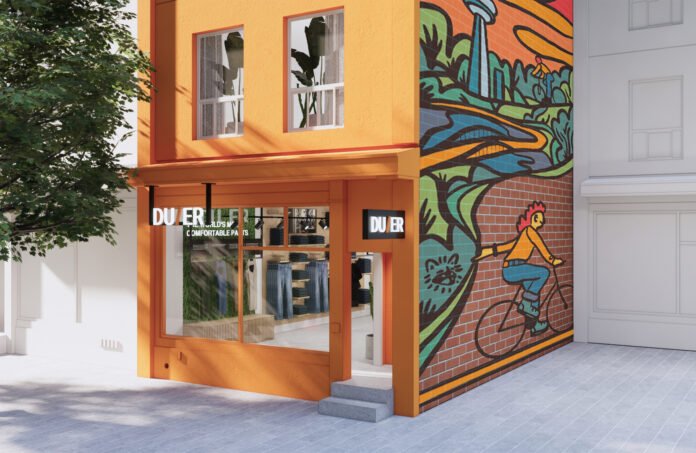
Rendering of DUER at 44 Ossington Ave (Image: DUER)
Vancouver-based apparel brand DUER is set to open a new location on Ossington Avenue in Toronto.
The new storefront at 44 Ossington Ave was previously home to Lost & Found, a men’s premium retailer, which will be moving down the street to 12 Ossington.
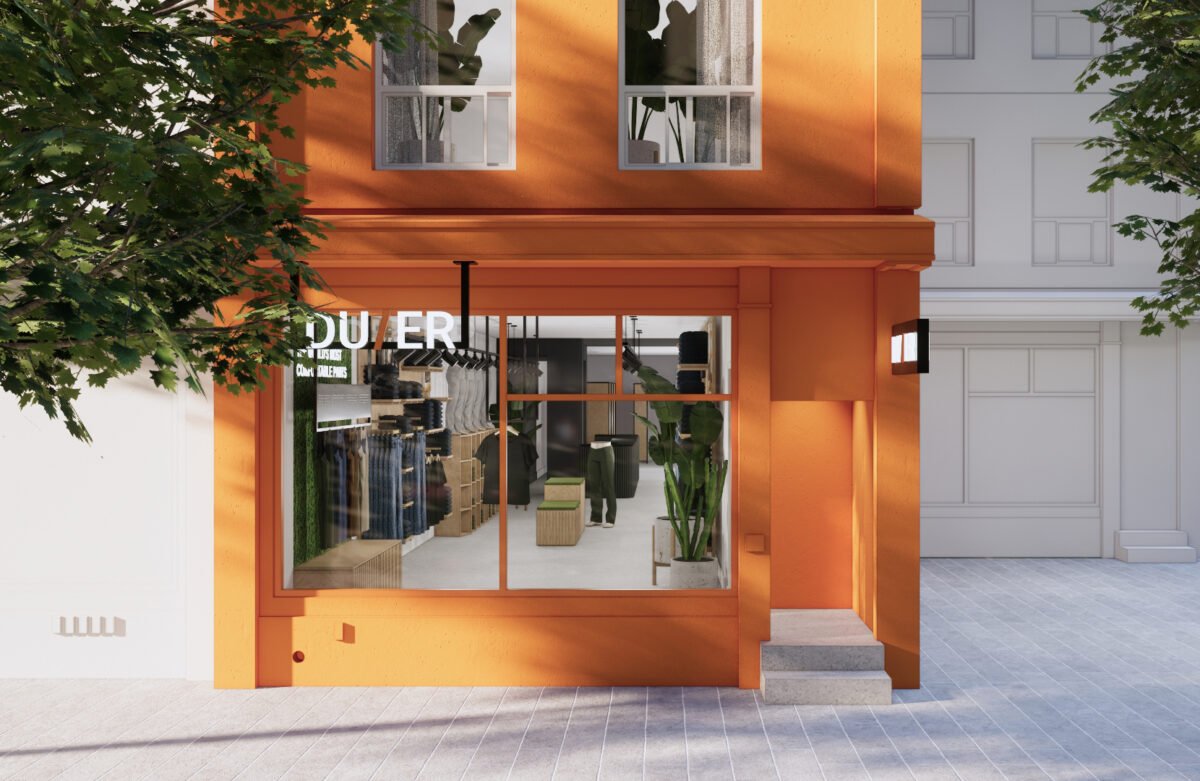
The Ossington DUER store will be hard to miss, with the exterior designed in the brand’s signature orange and will feature both interior and exterior murals painted by a local Vancouver artist.
Rendering of DUER at 44 Ossington Ave (Image: DUER)
DUER’s location will be replacing the current Queen St. West store, which was impacted by a number of factors over the last 24-months. The previous store was situated just over a block away from Queen & Spadina, which will be impacted for years with the Ontario Line subway project.
With the brand moving to a new location in an up-and-coming neighbourhood, it’ll allow for DUER to keep its database of customers while also updating the retail concept to adhere to its future strategy.
DUER recently opened a pop-up at Square One Shopping Centre in Mississauga, and will be planning to double its store count from five to 10 this year.
Gary Lenett, Co-founder and CEO of DUER, shared in a recent Retail Insider article discussing the expansion of the retail footprint that the opportunity in the GTA is top of mind.
“The Greater Toronto Area is Duer’s fastest growing Canadian market so we’re optimistic about how these stores will perform,” said Gary Lenett, Co-founder and CEO of Duer. “We see our new retail footprints as a way to connect people with the brand but also as community hubs where we can bring the Duer ethos to life.”
The retailer has locations in Vancouver, Toronto, Calgary, Denver and Los Angeles. The Calgary, Denver and Los Angeles stores opened during the pandemic.
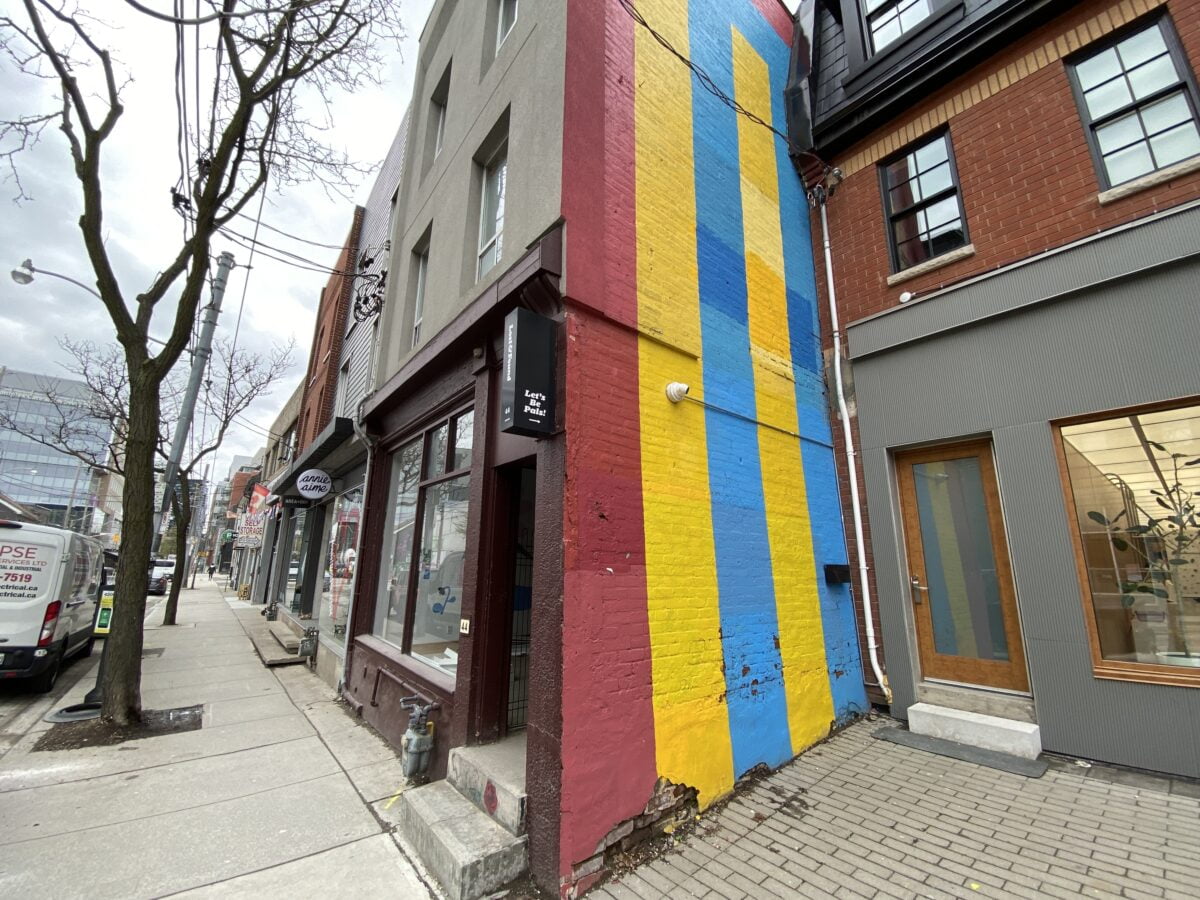
Former Lost and Found at 44 Ossington (Image: Dustin Fuhs)
The Ossington neighbourhood is set to see more growth, as brands continue to sign long-term agreements to set up locally-inspired retail concepts. ECCO, which is coincidently next-door to the new DUER location, opened a community hub in 2022 as a way to connect with a younger demographic in the neighbourhood.
Ossington is adding a number of new retailers to the neighbourhood, including Grit & Grace, Clocks and Colours, Mejuri and Hobbiesville.
“The data is clear. Canadians are buying less food, and that trend won’t end soon.”
The release of retail data by Statistics Canada last week has provided valuable insights into the dynamic nature of food retailing in Canada. Contrary to initial assumptions, the data reveals intriguing fluctuations in Canadian food and beverage retail sales per capita since 2017, challenging prevailing expectations and necessitating a closer examination of the underlying factors at play.
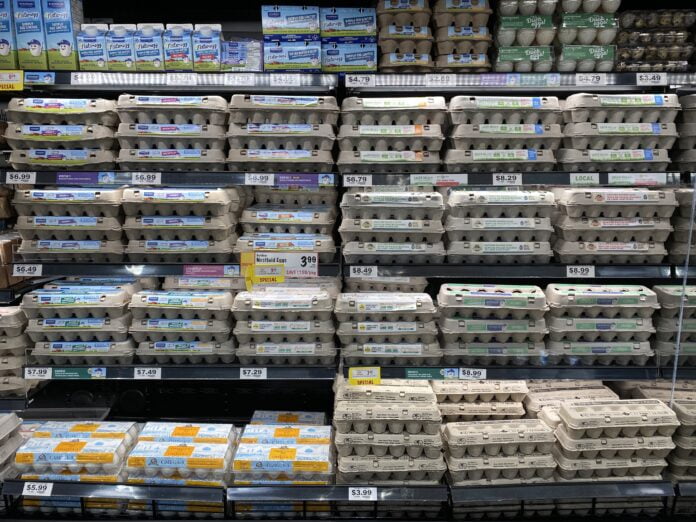
The figures indicate that in March 2017, sales per capita stood at $258.41, experiencing a marginal decline to $257.05 in March 2018 and a further decrease to $256.61 in March 2019. However, a notable shift occurred in March 2020, with sales per capita surging to $309.19. This significant increase can be attributed to the emergence of the COVID-19 pandemic and associated lockdown measures, which led to changes in consumer behaviour and a reversal of the preceding downward trend in food retail sales.
Post-2020, the data shows a resumption of the downward trajectory in food retail sales. In March 2021, sales per capita dropped to $277.03, indicating a decline from the previous year. This decline can be attributed to the lingering impact of the pandemic, which disrupted various industries, including the retail sector. Furthermore, in March 2022, sales per capita experienced a further decrease to $257.55, signifying a continuation of the downward trend. The most recent available data from March 2023 reveals a further decline to $237.20, marking the lowest point in recent history. These figures suggest that Canadians are spending less on food at grocery stores, despite facing higher food prices.
But here is another piece of valuable data. Recent NIQ data indicates a 2% decline in food sales by volume in Canada in the last year, further emphasizing the reduction in food expenditures among Canadians. This trend raises several considerations. One possibility is that Canadians are increasingly relying on alternative food sources, such as ordering meals from restaurants or utilizing unconventional channels to fulfill their food needs. However, given recent menu prices, this explanation seems unlikely. Another possibility is that individuals are opting for lower-cost alternatives and seeking out independent stores that cater specifically to the needs and preferences of immigrant communities. Private labels or store brands are and will increasingly become more popular. This observation suggests a potential increase in the number of food businesses serving these communities compared to previous periods, indicating a shift away from mainstream food sources.
Furthermore, the data suggests that Canadians may be wasting less food, particularly with the rise in remote work arrangements. The consumption of leftovers and repurposing of food could contribute to reduced food waste, although this is purely speculative. The occurrence of “shrinkflation”, whereby product sizes are reduced without a corresponding decrease in prices, may also play a role in reducing waste. However, the impact of these factors on the overall decline in food retail sales requires further investigation.
Another concerning possibility raised by the data is that Canadians may be consuming less food or relying on food banks more frequently. Reports of long lines at food banks and increased usage across the country indicate a potential rise in food insecurity. While it is unlikely that increased gardening activities alone could explain such a significant shift in the data, the underlying reasons for the increased reliance on food banks is troubling nonetheless.
Bottom line, if people think grocers are riding the inflation wave with their food sales, they should think again. It’s just not happening. Loblaw, for example, saw its food sales go up 3.1% in Q1, which is significantly below our food inflation rate. Grocers are treading water with food sales, at best. Record profits are being recorded, but it’s not because of food sales.
Canadians are buying less food and, chances are, that trend is likely to continue for a while. Just like in early 80s, consumers are programmed to seek deals, all the time. This is what the market is doing to all of us right now. We are all becoming better bargain hunters, for those of us lucky enough to afford the food we need to eat.
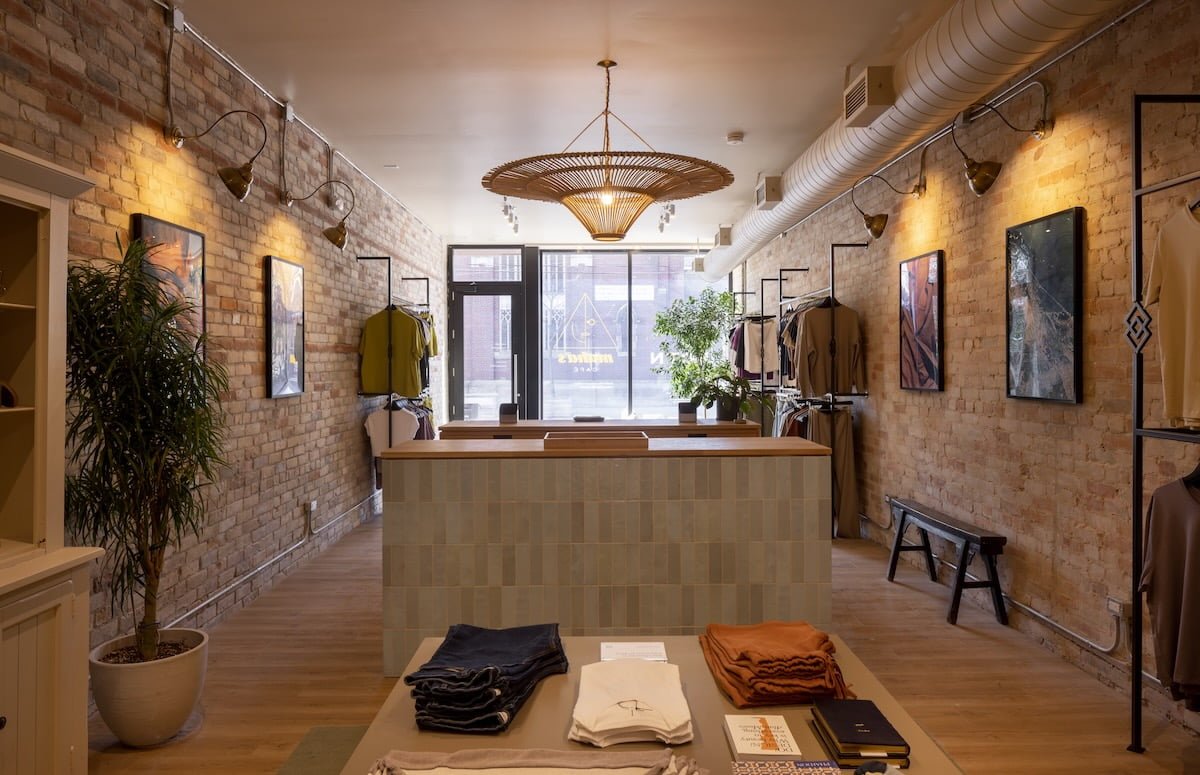
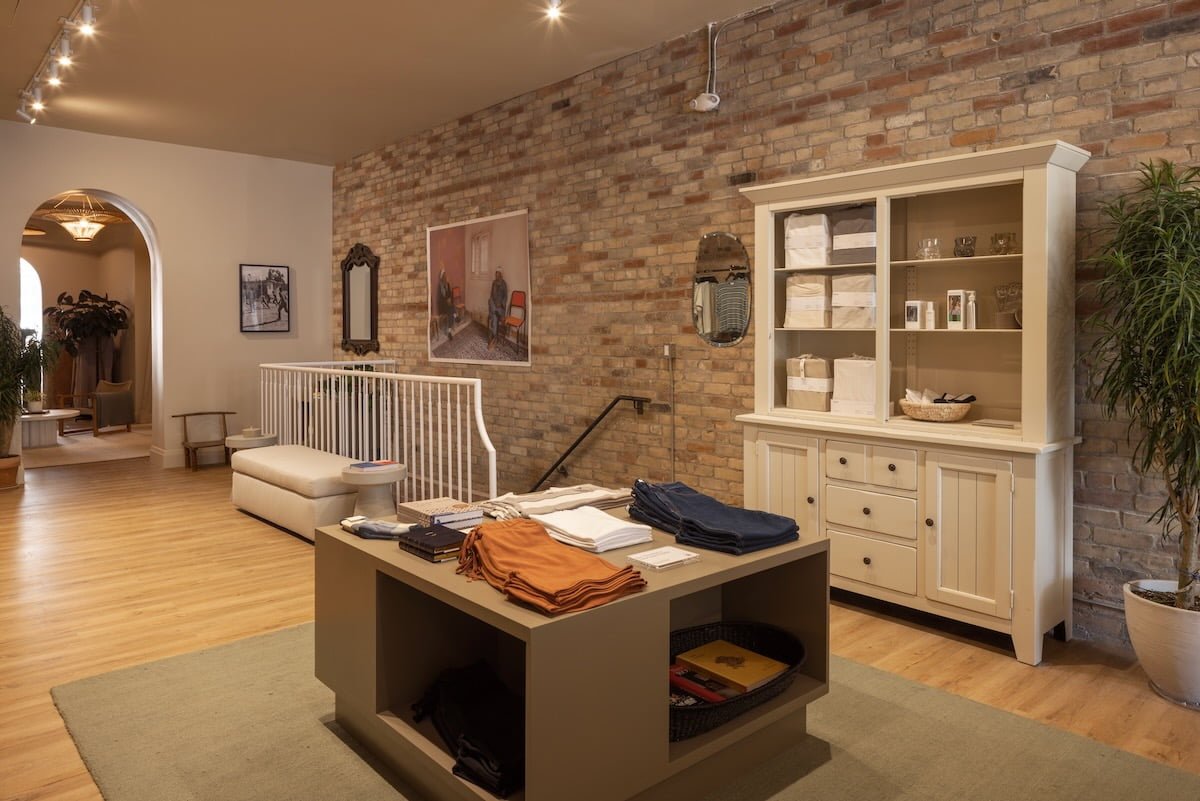
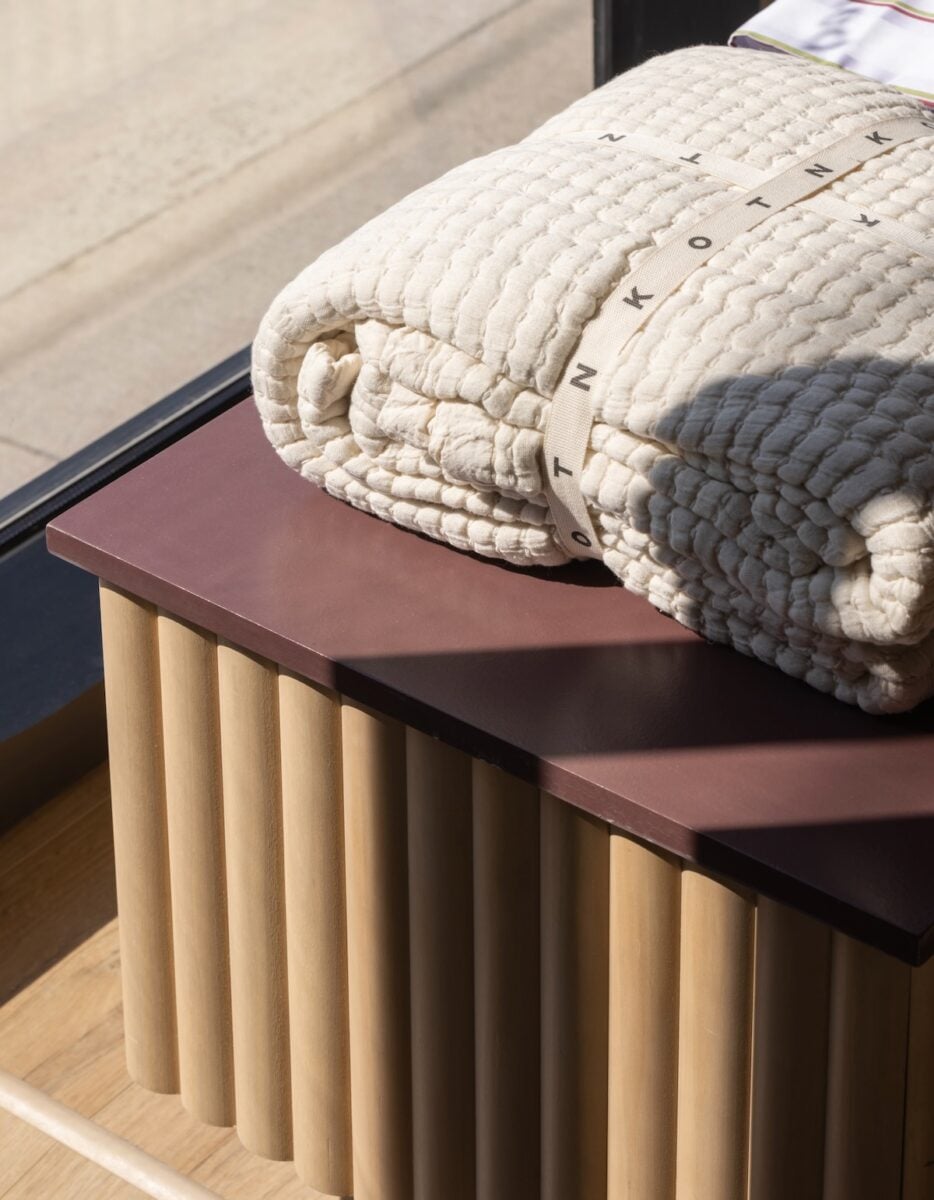
Toronto-based brand Kotn, which sells high-quality everyday wear made from authentic Egyptian cotton, is continuing to expand its retail footprint in Canada with the recent opening of a new, and unique, location in Leslieville in Toronto.
It is the retailer’s fifth location in the country.
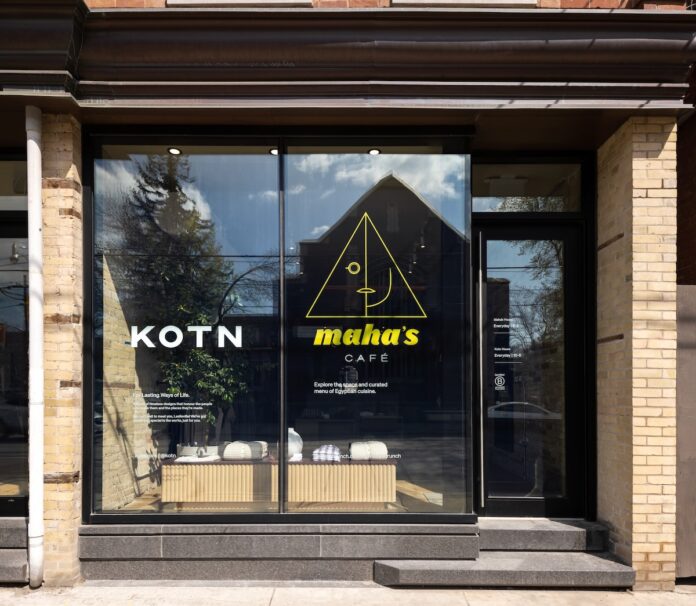
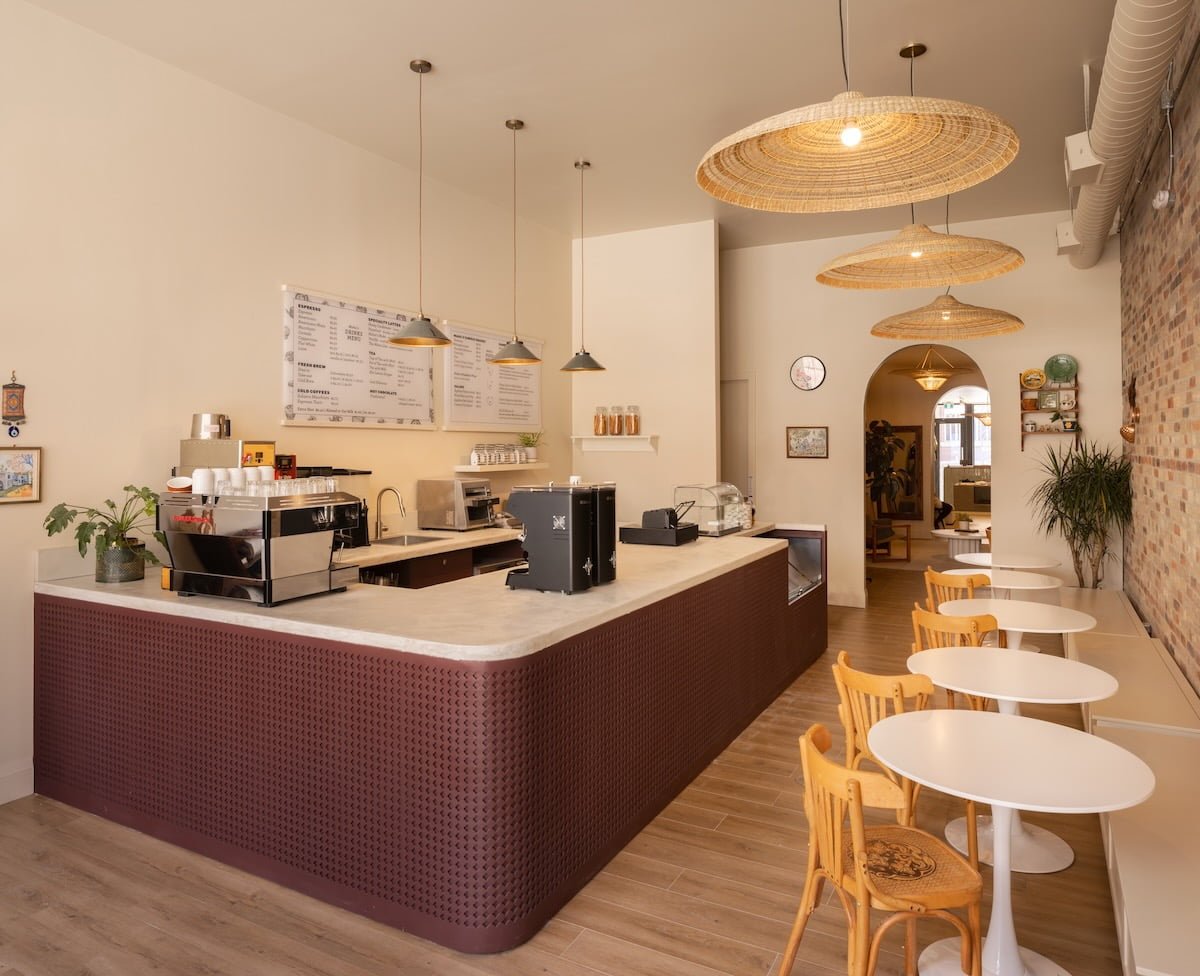
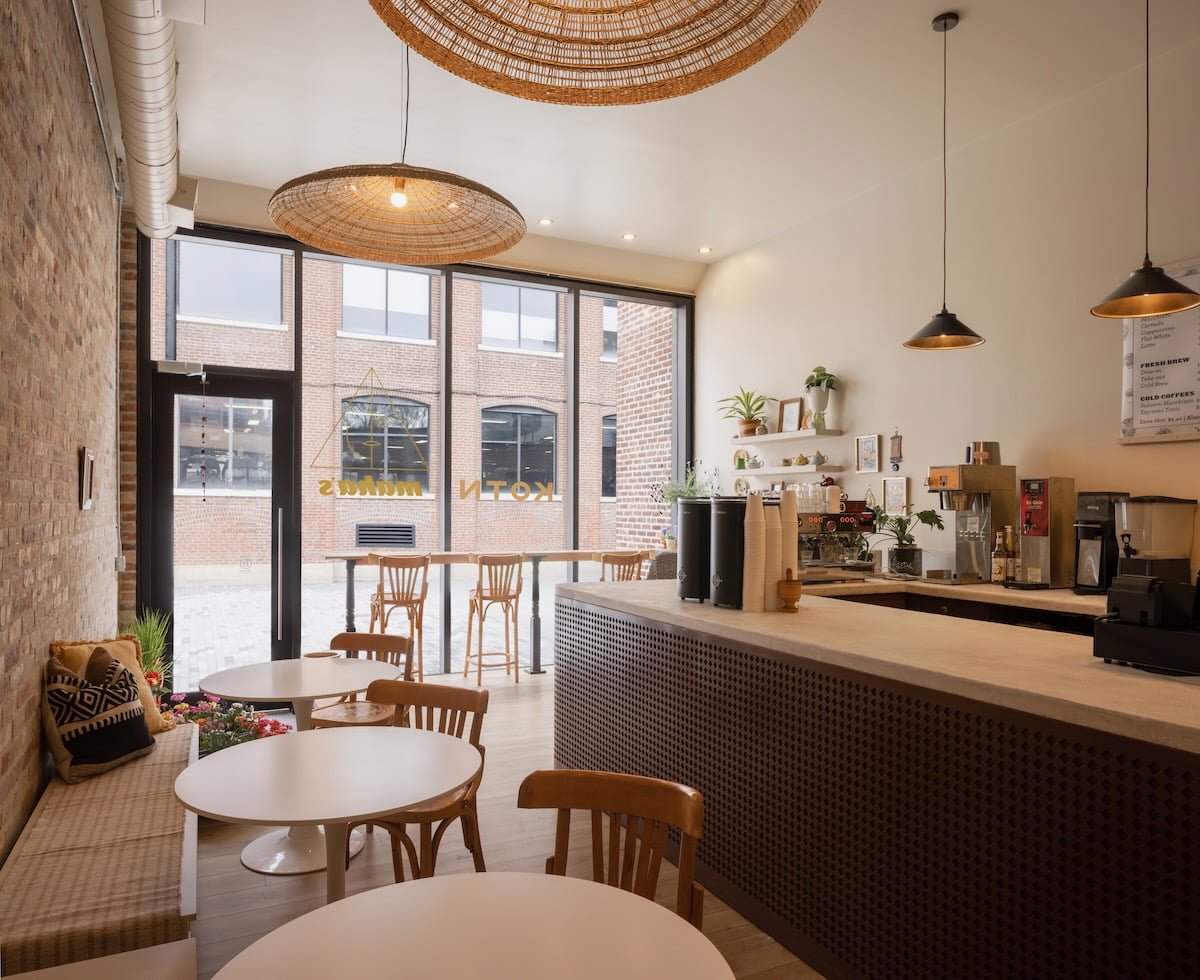
Mackenzie Yeates, one of the co-founders and Chief Brand Officer, said the new Kotn space includes the iconic Toronto/Egyptian restaurant Maha’s Brunch.
Kotn also is located in Toronto (Trinity-Bellwoods), Montreal, Calgary, Vancouver.
It also has locations in the United States in Brooklyn in Cobble Hill and Highland Park in Los Angeles.
Kotn launched in Toronto in 2015 when founders Helali, Mackenzie Yeates and Benjamin Sehl noticed a gap in the marketplace – high-quality, well-fitting basics weren’t affordable for everyday wear.
Mackenzie Yeates
“We thought it would be a great destination to have a second Kotn location and also be able to promote some of our home goods as well as people are buying homes in this area (Leslieville) and starting up their families and settling down,” said Yeates.
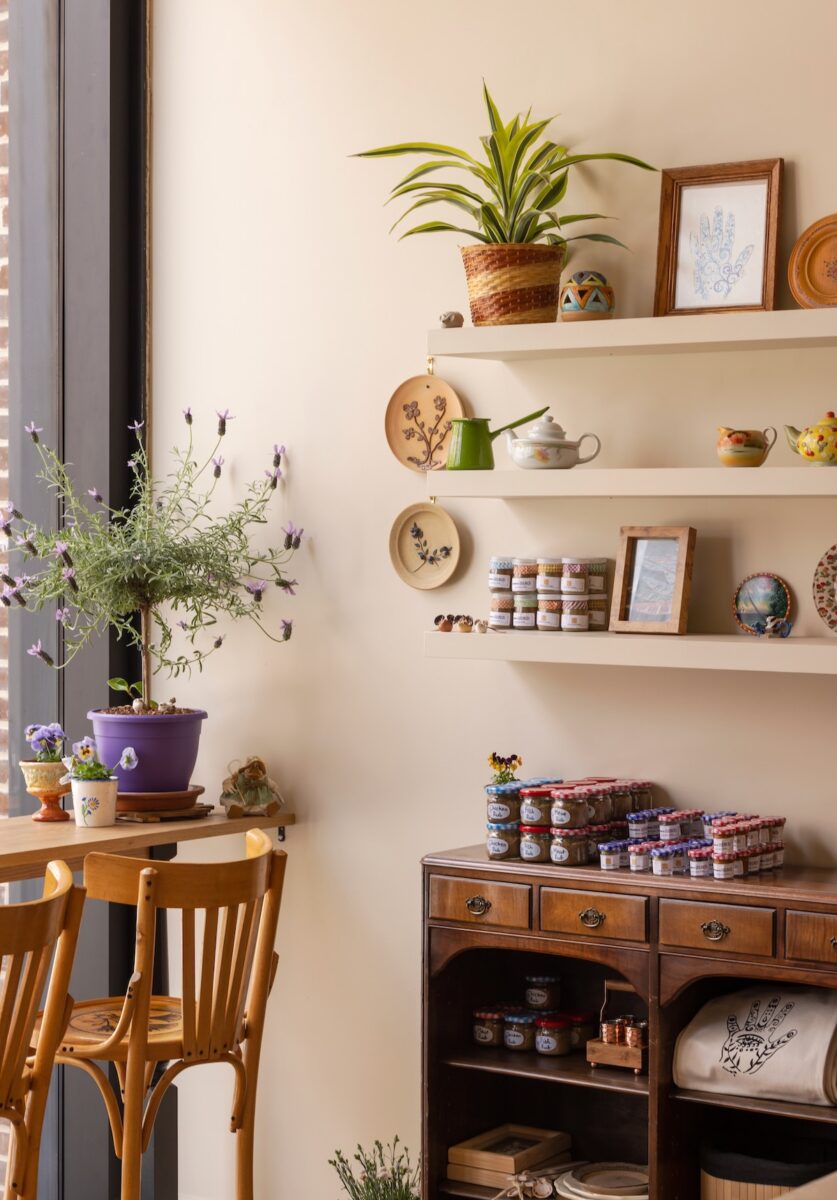
“The most unique thing about this store is we have a cafe space in the back. This is our first store that has some sort of food and beverage concept within it. We’ve partnered with a restaurant called Maha’s. They’re based in the east end of Toronto as well. It’s a family operation. They’re Egyptian. So it’s Egyptian inspired food. We started all of our production in Egypt. Our CEO and my partner Rami (Helali) are Egyptian so it felt very on brand for us to work with them. We’ve always really loved their restaurant and it’s hugely popular in this area. There’s massive lineups every day of the week. Now you have the opportunity to come and get some of Maha’s product at Kotn.
“The concept is more of a cafe plus take away food. They don’t offer their full menu but we do have seating and some outdoor patio seating out in the back as well. That’s really unique.”
Yeates said the Leslieville store also has more of its home offering available than its other existing stores.
“We’re hoping to build that out further as well,” she said. “We have some of our artisanal product and our bedding available and then we have some exclusive photo prints from our team and things like that you can’t find in other Kotn stores.”
Yeates said the company plans to expand further.
“We’re really enjoying the process of opening stores. From a business perspective, it’s been really good because I think post-pandemic people are craving that in-person experience again and also as our brand developed it’s a great opportunity to be able to give people a taste of our full brand experience from the interior design and interaction with the store staff and being able to drop in and have a coffee and meet your friends,” she said.
“We’ve always really had the dream of building Kotn into a complete lifestyle brand and have interesting experiences and that type of thing and having physical locations allows us to do that. We are planning to open more stores. We have some thoughts in the works. Nothing fully nailed down yet for the rest of this year and going into next year but some things underway.”
Yeates said the strategy for opening stores is to be in locations where Kotn’s customers live.
In a LinkedIn post, Helali, said: “My parents left Canada shortly after I moved back to Toronto to start Kotn. Starting a business without having them around was hard and other than missing them in general, I missed my mom’s cooking (she makes the best Molokheya in the world, this isn’t up for discussion ha). I would go to Maha’s often to scratch my itch for Egyptian food and over the last 7 years, the family behind Maha’s that has made it a successful Michelin rated restaurant, have become like extended family to me (Maha Mourad Barsoom, Monika, Mark and Hany.) We’ve been dreaming about bringing our two Canadian/Egyptian brands together in a beautiful space celebrating our shared heritage, and that day is finally here.”
The company opened its first bricks and mortar store on Queen St W, in Toronto, in 2017, in about 800 square feet.
“We’re an impact-driven lifestyle brand. We focus on apparel and home. We got started around a seemingly very naive mission to try to change how things are kind of created and consumed from the bottom up,” said Helali in a previous Retail Insider article.
“What we mean by that is really, really looking at how products were made and fundamentally altering how they were. We felt like the way that supply chains were built, the way products were built, were creating a lot of negative impact on the people and the environments in which they’re made.
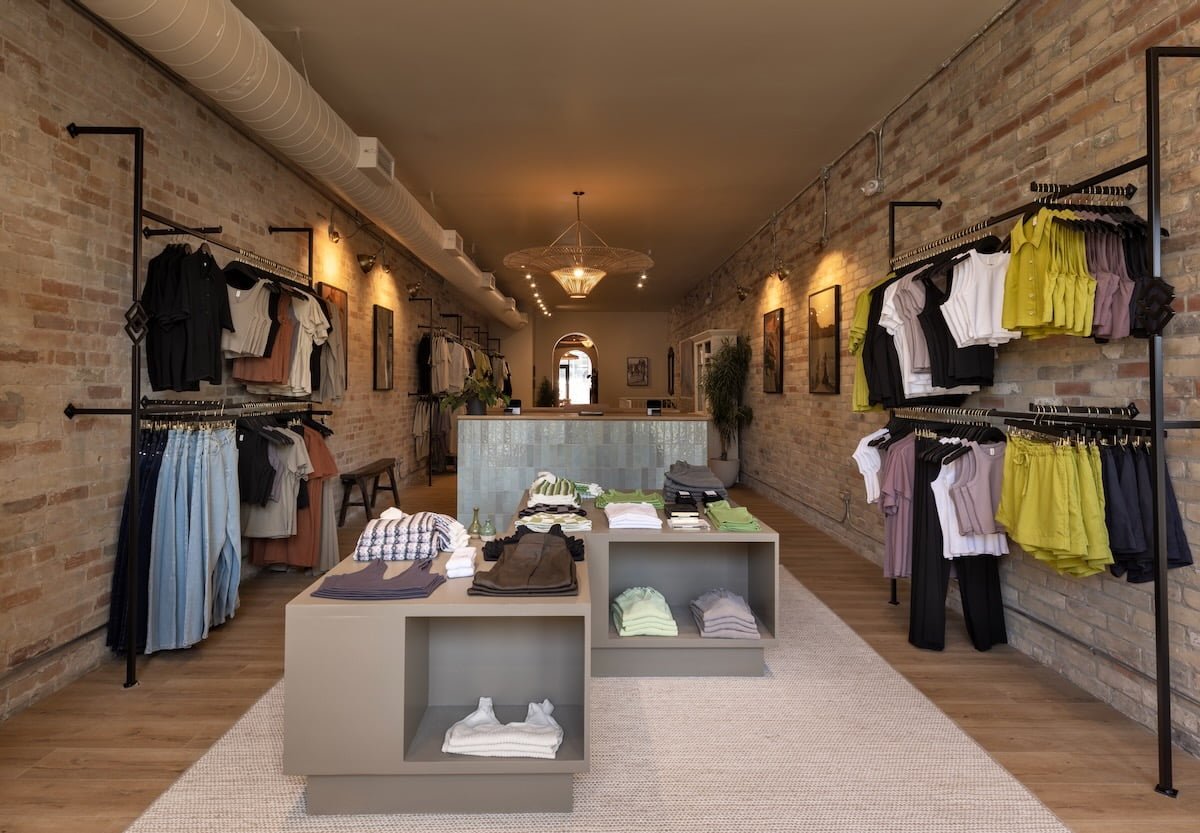
KOTN Leslieville (Image: Kotn)
“So for us, we work with all five tiers of our supply chain directly, we work with small holder farms in Egypt, since then we’ve expanded to other countries, but we got our start with Egyptian cotton and that’s where the vast majority of our product is made today. And we work directly with over 2,000 small holder farms, buy the cotton directly from them and work with every single part of our supply chain to make sure that people and the environments are treated with respect. We’re a majority digital online company but it’s been in our plans for a very long time to continue our retail expansion but we had to put it on pause for a couple of years as we were dealing with the thing everyone was dealing with (COVID).
“I think as a society we crave authenticity and I think it’s been a core and integral piece of our business. From the very beginning for us, truthfully, it’s been around the work that we do on the ground and the impact. To date, we’ve built 15 schools in rural Egypt. That’s a measurable impact that we’re going to have on generations to come and that’s really what makes us internally tick and I think what attracts our community for the work that we’re doing.
“For us, the product, although obviously integral and the thing that customers get to interact with, it starts with how we change what we want to see changed in the world and then everything else follows. And we do that through the supply chain, so through the product. We’ve been very fortunate to build a very strong community over the years and we do that by really focusing on how we can make sure the communities we operate in are better off in 50 years than they are when we get started.”
Rennaï, which describes itself as a new retail concept set to reinvent the shopping experience for the beauty and wellness industry, will open its first flagship store in August 2024 at the new retail destination of Royalmount in Montreal.
The 36,000-square-foot space will become the destination par excellence to access a wide range of products and services including traditional aesthetic treatments as well as dermatology and nutrition services. The holistic and sustainable boutique will also include a perfumery zone and a revitalization area, said the brand which is supported by its investors Carbonleo and L Catterton Real Estate.
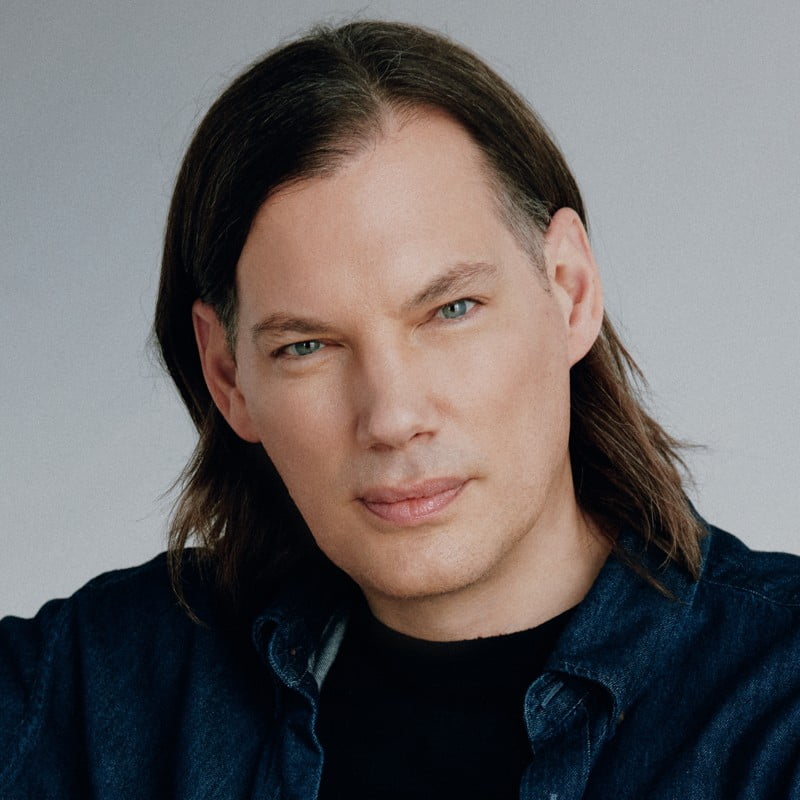
Christopher Novak
“Inspired by the French word Renaissance, meaning rebirth and renewal, we envision our namesake as our muse. Rennaï is the goddess of rebirth, science, and self-expression, encouraging the practice of self-care and self-love. Our holistic approach to beauty and wellness will empower our clientele to prioritize self-care and redefine the process. Rennaï will simplify the consumer’s routine while enhancing and inspiring a heightened journey in an inspiring and unparalleled destination,” said Christopher Novak, President and Creative Director.
“Rennaï exists in between beauty retail and self-care services, providing consumers with a 360-degree approach to elevate and enhance their traditional experience. More than ever, we are witnessing the massive global growth in beauty and wellness categories, Rennaï addresses the significant white space by introducing a concept that encourages customers to invest in their own well-being by allocating more time in an environment that focuses on prioritizing and personalizing their complete routine within a single location.”
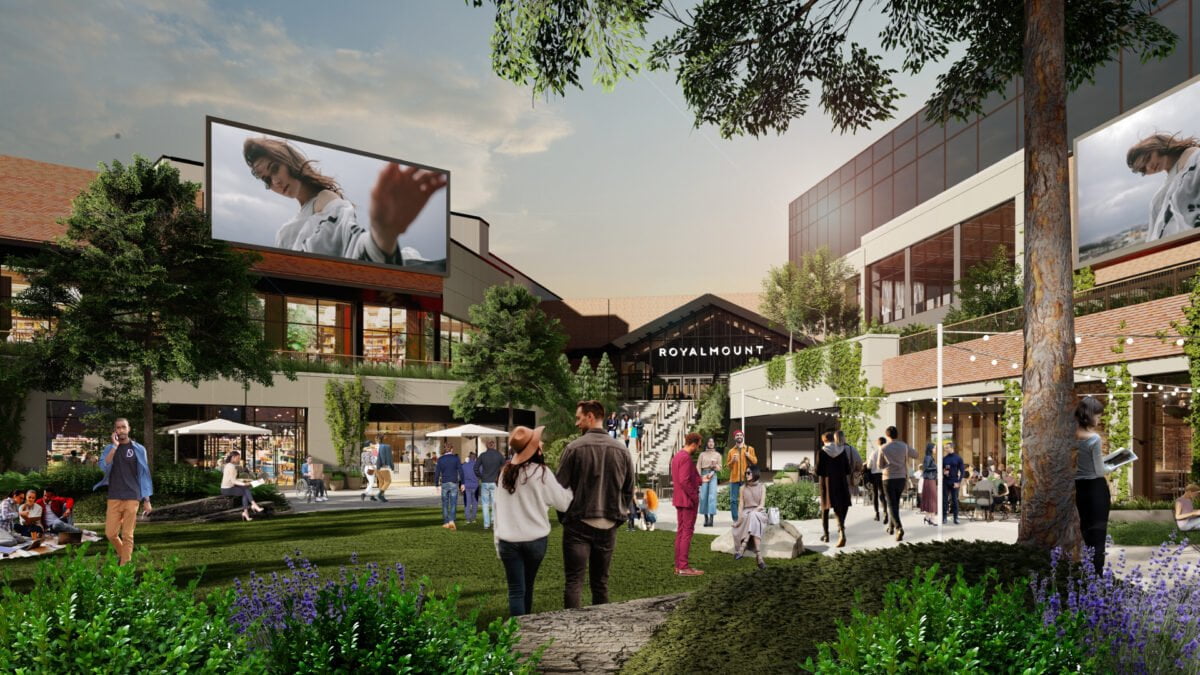
Royalmount (Rendering: Carbonleo)
Located in Montreal’s Midtown district, Rennaï will join the Royalmount’s 170 businesses – including luxury brands like Louis Vuitton, Tiffany & Co., and Gucci – more than 60 restaurants, offices, a hotel as well as public green spaces. Royalmount, which is funded by Carbonleo and L Catterton, will become the first 100 per cent carbon-neutral mixed-use destination in America and the largest LEED Gold retail project in Canada.
Following its opening, Rennaï said it will introduce its concept in nine additional locations in North America by 2028, including within several major American cities.
“Recognizing that today’s consumers expect a shopping experience that goes beyond a simple product purchase. Self-care involves not only the items and services an individual uses, but also their approach to work, life and play. Royalmount provides the ideal location for our first flagship, as it will enhance people’s daily lives, transforming the experience into one of accessible luxury and immersive community connection,” said Novak.
“Located in Montreal’s midtown, Rennaï will join over 100 of the world’s most coveted brands complimented by an array of premier restaurants, alongside an office campus, a hotel, and a serene city park as part of Royalmount, the first 100 per cent carbon-neutral mixed-use development in the Americas and the largest LEED Gold retail project in Canada.
“Rennaï is poised for growth to become a prominent player in the beauty and self-care industry. With our upcoming Montreal location opening in 2024, we begin our journey to establish ourselves across North America by carefully curating our next locations to align with our progressive vision and prioritize the customer experience.
“Rennaï will be more than just a shopping experience. We place advice and consultation at the core of what we do. Our digital experience will serve as a reliable resource in an overcrowded online landscape, providing a smooth and hassle-free experience to customers, whether they choose to engage with us in person or remotely. Our synergistic approach will cater to customers’ personalized schedules and preferences. As we expand, we will remain closely connected to our audience to ensure that we continuously anticipate and meet their needs and expectations at every location.”
Rennaï said it will partner with brands with captivating stories and strong messages. An e-commerce platform and immersive experience is being developed for launch, promising customers an enjoyable, synchronized and streamlined experience in every interaction with Rennai’s team, products and services.
Image: Royalmount
Andrew Lutfy, Managing Director of Carbonleo and visionary of Royalmount, said Rennaï brings together art, science and nature.
“In addition to offering state-of-the-art beauty products as well as a wide range of well-being services, Rennaï offers a space allowing its customers to escape the whirlwind of daily life, all in a pleasant environment offering a harmonious experience that promotes physical and emotional well-being,” he said.
Mathieu Le Bozec , Managing Partner of L Catterton Real Estate, said that with the significant growth of the beauty and well-being fields around the world, Rennaï is tackling a significant unexplored area of the market identified by its study of consumption, and brings together all the services and products so desired by consumers in one place.
Carbonleo is a private Quebec real estate development and management company. Founded in 2012, the company has more than 175 employees and already has major projects to its credit, including Quartier DIX30.
L Catterton is a market-leading, consumer-focused investment firm managing more than $33 billion across three multi-product platforms: private equity, credit and real estate. Founded in 1989, the company has made more than 250 investments in some of the world’s most iconic brands.