The Interview Series podcast by Retail Insider Canada is available on Apple Podcasts, Stitcher, TuneIn, Google Play, or through our dedicated RSS feed for Overcast and other podcast players. Also check out our The Weekly podcast where Craig and Lee discuss popular content published on Retail Insider which is part of the The Retail Insider Podcast Network.
Drop us a line at Craig@Retail-Insider.com. You can also rate us in Apple Podcasts or recommend us in Overcast to help more people discover the show!
Background Music Credit: Hard Boiled Kevin MacLeod (incompetech.com). Licensed under Creative Commons: By Attribution 3.0 License. http://creativecommons.org/licenses/by/3.0/
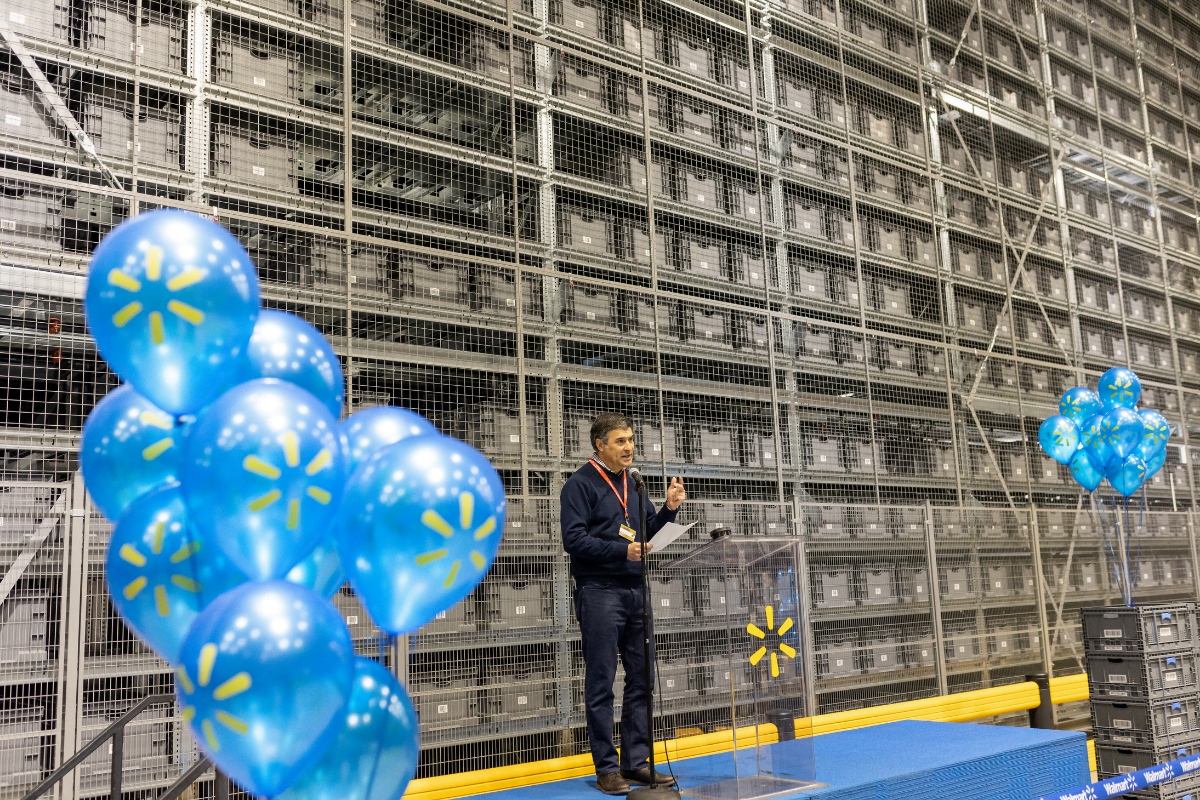
Walmart Canada at Hillside Shopping Centre in Victoria, BC (Image: Walmart Canada)
Walmart Canada has named Gonzalo Gebara as its new President and CEO, effective January 30, 2023, pending work authorization.
Judith McKenna
“Gonzalo is an experienced retail leader with extensive knowledge across the industry and our business. Under his leadership, he led the transformation of the business in Chile, strengthening our omnichannel capabilities and developing an ecosystem of services for our Chilian customers,” said Judith McKenna, President and CEO, Walmart International, in a statement.
“Gonzalo is ideally suited to lead Walmart Canada as it continues its journey to help even more Canadian families save money and live better.”
Gebara joined Walmart in 2000. During his career, he has held roles across Finance, Strategy, eCommerce, Marketing and Operations, in positions of increasing responsibility. Additionally, he has worked with teams across multiple markets, including the United States, Argentina and Chile, driving critical business outcomes, said the retailer.
Gonzalo Gebara
In his most recent position as CEO for Walmart Chile, he has played an integral role in accelerating the company’s transformation, making life easier for customers and giving them access to buy what they need, where, when and how they want to shop, added Walmart.
“I’m very excited to be joining the Walmart Canada team,” said Gebara in a statement. “Walmart Canada has over 100,000 dedicated and talented associates and a strong foundation to build on. I look forward to working with our associates to continue to strengthen, innovate and grow our business in Canada.”
JP Suarez, Executive Vice President, Chief Administration Officer and Regional CEO for Walmart International, led Walmart Canada on an interim basis for the past six months and will continue to oversee the market.
Former Walmart Canada President and CEO Horacio Barbeito
He took over after the departure of Horacio Barbeito, who was appointed Walmart Canada’s President and CEO in 2019.
Barbeito had a 26-year career with Walmart. He is now President and CEO of Old Navy.
When he left Walmart, the retailer, in a statement, said he led the company “through the pandemic while driving an agenda of wellness, innovation and regeneration. Through his leadership, over the last three years we’ve invested in stores, associates, our supply chain and eCommerce.”
“I’ve been privileged to work in five different countries during 26 years with Walmart and I’ve had the honor to serve as CEO in three markets for over 10 years. My time at Walmart has given me a unique opportunity to meet, serve and work with an amazing and diverse group of customers and associates – and to build lasting memories and friendships. I couldn’t have done all this without the unconditional support of my family, my wife and our four children. We will always be a Walmart family,” said Barbeito in a statement at the time.
Walmart has more than 400 stores in Canada with 1.5 million customers each day. It employs more than 100,000 people in the country.
Retail Insider is streamlining its Canadian retail news from around the web to include a handful of top news stories that can be viewed quickly during the day. Here are the top stories from the past 24 hours.
After surviving the pandemic, Bentley, a Montreal based luggage and handbag retailer, is looking to expand its pop up locations, grow its omni-channel, and add vending machines throughout Canada and globally.
“We are building our foundation so we can do as many things as we think is logical to see where the growth potentials are. We have done studies already to understand what we are offering to the world of travel. We are still coming out of Covid and we didn’t come out rich, we just came out surviving and we are doing well,” says Walter Lamothe, the President and CEO of Bentley.
Pop Up Concept Experiments
Image: Bentley
Lamothe said Bentley experimented with pop up shops for its Riona line, a vegan handbag line, to see if it could live outside of Bentley stores. Although sales were a bit low, Lamothe said the pop ups saw incredible engagement from the consumer, had a lot of influencers show up “so it was successful from a marketing point of view, but not from the retail sales point of view. Right now we do have a pop up of Riona in Markham and we have one in Newfoundland, and that is our last two we are doing for the year.”
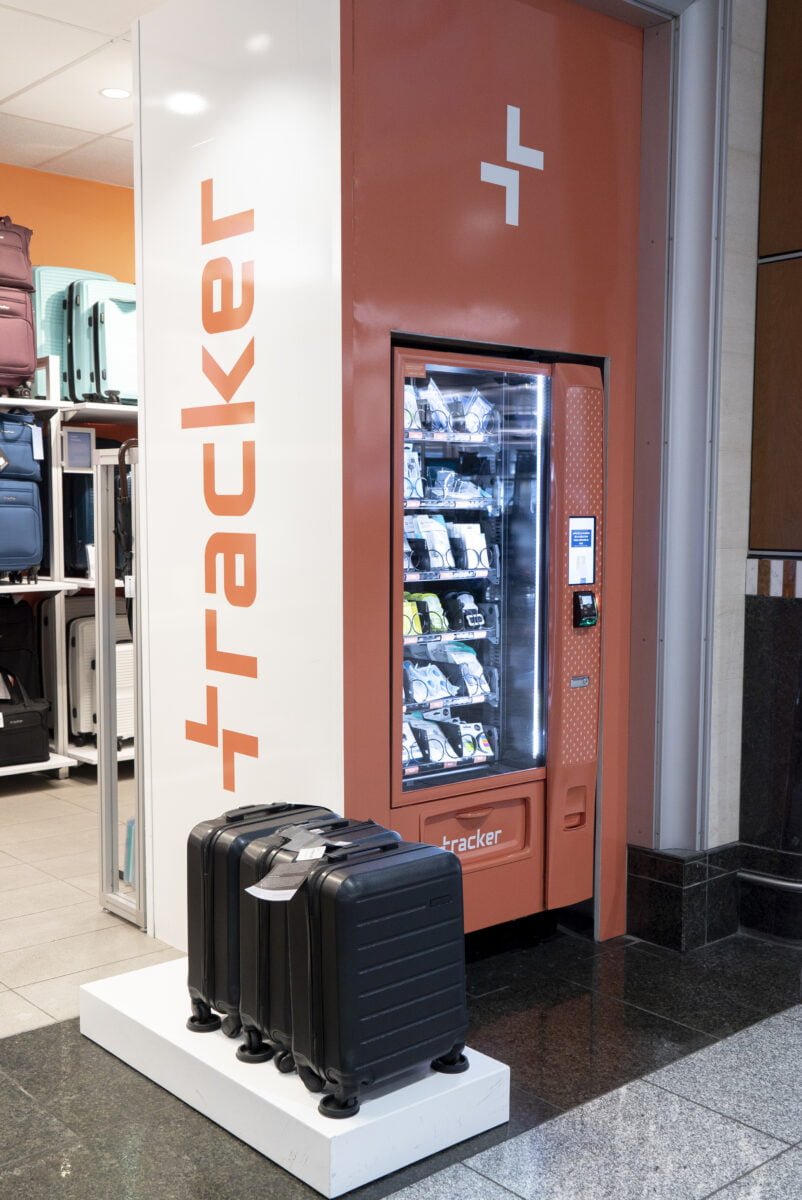
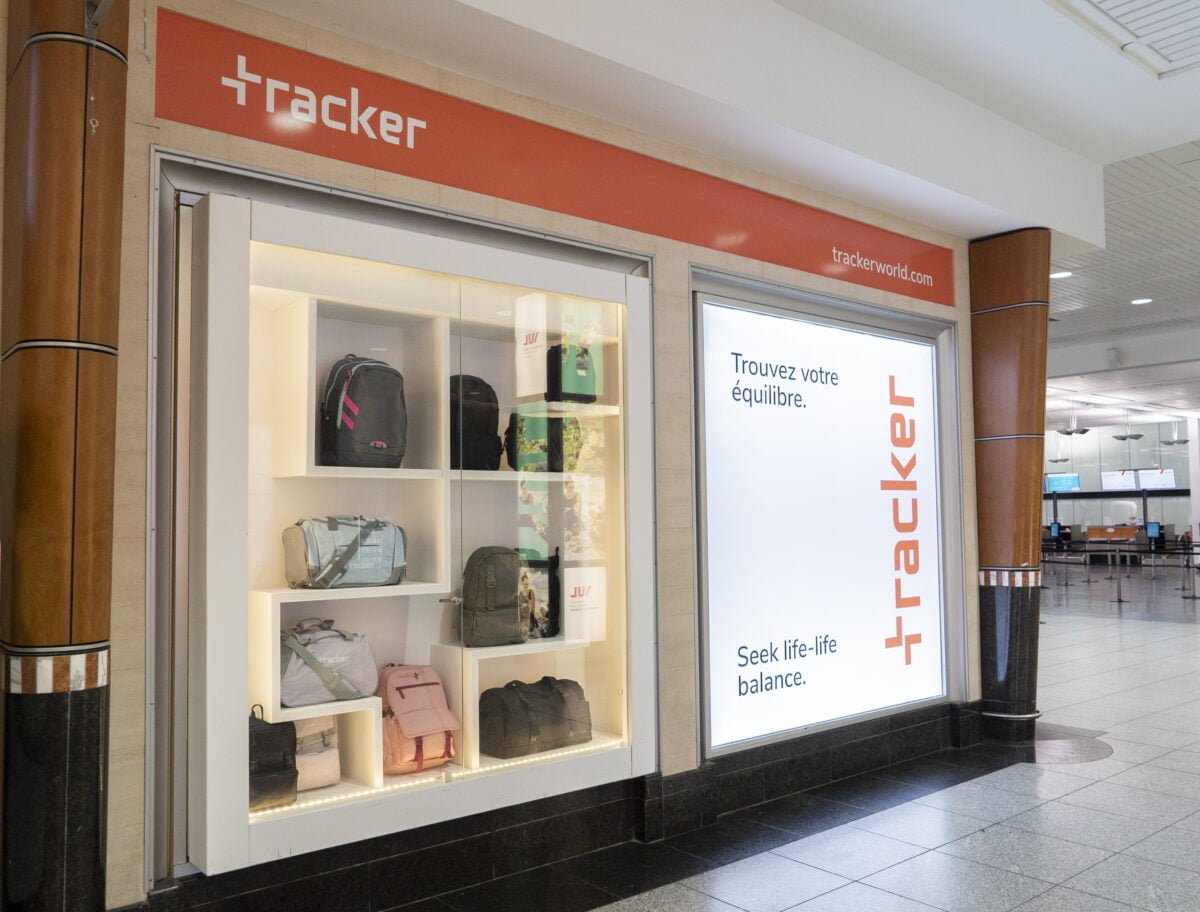
The more serious pop up locations are Bentley’s tracker stores which have everything to do with transportation.
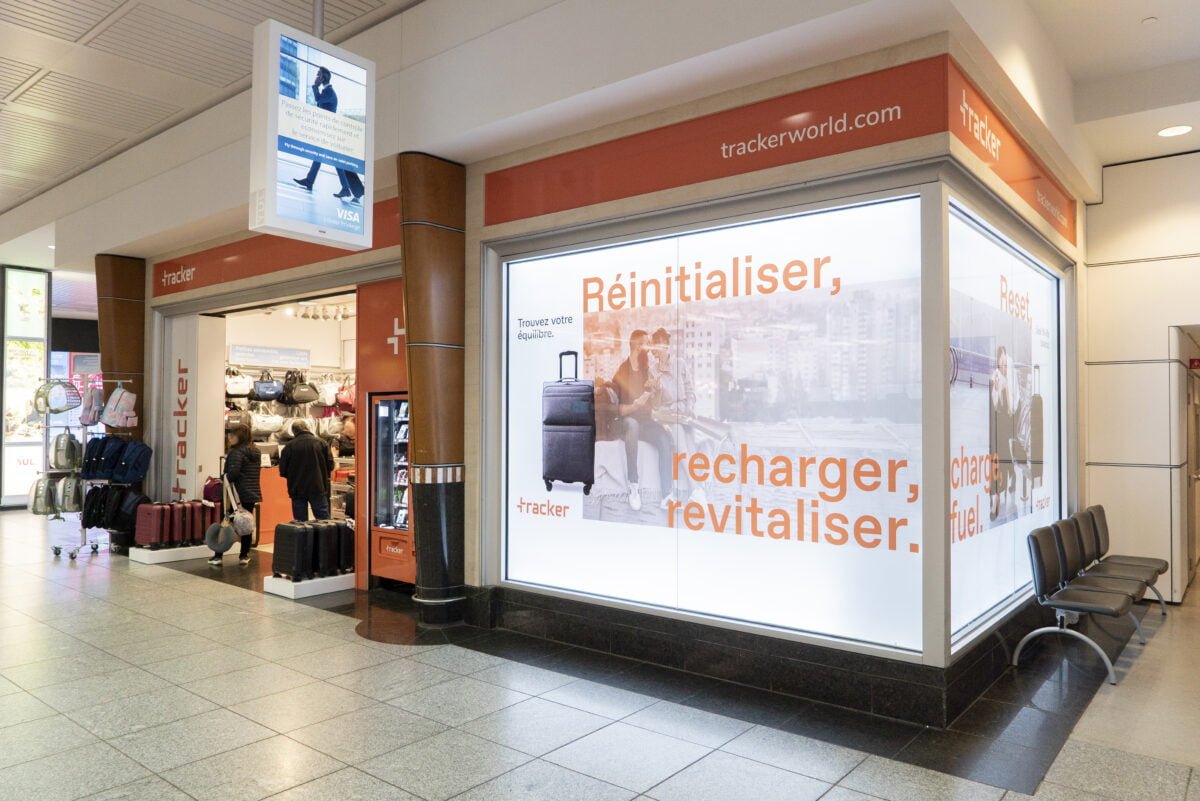
“We have the airport pop up in Montreal and we have been there for a couple of years and we are going to build our first in line store in one of the malls here in Quebec for March. We are building it modular so it will be a very flexible pop up that can explore a new market. It can be fitted so it can stand alone in a hallway, it can be a shop and shop, it can be in any kind of environment. The pop up will be for anything to do with transportation, like airports and train stations so it is what we are working on. When you look at the Montreal airport, it allows us to be a lot more flexible on where we can try these new concepts, so there are still places in Canada to try but the real goal here is to go international.”
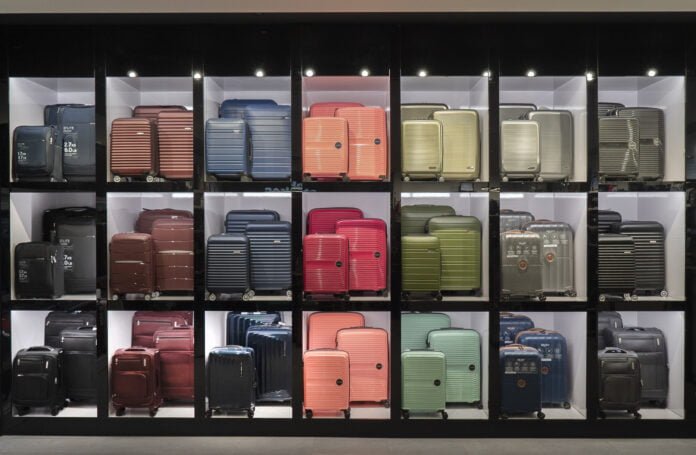
Customers can expect the Bentley pop ups to have everything to do with travel as Lamothe said there are handbags for every moment in your life, relevant travel products such as straps that can go over your luggage, and Lamothe said they want to make sure all the products are built for travel. Customers can find anything from luggage, secure bags, backpacks, cosmetic bags, accessories – everything a customer would need for traveling.
Walter Lamothe
“For the pop up locations, we see the airport and we see that becoming more permanent than a normal pop up but as we expand in Canada, we will see probably half a dozen that we would experiment with in different types of mall formats such as the Toronto Union Station, which is a possibility down the road.”
In terms of other expansion plans, Bentley is going to renovate existing stores.
“We have a plan to do a couple of renovations. We have taken our old school concepts and changing out the tables, racking, shelving, and altering our window concepts so we can give a better presentation to the consumer and we are spending more of our money there in the short term and also creating an experience that is self-serve.”
Self Service Shopping
Image: Bentley
Image: Bentley
As technology evolves, so does the consumer’s shopping experience. Bently is growing its ONMI channel to allow consumers to interact with the products with a QR code to find out more information about the product, why it is good quality, how it compares to other products, and customers can also pay for the product on their phone.
“Everyone walks in with a phone and within that, they can scan the QR code and get information about the product. It doesn’t sound out there, but when you look at the type of products we are selling, it is very technical and it is hard just by looking at something to know if you will be getting good quality. So we will be able to explain to our consumers just by them clicking to see the quality, why it is better than other products, and what the testing procedures are if they want to see that. So it is just making the ONMI channel come alive to the next level.”
If a customer wants to buy the product in a colour the store doesn’t have, they can also order it right from their phones or through the cashier. Customers will be able to have more information on their hands than ever before as they will be able to look at the source of the product, what product is better for their travel needs, and the quality. Lamothe said these will be the options that will be available come 2023.
Travel Accessories in Vending Machines
Tracker (Image: Bentley)
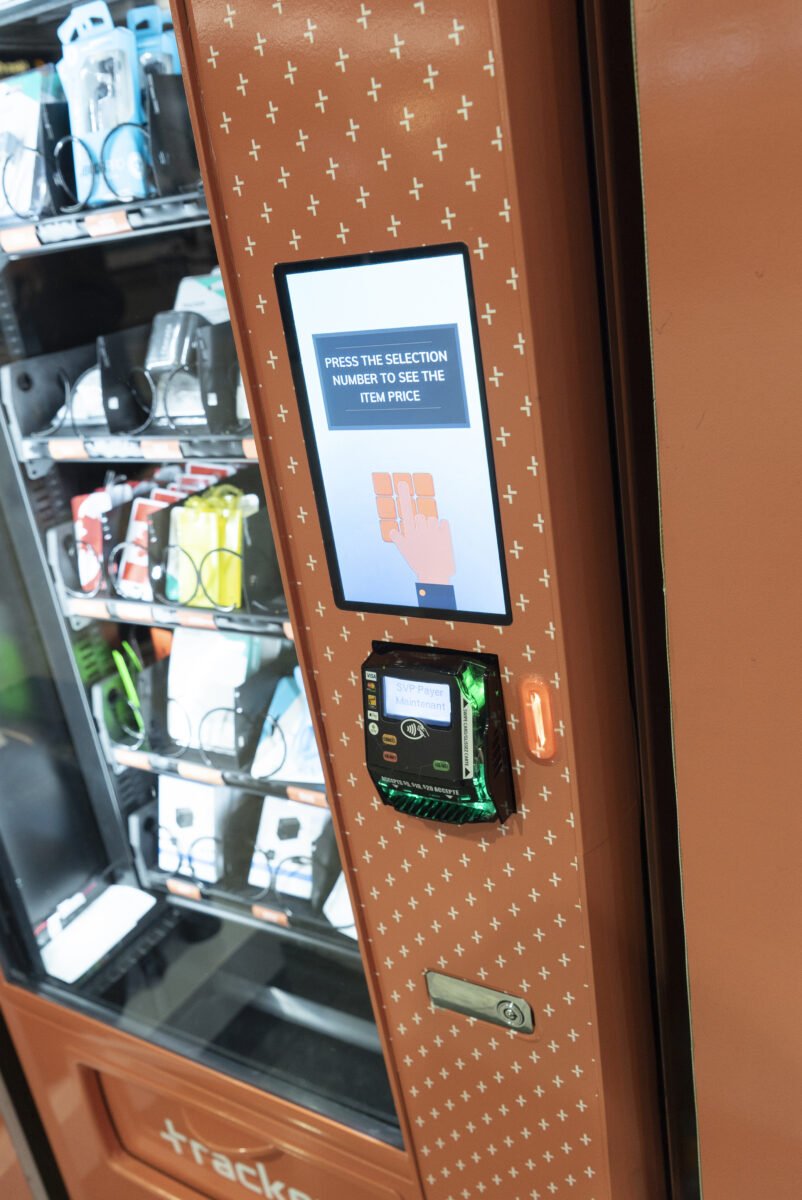
Bentley is looking at introducing vending machines that will have accessories. The concept has already been tested as it is already available in Dorval, Quebec. Lamothe said they took a chip machine and transformed it into a tracker box where they have been selling accessories and has been successful.
“The vending machine is anything that you need that you forgot while traveling. What we sell in a lot of these travel areas are things like luggage tags, scales in the airport, inflatable pillows that are in small packs. We have all kinds of things that are last minute carry-on items that were needed but left at home.”
Lamothe said it is looking into expanding the vending machine products to include more items such as compacted day packs. And if all goes well, Lamothe is hopeful he will expand this concept and will have a few machines by the summer of next year, and the goal would be to have them throughout the world.
“We are happy to serve our customers and we have never stopped developing products. I have spent my career looking at what it is the customer wants and how we can exceed expectations. By doing that, we have an offering that is constant and I think that anybody who has not thought about Bentley before should check us out. I think we have the best offerings and that is our goal – to be in the number one position of all things that we sell to our consumers.”
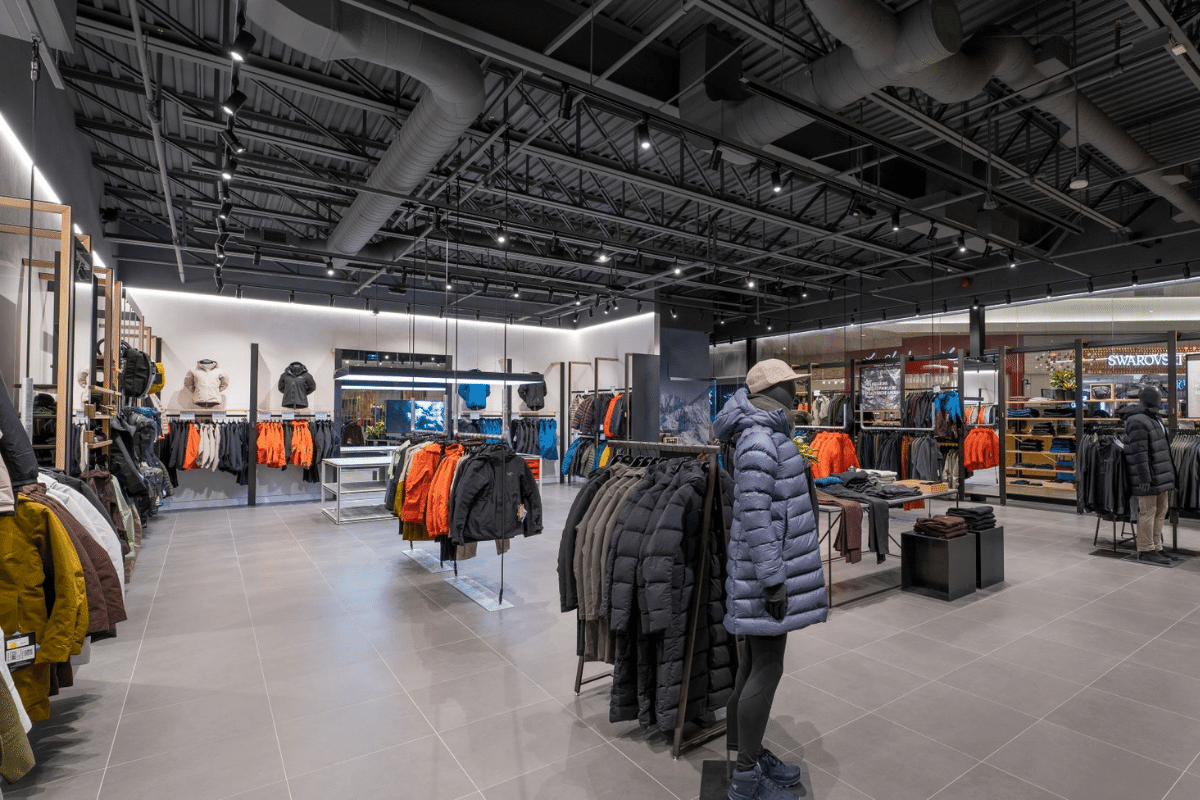
Retailer Arc’teryx, specializing in outerwear and outdoor equipment, has major expansion plans in the works for the coming year.
Delaney Schweitzer, Chief Commercial Officer for the company, told Retail Insider that 2023 is a major year for retail, with 15 new store openings planned across North America, including Denver, Edmonton, Chicago, and Ottawa.
Delaney Schweitzer, Chief Commercial Officer (CCO) at Arc’teryx Equipment
Arc’teryx opened 10 brand stores in North America in 2022, she added.
“The pandemic saw a huge upturn in outdoor recreation, as people sought solitude and adventure in the mountains. We’re committed to enabling equitable access to the outdoors, and we’re excited to see this change, as the mountain community becomes more diverse and reflects the world we live in,” said Schweitzer.
“As more people spent more time outdoors, they also looked for increasingly technical and durable outdoor gear and apparel, which would enable them to reach their goals. Our design process and purpose has remained the same throughout. We have always designed durable, high-performance gear to last through any challenge the mountains could throw at you, and this has remained true throughout the pandemic.”
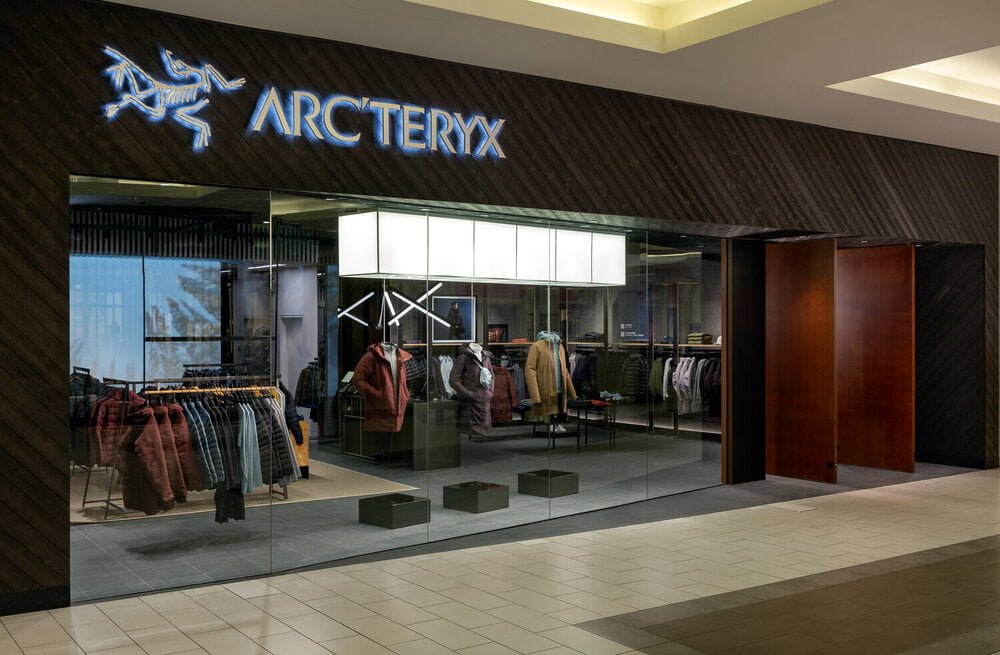
Arc’teryx at Metrotown (Image: Arc’teryx)
Arc’teryx has over 160 brand stores and is stocked in over 2,400 retail locations globally.
“We have an existing store in West Edmonton Mall, and we’re excited to be opening a new store in the Southgate Centre in spring 2023. It’s a 3,353 square foot space, within a popular retail community. Southgate is where our local guests shop, and it’s always our aim to meet our guests where they are,” said Schweitzer.
“We’ve had a great community response to our first Edmonton store, and we’re excited to expand our footprint in the city, offering systems of dress to allow Edmontonians to stay warm and dry while they explore the mountains on their doorstep.”
Arc’teryx was founded in Vancouver in 1989. Originally known as Rock Solid, the small team of hardcore climbers focused on creating innovative new harnesses. In 1991, Rock Solid became Arc’teryx – named after Archaeopteryx Lithographica, the first dinosaur known to fly.
Arc’teryx at Carrefour Laval (Image: Arc’teryx)
After finding cult success with harnesses, Arc’teryx expanded into packs, and then jackets. Initially sold exclusively via wholesale partners, in 2006 Arc’teryx opened its first direct-to-consumer brand store in Montreal, Quebec. Over three decades, Arc’teryx has developed a reputation for high-performance, highly durable products designed for the mountain athlete – enabling them to perform at the highest level, in the most extreme conditions, explained Schweitzer.
“Arc’teryx is a Canadian brand producing durable and high-performance, technical outerwear to serve the mountain athlete. We believe that good design makes lives better, and we exist to create long-lasting, high-quality products to keep people safe, dry and achieving their biggest goals in the most extreme mountain conditions,” she said.
“Our products are incredibly durable and long-lasting. Our aim is to keep gear in play for as long as possible, through building a circular business model. Our circularity platform – called ReBIRD™ – is built around educating guests on correct gear care and repair (ReCARE), building a marketplace for secondhand goods (ReGEAR) and finding innovative design solutions to utilize end-of-life materials (ReCUT). This focus on circularity is a key lever to reduce our climate footprint, and protect the mountains we call home – and it’s key to our brand journey for the future.”
Maximizing profitability is on everyone’s minds, with increasing costs everywhere. While reducing expenses is the obvious step, this is when it is important to think critically about Return on Investments: When reducing the investments, is it at the cost of key returns?
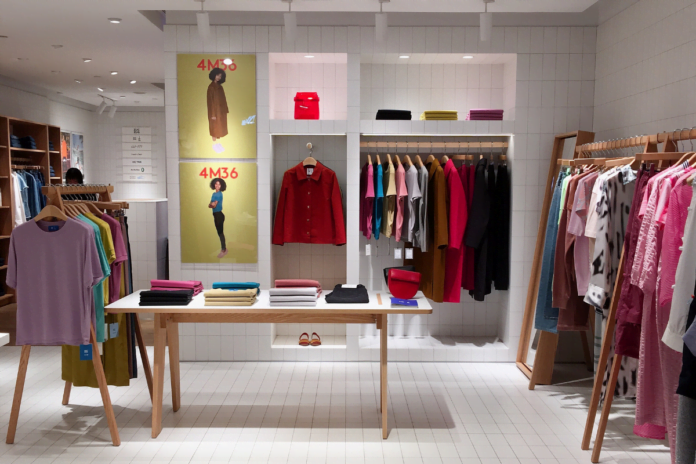
Visual Merchandising is a retail operations and marketing engine, yet it is often perceived as a luxury to those who may not be utilizing it to its true potential.
Many people associate Visual Merchandising to purely window displays, causing the common misconception is that Visual Merchandising is all about artistic creativity and aesthetics. They are certainly integrated into Visual Merchandising work, particularly with creative displays both in windows and in-stores, as well as the retail design. After all, the display arts and general aesthetics are a part of increasing visibility and attracting customers into the space. But there is so much more to Visual Merchandising than display work, and this is where retailers cannot afford to sacrifice.
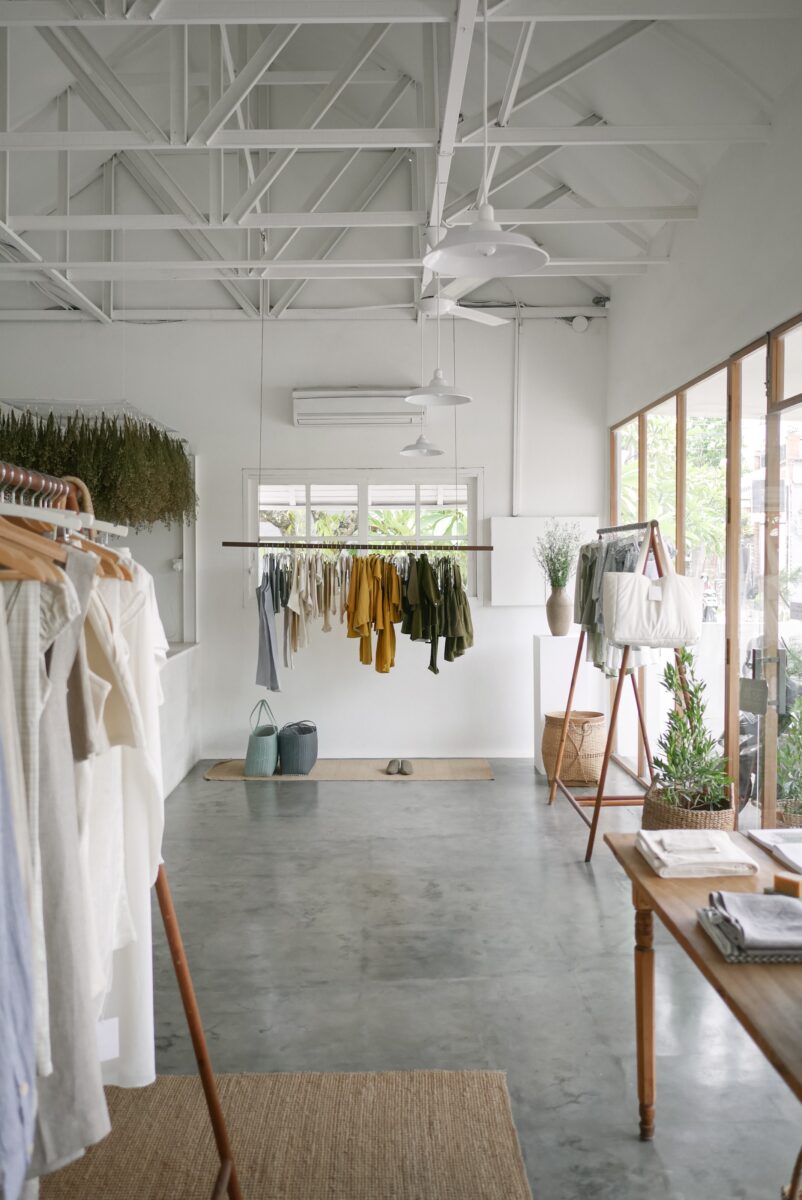
Let’s first dissect what Visual Merchandising is, and why it is important in retail: VM describes the presentation of merchandise to highlight its function and reason to buy to a consumer considering a purchase. It creates an engaging, enjoyable atmosphere which invites consumers to spend more time in the store and increases the turnover potential. The point of Visual Merchandising is to sell, increase sales, present the business as a showroom, bring categories to life, create an enjoyable shopping experience, connect with the target consumer, and bring consistency in the in-store consumer journey.
Let’s now break down the five key elements of Visual Merchandising work:
Displaying and grouping merchandise strategically to entice customers to explore, purchase items, purchase more items, and keep the state fresh and relevant.
Consciously placing furniture/fixtures and product groupings in a way that manipulates the customer’s path.
Taking advantage of easy-selling items in terms of business success, while helping slower-selling items.
Rotating in new arrivals and strategizing goods to sustain the inventory flow.
Organizing a store effectively to support customers to shop easily.
As a result, VM impacts the operations of a store, the potential to sell (more), the brand image, and the customer experience.
Just like anything else, Visual Merchandising has the potential of being unnecessarily costly, without careful consideration and planning, which is when it can seem like a luxury. A few ways to keep costs down are:
Designing displays that require minimal purchases, particularly avoiding too many disposable elements when sourcing props, and trying to re-purpose or upcycle props as a sustainable solution.
Planning larger Visual Merchandising updates for a seasonal or monthly basis, while daily or weekly updates may be smaller, easy-to-execute tweaks.
Investing in proper staff training and standards guideline creations, so that the amount of labour spend on execution, maintenance and refreshes are minimal yet effective.
Simplifying execution plans to maximize cost-efficiency.
Prioritizing where to put most efforts and investment based the most visible sections of the store.
Analyzing the impact of each VM change to identify successful strategies. Then, documenting these successful set-ups to repeat them for future set-ups in an efficient manner. Consider turning them into VM presentation guidelines for further impact.
It is easy to get carried away and spend excessively on VM in terms of sourcing displays items and labour for execution. However, mindful, strategic planning can reduce unnecessary spending, while ensuring that VM is still in place to maximize space vs. sales productivity; Visual Merchandising remains an essential part of retail businesses for branding, sales and operational purposes.
Ani Nersessian
After 15+ years of industry experience with various retailers and environments such as Holt Renfrew and Adidas Group Canada, VM ID Inc. was founded by Ani Nersessian to help retailers get set-up with a VM culture that is right for them.
VM ID Inc. is a Visual Merchandising service company which provides catered support for small businesses through consulting, designing and labour services. Email: ani@vm-id.com
After the past two years, Canadians are eager to gather with family and friends to celebrate the holidays. However, they’re planning to do it a little differently this year.
With soaring inflation and uncertainty in the markets, more Canadians are putting extra thought into where they will spend their money during the holidays.
That means retailers need to be prepared to offer shoppers more deals and promotions to attract those who may base their purchases off the potential to earn rewards or points more so than in past years, says Kerri-Ann Santaguida, Vice President and General Manager of Merchant Services Canada at American Express.
Kerri-Ann Santaguida, Vice President and General Manager of Merchant Services Canada at American Express.
These trying economic times are forcing Canadians to be savvier about how they pay for holiday gifts and other expenses this year. It’s all about shopping smarter this holiday season and making their dollars stretch further.
“Today’s consumers are demanding more from the brands they frequent. They want value and they want to feel good about how they are spending their money. Injecting value has never been more important to attract, support, and retain customers because we know they’re more likely to shop at stores where they have already established brand loyalty,” she says.
“For example, our data clearly shows that Amex merchants with a higher number of special offers are recovering faster each quarter than those who are not providing any promotions. And it’s not just about existing spenders returning to the market. These special offers are bringing in new customers too.”
“We know consumers need incentives to shop somewhere new. As we head into the New Year, retailers looking to accelerate their growth need to meet these consumer expectations.”
On top of looking for good deals and incentives, Canadian consumers are planning to shop for the holidays more thoughtfully this year, according to the Amex Trendex, a trend report from American Express. As they look forward to spending time with loved ones, Canadians are also spending their dollars on gifts and experiences that will have the most impact this holiday season.
The Amex Trendex found that close to three-fourths (74 per cent) of Canadians surveyed agree they want to be more selective with gift shopping this holiday season. Clothes and accessories (56 per cent), dining out at restaurants (52 per cent) and decorations (34 per cent) are ranked as the top three categories where they plan to spend their money during the holidays.
Santaguida said Canadian consumers want to purchase gifts with meaning and spend money on community-based experiences that bring people together.
For example, 73 per cent of survey respondents said they’re shopping for thoughtful gifts over luxury gifts this holiday season. Over three-fourths (77 per cent) said they believe it’s more important than ever to support small businesses this holiday season and close to eight-in-10 Canadians (79 per cent) want to earn credit card rewards for online purchases.
“The degree to which Canadians are taking steps to support small businesses this holiday season stood out to me as one of the highlights of the survey results and a key trend this year. There are a lot of factors impacting personal finances right now in Canada, so the fact that 77 per cent of Canadians agree that it’s more important than ever to support small businesses this holiday season is a really positive takeaway for Canada’s small business owners,” said Santaguida.
“Another trend we’re seeing is centered around Canadians’ desire to earn and redeem rewards for their holiday purchases. Two-thirds of Canadians want to use credit card rewards and points to offset prices this year. This means that two out of every three Canadians are planning to redeem their rewards to balance out their expenses this holiday season. It’s all about Canadians being savvier shoppers and making their money work harder for them.”
In many cities and communities across Canada, this year’s holiday season marks the first full return to life as we knew it before the pandemic. The return to in-person shopping is a symbol of pre-pandemic life, so for that reason, Santaguida believes we will see more Canadians visiting their local stores and malls this year.
“There’s been an undeniable uptick in online shopping, which was driven by the pandemic of course, but I think this year, we’re going to see the proportion of Canadians shopping in store versus online start to balance out again. In fact, our research shows there is an equal percentage of Canadians (77 per cent) who plan to shop online and in-store for the holidays,” she said.
Some other key findings from Amex Trendex include:
63 per cent of Canadians surveyed typically spend between one to four hours researching potential gifts before deciding to purchase them;
60 per cent plan on donating to charity to give to those less fortunate this holiday season;
68 per cent agree that they love dining out at their favourite local restaurants during the holidays to support small businesses;
66 per cent plan on purchasing gifts from locally owned businesses this holiday season;
59 per cent agree that they tip more generously around the holiday season;
Of those Canadians who agree they tip more generously around the holidays, 65 per cent say they tip around 10 per cent more or higher compared to their typical behaviour.
*Retail Insider worked with American Express for this content.
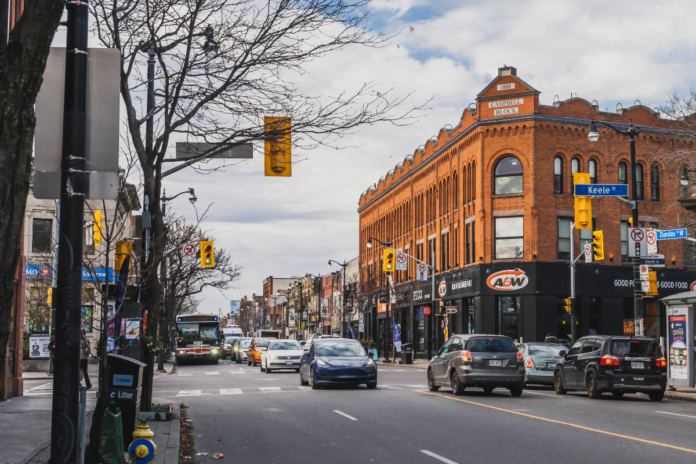
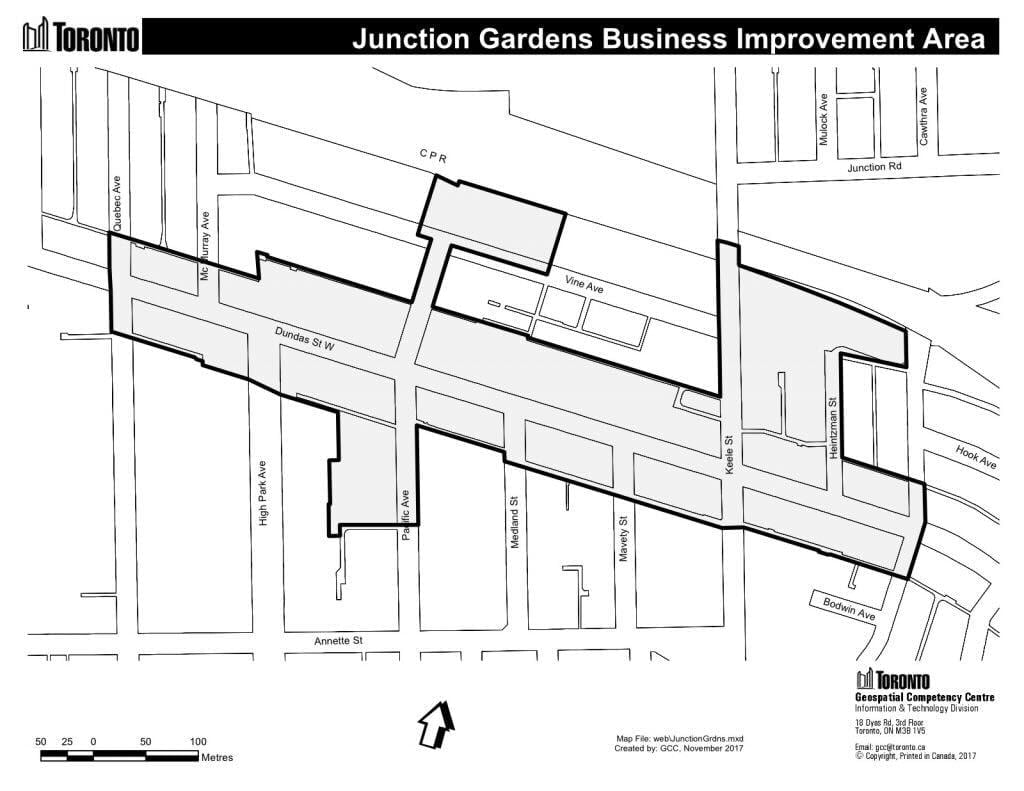
The Junction BIA in Toronto will be celebrating its 50th anniversary in January, and it has a lot to celebrate. Many new developments are underway in the area, and the BIA has added 40 new businesses in the past two years. In addition, it will be the first neighbourhood in Toronto to install solar-powered phone charging stations in the spring.
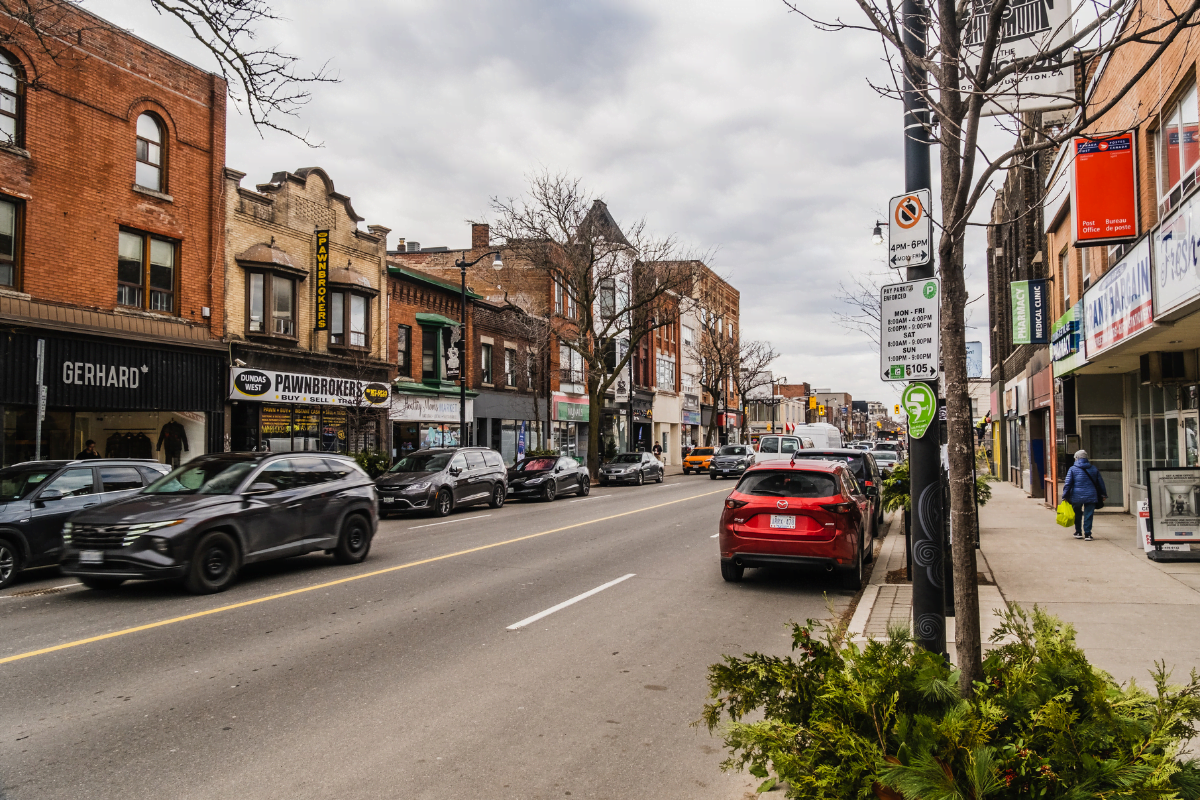
The Junction BIA neighbourhood is located along Dundas Street West at Keele Street, east to Indian Grove and west to Quebec Avenue – and is known as one of the coolest and art-centric neighbourhoods in Toronto.
“The Junction BIA is a community-driven, non-profit organization dedicated to promoting the economic and cultural vitality of the Junction. We provide a beautiful and safe space where the local business community can flourish as part of a robust neighbourhood. Building on the area’s history as the original commercial strip for the West Toronto railway connection, the Junction is Toronto’s favourite meeting place,” says Carol Jolly, the BIA’s Executive Director.
Image: City of TorontoThe Junction BIA (Image: Jae Yang Photography)Future Ren’s Pets in The Junction
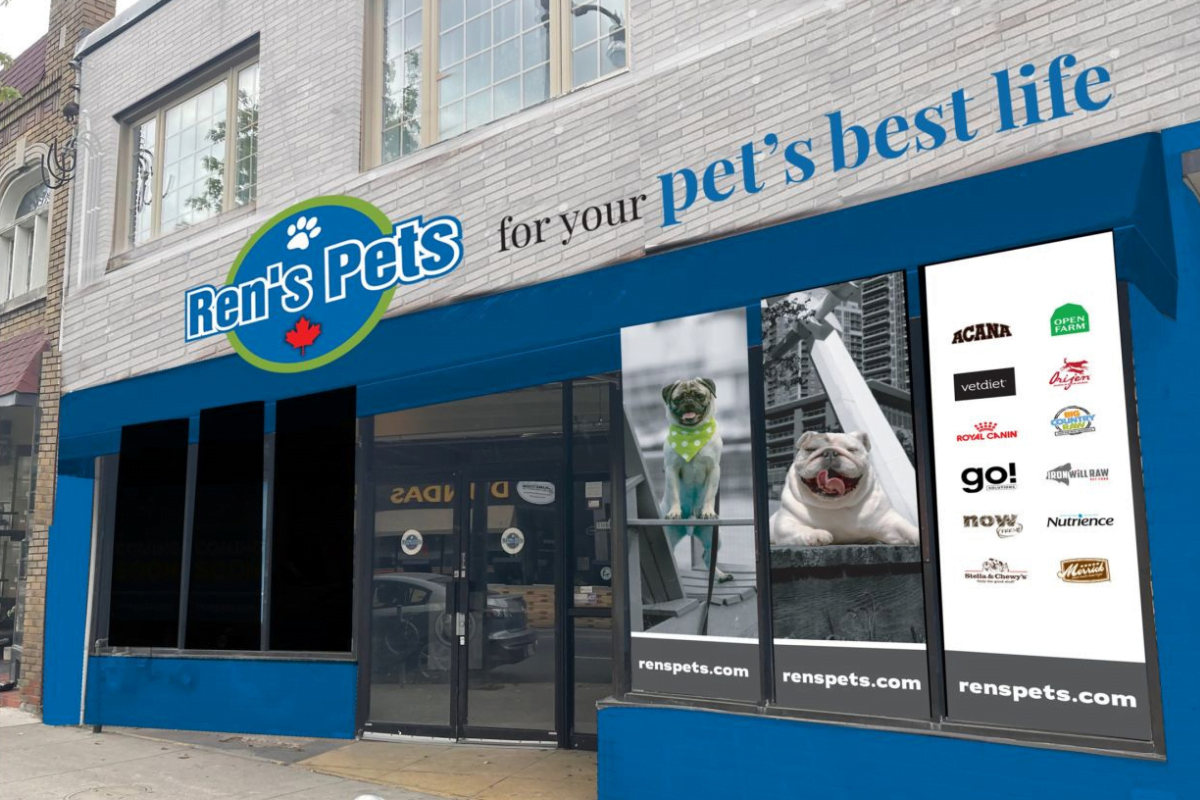
Over the past two years, The Junction has added 40 new businesses, which include 15 retail shops, 14 services, and 11 restaurants. In total, the BIA represents over 175 businesses. One company Jolly is excited about bringing to the Junction is Ren’s Pets, a Canadian specialty pet retailer, which will be opening in January 2023. Retail Insider first reported this news in May 2022.
“Ren’s Pets will be our most significant national brand, and we are delighted they’re making the Junction their new home! Research indicated that we have more pet owners than any other community in Toronto. So getting Ren’s Pets is a win for the area. Even before opening, they have already shown their outstanding community support, and it’s always a good sign when a national brand chooses you for its next location.”
Carol Jolly
The Junction has other national brands such as banks, A&W, Dominos, Dollarama, and they have provincial retailers, like the LCBO and Wine Rack. One business Jolly mentioned that just recently opened in The Junction was Swat Health, an education-first health and wellness company with multiple locations in the GTA. Overall, The Junction aims to have a bit of everything – making the area accessible and easy for everyone to find what they need close to home.
“The Junction has evolved to provide a mixture of goods and services to patrons who frequent the area. We are fortunate to have bars, restaurants, and music venues providing robust nightlife, particularly in the summer during CaféTO when we spill out onto the street with almost 40 additional patios! We have retailers offering everything from eyewear to clothing to furniture and art supplies. At the same time, we have numerous services and amenities such as pharmacies, health clinics, grocery & pet stores, and salons benefiting the residents. The Junction has evolved to cater to a diverse population, residents, and day trippers – and we only see this continuing.”
Increasing Traffic To The Area With New Developments
Pacific Residences at 2968 Dundas Street W (Designed by Core Architects for Clifton Blake Group & Old Stonehenge Development Corporation)Junction House at 2720 Dundas St W (superkül for Slate Asset Management)
During the pandemic, The Junction lost more than 50 percent of traffic and is slowly returning to normal.
The Junction BIA has several developments underway, with commercial spaces on the lower level for retail stores, and restaurants – all due to open in the next five years. Jolly said she is hopeful it will draw more of the national brands to The Junction and help to increase foot traffic.
Window Wonderland
Image: Junction BIA Social Media
Image: Junction BIA Social Media
Image: Junction BIA Social Media
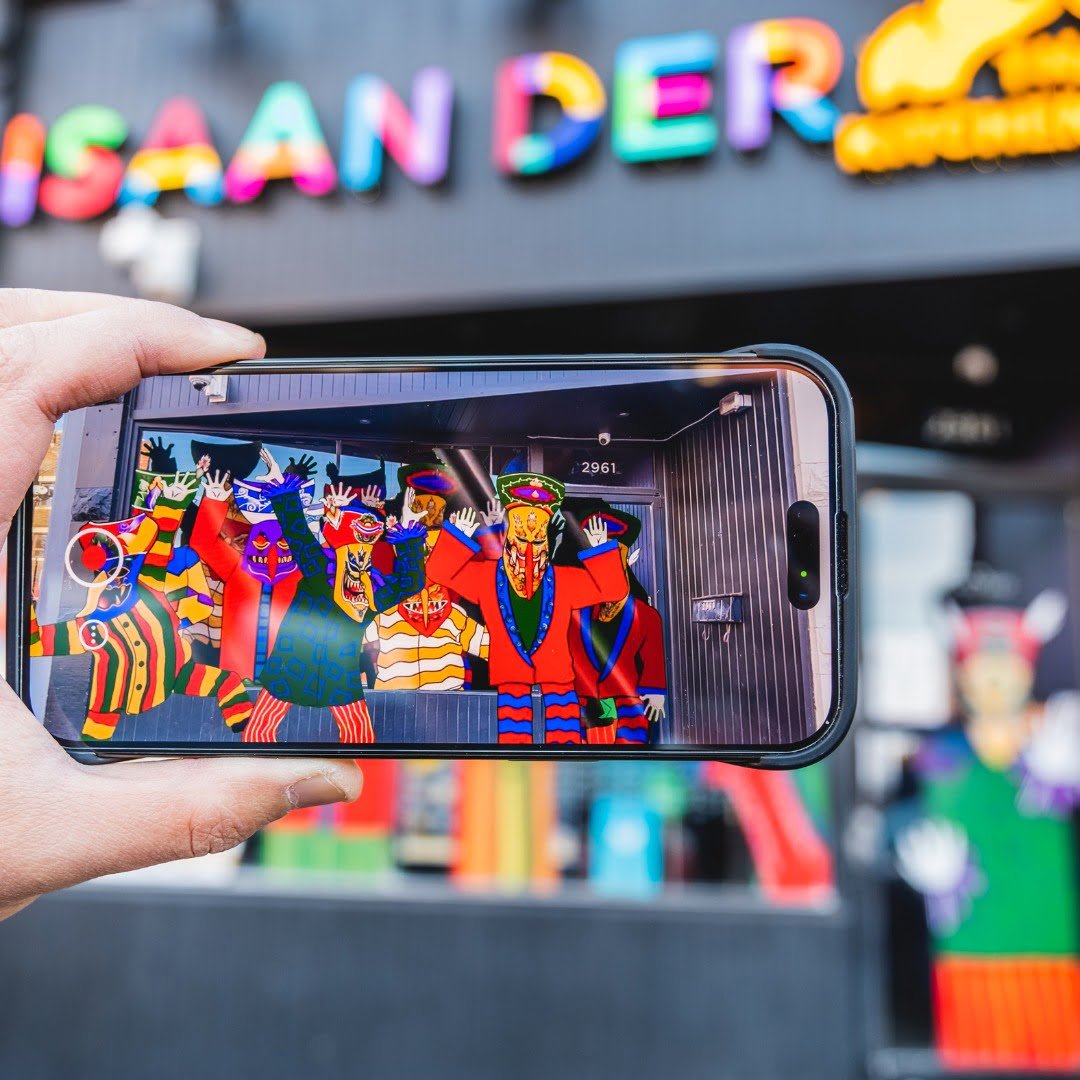
When traffic was low during the pandemic, the BIA created Window Wonderland – an event that takes place for five weeks once a year. This event is happening now and will be going until January 1st.
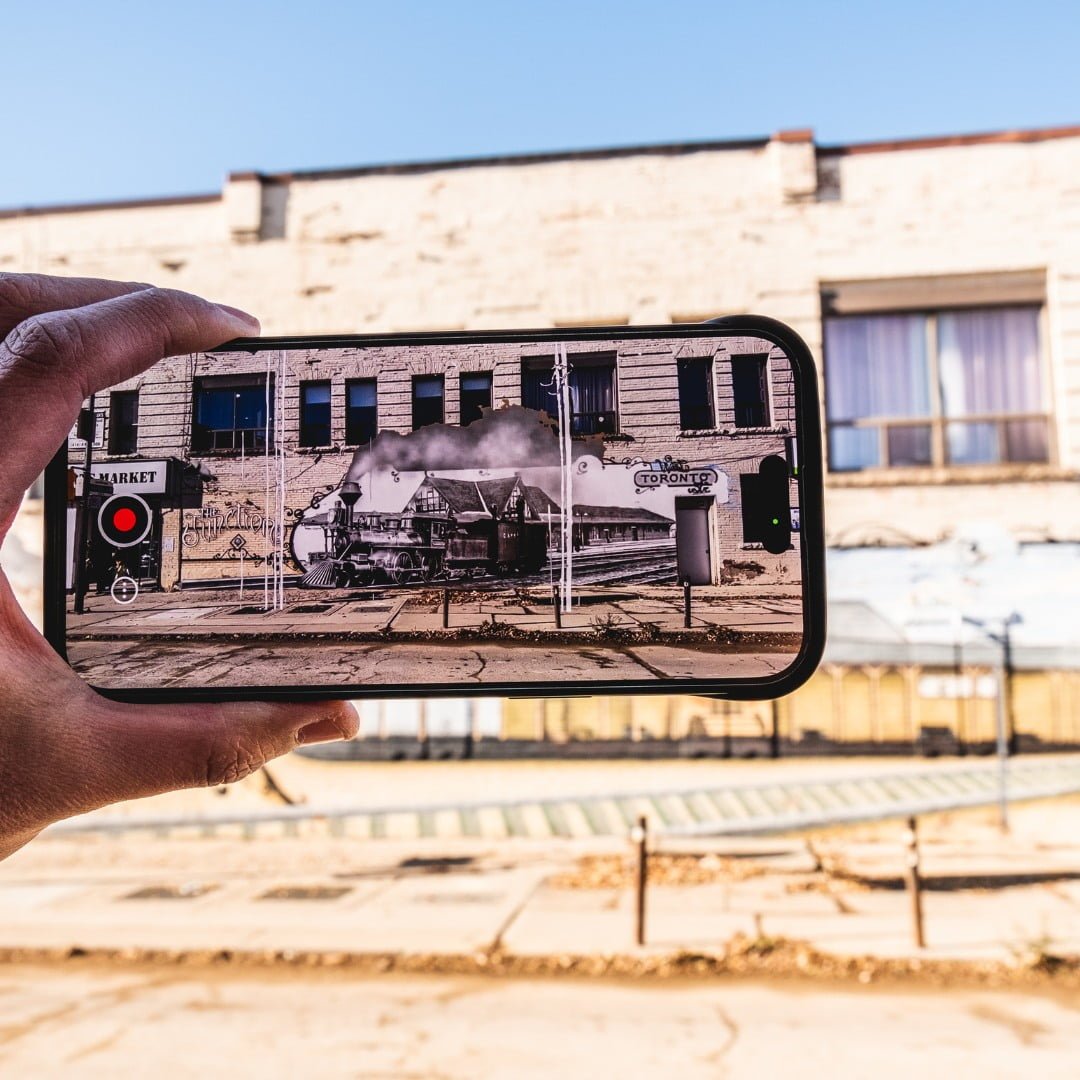
“This is the first of its kind in Toronto, Window Wonderland is presented in collaboration with Artivive, an internationally renowned AR app that changes how art is created and consumed. Providing access to over 200,000 international artists, Artivive allows artists to create new dimensions with a digital layer, opening a new world of possibilities. Visitors at Window Wonderland can simply point their smartphones at the artwork on the windows and wall murals, and can watch the artist’s creation come to life.”
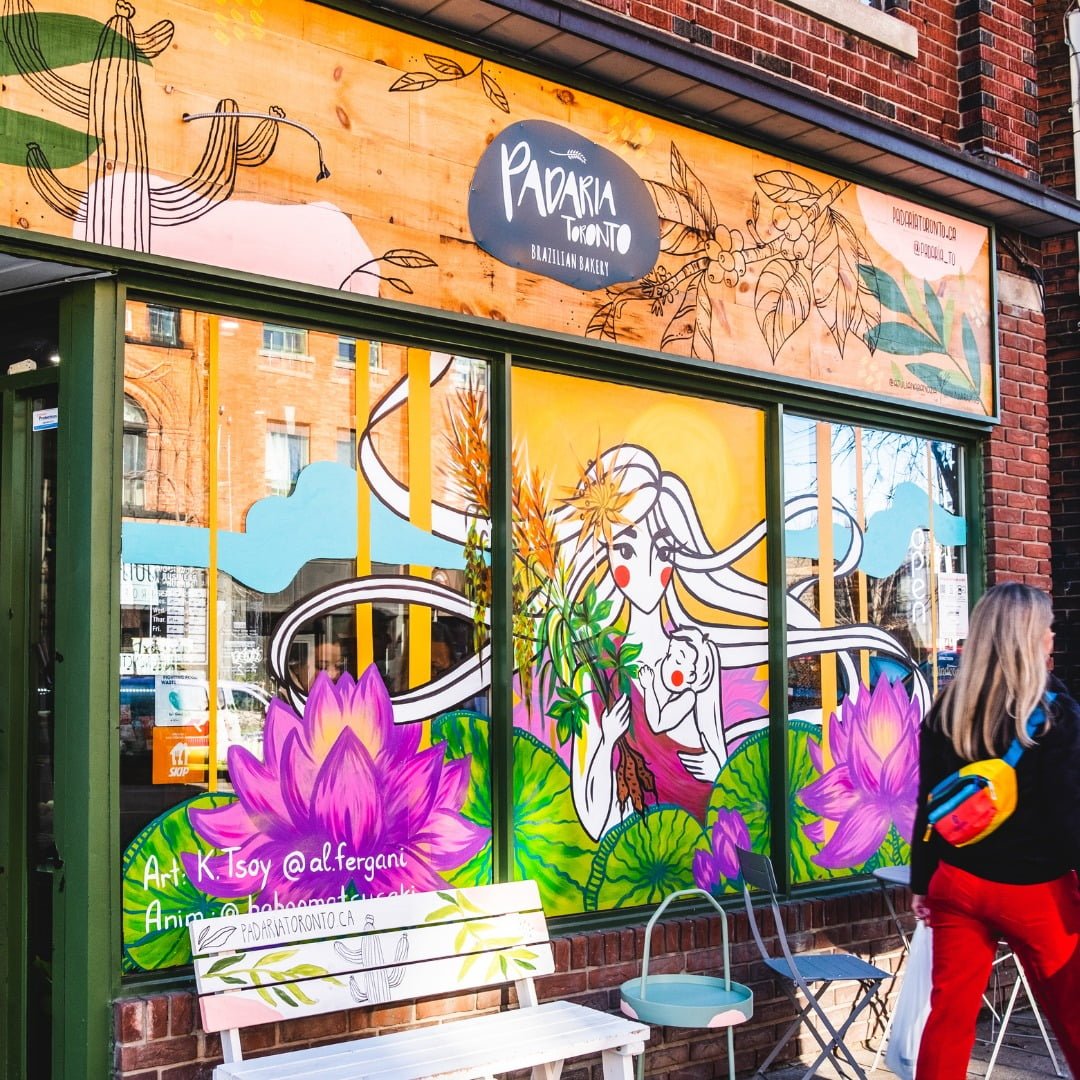
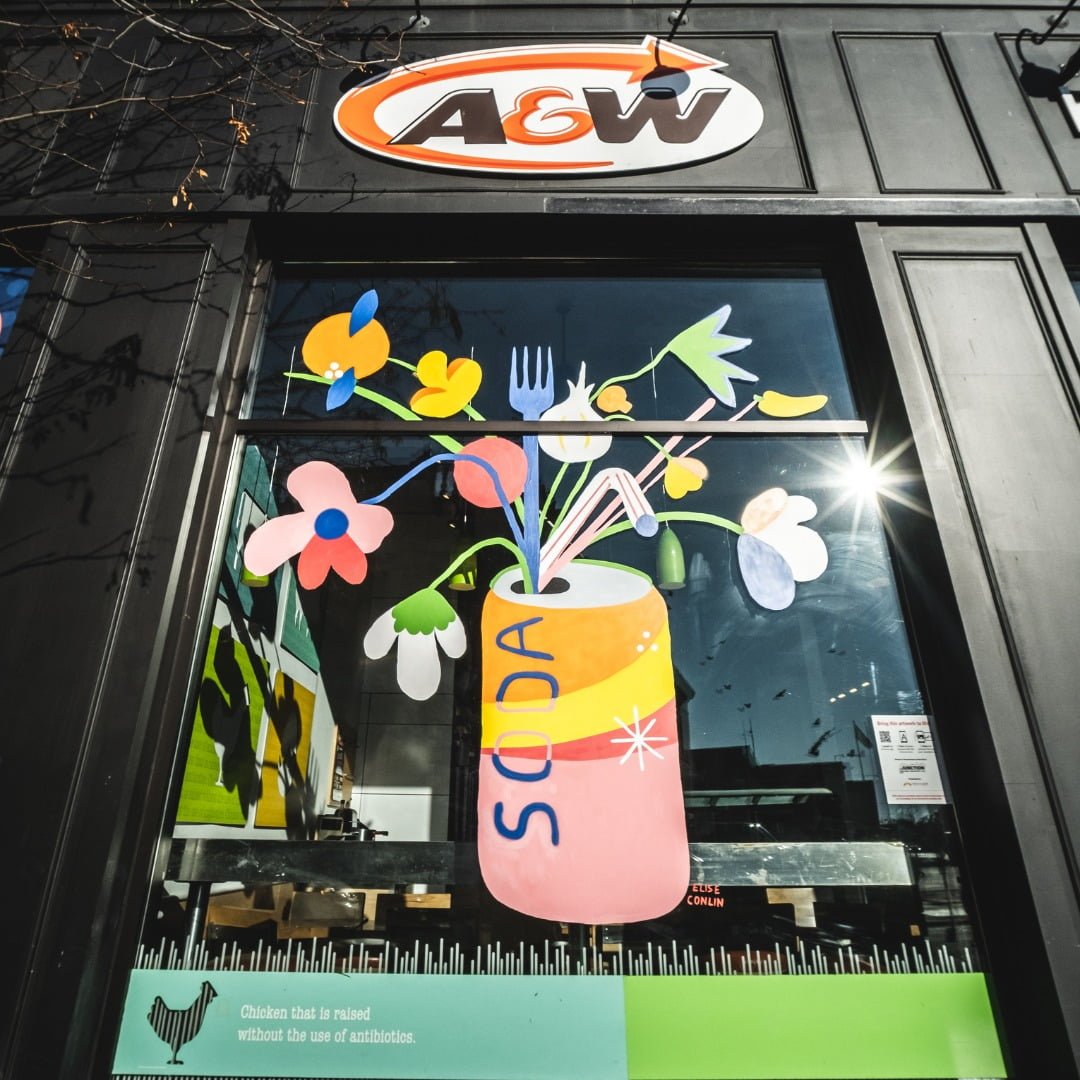
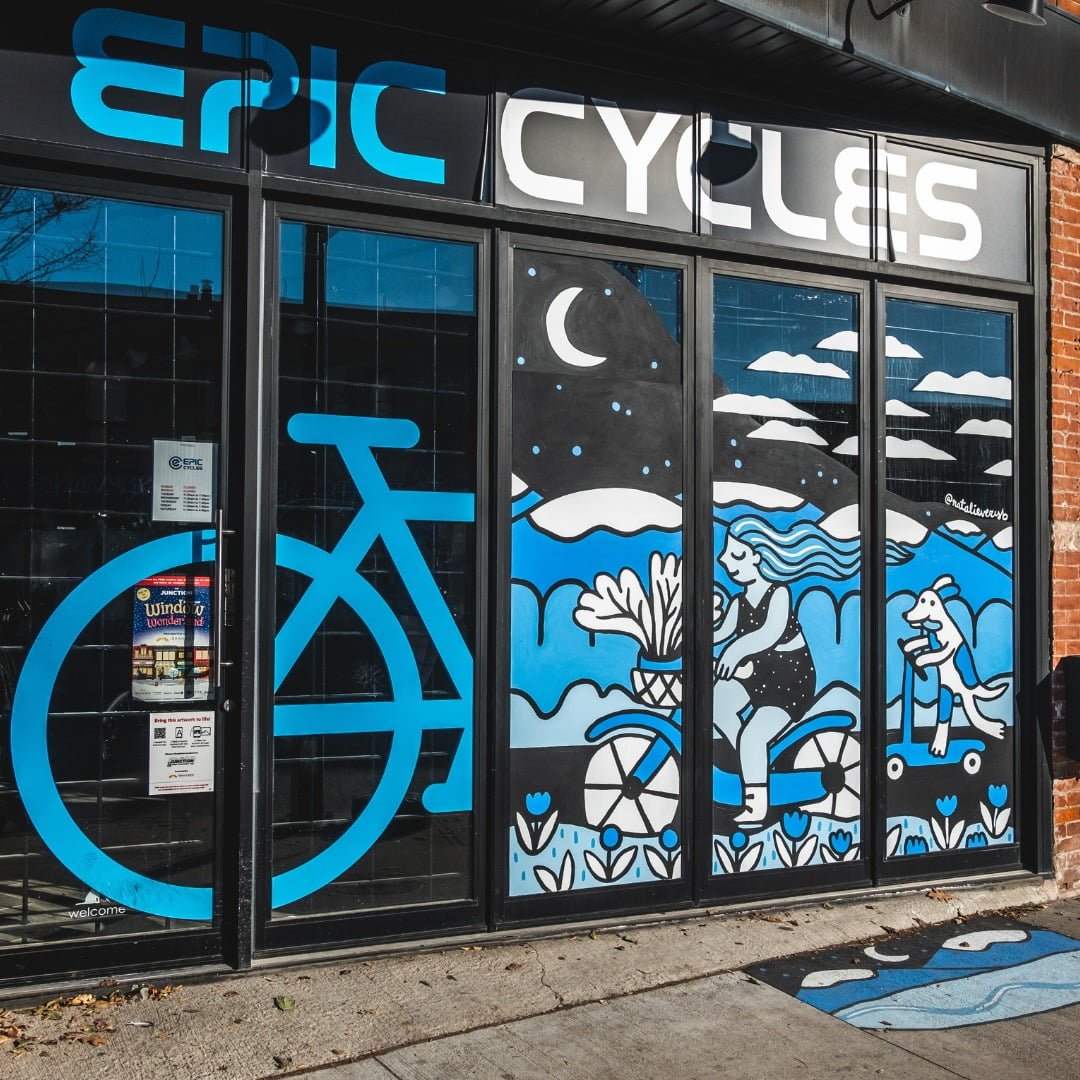
Since the winter season of 2020, The BIA has placed art on twenty different businesses annually, bringing people right to the retail store windows. The Junction is becoming a new destination for AR in the city and will continue to grow. By adding more art to The Junction, Jolly said it will also lessen graffiti in the area while attracting new visitors and new businesses.
Image: Junction BIA Social Media
Image: Junction BIA Social Media
Image: Junction BIA Social Media
Pop-Up Music Series
In 2023, The Junction BIA will also be adding a new pop-up music series project, which was awarded by City of Toronto’s Main Street Innovation Grant – this is the second such grant awarded to the BIA. The pop-up music series will occur from June to September and has partnered with Nova’s Junction Revue to provide 18 free performances and one outdoor concert.
“The project will embrace the popular concept of pop-up shops by featuring the many retail and service businesses in the Junction. It will attract residents, tourists, and live music enthusiasts to the Junction by safely integrating live music experiences into various retail locations. People can view and possibly purchase products – and it is the first step in showing business owners the value in creating their own shopping experience.”
Solar Power Phone Charging Stations
Along with the BIA’s streetscaping plan of renewing all the benches in the neighbourhood, Jolly said the BIA will also be adding solar power phone charging stations and will be the first in Toronto to have them. The solar charging stations will allow people to charge their phones on the street and will be a permanent part of the neighbourhood. The six new charging stations are ready to roll out in the Spring and have been pre-approved by the city.
“It is our 50th Anniversary, and we wanted to start the year by greeting visitors in a big way. So, in addition to our 24 new award-winning Butterfly Gardens, we will replace every bench in the neighbourhood. In partnership with the city, this is a major capital investment in our streetscape, and these beautiful new benches will create a striking addition to the neighbourhood. We will also be the first to use solar-powered charging stations in Toronto, which is very exciting. In a sense, we’re thought leaders here at the BIA. For example, we integrated AR with our holiday window art, then added it as a year-round element in our murals. The Junction has many unique offerings, and we’re sure you will discover something different every time you visit.”
Micuda talks about flexibility in the workplace, productivity of people going back to work, home office setups, and incentives to luring people back to work in an office.
The Video Interview Series by Retail Insider is available on YouTube.
Connect with Mario Toneguzzi, a veteran of the media industry for more than 40 years and named in 2021 a Top Ten Business Journalist in the world and the only Canadian – to learn how you can tell your story, share your message and amplify it to a wide audience. He is Senior News Editor with Retail Insider and owner of Mario Toneguzzi Communications Inc. and can be reached at mdtoneguzzi@gmail.com.
Also check out the other series offered by Retail Insider, including The Weekly podcast and The Interview Series, which are both available on Apple Podcasts, Stitcher, TuneIn, Google Podcasts, or through our dedicated RSS feed for Simplecast and other podcast players.
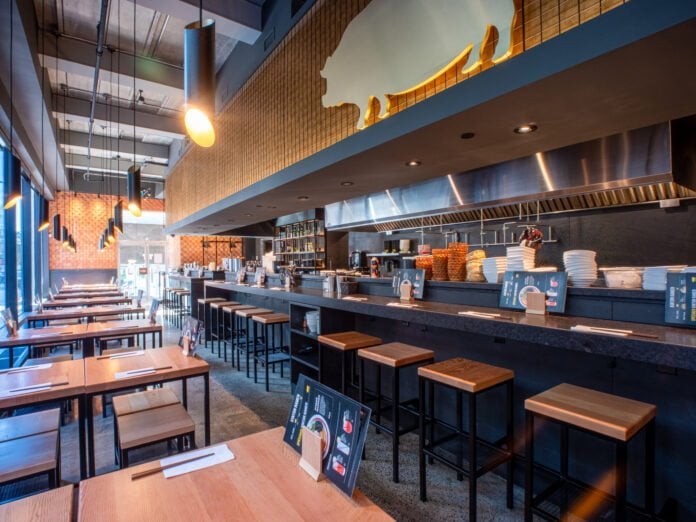
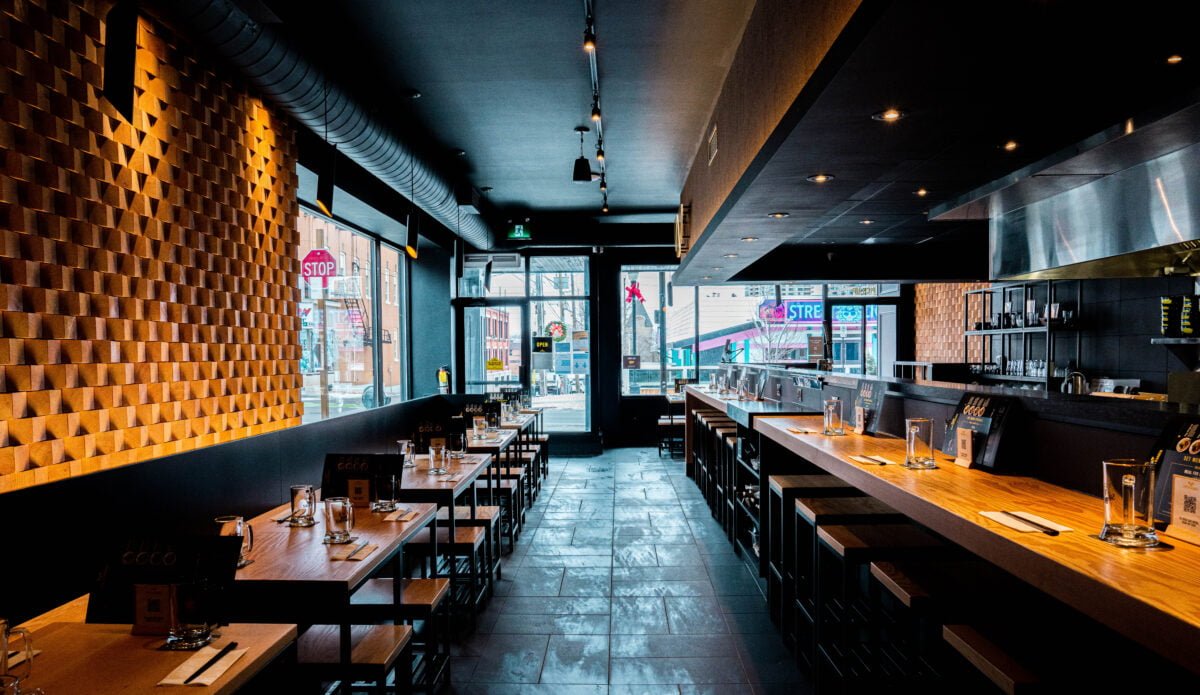
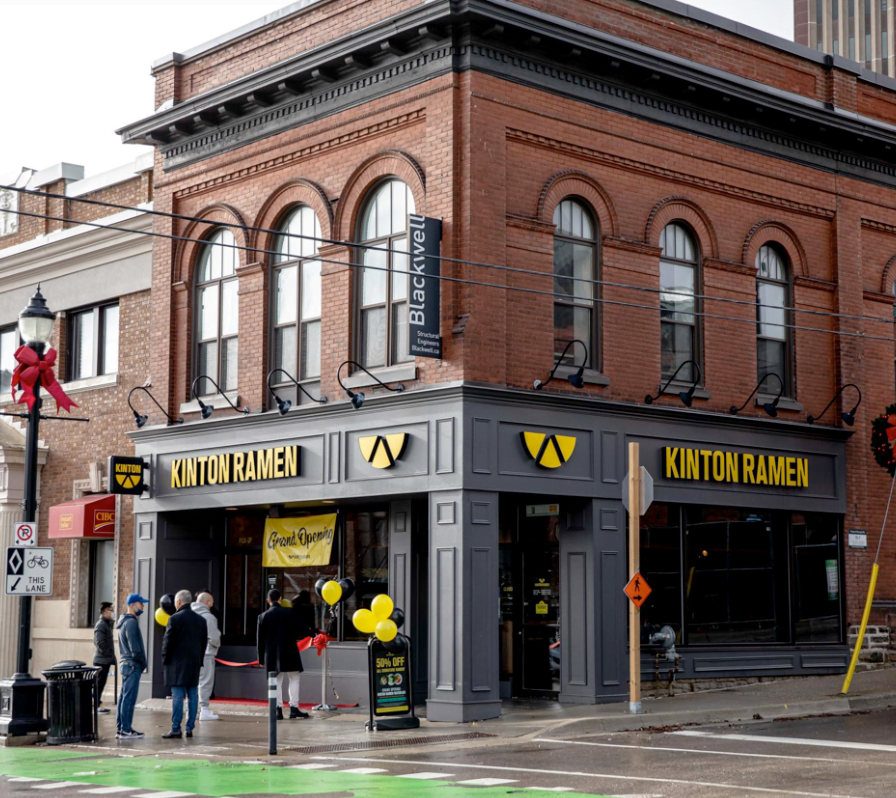
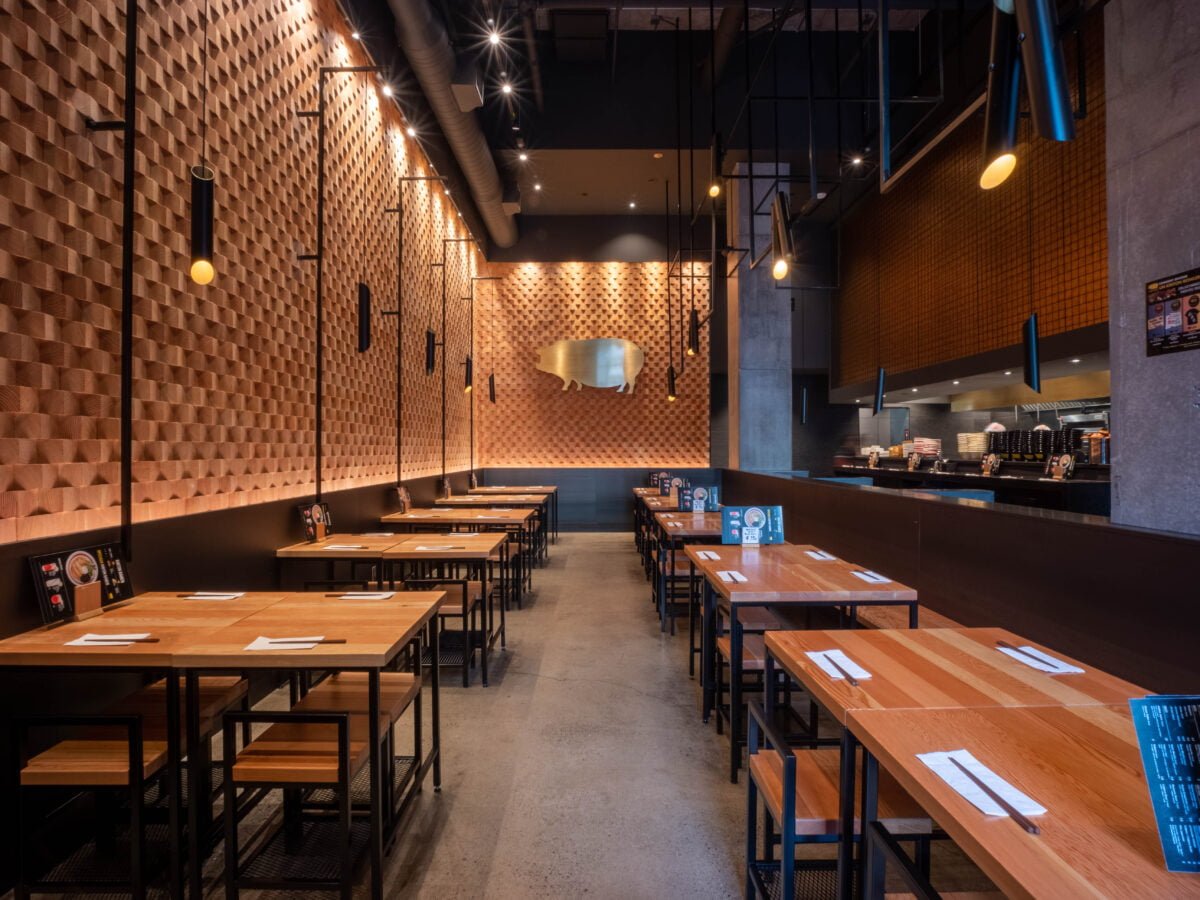
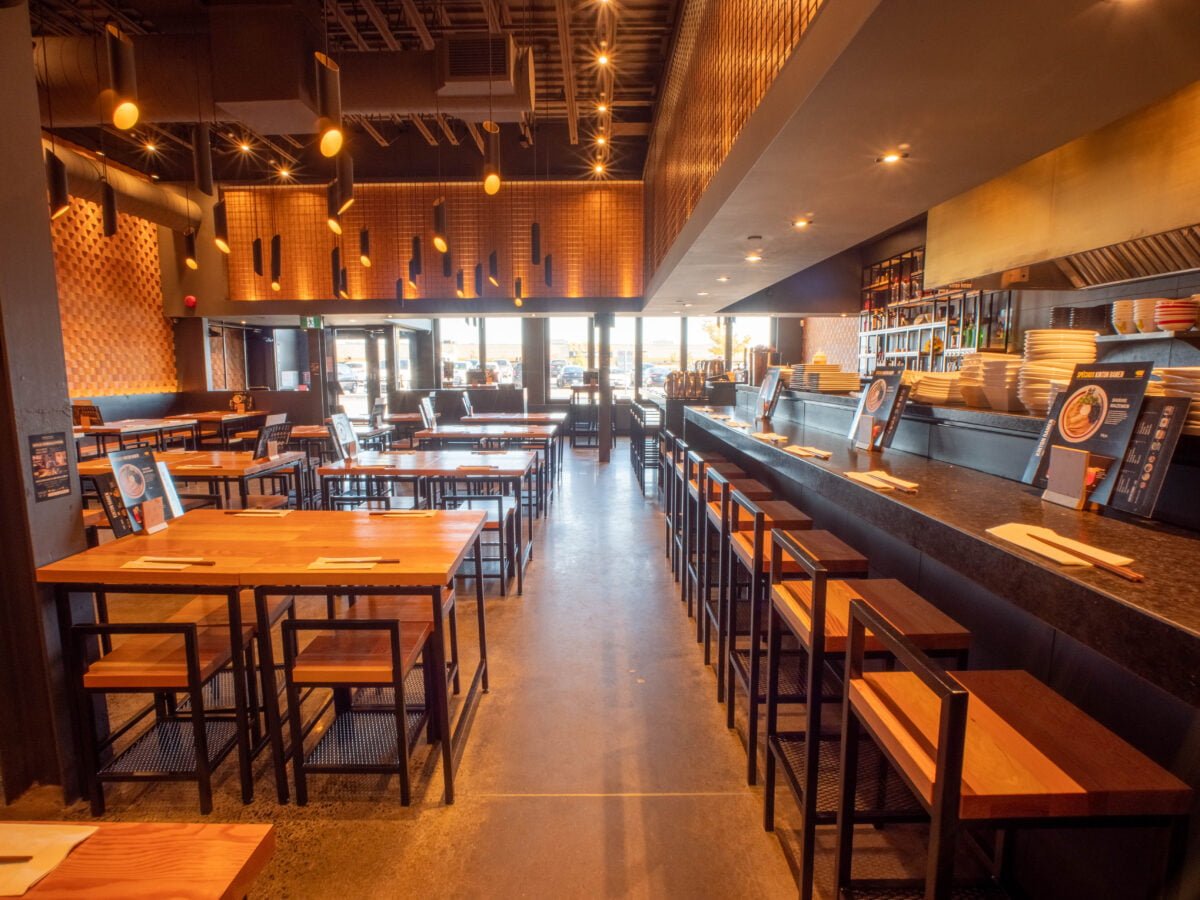
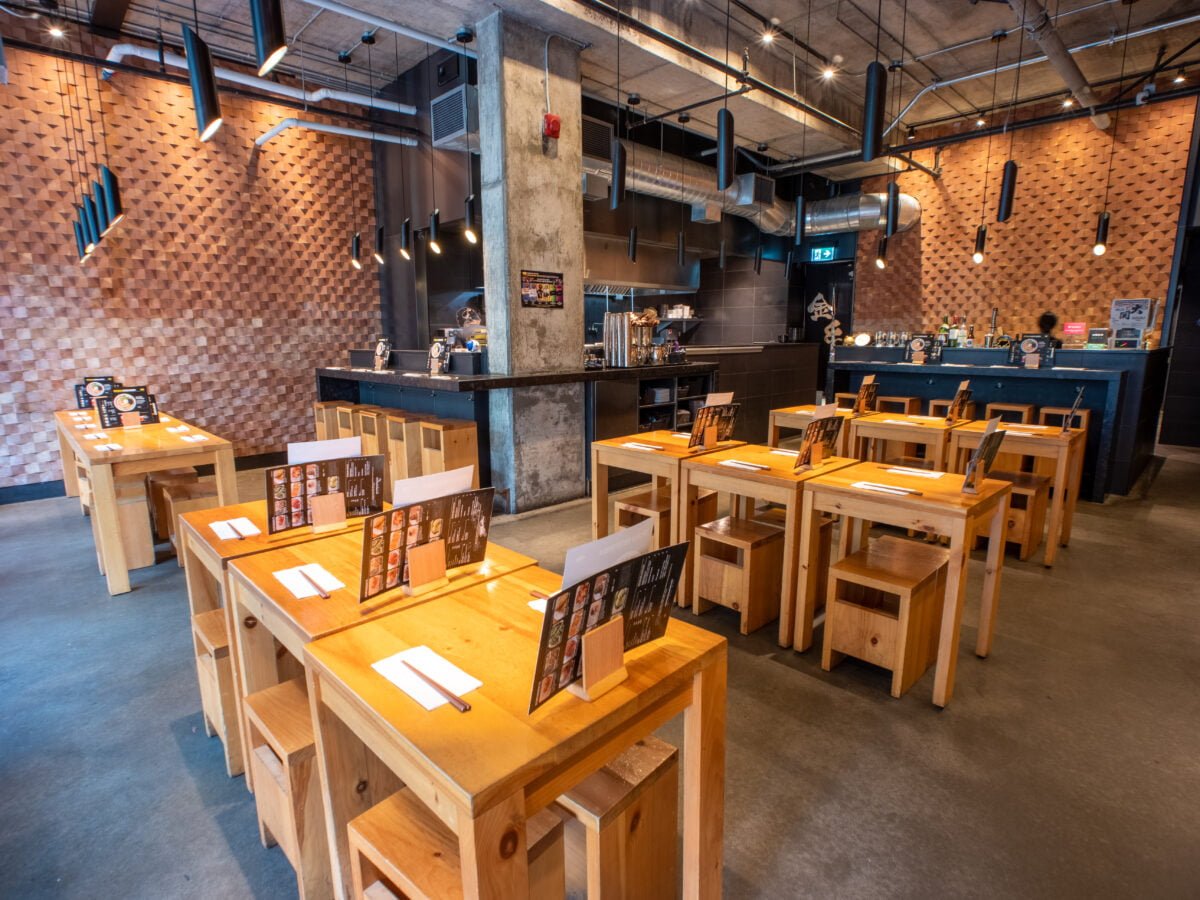
Kinton Ramen, one of the first Japanese ramen restaurants in Toronto, is in expansion mode with the opening soon of its latest offering in Liberty Village as it looks to grow nationally and internationally.
The brand opened its first location in May 2012 in Toronto.
It is owned by the Kinka Family, which also operates Kinka Izakaya, JaBistro, Kintori Yakitori and NEO Coffee Bar.
Sari Samarah, President & CEO, Broker of Record, of Value Insight Realty Inc., Brokerage, said the real estate company is seeking additional sites for the popular brand.
Image: Kinton Ramen
Kinton Ramen Waterloo (Image: Kinton Ramen)
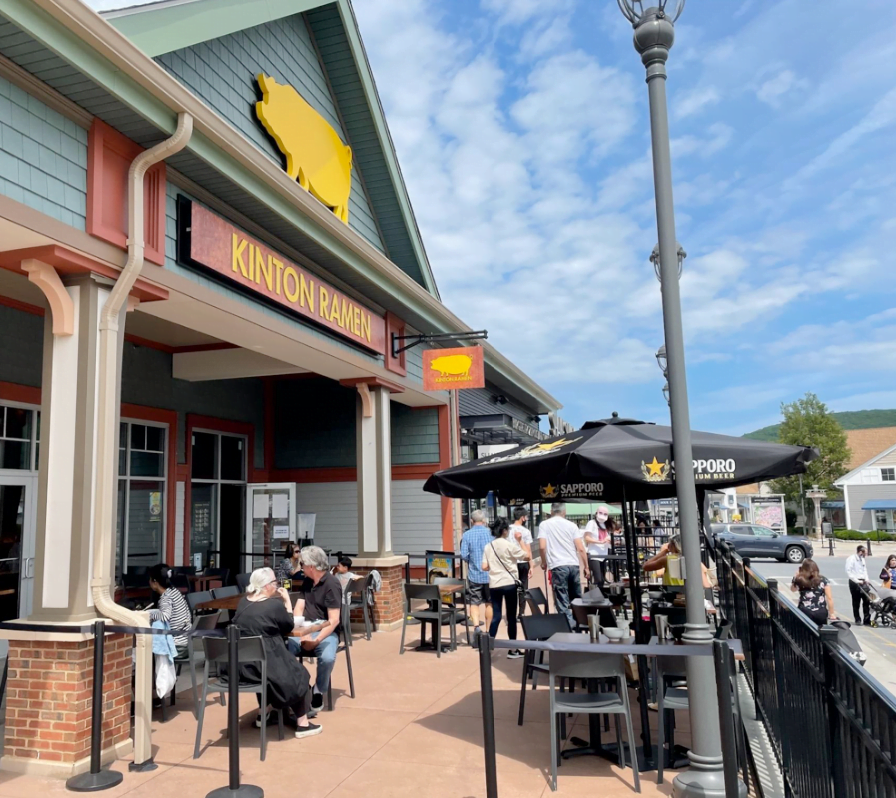
Kinton Ramen Woodbury Common, New York (Image: Kinton Ramen)
Samarah has worked with the CEO of Kinton Ramen from the first store that opened.
Sari Samarah
“I am proud to be the exclusive broker for Kinton Ramen, the largest Japanese restaurant group in Canada, since its inception in 2009. I also did work as an executive for the company in 2020 for two years (as VP of Business Development) before going back into the brokerage business so I understand what’s drives the success of our restaurants.
The Kinka Family has more than 40 locations with all its brands.
Image: Kinton Ramen
Kinton Ramen will open its Liberty Village location this coming winter.
“It’s about 1,800 square feet and it’s an area with a lot of density, good evening traffic, lunch traffic. And we are not served in that area,” said Samarah. “We’re expanding all over Canada in Vancouver and Quebec, Montreal as well as Ontario. We’re opening stores this winter in Vancouver, Montreal and in Ontario, we’re opening stores in Newmarket, Kingston and Oakville.
“Ramen is a very sought after item that has now become more of a staple similar to pizza, burgers and shawarma. Ramen has now entered that mix as a popular food item that is very widely recognized. College students grew up eating ramen from a bag and hot water, and Kinton Ramen is the authentic Japanese style ramen that everyone’s been yearning for. It’s a great experience for individuals, couples and families and enough flavours to satisfy any palate. It’s hot in the winter time and comforting when you’re sick.”
Image: Kinton RamenImage: Kinton Ramen
“We also have a few stores in the US. Two in Chicago in the West Loop and Wicker Park and one in New York at Woodbury Commons.”
He said the brand is looking for spaces between 1,500 to 2,500 square feet in areas of high density with good lunch and good dinner traffic. The brand is also looking for food court of quick service opportunties in 400-1200 square feet.
“We are continuing to expand in the downtown core for the right opportunities. On the whole west side of Toronto, the Liberty Village site is the only site we have west of Bathurst and other than Bloor West Village and Korea Town. We’re now also entering the suburban markets such as Scarborough, Markham and Mississauga where in the past we’ve been more focused on the urban street fronts. We’re going to other markets outside of such as Vaughan, Brampton, Richmond Hill, Burlington, Hamilton, London, Cambridge, Windsor, Kitchener, Whitby, Ajax, Markham.