Retail Insider is streamlining its Canadian retail news from around the web to include a handful of top news stories that can be viewed quickly during the day. Here are the top stories from the past 24 hours.
Amazon Canada Is continuing to grow its presence in Canada and has become an engine of growth for the Canadian economy as well.
In its 2022 Amazon Canada Impact Report, the e-commerce giant has outlined how it uses its scale, technology, resources and passion to generate economic benefits and technology in the country:
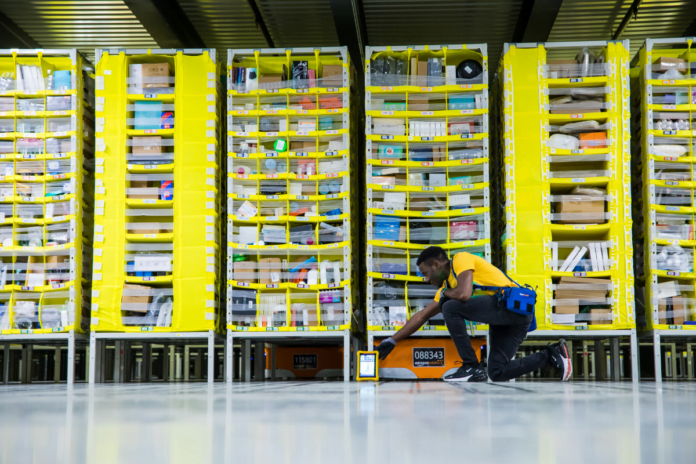
Amazon has grown to more than 69 facilities across Canada, including Tech Hubs, corporate offices, fulfilment centres, sortation centres and delivery stations;
There are now more than 600 Amazon Pickup Points in Canada, in provinces including British Columbia, Alberta, Manitoba, Ontario and Nova Scotia;
There are more than 40,000 full and part-time employes;
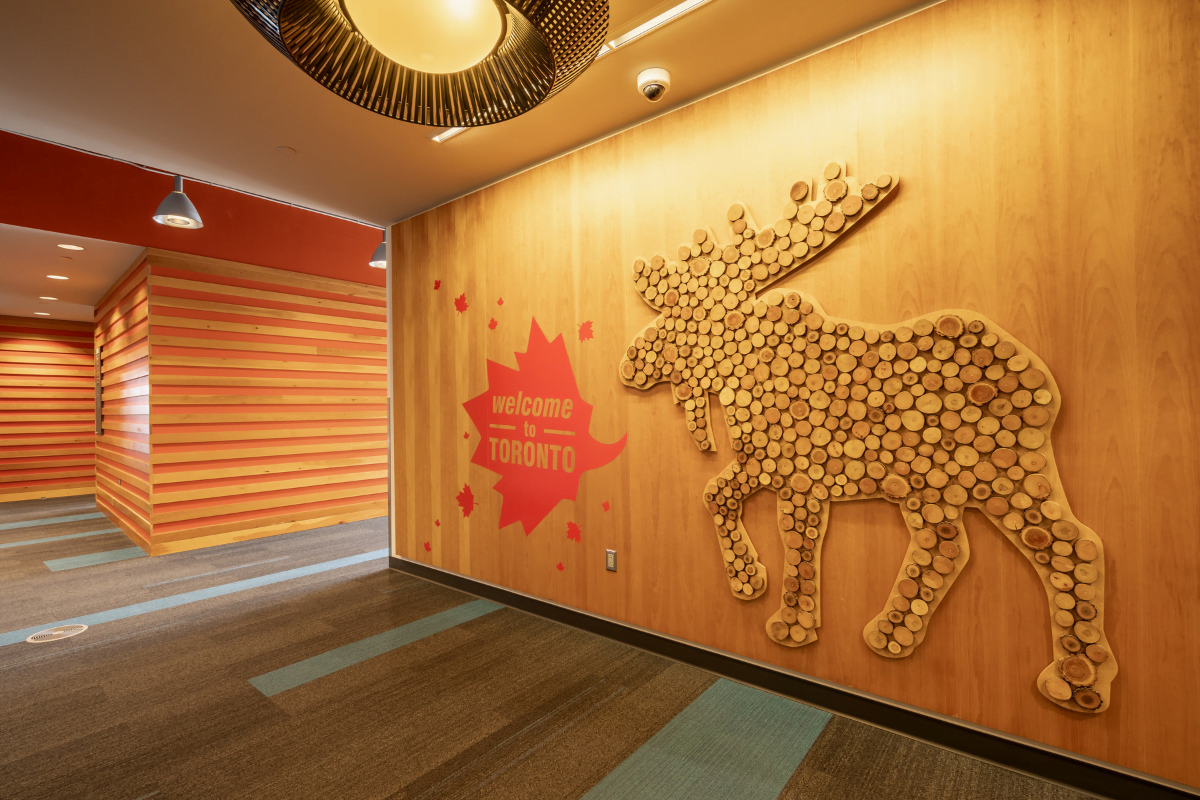
The company has two tech hubs in Vancouver and Toronto;
There are now more than 41,000 Canadian third-party selling partners, who collectively sold more than 100 million products (200 every minute) in 2021;
Amazon donated more than $15 million (both cash and in-kind) to community organizations across Canada in 2021, including hunger relief charities Breakfast Club of Canada (who received more than $1 million), Backpack Buddies and Food Banks Canada;
12 Canadian companies have joined Amazon in signing The Climate Pledge, including Holt Renfrew and Flow;
The solar energy capacity of its local renewable energy projects is enough to power more than 118,000 Canadians homes for a year;
There were more than 3,500 participants in Amazon Career Choice, a pre-paid tuition program that provides training for high demand occupations;
More than 25 Amazon Original series and films were shot in Canada;
Amazon’s paper padded mailer is a recyclable packaging solution optimized for weight, flexibility, and impact resistance, helping reduce packaging waste in Canada.
Image: Amazon Canada
This is the company’s third impact report.
“The point that our impact report is really making is to underline how we’re part of the local community. The fact that we have more than 40,000 full and part-time employees, 69 facilities, reinforces how we’re proud to be part of the local community. But that extends to how we give back,” said Kristin Gable, Senior Manager, Communications, for Amazon Canada.
Kristin Gable
For example, she said, in 2021 Amazon Canada donated more than $15 million both cash and in-kind to Canadian charities.
“Beyond what we create, is the fact that our business is also giving back to causes that we care about.”
In its report, Amazon said it invests billions of dollars in people, resources and services that support entrepreneurs at every stage of their journey from inception to global success:
More than 1,000 Canadian selling partners had over $500,000 USD in sales, up 15 per cent year over year;
In 2021, the total sales of Canadian sellers selling in Amazon’s store increased by more than 20 per cent year over year;
More than 4,000 Canadian sellers had over $100,000 USD in sales, up more than 16 per cent year over year;
Canadian selling partners averaged over $85,000 USD in annual sales, an increase of more than 13 per cent.
Image: Amazon CanadaImage: Amazon Canada
Amazon said it is committed to being the best place for businesses to launch and build a successful brand.
“In 2021, Amazon launched the Intellectual Property (IP) Accelerator in Canada. IP Accelerator makes it easier and more cost effective for selling partners to obtain trademarks, protect their brands, and tackle infringing goods both in Amazon’s stores and the broader marketplace. Available to any brand selling in Amazon’s stores, IP Accelerator directly connects Canadian SMB owners with a curated network of local law firms charging reduced, pre-negotiated rates on key services, giving SMBs access to expert legal and general IP advice that may otherwise be cost-prohibitive or hard to find,” it said.
“Building a brand starts with protecting your brand, and Amazon makes it easy to do that. In 2021, Amazon connected more than 5,900 sellers globally to our network of trusted law firms through IP Accelerator. Since the program’s original launch in 2019, over 12,000 brands globally have enrolled in Brand Registry through IP Accelerator.”
“For any small business, but particularly for one like mine, whose invention is becoming increasingly popular, there is a significant risk of competitors copying or stealing your hard work and capitalizing on your growth. As a small business owner, I have many urgent day- to-day priorities that can prevent me from pursuing complicated matters like trademark protection. I am encouraged to see initiatives like IP Accelerator, which connects businesses like mine with specialized legal expertise at a reduced cost,” said Jennifer Pratt, Inventor of Seeding Square, in the Amazon Canada Impact Report.
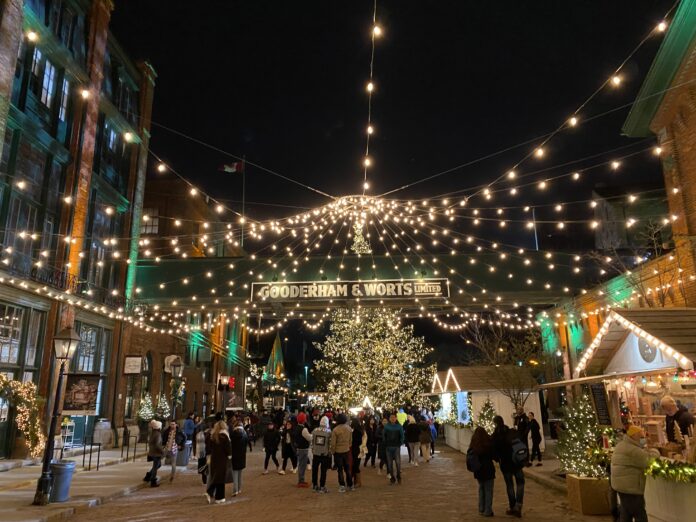
Distillery District Winter Village (Image: Dustin Fuhs)
The holiday season is here, and some may plan to go shopping along local Main Streets, popular city districts, malls or to enjoy time with friends and family in restaurants.
If you plan a trip to New York or Toronto for the coming holiday, you might have places like Fifth Avenue or Yorkville on your list as destinations.
But what makes some shops different than others? What makes Fifth Avenue or Yorkville different than other streets?
Aside from finding our preferred brands in certain shops or along these major shopping streets, many of us enjoy spending time strolling those streets or in our local malls.
After all, the concept of retail therapy emerged in the 1980s and centred around getting good feelings and positive vibes from shopping in your preferred location.
Entire malls have been built as awe-inspiring or feel-good destinations, whether or not we agree that shopping itself is really something we enjoy. Is it buying merchandise that gives us a good feeling or is it more the atmosphere of the place we’re visiting?
Components of a space
In his book Questions of Perception, New York-based architect Steven Holl discusses how we perceive our surrounding environment by approaching and walking in a space (also known as circulation) and the components of that space.
According to Holl, we capture a frame of the space we are experiencing with every single step. But our experience depends on many different components, including lights, colours, textures, details, greenery and even the people around us.
All these components are merged into one single frame that forms our experience of a space.
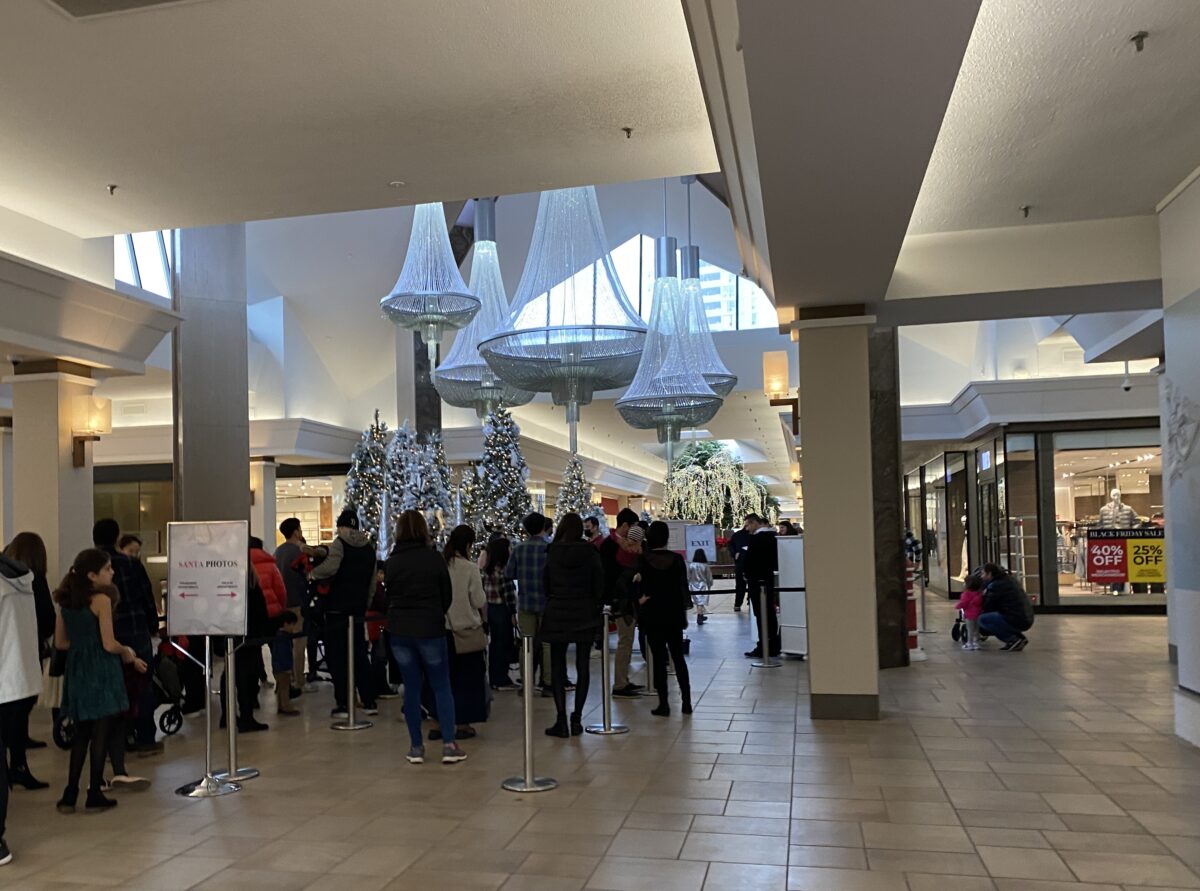
Bayview Village Santa Experience (Image: Dustin Fuhs)
Colours, light and sound
Scientific evidence shows different colours have different impacts on our moods. For instance, the colour red can increase appetite in a restaurant; that’s likely why so many seats in fast-food restaurants are in warm colours.
Similarly, green can make us feel peaceful and safe; that’s the reason behind using it in your local health-care clinic.
But colours alone won’t do the job — light is a major component in our built environment. Lighting design contributes significantly to how we perceive our environments.
Many restaurants, for example, use lighting to create an atmosphere at each table and might combine it with candles for an elevated experience. Libraries, on the other hand, provide sufficient lighting levels to desks so people can read with ease.
Ambient sounds of streets and malls
Sound is another major contributor to our perception. The sound of rain can intensify a romantic walk by the river. Similarly, you might recognize some streets by the ambient sound. We all experience this ambient sound in our local malls.
We might also experience a particular space through a specific smell. We all have the common experience of smelling perfume that reminds us of someone.
All these space components are used in shopping districts or malls to give visitors a unique experience. It’s all intended to give visitors a positive vibe that will make them return and spend time and money.
Details and materials
Details are an essential element in architecture to the extent that some brands are known simply for the unique architecture of their retail stores. A golden placard on a black background or golden linear light amid a dark ambient hue are details that can contribute to surrounding environments.
These details can expand into our malls and shopping districts to include greenery and ornamental water fountains, for example. Materials are another vital component of our built environment.
Sitting on a wooden chair feels different than sitting on a metal chair. In a similar fashion, we perceive our environments based on the materials that are used to create a space.
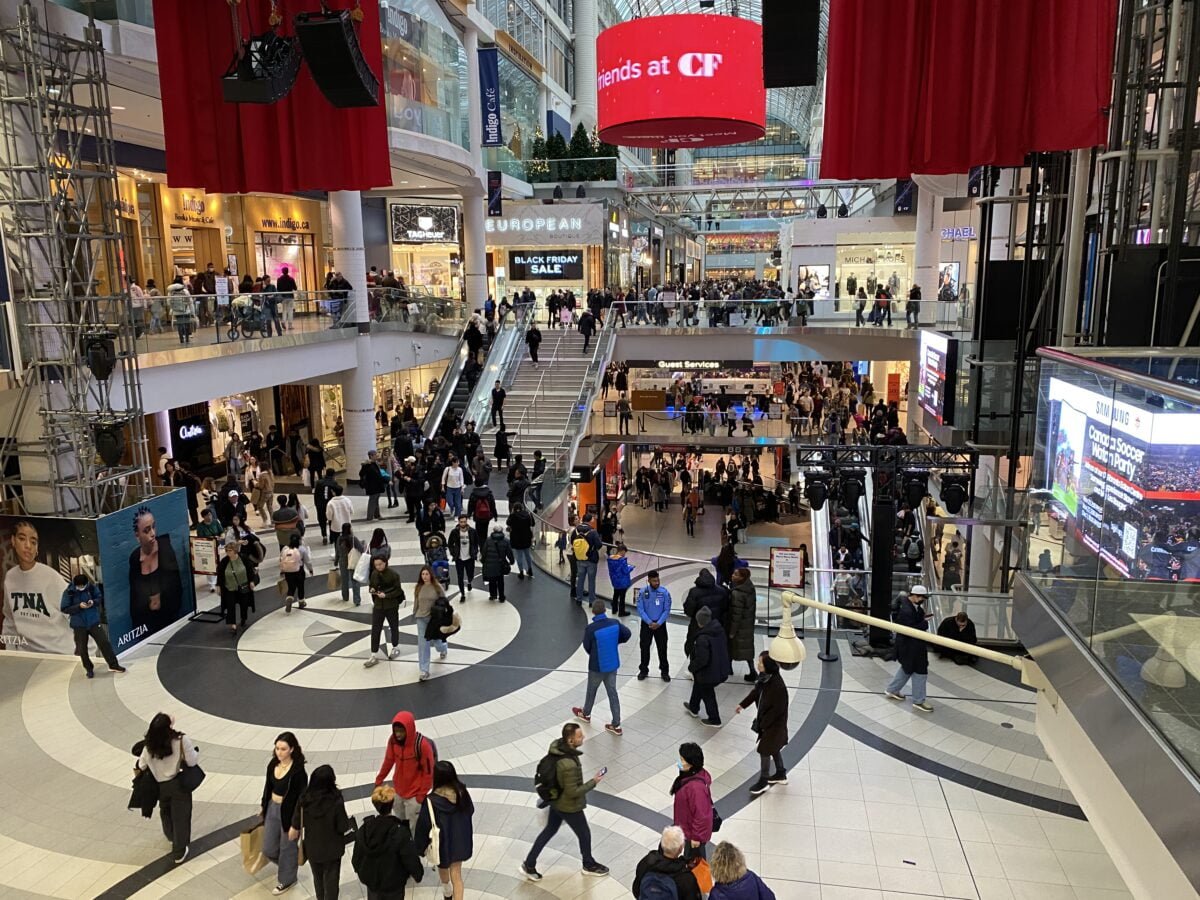
People wind their way through the CF Toronto Eaton Centre (Image: Dustin Fuhs)
Perception of time
The past and future are two concepts in our minds. The present is the reality that we continuously experience as a series of single frames through our senses. For a better understanding, think of a film that we perceive through our seven senses.
For instance, if we walk down a long straight street, the task of walking might become arduous, resulting in thinking about why it’s taking so long to reach the destination.
In contrast, when we browse different retail stores, coffee shops and so on in a local market or mall, there are constantly changing frames. That’s why we find ourselves shopping for hours in a mall without feeling tired — and why walking for 20 minutes down a long straight street feels too long.
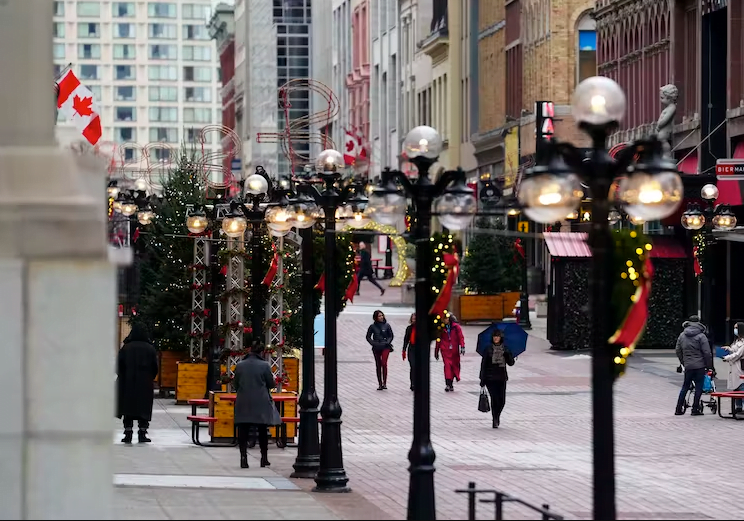
People make their way along a holiday-decorated Sparks Street in Ottawa in December 2022. THE CANADIAN PRESS/Sean Kilpatrick
When more senses are stimulated in perceiving our surroundings, our experience is elevated, resulting in different perceptions of time.
Now we know why sometimes walking on a uninteresting street for 30 minutes might seem arduous to us, but browsing and shopping for five hours in our local shopping mall or bustling street is fun.
Details, materials, light and all other components of our built environment impact our experiences of the spaces surrounding us. These, in turn, affect our perception of time and duration.
So, next time, whether you are planning to visit your local mall or a new city, you can identify what components most impact your perception in our built environment. This can help you decide whether you want to visit a specific location again next time.
By Farzam Sepanta, PhD Candidate, Building Engineering, Carleton University
PayPlan by RBC Makes Buy Now, Pay Later Convenient and Flexible for Retailers and Consumers Alike
RBC recently launched PayPlan by RBC, a ‘buy now, pay later’ platform that is already gaining traction with retailers and is the first such digital solution to be offered by a Tier 1 bank in Canada.
“PayPlan enables merchants to provide their customers with a simple and convenient way to pay for purchases, over time, while they get paid upfront and RBC takes all the risk,” said Neill Ashe, Senior Director Payments & Commerce at RBC. “This solution offers more options for shoppers to pay for larger items, increasing overall conversions and reducing cart abandonment.”
The pay-over-time solution is something consumers have been requesting, as it helps them confidently make larger purchases on retailer websites by spreading the cost over equal monthly payments, while knowing upfront how much – and when – they will pay.
Image: Martin Motor Sports
Edmonton-based Martin Motor Sports offers PayPlan to their customers and says it has been good for business. “We are seeing increased sales on larger priced items and overall increased dollar per cart. By having PayPlan by RBC we are seeing positive trends in our e-commerce business,” said Troy Skinner, Parts Asset Manager at Martin Motor Sports.
Skinner said customers are happy with the solution and Martin Motor Sports has received positive feedback on the option to pay in installments with the flexibility of choosing the repayment schedule that works best for them. He says they also appreciate that PayPlan by RBC is backed by a very trusted Canadian bank, which adds a reassuring element to the purchasing process.
Consumers simply add items to their cart and choose PayPlan by RBC in the checkout flow of any participating retailer. After a quick and simple application process, they can choose the repayment terms and monthly payment amounts, without any hidden fees.
“RBC is focused on building stronger relationships through positive experiences. By offering PayPlan, our merchant partners can translate these positive experiences to their customers” adds Ashe. “After seeing the benefits to business and consumers, retailers are quickly signing up.” For more information, visit rbc.com/payplan.
Find out more about PayPlan on Retail Insider’s podcast interview with RBC’s Neill Ashe.
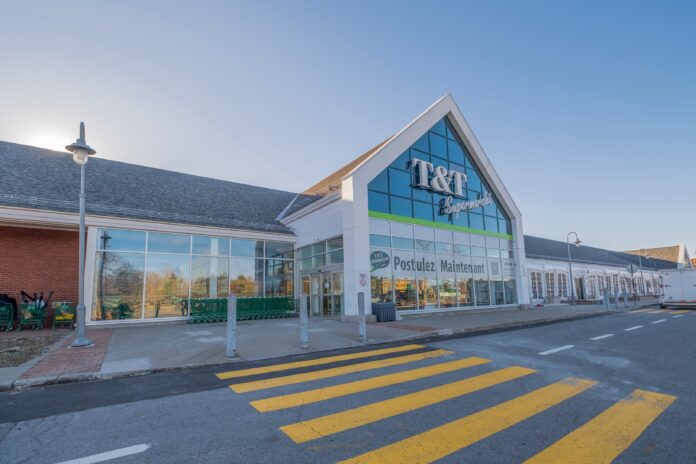
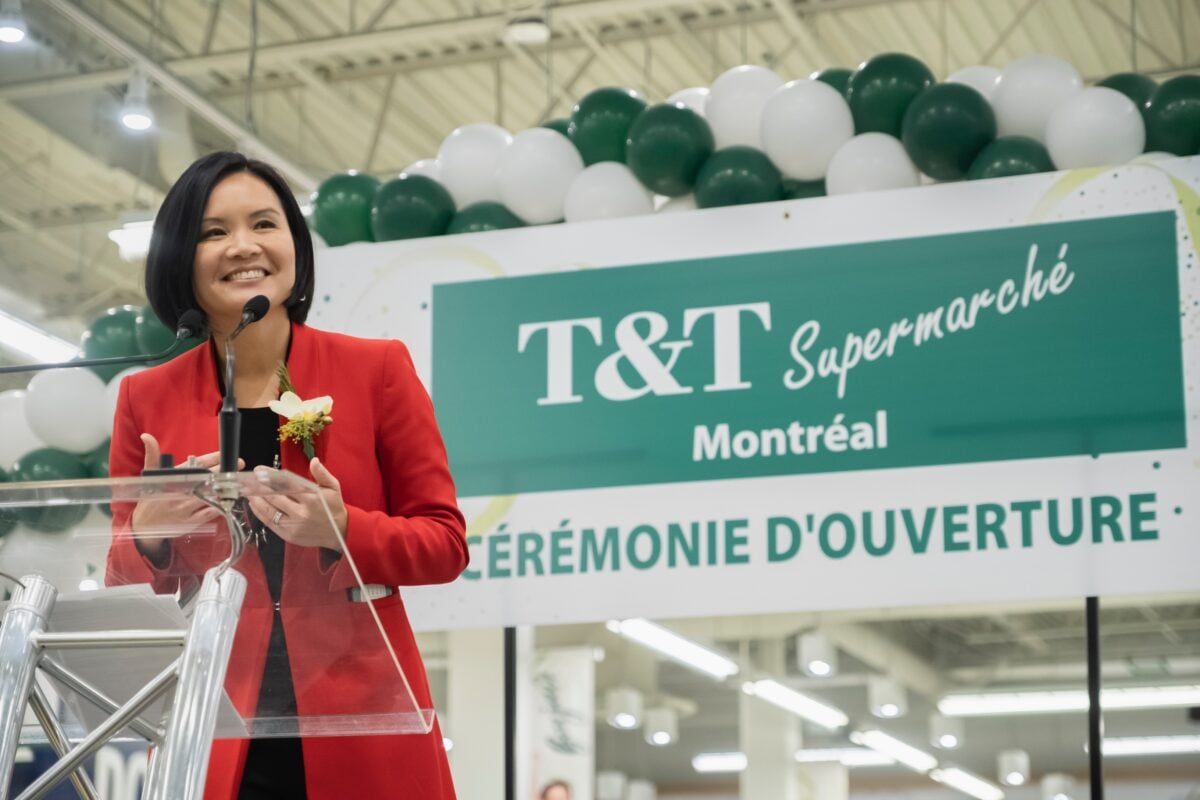
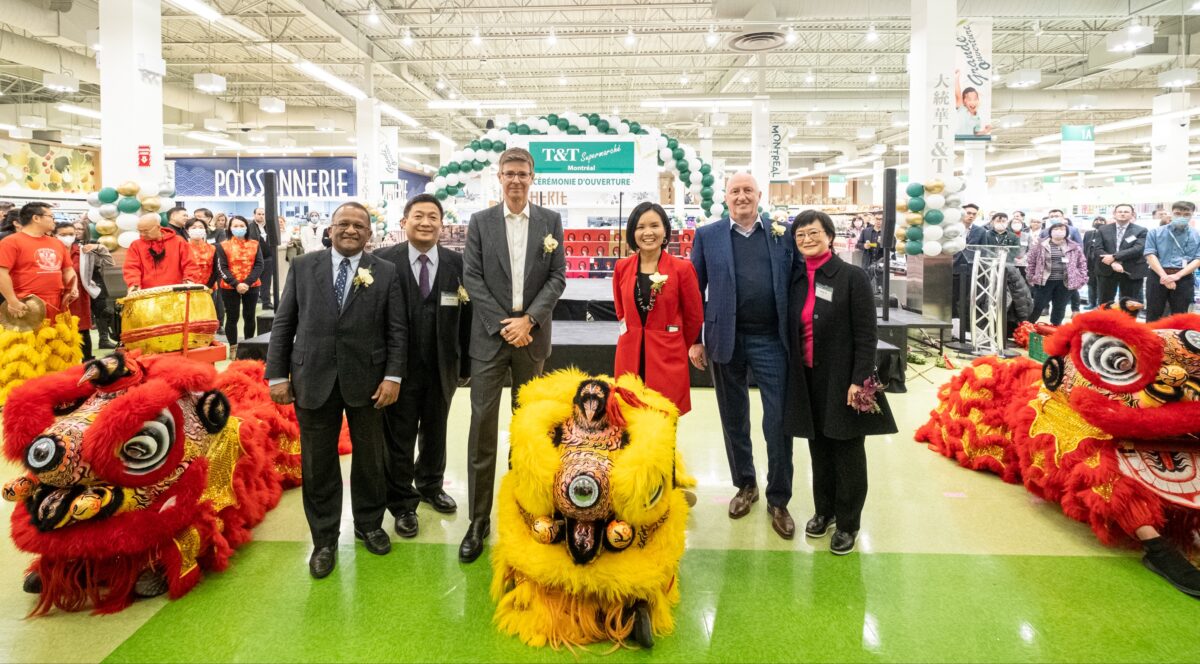
T&T Supermarket is opening its first and largest store in Montreal as it continues to expand its footprint across the country with two more new stores opening in the New Year.
The Montreal store is the company’s Easternmost location in Canada and 31st in the chain.
The store is 70,000 square feet.
T&T Supermarket, under the Loblaw Companies umbrella, is the largest Asian supermarket chain in Canada, operating stores in British Columbia, Alberta, Ontario and Quebec. T&T Supermarket was founded in 1993 by Cindy and Jack Lee, who opened their first Vancouver supermarket at a time when Asian products were hard to come by in grocery stores. They named the store after their two daughters, Tina and Tiffany. It is now led by second generation successor and CEO Tina Lee and headquartered in Richmond, British Columbia.
“We are finally embarking on our adventure in Quebec in order to not only meet the Asian communities here but to offer a unique culinary experience to every Quebecer,” said Lee. “In my many visits to Québec, I have been excited to discover a rich culinary culture that combines creativity and diversity and I look forward to T&T contributing to Quebecers’ growing appetite for new culinary experiences and discoveries.”
“The first time I visited a T&T I was very impressed, and I told Tina, we HAVE to bring T&T to Quebec. Living in Montreal, I know people will love T&T’s unique fresh assortment. Seafood, kitchen and bakery are particularly outstanding and will appeal to a much wider audience. T&T is a growing part of Loblaw’s business and we’re excited to bring them to Quebec,” said Robert Sawyer, Loblaw’s Chief Operating Officer.
T&T Supermarket Montreal (Image: T&T Supermarket)
Lee said the Montreal store is materially bigger than the size of the chain’s average store at about 40,000 square feet.
The store is located in the borough of Saint-Lauren tat 300 Sainte-Croix Ave, near the intersection of Highways 15 and 40, and it will be able to serve all residents of the Greater Montreal area.
The Montreal store offers:
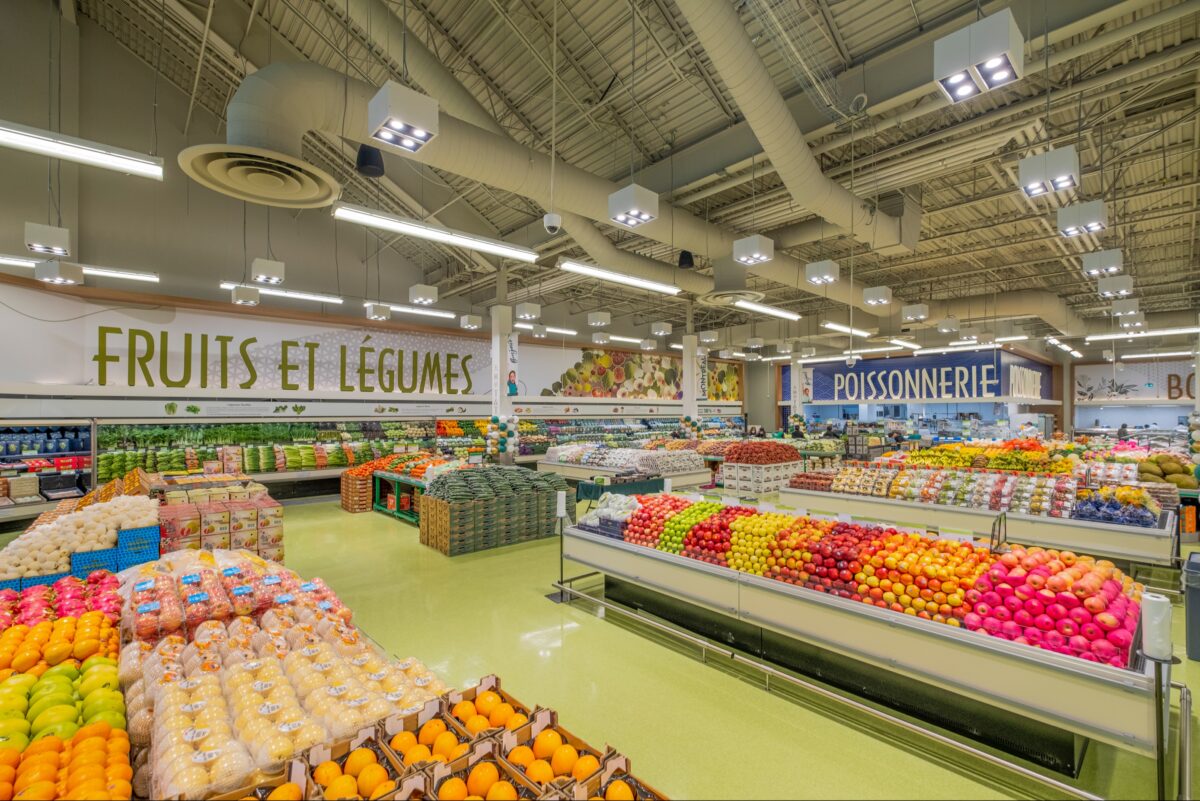
Over 20,000 products including a wide variety of fresh produce, premium fruits and gifts, live seafood, and trendy snacks;
Quality fresh food and products prepared and cooked in-store or sourced from across Asia;
Authentic Asian pastries, custom cakes, sushi bar, self-serve hot food station, barbeque station, and rare find street foods such as Asian-style crepes and pork belly buns;
A variety of imported beers and wines from different parts of Asia, including alcoholic and non-alcoholic beers sold exclusively at T&T. It’s the first and only T&T in the country to sell alcohol;
T&T’s full line of private label products, up to 400 items, including Asian comfort foods such as scallion pancakes and dumplings, pantry stables such as sauces and noodles, healthy snacks and kitchen accessories;
Health and beauty products and cosmetics that are only found in Asia and are known for their effectiveness.
T&T Supermarket Montreal (Image: T&T Supermarket)
On December 1, the company opened a new location in Sage Hill in Calgary.
It plans to open new locations at the CF Fairview Mall in Toronto and in Coquitlam in the New Year. Lee said Fairview is expected to open in a few months with Coquitlam opening in the first quarter of 2023. She said more locations are in the pipeline for the brand.
“We actually are one of the rare retailers where we can flex our store space. We’re fairly agile when it comes to the box we’re looking for. We can go as small as 30,000 square feet and as large as 70,000 square feet. So very flexible that way,” said Lee.
“Of course, we appeal to a core demographic of East Asians and so we look for a demographic pulse and certainly a growing community. We like that as well.”
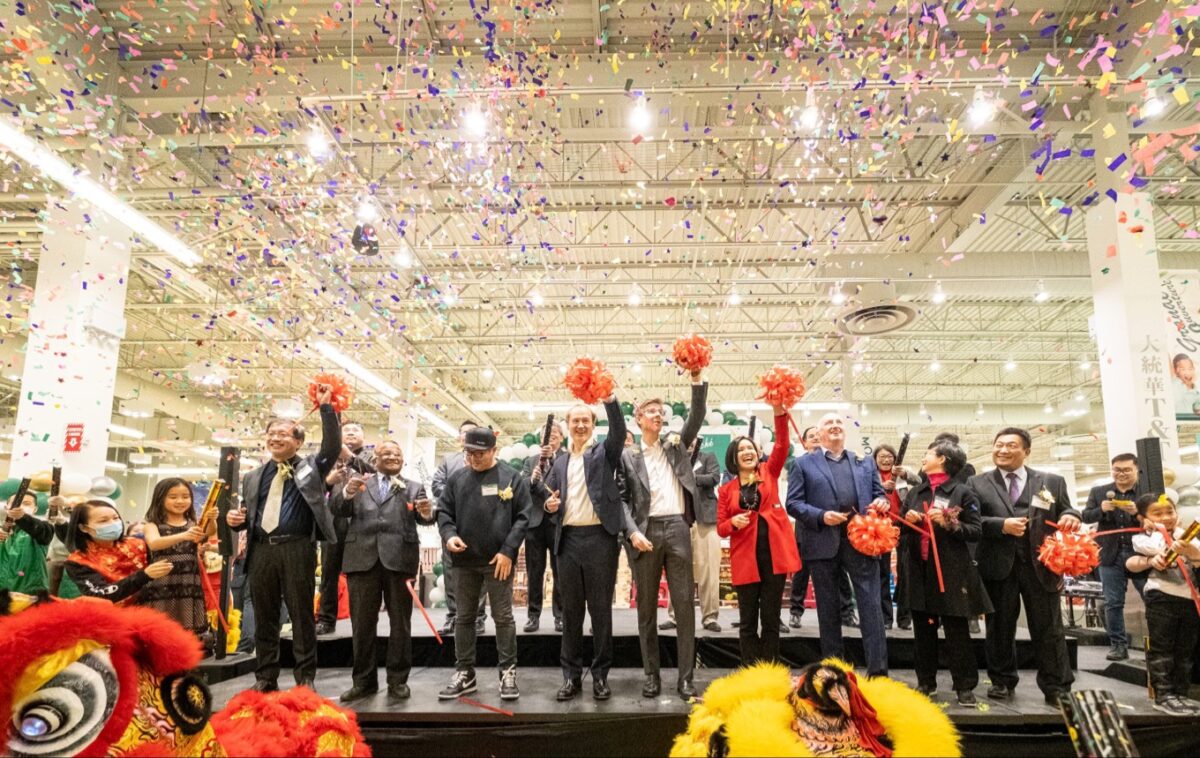
CEO Tina Lee at T&T Supermarket Montreal’s Grand Opening (Image: T&T Supermarket)
Lee said the company recognizes there is a lot of pent-up demand in the Montreal market for what it offers.
“We know that customers drive three hours to their closest T&T which is in Ottawa. So often we’ll see Quebec license plates in our parking lot,” she said.
“Montreal’s a large city and to have our first store in Montreal, we wanted to make sure that we could service as many people as we could. It’s on Montreal Island which is quite central to pull from all the boroughs around the city of Montreal.
“The other thing is, which I’m quite excited about, Montreal is a very food loving culture. We have such amazing ingredients and fresh selection and we execute really well in the in-store bakery and kitchen. All of that is going to have a wider appeal to Montrealers who really celebrate food and enjoy food, dare I say more than the rest of the country. So we built a bigger store with that in mind and we expect to have a regional draw.”
T&T Supermarket Montreal (Image: T&T Supermarket)
For example, Lee said the company made a huge investment in seafood for the Montreal store with “enough water to fill your backyard swimming pool.” There’s also a huge investment in its in-store bakery and kitchen.
As for future stores, Lee said the company will see how things go with the launch of the Montreal store and Atlantic Canada is a possibility.
“That would be pretty amazing. I think one day I’d like to be there,” said Lee.
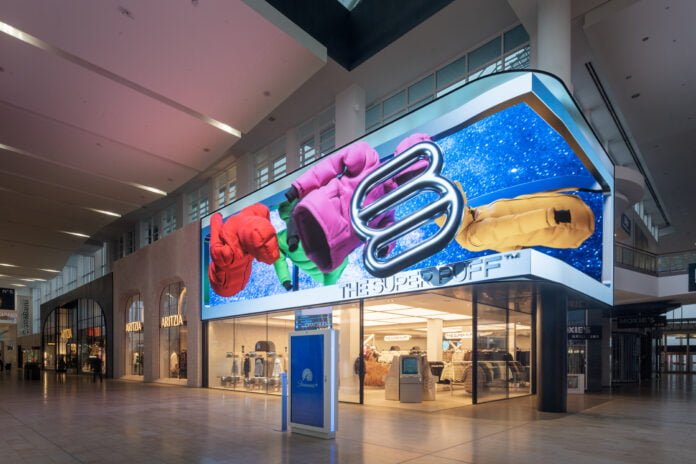
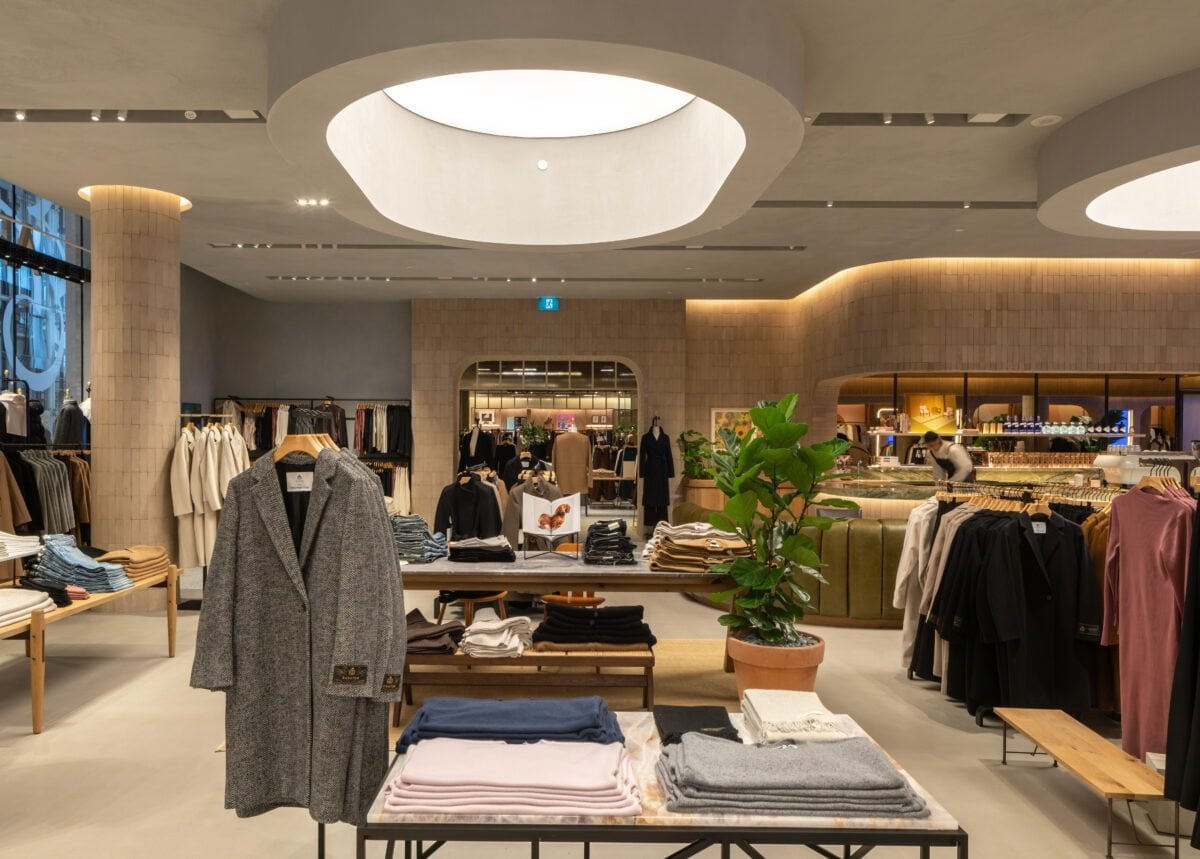
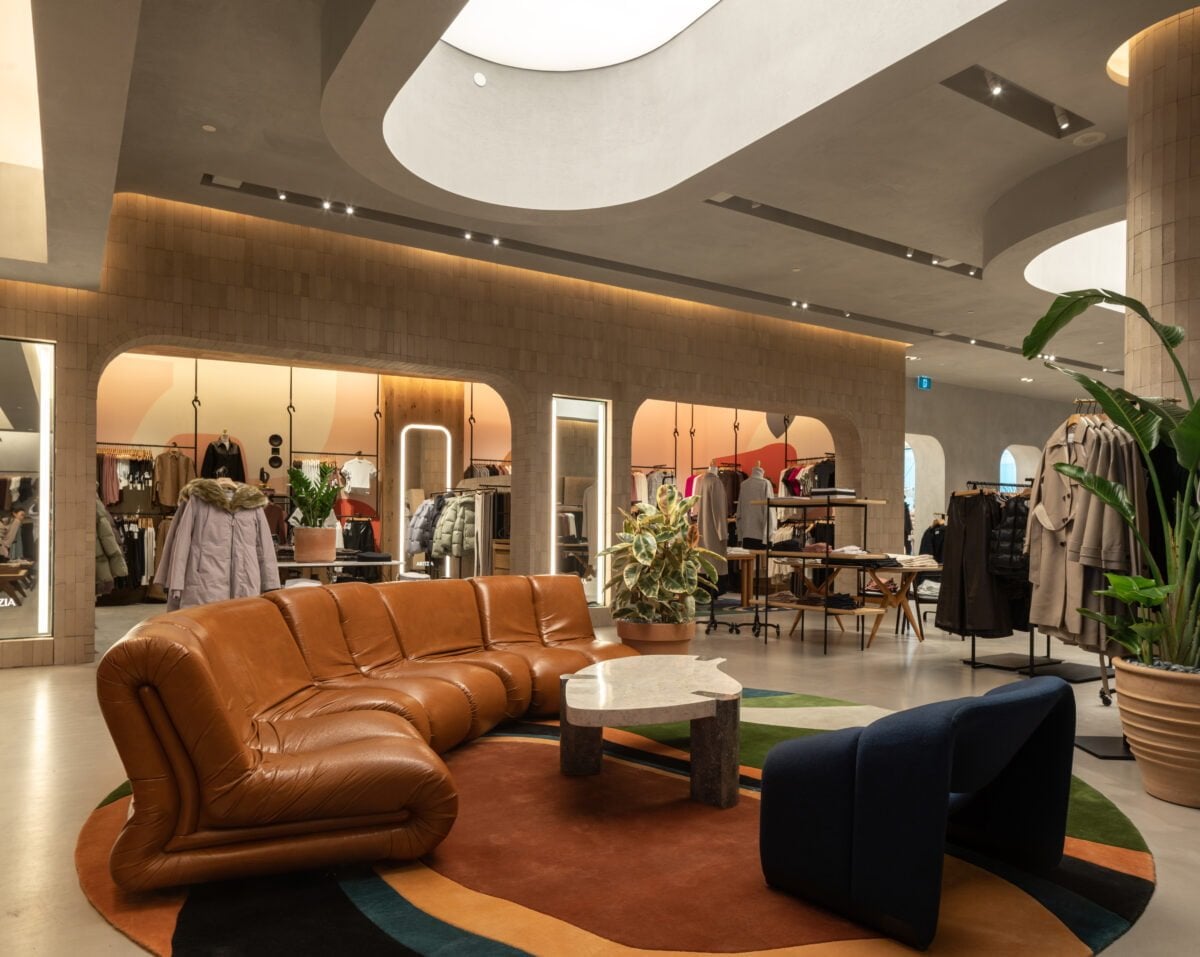
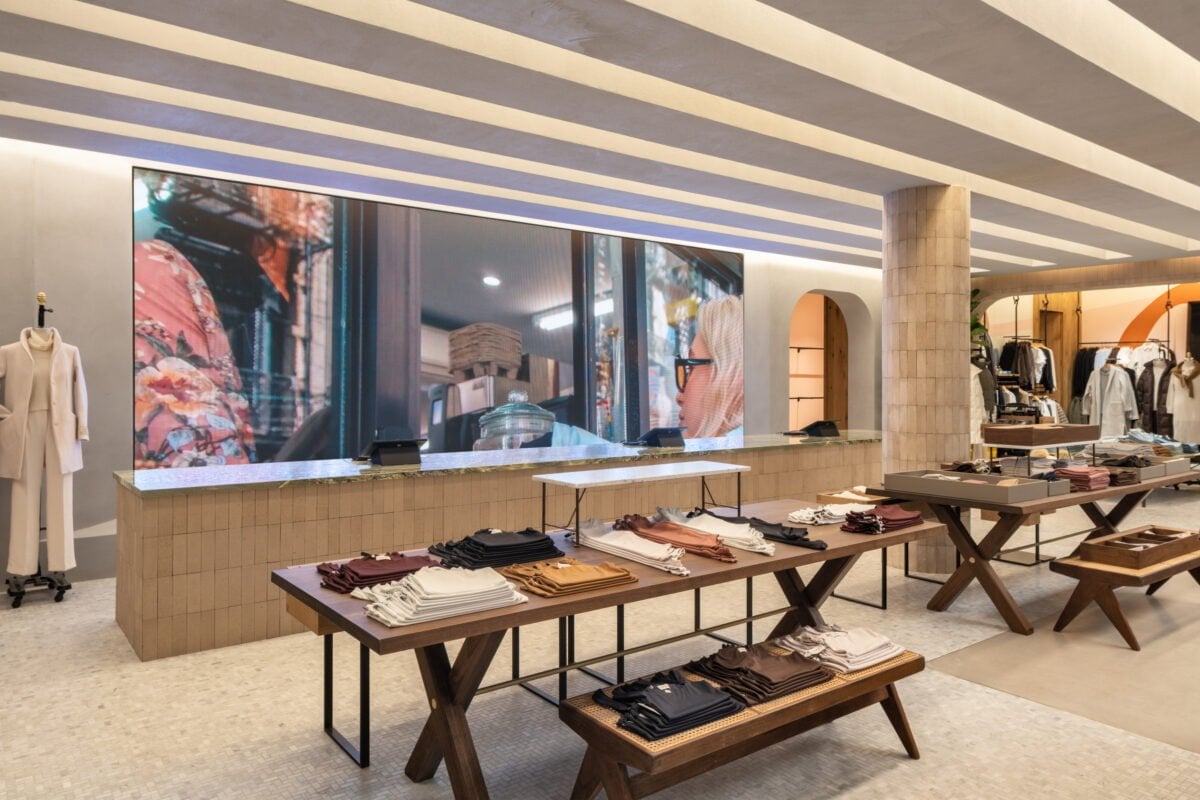
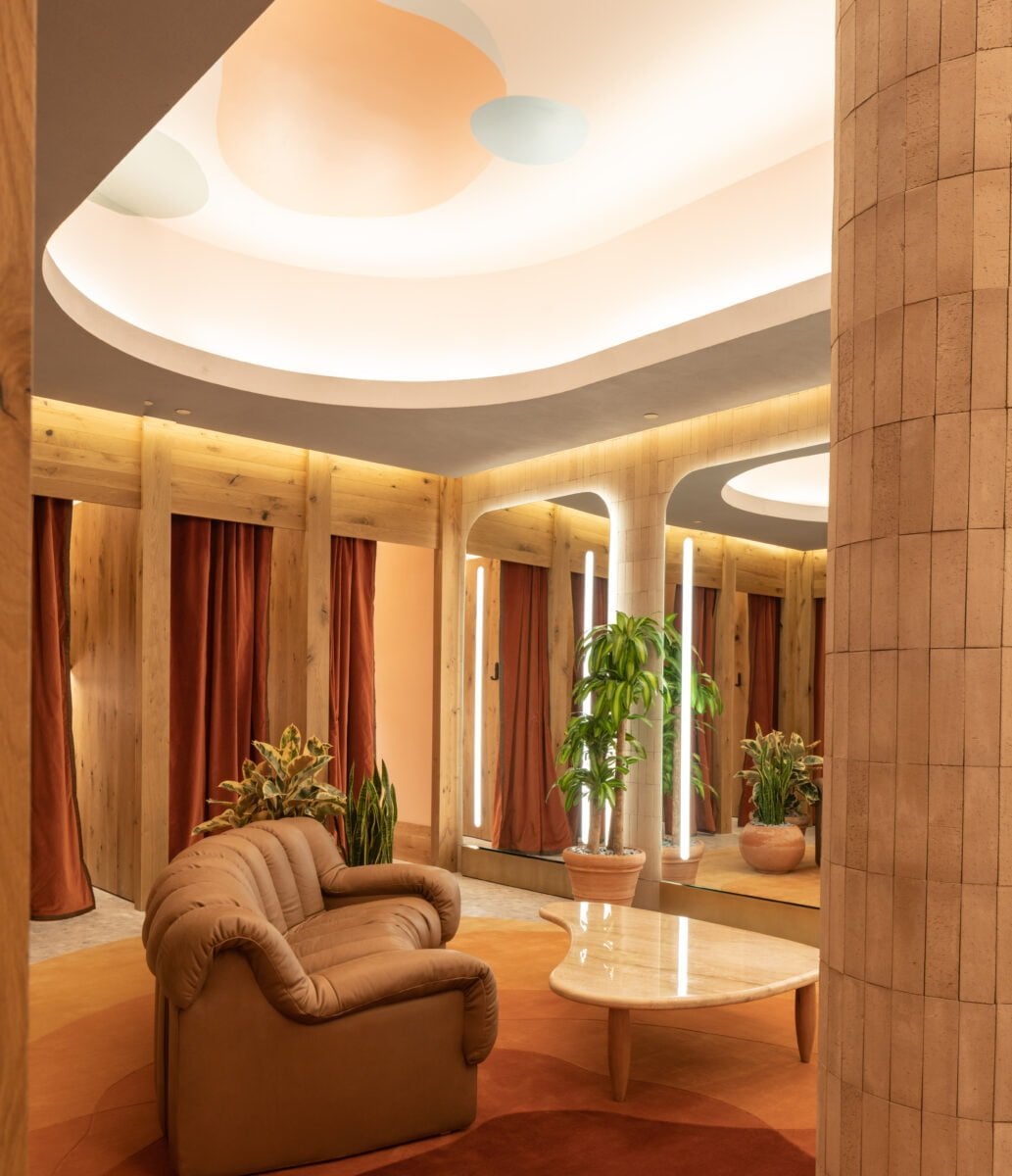
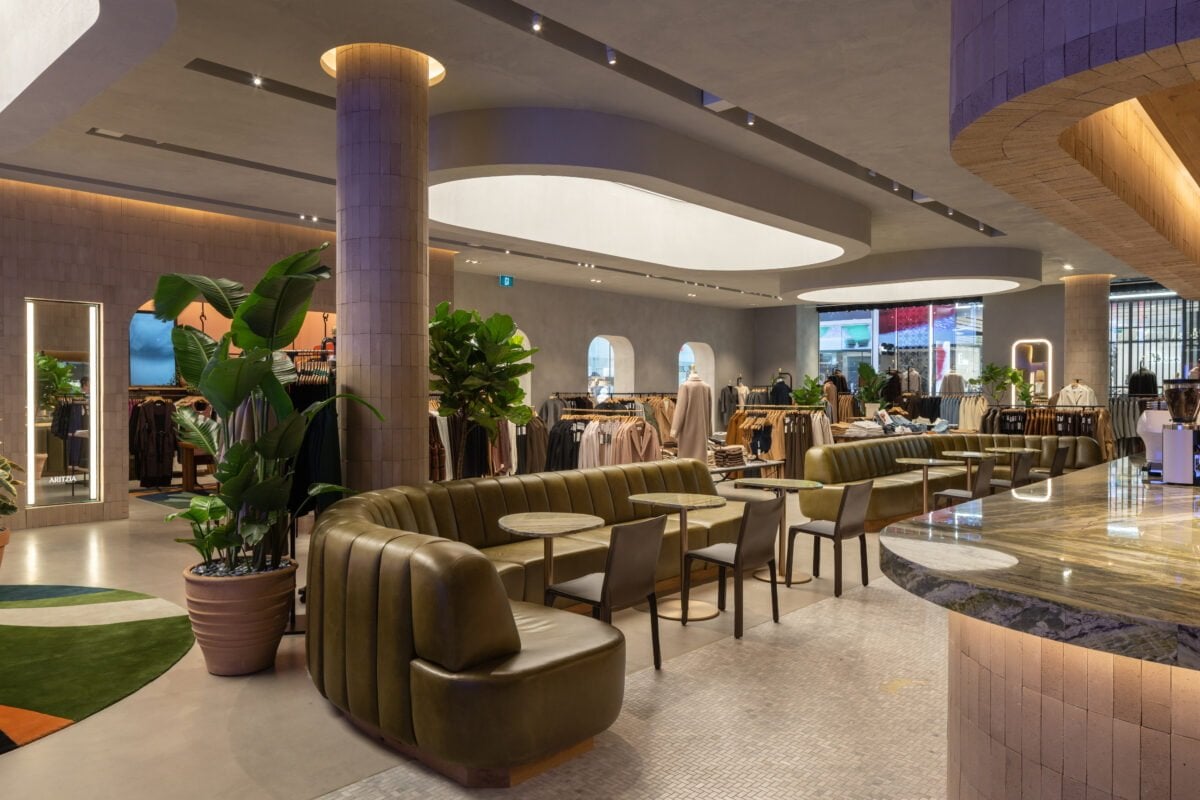
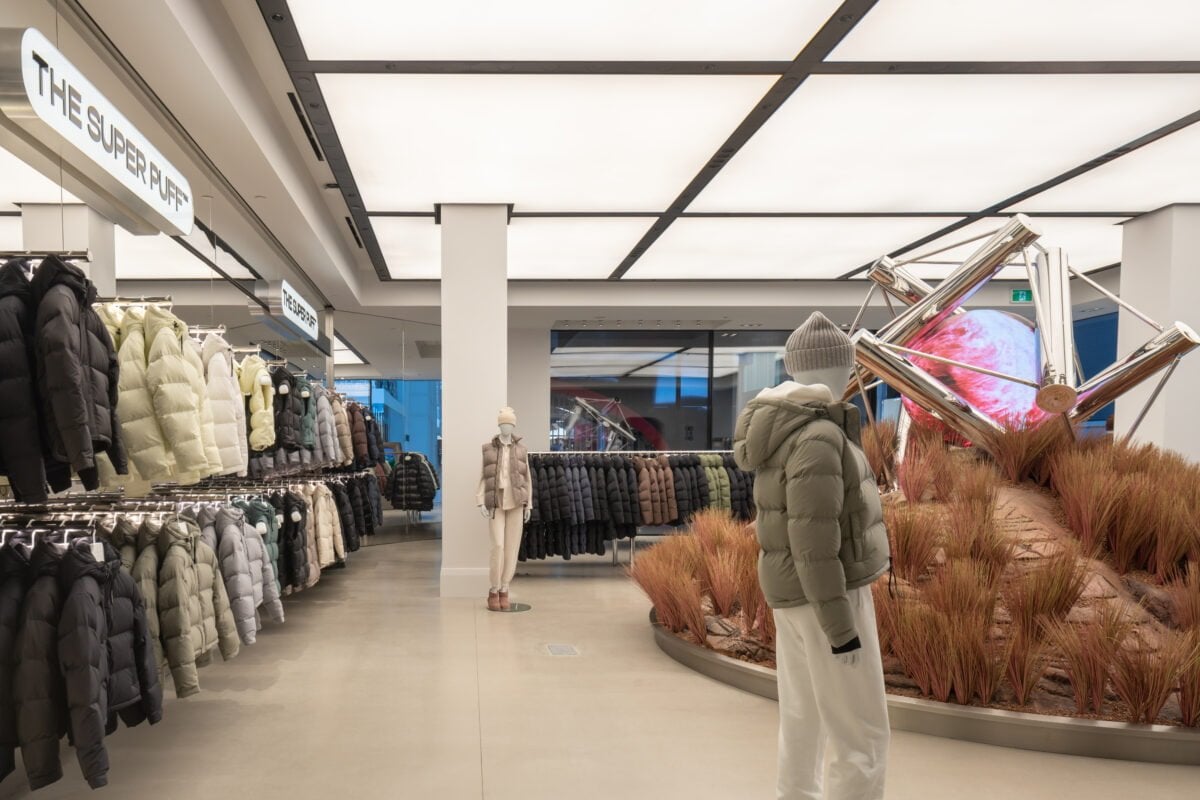
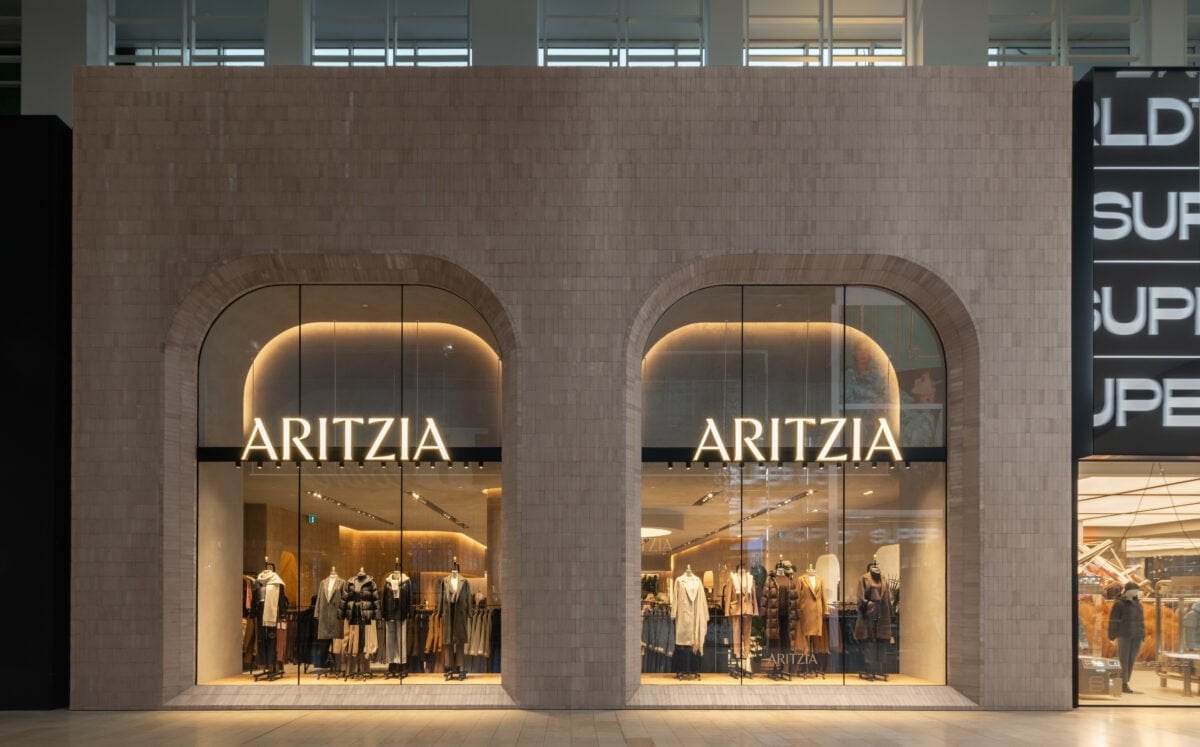
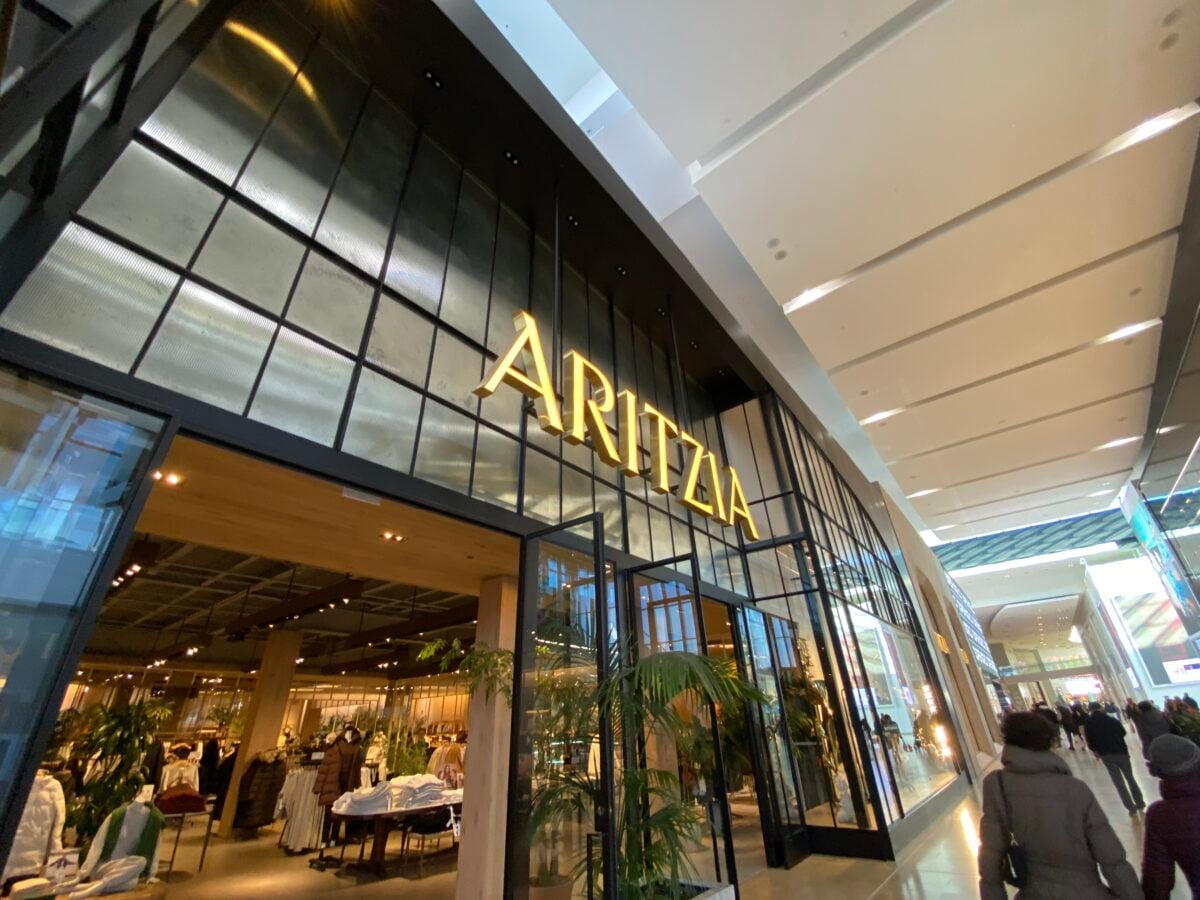
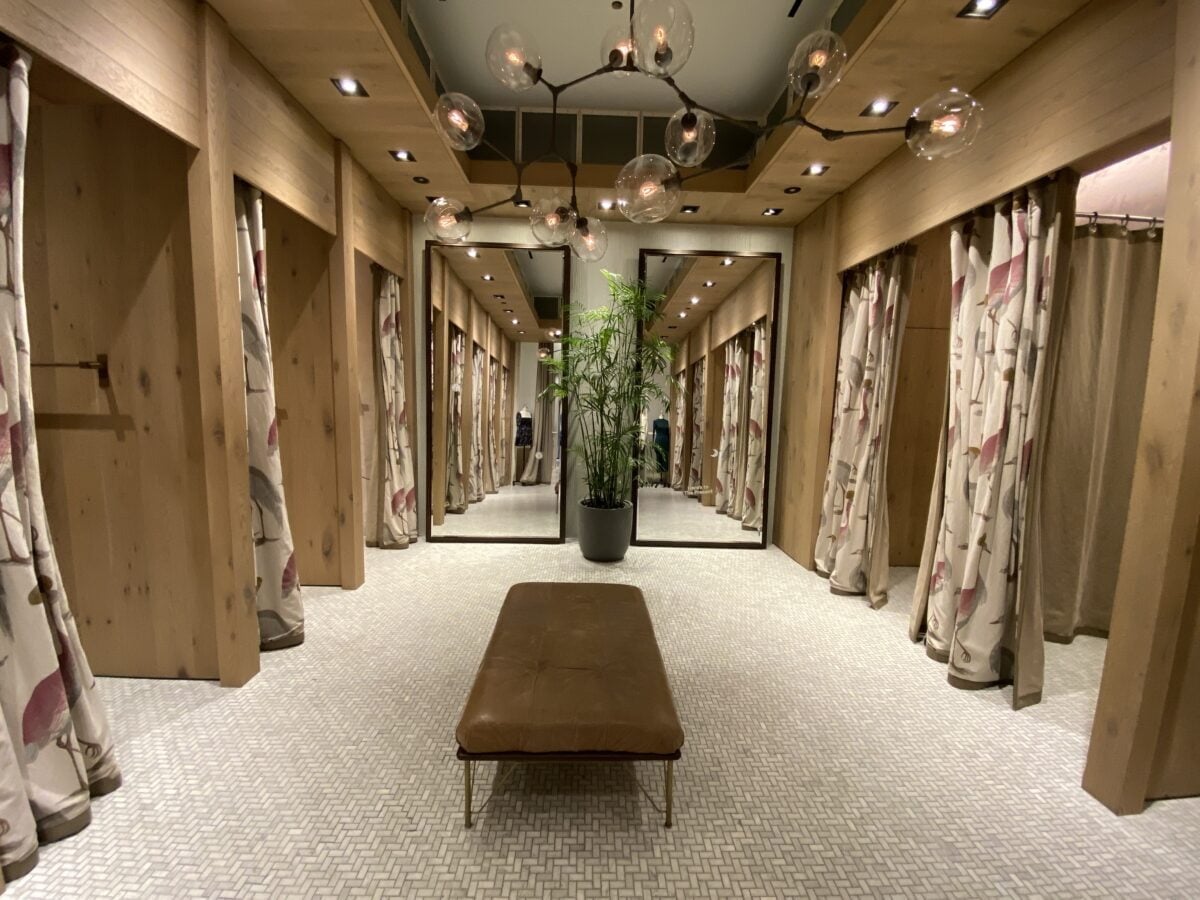
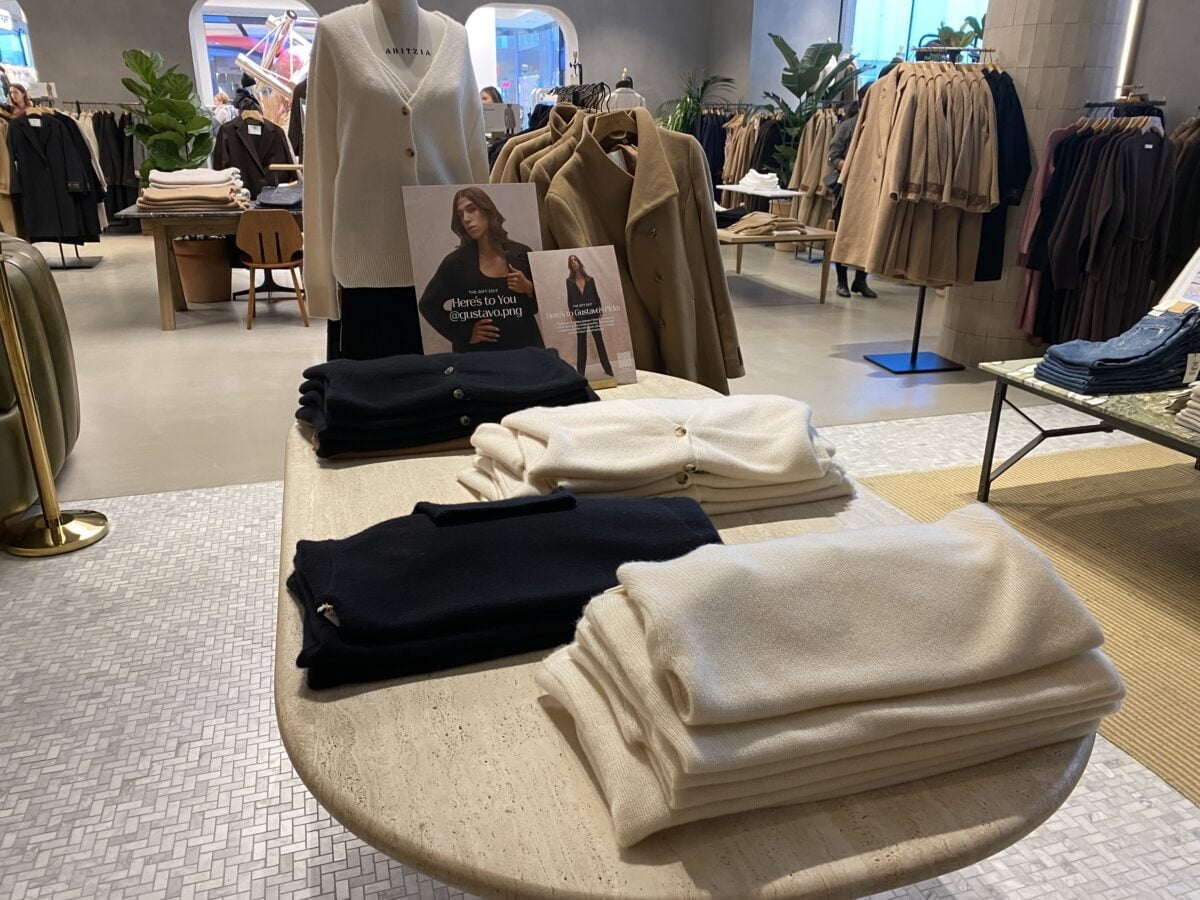
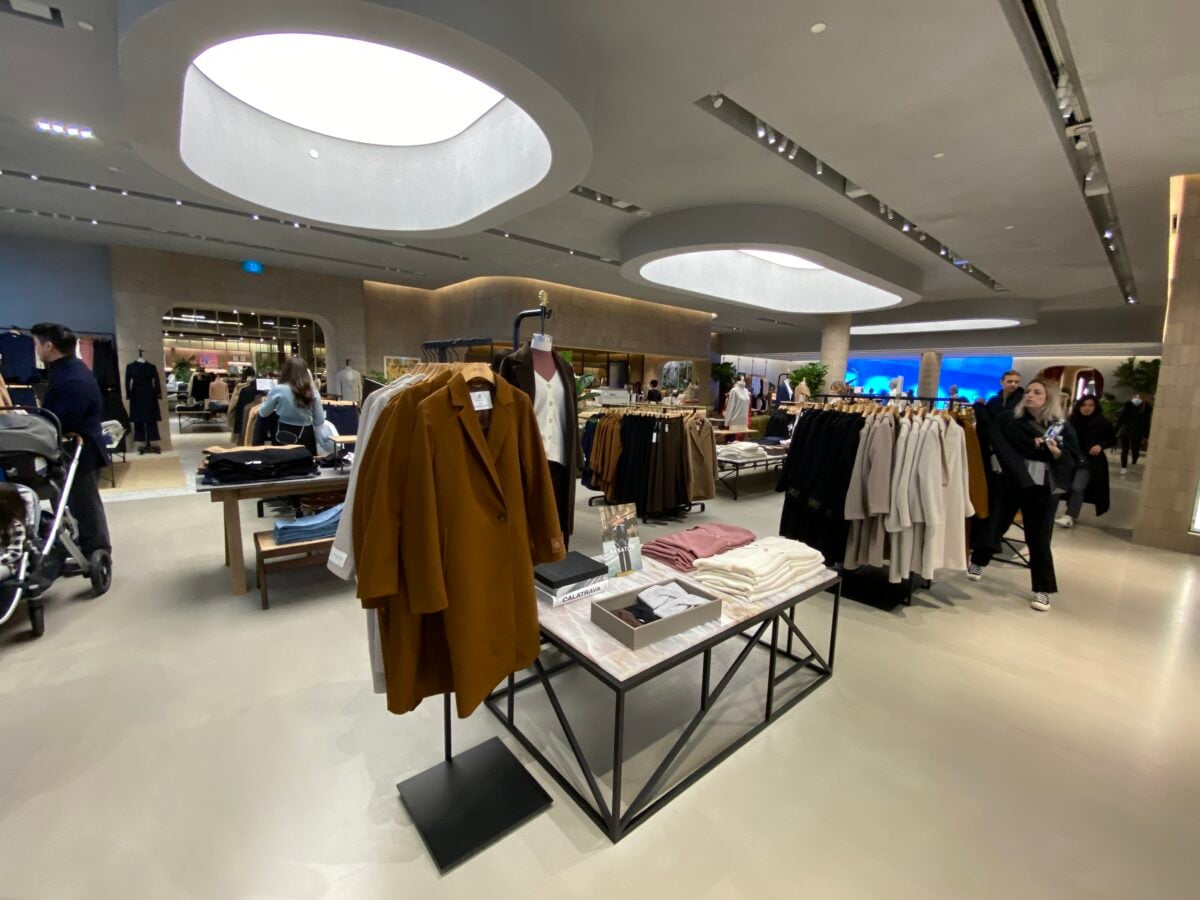
Vancouver-based women’s fashion retailer Aritzia has debuted its renovated and expanded storefront at Toronto’s Yorkdale Shopping Centre. The impressive retail space is now about double the size of what was there prior.
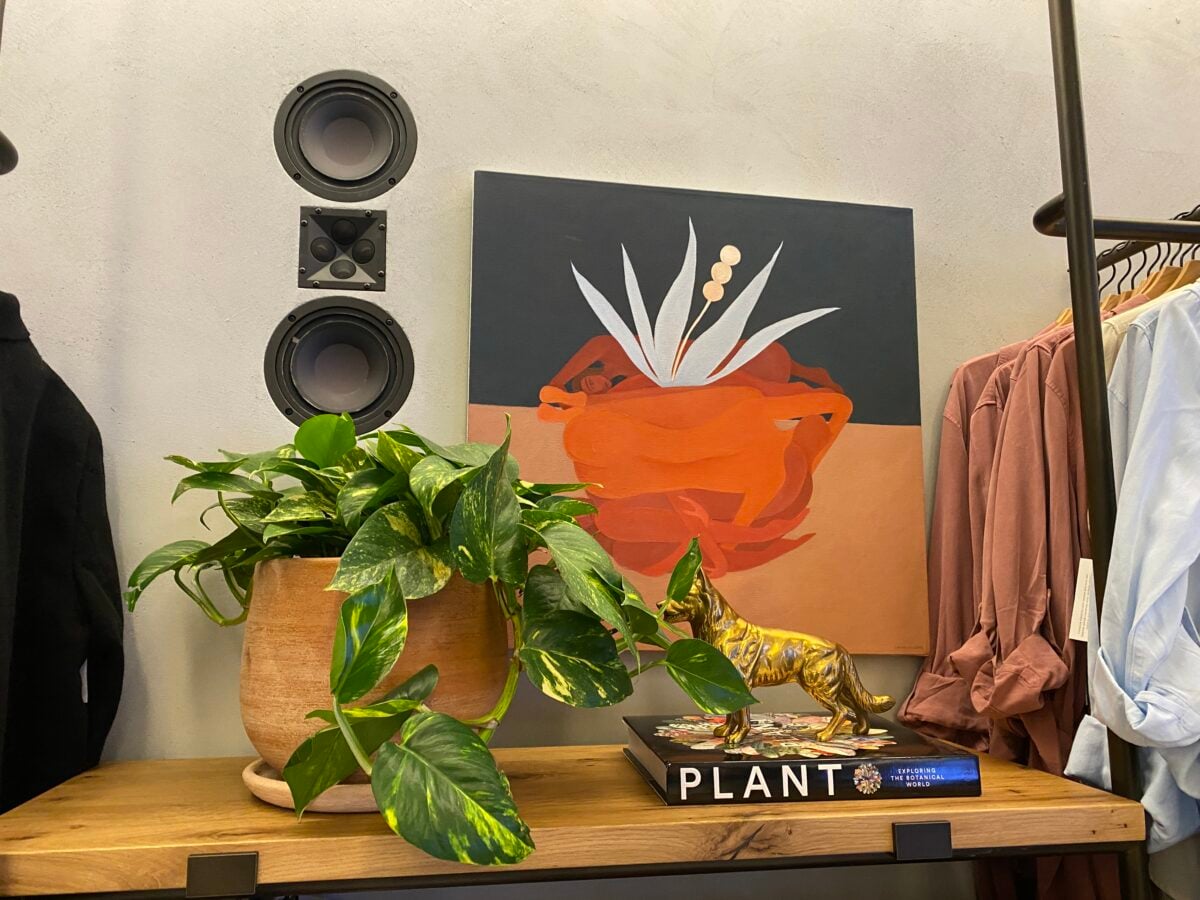
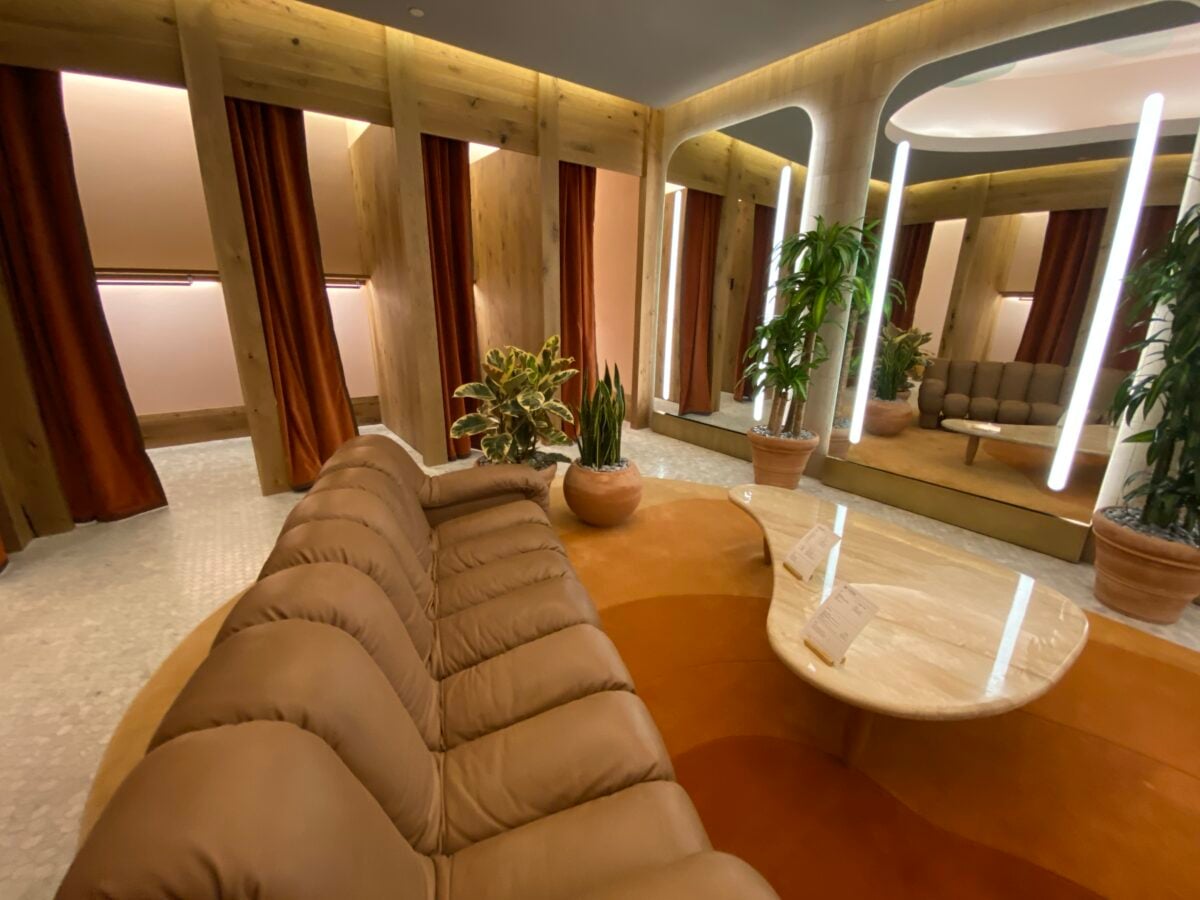
Aritzia has been a tenant in the shopping centre since 1999 — its original 5,000 square foot store relocated to a 10,000 square foot space on the North Wing of the centre several years ago. Now the store totals nearly 20,000 square feet, making it one of Aritzia’s largest.
The latest expansion comes at a time when a number of retailers at Yorkdale are renovating or relocating. GUESS, which was formerly located beside Aritzia, will be opening a new storefront in part of the former Victoria’s Secret location in the mall. Mango will also be opening in the Victoria’s Secret space, which was vacated last year.
“With every expansion and opening, our goal is to provide our clients with an aspirational environment. Many of the elements and design ideas will be integrated in future boutiques in an organic way,” said Janes in the article.
“When we think about expanding our footprint, we look at premier locations that provide us the runway to connect with both new and existing clients through engaging service, beautiful product and aspirational environments. As we look ahead, we are well-positioned and excited for continued growth through the expansion of our boutiques across both Canada and the US.”
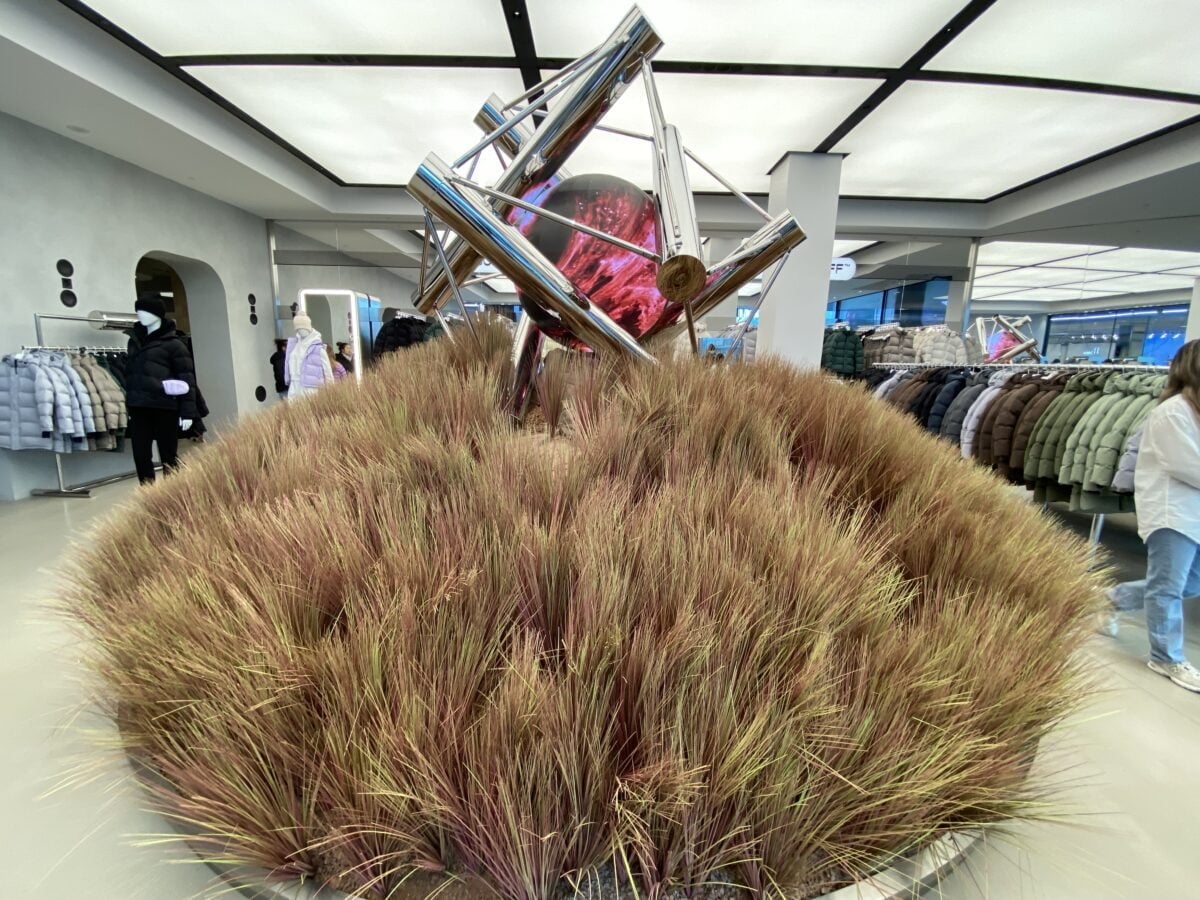
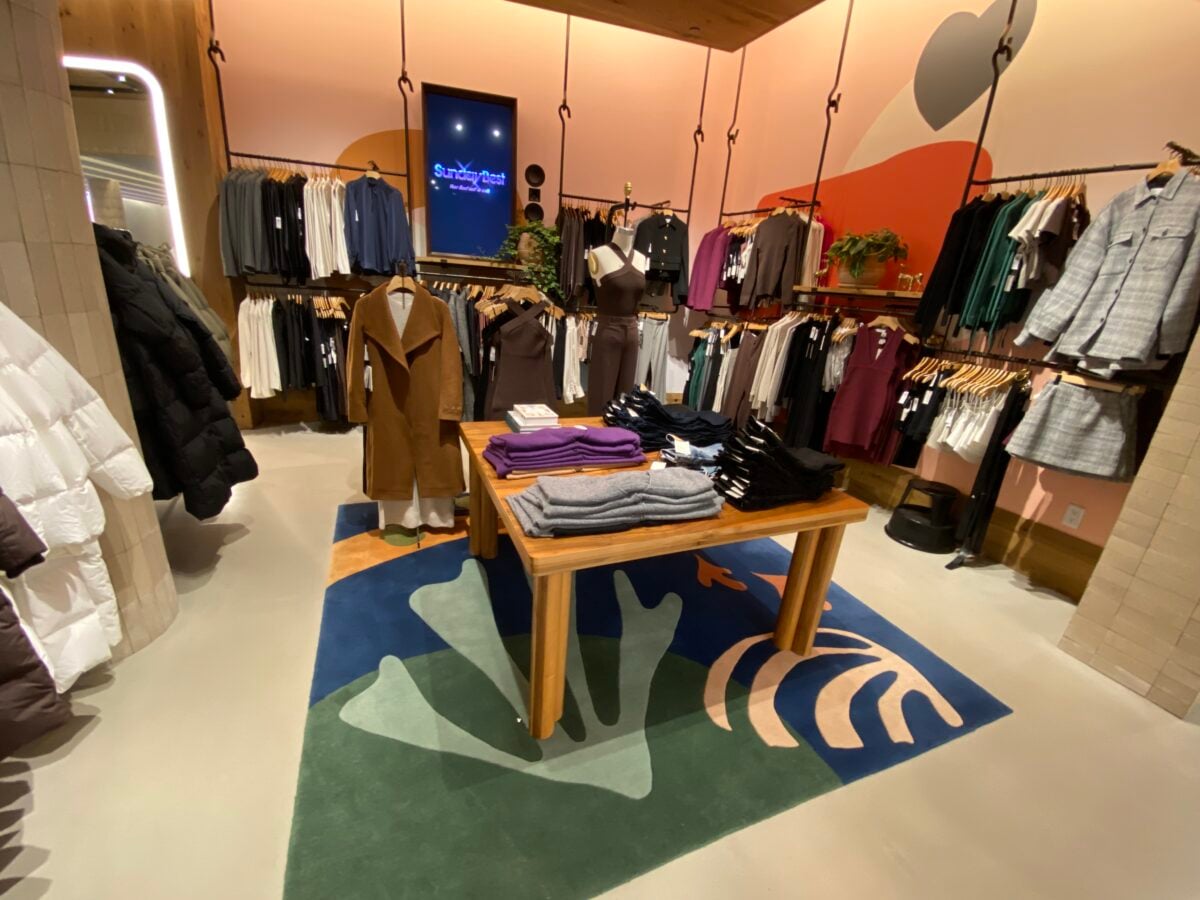
Aritzia Yorkdale (Image: Aritzia)
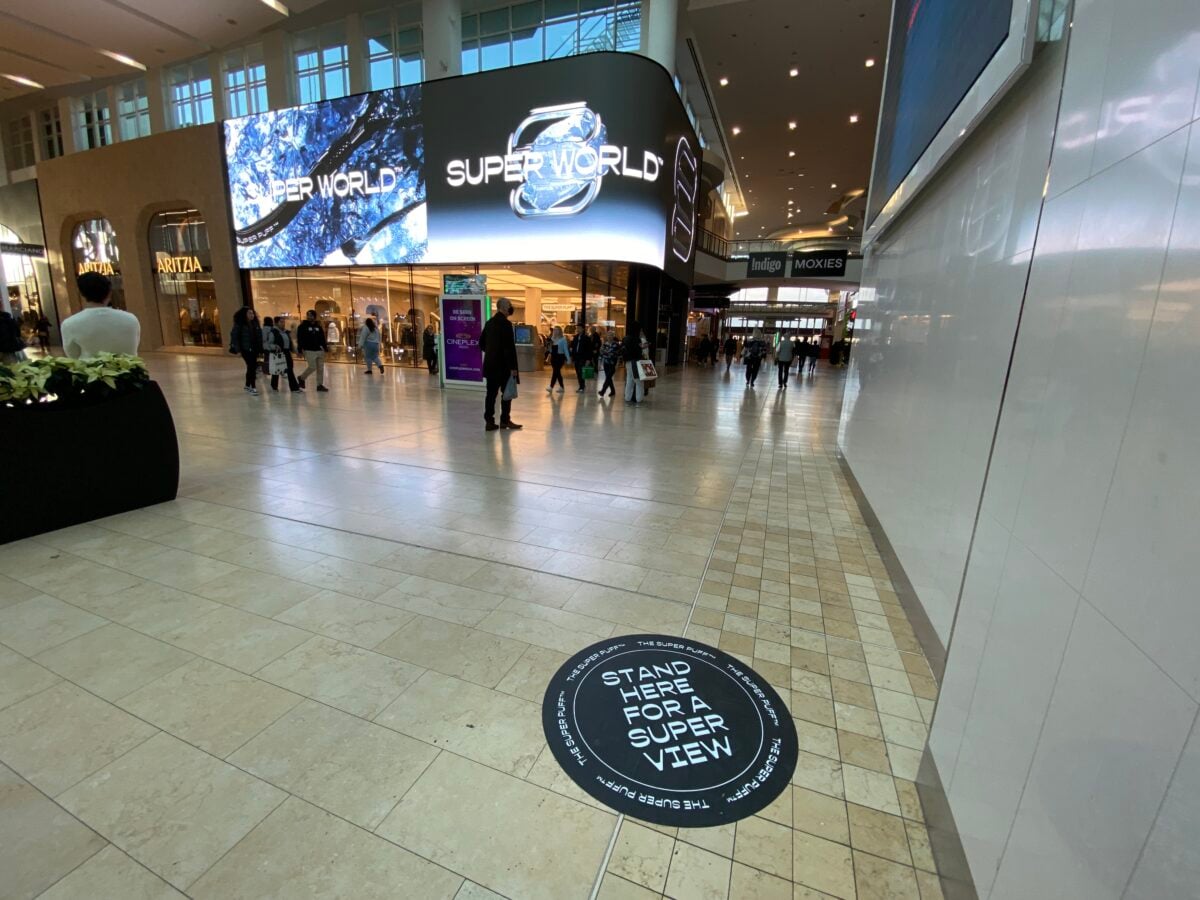
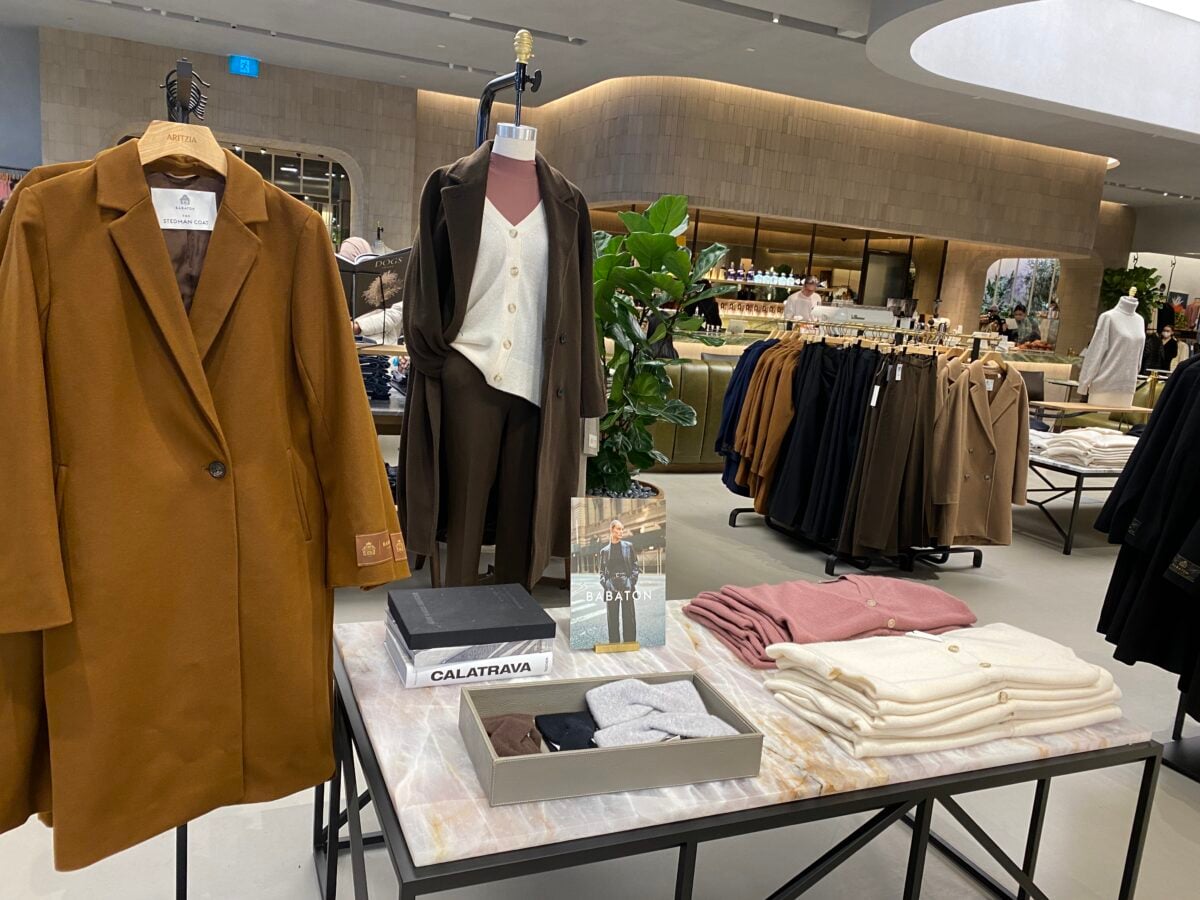
Aritzia Yorkdale features collections from most of the brand’s extensive portfolio of sub-brands, including Wilfred, Babaton, Tna, The Super Puff™ and Sunday Best.
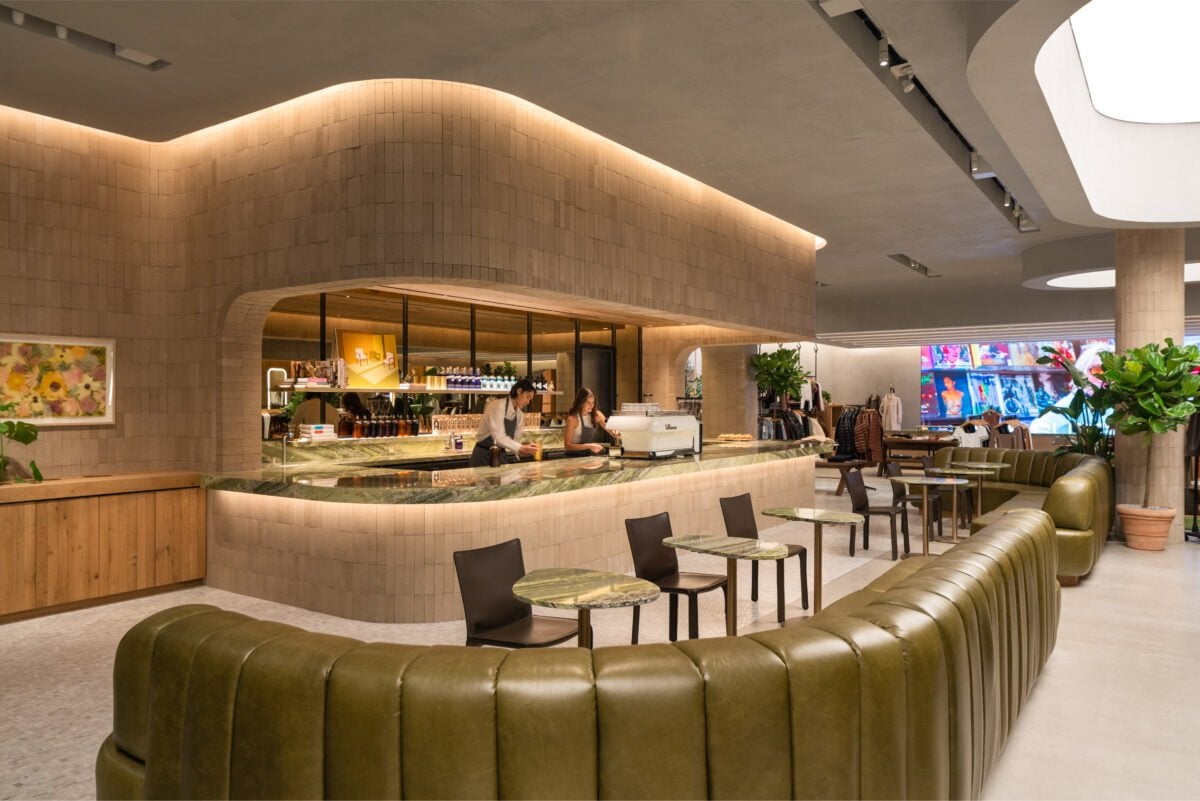
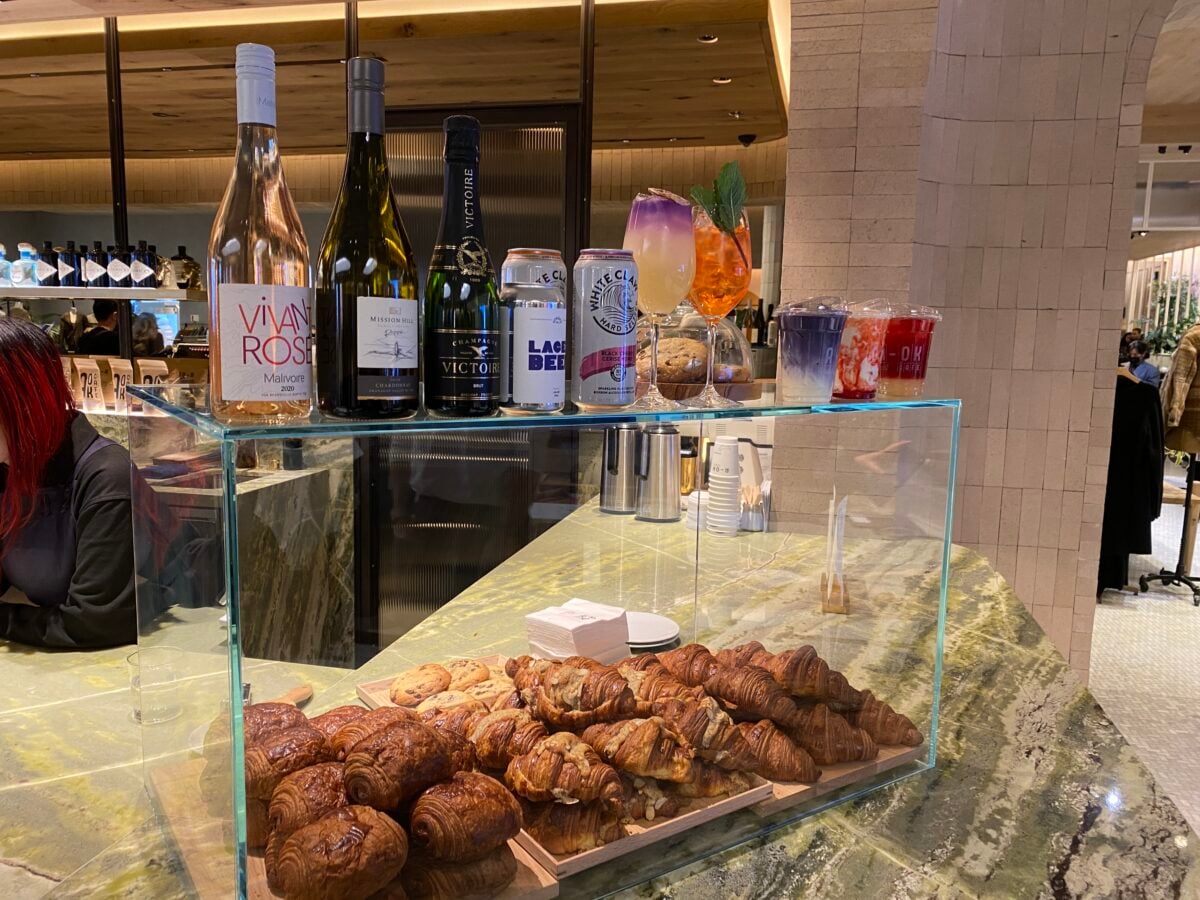
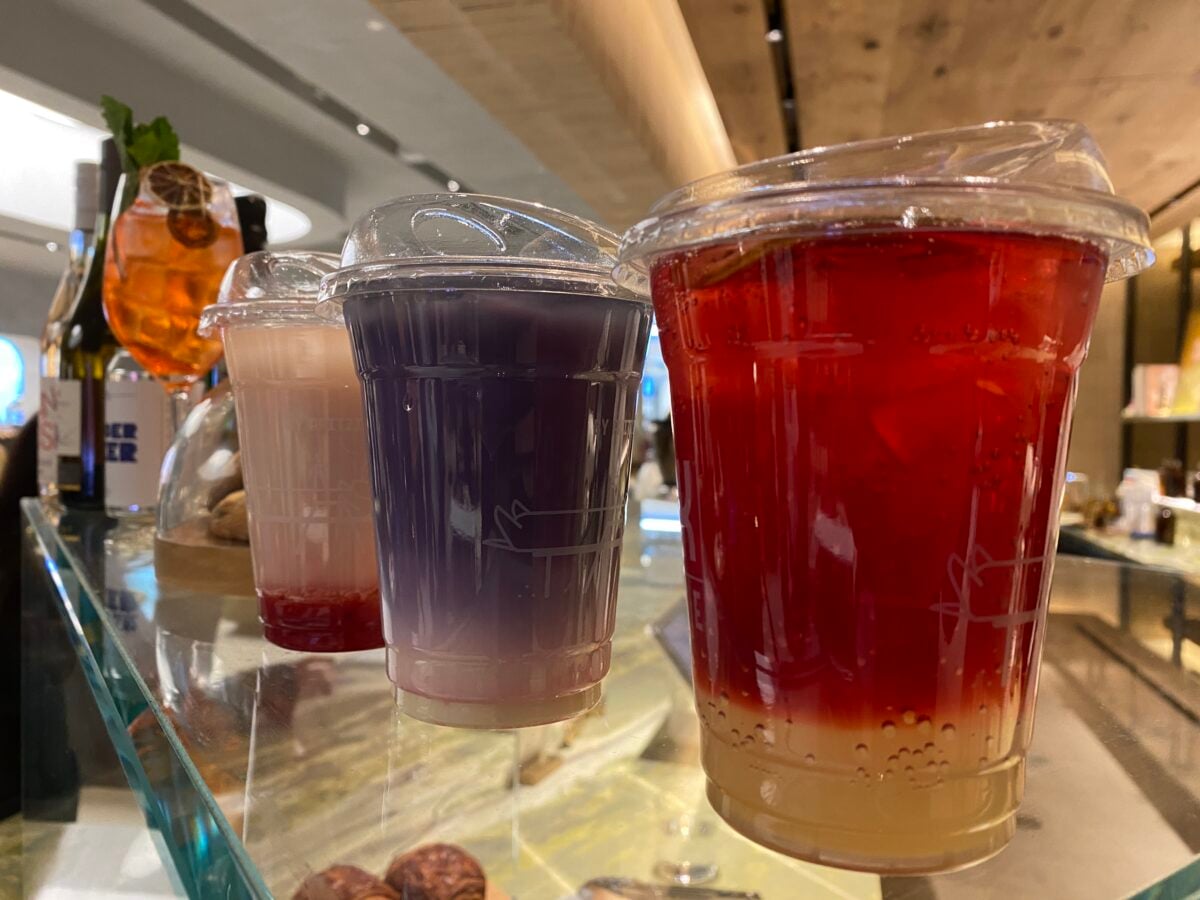
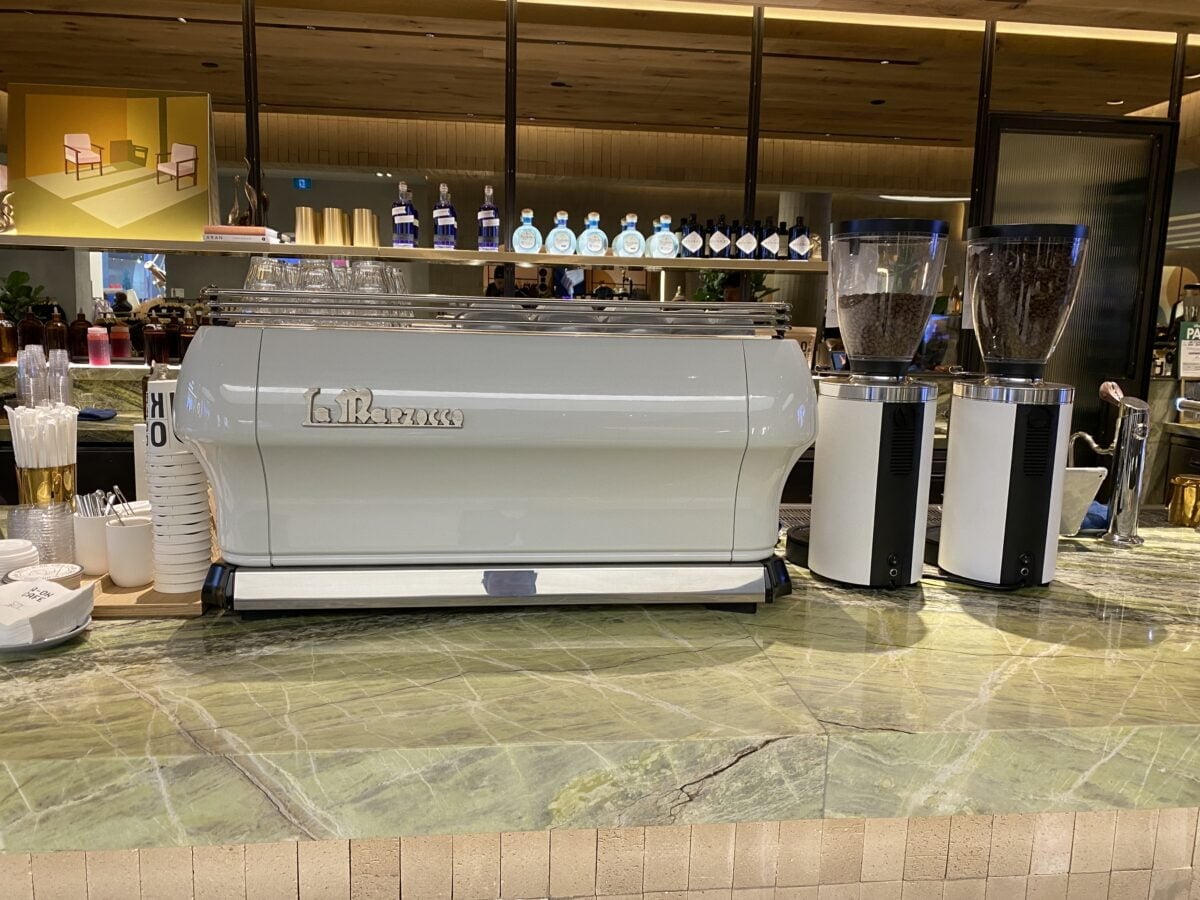
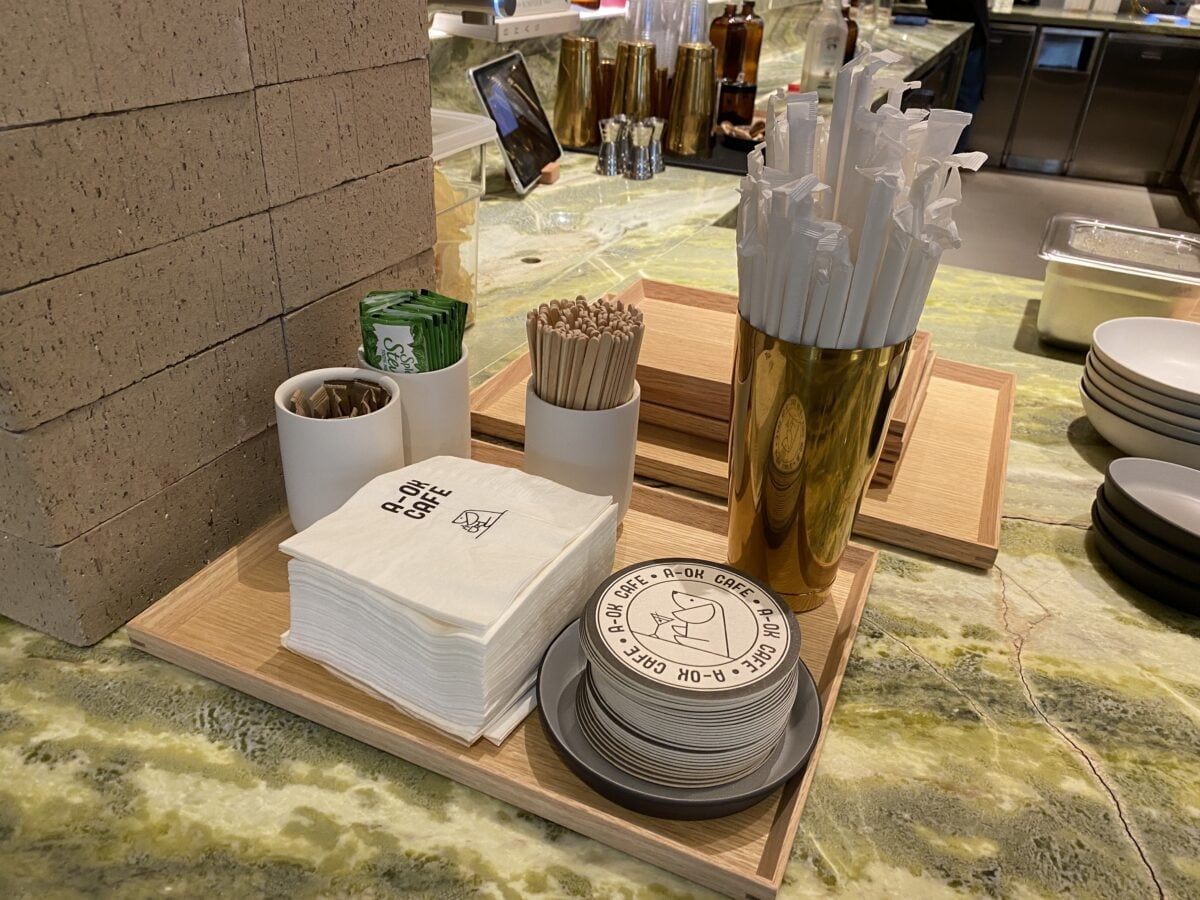
“Aritzia is a vertically integrated design house that delivers Everyday Luxury through engaging service, beautiful product, aspirational environments, and captivating communications. This season, Aritzia is excited to expand its Yorkdale boutique, complete with an A-OK Cafe, the brand’s signature in-house coffee shop,” said the brand.
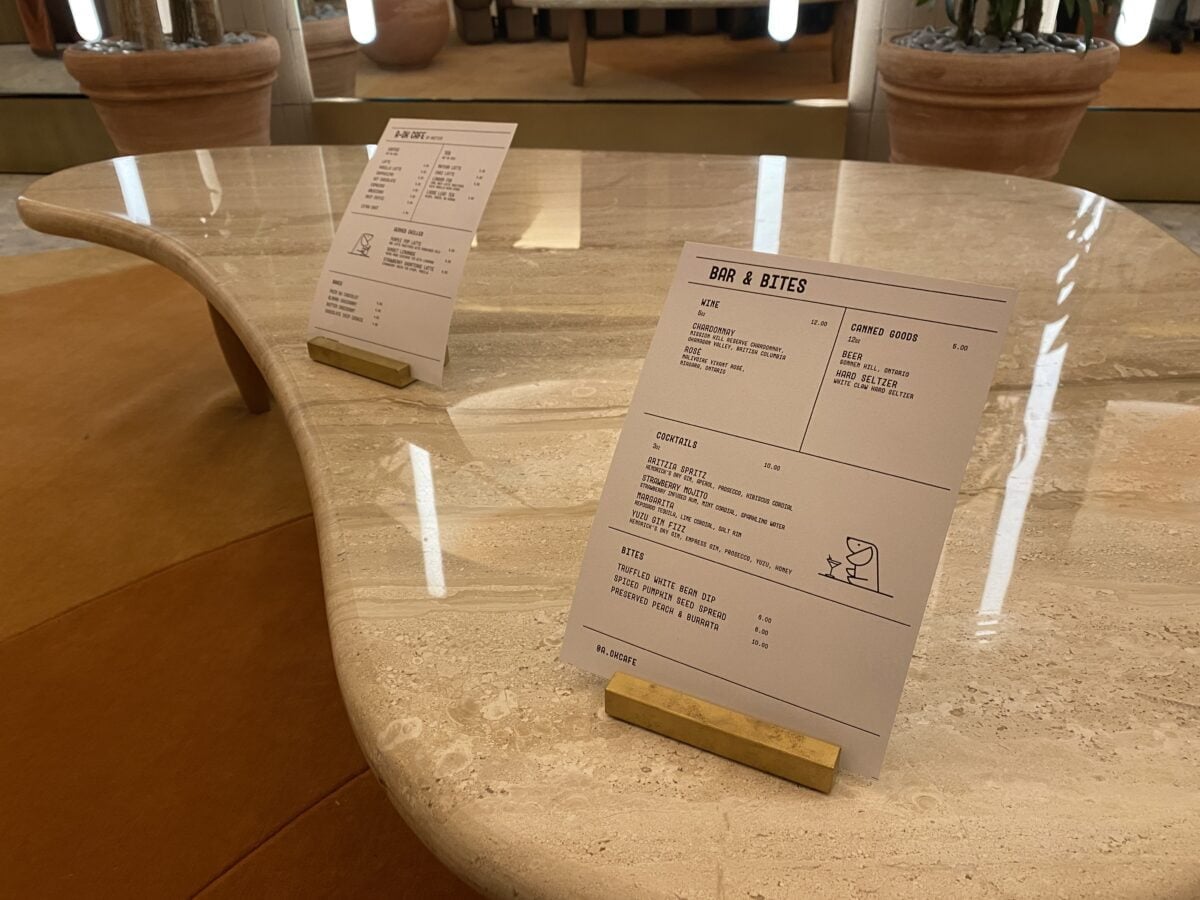
“Yorkdale clients will also be able to enjoy the newly expanded menu which offers a selection of alcohol including wine, beer and cocktails, and small plates featuring paté, burrata and olives. A-OK Cafe further proves Aritzia’s commitment to an elevated shopping experience and Everyday Luxury.”
The expanded Yorkdale Aritzia store is one of many recent changes to Yorkdale as brands continue to open in the mall. Yorkdale is finding its place as a world-class retail destination now housing many of the world’s biggest brands, with even more said to be on the way.
Yorkdale launches more first-to-Canada international retailers than any single location, with recent additions including Diptique, Acne Studios, Ganni and the fist standalone Fendi. Luxury brands are an important part of the mix with Bulgari and Cartier having both recently expanded storefronts. Anchor Holt Renfrew, which spans about 130,000 square feet, is said to have sales in the hundreds of millions of dollars annually.
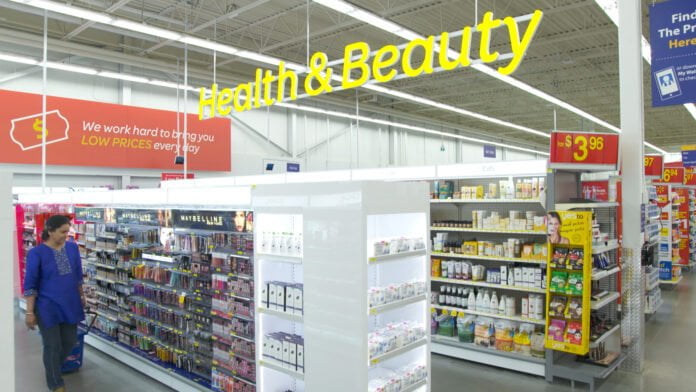
Walmart Canada Health & Beauty (Image: Walmart Canada)
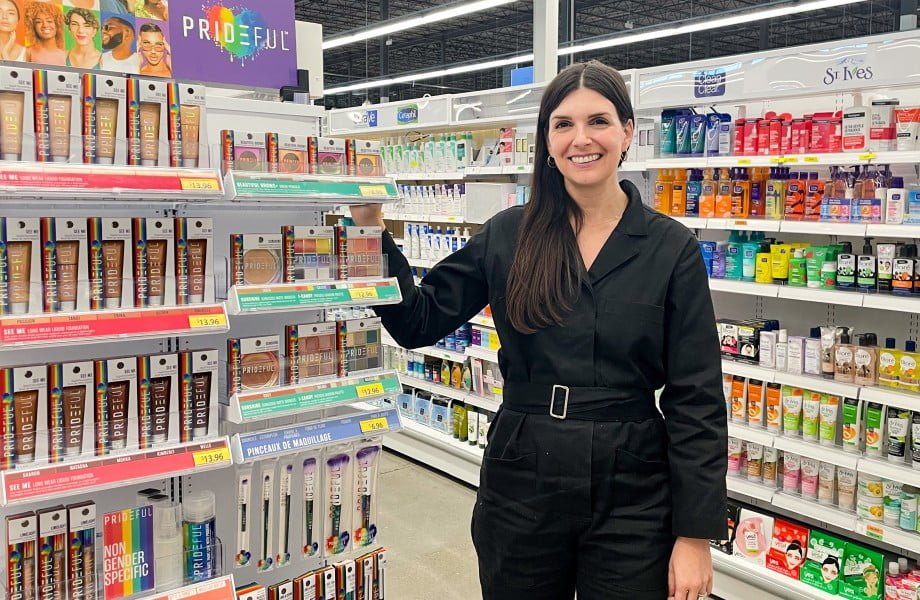
Walmart Canada is expanding its beauty offering with additional inclusive beauty brands.
Rosslyn Barbuzzi, Senior Category Manager, Cosmetics for the retailer, said that as one of the country’s largest retailers Walmart felt it was a priority to make sure that its customers were seeing themselves in the beauty assortment.
“We felt we had a gap versus our customers in terms of our offering. What we did in order to seek out new brands is we hosted a Beauty Summit earlier this year. It was a chance for us to meet all sorts of beauty brands. Some of them were big. Some of them were small,” she said.
“We met them virtually over the course of two days to see what else was out there that we could possibly look at to add to our assortment. And really the goal of the beauty summit was to make it easier for new, emerging and smaller beauty and skin care brands to find their products on our shelves at Walmart.
“So we looked at brands that would have a unique product offering but that were also truly inclusive at their core in terms of the actual company themselves. That led us to be able to launch several exciting new brands in-store and online. And we’ve got more coming in the New Year as well.”
Image: Walmart Canada
That will include the launch of more than 300 new products. A number of the products are women, IBPOC and 2SLGBTQ+ owned and founded.
“The products will be available in select stores just as any product that we carry today often isn’t necessarily in every store,” she said, but they will be represented in various stores across the chain and online.
“We’re constantly renovating our stores so we’re always looking to optimize our total cosmetics department and that actually has allowed us some space in order to bring in some of these new brands and products.
“When our customers are shopping at Walmart, and they’re shopping in beauty, we want them to be able to choose from some of our existing assortment which is legacy brands they know and love already but also to be surprised and delighted with some emerging brands and new offerings that maybe they can’t get anywhere else. Things that are exclusive to the market or unique product offerings that we don’t currently offer today.
“So we really wanted to make sure as we were looking for new brands and new assortments that they were truly items and brands that would create a more diverse assortment for our customers.
“Through this Beauty Summit we’re partnering with smaller brands that we historically haven’t been able to work with and that’s in part because Walmart is a large retailer, a complex retailer, to work with. So I’m really proud that we’ve actually been able to partner and work hand in hand with these smaller suppliers and in some cases this is the first time that they’re actually working with a retailer . . . We’ve collaborated with each and every one of these vendors to ensure that they’re getting the best start with us. We’re working hand in hand with them to make sure that they’re truly set up for success when working with Walmart and seeing their products come to life in stores and online with us.”
Image: Uoma by Sharon C on Walmart.ca
Some of the new products include:
UOMA by Sharon C. proudly Black-owned, this brand focuses on inclusive beauty beyond shade range, delivering quality to all humans. With 30 foundation shades available, the offering encompasses a variety of skin tones and undertones. The colour cosmetics, complexion and skin care products are vegan, cruelty-free and eco-friendly. Walmart is the exclusive Canadian retailer for this brand;
Prideful creates products that are gender non-specific, catering to the individual with pride and purpose all year long. It will be launching in-store and online at Walmart Canada with a selection of bath and colour cosmetics. Prideful will be available exclusively at Walmart Canada;
Lottie London offers the latest in beauty innovation with products that are inclusive, affordable and cruelty-free. Founded by industry veteran Charlotte Knight, beauty buffs can expect trend-focused cosmetics, nail products and brushes from the line. Lottie London is another Walmart Canada exclusive brand;
Bubble is a tea-based bath and beauty brand inspired by the bubble tea phenomenon. This women-owned cruelty-free brand launched in 2014 and is exclusively available at Walmart Canada;
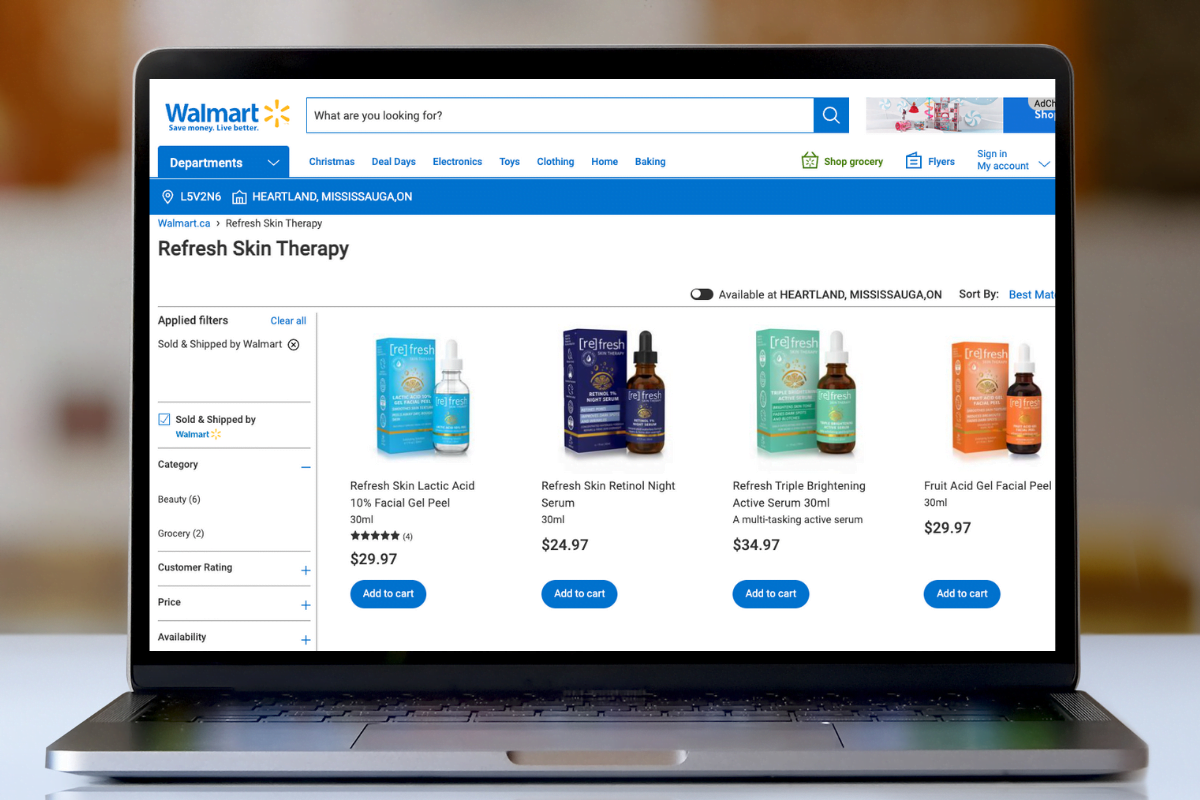
[re]fresh Skin Therapy is a vegan, gluten-free, cruelty-free brand of skin care products created by Joanna Shu and made in the USA. Founded in 2013, [re]fresh Skin Therapy focuses on creating products that work on even the most sensitive skin types with natural and environmentally friendly ingredients;
Apothecary by Dr. Botanicals brings vegan skin care with formulations that harness nature’s goodness, energy and vitamins to Walmart. This ethically-made line does not test on animals and focuses on creating problem-solving natural products for everyone, based in science and research. Apothecary by Dr. Botanicals is proudly LGBT and minority-owned and celebrates diversity and inclusion.
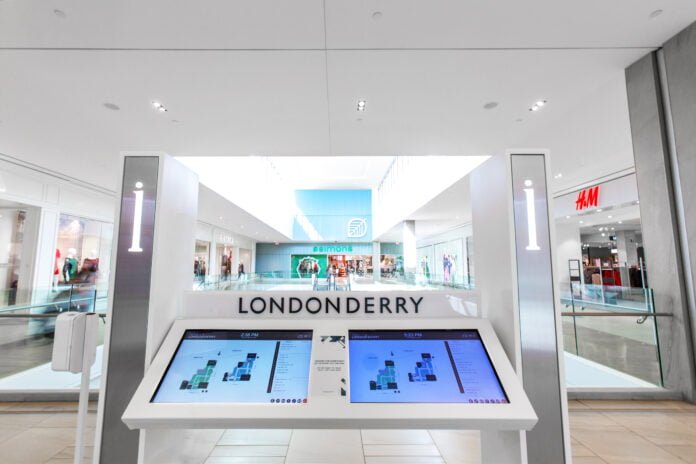
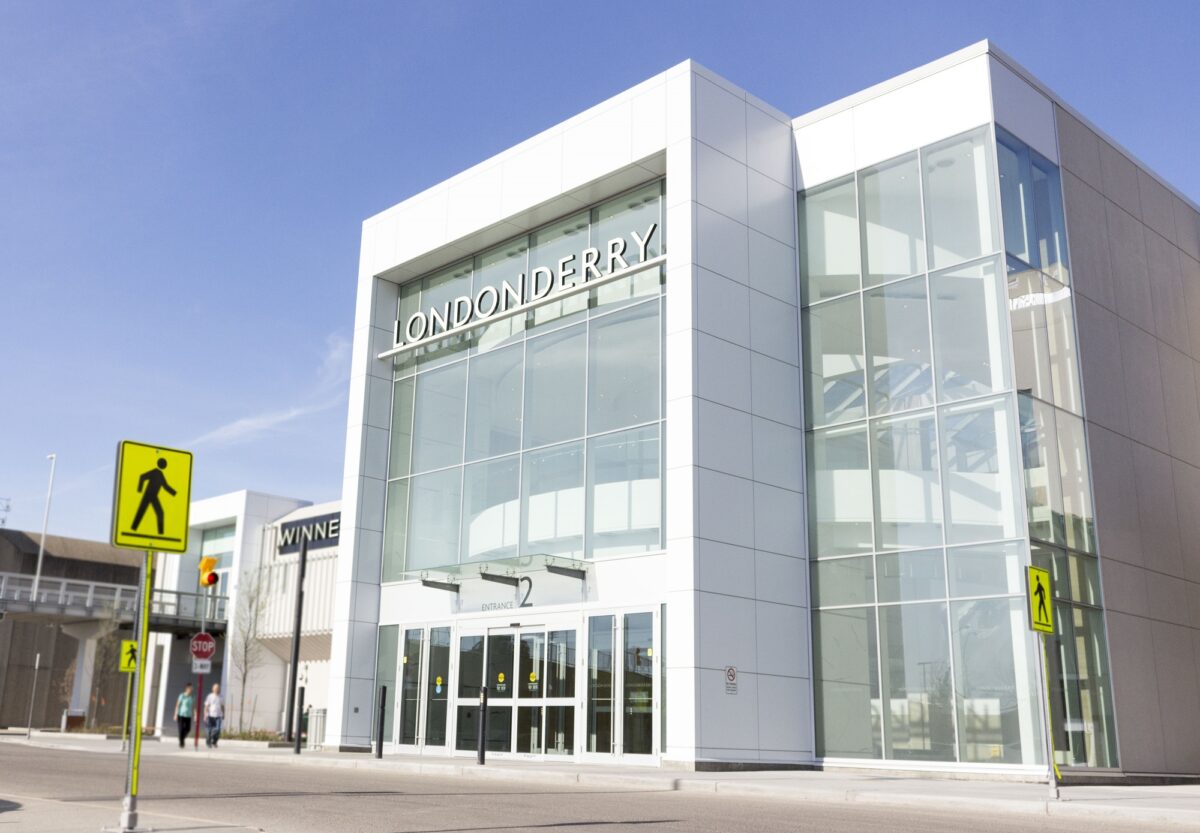
Now, the shopping centre, in the northeast part of the city, is eagerly looking forward to the introduction of a No Frills grocery store to boost traffic and fill a void.
Vanessa Treleaven
Vanessa Treleaven, Londonderry Mall’s Assistant Property Manager and Marketing Manager, said the new grocery store, which will open in the summer of 2023, replaces the Save-On-Foods store which left last year.
“This is so important for us because we are nestled into a residential area. So a lot of people will walk to the mall, get their groceries. It’s definitely a big hole that’s missing for us right now,” she said.
“We’ve had a lot of people asking when we were going to fill that space. When we announced we were getting the No Frills it was really, really exciting for a lot of our customers. They rely on it.”
Image: Londonderry Mall Specsavers at Londonderry Mall (Image: Londonderry)
The mall, which opened in 1972, is 780,000 square feet with about 140 stores.
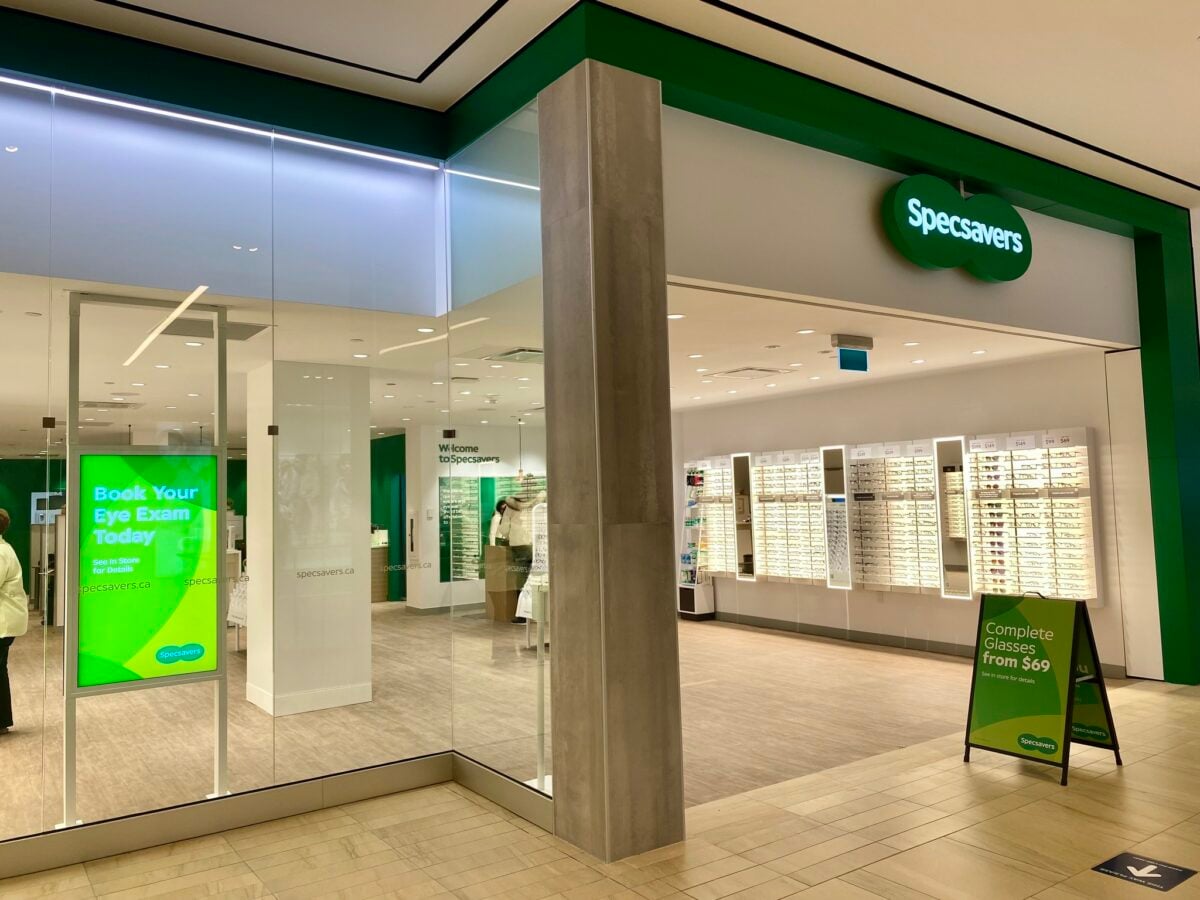
“We’ve had a lot of movement in the past year. We’ve brought our Specsavers location which was a great addition. As well as that, we have a very strong shop local movement within our mall. So we’ve got quite a few more Specialty Leasing tenants that are just local to Edmonton,” said Treleaven.
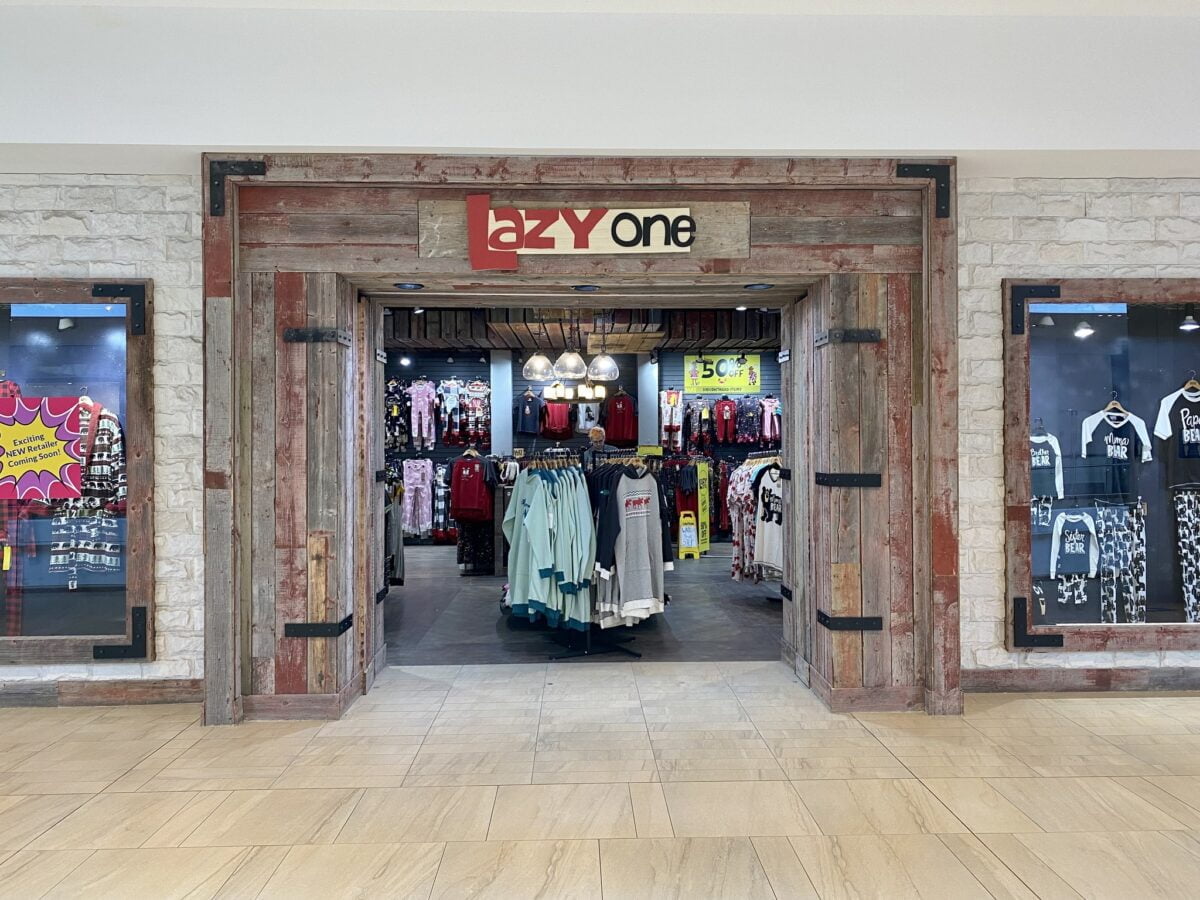
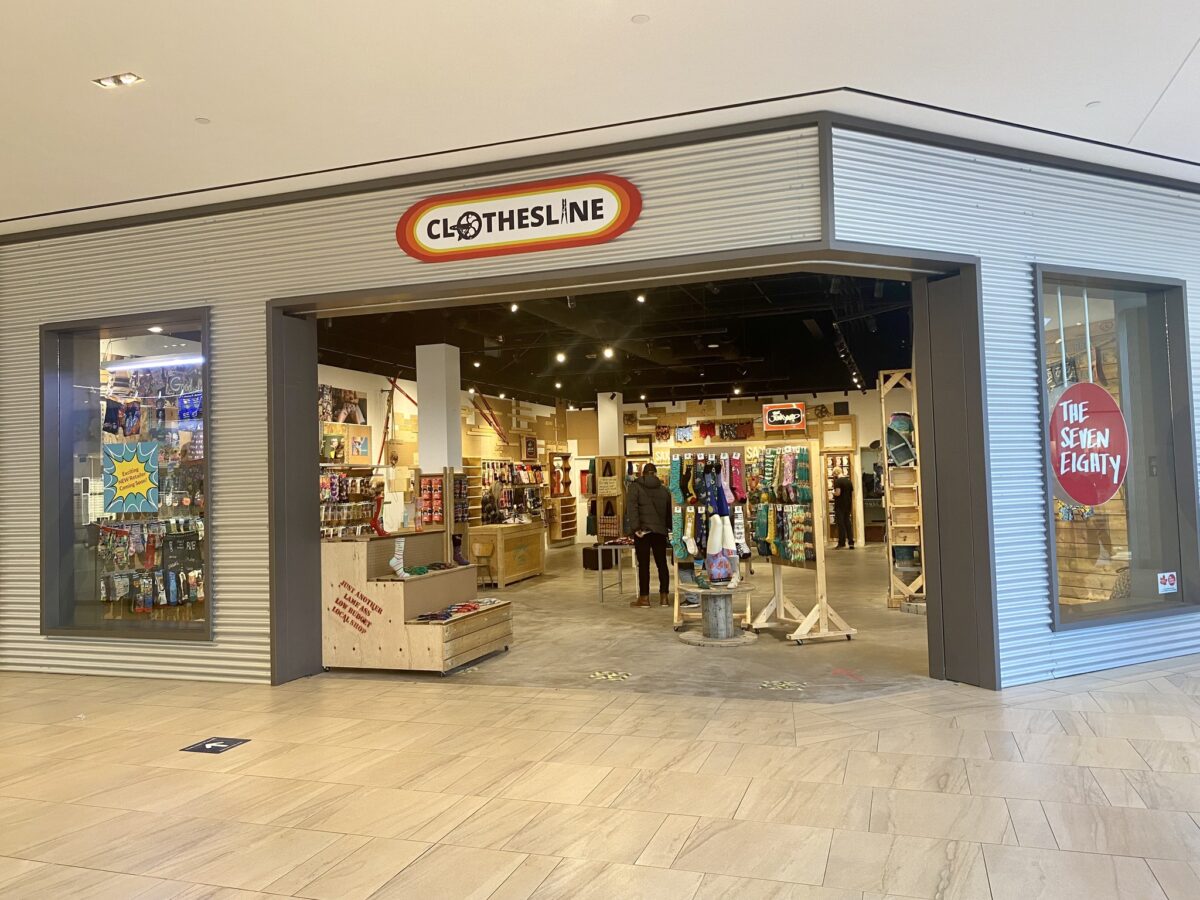
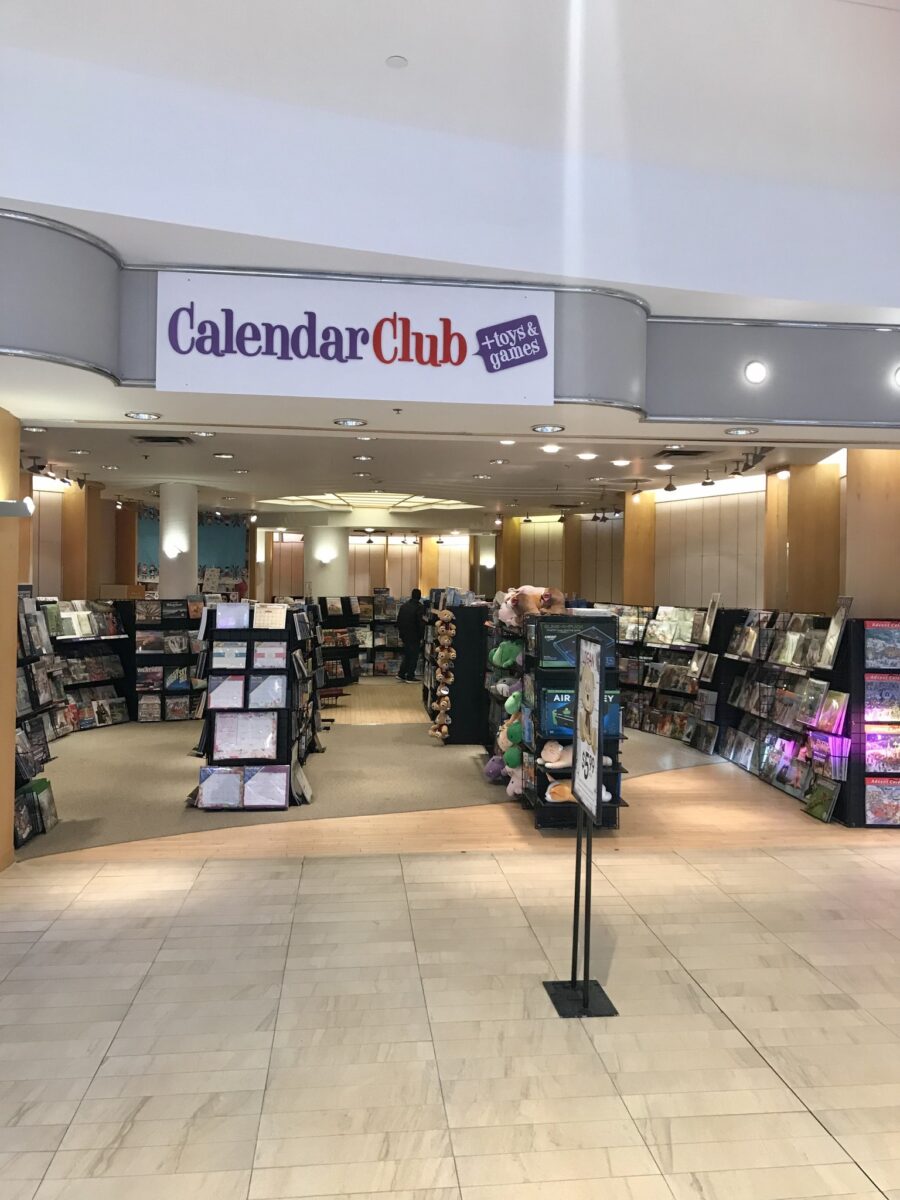
The mall has 27 Specialty Leasing tenants with the following ones opened just this year – Sterling Gallery, Calendar Club, Casamia Furniture, Hickory Farms, YEG Exotic Pop, VR Volt, Mali Art Studio, and Lazy One.
Lazy One at Londonderry Mall (Image: Londonderry)
Clothesline at Londonderry Mall (Image: Londonderry)
Calendar Club at Londonderry Mall (Image: Londonderry)
“Our Specialty Leasing program is so strong any vacancies we have are backfilled right away,” added Treleaven.
“We’re getting really close to 2019 numbers especially when we factor in that we don’t have our grocery tenant right now. When we compare the same stores, it’s very close. We’re trending above 2021 for sure and we’re just under those 2019 numbers. That’s really encouraging to see that.
“In terms of spend, we’re taking into consideration that the economy right now isn’t necessarily the best and people don’t have as much disposable income, so we’re not quite at our 2019 numbers for revenue but we’re very close.”
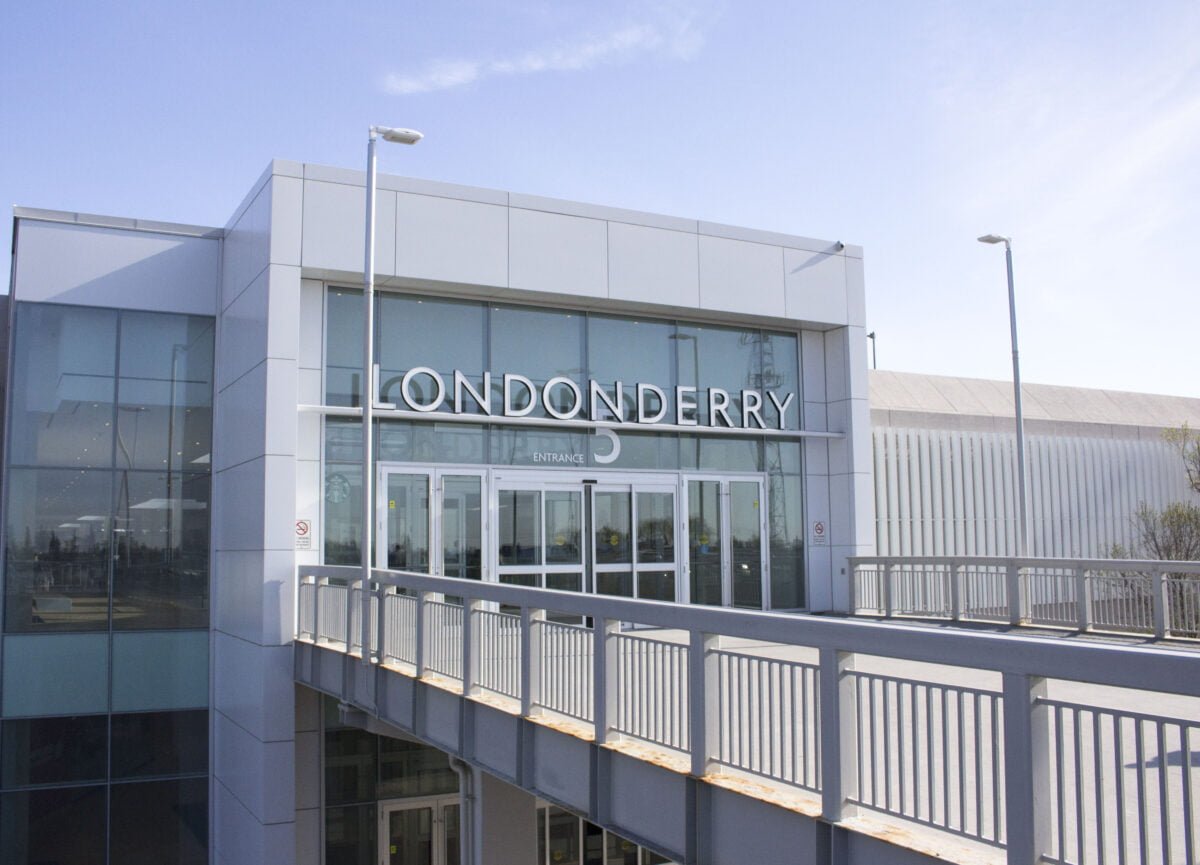
Image: Londonderry Mall
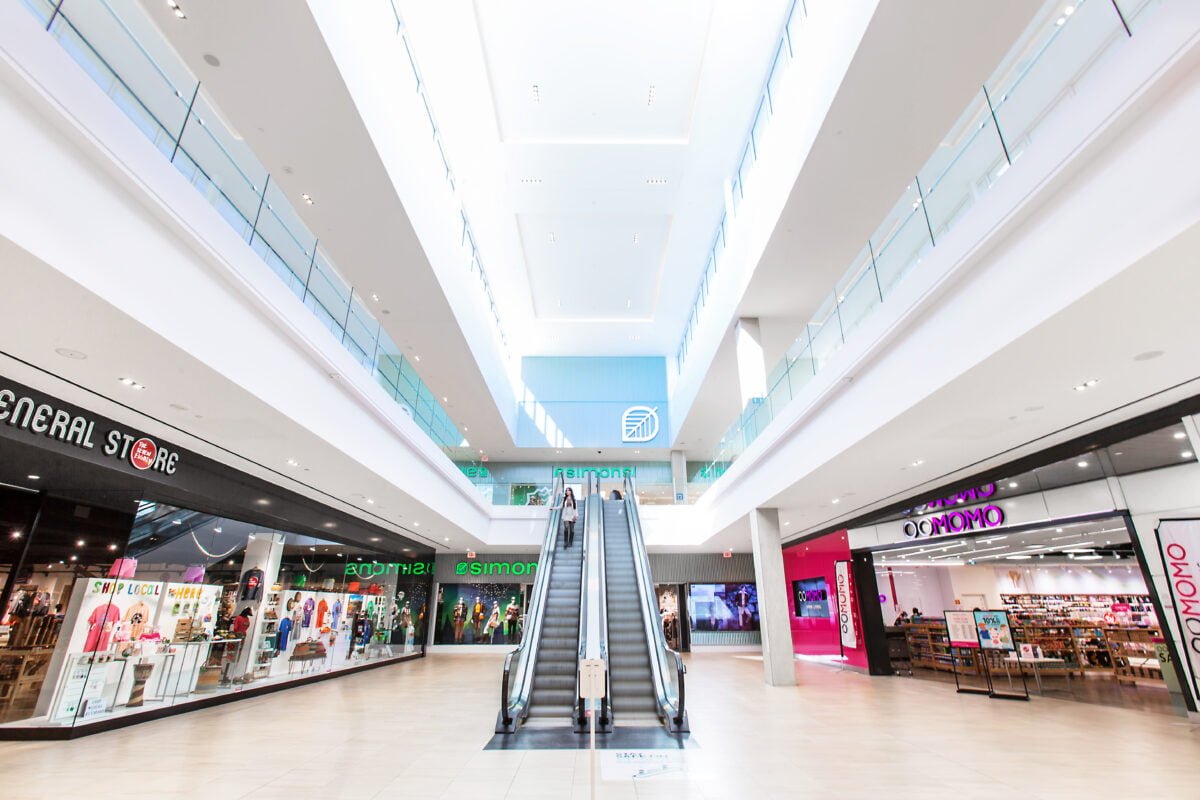
Simons opened a store at Londonderry in 2017 and has been a big customer draw for the mall since then.
“It’s such a wonderful store. They’re an amazing anchor to have. We definitely draw from all over the north side of the city, even central. They’re huge for us. It was definitely a game changer when they came on board. I think it really repositioned us back into the market as a force, as a shopping centre that people want to come visit. It’s definitely been awesome.”
Londonderry Mall is owned by Montez Corporation and managed by Cushman & Wakefield.
Treleaven said the retail sector is experiencing a slow return from the pandemic but it is coming back.
“I think people are more and more comfortable with shopping in-store versus online. They missed that interaction. That being able to actually touch and feel the product. I think that is a huge thing that’s missing for people and now that COVD is becoming more of a thing of the past, although we’re still dealing with it, more people are wanting to go back to the stores,” she said.
“I’m noticing it with Christmas shopping. Last year was definitely in the thick of COVID and we felt that but now we’re seeing people coming in and they want to try on things, they want to actually see things in person and it’s reflecting in our traffic and in our sales and even the events that we run. We do marketing events at the mall and I’m noticing a lot more people are willing to come, they’re willing to bring their families, their kids. And they’re not as scared anymore and I think that’s a super, super positive thing for the brick and mortar style retailers moving forward.”
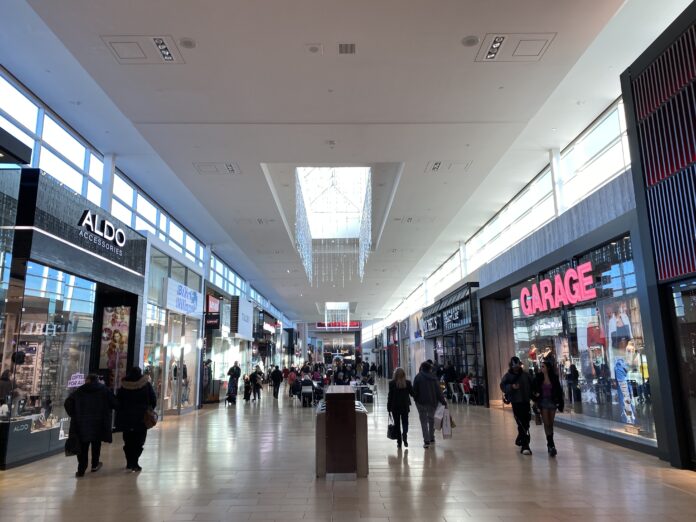
Image: Londonderry Mall
Image: Londonderry Mall
Recently, the Edmonton Police Service returned to Londonderry Mall this holiday season to provide gifts to deserving youth through the CopShop program, a national initiative from real estate services firm Cushman & Wakefield. The program pairs eligible children and teens with police officers to spend a day together shopping using gift cards donated by Londonderry Mall. This is the first time since 2019 that the program has been able to bring the children to the shopping centre to enjoy the day in person, due to COVID-19.
“While our main focus is and will always be to give back to our communities in whatever way possible, there’s something special about the connection that the police officers get to build with these incredibly resilient children, allowing them to build even stronger relationships within the communities they serve,” said Treleaven.
Each year, children are selected to participate in the CopShop program based on need, recognition of academic performance, sports achievements and volunteering efforts. This year, the feel-good community initiative which aims to foster positive relationships between police officers and Canada’s youth, welcomed 20 children and contributed $4,000 in gift cards.
Retail Insider is streamlining its Canadian retail news from around the web to include a handful of top news stories that can be viewed quickly during the day. Here are the top stories from the past 24 hours.
Lagging consumer confidence means retailers and retail landlords will need to prioritize the consumer experience to drive growth in 2023, according to a report by the retail experts at Colliers Real Estate Management Services.
“Consumer confidence is one of the main indicators of the consumer’s willingness to spend, especially on discretionary purchases. According to Nanos Research, this metric has been declining over the past few months and currently resembles the confidence felt in 2008, during the Great Recession,” says the report.
“In order to see continued sales growth in 2023, retailers and retail landlords must prioritize the consumer experience. The type, quality, and ease of service, along with the range of promotions, and entertainment available, must be tailored to each retailer’s customer base. An enhanced consumer experience also includes sophisticated omnichannel retail, whereby there is harmonious service between all potential points of sale, including in-store and online.”
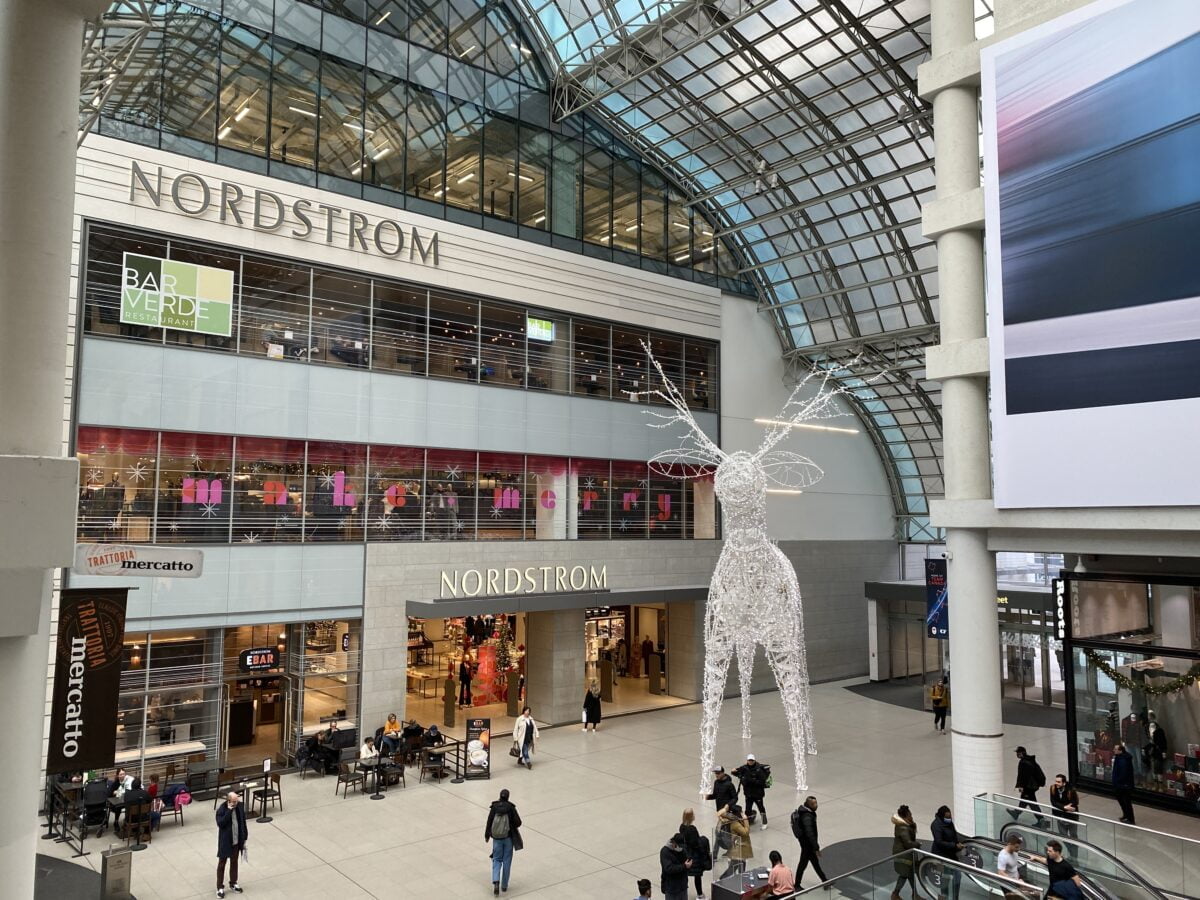
Nordstrom at CF Toronto Eaton Centre (Image: Dustin Fuhs)
Adam Jacobs, Senior National Director, Research, Colliers, said the retail industry is experiencing record high sales for this year.
Adam Jacobs
“You could say okay that’s adjusted for inflation, it’s maybe not as high as it looks. But it’s not going down. We’re still at a point where retail is trending upwards. We had the all-time shock to end all shocks during COVID but you know one of the weird silver linings of COVID was we all ended up saving a lot of money and paying off some of our debt and having a little more cash in the bank and we’re kind of reaping that in retail now,” said Jacobs.
“There’s the big pent-up demand they call it or catch up spending. I think this has still been a year that has beat expectations and it’s hard to remember that we’re still in the first year of recovering from lockdowns. I’m in Ontario and it was only eight or nine months ago that we were actually lifting restrictions.
“When we look at the foot traffic measures there’s still an upward trajectory there for a little while longer.”
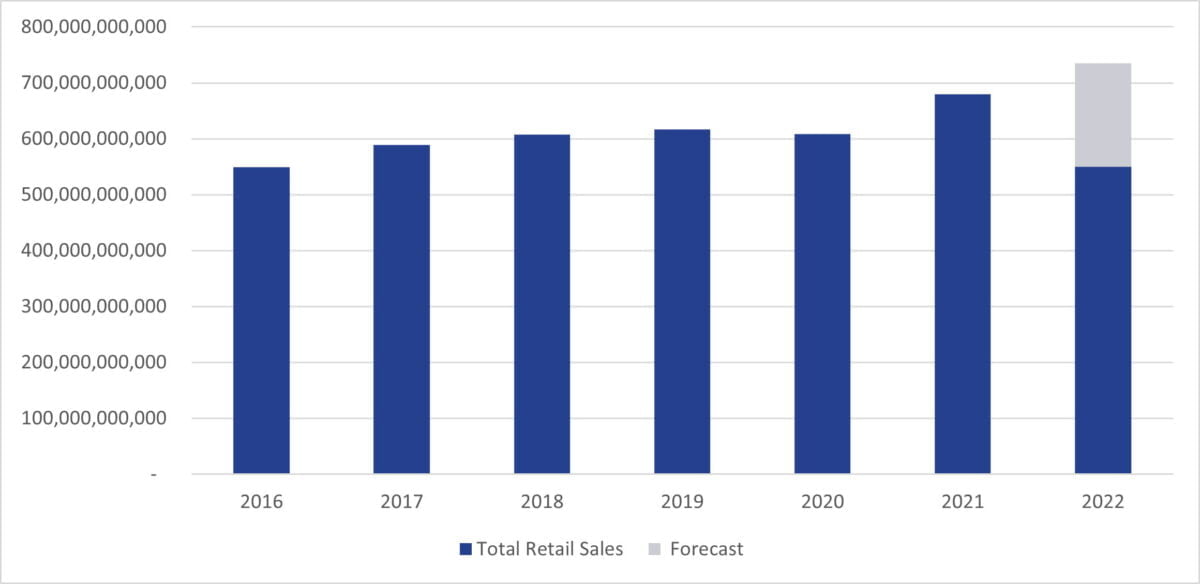
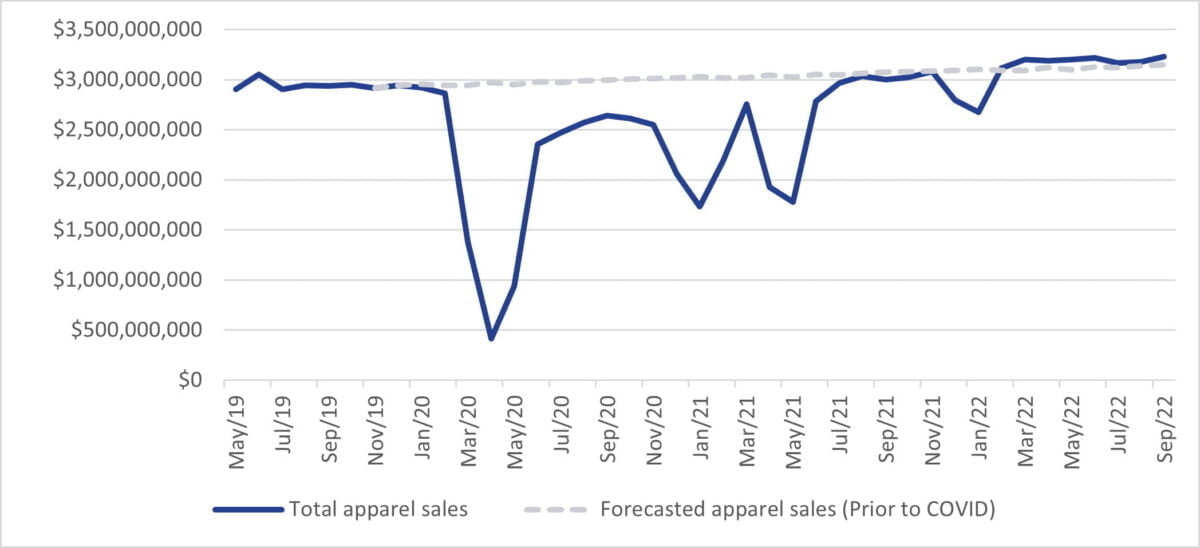
Figure 1: Retail sales (Year end 2016-2021, Jan-Sept 2022) and forecasted retail sales (Oct-Dec 2022). Source: StatsCan and ColliersFigure 2: Apparel sales and forecasted apparel sales prior to COVID. Source: StatsCan and Colliers
Jacobs said the e-commerce business was massive during the pandemic but it’s still a little bit behind the US in terms of how built out the sector is.
“E-commerce. There’s still some room to grow there. We’re still a little bit behind some other countries in that area.”
In 2021, total retail sales were the highest on record, reaching $680 billion, said the Colliers report.
“Following what we predict will be a strong holiday season, we expect retail sales to exceed $730 billion in 2022, an increase of seven per cent,” it said.
“E-commerce sales have stabilized at six per cent of total retail sales, falling from the pandemic high of approximately 11 per cent. After a surge in 2020, e-commerce has stabilized at six per cent of total retail sales. This percentage is growing annually, but poses little risk to brick and mortar sales, which are also increasing. E-commerce as a percentage of total retail sales is expected to rise to around 10 per cent by 2025 . . . e-commerce and brick and mortar retail need to be seen as collaborative partners in creating omnichannel retail, where all potential points of sale drive overall growth.”
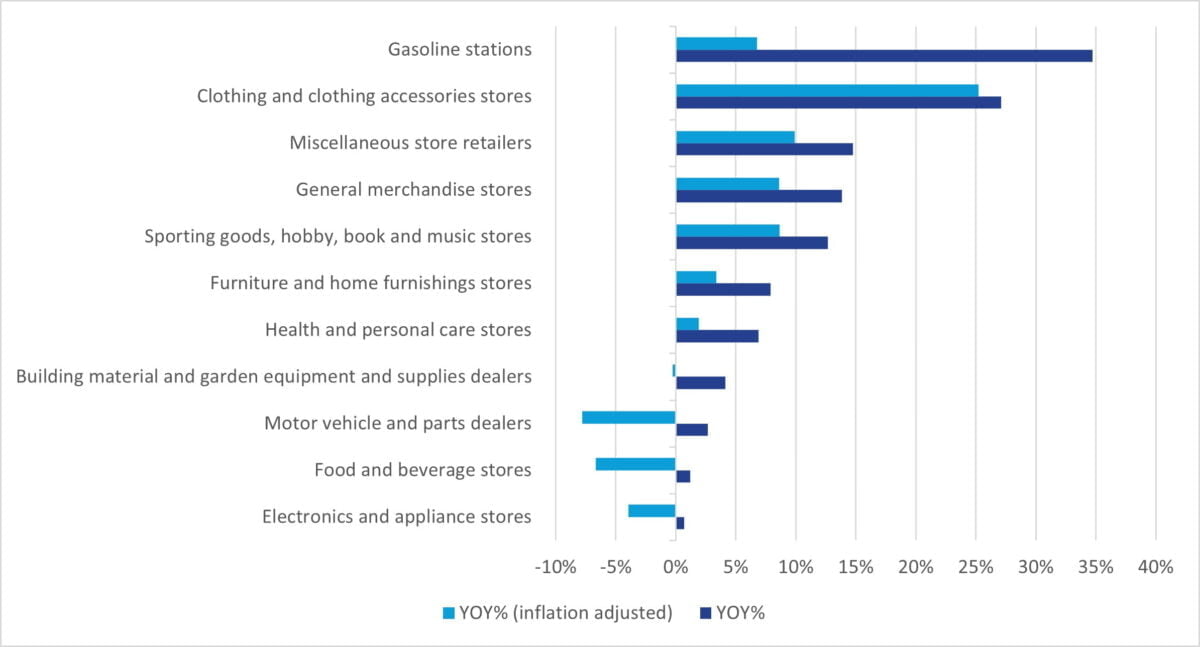
Figure 3: Overall retail sales growth and inflation adjusted growth, by category. Source: StatsCan and Colliers
Colliers said apparel is currently among the healthiest retail sectors, with sales in 2022 up 27 per cent compared to 2021. It was one of the hardest hit retail categories between 2020 and 2021.
“As in-person work, travel, and social activities have increased, apparel has seen a comeback. Spending on apparel has increased 27 per cent year to date in 2022 compared to 2021 and 52 per cent compared to 2020. This is particularly good news for enclosed mall owners and tenants, where apparel tends to encompass the majority of their merchandise mix,” it said.
“Inflation is not affecting each category of retail equally, with apparel among the least impacted and gas and groceries among the most impacted.
Loblaws Queen Street (Image: Dustin Fuhs)
Total retail sales in 2022 are predicted to increase seven per cent compared to 2021, yet only two per cent when adjusted for inflation. That said, inflation is not affecting each category of retail equally. Apparel is among the least impacted, as a 27 per cent increase in sales year to date becomes 25 per cent when adjusted for inflation. Gas and food are among the most impacted. In 2022 year to date, gas sales rose 35 per cent, but only seven per cent when adjusted for inflation. A one per cent increase in food spending is down (seven per cent) when adjusted for inflation.”
Jacobs said debt is increasing, people are borrowing more and they’re not saving as much.
“So far we haven’t seen that affecting retail sales but there is a possible headwind where people get a little tapped out on borrowing, they feel like they need to save. The thing about inflation is that it’s not evenly distributed,” he said.
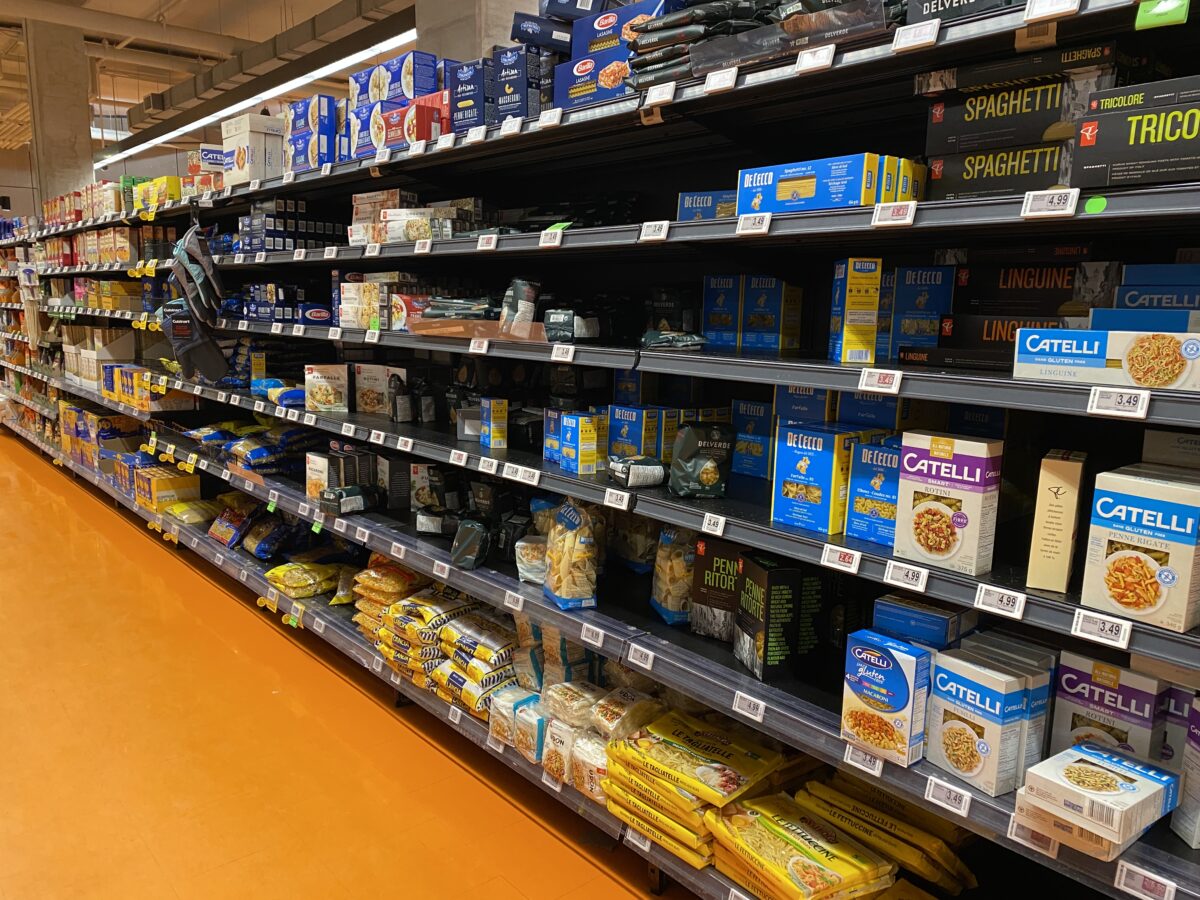
But increasing food prices, for example, squeezes people’s budgets.
“One thing we’re seeing, everything related to going back to life in public is back in a big way. Clothes, food and beverage, shoes, entertainment. All of that stuff has been going really strong,” explained Jacobs.