Overall, the retail industry has been hit hard by the COVID-19 pandemic, however certain segments of it have thrived.
One of those segments is golf. With more people encouraged to spend time outdoors, golf experienced a boom in 2020 and is poised to grow even more in 2021 as the pandemic continues.
Retailer, Modern Golf, has reaped those benefits this year.
The company has four locations currently with three more under construction geared to open in early January 2021.
Paul Fisher, Managing Partner of Modern Golf, said golf traditionally has been a difficult retail business as pro shops have the advantage of not having to pay rent and operating costs are relatively low.
1 of 4
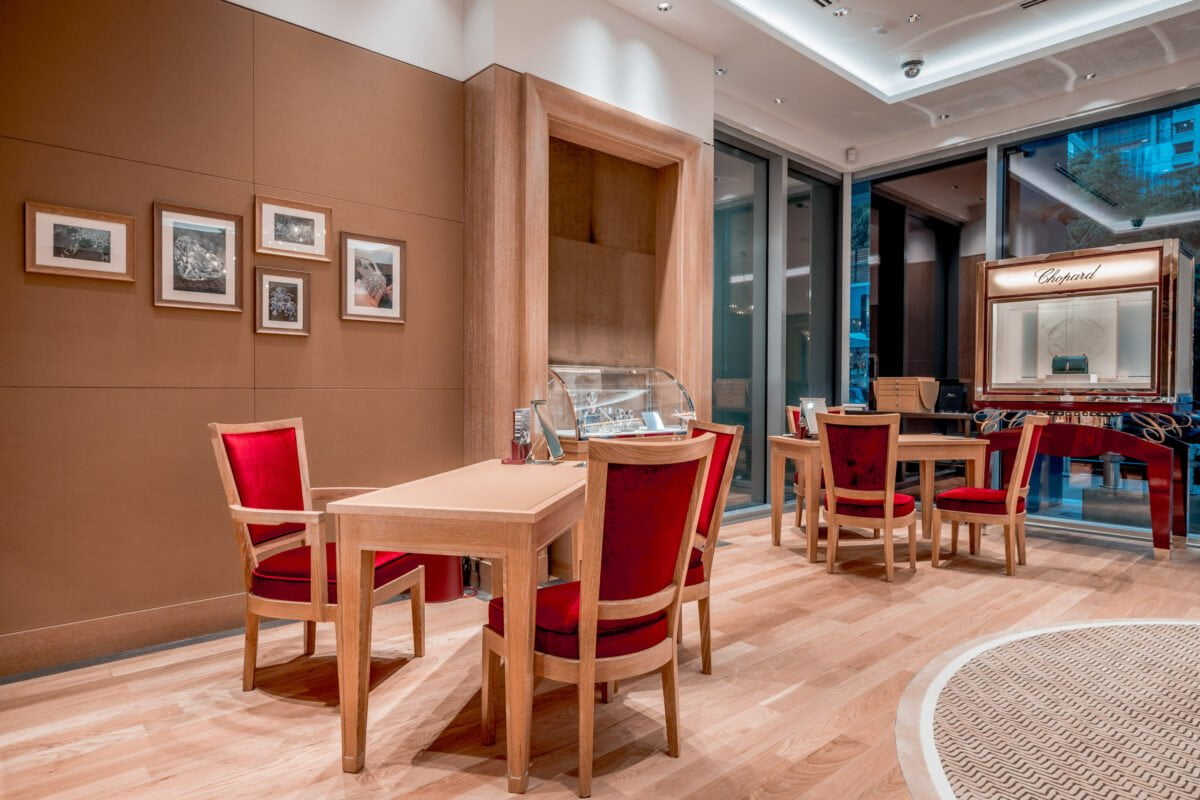
Interior of Modern Golf location. Photo:Modern Golf
Interior of Modern Golf location. Photo: Modern Golf
Interior of Modern Golf location. Photo:Modern Golf
“They’ve been able to exist because of that. Off course retailers, the Golf Towns of the world, the little ma and pa operations, it’s been a really, really tough run for those businesses over the last 10 years,” said Fisher.
“But COVID changed everything for everyone in golf retail. From Modern Golf’s perspective, we’re running 150 to 200 percent revenue growth month over month. I think everyone in the industry is experiencing growth that they never would have imagined. Obviously there’s a huge, huge amount of new golfers coming in because of COVID but also a huge influx of golfers that left the game.
“We’ve seen a tremendous influx of golfers that really haven’t played much in the last seven or eight years and they’re all coming back into the game and they’re all spending a tremendous amount of money. So whether this is a cyclical boom or not, for the golf industry this is a once in a lifetime opportunity for all the people in it who have kind of grinded away over the last 10-15 years where it’s been tough.”

Both Calgary Modern Golf Locations Opened During COVID-19 Pandemic
The company’s four current locations are two in Calgary, one in Vancouver, and one in Mississauga. In 2020, the company opened its two Calgary locations.
The three new locations will be in Vaughan in a commercial pad near the Vaughan Mills shopping centre; in Oakville at Dundas and Trafalgar; and one in Heartland in the outlet area of Mississauga. The Heartland store will be a new store format for Modern Golf as an outlet store.
Fisher said COVID has forced people outside and golf was one of the safest activities people could partake in from a social distancing standpoint.
“I think the mental health benefits of golf are incredible. It’s a peaceful sport. For the people who have come back to the game they’re realizing wow it really is nice to be outside, go for a walk and be with my friends and be able to feel safe while all this COVID stuff is going on,” said Fisher.

“I think work from home has really changed things and it will probably be what changes things the most in the industry going forward . . . If work from home is real and there’s a restructuring in work/life balance and maybe people are not in the office as much, golf is going to continue to surge if people have the flexibility to be able to work around their own schedules and that means they can sneak off to the course and play.
“That’s going to have a huge impact on the industry and the sport probably the largest. I think people are going to go back to the office at some point but it’s going to be different. But some businesses have realized that not everyone needs to be there chained to their desk. Whatever that means going forward, we’re going to see golf at minimum 30 to 40 per cent bigger than 2019. The industry is re-setting. Rounds played, retail sales figures, if you take your 2019 numbers and multiply it by 1.3 or 1.4 that’s probably the new size of the golf industry.”
Six More Modern Golf Locations Are Planned for 2021
Fisher said the company has plans for an additional three locations in the fall of 2021 beyond the three that will open in January.
“We’re choosing between what markets we like,” he said. “Our model works. It’s very successful with the combination of the fact we’re selling equipment during our core season, we’ve got an incredible staff of PGA professionals that not only can fit golf equipment in the summer but they can also teach lessons and run our practice memberships in the winter. So there’s no market that we’re scared of.”
Locations are about 5,000 to 6,000 square feet.
“I think the perfect size business in Canada is probably about 20 locations maximum. So we’ll grow up to about that size. And from there I would say we would then start to look at international opportunities with the US in that. Probably Europe would be our next frontier.”
Footwear brand Naturalizer, a division of St. Louis-based Caleres Inc., will shut its Canadian stores early next year after the US company announced a restructuring last week. In total, 133 of Naturalizer’s stores will shutter in North America with more than 60 of those locations being in Canada. Two US stores will remain open including a flagship on 34th Street in New York City as well as a store at Dadeland Mall in Miami.
In Canada, Naturalizer operates stores in shopping centres and outlet centres in major markets spanning from British Columbia to Newfoundland. The Greater Toronto Area and Montreal area have the greatest concentration of Naturalizer stores in Canada. Mall landlords will again have to grapple with filling vacated space after a wave of permanent store closures following a challenging retail environment that included store shutdowns in the spring due to the COVID-19 pandemic.
Naturalizer store in Alberta. Photo: Canada247
In its third-quarter earnings conference call, Caleres Inc. announced that it would shutter 133 of the brand’s “legacy” stores in the United States and Canada by the end of the fiscal year. The plan is to grow Naturalizer’s e-commerce business through its online platform and via its retail partners’ websites.
“Make no mistake, we continue to view the Naturalizer brand as a strong and value-driving component of our portfolio,” said Chairman, President, and CEO Diane Sullivan.
Hudson’s Bay in a Challenging Situation as Stores Shutter
Hudson’s Bay Company signage outside CF Toronto Eaton Centre. Photo: Dustin Fuhs
We reported last month that the Hudson’s Bay Company was being sued by landlords for not paying rent, while HBC alleges that mall landlords are not meeting contractual obligations to keep properties top-notch during the pandemic. It appears that HBC hasn’t paid rent since April for at least 20 of its 89 stores in Canada and that it is paying rent for some locations “under duress”.
The situation has taken an interesting turn. Over the weekend at least two Hudson’s Bay stores in Canada were shut due to landlord lockouts. In the Vancouver suburb of Coquitlam, landlord Morguard locked Hudson’s Bay out of its premises at Coquitlam Centre and a Bay store at Centrepoint Mall in Toronto was also shut briefly and the store is now open for curbside pickup.
A Hudson’s Bay spokesperson said, “Hudson’s Bay is grateful that the Ontario Superior Court of Justice has recognized the extraordinary challenges of the global pandemic and how the burden can be shared fairly and lawfully. HBC believes the courts will continue to provide a common sense approach that is fair to landlords and retailers. The majority of Canada’s leading landlords share this view and have reached mutually acceptable agreements with us. When Morguard tried to evict us, without regard for the impact on our employees, vendors and other retailers, we had no choice but to defend ourselves. We accept the Court’s Order and will continue to ask for a fair sharing of the burden of the pandemic with respect to this lease and each of our other leases across the country.”
1 of 2
Eviction notice on Hudson's Bay store in Coquitlam. Photo: TY
On Hudson’s Bay’s website, the retailer notes that it is no longer accepting returns or exchanges at its Les Jardins Dorval location in suburban Montreal. The same notice states that returns are no longer being accepted at Hudson’s Bay’s downtown Winnipeg and downtown Edmonton stores — both of which are confirmed to be closing. One analyst said they expect a store closing announcement for the Dorval store, which opened in 1954 as an upscale Morgan’s department store.
The city of Toronto was put in a second lockdown on Monday for 28 days. Hudson’s Bay’s Queen Street store remained open Monday because the building includes a Saks Fifth Avenue foot hall operated by Pusateri’s Fine Foods. That store had been closed since March however — even last week, signs in the shuttered Pusateri’s said that the store would reopen again in January of 2021. On Monday, the grocery store unexpectedly partially reopened featuring areas of the store with specialty items such as pasta. Areas in the store for fresh produce, dairy and eggs were empty and the store’s prepared foods section was cordoned off.
After publishing this Brief Monday evening, Hudson’s Bay provided a statement to Retail Insider about the closures and the fact that the Queen Street flagship store won’t be open Tuesday.
“On Sunday evening, the order issued by the province changed the guidelines regulating the operation of retail stores. We reviewed closely to ensure compliance and, as such, closed all our stores in Toronto and Peel but one, which contained a grocery store. We understood this to be in line with the province’s direction, however we have now made the decision to close our Queen Street store tomorrow. All Hudson’s Bay stores in Toronto and Peel will offer shoppers curbside pickup.”
Landlords across the country are suing HBC for unpaid rent which has been reported extensively in the press. Hudson’s Bay paid about $20 million a month in rent for its stores prior to the pandemic.
The Hudson’s Bay Company’s focus is increasingly on real estate assets. Hudson’s Bay’s overall footprint will be reduced as some of the retail space in its stores is downsized, while a more vast assortment of product will be made available online. Integration will also be paramount. A proposed residential tower on the side of a Hudson’s Bay store in Montreal, for example, could become a built-in community that would also shop at the adjacent Bay store. It will be interesting to see what happens to downtown Bay flagships downtown in Vancouver, Calgary and Montreal which HBC own and may look to at least partially redevelop.
Hudson’s Bay will grow its e-commerce substantially by launching a third-party ‘marketplace’ on its website next year. That move is expected to double the product assortment and give HBC a boost. Thebay.com is already Canada’s fifth largest e-commerce business with more than 220 millions website visits per year. This month marks the 20th anniversary of thebay.com.
We’ll continue to follow Hudson’s Bay as we are sometimes provided information that others may not have.
Peloton Opening 2 Permanent Vancouver Storefronts Including a Downtown Flagship
New Peloton store on the corner of Robson Street and Hornby Street in downtown Vancouver. Photo: Martin Moriarty
New York City-based fitness company Peloton, known particularly for its luxury stationary bicycles that live-stream spin classes, is building permanent retail spaces across Canada amid a workout-from home movement. In the Vancouver area, Peloton will have two storefronts — one opened recently at Park Royal in West Vancouver, and a second is now under construction at the prominent northwest corner of Robson Street and Hornby Street.
The 919 Robson Street Peloton will replace a Foot Locker store which relocated up the street. The retail space includes a 3,500 square foot main floor and a 1,500-square-foot basement space. The store will face Robson Square that includes the Vancouver Art Gallery. In years past, 919 Robson Street was home to iconic retailer Duthie Books which went bankrupt in 1999.
The Park Royal Peloton location spans 3,451 square feet, replacing a J. Crew store that exited the mall last year.
Peloton will also open a pop-up store early next year in Vancouver’s Kitsilano area, replacing a pop-up on South Granville Street. Located at 2123 west 4th Avenue (formerly occupied by Iviva), the Peloton pop-up will span 1,981 square feet.
The three lease deals were coordinated/negotiated by Martin Moriarty and Mario Negris of CBRE Vancouver. We’ll be reporting on more Peloton locations in Canada which are currently under construction.
About 40 vintage luxury items on Simons’ website sold out completely in a day, including timeless pieces by Louis Vuitton and Chanel. Within the first two days 60% of all of the second-hand product in the Edito departments had been sold. Despite being second-hand, prices for many of the bags offered are in excess of $1,000.
Simons struck a partnership with luxury resellers LXRandCO and VSP Consignment on the initiative, which saw vintage collections rolled out at Simons’ stores at Place Ste-Foy in Quebec City, downtown Montreal, Square One in Mississauga, and at CF Rideau Centre in Ottawa. Bag and accessory brands carried at those Simons stores as well as online include Louis Vuitton, Chanel, Prada, Hermès, and others. Women’s apparel brands include names such as Versace, Sonia Rykiel, John Galliano, Miu Miu, Saint Laurent, and Jean Paul Gaultier, among others.
At the same time, less new designer goods are carried at Simons stores for the time being after much of it had been pulled in the spring of 2020 due to challenges with credit insurance.
Call it Spring Shutting All US Stores
Call it Spring store. Photo: Aldo Group
Aldo-owned footwear retailer Call it Spring will exit its US physical storefronts as it takes its business online. We reported in the spring that Aldo had filed for creditor protection with plans to close many of its stores globally amid financial struggles.
The 49 US mall-based Spring stores will shut over the next few weeks with all locations set to be shut before January. A liquidation sale is being held to clear out the merchandise.
“Because the retail industry has experienced rapid and significant change over the last several years, Call It Spring already had plans to transition towards a more robust digital presence in the U.S.; however, that timeline was accelerated due to the pandemic,” he said. “Shifting to an online experience allows us to better serve our customers by being where they are — online at Callitspring.com,” said Emmanuel Amzallag, SVP of Call It Spring.
We reported last year that Call it Spring had announced that its entire line of footwear and bags/accessories would become fully vegan.
Toys R Us Opens Larger Store in Guelph
Photo: Toys R Us
Toy retailer Toys R Us has opened a new 17,000-square-foot store at Stone Road Mall in Guelf, Ontario. The store features a range of product including baby products in a separate space. In 2018, Toys R Us launched its ‘Toybox’ concept at Stone Road Mall and the new store replaces it. The opening is just in time for the busy December holiday season, with toys expected to be a big seller partly due to the uniqueness of this year because of the pandemic.
Toys R Us also recently partnered with Doordash to ensure shoppers are getting same-day delivery on their holiday wishlists and avoid crowds and delayed shipments. Orders must be placed by 2PM to receive their items on the same day.
Purolator Partners With Michaels
GIF image of Purolator and Michaels collaboration
Purolator has partnered with crafts retailer Michaels by offering package pick-up and drop-off services at 135 Michaels retail stores across Canada. That includes the launch of 13 Canadian limited-edition parcel box designs. Independent artists from across the country were commissioned to interpret what winter and the holidays mean to them, and what sharing with loved ones means especially across distances. Beginning in early December, Canadians can get these specially designed boxes from Purolator locations and Michaels stores and use them to send gifts and packages using Purolator Express.
Michaels is also inviting Canadians to get creative and share their own interpretation of the holidays. Canadians are invited to visit michaels.ca to download a box template and enter to win prizes including a grand prize of $1,000 worth of Michaels supplies, plus free shipping with Purolator (up to $1,200). Canadians can visit michaels.ca/en/boxdesignsweeps for contest details and to learn more about the artists.
Purolator expects to process 46 million packages in Canada in November and December of this year, a 20% increase over last year. The company expects to process 1.3 million packages on Black Friday (25% higher than last year) and an additional 6.7 million pieces the week of Cyber Monday — an 18% increase over last year. November 30 is expected to be the busiest day with 1.4 million parcels processed, about 20% higher than last year.
The fitness sector in Canada is a $4-billion industry annually but Canadians are in real danger of losing many of their neighbourhood gyms and boutique studios as the country struggles through a second wave of the COVID-19 pandemic and the growing restrictions being placed on businesses.
The Fitness Industry Council of Canada, which represents more than 6,000 fitness clubs, gyms, and studios from coast-to-coast, is worried about the future of many of its members as governments continue to look at ways to stop the spread of the coronavirus in communities.
Scott Wildeman, President of the Council, said restrictions are having a huge impact on the industry.
“If you look at what’s happened in Quebec for example, they’ve totally closed fitness facilities for ongoing six weeks now. And it’s perplexing to us because we have a very good track record. We’ve had north of 20 million check-ins across the country and less than 0.001 percent of transmission of COVID in our facilities,” said Wildeman, who is also a partner with GYMVMT in Calgary and Edmonton. “So what that means is obviously everybody’s had staff or members who’ve tested positive but our cleanliness and our spacing and our systems are containing it and it’s not spreading in our facilities.
“But what we have learned is the push to close gyms and bars and restaurants really is because there’s so many people where they don’t know where they caught COVID and the largest source of COVID transmission is actually unknown so there’s jumping to conclusions. So what’s happening in Quebec is they’ve closed these facilities now for six weeks yet they still have record cases. And there’s rent support applications. The rent support is theoretically available as of September 27 but we have facilities that just don’t even know how they’re going to pay anything. It’s a lot of stress.”
Wildeman said it’s not known how many businesses in the industry have already shut down. There have been some but most are still hanging in there.
Exercise Proven to Help Those with COVID-19
“We’re down to about 50 to 60 percent of pre-COVID revenues and attendance. We are going to be in a full rebuild once this is over and that’s something we’re trying to make our case to the government is how can we be part of a national solution because we do believe our product, exercise, really helps mental health, anxiety, and depression. But it also helps, if you look at the literature, people that are impacted by COVID more so are those who have chronic conditions. Let’s try to get as many Canadians without chronic conditions as possible. We know the benefits of exercise.”
January has traditionally been a month where the industry gets a big boost with people flocking to fitness facilities to burn off the excess calories they gained during the holiday season and committing to some New Year’s resolutions.
Continued restrictions will have a huge impact on the industry then.
“January typically is a real boon in terms of new customer generation acquisition. So if we don’t have that, then next year 2021 will be even harder. The government supports will be theoretically in place and that will be helpful but it will be impactful for the industry and we will be in a rebuild for quite awhile post-COVID,” added Wildeman.
Data Estimates Roughly 25% of Gyms Could Close in First Half of 2021
Nick Rizzo, Fitness Research Director at RunRepeat, a website that reviews running shoes, said some of the data he’s seen estimates that 20 to 25 percent of gyms could close in the first six months of 2021.
“These next three to six months are going to be telling. They’re going to be incredibly important because not only has the pandemic gotten worse, people are going to feel less comfortable about returning, and they are still looking at other options when it comes to gyms and working out. They’re having to go to other options as restrictions come back into place,” said Rizzo.
“And to be away from something for an extended period of time, you’re looking more and more likely to find a solution you’re okay with, you’re happy with and you get results from. I think that’s happening simultaneously while the digital and at home fitness industry is getting funded. They know they can capitalize on this moment and take a large share of the market.”
Rizzo said he’s seen a statistic where 12 percent of most gym members sign up in January. If people don’t come this year and sign up, and cancellation of memberships continue, it will be very difficult for the industry.
“If that happens, we’re going to see lots and lots of gyms struggle. Even big corporate gyms have struggled and gone bankrupt. It’s not just local gyms going under. I think we might see a major loss of some local gyms just because it’s hard to stay afloat. But at the same time the one thing that people do want during all this is a sense of community, a sense of belonging, interaction and engagement with people.
“Gyms that have cultivated that or are able to provide a more one to one solution in a safer environment, less people, more comfortable setting, higher price tags, the ones able to do that and adapt to this will be able to survive, endure longer and hopefully be able to make it out the other end.”
The question as well for the future is what is going to happen to gyms as the digital and at-home solutions become better and better and better.
Many markets in Canada will likely go through a second lockdown. With potentially 60,000 cases a day within weeks, more regional lockdowns seems inevitable. The virus knows no borders, and the virus is now spreading like a wildfire.
Toronto and Peel region are now experiencing a second lockdown in 9 months as of Monday. As news of a vaccine in reach are giving hope, public health officials will naturally want to buy precious time and save as many lives as possible. Questions about the resiliency of our food supply chain are now emerging again. Rest assured though, this new cycle of lockdowns will be different.
In March, the virus caused an abrupt standstill to our daily lives. Most of the food industry were not anticipating such a shock. Two things happened which likely made the spring a once in a lifetime event. First, we saw the complete collapse of one major sector: restaurants. According to StatsCan, monthly food retail sales in Canada were approximately $7.7b, versus $5.3b for food service. By May 2020, the last month before restaurants started to re-open, food retail generated $7.8b in sales in May 2020 versus $891m in food service. Since many food service outlets have changed their business models, sales will never reach such lows again.
The other noteworthy factor is us, the consumer. Back in March, lets face it, many of us went to the grocery store without knowing when we would be allowed to go back again. That is one main reason why panic-buying occurred. The virus was still quite foreign to us and most did not know how public health was going to deal with the pandemic. The pace of how new regulations are implemented is more manageable now. Decisions from governments now are also much more predictable.
Our behaviour has also changed. Before the pandemic, Canadians went to the grocery store slightly more than twice a week and spent just under 25 minutes per visit. Today, for the first time in more than 20 years, the average Canadian visits the grocery once a week and spends about the same amount of time per visit. Shoppers are more disciplined, focused and tend to stick to a predetermined plan without buying more than they need. As we have all become better food inventory managers at home, better cooks, better gardeners, the Canadian average household is wasting less food now than during the first few months of the pandemic, according to some reports. We are much more methodological as shoppers now. We just needed a pandemic to make that happened.
Food e-tailing in Canada is also much more developed. In fact, since March, the experience of buying food online has changed dramatically. Initially food orders took days to be delivered, whereas now orders are processed within hours. Many processors, farmers’ markets, restaurants and of course, grocers have pivoted, consumers have more options. Kraft-Heinz is now operating a restaurant. Loblaw, our country’s number one grocer, now sells meal kits from restaurants. Loblaw went from a grocer to a food broker. According to a recent survey by Dalhousie University, 63.8% of Canadians have ordered food online in some capacity over the last 6 months. The same survey estimated that 4.2 million more Canadians are ordering food online at least once a week, which is more than before the pandemic. In other words, COVID-19 has already helped to create new habits. And when asked if Canadians intend to order food online at least once a week after the pandemic, 49.4% intend to do so. That is almost half of Canadians surveyed.
Going into a second phase of lockdowns, the food industry is in a much better position, but some risks remain. The border has remained fluid throughout the pandemic. With a new tenant in the White House, we know the Biden/Harris administration will have a different approach to the virus. Let us hope it does not involve compromising the operability of food supply chains on both sides of the border.
EMPTY SHELVES AT A GROCERY STORE IN NORTH VANCOUVER. PHOTO: CTV NEWS
Analytics are another issue. Food supplies are primarily determined by historical sales order data and not by actual consumption and market data. The disconnect between the two caused the dichotomy of shortages in some food products and surpluses in others. The need to digitize the food supply chain is greater than ever. As the industry adopts different analytical methods and embraces the use of new technologies, this will certainly help.
Food processing remains our food supply chain’s greatest weakness. The need for more nearshoring, local sourcing, and domestic food manufacturing is much more acute. Costs of distribution in Canada and access for food manufacturers to domestic production of raw materials and packaging are major headwinds. This needs to change. More investments in logical infrastructure cannot be underscored enough. Any trucking company will tell you that Canada needs work in this area, urgently.
And finally, human capital. Several incidences made the sector look bad. First, the “hero pay” affair was mismanaged by our grocers and was a complete public relations disaster. Also, with many closures in food processing and farming, particularly foreign workers succumbing to COVID-19 this summer, recruitment has become much more challenging. Food manufacturing in Canada has over 28,000 vacancies now, the highest it has ever been. We can invest and re-skill all we want, but overly generous publicly funded financial aid programs for Canadians will only make our food supply chain more fragile and less resilient. The last thing the food industry needs are governments incentivizing people to stay home. It can be overdone, despite public health concerns. The food industry needs workers, desperately.
As for all of us, we should continue to trust our food supply chain. Our food industry has delivered and will continue to do so.
Read More Retail Insider Articles About Grocery Businesses in Canada During the Pandemic:
Retail Insider’s series of Mall Tours heads to Cadillac Fairview’s CF Toronto Eaton Centre in downtown Toronto during the month of October 2020. Craig and Lee provide commentary on what’s happening at the mall in a tour showcasing what’s open, a bit of history on the centre and what has closed recently prior to the Christmas season.
CF Toronto Eaton Centre is located in downtown Toronto and prior to COVID-19, it was the busiest shopping centre in North America with almost 54 million annual visitors. The four-level shopping centre is anchored by a Nordstrom store at its north end as well as Hudson’s Bay and Saks Fifth Avenue at its south end. CF Toronto Eaton Centre has more than 235 retailers spanning more than 2-million square feet.
Outer Layer on Queen Street West. Photo: Dustin Fuhs
Impacts resulting from the COVID-19 global pandemic and the subsequent public health protocols and restrictions concerning public gatherings imposed by government have already left an indelible mark on the retail industry and the year 2020.
Current circumstances have caused significant and ongoing disruptions to most businesses across the country, disruptions that are most noticeable in the operations of small ‘Main Street’ retailers that serve local communities and depend on footfall and physical interaction to survive and thrive. And while many small businesses are still working through recovery from the effects of the first wave of the virus and resulting lockdown, the warning of impending announcements from Premiers across the country regarding further restrictions and another possible lockdown present them with some serious challenges to consider over the days and weeks to come.
The effects of the first wave of the virus’ spread were catastrophic for some small businesses. A study conducted by CIBC in May of this year found 54 per cent of business owners in Canada citing that their sales had dropped as an initial implication of the pandemic, while an additional 28 per cent said that they were forced to temporarily close their storefronts and halt operations altogether. Even more dramatic than those numbers, according to Statistics Canada data, businesses with less than 100 employees were more likely to report that their revenues from Q1-2020 were down by 20 per cent or more from Q1-2019 (60 per cent of those with 1 to 4 employees and nearly 56 per cent of those with 5 to 19 employees). Small businesses were also more likely to have laid off more than 80 per cent of their workforce (47 per cent of small businesses with 5 to 19 employees), more likely to have requested credit from financial institutions to cover operating costs (40 per cent of small businesses with 5 to 19 employees) and were more likely to have their rent deferred (22% of businesses with 5 to 19 employees).
Those that survived the initial lockdown have continued to struggle in its wake. And now, nearly nine months on, small businesses across the country are bracing themselves and their operations for another potential shutdown, which could result in potentially debilitating ramifications for Main Street purveyors in areas of restriction across the country. However, in their quest to endure the impacts of the pandemic, there are some critical questions that require answering as well as the need for small businesses to look outside of traditional parameters to truly pivot their thinking and operations and support growth during this difficult time.
E-Commerce Small Business. Photo: Bench Accounting
Is Your Business Online with E-Commerce Capabilities and Functionality?
Making your product available online is no longer a ‘nice-to-have’. In light of store closures related to government restrictions on business, whatever product you specialize in providing for your valued customer has got to be made accessible to them in order to continue selling during any potential imposed lockdown.
CIBC research shows that of the 26 per cent of responding business owners who conduct online operations, 30 per cent of them have seen an increase in sales since impacts of the pandemic began as compared to pre-COVID-19 levels.
How are Your Services and Products Being Delivered to Your Customer?
Relying on product to be purchased off shelves is obviously out of the question when operating during a lockdown. Small business owners have got to assess the means and ways by which products and services are delivered to their customers.
Making sure your product is available to purchase online is one thing. But by ensuring that your customer can receive their purchase in as many ways as possible will provide them with the convenience and security that they’re looking for. Does your store have the ability to offer curbside pickup? Are you able to offer customers contactless home delivery?
Reviewing your current methods of product delivery and thinking creatively about the ways in which you can leverage local courier services and other alternate modes of delivery could not only help your businesses withstand the impacts of reintroduced restrictions, it could also differentiate you and your offering in the long-term.
Google Search Results. Photo: Pixabay
Do You Have the Tools Required to Increase Your Google Traffic?
With an online presence and e-commerce capabilities, small businesses should ensure that they are effectively being found by their customers. There’s a lot of clutter online.
Taking advantage of the latest services and offerings from Google’s search engine team and the resources it offers will allow you to stick out from the crowd and be seen by customers who are looking for you.
Optimizing search engine terms and keywords to capitalize on local digital traffic, and ensuring that your online offering is optimized for mobile, will pay dividends for you and your business, opening up your offering to a whole new audience and host of opportunities.
What Are the Modes of Customer Engagement That You Currently Employ?
Again, resting on the laurels of footfall to your store will not suffice during a period of further restrictions on your business. Social media channels, including Instagram, Twitter, Facebook, YouTube and others, offer a great means by which to connect with your customers, both existing and prospective, and to tell them the story of your brand and the product you offer.
These channels can be used to livestream, provide customer testimonials and promote your business in ways you may not have thought of until now.
There is no doubt that these are trying times for many small business owners across the country. However, within these challenges are opportunities for Canadian entrepreneurs to show their resilience and spirit of innovation to continue to succeed and thrive.
For more information concerning the tactics that small business owners can deploy in the days, weeks and months ahead, continue visiting Retail-Insider.com as we unpack the ramifications of the pandemic and restrictions on businesses, offering resources and expert advice to help you navigate through the challenges at hand.
Read More Retail Insider Articles About Small Businesses in Canada During the Pandemic:
Exterior of Lolë store on Rue Sainte-Catherine. Photo: Lolë
Montréal-based lifestyle brand Lolë is reopening a store on the iconic Rue Sainte-Catherine in Montreal after the COVID-19 pandemic forced the closure of all of its stores in May.
Lolë Forced to Close 31 Stores Amid COVID-19 Pandemic
The retailer had to close its 31 stores (20 stores in Canada from Vancouver to Halifax, seven stores in the US, four stores in France) due to the financial challenges presented by the coronavirus. The company at that time had about 200 employees.
“The world has gone through a challenging time and so has Lolë,” said Todd Steele, CEO. “Our stores closed across the country and it was a heartbreaking time for our employees and the company overall.
“We’re excited to welcome our customers to a brand new and revamped space that will be safe, stylish and full of the Lolë essentials they’ve missed enjoying in a store environment since lockdown.
“We closed our stores at the outset of the pandemic. We closed them globally and ultimately we went through a formal restructuring process where we exited the leases of those stores, we sold the assets of the company and re-started the company as Lolë Brands which is the new company name. This Sainte-Catherine opening will be essentially the first reopening of any retail we’ve had since the start of the pandemic.”
Interior images of new Lolë concept store. Photos: Lolë
1 of 5
New Lolë concept store in Montreal
The company was started about 30 years ago.
“We make functional fashion product. We say that we’re at the intersection of outdoor active and fashion. Our brand for most of its history was female only, kind of women inspired brand. Essentially it was founded on the goal of helping women access the outdoors and lead a more wellness focused lifestyle but doing so in a very fashionable way,” said Steele.
“The company’s got a long history of building great outerwear and active products all designed here in Montreal and a great heritage.”
The Sainte-Catherine store is in the space of Lolë’s former Montreal flagship store near Simons and the Eaton Centre.
“It’s a space that we were in and we were fortunate enough to be able to return and open it up and began to kind of test and understand what the new retail looks like here in Montreal and here in Canada,” said Steele, of the store which is about 2,200 square feet.
Interior images of new Lolë concept store in Montreal. Photos: Lolë
1 of 9
Lolë concept store in Montreal
New Lolë concept store in Montreal
Lolë concept store in Montreal
New Lolë concept store in Montreal
It is larger than the typical former Lolë stores. The new store opened this month.
“The key for us is focusing on products. It’s not a huge transformation in our strategy. We believe we make incredible products, best in class products in our segment, and our goal is to continue to focus on that,” said Steele.
“Like a lot of other retailers pre-pandemic, in some cases, we grew too quickly and kind of got too large too fast. And so the idea is to more thoughtfully kind of begin to return to retail. We want to spend some time understanding obviously how we operate a store like this in a time of a pandemic when there’s restrictions here in Montreal and protocols but even assuming we get beyond those challenges we do think the entire process that the world’s gone through over the last several months has transformed how people think about and engage with brick and mortar retail.
“And we want to understand what consumers are going to do and what they want out of their retail experience going forward. We think of this store a little bit like a laboratory for us to begin to do some experimentation on retail for the future.”
The pandemic has changed everything. Comfort is key right now and we have to dress and think differently, said Vanessa Ladovan, VP of Product at Lolë. “People are being more mindful about what they are purchasing, they are looking for long lasting, versatile and functional products rather than quick purchases,” she said. “At Lolë we respect the art of design and are committed to making long-lasting apparel. We have gorgeous and sustainable fabrics that are leading the way in fashion: breathable, comfortable and functional for the new world we live in.”
Lolë Rethinking Model Representation as Part of Brand Rejuvenation
The brand is undergoing a change to make Lolë feel new and fresh in every way: including rethinking the way it showcases models and representation in its ads.
“It’s time for change,” said Glynnis Mapp Jacquard, Head of Marketing at Lolë. “Customers want to be inspired by the brands that they buy: they want to see themselves in the brands they love.
“We want to continue to celebrate the beautiful diversity of Canada and showcase our clothing in an inclusive way. We as a team are committed to that journey and process.”
Steele said the company is hoping it can expand in the future to more stores.
“We’re long-term believers in brick and mortar and physical experience. We think that customers want to engage with product. They want to find ways to become part of a community and find a brand that they believe aligns with their values. There’s something about the physical experience. It’s going to be different likely than it was but we think it’s going to continue to be an important part of retail and of selling product going forward.
“We’re going to take it slowly and one store at a time.”
Read More Lolë Related Articles From Retail Insider:
Exterior of PLUS flagship at Yorkdale Shopping Centre. Photo: PLUS
As far as categories go, the premium streetwear space is a scene. With a tapestry of product that ranges from the plain and uncomplicated to the opulent and outrageous, it captures the essence of today’s youthful, aspirational consumer, revealing a taste that is as eclectic as it is cultured. It’s a scene typified by rare and limited-run items that are often the product of exclusive, high-profile collaborations, and is one that has been represented by an outlying niche audience for the better part of the last couple decades. However, a surge over recent years in the popularity and interest in acquiring these difficult-to-obtain products has resulted in their increased demand and a broadening of the segment to include more of a mainstream clientele. It represents an interesting shift in the space. And, for retailers that can recognize the shift, like Vancouver-based consignment streetwear purveyor, PLUS, the opportunities that arise are as unique as the products it sells.
Founded in late 2017 by Ibrahim Itani and Andy Zhu – a pair of young entrepreneurs sharing a friendship and mutual enthusiasm related to streetwear – the retailer is a relative newcomer to the industry. Offering a scope of product that includes limited streetwear and footwear produced by contemporary brands like Supreme, Off-White, BAPE and Nike, as well as collectors’ items and other obscure memorabilia, the company opened its first location in Vancouver’s lively and trendy Gastown. The store was intended to fill what Itani and Zhu perceived as something of a vacuum in the city and surrounding area – a need and want for the range of premium, curated, exclusive goods that it makes accessible to its customers. And in very short order, the pair’s high-end boutique concept proved a success, almost immediately becoming one of the city’s most popular streetwear fashion destinations. Today, just three years following its introduction to the scene, PLUS enjoys the standing as the only premium streetwear retailer in Canada with a national presence, operating four locations in Ontario, Alberta and British Columbia.
Photos of PLUS store in Calgary's Chinook Centre. Photos: PLUS Instagram
1 of 6
Strong Customer Connections
It’s a standing that Itani recognizes as an important one concerning the growth of the company, describing it as the result of its belief in its customer and dedication toward supporting the expansion of the segment. And it’s a belief and dedication that are at the moment paying dividends for PLUS, allowing it to cultivate strong connections with its fashion patrons, fueling the retailer’s early success. It’s a customer-first philosophy that Itani explains is deliberate, and has even been captured in the meaning found within the company’s name – an acronym that stands for ‘People Like Us’.
“The PLUS customer is unique,” he explains. “They have unique tastes and preferences and possess a style and perspective on fashion that’s usually pretty niche. They’re often prepared to search for the specific items they want and are willing to spend money on them when they find them, too. And that’s very much a part of who we are as a company and as individuals. Our customers are people like us, sharing the same tastes, aspirations and desires as fellow streetwear collectors. We’re just in the position as a retailer to be able to satisfy their tastes and begin to cater to the interests of a bit of an underserved and growing market in Canada, of which we’re a part of as buyers.”
Collectors at Heart
Itani and Zhu, both in their early twenties, started as collectors during their high school years, each developing a fascination and keen passion for discovering these hard-to-find items that could complement their wardrobes and collections. Today, leveraging a flexible, multi-source buying strategy, PLUS is able to maintain an impressive inventory at its locations in Vancouver’s Pacific Centre, Chinook Centre in Calgary, Square One in Mississauga and its recently opened flagship store in Toronto’s prestigious Yorkdale Shopping Centre. The quick growth experienced by the company could seem to represent quite a feat for the two young streetwear enthusiasts. But, don’t for a second underestimate the business acumen that they’ve already collectively acquired, a way of running the business that seems to come naturally to the duo as they continue to monitor market trends to identify opportunities for further growth and expansion of the PLUS brand.
“The premium streetwear segment within the fashion industry has changed quite a bit through the years,” says Itani. “As a result of the explosion of social media, combined with the world we live in which is becoming increasingly connected through the internet and other digital technologies, there’s greater exposure to these styles and types of product. What was once a very niche market has now started to cross over into the mainstream. We wanted to get in front of this trend. To do that, we made the decision to open locations in major malls across the country. The decision allows us to continue growing organically, making our offering available to an even wider audience, connecting with even more people like us.”
Photos of Yorkdale PLUS flagship. Photos: PLUS Instagram
1 of 6
A Unified Brand Experience
It’s with this confident attitude and adept understanding of the market and the customers that the retailer serves that allows PLUS it’s greatest advantage, separating it from others operating in the secondary resale realm. That and, of course, the product that it carries. With price tags that range from $150 to many-thousands of dollars, the retailer offers an array of exclusive, limited-run footwear and streetwear items, as well as art, branded accessories and just about everything else in between. It also leverages a clever and tasteful store design that’s complementary to the brand and the products it offers, and is one that’s consistent across PLUS’ growing network of stores.
In addition, PLUS has also managed to seamlessly integrate its online and in-store experiences for customers. It offers a robust website and e-commerce platform enabling online browsing and ordering while maintaining and leveraging its many customer profiles across its network, ensuring the same consistent engagement and service in all of its stores. In speaking with Itani, it’s clear that the uniformity of the PLUS brand and its national presence is a real point of pride for the company, and one that continues to drive the company forward.
“We want our customers to enjoy the same excellent experience with us, whether online or in one of our four stores across the country,” he asserts. “By providing them with the same high-quality product and expert service and advice with every interaction they have with our brand, we’re able to develop deep, meaningful relationships with them. It allows us to continuously understand changes in the market and the ever-evolving tastes and preferences of our audience and the styles that interest them.”
Plans for Continued Growth
PLUS’ understanding of its customer, combined with an uncanny awareness of frequently changing styles and an acute sense of the trends that help shape these evolutions, is also reflected in the ongoing modifications and alterations the company makes to the product and items it carries. Itani explains that there’s something of an ebb and flow to the streetwear market and the fashions customers of the segment are looking for, and that it’s PLUS’ job to ensure that those appetites and inclinations are mirrored in its offering. It’s an attention to these details of the business that further differentiates the company. And, on top of going out of its way to provide its customers with the brands and styles that satisfy their fashion desires, Itani points to the value of the creative relationships and partnerships that PLUS has developed. Within an industry and segment sometimes blighted by fraudulent knock-offs and counterfeit product, PLUS can guarantee by virtue of its connections that the items for sale in its locations are genuine and authentic. It serves to legitimize the brand as an honest source for streetwear product and another way in which it connects with its clientele, providing a solid platform for future growth.
And, with respect to the company’s future growth plans, Itani is as bullish about the opportunities that lay ahead for PLUS as he is about the continued growth of the premium streetwear category. Though he curbs his excitement just a bit, recognizing the unique pandemic period that we’re all currently living through and the ways in which many within the retail industry have been so negatively impacted, he remains optimistic, still seeing a lot of untapped potential for the company to reach even more fans of the unique product that the company carries.
Chef wearing face mask hanging closed sign on restaurant door.
Many restaurants across Canada are on the brink of collapse as they face further restrictions on how they can operate as a second wave of COVID-19 sweeps across the country.
In a recent public letter, Restaurants Canada, with more than 40,000 members, called on all levels of government to stop system-wide restaurant closures as we undergo a second wave.
Restaurants Invest $750 Million to Protect Patrons but Shutdowns are Still Happening Across Canada
“Restaurants have invested over $750 million in training, sanitizer stations, PPE, air purification systems, and other protective equipment, all designed to provide the highest levels of safety for our customers. And national research indicates that 87 percent of Canadians agree that restaurants are doing a good job of keeping consumers safe,” wrote Todd Barclay, President and CEO of the organization.
Todd Barclay. Photo: LinkedIn
“Despite these investments, we are still being shut down. Our industry wants to be a part of the solution. We want to welcome customers back to our dining rooms, but without the transmission data and additional government support, half of all local restaurants are at risk of closing within a year. We have already seen 188,000 jobs lost, and recent closures could see that number rise by another 100,000 jobs. We all deserve to know why and what we can do to stop these closures.”
A recent survey by Statistics Canada found that close to three-fifths (57 percent) of businesses in the accommodation and food services sector reported that they were unable to take on more debt and 29.2 percent of businesses in the accommodation and food services sectors reported that they could continue to operate at their current level of revenue and expenditures for less than six months before considering further staffing actions, closure or bankruptcy.
Recently, Canada’s premier, multi-brand hospitality group King Street Company Inc. announced it had gone under the Companies’ Creditors Arrangement Act, in order to restructure its businesses and financial affairs, as a direct result of the COVID-19 crisis.
“Alongside the entire hospitality sector, the COVID-19 pandemic has put us in an extremely difficult situation that was beyond our control,” said Peter Tsebelis, Managing Director & Partner of King Street Company Inc., in a statement. “We are grateful to our loyal clientele, our tireless staff, our supportive financing partners, and all of our stakeholders that have helped us through these very challenging circumstances. This was an emotional decision for us but we are confident that the CCAA process will give us time to stabilize our business and ultimately put us in a stronger position to build on our successful brands as we emerge from the COVID crisis.”
The company was founded in 2006 by Tsebelis and Gus Giazitzidis and its brands include Jacobs & Co. Steakhouse, Buca Osteria & Enoteca, Bar Buca, Buca Osteria & Bar, La Banane, and CXBO Chocolates.
The company said its growth “came to a devastating halt due to the COVID-19 pandemic bringing unexpected and staggering financial difficulties for much of the hospitality industry, including The King Street Food Company.”
Restaurant Industry in Dire Straits Due to Pandemic Restrictions
“We’re seeing it first hand across Alberta and we know it’s happening in other parts of Canada. There are bright spots. I’m hoping to see continued innovation in restaurants like robust curbside, pickup and take out menus. Many operators are catering events as well as those that are creating meal kits for customers to pick up or deliver. Refrigerated, packaged dinner options are popular right now. We’re seeing restaurant operators becoming very creative in the way they serve their customers and that’s a good thing.
“But some independents and the chains have been pushed to the brink during the pandemic and they’ve already filed for bankruptcy protection, others have decided just to shutter their locations. Many were already gasping for air but the COVID crisis likely accelerated their demise.”
For casual dining restaurants, in-house dining service makes up the bulk of their revenue and now they’re incurring additional expenses in health and safety measures. Also, there continues to be no rent relief in place.
“With the capacity limits in place and further lockdowns on the horizon, many restaurants don’t have the full potential for revenue to pay their contracted rent. Landlords need to determine which restaurants are truly in distress and can’t survive without some form of assistance,” said Kehoe. “It’s a negotiation between tenant and landlord.
“Right now we’re moving into the next phase of restaurant survival. One way to protect the financial stability of the restaurant and provide a cushion to recover from the COVID is to structure a percentage only rent arrangement and fix the restaurant’s rental expenses with an acceptable percentage of gross sales. This is an industry with notoriously thin profit margins. They need a lifeline more than ever.”
But unfortunately, Kehoe said, the percentage rent setup won’t be enough to save some restaurants.
“Landlords have to decide. A restaurant that’s empty is not a good situation anytime. It’s even more damaging to landlords today. It’s better to have some dollars flowing in with a restaurant that’s open rather than having an empty restaurant.”
RCC banner 'In Conversation with Retail Leaders in Canada'
On November 23, Retail Council of Canada will host an exciting online session with Diane J. Brisebois, President & CEO of RCC, and Iain Nairn, President & CEO of Hudson’s Bay. Iain will discuss in detail how Hudson’s Bay is reinventing itself as a digital institution.
Hudson’s Bay is not only innovating as an e-commerce retailer, but in new digital spaces such as the Nintendo game Animal Crossing: New Horizons where players can dress their avatars in classic HBC prints. This is just one example of how this iconic company is integrating itself into Canadian consumers’ lives in creative and unexpected ways.
Iain will also discuss the future of fashion and beauty and the new role of the department store in today’s retail environment.
In Conversation with Iain Nairn, President & CEO of Hudson’s Bay
November 23, 2020
3 pm ET
Tickets: RCC Members $50 | Non-members $75
About the Series
In Conversation with Retail Leaders in Canada is an online series of one-on-one sessions between RCC President & CEO Diane J. Brisebois and Canada’s top retail leaders. This series offers an insider’s view of some of the most powerful and innovative retail companies in the country.