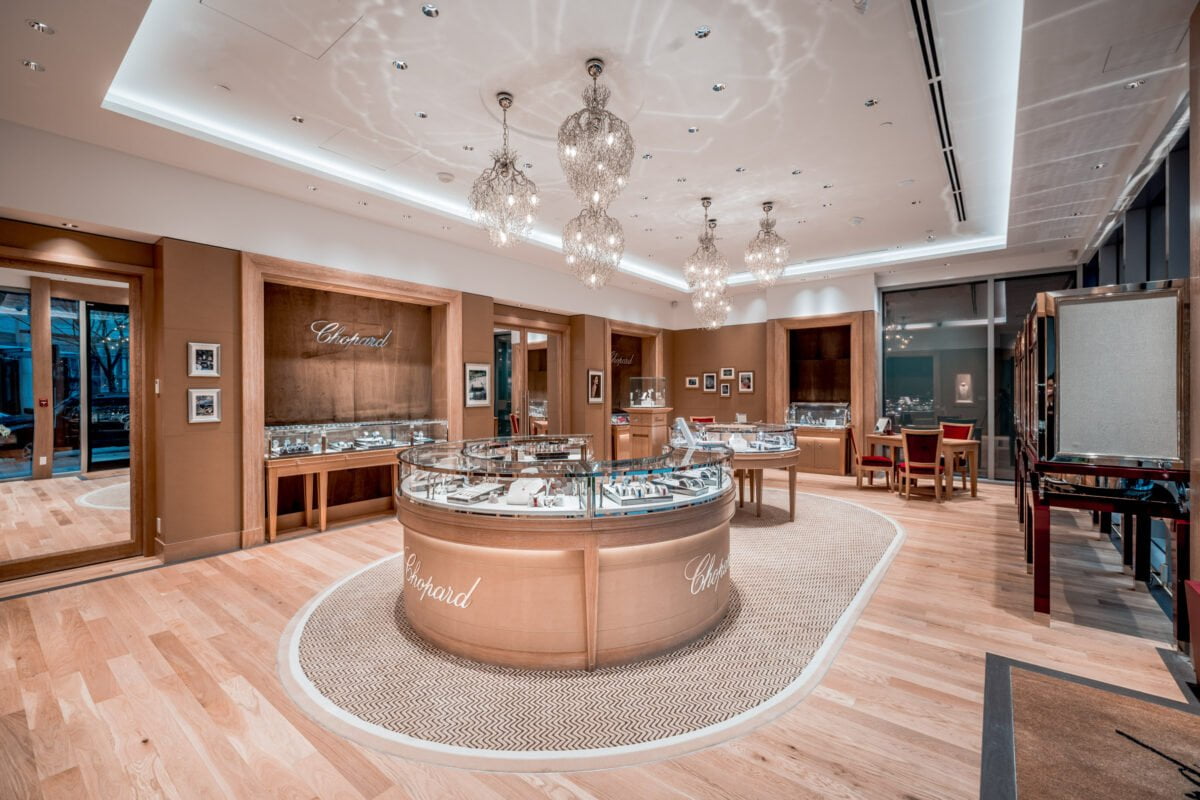
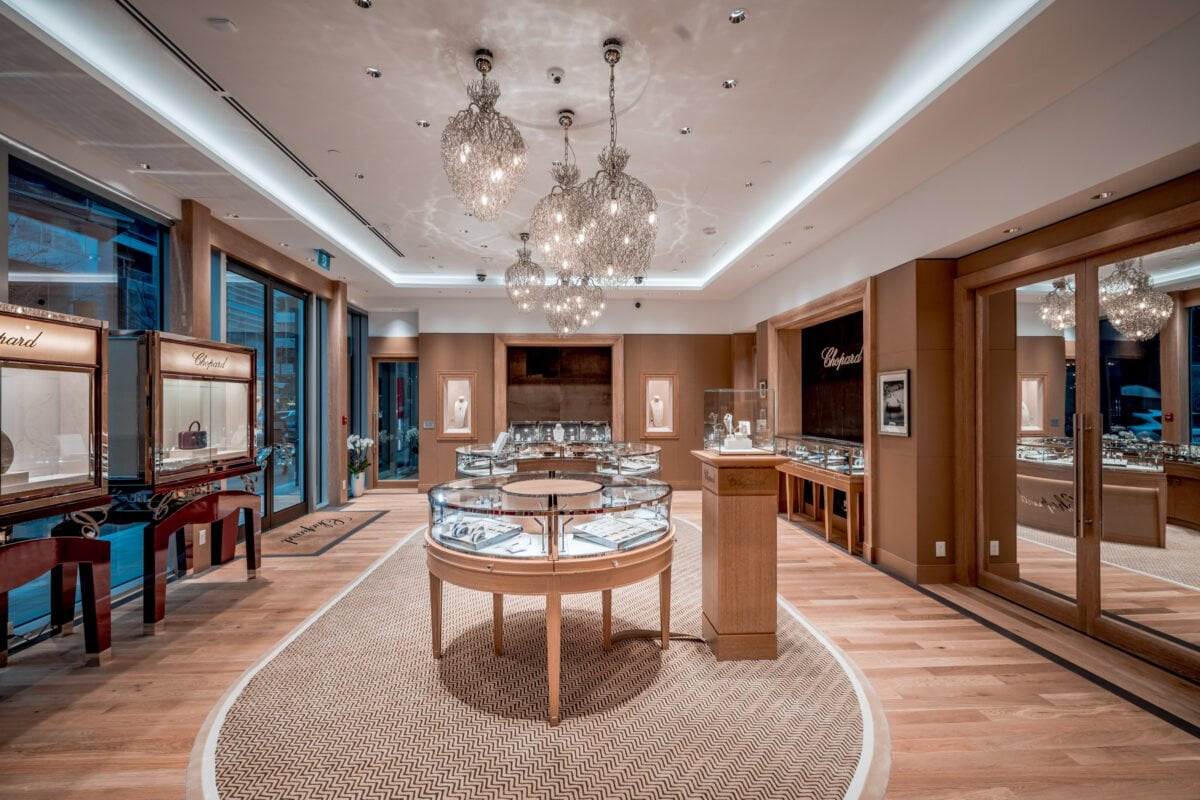
Chopard Vancouver Boutique at 1108 Alberni Street (Image: Chopard)
Swiss watch and jewellery brand Chopard has relocated its Vancouver storefront to 1108 Alberni Street in the city’s Luxury Zone. The new storefront replaces a former location nearby at 925 West Georgia Street.
“Chopard is proud to unveil a beautiful jewel in Vancouver,” said Caroline Scheufele, Co-President and Artistic Director of Chopard. “We’ve been welcomed with open arms and remain committed to this important, growing and vibrant market in Canada. We look forward to welcoming friends of the Maison to our new home, one that embodies and showcases the creativity, innovation and craftsmanship that Chopard is known for.”
Chopard Vancouver Boutique (Image: Chopard) Chopard Vancouver Boutique (Image: Chopard)
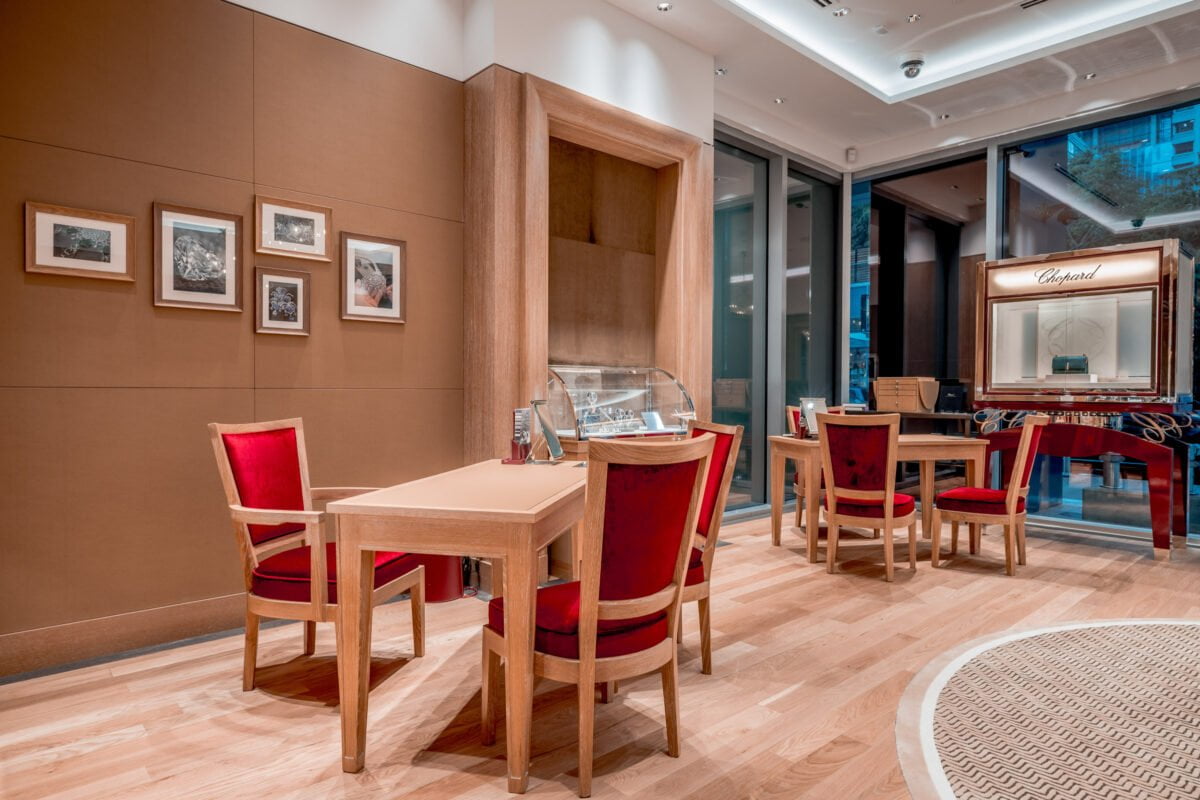
The store’s design includes light wood floors and wall paneling as well as luxurious fabrics and furnishings that the brand says artfully reflects the feeling of a family home. The store features Chopard’s Haute Joaillerie and Precious Lace creations alongside the iconic L’Heure du Diamant, Happy Diamonds, and Ice Cube collections. A ‘gentlemen’s area’ at the back of the store features rich shades of leather and an extensive library.
The Vancouver store is Chopard’s only standalone streetfront boutique in Canada currently — the brand also has a boutique presence at CF Sherway Gardens in Toronto at jewellery retailer L’Oro.
Chopard Vancouver Boutique (Image: Chopard)
Vancouver-based Global Watch Company (GWC) operates the new Chopard boutique which spans 743 square feet and is contained in part of a retail space formerly occupied by womenswear retailer Blubird. A new Tudor boutique occupies the remainder adjacent to Chopard.
The lease for the new Chopard storefront was negotiated by Mario Negris and Martin Moriarty of Marcus & Millichap. QuadReal is the landlord for the 745 Thurlow office building where the new luxury boutiques will be located. The same building is also home to a recently opened Thom Browne storefront (which replaced Versace) and a Brunello Cucinelli store which opened in 2017.
The most unprecedented issue for retailers in 2021 was the swift onset of supply chain challenges at almost every node of the system, faced by manufacturers and retailers around the world, says the Retail Council of Canada.
“Retailers put in place contingency plans to maximize the likelihood of products making it to store shelves by ordering earlier, increasing inventories and diversifying suppliers and product mixes. As a result, there was almost always plenty of product on the shelves, but product delays, shortages of specific brands and models, along with rising prices, are expected to continue well into 2022,” said the Council in a recent report.
“Expect to see retailers examining what they can do to adjust their supply chain to bring it closer to home. Approaches such as more strategic sourcing options in North America, along with different strategies to pre-order inventory, move goods and replenish stores, will be considered to manage ever increasing supply chain challenges.”
John Graham
John Graham, Director, Government Relations (Prairie Region) for the RCC, said supply chain has been a challenge for retailers during the pandemic and distorted how retailers marketed and sold products throughout the holiday season.
“There were lots of efforts to order early, direct deliveries from overseas deliveries, and what they were promoting from Black Friday right through Boxing Day,” said Graham. “There was lots of adapting as retail is used to doing.
“The expectation is that at least for the first half of 2022 these delays are going to continue. There will be shortages of hotly demanded items and products and we’re also going to see inflation as you’re seeing in lots of different sectors. All that will make the importance of the supply chain that much more important to manage costs, to source as locally as possible within North America and to do what you can to adjust to how you inventory products. Maybe not have a lot of products tied up in a whole bunch of stores but better leverage your online platforms for larger stores.”
The RCC report said retailers are also concerned with the rippling effect throughout the supply chain, especially in transportation, which is compounding the problem of labour shortages. Some retailers are starting to see inbound shipments to their distribution centres slowed due to drivers from vendors off sick.
“With the vaccine mandate for truck drivers coming into effect on January 15, 2022, trucking associations have forecasted that a significant number of truck drivers will stop all cross-border travel, which RCC fears will result in another spike in freight costs as well as further disruption to supply chains,” said the organization.
With an update on Wednesday evening, Canada Border Services have confirmed the upcoming mandate that would have affected Canadian big-riggers who were unvaccinated or single-dosed with a quarantine order will not be implemented. The new information provided indicates that the rule will still apply to American truckers, who will be turned away at the border without proof of vaccination as of January 15th.
“The ongoing challenges show that as an industry, we still have a long way to go to return to pre-pandemic “normality.” Yet, while the trials of 2021 were significant, we hope that by continuing to work closely with public health officials and governments across the country – and with strong support from our customers – retailers will get through 2022 and beyond.”
Graham said truck transportation is such a critical component of both brick and mortar retail and ecommerce retail. If there are a number of truck drivers that won’t be crossing the border, there are concerns that this will create an additional spike in freight and further disruptions because of fewer drivers being able to transport goods across the border.
The RCC said labour shortages also dogged retailers throughout 2021 and are increasingly becoming problematic today. Retailers are currently reporting employee absenteeism up to 20 per cent due to the Omicron variant, it said.
“A lack of available testing is intensifying the problem. Retailers continue to respond to systemic staff shortages with a variety of strategies including incentives, compensation, signing and retention bonuses and innovative recruiting tactics as well as, where appropriate, self-service technology in the stores. We expect to see ongoing labour shortages persist, especially if consumers continue to turn more to ecommerce and online shopping, both of which can require adjustments for staffing in distribution warehouses, customer service centres, IT, and transportation infrastructure,” added the RCC.
“When you lose one fifth of your workforce it makes it very challenging to operate,” said Graham. “We’re seeing stores that are having to close departments and in some cases close entire stores if they’re reliant on a small group of maybe family or a small group of workers in that business.”
Graham added that for retailers in need of specialized skilled workers it’s disruptive at an operational level because it’s hard to replace higher skilled labour.
RCC said retail is Canada’s largest private-sector employer with over two million Canadians working in the industry. The sector annually generates over $78 billion in wages and employee benefits. Core retail sales (excluding vehicles and gasoline) were over $400 billion in 2020. RCC members represent more than two-thirds of core retail sales in the country. RCC is a not-for-profit industry-funded association that represents small, medium, and large retail businesses in every community across the country. It represents more than 45,000 storefronts in all retail formats, including department, grocery, specialty, discount, independent retailers, and online merchants.
Retail Insider is streamlining its Canadian retail news from around the web to include a handful of top news stories that can be viewed quickly during the day. Here are the top stories from the past 24 hours.
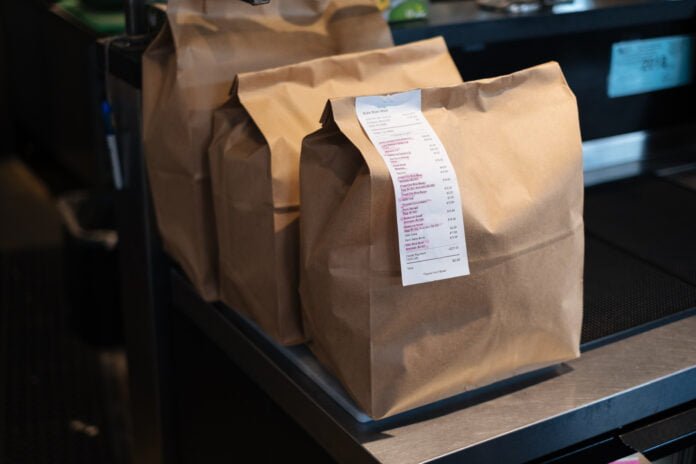
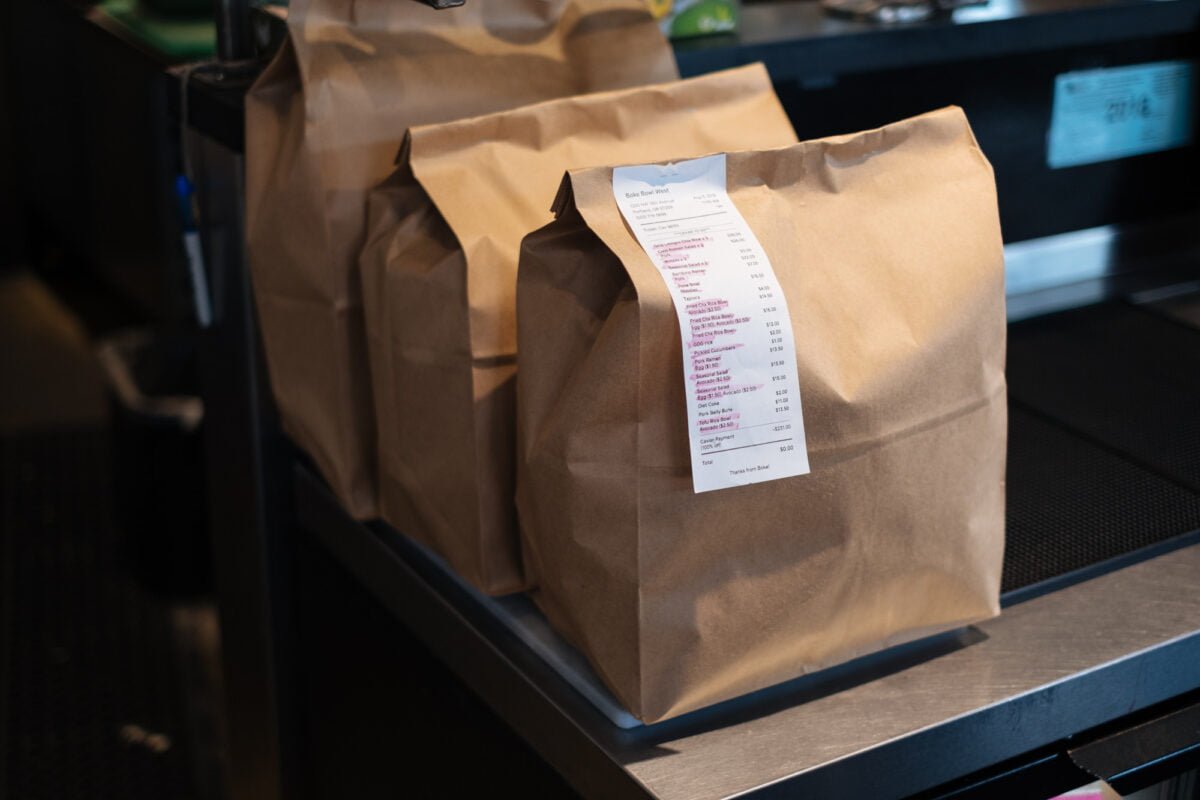
Square Canada has launched an on-demand delivery service through a third-party delivery partner for orders placed directly on its website with no commission fee.
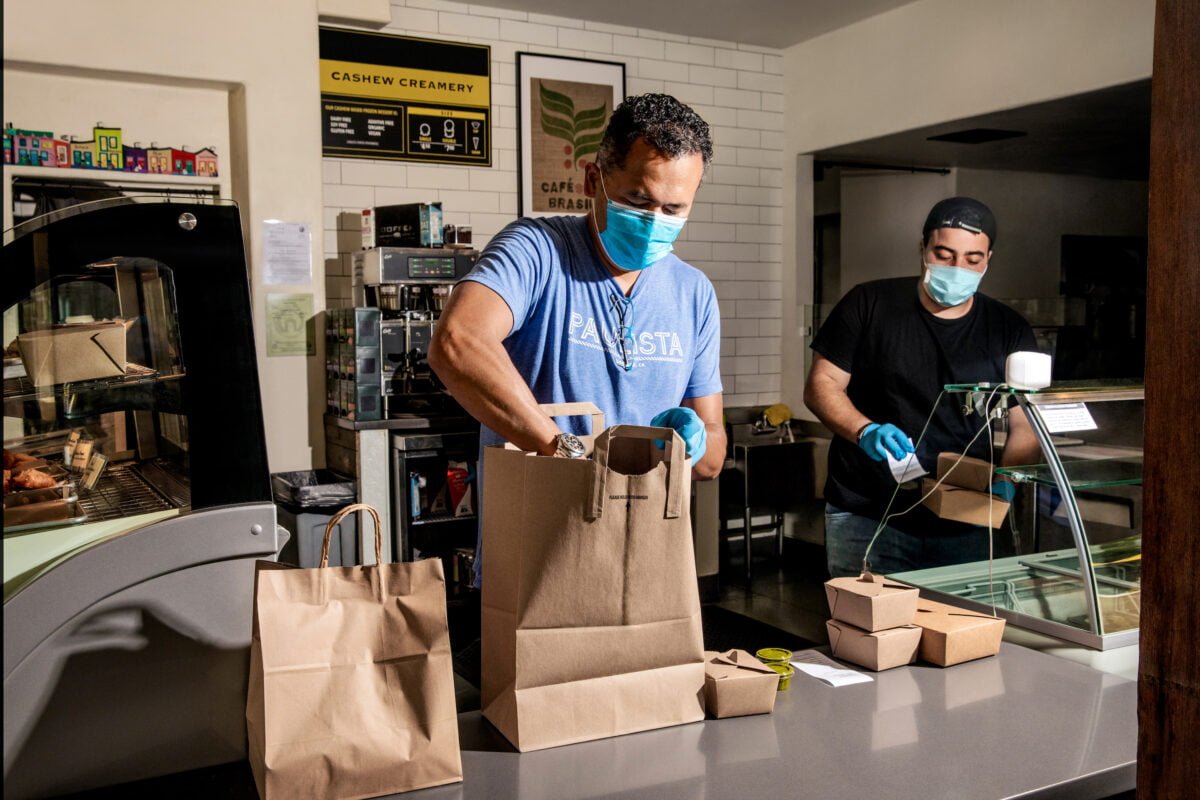
The delivery service for orders, through DoorDash Drive, is geared for restaurants, bars, breweries, bottle shops, convenience stores or any seller using Square Online across Canada.
Canada is the first international market to offer on-demand delivery since its US launch in 2020.
Image: Boke Bowl QSR
Justin Scott
“We’re super excited that we’re introducing a brand new way for Canadian sellers to get reliable delivery without the marketplace commissions using our on-demand delivery,” said Justin Scott, Head of Product, eCommerce Platform at Square.
“What that means is that when you start up a free Square Online ordering page you can get access to on-demand delivery which is really a cost-effective way to get items delivered to your customers. This is the first international market that we’ve launched this service in since we launched in the US back in 2020.
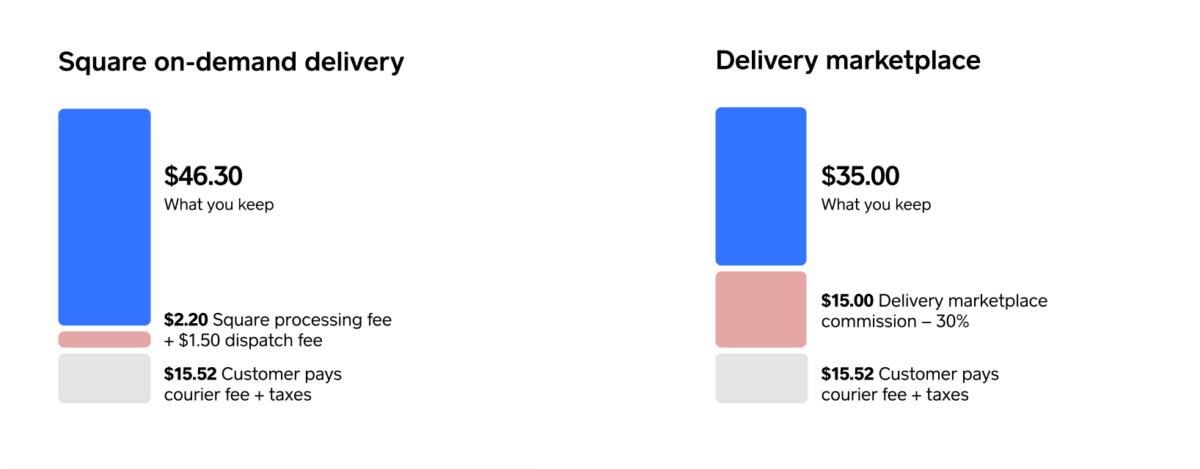
“It’s a great time for this because we know it’s a super challenging business environment right now. We hear that from our sellers all the time. And so we want to give them the tools. The biggest thing that sellers will notice is saving on commissions. Typically for marketplaces for food orders and those sorts of things sellers end up paying around 30 per cent in commission fees. With our on-demand delivery service, sellers can save a pretty significant amount because they only pay the flat fee of $1.50 Canadian to Square and then they pay a flat fee for the courier provided by DoorDash as well. Both of those fees can actually be passed on to the buyer if that’s what the sellers want to do. We give sellers a lot of control and flexibility over how they price and pass those fees along to customers.”
Scott said sellers can also own the relationship with their customers. If a customer places a direct order with the seller online, the seller gets to own that customer relationship. They get all the customer information which is added to their customer directory and they can use that to continue building and growing their business. They could set up a Square Loyalty program for rewards. They could use Square Marketing to retain and encourage that customer to come back.
“Building that customer relationship is a key differentiator as well,” added Scott.
He said the new service is available to all of Square’s sellers across all the provinces and territories with the exception of Nunavut. So hundreds of thousands of businesses across the country have access to this.
“When we launched this in the US back in 2020 we saw 173 per cent growth year-over-year between June and December 2020 and last year. So we really expect to see a high level of uptake for this service in Canada as well,” explained Scott.
“One of the biggest drivers has really just been, in the case of restaurants, delivery has been providing a lifeline to restaurants during the pandemic allowing them to stay open even when indoor dining has been closed in many places. We’ve really just seen demand for this take off.”
Wilson Shin, the owner of Katsupan Japanese Sandwich in Toronto, Ontario, has been one of the early adopters of on-demand delivery through Square Online in Canada and welcomes the service as a way to reach more customers.
“I think it’s great that Square can now offer a delivery option for customers who buy online, right alongside pickups, as the choice is right in front of them,” said Shin. “The service has been easy to use, which is always important. Overall, it’s a good option for recurring customers and it helps me save on fees as well.”
David Rusenko
David Rusenko, head of eCommerce at Square, said the company is excited to offer a new solution for Canada’s food and beverage industry to get the most out of its businesses in 2022.
“Whether that’s a bakery delivering food to customers, a restaurant monetizing its wine cellar, a grocery store supplementing their on-premise sales, or a local brewery introducing old favourites to a new crowd, we’re proud to provide our sellers with more ways to make money,” he said.
Retail Insider is streamlining its Canadian retail news from around the web to include a handful of top news stories that can be viewed quickly during the day. Here are the top stories from the past 24 hours.
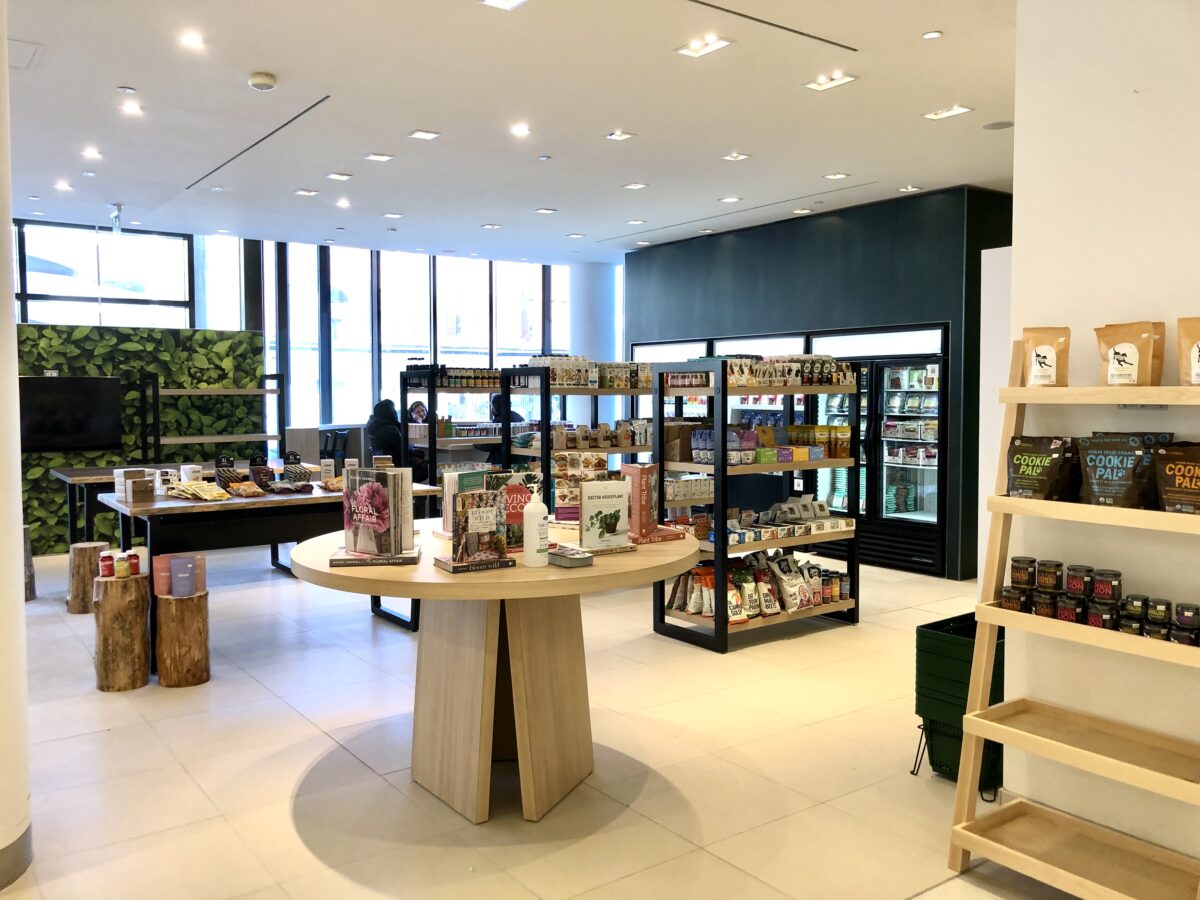
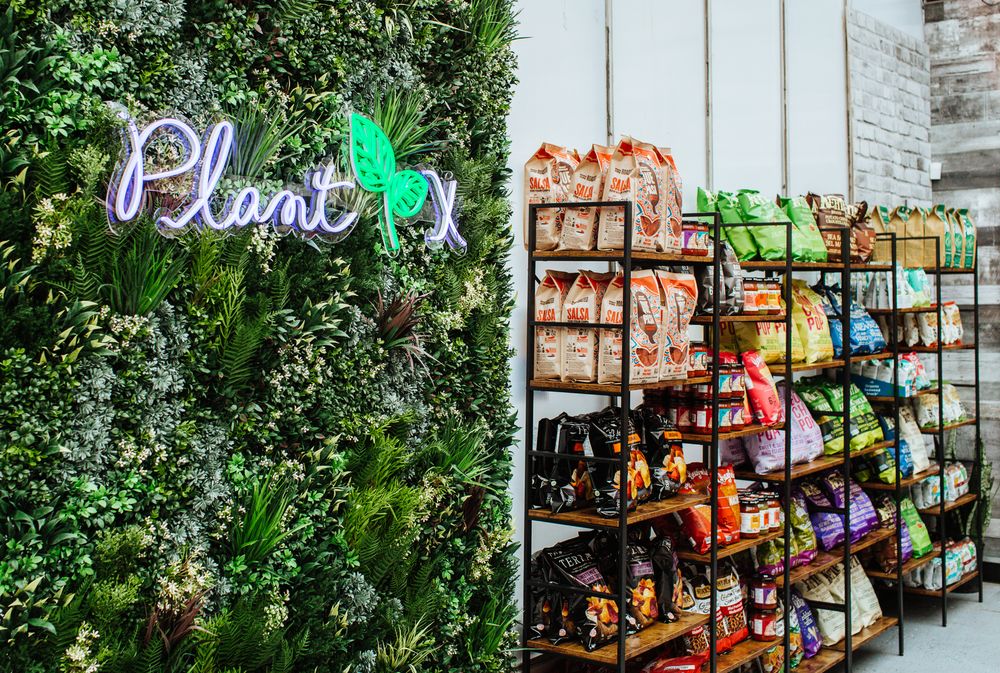
PlantX, which sells 100 per cent plant-based products, has launched a presence in two Hudson’s Bay locations with plans to aggressively expand into more spaces across the country within the iconic retailer’s stores.
Recently, PlantX opened its XMarket Café concept in the Bay’s CF Rideau Centre store in Ottawa. It also opened its retail concept in the Bay’s Yorkdale Shopping Centre in Toronto.
“The Hudson’s Bay experience is evolving, and our stores are fast becoming hubs for discovery and inspiration,” said WayneDrummond, President, Hudson’s Bay, in a statement. “XMarket Café speaks to a growing consumer segment and incorporates local partnerships that make this new experience special and unique to the community.”
XMarket Café at the Rideau Hudson’s Bay in Ottawa
Sean Dollinger, PlantX Founder, said having a retail presence in Hudson’s Bay’s locations offers incredible opportunities to exert its plant-based impact and build on its retail efforts.
Sean Dollinger
“We’re thrilled to have physical spaces within Ottawa and Toronto communities to offer a more direct and dynamic PlantX experience,” he said.
PlantX was launched more than a year and a half ago. As the digital face of the plant-based community, PlantX’s platform is the one-stop shop for everything plant-based. With its fast-growing category verticals, the company offers customers across North America more than 5,000 plant-based products. In addition to offering meal and indoor plant deliveries, the company currently has plans underway to expand its product lines to include cosmetics, clothing and its own water brand.
PlantX has a head office in Vancouver and is currently operating in Canada, the US, the UK, Germany and Israel.
Image: PlantX
The company’s retail locations are more or less like education centres and distribution points.
“Essentially the way Tesla created their showrooms to educate people on electric cars and why they’re better than fuel-powered cars and then they used their centres also as delivery points for their cars and education centres. Same idea. We’re e-comm at the true heart of PlantX but we use our retail locations for same-day fulfillment. So we’ll have same-day fulfillment in Toronto, Ottawa and Vancouver by the end of this month and in the US we have same-day delivery in San Diego, Los Angeles and Chicago,” said Dollinger.
The 100 per cent plant-based café concept features carefully-crafted vegan beverages and plant-based food options with ingredients sourced from Ottawa businesses, including local bakery Keepin’ It Vegan. PlantX has also opened signature XMarket shops at both Yorkdale and Rideau, offering a curated selection of plant-based products spanning grocery, home, personal care, pets and more.
Image: XMarket
The new store at Rideau will assist PlantX with its distribution for online customers in Eastern Canada, including shoppers on TheBay.com Marketplace, allowing for same day PlantX deliveries in the Ottawa area, as well as accelerated shipping of PlantX products across all of Canada. By further centralizing its Canadian operations, PlantX is advancing its digital and technological growth, while the new fulfillment capabilities will increase cost-savings.
The stores that don’t have a café concept are under 1,000 square feet – about 750 square feet – while the café concepts are anywhere from 1,200 to 2,000 square feet.
“Being with the oldest retailer in the US and Canada and them recognizing PlantX which has just been around for 16 months as an innovative company in Canada and providing us an amazing opportunity to give such great placements, I think speaks volumes for PlantX,” added Dollinger. “We’re going to start our same day delivery rollout in Toronto and Ottawa by the end of January and depending on how that launch goes.”
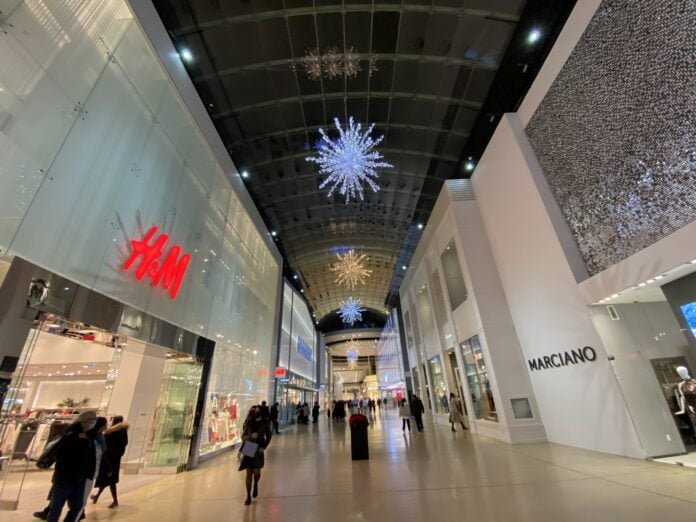
Some big changes are coming to CF Toronto Eaton Centre after landlord Cadillac Fairview announced major investments for upgrades over the next couple of years. That includes a replacement of the galleria roof that spans the centre as well as updates to movement and accessibility within the property. The total investment is about $77 million.
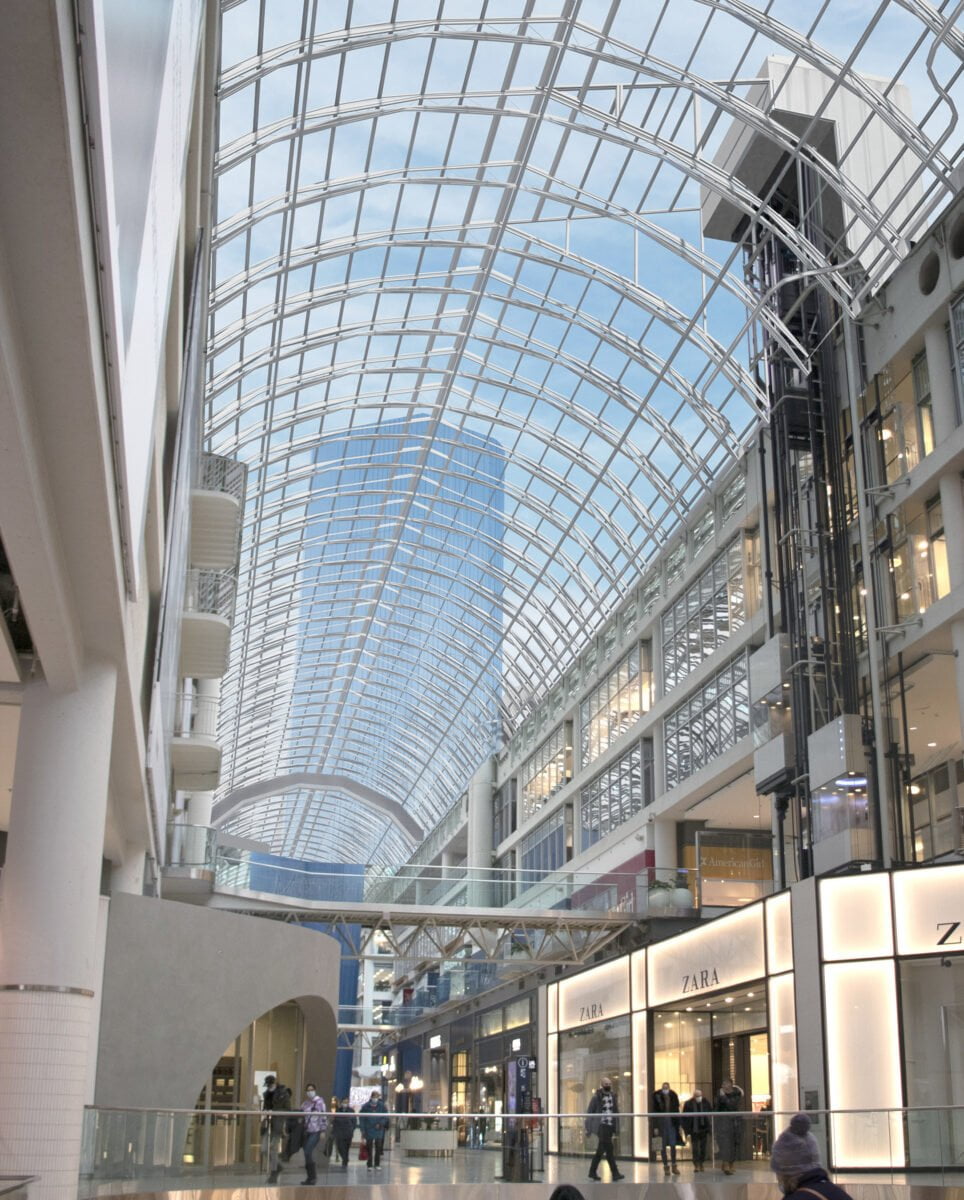
About $60 million will be invested to refurbish the galleria skylight roof at CF Toronto Eaton Centre which spans about 900 feet from Queen Street to the south to the Nordstrom store at the north end of the mall. Cadillac Fairview said in a release that the existing glass will be replaced “with the latest materials and technologies to improve energy efficiency while maintaining its classic design aesthetic”.
CF Toronto Eaton Centre Galleria. Image provided on behalf of Zeidler Architecture Inc. (CNW Group/Cadillac Fairview Corporation Limited)
The project will be carried out in two phases. Construction will begin this month on the first phase which spans from Queen Street to the Centre Court, while work on the north end will commence in March of 2023. Zeidler Architecture Inc. is involved with the refurbishment along with Read Jones Christoffersen consulting engineers, with construction overseen by EllisDon Corporation. Canadian architect Eberhard Zeidler who conceptualized the centre died last week at the age of 95.
“As the original architects of the galleria, we’re honoured to play a continuing role in one of the city’s most iconic buildings. This revitalization will ensure the skylight roof is fit-for-purpose and sustainable in the long term, all while retaining its original architectural splendor,” said David Collins, Partner at Zeidler Architecture Inc.
Some important artwork will be temporarily removed for the galleria glass retrofit. The “Flight Stop” art installation, which depicts sixty Canada geese mid-flight, will be removed and stored temporarily while the roof is replaced. Law school students will recall “Flight Stop” from a lawsuit in the early 1980s when artist Michael Snow successfully sued the landlord by winning an injunction to remove red ribbons placed on the geese, setting precedent for creator ‘moral rights’.
CF Toronto Eaton Centre opened to the public in 1977 and it immediately became a draw. The centre’s construction was controversial and involved the demolition of retail storefronts along Yonge Street as well as a former multi-level Eaton’s flagship store at the south end of the site. The new shopping centre was unlike anything seen in downtown Toronto with its expanse of glass and hundreds of retail stores contained within a weather-protected environment.
“At Cadillac Fairview we are proud to continually invest in our properties to deliver a world-class shopping experience,” said Wayne Barwise, Executive Vice President of Development at Cadillac Fairview. “The galleria’s original design was inspired by the Galleria Vittorio Emanuele II in Italy and has served as a distinguishing feature of the mall since the centre’s opening in 1977. As custodians of this unique architectural element, our priority is to ensure the integrity of its design as we significantly enhance its functional performance.”
Cadillac Fairview also announced that it will invest an additional $17 million to improve shoppers’ movement and accessibility at CF Toronto Eaton Centre with the addition of three new staircases in the South Court and Urban Eatery, improvements to elevators in the mall, and the installation of a larger cab in an existing elevator to better accommodate strollers and mobility scooters. Cadillac Fairview said that the enhancements will facilitate convenient connections while creating “a more welcoming environment throughout the property”.
CF Toronto Eaton Centre Galleria.
Image provided on behalf of Zeidler Architecture Inc. (CNW Group/Cadillac Fairview Corporation Limited)
CF Toronto Eaton Centre is the largest urban shopping centre in North America and prior to the pandemic it was possibly the busiest retail centre in the world with over 50-million annual visitors. Over the past 12 years, Cadillac Fairview has invested a whopping $1.6 billion into CF Toronto Eaton Centre, making it the second largest shopping centre asset in Canada after West Edmonton Mall in terms of retail square footage.
Investments in the centre since 2010 included the addition of the Hudson’s Bay building and adjacent 401 Bay Street office tower that were acquired by Cadillac Fairview for $650 million in early 2014, ushering in updates that included the addition of a new Saks Fifth Avenue store within the Hudson’s Bay building in 2016. Cadillac Fairview then spent millions to build a new pedestrian bridge between Hudson’s Bay/Saks and CF Toronto Eaton Centre which was unveiled in 2017. Other major investments to CF Toronto Eaton Centre included buying back the Sears space in 2013 for the redevelopment and 2016 opening of Nordstrom and other tenants including Uniqlo and Samsung, and this year a new BMO Urban Campus will open above. Other major upgrades in 2011 to CF Toronto Eaton Centre included a $120 million investment to replace flooring and hand railings among other updates.
Retail Insider is streamlining its Canadian retail news from around the web to include a handful of top news stories that can be viewed quickly during the day. Here are the top stories from the past 24 hours.
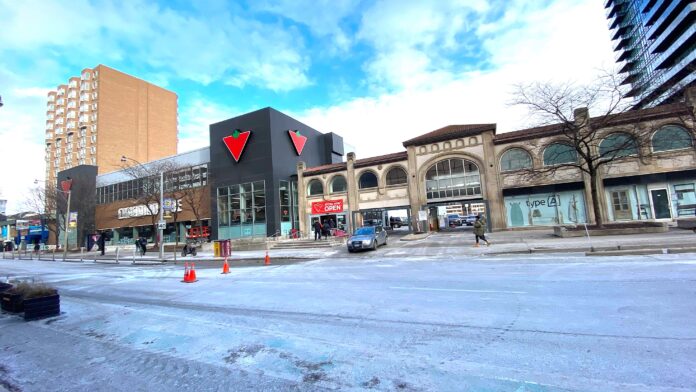
Canadian Tire store at 839 Yonge Street, January 2022. Photo: Craig Patterson
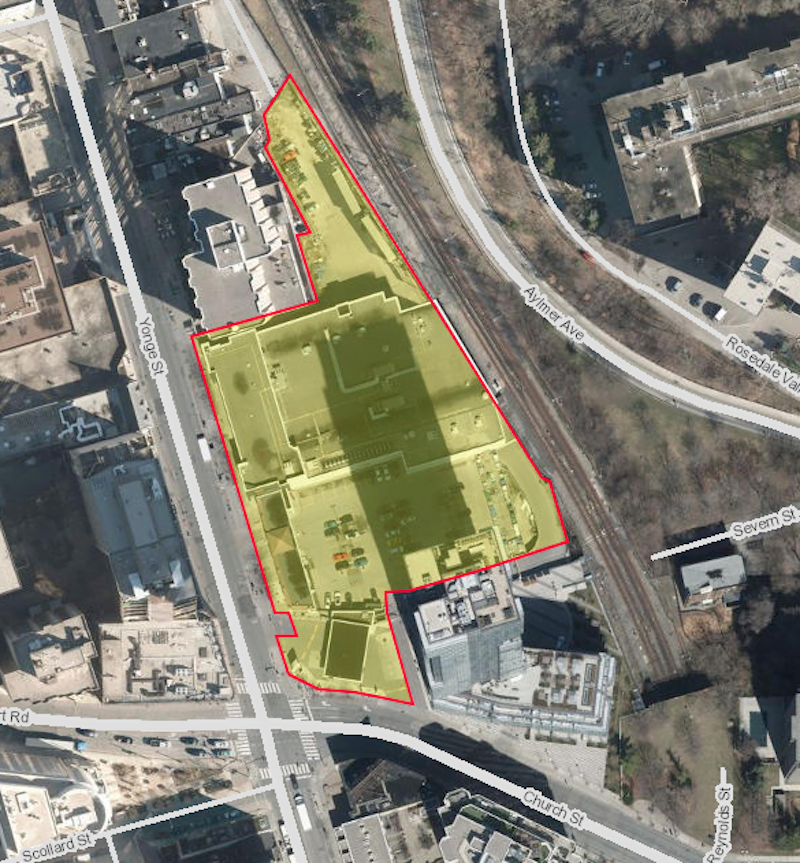
The historic Canadian Tire store at 839 Yonge Street in downtown Toronto will eventually be demolished for an intensified redevelopment that could include residential towers as well as a new Canadian Tire store. That’s according to sources noting that a development application will be brought to the City of Toronto in the next while.
The proposed plans would include a multi-tower configuration according to one source. The building site encompasses about 2.4 acres and an adjacent gas station adds another 0.2 acres to the site.
A new Canadian Tire store would ideally be built on the site according to the source. The existing store was recently renovated to reflect the more modern design seen in some Canadian Tire locations. A historic component known as the Grand Central Markets Building was built in 1929 and is heritage protected, characterized by a Spanish Colonial Revival-style type architecture. It would be expected that it would somehow be preserved and incorporated into the new proposal.
Image: Northern Light via Urban Toronto
Canadian Tire owns the site according to another source, who also said that after the development application is approved Canadian Tire will likely sell the site, valued well in excess of $100 million.
The location on Yonge Street backs onto the subway tracks. In behind the tracks lies Rosedale, the wealthy leafy and historic residential area with winding streets and multi-million dollar mansions that is unlike anything in North America in terms of its proximity to a downtown core. Some of the wealthiest people in Canada live in Rosedale including David Thomson who is worth over $50 billion USD.
Historic store component and gas station at the corner of Yonge and Church Streets. Photo: Craig Patterson
Other commercial buildings in the area will be demolished for future redevelopment as well according to reports in Urban Toronto. Forum poster ‘Northern Light’ also posted a conversation thread on the Urban Toronto Forum about the proposed redevelopment.
High real estate prices in Canadian centres is leading to landlords seeking to intensify building sites. That includes individual stores with enough land and even entire shopping centre properties. It’s a trend expected to continue for years to come amid a population and housing boom in some markets.
The reemergence of COVID will continue to put a strain on the Canadian apparel industry with uncertainty over shopping restrictions in 2022.
But a new report by Trendex North America, a marketing research and consulting firm, says apparel specialty chains will lose share in the market for the sixth year in a row.
The Canadian Apparel Insights report, released in December, also said the growth rate for apparel e-commerce will slow assuming consumers are able to shop in brick and mortar stores and luxury apparel sales, after a disappointing 2020 and 2021, will increase in proportion to the growth of foreign tourism.
Randy Harris, photo supplied
“I think the expectations from a value metric standpoint, meaning sales, you can’t really speculate because you don’t know how long the newest phase of COVID is going to affect shopping restrictions,” said Randy Harris, president and owner of Trendex North America. “I was very optimistic last July when it looked like we were beginning to come back to pre-COVID sales levels on a monthly basis. Certainly, beginning June and July the industry was selling more apparel than it was, not just the previous year but than in 2019. So it made me very optimistic from a sales standpoint.
“Right now, I have no idea what to expect in terms of sales for this year and anybody that says they do is crazy.”
In November, a report by Trendex said Canadian retail apparel sales fell by 23.6 per cent year-over-year in 2020 and the forecast growth was 13.9 per cent in 2021. At that time, Trendex was forecasting 8.2 per cent year-over-year growth in 2022.
“I expect that we’ll continue to see evolutionary changes in apparel retailing as opposed to revolutionary changes in apparel retailing. In a sense, the Canadian apparel industry when it comes to change it moves at kind of glacial speed,” said Harris. “When you look back at last year, you see very few changes were made in the industry. If the changes were made, they were often made in the back rooms if you will, but not in the stores themselves.
“I think one of the things people miss right now is how little apparel retailing has really changed compared to some other industries. Yes, e-commerce has become bigger, buy online and pickup in store has become bigger. But so many other things have not changed that much.”
The latest Trendex report predicted for 2022:
Resale apparel sales will increase thanks to luxury resale e-commerce;
SSENSE and Indochino will take advantage of a buoyant IPO market by going public;
Athleisure sales growth will slow while dress apparel sales will increase from their record low sales levels during 2020/2021;
Almost 40 per cent of Canadian headquartered apparel retailers will offer a buy now/pay later option by year’s end;
Personalized digital marketing will increase at the expense of print advertising;
Turkey will disproportionately increase its apparel exports to Canada as a result of the recent major devaluation of the country’s currency;
Apparel supply chain problems will sort themselves out by mid-summer; and
Retail apparel prices will, starting in April, climb steadily during the year.
“If there was one big surprise that I had last year, I expected a flood of bankruptcies in January and February of last year. That did not happen. The lack of bankruptcies for the most part during the entire year last year surprised me,” said Harris.
“From the apparel industry standpoint, e-commerce’s growth really saved the industry for the last two years although the rate of growth last year was far less than the previous year. I think a lot of retailers have batten down the hatches in the last year and a half or so and were able to make it through the year. What surprised me though is yes there were fewer bankruptcies but I also thought companies blew an opportunity to close unprofitable stores. But so many companies kept limping along and I thought this would have been a good time for them closing some stores.”
Harris said some Canadian retailers are opening more stores around the world which is an optimistic sign but it’s in very narrow industries such as outerwear. He expects that trend will continue.
“There’s no doubt that in the coming year the one thing we will notice is that mall traffic will continue to fall. That will have an effect not on the major retailers in the major malls but certainly have a greater effect on the retailers who are basically based in second and third tier malls,” said Harris.
CF MARKET MALL. PHOTO: CADILLAC FAIRVIEW
“E-commerce has got an inertia right now and it’s going to continue to grow but we won’t see a triple digit rate in growth. The one that I’m worried about right now is luxury retailing which again last year I believe apparel retailing had a very poor year and I attribute that to the lack of tourists coming in, especially from the Orient. Tourism basically in 2021 shut down for a good part of the year, especially the beginning of the year and that had an adverse effect on the luxury retailers. Tourism numbers started to crank back up at the end of last year but with what’s going on in Canada it might lag it down again. That’s another segment that everything is up in the air right at the moment about.”
Trendex said the sales pattern for footwear over the past three years is unexpectedly similar to that for apparel. Footwear sales decreased 21.3 per cent in 2020 and are forecasted by Trendex to increase 17.3 per cent in 2021. Athletic footwear in 2021 should account for 34.1 per cent of all footwear – an increase from 29.3 per cent in 2019.
“As a result, footwear specialty stores during that period lost share to sporting goods stores and e-commerce retailers. The net result of these two changes is that malls continue to decrease in importance for footwear sales. Although little information is available on the footwear sales of individual footwear retailers, consensus is that the largest retailers are Aldo Inc, CTC (Marks and Sport Chek) and DSW Canada. The latter, a public held company, according to Trendex will have sales of US$236 million in 2021,” said the report.