Home Blog Page 988

New iPhones Amongst Five Apple Products Unveiled at the September 2021 Event

California-based Apple Inc. held its annual fall Apple event announcement on Tuesday to the joy of technology enthusiasts around the globe. The tech giant is perpetually tight-lipped on what will be featured during its events and iPhones are typically the mainstay of the fall events with other surprises sprinkled in. The 2021 event was no different as it became the typical iPhone launch announcement as well as unveiling a couple other new products. There were a total of five new hardware products introduced: iPhone 13 Pro, iPhone 13, Apple Watch Series 7, the iPad and the iPad mini.

Apple Fall 2021 Event
Apple Fall 2021 Event. Photo: Apple

For context into the world of Apple Events, this fall Apple event (which we will informally term as the “Fall Apple Event 2021”) loosely forms a staple for the Apple Events calendar. While Apple is known to call special Apple Events whenever it wants, the fall event is usually accompanied by the following two calendar events each year:

  • Apple Worldwide Developers Conference (WWDC): This event typically announces the newest Apple Operating Systems (OS) to the developer community. Mainly to give some ‘runway’ to allow applications to be updated/developed before their release on the new products announcements/releases in the fall event. The latest was held in June 2021 which introduced the latest apple operating systems for iPhone (iOS 15), iPad (iPadOS 15), Mac (macOS Monterey) and Apple Watch (watchOS 8).
  • Spring Apple Event 2021: The spring event typically announces another round of follow-up devices after the fall event. The most recent was held in April 2021 introducing the new iMac, iPad Pro, iPhone 12 in Purple, AirTags and Apple TV 4K.

Many Apple enthusiasts set their clocks to the fall, spring and WWDC events. The 2020 event calendar was thrown askew with COVID splitting announcements up, including:

  • September 2020: Apple Watch, the new iPad Air and two new Apple services (Apple Fitness+ and Apple One Bundle) were announced. See our review of Apple Fitness+ from its launch in December 2020.
  • October 2020: iPhone 12, iPhone 12 Pro, HomePod Mini and MagSafe accessories were announced
  • November 2020: MacBook Air, Macbook Pro, Mac mini were announced.

iPhone 13 Pro

"iPhone 13 Pro" and "iPhone 13 Pro Max"
“iPhone 13 Pro” and “iPhone 13 Pro Max”. Photo: Apple.

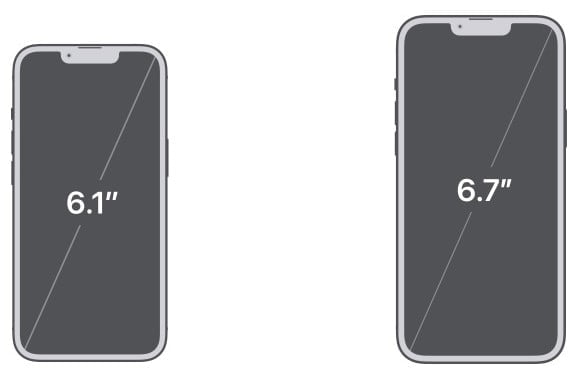
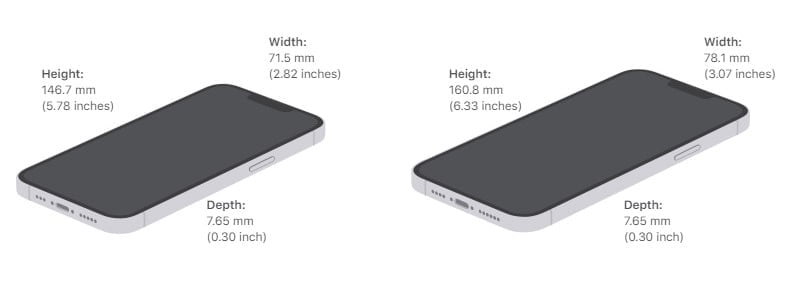
The feather in Apple’s cap is its iPhone Pro product which the company has released faithfully since iPhone 11 Pro in 2019. The iPhone 13 Pro is offered in two sizes: The “iPhone 13 Pro” and “iPhone 13 Pro Max”. The most visible difference between the two is the screen size (6.1 inch and 6.7 inch, respectively).

Both versions offer the same capacity options (128GB, 256GB, 512GB and 1TB) as well as the same A15 chip, cameras, Face ID, sensors, iOS, etc. but differences in battery performance with the “Max” version’s additional size to have a bigger battery. 

“iPhone 13 Pro” and “iPhone 13 Pro Max” battery spec differences. Photo: Apple.

Differences between iPhone 12 Pro and iPhone 13 Pro

While the price point between the two generations is unchanged, the main differences besides the battery we mentioned above included:

  • Internal Capacity: The largest internal space increased to 1TB with no elimination of the smallest internal space option (128GB) from last year.
  • Camera: Apple continued to emphasize its improvements to the camera functionality in 2021 as it did in 2020. The iPhone Pro series has the same three cameras on the back (Telephoto, Ultra Wide and Wide Cameras) with improvements to low light as well as wider ultrawide apertures and more optical zoom for the telephoto lens. Night Mode stabilizing is now available for both Pro versions, instead of the Max version for the iPhone 12.
  • Screen: The ‘notch’ at the top of the iPhone 13 is smaller. Otherwise, they look the same.
  • Chip (aka, performance): The new A15 chip (versus the 2020 A14 chip) is faster as one would assume. It comes with a 5-core graphics processor (GPU) versus the 4-core from 2020.

Other differences were noted including a 28% brighter display and new colour options (such as Sierra Blue).

For those looking between the iPhone 13 Pro versus the non-Pro lineup, the processors are the same (A15 Bionic chip) with 6-cores for all models; however, the graphics processor (GPU has an extra core in the Pro series).

iPhone 13

"iPhone 13 mini" and "iPhone 13"
“iPhone 13 mini” and “iPhone 13”. Photo: Apple.

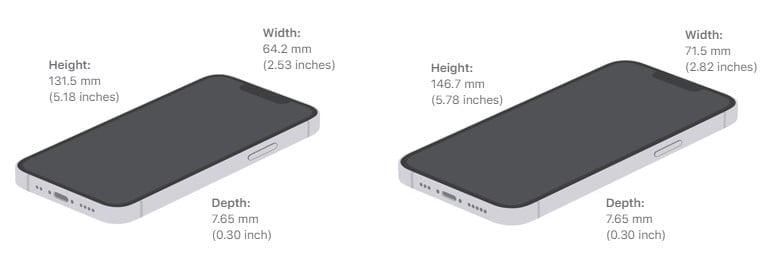
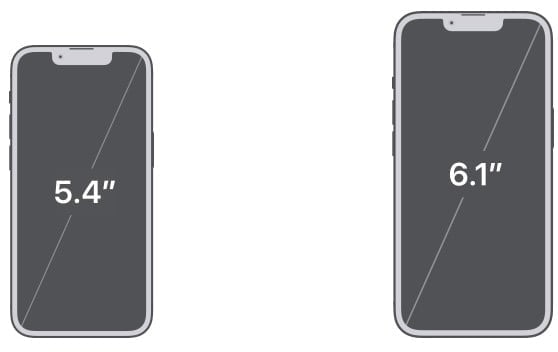
Not to be confused with the “Pro” version, the iPhone launch announcement included the non-Pro “iPhone 13” coming in two sizes: The “iPhone 13 mini” and “iPhone 13”. The most visible difference between the two is the screen size (5.4 inch and 6.1 inch, respectively). And yes, the larger “iPhone 13” has the same screen size as the “iPhone 13 Pro”.

While the non-Pro version of the iPhone 13 mini and non-mini do not offer the 1TB internal space offering as the “Pro” version, it has an ample offering of 128GB, 256GB, and 512GB for both non-Pro versions.

Differences between iPhone 12 and iPhone 13 versions

While the price point between the two generations is unchanged, the main differences besides the battery we mentioned above included:

  • Camera: The iPhone series (non-Pro) has the same two cameras on the back (Ultra Wide and Wide Cameras) with improvements to low light in the 12 MP main camera. The most dramatic camera improvements were definitely reserved for the Pro lineup.
  • Screen: The ‘notch’ at the top of the iPhone 13 is smaller. Otherwise, they look the same.
  • Chip (aka, performance): The new A15 chip (versus the 2020 A14 chip) is faster as one would assume. It comes with a 5-core graphics processor (GPU) versus the 4-core from 2020.

Other differences were noted like a 28% brighter display and new color options (like Pink).

iPhone 13 Availability

The iPhone Pro and iPhone 13 are currently available to view pricing on Apple’s website. Pre-orders begin on September 17 and shipping begins September 24, 2021.

iPhone Availability for September 2021
iPhone Availability for September 2021. Photo: Apple

Apple has now retired the iPhone 12 Pro line from its website as well as the iPhone XR; however, it is retaining the iPhone 12 and iPhone SE on its website for customers as well. The iPhone 11 was also spotted on the website for purchase as well.

Apple Watch Series 7

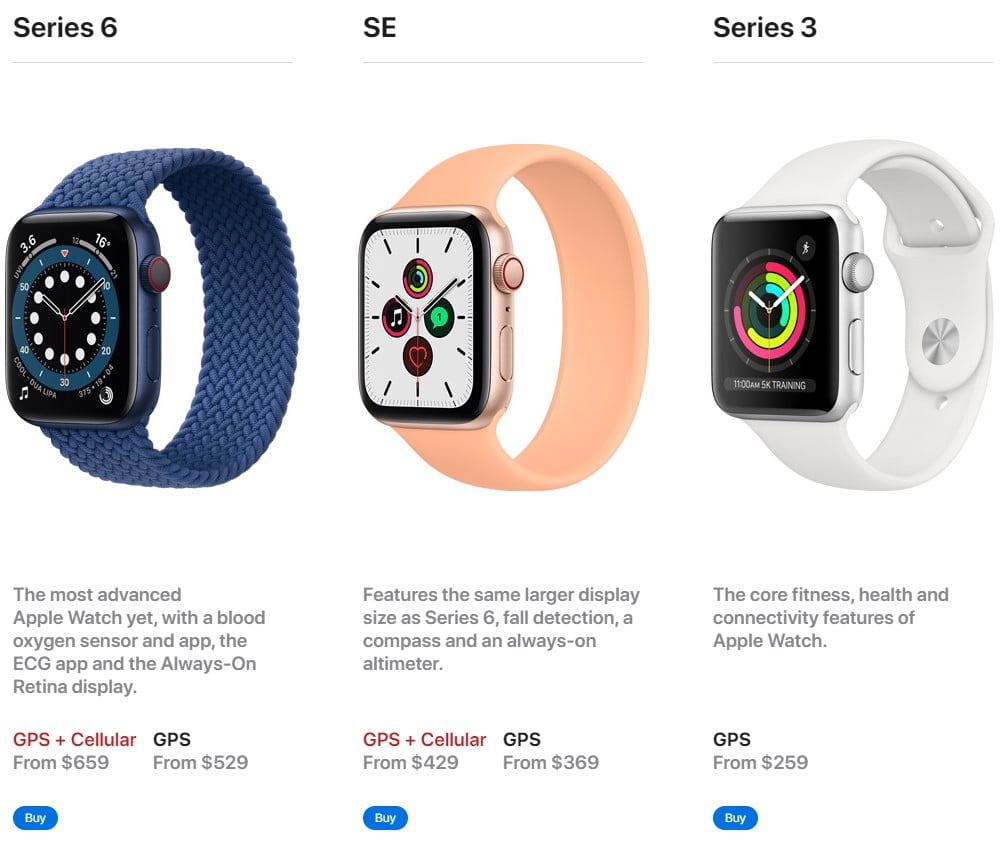
Apple Watch Availability for September 2021. Series 7 is still pending. Photo: Apple

The new Apple Watch Series 7 was announced on Tuesday as well as the iPhone launch announcements. More details will come from Retail Insider and it is said to be ‘available later this fall’ and its key improvements are larger screen size and faster charging ability.

Apple iPad and iPad Mini

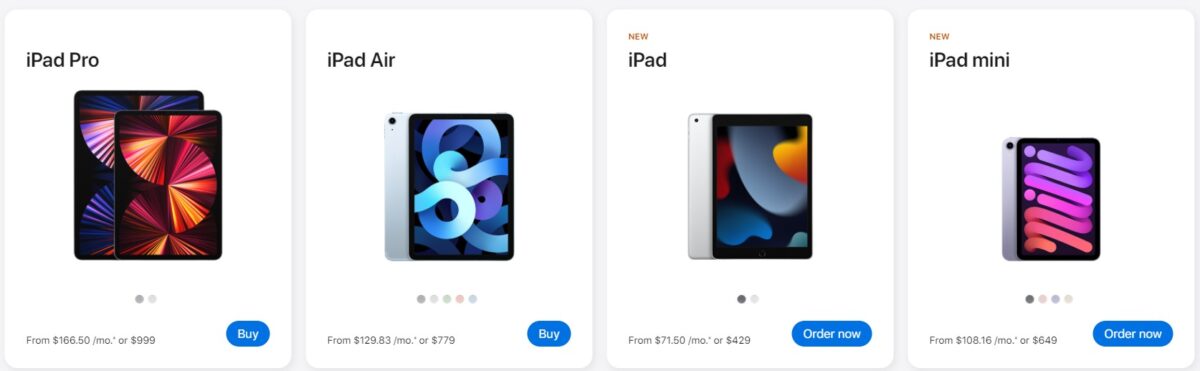
iPad Availability for September 2021. Photo: Apple

Apple’s baseline iPad and mini versions also had new versions announced on Tuesday. More details will come from Retail Insider; however, it is said to be available now for ordering being shipped September 24, 2021.

CNTRBND to Relocate Yaletown Store in Vancouver to Gastown 

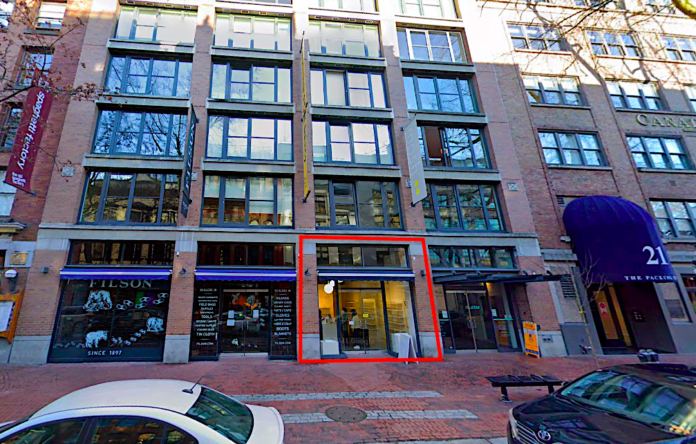
45 Water Street highlighted in red. Image: Google Street View

Edgy Toronto-based multi-brand luxury menswear retailer CNTRBND is relocating its Vancouver store this month from the city’s Yaletown area to Water Street in historic Gastown. The new Gastown store will be double the size of the Yaletown location and will be a ‘lifestyle concept’ featuring fashions as well as books, footwear and an apothecary. 

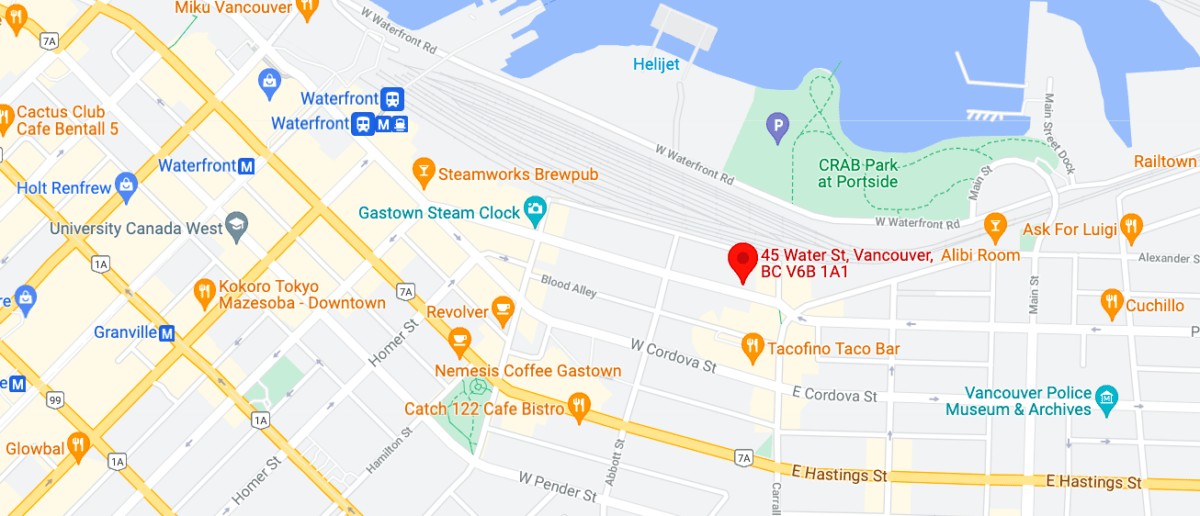
The current CNTRBND store in Yaletown spans about 600 square feet and is located at 1060 Hamilton Street. The new Gastown store will measure about 1,200 square feet and will be located at 45 Water Street according to owner Christopher Casuga. The Water Street space was formerly occupied by eyewear retailer MOSH Framemakers which recently relocated to a new location in Gastown at 318 Homer Street. 

Casuga said that CNTRBND is relocating to take advantage of the momentum in the Gastown area which includes high-end edgy retailers such as menswear retailer Roden Gray and unique fashion retailer Secret Location. Over the past several years unique retailers such as Le Labo, COS, Filson, Native Shoes, and Herschel Supply have opened in the area and this fall, French fashion brand Maison Kitsuné will open its first Canadian store and café on Water Street as part of Gastown’s ongoing transformation as a downtown retail destination. Gastown is Vancouver’s original city centre with some buildings dating back to 1886 when the city saw a devastating fire. 

The Gastown CNTRBND space will be located next to American retailer Filson which opened at 47 Water Street in the spring of 2017. 

Click image for interactive Google Map

DWSV Realty, under the direction of David Wedemire and Stan Vyriotes, negotiated the Water Street CNTRBND lease deal on behalf of the retailer. 

CNTRBND recently introduced an apothecary concept and books to its other locations in the chain as well as an expanded assortment of footwear. CNTRBND carries a range of edgy brands, some unavailable elsewhere in Canada. 

In Toronto currently, CNTRBND operates its flagship storefront at 135 Yorkville Avenue with a second location nearby at 26 Bellair Street which houses its ARCHIVES concept and some pop-ups. In Montreal, CNTRBND operates a store at 2185 Crescent Street in the city’s ‘Golden Mile’ near Holt Renfrew Ogilvy. 

Streetwear Retailer PLUS to Open Store at CF Toronto Eaton Centre

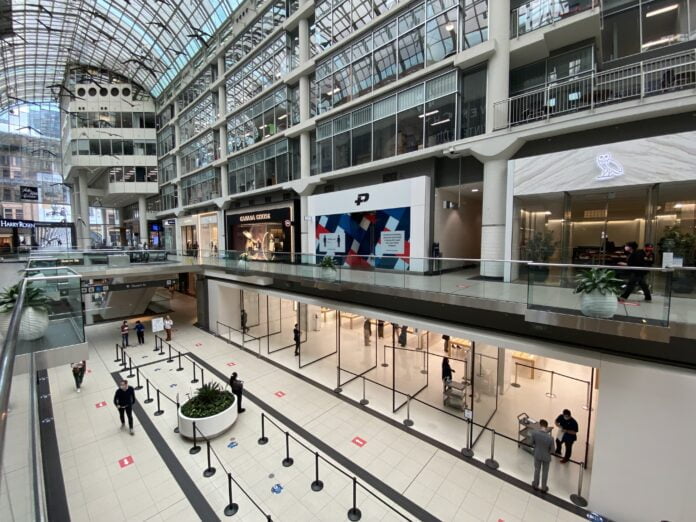
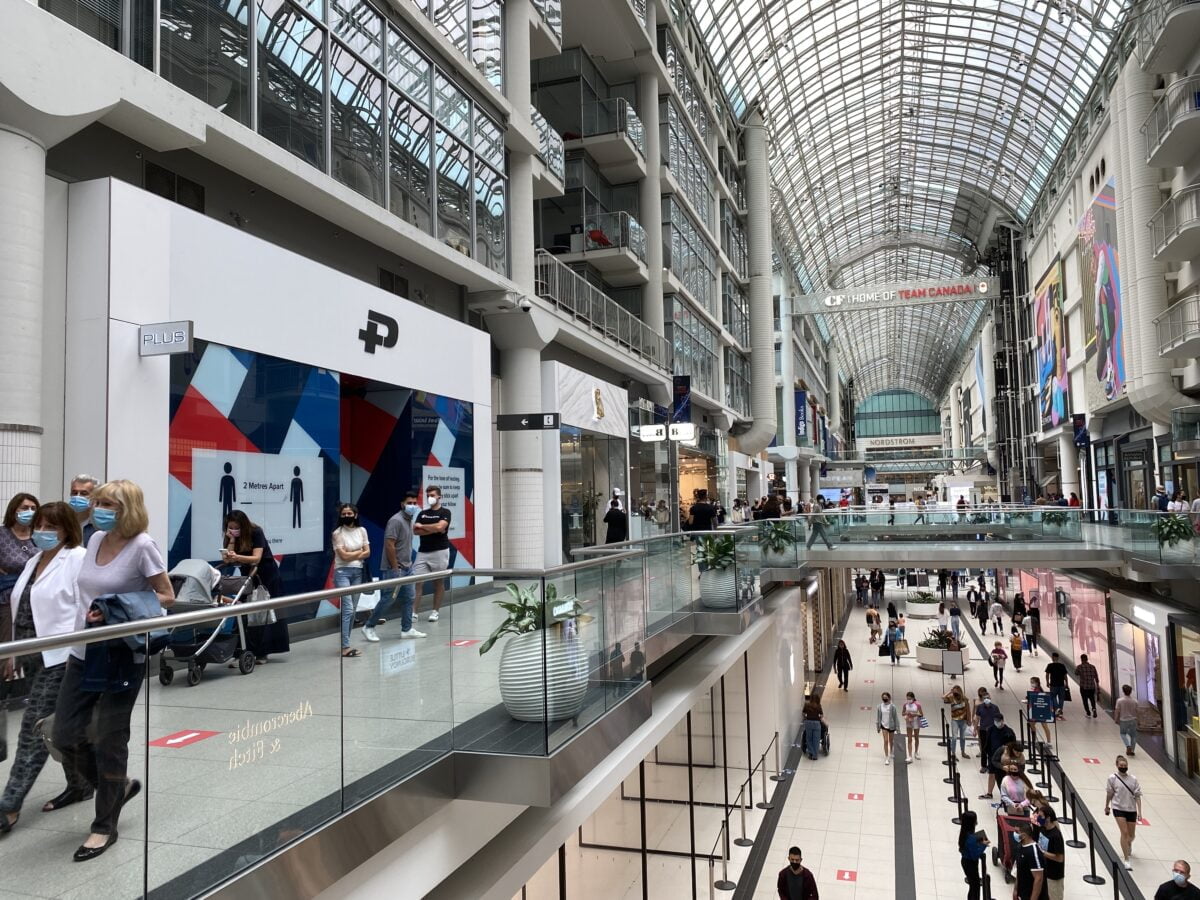
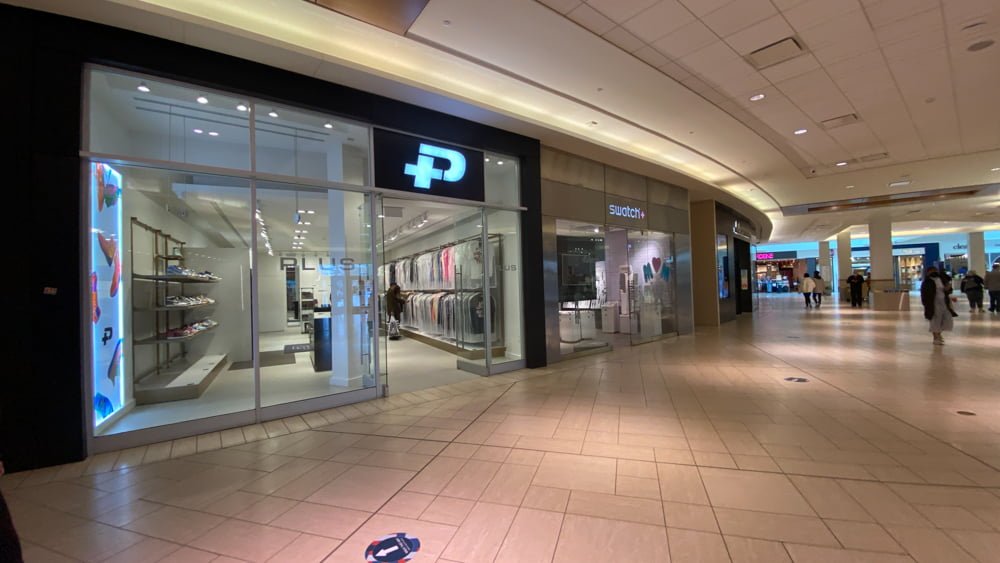
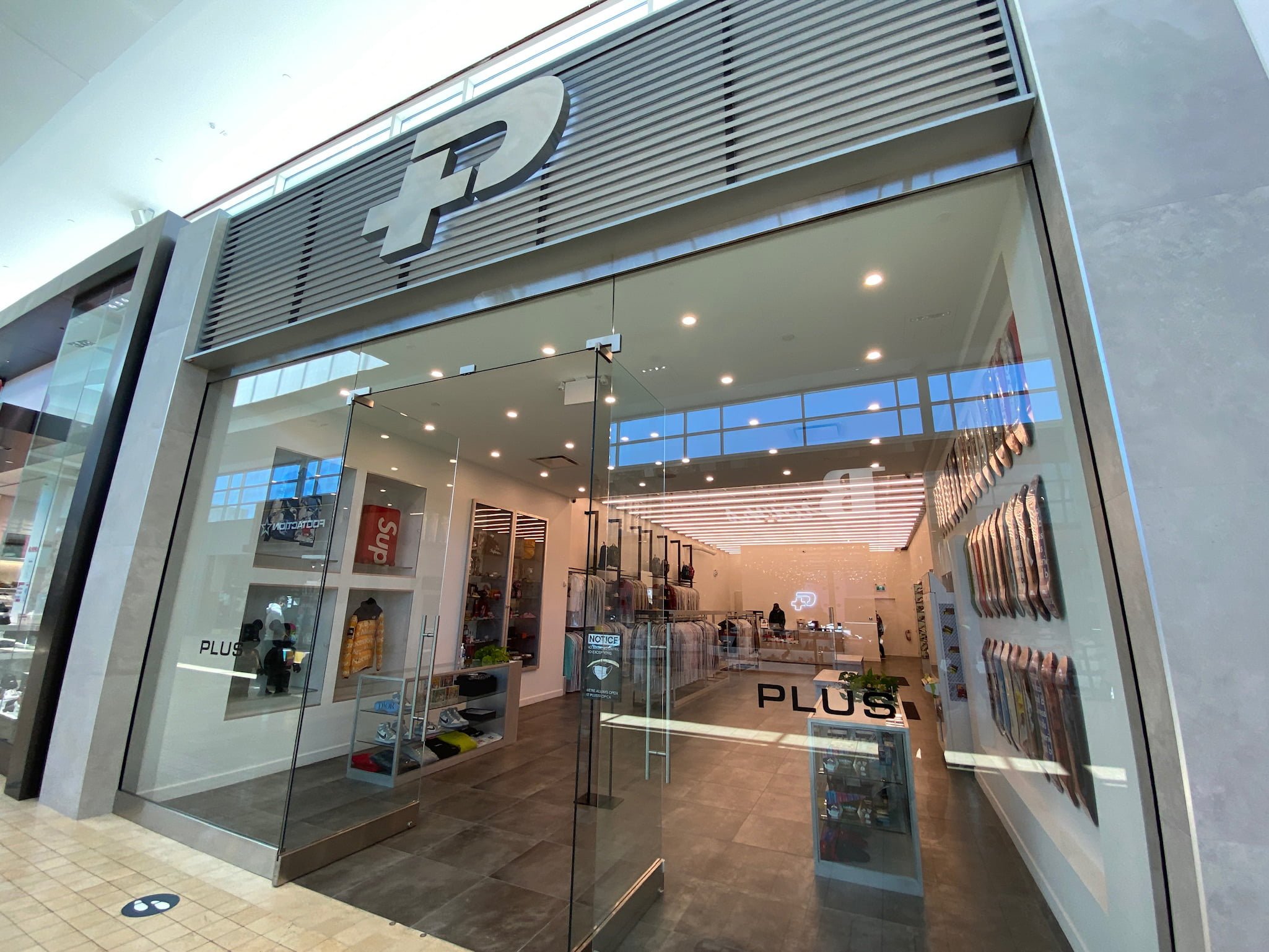
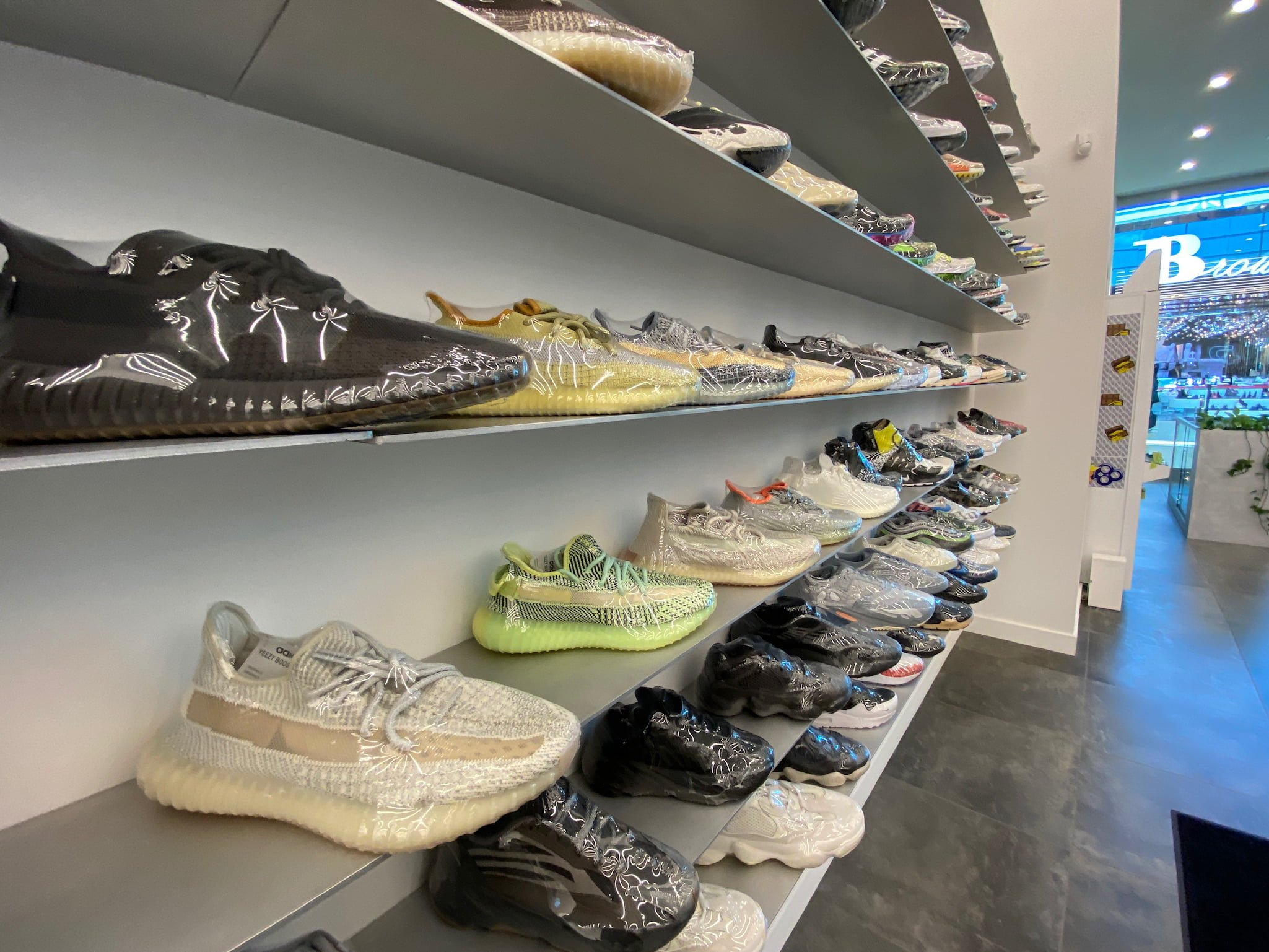
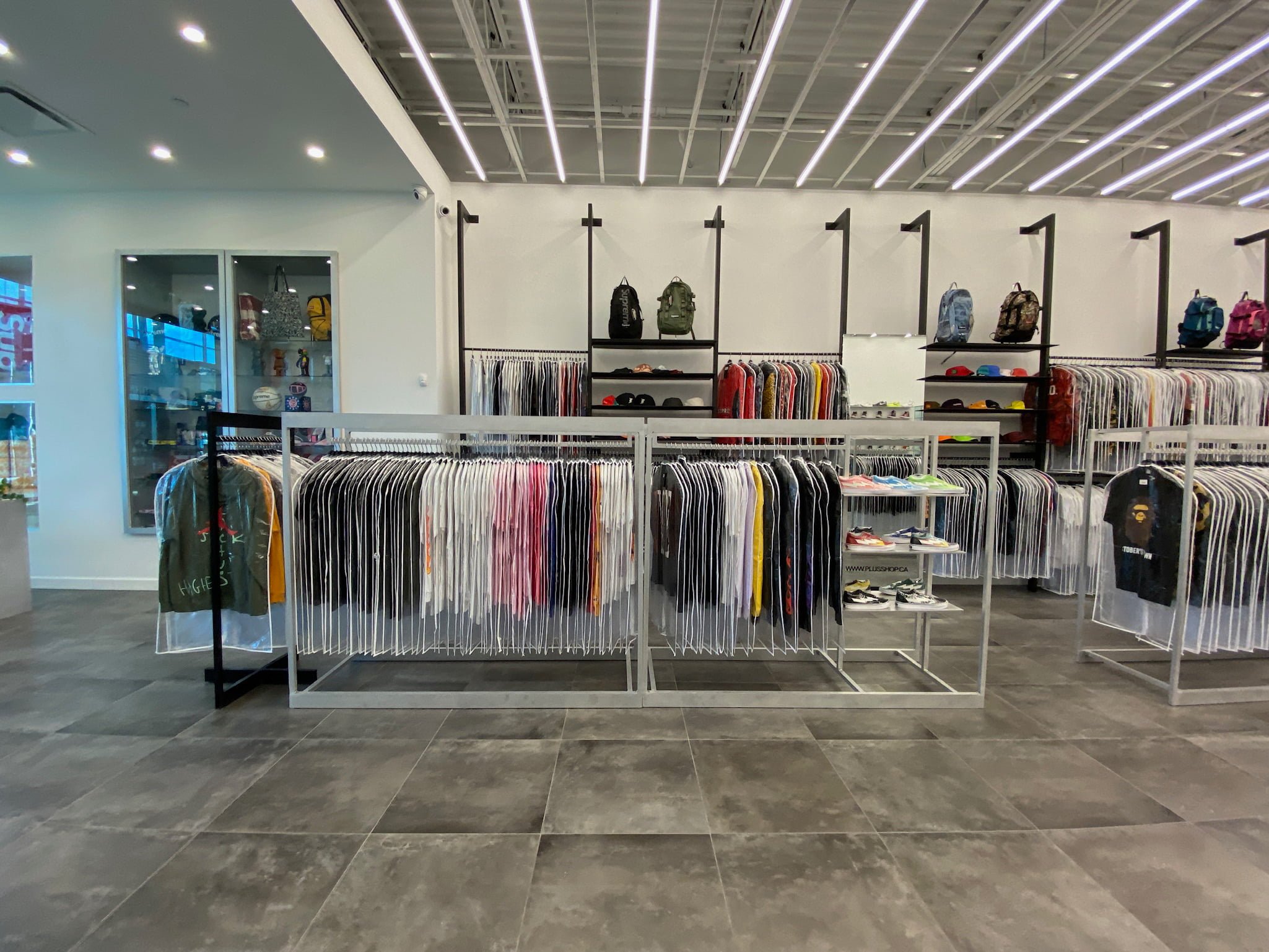
PLUS at CF Toronto Eaton Centre (Photo by Dustin Fuhs)

Vancouver-based premium streetwear retailer PLUS will be opening a new storefront at CF Toronto Eaton Centre. The retailer has been expanding into top shopping centres across the country as part of an ongoing growth strategy.

The new CF Toronto Eaton Centre storefront will take over the third floor location previously home to Ann Taylor.

PLUS has four locations — Yorkdale in Toronto, CF Chinook Centre in Calgary, CF Pacific Centre in Vancouver and Square One Shopping Centre in Mississauga, as well as a pop-up store at Vaughan Mills near Toronto.

We’ll be following this announcement with a store tour when the location opens this fall.

PLUS at CF Toronto Eaton Centre (Photo by Dustin Fuhs)
PLUS at CF Toronto Eaton Centre
PLUS at CF Toronto Eaton Centre (Photo by Dustin Fuhs)

Canadian Retail News From Around The Web For September 14th, 2021

Canadian Retail News From Around The Web

Top Stories: National

Central/Eastern Canada News

Western Canada News

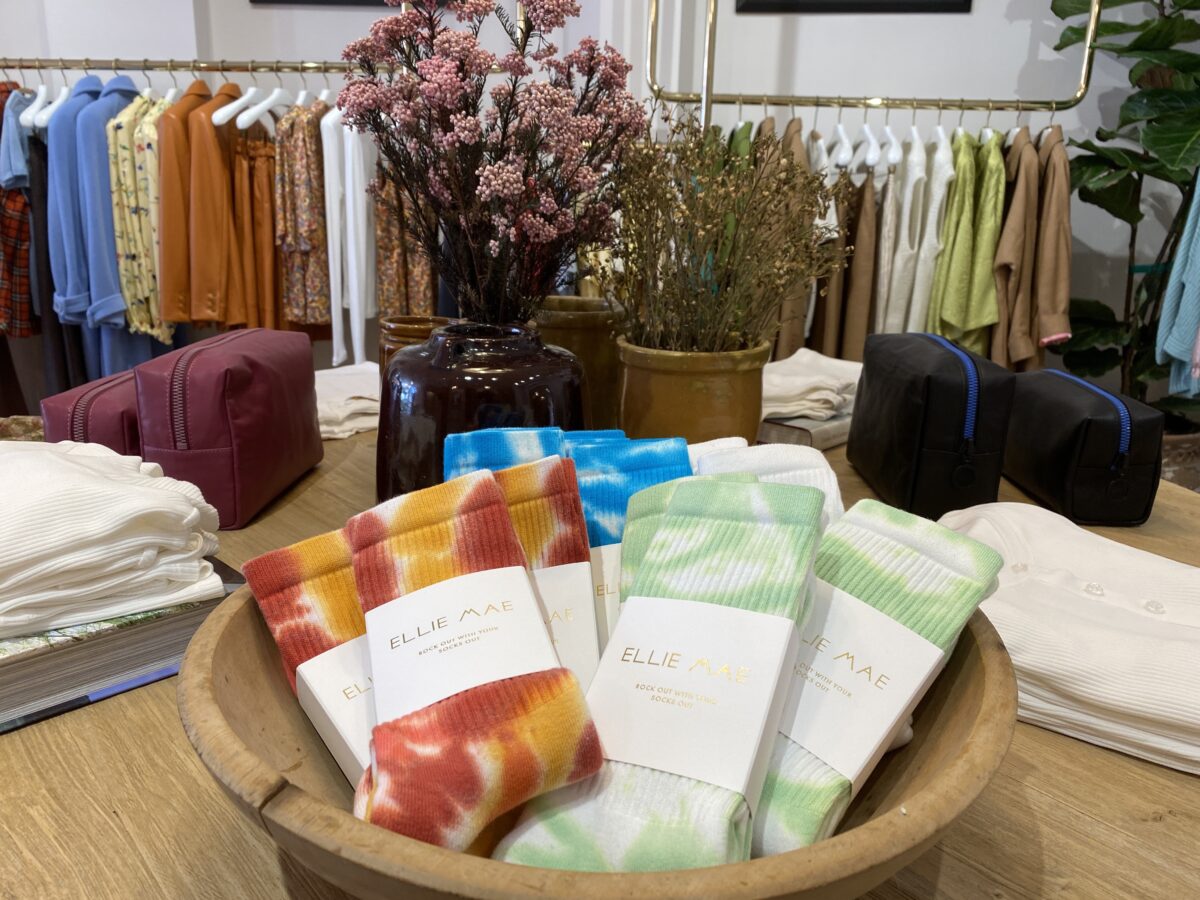
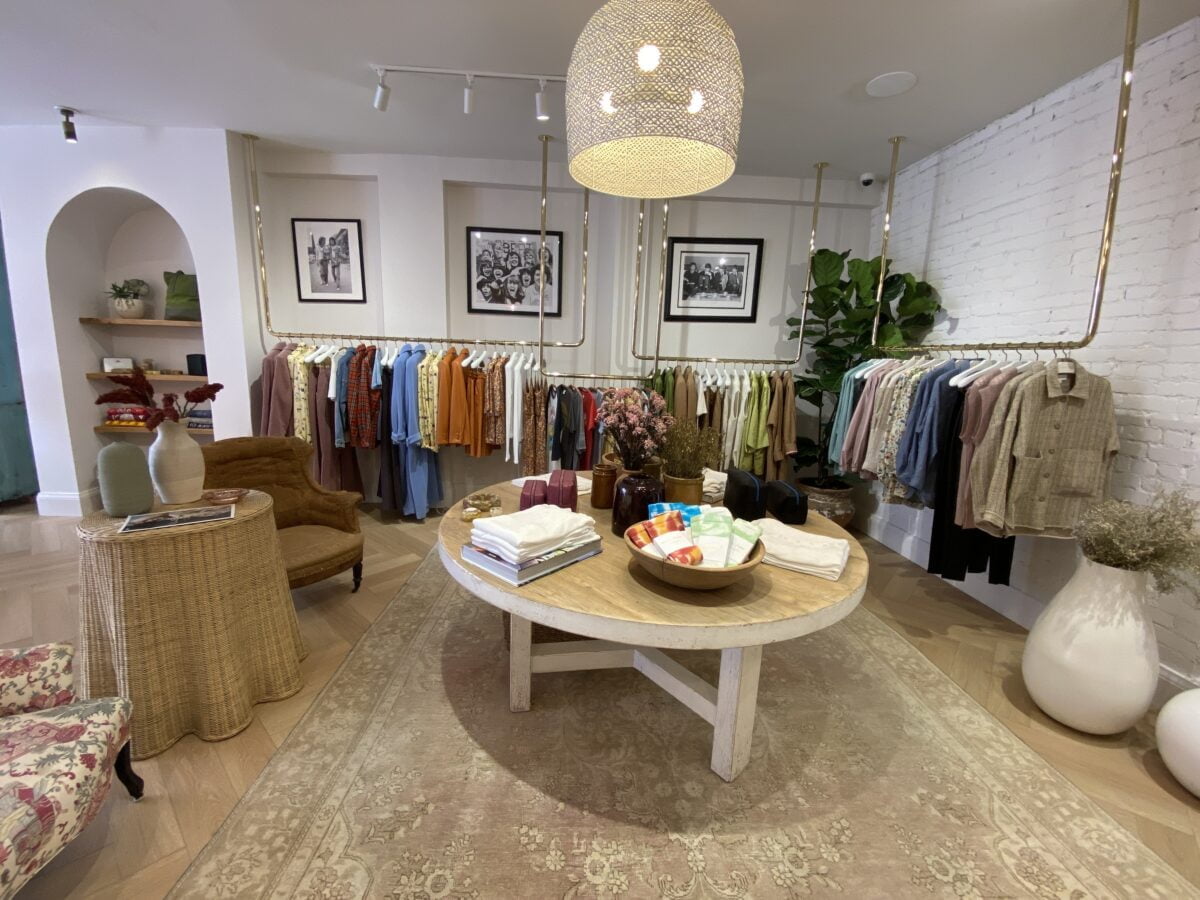
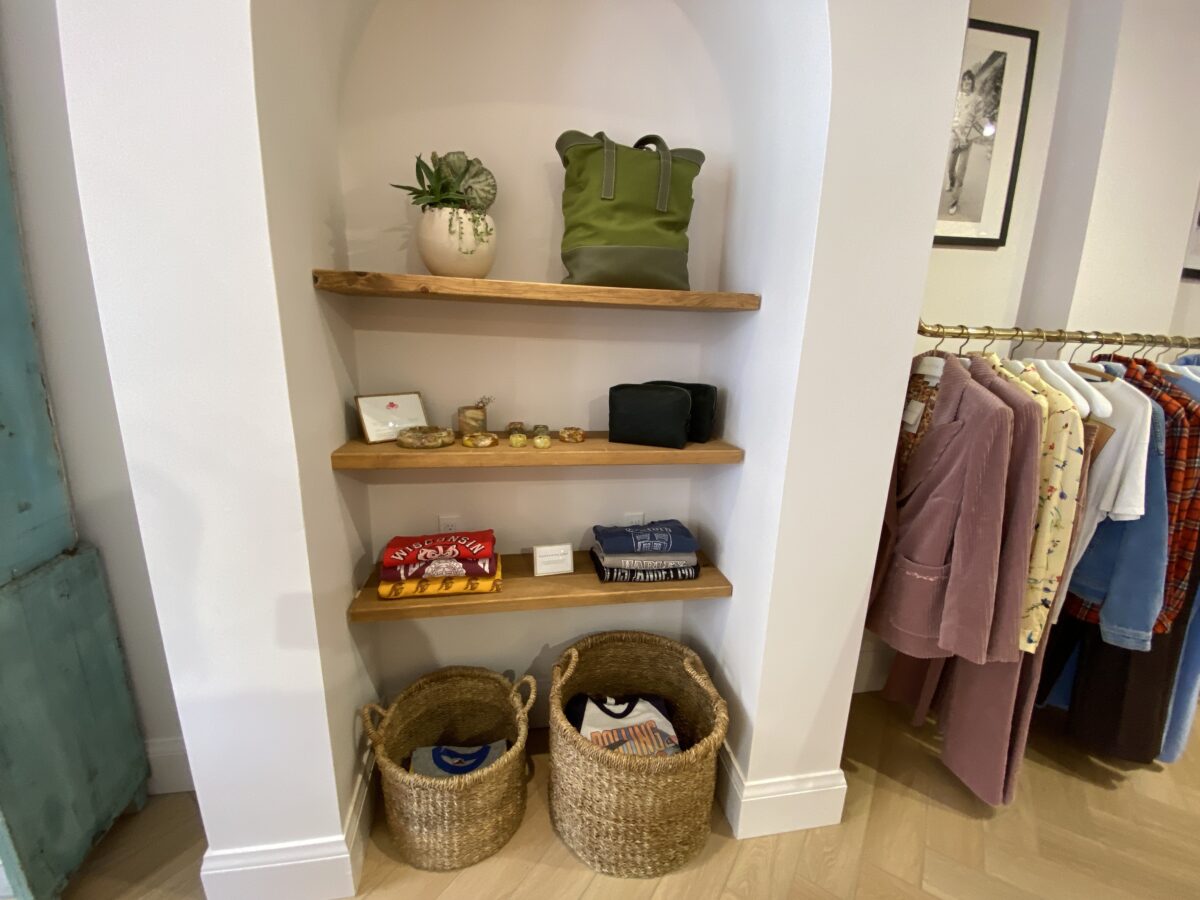
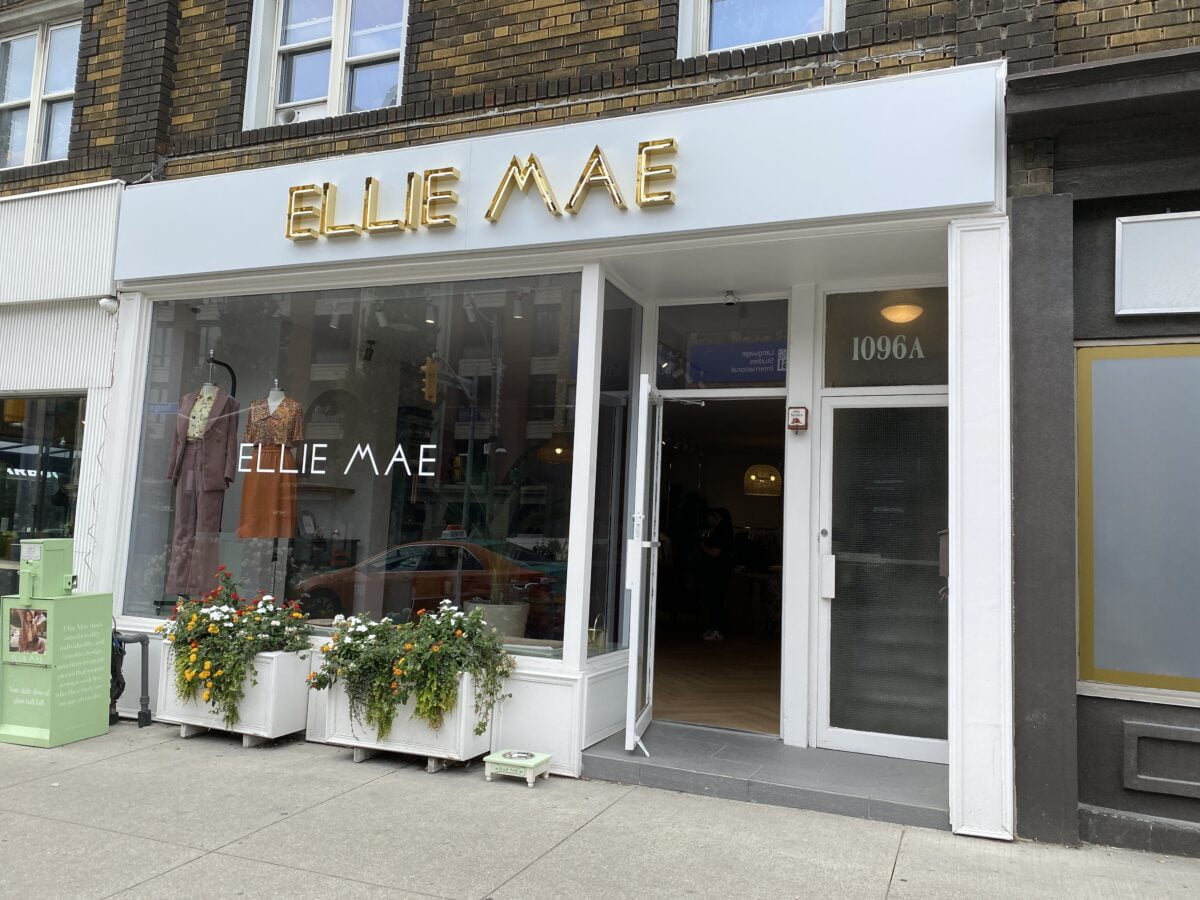
Inside Ellie Mae’s Flagship Yonge Street Storefront (Photos)

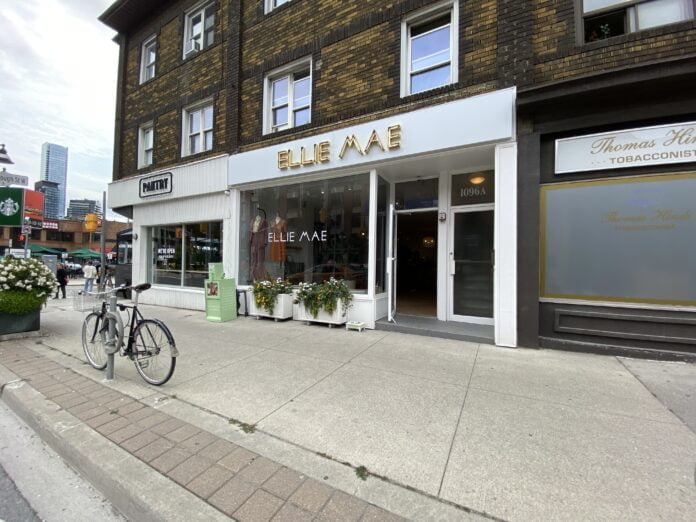
Ellie Mae at 1096 Yonge Street
Ellie Mae Store at 1096 Yonge Street - Photo by Dustin Fuhs

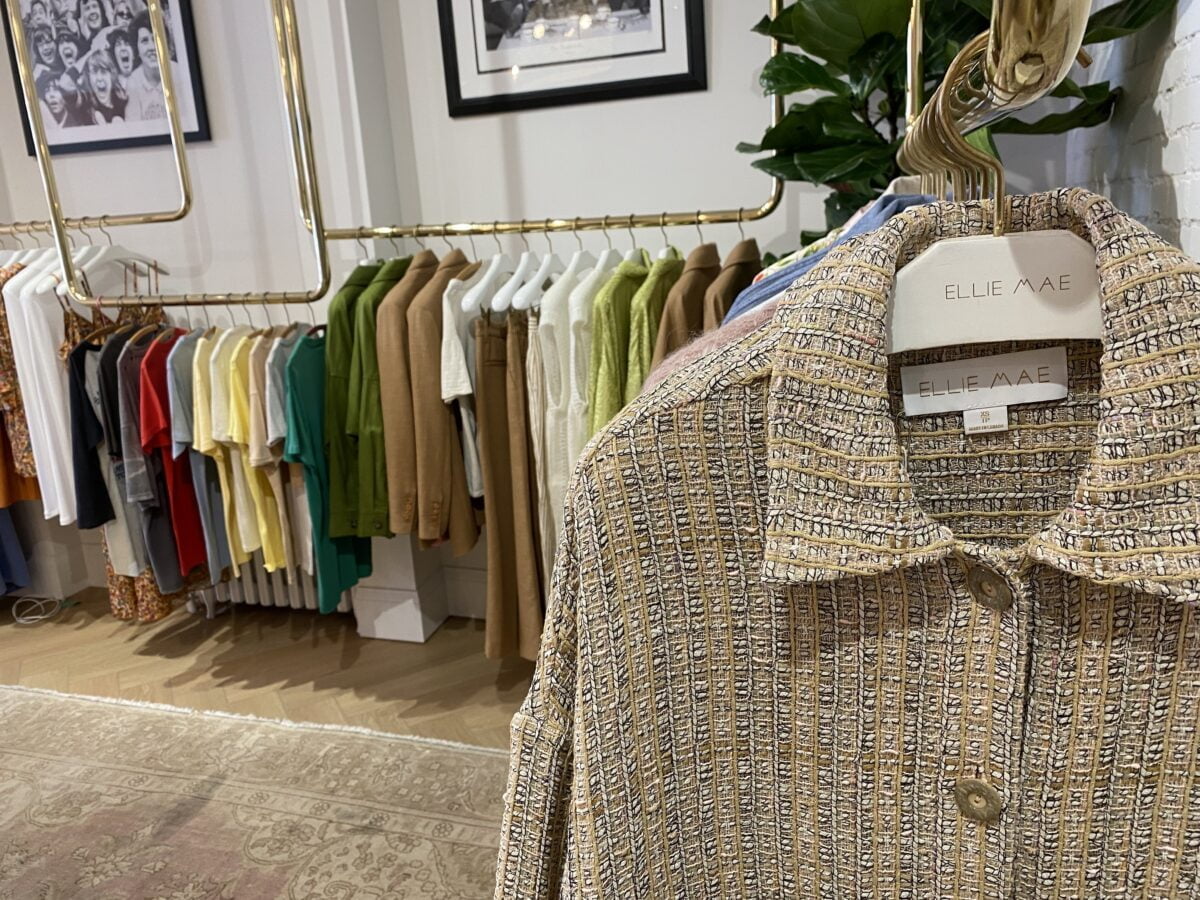
Toronto-based fashion brand Ellie Mae Studios has opened a 650-square-foot flagship location at 1096 Yonge Street in Toronto’s Summerhill Neighbourhood.

“With the opening of our Flagship store we’ve been able to meet our customers in real life and build meaningful relationships with the people who wear our clothing, said Jeremy Wood-Ross, CEO and Sales Director.

“Being able to offer an experience to our customers that helps them understand the brand beyond a digital setting has been imperative for our continued growth because it gives the customer the chance to touch and feel our product within our unique store setting.”

Retail Insider covered the original announcement with an in-depth April 2021 article featuring interviews with Founder and Creative Director Ellie Mae Waters and Wood-Ross.

Ellie Mae at 1096 Yonge Street
Ellie Mae Store at 1096 Yonge Street – Photo by Dustin Fuhs
Ellie Mae at 1096 Yonge Street
Ellie Mae Store at 1096 Yonge Street – Photo by Dustin Fuhs

In addition to the partnerships and product selection, the flagship will also include an “Ellie Mae Cafe” concept.

The cafe will also be present at the Ellie Mae Studios’ Head Office, in the form of a VM Bus, which will arrive on location starting mid-September.

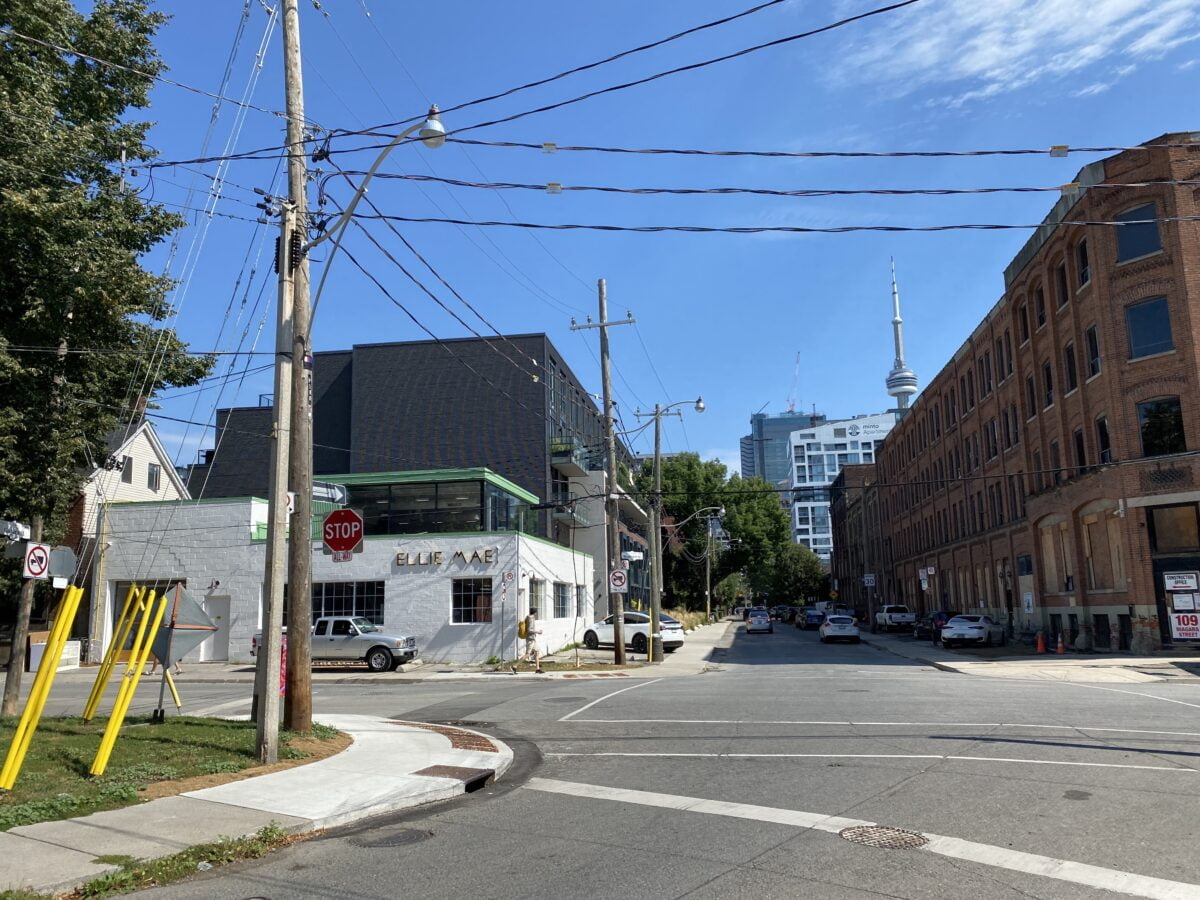
EMS recently relocated their office from 263 Adelaide to 100 Niagara Street. Retail Insider visited the new offices in preparation for this article, and will be circling back with an in-depth article on the plans of the company.

The former Adelaide office will be part of the upcoming ‘Natasha Residences‘ condo development, named for Natasha Koifman, President of NKPR.

Ellie Mae at 1096 Yonge Street
Ellie Mae Store at 1096 Yonge Street – Photo by Dustin Fuhs
Ellie Mae at 1096 Yonge Street
Ellie Mae Store at 1096 Yonge Street – Photo by Dustin Fuhs
Ellie Mae at 1096 Yonge Street
Ellie Mae Store at 1096 Yonge Street – Photo by Dustin Fuhs
Ellie Mae at 1096 Yonge Street
Ellie Mae Store at 1096 Yonge Street – Photo by Dustin Fuhs
Ellie Mae at 1096 Yonge Street
Ellie Mae Store at 1096 Yonge Street – Photo by Dustin Fuhs
Ellie Mae at 1096 Yonge Street
Ellie Mae Store at 1096 Yonge Street – Photo by Dustin Fuhs
Ellie Mae at 1096 Yonge Street
Ellie Mae Store at 1096 Yonge Street – Photo by Dustin Fuhs
Ellie Mae at 1096 Yonge Street
Ellie Mae Store at 1096 Yonge Street – Photo by Dustin Fuhs
Ellie Mae Studios Head Office – Photo by Dustin Fuhs

Amazon Announces Significant Expansion in Canada, will Hire 15,000 Employees and Increase Wages

IMAGE: AMAZON PRIME

Retail giant Amazon Canada has announced a massive hiring spree across the country as it plans to add another 15,000 people to its operations.

The company has also announced that frontline employees will receive $17 per hour to $21.65 per hour with comprehensive benefits starting on day one, including access to health, dental and vision benefits, training and education programs, like the Career Choice program, and health and well-being initiatives such as My Wellbeing and family support plans.

“We take our responsibility as an employer seriously,” said Sumegha Kumar, Director of Canadian Customer Fulfillment Operations for Amazon Canada. “Amazon Canada employs over 25,000 Canadians, and we’re proud to create 15,000 more great jobs at a time when they’re needed in Canada, with increased pay for our amazing employees across our fulfillment, transportation and logistics networks — from Victoria to Dartmouth.”

Amazon Canada said it will hire 15,000 full-and part-time employees throughout the fall. Full-and part-time employees will also receive an additional $1.60 – $2.20 per hour, starting immediately, regardless of their tenure with the company.

Amazon Career Day
Image: Amazon Career Day
Bruce Winder

Bruce Winder, author of RETAIL Before, During & After COVID-19 and President of Bruce Wiinder Retail, said Amazon has reinforced its position as the go-to place for job growth within retail.

“With another 15,000 jobs available, Amazon stands alone as the retailer with the greatest job prospects for entry-level retail positions,” he said. “These are not low paying jobs either. You get a solid starting wage, which they will be raising along with all other part-time and full-time workers as per today’s announcement. You also get full benefits starting your first day including vision, dental, medical as well as bonuses, stock units, RRSP matching and other sweeteners. A hell of a lot better than dead-end gig jobs on delivery apps.

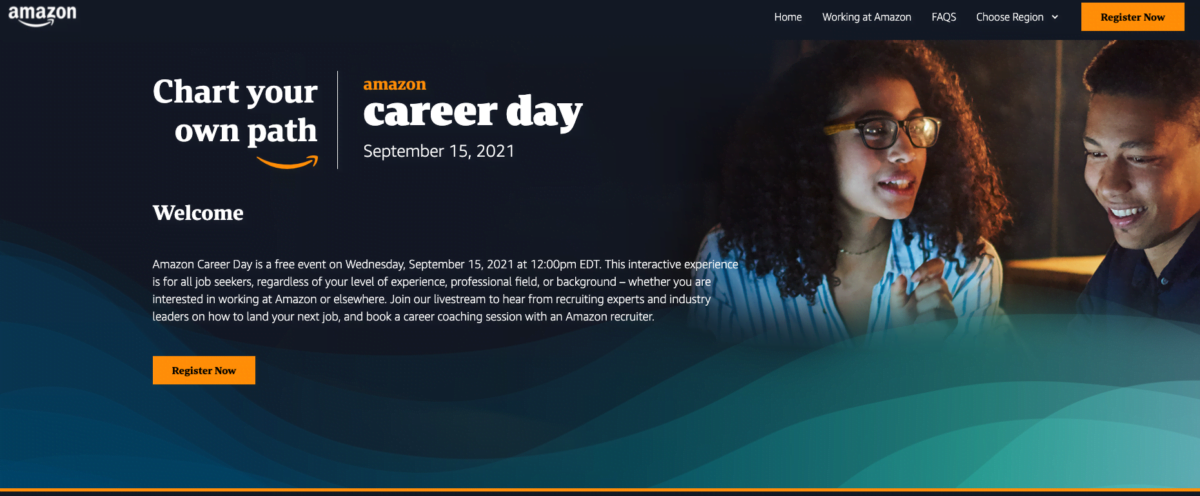
“Another positive is the training and education side of what they offer (called Career Choice). They pay 95 per cent of your tuition if you take a course or get a certificate in a job-related discipline. That gives employees a chance to grow and move up the ladder if they do a good job. In fact, this week Amazon is offering a career day on Wednesday the 15th that showcases how workers can make a career there (amazoncareerday.com). I can’t think of another retailer in Canada who is this proactive in getting people to join their outfit. If I was 30 years younger and wanted a career in retail, I would check them out.”

Michael Kehoe

Michael Kehoe, owner/broker of Fairfield Commercial Real Estate in Calgary, said the Canadian hiring surge at Amazon adding 15,000 workers is a product of the momentum the firm is enjoying across its retailing channels.

George Minakakis

“This is good news for the Canadian economy and Amazon will likely increase their workforce as they move deeper into bricks and mortar retailing to round out their omni-channel business model. A perfect blend of e-commerce and physical retail to better serve consumers across the country,” he said.

George Minakakis, CEO of the Inception Retail Group, said 15,000 employees is no small number, especially when you consider we added 90,000 jobs recently in Canada.

“Amazon has been one of the largest recruiters in the last couple of years as they keep expanding. This company needs to bolster their national operations to better serve a growing market,” he said.

Minakakis said there are a number of issues in the Canadian workplace today:

  1. We want to get more Canadians into the workplace but the work and pay need to be better than social assistance;
  2. For some households; say a couple with children, both working means paying for commuting costs, lunches, plus daycare. The latter is expensive;
  3. There needs to be a real solution for subsidized daycare, which has proven to work in Quebec and other countries. Especially if you want more Canadians in the workforce; and
  4. Not unlike other employers, recruiting is a challenge because of either CERB (Canada Emergency Response Benefit) or the pandemic in general. This is going to take time.

He said Amazon is offering more money and based on its advertising, it has more opportunities for personal growth. Not a bad pay scale and opportunity for those displaced from physical retail and restaurant work.

“Their starting pay scale of $17 -$21.65 is about $35,000 -$45,000 a year, which might be okay for a secondary household income. Provided the household is gaining and saving.  Today’s challenges of affordability, daycare and pay, are the main election issues on the table as well,” he said.

For more information about current job openings visit amazondelivers.jobs/canada or sign up to be the first to hear about jobs at amazon.com/tc.

Amazon is hosting its first Canadian edition of Career Day on September 15. The event will give job seekers an inside look at the Operations, corporate and technology positions currently open across the country, with a variety of panel sessions, keynote addresses and fireside chats. Anyone can register for free by visiting amazoncareerday.com.

Pandemic Store Design Shift in Canadian Retailers to Include New Safety Measures [Feature Interviews]

The brick-and-mortar store. Despite the recently accelerated digitization of the industry, it remains the centre of the retail universe. Continuing to serve as a hub for brands, the physical retail space is increasingly representing the strongest point of customer engagement and excitement, acting as the purveyor of real-life experiences that cannot be replicated online or anywhere else. For these reasons, as we approach what looks at least something like a post-pandemic world, and the Canadian consumer returns, seeking out tangible encounters with their favourite brands, it seems that the importance of the store will be more critical than ever before. As a result, many industry experts and observers suggest that anything retailers can do to ensure the comfort, health and safety of their guests in the physical retail environment will be essential going forward, and a necessary lever for future growth and success.

“There’s no doubting the fact that the physical retail space is a vitally strategic component of every retail plan for businesses looking to grow,” says retail and real estate industries expert, Claude Sirois. “The pandemic has brought online and offline retail even closer together than at any previous point. The emergence and adoption of alternate modes of purchase, like ‘buy online pickup in-store’ and curbside pickup have allowed many physical spaces to continue operating and serving a purpose through the pandemic, acting more as a hub of fulfillment at times. But, as we hopefully start to fully reopen the economy and invite visitors back to the retail store, the experiences that it offers and human connections that it facilitates will be a key part of the retail mix. And, just as influential will be retailers’ ability to create a safe and welcoming space, restoring confidence in the consumer.”

An evolving retail experience

The response from most retailers throughout the industry and across the country was swift and thoughtful and has been applauded by many. Even prior to government action and mandatory lockdowns were announced, merchants everywhere introduced protocols, implemented safety measures and followed direction from health experts in order to immediately provide as comfortable and safe a setting as was possible at the time. Results, for the most part, were very positive, with safeguards and measures producing footfall – while it’s been permitted – and much-needed in-store sales during a time that’s necessitated the provision of as many avenues toward purchase as can reasonably be enabled. In fact, the outcomes of these initiatives have been so impactful on the shopping experience that Doug Stephens, astute industry analyst and Founder of the consultancy firm Retail Prophet, proposes retailers consider maintaining them as part of an evolving retail experience.

“First, through the pandemic many retailers, out of necessity, brought design and navigation principles to their physical stores that resulted in better shopper flow, fewer bottle-necks, and ultimately a more orderly shopping experience,” he asserts. “Already, however, we’re beginning to see some retailers reverting back to pre-pandemic setups. I think this is a huge mistake for a couple reasons. First, the hangover of germaphobia created by Covid-19 could endure well beyond the point when we emerge from this. And secondly, many of the adaptations actually made for a better and more pleasant shopping experience for the consumer.”

Rethinking physical retail

Some of the design and navigation principles that Stephens refers to include exclusive entrances and exits where possible, one-way in-store foot traffic that’s indicated by directional floor decals and signage, the cordoning off of in-store thoroughfares or, in some cases partial reimagining of certain spaces to create organization, and a restructuring of cash queues that optimize space while ensuring social distancing between guests. In an effort to create a safer environment for shoppers, there are others within the industry that are going as far as exploring the use of germ-free shelving and alternate construction materials, the removal of all handles and doorknobs from doors, a revamping of fitting rooms and the elimination of impulse displays. Beyond physical alterations made to the store to improve safety and flow concerns, however, Stephens says that considerations concerning the use of the physical retail space will be just as decisive going forward.

“With respect to longer term design implications, I think retailers now have a better appreciation of the many roles stores can and should play in the future,” he states. “We’ve seen retailers using their stores as mini distribution hubs for pick-ups and returns, as service points for by-appointment-only shopping, as stages for live-streaming and as studios for content creation. Astute brands will continue to explore these and many other dimensions of value that physical stores can and should provide. And, those retailers that revert back to treating their stores purely as distribution channels for products will be making a grave strategic error. Stores, if designed and operated properly can become a Swiss Army knife of utility and value for retailers, fulfilling many valuable roles.”

Technology-enabled

It’s a bold statement of the future application and purpose of the physical retail store. And, according to current consumer sentiment highlighted within recent Forrester research, it may just be an accurate one. Forrester’s data indicates that an astounding 40 percent of US online shoppers enjoy visiting physical retail spaces less now than they did prior to the pandemic. Yet, the same number of shoppers say that they don’t go out of their way to avoid shopping in-store and have no intention to cease their in-person shopping behaviour. These insights are revealing and start to shed some light on opportunities available to retailers who can deliver the experience that the consumer is looking for. An experience, says Charles de Brabant, Executive Director – Bensadoun School of Retail Management, that’s rooted in frictionless principles and supported by innovative technologies.

“The shift in consumer behaviour that’s occurred throughout the pandemic, highlighted by a migration of purchases from the physical store environment to online, has been significant,” he points out. “It’s led to a truly omnichannel market in which consumers are leveraging a number of different channels in order to purchase the products and goods that they need. At the same time, retailers across the country have undergone a digital acceleration unlike anything the industry has ever seen. This convergence of consumer attitudes and behaviour and retailer innovation is set to revolutionize the physical brick-and-mortar experience as merchants really begin to reimagine what’s possible inside their stores. Advancements in technological innovations related to AI, robotics and big data are helping to drive a retail experience that’s more frictionless than ever, convenient and underpinned by enhanced service.”

Reinventing grocery

Advancements in technology, of course, will reap a disparity of dividends for retailers based on the sector and vertical that they operate within. However, if a business has acquired a relatively deep understanding of their customer and the experiences they’re seeking, merchants will enable themselves to develop a much broader perception of the ways technologies can help enhance the experiences that they offer. Take the grocery sector as one of the best examples. Deemed an essential service during lockdowns, grocers across the country were tasked with developing ways by which consumers could still access their product while providing a level of safety in their stores. And, according to food and grocery expert and Senior Director, Agri-Food Analytics Lab at Dalhousie University, Sylvain Charlebois, most players within the sector continue to explore and introduce new ways to achieve this, reinventing the grocery shopping experience.

“The physical aspect of food distribution will remain quite relevant and important for a great number of consumers and for grocers as well,” he asserts. “Food is fundamentally about connecting. And so, I don’t think we’ll ever arrive at a day when everyone’s buying their groceries online. But that being said, the pandemic has forced grocers to think differently about store design, and the first constraint that comes to mind is the need to enable physical distancing within stores. They have to think about the width of their aisles, where certain product is located and how accessible it is to the consumer. They also need to consider the way consumers enter and exit the store. And you can see that they’re being very mindful of the checkout experience, introducing more self-service lanes.”

Optimizing space

Charlebois recognizes that grocers have done a tremendous job to this point, implementing a number of measures and practices that have gone a long way toward alleviating consumer concerns and creating welcoming stores. However, he also admits that many have another distance to go yet before fully optimizing their space and introducing technological applications that can help create an enhanced grocery shopping experience, suggesting that their efforts are all part of a continuous evolution that they’ll need to navigate with thoughtfulness and care.

“As part of grocers’ cleanliness agenda related to the pandemic, many are currently exploring and discovering new ways to clean shopping carts and other surfaces that are touched frequently by consumers,” he says. “Having staff wipe carts constantly is not really a sustainable way to go about this, and may actually not be the most effective method of sanitization. There are portable shopping cart sanitization machines that are being developed and tested around the world that may offer a solution to this challenge. But, it’s this combination of technological application and a rethink of the grocery store design and layout that will be most important for grocers going forward in order to ensure a safe and comfortable environment for their consumers in the most efficient and effective way possible.”

Maintaining the essence of retail

When it comes to the use of different technologies and the exploration of alternate store design principles, it seems that there’s innumerable amounts of options and adaptive components at the disposal of retailers in order to create a safe atmosphere for their visitors. However, their efforts to do so have got to align with the experiences that they want to provide for their customers. It’s an area of consideration that Mark Ainley, contemporary feng shui consultant and expert on space and flow, says should be top-of-mind in order to maintain the essence of retail and what it means to consumers.

“We’ve seen retailers respond to safety concerns by setting up barriers for distance, inserting partitions at cash registers and introducing a number of other methods by which to meet safety regulations and to put people at ease,” he says. “But what’s going to be most interesting is the transition that we’re currently going through from a state of caution and a need to ensure safety back to an environment that we’re more familiar with. Most of the changes that were required have already been made. The biggest challenge now for retailers and other establishments is to restore confidence in the consumer and to help them feel that things are going back to normal, rather than feeling as though they’re constantly going through airport security. When people go shopping, they want it to be a joyful and engaging experience where they explore, touch and discover things that interest them. And it’s the barriers to that experience related to protocols and limitations that need to be minimized while still meeting safety requirements. So, how do you set up a barrier that’s not ugly plexiglass, but something attractive so that it doesn’t feel like a barrier anymore?”

Rebuilding retail’s foundation

As we continue, slowly and cautiously, toward a post-pandemic world and a full reopening of communities in cities across the country, it’s clear that the safety and comfort of employees and visitors within physical brick-and-mortar locations is a priority for Canadian retailers. The efforts that the industry has collectively made to this point, as well as those that are ongoing, have been impressive and speak to retailers’ need to nurture and sustain real-life human connections. After all, retail is about a lot of things, but without people, it’s nothing. And, according to Claude Sirois, the retailers that continue to keep the customer at the heart of everything they do will be those who will evolve and adapt, coming out of the pandemic in good stead.

“Brands really need to develop trust in the minds of their customers. And they’ve got to do that by ensuring the maintenance of a strong human emotional connection to their brand. We’re now obviously in an omnichannel world. However, there isn’t an emotional connection with brands online. The post-COVID environment is going to provide retailers with a big opportunity to re-establish that interaction and connection with the consumer. One way this is going to be achieved by some will be through collaborative efforts that will involve all stakeholders, including landlords, brands, employees and consumers. The brands that can bring this to the next level will be the ones that succeed and will help to rethink retail, paving the way toward rebuilding the foundations of a strong retail industry.”

Related Retail Insider Articles

The Rise of the Unassuming QR Code and How it Could Change the Food Industry: OP-ED

“QR codes are everywhere now. Even though they have been around for almost three decades, the pandemic has allowed this technology to become a mainstream data sharing solution. For the food industry, the QR code’s resurgence could become a game-changer.”

QR codes have been in our lives for a very long time. Before the pandemic, we used them a few times a year on average, tops. Now, most Canadians will use a QR code almost every week, and in some cases, daily. Implications for the food industry can be significant. Once deemed a clever tool used occasionally, mostly for marketing, the QR code can not only change how the food industry exchanges data with consumers, but it could also change our own expectations of how transparent our food supply chain can really become. 

QR codes, also known as Quick Response system, were invented in 1994 in Japan. This was for the automotive sector, since it needed a larger data storage capacity than the standard UPC code we see on most products we buy. Other sectors quickly took note of the QR code’s advantages, including the food industry. 

For years, the food industry has tried to figure out a way to make the entire food chain more transparent, more open, so consumers can understand what’s in the food they purchase at stores and in restaurants. How to convey the origin of all ingredients embedded in food products is no easy task unless consumers can intuitively use a piece of technology. Well, the pandemic reminded us that we’d had the solution all along.

The pandemic has literally given QR Codes a second wind. A recent survey by Dalhousie University estimates that about three in five Canadians have used QR Codes at a restaurant or in a grocery store in the last month, for payment services, marketing purposes and other industry aspects. Almost 39% don’t use QR codes at all. That percentage is much lower among Millennials and Gen Z. The rate of usage in Canada is arguably much higher than before the pandemic.

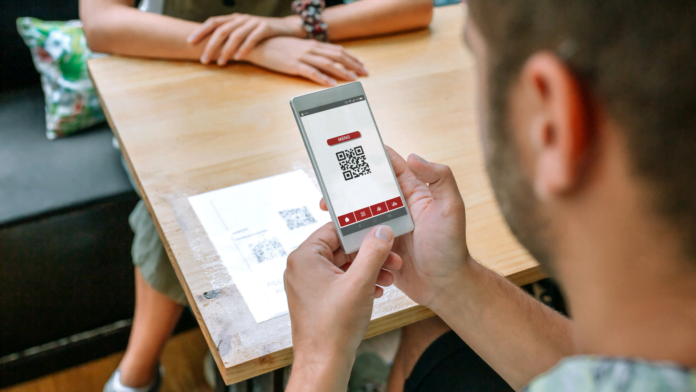
To eliminate any human contact, the QR code became a household application for most in the food industry during the pandemic. Since most of us have smart phones now, access to data like menus, prices, instructions, or schedules via QR codes gave everyone a chance to live in a touchless world. The technology was always available to us to eliminate any paper-based documents we use. But QR codes can also do much more. The possibilities are virtually endless.


For years now, we have seen companies use blockchain technologies and QR codes as part of their food traceability strategy. With the hyper-digitization of the food industry, some retailers have used these codes, with mixed results. In Europe and Asia, the use of QR codes is quite common. Carrefour in Europe and Germany’s Metro are already using them for more supply chain transparency. In North America, it was more seen as a novelty and fun feature for tech-savvy consumers to use. This may very well change after the pandemic.

COVID-19 has made the use of QR codes more of a mainstream application, which can now open doors to a variety of new possibilities. The pandemic has made consumers more conscious of what goes on within the supply chain before food gets to store shelves or restaurants. People are concerned about workers’ wages and welfare in farming processing. To make better food choices, they also want to know more about ingredients and how they can increase some of their local purchases. In turn, the industry can learn more from consumers with more data trading between us and the industry. This could lead to a more market-based innovation which is always beneficial. 

Better traceability can also eliminate food fraud and make our entire food supply chain more transparent, but the QR code won’t offer a guarantee that this can happen. QR-based solutions, due to the inherent ease of imitation, might even incentivize counterfeiting, turning out to be more hazardous than adopting no solution at all. QR codes are cheap and incredibly easy to make, but they can also allow for data to be shared more easily.

Within a few years, consumers will expect the entire food supply chain to be fully transparent in real-time, and the industry will need to be ready for this. Because of the place we gave to QR codes during the pandemic, QR codes could become the consumer’s portal to the obscure part of the food industry.

Regardless of whether QR codes become the preferred solution, what has changed is that consumers now know the food industry can provide more transparency by empowering them via their smart phones, so they will likely expect it now.  

Canadian Retail News From Around The Web For September 13th, 2021

Canadian Retail News From Around The Web

Top Stories: National

Central/Eastern Canada News

Western Canada News

Retail Insider Partners with City of Toronto for September 30th Retail Job Fair: Retailers Invited to Participate

Retail Insider has partnered with the City of Toronto to host its September 2021 online Retail Job Fair. Retailers interested in participating can contact Veronica (Roni) Simic at veronica.simic@toronto.ca

Interested retailers are encouraged to contact Veronica asap given the relatively short timelines. 

The online Retail Job Fair takes place from 9:00am-4:00pm on Thursday, September 30. Past events have been successful, including 2020-21 Retail Job Fairs where over 1,500 youth attended virtually due to the pandemic. The City of Toronto has hosted in-person Retail Job Fairs since 2004 with over 15,000 job seekers in attendance, over 200 retail employers participating and over 8,000 job seekers hired for various positions. 

The Retail Job Fair is a unique customized job fair model exclusively supporting youth 16-29 years old in Toronto. These young and ambitious job seekers are identified as job ready and interested in not only working in the retail sector but also creating a career in retail. The Retail Job Fair provides the opportunity for youth to engage directly with employers who are recruiting for a variety of positions.

In preparation for attending the Retail Job Fair, job seekers have received support from various City of Toronto youth employment programs including Toronto Youth Partnerships and Employment (TYPE), Toronto Employment & Social Services (TESS), and Youth Employment Partnerships (YEP) network agencies. These teams work closely with youth prior to the Retail Job Fair to ensure they are coached and prepared and have any necessary supports they require, such as child care, resumes and financial support so they can attend interviews and start a career in retail. 

For retailers looking to be part of the City of Toronto Job Fair later this month, contact: Veronica (Roni) Simic at veronica.simic@toronto.ca