Wowing customers and creating unforgettable experiences is becoming more critical for retailers these days in an increasingly competitive marketplace.
The recent sixth annual Canadian Retail Insights Report, by American Express Canada, found that 87 per cent of retailers agree their customers are getting more selective about where they shop.
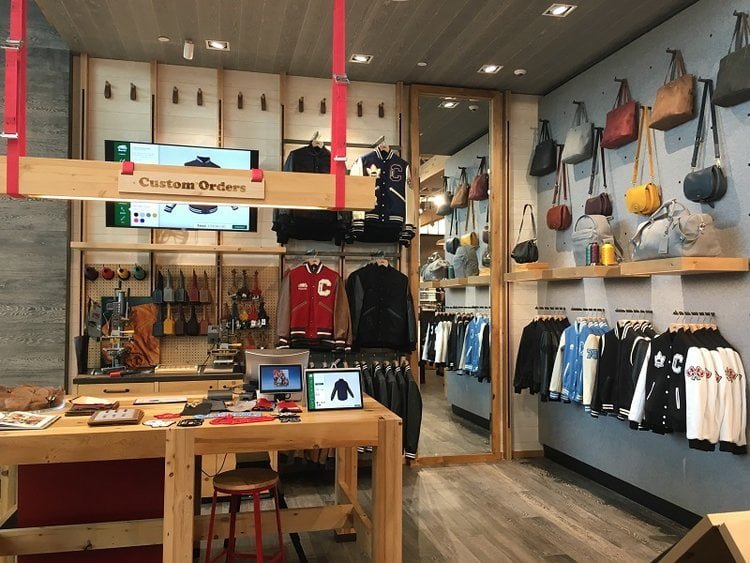
Kerri-Ann Santaguida, Vice President and General Manager, Merchant Services, American Express Canada, said retailers are focusing on improving their in-store experience while investing in new technologies to provide seamless shopping experiences as a way to maintain their competitive edge these days.
She said the survey tracks key metrics year-over-year, giving retailers an understanding of the areas of opportunity.
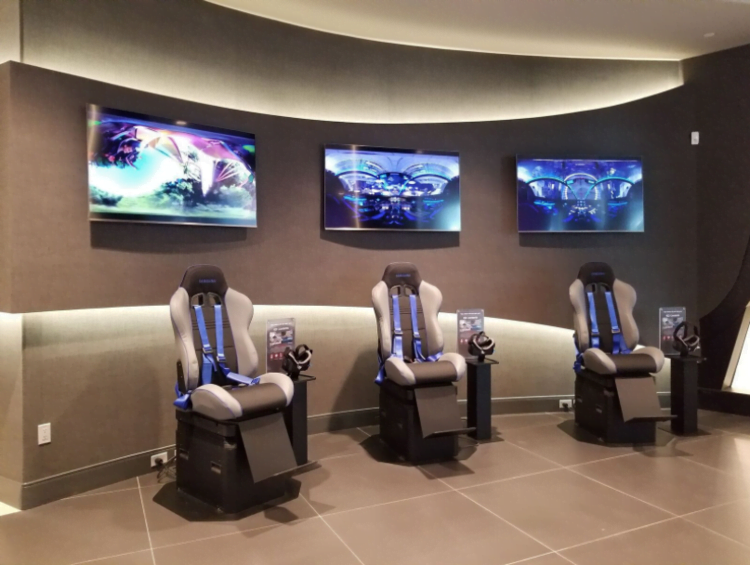
“It’s not good enough to be good anymore. Retailers need to be unforgettable,” she said. “With emerging technologies poised to disrupt the industry, the stakes have never been so high. Businesses can’t afford to ignore these trends as they have the potential to completely transform the customer experience and grow market share if executed well.
“Amidst rising competition, Canadian retailers understand that winning customer loyalty is about offering more than just products and services. It’s really about distributing unforgettable experiences. The data overwhelmingly showed that key message come out.”
Some of the survey’s key highlights include:
- 97 per cent of retailers agree that improving the in-store experience is important and 69 per cent agree investing in new technology is integral to driving business success;
- 58 per cent say they plan to make more updates to the in-store experience this year;
- 29 per cent are interested in investing in new technologies like automation or data personalization and 14 per cent are looking to artificial intelligence or augmented reality to provide a better in-store experience; and
- 82 per cent of retailers surveyed that adopted new payments practices in the past 12 months said they did so to meet customer expectations.
“Retailers are investing in new technologies and they’re focusing on the in-store experience to deliver this seamless shopping experience across all customer touchpoints,” said Santaguida.
“Retailers are adopting this payment everywhere strategy that prioritizes the role of the automatic payment and emerging technologies.”
She said the “unforgettable experience” part of the survey was coming through “loud and clear.”
“It’s about meeting the customer wherever they are and giving them choice in a way that they interact with their businesses,” said Santaguida. “Some of the data showed that 97 per cent of retailers believe that the in-store experience is important but they also understand it’s critical to meet the customer where they want to transact. So whether that’s online, offline or both.
“They’re leveraging these new solutions to deliver a fully integrated customer experience but they’re also making investment in ways to make that experience resonate for the customer whether it’s online fulfillment, buying online and pickup in store, email/text marketing, payments technology, mobile apps. They’re really making sure that those experiences are meeting the customers’ expectations but not only meeting but they’re looking for ways to exceed the customer’s expectation.”
Santaguida said customers will definitely shift their loyalty and their brand recognition from those retailers that do not follow the trends.

She said the Millennial generation is mobile in nature and its purchasing behaviour is driving trends in the retail industry.
“If you’re not making an immediate impression from a customer experience point of view on Millennials you’ll lose the touchpoint with them and they won’t be a customer in the future. So I think it’s really important to get it right up front for all customer segmentations but it’s really critical for the Millennial point of view because they’re quick to make a judgement and move on to the next experience or retailer,” added Santaguida.
The survey also found:
- Nine in 10 retailers have a positive business outlook for the year ahead;
- 52 per cent say their sales have increased over the last year and of those, 72 per cent attribute the growth to a focus on delivering better customer experiences – beating out new products and improved product quality;
- 53 per cent, excluding the gas industry, currently offering online shopping, reservations or ordering say it has increased sales and revenue;
- 45 per cent say they’re making investments in online fulfilment solutions like “buy online, pick up in store,” email and text marketing (42 per cent), payments technology (38 per cent) and mobile apps (38 per cent);
- 69 per cent say that investing in new technologies this year is important to the success of their business;
- 29 per cent of retailers will consider using automation or data personalization to improve the experience in-store, and 14 per cent are interested in implementing artificial intelligence or augmented reality;
- 48 per cent of retailers in the quick service industry introduced new payments technology in the last year, compared to only 28 per cent in 2017; and
- Key types of payments technologies adopted by retailers this year includes mobile wallet (66 per cent), in-app payments (49 per cent), tablet POS (45 per cent) and web portal payments (28 per cent).