

I recently attended the annual ICSC Whistler Conference at the Fairmont Chateau Whistler Resort, in Whistler, BC. The event ran from Sunday, January 27th to Tuesday, January 29th. As always, this conference attracts retailers and retail development professionals from across Canada, and presents a fascinating snapshot of industry trends and developments.
Strategic and deliberate
While I haven’t seen official numbers yet, my overall impression was that conference attendance seemed healthy, but certainly not record-setting. I suspect one of the reasons why attendance may have lagged slightly behind some of the busiest years in the past is that there seemed to be fewer large groups from Eastern Canada attending this signature Western Canadian conference. There were plenty of executives and high-end decision-makers, but few larger entourages in town from the East. That dovetails with something else I’ve picked up on: relative to past years, attendees at Whistler seemed keenly focused on being productive and getting business done. The conference wasn’t quite as much of a social event as it has been at times in the past.
This business-first approach seems fitting, at a time when there has been a great deal of turbulence in the industry. The tone at the conference was generally somewhat thoughtful and cautious. Deal-making seemed to continue on an ongoing industry trend of proceeding more slowly and with more deliberation than in the past. Whether it’s real estate transactions, or the behavior and decision-making of landlords, developers and retailers, it feels like potential opportunities are being scrutinized more carefully. There is more discretion in the way capital dollars are spent, and deals are taking noticeably longer to put together.
Great turnout @ICSC #Whistler Drop by Avison Young booth 608 & learn why we’re the world’s fastest-growing CRE services firm #ICSC #Whisconf pic.twitter.com/t9fjWhe0JK
— Avison Young (@AvisonYoung) January 31, 2017
Honored to moderate a panel on communities and retail revitalization at @ICSC #ICSC Heartland. Great job Owen, Tim, Chad and Butch. #retail #RealEstate pic.twitter.com/P2vSg0wJe9
— Jon Stephens (@RockhillStrat) January 31, 2019
The Marcus & Millichap booth at the @ICSC Whistler Conference is buzzing with activity! Be sure to stop by booth #208 and say hello #ICSC #CRE #Retail https://t.co/GpvkJoGlRf pic.twitter.com/cB3eSHeSWR
— Marcus & Millichap (@MMREIS) January 28, 2019
Industry trends
One thing that’s clear across many different retail sectors is that there’s a great deal of thought going into what delivery models will look like in the future, and how to balance online offerings and brick-and-mortar assets. In many cases that means smaller store sizes and more thoughtfully positioned locations.
Other notable trends include:
Financial Institutions: One category that has been materially impacted by the move to e-commerce is the banking segment. This has always been a very profitable category for landlords/developers as this category traditionally paid the highest rates and offered the best covenant. What we are now seeing is the banks realize that bricks and mortar is an integral part of customer acquisition and service. Although in a much smaller format and often without drive thru, this category is becoming increasingly active again.
Densification on the rise: We continue to see several institutional real estate owners in Canada working to curate their holdings and dispose of non-core assets (typically in secondary markets). Consequently, repurchasing of existing assets continues—especially enclosed malls or big box power centers. Their focus seems to be solely on major urban markets – densification opportunities and transit oriented development.
Opportunities in tight markets: We are starting to see some cracks in retail markets where there’s been little or no vacancies/opportunities in the past. Calgary is a great example. A conservative planning and approval process has avoided overdevelopment and kept vacancy rates in quality retail trade areas in the low single digits. Today, however, we are seeing some opportunities via closures and down-sizing, which is allowing some retailers to capitalize on new opportunities.
Rezoning reversals: As multifamily slows, more and more smaller multifamily sites are getting rezoned for commercial development—especially in some of the prairie markets. This is the exact opposite trend of several years ago, when a booming multifamily space was prompting zoning changes to accommodate more multifamily opportunities.
We are @ICSC retail real estate conference in Whistler! Great speakers & discussions about the state of retail today.. #icsc #icscwhistler pic.twitter.com/6irI960Ubx
— Ringstad Retail (@ringstadretail) January 30, 2017
Thank you to all delegates sponsors and speakers for a fantastic Day 1 of the @icsc Whistler Conference special thanks and welcoming me to ICSC President Tom Magee @TomMcGeeCEO This conferemce only succeeds with great participation and engagement. pic.twitter.com/aQkJosWd2J
— KIERON HUNT (@Kieron_Hunt) January 29, 2019
Categories and capital
It was clear from the conference that the fitness segment remains among the most active retail categories right now. Big names like Planet Fitness and L.A. Fitness, as well as some trendier concepts like Orange Theory, are all aggressively pursuing new expansion opportunities.
The proliferation of Asian grocery stores, including brands like Seafood City Supermarket and H-Mart Korean grocer, is also a noteworthy development. Especially because the success of this sub-segment stands in contrast to traditional large-format grocery, which has slowed noticeably. Grocers are being fairly cautious with their capital right now: taking their time to think about the future of grocery delivery and getting a better feel for what the right footprint might be in different markets.
The fast food segment remains sluggish, although we are seeing some American QSR groups looking at Canada (Chick-fil-A will open its first international location in Toronto in 2019). The overall U.S.-to-Canada retail pipeline is not as strong as it once was, however. The devaluation of Canadian currency and food/labor costs have had an adverse impact that’s contributed to that slowdown. Big Canadian markets like Toronto and Vancouver continue to get the lion’s share of the attention from U.S. retailers.
The expansion of U.S. concepts into Canada is also a prominent trend worth mentioning from the conference floor. Particularly, big box discount retailers like Nordstrom Rack and Saks Off Fifth continue to seek real estate and expansion opportunities in the Great White North. Don’t be surprised if you see more of these concepts popping up this year.
Discussing integrating tech into the retail experience with panel speakers from @ultabeauty @Nordstrom @kroger @walmart at @ICSC Nexus! #ICSC #cretech pic.twitter.com/2lU3S2rlju
— Ravti (@ravti) January 24, 2019
We’ve got new talent here @icsc #whistler #icsc #cre #students pic.twitter.com/gN31MqMHRO
— Mike J. Cowden (@Mike_Cowden) January 28, 2019
Question marks
There are two interesting issues to watch going forward. A lot of talk at the conference consisted of rising property tax assessments for commercial real estate, and the potential challenges that presents for the development market. Combine that with rising construction costs, and it’s easy to see why some developers are feeling the heat.
The other issue is the significant amount of property acquired by retail cannabis groups including the real estate that is sitting unused because of supply or licensing issues. It will be fascinating to see what happens in that market going forward, and what (if any) kind of ripple effect that could have in select Canadian markets. Canada is setting the stage for the retail sales of cannabis and the world is watching.








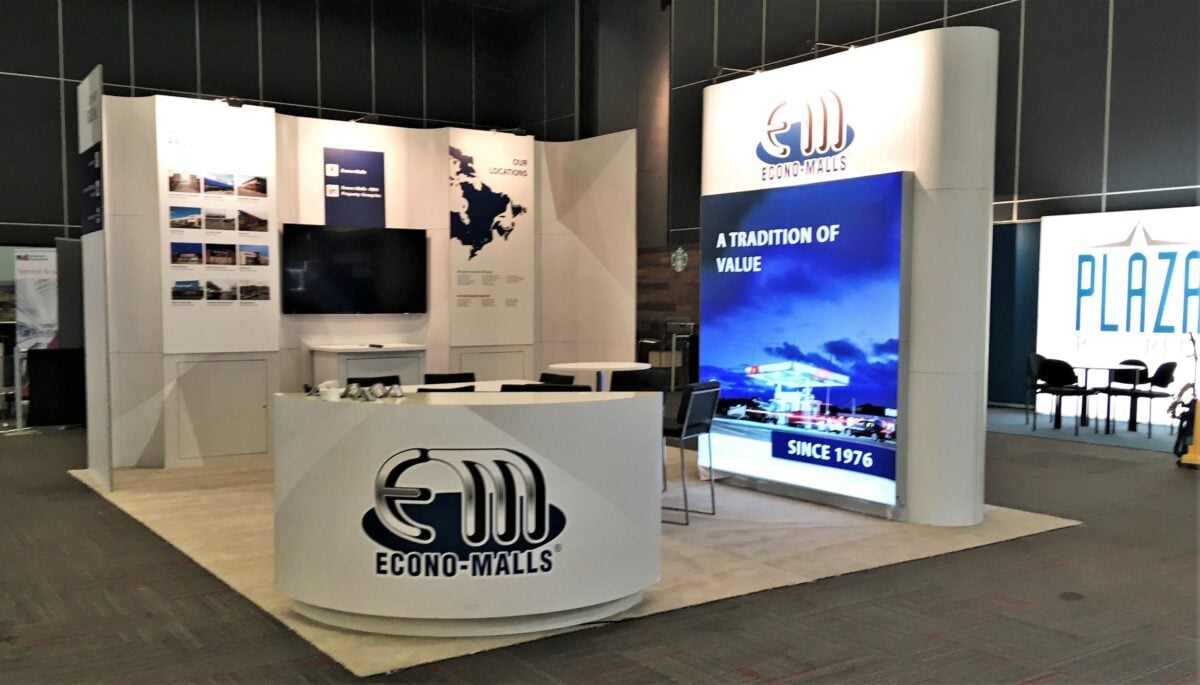
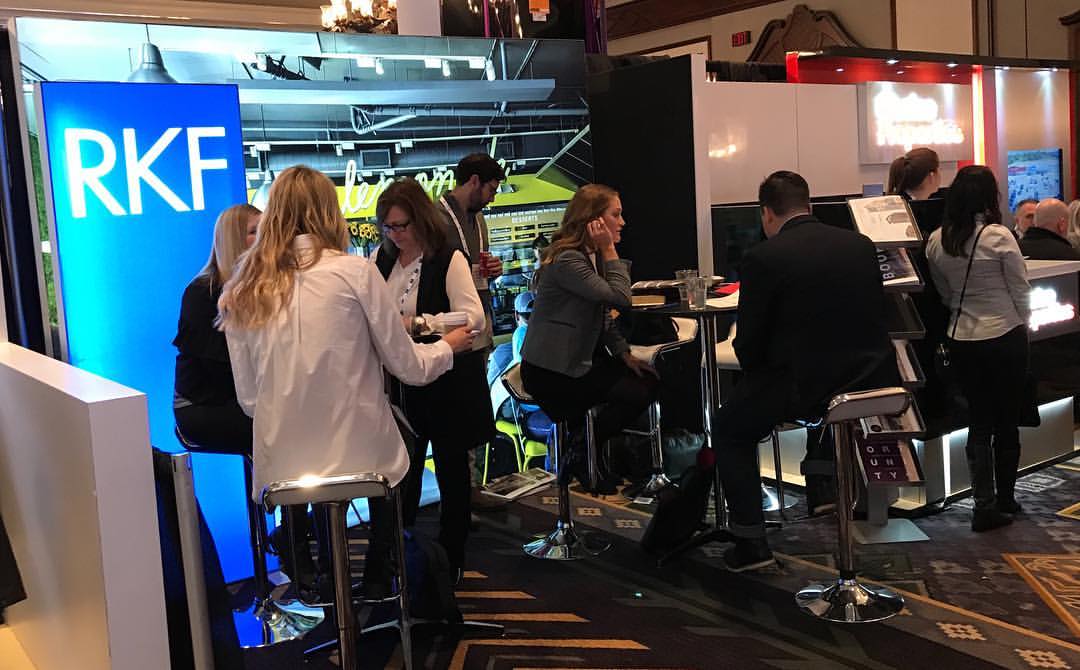
You should use current photo images in your story as neither Partners REIT nor RKF which are both shown above exhibited at Whistler in 2019.
Good point — our copy editor sought basic stock photos for the piece. Retail Insider has never been to ICSC Whistler (we need to change that) and weren’t aware of any of that, though we’re aware of some major changes at RKF.