A robust industrial real estate market has pushed vacancy rates in major Canadian markets to such low levels that rents are soaring across the country due to the space crunch.
It’s having a significant impact on retailers trying to meet the demand in their stores, and more particularly, in the growing ecommerce sector of the business.

“If you look back historically at rising rents, retailers had flexible options and the opportunity to relocate in rural areas, for example. At the end of the day, they’re trying to deliver to their store base. The ability to be in the rural markets with more readily available land, transportation available centrally and enough employees for those operations is essentially what they’re trying to achieve,” said Matt Powers, Executive Vice President, Retail & E-Commerce Distribution, JLL, based out of Chicago and formerly Walmart’s Real Estate Director in the U.S. and Puerto Rico.
“What ecommerce has done is turn things on its head,” continued Powers. “Same-day and next-day delivery are highly in demand, which necessitates being in direct proximity to the larger markets. Retailers who have traditionally been low-cost in their approach to locating real estate are now having to swallow much larger leasing costs. When you start weighing everything out, it really is the transportation and labour that are much more expensive than the real estate costs. So, if you’re able to be closer to a metro area, you’re still saving significantly on transportation, and this offsets that increased rent.”
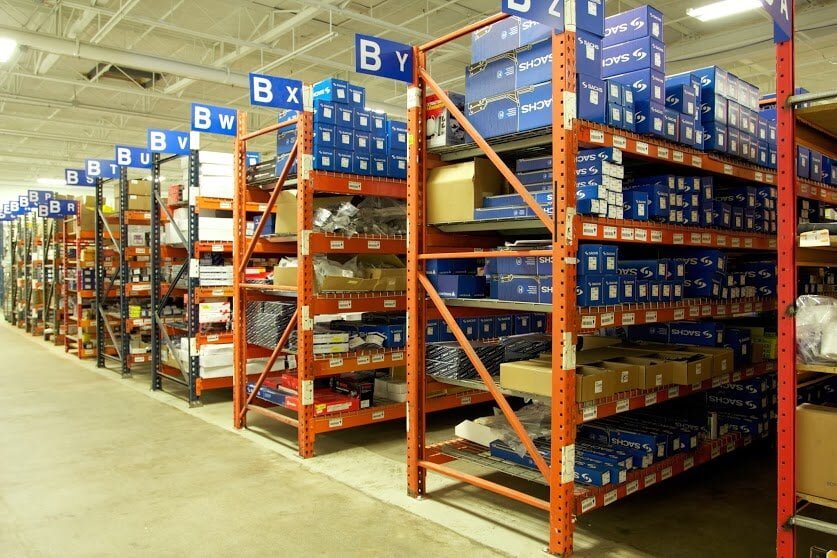
Marshall Toner, Executive Vice President and National Lead, Industrial, JLL Canada and based in Calgary, said lease rates are a small percentage of the total end costs for a distributor or retailer.

“Occupancy costs are significant but not as big of a number as people may think. We’re in a completely new era right now. Historical data is very tough to forecast with because ecommerce is a complete disruptor. Today, there’s a whole shift in philosophy and in the way retailers have been doing business in the past with the advent of ecommerce. People are working out of fulfillment centres, stores are reducing in their size, and the warehouse footprint is growing,” said Toner.
“With this whole ecommerce disruption, we just don’t know how many retailers are going to embrace it, how big it’s going to get,” added Toner. “I would say forecasting where industrial real estate’s going to go in the next three to ten years is probably going to be the biggest challenge for developers, for the retailers themselves, and for people on the brokerage side. We’re in a game-changing time with less variables to go on for forecasting than we had in the past.”
Matt Powers also said retailers are willing to stay relevant to maintain market share and spend more money to be closer to today’s consumer.
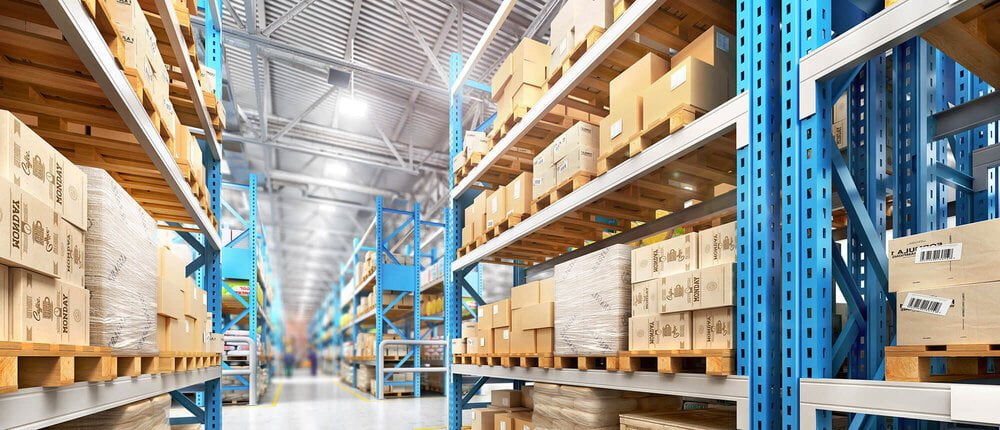
Toner added that with the increasing amount of product coming from Asia, being close to intermodal lines is becoming increasingly more significant, as well. It’s a key part of the supply chain.

“The distribution box of the past was just a box with as many doors as possible. Storage and delivery today are a much different story. When you start moving toward last-mile delivery or fulfillment centres, parking for employees becomes an important factor; so does power for material handling. That wasn’t always the issue in the standard distribution buildings of the past,” added Toner.
A recent third quarter market report by JLL said vacancy has held steady in Canada below the three per cent mark in the industrial real estate market. That has caused rents to surge 10.9 per cent above what they were a year ago. Under construction space also grew to 28.4 million square feet, up 24.5 per cent year over year.
“Tight market conditions in the overall Canadian industrial market persisted in Q3 with vacancy holding steady at 2.7 per cent,” said Thomas Forr, National Research Director, JLL Canada. In Toronto and Vancouver, the nation’s hottest markets, vacancy is below the two per cent mark. Meanwhile, Montreal joined the sub three per cent vacancy club this quarter at 2.8 per cent and Ottawa clocked in at 2.3 per cent. While the major eastern markets and Vancouver all experience sub three per cent vacancy, the Prairie markets remained more balanced with vacancy rates ranging from 4.2 in Winnipeg to 7.3 in Calgary. This mirrors the slower economic growth in the region for the past few years due to a sluggish energy sector, said the JLL report.
“Industrial real estate is a very desired commodity and a very active market segment in commercial real estate,” said Toner. “Total inventory in the Vancouver market is 320 million square feet, Toronto is 800 million square feet and Montreal is 220 million square feet.”
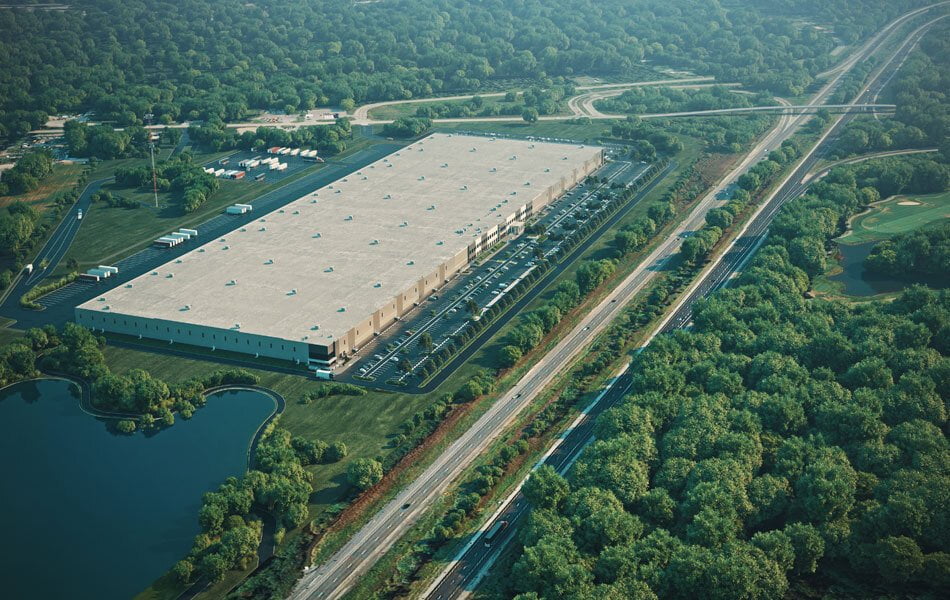
While vacancy has hovered at a cyclical low since Q1 2019, occupier growth has slowed notably over that time. Occupied industrial space grew rapidly between Q4 2017 and Q1 2019, averaging 7.8 million square feet of positive net absorption per quarter over that time. However, the past two quarters saw less than three million square feet of positive net absorption per quarter. While Toronto and Vancouver drove occupier growth through Q1 2019, these markets are now lacking vacant space to accommodate growth. Interestingly, Ottawa accounted for almost 40 per cent of occupant growth despite only accounting for 2.1 per cent of the nation’s industrial inventory. This disproportionate number was due to Amazon’s occupancy of its one million square foot distribution facility on Boundary Road.
The amount of space under construction in Canada rose to 27.7 million in the third quarter, up 22 per cent from a year ago, and a cyclical high
The report also states that ecommerce retailers accounted for 18.9 per cent of the leasing volume in Canada in the third quarter. Amazon’s one-million-square-foot deal at 6351 Steeles Ave East in Toronto helped propel this sector ahead of the pack in third quarter. Another notable Greater Toronto Area deal includes Bridgestone’s 500,000-square-foot deal at Prologis’ site in nearby Hamilton. Other deals this quarter included Diageo Canada Inc., an alcoholic beverages vendor, renewing at 825 Boulevard des Érables for 485,000 square feet in the Montreal area and McKesson Canada inking a 350,000-square-foot deal at the Panattoni Apex site in Edmonton.
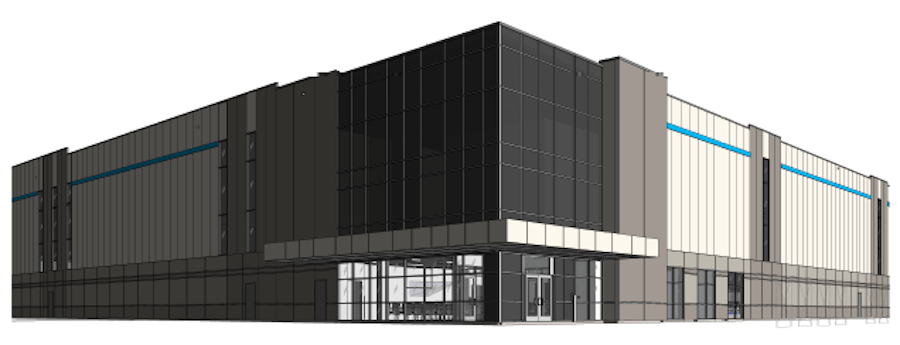
“We’re definitely seeing a healthy industrial market [in the U.S.],” said Powers. “Demand is pretty evident if you’re in New York City or on the West Coast in L.A. We’ve seen about 73.6 million square feet of new industrial completions hit the market just here in quarter three of 2019. There’s a lot of faith in what the future holds.”
Exponential growth in e-commerce and a population boom in the heart of Canada’s major urban centers has increased demand for consumers’ goods to be rapidly delivered to these cities. This sudden surge in demand is putting strain on existing warehouse supply resulting in stubbornly low vacancy rates and rapid rental rate appreciation.
The coming years will test the innovation of landlords, retailers and real estate brokers to find solutions to these challenges.