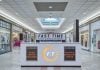
KitchenMate, a Toronto-based technology startup founded by ex-IBM, Amazon, and Google engineers, is promising Canadians a safer and more convenient way to enjoy a meal at the office without compromising their health or their wallet. CEO Yang Yu is calling the solution “a 24/7 Automated Restaurant for the modern office break room or cafeteria”.
KitchenMate’s solution is having self-serve kiosks installed throughout the facility. Each kiosk consists of a Smart Fridge, which holds up to 70 fresh meals in individually packaged tamper-proof and recyclable containers, in addition to 3 or 4 internet-connected Smart Cookers. These Smart Cookers scan unique barcodes to automatically steam-cook meals to precise temperature, creating restaurant-quality meals in around ten minutes.
The KitchenMate solution enables employees to minimize going in and out of the office while providing a healthy and safe on-site meal option. KitchenMate uses a white-glove service, bulk delivery once or twice a week, and a federally-inspected food production facility with safety standards far exceeding that of traditional food establishments. KitchenMate ensures that its product is safe, fully traceable, and of the highest possible quality.

“KitchenMate was started five years ago with a mission to provide access to high-quality meals to busy professionals, starting with where they work. While that mission hasn’t changed, our solution has turned from a great employee perk to an essential amenity.” said Yu. Today, their solution has been installed in some of the best places to work including Osler, Mazda, Staples, and many more.
In addition to safety and quality, KitchenMate also aims to lower customer costs and help the environment through reduced waste. Yang says they “recognize the challenge of food waste and heavy operating costs of traditional retailers in an unpredictable world” and “have developed proprietary AI technology to determine which recipes will sell and how to stock the fridge based on individuals’ consumption patterns at any particular location”.
Yang claims their food waste levels are three times below industry average, helping them keep costs low for customers while helping the environment through less waste in the supply chain.

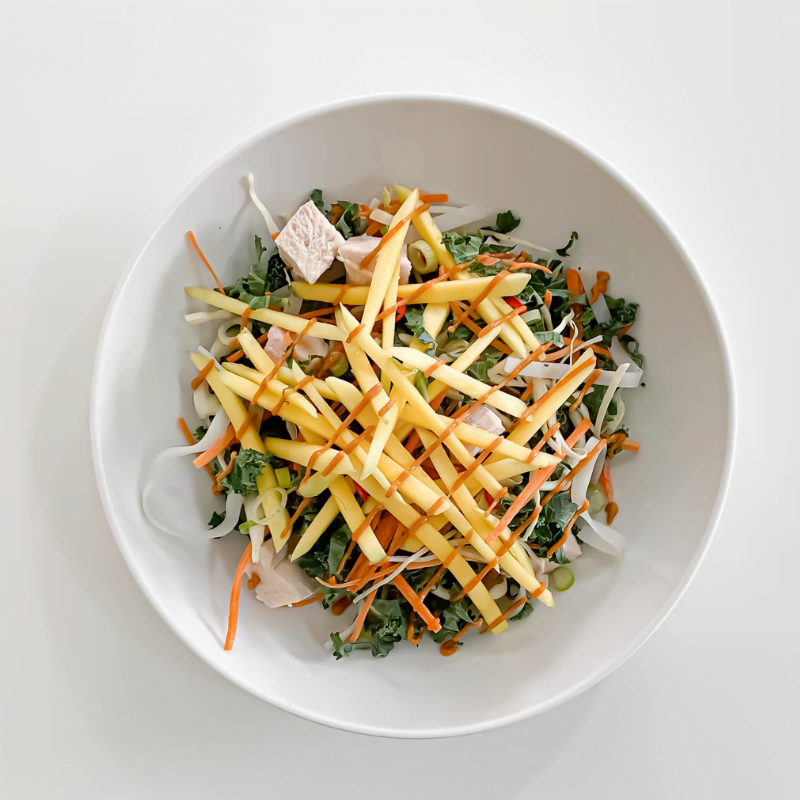
KITCHENMATE SALAD. PHOTO: KITCHENMATE 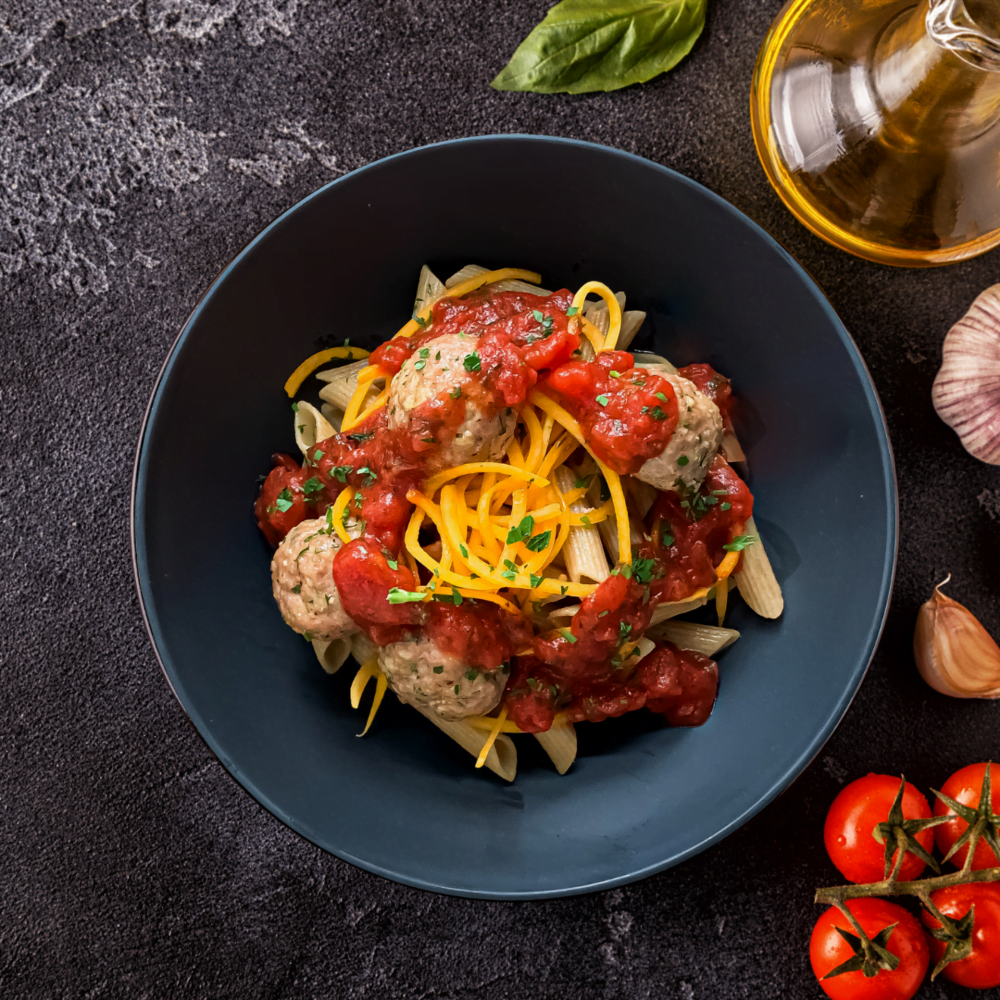
KITCHENMATE TURKEY MEATBALLS MEAL. PHOTO: KITCHENMATE
KitchenMate has also developed an iOS and Android App which works as a remote control for both the Smart Fridge and Smart Cookers. Without so much as leaving their desks, workers can see what dishes are available in the fridge and view detailed ingredient information, complete nutrition facts and reviews from other colleagues. It also warns of allergies and intolerances based on customers’ unique dietary profiles. With over 50 different dishes and new ones added every few weeks, Yang says “there is definitely something for everyone”. Customers can grab a meal from the fridge whenever they want, and are billed automatically through the app.
Companies can also support staff by providing customized subsidies based on meal time or cuisine type to promote positive and healthy company culture. “Before KitchenMate and the pandemic, our associates would use the cafeteria for quick snacks and small meals, go out for breakfast or lunch and sometimes bring in shared treats for the team. Since COVID, all of this has slowed down quite a bit as we’ve shut down our cafeteria and implemented social distancing in our lunchroom. Having KitchenMate has been a really good subsidized option for all of our staff, including our overnight shift. The service is convenient with very good and healthy options,” according to the fulfillment centre manager of Staples Canada.
The average meal price is $10 without a subsidy, but most companies subsidize prices to $8, and some go as low as $5 per meal or even free after 6pm. This encourages employees to stay on site, and provides them with rewards for their hard work during these challenging times.

JLL has recently partnered with the Toronto startup, and Sam Meer, JLL’s Integrated Portfolio Services Lead, said, “JLL and KitchenMate have partnered in an effort to support our customers’ evolving workplace and corporate strategies. JLL acts as an integrator for solutions that support the workplace, and our embrace of technology to solve problems in the real estate space has conditioned us to look for technology solutions that remove friction and improve the speed and quality of service to the workforce.”
Lee Jackson, JLL’s Vice President of Retail Business Development and a food and beverage industry veteran added, “KitchenMate has been installed in our offices at 22 Adelaide St. West and has been a welcome addition. Employees are able to order meals from the comfort of an individual workspace and enjoy a restaurant-quality meal without leaving the bubble of the office space. We firmly believe that KitchenMate can be part of a food ecosystem that employers and employees can rely on to deliver choice, safety, and quality to keep employees nourished and engaged.”
As schools and offices reopen, everyone is wondering about the new normal and whether their safety will be compromised when returning to shared spaces. According to the Equiem 2020 Global Office Tenant Report, 60% of offices won’t return until “it feels safe”.
Landlords are implementing better air ventilation and filtration systems, ramping up cleaning services, and installing automatic door openers, new seating plans and hand sanitizing stations. However, as more people come back to the office, it becomes increasingly difficult to maintain social distancing. Some of the main bottlenecks are lobby areas and elevators which are used by office staff, delivery drivers and clients, especially during rush hours like lunchtime.
Many employers are encouraging their employees to bring food from home, adding to their workload and to the fatigue of cooking every meal at home for the past few months. Workers used to quickly grabbing a bite from a cafeteria will now find their options limited as low foot traffic and safety concerns have shuttered many restaurants.
However, while public spaces continue to operate at reduced capacity and work-from-home policies hold strong, is it a bad time for a company like KitchenMate to look at expanding?
Sam Meer doesn’t think so, noting “KitchenMate offers a warm welcome back for employees who are gradually returning in a phased approach and need to make the most of their time in the office. KitchenMate provides a delicious, convenient, safe and cost-effective option to stay nourished. No elevators, no PATH line-ups and no wasted time. KitchenMate won’t be THE reason your employees elect to come back to the office, but once they come, it will be a big part of them staying longer and having something to look forward to. The tech interface, variety and food is amazing – you have to try it.”
For more information and to book a demo, they can be contacted at KitchenMate@am.jll.com.