

By Jared Gordon, co-founder of Faculty of Change
Last week’s news of Mastermind Toys entering creditor protection caught many off guard. It serves as a stark reminder of a fundamental truth in today’s retail landscape: impeccable execution of the traditional playbook is no longer a guarantee of success.
In 2022, Sarah Jordan, Mastermind’s former CEO, described their strategy as “reimagining the ways we meet our customers – whether in-store, at curbside, or online.” The company successfully launched initiatives like a digital loyalty program and created engaging editorial content. They did everything the typical consultants would recommend. So, why did they struggle?

Some early analyses point to over-expansion or private equity ownership as the culprits. But the core problem is a decaying relevance and significance. By focusing on the customer experience, the traditional playbook falls short of meeting deeper consumer desires for transformation.
What does that mean? Businesses often focus on their own transformation, neglecting the transformative journey of their customers. Why do people buy high-end kitchen appliances, athletic apparel, or cosmetics? These products don’t just fulfill a need; they transform the buyer into someone they aspire to be — a better chef, a fitter individual, a more confident persona.
Leaders in these industries, like Wolf, Lululemon and Sephora, pair exceptional execution with a deep understanding of these fundamental human needs.
Truly enabling personal transformation requires an intimate understanding of your customers’ lived experience, unmet needs, and how your products can facilitate this journey.
Moreover, maintaining a clear perspective on market evolution is crucial. The journey towards facilitating personal transformation is not a sprint. It’s a marathon, requiring a vision of the market’s future landscape you will be evolving into.
Is the traditional value proposition of toys still relevant? Early indicators suggest a shift. Consider CAMP, the U.S. toy chain, billing themselves as “Family Experience Centers.” Their locations offer immersive theater spaces and party venues alongside traditional retail. Their focus on facilitating family connections and value-sharing is a step beyond mere transactional exchanges.
Their LA store is currently featuring a Bluey experience that allows families to play the games in real life that the characters play in the show and interact with Bluey’s world.
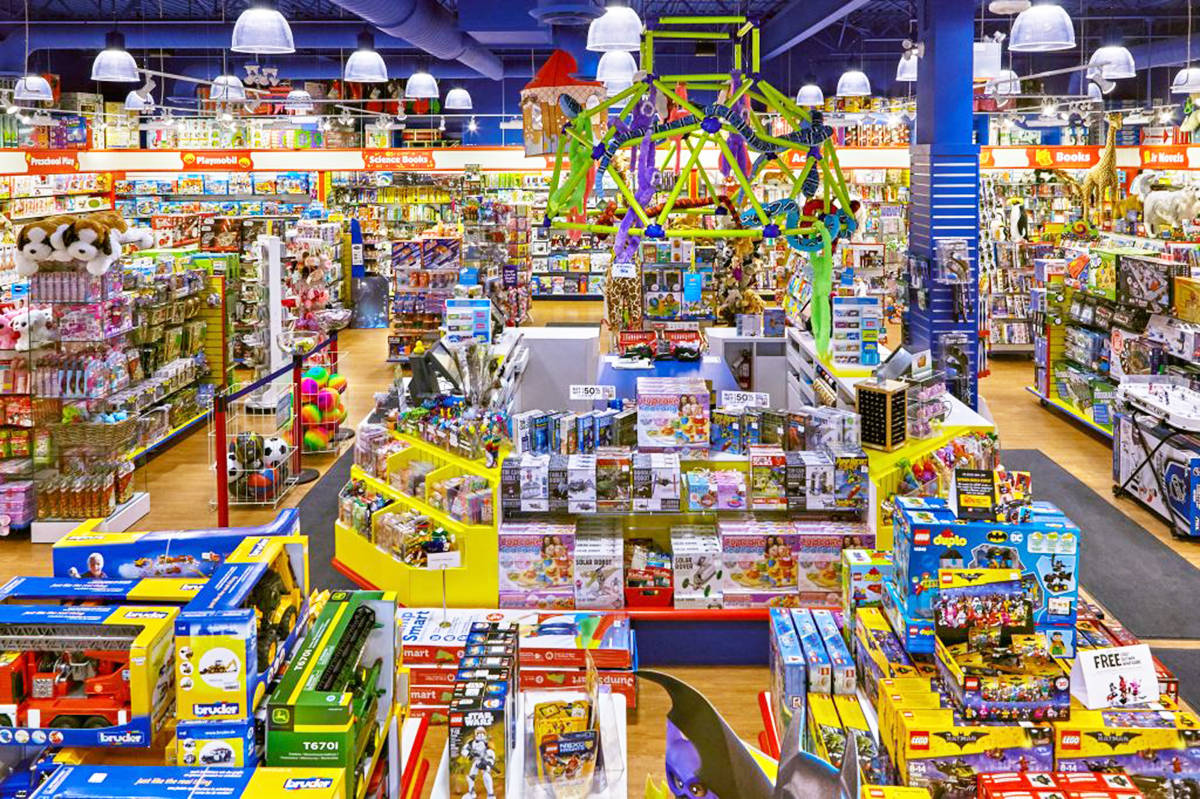
CAMP believes that toys and games are fun, but they are at their best when they create connections. This connection can be between gifter and recipient, or between those playing together. Toys are also about sharing values. Do you look for organic materials in your toys? Avoid toy guns? These are all subconscious transmission of values. Selling toys on the way out turns the Bluey stuffie from a toy to a souvenir of their transformation.
In an era of tightened consumer spending, people still invest in experiences that resonate with their values. Look at the price of Taylor Swift tickets. The competition for toys isn’t just other toys, but experiences like concerts and immersive events. The toy market in Canada is valued at $2.9 billion, overshadowed by the $4.6 billion in-person entertainment sector.
Remember FAO Schwartz? It wasn’t just about the toys; it was about the memorable experiences.
I’m not saying Mastermind’s future is to catch up with CAMP, or that forging new connections through theatrical experiences is the answer for toys in general. Only that if they want to not only survive, but thrive, Mastermind needs to find a bigger reason for being. They need to discover and focus on the kinds of transformation that matter most to their customers and marketplace.
At Faculty of Change, we call this ‘going evergreen’ — finding and conquering new markets for real growth by serving bigger needs, rather than merely vying for a larger share of the existing one. It is the only proven method for lasting growth.
The situation with Mastermind Toys is disheartening, especially as the holiday season approaches. Yet, creditor protection isn’t the end. Many companies emerge stronger post-crisis. Here’s to hoping Mastermind Toys’ leadership pivots towards creating more transformative experiences, rather than just selling products. Such a shift would be the first step in going evergreen and ensuring the company’s future.
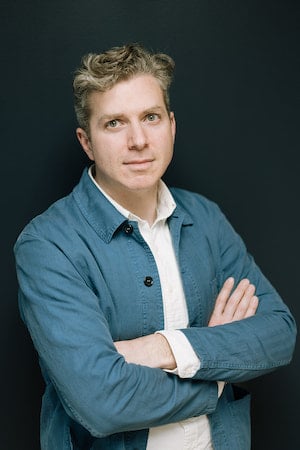
Jared Gordon is one of the founders of Faculty of Change. He and their team work with established retailers to go evergreen and uncover new sources of growth.


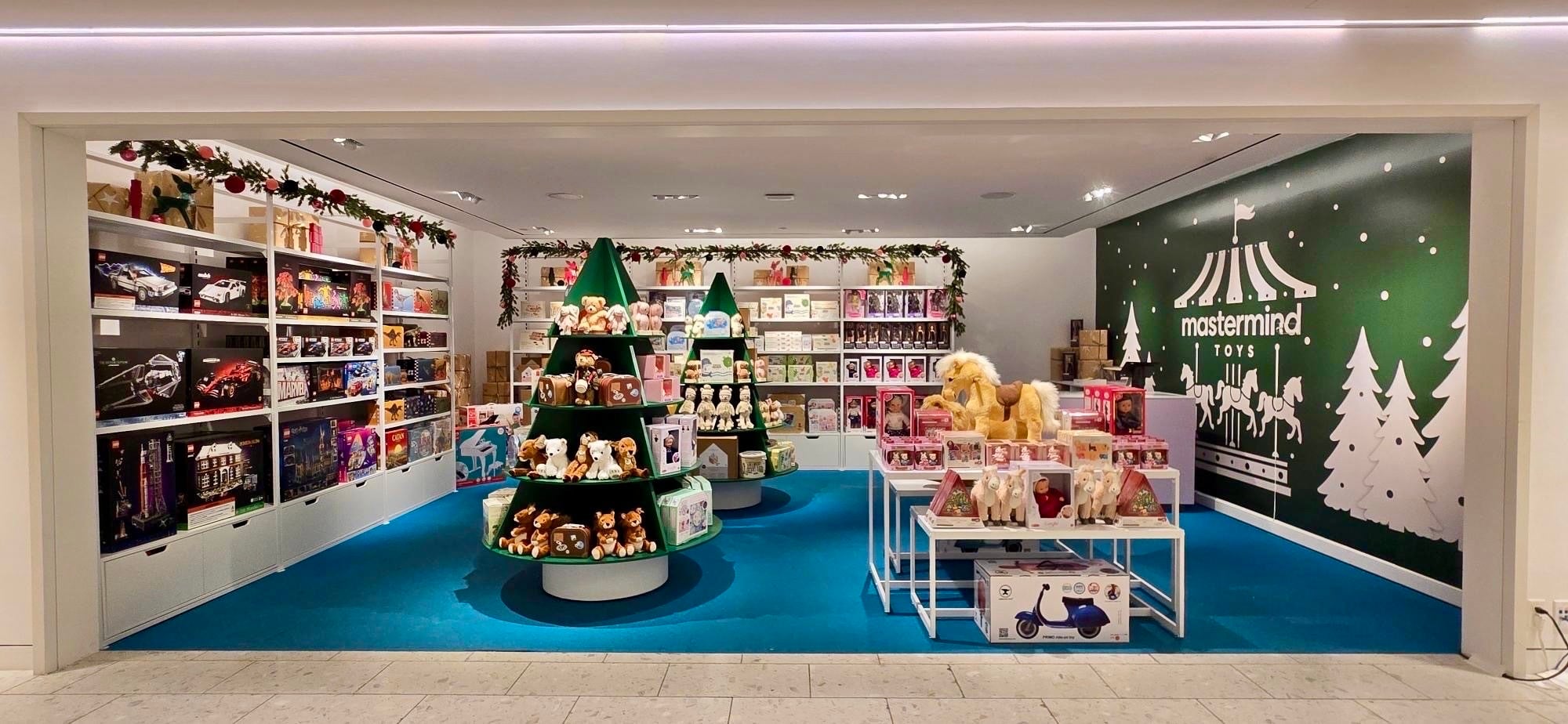




I think Toys “R” Us in Canada should pay very close attention. Could be either an acquisition opportunity or a stark reminder which I have been saying for years that their (Toys “R” Us) experiential model in store is dying, antiquated and lacks any semblance of innovation.