For over two decades, This Is J has been a proud example of Canadian entrepreneurship—small, independent, and entirely locally produced. Founded in 2003 by Jaimie Harris, the Toronto-based brand has evolved from a university side hustle into a well-loved sleepwear and loungewear company, renowned for its ultra-soft, Canadian-made Bamboo Jammers. But as the brand marks its 22th anniversary, a new challenge looms: the impact of proposed U.S. tariffs on Canadian goods.
With the growing complexity of global trade and rising production costs, Harris remains steadfast in her commitment to keeping This Is J’s production in Canada, despite the financial pressures.

“I hope that we don’t get lost in the shuffle of this trade war,” says Harris. “Small businesses have been able to grow because of trade policies that have allowed us to thrive. To take that away is going to be a big setback.”
From Halifax to Toronto: The Birth of This Is J
Like many great entrepreneurial stories, This Is J started with a simple need. While studying in Halifax, Harris designed her own headbands to keep her hair out of her face. One day, while shopping, a store owner asked if she sold them. “I said yes,” Harris recalls with a laugh, “even though I didn’t at the time.” That moment sparked the beginning of a business that would later expand into loungewear and sleepwear, built around the idea of blending fashion with function.
“Back then, you either wore sweatpants or work clothes—there was no in-between,” says Harris. “I wanted something that felt like a second skin but still looked good.”
Commitment to Local Production
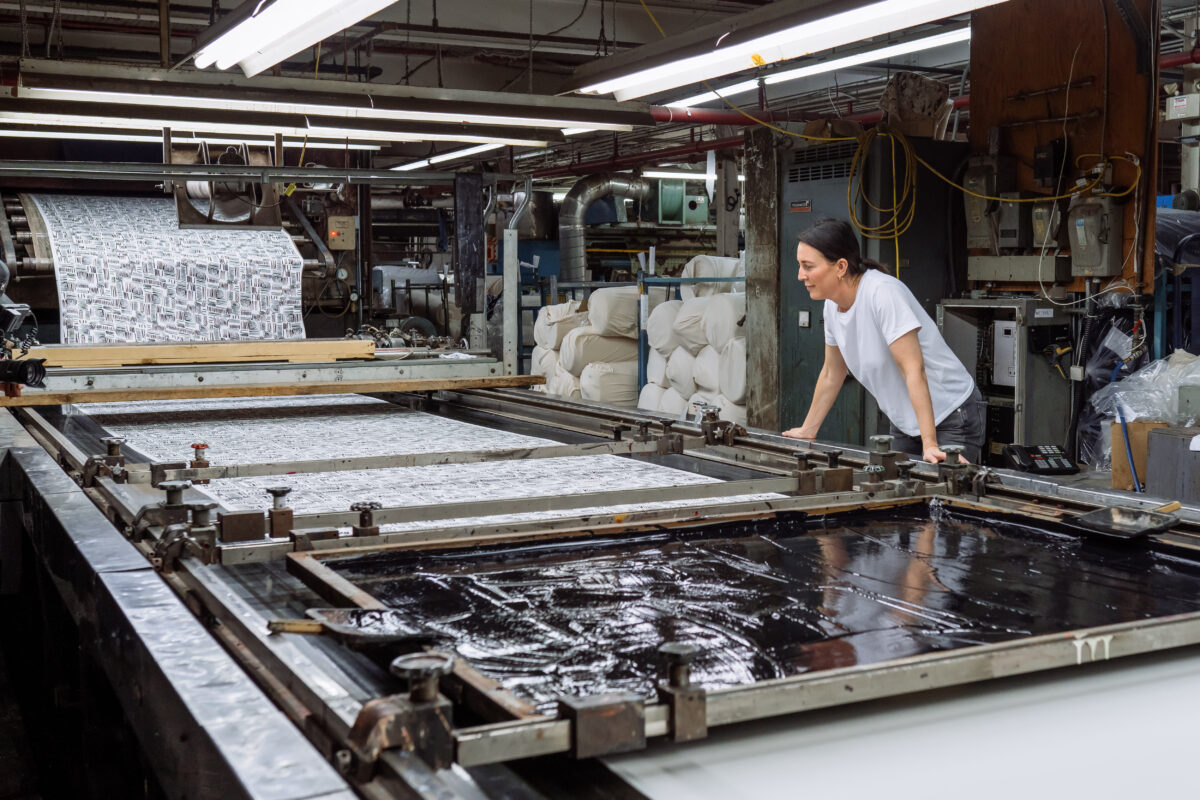
From the start, Harris was determined to manufacture in Canada, despite the challenges. She worked closely with mills in Montreal and Toronto to develop the ultra-soft fabric that would define Bamboo Jammers, a line that has now become a customer favourite.
“Our fabric is moisture-wicking, super soft, and can go straight into the washer and dryer,” says Harris. “It took years to develop something this high quality, and we’ve stuck with the same mill for a long time. They believed in our vision.”
Beyond textiles, Harris ensures that everything from the labels to the packaging is made in Canada. “Our entire supply chain is hyper-local,” she says. “It’s not always the easiest or the cheapest way, but it’s the right way for us.”
The COVID Shift: From Retail to E-Commerce
Before the pandemic, This Is J operated through a mix of e-commerce and retail partnerships, with wholesale orders making up a significant portion of business. But when COVID-19 hit, every single wholesale order was canceled within 48 hours.
“It was terrifying,” says Harris. “We went from holding a few hundred thousand dollars in deliverables to having zero dollars to collect.”
Rather than panic, Harris pivoted. The company launched an online sample sale—a biannual event that typically took place in person—to clear excess inventory. “We sold out in hours,” she says. “It was a lightbulb moment. People were craving comfort, and we provided that.”
Since then, 95% of This Is J’s business has shifted online, allowing the brand to scale in ways that wouldn’t have been possible in traditional retail. “We were already set up for e-commerce, so it was just a matter of changing how we sold,” Harris explains.
Navigating the Threat of Tariffs
With Donald Trump’s proposed 25% tariff on Canadian imports, This Is J now faces another major hurdle.
“Since 2015, the de minimis exemption allowed small parcels under $800 to pass into the U.S. without extra duties,” Harris explains. “That made it much easier for Canadian e-commerce businesses to grow. Now, with a 25% tariff, it could completely change our U.S. expansion plans.”
Though the U.S. makes up only 5-10% of This Is J’s orders, Harris knows that many Canadian brands rely on American consumers for survival. “Some brands do 85% of their business in the U.S. This could be devastating for them,” she says.
The uncertainty is the hardest part. “We don’t even know if there will be exemptions for small businesses,” she says. “We have to brace for every possibility.”
The Canadian Spirit: Support & Resilience
Despite these challenges, Harris remains optimistic. Following Trump’s tariff announcement, she sent a heartfelt email to her customers, expressing gratitude for their support:
“Your messages, social media tags, and shared love for what we do reminded us of something essential: resilience, kindness, and looking out for each other—that’s the Canadian way.”
The response was overwhelming. “People reached out saying, ‘We’ve got your back,’” Harris says. “It reminded me why we do this.”
Looking Ahead: The Future of Canadian Manufacturing
With manufacturing in Canada facing rising costs and external pressures, does Harris see a future for Canadian-made fashion?
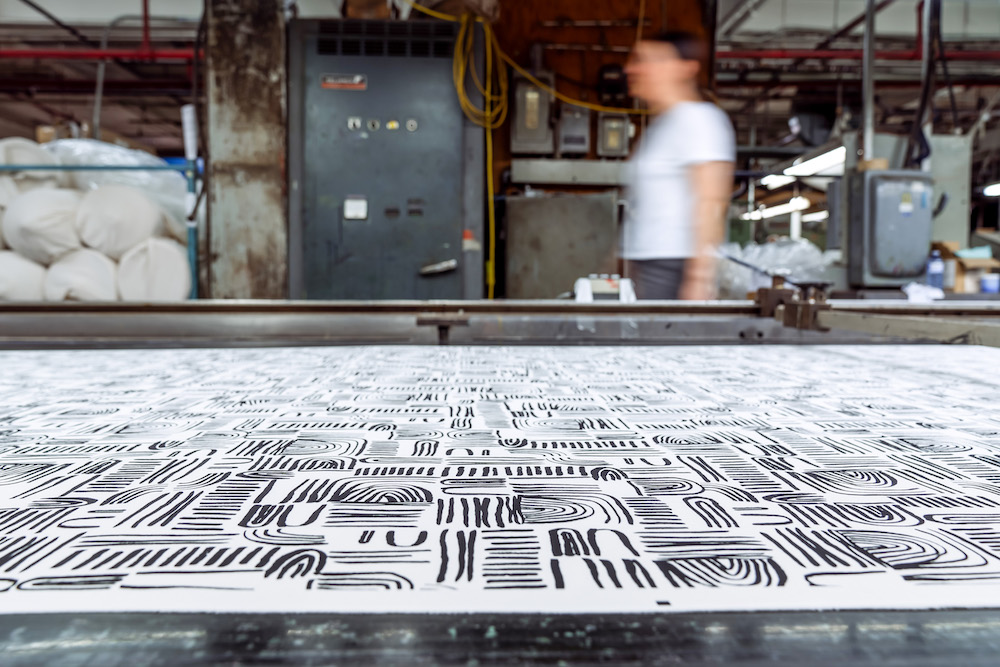
“I think we’re at a turning point,” she says. “The cost gap between Canadian-made and overseas manufacturing is closing. Even fast-fashion prices are going up. That means the value of buying local is clearer than ever.”
She also believes consumer habits are shifting. “There’s a renewed sense of patriotism. Canadians want to support local brands, especially after seeing the political rhetoric from the U.S. It’s an opportunity for brands like ours to stand out.”
Ultimately, Harris’s commitment to quality, ethics, and sustainability keeps her focused. “We’re not the cheapest pajamas on the market, but we are one of the best,” she says. “And that’s why our customers keep coming back.”
As the future of U.S.-Canada trade remains uncertain, one thing is clear: This Is J isn’t backing down. “We’re proudly Canadian, and nothing will change that.”