Odd Burger Corporation has made some strategic moves it says are designed to strengthen the company’s operating model, enhance liquidity, and support long-term growth across its franchise network.
“As part of the Company’s strategy to improve efficiency and position the Company for future growth, Odd Burger is transitioning away from operating its in-house manufacturing facility, previously managed by its wholly owned subsidiary, Preposterous Foods,” said Odd Burger in a news release.
“Effective December 1st, the Company will begin shifting to an asset-light, outsourced manufacturing model supported by established food manufacturers and innovation-driven suppliers. This model enables Odd Burger to benefit from greater production efficiency, enhanced product consistency, and access to a broader pipeline of innovation — while eliminating the capital intensity associated with running its own facility.
“The decision follows a comprehensive assessment of the Preposterous Foods facility, which has equipment nearing the end of its useful life, limited space to support future production scale, and a lease term that ended on November 30th, 2025. Rather than reinvesting significant capital into a facility that could not meet the Company’s growth trajectory, Odd Burger is electing to transition to outsourced production through experienced co-manufacturers and leading industry suppliers.
“By partnering with external food technology companies, Odd Burger will be able to leverage advanced production capabilities and outsource research and development to innovators in the plant-based space. This approach allows the Company to bring new products to market more quickly across its restaurant network, while benefiting from improved consistency, potential reductions in cost of goods sold, and access to an expanded innovation pipeline.”
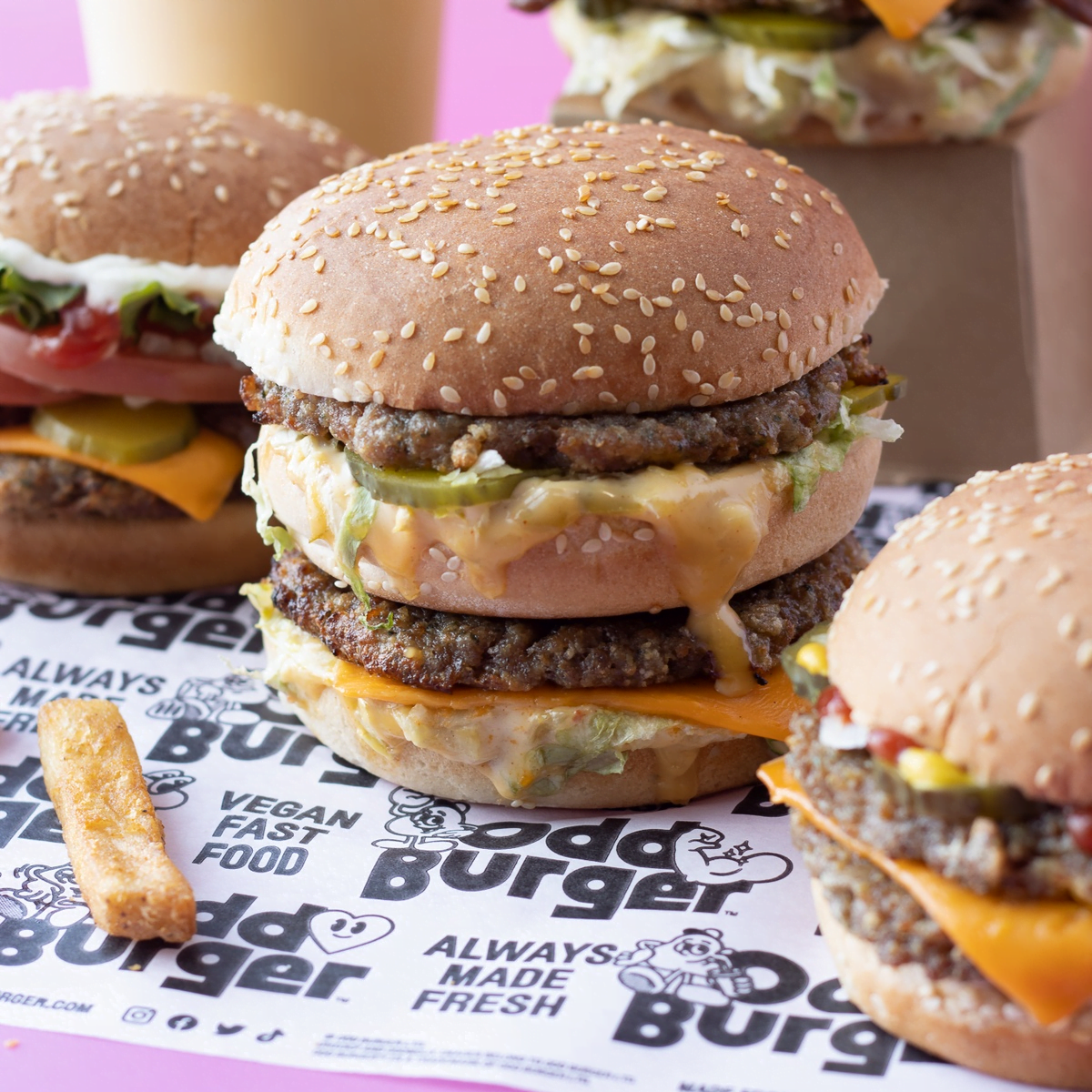
In October 2025, Odd Burger said it conducted a successful trial of a grilled chickUn burger made with Swap Foods’ plant-based chicken protein. Swap Foods is widely regarded as a leader in the plant-based space, and customer feedback on the new product has been overwhelmingly positive, it said, adding that the results of this trial gave Odd Burger’s operations team strong confidence that transitioning to external suppliers would significantly enhance the company’s menu offering and help drive increased sales across the system.
The transition of Preposterous Foods products to external suppliers will commence in the coming weeks, with new products introduced gradually to ensure a seamless supply chain shift with no disruption to restaurant operations, it said.
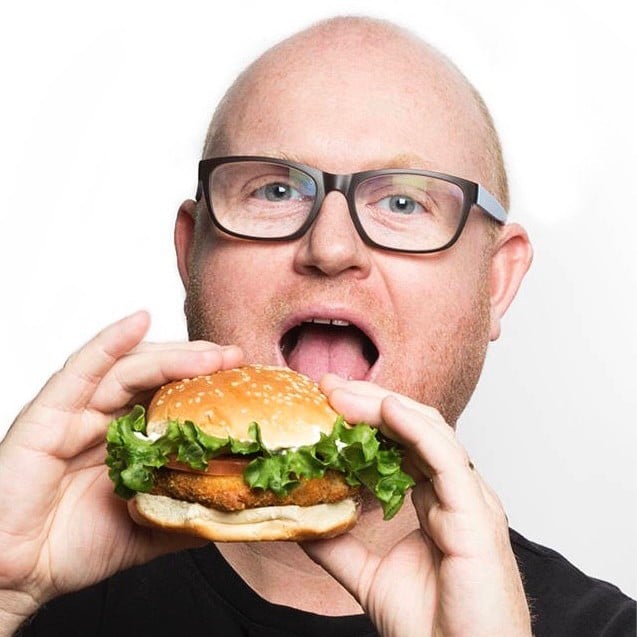
“Our transition to external suppliers marks a major step forward in shaping the future of Odd Burger,” said James McInnes, CEO and Co-Founder of Odd Burger. “By partnering with leading food technology companies, we are transforming Odd Burger restaurants into a true hub for innovation–creating a platform where collaboration can thrive and breakthrough products can reach customers much faster.
“This approach empowers us to expand our menu, push the boundaries of plant-based cuisine, and unlock a new level of consistency and scalability across our system. We’re building not just a restaurant brand, but an innovation ecosystem designed for the next decade of growth, creativity, and global impact.”
Odd Burger said it will intensify its focus on franchise success by investing in operational training, menu consistency, marketing support, and scalable systems that drive strong store-level performance. As part of this effort, the company plans to collaborate with established plant-based brands and leverage their marketing networks to further increase awareness and expand the reach of the Odd Burger brand, it explained.
“Demand from prospective franchise partners continues, and the Company remains committed to expanding its footprint with a disciplined, strategic approach. Odd Burger is also pleased to confirm the upcoming opening of its new Woodbridge, Ontario location. Construction at this location is substantially complete, and the final municipal permits are now in the closing stages. Once finalized, the restaurant will proceed into its final pre-opening preparations,” it said.
“With the transition to a distributed manufacturing supply chain, the Company is also revisiting its plans to expand into the United States. Previously, exporting products from the Preposterous Foods facility in Canada posed logistical and tariff-related challenges. By leveraging external manufacturing partners, Odd Burger now has increased sourcing flexibility and reduced tariff uncertainty, creating a far more scalable and sustainable foundation for potential U.S. market entry,” said Odd Burger.
“As part of its broader shift to an asset-light operating model, Odd Burger is evaluating opportunities to unlock liquidity and strengthen its balance sheet through both traditional and non-traditional capital strategies. This includes the potential monetization of non-core assets — such as production-related equipment no longer required under the co-manufacturing model and the sale of select underperforming corporate restaurant locations. The goal is to strengthen the Company’s balance sheet and reinvest proceeds to produce an alternative revenue stream for the Company. The Company plans to leverage the extensive capital markets experience of its CEO and key stakeholders to effectively deploy this strategy.”
More from Retail Insider: